INTERNACIONAL
US military base at Diego Garcia thrown back into uncertainty amid Chagos deal turmoil

NEWYou can now listen to Fox News articles!
The Chagos Islands deal fell into disarray Wednesday amid conflicting U.K. government messages about whether ratification was paused for talks with the United States over the strategic Indian Ocean military base Diego Garcia.
Foreign Office Minister Hamish Falconer had told members of Parliament that ratification of the deal to cede the islands to Mauritius had been paused while discussions with Washington continued.
A U.K. government spokesperson later denied there was any formal suspension of the process, insisting no deadline had ever been set and reiterating that Britain would not move forward without American backing.
«We are continuing discussions with the U.S., and we have been clear we will not proceed without their support,» the spokesperson said, Reuters reported.
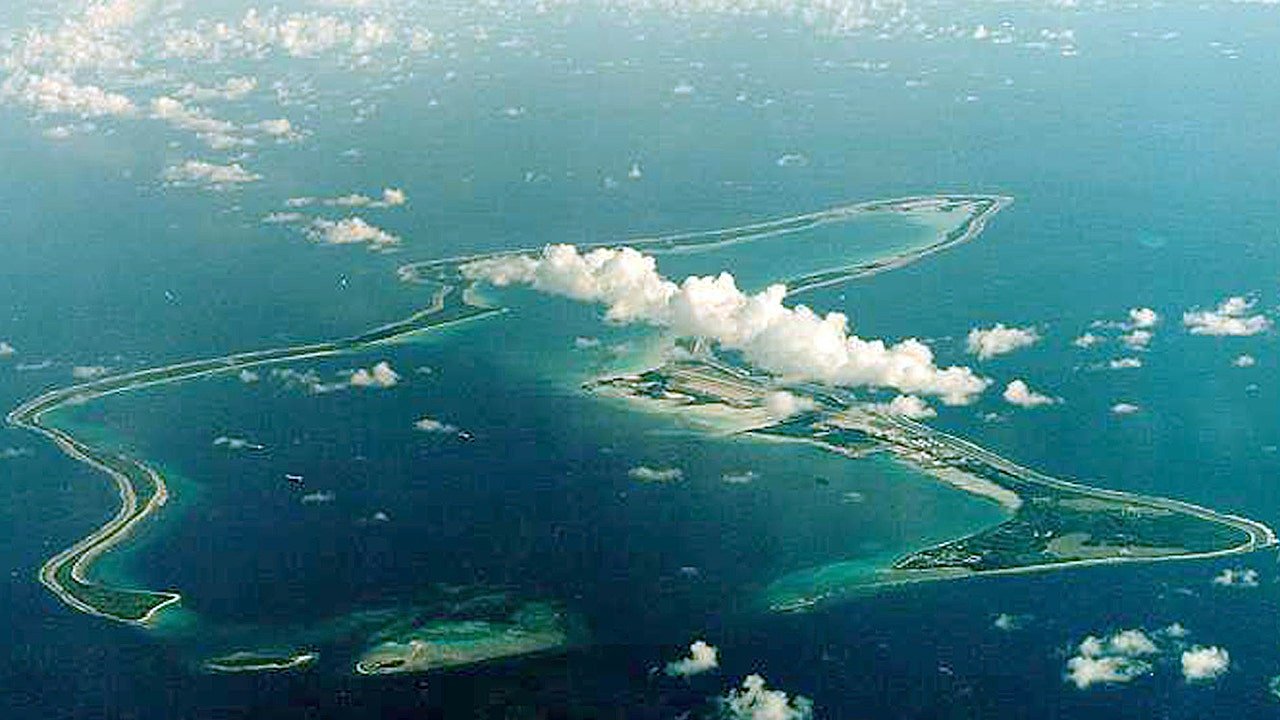
Diego Garcia in the Chagos Islands is a strategic Indian Ocean military base hosting 2,500 U.S. personnel. (Reuters)
The confusion saw critics claim the deal reveals weaknesses that could affect Western security amid heightened tensions.
«The U.S. saw this first-hand when the U.K. alerted Mauritius to an impending operation against Iran — an alert Mauritius then protested,» Robert Midgley, spokesperson for Friends of the British Overseas Territories, told Fox News Digital.
«This is what prompted President [Donald] Trump’s statement,» Midgley said, after Trump publicly criticized the deal despite having initially supported it.
Trump had reignited the controversy Feb. 18 in a post on Truth Social, urging Prime Minister Keir Starmer to abandon the agreement.
«DO NOT GIVE AWAY DIEGO GARCIA!» Trump wrote, calling the deal a «big mistake» and placing additional strain on transatlantic negotiations.
STARMER SENDS UK STRIKE GROUP TO ARCTIC, CITES RISING RUSSIA THREAT AS TRUMP PUSHES GREENLAND DEAL
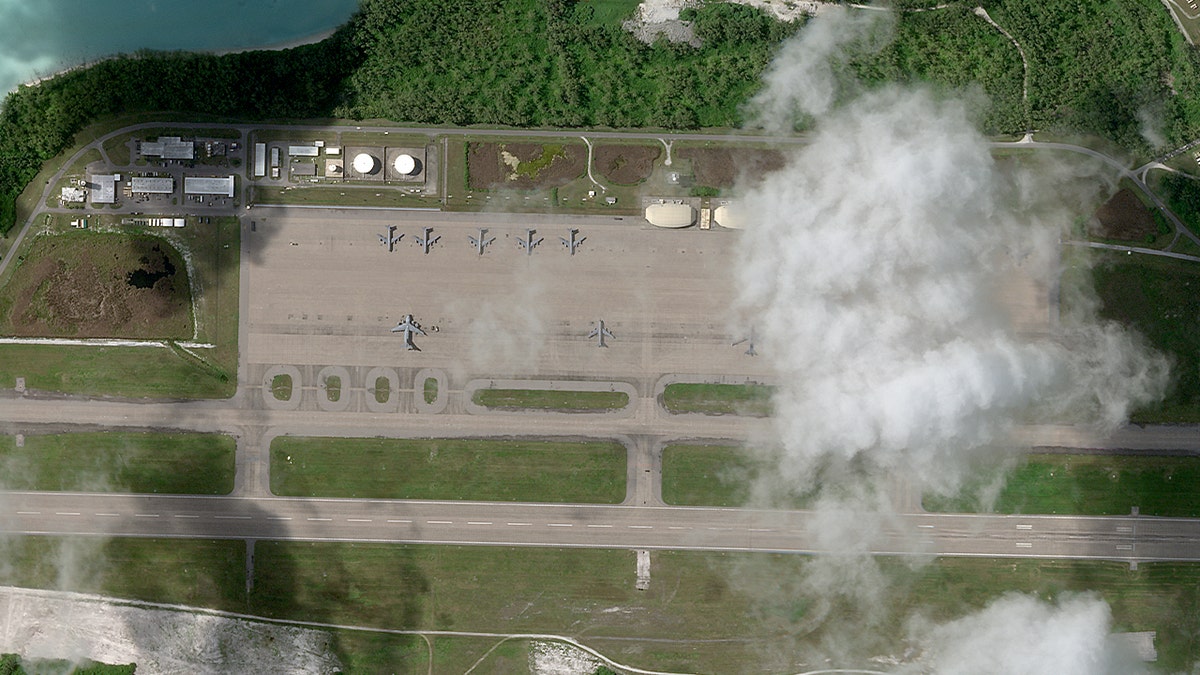
The agreement would see Britain cede sovereignty of the Indian Ocean archipelago to Mauritius while securing a 99-year lease over Diego Garcia, the strategically vital island that hosts a major joint U.S.-U.K. military base. (Planet Labs PBC)
Midgley argued the deal should be «withdrawn» in line with Trump’s wishes.
«The U.K. government should now go one step further and withdraw the bill from Parliament and find an alternative solution,» he said.
«Ministers have inadvertently exposed that the deal has no legal basis and risks creating a more insecure world in the face of states like China and Iran,» he added.
The agreement, struck last year, would see Britain cede sovereignty of the Indian Ocean archipelago to Mauritius while securing a 99-year lease over Diego Garcia, the strategically vital island that hosts a major joint U.S.-U.K. military base.
The base plays a central role in operations across the Middle East, Africa and the Indo-Pacific, meaning the proposal has faced mounting political pressure on both sides of the Atlantic.
TRUMP SIGNALS WILLINGNESS TO DEFEND DIEGO GARCIA MILITARY BASE IF FUTURE DEAL THREATENS US ACCESS

President Trump has urged the United Kingdom to not give away Diego Garcia. (Reuters Photos)
The legislation is currently before the House of Lords, where objections have been raised. No date has yet been set for a debate or vote, further adding to the uncertainty.
Midgley urged Washington to continue to resist the agreement and back Britain in retaining control of the territory.
CLICK HERE TO DOWNLOAD THE FOX NEWS APP
«The U.S. should stand firm, continue to reject the deal, and support the U.K. in asserting sovereignty to help preserve the future of Western security,» he warned.
Fox News Digital has reached out to the UK government for comment.
Related Article
uk politics,donald trump,geopolitics,military,us navy









NEWYou can now listen to Fox News articles!
Legal experts and commentators toed a careful line Wednesday in responding to President Donald Trump’s State of the Union address, with many using the moment to weigh in on the broader legal and political climate itself, rather than Trump’s actual remarks.
Some of the biggest moments of Trump’s address included his response to the Supreme Court’s 6–3 ruling that invalidated his use of a 1977 emergency law to impose tariffs on most U.S. trading partners, as well as his administration’s crackdown on violent crime in major U.S. cities, among other things.
«This is the golden age of America,» Trump proclaimed Tuesday night. «And you’ve seen nothing yet. We’re going to do better, and better, and better.»
Trump struck a notably measured tone in responding to the Supreme Court’s tariff ruling during the State of the Union, briefly describing the 6–3 majority decision as «unfortunate» before pivoting to highlight the 10% import fees his administration had announced shortly after the high court’s ruling under Section 122 of the U.S. Trade Act of 1974.
«Countries that were ripping us off for decades are now paying us hundreds of billions of dollars,» Trump said of the tariffs, which he previously described as «life or death» for the nation’s economy.
Four of the nine Supreme Court justices present for the State of the Union, including Chief Justice John Roberts, Justice Elena Kagan and Justice Amy Coney Barrett, who had ruled against Trump’s use of IEEPA to enact his tariffs. ( Chip Somodevilla/Getty Images)
«The good news is that almost all countries and corporations want to keep the deal that they already made» with the U.S., Trump said Tuesday night, «knowing that the legal power that I as president have to make a new deal could be far worse for them.»
«Therefore, they will continue to work along the same successful path that we had negotiated before the Supreme Court’s unfortunate involvement,» he added.
Four of the nine Supreme Court justices present for the State of the Union, including Chief Justice John Roberts, Justice Elena Kagan and Justice Amy Coney Barrett, who had ruled against Trump’s use of the International Emergency Economic Powers Act, or IEEPA, to unilaterally enact his tariffs.
Trump’s comments marked a shift from his more abrasive tone in the immediate aftermath of the tariff decision, when he said the high court was «incompetent» and that the majority should be «absolutely ashamed» of themselves «for not having the courage to do what’s right for our country.»
TRUMP TAKES DIRECT SOTU SWIPE AT DEMOCRATS OVER TAXES: ‘TO HURT THE PEOPLE’
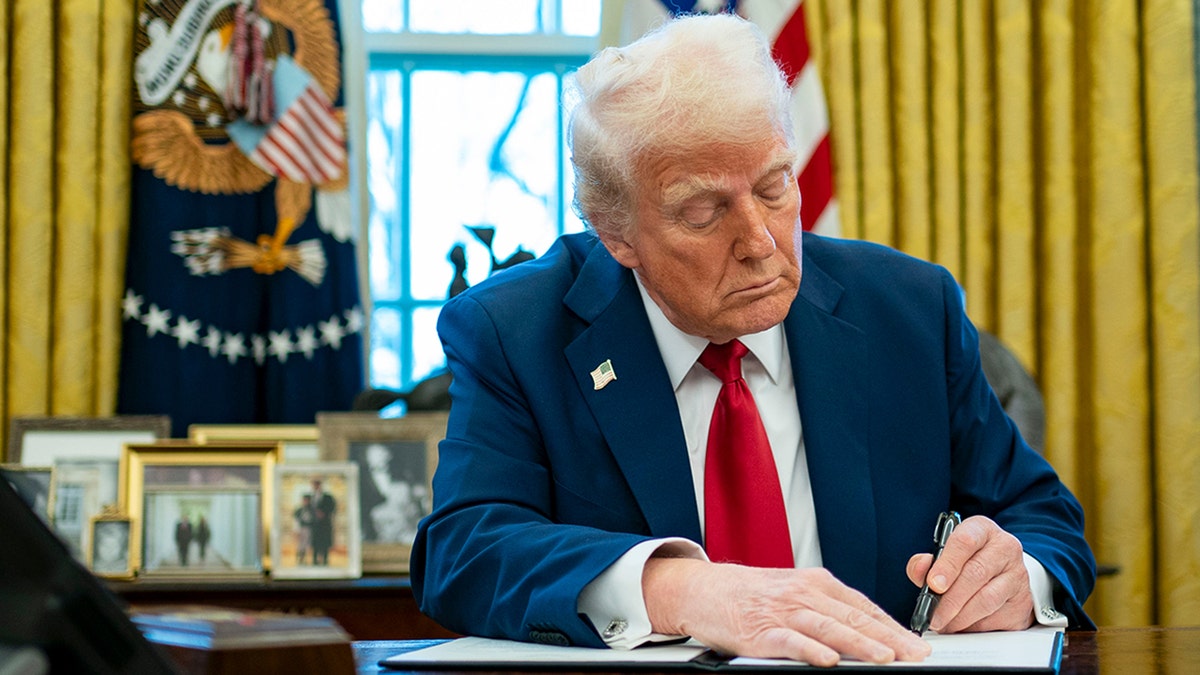
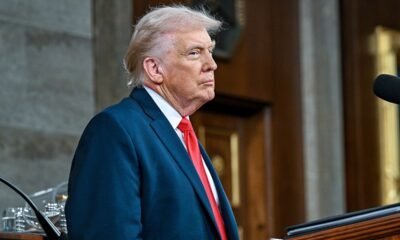
Legal experts and commentators toed a careful line Wednesday in responding to President Donald Trump’s State of the Union address. (Bonnie Cash/UPI/Bloomberg via Getty Images)
Trump’s remarks during the State of the Union were a nod to his new tariffs he invoked under Section 122, or a statute that allows a sitting president to impose sweeping tariffs for up to 150 days in response to either large or serious U.S. «balance-of-payments deficits,» or in response to situations that pose «fundamental international payments problems» for the U.S. Congress can extend them once the 150-day period ends.
But some experts have questioned the legality of using Section 122 to invoke the broad global tariffs — signaling what could be more legal challenges to come.
Gita Gopinath, Harvard economics professor and former senior International Monetary Fund official, noted on social media: «As long as there is plenty of demand for US debt and equities, which is the case, the US does not have a ‘payments’ problem. It can finance its trade deficits easily.»
«The first thing to note is that the statute does not apply to the current US international payments position,» the Peterson Institute’s Kimberly Clausing and Maurice Obstfeld said Monday. «Indeed, the president’s own lawyers argued in the IEEPA case that Section 122 was no substitute for IEEPA, since balance of payment deficits are conceptually distinct from the current account and trade deficits that Trump has characterized as an emergency.»
Separately, Senate Minority Leader Chuck Schumer, D-N.Y., vowed that his caucus would not approve Trump’s bid to extend tariffs beyond the 150-day period.
«We will not extend those tariffs,» Schumer declared, urging Republicans to join Democrats in blocking them.
Schumer linked the tariffs to higher costs of groceries, cars, and homes.
«Americans are suffering, because (Trump) is raising tariffs,» Schumer said.
Trump also used his remarks to tout the significant drop-off in violent crime during his first year back in the White House, reiterating his administration’s claim that the U.S. murder rate dropped to its lowest point in 125 years in 2025.
FROM GRIEF TO GOLD MEDALS, TRUMP’S SOTU GUEST LIST TELLS A BIGGER STORY
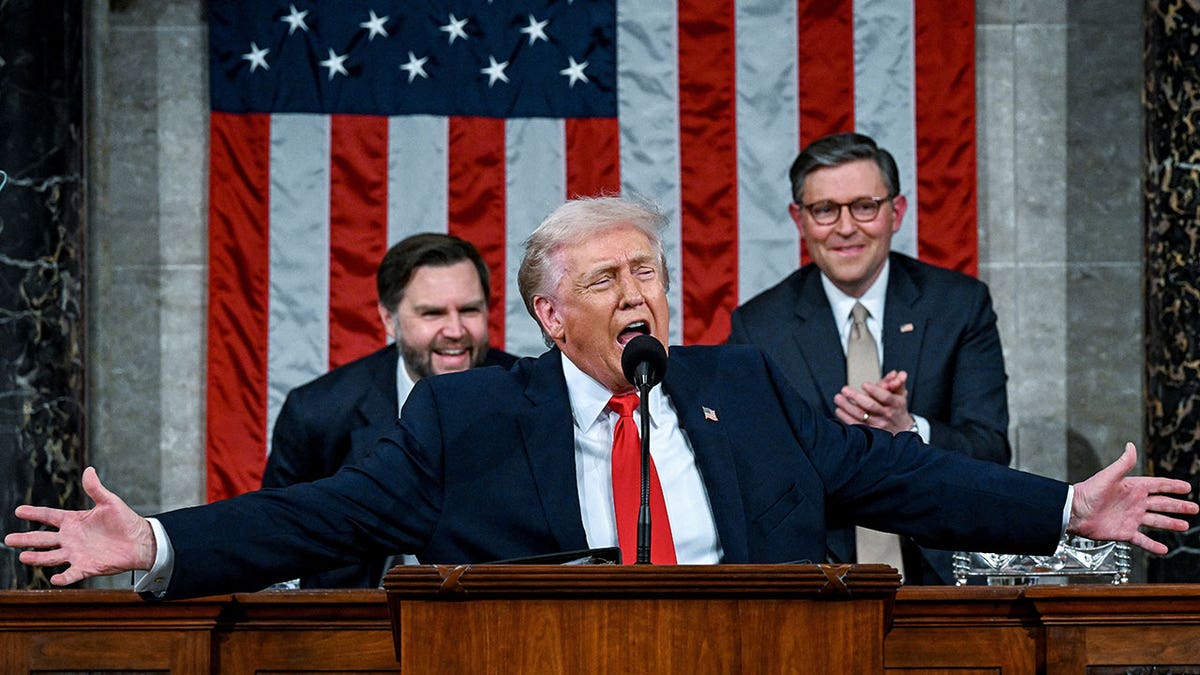
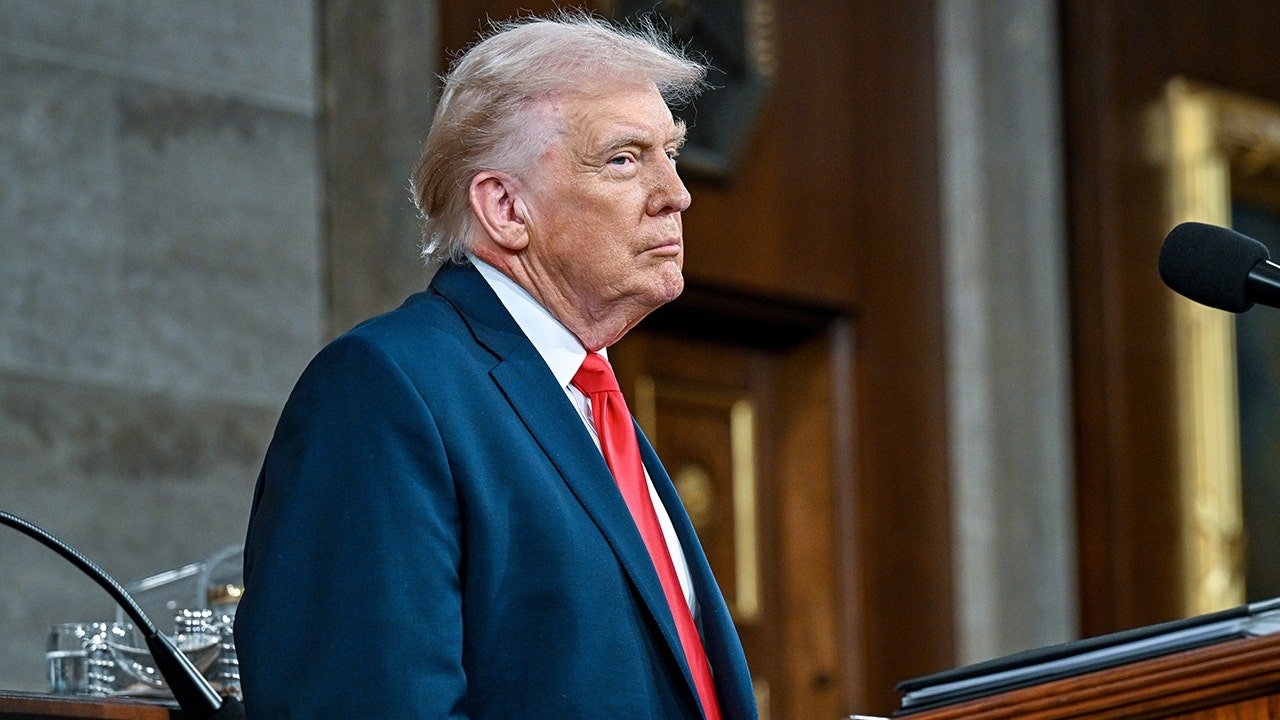
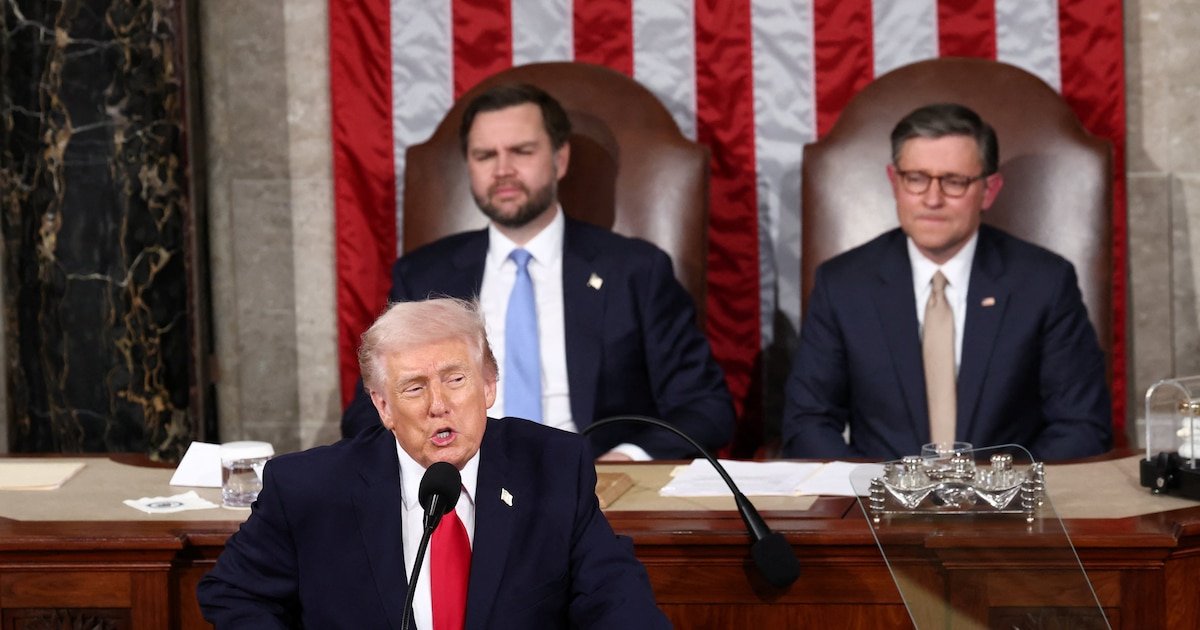
President Donald J. Trump delivers the first State of the Union address of his second term to a joint session of Congress. (Kenny Holston /Pool via Reuters)
White House press secretary Karoline Leavitt previously pointed Fox News Digital and other outlets to recent data from the Council on Criminal Justice that she said shows that Trump is «delivering overwhelmingly on his promise» to restore law and order in the U.S.
«A study from the Council on Criminal Justice shows that the murder rate across America’s largest cities plummeted in 2025 to its lowest level since at least 1900,» Leavitt told reporters. «Let me repeat to put this in perspective, this marks the largest single-year drop in murders in recorded history.»
Nationwide homicide data released later in 2026 could show killings in 2025 falling to roughly 4.0 per 100,000 residents – the lowest rate ever recorded in law enforcement or public health data dating back to 1900 and the largest single-year percentage drop on record.
CLICK HERE TO GET THE FOX NEWS APP
Reactions to the speech — and Trump’s policies — vary, but the president did win some praise from across the aisle.
«As a voter, I may not like him. I may find his long form exhausting. But when he speaks, he never wavers from American exceptionalism,» Michael Ceraso, a Democratic strategist with a background in speechwriting, told Fox News Digital.
«I see someone protecting our cities against those he deems a threat to democracy, revving up the economy, managing global partners, and defeating terrorism.
Fox News Digital’s Charlie Creitz, Emma Colton and Michael Ruiz contributed to this report.
Related Article
donald trump,politics,supreme court,national security,economy,congress
INTERNACIONAL
Iran’s supreme leader runs ‘state within a state’ through secret 4,000-person network, report says
NEWYou can now listen to Fox News articles!
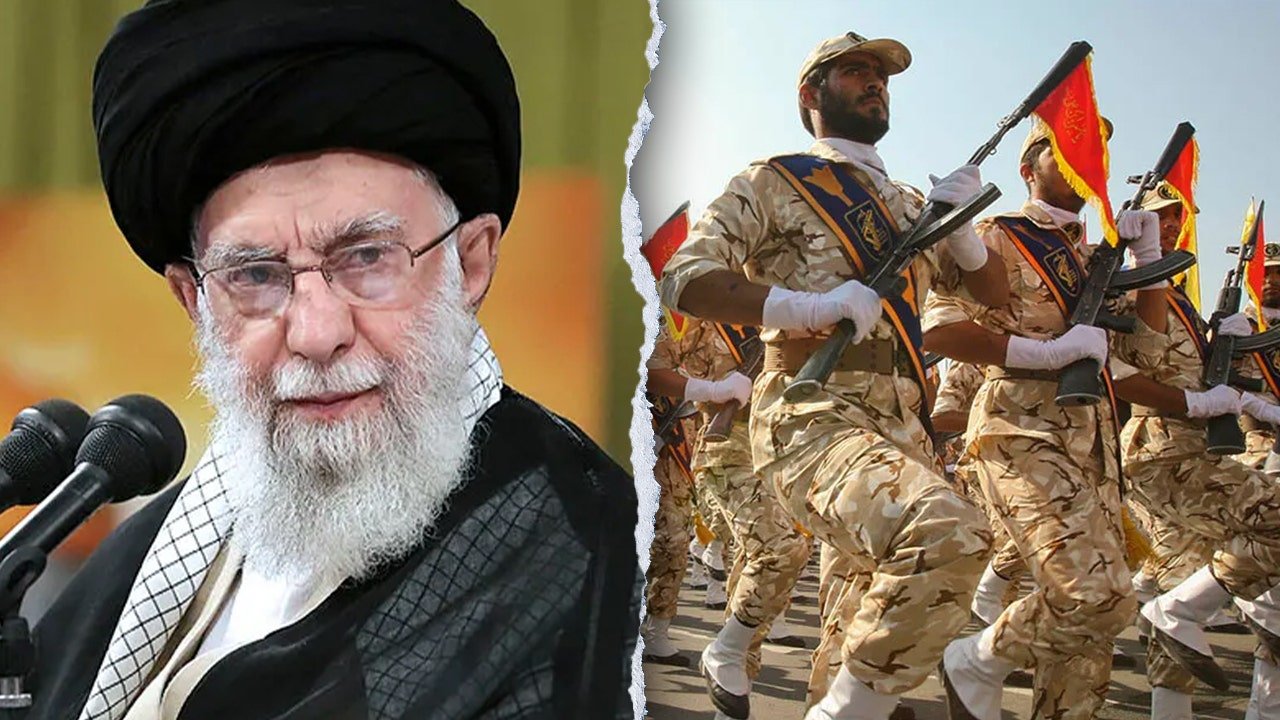
FIRST ON FOX: A new report detailing the inner workings of Ayatollah Ali Khamenei’s office says the Islamic Republic’s real command structure lies not in Iran’s visible government, but in a shadow apparatus designed to preserve regime control even if the supreme leader himself disappears from public view.
The report, Unmasking the Bayt: Inside the Supreme Leader’s Office, published by United Against Nuclear Iran (UANI) and authored by Saeid Golkar and Kasra Aarabi, describes the Bayt, the Office of the Supreme Leader, as a vast institutional network embedded across Iran’s military, economy, religious institutions and state bureaucracy.
«It is the hidden nerve center of the regime in Iran… it operates as a state within a state,» Aarabi said in an interview with Fox News Digital.
Iranian Supreme Leader Ali Hosseini Khamenei meets with Islamic Republic of Iran Air Force commanders and Islamic Republic of Iran Air Defense Force officers at the Imam Khomeini Husayniyya in Tehran, Iran on Feb. 05, 2024. ((Photo by Iranian Leader Press Office / Handout /Anadolu via Getty Images))
According to Aarabi, the system allows Khamenei to oversee and influence decision-making at every level of the Islamic Republic, including nuclear policy, war planning and internal security.
«This is what gives Khamenei absolute control. It’s not the visible state, this is the invisible state,» he said.
The report estimates roughly 4,000 people operate inside the Bayt’s core structure, with tens of thousands more working through affiliated institutions across the country.
«There’s around 4,000 close employees… think of them as commissars… the real policymakers,» Aarabi said. «Beyond that, the Bayt’s umbrella has 40,000 individuals working for it… entrenched at every single layer of policy, every single state entity.»
The report maps a tightly controlled inner circle at the top of the Bayt, including Khamenei’s sons, particularly Mojtaba Khamenei, who is described as operating like a «mini-supreme leader» within his father’s office.
It details how the structure reaches directly into Iran’s military chain of command, with senior promotions requiring approval from the Supreme Leader’s office and parallel counterintelligence bodies monitoring loyalty across the armed forces. The Bayt, the report says, also plays a decisive role in nuclear negotiations and wartime decision-making, ensuring ultimate authority remains concentrated around the supreme leader.
The network, Aarabi said, effectively duplicates state ministries inside Khamenei’s office, allowing direct oversight and ideological enforcement across government agencies, universities and cultural institutions.
TRUMP ISSUES STERN IRAN WARNING AS TEHRAN ANGRILY REACTS TO SPEECH AMID MUTED WORLD REACTION
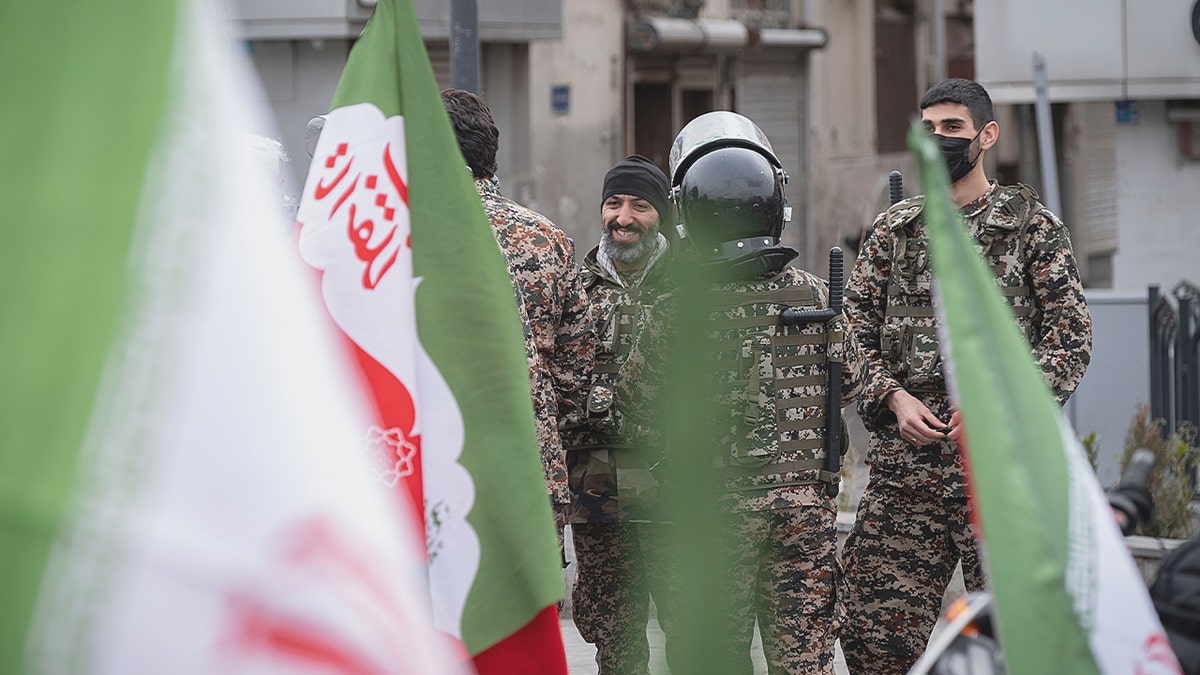
Military members of the Islamic Revolutionary Guard Corps (IRGC) in western Tehran, Iran (Morteza Nikoubazl/NurPhoto via Getty Images)
The report also outlines how the Bayt sustains regime durability through control of the economy, religious institutions and the education system. Networks of foundations and conglomerates tied to the supreme leader oversee major sectors of Iran’s economy, while clerical institutions, universities and cultural bodies are monitored by embedded representatives tasked with enforcing ideological compliance and suppressing dissent.
«Think of the Bayt as the nucleus of the core power of the regime,» Aarabi said.
The findings come amid renewed speculation about Khamenei’s health and reduced public visibility, as well as growing regional tensions and the possibility of military confrontation involving Iran.
Aarabi pushed back on suggestions that Khamenei’s absence from public appearances signals weakening authority or internal fragmentation.
«We saw this during the 12-day war… even if he is hiding in a bunker, he is in full control. The Bayt has been tightening Khamenei’s grip on power,» he said.
The structure, he argued, was deliberately built to function even without the supreme leader physically present.
«Even if he is eliminated, the Bayt as an institution enables the supreme leader to function,» Aarabi said. «Think of the supreme leader as an institution rather than just a single individual.»
The report places the Bayt at the top of Iran’s power hierarchy, above the Islamic Revolutionary Guard Corps and the formal government.
PRESIDENT TRUMP’S IRAN WARNING IS SERIOUS — BUT AMERICANS NEED THE FULL FACTS
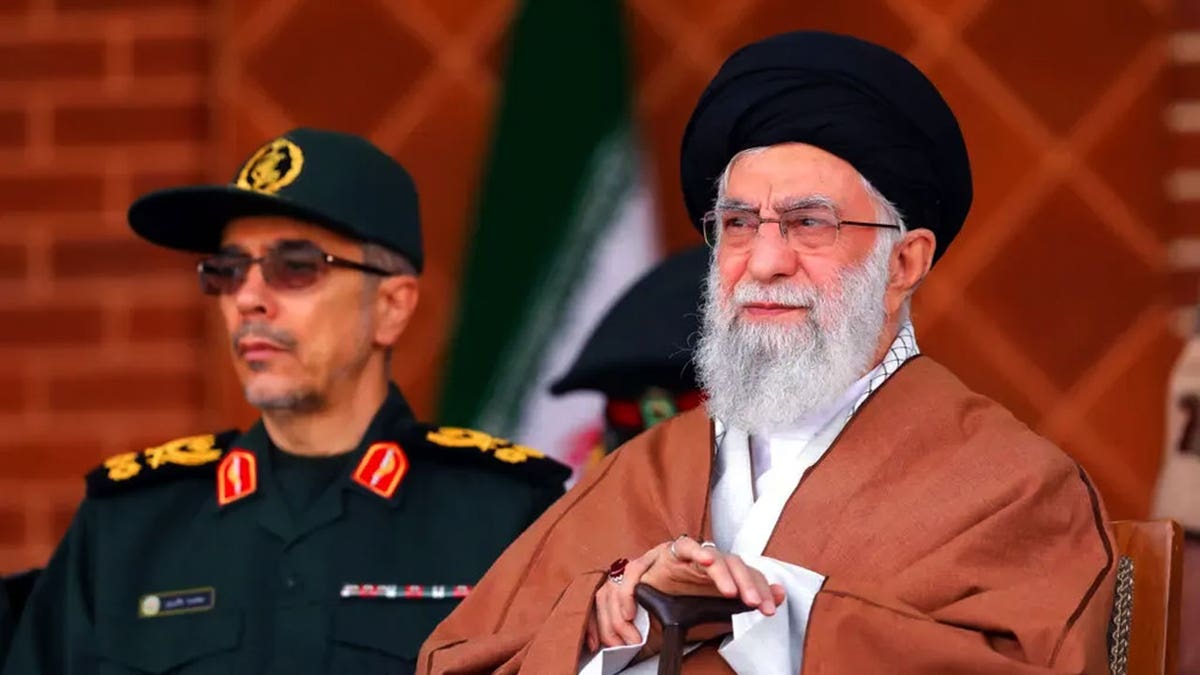
Iran’s Supreme Leader, Ayatollah Ali Khamenei pictured sitting next to senior military official in Iran. (Getty Images)
«The Bayt is the core apparatus… the strategic policymaking body that is driving the ballistic missile program, the nuclear program, [and] regional destabilization,» Aarabi said.
The implications, he added, are significant for policymakers in Washington and across the region, particularly as the U.S. weighs options for confronting Iran’s nuclear program and regional activities.
«Eliminating Khamenei in isolation on its own is not enough… you have to dismantle this extensive apparatus that he has created,» Aarabi said.
Instead, any effort to weaken the regime would require targeting the broader institutional structure surrounding the supreme leader, not just the individual at its center.
CLICK HERE TO DOWNLOAD THE FOX NEWS APP
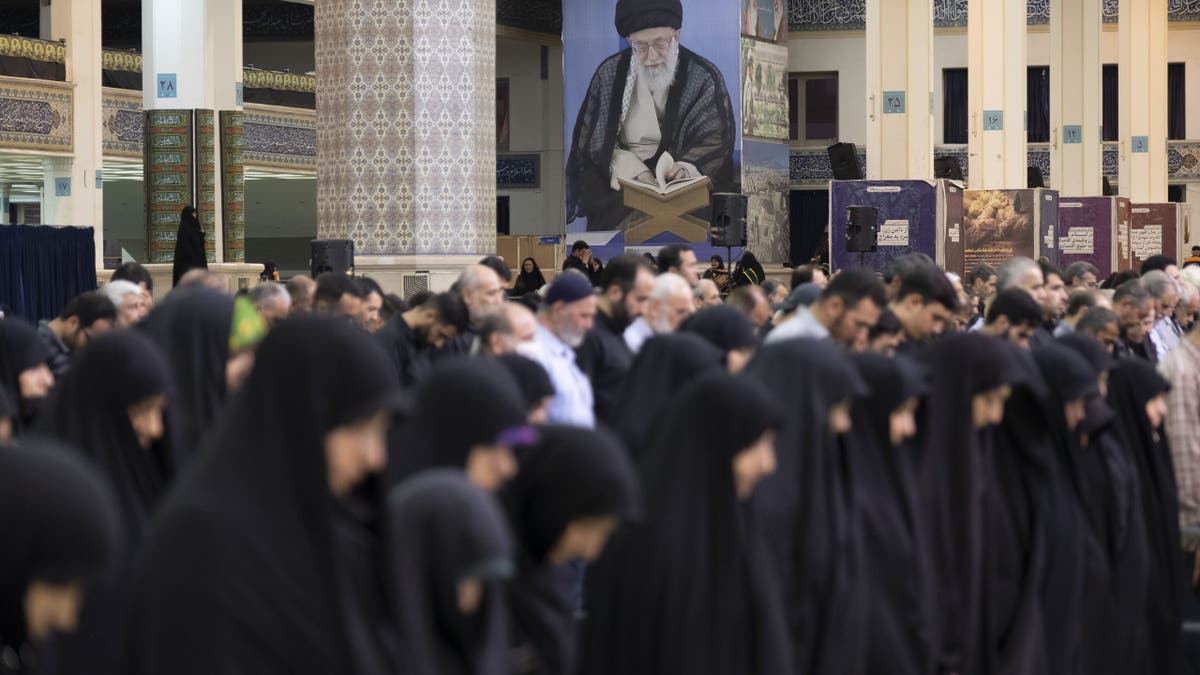
Iranian worshippers are praying under a banner featuring a giant portrait of Iran’s Supreme Leader, Ayatollah Ali Khamenei, during a ceremony commemorating assassinated Hamas Leader, Ismail Haniyeh, at the Imam Khomeini Grand Mosque in Tehran, Iran, on August 9, 2024. Ismail Haniyeh was killed in his residency in northern Tehran the day after the inauguration ceremony of Iran’s new president, Masoud Pezeshkian. (Morteza Nikoubazl/NurPhoto via Getty Images)
«It involves a comprehensive strategy… cyber operations, sanctions, [and] a military component,» he said. «For any meaningful change in Iran… you have to go after the core nucleus of power within the Islamic regime, and that is the Bayt.»
He said on reports of Khamenei being a target that, «the elimination of Khamenei alone is not enough… dismantling the extensive apparatus of the Bayt is essential,» he added.
Related Article
iran,ali khamenei,terrorism,world protests
Decir que a Trump le pierden las formas, sería el eufemismo del siglo. Ni le caracteriza la finezza que el proverbial Andreotti reclamaba para la política, ni domina el arte de la ambigüedad. Al contrario, es tosco, ruidoso y explícito, perfecto para estos tiempos de relato de impacto. En realidad, es el mejor ejemplar de “hombre fuerte” que Yuval Harari describía en su disruptivo ‘Nexus’.
Por todo ello, no puede sorprender la notoria claridad con que habló este martes ante el Capitolio en la hora y 48 minutos del discurso sobre el estado de la Unión, el SOTU más largo de la historia. Especialmente respecto a Latinoamérica, sobre la que dijo que “estamos restableciendo el dominio y la seguridad de Estados Unidos en el hemisferio occidental”. Y así, sin parpadear, la palabra “dominio” se coló en el discurso sin atisbos de sonrojo, ni ningún tipo de complejo. ¿Está Trump reeditando la doctrina Monroe, en versión 2.0? Podría parecerlo a tenor de la premisa que marcó su proclamación en 1823: cualquier intervención europea sería considerada una agresión contra Estados Unidos. Y algo de ello resonó en enero de 2026, cuando, después de la captura de Maduro, el departamento de Estado dijo literalmente “este es nuestro hemisferio. Y el presidente Trump no permitirá que nuestra seguridad sea amenazada”. En los mismos términos de “seguridad interior” se enmarca la presión a México por el fentanilo o la cacería de narcolanchas en el Caribe, la cuestión de Cuba, etcétera… De hecho, el propio Trump lo ha expresado con meridiana precisión en su discurso en el Capitolio: “Actuamos para garantizar nuestros intereses nacionales y para defender a nuestro país de la violencia, las drogas, el terrorismo y la injerencia extranjera”. Pero, ¿se trata solamente de una cuestión de seguridad, una reedición contemporánea de la vieja Monroe, o estamos ante un plan estratégico global que abarca diversos aspectos y pretende sacudir toda la región?
Esa última parece ser la opción: Trump sitúa a Latinoamérica como una prioridad en la agenda porque su proyecto Make America Great Again pasa, inexorablemente, por el dominio del hemisferio occidental. De entrada, es una región clave para los intereses económicos, tecnológicos y estratégicos de China, cuya creciente influencia lo ha convertido en un inversor devora a todos sus competidores. Desde el famoso triángulo del litio hasta la nueva ruta de la seda por el Chancay peruano, pasando por los jugosos acuerdos comerciales con Brasil, o la expansión de los BRIC, China ha convertido a América Latina en un pilar estratégico de su dominio económico, perfectamente definido en su ‘Libro Blanco sobre América Latina y el Caribe’. Y precisamente por ello, Trump considera la región como un campo de batalla para frenar dicha influencia china. Es la geopolítica desde la perspectiva económica.

Además de frenar a China y reforzar los intereses económicos norteamericanos, Estados Unidos se convierte en el motor de grandes cambios políticos que sacuden a la región y refuerzan su hegemonía. De ahí la intervención en Venezuela, la primera carta del naipe que pretende hacer caer al resto. El final del chavismo no solo representa una liberación extraordinaria de recursos energéticos y económicos, sino también de recursos humanos. Hace dos meses había colas para el pan y la leche en los barrios de Caracas, y en poco tiempo, en pleno proceso de transición, ya se percibe el enorme potencial que tendrá el país. Se ha abierto una enorme oportunidad para convertir a Venezuela en un gran hub energético que no solo nutrirá los bolsillos de los yankees, sino los de toda la región. De ahí que el experimento Venezuela sea tan importante para Trump, porque representa el éxito de su proyecto global: de la Venezuela de Maduro que convertía a Trump en un demonio, a la Venezuela de Delcy convertida en “nuestro nuevo amigo y socio”. Y con el terremoto en Venezuela, sus réplicas: Colombia, con un Petro que va a la Casa Blanca y se enamora de los “gringos francos”; Nicaragua con un Ortega que de golpe elimina el libre visado para Cuba y baja su retórica incendiaria a posiciones pragmáticas: Cuba, cuyo colapso lo llevará inevitablemente al cambio político; Guatemala, y el arancel cero para sus productos; Brasil, con un Lula que ha bajado muchos decibelios su retórica más inflamada… Y luego está México, con una Sheinbaum que, cuyo discurso político también ha sufrido una mutación pragmática, (tratado comercial mediante), al tiempo que ha aumentado su actitud de lucha contra los cárteles. En este sentido no hay duda de que a Trump le está saliendo bien la estrategia para la región en los tres terrenos, el de seguridad, el económico, y el geopolítico.
Esta es la crónica: acción militar estadounidense, captura de Maduro, y de golpe todo el mapa en movimiento. Un éxito sin paliativos. Para Estados Unidos, es el retorno del dominio en “el patio trasero”, que a su vez implica un refuerzo de su papel geopolítico. Pero, lejos de ser un dominio vampírico, puede ser simbiótico para toda la región, porque la liberación de los regímenes perversos que la han secuestrado, implicará un crecimiento económico y político de gran magnitud. América Latina vuelve a estar en el mapa y su horizonte puede ser brillante. De manera que, a pesar del antiamericanismo ambiental rampante, habrá que darle a Trump algún mérito.
X: @RaholaOficial
Web:
Instagram: pilar_rahola/
Domestic,Politics,North America,Government / Politics

El Gobierno negoció cambios a la Ley de Glaciares y confía en que logrará aprobarla este jueves en el Senado

Cuál es la estrategia detrás del bono que le permitió a Caputo conseguir dólares más baratos para pagar vencimientos de deuda

Jésica Cirio mostró la foto que confirma su nuevo novio empresario

Estudiantes venció 2-0 a Newell´s en Rosario y alcanzó la punta de la Zona A del Torneo Apertura

Un láser récord entre Tenerife y La Palma para multiplicar por 1.000 las comunicaciones

Con el aval del Senado, Milei se encamina a ser el primer presidente de la región en aprobar el acuerdo Mercosur-UE: qué implica

Jorge Macri prepara su discurso para abrir el año legislativo: el deseo de reelección y el espejo en Bukele

Daiana Fernández Molero defendió la reforma laboral: “Va a haber mayor creación de empleo porque va a ser más fácil contratar en blanco”

Uno por uno, todos los famosos que saludaron a Mirtha Legrand por sus 99 años

“Nos hacemos cargo”: Patricia Bullrich admitió un error del Gobierno en la inclusión del artículo de las licencias médicas

 POLITICA22 horas ago
Jorge Macri prepara su discurso para abrir el año legislativo: el deseo de reelección y el espejo en Bukele
- POLITICA2 días ago
Daiana Fernández Molero defendió la reforma laboral: “Va a haber mayor creación de empleo porque va a ser más fácil contratar en blanco”
- CHIMENTOS2 días ago
Uno por uno, todos los famosos que saludaron a Mirtha Legrand por sus 99 años