INTERNACIONAL
Irán afirma que cerró el estratégico estrecho de Ormuz, en un paso audaz que incendia aún más la región

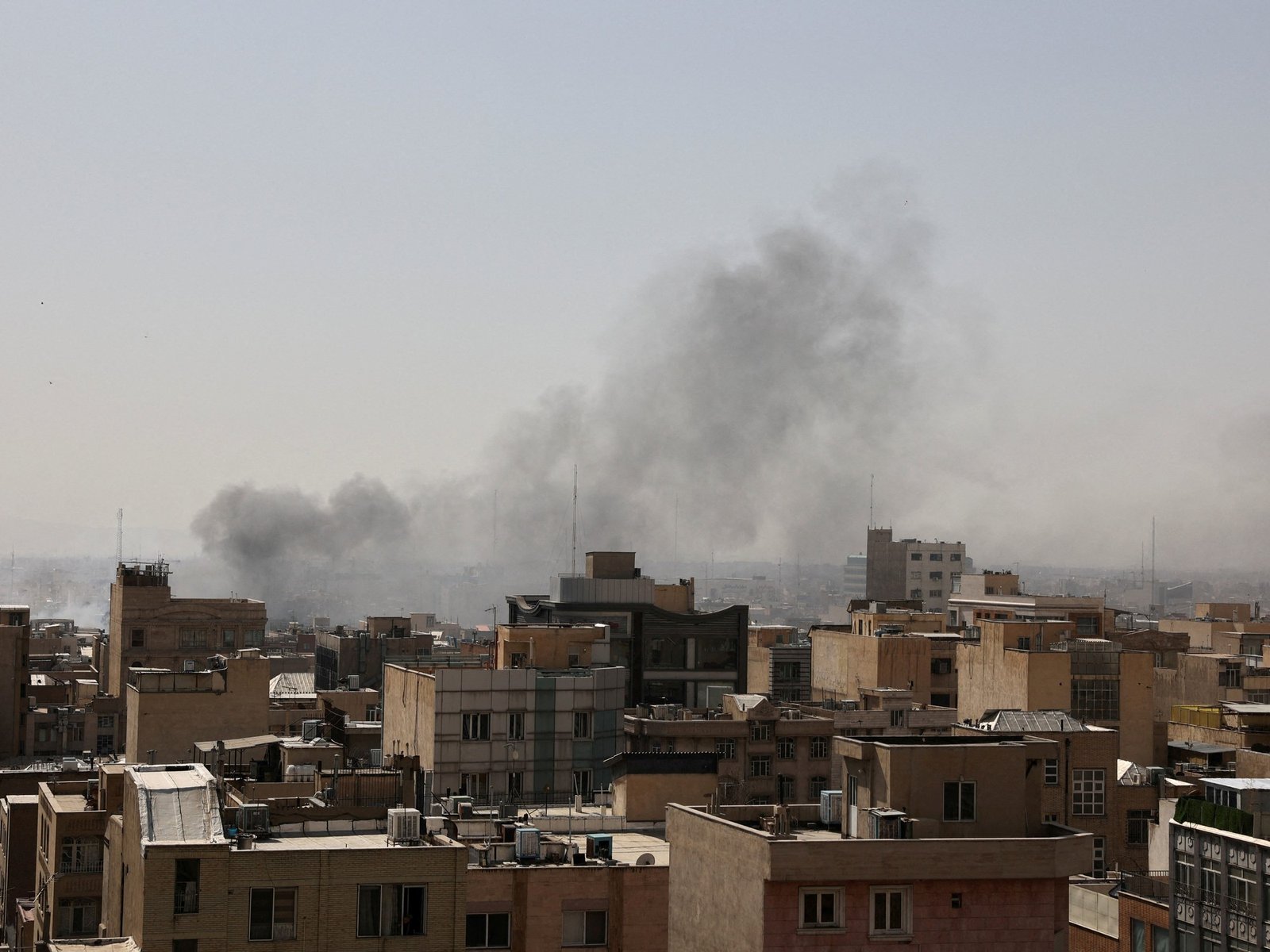

Israel releases video of airstrikes in Iran
Israel Defense Forces released video it says shows its strikes against Iranian soldiers who were arming missile launchers in Western Iran to fire at the Jewish State. (Credit: IDF)
NEWYou can now listen to Fox News articles!
President Donald Trump’s announcement Saturday that the U.S. military began a major combat operation in Iran was met with immediate questions about whether the president improperly bypassed Congress, which has the sole authority to declare war under the Constitution.
Trump characterized the joint operation with Israel to take out Iranian leaders and eliminate its weapons supply as an act of «war,» bringing into focus the 1973 War Powers Resolution and the 2001 Authorization for Use of Military Force. Experts say those laws and court precedent have given Trump the authority to sidestep the legislative branch and attack Iran, for now.
«The courts have allowed presidents to order such attacks unilaterally. … There has historically been deference to presidents exercising such judgments under the [War Powers Resolution’s] vague standard,» George Washington University law professor Jonathan Turley wrote in an op-ed. «That was certainly the case with the attacks in Bosnia and Libya under Democratic presidents.»
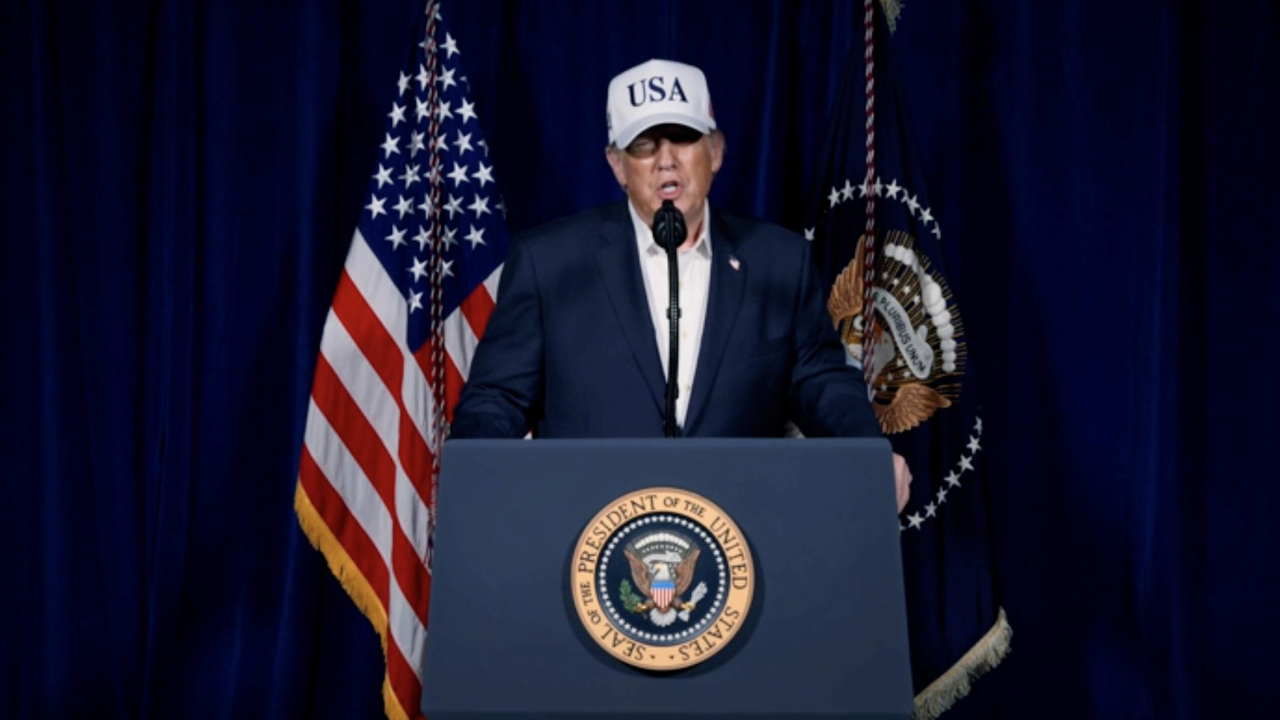
A screen grab from a video the White House released showing President Donald Trump making statements regarding combat operations on Iran on Feb. 28, 2026, in Palm Beach, Florida. (US President Trump Via Truth Social/Anadolu via Getty Images)
The War Powers Resolution requires the president to consult Congress within 48 hours of a military offensive and cease actions within 60 days if Congress has not voted in support of them. Turley noted that Congress could still assert control over what the Pentagon is calling «Operation Epic Fury» sooner if it wanted to.
«Congress can seek to bar or limit operations in the coming days,» Turley wrote. «Given the fluid events, many members are likely to wait to watch the initial results and, frankly, the polling on the attacks. … The longer the operation continues, the calls for congressional action will likely increase.»
Former State Department official Gabriel Noronha, who advised on Iran, said in a lengthy X post that Congress has already authorized Trump’s actions under the AUMF because Iran is «the headquarters of al Qaeda.» Noronha said that, unlike other iterations of the AUMF, the 2001 version of the law was never repealed and «expressly authorizes force against any nation, organization, or person that planned the 9/11 attacks ‘or harbored such organizations or persons.’»
«Congress has had 25 years to limit the scope of the 2001 AUMF,» Noronha wrote. «Instead, it has consciously decided to preserve the President’s rights under the law to pursue international terrorists to the end of the earth.»
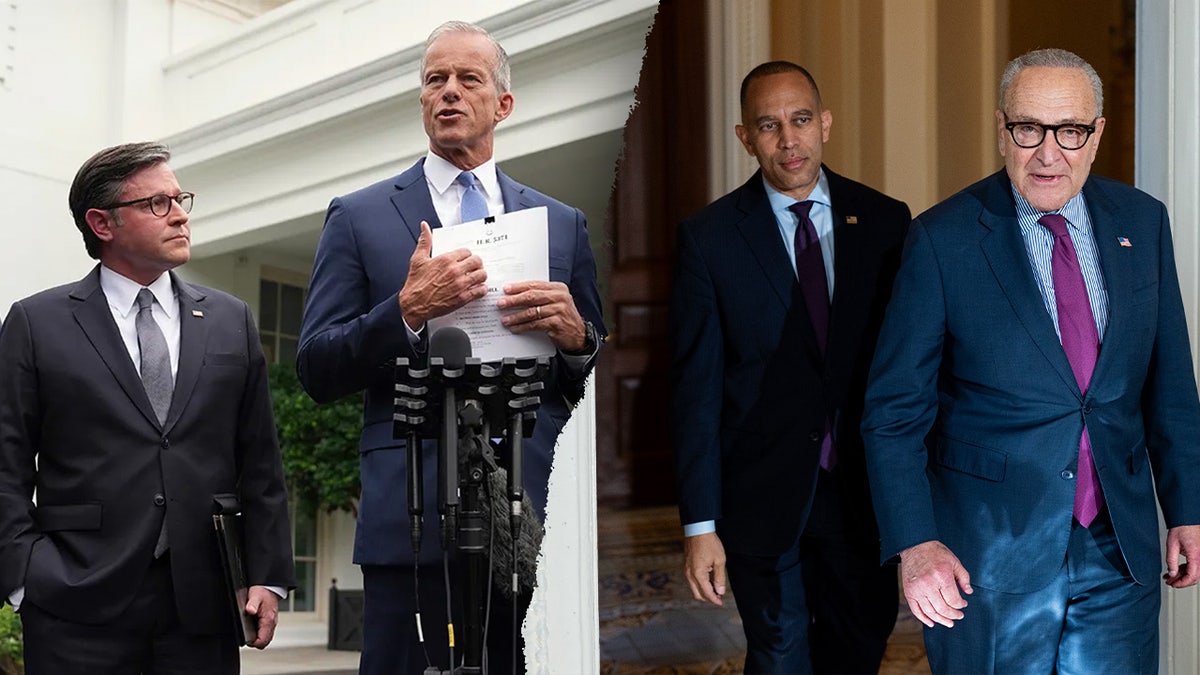
Congressional leadership pictured alongside each other; Republican House Speaker Mike Johnson, R-La., and John Thune, R-S.D., on the left and Minority Leader Hakeem Jeffries, D-N.Y., and Senate Minority Leader Chuck Schumer, D-N.Y., on the right (Bill Clark/CQ-Roll Call, Inc via Getty Images; Evan Vucci/AP Photo )
Trump said in a statement early Saturday morning that Operation Epic Fury was a «noble mission» and that service members could be killed, explicitly using the term «war.»
«The lives of courageous American heroes may be lost, and we may have casualties. That often happens in war,» Trump said.
Some have suggested that in planning the operation, Israel and the United States deliberately delegated responsibilities to avoid legal landmines.
A U.S. official told Fox News that the Israeli military is targeting Iranian leadership, while the United States is targeting missile sites that pose an «imminent threat,» rather than Iran’s leadership. Amos Yadlin, a retired Israeli Air Force general, also told Fox News that Israel carried out a strike on Iran’s leadership because of decades-old U.S. laws restricting the targeting of heads of state.
AMERICA STRIKES IRAN AGAIN — HAS WASHINGTON PLANNED FOR WHAT COMES NEXT?
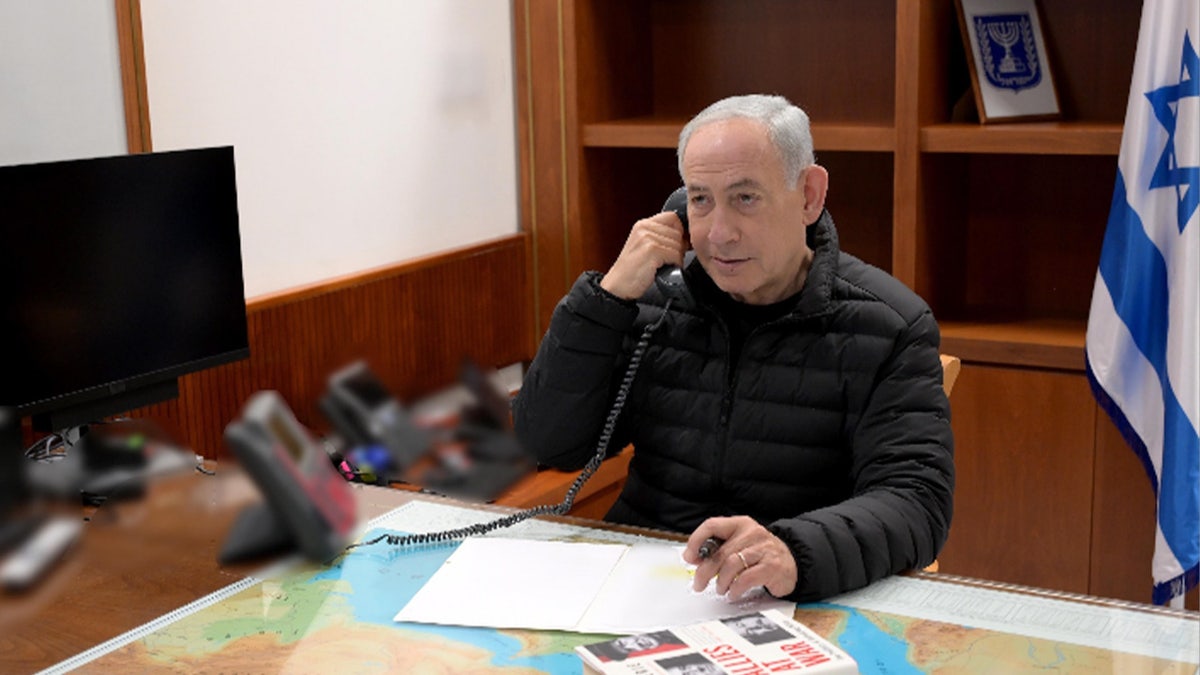
Prime Minister Benjamin Netanyahu during his conversation with U.S. President Donald Trump. (Avi Ohayon / GPO)
The White House, meanwhile, has made clear that it factored Congress into the planning. Secretary of State Marco Rubio briefed the «Gang of 8,» which comprises the Democratic and Republican leaders of Congress and the top lawmakers on the intelligence committees, ahead of the action. Press secretary Karoline Leavitt said Rubio called the Gang of 8 members and gave them a heads-up on timing and connected with all but one of them. Once the strikes began Saturday morning, the Pentagon also briefed the Armed Services committees.
Republican lawmakers have largely reacted with support for Trump, while Democrats have been critical. House Minority Leader Hakeem Jeffries, D-N.Y., said in a statement that short of «exigent circumstances,» Trump needs Congress to authorize an «act of war.»
«The Trump administration must explain itself to the American people and Congress immediately, provide an ironclad justification for this act of war, clearly define the national security objective and articulate a plan to avoid another costly, prolonged military quagmire in the Middle East,» Jeffries said.
Sen. John Thune, R-S.D., commended the president, citing Iran’s «relentless nuclear ambitions» and refusal to engage in diplomacy.
Some non-interventionist GOP lawmakers spoke out against the actions. Sen. Rand Paul, R-Ky., said the Constitution gave Congress the power to authorize war «for a reason, to make war less likely.»
CLICK HERE TO DOWNLOAD THE FOX NEWS APP
Paul quoted President James Madison: «The Executive Branch is the branch most prone to war, therefore, the Constitution, with studied care, delegated the war power to the legislature.»
A bipartisan group of lawmakers, including Jeffries, Senate Minority Leader Chuck Schumer, D-N.Y., and Rep. Thomas Massie, R-Ky., said they are planning a forthcoming vote on a war powers resolution that would block U.S. action in Iran without congressional approval. Previous attempts to pass the same bill failed this Congress after Trump launched targeted strikes on Iran’s nuclear facilities and captured Venezuelan leader Nicolas Maduro.
Fox News’ Jen Griffin and Efrat Lachter contributed to this report.
Related Article
war with iran,donald trump,judiciary,congress,israel
INTERNACIONAL
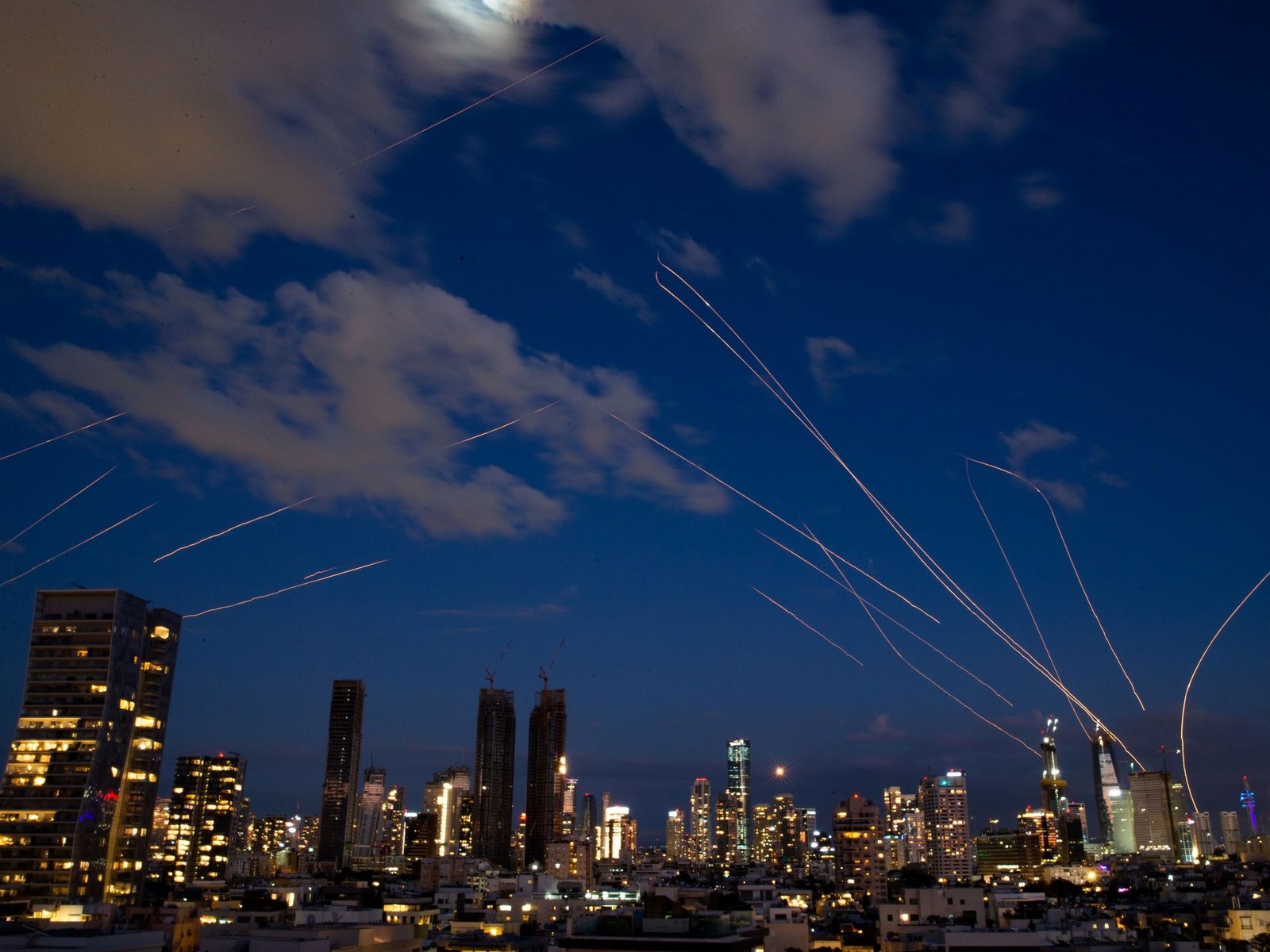
Bajo el estruendo de las alarmas y en pánico por las represalias de Irán, los israelíes corrieron a encerrarse en los refugios

INTERNACIONAL
Iran’s Supreme Leader Ali Khamenei dead after IDF strike hits Tehran compound, Israeli source confirms

NEWYou can now listen to Fox News articles!
Iran’s militant and unyielding supreme leader, Ayatollah Ali Khamenei, who ruled the Islamic Republic for more than three decades and oversaw an era of harsh internal repression and confrontation with the United States and Israel, has died following the Israeli strike in Tehran, as his compound was reduced to rubble, a senior Israeli official told Fox News Digital.
«Khamenei was the contemporary Middle East’s longest-serving autocrat. He did not get to be that way by being a gambler. Khamenei was an ideologue, but one who ruthlessly pursued the preservation and protection of his ideology, often taking two steps forward and one step back,» Behnam Ben Taleblu, senior director of FDD’s Iran program, told Fox News Digital.
«Khamenei’s worldview was shaped by his militant anti-Americanism and antisemitism, which first manifested itself in his protests against the Shah of Iran,» he added.
View of Iranian President Ali Khamenei during a welcoming ceremony for his State Visit, Beijing, China, May 11, 1989. ( Forrest Anderson/Getty Images)
Born April 19, 1939, in Mashhad, eastern Iran, Khamenei was among the Islamist activists who played a central role in the 1979 revolution that overthrew the U.S.-backed Shah Mohammad Reza Pahlavi. A close ally of Iran’s first supreme leader, Ayatollah Ruhollah Khomeini, Khamenei rose through the new system and served as president from 1981 to 1989 before becoming supreme leader after Khomeini’s death that same year.
Decades in power, Khamenei consolidated control over Iran’s political and security system, presiding over repeated crackdowns on dissent and maintaining a hardline posture toward Washington and Jerusalem.
«Ayatollah Ali Khamenei’s rule has been marked by unrelenting brutality and repression, both within Iran and beyond its borders,» said Lisa Daftari, an expert on Iran and editor-in-chief of The Foreign Desk. She pointed to executions and the enforcement of strict social controls as defining features of the system under Khamenei’s leadership.
His ultra-conservative style of leadership did face challenges, however. In 2009, following disputed elections in which Khamenei declared victory for the incumbent president, Mahmoud Ahmadinejad, massive protests erupted across the country.
TRUMP TELLS IRANIANS THE ‘HOUR OF YOUR FREEDOM IS AT HAND’ AS US-ISRAEL LAUNCH STRIKES AGAINST IRAN
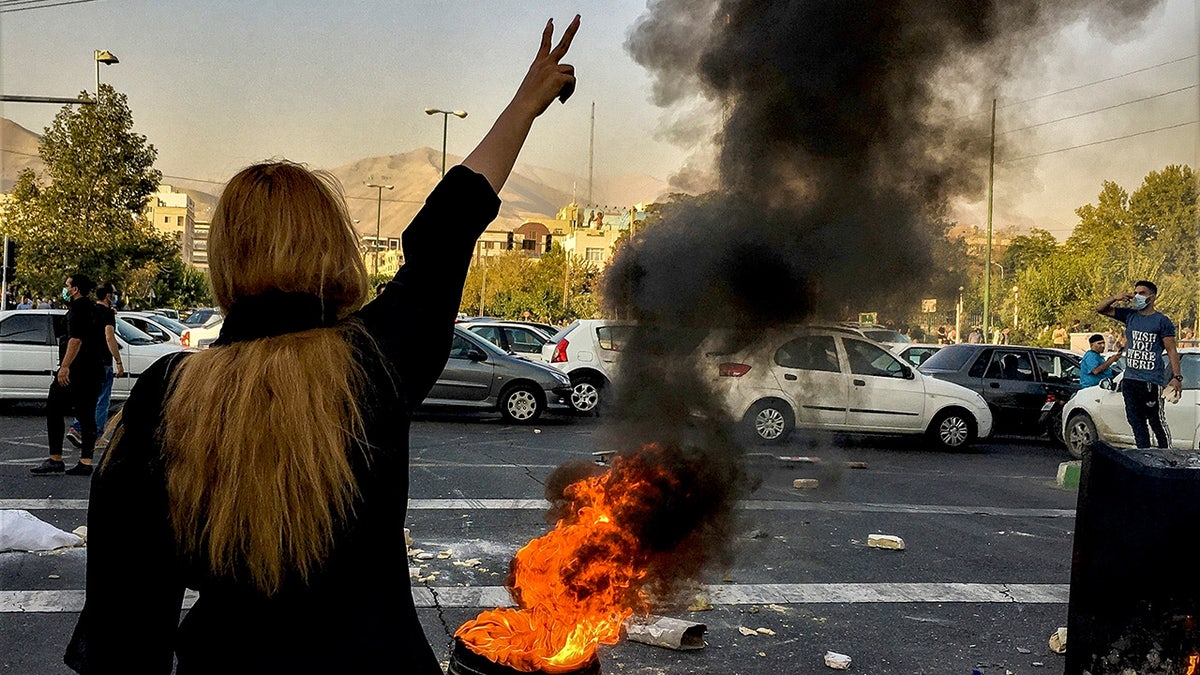
In this photo taken by an individual not employed by the Associated Press and obtained by the AP outside Iran, Iranians protests the death of 22-year-old Mahsa Amini after she was detained by the morality police, in Tehran, Oct. 1, 2022. (The Associated Press)
Mass demonstrations also broke out in 2022 after Mahsa Amini, a 22-year-old woman, died while detained by the morality police for allegedly wearing her headscarf improperly. The protests were brutally put down, with many of those arrested and put to death by his regime.
In late December, Iran was again rocked by protests and a fierce brutal security response. According to an Iran International investigation, as many as 30,000 people may have been killed across two days, Jan. 8 to 9, 2026.
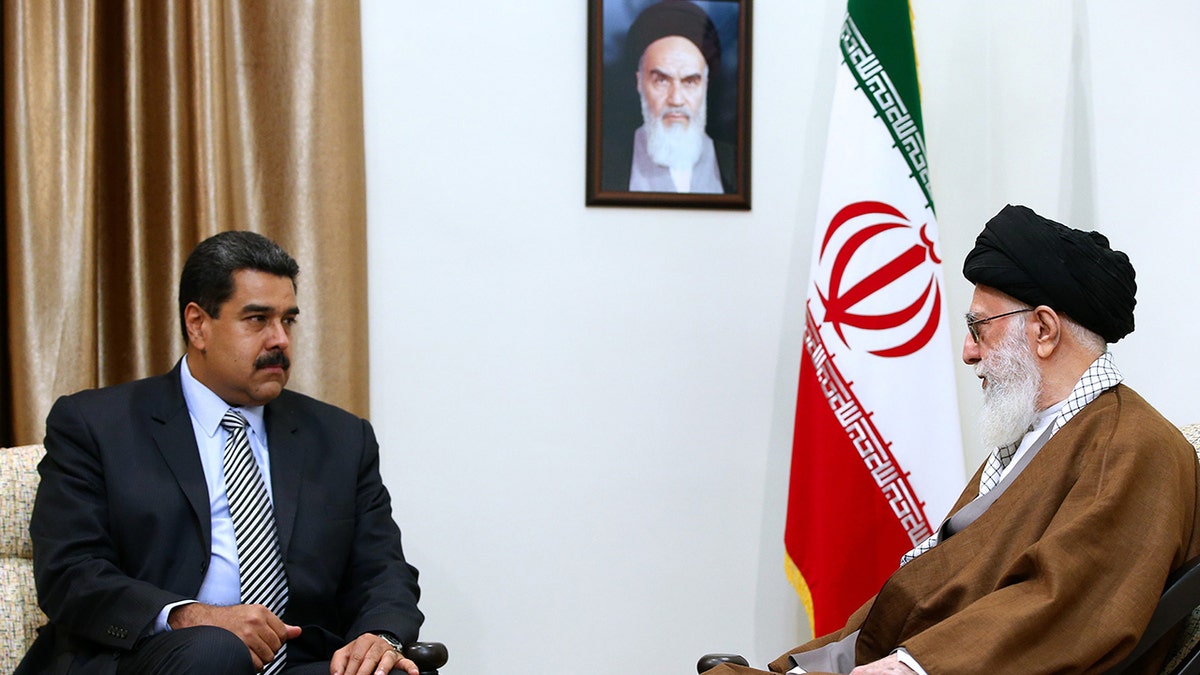
Venezuelan President Nicolas Maduro (L) meets the Supreme Leader of Iran, Ali Khamenei during his visit in Tehran, Iran on Oct. 22, 2016. (Pool / Supreme Leader Press Office/Anadolu Agency/Getty Image)
International monitors and rights groups have repeatedly documented high execution numbers in Iran in recent years as well. Amnesty International said Iranian authorities executed more than 1,000 people in 2025, calling it the highest yearly figure the organization recorded in at least 15 years. Separately, a U.N. report said Iran executed at least 975 people in 2024, the highest number since 2015.
WORLD LEADERS SPLIT OVER MILITARY ACTION AS US-ISRAEL STRIKE IRAN IN COORDINATED OPERATION
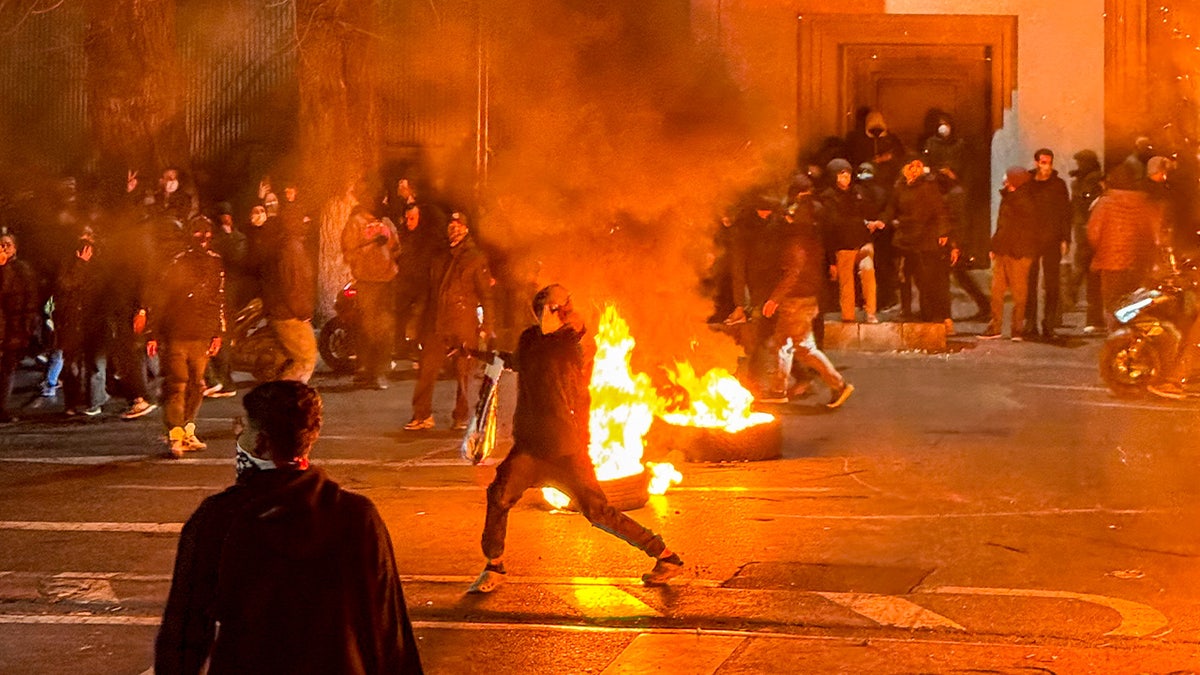
Iranians gather while blocking a street during a protest in Tehran, Iran on Jan. 9, 2026. (MAHSA / Middle East Images / AFP via Getty Images)
Across the region, Khamenei invested heavily in Iran’s network of allied militias and armed groups, a strategy used to project Iranian power beyond its borders. From the West Bank and Gaza, where he backed terror groups such as Hamas, to Hezbollah in Lebanon and Houthi extremists in Yemen, as well as other militant militias in Iraq, Iran under Khamenei’s spent hundreds of millions of dollars on the terror groups.
However, his prized proxies, as well as the regime of Bashar al-Assad in Syria, collapsed under Israeli military pressure following the Oct. 7, 2023, attack. During a 12-day war in June 2025, Israel also succeeded in taking out some of Khamenei’s closest aides and senior security figures, leaving the long-serving leader significantly weakened.
Yet analysts argue that Khamenei’s most enduring legacy may be the institutional machinery he built at home to safeguard the system.
GULF STATES CONDEMN IRANIAN RETALIATORY STRIKES ON THEIR TERRITORIES FOLLOWING US-ISRAELI OPERATION
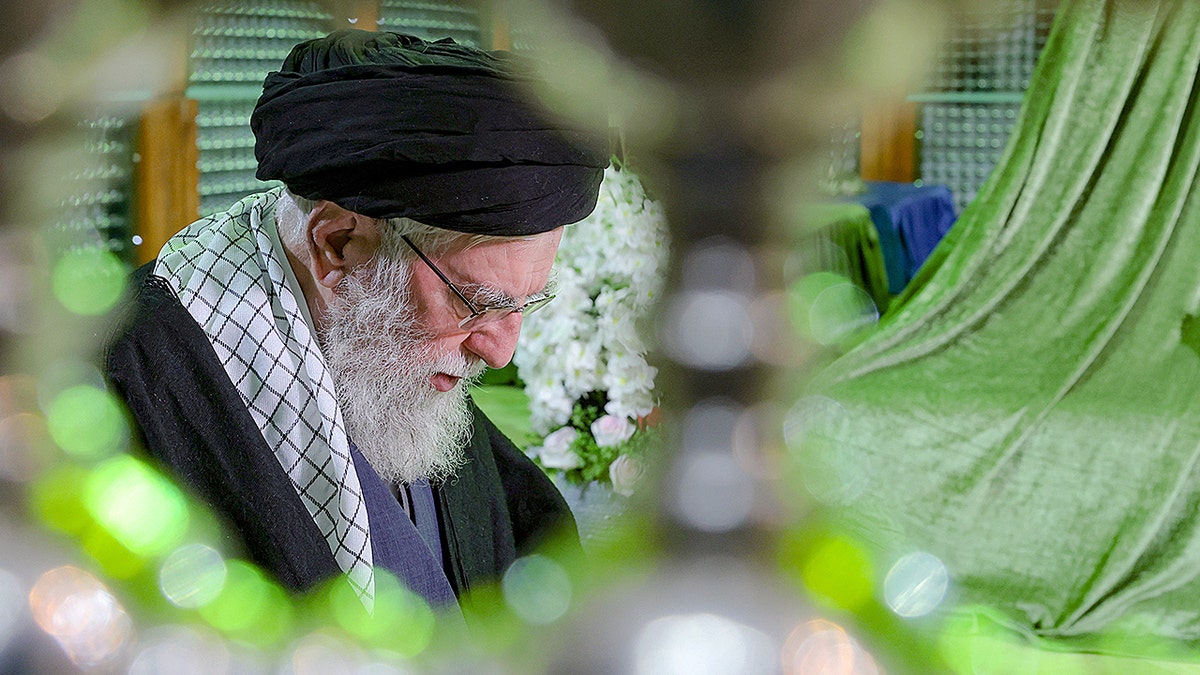
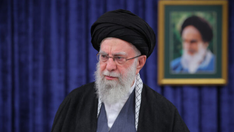
Iran’s Supreme Leader Khamenei makes first public appearance in weeks with fresh U.S. threats. (Office of the Iranian Supreme Leader Credit/ASSOCIATED PRESS)
A recent report by United Against Nuclear Iran (UANI), authored by Saeid Golkar and Kasra Aarabi, describes the Bayt, the Office of the Supreme Leader, as a parallel structure embedded across Iran’s military, economy, religious institutions and bureaucracy.
In an interview with Fox News Digital, Aarabi said, «It is the hidden nerve center of the regime in Iran… it operates as a state within a state.» He argued that even Khamenei’s removal would not necessarily dismantle the system. «Even if he is eliminated, the Bayt as an institution enables the Supreme Leader to function,» Aarabi said, adding, «Think of the Supreme Leader as an institution rather than just a single individual.»
Aarabi also warned that «eliminating Khamenei in isolation on its own is not enough,» calling for a broader strategy aimed at the wider apparatus surrounding the supreme leader. «You have to dismantle this extensive apparatus that he has created,» he said.
CLICK HERE TO DOWNLOAD THE FOX NEWS APP
«Unlike Khomeini, the founding father of the Islamic Republic, Khamenei institutionalized his power. Today, the Islamic Republic is more a product of Khamenei than Khomeini,» FDD’s Ben Taleblu added.
Related Article

ali khamenei,war with iran,iran,terrorism

Plan «50 leyes»: Milei sorprenderá con anuncios y dará un discurso de alto voltaje

37 golpes seguidos y una particular intervención de la jueza: el brutal nocaut de la argentina que sorprendió a la UFC

La Libertad Avanza anticipó la apertura de sesiones con un video: “Comienza la etapa más reformista de la historia”

Trump orders strikes on Iran — experts say he can bypass Congress (for now)

Bajo el estruendo de las alarmas y en pánico por las represalias de Irán, los israelíes corrieron a encerrarse en los refugios

Iran’s Supreme Leader Ali Khamenei dead after IDF strike hits Tehran compound, Israeli source confirms

Jorge Macri prepara su discurso para abrir el año legislativo: el deseo de reelección y el espejo en Bukele

Catherine Fulop contó el difícil momento que atraviesa su madre en Venezuela: “Está postrada”

Crisis en la industria: otra multinacional se achica y cierra una planta en la Argentina

Alarma por la salud de Divina Gloria tras salir de Gran Hermano: “La internaron directamente en terapia intensiva”

 CHIMENTOS2 días ago
Alarma por la salud de Divina Gloria tras salir de Gran Hermano: “La internaron directamente en terapia intensiva”
- CHIMENTOS2 días ago
¡Titi revolucionó Gran Hermano! Cuáles son las 5 cosas que ya extraña: «Accesorios, pilates, bondiola, auriculares y bailar»
- CHIMENTOS2 días ago
Ginette Reynal dio una rotunda marcha atrás con una decisión que tomó hace dos meses: “No aguanto más”