INTERNACIONAL
From hostage crisis to assassination plots: Iran’s near half-century war on Americans

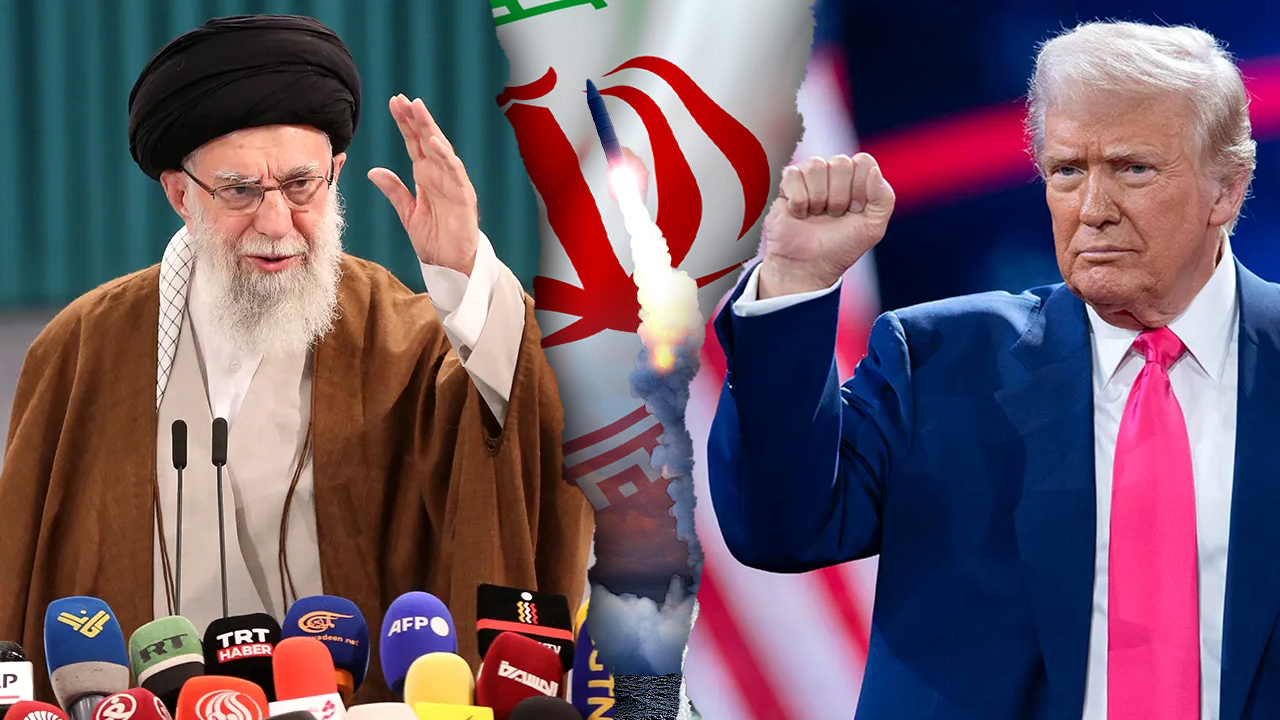
NEWYou can now listen to Fox News articles!
After radical students overthrew Iran’s shah in 1979 and took hostages in the U.S. embassy, the Middle Eastern nation became a strident and blood-soaked adversary of what its new Islamic fundamentalist dictatorship has long called the «Great Satan.»
Since then, Tehran has sponsored terrorism around the globe, including targeting the U.S. in multiple, high-profile instances. Former Reagan Justice Department chief of staff Mark Levin said Sunday there are at least 44 examples of Iran targeting Americans either directly or indirectly.
«The Iranian-Nazi regime… [has] murdered more than 1,000 Americans [and] relentlessly pursued nuclear weapons to use against us — they are genocidal warmongers,» said Levin, an author, attorney and Fox News Channel host.
The stage for Iran’s transformation from ally to enemy of the U.S. was set in the 1960s, when Shah Mohammed Reza Pahlavi began clashing with influential Islamic cleric Ruhollah Khomeini. The monarch infuriated the theocrat by liberalizing the national constitution to allow faiths other than Islam to be sworn into office on holy books of their choice.
Khomeini’s rhetoric from France, where he was exiled, intensified during the period known as the White Revolution, including misogynistic and xenophobic sermons and demands that Pahlavi be ousted.
Early aggression toward the US
With Pahlavi as a U.S.-aligned leader, this marked an early instance of antagonism by proxy. As protests engineered by Khomeini broke out in fall 1978, the shah declared martial law, and military police fired on a massive crowd of protesters.
Pahlavi and Empress Farah Pahlavi soon fled on a «vacation» to Egypt but never returned. By February 1979, Khomeini returned to Tehran with significant sectarian support.
Failed Carter strategy develops into hostage crisis
National security advisor Zbigniew Brzezinski (Reuters)
Carter national security advisor Zbigniew Brzezinski — the father of «Morning Joe» host Mika Brzezinski — coined the term «arc of crisis» and advanced an ultimately failed «Green Belt» strategy that supported an arc of largely unstable but fundamentalist regimes across the Middle East that were also viewed as oppositional to the Soviet Union.
Brzezinski’s envisioned buffer strategy soon collapsed when Khomeini proved to be just as anti-American as anti-Soviet.
In October 1979, after months of debate over whether to admit him to the U.S. amid the new turmoil in Iran, President Jimmy Carter relented and permitted the cancer-stricken shah to seek medical care in New York.

A map of Western strikes against Iran (Fox News)
That November, the group «Muslim Student Followers of the Imam’s Line» stormed the U.S. embassy, beginning 444 days of captivity for 52 American hostages.
The U.S. severed diplomatic ties the following April, and one rescue mission failed and left several U.S. service members dead. The shah died that summer in Egypt, leaving Khomeini in full control of the government.
In what was seen as the final offense to Carter, Iran suddenly released the hostages minutes into President Ronald Reagan’s administration on Jan. 20, 1981.
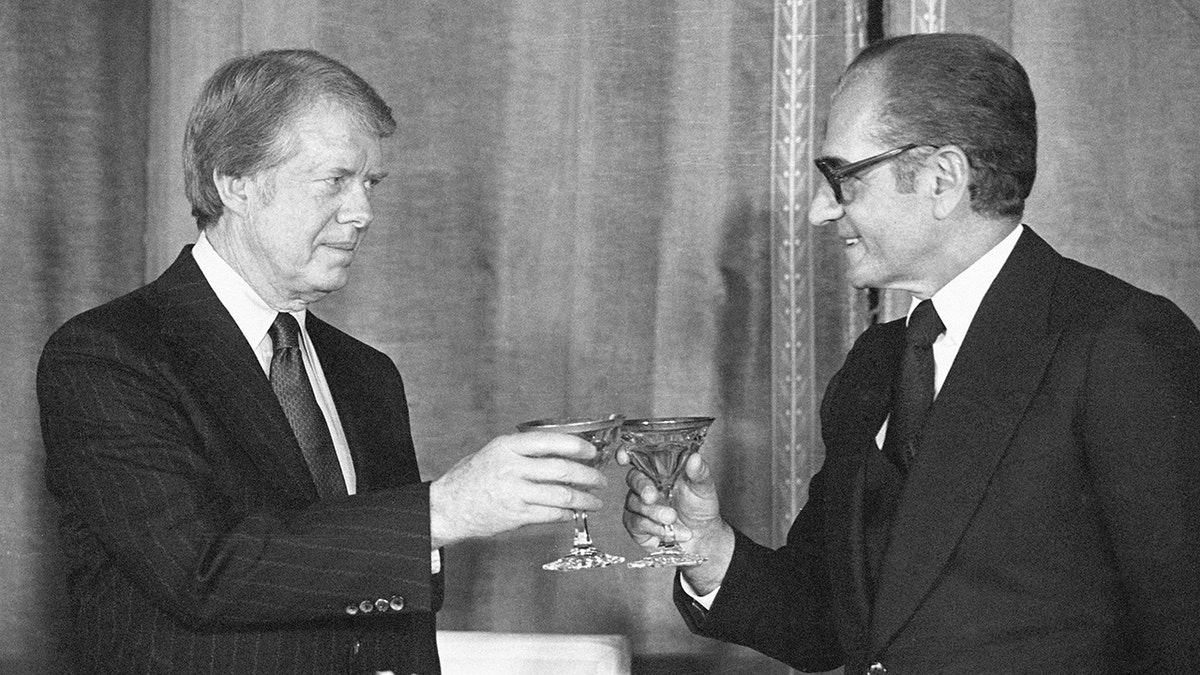
President Jimmy Carter and Shah Mohammed Pahlavi dine in Iran. (Bettmann/Getty Images)
Lebanon hostage crisis
On July 5, 1982, the years-long saga known as the Lebanon hostage crisis began with the systematic abductions of foreigners, including Americans, by Hezbollah and Iranian proxies in the Mideast country, according to United Against a Nuclear Iran.
That group, founded by former Florida Gov. Jeb Bush and former Ambassador Mark Wallace, maintains a comprehensive history of Iranian aggression on its website and is a nonpartisan policy organization formed to combat the threats posed by the Islamic Republic.
During the Lebanon hostage crisis, several victims spent years imprisoned by Hezbollah, where they were forced to undergo psychological and medical torture, including CIA Beirut Station Chief William Buckley, who was not related to the National Review founder of the same name.
Buckley was tortured for months by Dr. Aziz al-Abub, a Lebanese Hezbollah psychiatrist and medical expert who reportedly forced him to take phenothiazines and experimented on him to induce interrogation and make an example of him to the West.

US Naval asset map. (Fox News)
Buckley reportedly died in custody amid these experiments on June 3, 1985.
The CIA later memorialized him on its wall in Langley, Virginia, and Obama-era Director John Brennan said in a 2014 statement that «we remember Bill not for the manner in which he died but for the legacy he left behind. From his time as an Army lieutenant colonel to his tenure with the Agency, Bill inspired those around him to do great things despite often dangerous conditions.»
The agency later caught up with the figurehead of the Hezbollah-linked Islamic Jihad terrorist group — carrying out what the Washington Institute described as a rare contemporary CIA assassination nearly 25 years later.
Imad Mughniyeh’s group had announced Buckley’s execution in October 1985, but the actual date was determined later, with allegations that he died not from execution but from the side effects of the medical torture he endured. Former hostage David Jacobsen told the institute that Buckley was often sick and delirious in his cell and ultimately died «drowning in his own lung fluids» after a bout of torture.
David Dodge, then-president of the American University in Beirut, was also kidnapped for about a year, and U.S. journalist Terry Anderson was held in captivity for more than six years.
Reagan-era bombings and murders of American servicemembers
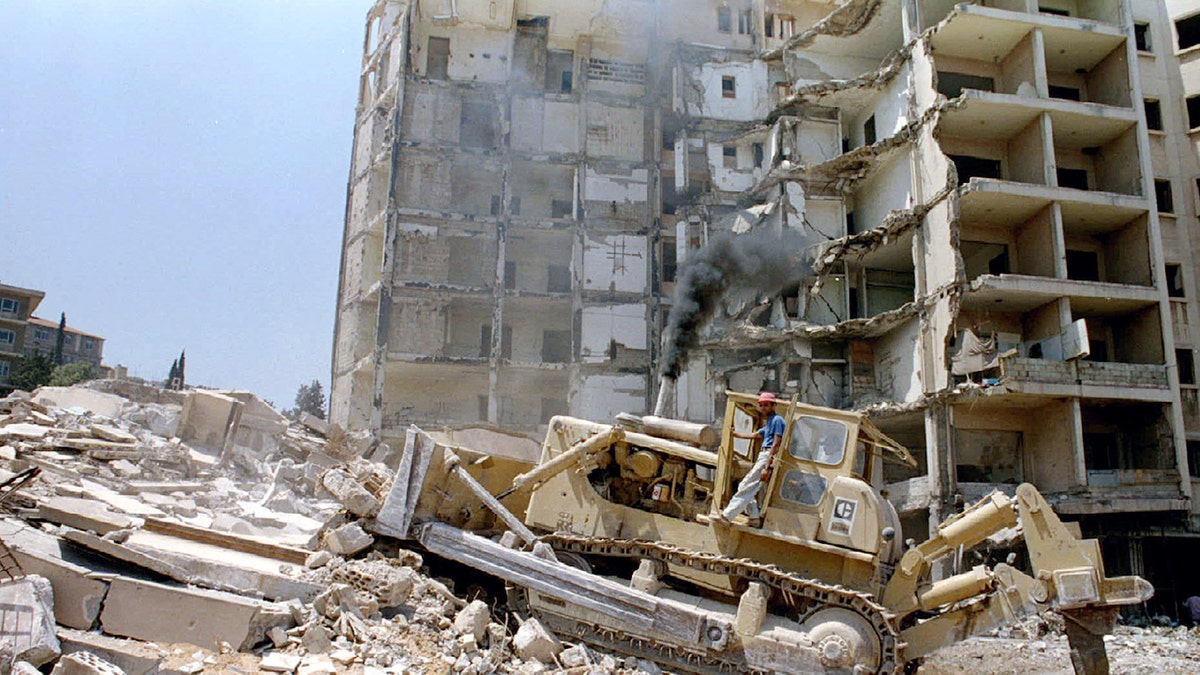
Iran bombed the Beirut U.S. Embassy in 1983. (Stringer/Reuters)
On April 18, 1983, an Iran-backed group seen as the predecessor to today’s Lebanese Hezbollah bombed the U.S. embassy in Beirut, killing 63 people, including 17 Americans.
That October, a suicide truck bomb linked to Iran hit a U.S. Marine barracks in Lebanon, killing 241 service members, in what remains the deadliest single day for the Corps since Iwo Jima.
According to the MEMRI translation of Khomeini’s representative to Lebanon, Sayyed Issa Tabatabai’s interview with the IRNA: «I quickly went to Lebanon and provided what was needed in order to [carry out] martyrdom operations in the place where the Americans and Israelis were.»
He added, «The efforts to establish [Hezbollah] started in [Lebanon’s] Baalbek area, where members of [Iran’s] Islamic Revolutionary Guards Corps (IRGC) arrived. I had no part in establishing the [political] party [Hezbollah], but God made it possible for me to continue the military activity with the group that had cooperated with us prior to the [Islamic] Revolution’s victory.»
The MEMRI report continued, «It is noteworthy that the part of the interview in which Tabatabai acknowledged receiving Khomeini’s fatwa ordering attacks on American and Israeli targets in Lebanon was removed by IRNA from its website shortly after publication. This is apparently because no official representative of Khomeini, the father of the Islamic Republic, or of Khamenei, Iran’s Supreme Leader, had ever said that Iran had any involvement in ordering, planning and carrying out the massive bombings in Lebanon against U.S.»
In 1985, Iran-backed Hezbollah hijacked Trans World Airlines (TWA) Flight 847 as it departed Athens. The hijackers collected IDs from the passengers and singled out U.S. Navy Seabee Robert Stethem of Waldorf, Maryland, mistaking him for a Marine and blaming him for involvement in the Lebanese civil war.
The hijackers tortured Stethem as they flew to Beirut before shooting him dead, dumping him on the tarmac, and shooting him again.
Operation Praying Mantis
In 1988, the USS Samuel B. Roberts struck an Iranian mine in the Persian Gulf and nearly sank. The Roberts had been escorting Kuwaiti oil tankers as a protective measure.
After the mines were matched to the Iranian ship Ajr, which had been captured by the Americans earlier that year, President Ronald Reagan sprang into retaliatory action.
Reagan’s operation destroyed two oil platforms reportedly used as Iranian Revolutionary Guard Corps (IRGC) surveillance structures, leading Iran to begin attacking nonmilitary targets.
The mission also claimed two other Iranian ships and was considered the largest naval surface engagement since World War II.
Two Americans died in a helicopter crash during the operation, while dozens of Iranian officers were killed.
Clinton-Bush-Obama era; 9/11
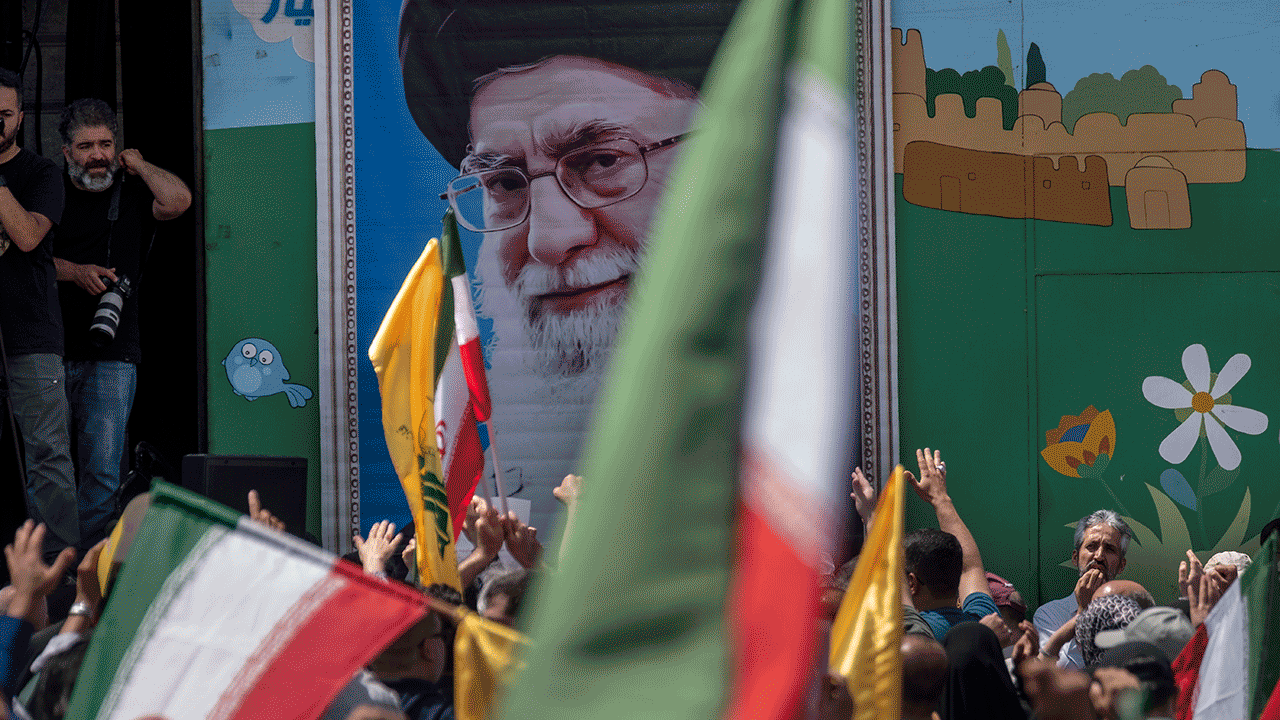
Iranian worshippers hold up their hands as signs of unity with Ayatollah Ali Khamenei, during a rally to condemn Israel’s attacks on Iran, in downtown Tehran, on June 20, 2025. (Morteza Nikoubazl/NurPhoto via Getty Images)
The FBI linked a 1996 attack on an American military housing complex in Saudi Arabia to another Iranian-backed terrorist group.
Hezbollah al-Hejaz was blamed for the Khobar Towers bombing in June of that year, which killed 19 U.S. service members.
In the aftermath of al Qaeda’s 2000 attack on the USS Cole destroyer in Aden, Yemen, American courts found Iran indirectly liable in that it provided support for the terrorists – in part by letting them be trained in Tehran-linked Hezbollah bases in Lebanon.
In 2015, FISA Judge Rudolph Contreras found Iran and Sudan liable, and during the Biden administration. Sudan agreed to settle claims of murdered sailors’ families.
After 9/11, when the U.S. went to war in Iraq, Iran and its proxies were suspected of causing a large portion of American casualties by supplying land mines to the Iraqi Shia insurgents. In 2019, the Department of Defense officially raised its estimate to more than 600 troop casualties directly tied to Iran or its proxies, meaning one in six Iraq War losses were caused by Tehran.
Navy Cmdr. Sean Robertson told the Army Times at the time that «these [American] casualties were the result of explosively formed penetrators (EFPs), other improvised explosive devices (IEDs), improvised rocket-assisted munitions (IRAMs), rockets, mortars, rocket-propelled grenades (RPGs), small arms, sniper fire, and other attacks in Iraq.»
During his first term in the White House, President Donald Trump ordered a strike on the IRGC, killing its legendary commander, Qassem Soleimani.
While Iran was not directly implicated as having specific knowledge of the Sept. 11, 2001, attacks in New York, Pennsylvania and Virginia, it was found to be complicit in facilitating the planned terrorism.
The report, led by former New Jersey Republican Gov. Tom Kean Sr., found a «persistence of contacts» between Iranian officials and al Qaeda.
Chapter 7 of the report found that Iran at least knew that the terrorists being trained by Hezbollah were going to act against the U.S. and/or Israel. The findings thereby blew apart critics’ claims that the Sunni terror group could not get along with its religious archenemy, the Shia who ran Iran.
Tehran border patrol officials also did not stamp passports of al Qaeda operatives traveling around the region, as the marking would have been flagged upon application for any U.S. visa.
In 2016, hackers linked to the IRGC were indicted by the Justice Department – including one 34-year-old Iranian national who allegedly gained access to the controls of a major dam in Rye Brook, New York, near the confluence of Interstate 287 and the New England Thruway.
In 2011, the U.S. also foiled an IRGC plot targeting the homeland, in which a District of Columbia restaurant was to be bombed to kill Saudi Ambassador to the U.S. Adel al-Jubeir.
Iranian-born U.S. citizen Manssoor Arbabsiar and Quds Force member Gholam Shakuri were charged in the incident. Arbabsiar was arrested at New York’s JFK Airport and Shakuri remains at large.
A confidential federal source met with Arbabsiar in Mexico that July, where the suspect agreed to pay $100,000 toward a $1.5 million bounty placed on al-Jubeir, according to the Justice Department.
Then-FBI Director Robert Mueller said at the time that the arrests depicted the U.S. «increased ability… to bring together the intelligence and law enforcement resources necessary to better identify and disrupt those threats, regardless of their origin.»
Biden era
By 2020, Iran was blamed for several recent attacks on commercial oil tankers, and after Trump ordered the killing of Soleimani, Ayatollah Ali Khamenei dispatched ballistic missiles at Al-Asad Air Base in Iraq.
Several dozen U.S. troops were wounded.
After Hamas militants massacred Israelis on Oct. 7, 2023, Iran-backed Hamas and Hezbollah launched about 180 attacks on Western forces in the region, including a drone strike on a base in Jordan that killed three Americans.
Trump era: Assassination plot on the president
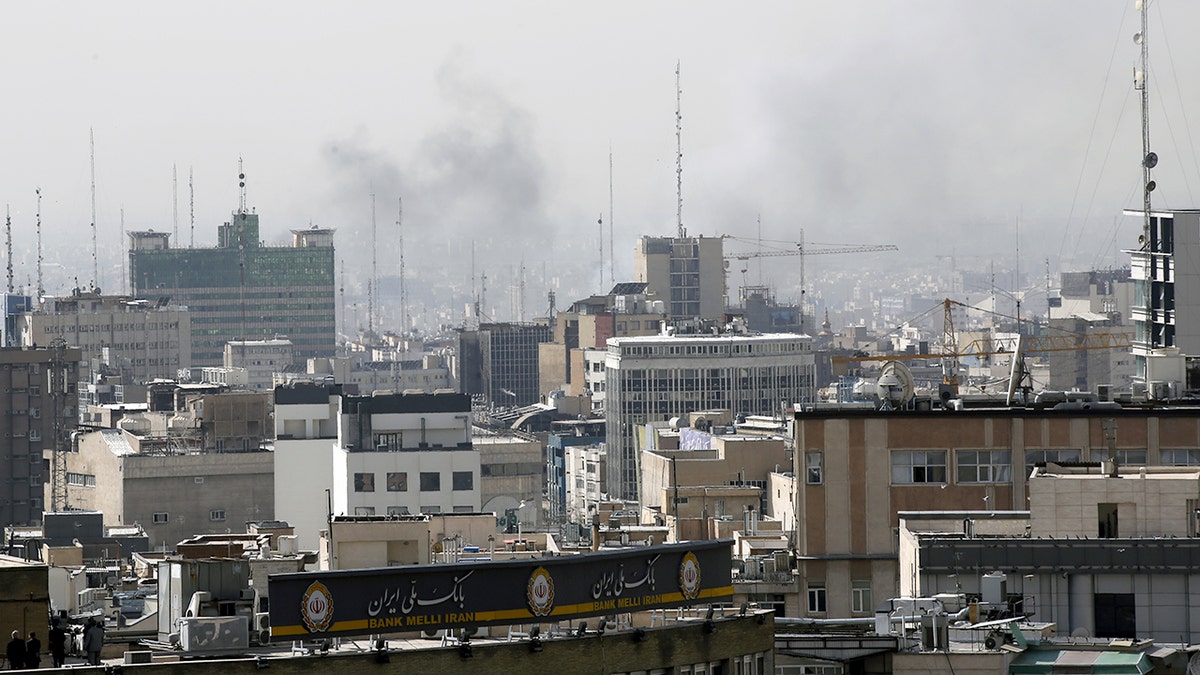
Bombing occurs in Tehran, Iran on Feb. 28, 2026. (Fatemeh Bahrami/Getty Images)
After an Afghan-born Iranian proxy and two American men were charged with allegedly trying to hunt down and assassinate an Iranian-born American critic of the ayatollah’s regime, the Justice Department disclosed that Trump was also the subject of a similar assassination plot.
Farhad Shakeri, who had spent 14 years in a New York state prison for robbery and made U.S. contacts to create a «network of criminal associates» to «supply the IRGC with operatives» domestically, was allegedly seeking to kill Masih Alinejad — a journalist who often appears on Fox News Channel.
Shakeri remained at large, likely in Iran, as of 2024, but his American counterparts were put on trial in Brooklyn.
Jonathon Loadholt of Staten Island and Carlisle Rivera of Brooklyn allegedly «were recruited as part of that network to silence and kill, on U.S. soil, an American journalist who has been a prominent critic of the regime,» according to then-Attorney General Merrick Garland.
«We will not stand for the Iranian regime’s attempts to endanger the American people and America’s national security,» Garland said, as the criminal complaint suggested Shakeri and Rivera first met while serving time.
The two men stalked Alinejad and were also accused of rotating plates on Loadholt’s car to avoid suspicion, while then-FBI Director Christopher Wray mentioned Trump as another target of an Iranian plot in a related statement on the Alinejad case.
Shakeri reportedly spoke to the FBI voluntarily from Iran, where he disclosed efforts to assassinate Trump, according to The New York Times.
Shakeri said he was told to create a plan to kill Trump after an IRGC meeting that October and that, if he could not, the assumption from the militia was that Trump would lose to Kamala Harris and be «easier to assassinate» while out of office.
«Thanks to the hard work of the FBI, their deadly schemes were disrupted. We’re committed to using the full resources of the FBI to protect our citizens from Iran or any other adversary who targets Americans,» Wray said in a statement at the time.
Trump has since warned Iran repeatedly to back down, with Secretary of War Pete Hegseth overseeing 2025 airstrikes on nuclear facilities, and the administration ultimately taking what it described as long-term military action to force regime change.
«Our objective is to defend the American people by eliminating imminent threats from the Iranian regime,» Trump said Saturday.
Fox News Digital’s Benjamin Weinthal contributed to this report.
war with iran,donald trump,iran,reagan,george w bush





INTERNACIONAL
Trump confirmó que EEUU “destruyó y hundió” nueve barcos de la Marina del régimen iraní

El presidente Donald Trump confirmó este domingo que el Ejército norteamericano hundió nueve embarcaciones navales iraníes y destruyó parcialmente el cuartel general de la Marina de Irán, durante el ataque masivo del sábado contra el régimen persa.
“Acabo de ser informado de que hemos destruido y hundido 9 barcos de la Marina iraní, algunos de ellos relativamente grandes e importantes”, dijo Trump en su plataforma Truth Social.
“Vamos por el resto: ¡pronto estarán reposando en el fondo del mar también! En otro ataque, destruimos en gran medida su cuartel general naval. ¡Aparte de eso, a su Marina le va muy bien!”.

Asimismo, este domingo declaró que “hablará” con los dirigentes iraníes, pero sin preisar cuándo ni quiénes serían sus interlocutores, según una entrevista con The Atlantic difundida el domingo.
“Ellos quieren hablar, y yo he aceptado hablar, así que hablaré con ellos. Deberían haberlo hecho antes”, dijo, de acuerdo con las declaraciones recogidas por esta revista estadounidense.
“La mayoría de esa gente ha muerto. Algunos de aquellos con quienes estábamos negociando han muerto”, añadió Trump, quien consideró que los dirigentes iraníes “quisieron pasarse de listos”.
Las declaraciones llegaron poco antes de que el Pentágono confirmara las primeras bajas estadounidenses de la campaña: tres militares muertos y cinco heridos graves en el operativo.

Trump se mostró convencido de que un levantamiento popular contra el régimen iraní es inminente, citando las celebraciones observadas en las calles de Irán y entre la diáspora en ciudades como Nueva York y Los Ángeles. “Eso va a ocurrir. Lo están viendo, y creo que va a pasar. Mucha gente está extremadamente feliz allá”, afirmó. Sin embargo, cuando se le preguntó si Estados Unidos prolongaría los bombardeos para apoyar una eventual rebelión, el mandatario se mostró evasivo: “Tengo que analizar la situación en el momento en que ocurra. No se puede dar una respuesta a esa pregunta.”
Consultado sobre posibles amenazas iraníes renovadas contra territorio estadounidense, Trump se negó a dar detalles. Sobre el impacto económico del conflicto, restó importancia a las proyecciones más pesimistas: “Esto podría haber sido un enorme aumento de precios del petróleo si las cosas hubieran salido mal”, señaló, descartando además que la guerra afecte las perspectivas republicanas en las elecciones de medio término. “Tenemos la mejor economía que hemos tenido jamás”, aseguró.
La apertura al diálogo contrasta con la intensidad de los combates en curso. Israel lanzó este domingo una nueva oleada de bombardeos sobre Teherán y prometió una “cadena de ataques sin interrupciones”, mientras los Guardianes de la Revolución iraníes llevaban lanzadas al menos ocho oleadas de misiles y drones contra Israel y bases militares en el Golfo. El saldo en Israel subió a al menos diez muertos, incluyendo nueve personas fallecidas en Beit Shemesh en el ataque más mortífero contra suelo israelí desde el inicio del conflicto.
La ofensiva del sábado fue la segunda vez en ocho meses que la administración Trump atacó conjuntamente con Israel a Irán. En junio de 2025, una operación de 12 días debilitó severamente las defensas aéreas, el liderazgo militar y el programa nuclear iraní. En esta ocasión, los ataques eliminaron al propio Khamenei y a buena parte del alto mando. Irán conformó un triunvirato de transición para gobernar el país hasta que la Asamblea de Expertos designe un nuevo líder supremo, mientras el presidente Masoud Pezeshkian calificó la venganza como “un deber y derecho legítimo” de la república islámica.
Trump cerró la entrevista con una reflexión sobre el largo historial de tensiones: “La gente ha querido hacer esto durante 47 años. Han matado gente durante 47 años, y ahora se les revirtió.”
Donald Trump,Presidente,Estados Unidos,Irán,política,seguridad,USA,gobierno,diplomacia,Casa Blanca
NEWYou can now listen to Fox News articles!
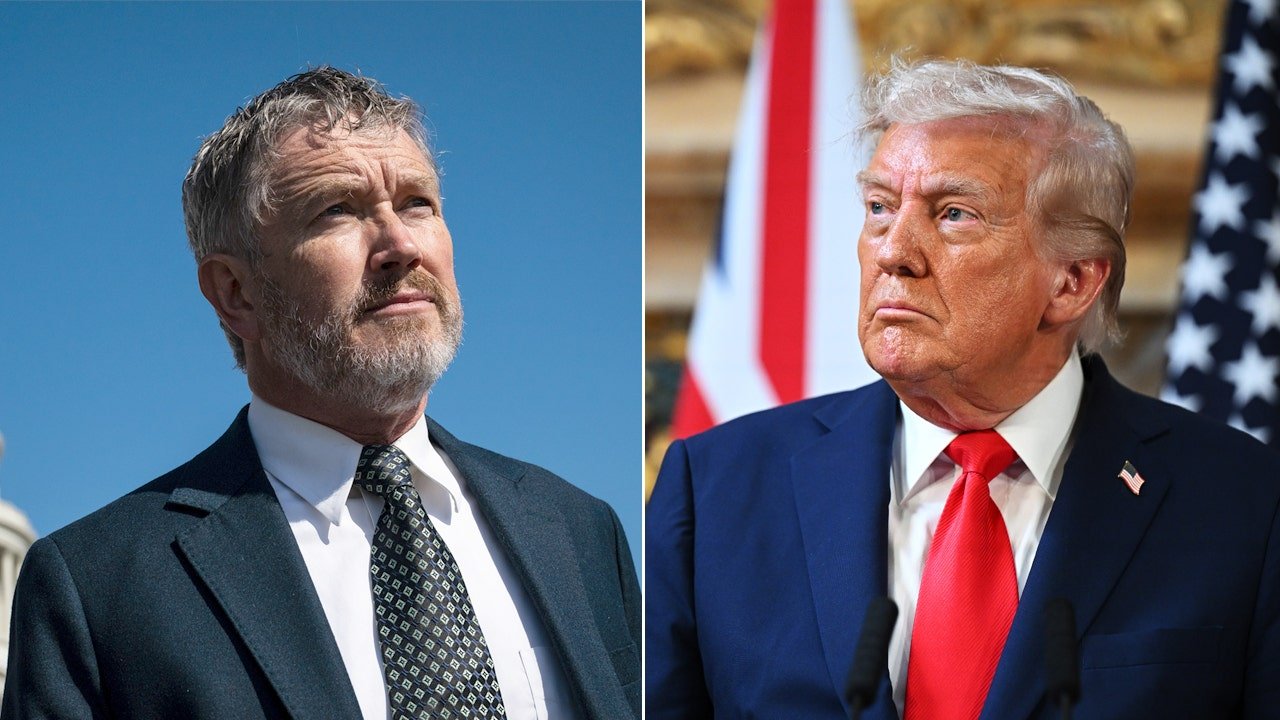
One of President Donald Trump’s longtime Republican critics, Rep. Thomas Massie, R-Ky., joined Gang of Eight Democrats in opposition to Operation Epic Fury, the U.S. strikes on Iranian military targets.
Trump has not sought congressional approval for an attack on Iran, Massie wrote on X, rebuking «acts of war unauthorized by Congress.»
«I am opposed to this War,» Massie added in a second X post Saturday morning. «This is not ‘America First.’
«When Congress reconvenes, I will work with @RepRoKhanna to force a Congressional vote on war with Iran. The Constitution requires a vote, and your Representative needs to be on record as opposing or supporting this war.»
Secretary of State Marco Rubio reportedly met earlier this week with the Gang of Eight, and a spokesman for House Speaker Mike Johnson, R-La., told Fox News Digital that Rubio called the speaker before the overnight strikes were carried out in Iran.
Notably, Trump has reminded the world that Iran’s regime had targeted him, including fomenting assassination talk in retaliation of his first administration’s taking out Islamic Republican Guard QUDs force commander Qasem Soleimani Jan. 3, 2020.
«I was the hunted, now I am the hunter,» Trump said on the White House lawn before the Operation Midnight Hammer strikes and amid past warnings to Iranian leaders.
Article I of the U.S. Constitution grants Congress the power to declare war, but a U.S. official told Fox News chief national security correspondent Jennifer Griffin that Trump’s U.S. military armada in the Middle East, working in concert with Israel, is targeting military targets and ballistic missile sites that pose an «imminent threat.»
The U.S. military is not targeting Iran’s leadership, but Israel is, the official added.
KHANNA AND MASSIE THREATEN TO FORCE A VOTE ON IRAN AS PROSPECT OF US ATTACK LOOMS
Alerting Congress was a topic of contention during the stealth operation to extract Venezuelan dictator Nicolás Maduro, when Trump and Rubio said they did not alert the Gang of Eight in advance, fearing leaks and putting U.S. troops at risk before the operation.
The Gang of Eight consists of the four Republican and Democrat leaders of Congress and four other members of the House and Senate Intelligence Committees.
Rep. Jim Himes, D-Conn., ranking member of the House Intelligence Committee, is part of the group.
«Everything I have heard from the administration before and after these strikes on Iran confirms this is a war of choice with no strategic endgame,» Himes wrote in a statement. «As I expressed to Secretary Rubio when he briefed the Gang of Eight, military action in this region almost never ends well for the United States, and conflict with Iran can easily spiral and escalate in ways we cannot anticipate. It does not appear that Donald Trump has learned the lessons of history.
«The president’s own statement acknowledges this is war, and the Constitution requires the administration to come to Congress for authorization, something it has not done. Next week, the House will vote on a war powers resolution, and I will support that resolution. In the meantime, I will be praying for the safety of our service members and all civilians who are in harm’s way.»
Sen. Mark Warner, D-Va., vice chair of the Senate Intelligence Committee, spoke out against Trump’s Operation Epic Fury action.
GOP LAWMAKERS SPLIT ON US MILITARY INTERVENTION TO FULFILL TRUMP’S CALLS FOR REGIME CHANGE IN IRAN
«Iran’s leadership has long supported terrorism across the region, undermined regional stability, continued to advance its nuclear ambitions and brutally repressed its own people, but acknowledging those realities does not relieve any president of the responsibility to act within the law, with a clear strategy, and with Congress,» Warner wrote in a statement.
«The American people have seen this playbook before — claims of urgency, misrepresented intelligence and military action that pulls the United States into regime change and prolonged, costly nation-building. We owe it to our service members, and to every American family, to ensure that we are not repeating the mistakes of the past.»
Warner added a call for Trump to give the «country clear answers: What is the objective? What is the strategy to prevent escalation? And how does this make Americans safer?»
TRUMP HAS THREE STRIKE OPTIONS THAT WOULD AID THE PROTESTERS AND DEVASTATE IRAN
«The president moved forward without seeking congressional authorization,» Warner’s statement concluded. «The Constitution is clear: The decision to take this nation to war rests with Congress, and launching large-scale military operations — particularly in the absence of an imminent threat to the United States — raises serious legal and constitutional concerns.
«Congress must be fully briefed, and the administration must come forward with a clear legal justification, a defined end state and a plan that avoids dragging the United States into yet another costly and unnecessary war.»
Rep. Rick Crawford, R-Ark., the chair of the House Intelligence Committee, noted Trump gave «Iran plenty of opportunities to take the diplomatic route.»
REPUBLICAN SENATORS SAY LEAKED IRAN DAMAGE REPORT WAS INACCURATE, POLITICALLY MOTIVATED
«Prior to the initiation of this action, in earnest diplomatic engagements with Iran, President Trump was very clear about his red line from the start and his expectations of Iran during these negotiations,» Crawford wrote in a statement. «Iran absolutely cannot be allowed to maintain a nuclear weapon or capabilities. The safety and security of Americans and our allies are on the line.»
Crawford’s statement stressed concern for American forces conducting the operation versus Democrats’ concerns over Trump’s authority as commander in chief.
TRUMP ISSUES STERN IRAN WARNING AS TEHRAN ANGRILY REACTS TO SPEECH AMID MUTED WORLD REACTION
«The United States of America has the most premier military in the world, and I am confident it will successfully carry out the very clearly stated goals of this operation,» Crawford wrote. «As the operations continue, we pray for the safety of the U.S. military forces involved, Americans in the region, and our allies.
«I would strongly advise the Iranian regime heed President Trump’s warning.»
Trump warned in his State of the Union earlier this week that he will hold to his longtime vow that «Iran will never have a nuclear weapon,» saying in his Truth Social video overnight to explain the strikes that Iran was attempting to reconstitute its designs on a nuclear arsenal.
TRUMP TELLS IRANIANS THE ‘HOUR OF YOUR FREEDOM IS AT HAND’ AS US-ISRAEL LAUNCH STRIKES AGAINST IRAN
«One thing is certain, I will never allow the world’s No. 1 sponsor of terror, which they are by far, to have a nuclear weapon,» Trump said in the State of the Union. «Can’t let that happen.»
Senate Armed Forces Committee Chair Roger Wicker, R-Miss., praised the «decisive action» against «the world’s leading proliferator of terrorism.»
«This is a pivotal and necessary operation to protect Americans and American interests,» Wicker wrote in a statement. «The president has stated the operation’s goals clearly: thwart permanently the ayatollahs’ desire to create a nuclear weapon, degrade their ballistic missile force and their production capacity, and destroy their naval and terrorism capabilities.
RUBIO, RATCLIFFE TO DELIVER CLASSIFIED IRAN BRIEFING TO ‘GANG OF EIGHT’ AHEAD OF TRUMP’S STATE OF THE UNION
«These are the hardest decisions that face any American commander-in-chief, and I appreciate that President Trump and his team conducted a comprehensive strategy using all tools of national power and a well-orchestrated military planning process.»
Sen. Tim Kaine, D-Va., a member of the Senate Armed Services and Foreign Relations Committees, echoed the long-time Trump position against «regime-change wars.»
«Has President Trump learned nothing from decades of U.S. meddling in Iran and forever wars in the Middle East?» Kaine wrote in a statement.
MASSIE-LED PUSH TO HANDCUFF TRUMP ON IRAN GETS JEFFRIES’ BACKING
«For months, I have raised hell about the fact that the American people want lower prices, not more war — especially wars that aren’t authorized by Congress, as required by the Constitution, and don’t have a clear objective.
«These strikes are a colossal mistake, and I pray they do not cost our sons and daughters in uniform and at embassies throughout the region their lives,» Kaine said. «The Senate should immediately return to session and vote on my War Powers Resolution to block the use of U.S. forces in hostilities against Iran.
CLICK HERE TO DOWNLOAD THE FOX NEWS APP
«Every single senator needs to go on the record about this dangerous, unnecessary, and idiotic action,» Kaine added.
Sen. Andy Kim, D-N.J., echoed the call to vote on Kaine’s war powers resolution.
«Americans don’t want to go to war with Iran,» Kim wrote in a statement. «By launching strikes, President Trump has made the same dangerous and foolish decision President Bush did a generation ago. He put Americans in harm’s way without clearly showing there’s an imminent threat to our national security. He put the Iranian people in harm’s way by calling on them to rise up without a broad coalition of partners to assist in their protection.
«And Trump once again started a cycle of violence that has already escalated and could spiral out of control,» he continued. «This is unacceptable. The Senate should vote on Senator Kaine’s War Powers Resolution immediately.
«I stand ready to do so today.»
Fox News Digital’s Liz Elkind contributed to this report.
defense,donald trump,iran,foreign policy
INTERNACIONAL
Irán anunció que bombardeó el portaaviones Abraham Lincoln de los Estados Unidos, pero el Pentágono salió a negarlo

Los Guardianes de la Revolución de Irán afirmaron este domingo haber atacado el portaaviones estadounidense USS Abraham Lincoln, ubicado en la zona del Golfo, después de que el líder supremo iraní muriera en una ofensiva militar de Estados Unidos e Israel. Sin embargo, el Pentágono lo negó.
«El portaaviones estadounidense Abraham Lincoln fue alcanzado por cuatro misiles balísticos», afirmaron desde la agencia de noticias oficial iraní en un comunicado difundido por medios locales, y advirtieron que «la tierra y el mar se convertirán cada vez más en el cementerio de los agresores terroristas«.
Es la primera vez que desde Teherán apuntan directamente a uno de los buques insignia de la Armada norteamericana desde el inicio del conflicto. Sin embargo, el Pentágono salió negar que el buque haya sido alcanzado.
«El CGRI de Irán afirma haber atacado el USS Abraham Lincoln con misiles balísticos. MENTIRA -respondieron desde el mando militar de Estados Unidos para Oriente Medio (Centcom)-. El Lincoln no fue alcanzado. Los misiles lanzados ni siquiera se acercaron«, confirmaron desde Washington en un posteo en la red social X.
🚫Iran’s IRGC claims to have struck USS Abraham Lincoln with ballistic missiles. LIE.
✅The Lincoln was not hit. The missiles launched didn’t even come close. The Lincoln continues to launch aircraft in support of CENTCOM’s relentless campaign to defend the American people by… pic.twitter.com/AjaeHMemtA— U.S. Central Command (@CENTCOM) March 1, 2026
El ataque anunciado por Irán y desmentido por Estados Unidos tampoco pudo ser verificado de manera independiente. No está claro si el lanzamiento de los misiles hacia el portaaviones realmente ocurrió o si el anuncio forma parte de una campaña propagandística destinada a proyectar fortaleza ante los partidarios del régimen en un momento de extrema vulnerabilidad, tras la muerte del ayatollah Ali Khamenei y de decenas de altos mandos militares en los bombardeos del sábado llevados a cabo por Israel y Estados Unidos.
Por lo pronto, el ejército estadounidense había reportado daños mínimos y ninguna baja pese a “decenas de ataques con misiles y drones iraníes” desde el inicio del conflicto.
El portaaviones estadounidense Abraham Lincoln había llegado a la zona del Golfo el 25 de enero pasado junto a tres destructores de misiles guiados. Según se informó en ese entonces era «para reforzar la presencia naval estadounidense durante las negociaciones con Irán sobre su programa nuclear».
El USS Abraham Lincoln es el quinto portaaviones de la clase Nimitz de la Armada estadounidense. Lleva aviones furtivos F-35, capaces de evadir los radares enemigos y cuenta con tres destructores equipados con misiles de crucero Tomahawk para ataque terrestre. El navío, suele ir acompañado de un submarino de propulsión nuclear, que dispara el mismo tipo de arma.
El presunto ataque informado por los Guardianes de la Revolución se suma a los ocho oleadas de misiles y drones contra Israel y bases militares estadounidenses ubicadas en Bahréin, Kuwait y Qatar.
Desde Washington, se informó que hasta el momento son tres militares estadounidenses quienes murieron y otros cinco resultaron gravemente heridos en el marco de la operación contra Irán.
El anuncio fue realizado este domingo por el Centcom. Se trata de las primeras bajas estadounidenses conocidas desde que los norteamericanos e Israel lanzaron el sábado masivos bombardeos contra Irán.
El Centcom todavía no reveló ningún detalle sobre el lugar ni la identidad de los soldados en su comunicado publicado en la red social X.
«La situación es cambiante, así que, por respeto a las familias, retendremos cualquier información adicional, incluida la identidad de los guerreros caídos en combate, hasta 24 horas después de que sus allegados hayan sido informados», añadió el mando estadounidense.
Varios otros soldados sufrieron heridas «leves» por esquirlas y traumatismos cerebrales, pero están siendo «reasignados a sus funciones», precisó el Centcom.
El Mando Central de los Estados Unidos (USCENTCOM o CENTCOM) es uno de los 11 comandos combatientes unificados del Departamento de Defensa. Establecido el 1 de enero de 1983, y es responsable de las operaciones militares estadounidenses en una región crítica que abarca 21 naciones en el Medio Oriente, Asia Central y del Sur, y Egipto.

Hay 62.768 públicos menos que en diciembre 2023: cuáles fueron los sectores del Estado que más recortes sufrieron

¿Y si Irán no va al Mundial 2026? Más problemas para la FIFA: ‘Con este ataque de Estados Unidos, no esperamos el Mundial con esperanza’

La histórica figura de Intrusos que se va del programa y armó un escándalo con Adrián Pallares y Rodrigo Lussich: “Me voy”, reveló Pablo Layus

Trump confirmó que EEUU “destruyó y hundió” nueve barcos de la Marina del régimen iraní

Pokémon Pokopia: Tamaño de descarga final, precio y más detalles de cara a su inminente estreno – Nintenderos

Javier Milei en el Congreso, en vivo: la apertura de sesiones 2026, minuto a minuto

Ginette Reynal dio una rotunda marcha atrás con una decisión que tomó hace dos meses: “No aguanto más”

Catherine Fulop contó el difícil momento que atraviesa su madre en Venezuela: “Está postrada”

Crisis en la industria: otra multinacional se achica y cierra una planta en la Argentina

Alarma por la salud de Divina Gloria tras salir de Gran Hermano: “La internaron directamente en terapia intensiva”

 CHIMENTOS3 días ago
Ginette Reynal dio una rotunda marcha atrás con una decisión que tomó hace dos meses: “No aguanto más”
- CHIMENTOS3 días ago
Alarma por la salud de Divina Gloria tras salir de Gran Hermano: “La internaron directamente en terapia intensiva”
- CHIMENTOS2 días ago
¡Titi revolucionó Gran Hermano! Cuáles son las 5 cosas que ya extraña: «Accesorios, pilates, bondiola, auriculares y bailar»