INTERNACIONAL
Enemy within: Counterterrorism experts fear sleeper cells could be poised inside US

NEWYou can now listen to Fox News articles!
American counterterrorism agencies are quietly monitoring suspected sleeper cells on U.S. soil in the wake of joint U.S.–Israel strikes on Iran, stepping up surveillance amid heightened fears of possible retaliation from Iran-linked operatives or sympathizers.
Federal and local law enforcement have also boosted on-the-ground security in major U.S. cities as part of a precautionary posture, even though no specific, credible threats have been publicly identified.
The move comes on the heels of a Saturday morning operation, dubbed Operation Epic Fury, that resulted in the death of Iran’s Supreme Leader Ayatollah Ali Khamenei and several senior Iranian officials in a coordinated U.S.–Israeli military campaign.
Security experts warn that the fallout could extend beyond the Middle East.
«If ever there’s going to be a Hezbollah cell or a Hamas cell act in the United States in a violent way, it’s now,» Chris Swecker, a former assistant FBI director, told Fox News.
«Both organizations are Iranian-backed all the way. Both organizations have had a presence in the United States since the 1980s,» he added.
Swecker said U.S. authorities have long been aware of domestic networks and sympathizers.
«We know that they have cells here. We also know that there are lone sympathizers, many of whom have come out in these protest groups,» he added.
TOMAHAWKS SPEARHEADED US STRIKE ON IRAN — WHY PRESIDENTS REACH FOR THIS MISSILE FIRST
Demonstrators march during a protest in New York City on Saturday, Feb. 28, 2026. (Angelina Katsanis/Bloomberg via Getty Images)
He also warned that border security vulnerabilities may have compounded the risk.
«We just come off four years of open borders, and I have said before that that was an open door for terrorists to terrorist cells and terror sympathizers to infiltrate. Many were already here, but it’s impossible that they would not infiltrate into these particular groups and sort of act as catalysts, as enablers.»
Against that backdrop, the FBI is moving to reinforce its domestic security posture.
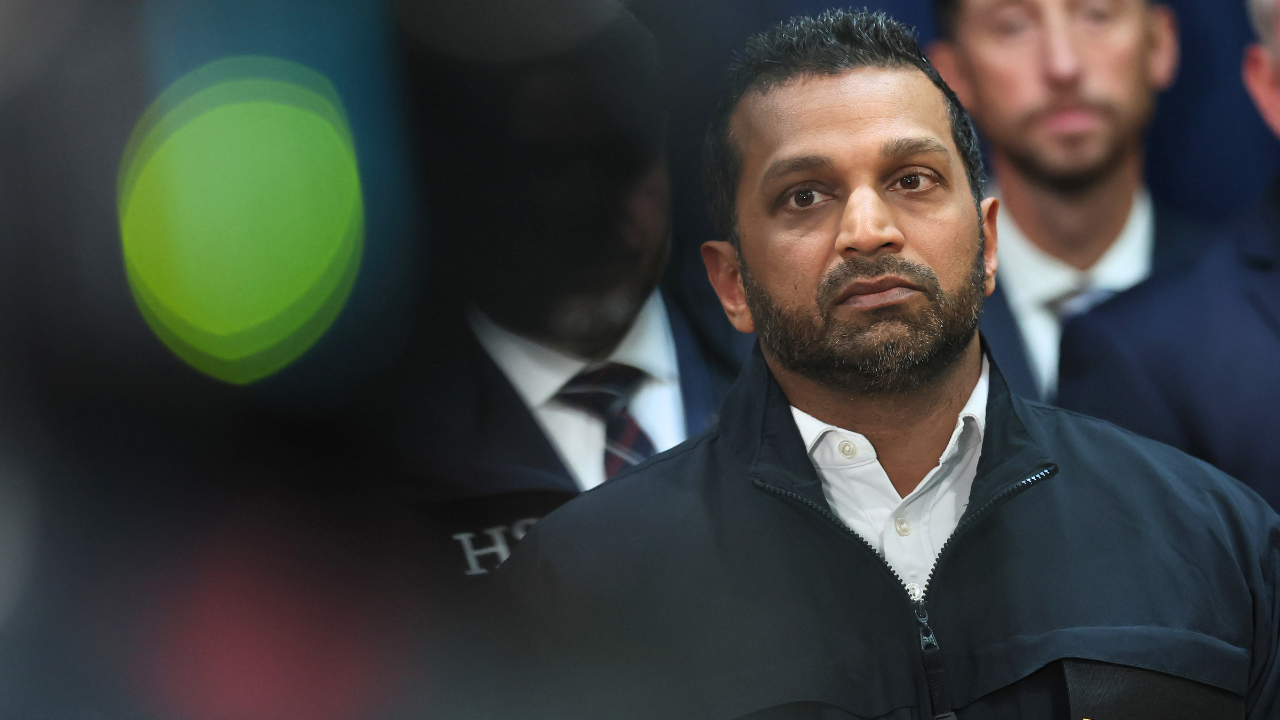
FBI Director Kash Patel said Saturday that counterterrorism and intelligence teams are now on high alert amid ongoing U.S. actions involving Iran.
«Last night, I instructed our Counterterrorism and intelligence teams to be on high alert and mobilize all assisting security assets needed,» Patel wrote on X.
Patel added that while the U.S. military is handling force protection overseas, the FBI «remains at the forefront of deterring attacks here at home» and will continue working around the clock to protect Americans.
FBI RAISES COUNTERTERROR TEAMS TO HIGH ALERT AMID IRAN TENSIONS
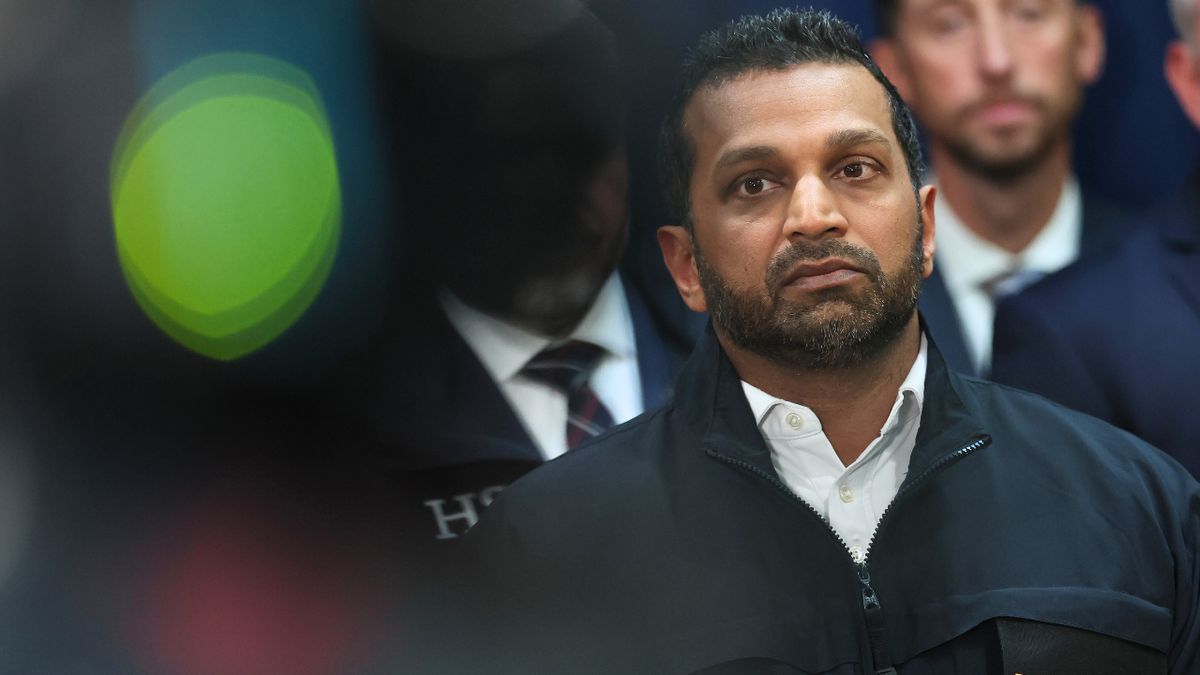
FBI Director Kash Patel stands silently during a press conference on Oct. 23, 2025, in New York City. (Michael M. Santiago/Getty Images)
Jason Pack, a retired FBI supervisory special agent and Fox News contributor, said heightened monitoring is routine when U.S. military operations intersect with adversaries that have historically responded through indirect or unconventional means.
«The intelligence and counterterrorism communities work on this kind of scenario continuously, long before any conflict begins,» Pack said. «When the United States commits to a joint military campaign with Israel, the domestic threat environment doesn’t simply remain static. It could shift, potentially significantly.»
He noted that adversarial actors — including Hezbollah, Hamas’s external networks and Iranian Revolutionary Guard Corps proxies — have historically demonstrated both intent and, in some cases, the capability to retaliate against U.S. military actions.
CLICK HERE TO DOWNLOAD THE FOX NEWS APP
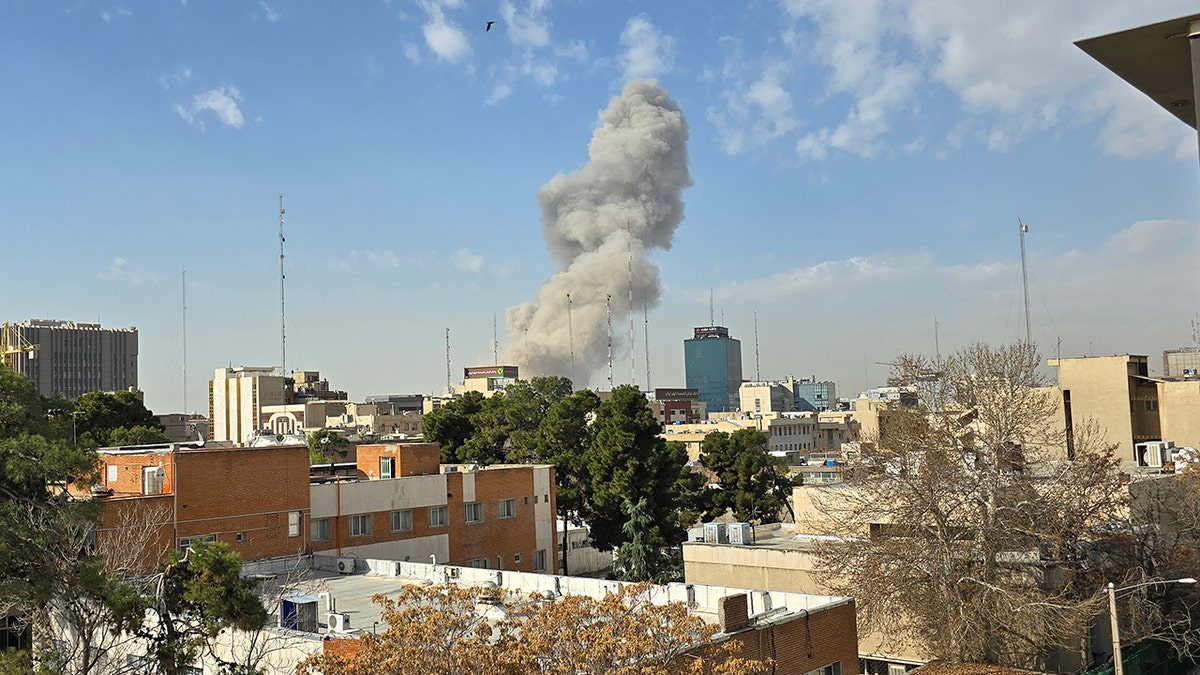
A plume of smoke rises after an explosion on Feb. 28, 2026, in Tehran, Iran. (Majid Saeedi/Getty Images)
Meanwhile, Homeland Security Secretary Kristi Noem said she is «in direct coordination with our federal intelligence and law enforcement partners as we continue to closely monitor and thwart any potential threats to the homeland.»
The heightened alert comes as parts of the Department of Homeland Security face a partial shutdown, raising additional questions about resources and operational strain at a time when federal agencies are on elevated watch.
While no specific plots have been identified, officials acknowledge the threat environment could shift quickly as tensions overseas evolve and whether that escalation reaches American soil remains to be seen.
Fox News Digital’s Michael Dorgan and Kelley Kramer contributed to this report.
war with iran,iran,middle east,middle east foreign policy,fbi




INTERNACIONAL
Donald Trump dijo que las operaciones militares contra el régimen de Irán podrían durar “unas cuatro semanas”
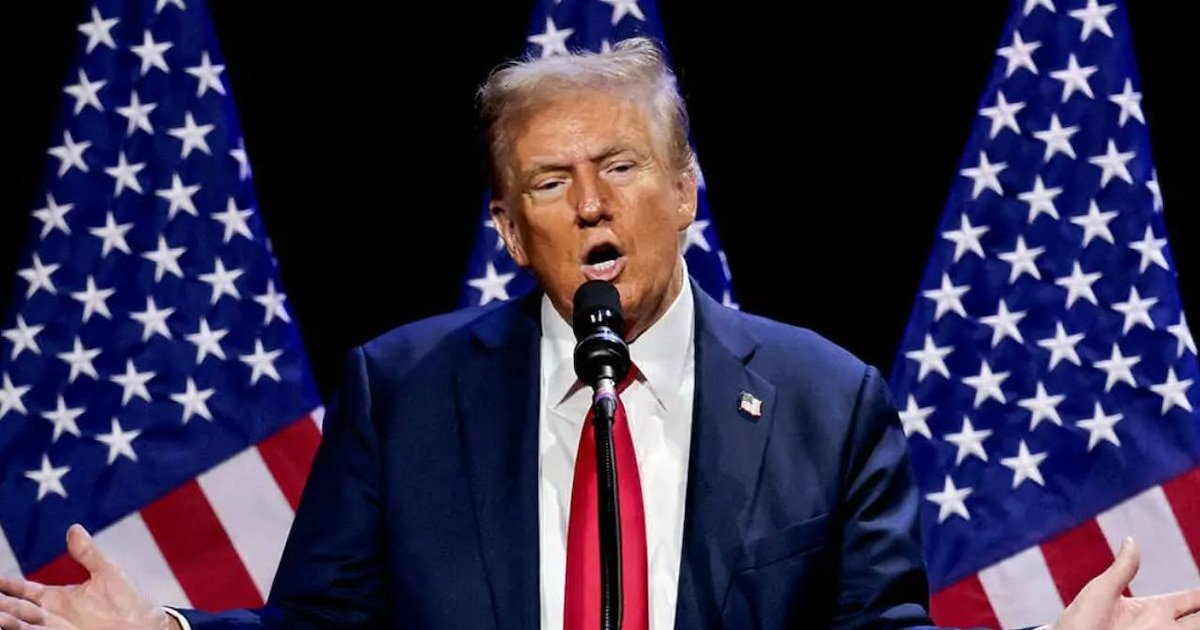
El presidente de Estados Unidos, Donald Trump, anunció este domingo que la ofensiva militar lanzada contra Irán podría extenderse durante las próximas cuatro semanas.
“Calculamos que serán unas cuatro semanas. Es un país grande, llevará cuatro semanas, o menos”, afirmó Trump en una entrevista con el diario británico Daily Mail.
De acuerdo con el líder republicano, la campaña militar ejecutada en coordinación con Israel, ha diezmado la capacidad defensiva de la República Islámica. El mandatario aseguró que la ofensiva sigue los planes previstos y que no le sorprenden los resultados alcanzados hasta ahora.
“Sacamos a toda su dirigencia, mucho más de lo que imaginamos. Parece que fueron 48”, explicó sobre el golpe a la cúpula militar y política iraní.
Trump también confirmó la muerte de tres militares estadunidenses y varios heridos durante la operación “Furia épica”.
“Son personas excepcionales, con trayectorias sobresalientes”, afirmó, al tiempo que aclaró que estas pérdidas, aunque dolorosas, son un riesgo asumido desde el inicio de la operación y no descartó que haya más bajas si el conflicto se prolonga.

Señaló que la administración está en contacto con las familias de los soldados fallecidos y que planea reunirse con ellas en el momento adecuado.
No descartó visitar la base aérea de Dover para la ceremonia de repatriación de los cuerpos o invitar a los familiares a la Casa Blanca. “Me reuniré con sus familias cuando sea el momento apropiado”, indicó.
La misión, que empezó la madrugada del sábado, ha tenido como objetivo la destrucción de bases militares, centros de mando y sistemas estratégicos del régimen iraní.
Trump insistió en que la meta es debilitar la capacidad de respuesta de Teherán y reducir al mínimo cualquier amenaza futura para Estados Unidos y sus aliados en la región.
“Siempre ha sido un proceso de cuatro semanas… así de grande es el país, así de fuerte”, remarcó el presidente.
El mandatario estadounidense también destacó la coordinación con aliados regionales y detalló que ha mantenido conversaciones con los líderes de Bahréin, Arabia Saudita, Emiratos Árabes Unidos, Qatar, Jordania y otros países de la zona.
Consultado por el Daily Mail sobre la posible reacción militar saudita ante los ataques iniciales sufridos por su país, Trump respondió: “Ellos también están luchando”, dando a entender que la coalición internacional está alineada frente a la escalada de tensión.
Pese a la magnitud de la campaña, Trump no descartó la opción de retomar el diálogo con Teherán una vez concluyan los bombardeos, aunque subrayó que la oportunidad de negociar se perdió antes del inicio de la ofensiva.
“Quieren hablar, pero les dije que debieron hacerlo la semana pasada, no ahora”, puntualizó el mandatario, que se mostró escéptico sobre una solución inmediata, pero no cerró la puerta a futuras conversaciones si el contexto evoluciona.
Durante la entrevista, Trump aseguró que todas las acciones siguen el plan de operaciones y que las fuerzas estadounidenses mantienen la iniciativa en el terreno. El presidente anunció que en las próximas horas se dirigirá nuevamente a la nación para informar sobre el desarrollo de la operación y los próximos pasos.
Sobre el futuro de Irán, Trump expresó su esperanza en que, una vez terminados los ataques, pueda surgir una transición democrática.
“Será muy interesante ver lo que ocurre. Pueden pasar muchas cosas y muchas pueden ser positivas”, reflexionó. No obstante, advirtió que la situación sigue siendo volátil y que la prioridad del gobierno sigue siendo la seguridad de las tropas y de los intereses norteamericanos.
La Casa Blanca mantiene la expectativa de completar la campaña en el menor tiempo posible, sin descartar nuevos episodios de violencia en la región. Trump concluyó que, si bien el camino será complejo, Estados Unidos y sus aliados buscan debilitar de manera decisiva el aparato militar iraní y sentar las bases para una nueva etapa política en Oriente Medio.
(Con información de AFP)
Donald Trump,Supermartes,elecciones presidenciales,primarias republicanas,2024,política,Estados Unidos,candidato,campaña
INTERNACIONAL
If Khamenei falls, who takes Iran? Strikes will expose power vacuum — and the IRGC’s grip
NEWYou can now listen to Fox News articles!
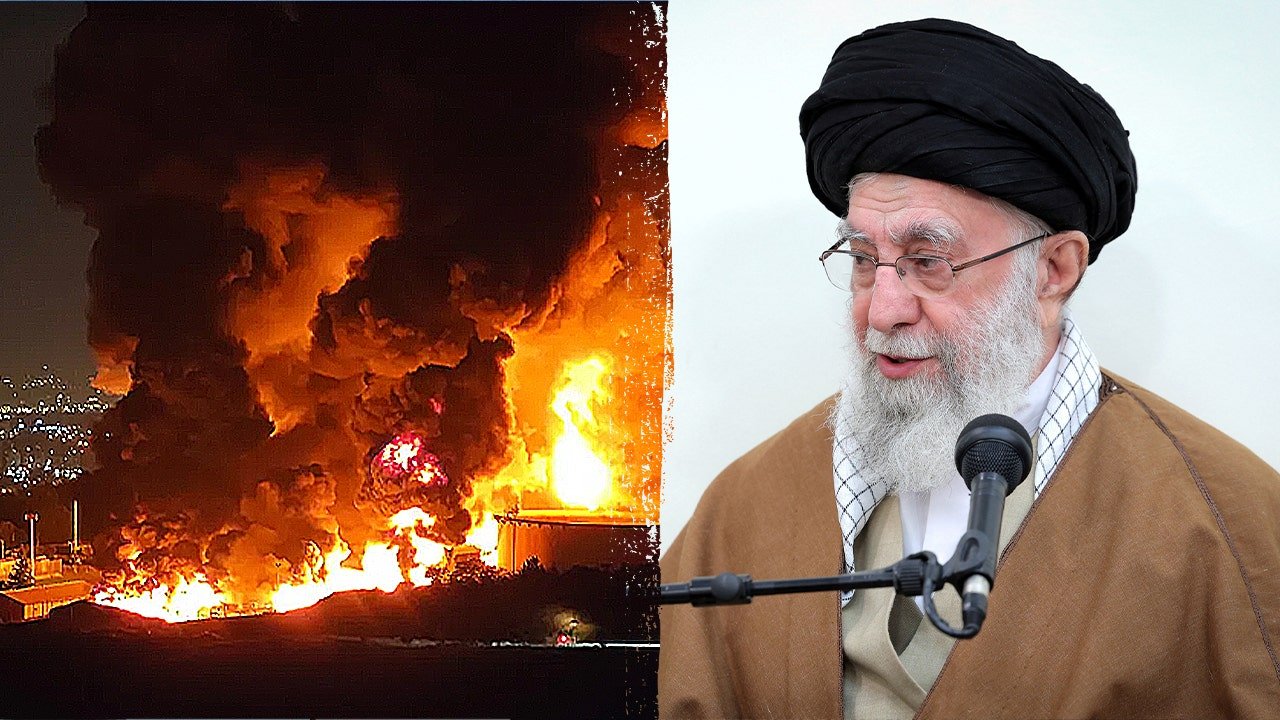
As U.S. and Israeli forces strike deep inside Iran — reportedly targeting senior regime officials including Supreme Leader Ayatollah Ali Khamenei and President Masoud Pezeshkian — the question of who would lead Iran if the Islamic Republic collapses is no longer theoretical.
Iran has retaliated with missile barrages against U.S. positions across the Middle East, and while Iranian state media says top leaders remain alive and have been moved to secure locations, the direct targeting of political and military leadership marks a dramatic escalation.
Yet, despite the intensity of the moment, regional analysts say there is no obvious successor poised to take control of the country.
The real power center: security forces
Experts consistently point to one determining factor: whether Iran’s coercive institutions — particularly the Islamic Revolutionary Guard Corps (IRGC) — fracture or consolidate.
If the IRGC remains cohesive, the most likely outcome is not democratic transition but a harder, more openly security-dominated system. A clerical reshuffle or military-led consolidation could preserve much of the existing power structure even if key figures are removed.
As U.S. and Israeli forces strike deep inside Iran — reportedly targeting senior regime officials including Supreme Leader Ayatollah Ali Khamenei and President Masoud Pezeshkian — the question of who would lead Iran if the Islamic Republic collapses is no longer theoretical. (Iranian Leader Press Office/Anadolu via Getty Images)
If, however, segments of the IRGC or regular armed forces defect or splinter under pressure from war and internal unrest, a political opening could emerge.
At this stage, there is no confirmed evidence of widespread security defections.
Reza Pahlavi: visible but long in exile
One of the most prominent opposition figures abroad is Reza Pahlavi, son of Iran’s last shah. He has lived outside Iran since the 1979 revolution and has spent decades advocating for a secular, democratic system.
In a recent statement, Pahlavi called the U.S. strikes a «humanitarian intervention» and urged Iran’s military and security forces to abandon the clerical regime. He declared that the Islamic Republic is «collapsing» and called on Iranians to prepare to return to the streets at the appropriate time.
But while Pahlavi has name recognition and support among parts of the diaspora, his actual base of support inside Iran is difficult to measure. He has not lived in the country for more than four decades, and many Iranians remain divided over the legacy of the monarchy.
Analysts note that symbolic visibility — including chants heard during past protests — does not necessarily translate into the organizational infrastructure needed to govern a country of nearly 90 million people.
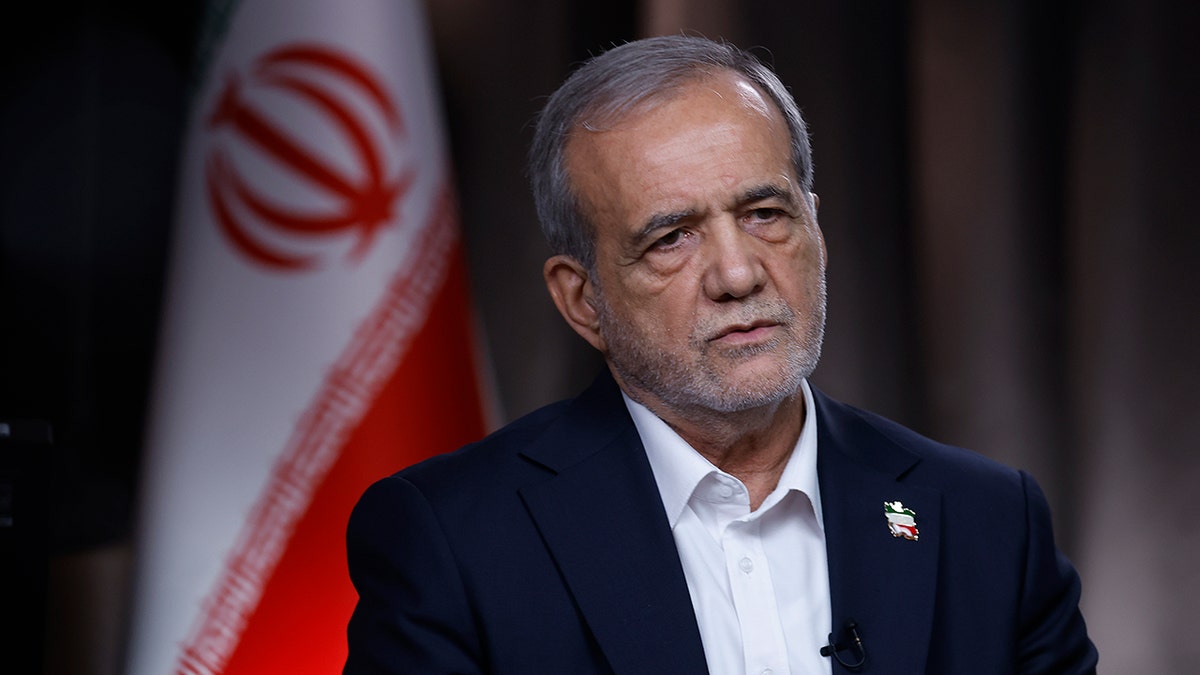
Iranian President Masoud Pezeshkian speaks with Fox News Channel’s Martha MacCallum during an interview on September 25, 2025, in New York City. (John Lamparski/Getty Images)
Maryam Rajavi and the NCRI: organized but controversial
Maryam Rajavi, leader of the National Council of Resistance of Iran (NCRI), has taken a different approach. Her organization announced a provisional government framework aimed at transferring sovereignty to the Iranian people and establishing a democratic republic based on her longstanding ten-point plan.
In a subsequent message, Rajavi called on «patriotic personnel in the armed forces» to stand with the Iranian people and urged regime forces to «lay down their arms and surrender.» She also rejected both clerical rule and what she described as «monarchical fascism,» an apparent reference to restorationist movements linked to the former royal family.
The plan calls for dissolving the IRGC and other security institutions, separating religion from the state, abolishing the death penalty, guaranteeing gender equality and holding elections for a constituent assembly.
The NCRI presents itself as a ready governing alternative.
TRUMP ADMIN RAMPS UP ‘MAXIMUM PRESSURE’ IRAN SANCTIONS AHEAD OF NEW ROUND OF NUCLEAR TALKS
But the group — closely associated with the Mujahedin-e Khalq (MEK) — remains deeply controversial. Its history of armed struggle and years spent in exile have led many analysts to question the depth of its support inside Iran, particularly among younger generations.
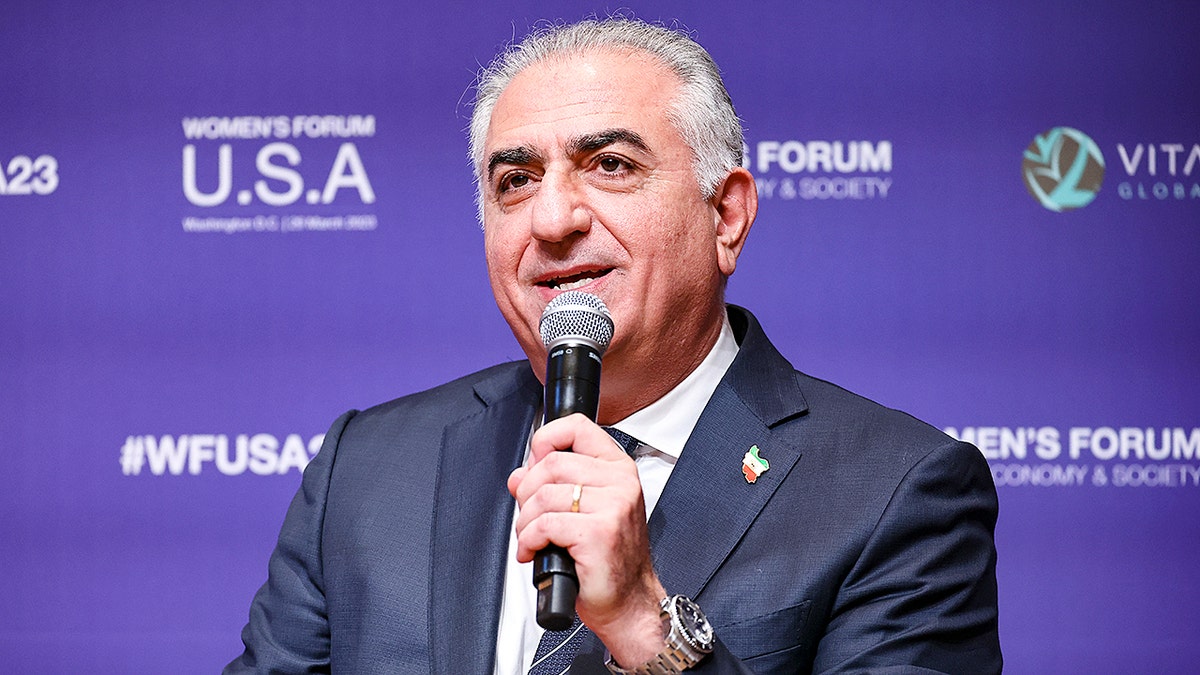
Exiled Iranian Crown Prince Reza Pahlavi said the Ayatollah’s regime engages in a pattern of pretending to negotiate in earnest to buy time. (Paul Morigi/Getty Images)
While some Western political figures have expressed backing over the years, domestic legitimacy remains uncertain.
No clear heir apparent
Despite bold statements from opposition figures, experts caution that Iran’s future leadership is more likely to be shaped inside military barracks and security compounds than in exile press conferences.
Four decades of repression have hollowed out internal political alternatives. No widely recognized civilian leader inside Iran has emerged with cross-factional legitimacy.
If the regime’s leadership were to fall quickly, the immediate struggle would likely be among security elites — not between rival exile figures.
CLICK HERE TO DOWNLOAD THE FOX NEWS APP
For now, analysts say, Iran has competing visions but no consensus successor. Whether the country transitions toward a new political system, hardens into military rule or experiences prolonged instability will depend less on declarations abroad and more on whether the regime’s core power structures fracture from within.
Related Article
war with iran,iran,conflicts defense,donald trump,middle east,politics,world
NEWYou can now listen to Fox News articles!
Three U.S. service members were killed and five others were seriously wounded as part of Operation Epic Fury, U.S. Central Command (CENTCOM) said Sunday morning.
In addition, several others sustained minor shrapnel injuries and concussions and are in the process of being returned to duty, CENTCOM announced.
«The situation is fluid, so out of respect for the families, we will withhold additional information, including the identities of our fallen warriors, until 24 hours after next of kin have been notified,» CENTCOM said.
The deaths mark the first American casualties reported in the conflict.
Smoke rises over the city center after an Israeli army launches 2nd wave of airstrikes on Iran on Saturday. (Fatemeh Bahrami/Anadolu via Getty Images)
President Donald Trump launched Operation Epic Fury on Saturday morning, eliminating Iranian Supreme Leader Ali Khamenei as well as dozens of other senior Iranian leaders, including the head of the Iranian Revolutionary Guard Corps.
The joint military operation is expected to carry on for days. Officials tell Fox News that Israel is targeting Iranian leadership, while the U.S. is targeting military targets and ballistic missile sites that pose an «imminent threat.»
Trump warned on Sunday against Iranian retaliation over the U.S. and Israeli strikes. He said that if Iran were to «hit very hard,» they would be met with «a force that has never been seen before.»
POPE WARNS ESCALATING IRAN CONFLICT COULD TIP MIDDLE EAST INTO ‘IRREPARABLE ABYSS’
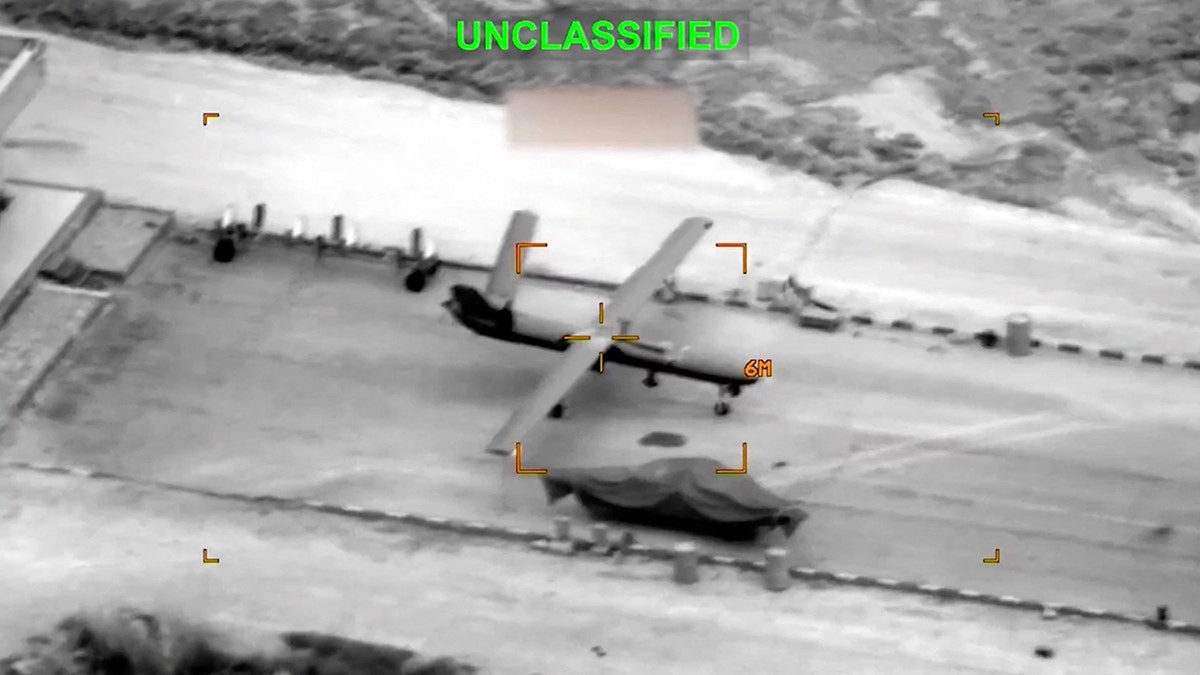
A screengrab from a video released by U.S. Central Command (CENTCOM), which accompanied a press release describing the operation dubbed «Epic Fury,» an attack by the United States and Israel on Iran, shows smoke and dust rising following an explosion at an unknown location, in this image obtained from social media released on February 28, 2026. (US CENTCOM via X via REUTERS )
It comes as the Iranian regime launched strikes against U.S. interests in neighboring countries in the region in retaliation for U.S.-Israeli joint strikes against Iran’s leaders.
The Iranian response targeted all U.S. bases in the Gulf, except for U.S. bases in Oman, Fox News’ Jennifer Griffin reported.
On Sunday, Iranian airstrikes killed at least eight Israelis just miles from Jerusalem.
CLICK HERE TO DOWNLOAD THE FOX NEWS APP

A map of Western strikes against Iran (Fox News)
The strikes landed in the Israeli city of Beit Shemesh. Initial reports said four people were killed when missiles landed in a residential area on Sunday, but that death toll rose to eight, according to Israel’s national emergency service.
Fox News’ Anders Hagstrom contributed to this report.
Related Article
war with iran,iran,donald trump,israel,wars,middle east

Qué siente tu perro cuando olfatea tus cosas, según expertos caninos

Quién es el participante de Gran Hermano que analiza abandonar la casa: “Me siento demasiado frágil para esto”

Liberaron a Nahuel Gallo, el gendarme argentino detenido en Venezuela por el régimen de Maduro

Una menor brecha de precios de ropa revela debilidades profundas

La interesante reflexión de Lahm sobre el éxito de La Masia del Barça: ‘Las academias no responden a una pregunta crucial’

Liberaron al gendarme argentino Nahuel Gallo tras estar secuestrado 448 días por el régimen chavista en Venezuela

Ginette Reynal dio una rotunda marcha atrás con una decisión que tomó hace dos meses: “No aguanto más”

Alarma por la salud de Divina Gloria tras salir de Gran Hermano: “La internaron directamente en terapia intensiva”

¡Titi revolucionó Gran Hermano! Cuáles son las 5 cosas que ya extraña: «Accesorios, pilates, bondiola, auriculares y bailar»

Evangelina Anderson contó qué pasará con sus hijos ante el próximo desafío de Martín Demichelis en España

 CHIMENTOS3 días ago
Ginette Reynal dio una rotunda marcha atrás con una decisión que tomó hace dos meses: “No aguanto más”
- CHIMENTOS3 días ago
Alarma por la salud de Divina Gloria tras salir de Gran Hermano: “La internaron directamente en terapia intensiva”
- CHIMENTOS3 días ago
¡Titi revolucionó Gran Hermano! Cuáles son las 5 cosas que ya extraña: «Accesorios, pilates, bondiola, auriculares y bailar»