INTERNACIONAL
El Estrecho de Ormuz se vuelve clave en la guerra en Medio Oriente: qué es y cómo afecta al precio del crudo

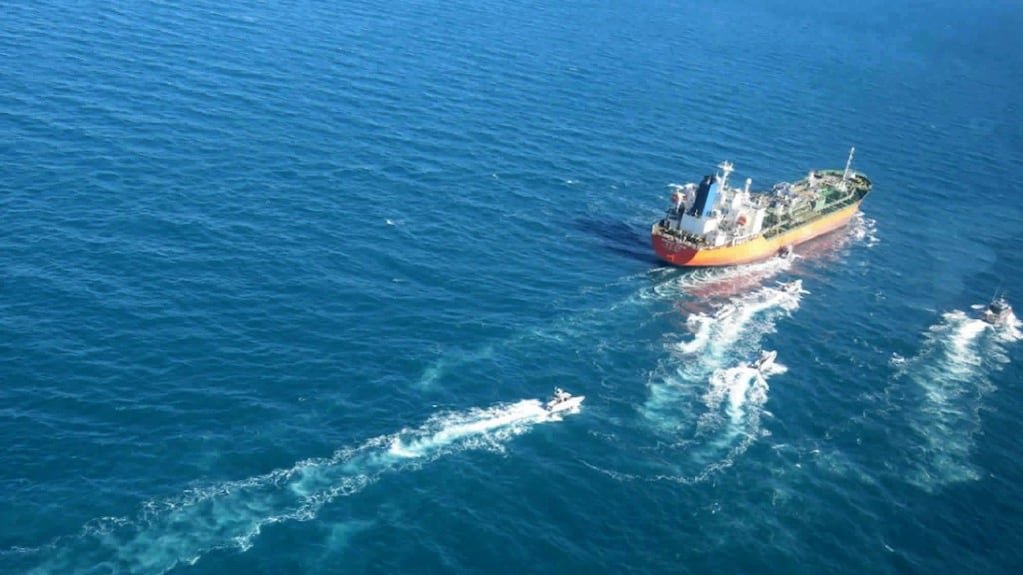
Los árabes lo conocen como Bab as-Salam, la “Puerta de la Paz”, pero la guerra en curso en Medio Oriente lo convierte en un elemento clave del conflicto entre Irán y la coalición conformada por Israel y Estados Unidos.
El estratégico estrecho de Ormuz está a un paso de transformarse en el centro de la desesperada estrategia bélica del gobierno de los ayatollah. Su anunciado cierre amenaza con provocar una crisis en el mercado petrolero mundial y una fuerte e inédita alza en el precio del barril de crudo. Según analistas, podría llegar hasta los 100 dólares.
Leé también: Qué es la Fuerza Quds, el cuerpo de elite iraní que organiza los ataques en el exterior
El paso marítimo entre Irán y Omán es clave. Por allí circula más del 20% del tráfico petrolero y gasífero del mundo. Gran parte de la producción de crudo de Arabia Saudita, Irak, Kuwait, Bahréin, Qatar y los Emiratos Árabes Unidos pasa por ahí. Se trata de unos 19 millones de barriles diarios transportados por un promedio de 13 buques por día. De hecho, el gobierno qatarí depende en forma casi total del estrecho. EL ESTRECHO DE ORMUZ. Por ahí circula cerca de un tercio del crudo mundial.
Pero por ahí transita también gran parte de las exportaciones iraníes. Su cierre es una decisión extrema con profundas implicaciones internas en tiempos de guerra.
Además, hay un elemento extra a tener en cuenta: China se vería perjudicada por su cierre. El gobierno de Beijing es el principal beneficiario de las exportaciones energéticas a través del paso de Ormuz, especialmente iraníes. China tiene una gran influencia en Teherán.
¿Dónde queda el estrecho de Ormuz y por qué es tan importante?
El estrecho de Ormuz está ubicado entre el Golfo de Omán y el Golfo Pérsico. En la costa norte está el territorio iraní. En el sur se encuentra la península omaní de Musandam. Ambos países están separados por una lengua de mar de apenas 45 kilómetros.
Después de tres días de guerra, el comandante de la Guardia Revolucionaria de Irán anunció que el Estrecho de Ormuz está cerrado y advirtió que prenderá fuego a cualquier barco que intente pasar, según informaron los medios iraníes.
“Incendiaremos cualquier barco que intente pasar por el estrecho de Ormuz”, dijo el general Sardar Jabbari en una publicación en el canal de Telegram de la Guardia iraní y alertó: “También atacaremos los oleoductos y no permitiremos que salga ni una sola gota de petróleo de la región. El precio del petróleo alcanzará los 200 dólares en los próximos días”, alertó.
Leé también: Irán: los tres desafíos que enfrenta la oposición en el exilio para intentar tomar el poder
No sería la primera vez que buques petroleos son atacados en la región.
Ya lo hizo su grupo proxy yemení, el de los rebeldes hutíes, cuando a fines de 2023 empezó a atacar a buques y cargueros que atravesaban el Mar Rojo, otra área vital en la región, en solidaridad con Gaza. Entonces se paralizó el comercio en ese paso clave del tráfico de mercaderías internacional.
¿Qué pasa con el precio del petróleo?
El petróleo Brent para entrega en mayo escaló este lunes hasta situarse en los 77,74 dólares por barril al cierre de la sesión del Mercado de Futuros de Londres, ante los temores de escasez de suministro por la guerra.
El barril de crudo del mar del Norte, de referencia en Europa, avanzó 4,87 dólares en el Intercontinental Exchange londinense (ICE) en comparación al cierre de la sesión del pasado viernes, cuando terminó en 72,87 dólares.
El crudo reaccionó al alza y alcanzó su nivel más alto de los últimos ocho meses tras el estallido de la guerra.
Leé también: Trump enumeró los cuatro objetivos de su ofensiva contra Irán y no descartó enviar fuerzas terrestres
El sentimiento alcista, que llegó a superar los 80 dólares horas antes, aunque algo más moderado, predominó entre los inversores ante los temores de escasez de suministro por el aumento de las tensiones en Oriente Medio y pendiente de la evolución del conflicto en Irán, uno de los principales productores de crudo de la OPEP+ y que controla el estrecho de Ormuz.
Algunos analistas vaticinan que, de cerrarse por completo y durante un tiempo prolongado ese paso clave, los precios del petróleo podrían llegar a alcanzar hasta los 100 dólares por barril, en el peor de los escenarios.
Además del petróleo, los precios del gas también se incrementaron cerca de un 45% hoy después de que Qatar cerrase la mayor refinería de gas natural licuado del mundo, tras haber sido atacada por drones iraníes, afectando al 20% de la producción a nivel global.
Irán, Israel, Donald Trump








INTERNACIONAL
El ataque Irán: escaso apoyo en Estados Unidos a la ofensiva militar lanzada por Donald Trump contra el régimen de los ayatollahs
NEWYou can now listen to Fox News articles!
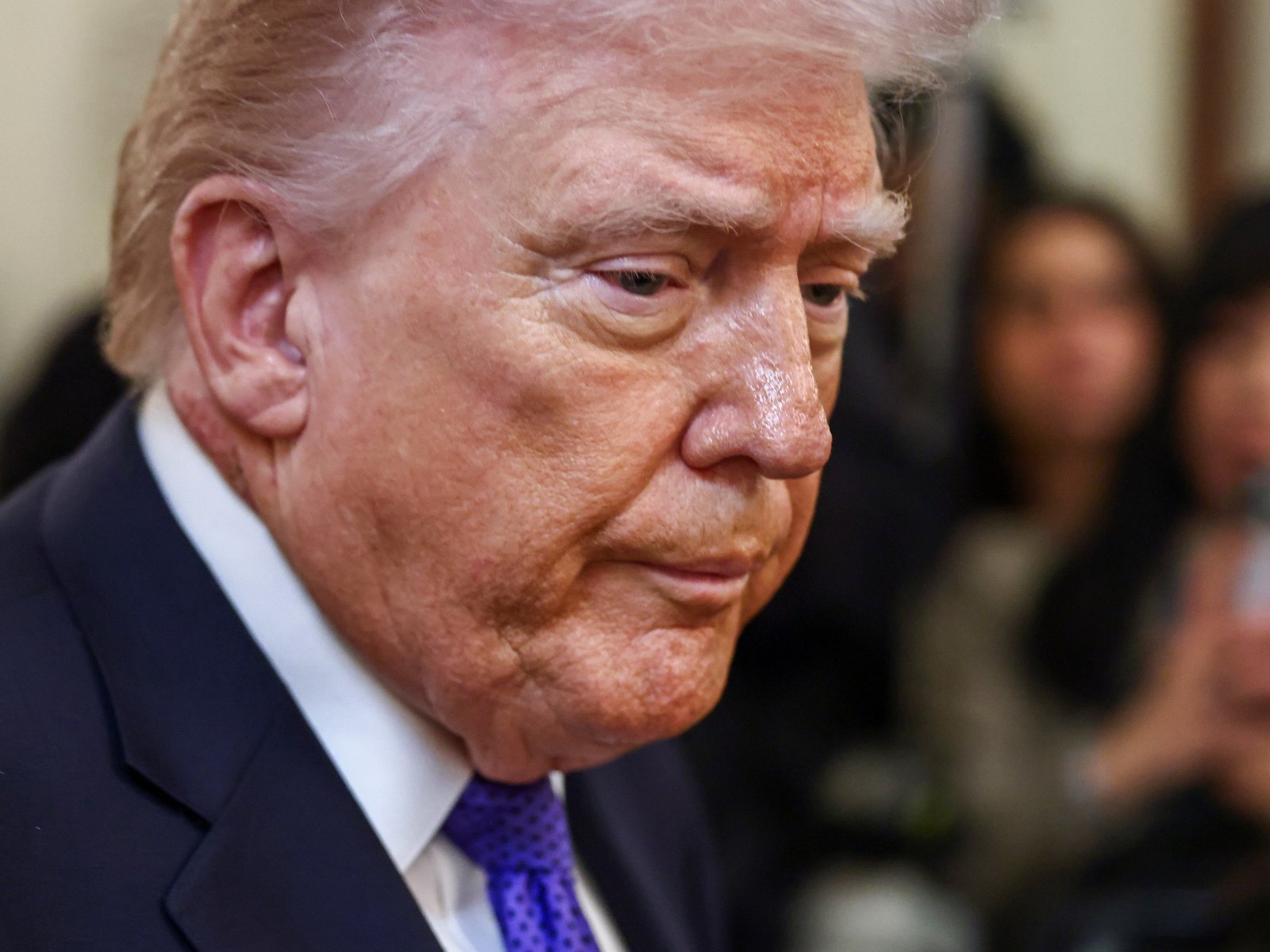
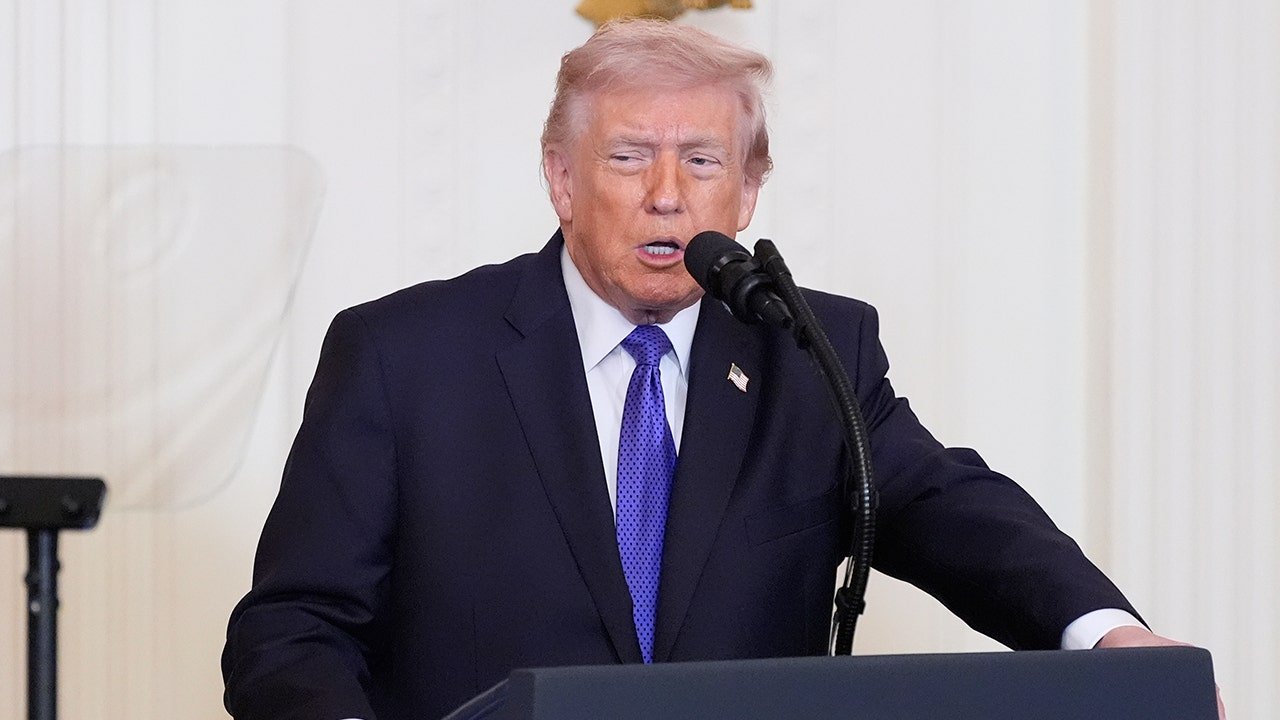
President Donald Trump on Monday sent an official notification to Congress about the U.S. strikes against Iran, in which he attempted to justify the military action in the now expanding conflict in the Middle East.
In a letter obtained by FOX News, Trump told Senate President Pro Tempore Chuck Grassley, R-Iowa, that «no U.S. ground forces were used in these strikes» and that the mission «was planned and executed in a manner designed to minimize civilian casualties, deter future attacks, and neutralize Iran’s malign activities.»
This comes after joint U.S.-Israeli strikes against Iran on Saturday as part of Operation Epic Fury, triggering a response from Tehran and a wider conflict in the region. The strikes killed the Islamic Republic’s Supreme Leader Ali Khamenei and other military leaders.
President Donald Trump on Monday sent an official notification to Congress about the U.S. strikes against Iran. (AP Photo/Alex Brandon)
Trump wrote that it is not yet possible to know the full scope of military operations against Iran and that U.S. forces are prepared to take potential further action.
«Although the United States desires a quick and enduring peace, not possible at this time to know the full scope and duration of military operations that may be necessary,» Trump wrote. «As such, United States forces remain postured to take further action, as necessary and appropriate, to address further threats and attacks upon the United States or its allies and partners, and ensure the Government of the Islamic Republic of Iran ceases being a threat to the United States, its allies, and the international community.»
«I directed this military action consistent with my responsibility to protect Americans and United States interests both at home and abroad and in furtherance of United States national security and foreign policy interests,» he added. «I acted pursuant to my constitutional authority as Commander in Chief and Chief Executive to conduct United States foreign relations.»
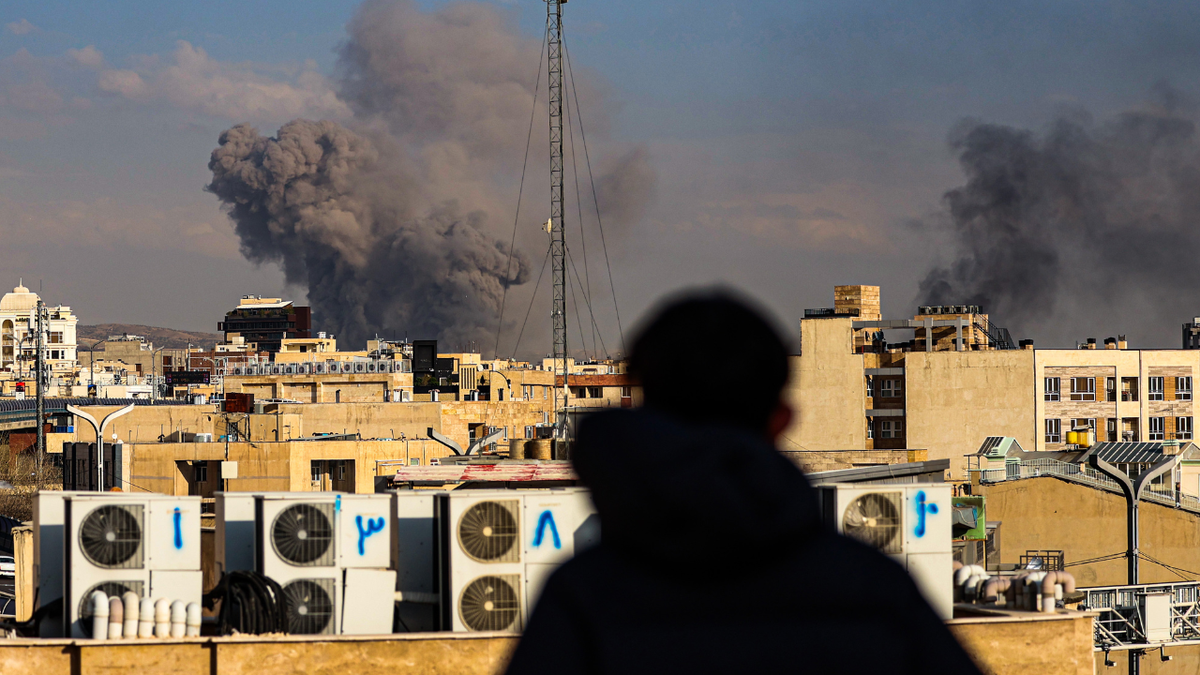
A general view of Tehran with smoke visible in the distance after explosions were reported in the city, on March 2, 2026, in Tehran, Iran. (Contributor/Getty Images)
Trump said he was «providing this report as part of my efforts to keep the Congress fully informed, consistent with the War Powers Resolution,» as some Republican and Democrat lawmakers attempt to restrain the president’s military action, which they affirm is unconstitutional without congressional approval.
The president also accused Iran of being among the largest state sponsors of terrorism in the world and purported that the «Iranian regime continues to seek the means to possess and employ nuclear weapons,» even after the White House said in June that precision strikes at the time «obliterated» Iran’s nuclear enrichment facilities.
US SURGES FORCES TO MIDDLE EAST AS PENTAGON WARNS IRAN FIGHT ‘WILL TAKE SOME TIME’
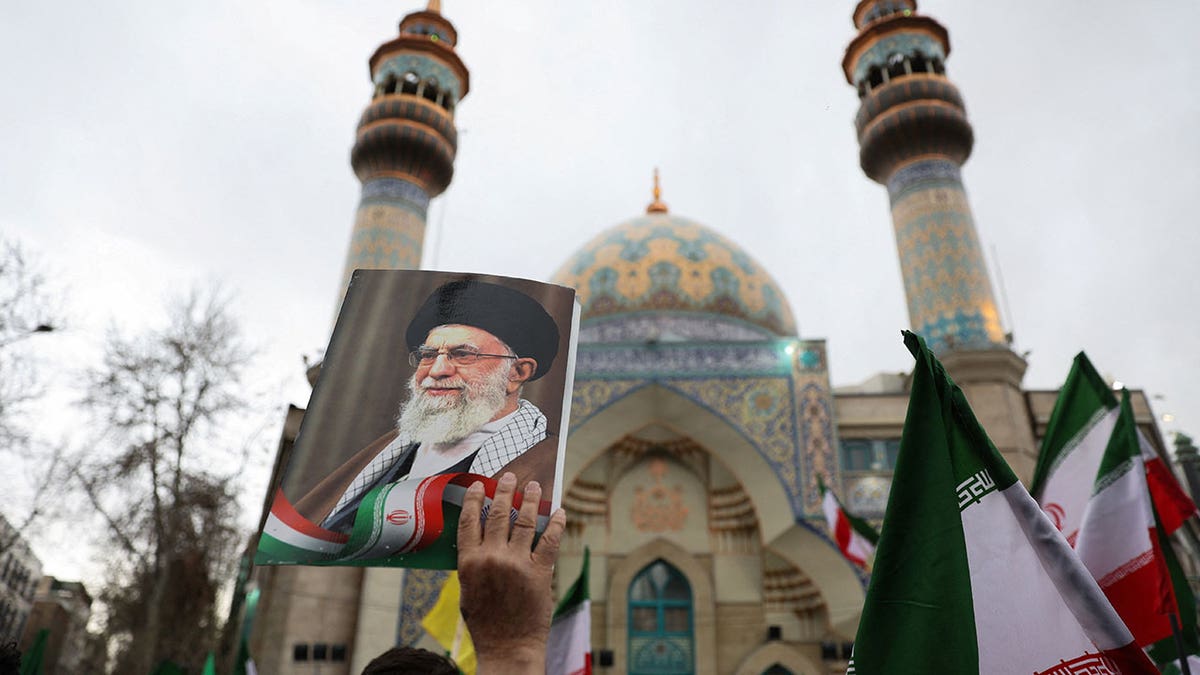
A person holds an image of Iran’s Supreme Leader Ayatollah Ali Khamenei as Iranian demonstrators protest against the U.S.-Israeli strikes, in Tehran, Iran, Feb. 28, 2026. (Majid Asgaripour/WANA (West Asia News Agency) via Reuters)
CLICK HERE TO DOWNLOAD THE FOX NEWS APP
«As I previously communicated to the Congress, Iran remains one of the largest, if not the largest, state-sponsors of terrorism in the world,» Trump said in the letter on Monday. «Despite the success of Operation MIDNIGHT HAMMER, the Iranian regime continues to seek the means to possess and employ nuclear weapons. Its array of ballistic, cruise, anti-ship, and other missiles pose a direct threat to and are attacking United States forces, commercial vessels, and civilians, as well as those of our allies and partners.»
«Despite my Administration’s repeated efforts to achieve a diplomatic solution to Iran’s malign behavior, the threat to the United States and its allies and partners became untenable,» he continued.
Fox News’ Tyler Olson contributed to this report.
Related Article
war with iran,iran,middle east,conflicts,donald trump,politics
INTERNACIONAL
Iran nuclear talks ‘didn’t pass the smell test’ before Trump launched strikes, says Vance
NEWYou can now listen to Fox News articles!
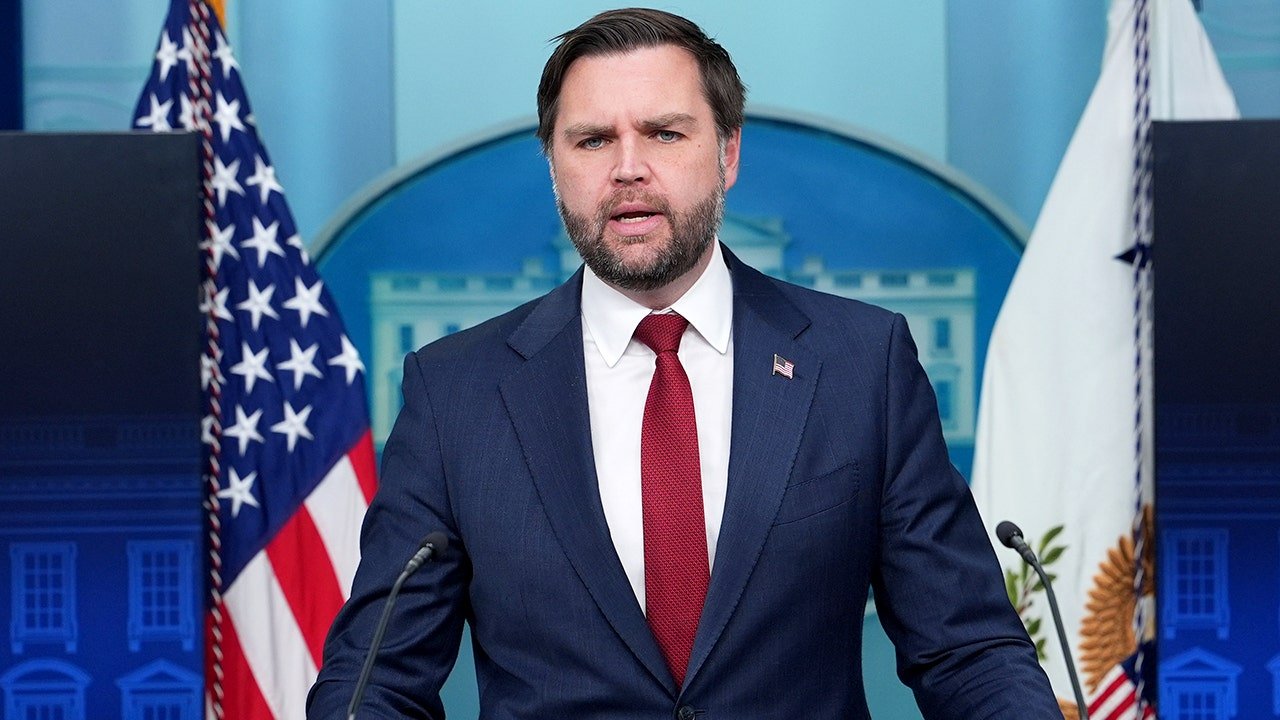
Vice President JD Vance confirmed Monday that negotiations with Iran over its nuclear program collapsed after U.S. officials concluded Tehran’s claims «did not pass the smell test,» prompting President Donald Trump to authorize Operation Epic Fury.
Speaking on «Jesse Watters Primetime,» Vance said U.S. envoys — including Steve Witkoff, Secretary of State Marco Rubio and Jared Kushner — had conducted rounds of «deliberate» talks in Geneva with the Iranian delegation.
The discussions were aimed at curbing Tehran’s nuclear program in exchange for sanctions relief and averting a broader conflict, he said, but ultimately broke down.
«But the Iranians would come back to us and they’d say, ‘Well, you know, having enrichment for civilian purposes, for energy purposes, is a matter of national pride,’» Vance said.
Omani Foreign Minister Badr al-Busaidi, President Donald Trump’s Special Representative for the Middle East, Steve Witkoff and U.S. negotiator Jared Kushner meet ahead of the U.S.-Iran talks, in Muscat, the capital of Oman, on Feb. 06, 2026. (Oman Foreign Ministry/Anadolu via Getty Images)
«And so we would say, ‘OK, that’s interesting, but why are you building your enrichment facilities 70 feet underground? And why are you enriching to a level that’s way beyond civilian enrichment and is only useful if your goal is to build a nuclear bomb?’» he said.
«Nobody objects to the Iranians being able to build medical isotopes; the objection is these enrichment facilities that are only useful for building a nuclear weapon,» Vance clarified.
«It just doesn’t pass the smell test for you to say that you want enrichment for medical isotopes, while at the same time trying to build a facility 70 to 80 feet underground,» he explained.
TRUMP DECLARES ‘I GOT HIM BEFORE HE GOT ME’ AFTER IRAN’S SUPREME LEADER KILLED IN STRIKE
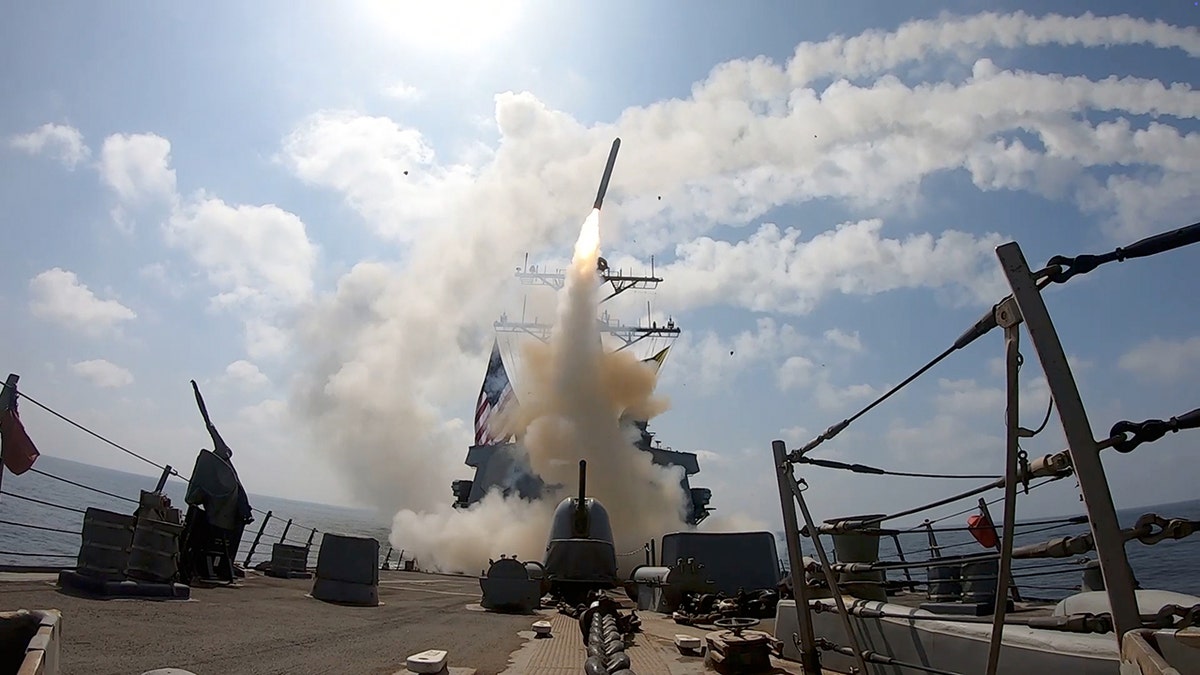
This image from video provided by U.S. Central Command shows a missile being launched from a U.S. Navy ship in support of Operation Epic Fury on Saturday, Feb. 28, 2026. (U.S. Central Command via AP)
Vance spoke as Operation Epic Fury ended its third day. Launched on Feb. 28, U.S. and Israeli forces carried out coordinated precision strikes deep inside Iran aimed at crippling Tehran’s missile arsenal and nuclear infrastructure.
A key issue had been Iran enriching uranium to high levels, including material around 60% purity — a fraction of weapons-grade but far above limits set under the 2015 nuclear deal — keeping international alarm high over proliferation risks.
«We destroyed Iran’s ability to build a nuclear weapon during President Trump’s term,» Vance told Watters. «We set them back substantially. But I think the President was looking for the long haul,» he said.
«Trump was looking for Iran to make a significant long-term commitment that they would never build a nuclear weapon, that they would not pursue the ability to be on the brink of a nuclear weapon.»
FIRES RAGE AT IRAN’S BANDAR ABBAS NAVAL HEADQUARTERS, STRAIT OF HORMUZ TRAFFIC STALLED
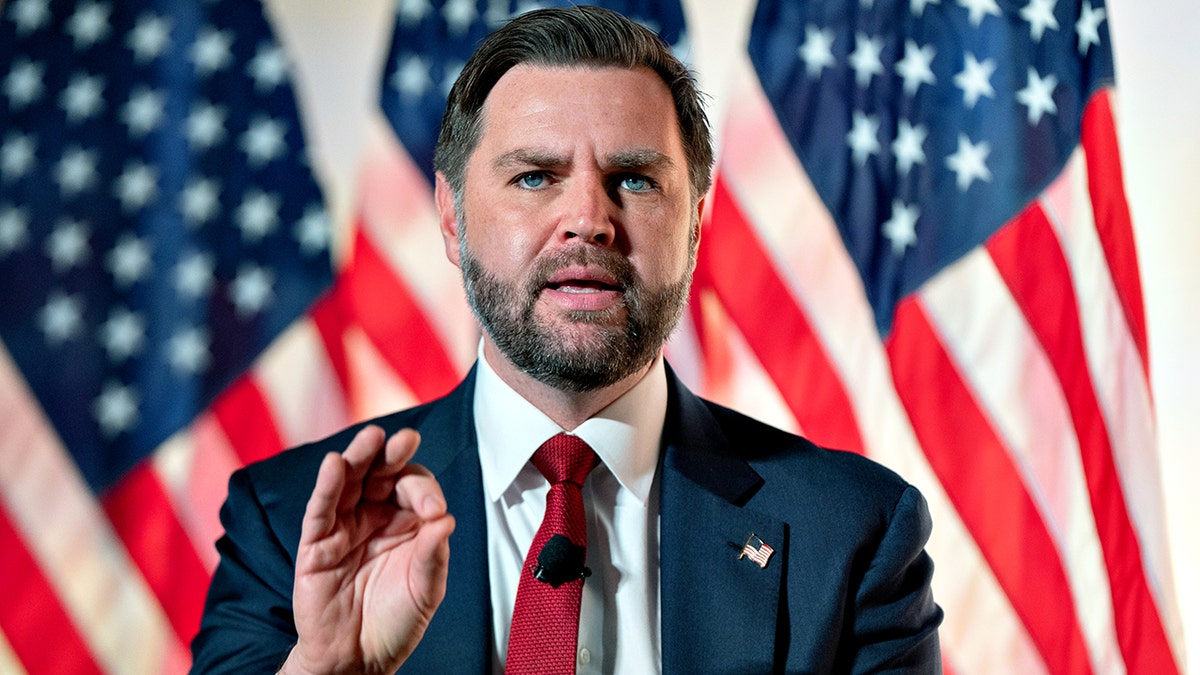
Vice President JD Vance speaks with Breitbart News Washington bureau chief Matthew Boyle at Andrew W. Mellon Auditorium, Nov. 20, 2025, in Washington. (Julia Demaree Nikhinson/AP Photo)
«He wanted to make sure that Iran could never have a nuclear weapon, and that would require fundamentally a change in mindset from the Iranian regime.»
CLICK HERE TO DOWNLOAD THE FOX NEWS APP
«The President is not going to rest until he accomplishes that all-important objective of ensuring that Iran can’t have a nuclear weapon, not just for the next few years, not just because we obliterated for dough or some other.»
«There’s just no way that Donald Trump is going to allow this country to get into a multiyear conflict with no clear end in sight and no clear objective,» Vance added while describing that the administration would prefer to see «a friendly regime in Iran, a stable country, a country that’s willing to work with the United States.»
Related Article
war with iran,ali khamenei,donald trump,jd vance,iran

Chiqui Tapia celebró la liberación de Nahuel Gallo y habló de las gestiones de la AFA

Supermercados Coto y Carrefour ofrecen auriculares con descuentos de hasta 50% y cuotas

River Plate empató 1-1 con Independiente Rivadavia en Mendoza, por la fecha 8 del Torneo Apertura

De “golpista” a “vecina chusma”: el fuerte cruce entre Luis Petri y Victoria Villarruel

Lilia Lemoine se burló de Florencia Carignano tras sus críticas al discurso de Milei

El Gobierno busca cerrar la guerra con el kirchnerismo por la integración de las comisiones del Senado

Evangelina Anderson contó qué pasará con sus hijos ante el próximo desafío de Martín Demichelis en España

Destrozaron a Andrea del Boca por el terrible pecado que tuvo en Gran Hermano: “La quiero presa”, apuntaron contra la actriz por un detalle en la cocina

¡Tensión en vivo! Aníbal Pachano y Nancy Pazos protagonizaron un cruce explosivo en la mesa de Mirtha Legrand

Las predicciones más importantes en la vida de cada signo del horóscopo en marzo, según Jimena La Torre: «Será un cambio rotundo»

 CHIMENTOS2 días ago
Destrozaron a Andrea del Boca por el terrible pecado que tuvo en Gran Hermano: “La quiero presa”, apuntaron contra la actriz por un detalle en la cocina
- CHIMENTOS2 días ago
¡Tensión en vivo! Aníbal Pachano y Nancy Pazos protagonizaron un cruce explosivo en la mesa de Mirtha Legrand
- CHIMENTOS2 días ago
Las predicciones más importantes en la vida de cada signo del horóscopo en marzo, según Jimena La Torre: «Será un cambio rotundo»