INTERNACIONAL
Cuando la alineación ideológica se puede convertir en estrategia política: ¿qué podemos esperar de la cumbre regional que redefine el hemisferio?

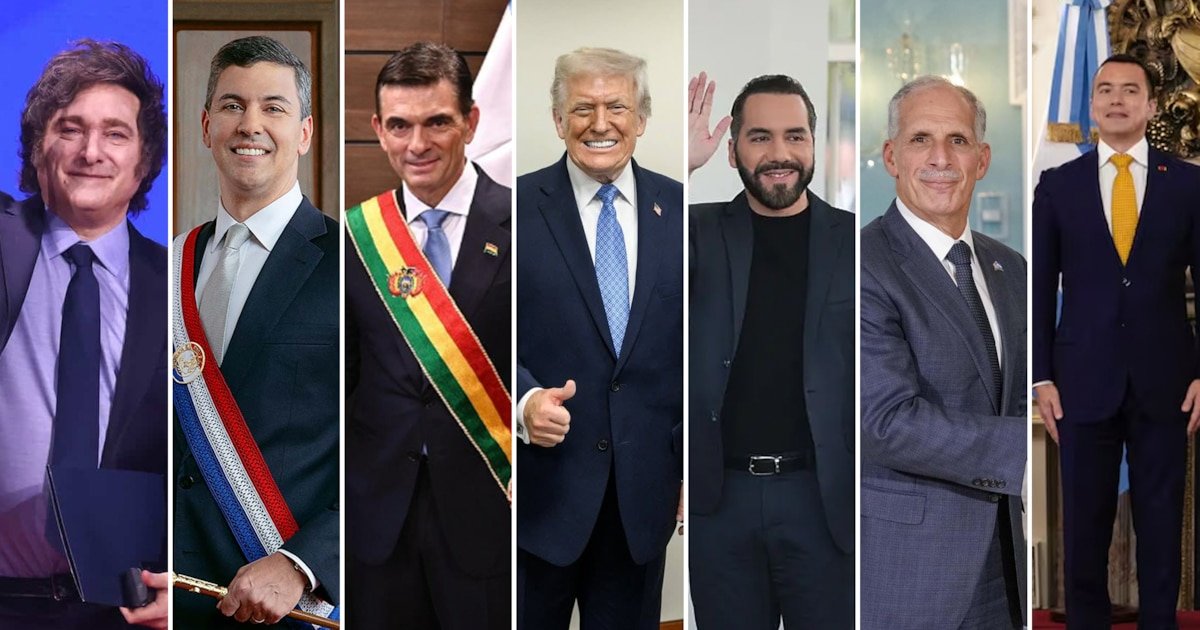
Este 7 de marzo, el presidente Donald Trump recibirá en Miami a una docena de presidentes del hemisferio occidental que tienen algo en común y además más valioso que la geografía compartida. La invitación original incluía a los presidentes de media docena de países: Argentina, Bolivia, Ecuador, El Salvador, Honduras y Paraguay. Ahora se han sumado otra media docena más: Chile (presidente electo), Costa Rica, Guyana, Panamá, República Dominicana y Trinidad y Tobago. Estos presidentes representan un frente común con una nueva doctrina hemisférica donde la lealtad ideológica podría entenderse como un acceso privilegiado a la Casa Blanca.
Esta cumbre marca un punto de inflexión en cómo Estados Unidos concibe la relación con América Latina y el Caribe. Trump ha renunciado explícitamente a la pretensión de liderar a toda la región mediante consensos amplios y declaraciones multilaterales tradicionales. En su lugar, empieza a construir una coalición compacta de gobiernos afines donde la claridad ideológica sustituye a la ambigüedad diplomática tradicional. La selectividad no es de ninguna manera una debilidad estratégica, sino que denota una clara eficiencia política.
Lo fascinante es el pragmatismo descarnado que subyace a este nuevo eje. Estos presidentes llegan con acceso a recursos naturales y estratégicos muy importantes para Estados Unidos y, en algunos casos, como el de El Salvador, con resultados visibles en temas que importan a la base electoral del Presidente Trump. En la lógica transaccional del presidente estadounidense, eso vale tanto como los minerales críticos que otros líderes le puedan ofrecer.
Los países representados por los líderes invitados a la reunión con Trump enfrentan la compleja tarea de recalibrar relaciones ya establecidas con Beijing sin generar fracturas económicas costosas. Miami les ofrece cobertura política para presentar ese giro como alineación estratégica con Occidente frente al autoritarismo oriental.
Lo que Trump construye no es un sistema interamericano tradicional, sino algo más cercano a una coalición ideológica y estratégica para el hemisferio. No se trata de integración comercial amplia ni de instituciones multilaterales burocráticas, sino de un pacto político explícito donde cada miembro entiende que su relación con Washington depende directamente de mantener distancia con Beijing. Es un modelo de alianza más exigente pero potencialmente más sólido que las estructuras basadas en consensos mínimos y compromisos vagos que generalmente quedan expuesto en manifiestos de buenas intenciones. El presidente Trump privilegia los aliados efectivos a los admiradores retóricos.
La selectividad tiene costos evidentes. Brasil, México, Colombia y Chile quedan fuera de este bloque no por descuido sino por diseño deliberado. Washington no intenta construir consenso hemisférico amplio, sino crear un núcleo duro de países alineados capaces de avanzar con su agenda de protección “antichina” sin el lastre de gobiernos escépticos o neutrales. No es más que una fragmentación consciente del espacio latinoamericano en bloques ideológicos claramente definidos.
El dilema para los gobiernos invitados es real. Pues China ha sido y seguirá siendo un socio comercial crucial para América Latina y el Caribe independientemente de las alianzas políticas. Beijing compra commodities sin condicionar esas compras a reformas internas o alineamientos geopolíticos. Estados Unidos, históricamente, ha sido más exigente. La pregunta es si los beneficios inmediatos de la alianza con Estados Unidos superan los riesgos de antagonizar a un socio económico que permanecerá presente mucho después de que el presidente Donald Trump abandone la Casa Blanca en 2029.
China quizás no permanezca pasiva. Beijing invirtió décadas construyendo presencia regional mediante infraestructura, financiamiento y comercio sin condicionalidades políticas. Esa paciencia estratégica ha sido su fortaleza a través del tiempo. La pregunta es si los países latinoamericanos preferirán la certeza de largo plazo que ofrece China o las ganancias inmediatas que podría significar la alianza liderada por el presidente Donald Trump.
Existe también una dimensión doméstica crucial. Milei batalla con recesión económica, Bukele enfrenta críticas sobre autoritarismo, Noboa lidia con violencia del crimen organizado y amenazas de revocatoria de su mandato. Para estos líderes, la foto en Miami junto a Trump tiene tanto valor interno como externo. Señala a sectores conservadores locales y a inversionistas internacionales que estos son gobiernos alineados con Occidente, confiables y predecibles. En política doméstica latinoamericana, eso se traduce en legitimidad que puede compensar deficiencias en otros frentes.
Lo particularmente interesante de esta cumbre es que rompe con décadas de diplomacia estadounidense hacia América Latina basada en multilateralismo formal y casi que sin resultados. Trump concluyó que las Cumbres de las Américas y la OEA producen más retórica que resultados, y es verdad. Su alternativa es más directa con gobiernos afines, generando oferta de incentivos concretos y exigencia de lealtad específica. Es diplomacia transaccional sin los adornos del lenguaje multilateral tradicional que le queda debiendo a la historia.
Trump elige con mucha inteligencia la profundidad sobre la amplitud, alianzas sólidas con pocos en vez de relaciones superficiales con muchos. Esta fragmentación del espacio latinoamericano en bloques ideológicos tendrá consecuencias duraderas para el sistema interamericano, pues, progresivamente hará más difícil mantener esa neutralidad o posiciones intermedias ambiguas que han sostenido hasta hoy.
Para América Latina, la cumbre de Miami plantea una pregunta incómoda pero necesaria. ¿Están dispuestos a apostar por la alianza con Estados Unidos asumiendo el riesgo de antagonizar a China? La respuesta varía según cada país, pero el margen para la ambigüedad se cierra rápidamente y los pone a definirse.
Lo que podemos esperar del 7 de marzo no son grandes declaraciones sobre integración hemisférica ni compromisos vagos sobre cooperación futura. Creo que veremos acuerdos concretos sobre minerales críticos, compromisos de inversión estadounidense en sectores específicos, posiblemente anuncios sobre bases o estrategias de cooperación militar o inteligencia, y desde luego, fotografías cuidadosamente coreografiadas que envíen mensajes tanto a Beijing como a las audiencias domésticas de cada presidente.
Trump está redefiniendo las reglas del juego hemisférico. Se posiciona como el socio deseado de quienes comparten su visión geopolítica. Es un cambio fundamental que refleja tanto la personalidad transaccional de Trump como la realidad más amplia de un mundo multipolar donde la neutralidad y falta de definiciones se vuelve cada vez más costosa.
La cumbre de Miami no resolverá los dilemas, pero los hará explícitos. Y en esa exposición radica tanto su mayor riesgo como su potencial transformador. Porque una vez que las líneas están claramente trazadas, cada gobierno debe decidir de qué lado quiere estar. Y esa decisión, a diferencia de las típicas declaraciones diplomáticas, tendrá consecuencias reales y medibles.
* El autor es empresario y comentarista político ecuatoriano. Fue presidente de BanEcuador.
América Latina








INTERNACIONAL
La guerra contra Irán: Hezbollah cumplió su sueño de atacar Chipre y busca internacionalizar el conflicto

Una provocación estratégica
El precedente de las bases
Chipre busca la neutralidad
El dilema del desarme
INTERNACIONAL
Held at gunpoint at 9, Iranian refugee turned pastor now prays for Iran’s hour of freedom
NEWYou can now listen to Fox News articles!
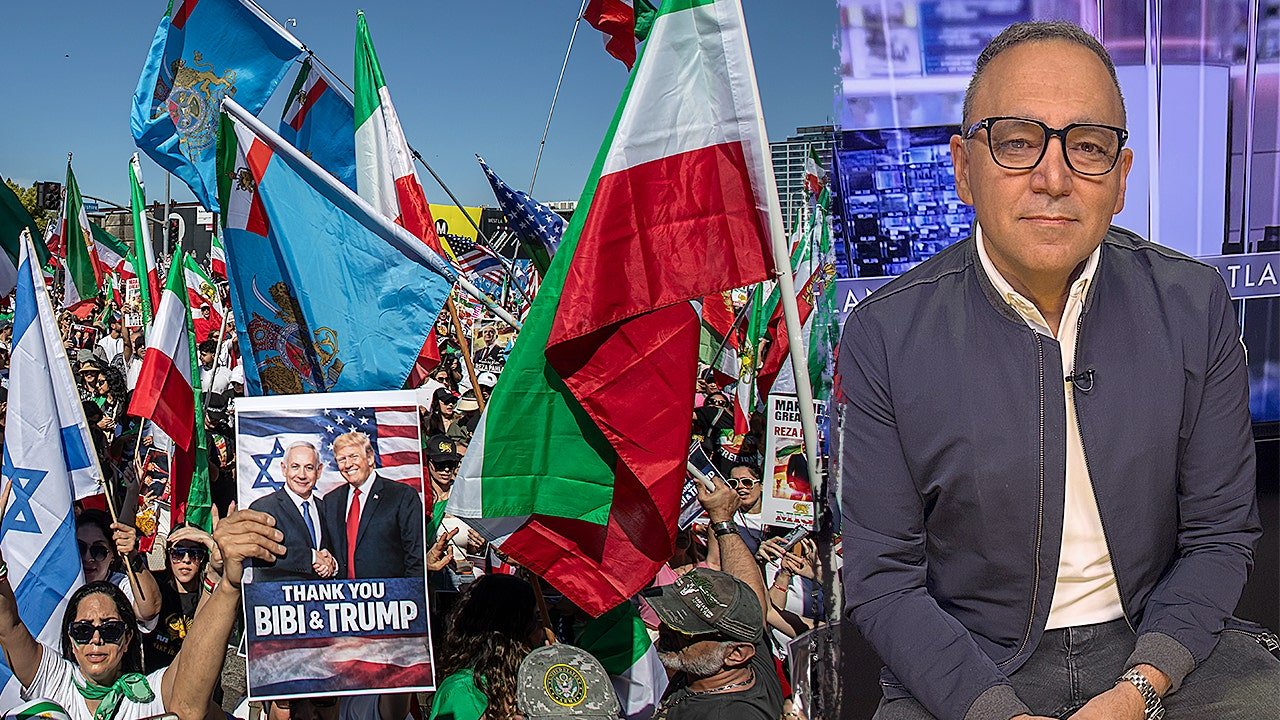
An Iranian refugee held at gunpoint at school before fleeing Iran during the 1979 revolution is calling for hope, democracy and prayers for his homeland as the U.S. joins Israel in targeting Iran’s ruling clerical regime.
David Nasser, now an American pastor, spoke to Fox News Digital six days after Operation Epic Fury was launched in Iran, which reignited haunting memories for him and of the time when he was 9 years old.
«As a child, my family and I were forced to escape Iran and run for our lives,» Nasser, President and CEO of David Nasser Outreach recalled.
«We found safe harbor as refugees granted political asylum here in the United States,» Nasser said, describing how his father had been a high-ranking officer in Iran’s military, meaning «his family became targets as the government collapsed.»
«One of my most vivid memories of realizing that nothing was ever going to be the same again was at a school assembly on a military base — a soldier called out three names and mine was called first,» he said.
David Nasser fled Iran when he was 9 years old during the 1979 revolution. (David Nasser)
«When I got to the front, the soldier dropped a piece of paper, took a gun out of his holster and put it to my head and quoted the Quran. He told me that he was sent to make an example out of me,» Nasser added.
The principal intervened, but the message he relayed was unmistakable. Nasser recalled.
«They’re killing everybody who’s anybody. They’re trying to make an example out of people like our family, and they’re using fear,» he remembered hearing at the time.
«That’s one of my first memories of the revolution, but really just being completely scared for my life.»
Soon after, Nasser’s family devised an escape plan. They would pretend Nasser’s mother needed emergency heart surgery in Switzerland and buy round-trip tickets to avoid raising suspicion.
«We bought round-trip airline tickets like we were going and coming back, but we weren’t coming back. We were running for our lives,» he said.
KHAMENEI IS DEAD — AND IRANIANS DARE TO HOPE FOR FREEDOM AGAIN AFTER DECADES OF TYRANNY
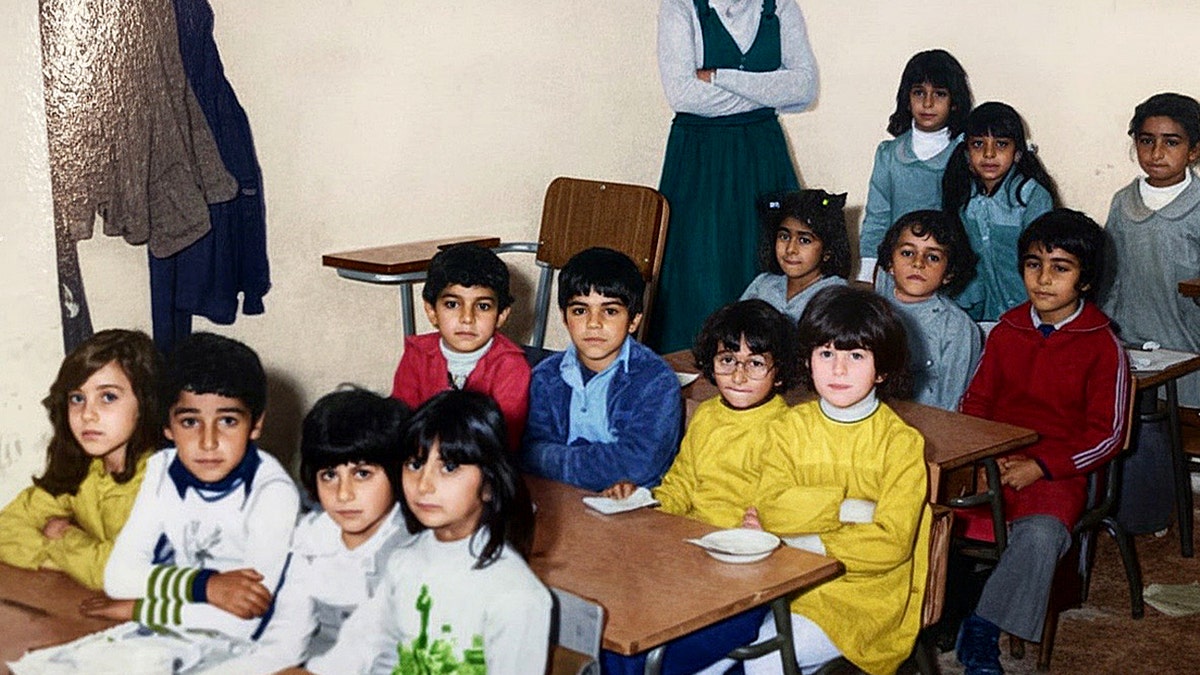
David Nasser recalled a school assembly on a military base when a soldier called out his name and put a gun to his head. (David Nasser)
At the airport, Nasser remembers gripping his father’s hand tightly and hearing words he will never forget.
«‘If they find out we’re escaping, they’re going to kill us right here on the spot,’ my father said as his hands shook, holding mine. The last time I was in Iran, I was a 9-year-old little boy running for my life,» he said.
Now, watching events unfold in Iran from the safety of the U.S., Nasser said his heart remains with millions of desperate Iranians facing uncertainty.
«We see them — I see them, I hear them. My heart is beating really fast for them right now with hope and with prayers for their protection and their provision,» Nasser said.
«Protection. I’m praying for protection for them. I want to be a part of the provision for them. If Iran transitions from a theocracy to a democracy, I want to help rebuild.»
ISRAEL HAMMERS IRANIAN INTERNAL SECURITY COMMAND CENTERS TO OPEN DOOR TO UPRISING

Pastor David Nasser fled Iran as a child and urges hope during the U.S. military campaign in Iran. (David Nasser)
«If this moment actually comes, and they go from a theocracy to a democracy, I want to be a part of the solution — for that 9-year-old little boy that I once was. I want to do this for him.»
Beyond political change, Nasser, who is also teaching pastor at New Vision Baptist Church, said he takes solace in what he describes as spiritual transformation already underway, calling it «the fastest-growing church in the world right now or the underground church in Iran.»
«We know there’s at minimum 4 million, at maximum 8 million Christians right now in Iran,» he said.
«In Iran, if you convert from Islam to Christianity, that can be a death sentence. If they come into your home, and you’re gathering for Christian worship, they will take your home title, you will lose your home.
«They’re in prison. They’re being tortured. They’re being ridiculed. They’re being mocked.
CLICK HERE TO DOWNLOAD THE FOX NEWS APP
«Above all, I came to America, and it was a land of opportunity. And I was given the gift of democracy. So, I would love to see democracy in Iran, where all the boys and girls are afforded what I was afforded when I managed to escape.»
Related Article
war with iran,iran,donald trump,middle east,christianity religion,ali khamenei,christianity
NEWYou can now listen to Fox News articles!
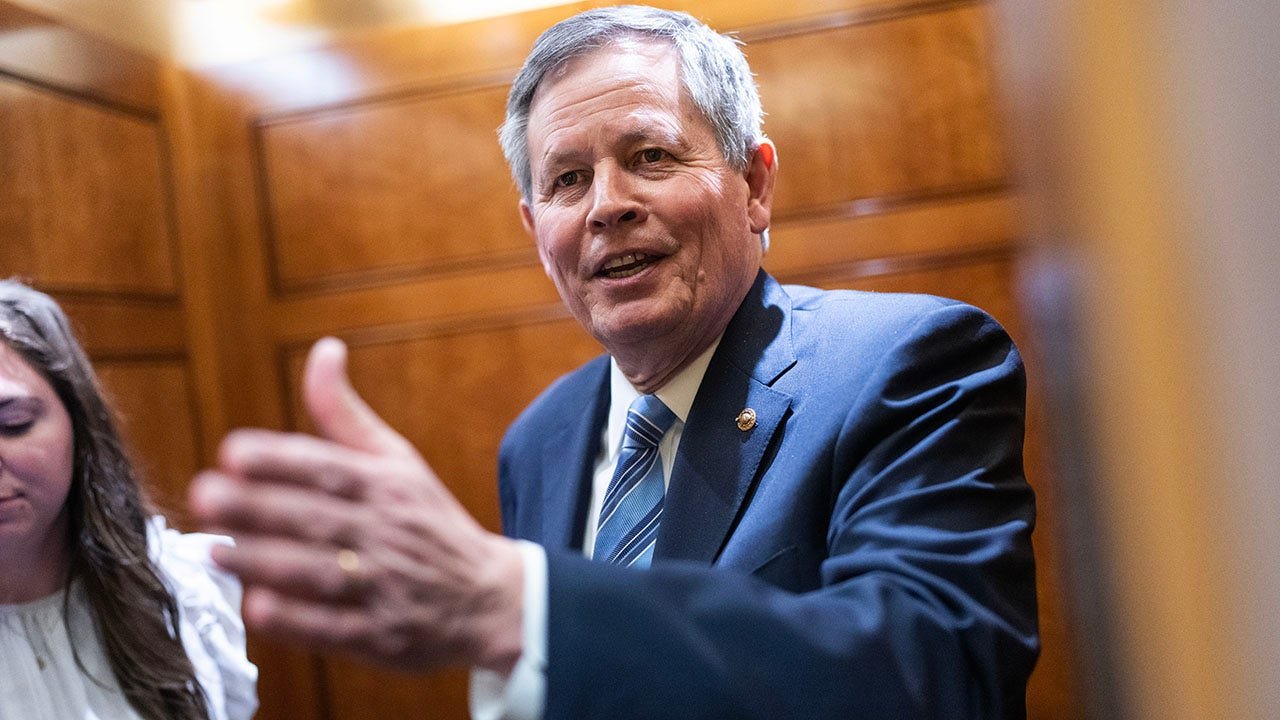
Sen. Steve Daines, R-Montana, will not seek reelection, opting to leave the Senate just minutes before Wednesday’s filing deadline in the Treasure State, three sources confirmed to Fox News Digital.
Montana’s senior senator is serving his second term and was widely expected to secure a third in Big Sky Country, where President Donald Trump won by nearly 20 points in 2024. He previously served two terms in the House before making the leap to the upper chamber.
Daines played a key role during that election cycle as chair of the National Republican Senatorial Committee, helping Republicans regain a majority in the upper chamber. He also backed Sen. Tim Sheehy, R-Montana, in a grueling race against former Sen. Jon Tester, D-Montana, helping the GOP secure unified control of Washington.
Sen. Steve Daines, R-Montana, plans to retire at the end of his term, opening up his seat in Big Sky Country as Republicans look to keep their grip in the upper chamber. (Tom Williams/CQ-Roll Call, Inc via Getty Images)
The lawmaker said in a video statement that after «much careful thought, I’ve decided not to seek reelection.»
He thanked his wife, Cindy, and noted that for the last 13 years, she «has selflessly dropped me off at the airport at 5 a.m. on most Mondays for that commute back to D.C.»
«And together, Cindy and I look forward to the next chapter, like cherishing moments with seven grandchildren, spending a bit more time in Montana and continuing to make a difference,» he said.
With Daines set to leave the Senate, Republicans will now look to hold the seat. Montana’s primary election is scheduled for June 2.
REPUBLICAN LAWMAKERS’ EARLY RETIREMENT RUMORS SEND SHOCKWAVES THROUGH HOUSE GOP
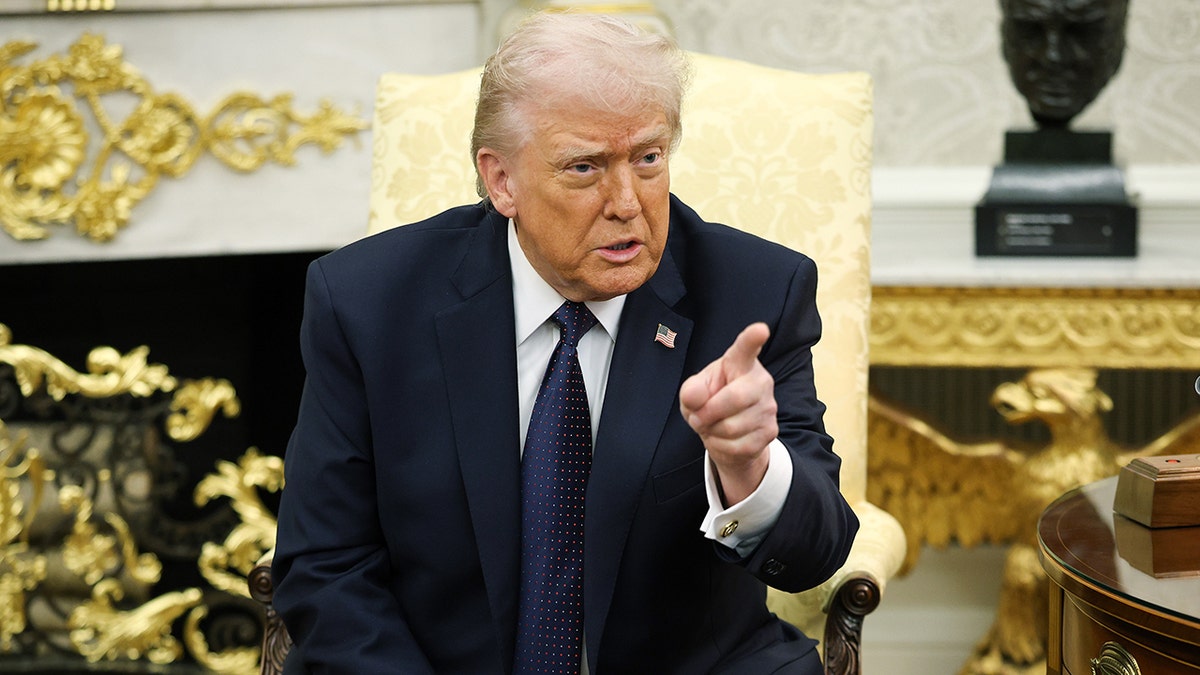
President Donald Trump takes questions from the media during a bilateral meeting with German Chancellor Friedrich Merz in the Oval Office of the White House on Tuesday, March 3, 2026, in Washington, D.C. (Win McNamee/Getty Images)
Montana U.S. Attorney Kurt Alme filed just minutes before Daines withdrew from the race, according to the Montana Secretary of State. Earlier Wednesday, former University of Montana President Seth Bodnar entered the race as an independent.
Trump wasted no time lauding Daines and swiftly backing Alme in a post on Truth Social.
«Steve Daines, of Montana, is one of our truly Great United States Senators,» Trump said. «He honorably served for 12 years in the Senate, and 2 in the House of Representatives. He did a job like few others are capable of doing but, sadly for our Country, Steve’s Term is up, and he has decided to leave the Senate and, ‘pass the torch’ to Kurt Alme, my TRUMP 45 and TRUMP 47 U.S. Attorney.»
OPERATION EPIC FURY SURVIVES SENATE CHALLENGE AS REPUBLICANS CLOSE RANKS BEHIND TRUMP
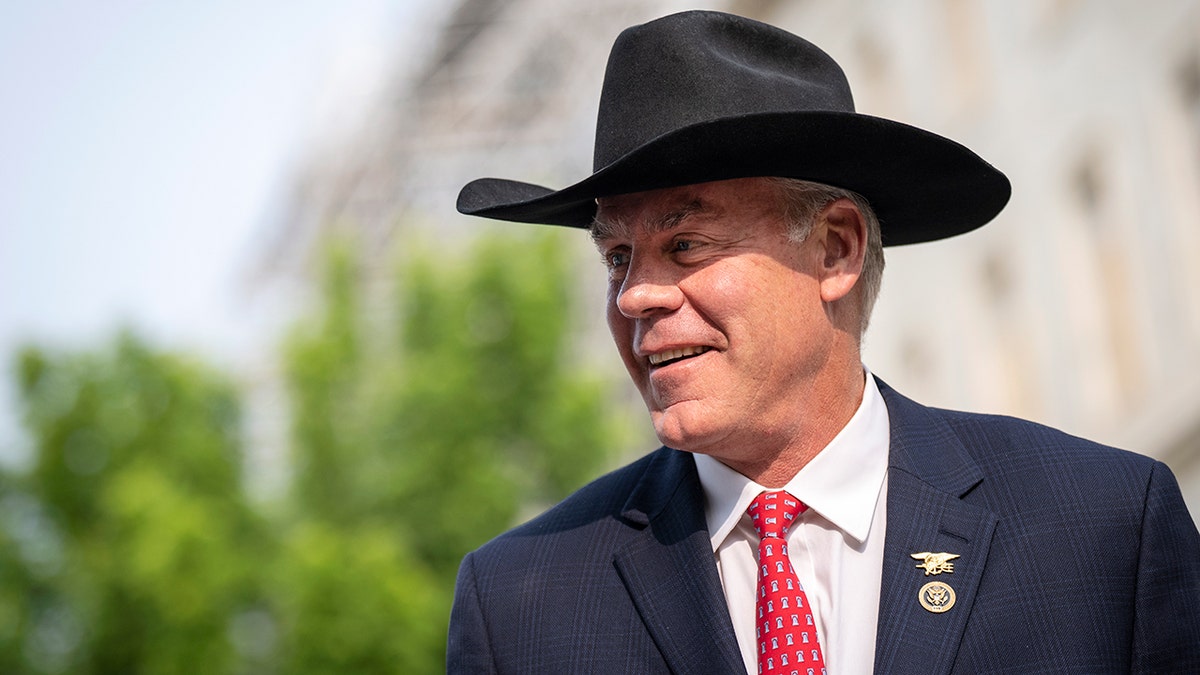
Rep. Ryan Zinke, R-Mont., arrives to a caucus meeting with House Republicans on Capitol Hill on May 10, 2023. (Drew Angerer/Getty Images)
Three Democrats are also running on the opposite side of the primary field: Alani Bankhead, Reilly Neil and Michael Blackwolf.
A spokesperson for the Senate Democrats’ campaign arm, the Democratic Senatorial Campaign Committee, told Fox News Digital in a statement that «Republicans’ midterm prospects are so bleak in 2026 that yet another Senator is running for the hills.»
«Steve Daines is joining more and more of his colleagues in deciding to throw in the towel rather than defend their toxic record,» they said. «This news is the latest flashing warning sign to all GOP senators: Your jobs are not safe, retire or lose.»
Daines’ departure comes on the heels of Rep. Ryan Zinke, R-Montana, who earlier this week announced he plans to retire from the House.
Zinke cited several undisclosed surgeries stemming from injuries he suffered as a Navy SEAL.
CLICK HERE TO DOWNLOAD THE FOX NEWS APP
«My judgment and experience tell me it is better for Montana and America to have full-time representation in Congress than run the risk of uncertain absence and missed votes,» Zinke said.
His open primary has already attracted several Montana Republicans, including Montana Secretary of State Christi Jacobsen and conservative radio host Aaron Flint, who swiftly earned the endorsements of Zinke and Trump.
Related Article
montana,elections state and local,senate elections,republicans,politics

Vende electrodomésticos y creó combos baratos: la gente hace hasta seis cuadras de fila para comprar

El ministro Presti participa en Miami de un reunión militar de países aliados de Estados Unidos

Causa Hotesur-Los Sauces: el fiscal pidió que se fije fecha para el inicio del juicio a Cristina y Máximo Kirchner

Otro sindicato presentará una cautelar para declarar inconstitucional la reforma laboral

Con un gol de Ascacíbar y doblete de Merentiel, Boca Juniors venció 3-0 a Lanús en La Fortaleza por el Torneo Apertura

La guerra contra Irán: Hezbollah cumplió su sueño de atacar Chipre y busca internacionalizar el conflicto

Destrozaron a Andrea del Boca por el terrible pecado que tuvo en Gran Hermano: “La quiero presa”, apuntaron contra la actriz por un detalle en la cocina

¡Tensión en vivo! Aníbal Pachano y Nancy Pazos protagonizaron un cruce explosivo en la mesa de Mirtha Legrand

La histórica figura de Intrusos que se va del programa y armó un escándalo con Adrián Pallares y Rodrigo Lussich: “Me voy”, reveló Pablo Layus

¡Otro abandono! El participante de Gran Hermano que anunció su salida de la casa: La confesión de Gabriel Lucero que se suma a la lista de renuncias

 POLITICA2 días ago
Puertas adentro, Villarruel explotó: «El esfuerzo no lo hizo la política» y demolió el relato económico de Milei
- CHIMENTOS2 días ago
Pampita se mudó a un castillo francés de detalles alucinantes: «1000 metros, 14 ambientes, vale 11 millones de dólares»
- CHIMENTOS2 días ago
El drama que vive Oriana Sabatini a horas del nacimiento de su hija con Paulo Dybala: se complicó la salud de su abuela de 90 años