INTERNACIONAL
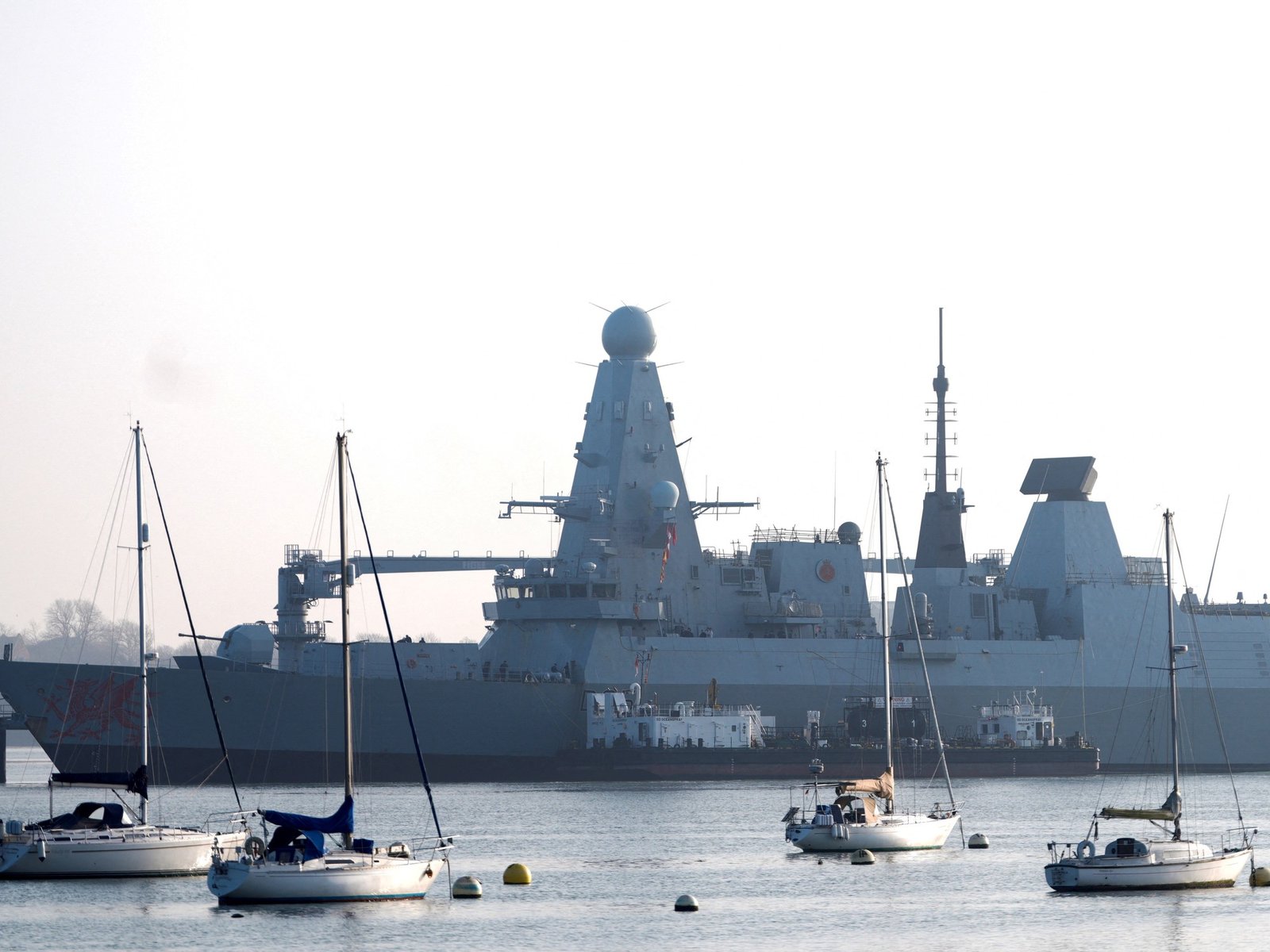
«La estúpida isla»: Trump estalla contra Londres por el bloqueo de una base clave para atacar Irán


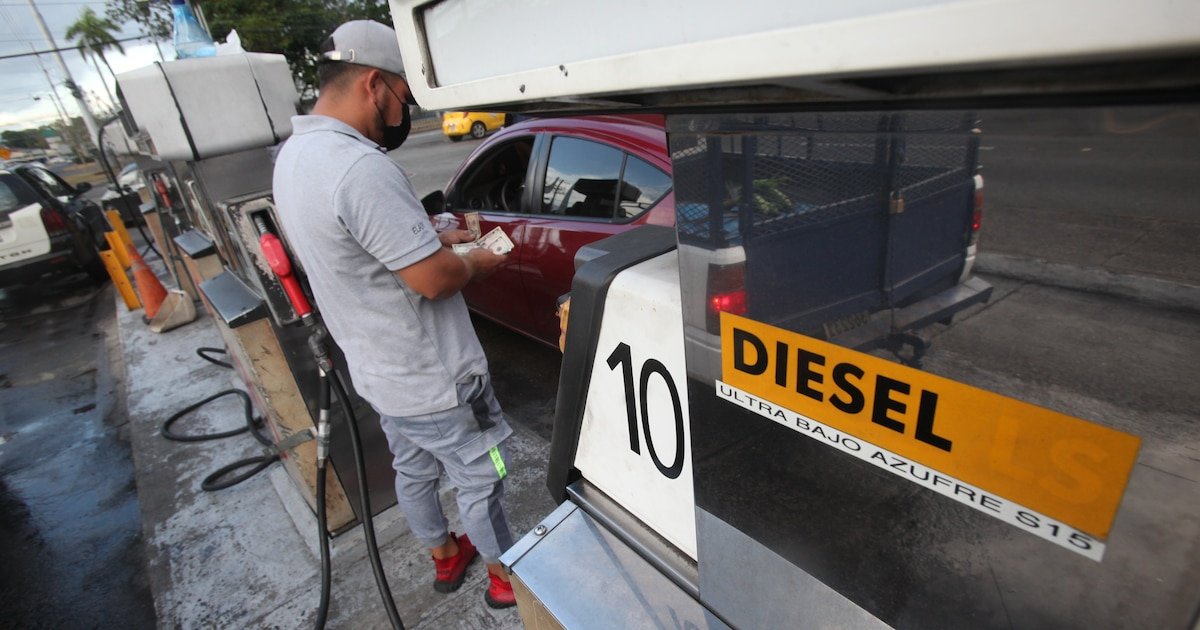
El precio de los combustibles en Panamá registrará un nuevo aumento a partir de este viernes, luego de que la Secretaría Nacional de Energía publicara la actualización quincenal de los precios máximos de venta al consumidor, que regirán en las estaciones de servicio del país durante las próximas dos semanas.
Las gasolinas de 95 y 91 octanos, así como el diésel ultra bajo en azufre, subirán en todo el territorio nacional, reflejando una tendencia al alza en las referencias internacionales de los productos derivados del petróleo.
De acuerdo con la actualización oficial, el litro de gasolina de 95 octanos en la ciudad de Panamá pasará de $0.851 a $0.948, lo que representa un incremento de $0.097 por litro.
Cuando se traslada ese ajuste a la medida más utilizada por los conductores —el galón— el aumento equivale a aproximadamente $0.367 por galón, es decir 36.7 centésimos adicionales por cada galón de gasolina de 95 octanos. Este combustible es el de mayor calidad disponible en el mercado panameño y uno de los más utilizados por vehículos de alto rendimiento.
La gasolina de 91 octanos también registrará un aumento significativo, al pasar de $0.798 a $0.885 por litro en la capital panameña. Esto implica un incremento de $0.087 por litro, que equivale aproximadamente a $0.329 por galón, es decir 32.9 centésimos adicionales por cada galón de combustible.
El aumento en el precio del diésel tiene un efecto directo en la estructura de costos de la economía panameña, ya que este combustible es el principal insumo energético utilizado para el transporte de mercancías, la distribución de alimentos y el funcionamiento de gran parte del aparato productivo.

En Panamá, la mayoría del transporte de carga terrestre —camiones que movilizan productos agrícolas, industriales y bienes importados desde puertos y zonas logísticas— opera con diésel, por lo que cada incremento se traslada progresivamente a los costos de logística y distribución.
Este efecto también alcanza a sectores como la agricultura, la construcción, la industria y algunas actividades portuarias, donde maquinaria pesada y equipos operan con este combustible.
Como resultado, el alza del diésel suele reflejarse en presiones sobre los precios finales de bienes y servicios, especialmente alimentos y productos de consumo masivo, lo que puede alimentar presiones inflacionarias en la economía local.
El mayor incremento se registra en el diésel ultra bajo en azufre, combustible ampliamente utilizado por vehículos comerciales, transporte de carga y flotas de transporte público.
En la ciudad de Panamá, el precio por litro subirá de $0.790 a $0.903, lo que representa un aumento de $0.113 por litro. Convertido a galón, el ajuste equivale a aproximadamente $0.428 por galón, es decir 42.8 centésimos adicionales, el incremento más alto entre los tres combustibles regulados en este período.

Las autoridades energéticas explicaron que el impacto del reciente conflicto en Medio Oriente aún es limitado en el cálculo actual de los precios, debido a la forma en que se construye el mecanismo de referencia utilizado por Panamá para fijar los valores máximos de venta.
Según la Secretaría Nacional de Energía, el sistema incorpora principalmente dos días de comportamiento del mercado internacional posteriores a los eventos geopolíticos, por lo que los efectos más claros de la crisis podrían reflejarse en próximos ajustes quincenales.
El organismo también señaló que la tendencia alcista en los combustibles ya se venía observando antes del reciente aumento de tensiones en la región, debido a dinámicas propias del mercado energético internacional, incluyendo variaciones en la oferta y demanda global de combustibles refinados.
Por ello, no todo el incremento actual puede atribuirse directamente al conflicto vinculado con Irán, aunque las tensiones geopolíticas suelen influir en la volatilidad de los precios del petróleo y sus derivados.
En el caso de Panamá, los precios de referencia de los combustibles se calculan con base en las cotizaciones internacionales de los productos refinados en la costa del Golfo de Estados Unidos, principal mercado proveedor para el país.
A partir de esas referencias, la Secretaría de Energía establece cada 14 días los precios máximos de venta al consumidor, que deben ser respetados por las estaciones de servicio en todo el territorio nacional.

El nuevo ajuste refleja la sensibilidad del mercado panameño frente a los movimientos internacionales del petróleo y los combustibles refinados, en un contexto donde la demanda global de energía continúa siendo un factor determinante en la evolución de los precios.
Para los consumidores, el aumento implica mayores costos de movilidad en un momento en que el combustible sigue siendo uno de los principales insumos de la economía, tanto para el transporte de personas como para la logística y distribución de mercancías en el país.
Al cierre del 4 de marzo, el Brent (referencia internacional) terminó en $81.40 por barril, luego de haber tocado brevemente niveles por encima de $84; en tanto, el crudo de referencia en Estados Unidos (WTI) cerró alrededor de $74.66 por barril, un alza del 15% frente a los precios que se registraban a finales de febrero.
Con esos niveles, y considerando que Panamá toma como referencia productos refinados cotizados en la costa del Golfo de Estados Unidos con rezago, el próximo ajuste quincenal podría reflejar con más fuerza cualquier presión adicional del mercado internacional si el repunte se sostiene.

En las provincias más alejadas de la capital, el incremento en los combustibles será mayor debido a los costos logísticos asociados al transporte desde los centros de almacenamiento y distribución ubicados cerca de la terminal petrolera y las áreas portuarias del Pacífico.
En estos casos, el ajuste por litro termina reflejándose en aumentos más elevados cuando se calcula el precio por galón. Por ejemplo, en la provincia de Chiriquí, el precio máximo de la gasolina de 95 octanos en David pasará a 0.970 dólares por litro, lo que equivale aproximadamente a 3.67 dólares por galón, mientras que en la ciudad de Panamá el precio será de 0.948 dólares por litro, cerca de 3.59 dólares por galón.
La diferencia también se observa en la gasolina de 91 octanos. En la ciudad de Panamá el precio quedará en 0.885 dólares por litro, equivalente a unos 3.35 dólares por galón, mientras que en zonas más distantes como David alcanzará aproximadamente 3.43 dólares por galón al fijarse en 0.906 dólares por litro.
En áreas fronterizas o de difícil acceso logístico, como Cerro Punta, Puerto Armuelles o Changuinola en Bocas del Toro, los precios son aún más altos debido al transporte adicional por carretera y a la menor escala del mercado.
El caso más evidente se registra en Changuinola, donde la gasolina de 95 octanos quedará en 0.999 dólares por litro, lo que representa aproximadamente 3.78 dólares por galón, uno de los precios más altos del país. En comparación, en la ciudad de Panamá el mismo combustible rondará los 3.59 dólares por galón.
Situaciones similares se presentan con el diésel, que alcanzará alrededor de 3.61 dólares por galón en Changuinola frente a cerca de 3.42 dólares por galón en la capital. Estas diferencias reflejan cómo la distancia geográfica y los costos de transporte influyen en el precio final que pagan los consumidores en las regiones más apartadas del país.
automovil,combustible,estacion de servicio,exterior,gasolinera
Lebanese PM calls on Hezbollah to stop attacks on Israel
Lebanese Prime Minister Nawaf Salam declared all Hezbollah actions ‘illegal’ and ordered the group to disarm after an overnight rocket barrage targeted Haifa. An Iranian ballistic missile strike in Be’er Sheva left at least 10 people wounded.
NEWYou can now listen to Fox News articles!
Hezbollah escalated its involvement in the widening conflict between Iran and the U.S. and Israel Tuesday, launching long-range missiles from Lebanon within 48 hours of coordinated strikes on Iran amid Operation Epic Fury.
The militant group also declared it was ready for an «open war,» The Associated Press reported.
The Iranian-backed militant group fired rockets into northern Israel, prompting Israeli retaliation, according to The Times of Israel. Two were intercepted by air defenses, the military said.
«Hezbollah is putting everything they have into the fight to add to the challenges Israel will face in this war,» Ross Harrison, senior fellow at the Middle East Institute, told Fox News Digital.
Rockets launched from Lebanon towards Israel as seen from the Israeli side of the border with Lebanon after an escalation between Hezbollah and Israel. (Reuters/Gil Eliyahu)
«But Hezbollah also knows that if the Iranian regime falls, they could be degraded,» he said before highlighting that «Israel could not totally disarm Hezbollah.»
Hezbollah was formed in the early 1980s with Iranian backing during Lebanon’s civil war and has grown into Tehran’s most powerful proxy.
For decades, Iran has funded, armed and trained the group as part of its broader strategy to confront Israel and expand its regional influence.
«Iran believes that it has to reestablish deterrence before the end of this war with the U.S. and Israel, so expanding it using Hezbollah and attacking Gulf Arab states and Cyprus is part of this,» Harrison warned.
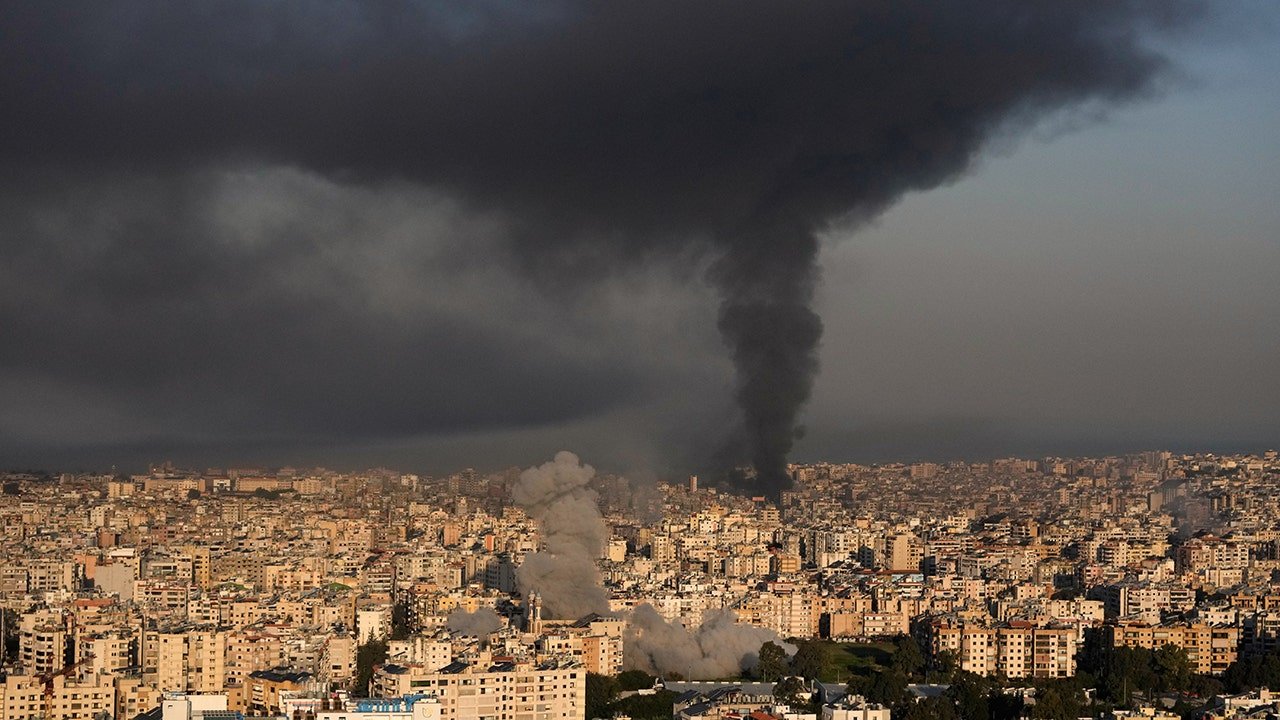
Israel responded to Hezbollah’s escalation with additional airstrikes on Beirut and expanded its ground operations, with the Israel Defense Forces (IDF) taking positions near the border.
The U.N. peacekeeping force in Lebanon reported seeing Israeli troops enter and exit Lebanese territory, though the IDF insisted its forces continue to operate there, according to The Associated Press.
IRAN FIRES MISSILES AT US BASES ACROSS MIDDLE EAST AFTER AMERICAN STRIKES ON NUCLEAR, IRGC SITES
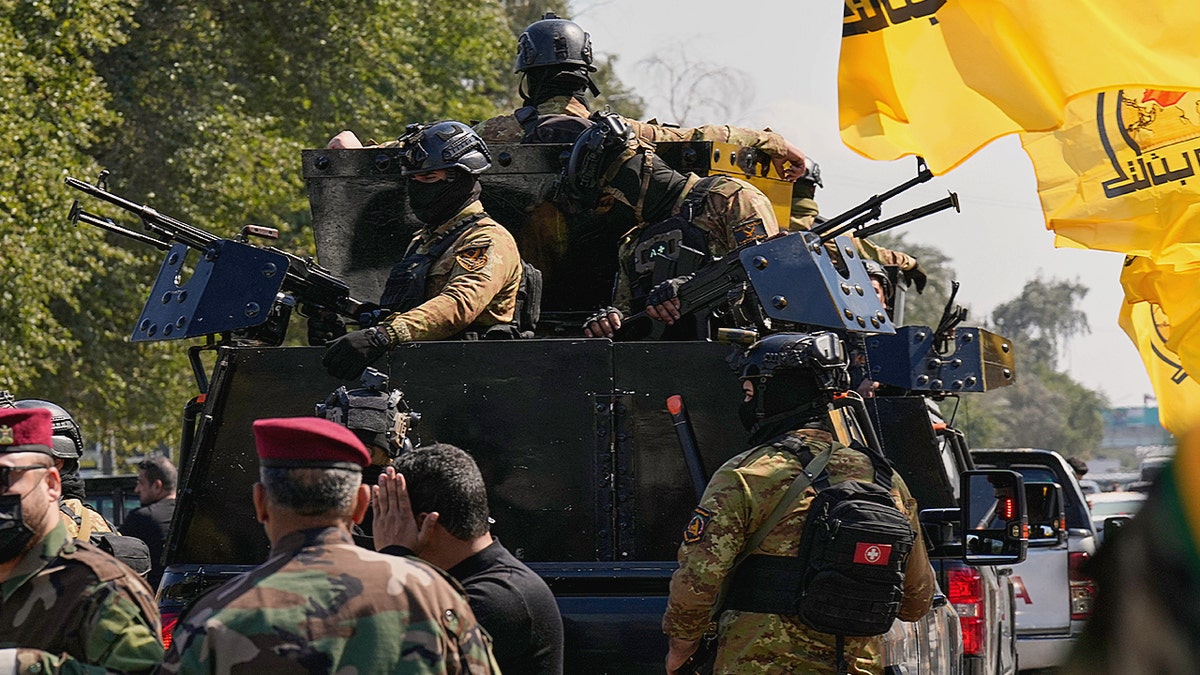
Hezbollah launches long-range missiles from Lebanon into northern Israel within 48 hours of strikes on Iran, escalating the widening conflict amid Operation Epic Fury. (Hadi Mizban/AP)
The U.S. Embassy in Beirut also announced Tuesday that it would close until further notice in a post on X.
Israeli Defense Minister Israel Katz said, «To prevent the possibility of direct fire at Israeli communities, Prime Minister Benjamin Netanyahu and I have authorized the IDF to advance and hold additional dominant terrain in Lebanon and defend the border communities from there.
«The IDF continues to operate forcefully against Hezbollah targets in Lebanon. The terrorist organization is paying and will pay a heavy price for the fire toward Israel.»
«Hezbollah, this is an octopus. The head of the octopus is in Iran. The arms are all over the region,» IDF spokesperson Effie Defrin told Fox News Digital.
«Last night, they launched missiles into Haifa, into a city center in Israel. They started it, they knew the consequences of that.»
The IDF also announced that it had killed Daoud Ali Zadeh, commander of the Iranian Quds Force’s Lebanon Corps, in Tehran.
TOP ISRAELI MILITARY OFFICIAL REVEALS OPERATION AGAINST IRAN INVOLVED ‘STRATEGIC AND OPERATIONAL DECEPTION’
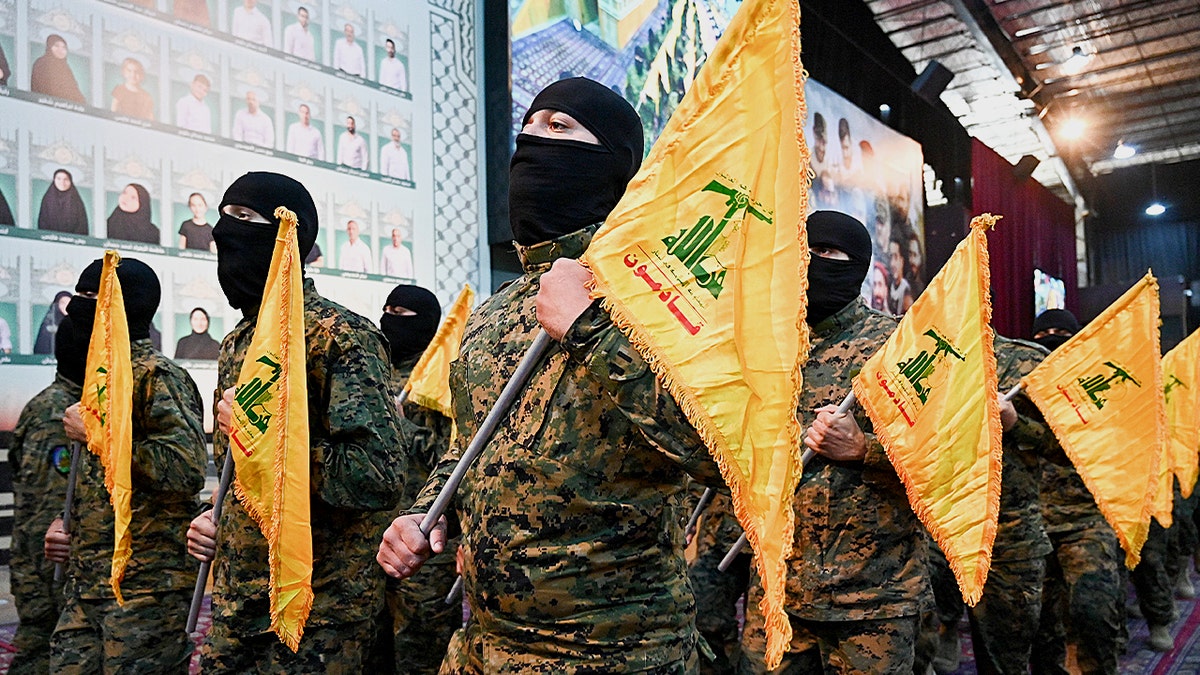
Iran rebuilds Hezbollah ties as Trump gives a 10- to 15-day deadline. (Fadel Itani/NurPhoto via Getty Images)
The Quds Force acts as a key liaison between Iran’s Islamic Revolutionary Guard Corps, or IRGC, and Hezbollah leadership, facilitating the transfer of advanced weaponry and enhancing proxy firepower.
«The Quds Force is the arm of the Islamic Revolutionary Guard Corps, or IRGC, responsible for Iran’s relations with its allied militias, such as Hamas, Islamic Jihad, the Kata’ib Hezbollah in Iraq, Hezbollah in Lebanon and the Houthis in Yemen,» Harrison clarified.
«The Quds Force is the IRGC’s expeditionary force, designed to give Iran strategic depth,» he said.
«They are (or were) significant in managing Iran’s relations with shadowy militia organizations, and it has been challenged over the last couple of years as Hamas and Hezbollah have been degraded.»
On Saturday, the U.S.-Israeli airstrike campaign had also targeted Iranian leadership in Tehran, killing Iran’s Supreme Leader Ayatollah Ali Khamenei, dramatically escalating tensions across the Middle East and triggering regional retaliation.
KEANE WARNS IRAN STRIKE BECOMING ‘REGIONAL WAR,’ SAYS THREE GULF STATES PREPARING FOR COMBAT
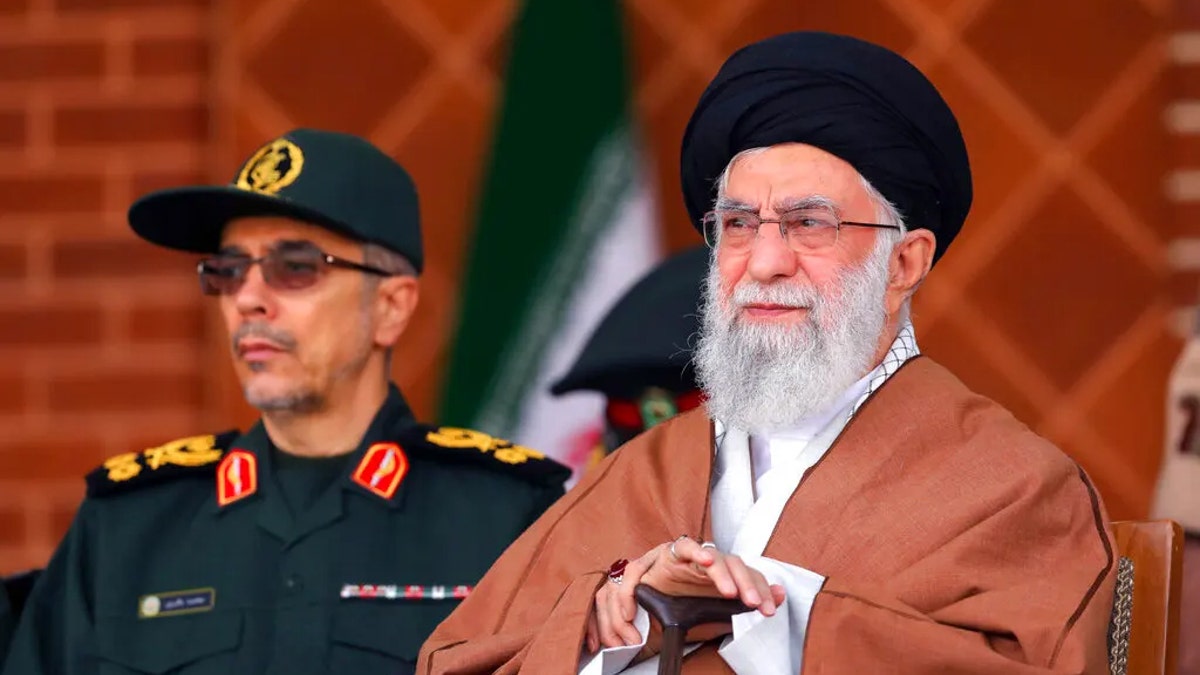
Iran’s supreme leader, Ayatollah Ali Khamenei, right, was killed in an Israeli airstrike Saturday. (Getty Images)
An interim Leadership Council made up of President Masoud Pezeshkian, Chief Justice Gholam-Hossein Mohseni-Eje’i and Ayatollah Alireza Arafi is temporarily in charge of Iran, acting as the de facto head of state.
«If Iran ends the war prematurely, then they believe the U.S. and Israel can come back later,» Harrison said.
«If they escalate, then they have a shot at recreating deterrence. It is a high risk, as it could bring them down. But the danger is they feel they have little choice, and Hezbollah is part of this for Iran.
«If the Iranian regime can hang on, they win. That said, Iran cannot win militarily, but if they can deny the U.S. a victory, they win.
CLICK HERE TO DOWNLOAD THE FOX NEWS APP
«Fundamentally, the Iranian regime is trying to increase the pain of both Israel and the Gulf Arab states to be able to reestablish deterrence lost since the June 2025 war,» Harrison added.
«Attacking civilian areas and economic pain points alongside Hezbollah is also part of this strategy.»
Fox News’ Efrat Lachter contributed to this report.
Related Article
war with iran,middle east,ali khamenei,wars,iran,terrorism,israel
INTERNACIONAL
Illegal’s dragging of ICE agent shows the exact danger the officer who shot Renee Good feared, expert says

NEWYou can now listen to Fox News articles!
The more than six-year prison sentencing of illegal alien Jose Melgar-Rivas for causing serious injuries to a federal officer by dragging him with his vehicle shows why the agent who shot activist Renee Good feared for his life, an expert told Fox News Digital.
U.S. Attorney Robert J. Troester announced Tuesday that Melgar-Rivas had been sentenced to serve 78 months in federal prison for assaulting, resisting or impeding a U.S. Immigration and Customs Enforcement officer, resulting in bodily injury.
In an interview with Fox News Digital, Lora Ries, director of the Heritage Foundation’s Border Security and Immigration Center, lauded the sentencing as «great news.» She noted, however, that «unfortunately, this is just one of many examples of either aliens and/or rioters, illegal obstructionists, assaulting federal agents with vehicles.»
She pointed to a dramatic rise in vehicular assaults on federal immigration enforcement officers, most notably including an attack on ICE officer Jonathan Ross, who was dragged by an illegal immigrant’s vehicle in a similar incident in Minnesota. That agent later shot and killed activist Renee Good when she allegedly accelerated her vehicle at him in a confrontation with law enforcement.
Honduran illegal alien Jose Melgar-Rivas (right) was sentenced to over six years in prison for causing serious injuries to a federal officer by dragging him with his vehicle. (ICE)
Ries called for Melgar-Rivas’ sentencing to be «announced far and wide.» She said that «others need to know that there are, in fact, consequences for both obstructing ICE carrying out their lawful federal enforcement duties, but also there are severe consequences for assaulting and harming ICE agents [and] federal agents.»
According to a statement by the U.S. Attorney’s Office for the Western District of Oklahoma, Melgar-Rivas, a Honduran national who entered the country illegally, attempted to evade arrest by placing his car in drive and accelerating during a struggle with agents. The office said that an ICE officer became caught in the vehicle’s door and was dragged down the roadway, resulting in him sustaining «multiple, serious injuries.»
The incident occurred on July 15, 2025, in Oklahoma City. Melgar-Rivas was arrested several hours later. He was charged by a federal grand jury with assaulting, resisting, or impeding a federal officer resulting in bodily injury and pleaded guilty on September 30, 2025.
The office said Melgar-Rivas will be deported after serving his 78-month sentence.
In response to the sentencing announcement, Ries emphasized that «there are severe consequences for assaulting and harming ICE agents, federal agents, and this sentence expresses that.»
Ries pointed to a DHS statistic from February stating there have been 180 vehicular attacks on federal agents, constituting a 3,300% increase in vehicular attacks against ICE since President Donald Trump returned to the Oval Office.
Ries linked this rise in attacks to what she referred to as an organized and concerted effort to «cause division and disruption in the U.S.» and to «prevent deportations to keep the left in political power.»
ICE ASSAULTS SPIKE 1,500% AS DEMS DRAW ‘HARD RED LINE’ TO UNMASK AGENTS IN DHS BATTLE
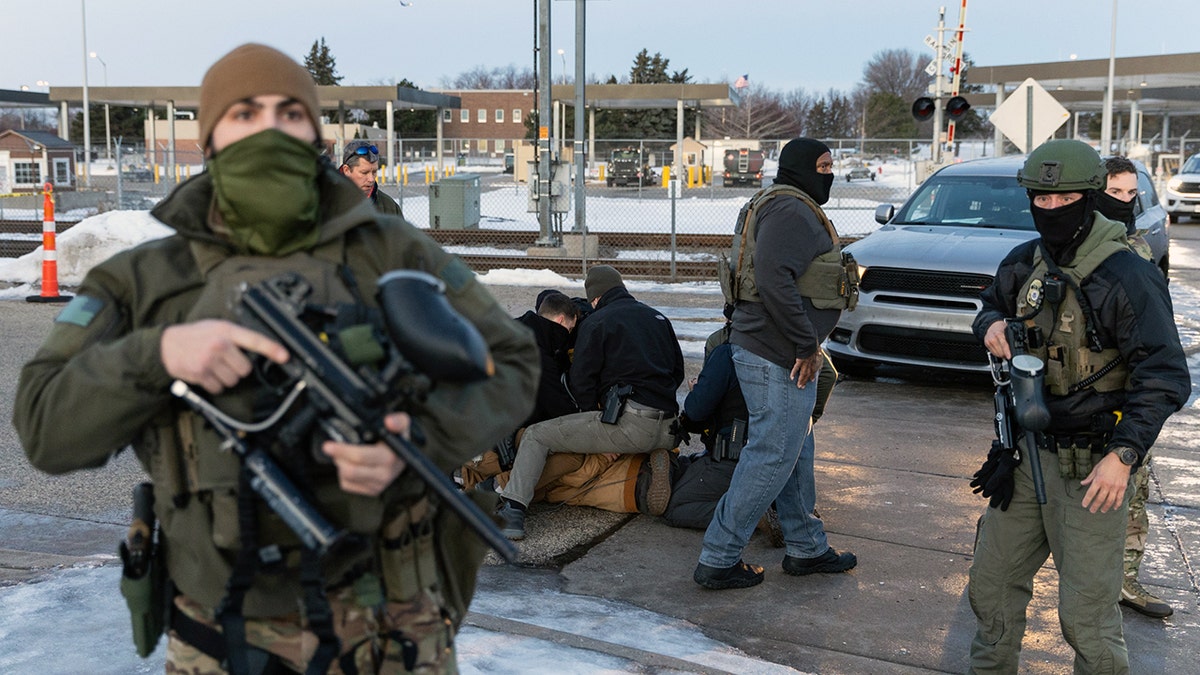
ICE and DHS agents make an arrest. (Mostafa Bassim/Getty Images)
«Clearly the word went out from trainers, the organizers on the left, who instruct both aliens and rioters, protesters, obstructionists on how to interfere with federal agents conducting their job,» said Ries. «All of these people who are rioting and protesting and obstructing are directed to do so. Perhaps they swap their signs out now for ‘hands off Iran,’ because many of these protests, whether it’s anti-ICE, hands off Iran, hands-off Venezuela, et cetera, et cetera, it’s the same funders, it’s the same organizers, in some cases it’s the very same so-called protesters.»
«None of it is organic, and we need to keep attention on that fact,» she added.
One such attack rocked the nation in January when it resulted in Ross shooting and killing Good in Minneapolis.
According to DHS, criminal illegal immigrant and sex offender Roberto Carlos Munoz-Guatemala dragged Ross 50 yards with his car in Bloomington, Minnesota, while trying to evade arrest. During a traffic stop, Munoz-Guatemala refused to exit his vehicle and tried to flee law enforcement. The department said the ICE officer still had his arm inside Munoz-Guatemala’s vehicle as the illegal immigrant tried to drive away. Ross was hospitalized due to his injuries and received 33 stitches in his right arm and left hand.
Ries said that less discussed is that this rise in violent obstruction «takes a lot of psychological toll and emotional toll on agents.»
‘SCOURGE’ OF SEXUAL PREDATORS, VIOLENT CRIMINALS BEING REMOVED FROM MINNEAPOLIS STREETS DESPITE BACKLASH

Renee Nicole Good moments before she was shot and killed by a federal agent in Minneapolis. (Obtained by Fox News)
«There’s clearly a pattern of aliens and obstructionists using their vehicles to interfere with and even threaten ICE agents. And as an ICE agent or federal agent, when you know that, if yet another car is put into drive and is aimed in your direction, then that goes to the mindset of that agent.»
«We live in the age of rage, where so many people just want to be outraged at anything. And unfortunately, they become useful tools of these leftist leaders and funders to do their bidding,» she said.
CLICK HERE TO DOWNLOAD THE FOX NEWS APP
This, Ries said, is why it is so critical that people understand the serious risks and consequences of attacking agents or interfering with operations.
«If [Good] had not been interfering with ICE agents doing their job that day, she’d still be alive. If she complied with agents’ orders to get out of the car, she would still be alive,» she said. «So, this news of this sentencing needs to go to those in Minneapolis and around the country to comply with officers, to not interfere.»
Fox News Digital’s Danielle Wallace contributed to this report.
Related Article

immigration,illegal immigrants,migrant crime,minnesota,minneapolis st paul,enforcement,homeland security

Supermercados liquidan tostadoras y sandwicheras con descuentos de hasta el 44%

Catar solo contempla costear la Finalissima si se juega en Lusail y la UEFA niega que se valoren otras sedes

La sugestiva foto que publicó Wanda Nara después de la propuesta de casamiento de Martín Migueles

Avance clave en la pulseada judicial por el caso de la quinta de Pilar que se le adjudica a las autoridades de la AFA

El Gobierno profundizará la batalla cultural en el Día de la Memoria, pero descarta indultos a militares

Javier Milei y sus medidas, EN VIVO: Juan Bautista Mahiques jura hoy como nuevo ministro de Justicia

Destrozaron a Andrea del Boca por el terrible pecado que tuvo en Gran Hermano: “La quiero presa”, apuntaron contra la actriz por un detalle en la cocina

La histórica figura de Intrusos que se va del programa y armó un escándalo con Adrián Pallares y Rodrigo Lussich: “Me voy”, reveló Pablo Layus

¡Otro abandono! El participante de Gran Hermano que anunció su salida de la casa: La confesión de Gabriel Lucero que se suma a la lista de renuncias

Puertas adentro, Villarruel explotó: «El esfuerzo no lo hizo la política» y demolió el relato económico de Milei

 POLITICA3 días ago
Puertas adentro, Villarruel explotó: «El esfuerzo no lo hizo la política» y demolió el relato económico de Milei
- CHIMENTOS3 días ago
Pampita se mudó a un castillo francés de detalles alucinantes: «1000 metros, 14 ambientes, vale 11 millones de dólares»
- CHIMENTOS3 días ago
El drama que vive Oriana Sabatini a horas del nacimiento de su hija con Paulo Dybala: se complicó la salud de su abuela de 90 años