INTERNACIONAL
Balkans on edge: Kosovo political crisis sparks fears of renewed instability


NEWYou can now listen to Fox News articles!
The Balkan nation of Kosovo is facing a constitutional crisis after a deadline passed for electing a new head of state. Kosovo President Vjosa Osmani, an ally of President Donald Trump, dissolved parliament and called for snap elections.
With conflicts raging around the globe and pressure on the NATO contingent based in the West Balkan nation to keep the peace, Osmani told reporters that «precisely because the geopolitical situation is that complex, it is important to finish this electoral process which is coming up. It is very hard now to imagine what will happen next,» she said, according to Kiro7.
Trump recently praised Kosovo’s president for the «great job» she is doing in her country in a February speech. Osmani accepted an invitation from Trump to join the Board of Peace in January and has pledged resources to the International Stabilization Force for Gaza.
U.S. KFOR soldiers stand guard in front of the municipality office, in the town of Leposavic, Kosovo, May 29, 2023. (Valdrin Xhemaj/Reuters)
Kosovo faces another possible domestic change that could impact Osmani’s standing. There is chatter of an impending reduction or reorganization of the international NATO peacekeeping mission in Kosovo, KFOR, which has been in place since 1999 to stabilize the country following war in the Balkans.
The commander of the peacekeeping force, Maj. Gen. Özkan Ulutaş, said in February that the U.S. does not plan to reduce its troop numbers in Kosovo, according to Reporteri. About 600 American troops are currently deployed in the country.
Following Kosovo’s declaration of independence from Serbia in 2008, tensions between the countries have remained high.
Former Albanian Prime Minister Pandeli Majko told Fox News Digital, «Kosovo needs governance and then a compromise for the election of the president.» He said he «hopes that the Constitutional Court will provide a solution.»
EUROPEAN NATION AGREES TO ‘TEMPORARILY’ HOST DEPORTED IMMIGRANTS FROM US AMID TRUMP PUSH
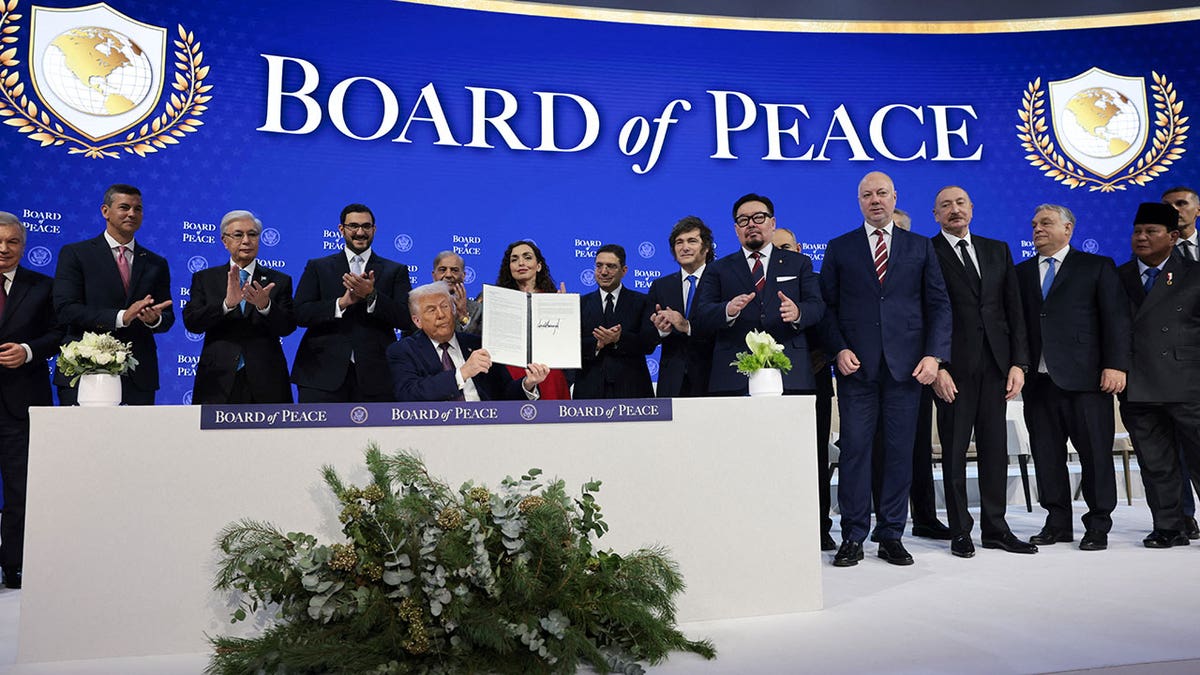
Kosovo President Vjosa Osmani, to the right of President Donald Trump, takes part in a charter announcement for his Board of Peace initiative aimed at resolving global conflicts, in Davos, Switzerland, Jan. 22, 2026. (Jonathan Ernst/Reuters)
The Kosovo Parliament has been besieged by stalemate for more than a year. Balkan Insight reported that a February 2025 poll failed to result in the formation of a government. Snap elections in December resulted in a win for the Vetevendosje party of Prime Minister Albin Kurti, but the party could not garner enough support from the opposition to elect a president.
Friday’s vote failed because the session fell 14 members short of a quorum. Opposition members boycotted the vote because they did not support Kurti’s nominee, Minister of Foreign Affairs and Diaspora of Kosovo Glauk Konjufca.
Osmani met with opposition party leaders Friday, a meeting Kurti chose not to attend. The prime minister said that «there should be a failure to elect a president in the third round before dissolving parliament and going to new elections.»
Kurti’s party has appealed to the Constitutional Court for a review of the constitutionality of the election process, according to the European Western Balkans site.
CLICK HERE TO DOWNLOAD THE FOX NEWS APP
New elections may be held as early as April 5, opposition leader Ramush Haradinaj suggested.
Majko told Fox News Digital that he does not see the debate between the parties as a problem, explaining that their ranking in the elections would not change even if they were held again. He said the idea of early elections is an exhausting political crisis that does not produce solutions.
Related Article

the balkans,nato,conflicts,europe,donald trump











INTERNACIONAL
En medio de ataques arrasadores, Irán designó al nuevo líder supremo e Israel anunció que la guerra durará mucho
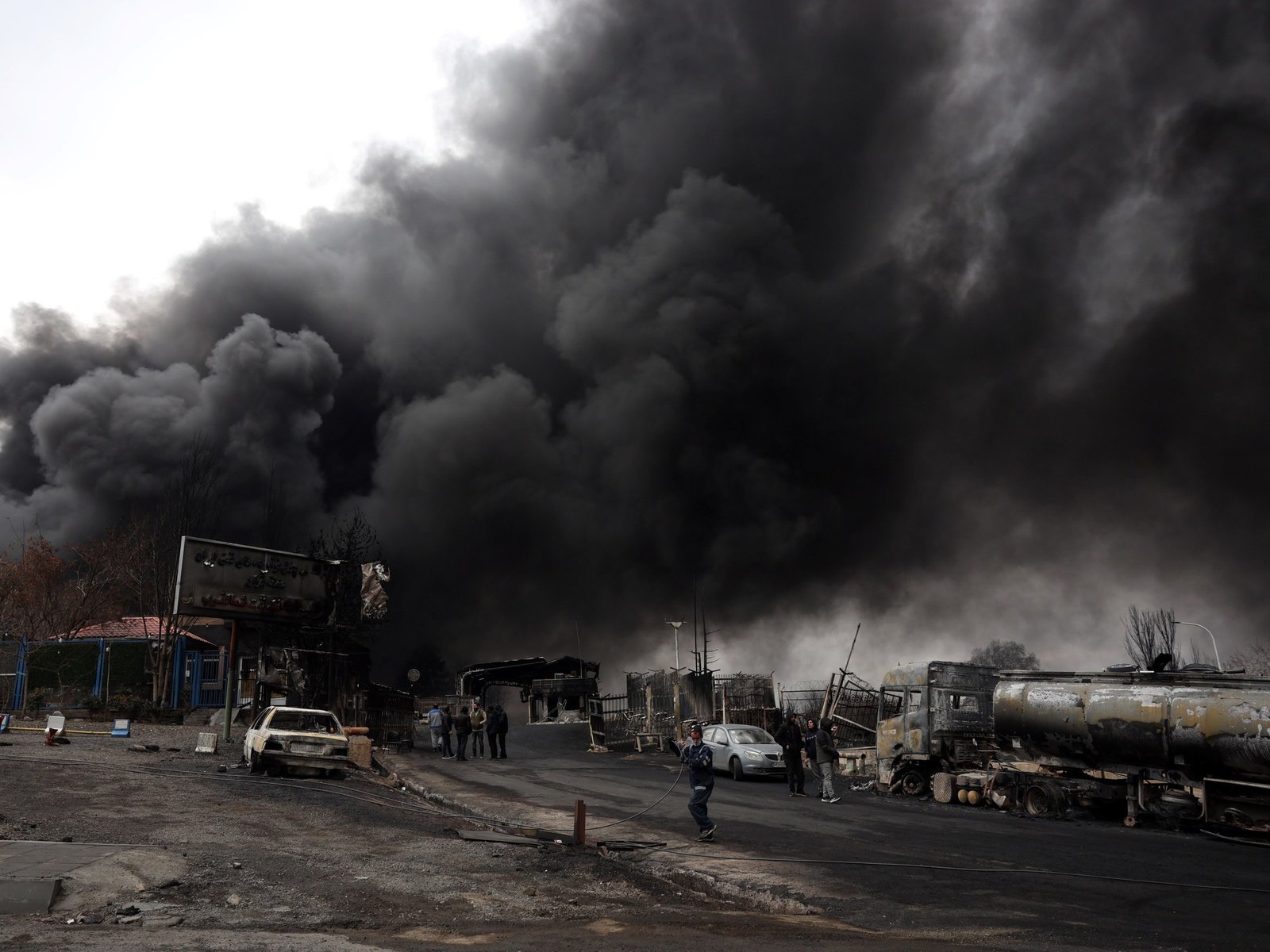
El cielo de Teherán se tiñó de naranja durante la noche y luego de negro bajo una intensa nube espesa y aceitosa por unos arrasadores bombardeos a depósitos de petróleo este domingo, la misma jornada que con ese trasfondo dramático los clérigos shiítas eligieron al nuevo líder supremo, el cargo más relevante del poder en la teocracia. En las mismas horas, Israel reveló que la guerra “puede durar mucho tiempo”. El elegido, Mojtaba Khamenei, según adelantó la agencia Reuter, sucede a su padre, Alí, asesinado en el bombardeo el sábado 28 de febrero cuando se inició esta nueva guerra de destino imprevisible en Oriente Medio.
El escenario de la novedad era pasmoso. “Parecía que llueve gasolina”, dijeron testigos por la contaminación que provenía de enormes depósitos de crudo. Irán es el cuarto productor mundial de petróleo. El ministro norteamericano de Energía, Chris Wright, rechazó que el sistema enérgetico este en sus planes. Israel admitió luego su responsabilidad.
La elección del nuevo líder supremo con la escalada del conflicto, expone un esfuerzo de la teocracia para proyectar estabilidad. En esa línea y mientras se intensificaban los ataques, la televisión estatal iraní anunció este domingo desde temprano que los principales clérigos del país estaban a punto de nombrar al sucesor del ayatollah Alí Khamenei.
Posteriormente trascendió el nombre del elegido. Irán no aclaró las versiones originadas en Israel que indicaron que Mojtaba Khameni habría sufrido heridas en un ataque. El gobierno israelí prometió que mataría a cualquier que cubra la sucesión. El presidente Donald Trump, cuyo gobierno informó hoy que sufrió la séptima baja militar en la guerra, indicó que el próximo líder no durará mucho sin su autorización. Ya había descalificado al hijo de Khamenei amparado por los halcones de la Guardia Revolucionaria, como un “peso ligero” y mediocre.
El incendio de los depósitos de combustible busca multiplicar el daño a la potencia persa, que la Casa Blanca esperaba que cayera rápidamente. Se consolida, sin embargo, la noción inversa. El jefe del Estado Mayor de Israel, el teniente general Eyal Zamir, reconoció este domingo que la guerra puede durar “mucho tiempo”. Israel, dijo, está en estado de emergencia desde hace dos años “hay que esperar que esto lleve todavía mucho tiempo, debemos tener paciencia”.
Un anuncio preocupante para Trump, que confronta un fuerte rechazo interno al conflicto que amenaza con una disparada inflacionaria en un año electoral. En estas horas, el mandatario buscó restar importancia al aumento constante del combustible en su país y lo calificó como “un pequeño fallo. Sabía exactamente lo que iba a suceder”.
El ejército israelí afirmó que había atacado los depósitos de combustible porque estaban siendo utilizados por el ejército iraní. En un discurso pronunciado el sábado por la noche, Benjamin Netanyahu, primer ministro israelí, afirmó que Israel tenía muchos objetivos en Irán para desestabilizar al régimen.
Lo cierto es que más de una semana después del inicio de la guerra, no había indicios de una salida para los combates. En cambio, ambos bandos intensificaron los ataques. Irán rechazó la exigencia de Trump de una rendición incondicional.
Estados Unidos golpeo este domingo la sede del Cuerpo de la Guardia Revolucionaria, las defensas aéreas y los misiles, según un reporte oficial. Irán respondió con descargas a través del Golfo Pérsico e Israel, algunos de los cuales impactaron en la infraestructura civil. Este domingo sonó con frecuencia la sirena en Tel Aviv y Jerusalén.
En Bahrein, las autoridades anunciaron que una planta desalinizadora resultó dañada en un ataque iraní. Los países del Golfo dependen de ese proceso para obtener agua potable. Los ataques a todo el universo árabe y más allá procuran generar un caos que multiplique la presión sobre Washington para cesar la guerra. Por ahora no es claro que eso este sucediendo. Por el contrario Emiratos disparó por primera vez contra objetivos secundarios de Irán en lo que se interpretó como una advertencia a Teherán para que cese los bombardeos. El líder de la Liga Arabe, el diplomático egipcio Ahmde Abul Gheit, calificó este domingo de irresponsable” el accionar iraní contra sus vecinos.
Kuwait informó de una oleada de drones que dañó tanques de combustible en el aeropuerto internacional de Kuwait. Dos guardias fronterizos murieron en el país, lo que elevó la cifra de muertos en el Golfo a al menos 14.
Los planes de Trump para la siguiente fase de la guerra seguían siendo inciertos, ya que la administración cambia de postura. El sábado, Trump declaró a los periodistas a bordo del Air Force One que había descartado involucrar a las fuerzas kurdas, ya que eso complicaría el conflicto. Hace dos días, afirmó estar totalmente comprometido con una ofensiva kurda en Irán.
El líder republicano, también giro alrededor de los objetivos de la guerra. Primero respaldó un cambio de gobierno, luego aclaró que se limitaría a destruir el poderío militar iraní. Después, y con insistencia dijo que designaría a las próximas autoridades de la potencia persa, incluso al líder supremo. También culpó a Irán por un ataque aéreo que impactó una escuela primaria en Irán el 28 de febrero, matando a decenas de niños.
Una investigación visual del New York Times y de la BBC con apoyo de imágenes satelitales determinó que el edificio sufrió fuego directo estadounidense que atacaban un cuartel militar cercano. Trump reiteró la posibilidad de enviar tropas al terreno para fortalecer la ofensiva occidental. “Sería algo grandioso, pero ahora mismo solo los estamos diezmando”, sostuvo.
Fuente: AFP, AP, EFE y Clarín
INTERNACIONAL
EEUU ordenó evacuar a su personal diplomático de Arabia Saudita mientras el régimen de Irán amplía sus represalias en el Golfo
REUTERS/Stringer
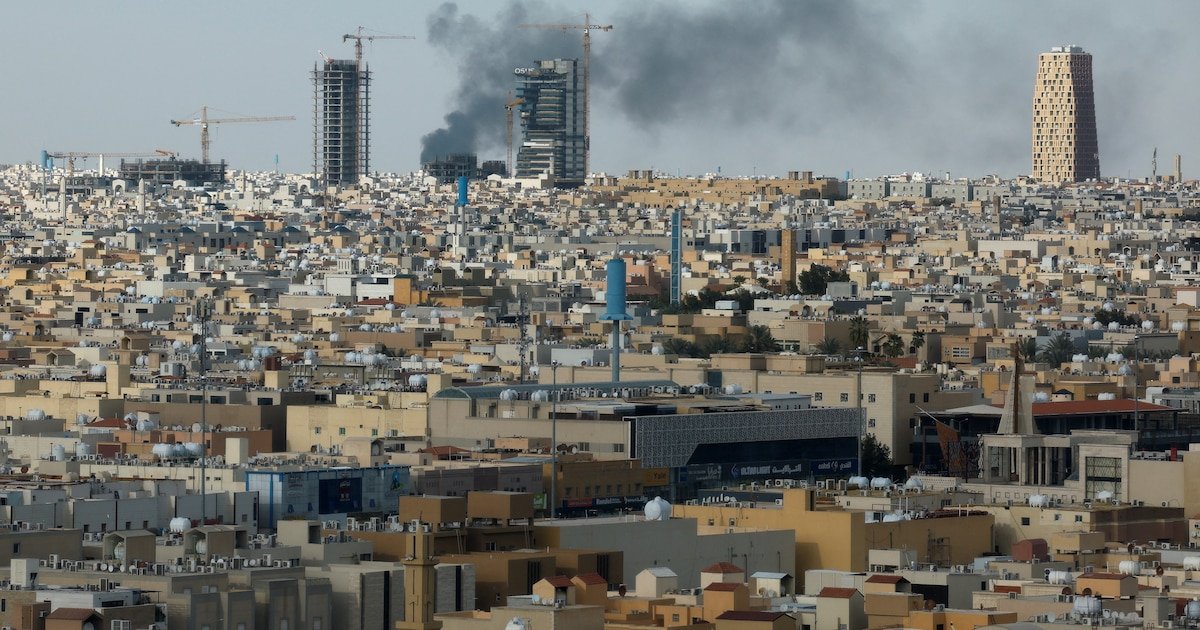
El gobierno de Estados Unidos ordenó el martes la salida de Arabia Saudita del personal diplomático no esencial y sus familias, en respuesta a la amenaza creciente que representa la campaña de represalias iraní en el Golfo Pérsico. La decisión del Departamento de Estado llegó horas después de que dos drones atacaran la embajada estadounidense en Riad, causaran un incendio limitado y obligaran al personal a refugiarse en el interior del complejo. No se registraron víctimas, según confirmó el Ministerio de Defensa saudí, pero la agresión contra suelo diplomático marcó una nueva escalada en el conflicto abierto el 28 de febrero con los bombardeos conjuntos de Washington e Israel sobre Irán.
La orden de evacuación no se limitó a Arabia Saudita. El Departamento de Estado extendió la medida a Kuwait, Baréin, Irak, Catar, Jordania y los Emiratos Árabes Unidos, en un movimiento que refleja la magnitud de la amenaza percibida en toda la región. La embajada en Kuwait, que también sufrió un ataque, cerró de forma indefinida. Paralelamente, la secretaria adjunta de Estado para Asuntos Consulares, Mora Namdar, instó a los ciudadanos estadounidenses a abandonar de inmediato catorce países, entre ellos Arabia Saudita, Israel, Líbano, Siria y Yemen, por “graves riesgos para su seguridad”.
La sede diplomática en Riad emitió alertas de refugio para los estadounidenses presentes en Riad, Yeda y Dammam, y restringió los desplazamientos no esenciales a instalaciones militares en la zona. El Ministerio de Defensa saudí confirmó que sus defensas aéreas interceptaron cuatro drones dirigidos al Barrio Diplomático de la capital, y en una segunda oleada derribaron ocho proyectiles adicionales cerca de Riad y Al-Kharj, según informó el portavoz militar mayor general Turki al-Malki.

Arabia Saudita condenó los ataques en los términos más firmes. El Ministerio de Exteriores calificó las agresiones de “descaradas y cobardes” y recordó que el Reino había comunicado a Teherán que no toleraría el uso de su territorio ni de su espacio aéreo como corredor para atacar Irán. La advertencia no disuadió a la República Islámica, que extendió su campaña a objetivos energéticos: Saudi Aramco tuvo que detener operaciones en su refinería de Ras Tanura tras el incendio causado por los restos de un proyectil iraní en uno de los mayores complejos de procesamiento de crudo del mundo.
Las evacuaciones diplomáticas se producen en el cuarto día de un conflicto que ya causó más de 1.000 muertos en Irán, según la Media Luna Roja iraní, además de once en Israel, 52 en Líbano y seis militares estadounidenses confirmados por el Mando Central de EEUU. El OIEA informó que el sitio de enriquecimiento de Natanz sufrió “daños recientes”, aunque descartó consecuencias radiológicas. El general de brigada iraní Ebrahim Jabbari, asesor de la Guardia Revolucionaria, declaró cerrado el estrecho de Ormuz y advirtió que cualquier buque que lo cruzara “sería incendiado”, lo que disparó los precios del crudo en los mercados internacionales.
El presidente Donald Trump prometió responder “pronto” al ataque contra la embajada y a la muerte de soldados estadounidenses, y reconoció que la operación militar podría prolongarse más allá de las cuatro o cinco semanas previstas. La muerte del líder supremo Alí Khamenei en un ataque selectivo el fin de semana dejó la cadena de mando iraní en una incertidumbre que, lejos de frenar las represalias, parece alimentarlas, sin que ninguna de las partes haya señalado hasta ahora una vía de salida negociada.
(Con información de AFP)
Middle East

Private security group helps people evacuate the Middle East
A global security firm, Global Guardian, has evacuated more than 4,000 people from the Middle East since the U.S. and Israel attacked Iran last weekend. FOX takes a look at how Global Guardian is executing evacuations out of the Middle East.
NEWYou can now listen to Fox News articles!
MCLEAN, Va. – As Americans are stranded in the Middle East amid the U.S. and Israel war with Iran, government and private agencies are working around the clock to conduct evacuations.
In addition to the U.S. Department of State’s 24/7 task force aimed at evacuating Americans, private security firm Global Guardian is also working around the clock to complete the same mission.
As of Friday, Global Guardian has evacuated more than 4,000 people from the Middle East, according to its CEO and President, Dale Robert Buckner.
While operations and logistics teams sit in an office building in northern Virginia, the firm has personnel in more than 140 countries, allowing Global Guardian access to nearly every corner of the world for emergency response or evacuations.
Global Guardian receiving calls for evacuations in the Middle East.
«We provide medical evac services, we provide kidnap, ransom, extortion negotiation payment if someone is kidnapped or extorted,» Buckner said. «We’re providing about 300 missions a month of executive protection travel, in about 84 countries a month.»
The private security firm also conducts camera surveillance of residences and commercial property and has cyber analysts monitoring mobile devices.
After the U.S. and Israel struck Iran in a joint attack last weekend, the firm has been coordinating multiple emergency response evacuations — but this isn’t the first time it has assisted Americans out of a crisis zone.
«That means getting people out of Puerto Vallarta a week ago, and Jalisco, Mexico. That means getting people out of Asheville, North Carolina when it got wiped out by a hurricane,» Buckner said.
STATE DEPARTMENT GIVES UPDATES ON AMERICANS FLEEING MIDDLE EAST
Logistically, getting tourists out of a war zone and back to safety is a process, but the firm works fast, completing their first border crossing within the first six hours of the missile strikes.
Immediately, the firm received a call from a pair of students studying abroad, Deputy Vice President of Operations Colin O’Brien told Fox News. He said they were trying to leave Dubai.
«Within about four and a half hours from the phone call, we had our teams in motion to go pick these people up and it was two college-aged women,» said O’Brien.

Global Guardian security firm is working around the clock to execute emergency evacuations in the Middle East.
«Put them in the car, we were then able to move from the Omani border and by eight hours we were at the border. Work through the border checkpoint to a hotel in Muscat, where we could stop and give them a short rest while we arrange their transportation home,» he says.
The group said it remains active year-round to ensure evacuation plans are in place before disasters strike.
«There’s a narrative of, here’s the pickup point, here’s the key crossing site,» Buckner said. «This is what you’re gonna need from a paperwork standpoint, legally. And then we’re gonna put you in a hotel or straight onto a commercial flight. Most likely, at this point in the war, we’re gonna put you on a private charter.»
WHAT’S NEXT IN OPERATION EPIC FURY
Buckner said most of these missions happening in the region are ground movement, done by locals. He says in the 140 countries the firm is in, they have ground teams working year-round. Consistently training year-round.
«We’re communicating, we’re coordinating, we’re executing. Executive protection agents, armed agents, armed vehicles, large-scale event support with medical and security personnel,» he said, describing the firm’s standard operating capabilities.
«We’re coordinating whether the firm needs drivers. From Dubai to Oman, Israel to either Oman, Jordan or Egypt. Out of Bahrain into Saudi Arabia,» Buckner said.
While the firm is coordinating with the State Department, it said it has not yet conducted a flight mission on behalf of the department.
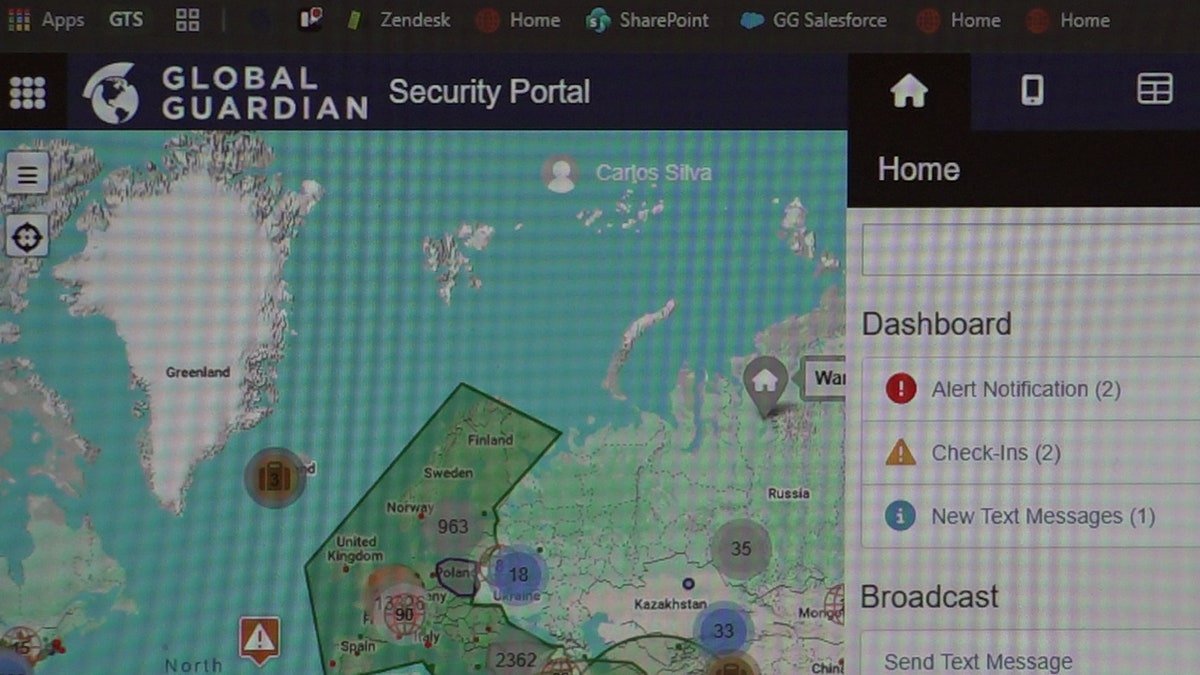
Security firm analysts create plans to evacuate Americans.
Global Guardian offers these services through what it calls a «Duty of Care Membership,» which Buckner said costs $15,000 per year for a family of five.
«You are going to sign a contract — whether it’s a family, a family office or typically a large corporate logo. Then we become, at your beck and call,» Buckner said, describing the emergency response services included in the agreement.
CLICK HERE TO DOWNLOAD THE FOX NEWS APP
For Americans currently stuck in the Middle East, Buckner said the cost of evacuation using ground and air resources varies depending on the situation and location.
Related Article
fox news multimedia reporters,middle east,conflicts,iran,war with iran

La correcta evaluación de costos y normas regulatorias se consolida como pilar de la rentabilidad en la importación

Luis Enrique hace más con menos y registra ingresos récord en el PSG

El motivo por el que Cristina Kirchner permanece en silencio tras las críticas de Milei en el Congreso

El saludo de Julieta y Rosario, las hijas de Palito Ortega, por sus 85 años: “Feliz cumple, papá”

Una cuestión que obsesiona a empresas y familias: ¿se puede bajar la tasa de interés?

Por qué los pilotos tienen que saltar de los autos cuando se detienen por una falla eléctrica en la Fórmula 1

Javier Milei habló de la crisis con la vicepresidenta: “No quiero la renuncia de Victoria Villarruel”

Fabi Cantilo festejó sus 67 años: invitados famosos, el regalo de Fito Páez y el susto que terminó en la guardia

Ian Lucas se hartó de las mentiras de Evangelina Anderson y confirmó que fueron novios: “Ella me da vergüenza”

Wanda Nara involucrada en la separación de su hijo Valentino: su ex nuera contó toda la verdad

 POLITICA3 días ago
Javier Milei habló de la crisis con la vicepresidenta: “No quiero la renuncia de Victoria Villarruel”
- CHIMENTOS2 días ago
Wanda Nara involucrada en la separación de su hijo Valentino: su ex nuera contó toda la verdad
- POLITICA3 días ago
El Gobierno promulgó la reforma laboral: desde cuándo rige y las claves