INTERNACIONAL
‘Unprecedented’ agreement releases emergency oil reserves as gas prices spark concerns


NEWYou can now listen to Fox News articles!
After deliberating and assessing the global oil market situation in the face of Middle Eastern conflicts stemming from the United States’ attack on Iran, a cohort of 32 different developed nations agreed to make an «unprecedented» move to help address «oil market challenges.»
The International Energy Agency (IEA) held an emergency meeting at its Paris headquarters Tuesday, with energy representatives from the cohort of G7 countries, to «assess market conditions,» which IEA Executive Director Fatih Birol says «have been significantly affected by the conflict in the Middle East.»
Following that meeting on Thursday, the 32 member countries of the IEA unanimously agreed to collectively release the largest quantity of emergency oil reserves they ever have as a coalition, amounting to 400 million barrels.
«The oil market challenges we are facing are unprecedented in scale, therefore, I am very glad that IEA Member countries have responded with an emergency collective action of unprecedented size,» Birol said following the announcement about the release of the emergency oil reserves. «Oil markets are global, so the response to major disruptions needs to be global too.»
HOUSE GOP URGES TRUMP TO CHOKE OFF IRAN ALLY’S OIL PROFITS AS MIDDLE EAST TURMOIL SPIKES US GAS PRICES
International Energy Agency (IEA) Executive Director Fatih Birol in Paris on March 10, 2026. (Photo by Ludovic MARIN / AFP via Getty Images)
President Donald Trump touted the IEA agreement during remarks in Kentucky Wednesday afternoon, saying the move «will substantially reduce oil prices.»
Before the outbreak of war with Iran, oil was trading in the range of $60 to $70 a barrel, but prices soared after the conflict began, with crude oil futures reaching upward of $115 a barrel on Monday – the highest level since 2022 when Russia invaded Ukraine. However, some experts suggest that the market is correcting itself already from an initial scare that the conflict in the Middle East would have a major impact on oil prices.
«The market realized that maybe things aren’t that bad – the U.S. is having incredible military victories, President Trump is saying, ‘Hey, you know what, the war is probably not going to be going on that long.’ And even some signals that the world doesn’t have to just sit and stand and take it,» said Phil Flynn, senior market analyst at the Price Futures Group and a FOX Business contributor.
The members of the IEA hold emergency stockpiles of over 1.2 billion barrels, and a further 600 million barrels of oil industry stocks. This coordinated release of an unprecedented amount of oil will be the sixth in its roughly half-century history. Previous collective action was taken in 1991, 2005, 2011 and twice in 2022.
TRUMP’S MIDDLE EAST ENVOY REVEALS WHAT LED TO BREAKDOWN IN IRAN TALKS BEFORE OPERATION EPIC FURY
The previous record for the largest collective action was the latest release of emergency oil stocks following Russia’s invasion of Ukraine. In combination, the two actions, which took place in March and April 2022, respectively, amounted to a release of 182.7 million barrels, according to the IEA.
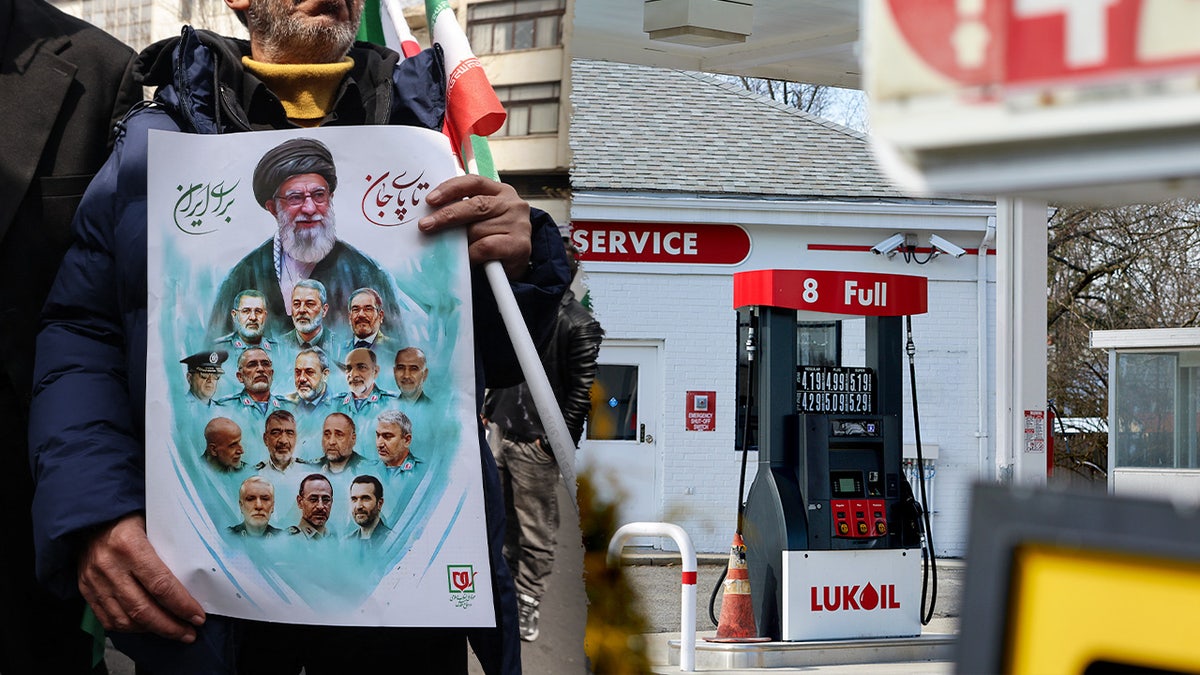
House Republicans are pushing the U.S. to keep a close eye on Russian oil giant Lukoil’s international divestments as the conflict in Iran drives up U.S. gas prices. Russia and Iran are close allies. (Atta Kenare / AFP via Getty Images; Gabby Jones/Bloomberg via Getty Images)
President Trump said repeatedly this week during remarks to the press that the war in Iran would be over shortly, but stopped short of providing an exact timeline.
In his comments to the press Wednesday, President Trump quipped that «We don’t want to leave early, do we?»
«We gotta finish the job, right? Over the past 11 days, our military has virtually destroyed Iran,» Trump said. «It’s a tough country.»
Iran’s ongoing retaliatory attacks in the Strait of Hormuz, a critical maritime choke point for oil transportation, has led to questions about what they will do to prices at the pump. Trump Cabinet official, Interior Secretary Doug Burgum, scoffed this week at claims that the Trump administration was caught off guard by how much Trump’s military actions have impacted the oil market and responded to questions about the impact of attacks on the Strait of Hormuz.
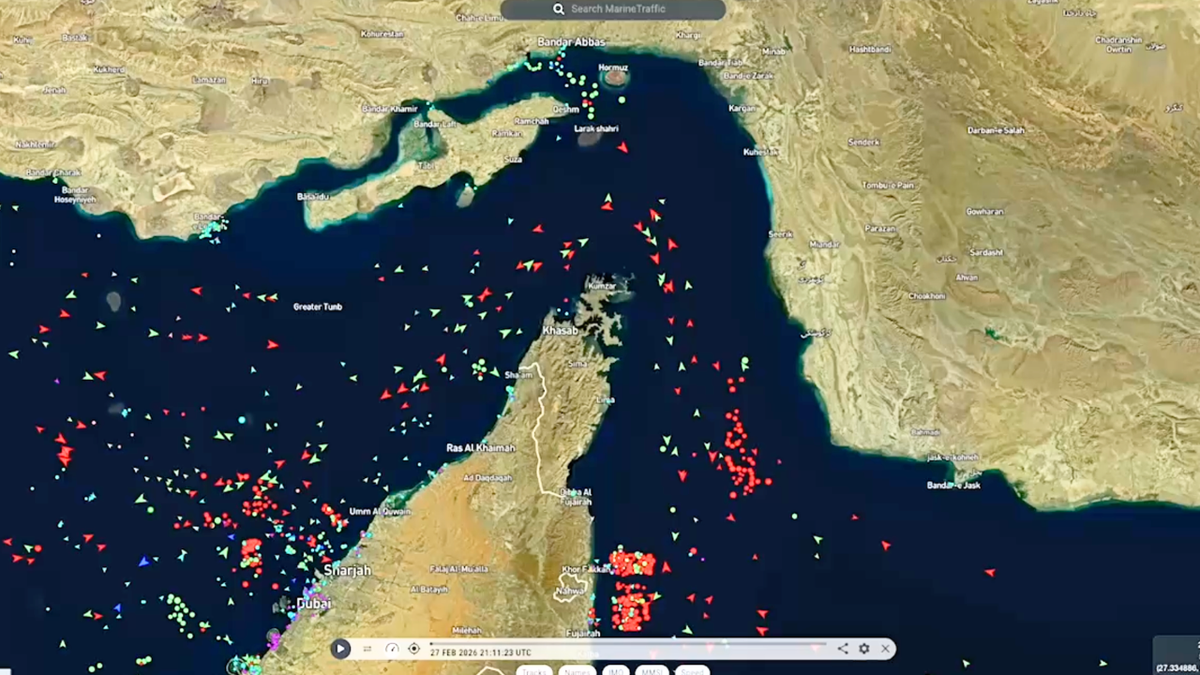
A screenshot of a marine traffic terminal showing vessels in the Strait of Hormuz on March 4, 2026. (Kpler/Marine Traffic)
CLICK HERE TO DOWNLOAD THE FOX NEWS APP
«As you know better than anybody else, it’s a global market, so we could be producing more, or other countries could be producing more, but it all goes into one vat where we get the prices from,» said Fox News’ Brian Kilmeade. «So if the Strait of Hormuz presents a challenge, how could you circumvent that challenge?»
In response, Burgum slammed Iran for «holding the entire world hostage economically by threatening to close the strait.»
«President Trump has made it very clear the consequences if they try to do that,» he continued. «There’s a lot of options between ourselves and our allies in the region, including our Arab friends in the region, to make sure that those straits remain open and energy keeps flowing through the global economy.»
Fox Business’ Eric Revell contributed to this report.
war with iran,middle east,middle east foreign policy,g8 global economy,economy,energy,energy in america










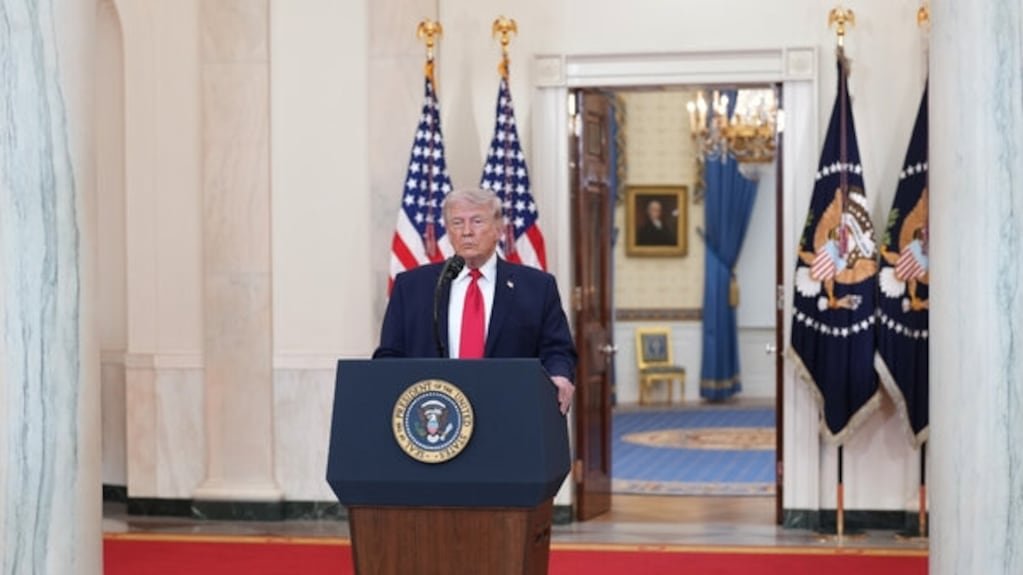
Tras más de un mes de guerra, en la que insiste en que todo terminará en dos o tres semanas, el presidente Donald Trump se ha metido en un callejón sin salida estratégico del que no encuentra una solución fácil.
Las conversaciones con Irán sobre un acuerdo para poner fin al conflicto, en la medida en que son sustantivas, han resultado poco prometedoras hasta ahora. Las métricas clave del éxito descritas en varios momentos por Trump –impedir que Irán posea el combustible necesario para fabricar un arma nuclear, ayudar al pueblo iraní a derrocar a un gobierno que gran parte de la población desprecia y reabrir el estrecho de Ormuz– permanecen lejanas, en el mejor de los casos.
Leé también: Guerra en Medio Oriente: Irán amenazó con retirarse del Tratado de no Proliferación de Armas Nucleares
La tolerancia de Irán al dolor parece mucho mayor de lo que Trump anticipó y, a pesar de las devastadoras pérdidas de su arsenal, conserva cierta capacidad para atacar a Israel con misiles. Lo hizo incluso mientras Trump hablaba de la guerra el miércoles por la noche.
Ese discurso televisado, en horario de máxima audiencia, pretendía tranquilizar a los estadounidenses asegurándoles que los costos de la guerra serían transitorios, que el fin de las hostilidades y el regreso a una vida económica normal eran inminentes. Pero los mercados respondieron a su alocución con un profundo escepticismo.
Los precios del petróleo subieron un 8 por ciento en las horas posteriores a su discurso de 19 minutos, en gran parte porque no describió ningún plan para poner fin a lo que equivale a una crisis de rehenes petroleros en el estrecho de Ormuz que ahora se extiende por toda la economía mundial. El estrecho, insistió, “se abrirá de forma natural” cuando termine el conflicto.
A estas alturas, Trump parece ofrecer una serie de caminos hacia adelante, a veces contradictorios, y se enfrenta a la posibilidad de que al final de su propio plazo de dos a tres semanas, no haya cambiado gran cosa. Y su promesa de enviar a Irán de vuelta a la “Edad de Piedra” si no acepta sus condiciones -que no especificó el miércoles por la noche- equivaldría a una expansión de la guerra, no a una reducción.
A Trump nunca le han preocupado las contradicciones internas, por supuesto. Es el maestro de plantear y prescindir de argumentos para adaptarse al momento. En los momentos iniciales de la guerra instó a los iraníes a sublevarse y tomar el control de su gobierno, pero no ha vuelto a mencionar ese planteamiento desde entonces, aparte de decir que probablemente conduciría a la matanza de los manifestantes iraníes.
El miércoles por la noche dijo que “el cambio de régimen no era nuestro objetivo”, aunque había pedido precisamente eso tras el ataque inicial de Estados Unidos e Israel el 28 de febrero. Ahora afirma que “el cambio de régimen se ha producido por la muerte de sus líderes originales”, como si un cambio de personal fuera lo mismo que un cambio de régimen. (Cuando el ayatollah Ruhollah Jomeini murió en 1989, solo para ser sucedido por otro líder supremo, pocos argumentaron que constituyera un cambio de la estructura de gobierno).
En sus vaivenes, Trump recurre a técnicas que perfeccionó en el mundo inmobiliario neoyorquino, donde a menudo lograba crear su propia realidad. Pero la guerra es diferente. El enemigo también influye en el entorno, y los iraníes parecen creer que pueden esperar a que Trump se retire. Y si bien Irán cuenta con muy pocos aliados –incluso su mayor cliente petrolero, China, se ha mantenido al margen–, los líderes iraníes parecen estar contando con la caída de los mercados bursátiles y el aumento de los precios del petróleo para acelerar la salida de Trump del conflicto.
Bien sea que las fuerzas estadounidenses se retiren en dos o tres semanas, como predijo Trump, o que Washington intensifique los combates y se quede atascado, a continuación analizamos los desafíos que parecen difíciles de resolver en un futuro próximo.
‘En breve, muy en breve’
Así describió Trump el miércoles por la noche el tiempo necesario para “completar todos los objetivos militares de Estados Unidos”. Antes, ese mismo día, dijo que pasarían “dos semanas”, o tal vez un poco más, antes de iniciar la retirada.
Por el momento, dejemos de lado el hecho de que Trump criticó con frecuencia al expresidente Joe Biden por fijar un plazo firme para salir de Afganistán, diciendo que esa información solo ayudaría al enemigo. En este caso, el objetivo de Trump es tranquilizar a los mercados diciéndoles que la normalidad, y un estrecho de Ormuz abierto, están en camino. El presidente Donald Trump, la primera dama Melania Trump y el exmandatario Joe Biden en la fachada este del Capitolio de Estados Unidos el 20 de enero de 2025. (Foto: Chris Kleponis/REUTERS/Archivo)
Pero en otros momentos ha descrito misiones militares que podrían alargarse meses o años. Ha reflexionado abiertamente sobre “tomar” la isla de Kharg, donde Irán carga el 90 por ciento de su petróleo destinado a la exportación. “No creo que tengan ninguna defensa”, dijo al Financial Times. “Podríamos tomarla muy fácilmente”.
Retenerla, sin embargo, es otra cuestión. La isla está a solo 26 kilómetros de la costa iraní. Los oleoductos que alimentan el puerto serían un blanco fácil para el sabotaje.
Trump no solo necesita abrir el estrecho, sino mantenerlo así. En el mismo discurso en el que dijo que el problema se solucionaría más o menos solo, también les dijo a los aliados que dependen de que su petróleo pase por el estrecho que deberían “armarse de valor” y “tomarlo y cuidarlo”.
Pero los europeos están tan enfadados con él -por no consultarlos antes de iniciar un conflicto que desencadenó una crisis económica y energética, por llevar a cabo lo que muchos de ellos consideran un ataque ilegal- que se van a reunir esta semana para discutir sus próximos pasos sin la presencia de representantes estadounidenses. “Esta no es nuestra guerra y no vamos a dejarnos arrastrar a ella”, dijo el miércoles Keir Starmer, el primer ministro británico.
Leé también: La Guardia Revolucionaria tomó el poder en Irán y bloqueó las decisiones presidenciales
Trump apenas puede contener su furia ante tales comentarios, que lo han llevado a amenazar con abandonar la Organización del Tratado del Atlántico Norte (OTAN). Sin embargo, en un acto relacionado con la Pascua celebrado el miércoles en la Casa Blanca, que estuvo cerrado a la prensa pero que fue grabado en video y colgado por error en YouTube por la misma Casa Blanca, Trump pareció reconocer que Estados Unidos necesitaría ayuda. Se refirió burlonamente a las conversaciones telefónicas que ha tenido con Emmanuel Macron, el presidente de Francia.
“Le dije: ‘No, no, no lo necesito después de que la guerra esté ganada, Emmanuel’”, dijo Trump, recordando su conversación. De hecho, reconocen sus asesores, cualquier patrullaje del estrecho podría durar años.
‘De vuelta a la Edad de Piedra’
A Trump le encanta la referencia a la Edad de Piedra, que según Beth Sanner, su asesora de la CIA en el primer gobierno, a menudo se asocia con el general Curtis LeMay, quien abogó por destruir toda la infraestructura de Vietnam del Norte para forzar su rendición. La frase de Trump fue recogida inmediatamente por el secretario de Defensa, Pete Hegseth, quien publicó siete palabras después del discurso: “De vuelta a la Edad de Piedra”.
Suena duro, y encaja con los constantes estribillos de Hegseth sobre devolverle al ejército estadounidense su “máxima letalidad”. Pero también subrayó lo que faltaba en ese discurso. Trump nunca describió una nueva visión para Irán, ni la perspectiva de que su pueblo, en su repulsión hacia su propio gobierno brutal, pudiera abrazar la democracia o buscar reavivar una asociación de largo aliento con Estados Unidos.

El vicepresidente de Estados Unidos, JD Vance, el secretario de Estado Marco Rubio y el secretario de Defensa Pete Hegseth en el Despacho Oval de la Casa Blanca. (Foto: Doug Mills/The New York Times)
De hecho, Trump nunca habló de incentivos diplomáticos o económicos, como el alivio de las sanciones o la inversión occidental en el sector petrolero, para que Irán renuncie a su programa nuclear o restrinja el tamaño y el alcance de sus arsenales de misiles. Nunca mencionó la idea de enviar al vicepresidente JD Vance a negociar directamente con los iraníes, aunque el gobierno lleva más de una semana trabajando en esa posibilidad.
El discurso sobre todo se centró en los ataques, sin mención alguna de incentivos.
‘Eso no me importa’
Hace solo unas semanas que Trump repitió, en un comentario en las redes sociales, su principal objetivo para la guerra: “No permitir nunca que Irán se acerque siquiera a la capacidad nuclear”, escribió, “y estar siempre en una posición en la que EE. UU. pueda reaccionar rápida y poderosamente ante una situación así”.
Ninguno de los últimos cinco presidentes estadounidenses estaría en desacuerdo con ese objetivo, que se ha intentado alcanzar por muchas vías. Estados Unidos saboteó las centrifugadoras nucleares de Irán durante los gobiernos de Barack Obama y George W. Bush. Obama negoció un amplio acuerdo en el que Irán renunció al 97 por ciento de sus reservas de uranio. En su primer mandato, Trump se retiró de ese acuerdo, imponiendo sanciones aplastantes a Irán, pero allanando el camino para que el país aumentara sus actuales reservas de uranio que estaban cerca del nivel necesario para la fabricación de bombas.
Cuando comenzó la guerra el 28 de febrero, Trump la justificó argumentando que la presencia de ese arsenal, enriquecido al 60 por ciento de pureza, era intolerable, aunque estuviera en túneles cuyas entradas estaban enterradas bajo los escombros creados por un ataque aéreo estadounidense en junio de 2025. Los servicios de inteligencia estadounidenses dijeron que no había pruebas de que los iraníes hubieran recuperado los barriles de material nuclear, aunque todo el mundo estaba de acuerdo en que, tarde o temprano, los iraníes probablemente los desenterrarían.
Así que fue bastante chocante escuchar a Trump, el miércoles por la mañana, diciéndole a Reuters en una entrevista que en realidad no se preocupaba por las reservas porque están “a mucha profundidad bajo tierra”. Lo que hizo su declaración especialmente sorprendente fue que Trump lleva más de una década hablando de la necesidad de impedir que Irán produzca uranio, que podría almacenar y enriquecer hasta hacerlo utilizable en una bomba. Para Trump, sostener que un Irán con armas nucleares sería una amenaza existencial para Estados Unidos y el mundo ha sido un tema constante.
“Siempre lo estaremos vigilando por satélite”, dijo el presidente. Repitió una línea similar en su discurso.
Su declaración suscitó naturalmente la pregunta de si había exagerado deliberadamente la amenaza de que una bomba nuclear iraní era “inminente”, un eco del argumento del gobierno de Bush para invadir Irak en 2003.
Por supuesto, todo esto podría ser una distracción. Las unidades expedicionarias de los Marines y las fuerzas de Operaciones Especiales que se dirigen a la región aún podrían recibir la orden de confiscar los 440 kilogramos de uranio de su profundo lugar de almacenamiento subterráneo, una operación enormemente arriesgada. Eso no sería una salida; sería una brusca escalada.
*Por David E. Sanger, que cubre el gobierno de Donald Trump y una amplia gama de temas relacionados con la seguridad nacional. Ha sido periodista del Times durante más de cuatro décadas y ha escrito cuatro libros sobre política exterior y retos de seguridad nacional.
The New York Times, Irán, Donald Trump
NEWYou can now listen to Fox News articles!
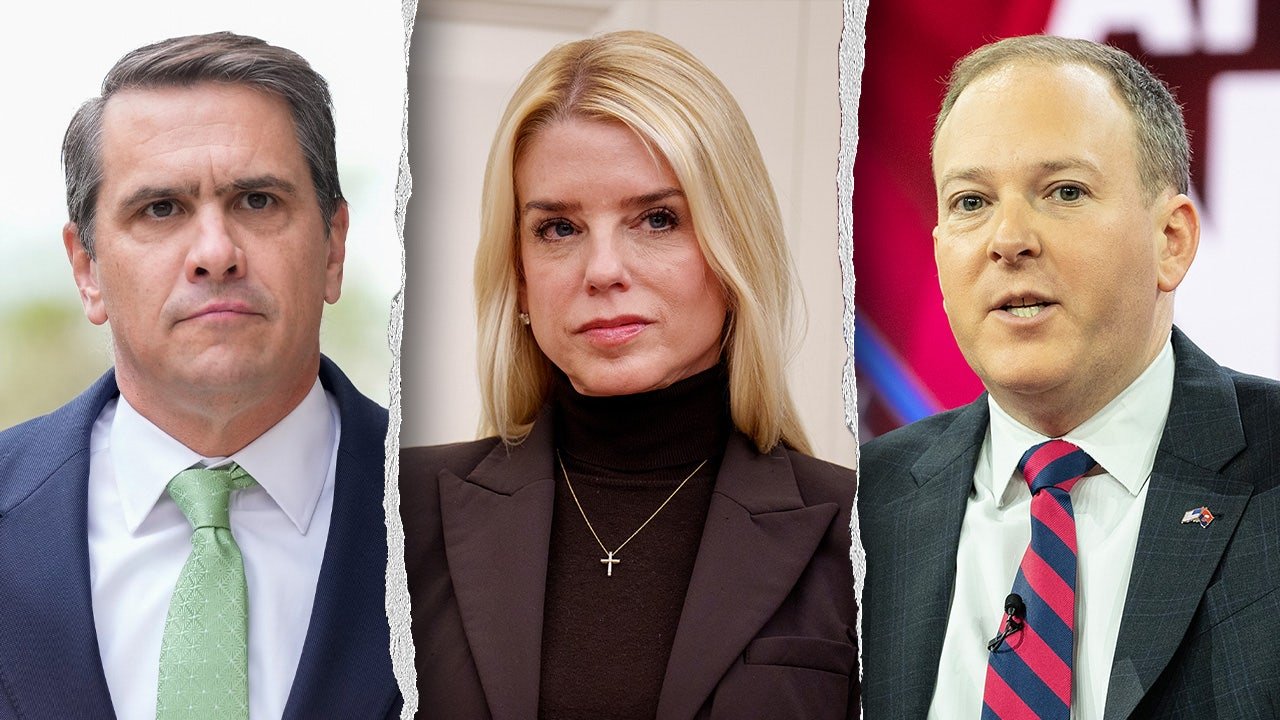
President Donald Trump announced a Department of Justice shakeup on Thursday, ousting Attorney General Pam Bondi and looking to name her permanent successor.
Trump tapped Deputy Attorney General Todd Blanche to fill the role in an acting capacity, but other names, like Environmental Protection Agency Administrator Lee Zeldin’s, have swirled since the announcement of Bondi’s departure, which was first reported by Fox News Digital on Thursday.
Blanche, Trump’s former personal defense lawyer, could serve as acting attorney general for up to 210 days. Trump is staring down the possibility of Senate Republicans shrinking or losing their majority in the midterms, which could complicate the president’s ability to secure a nominee’s confirmation if he waits too long to replace an acting official.
KARL ROVE: TRUMP DROPPED BONDI, BUT THE REAL POLITICAL FIGHT IS JUST BEGINNING
Contenders for attorney general, one of the most prestigious and influential, yet least secure jobs in Washington, would also need to win over tough but critical votes from current senators.
Sen. Thom Tillis, R-N.C., a member of the committee tasked with vetting attorneys general, ruled out anyone who defended the 2021 U.S. Capitol breach in a CNN interview Thursday.
U.S. Attorney General Pam Bondi testifies before the House Judiciary Committee in the Rayburn House Office Building on Feb. 11, 2026, in Washington, D.C. (Alex Wong/Getty Images)
«The threshold for somebody following Pam Bondi ends the moment I hear they said one thing that excused the events of January the 6th,» Tillis said.
Bondi faced a series of public missteps during her time as AG. They involved her failure to tamp down bipartisan criticism about the DOJ’s handling of files related to Jeffrey Epstein’s sex trafficking cases and her inability to find enough evidence to bring reliable criminal charges against politicians viewed as Trump’s political foes aside from former National Security Advisor John Bolton, who was indicted for mishandling classified documents.
Asked for comment about possible contenders to succeed Bondi, a White House spokesperson pointed to Trump’s Truth Social post from Thursday announcing Bondi’s exit and Blanche as her interim replacement.
Todd Blanche
Trump did not rush to tease a permanent replacement when he announced that Blanche would be filling in, leaving the incoming acting attorney general to effectively try out for the permanent role.
Blanche could persuade Trump to nominate him and the Senate to confirm him in the coming months, having both proven his loyalty to Trump while retaining traditional bona fides as a longtime lawyer in the Southern District of New York and in private practice. He left a prestigious New York law firm in 2023 to defend Trump against Manhattan District Attorney Alvin Bragg and special counsel Jack Smith.
«Our Deputy Attorney General, and a very talented and respected Legal Mind, Todd Blanche, will step in to serve as Acting Attorney General,» Trump wrote on Truth Social Thursday.
PAM BONDI FACES BIPARTISAN SUBPOENA OVER FRUSTRATION WITH DOJ’S RELEASE OF EPSTEIN FILES
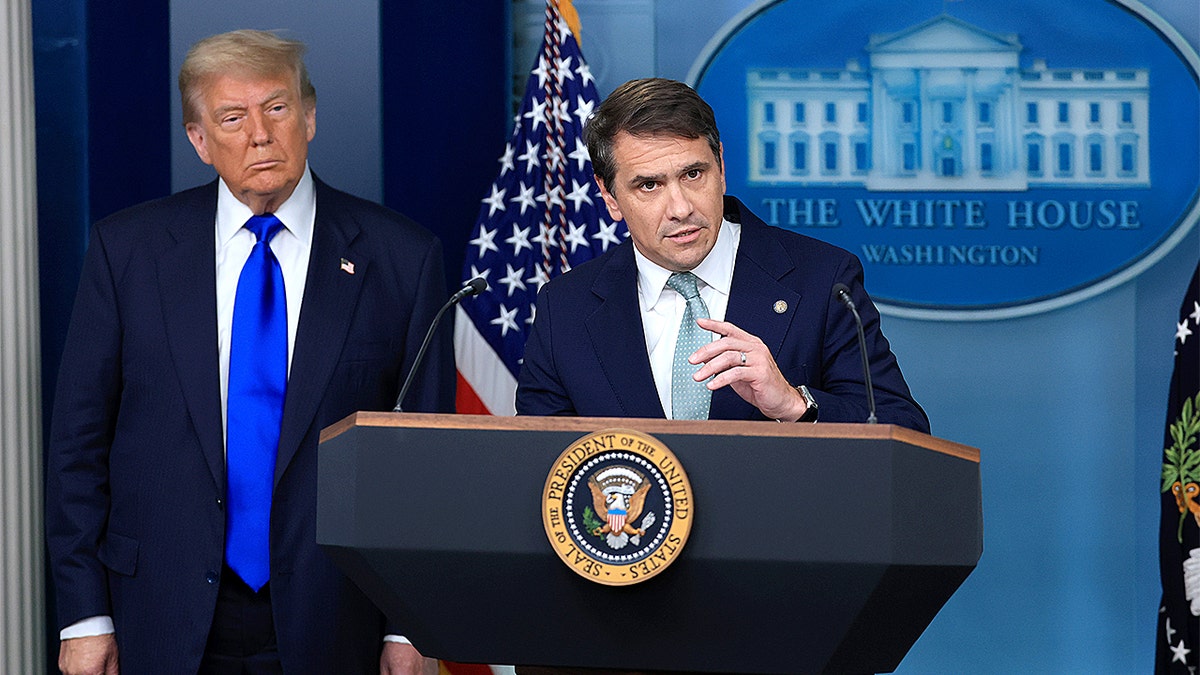
Deputy Attorney General Todd Blanche, joined by President Donald Trump, speaks at a news conference on recent Supreme Court rulings in the briefing room at the White House June 27, 2025, in Washington, D.C. (Joe Raedle/Getty Images)
Blanche’s direct involvement in those cases could present tricky conflicts of interest as the DOJ pursues investigations into the people involved with prosecuting Trump, and Democrats have made clear that Blanche is, in their view, a top culprit in the department’s handling of the Epstein files.
Lee Zeldin
Trump has spoken with Zeldin about potentially serving as attorney general, including this week, Fox News Digital reported Thursday.
One downside for the president, however, would be that Zeldin’s transition to attorney general would require two major confirmation hearings, one for Zeldin and one for a new EPA administrator. One source familiar with the matter told Fox News Digital that Zeldin was interested in the job.
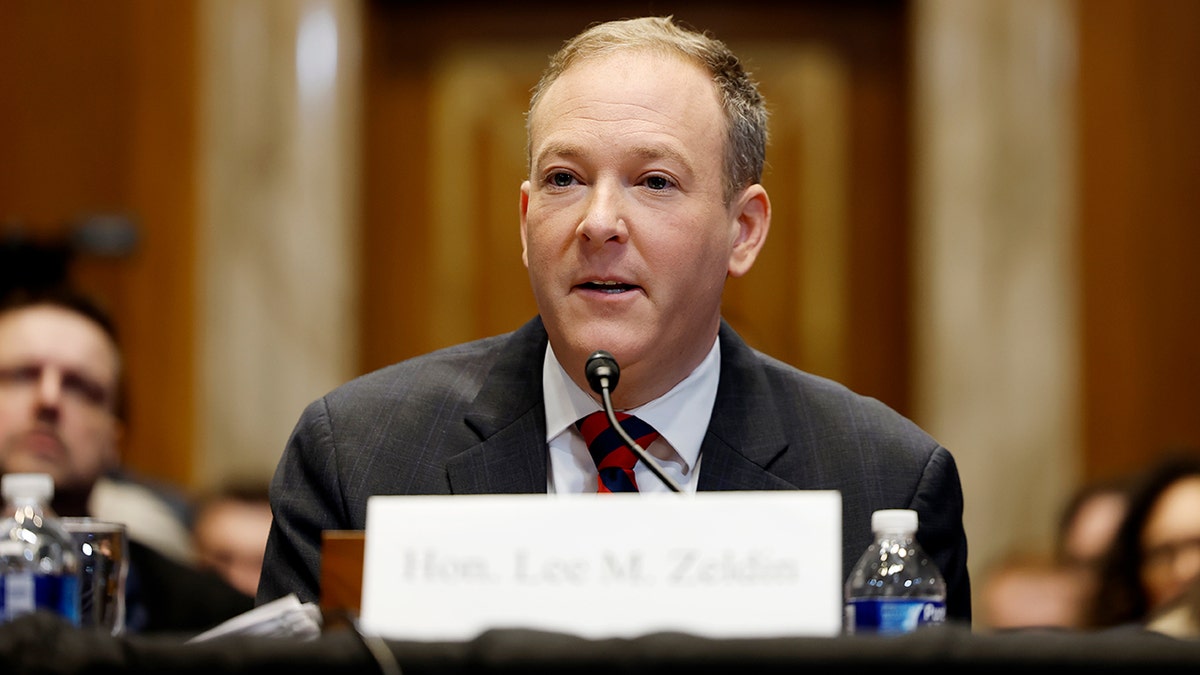
Former Rep. Lee Zeldin, R-N.Y., Trump’s nominee to be administrator of the Environmental Protection Agency, speaks during his Senate Environment and Public Works confirmation hearing on Capitol Hill Jan. 16, 2025, in Washington, D.C. (Anna Moneymaker/Getty Images)
Harmeet Dhillon
A vocal contingent online has urged Trump to promote Dhillon from the head of the DOJ Civil Rights Division to attorney general.
«That’s up to the president,» Dhillon told Fox News Digital when asked about the prospect. «I’m flattered to be mentioned by many online, but it’s his choice, and I serve at his pleasure only.»
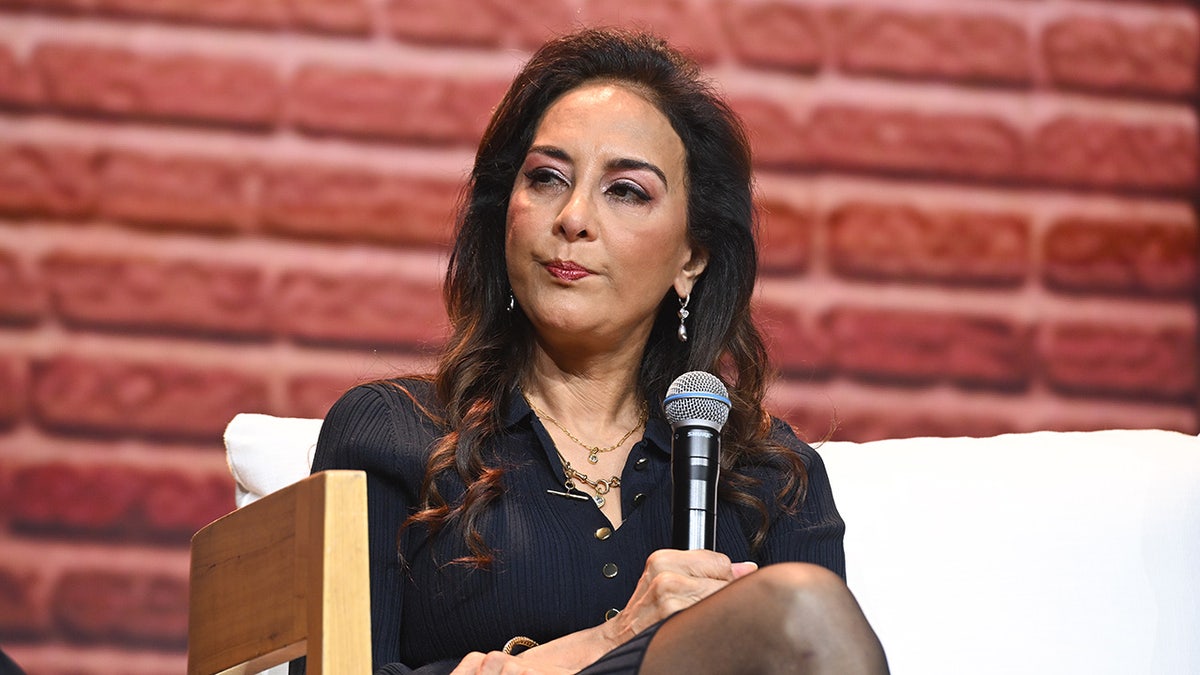
Harmeet K. Dhillon speaks at the IAC National Summit 2026 at The Diplomat Beach Resort Jan. 17, 2026, in Hollywood, Fla. (Noam Galai/Getty Images)
Several conservative influencers sang Dhillon’s praises on X upon Bondi’s firing. Scott Presler said she would be an «exceptional» attorney general. Mike Cernovich said Dhillon was «filing civil rights lawsuits on behalf of Trump supporters who were attacked by ANTIFA. In 2016. Who was around in 2016?»
Jeanine Pirro
Trump tapped Pirro, a close ally, to lead the U.S. attorney’s office in Washington, D.C., the most high-profile of the 93 in the country.
A former Fox News host, judge and district attorney, Pirro has risen to the occasion, filling the jobs of ousted prosecutors and promoting her role in reducing violent crime in the nation’s capital.
Still, Pirro’s seen some hurdles, including failing to convince grand juries to indict six Democratic lawmakers and a man who stood accused of throwing a sandwich at an immigration officer. Pirro reduced the man’s charge, but a jury acquitted him.
Trump told New York Magazine Pirro was «fantastic» when asked if she would replace Bondi. Fox News Digital reached out to Pirro’s office for comment.
TRUMP CABINET SHAKEUP EXPANDS AFTER NOEM EXIT, BONDI FIRING — WHO’S UNDER PRESSURE NEXT?
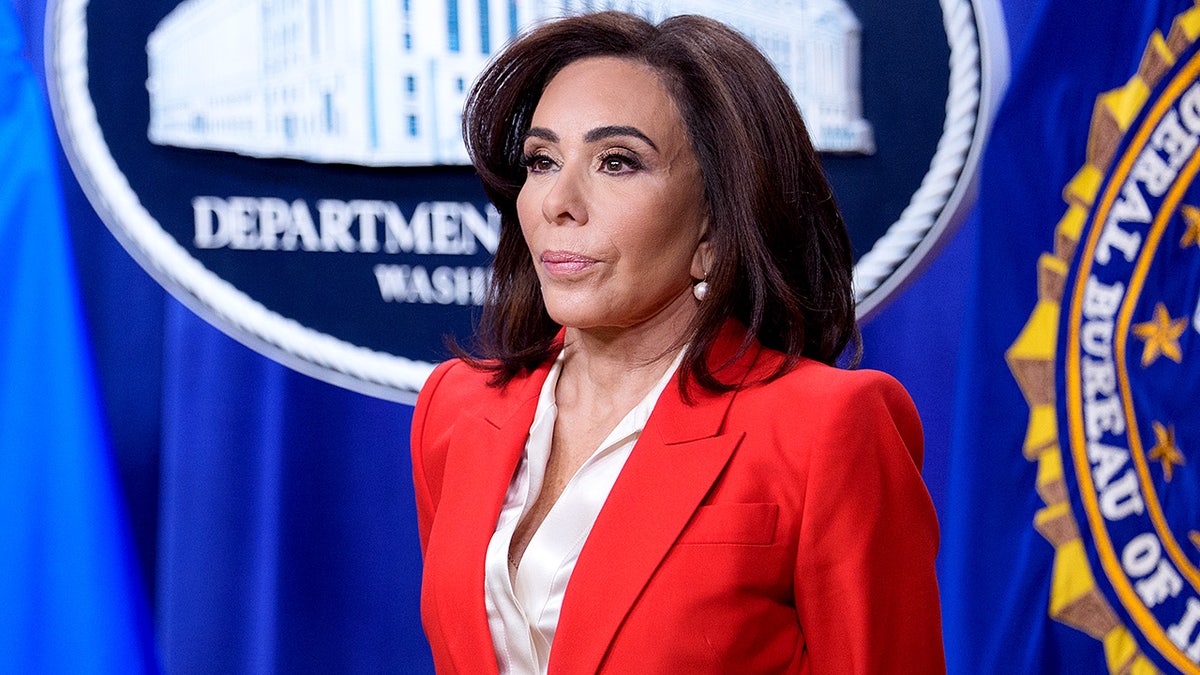
Jeanine Pirro, U.S. attorney for the District of Columbia, spoke during a news conference at the Department of Justice on Feb. 6, 2026, in Washington, D.C. (Aaron Schwartz/Bloomberg via Getty Images)
Sen. Eric Schmitt
Schmitt, the former attorney general of Missouri, was on Trump’s first shortlist for attorney general and is now making the rounds as an option again.
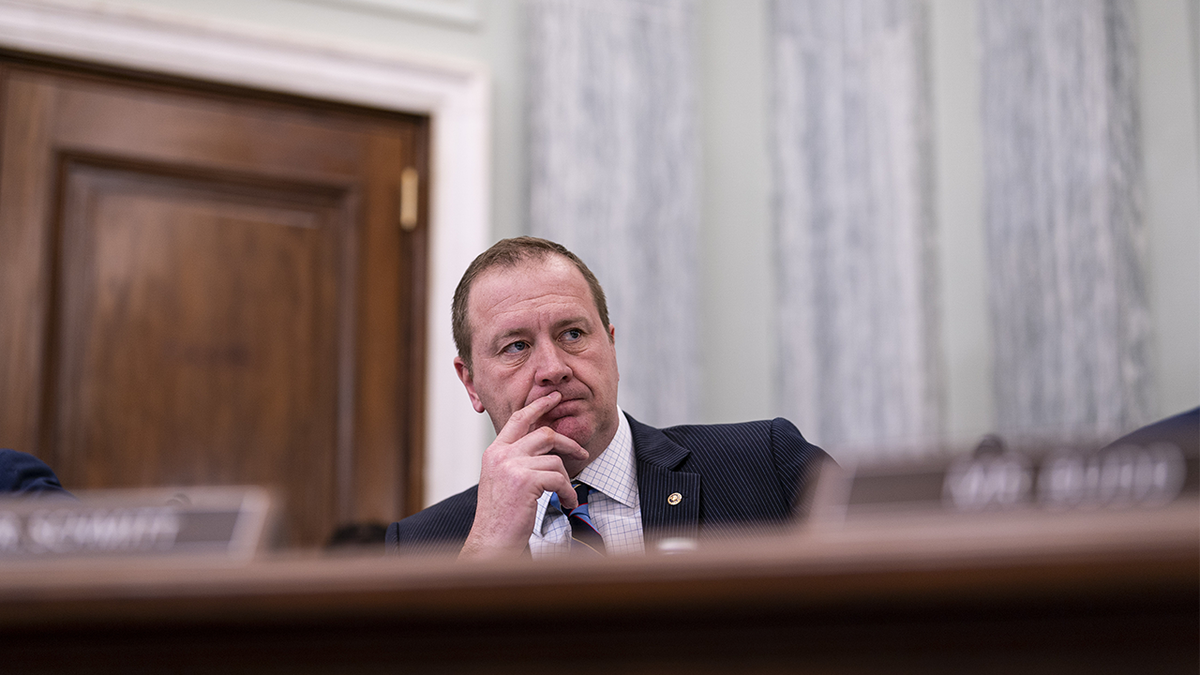
Sen. Eric Schmitt, R-Mo., during a Senate Commerce, Science and Transportation Committee hearing in Washington, D.C., Feb. 9, 2023. (Al Drago/Bloomberg via Getty Images)
As a state attorney general, Schmitt led high-profile litigation against the Biden administration, including a closely watched jawboning lawsuit challenging the federal government’s involvement in social media censorship. The Supreme Court sidestepped weighing in on the case, but last month Missouri and Louisiana notched a victory by reaching a settlement with several government agencies.
Fox News Digital reached out to Schmitt’s office for comment.
Unlikely contenders
Several conservative influencers also floated Sen. Mike Lee, R-Utah, as an option, but Lee poured cold water on the idea on Friday, saying on X, «I’m not going anywhere.»
Other long-shot options include Alina Habba, Gov. Ron DeSantis and Texas Attorney General Ken Paxton.
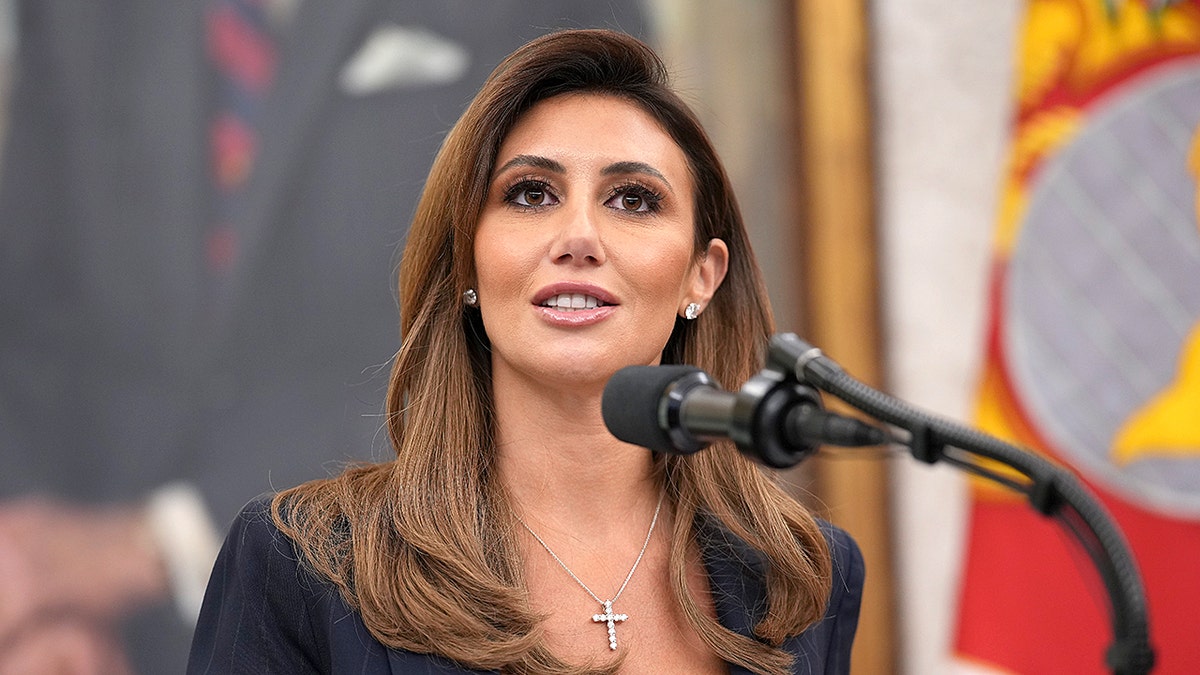
Alina Habba speaks from a podium. (Andrew Harnik/Getty Images)
Habba promoted her tight relationship with Trump online on Friday, but one source said Habba was happy in her current role as a DOJ senior advisor, while another said she was not having active conversations about the job but had not been ruled out as a possibility.
DeSantis’ name made the rounds online, and the Florida governor, whose stardom rose during COVID-19 but faltered during his failed presidential run, remains constantly in touch with the White House. Fox News Digital reached out to his office.
Paxton is an unlikely choice, according to another source. The Texas attorney general, once impeached over bribery allegations but acquitted by the state Senate, has Republican enemies in the upper chamber who would be needed for votes come confirmation time.
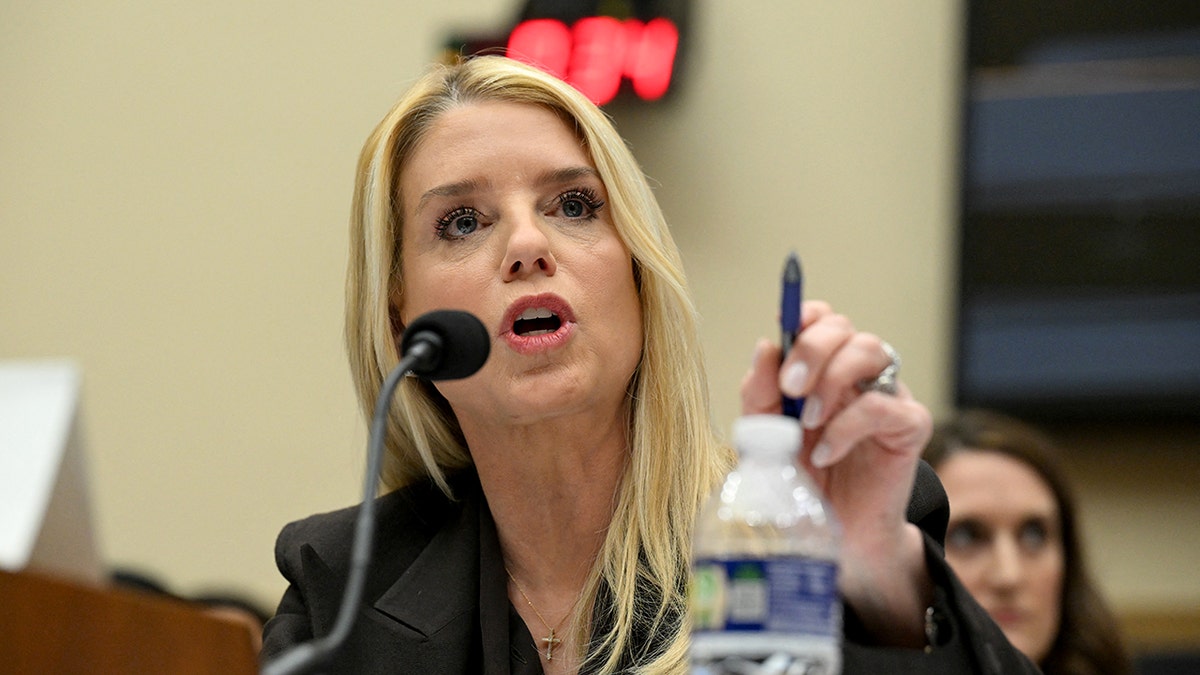
Attorney General Pam Bondi testifies before a House Judiciary Committee hearing on «Oversight of the Department of Justice» on Capitol Hill in Washington, D.C., Feb. 11, 2026. (Roberto Schmidt/AFP via Getty )
Tom Fitton, president of the conservative Judicial Watch, told Fox News Digital the attorney general «need not be a lawyer.»
«I would support most anyone if there were a serious commitment to massive reform, transparency, etc.,» Fitton said. «The agency should be shrunk, transformed and defanged.»
Justice Connection, a group comprising many former DOJ employees who resigned or were fired under Trump, warned against a nominee who would mimic Bondi’s allegiance to Trump.
CLICK HERE TO GET THE FOX NEWS APP
«Replacing [Bondi] with a more competent attorney general who — like her — believes their sole client is the president and not the country may just make things worse,» Stacey Young, the group’s executive director, said in a statement.
Katelyn Caralle contributed to this report.
justice department, pam bondi, donald trump, politics

NEWYou can now listen to Fox News articles!
Iran is ramping up the recruitment of children as young as the age of 12 into military-linked roles tied to the Islamic Revolutionary Guard Corps (IRGC), according to new reports by Human Rights Watch and Amnesty International.
The reports underscore mounting pressure inside Iran’s war effort. As U.S. and Israeli strikes intensify, rights groups and analysts say recruiting children points to manpower shortages and a growing reliance on paramilitary forces to hold the home front. It also escalates the human cost of the conflict, placing minors in direct danger while exposing Iran to potential war crimes liability.
Human Rights Watch said the Islamic Revolutionary Guard Corps has launched a campaign called «Homeland Defending Combatants for Iran,» lowering the minimum recruitment age to 12 and encouraging minors to sign up in mosques and through Basij, a volunteer paramilitary force under the Islamic Revolutionary Guard Corps.
The roles go beyond support tasks and include «operational patrols,» staffing checkpoints and intelligence activities, putting children directly in harm’s way as fighting intensifies across the country.
IRAN ARRESTS 97 PEOPLE IT ACCUSES OF BEING ‘SOLDIERS OF ISRAEL’ IN MASSIVE CRACKDOWN
Members of the Iranian revolutionary guard march during a parade. The IRGC is designated as a foreign terrorist organization by the State Department. A large part of its work is to covertly operate outside of Iran. (Reuters)
Amnesty International said the recruitment and deployment of children under 15 «constitutes a war crime,» and backed its findings with verified visual evidence and eyewitness accounts.
The organization analyzed 16 photos and videos published since Saturday, showing children carrying weapons, including AK-pattern rifles, and deployed alongside Islamic Revolutionary Guard Corps and Basij forces at checkpoints, on patrols and during state-organized rallies in Iranian cities including Tehran, Mashhad and Kermanshah.
Amnesty also documented the fatal consequences. On Sunday, 11-year-old Alireza Jafari was killed at a checkpoint in Iran while accompanying his father, a Basij member, the group said. Authorities said he was killed «while serving» following an Israeli drone strike.
IRAN’S IDEOLOGICAL STATE: FAITH, FEAR AND FAVORS FUEL ITS VAST PROPAGANDA AND PATRONAGE NETWORK
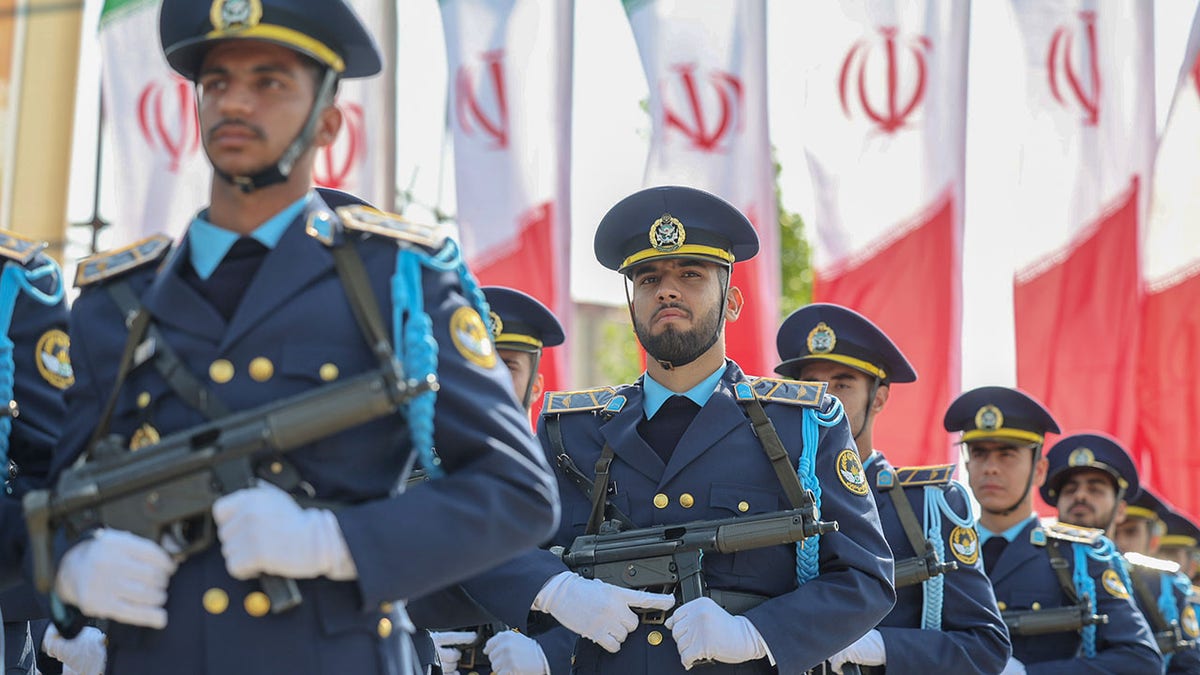
Iranian soldiers take part in a military parade during a ceremony marking the country’s annual army day on April 17, 2024, in Tehran, Iran. (Getty Images)
According to Amnesty, the boy’s mother told the Iranian newspaper Hamshahri that her husband had reported a shortage of personnel at checkpoints and took their two sons with him. She said he told their son he «must get prepared for the days ahead,» adding that children as young as 15 and 16 are commonly involved in checkpoint duties.
Eyewitness accounts reviewed by Amnesty describe children visibly struggling to handle weapons. One person in Tehran wrote:
On March 25, «I saw a child at a checkpoint near our house … I think he was about 15… It seemed like he was struggling to breathe from the effort of lifting the gun.»
Another witness in Karaj, Iran, reported seeing a child «holding a Kalashnikov rifle,» while a third in Rasht said some appeared to be «13 years old at most,» warning they could «fire randomly.»
IRANIAN STUDENT WARNS ‘BARBARIC’ REGIME IS TAKING NATION ‘HOSTAGE,’ EXECUTING CIVILIANS TO END UNREST
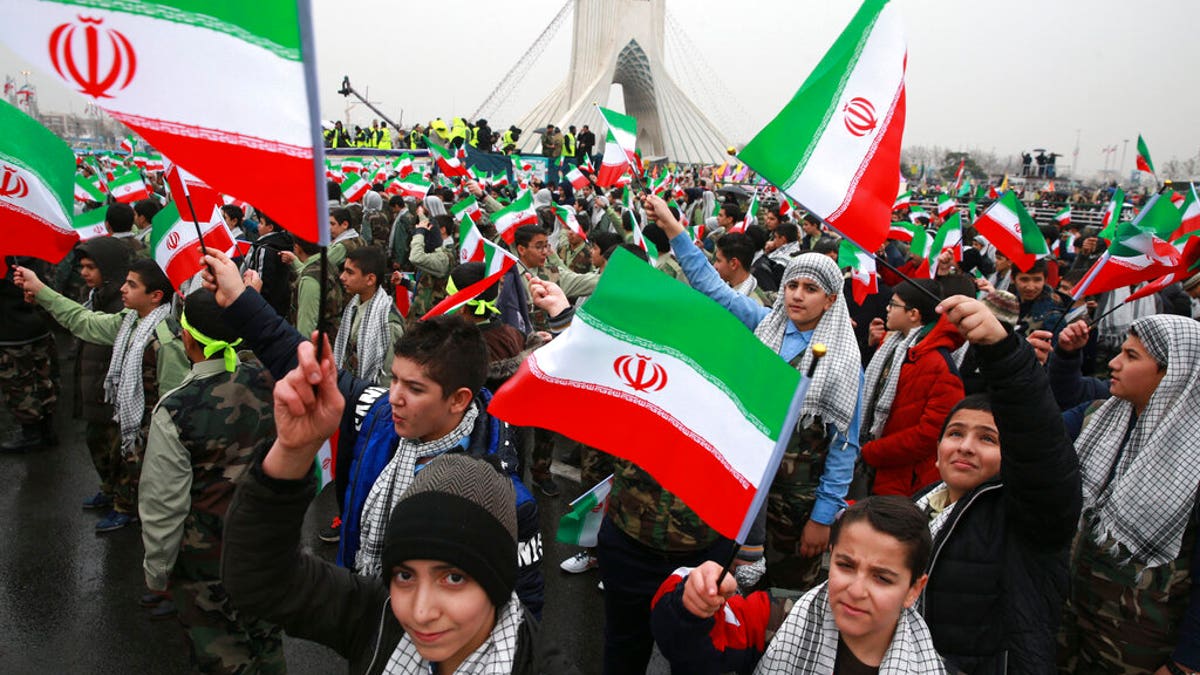
Children wave Iranian flags during a ceremony celebrating the 40th anniversary of the Islamic Revolution, at the Azadi, Freedom, Square in Tehran, Iran, Monday, Feb. 11, 2019.
In one video cited by Amnesty, filmed March 30 in Mashhad, Iran, two children wearing Basij uniforms and balaclavas were seen carrying assault rifles while positioned on a moving vehicle during a state-organized rally, elevated above a cheering crowd.
The recruitment campaign itself has been promoted through official channels, including posters depicting children alongside armed adults under the slogan «Basij with people, for people,» accompanied by a quote attributed to Iran’s Supreme Leader calling for Basij forces to remain central to the revolution.
Iranian officials have defended the policy by pointing to what they describe as strong demand among teenagers.
In a televised interview with Iranian state media, IRGC official Rahim Nadali said the minimum age was set at 12 because «teenagers and the youth repeatedly have come and said that they want to take part.»
«There is no excuse for a military recruitment drive that targets children to sign up, much less 12-year-olds,» Human Rights Watch’s Bill Van Esveld said.
CLICK HERE TO DOWNLOAD THE FOX NEWS APP
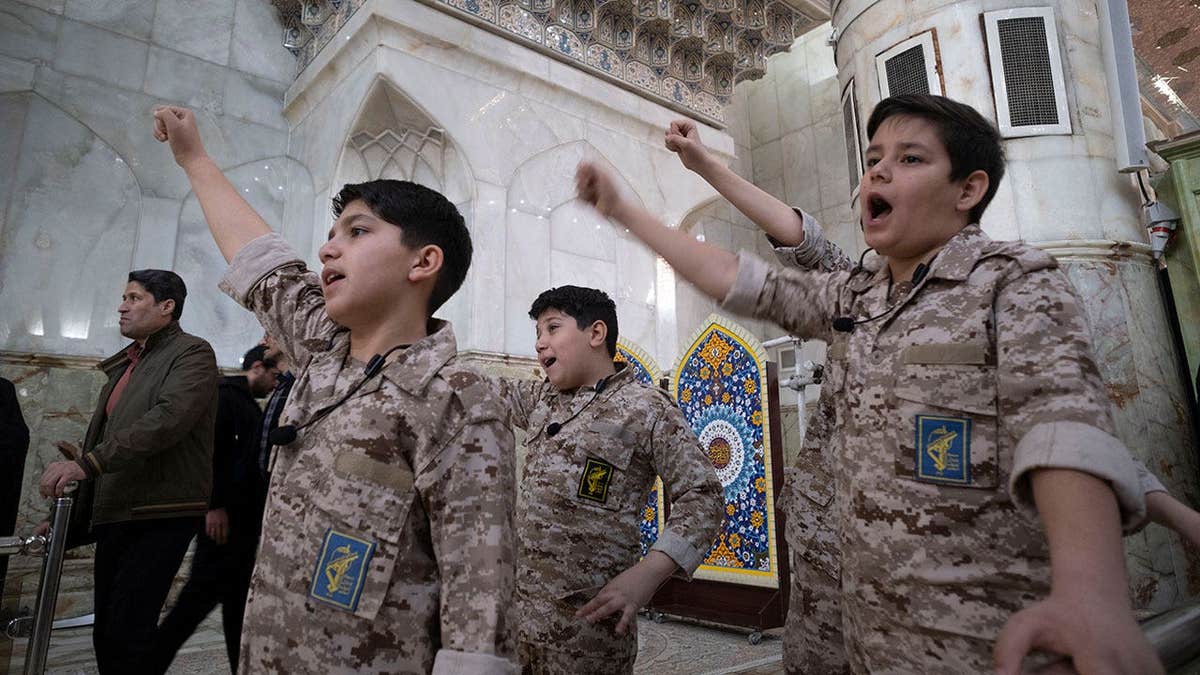
Iranian schoolboys wear Islamic Revolutionary Guard Corps (IRGC) military uniforms and shout anti-U.S. and anti-Israeli slogans during a ceremony marking the 47th anniversary of the victory of Iran’s Islamic Revolution at the shrine of Ayatollah Ruhollah Khomeini in the Behesht-e Zahra cemetery in southern Tehran, Iran, on Feb. 1, 2026 (Morteza Nikoubazl/NurPhoto via Getty Images)
The reports come as the United Nations classifies the recruitment of children in armed conflict as a «grave violation,» with international law prohibiting the enlistment of children under 15 and setting 18 as the standard for participation in hostilities.
Both organizations called on Iranian authorities to immediately halt the recruitment of minors and release those already serving.
Iran’s mission to the United Nations declined Fox News Digital’s comment request.
war with iran, recruitment, iran, israel, military

Manuel Adorni contrató a un abogado penalista para que lo represente

Mejor que Lautaro Martínez: las estadísticas que lidera Nico Paz en la Serie A

Trump enfrenta una encrucijada en Irán

El detalle incómodo: cómo hacen los astronautas para ir al baño en el espacio y por qué la NASA guarda todo

Revelan que Rusia pagó notas periodísticas para llevar adelante una campaña de desprestigio contra Milei

Pam Bondi is out as AG — here are the contenders who could replace her

Dos jubiladas que le habrían prestado dinero a Manuel Adorni negaron conocerlo

Quiénes son las dos acreedoras del préstamo con el que Adorni compró su departamento en Caballito

El Gobierno reevalúa la estrategia de comunicación por el caso Adorni y mide el impacto en la imagen de Milei

Milei se pone al frente de la defensa de Adorni y lo suma a un acto por Malvinas en una nueva muestra de respaldo

 POLITICA2 días ago
El Gobierno reevalúa la estrategia de comunicación por el caso Adorni y mide el impacto en la imagen de Milei
- POLITICA1 día ago
Milei se pone al frente de la defensa de Adorni y lo suma a un acto por Malvinas en una nueva muestra de respaldo
- CHIMENTOS1 día ago
Oriana Sabatini sorprendió al elegir a una famosa como madrina de Gia, su hija con Paulo Dybala