INTERNACIONAL
Hegseth announces Pentagon probe into deadly strike on Iranian school

NEWYou can now listen to Fox News articles!
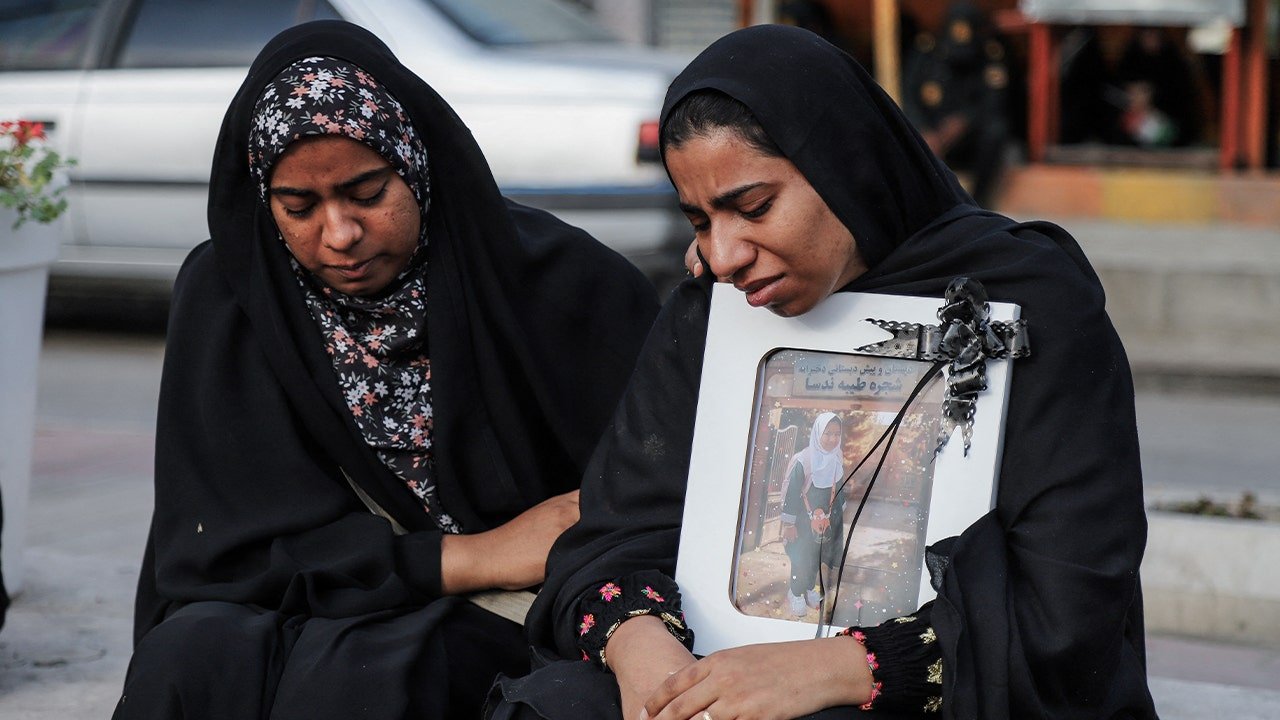
The Pentagon said Friday it has opened a formal command investigation into the Feb. 28 strike in Minab, Iran, where Iranian regime officials claim dozens of children were killed in a strike at a school beside a military compound.
Questions continue to mount about possible U.S. involvement in the strike, the intelligence used before it and whether Iran placed military assets near civilians to shield them or weaponize potential casualties.
War Secretary Pete Hegseth said at a Pentagon briefing that U.S. Central Command (CENTCOM) has appointed a senior officer from outside the command to lead the review.
«CENTCOM has designated an investigating officer to complete a command investigation,» Hegseth said, noting that the investigator is a general officer from outside the command. «The command investigation will take as long as necessary to address all the matters surrounding this incident.»
CENTCOM ISSUES SAFETY WARNING TO IRANIAN CIVILIANS AS REGIME USES ‘HEAVILY POPULATED’ AREAS FOR LAUNCHES
«There’s only one entity in this conflict, between us and Iran, that never targets civilians, literally never target civilians,» he said, defending U.S. targeting procedures while the investigation unfolds. «We will investigate. We’ll get to the truth and we’ll share it when we have it.»
The strike has drawn scrutiny as the investigation continues without answers.
If U.S. forces carried out the attack, it would raise questions about how American military planners assess civilian risk in densely populated areas and whether safeguards designed to prevent unintended casualties functioned as intended in the opening phase of a high-intensity conflict.
A view of debris at a school in Hormozgan province, Iran, on March 5, 2026. Local authorities reported casualties after strikes in the area from a girls primary school in the city of Minab. The building sustained significant structural damage following two reported air strikes approximately 40 minutes apart. The Pentagon is investigating the strike. (Stringer/Anadolu via Getty Image)
CENTCOM, the military department tasked with overseeing the U.S. operation in Iran and all Middle East operations, has declined to confirm whether American forces launched the missile, saying only that «it would be inappropriate to comment given the incident is under investigation.»
Iranian-American journalist Banafsheh Zand, who has been following the reporting in Iran, pointed to the school that has been there for more than a decade, reported affiliation with Iran’s military.
«The school itself was for the children of the (Islamic Revolutionary Guard Corps) Navy, and it speaks volumes to where the place was and how they use civilian shields,» she said.
The use of human shields is against international humanitarian law.
While the regime claims between 168 fatalities and 180 fatalities, mostly girls between the ages of 7 and 12, along with teachers and parents from the school, Zand told Fox News Digital that there has been no independent confirmation of the reported casualty figures.
«There is no confirmation on the number of people, from anyone other than regime sources,» she said. «Some people in the area said it was 65 boys. Sixty-five boys? What are 65 boys doing in a girls’ school at 10:30 on a Saturday morning?»

US Secretary of Defense Pete Hegseth looks on during a joint press conference with Admiral Charles Bradford «Brad» Cooper II, Commander of US Central Command, at US Central Command (CENTCOM) headquarters at MacDill Air Force Base in Tampa, Florida, on March 5, 2026. (Octavio JONES / AFP via Getty Images)
Addressing satellite images that appear to show newly dug graves, Zand added: «The number of graves are not in keeping with the number of people that they claim is dead. It doesn’t match up.»
The U.S. government has not confirmed the death toll.
Preliminary findings from U.S. officials suggest the strike was likely carried out by American forces, The New York Times reported Wednesday, though the investigation remains ongoing.
In response to the Times’ reporting, Central Command reiterated to Fox News Digital that the investigation is ongoing.
IRAN UNREST ESCALATES AS GUNFIRE, TEAR GAS HIT UNIVERSITIES AMID LOOMING US STRIKE
Retired Vice Adm. Kevin Donegan, who previously commanded U.S. Naval Forces Central Command and the U.S. 5th Fleet, cautioned against getting ahead of the full review and said U.S. targeting doctrine is designed to prevent civilian tragedies, including legal review and collateral damage assessments before a strike is approved.
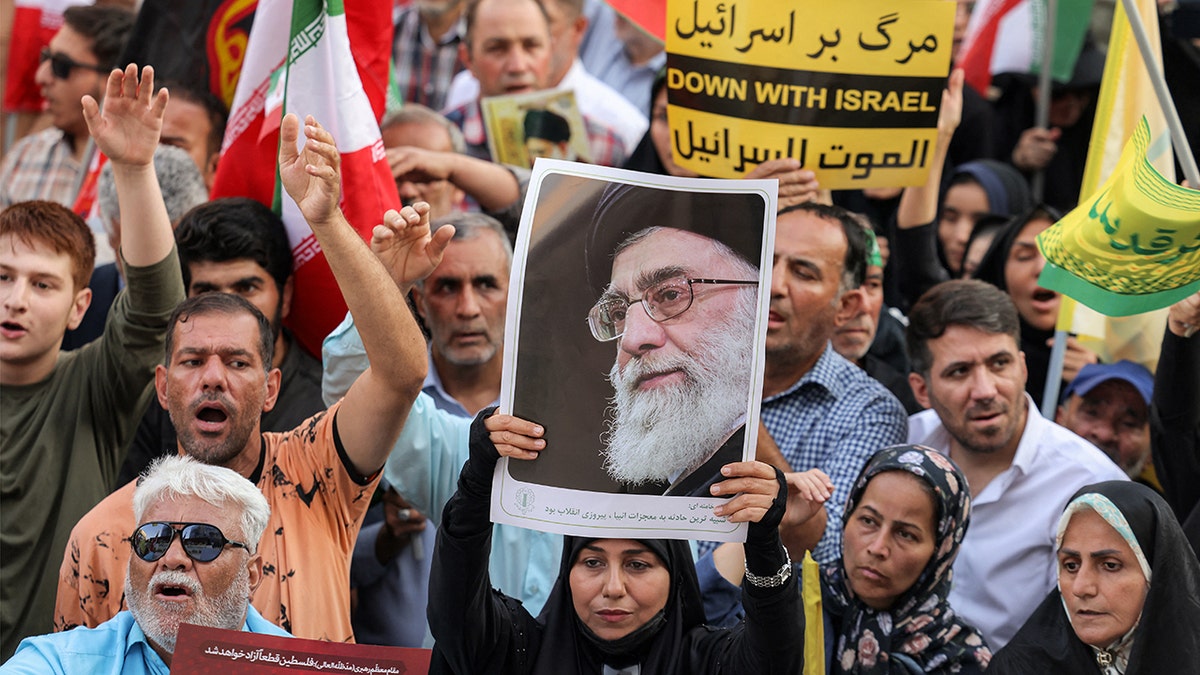
A demonstrator holds a picture of Iran’s Supreme Leader Ayatollah Ali Khamenei during a rally in Tehran in solidarity with the government against Israel’s attacks and to mark Eid al-Ghadir. (Atta Kenare/Getty Images) (Atta Kenare/Getty Images)
«We actually have judge advocates that sit there and help us through the process of targeting,» Donegan told Fox News Digital.
But even precision-guided weapons do not eliminate uncertainty.
«War isn’t precise,» Donegan said. «Mistakes can be made, and they can happen anywhere in the chain of events.»
Raytheon, the manufacturer of the Tomahawk missile, could not be reached for comment.
Wes Bryant, the Pentagon’s former chief of civilian harm assessments, said his office, the Civilian Protection Center of Excellence, was tasked with advising commanders on targeting and ways to mitigate civilian harm but had been severely curtailed over the past year.
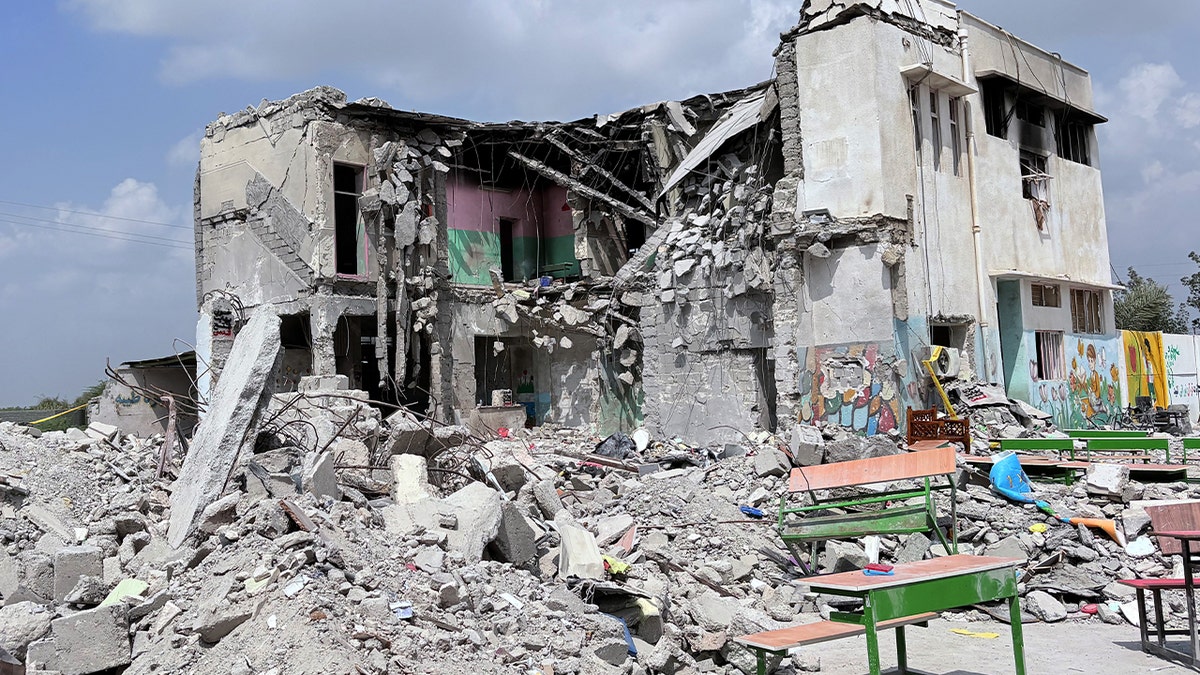
Image shows a girls’ school struck in Minab, Iran. (Stringer/Anadolu via Getty Images)
Bryant said that taken together, the available evidence strongly suggests U.S. involvement.
«All evidence, at this point, points to a U.S. strike,» Bryant told Fox News Digital.
If U.S. forces conducted the strike, Bryant said the more plausible explanation would involve a failure in target identification or civilian risk assessment.
«These munitions have a very small circular probable,» Bryant said. «If it missed, it would have been within a few meters.»
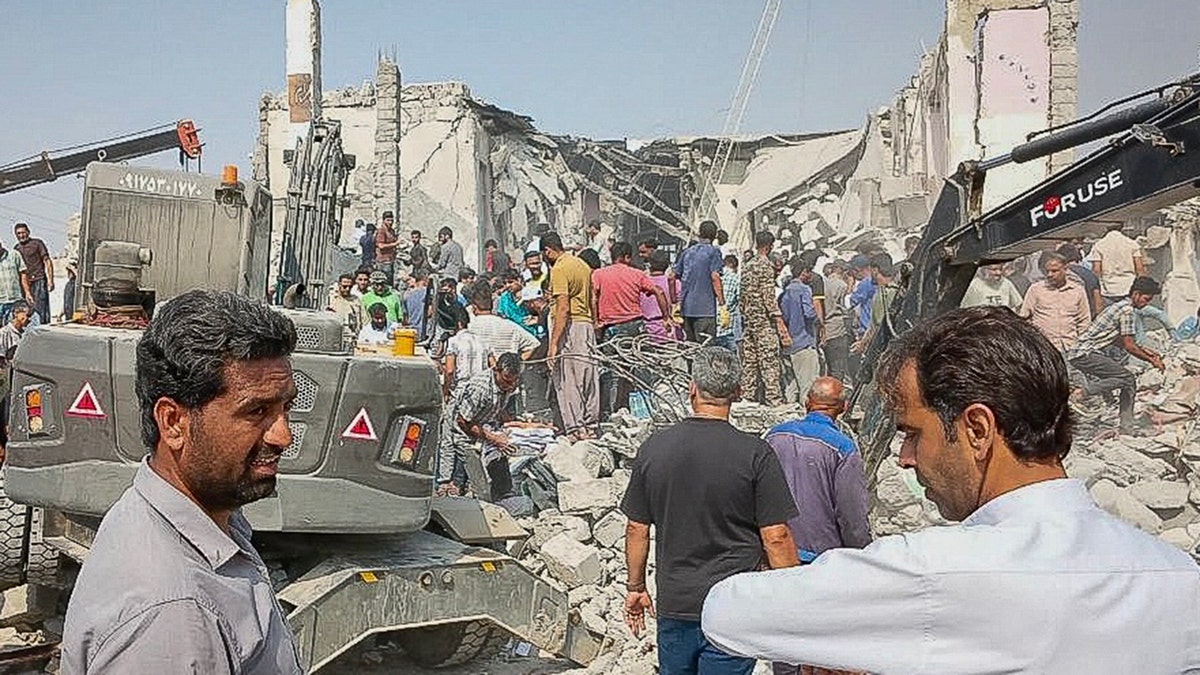
This picture obtained from Iran’s ISNA news agency shows the site of a strike on a girls’ school in Minab, in Iran’s southern Hormozgan province, on Feb. 28, 2026. (Ali Najafi/ISNA/AFP via Getty Images)
Satellite imagery and reporting from Iranian officials indicate the Shajareh Tayyebeh primary school sat roughly 600 meters from the adjacent Islamic Revolutionary Guard Corps naval facility in Minab, Iran, underscoring how closely civilian and military infrastructure were positioned.
«I’m leaning more toward that this is complete misidentification,» from the U.S., he said, arguing that the likely issue would be a failure to properly vet or update targeting information rather than a random malfunction.
White House spokesperson Anna Kelly told Fox News Digital, «This investigation is ongoing. As we have said, unlike the terrorist Iranian regime, the United States does not target civilians.»
IRAN LOCKS NATION INTO ‘DARKER’ DIGITAL BLACKOUT, VIEWING INTERNET AS AN ‘EXISTENTIAL THREAT’
Possible Tomahawk missile and strike location
Open-source video analysis and reported missile remnants have fueled speculation that the munition resembled a U.S. Tomahawk cruise missile — a weapon Iran does not operate.
The Tomahawk is fielded by the U.S. and a limited number of close allies, including the United Kingdom and Australia, neither of which have been firing missiles in the conflict.
The Tomahawk is a long-range, precision-guided cruise missile capable of striking targets hundreds of miles away and typically carrying a high-explosive warhead.
Independent open-source investigators, including Bellingcat, a Netherlands-based investigative journalism group specializing in open-source analysis, have examined video and satellite imagery from the area and reported that multiple strikes hit the compound within a short time window.
However, commentators on social media have their own theories.
«The wing-to-body ratio of the munition in question matches an Iranian Kh-55–derived Land Attack Cruise Missile,» said podcast host and veteran Matt Tardio on X. «So what could have caused this? Simply put, GPS jamming of an Iranian KH-55. The USA and Israel were, and continue to actively jam the Iranian airspace.»
IRAN WAR, 11 DAYS IN: US CONTROLS SKIES, OIL SURGES AND THE REGION BRACES FOR WHAT’S NEXT
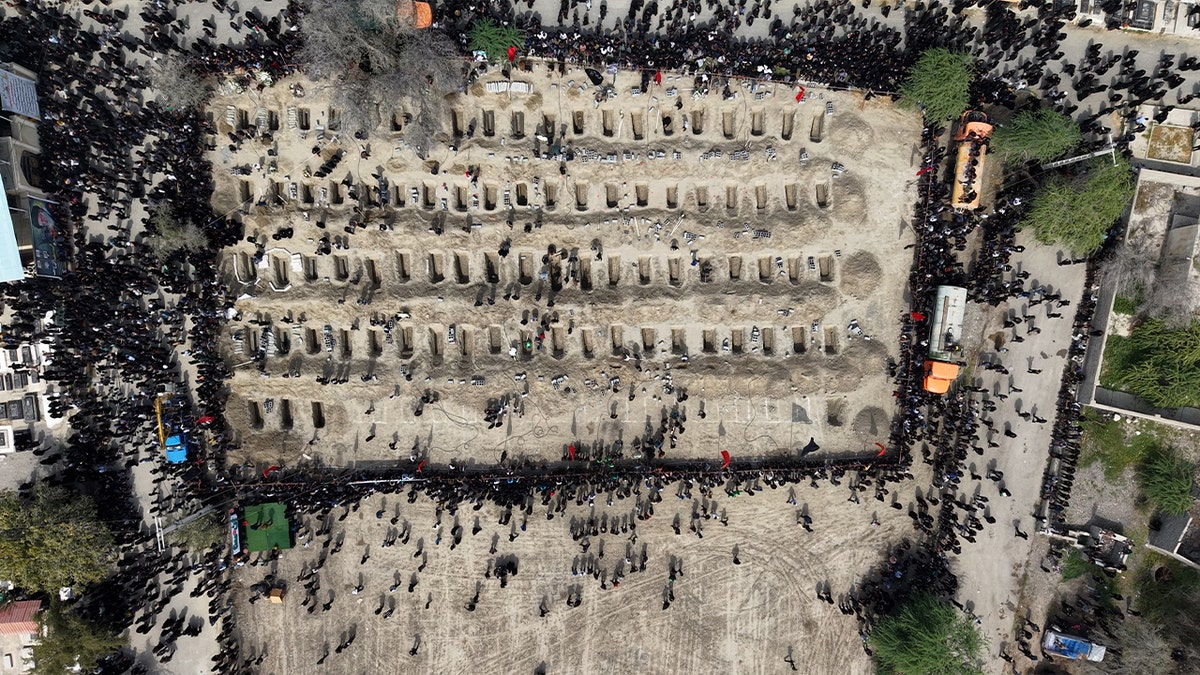
An aerial view shows funerals underway at a graveyard in Minab, Iran, March 3, 2026, for students and staff from a girls school who authorities said were killed in a Feb. 28 strike. (Handout/Getty Images)
Former National Security Council official Javed Ali, now a professor at the Gerald R. Ford School of Public Policy, told Fox News Digital the central question is the quality of intelligence that informed the strike decision.
«How solid was the intelligence picture on that facility?» Ali said. «How good was the intelligence that went into what’s called a target package?»
OPERATION EPIC FURY DESTROYS IRAN’S NAVY AND CUTS MISSILE ATTACKS BY 90% IN ONGOING CAMPAIGN
Ali, who previously worked on targeting analysis at the Defense Intelligence Agency, said military strikes are typically built from multiple streams of intelligence — human, technical, geospatial and open source — designed to provide high confidence that a structure is a legitimate military objective.
«Clearly something went wrong,» Ali said.
Civilian proximity raises targeting questions
Bryant said the Pentagon’s Civilian Protection Center of Excellence and broader civilian harm mitigation enterprise were scaled back in 2025, reducing the number of personnel available to conduct investigations into civilian harm.
The center was established by Congress to help the military minimize harm to civilians in conflict, but reporting shows its dedicated staff were folded into broader bureaucratic units or removed as part of a departmental reorganization.
Its teams were designed to work with commanders on target planning to make sure targets were active military sites and advise on the potential for civilian harm, according to Bryant.
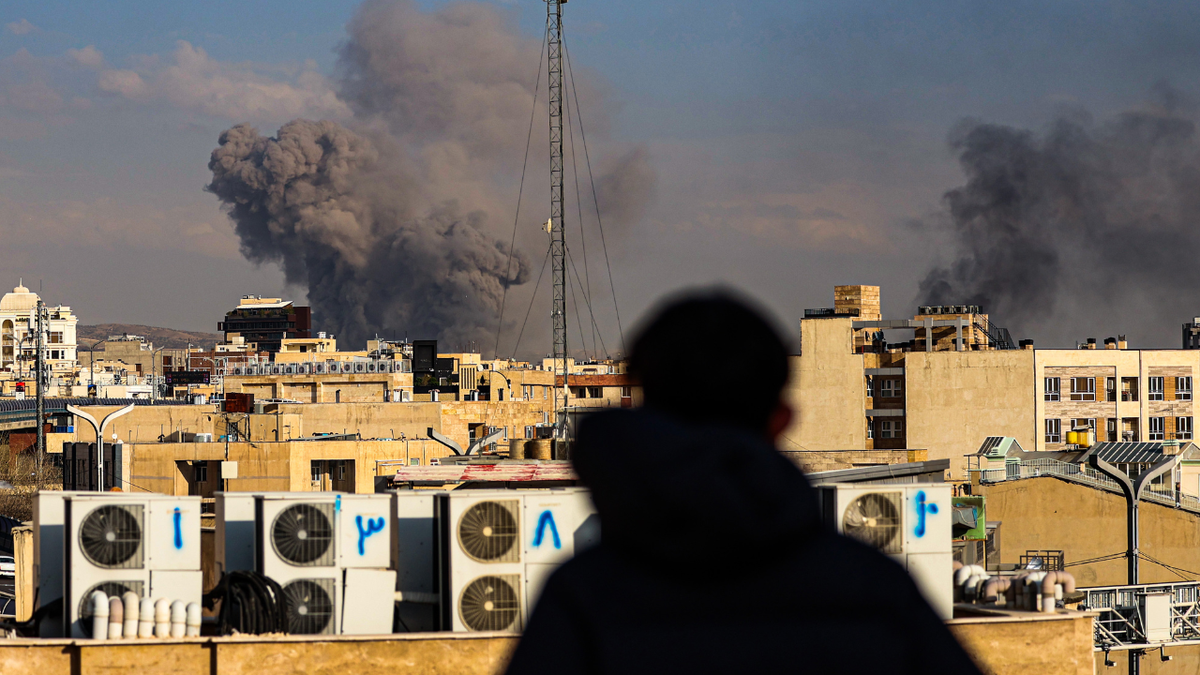
A general view of Tehran with smoke visible in the distance after explosions were reported in the city, on March 02, 2026 in Tehran, Iran. (Contributor/Getty Images)
The Pentagon has not publicly detailed the current status or staffing of the office, nor confirmed whether the office is involved in the ongoing Minab, Iran, school investigation.
IRAN OPERATING SECRET ‘BLACK BOX’ SITES HOLDING THOUSANDS IN DETENTION: REPORTS
An open source intelligence expert and former intel official, who requested anonymity, told Fox News Digital the structure resembles the other military buildings that were targeted in the strike, which could help explain how an intelligence misreading might occur and lead analysts to believe the site was another military facility within the compound.
Analysts say when civilian casualties occur during precision strikes, the explanations generally fall into three categories: intelligence failure, technical malfunction or human error.
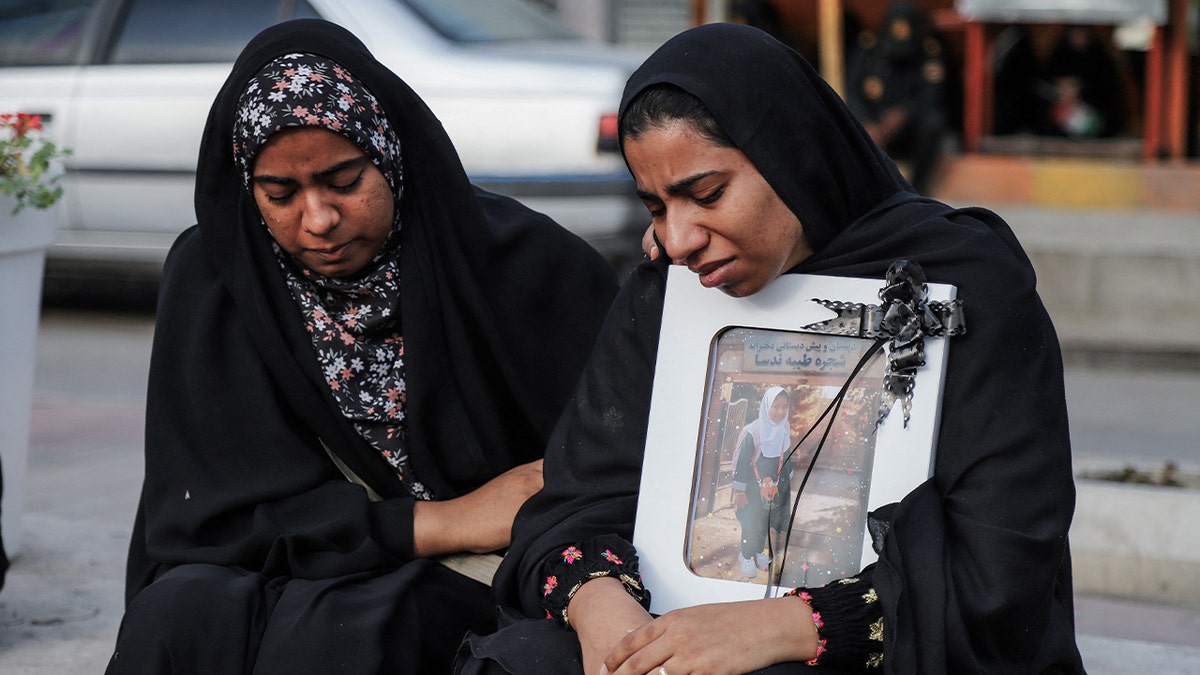
Mourners attend the funeral of children killed in a reported strike on a primary school in Minab, Hormozgan province, Iran, on March 3, 2026. (Amirhossein Khorgooei/ISNA/AFP via Getty Images)
Amos Yadlin, a former head of Israeli military intelligence, told Fox News Digital incorrect or outdated intelligence could lead to misidentification, while a GPS-guided munition could malfunction or be disrupted. Human error — such as incorrect coordinate entry — is another possibility.
If an investigation ultimately finds negligence or a breakdown in targeting procedures, the U.S. military has a precedent for imposing consequences.
Bryant pointed to the 2015 U.S. strike on a hospital in Kunduz, Afghanistan, that killed dozens of patients and medical staff at a facility operated by Doctors Without Borders, the international humanitarian medical charity which a U.S. army investigation later concluded was «a tragic and avoidable accident.»
CLICK HERE TO DOWNLOAD THE FOX NEWS APP
A U.S. military investigation later concluded that airstrike was «a tragic and avoidable accident» caused primarily by human error and procedural failures, with the medical facility mistakenly identified as a combat target.
«In that case, a couple of different commanders were removed,» Bryant said, noting that accountability can range from administrative measures to the revocation of certifications, depending on findings.
war with iran,iran,conflicts defense,pentagon,pete hegseth







INTERNACIONAL
En un rincón azotado por los cárteles, los mexicanos están abiertos a la intervención de EE.UU.

INTERNACIONAL
Iran moves hundreds of millions in crypto during nationwide internet blackout, report reveals

NEWYou can now listen to Fox News articles!
EXCLUSIVE: Cryptocurrency infrastructure linked to Iran’s Islamic Revolutionary Guard Corps (IRGC) continued operating during the country’s nationwide internet blackout after the Feb. 28 U.S.–Israeli strikes, a cyber intelligence report reviewed by Fox News Digital claims. It allowed hundreds of millions of dollars in crypto to move out of the country.
Omri Raiter, founder and CEO of RAKIA, a cyber intelligence firm that develops data analysis platforms used by governments and security agencies, told Fox News Digital his team began monitoring Iranian cryptocurrency activity in real time after the attacks and quickly detected a surge of funds leaving Iranian-linked crypto accounts.
«We’ve seen a surge of funds since the first hours of the war,» Raiter said. «It started with tens of millions in the first hours, and it grew to hundreds of millions and more. Money was just flowing out from Iranian crypto accounts.»
Wallets linked to the IRGC received more than $3 billion in cryptocurrency in 2025, according to the internal report based on blockchain intelligence data cited by RAKIA. The report also cites publicly available data from blockchain analysis firm Chainalysis, which estimated Iran’s cryptocurrency ecosystem reached $7.78 billion in activity in 2025.
IRAN PROXIES WAGE WAR ON ISRAEL, THREATEN US INTERESTS AS IRAQ SLAMMED FOR NOT DISARMING THEM
Strikes on the Iranian leadership, the IRGC and Iranian naval vessels and oil infrastructure have roiled the markets. ( Sasan/Middle East Images / AFP via Getty Images)
Raiter said the data suggests Iran has developed a significant crypto-based financial infrastructure capable of operating even during heavy sanctions and communications shutdowns.
«The IRGC has been financing proxy operations through the very same crypto corridors that sanctions were designed to shut down,» Raiter said.
The U.S. Department of the Treasury sanctioned cryptocurrency exchanges tied to Iranian actors Jan. 30, marking one of the first times the U.S. targeted entire digital asset platforms rather than individual wallets for sanctions evasion linked to the Islamic Revolutionary Guard Corps.
Treasury Secretary Scott Bessent said the move was part of a broader effort to disrupt financial networks connected to Tehran, Iran.
«The Treasury will continue to pursue Iranian networks and corrupt elites who enrich themselves at the expense of the people,» Bessent said in a Treasury press release in January. «This also applies to attempts by the regime to use digital assets to circumvent sanctions.»
The recent surge appears to reflect two parallel trends: funds moving to support Iran’s regional proxy networks and money being moved by individuals connected to the regime seeking to protect their personal wealth, according to RAKIA’s analysis.
«The proxy war funding and the personal capital flight are two sides of the same coin,» Raiter said. «They move through the same pipelines.»
IRAN WAR, 11 DAYS IN: US CONTROLS SKIES, OIL SURGES AND THE REGION BRACES FOR WHAT’S NEXT
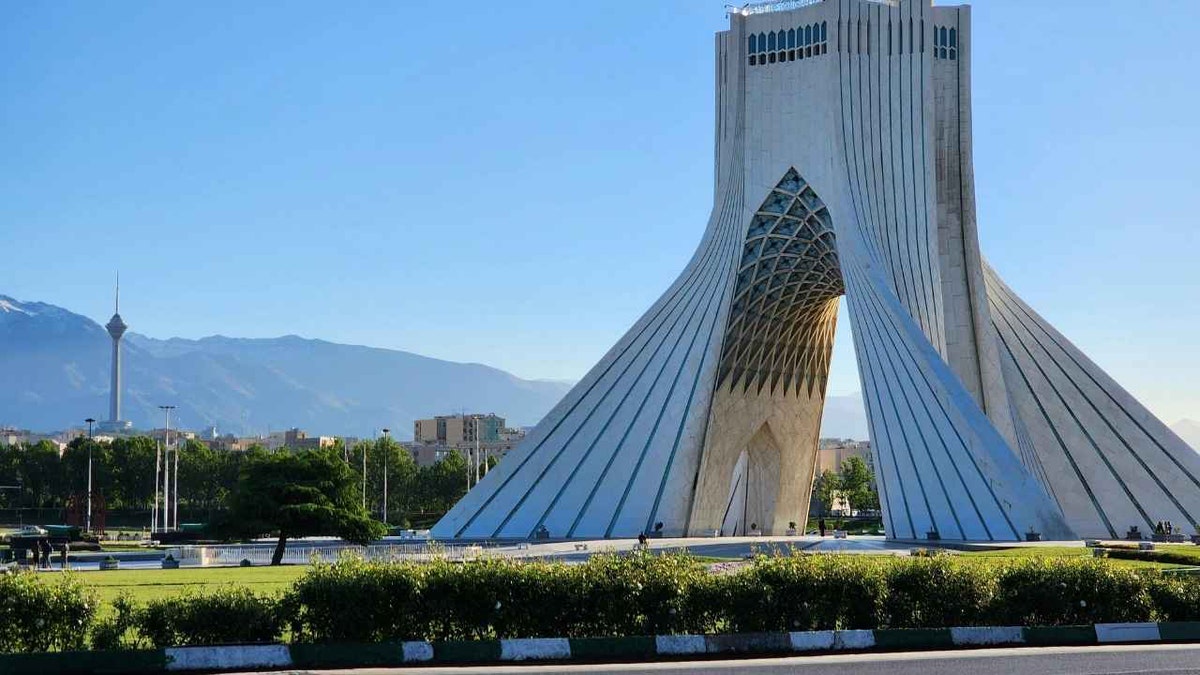
Tehran’s skyline, including the Azadi Tower, became the backdrop to a crisis shaped as much by cyber disruption as by missiles in the sky. (Kurt «CyberGuy» Knutsson)
Raiter said the firm identified cryptocurrency flows connected to networks previously associated with Iran-backed groups.
«Some of the accounts we saw are connected to areas where money historically flows to proxy wars,» he told Fox News Digital, citing activity linked to Lebanon and Yemen.
«Some of it could be people inside the IRGC trying to move their own money,» Raiter said. «But when you see the scale and the timing, it looks coordinated.»
The report produced by RAKIA claims the activity continued even after Iran imposed a sweeping internet shutdown across the country. National connectivity dropped to roughly 1% of normal levels during the blackout, according to internet monitoring group NetBlocks.
FROM MISSILES TO MINERALS: THE STRATEGIC MEANING BEHIND THE IRAN STRIKE
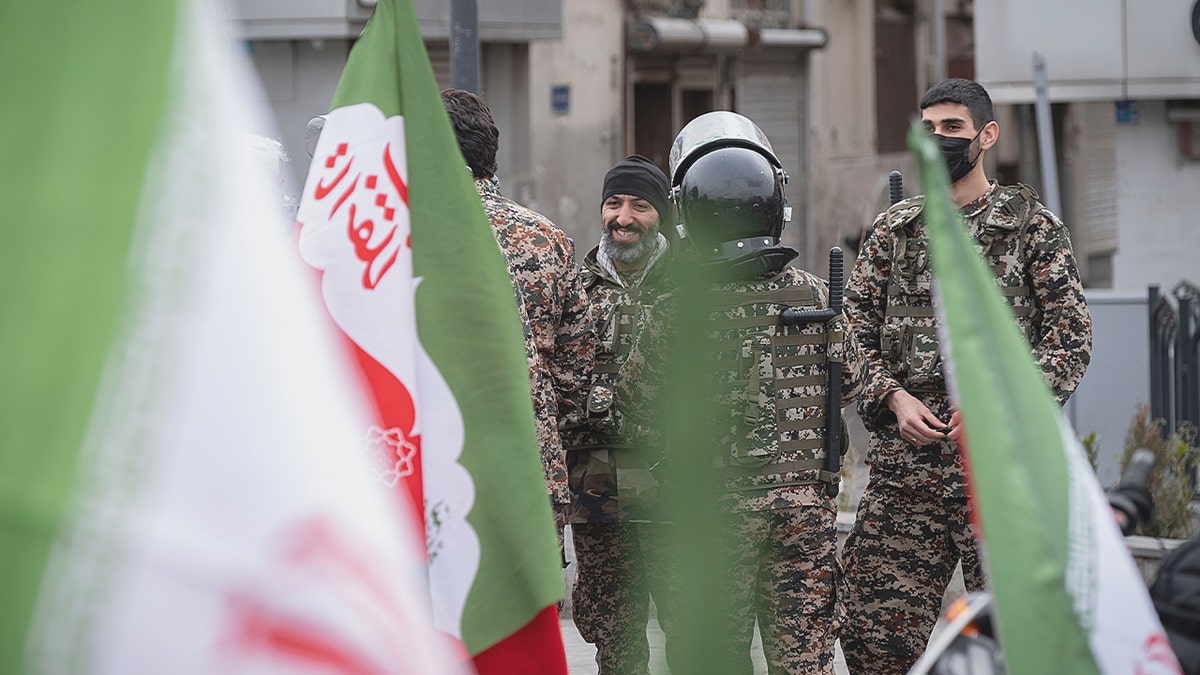
Military members of the Islamic Revolutionary Guard Corps in western Tehran, Iran (Morteza Nikoubazl/NurPhoto via Getty Images)
Despite that shutdown, RAKIA researchers said they detected more than 1,100 active cryptocurrency nodes operating inside Iran.
«When the internet is at one percent and you still see over a thousand active crypto nodes, you’re not looking at retail users,» Tom Malca, RAKIA’s head of cyber and AI research, said in the report. «Those nodes require dedicated bandwidth, stable power and deliberate exemption from the shutdown.»
RAKIA researchers said the activity suggests specialized infrastructure continued operating even as millions of Iranian civilians were cut off from the internet.
Most of the nodes were concentrated in the Tehran–Qom corridor, according to the report, an area that includes major government and IRGC institutions. Smaller clusters were detected in Iranian cities, including Isfahan, Mashhad, Tabriz and Kermanshah, according to the analysis.
CLICK HERE TO DOWNLOAD THE FOX NEWS APP
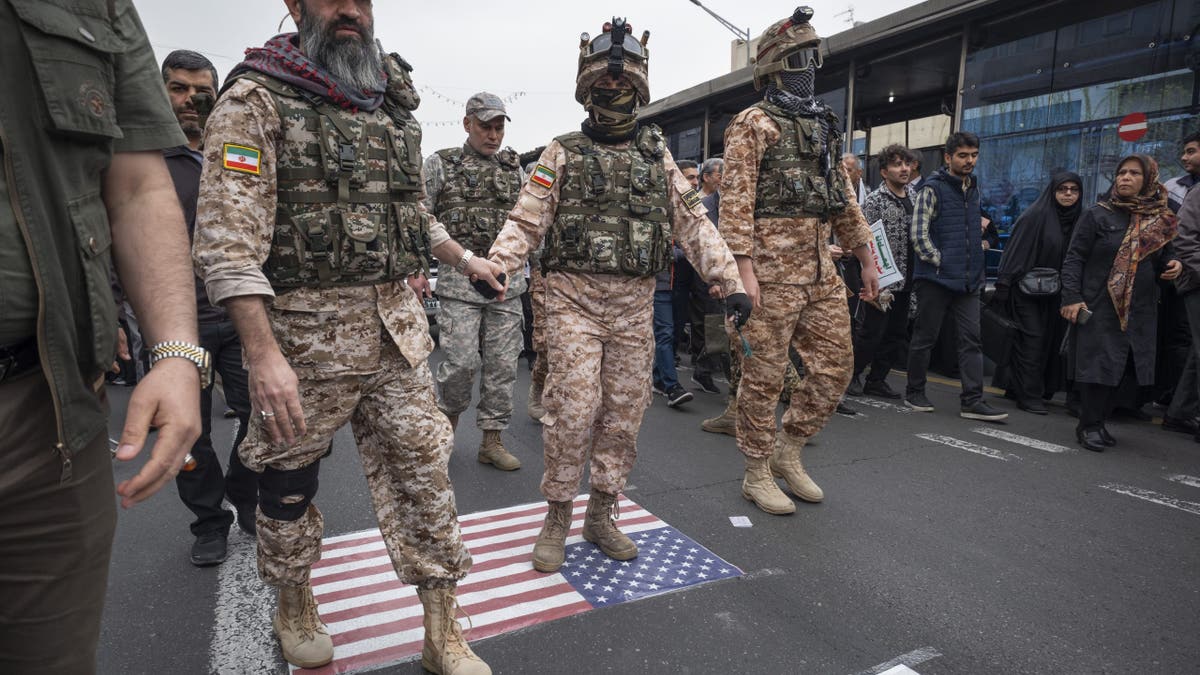
Islamic Revolutionary Guard Corps special forces walk on the U.S. flag during a rally commemorating International Quds Day, also known as Jerusalem Day, in Tehran, Iran, March 28, 2025. (Morteza Nikoubazl/NurPhoto via Getty Images)
RAKIA said its investigation relied on a combination of network monitoring and publicly available blockchain intelligence.
The Iranian mission to the United Nations in New York declined to comment on the report’s claims.
war with iran,terrorism,cybercrime
INTERNACIONAL
Florida Republicans send SAVE Act–style proof-of-citizenship voting bill to DeSantis’ desk
NEWYou can now listen to Fox News articles!
Florida lawmakers are sending Republican Gov. Ron DeSantis a strict elections bill modeled after the federal SAVE America Act strongly championed by President Donald Trump that mandates voters verify their citizenship when registering.
Lawmakers in Tallahassee, Florida, in the GOP-dominated state House approved the measure in a 77–28 vote Thursday, hours after the bill passed the Republican-controlled state Senate 27–12. The votes in both houses of the Florida legislature were nearly entirely along party lines.
DeSantis, a supporter of what he calls «the Florida version of the SAVE Act,» is expected to sign the measure when it reaches his desk.
«Although Florida has already enacted much of what the federal legislation contemplates, this will further fortify our state as the leader in election integrity,» the governor highlighted in a social media post.
SENATE GOP EYES BLAME GAME AS TRUMP-BACKED SAVE ACT HEADED FOR DEFEAT
The developments in Florida come as the federal bill faces an uncertain future in Congress.
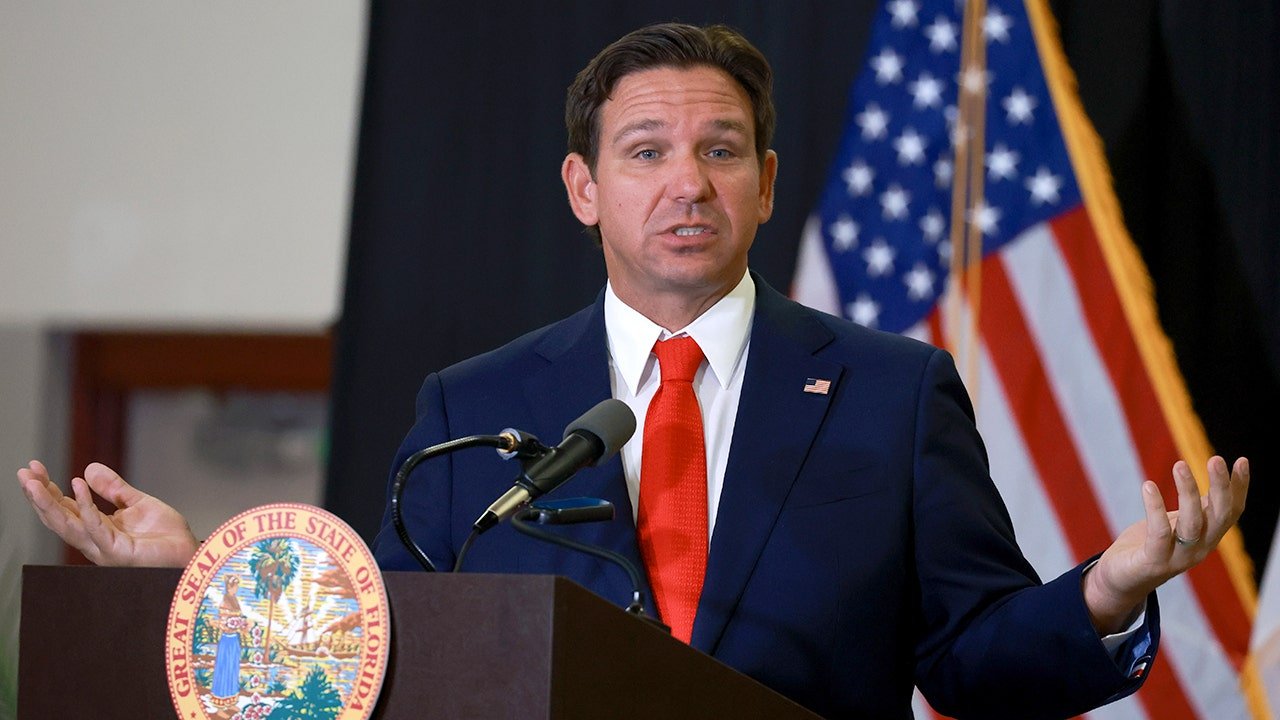
Republican Gov. Ron DeSantis of Florida supports a bill approved by his state’s legislature which mandates proof-of-citizenship when registering to vote. (AP Photo/Rebecca Blackwell, File)
The SAVE Act, which stands for Safeguard American Voter Eligibility, narrowly passed the GOP-controlled House in February mostly along party lines. But it’s stalled in the Senate, where Republicans hold a 53–47 majority in the chamber, far short of the 60 vote threshold needed to pass the bill.
The federal bill would require strict voter ID and proof-of-citizenship requirements across the country. Republicans say the bill is necessary to secure election integrity.
While polls indicate the vast majority of Americans — regardless of the political affiliation — support voter IDs at the polls and preventing noncitizens from voting in federal elections, Democrats argue the bill is not needed, since citizenship already is a requirement to vote and instances of noncitizen voting are rare.
THUNE GUARANTEES VOTER ID BILL TO HIT THE SENATE DESPITE SCHUMER, DEM OPPOSITION: ‘WE WILL HAVE A VOTE’
Democrats and voting rights groups also claim that the federal bill would create unnecessary barriers, making it harder for voters to cast a ballot.
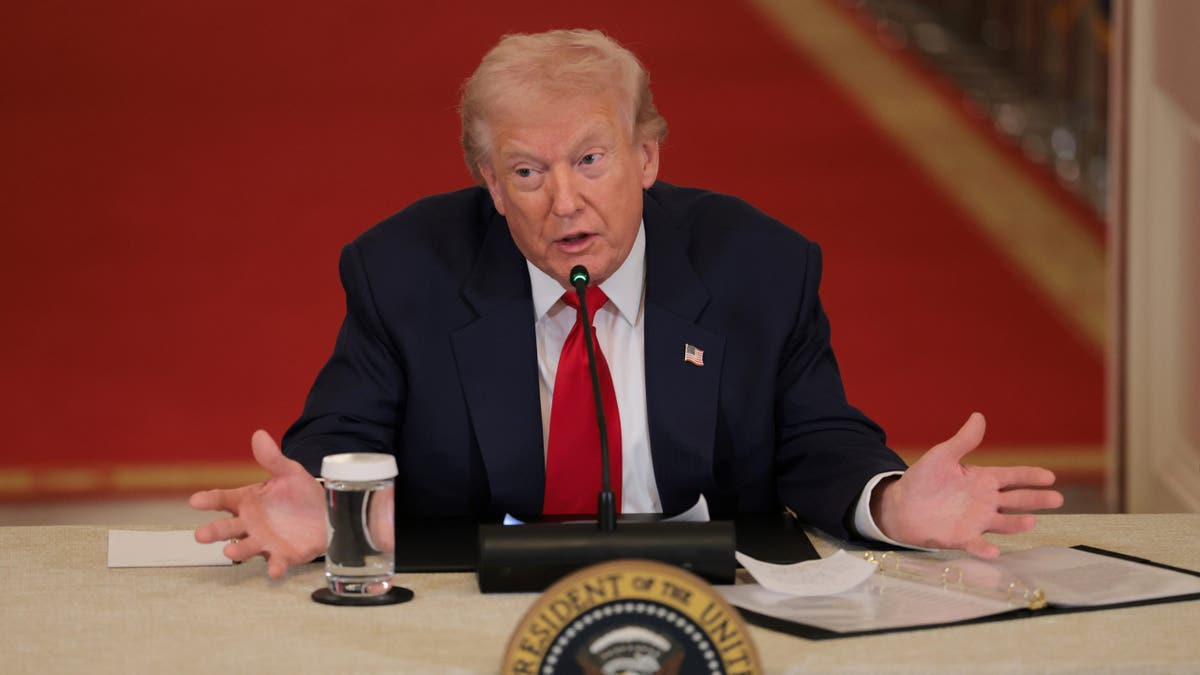
President Donald Trump has said that passing a federal bill that mandates proof-of-citizenship to register to vote should be the number one priority for Congress. (Anna Moneymaker/Getty Images)
Trump, who is intent on holding the Republican congressional majorities in the 2026 midterm elections, said earlier recently that the federal bill should be the top priority in Congress and that if passed, it «will guarantee the midterms» for Republicans.
But the Florida bill’s proof of citizenship requirement wouldn’t take effect until January, after the November 2024 midterm elections. And the bill also doesn’t limit the Sunshine State’s allowance for excuse-free mail-in-voting.
Trump has long railed against mail-in-balloting.
SCHUMER DOUBLES DOWN ON GOP VOTING BILL ‘JIM CROW 2.0’ DESPITE DEMOCRATIC VOTER SUPPORT
The Florida measure also would prevent college students from using their student IDs when voting in person, but that provision wouldn’t take effect until 2027.
«This bill creates real barriers for everyday Floridians, especially those with the fewest resources,» Democratic state Sen. LaVon Bracy Davis of Orlando argued in a social media post. «It will disproportionately impact working families, seniors, and college students who want to exercise their voice and right to vote.»
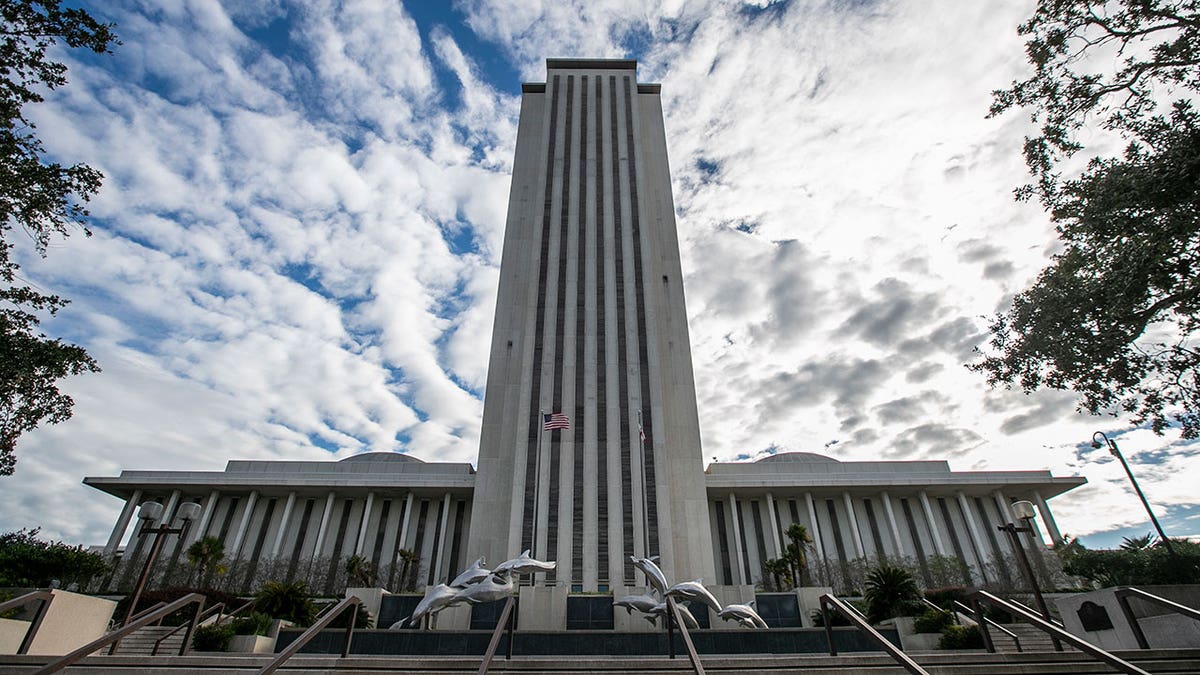
A view of the Florida State Capitol building in Tallahassee, Florida. (Mark Wallheiser/Getty Images)
And Florida Democratic Party Chair, Nikki Fried charged, «In the cover of night, Florida Republicans made it harder for U.S. citizens to vote.»
«While Democrats, civic groups, and voters voiced their concerns to stop this harmful policy, Republicans decided citizens’ voices didn’t matter and voted to disenfranchise hardworking Floridians,» she added.
The bill would make Florida the most populous state in the nation to mandate proof-of-citizenship to register to vote.
Arizona and Kansas enacted similar requirements in the past two decades, and Louisiana passed a law two years ago.
CLICK HERE TO DOWNLOAD THE FOX NEWS APP
Proof-of-citizenship bills passed recently in the South Dakota and Utah legislatures, and are awaiting the governors’ signatures.
And in 2024, New Hampshire mandated that all first-time voters show proof of citizenship when registering.
donald trump,ron desantis,voting,elections,midterm elections,florida

Tras el aumento: cuanto gana un camionero en marzo 2026

Crece el malestar en Francia por una decisión del director de la Casa Argentina en París

El Gobierno apelará el fallo contra el tope a las indemnizaciones que fija la reforma laboral

En un rincón azotado por los cárteles, los mexicanos están abiertos a la intervención de EE.UU.

Un argentino que fue campeón de la Premier reveló cómo fue su tensa relación con su DT

Yanina Latorre reveló quién es la figura explosiva que vuelve al streaming: «La Negra Vernaci»

Muni Seligmann respondió las críticas tras el accidente de su bebé y su viaje a Miami: “Hay que contarlo y naturalizarlo”

El ex novio de Luana de Gran Hermano reveló información sensible sobre su relación: “El bolso tenía plata”

Juan Carlos Schmid deja la conducción de Dragado y Balizamiento después de 33 años

Sorpresa en Gran Hermano tras la expulsión de Carmiña: la reacción de la producción y las dudas sobre su reemplazo

 CHIMENTOS3 días ago
Muni Seligmann respondió las críticas tras el accidente de su bebé y su viaje a Miami: “Hay que contarlo y naturalizarlo”
- CHIMENTOS1 día ago
El ex novio de Luana de Gran Hermano reveló información sensible sobre su relación: “El bolso tenía plata”
- CHIMENTOS1 día ago
Sorpresa en Gran Hermano tras la expulsión de Carmiña: la reacción de la producción y las dudas sobre su reemplazo