INTERNACIONAL
Israel no discutirá un alto el fuego con Hezbollah en las conversaciones directas con Líbano en Washington

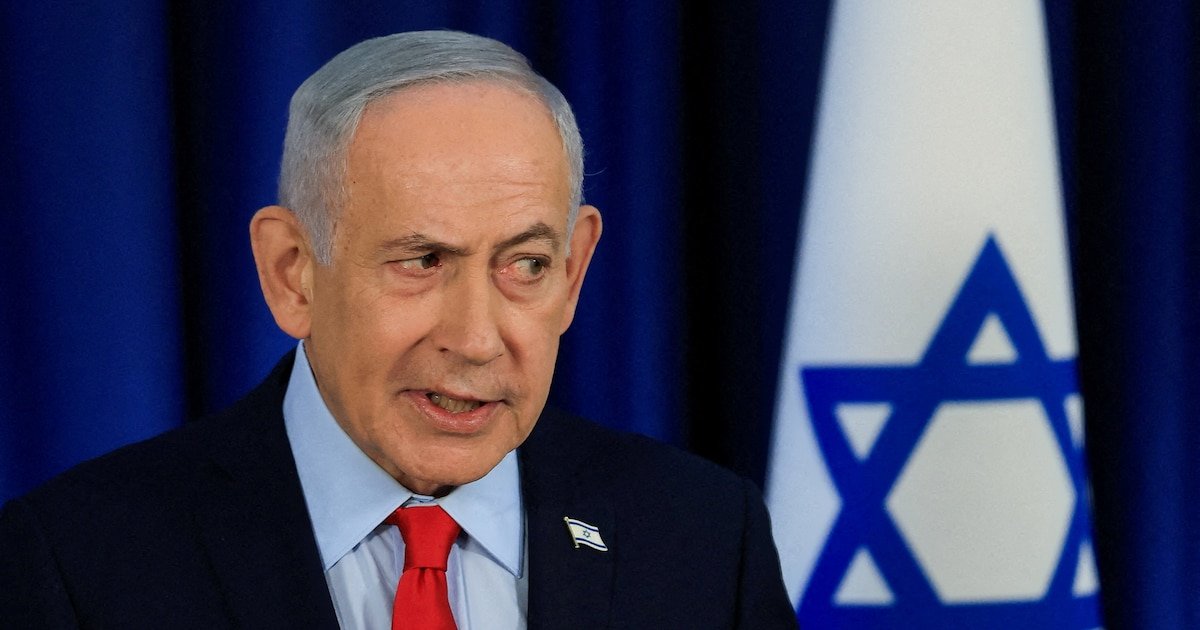
El presidente libanés, Joseph Aoun, anunció el viernes que las negociaciones para un alto el fuego con Israel comenzarán el martes 14 de abril con un encuentro en Washington. El anuncio se produce un día después de que el primer ministro israelí, Benjamin Netanyahu, ordenara mantener conversaciones de paz con Líbano, aunque reiteró su negativa a una tregua con Hezbollah.
La fecha del encuentro se fijó durante una conversación telefónica entre los embajadores de Líbano e Israel en la capital estadounidense, Nada Hamade Muawad y Yehiel Litter, junto al representante diplomático de Estados Unidos en Beirut, Michel Issa, quien se encuentra en Washington, según informó la Presidencia libanesa en un comunicado.
“Durante la conversación se acordó celebrar la primera reunión el próximo martes en la sede del Departamento de Estado de Estados Unidos para debatir el anuncio de un alto el fuego y la fecha de inicio de las negociaciones entre Líbano e Israel bajo los auspicios de Estados Unidos”, señaló la Presidencia.
Aoun precisó que la cartera a cargo de Marco Rubio actuará como mediador entre ambos países, una “iniciativa basada en la vía diplomática” y los contactos con la comunidad internacional y “líderes árabes”.

Israel reiteró que la tregua anunciada esta semana entre Irán y Estados Unidos no incluye a Líbano y aumentó sus ataques sobre este país. Tel Aviv descartó negociar un alto el fuego con Hezbollah durante las conversaciones que mantendrá la próxima semana, según declaró el viernes el embajador israelí en Estados Unidos, Yechiel Leiter, emisario para esas negociaciones.
Leiter informó que los gobiernos de ambos países, que nunca han tenido relaciones diplomáticas formales, van a “iniciar negociaciones de paz”. En un comunicado, el diplomático aclaró: “Israel se negó a negociar un alto el fuego con la organización terrorista Hezbollah, que sigue atacando a Israel y es el principal obstáculo para la paz entre ambos países”.
El Ejército israelí lanzó ataques masivos contra Líbano tras atacar Irán el 28 de febrero, en respuesta al lanzamiento de cohetes contra Israel por parte del grupo terrorista. Sin un alto el fuego con Hezbollah, las conversaciones se centrarán en que Israel solicite medidas al gobierno libanés, que durante años ha tenido dificultades para contener a la milicia chiita, aunque ha intensificado sus esfuerzos.
Israel declaró que el alto el fuego entre Estados Unidos e Irán, cuyas conversaciones comenzarán este sábado en Islamabad, no incluye las hostilidades en Líbano.

Netanyahu, anunció el jueves que el país iniciará negociaciones con Líbano “lo antes posible”, según indicó en un comunicado. “Ante los reiterados llamamientos del Líbano para que se inicien negociaciones directas con Israel, ayer di instrucciones al gabinete para que comenzara las negociaciones directas con el Líbano lo antes posible”, declaró Netanyahu.
Los diálogos estarán enfocados en el desarme del grupo Hezbollah y en el establecimiento de relaciones pacíficas entre Israel y Líbano, añadió el primer ministro israelí. Netanyahu también expresó: “Israel agradece el llamamiento realizado hoy por el primer ministro del Líbano para desmilitarizar Beirut”.
El anuncio de Netanyahu se produjo después de que el presidente del Parlamento iraní, Mohamad Baqer Qalibaf, afirmó que Líbano está contemplado en la tregua pactada con Estados Unidos y advirtió sobre las consecuencias de cualquier violación al alto el fuego. “Líbano y todo el Eje de la Resistencia, como aliados de Irán, forman parte indisoluble del alto el fuego. (Punto 1 de la propuesta de 10 puntos)”, publicó Qalibaf en X.
El ex guardia revolucionario reiteró que las violaciones al “alto el fuego tendrán costes explícitos y fuertes respuestas”. “Detengan el fuego inmediatamente”, exigió en referencia a los ataques de Israel contra el Líbano.
(Con información de Europa Press y AFP)
International,Relations,Diplomacy / Foreign Policy,Middle East







INTERNACIONAL
EN VIVO | La delegación de Estados Unidos aterrizó en Islamabad para su negociación con enviados de Irán
La delegación estadounidense encabezada por el vicepresidente JD Vance llegó a Pakistán este sábado para dialogar con funcionarios iraníes, con el objetivo de consolidar un alto al fuego en Medio Oriente y avanzar hacia el fin definitivo de la guerra.
La negociación, donde Pakistán será mediador, enfrenta varios obstáculos, ya que Israel y los terroristas de Hezbollah intercambiaron disparos a lo largo de la frontera sur del Líbano. El régimen terrorista condicionó el inicio de las conversaciones a la implementación de un cese al fuego en ese país y a la liberación de activos bloqueados.
El presidente de Estados Unidos, Donald Trump, destacó el viernes que “un buen acuerdo contemplaría que Irán no tenga un arma nuclear”: “Es el primer objetivo. No pueden tener armas nucleares, es el 99% de lo que buscamos”.
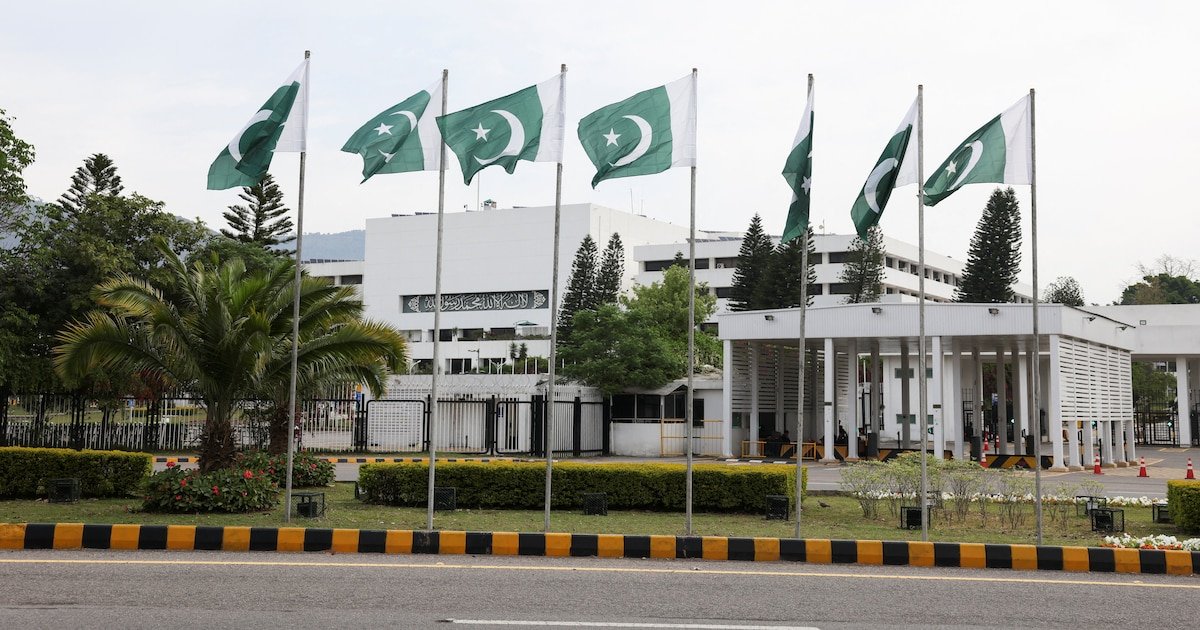
En Islamabad, las calles están desiertas este sábado en las cercanías al Hotel Serena, sede de las conversaciones, luego de que las fuerzas de seguridad cerraran las carreteras.
A continuación, la cobertura minuto a minuto:
Las FDI continuaron con su ofensiva contra terroristas
El Ejército israelí informó que continúa frustrando lanzamientos hacia el territorio de Israel y difundió nuevos registros de bombardeos contra lanzadores y grupos de personas identificadas como terroristas que efectuaron disparos de cohetes.
En un comunicado anterior, informó que al menos 180 milicianos del grupo terrorista Hezbollah fueron eliminaron en tres áreas simultáneamente, en lo que calificaron como “el ataque más grande en todo Líbano desde el inicio de la operación “El Rugido del León”.
El régimen iraní sostuvo que si EEUU prioriza sus intereses puede cerrarse un acuerdo

Irán afirmó este sábado que, si el vicepresidente de Estados Unidos, JD Vance, prioriza sus propios intereses durante las negociaciones de paz previstas en Islamabad, es “probable” alcanzar un acuerdo “beneficioso para ambas partes y para el mundo”.
“Si negociamos en Islamabad con representantes de ‘Estados Unidos Primero’, es probable alcanzar un acuerdo beneficioso para ambas partes y para el mundo”, escribió en X el vicepresidente primero de Irán, Mohamad Reza Aref, a pocas horas del inicio de las conversaciones.
“Sin embargo, si nos enfrentamos a representantes de ‘Israel Primero’, no habrá acuerdo… inevitablemente continuaremos nuestra defensa con aún más vigor”, añadió.
Pakistán calificó como un momento “decisivo” las negociaciones por el fin de la guerra en Medio Oriente
La reunión promovida por Islamabad abrió una nueva etapa en el esfuerzo por alcanzar una tregua definitiva en la región, con la asistencia de delegaciones de alto nivel y el respaldo del primer ministro Shehbaz Sharif


Las conversaciones que se iniciarían este sábado en Islamabad representan un “momento decisivo” para alcanzar una tregua duradera entre Estados Unidos e Irán, bajo la mediación de Pakistán, según destacó el primer ministro pakistaní, Shehbaz Sharif.
Israel no discutirá un alto el fuego con Hezbollah en las conversaciones directas con Líbano en Washington
Los diálogos estarán enfocados en el desarme del grupo terrorista y en el establecimiento de relaciones pacíficas entre Tel Aviv y Beirut

El presidente libanés, Joseph Aoun, anunció el viernes que las negociaciones para un alto el fuego con Israel comenzarán el martes 14 de abril con un encuentro en Washington. El anuncio se produce un día después de que el primer ministro israelí, Benjamin Netanyahu, ordenara mantener conversaciones de paz con Líbano, aunque reiteró su negativa a una tregua con Hezbollah.
Pakistán expresó su esperanza de que Irán y EEUU “participen de forma constructiva”

El ministro de Asuntos Exteriores pakistaní instó el sábado a Estados Unidos e Irán a “participar de forma constructiva” en las conversaciones que se celebrarán en Islamabad para poner fin a la guerra en Medio Oriente, tras la llegada de ambas delegaciones a la capital.
Ishaq Dar expresó su esperanza y reiteró el deseo de Pakistán de seguir facilitando que las partes alcancen una solución duradera al conflicto, según un comunicado del Ministerio de Asuntos Exteriores.
La delegación de Irán que llegó a Pakistán está integrada por más de 70 miembros
La delegación iraní en Islamabad está integrada por 71 miembros, según informaron medios iraníes tras su llegada el viernes para preparar las conversaciones con Estados Unidos. El grupo incluye altos funcionarios, negociadores principales, equipos técnicos, representantes de medios de comunicación y personal de apoyo.
La delegación está encabezada por Mohammad Bagher Ghalibaf. Entre las figuras destacadas se encuentran el ministro de Asuntos Exteriores, Abbas Araghchi; el gobernador del Banco Central, Abdolnaser Hemmati; y el alto funcionario de seguridad, Ali Akbar Ahmadian. También forman parte del grupo el viceministro de Asuntos Exteriores, Kazem Gharibabadi; el portavoz del Ministerio de Exteriores, Esmaeil Baghaei; y el alto funcionario de política, Ali Bagheri Kani.
Entre los asistentes figuran legisladores y asesores parlamentarios, como Mahmoud Nabavian y Abolfazl Amouei, así como el asesor estratégico Mehdi Mohammadi.
La ONU pidió a Irán y EEUU entablar un diálogo “de buena fe” para alcanzar un acuerdo “duradero” de paz en Medio Oriente
El titular del organismo internacional instó a ambos países a acercar posiciones en Pakistán “con miras a la desescalada y la prevención del retorno a las hostilidades”. La reunión entre ambas delegaciones se llevará adelante este sábado

El secretario general de Naciones Unidas, Antonio Guterres, instó el viernes a Estados Unidos e Irán a aprovechar las negociaciones previstas este fin de semana en Islamabad para entablar un diálogo “de buena fe” que permita alcanzar un acuerdo “duradero” y ponga fin definitivo a las hostilidades.
La delegación estadounidense aterrizó en Islamabad

Un avión con los enviados estadounidenses destinados a las conversaciones con Irán aterrizó en Islamabad, Pakistán, según informaron fuentes a Reuters. La delegación estadounidense está encabezada por el vicepresidente JD Vance e integrada por el enviado especial del presidente Donald Trump, Steve Witkoff, y por Jared Kushner. La delegación iraní ya se encontraba en la ciudad.
Una fuente paquistaní citada por Reuters señaló que aproximadamente 100 miembros de un equipo de avanzada estadounidense ya estaban presentes en Islamabad. Esta reunión representa el primer encuentro entre ambas partes desde el inicio de la guerra hace más de un mes.
Antes del inicio de las negociaciones, ambas partes establecieron condiciones previas: Irán exige el cese de los ataques israelíes en Líbano, mientras que Estados Unidos manifiesta preocupación por las armas nucleares iraníes y el futuro del tránsito por el estrecho de Ormuz.
Pakistán instaló un centro de prensa de última generación

El gobierno pakistaní instaló un centro de prensa de última generación para facilitar la labor de periodistas locales y extranjeros que cubren las conversaciones entre Estados Unidos e Irán, informó el ministro de Información, Attaullah Tarar.
Tarar señaló que las instalaciones del Centro de Convenciones Jinnah cuentan con internet de alta velocidad y diversos servicios gratuitos para la cobertura mediática. Además, se dispuso un servicio de transporte para trasladar a los periodistas entre el centro de prensa y un hotel ubicado en el principal centro comercial de la ciudad.
Sólo 14 buques cruzaron el estrecho de Ormuz desde que se declaró el alto el fuego

La empresa Marine Traffic, con sede en Atenas, informó el viernes que solo 14 buques, de los cuales solo la mitad transportaban carga, cruzaron el estrecho de Ormuz desde la declaración del alto el fuego, según reportó Associated Press.
El grupo publicó en X que los buques que partían del Golfo representaban el 70% del total, y que los buques sancionados o vinculados a flotas paralelas constituían casi dos tercios de todos los cruces. Antes del conflicto, más de 100 barcos transitaban diariamente por el estrecho, la mayoría transportando petróleo con destino a Asia.
International,Relations,Asia / Pacific,Diplomacy / Foreign Policy
INTERNACIONAL
Iran’s UN ambassador takes swipe at Trump in final hours before Strait of Hormuz deadline
NEWYou can now listen to Fox News articles!
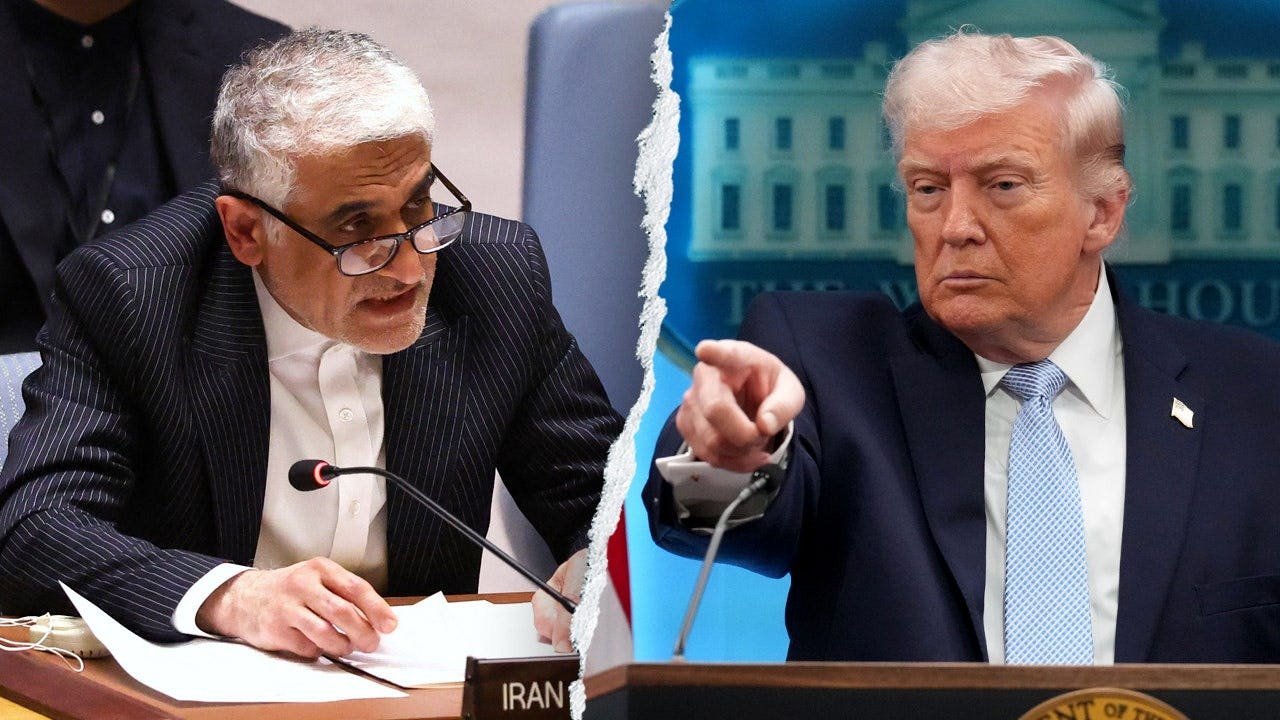
Iran’s ambassador to the United Nations took a swipe at President Donald Trump on Tuesday hours before Trump’s deadline to reopen the Strait of Hormuz, calling one of the president’s posts on Truth Social «deeply irresponsible» and «profoundly alarming.»
Trump has given the Iranian regime until 8 p.m. ET to reopen the Strait of Hormuz — a key waterway — or face strikes against its power plants and bridges.
In a post Tuesday morning, Trump said, «A whole civilization will die tonight, never to be brought back again,» and, «I don’t want that to happen, but it probably will.»
«Today the President of the United States again resorted to language that is not only deeply irresponsible but profoundly alarming, declaring that, quote, ‘the whole civilization will die tonight, never to be brought back,’ unquote,» Amir-Saeid Iravani said at U.N. headquarters in New York on Tuesday afternoon.
RUSSIA, CHINA VETO UN RESOLUTION AIMED AT REOPENING STRAIT OF HORMUZ, HOURS BEFORE TRUMP DEADLINE
Amir-Saeid Iravani, Iran’s U.N. ambassador, left, and President Donald Trump. (Timothy Clary/AFP via Getty Images; Mark Schiefelbein/AP)
«It is regrettable and alarming that while in full view of the international community, the President of the United States shamelessly and brazenly issues threats to destroy all civilian infrastructure in Iran, including bridges, power plants and energy facilities, by setting a deadline and openly reveals this intent to commit vile crimes and crimes against humanity,» Iravani added.
The White House, when asked by Fox News Digital for reaction, said, «The Iranian regime has committed egregious human rights abuses against its own citizens for 47 years, just murdered tens of thousands of protestors in January, and has indiscriminately targeted civilians across the region in order to cause as much death as possible throughout this conflict.»
CHINA AIDING IRAN MISSILE PROGRAM AMID US-ISRAELI STRIKES, REPORTS SAY
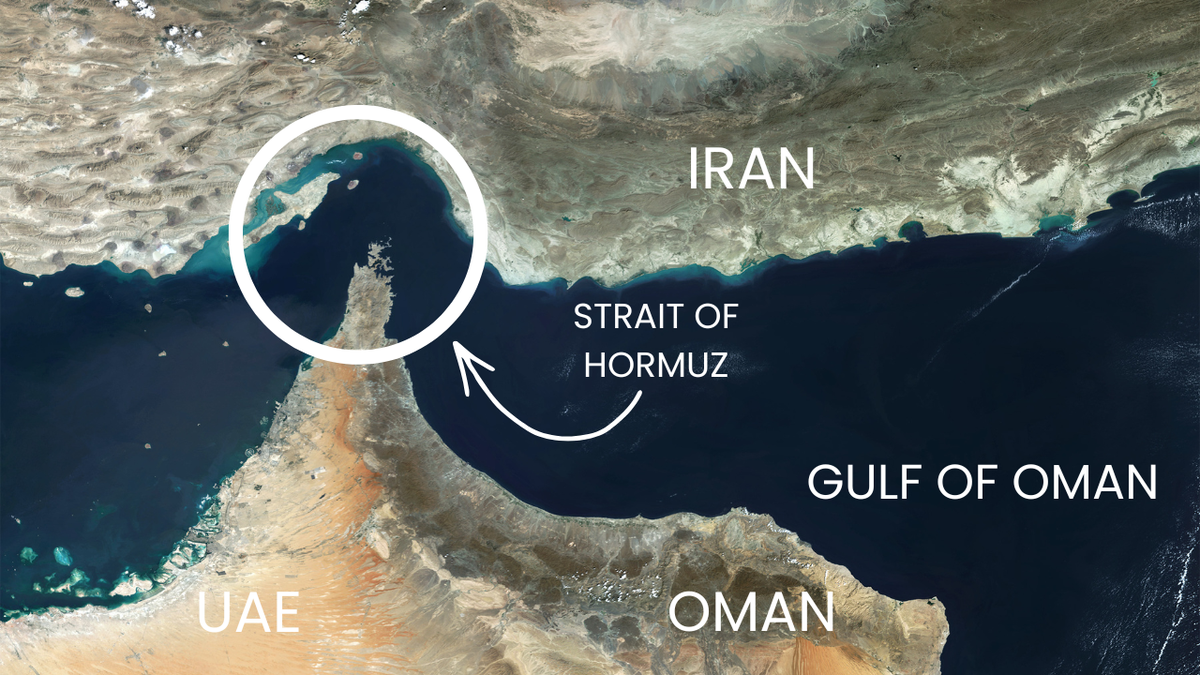
A satellite image shows the Strait of Hormuz, a key maritime passage connecting the Persian Gulf to the Gulf of Oman, vital for global energy supply. (Amanda Macias/Fox News Digital)
«As President Trump said today, Iran can never have a nuclear weapon, and the Iranian people welcome the sound of bombs because it means their oppressors are losing. The President will always stand with innocent civilians while annihilating the terrorists responsible for threatening our country and the entire world with a nuclear weapon,» White House deputy press secretary Anna Kelly added. «Greater destruction can be avoided if the regime understands the seriousness of this moment and makes a deal with the United States.»
Trump also said Tuesday, «now that we have Complete and Total Regime Change, where different, smarter, and less radicalized minds prevail, maybe something revolutionarily wonderful can happen, WHO KNOWS?»
CLICK HERE TO DOWNLOAD THE FOX NEWS APP
«We will find out tonight, one of the most important moments in the long and complex history of the World,» the president added. «47 years of extortion, corruption, and death, will finally end. God Bless the Great People of Iran!»
presidential, conflicts, donald trump, war with iran, iran
INTERNACIONAL
Trump’s birthright citizenship crusade draws backing from cohort of prominent legal scholars
Laying down the law on birthright citizenship
UC Berkeley Law Professor John Yoo weighs in on the Supreme Court’s oral arguments regarding Donald Trump’s executive order on birthright citizenship. Justices, including Chief Justice Roberts and Justice Barrett, appeared skeptical of the order’s constitutionality, referencing an 1898 precedent. Yoo suggests Trump’s in-person attendance might not influence the court, potentially leading to another defeat for his administration.
NEWYou can now listen to Fox News articles!
A group of at least seven law professors have mounted a campaign to challenge the longstanding interpretation of birthright citizenship, arguing in favor of President Donald Trump’s effort to narrow the constitutional provision, even as Supreme Court justices signal skepticism.
The legal scholars’ arguments aim to persuade the Supreme Court and opponents of Trump’s efforts that there are serious originalist and historical arguments for narrowing birthright citizenship under the 14th Amendment that deserve consideration rather than dismissal as a fringe political theory.
Ilan Wurman, a law professor at the University of Minnesota, told Fox News Digital the recent wave of support is intended to reinforce the point that birthright citizenship is not a settled matter despite the institutional consensus on it.
«That several prominent law professors have come out over the past year, including a few in the past month, in varying degrees of support for the Trump Administration’s birthright citizenship executive order, shows that their position is serious,» Wurman said. «The Supreme Court cannot simply rely on the conventional wisdom. It will have to show its work.»
TRUMP ELEVATES IMMIGRATION FIGHT AT SUPREME COURT, TURNING UP HEAT ON DEMOCRATS AHEAD OF MIDTERMS
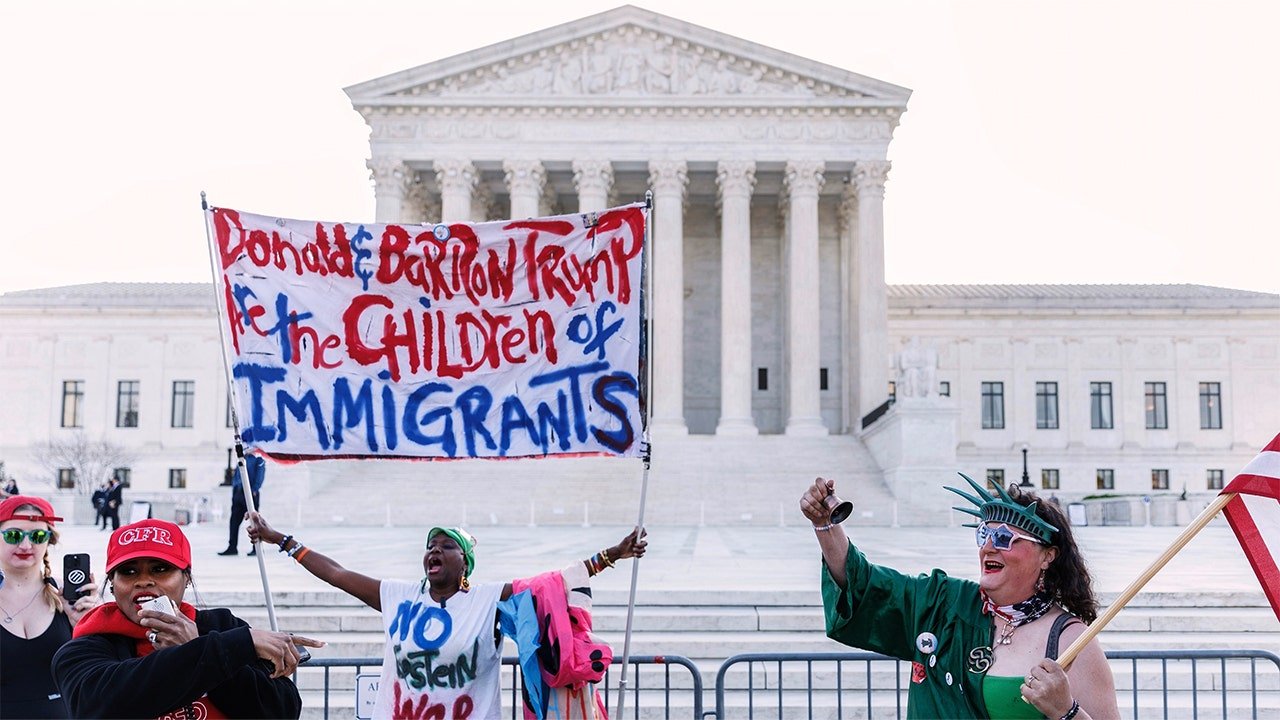
Demonstrators holding opposing views verbally engage ahead of President Donald Trump’s arrival at the U.S. Supreme Court, Wednesday, April 1, 2026, in Washington. (Tom Brenner/AP Photo)
Wurman, who specializes in constitutional law, was one of dozens who also weighed in on the case by submitting amicus briefs to the high court ahead of April 1 oral arguments on birthright citizenship, which grants automatic citizenship to most babies born on U.S. soil under the 14th Amendment.
He argued, in part, that the amendment never intended to grant illegal immigrants’ babies citizenship, saying that in the 19th century, parents who were residents of a country owed allegiance to the country in exchange for protections from its government.
«This exchange of allegiance and protection was often described as a ‘mutual compact,’» Wurman wrote. «Lawful aliens generally fell within the scope of the rule, while foreign soldiers and ambassadors did not. … Illegally present aliens would likely have fallen outside the scope of the rule.»
The other law professors include Randy Barnett of Georgetown University, Kurt Lash of University of Richmond, Richard Epstein of New York University, Tom Lee of Fordham University, Adrian Vermeule of Harvard University and, most recently, Philip Hamburger of Columbia University, each of whom has argued in varying degrees that Trump’s birthright citizenship order is constitutionally defensible.
SCOTUS SLATED TO WEIGH FUTURE BIRTHRIGHT CITIZENSHIP PROTECTIONS FOR MILLIONS — HERE’S WHAT AT STAKE
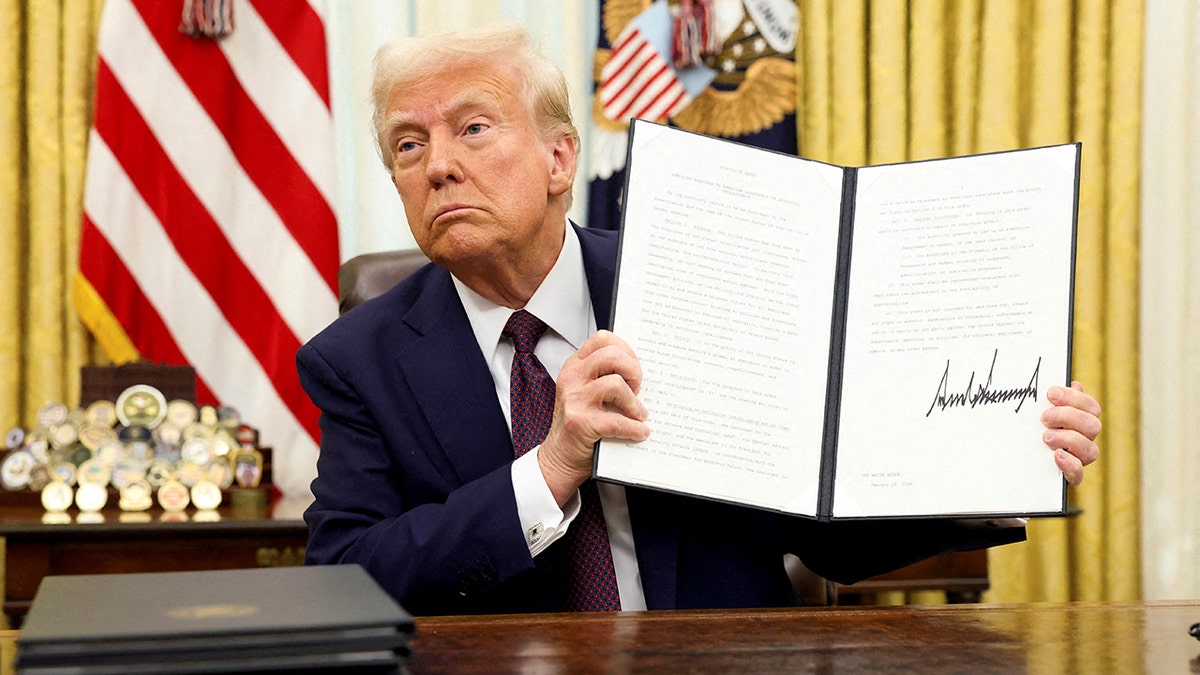
President Donald Trump holds a signed executive order on AI, in the Oval Office of the White House, in Washington, Jan. 23, 2025. Trump said he will attend Wednesday’s arguments before the U.S. Supreme Court on a case centered around birthright citizenship. (REUTERS/Kevin Lamarque)
Trump’s order, signed soon after he took office, would prevent children born to mothers who are illegal immigrants or legal temporary visitors from gaining automatic citizenship. While all the justices, aside from Justices Clarence Thomas and Samuel Alito, appear poised to toss out Trump’s order, the case has nevertheless invited polarizing debate. If approved by the high court, it could strip citizenship from those ineligible for it under Trump’s new interpretation and broadly shift immigration policy.
The Trump administration has contended that temporary visitors and illegal immigrants are not «subject to the jurisdiction» of the United States and that that phrasing in the amendment was intended to apply to freed slaves in the Civil War-era. The administration has argued that birth tourism companies have illegally exploited the generous citizenship policy and that it also incentivizes illegal immigration.
Chief Justice John Roberts challenged Solicitor General John Sauer during oral arguments on the small exceptions built into the 14th Amendment, such as children born to foreign diplomats, saying they were not comparable to a wide category of illegal immigrants.
JUSTICE JACKSON SPARKS ONLINE UPROAR AFTER LINKING BIRTHRIGHT CITIZENSHIP TO STEALING A WALLET IN JAPAN
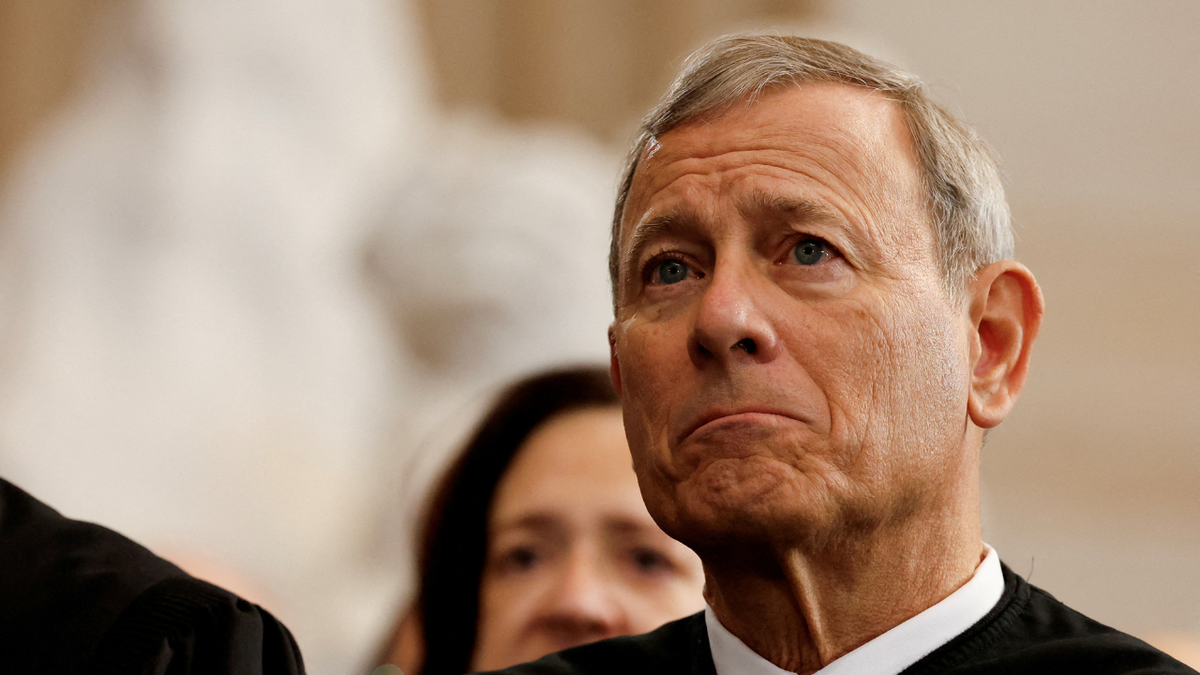
U.S. Supreme Court Chief Justice John Roberts attends inauguration ceremonies in the Rotunda of the U.S. Capitol on January 20, 2025, in Washington, DC. Chip ( Somodevilla/Pool via REUTERS/File Photo)
«The examples you give to support that strike me as very quirky,» Roberts said. «You know, children of ambassadors, children of enemies during a hostile invasion, children on warships, and then you expand it to a whole class of illegal aliens. … I’m not quite sure how you can get to that big group from such tiny and sort of idiosyncratic examples.»
The American Civil Liberties Union lawyer who argued against the executive order told the Supreme Court the policy was enshrined in the 14th Amendment to «put it out of reach of any government official» and that its exceptions were intentionally narrow.
«It excludes only those cloaked with a fiction of extraterritoriality because they are subject to another sovereign’s jurisdiction even when they’re in the United States, a closed set of exceptions to an otherwise universal rule,» ACLU lawyer Cecillia Wang said.
CLICK HERE TO GET THE FOX NEWS APP
Wurman noted that the professors siding with Trump’s executive order have been met with «swift and vicious» reactions. David Bier, immigration expert at the libertarian CATO Institute, said the bloc of dissenters was unserious.
«Oh SEVEN!? That’s remarkable given that to qualify as a judge or appointee you need to align yourself with the president,» Bier wrote on X. «The case is a joke. It’s sad that these people are debasing themselves in a losing effort for an ignoble cause.»
supreme court, immigrant rights, constitution, law, illegal immigrants

Adorni compró el departamento de Caballito sin intereses, declaró la escribana que lo escrituró

Javier Milei analiza viajar a los Estados Unidos para el 4 de julio: las opciones que maneja el Gobierno

EN VIVO | La delegación de Estados Unidos aterrizó en Islamabad para su negociación con enviados de Irán

Tras recibir el alta, Floppy Tesouro volvió a ser intervenida y crece la preocupación: “Muy duro todo lo que estoy pasando”
Mediterra DataCenters anuncia centros de datos en cinco ciudades de España para 2028 Por EFE

Fecha 9 de la Primera Nacional: programación, hora y tabla de posiciones

Mario Kart Tour avanza su siguiente temporada de primavera con ciudades europeas – Nintenderos

Melania Trump’s forceful Epstein denial draws bipartisan support from lawmakers

Un gobernador presentó un amparo contra la reforma de la Ley de Glaciares y pidió suspender su aplicación

Trump blasts Biden admin for releasing illegal immigrant now charged in fatal hammer attack on Florida mother

 SOCIEDAD1 día ago
Mario Kart Tour avanza su siguiente temporada de primavera con ciudades europeas – Nintenderos
- INTERNACIONAL1 día ago
Melania Trump’s forceful Epstein denial draws bipartisan support from lawmakers
- POLITICA1 día ago
Un gobernador presentó un amparo contra la reforma de la Ley de Glaciares y pidió suspender su aplicación