INTERNACIONAL
Nuclear fusion advances, but challenges remain for power grid

NEWYou can now listen to Fox News articles!
Nuclear fusion originates in our sun and other stars. Immense pressure and high temperatures in the core create a reaction, ultimately preventing it from collapsing under the force of gravity.
«The fusion here on Earth has a lot of corollaries to how we understand how the stars work in things like astrophysics. They both rely on studying plasma, the fourth state of matter. They both have the same types of reactions, and we use some of what we learn in how the stars work to inform how to build better fusion machines on Earth,» Commonwealth Fusion Systems CEO Bob Mumgaard said.
The company is working to replicate the sun’s fusion energy here on earth, a quest that has been long in the making.
«When it first started out, it was as much a science experiment as fission was. The question at that time was, is this possible?» said Adam Stein, director of nuclear energy innovation at the Breakthrough Institute. «There was more scientific curiosity than optimism, this would ever become a source of power for the world.»
US POWER CRUNCH LOOMS AS OKLO CEO SAYS GRID CAN’T KEEP UP WITHOUT NEW INVESTMENT
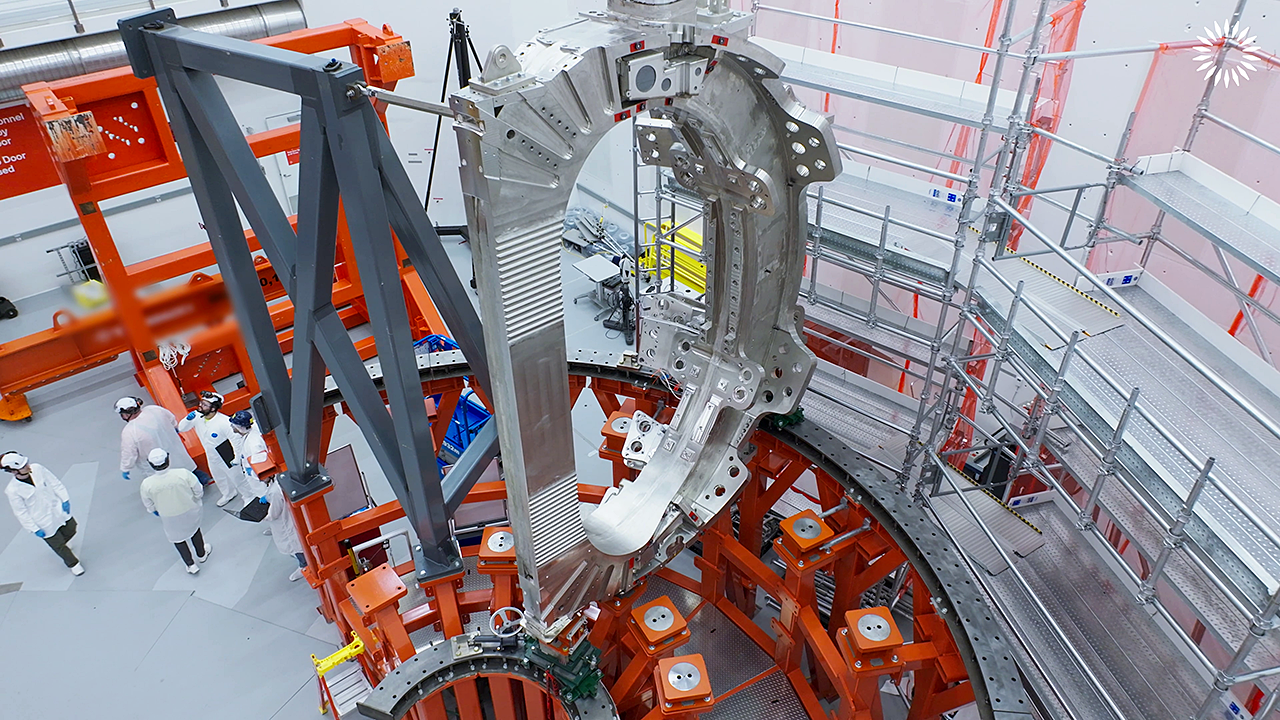
Commonwealth Fusion Systems is hoping to have a viable nuclear fusion reactor by the early 2030s. (Commonwealth Fusion Systems)
The quest for nuclear power began in the 1950s when scientists started designing machines to conduct their experiments. More than 70 years later, scientists have not been able to make fusion power viable for electricity.
«The biggest misconception is thinking that fusion is right around the corner. Or that people think, on the other hand, that it’s a total failure. And it’s neither. It’s real progress combined with real uncertainty,» Stein said.
As the demand for energy continues to rise, fusion scientists believe fusion power plants could help ease some of the strain.
«We need every electron on this system. And if and when fusion becomes commercially viable, it should also be in that equation because it’s that important,» Exelon CEO Calvin Butler said. «If you increase the supply and the demand is there, costs will go down. And I think fusion being in that equation is a good.»
To create nuclear fusion on earth, a lot of power is needed to generate plasmas which reach temperatures hotter than the sun. Scientists have spent decades developing the right environment for fusion reactions but building materials that can endure the intense heat, while keeping the plasma stable are among the many challenges.
IN 2026, ENERGY WAR’S NEW FRONT IS AI, AND US MUST WIN THAT BATTLE, API CHIEF SAYS
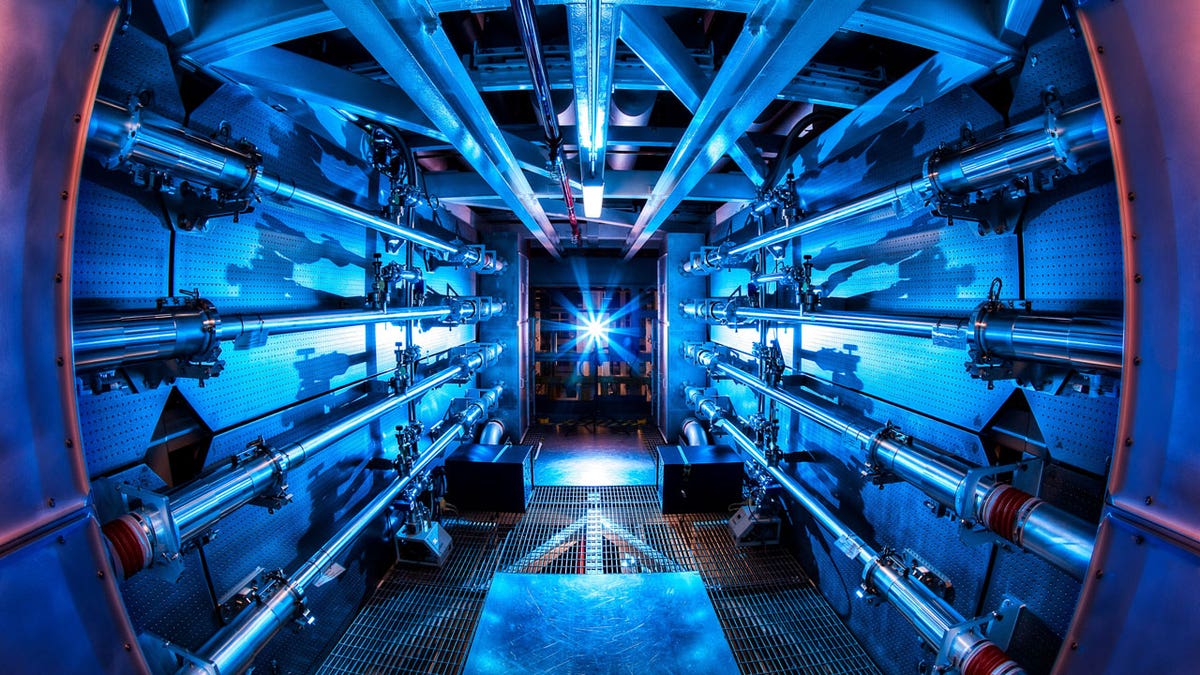
The National Ignition Facility’s preamplifier module increases the laser energy as it travels to the Target Chamber in an undated photograph at Lawrence Livermore National Laboratory federal research facility in Livermore, California. (Damien Jemison/Lawrence Livermore National Laboratory/Handout via REUTERS/File Photo)
«Right now, the machines consume more energy than they produce. So that’s not a power plant. You don’t want to build that as a power plant. That’s a power user. But the output of that is learning, right? And we’re getting better and better at it,» Mumgaard said.
Critics say fusion power has been 20-30 years away for decades now but Commonwealth Fusion Systems is hoping to change that timeline, saying they could have a viable reactor by the early 2030s.
«We’ve learned a lot about what it takes to make these machines,» Mumgaard said. «The scientific advance has happened. And we’re now at the stage where we have confidence in that science, that you know, fusion is turning more to an engineering problem.»
In 2022, the National Ignition Facility at the Lawrence Livermore National Laboratory demonstrated fusion could generate more energy than it used, but it was just a small amount, about enough power to keep a small LED Light Bulb on for 20 hours. Scientists also estimate it takes about 100 times more energy to run the facility than the amount used in the experiment.
«NIF (National Ignition Facility) put in enough energy to power roughly a thousand homes and got enough out to power an LED. Because the overall system has inefficiency,» Stein said.
Fusion and other energy sources have seen advancements in the past decade thanks to artificial intelligence.
ARTIFICIAL INTELLIGENCE HELPS FUEL NEW ENERGY SOURCES
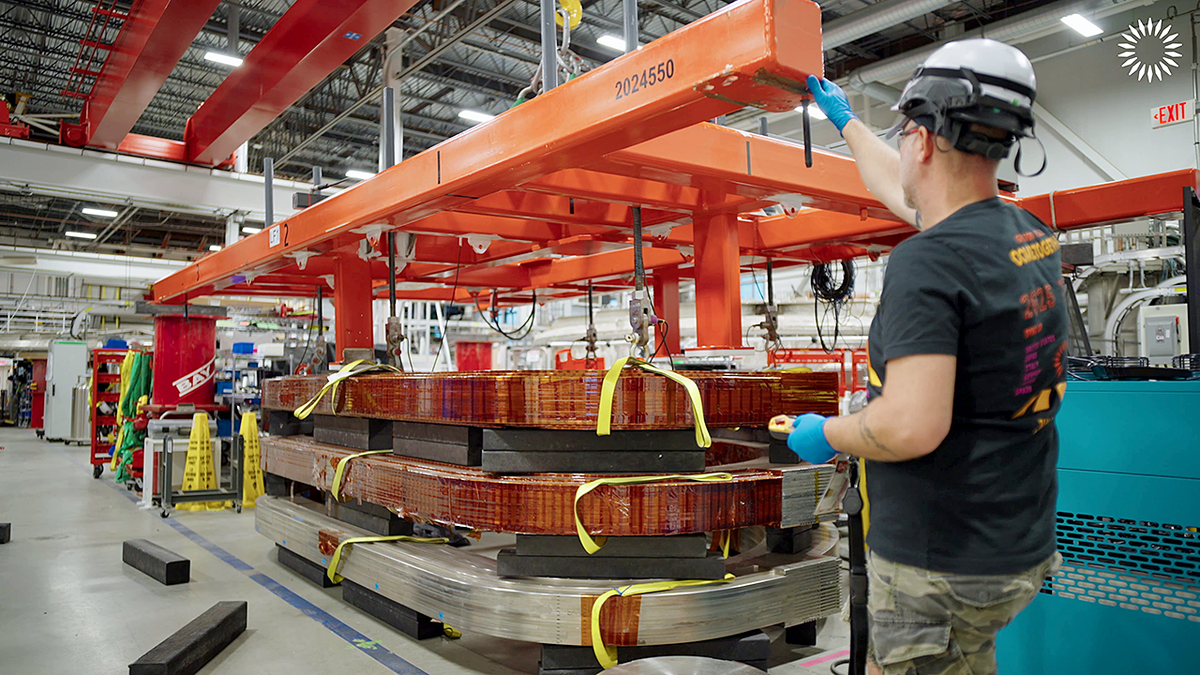
Commonwealth Fusion Systems is hoping to have a viable nuclear fusion reactor by the early 2030s. (Commonwealth Fusion Systems)
«I think A.I. in and of itself is a good thing. Economic developments, growth, all good things. What we have to do is get the policy right,» Butler said. «We’ve also learned a lot from our technology partners in how to use technology to deliver energy more efficiently. Are we using grid enhancing technology to increase the capacity of the transmission system? What are we doing to serve our customers more intuitively? All of that is coming with the advent of A.I. and the technology, and we need to utilize that as energy companies.»
At Commonwealth Fusion Systems, NVIDIA software monitors and maps fusion plants in real time. Google Deepmind’s technology helps better control plasma.
«Whether that’s to make the computer simulations run faster or to make the control systems for the plasma able to react faster, gain insights in how to build the machines. And so you see that in our company but in fusion labs around the world that A.I. is having an accelerating factor in this whole field,» Mumgaard said.
The fusion industry has seen increased interest and funding. Companies raised $2.6 billion in private and public funding in the 12 months leading to July 2025. But that is just a fraction of the amount invested in energy already on the grid. In 2025, spending on nuclear was estimated at $70 billion. Solar was expected to reach $450 billion.
«Fusion isn’t a near-term energy solution. It’s not science fiction either, but it’s a long-horizon, high-risk, high-reward option with unavoidable uncertainty,» Stein said. «The near-term solution is fission and other energy sources that we already know how to build. But that does not mean that we shouldn’t pursue fusion for mid to long-term energy needs.»
Some fusion critics have speculated that the energy source could never be viable for the electric grid. Elon Musk has called the effort a «pet science project» and called for further investments in solar energy. But some energy companies, lawmakers in both parties and the Trump administration are expressing optimism.
CLICK HERE TO DOWNLOAD THE FOX NEWS APP
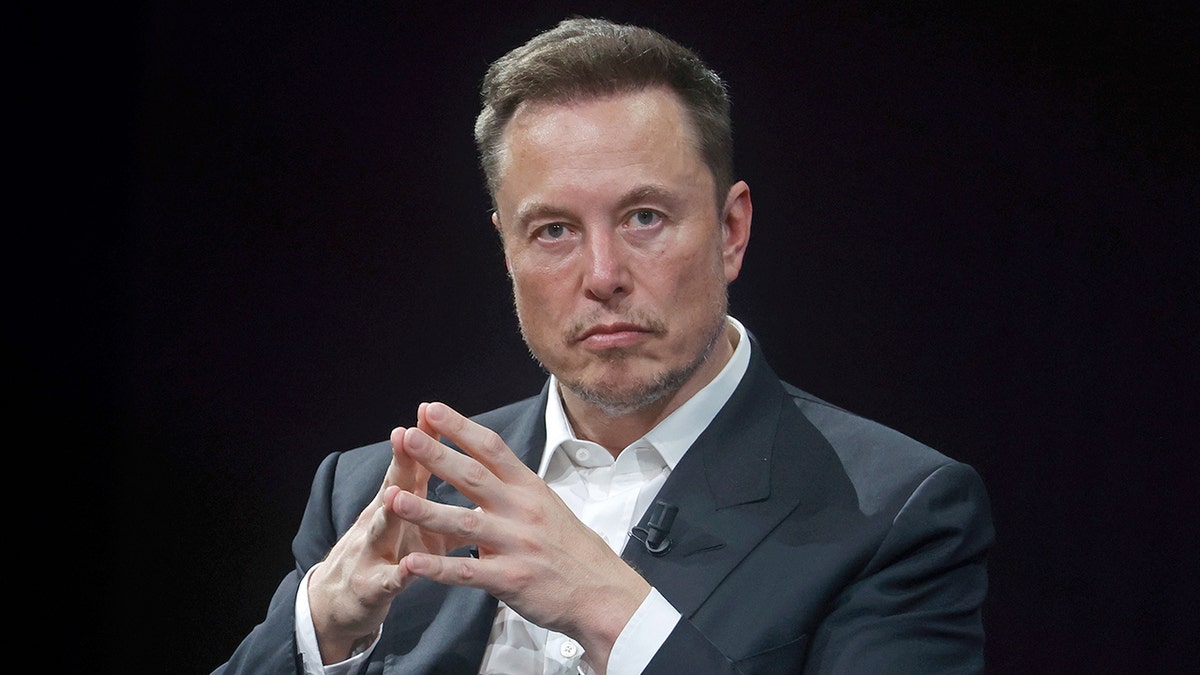
Elon Musk speaks at the Viva Technology conference focused on innovation and startups at the Porte de Versailles exhibition center in Paris on June 16, 2023. (Chesnot/Getty Images)
«Definitely in the next several years, we’re gonna see at scale much more energy come out than goes in in fusion devices. It’s a little bit of time after that to make it commercial and machines and all that, but it’s coming,» Energy Secretary Chris Wright said at Semafor’s World Economy Summit in April 2025. «It’s not a maybe someday always 20 years away thing. Watch the news. Fusion energy in the next four years can be very exciting.»
politics,energy,energy planet earth,special report










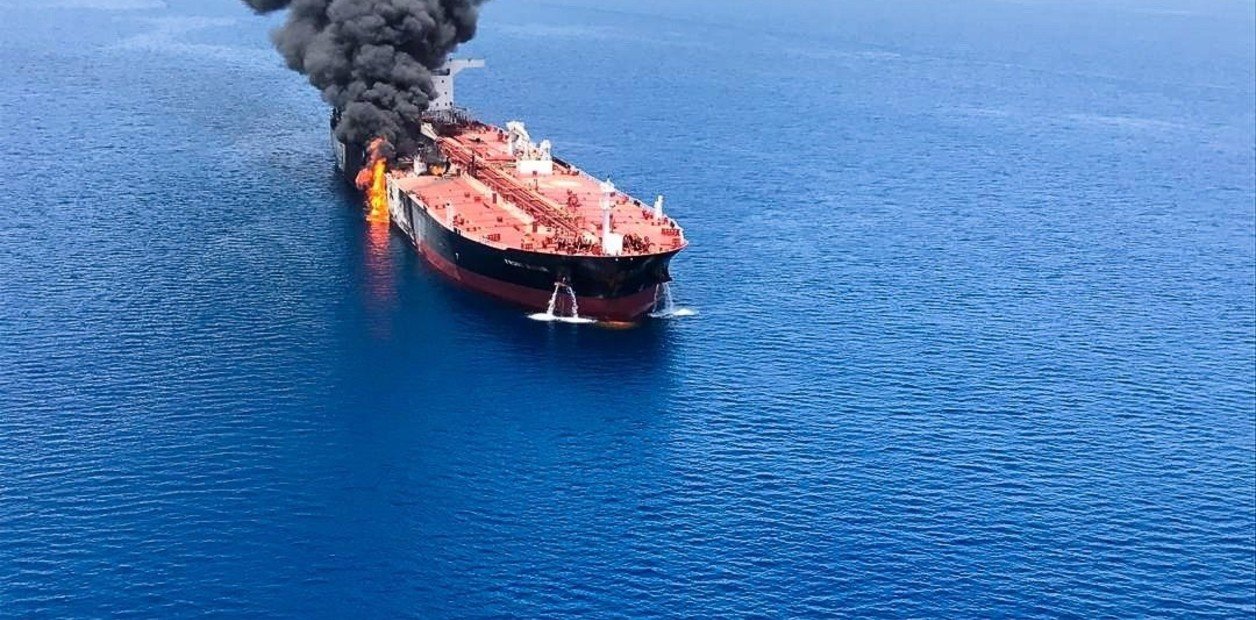
Europa no va a apagar el incendio desatado en Oriente Medio por Estados Unidos e Israel con el ataque a Irán, pero podría encargarse de estabilizar el Estrecho de Ormuz cuando acabe la guerra.
“No es nuestra guerra”, dijeron el lunes los cancilleres europeos. Y esa línea siguieron los líderes, reunidos este jueves en Bruselas. “No queríamos esta guerra. No hemos empezado esta guerra. Falta planificación y una estrategia de salida. Sólo queremos que acabe lo antes posible y que no nos afecte”, dijo el belga Bart de Wever.
La promesa europea de ayuda se concretaría en una misión naval militar cuando acabe la guerra y siempre y cuando su papel sea el de mantenimiento de la paz para dar seguridad al corredor marítimo ahora seriamente bloqueado y por el que pasaba el 20% de los barriles de petróleo que consumía el planeta cada día hasta que empezó esta guerra.
Los buques militares europeos movilizados hasta ahora (principalmente franceses, pero también holandeses, españoles, griegos y británicos) se concentran en el Mediterráneo oriental, cerca de la isla de Chipre, miembro de la Unión Europea pero no de la OTAN.
El jefe del Gobierno alemán, Friedrich Merz, dijo ayer en Bruselas: “Estamos dispuestos a ayudar (y se refería a Estados Unidos), pero para que eso suceda deben cesar los combates”. Esa misión necesitaría, confirman fuentes diplomáticas, el visto bueno de Teherán, no sólo de Estados Unidos, Israel y los países de la región. Es un escenario hipotético, ahora mismo lejano y que para varias fuentes intenta simplemente no contrariar demasiado a Donald Trump, que en los últimos días ha exigido a los europeos hacerse cargo de asegurar Ormuz.
Europa ya tiene la misión Aspides en el Mar Rojo para proteger a buques de mercancías que navegan hacia el Canal de Suez de los ataques de las milicias hutíes, aliadas de Irán. Los europeos rechazan cambiar por ahora el carácter de esa misión.
La eventual misión europea tras la guerra no sería de la Unión Europea, sino en principio de los firmantes de una carta de voluntarios: Francia, Alemania, Reino Unido, Italia, Países Bajos y, fuera de Europa, Japón. Pero fuentes diplomáticas adelantan que, si ese escenario es posible en semanas o meses, se unirían otros países europeos y buscarían ayuda de países como Corea del Sur, India, Pakistán o Australia.
El miércoles se supo también que Irán ha creado un paso seguro para países que no participan en el conflicto y que le pagan un peaje especial para poder sacar sus barcos. Serían al menos China, India, Pakistán y Malasia.
La cumbre de este jueves envía a Estados Unidos un mensaje a favor del multilateralismo y contra una guerra que Europa considera innecesaria, ilegal y contraproducente para la región. Los europeos exigen que se detengan los ataques y que se negocie con el régimen iraní. La prioridad es estabilizar la región y evitar las consecuencias económicas del caos actual.
Europa sufre los efectos de la subida de los precios de la energía y su correlato en forma de inflación, menos actividad económica y presión en las rutas comerciales. También porque aumenta la inseguridad global, porque la guerra beneficia a una Rusia que ingresa ahora más plata por su petróleo y sigue presionando militarmente en Ucrania y porque Europa siempre teme oleadas migratorias y en el Líbano ya hay un millón de desplazados por el avance al norte del Ejército israelí.
Los europeos llevan días hablando con Irán y el miércoles lo reconoció la ‘canciller’ del bloque, la ex primera ministra estonia Kaja Kallas. Más allá de las dificultades de la situación actual, fuentes diplomáticas confirman que Europa tiene problemas incluso para mantener conversaciones fluidas cuando Estados Unidos e Israel están asesinando a los principales dirigentes iraníes.
Las cancillerías europeas han ido cambiando de posición poco a poco hasta llegar tres semanas después a un consenso que pueden sostener todos y que les permite no criticar abiertamente a Donald Trump, pero sí alejarse de un conflicto en el que no tienen nada que ganar. Están contra una guerra ilegal y exigen respeto a la Carta de Naciones Unidas y al derecho internacional humanitario.
Europa no participará en la guerra, como había exigido el presidente estadounidense Donald Trump. Tampoco si el inquilino del Despacho Oval, como amenazó el miércoles en redes sociales, simplemente abandona el escenario de guerra dejando un caos tras él. Pero Europa entiende que la irresponsabilidad de Trump al desatar con Israel este conflicto puede darle un golpe económico considerable si no se estabiliza pronto la región. Y que les tocará una parte de esa labor.
INTERNACIONAL
Iran’s new supreme leader linked to properties with ‘line of sight’ into Israeli UK Embassy
NEWYou can now listen to Fox News articles!
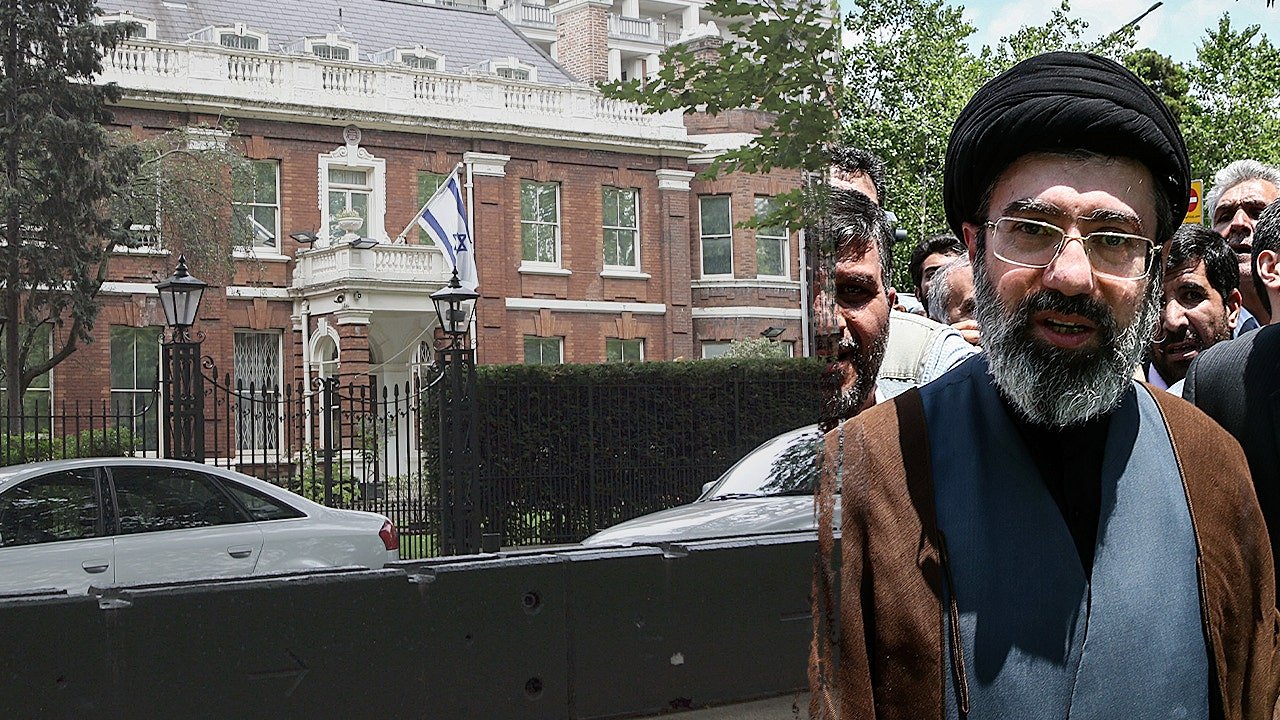
Iran’s supreme leader, Mojtaba Khamenei, has been linked to two luxury apartments overlooking the Israeli Embassy in London, a location that security experts said could provide «permanent surveillance,» according to multiple reports.
The multimillion-dollar Kensington properties sit next to the high-profile embassy compound and were identified by UK media, drawing on findings from a yearlong probe into Khamenei’s potential overseas assets.
The Times of London reported on March 5 that the one building «sits next to the Israeli Embassy on Palace Green,» placing the residences in exceptional proximity to one of Israel’s most sensitive diplomatic sites.
LETHAL ELITE ‘BLACK-CLAD’ KILL SQUAD GUARDS IRAN’S NEW SUPREME LEADER MOJTABA KHAMENEI
Media investigations linked Mojtaba Khamenei to London apartments near the Israeli Embassy in Kensington, with experts warning the location could enable Iranian surveillance of the site. (Michael Crabtree/Bloomberg via Getty Images)
The revelations stem from a Bloomberg investigation that alleged that the Khamenei portfolio could span multiple countries and include high-value real estate in London, totaling around $138M as well as assets in Europe and the Gulf.
The two London apartments were reportedly acquired in 2014 and 2016 via intermediaries and occupy upper floors of the building, offering a direct vantage point toward the rear of the Israeli embassy compound, UK media reported.
A terrorism specialist quoted in reports said the positioning effectively means «Iran owns the view into the back of the Israeli Embassy from less than 50 meters away,» describing the situation as a potential «serious security breach.»
US OFFERS $10M REWARD FOR INFO ON IRAN’S NEW SUPREME LEADER, TOP IRGC OFFICIALS

In this picture obtained from Iran’s ISNA news agency, Mojtaba Khamenei, son of Iran’s supreme leader Ayatollah Ali Khamenei, looks on in Tehran on October 13, 2024. (Hamed JAFARNEJAD / ISNA / AFP via Getty Images)
Roger Macmillan, a former director of security at the Iranian dissident satellite channel Iran International, also said the two apartments had «a direct line of sight, held through Mojtaba Khamenei. That’s not a property portfolio — it’s a permanent surveillance platform.»
«This is a serious security breach,» he added.
Further details from Bloomberg’s investigation indicated that a businessman acted as a financial conduit, buying up high-end properties on Khamenei’s behalf and channeling funds through a network of investments.
TRUMP SAYS HE’S ‘NOT HAPPY’ WITH IRAN’S CHOICE OF NEW SUPREME LEADER
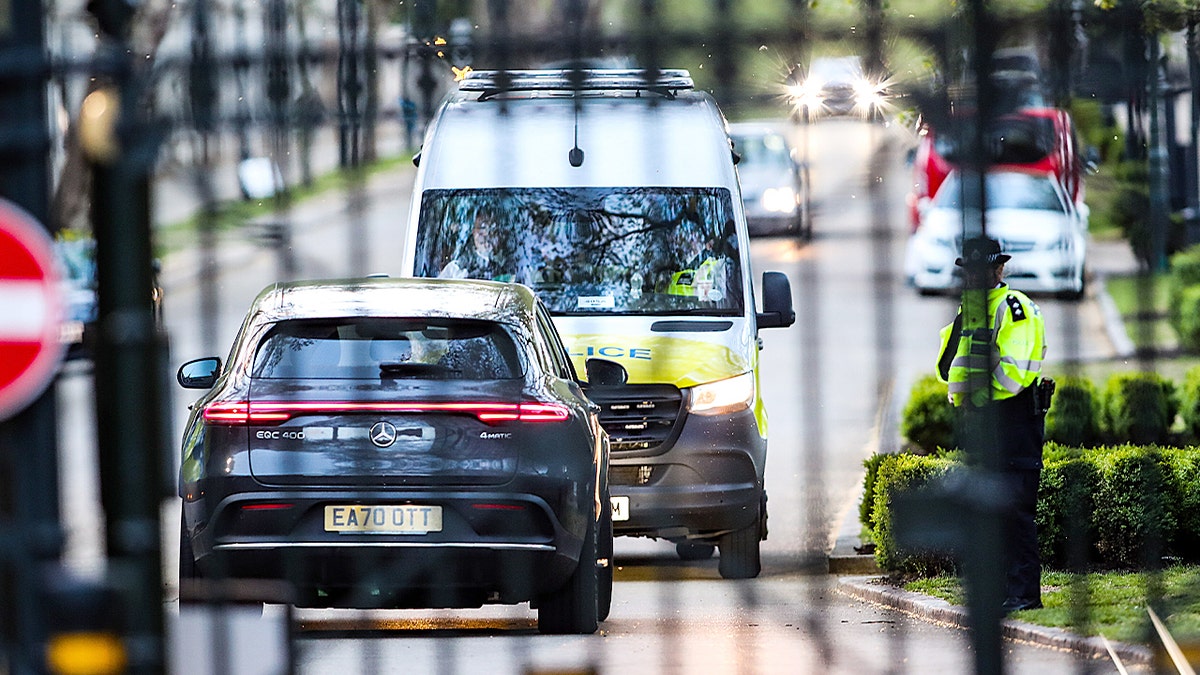
Mojtaba Khamenei has been linked to two London apartments overlooking the Israeli Embassy, which a security expert says form a permanent surveillance platform, reports say. (Vudi Xhymshiti/Anadolu Agency via Getty Images)
The investigation also found that 11 mansions on London’s «Billionaire’s Row» were purchased using an Isle of Man shell company.
The Financial Times has also similarly reported on links between Khamenei’s associates and luxury assets across Europe.
Khamenei, 56, has been viewed as a powerful figure within Iran’s ruling establishment, ultimately becoming the leading successor to his father, who was killed in a Tehran compound strike on Feb. 28.
CLICK HERE TO DOWNLOAD THE FOX NEWS APP
So far, since he was selected by Iran’s Assembly of Experts, he has not been seen in public.
war with iran,iran,mojtaba khamenei,ali khamenei,investigations,israel,united kingdom
INTERNACIONAL
Duffy mocks Newsom’s ‘bridges to nowhere’ as California wildlife crossing overruns by $21M
NEWYou can now listen to Fox News articles!
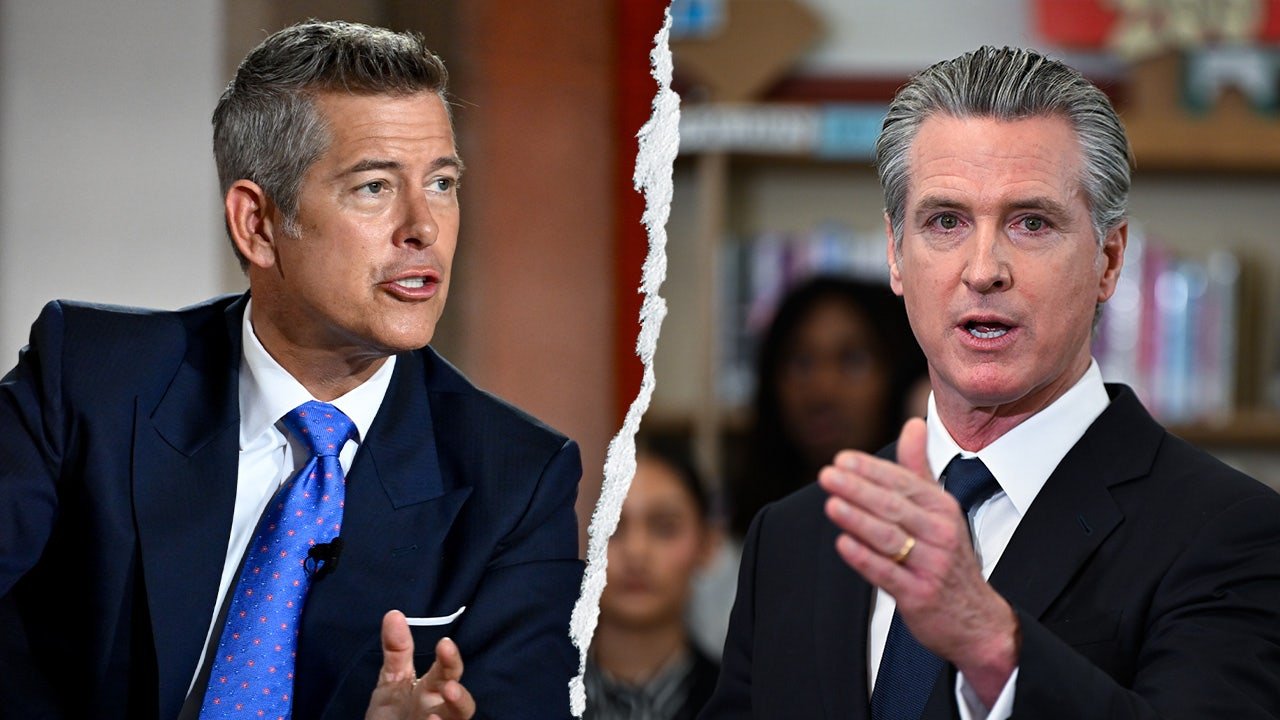
Transportation Secretary Sean Duffy bashed Democratic California Gov. Gavin Newsom over an unfinished wildlife crossing bridge in the Golden State that is running $21 million over budget.
Duffy shared a post from the X account End Wokeness showing video of the unfinished project stretching across 10 lanes of the 101 Freeway in Southern California. The video shows the incomplete bridge, which is intended to provide safe passage for animals such as cougars to cross over the highway.
«Bridges to nowhere. Trains to nowhere. Leave the building to us @GavinNewsom,» Duffy wrote on X.
Construction of the Wallis Annenberg Wildlife Crossing (WAWC) was supposed to be wrapped up by 2025, with the total cost of the project estimated at $92 million. That cost estimate has since jumped to $114 million. A press release from the governor’s office states the project should be completed by fall 2026.
ILLEGAL IMMIGRANT TRUCK DRIVER IN FATAL CALIFORNIA CRASH SHOULD NEVER HAVE HAD LICENSE: DOT REPORT
In an aerial view, the Wallis Annenberg Wildlife Crossing, the world’s largest wildlife bridge, crosses 10 lanes of U.S. Route 101 in Agoura Hills, California. (Kevin Carter/Getty Images)
At the groundbreaking ceremony held in April 2022, Newsom pledged $54 million of state funding to build the crossing and later added another $10 million. However, in February, the California Transportation Commission announced it was allocating an additional $18.8 million to complete construction.
Wallis Annenberg and the Annenberg Foundation, the namesake of the bridge, provided $25 million for its construction in 2021. Beth Pratt, director of the National Wildlife Federation and part of the leadership team overseeing the project, attributed delays in the project’s construction to rising costs in a video posted to X.
Pratt said in a statement to Fox News Digital that the crossing project «experienced significant increases in costs» related to «tariffs, inflation and other factors» that were responsible for delayed construction.
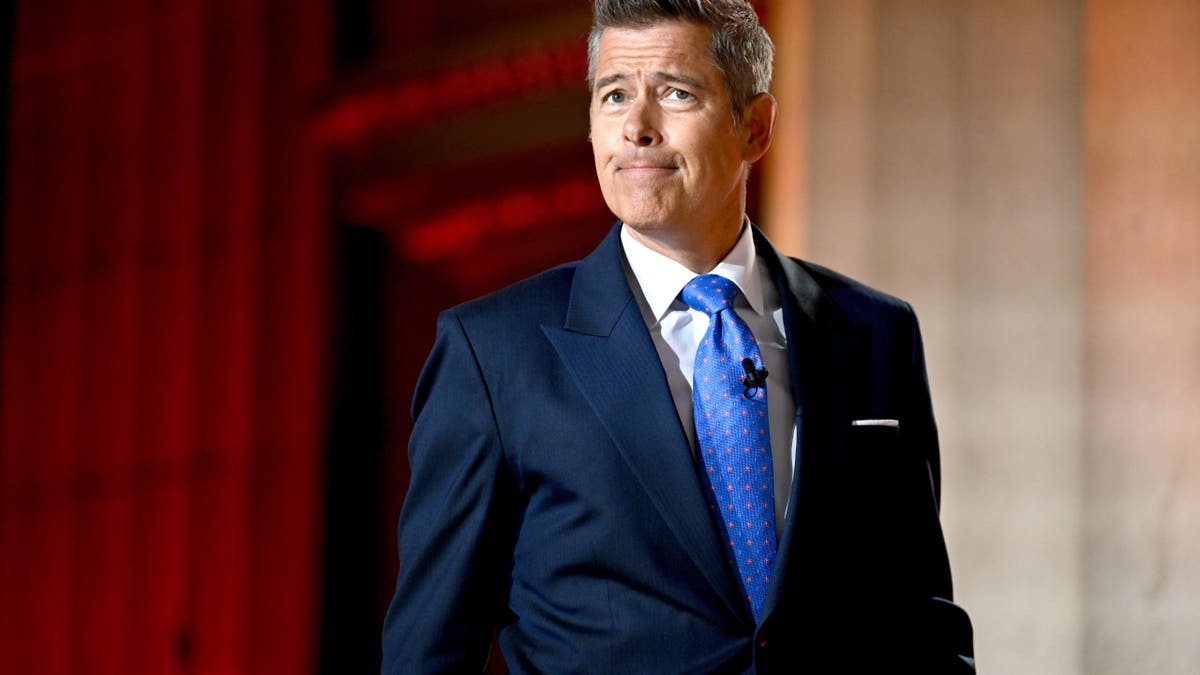
Sean Duffy, U.S. Secretary of Transportation, arrives at BlackRock’s 2026 Infrastructure Summit in Washington, D.C., on March 11, 2026. ( Daniel Heuer/Bloomberg via Getty Images)
MARYLAND BRIDGE REBUILD COSTS SOAR TO $5.2B, MORE THAN DOUBLE ORIGINAL ESTIMATE OFFICIALS PROVIDED
She added that these increased costs were consistent with other construction projects, citing the FHWA National Highway Construction Cost Index, which shows highway construction costs have increased by 67% since 2021. Pratt said the project team took steps to reduce costs as part of a «rigorous redesign process» funded by private donations, not public funds.
Newsom’s press office rejected criticism of the project’s ballooning costs, also pointing to tariffs from the Trump administration as the culprit.
«The cost estimate held until last year when inflation — in part driven by TRUMP’s TARIFFS — increased construction costs. The increase is vastly LOWER than the 67% national average increase in highway construction costs,» Newsom’s team wrote on X.
The governor also said the delay was due to «severe weather.»
«The timeline shifted by just ONE YEAR largely due to severe weather last year — five years of work is far from a ‘boondoggle,» Newsom’s press office wrote on X.
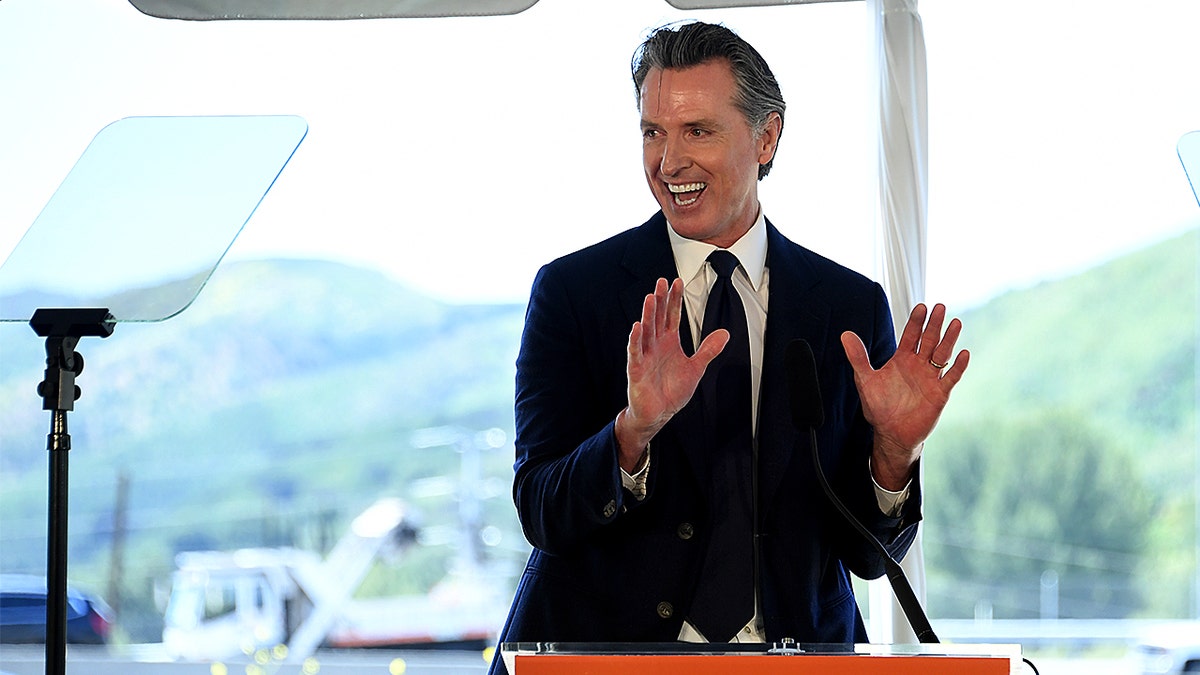
Governor of California Gavin Newsom speaks during the Wallis Annenberg Wildlife Crossing Groundbreaking Celebration on April 22, 2022, in Agoura Hills, California. (Jon Kopaloff / Getty Images)
CLICK HERE TO DOWNLOAD THE FOX NEWS APP
Heightened attention on the construction of the wildlife crossing bridge comes as the state faces continued scrutiny over other failed projects. Last year, the Department of Transportation canceled $4 billion in federal funding after the state spent $15 billion in funding for high-speed rail construction projects despite never laying a single track.
Newsom, a 2028 presidential prospect, is also having to navigate a projected $2.9 billion budget deficit for the 2026–2027 fiscal year.
gavin newsom,california,politics,state and local,transportation

«Explícame cómo has llegado a la conclusión de ‘No, no me interesa GTA 6». El dueño de Rockstar no concibe que haya personas que no les interese GTA 6

Europa promete enviar una misión naval al estrecho de Ormuz cuando termine la guerra

Milei mantendrá una reunión mano a mano con el presidente de Hungría para reforzar su alianza geopolítica

Los signos del horóscopo Chino que entrarán en un período decisivo en marzo, según Ludovica Squirru: «Cabra, Perro, Mono y Chancho»

Créditos ANSES de hasta $1,5 millones: quiénes podrían acceder y cómo funcionarían estos préstamos

Copa Libertadores: cuál es el equipo argentino que tendrá los viajes más largos

TRAICIÓN Y ÉXODO: La promesa rota de Monteoliva que desató una ola masiva de bajas en la Policía Federal

Adorni se disculpó por el viaje de su esposa: “Fue una pésima decisión, más allá de que no generó gasto para el Estado”

Horacio Rodríguez Larreta reapareció y lanzó “Metrópolis”, su nuevo espacio en la Ciudad de Buenos Aires

Insólito: un esquiador británico terminó la Copa del Mundo de Oslo bajo los efectos del alcohol

 POLITICA2 días ago
Las chicanas de Cristina Kirchner en el arranque de su indagatoria: “Tengo apodos, pero no me parecen adecuados”
- ECONOMIA1 día ago
Juicio por YPF: la Justicia de EEUU benefició a Argentina y suspendió todas las demandas hasta que se defina la cuestión de fondo
- POLITICA3 días ago
Adorni habló del viaje con su esposa y denunció una grave filtración interna: “Puertas adentro”