INTERNACIONAL
EN VIVO: El régimen de Irán lanzó un ataque con misiles contra Israel: al menos 6 heridos

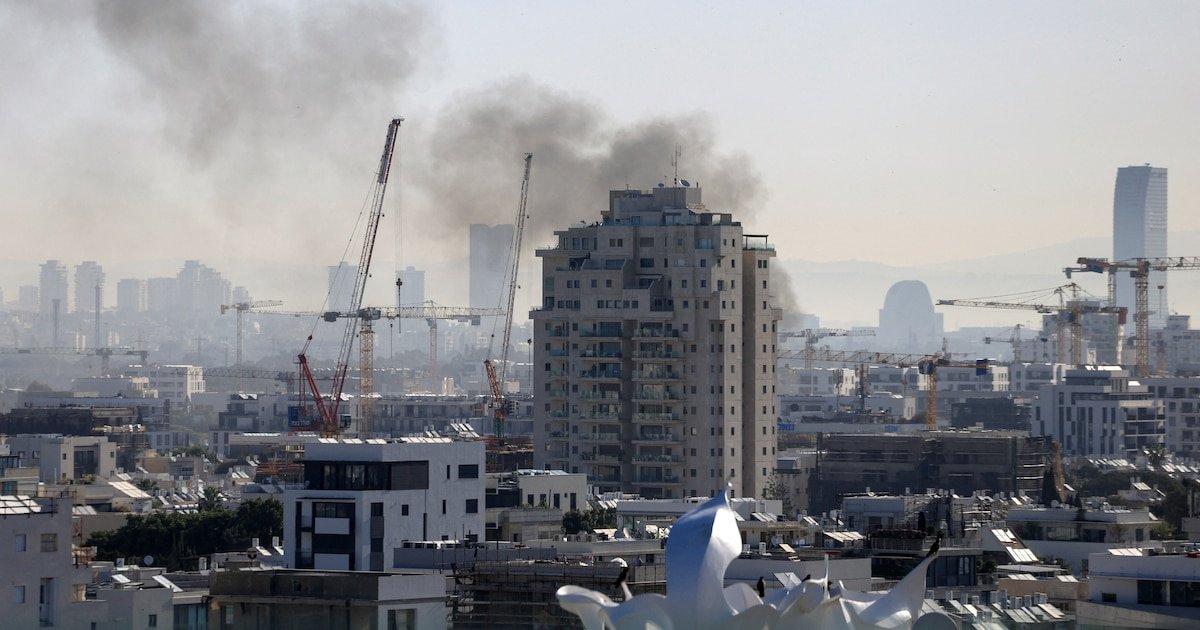

La guerra en Medio Oriente ha puesto de relieve la alianza recién descubierta entre el sector tecnológico y el ejército estadounidense tras décadas de relaciones tensas, demostrando una sinergia que los inversores ven como una mina de oro potencial.
Las aerolíneas asiáticas aumentan sus rutas a Europa a raíz de la guerra

Las principales aerolíneas asiáticas incrementaron sus rutas hacia Europa en el último mes, buscando consolidarse como alternativa en las conexiones intercontinentales ante la creciente inestabilidad en Medio Oriente, región que hasta el inicio de la guerra en Irán funcionaba como centro de la conexión aérea global.
Aunque las grandes compañías del Golfo Pérsico, como Emirates, Qatar Airways y Etihad Airways, con base en Dubái, Doha y Abu Dhabi respectivamente, continúan operando, han debido modificar sus servicios con cancelaciones y suspensiones frecuentes en respuesta a los ataques iraníes en la región.
Otras aerolíneas asiáticas, que no dependen del tránsito por Oriente Medio, aprovechan la situación para reforzar su posición en el mercado, compensar el aumento del precio del combustible y ganar cuota frente a sus competidores.
Cathay Pacific, con sede en Hong Kong, anunció nuevas suspensiones de vuelos a Dubái, Riad y Tel Aviv, y al mismo tiempo reforzó sus conexiones con Europa mediante la incorporación de viajes adicionales entre Hong Kong y París y Zúrich.
Israel confirmó que un soldado murió en un combate en el sur del Líbano

El sargento Ori Greenberg, de 21 años, que prestaba servicio en el batallón de reconocimiento de la Brigada Golani, cayó en combate en el sur del Líbano, según confirmó el Ejército de Israel el jueves por la mañana.
Atacan un petrolero operado por Turquía en el Mar Negro

Un petrolero operado por una compañía turca fue atacado la madrugada del jueves en el Mar Negro, posiblemente por un vehículo de superficie no tripulado, según informó el ministro de Transportes de Turquía, Abdulkadir Uraloglu.
“Puedo decir que un buque con bandera extranjera, operado por una compañía turca, que había cargado petróleo crudo procedente de Rusia, informó de una explosión en su sala de máquinas pasada la medianoche a nuestro centro de llamadas de emergencia”, declaró el ministro en una entrevista televisiva.
Uraloglu señaló que se cree que la sala de máquinas fue el objetivo específico del ataque y que no fue ejecutado por un dron, sino por un vehículo de superficie no tripulado a nivel del agua.
Al menos dos muertos y tres heridos en Emiratos Árabes Unidos tras la interceptación de un misil
Dos personas murieron y otras tres resultaron heridas en Abu Dhabi el jueves tras la caída de escombros provocada por la interceptación de un misil balístico. La Oficina de Prensa de Abu Dhabi informó que el incidente tuvo lugar en la carretera Sweihan, donde varios vehículos resultaron dañados.
Las identidades de los fallecidos no han sido confirmadas hasta el momento. Las autoridades instaron al público a confiar en fuentes oficiales y a no difundir información no verificada.
El ejército de Estados Unidos informó que atacó a más de 10.000 objetivos militares en Irán desde el inicio de la guerra
En un mensaje en video de tres minutos, el jefe del Comando Central, el almirante Brad Cooper, indicó que los bombardeos dañaron o destruyeron más de dos tercios de las instalaciones iraníes dedicadas a la producción de misiles, drones y armamento naval


El jefe del Comando Central de Estados Unidos (CENTCOM), el almirante Brad Cooper, informó este miércoles que las fuerzas estadounidenses atacaron más de 10.000 objetivos militares en Irán desde el inicio del conflicto el 28 de febrero.
Las bolsas europeas vuelven al terreno negativo ante mensajes contradictorios sobre el fin de la guerra

Los futuros de las principales bolsas europeas retroceden este jueves, mientras el precio del petróleo vuelve a subir en medio de mensajes contradictorios entre Estados Unidos e Irán sobre posibles negociaciones para poner fin al conflicto bélico.
Según datos de mercado recogidos por EFE, a las 7:30 horas (6:30 GMT), los futuros de la Bolsa de Fráncfort caen un 0,96%, los de París un 0,71% y los de Londres un 0,43%. Los futuros del índice Euro Stoxx 50, que agrupa a las 50 firmas más capitalizadas de la zona euro, bajan un 0,84%. En Estados Unidos, los futuros de los principales indicadores también anticipan una jornada en rojo, con descensos del entorno del 0,5%.
En paralelo, el precio del crudo brent para entrega en mayo se incrementa un 2,44% en el mercado de futuros de Londres, hasta los 104,69 dólares por barril, después de que Irán rechazara el plan estadounidense para poner fin a la guerra. De igual manera, el petróleo de Texas (WTI), referencia en EE.UU., sube un 2,24% antes de la apertura oficial del mercado, hasta los 92,52 dólares por barril.
La negativa de Irán a aceptar el plan de alto el fuego propuesto por Estados Unidos impacta nuevamente en los mercados, tras varias jornadas positivas para la renta variable. Los inversores también analizan la propuesta del Parlamento iraní para aprobar una ley que permita cobrar peaje a los buques que transiten por el estrecho de Ormuz, un paso estratégico por el que circula el 20 % del petróleo mundial.
En Asia predominan las pérdidas: el Nikkei de Tokio cede un 0,68%; la Bolsa de Shanghái baja un 1,17%; y el Hang Seng de Hong Kong pierde un 1,99%.
El euro baja a 1,155 dólares. La onza troy de oro cae un 1,95%, hasta 4.433,6 dólares. El bitcóin baja un 1,83% y cotiza en 70.000,31 dólares.
Asciende a seis la cifra de heridos en los ataques de Irán contra Israel
El ejército israelí informó que sus defensas aéreas respondieron el jueves a ataques con misiles lanzados desde Irán, que, según los servicios médicos, dejaron seis personas levemente heridas y causaron algunos daños materiales.
Un portavoz del servicio médico de emergencias Magen David Adom indicó que los paramédicos atendieron a seis personas con heridas leves provocadas por las explosiones, actualizando la cifra anterior de dos heridos.
El jueves por la mañana, un portavoz de la MDA declaró a la radio pública que varias casas en la ciudad central de Kafr Qassem resultaron dañadas. El alcalde, Haitham Taha, afirmó que los daños fueron causados por municiones en racimo.
El estrecho de Ormuz permaneció paralizado durante la tercera semana de la guerra

Según el servicio de inteligencia marítima Windward, a pesar del cierre del estrecho, hay 686 barcos en el Golfo Pérsico. La mayoría de las embarcaciones, cerca de 400, se encuentran en el Golfo de Omán.
Windward afirmó que esta acumulación sugiere que “muchos operadores han optado por mantener su posición fuera del estrecho de Ormuz en lugar de comprometerse de inmediato con un cambio de ruta de larga distancia”.
Entre el 15 y el 22 de marzo, solo se observaron 16 travesías de buques con su Sistema de Identificación Automática (AIS) activado en el estrecho de Ormuz.
Un ataque iraní dejó dos heridos y causó daños en la ciudad israelí Kfar Qasim
La ciudad central de Kfar Qasim resultó dañada por lo que parecen ser submuniciones provenientes de la ojiva de una bomba de racimo, tras el último ataque con misiles balísticos lanzado por Irán, según informó un corresponsal de Times of Israel.
Equipos de rescate se desplazaron rápidamente al lugar. El hospital Magen David Adom informó que atendió a un hombre y una mujer, ambos de 55 años, que resultaron heridos tras una explosión ocurrida luego de que una pequeña bomba impactara contra un edificio en el centro de la ciudad.
Domestic,Politics,North America,Government / Politics








NEWYou can now listen to Fox News articles!
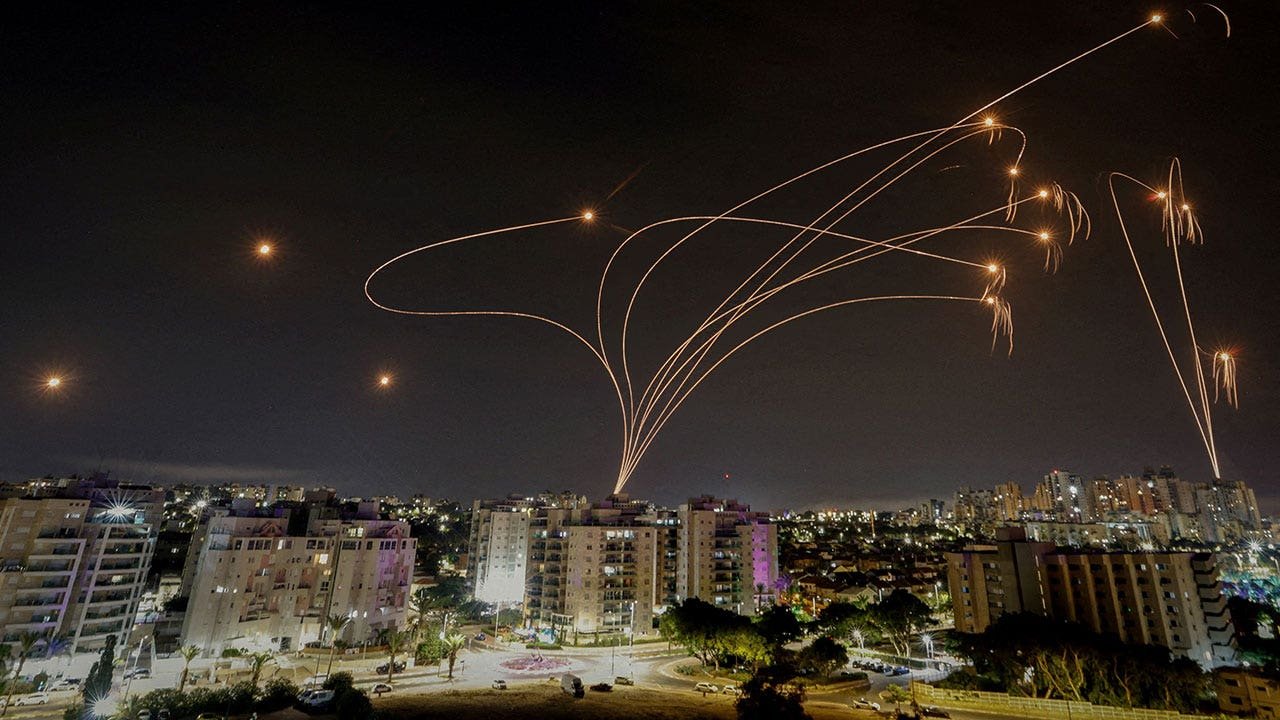
EXCLUSIVE: As U.S., Israeli and allied forces continue to intercept the vast majority of Iranian missiles and drones, a new report and expert analysis reveal a growing concern behind the headline success: the cost and sustainability of the defense itself.
More than 90% of Iranian projectiles have been intercepted during the war, according to a report obtained by Fox News Digital from the Jewish Institute for National Security of America (JINSA), thanks to a layered regional air defense system built during years of coordination.
But beneath that success lies a widening imbalance that could shape the next phase of the conflict.
The report highlights a critical trend: Iran’s least expensive weapons are proving the most disruptive and are draining costly U.S. and Israeli interceptors.
IRAN’S REMAINING WEAPONS: HOW TEHRAN CAN STILL DISRUPT THE STRAIT OF HORMUZ
U.S. Central Command released footage showing strikes on Iranian mobile missile launchers. (@CENTCOM via X)
The current air defense architecture, integrating U.S., Israeli and Arab systems, has proven highly effective at stopping incoming threats. Early warning systems, shared radar coverage and pre-positioned assets have allowed multiple countries to work together to defeat Iranian missiles and drones.
During a press briefing on Wednesday, press secretary Karoline Leavitt said, «More than 9,000 enemy targets have been struck to date … Iran’s ballistic missile attacks and drone attacks are down by roughly 90%,» she said, adding that U.S. forces have also destroyed more than 140 Iranian naval vessels, including nearly 50 mine layers.
A surge of U.S. assets before the war, including Terminal High Altitude Area Defense (THAAD), batteries, Patriot systems, two carrier strike groups and roughly 200 fighter aircraft, helped absorb Iran’s opening salvos and maintain high interception rates, according to JINSA’s report.
But Ari Cicurel, associate director of foreign policy at JINSA and author of the report, said focusing only on interception percentages misses the bigger picture.
«Overall high missile and drone interception rates have been important but only tell part of the story,» Cicurel told Fox News Digital. «Iran came into this war with a deliberate plan to dismantle the architecture that makes those intercepts possible. It has struck energy infrastructure to upset markets and used cluster munitions to achieve higher hit rates.»
IRAN’S DRONE SWARMS CHALLENGE US AIR DEFENSES AS TROOPS IN MIDDLE EAST FACE RISING THREATS
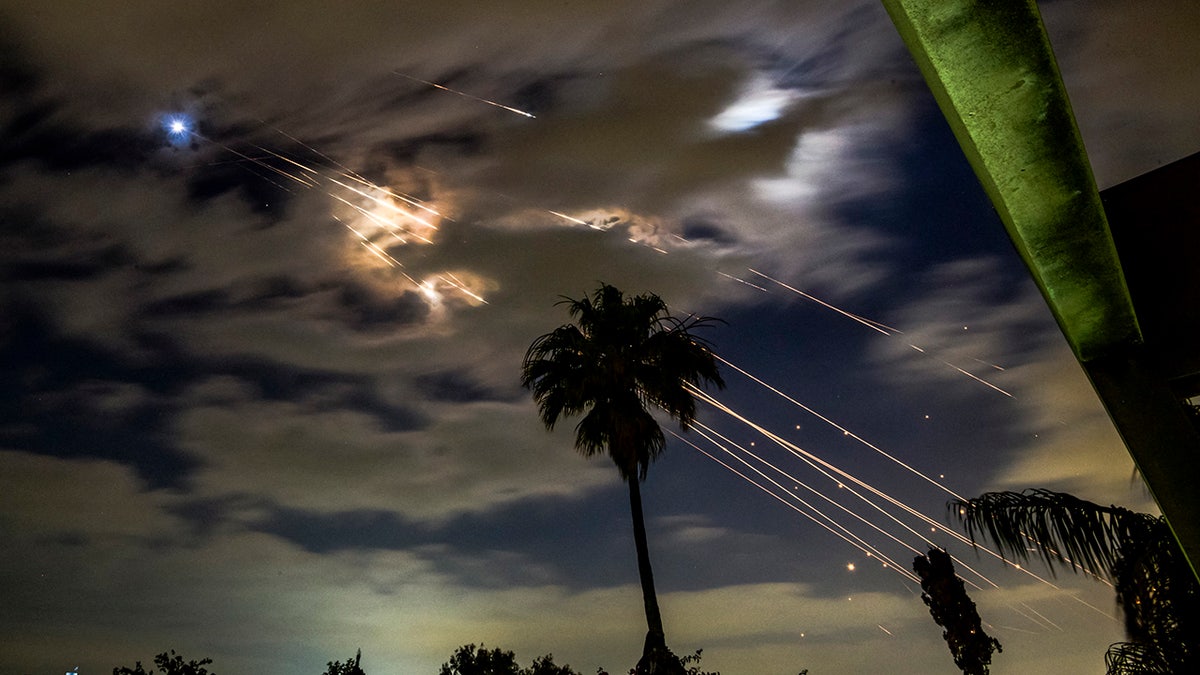
Israel’s air defense targets Iranian missiles in the sky of Tel Aviv in Israel, on June 16, 2025. (MATAN GOLAN/Middle East Images/AFP via Getty Images)
Danny Citrinowicz, a Middle East and national security expert at Institute for National Security Studies and a nonresident fellow at the Atlantic Council, said that imbalance is at the heart of the problem.
«There needs to be a change in the equation,» he told Fox News Digital. «The Iranians are launching drones that cost around $30,000, and we are using missiles that cost millions of dollars to intercept them. That gap is a very problematic one.»
He added that the same dynamic applies to ballistic missiles.
«Building a missile in Iran may cost a few hundred thousand dollars, while the interceptor costs millions, especially when we talk about systems like Arrow,» he said. «It’s easier and quicker to produce missiles than it is to build interceptors. That’s not a secret.»
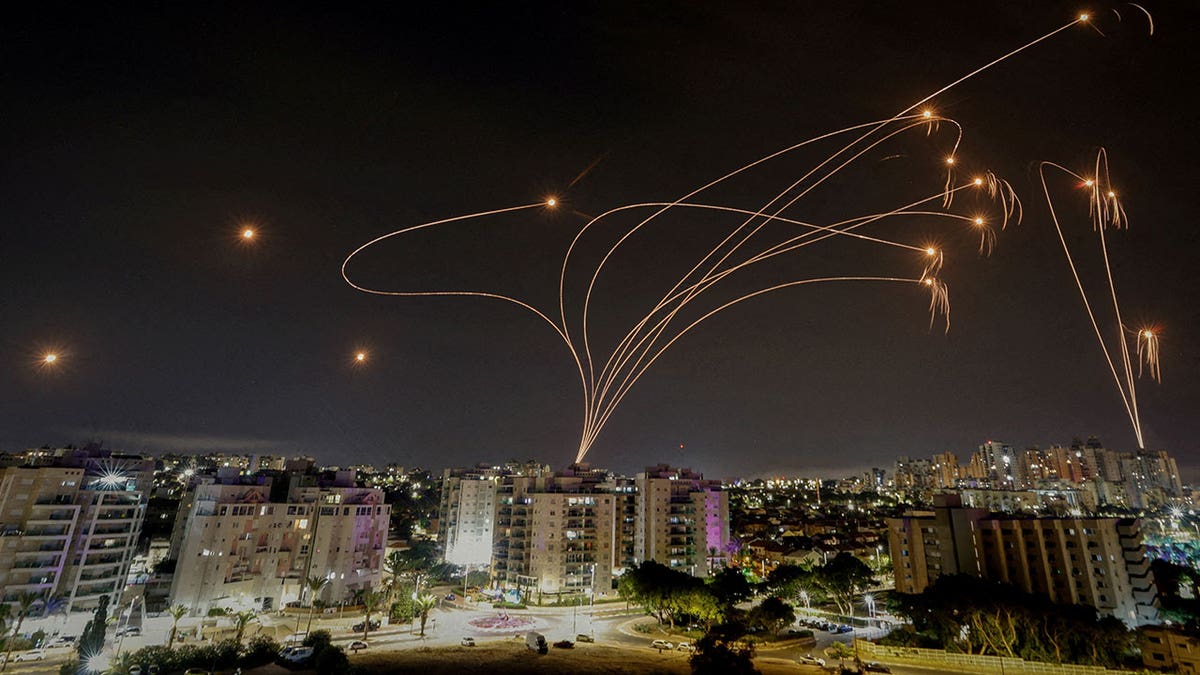
Israel’s Iron Dome anti-missile system intercepts rockets launched from the Gaza Strip, as seen from the city of Ashkelon, Israel, Oct. 9, 2023. (Amir Cohen/Reuters)
This cost imbalance is feeding into a broader concern: interceptor depletion.
The JINSA report warns that stockpiles across the region are already under strain. Some Gulf states have used a significant portion of their interceptor inventories, with estimates suggesting Bahrain may have expended up to 87% of its Patriot missiles, the United Arab Emirates and Kuwait have used roughly 75% and Qatar has used roughly 40%.
Israel is also facing mounting pressure. While officials have not publicly confirmed stockpile levels, the report notes signs of rationing, including decisions not to intercept certain cluster-munition threats in order to conserve more advanced interceptors.
PENTAGON ESTIMATES IRAN WAR COST $11.3B IN THE FIRST SIX DAYS IN CLOSED-DOOR CONGRESSIONAL HEARING: REPORT
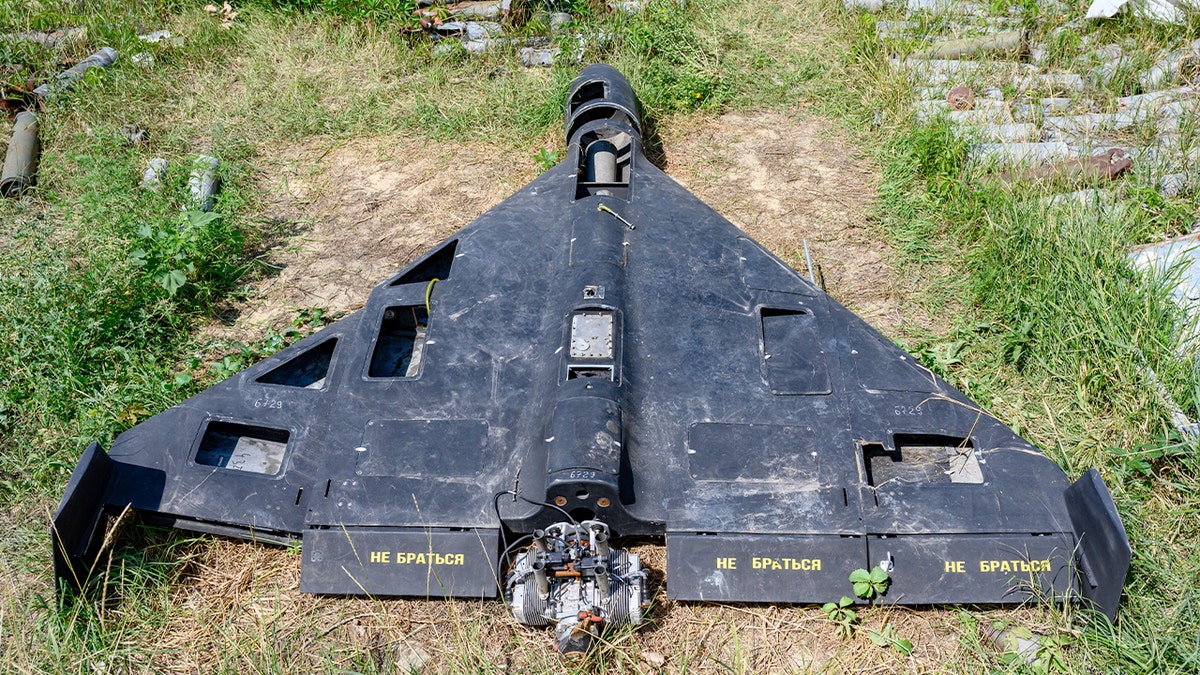
The remains of a Russian-made, Iran-designed Shahed-136 drone, known in Russia as a Geran-2, are displayed with other recovered drones, glide bombs, missiles and rockets in Kharkiv on July 30, 2025. (Scott Peterson/Getty Images)
Citrinowicz said that dynamics become more acute the longer the war continues.
«We are now several weeks into the war, and even if the salvos are limited, the issue of interceptors becomes more significant over time,» he said.
Iran has adapted its tactics accordingly, shifting from large barrages to smaller, more frequent attacks designed to maintain constant pressure while gradually draining defensive resources.
These persistent salvos, even if limited in size, force defenders to remain on high alert and continue expending interceptors, accelerating the depletion of already finite stockpiles.
The report underscores that drones pose a unique challenge compared to ballistic missiles.
Unlike missiles, which rely on large launchers and leave detectable signatures, drones can be launched from mobile platforms and can fly at low altitudes that make them harder for radar systems to detect.
For example, A Shahed-136 weighs roughly 200 kilograms and launches from an angled rail mounted on a pickup truck, after which the crew can quickly relocate. That simpler launch profile makes it easier for Iran to disperse, conceal and fire under pressure, the report stated.
Iran also has incorporated lessons from the war in Ukraine, deploying more advanced drones, including those guided by fiber-optic cables that are immune to electronic jamming, and faster variants powered by jet engines.
These innovations complicate interception timelines and increase the likelihood of successful strikes, even against otherwise effective defense systems.
INSIDE THE ISRAELI DRONE UNIT TAKING ON IRAN AND HEZBOLLAH
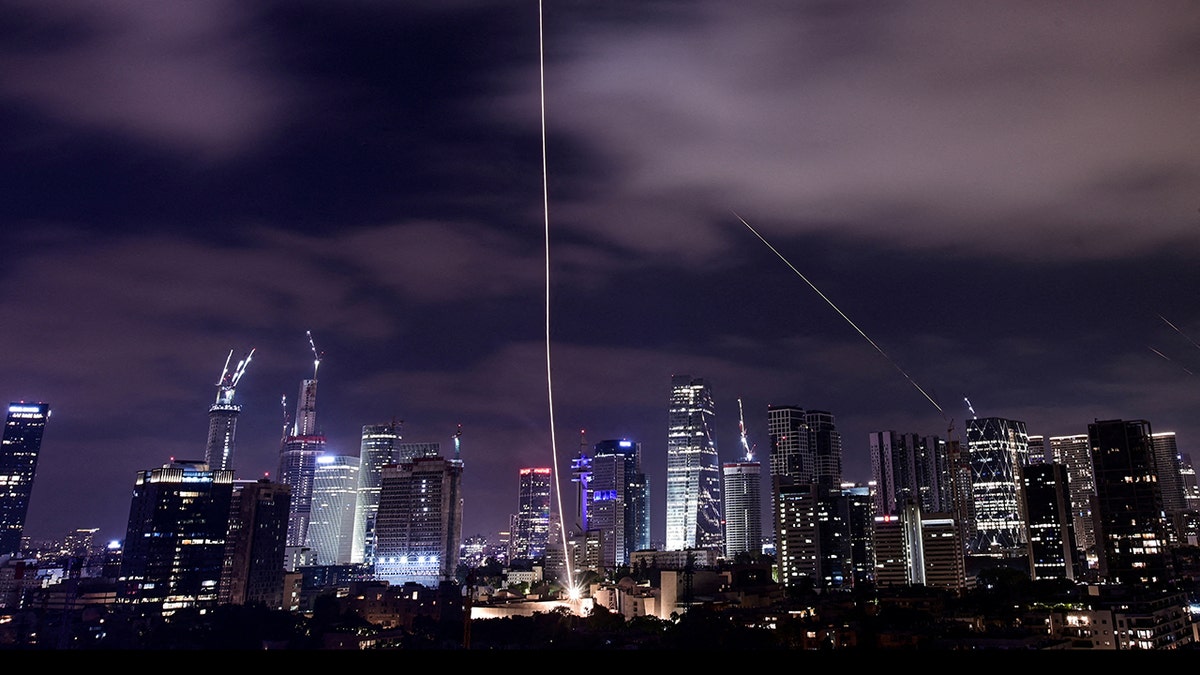
Missiles launched from Iran are intercepted as seen from Tel Aviv, Israel, June 15, 2025. (REUTERS/Tomer Neuberg)
Despite these challenges, the report emphasizes that the defensive architecture has not failed.
«The architecture has held, but the trajectory is moving in the wrong direction,» Cicurel said. «Reversing it requires moving assets to where the pressure is greatest, hunting Iranian launchers and drones more aggressively, and convoying ships through the Gulf.»
Even with high interception rates, the broader impact of the attacks is being felt.
Iranian strikes on energy infrastructure and shipping have driven oil prices higher and disrupted traffic through the Strait of Hormuz, demonstrating that air defense alone cannot prevent economic and strategic consequences.
The emerging picture is not one of failing defenses, but of a system under growing strain.
CLICK HERE TO DOWNLOAD THE FOX NEWS APP
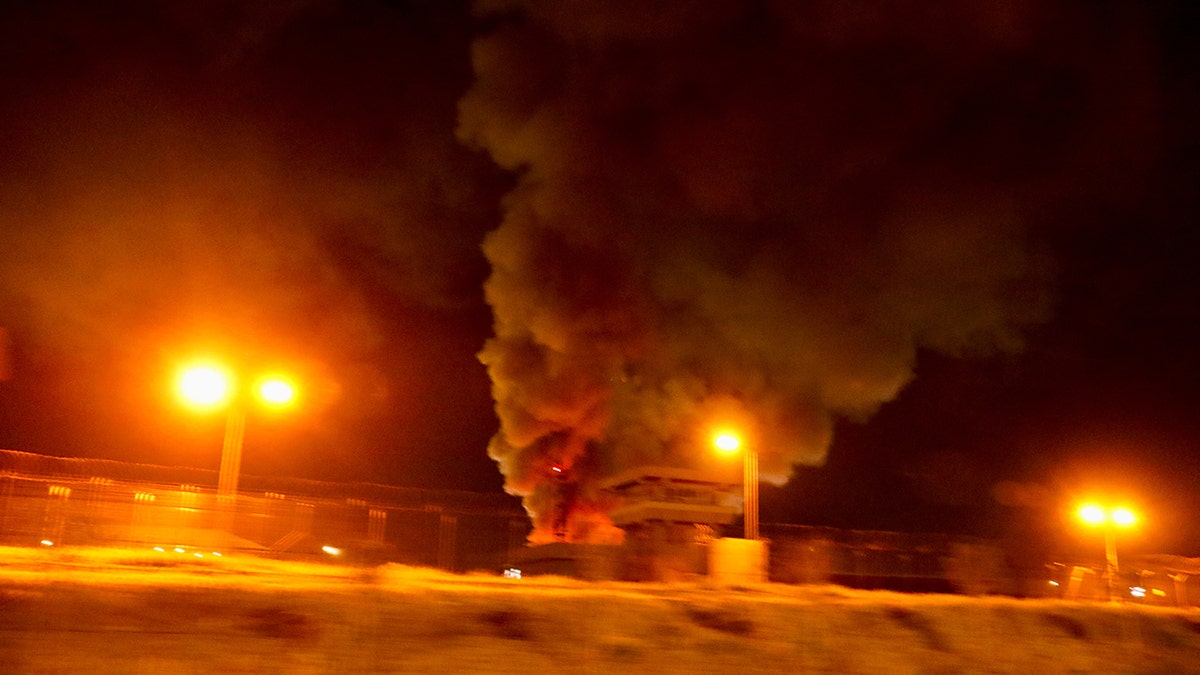
An explosion is reported near the U.S. Consulate and the Erbil International Airport area, where a U.S. military base is also located, in Erbil, Iraq, with fire breaking out and thick smoke rising following the blast, on march 12, 2026. (Ahsan Mohammed Ahmed Ahmed/Anadolu via Getty Images)
As long as Iran can produce cheap drones and missiles faster than the U.S., Israel and their partners can produce interceptors, the balance may gradually shift.
«As long as the war continues,» Citrinowicz said, «the key question will be whether Iran can produce missiles faster than we can produce interceptors.»
war with iran, drones, us air force, military, wars
INTERNACIONAL
Uruguay define beneficios para los comercios de la frontera con Argentina por la brecha de precios

Los comercios de la frontera uruguaya atraviesan una situación “compleja” y esto requiere “acciones” para resolverlo, reconoció el viceministro de Economía y Finanzas de Uruguay, Martín Vallcorba. Lo hizo durante una gira por la ciudad de Mercedes (en Soriano, limítrofe con Argentina) realizada junto con el titular de la cartera, Gabriel Oddone.
La gira por el interior del país fue pensada para presentar un paquete de medidas destinadas a proteger el comercio local y “mejorar la calidad de vida de los habitantes de las zonas de frontera”, expresó el MEF, en un comunicado. Lo que hizo el gobierno fue extender las medidas que ya están vigentes para la frontera con Brasil, lo que incluye el establecimiento de un régimen simplificado para la importación, la exoneración del 75% de los aportes patronales para nuevos trabajadores y la ampliación del descuento del Impuesto Específico Interno (Imesi), pensado para los combustibles.
“Las diferencias que Uruguay ha generado en los últimos años en materia de ingresos con las poblaciones vecinas se han profundizado. Eso supone nuevos desafíos porque las diferencias de precios también reflejan diferencias importantes entre las fronteras”, explicó Oddone, en una conferencia de prensa. El vínculo de la economía uruguaya con la de sus vecinos es “muy diferente a la que históricamente tuvo”, puntualizó.

¿Cuánto más barato es una ciudad de la otra? La Universidad Católica del Uruguay se encarga de realizar un Indicador de Precios Fronterizos, que lo que hace es relevar los precios de Salto y de Concordia. La última medición publicada fue realizada en enero y la conclusión fue que se amplió la diferencia entre los dos países. Adquirir la canasta en Salto estuvo, en el mes de enero 40,2% más caro que en Concordia, según este trabajo.
“A pesar de evidenciarse tasas de inflación más elevadas en el vecino país [Argentina], la brecha de precios se amplió en enero, explicado parcialmente por los efectos del tipo de cambio en cada uno de los países, resultando en una canasta relativamente más cara en la ciudad de Salto que en Concordia”, concluyó la publicación.
Tras reunirse con comerciantes e industriales de la zona, los principales jerarcas del MEF presentaron una serie de medidas pensadas para proteger el comercio local y que comenzarán a regir el 1° de mayo.

- Descuento del 50% del que rige en la zona de hasta 20 kilómetros de frontera, para estaciones de servicio ubicadas entre los 20 y 60 kilómetros.
- Régimen simplificado de importación en la frontera con Argentina. A esto se sumará una ampliación, a estudio, de los límites máximos de compras y la lista de productos de la canasta autorizada.
- Eventual régimen simplificado en comercios de mayor tamaño y algunos sectores que hasta el momento no están incluidos.
- Exoneración del 75% de los aportes patronales de cada nuevo empleado, durante 12 meses, para las empresas que contraten trabajadores.
A estas medidas, también se le suma la puesta en funcionamiento de un observatorio pensado específicamente para analizar la situación de la frontera, que funcionará en la órbita de la Oficina de Planeamiento y Presupuesto (OPP). Su función será monitorear el “impacto real de estas políticas en el territorio, evaluar la problemática en la frontera y sus eventuales cambios, así como otras políticas por aplicar”, según informó la Presidencia uruguaya en un comunicado.

La primera reunión de este ámbito está prevista para el próximo 15 de abril.
En la conferencia de prensa, el ministro Oddone también se refirió a la situación internacional. Dijo que el gobierno está “atento” a la situación de la economía en el mundo, pero también señaló que está “confiado”en que Uruguay tiene la “fortaleza necesaria” para atravesar un escenario así.
corresponsal: Desde Montevideo

NEWYou can now listen to Fox News articles!
A far-left online streamer who has made several controversial statements, including saying, «America deserved 9/11,» has been making several appearances with Democratic lawmakers in recent years, including a top Democratic Senate candidate in Michigan, who is set to team up with him next month.
Amid a heated Democratic primary, progressive Senate candidate Abdul El-Sayed is aligning himself with far-left Democrat figures, hosting an event with controversial streamer and political commentator Hasan Piker at Michigan State University on April 7, according to a press release.
«Get ready. We’re coming,» Piker said in a post to social media, highlighting that the pair would also be joined by Rep. Summer Lee, D-Pa., another progressive.
The event will also feature unnamed «special guests,» according to the release.
TLAIB-BACKED SENATE CANDIDATE IN THE HOT SEAT AFTER DELETING ‘DEFUND THE POLICE’ SOCIAL MEDIA POSTS
Abdul El Sayed, left, pictured alongside Hasan Piker, right. ( Evan Cobb for The Washington Post via Getty Images; Dia Dipasupil/FilmMagic)
Like other progressive candidates, El-Sayed has made affordability — and the role of government — key pieces of his campaign. In addition to calling for lowering housing costs, he’s advocated for Medicare for all, opposes corporate tax carve-outs, and supports tuition-free access to higher education, according to his website. His policies have been championed by other progressives he’s appeared with, including Sen. Bernie Sanders, I-Vt., Alexandria Ocasio Cortez, D-N.Y., and Rashida Talib, D-Mich.
«You are part of a revolution in media today, which is talking to millions of people who are tuning out of legacy media, and thanks for what you are doing,» Sanders said about Piker last year.
Although El-Sayed has said he rejects political labels like «right» and «left,» his appearances with figures like Piker have crystallized his position among the deep-blue portions of the Democratic Party.
When asked why the campaign had organized the appearance with Piker, the El-Sayed campaign declined to comment.
Piker, a streamer who rose to popularity in 2018 for his political commentary and gaming channel, has drawn attention for a series of incendiary comments and his support for left-wing figures.

Zohran Mamdani, the mayor-elect of New York City, addressed his supporters after the historic mayoral election victory on Tuesday night, November 4, 2025, in New York City, United States. Famous online streamer Hasan Piker attends Mamdani’s election watch party. (Selcuk Acar/Anadolu via Getty Images)
In 2019, Piker famously said that «America deserved 9/11,» arguing later that the U.S. had «brought it on itself.» He would later walk it back and call it «inappropriate» after massive backlash online.
In the wake of the deadly Oct. 7, 2023, attack that incited Israel’s war with Gaza, Piker described Hamas, a terrorist organization, as the «lesser of two evils» in the conflict.
Once, when asked if he supported terrorism, Piker answered by saying, «No, I don’t. I don’t support the state of Israel, and I don’t support the state of the United States of America.»
He also faced backlash for praising the «brave» «mujahideen» who injured Rep. Dan Crenshaw, R-Texas, who lost an eye in Afghanistan.
«What the f— is wrong with this dude? Didn’t he go to war and like literally lose his eye because some mujahideen—a brave f—ing soldier—fu–ed his eye hole with their di–?» Piker said.
Despite his many controversies, Piker has found a home among far-left figures in the Democratic Party, overlapping with some of El-Sayed’s fellow progressives. Piker has appeared with Ocasio-Cortez in a video urging voters to participate in elections in 2020, interviewed Sanders as a part of the senator’s «Fight Oligarchy Tour» and has appeared in streaming videos with Rep. Ro Khanna, D-Calif., on a number of occasions.
SQUAD STYLE PROGRESSIVES HIT WITH ‘COLD SHOWER’ AS CANDIDATES FALL TO MODERATES IN BLUE STATE CIVIL WAR

Rep. Alexandria Ocasio-Cortez, D-N.Y., chats with supporters of New York City Mayoral candidate Zohran Mamdani during an election night event at the Brooklyn Paramount Theater in Brooklyn, New York on Nov. 4, 2025. (Angela Weiss/AFP via Getty Images)
CLICK HERE TO DOWNLOAD THE FOX NEWS APP
Most recently, Piker advocated fiercely for the election of New York Mayor Zohran Mamdani, the self-proclaimed socialist who took Democratic politics by storm in 2025. Like El-Sayed, the two appeared together in New York.
According to the press release for the upcoming event at Michigan state, the pair’s appearance hopes to «re-energize voters, young and old, ahead of the 2026 midterms in Michigan university towns.»
«The rallies will highlight the campaign’s commitment to economic justice, student debt relief, workers rights and more,» the press release reads.
Michigan will hold its Senate primaries on Aug. 4, according to its secretary of state website.
Fox News Digital reached out to Piker and Summer Lee.
democratic party, elections, politics

Cuánto cuesta irse a vivir sólo y por qué millones de jóvenes siguen en casa de sus padres

El Gobierno retiró un cuadro de Perón y Evita de Casa Rosada y evalúa poner uno de Messi

More than 90% of Iranian missiles intercepted, but a dangerous imbalance is emerging

La semilla que ayuda a refrescarse y cuida la masa muscular

Franco Colapinto habló sobre la chance de tener una exhibición en Buenos Aires con un Alpine de Fórmula 1: “Es un sueño”

Mauro Icardi tendrá un día más a sus hijas tras fallo judicial en medio de la tensión con Wanda Nara

»¡VAN A FUNDIR A MEDIO PAÍS!»: El lapidario diagnóstico de Roberto Cachanosky sobre el plan de Milei

ALERTA FINANCIERA: 4 de cada 10 argentinos ya no pueden pagar sus deudas. ¡Caputo debe actuar ya!

¡VERGÜENZA NACIONAL! Humillan a la Policía Federal mandándolos a un merendero antes de darles un aumento de sueldo digno

El mensaje de Milei sobre la “traición” que llamó la atención en el Gobierno y también en la oposición

 POLITICA13 horas ago
¡VERGÜENZA NACIONAL! Humillan a la Policía Federal mandándolos a un merendero antes de darles un aumento de sueldo digno
- POLITICA3 días ago
El mensaje de Milei sobre la “traición” que llamó la atención en el Gobierno y también en la oposición
- POLITICA2 días ago
24 DE MARZO: La historia completa que el relato omitió sobre el golpe de 1976 y el Juicio a las Juntas