INTERNACIONAL
More than 90% of Iranian missiles intercepted, but a dangerous imbalance is emerging

NEWYou can now listen to Fox News articles!
EXCLUSIVE: As U.S., Israeli and allied forces continue to intercept the vast majority of Iranian missiles and drones, a new report and expert analysis reveal a growing concern behind the headline success: the cost and sustainability of the defense itself.
More than 90% of Iranian projectiles have been intercepted during the war, according to a report obtained by Fox News Digital from the Jewish Institute for National Security of America (JINSA), thanks to a layered regional air defense system built during years of coordination.
But beneath that success lies a widening imbalance that could shape the next phase of the conflict.
The report highlights a critical trend: Iran’s least expensive weapons are proving the most disruptive and are draining costly U.S. and Israeli interceptors.
IRAN’S REMAINING WEAPONS: HOW TEHRAN CAN STILL DISRUPT THE STRAIT OF HORMUZ
U.S. Central Command released footage showing strikes on Iranian mobile missile launchers. (@CENTCOM via X)
The current air defense architecture, integrating U.S., Israeli and Arab systems, has proven highly effective at stopping incoming threats. Early warning systems, shared radar coverage and pre-positioned assets have allowed multiple countries to work together to defeat Iranian missiles and drones.
During a press briefing on Wednesday, press secretary Karoline Leavitt said, «More than 9,000 enemy targets have been struck to date … Iran’s ballistic missile attacks and drone attacks are down by roughly 90%,» she said, adding that U.S. forces have also destroyed more than 140 Iranian naval vessels, including nearly 50 mine layers.
A surge of U.S. assets before the war, including Terminal High Altitude Area Defense (THAAD), batteries, Patriot systems, two carrier strike groups and roughly 200 fighter aircraft, helped absorb Iran’s opening salvos and maintain high interception rates, according to JINSA’s report.
But Ari Cicurel, associate director of foreign policy at JINSA and author of the report, said focusing only on interception percentages misses the bigger picture.
«Overall high missile and drone interception rates have been important but only tell part of the story,» Cicurel told Fox News Digital. «Iran came into this war with a deliberate plan to dismantle the architecture that makes those intercepts possible. It has struck energy infrastructure to upset markets and used cluster munitions to achieve higher hit rates.»
IRAN’S DRONE SWARMS CHALLENGE US AIR DEFENSES AS TROOPS IN MIDDLE EAST FACE RISING THREATS
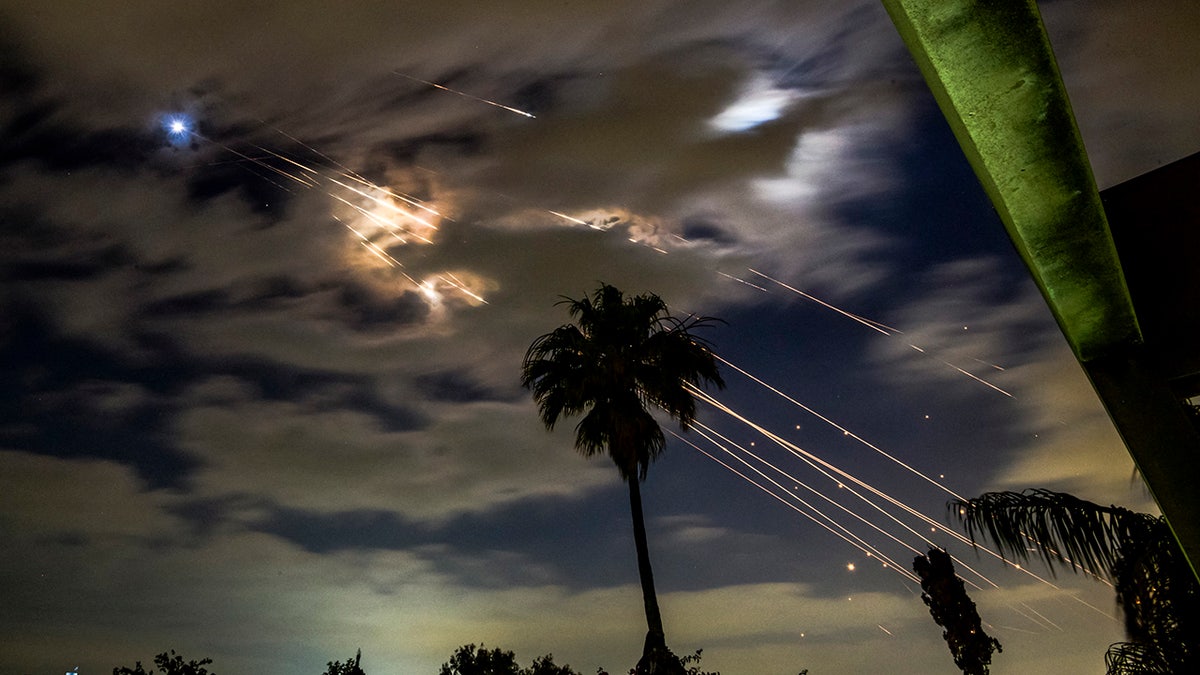
Israel’s air defense targets Iranian missiles in the sky of Tel Aviv in Israel, on June 16, 2025. (MATAN GOLAN/Middle East Images/AFP via Getty Images)
Danny Citrinowicz, a Middle East and national security expert at Institute for National Security Studies and a nonresident fellow at the Atlantic Council, said that imbalance is at the heart of the problem.
«There needs to be a change in the equation,» he told Fox News Digital. «The Iranians are launching drones that cost around $30,000, and we are using missiles that cost millions of dollars to intercept them. That gap is a very problematic one.»
He added that the same dynamic applies to ballistic missiles.
«Building a missile in Iran may cost a few hundred thousand dollars, while the interceptor costs millions, especially when we talk about systems like Arrow,» he said. «It’s easier and quicker to produce missiles than it is to build interceptors. That’s not a secret.»
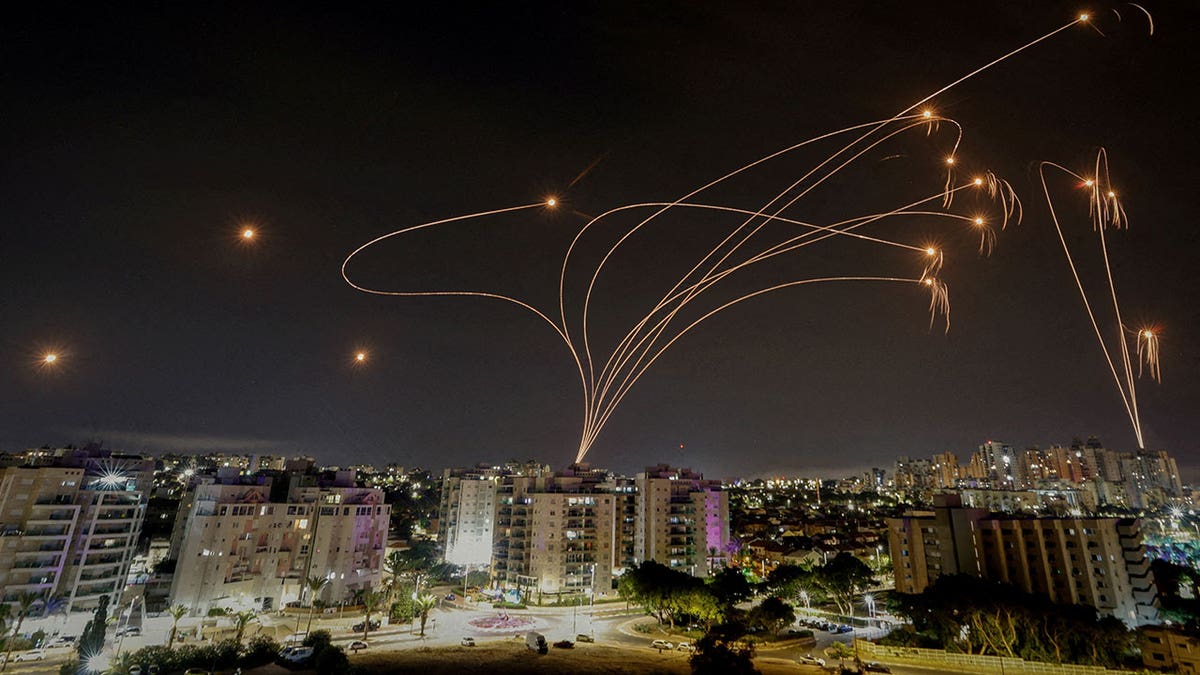
Israel’s Iron Dome anti-missile system intercepts rockets launched from the Gaza Strip, as seen from the city of Ashkelon, Israel, Oct. 9, 2023. (Amir Cohen/Reuters)
This cost imbalance is feeding into a broader concern: interceptor depletion.
The JINSA report warns that stockpiles across the region are already under strain. Some Gulf states have used a significant portion of their interceptor inventories, with estimates suggesting Bahrain may have expended up to 87% of its Patriot missiles, the United Arab Emirates and Kuwait have used roughly 75% and Qatar has used roughly 40%.
Israel is also facing mounting pressure. While officials have not publicly confirmed stockpile levels, the report notes signs of rationing, including decisions not to intercept certain cluster-munition threats in order to conserve more advanced interceptors.
PENTAGON ESTIMATES IRAN WAR COST $11.3B IN THE FIRST SIX DAYS IN CLOSED-DOOR CONGRESSIONAL HEARING: REPORT
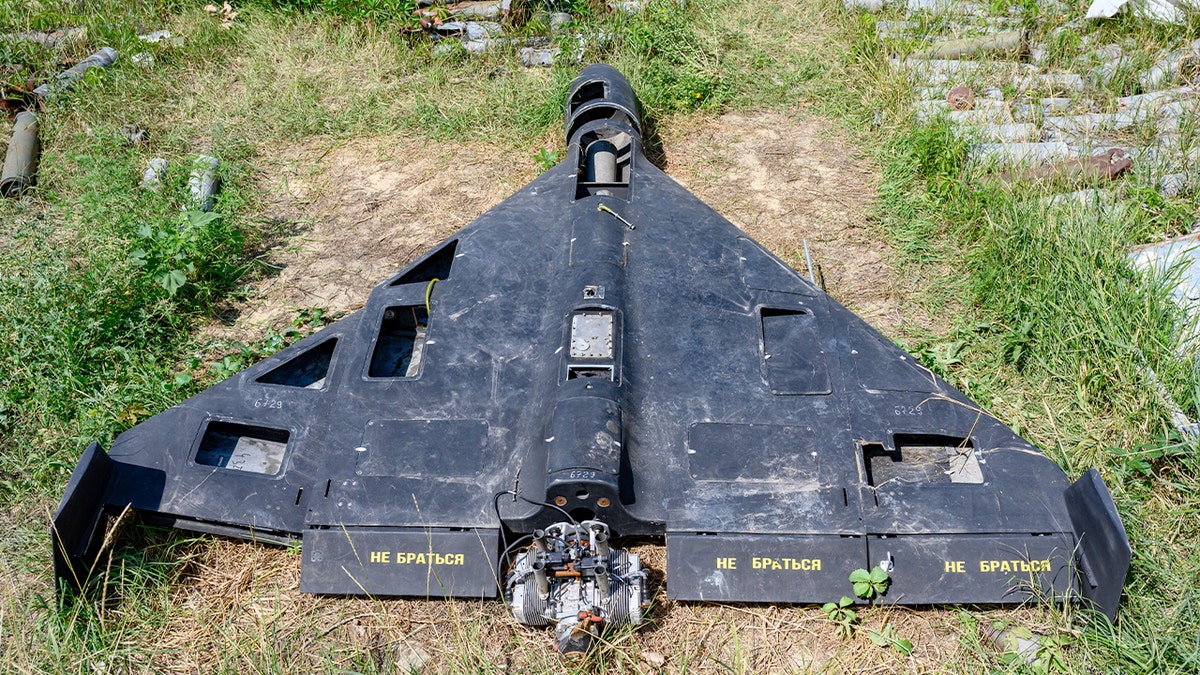
The remains of a Russian-made, Iran-designed Shahed-136 drone, known in Russia as a Geran-2, are displayed with other recovered drones, glide bombs, missiles and rockets in Kharkiv on July 30, 2025. (Scott Peterson/Getty Images)
Citrinowicz said that dynamics become more acute the longer the war continues.
«We are now several weeks into the war, and even if the salvos are limited, the issue of interceptors becomes more significant over time,» he said.
Iran has adapted its tactics accordingly, shifting from large barrages to smaller, more frequent attacks designed to maintain constant pressure while gradually draining defensive resources.
These persistent salvos, even if limited in size, force defenders to remain on high alert and continue expending interceptors, accelerating the depletion of already finite stockpiles.
The report underscores that drones pose a unique challenge compared to ballistic missiles.
Unlike missiles, which rely on large launchers and leave detectable signatures, drones can be launched from mobile platforms and can fly at low altitudes that make them harder for radar systems to detect.
For example, A Shahed-136 weighs roughly 200 kilograms and launches from an angled rail mounted on a pickup truck, after which the crew can quickly relocate. That simpler launch profile makes it easier for Iran to disperse, conceal and fire under pressure, the report stated.
Iran also has incorporated lessons from the war in Ukraine, deploying more advanced drones, including those guided by fiber-optic cables that are immune to electronic jamming, and faster variants powered by jet engines.
These innovations complicate interception timelines and increase the likelihood of successful strikes, even against otherwise effective defense systems.
INSIDE THE ISRAELI DRONE UNIT TAKING ON IRAN AND HEZBOLLAH
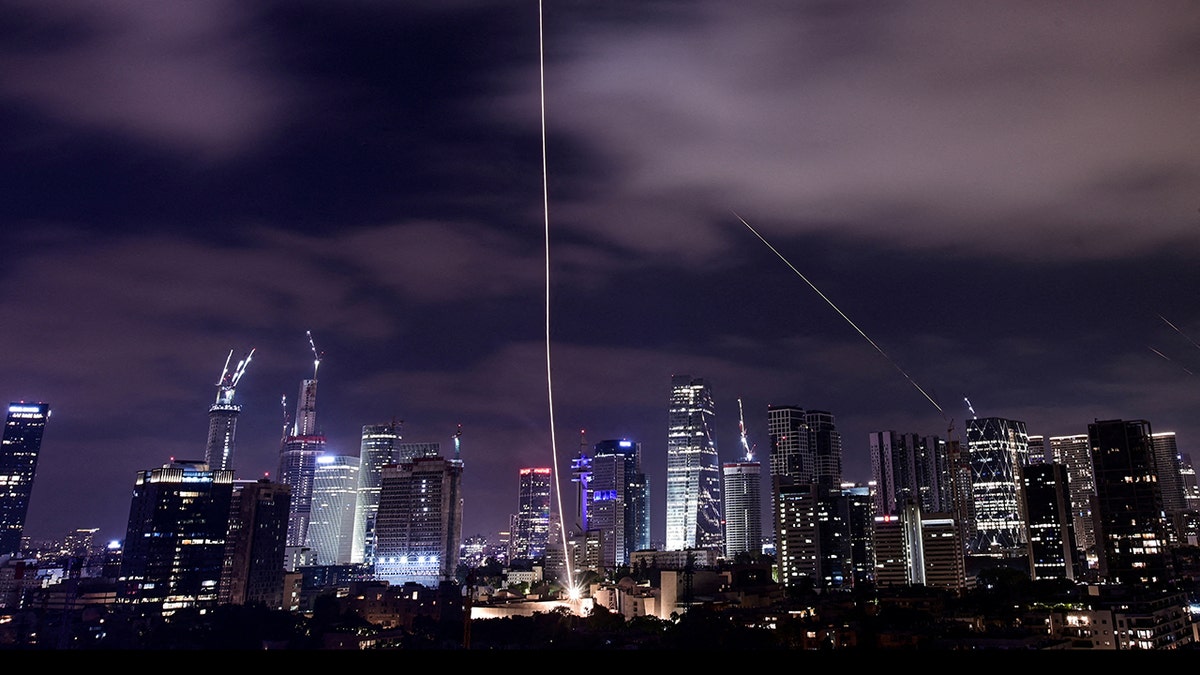
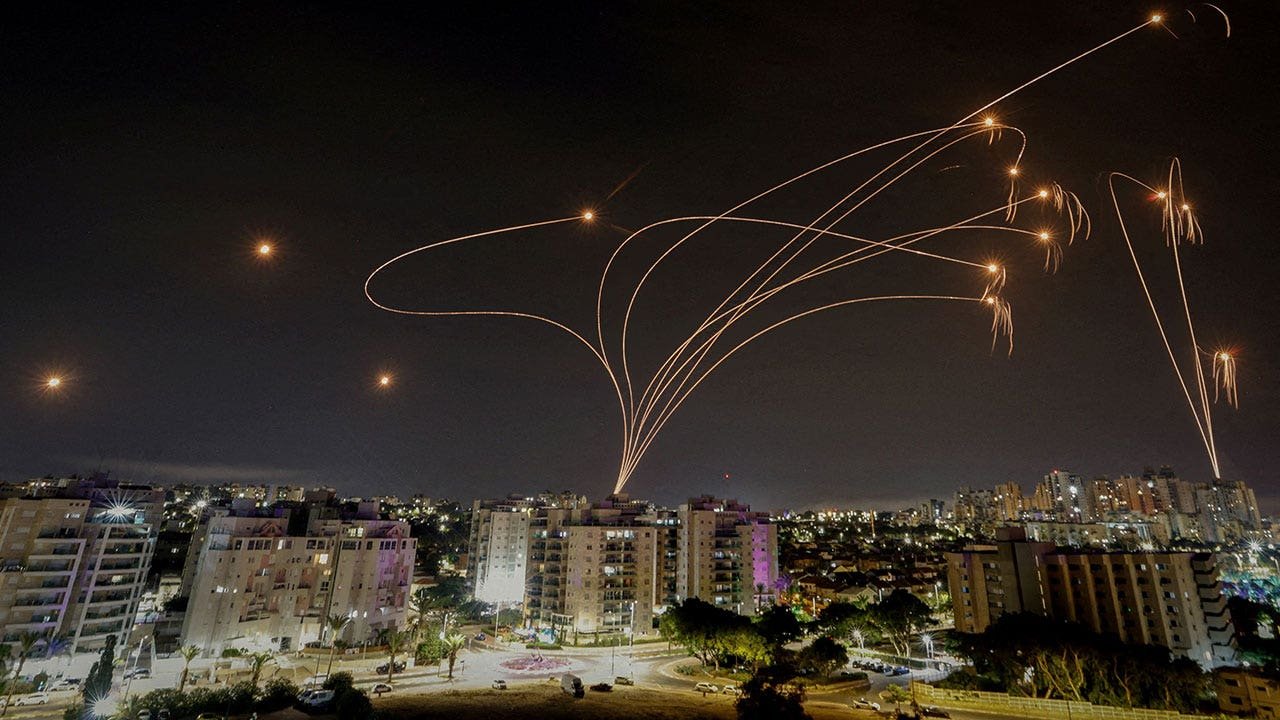
Missiles launched from Iran are intercepted as seen from Tel Aviv, Israel, June 15, 2025. (REUTERS/Tomer Neuberg)
Despite these challenges, the report emphasizes that the defensive architecture has not failed.
«The architecture has held, but the trajectory is moving in the wrong direction,» Cicurel said. «Reversing it requires moving assets to where the pressure is greatest, hunting Iranian launchers and drones more aggressively, and convoying ships through the Gulf.»
Even with high interception rates, the broader impact of the attacks is being felt.
Iranian strikes on energy infrastructure and shipping have driven oil prices higher and disrupted traffic through the Strait of Hormuz, demonstrating that air defense alone cannot prevent economic and strategic consequences.
The emerging picture is not one of failing defenses, but of a system under growing strain.
CLICK HERE TO DOWNLOAD THE FOX NEWS APP
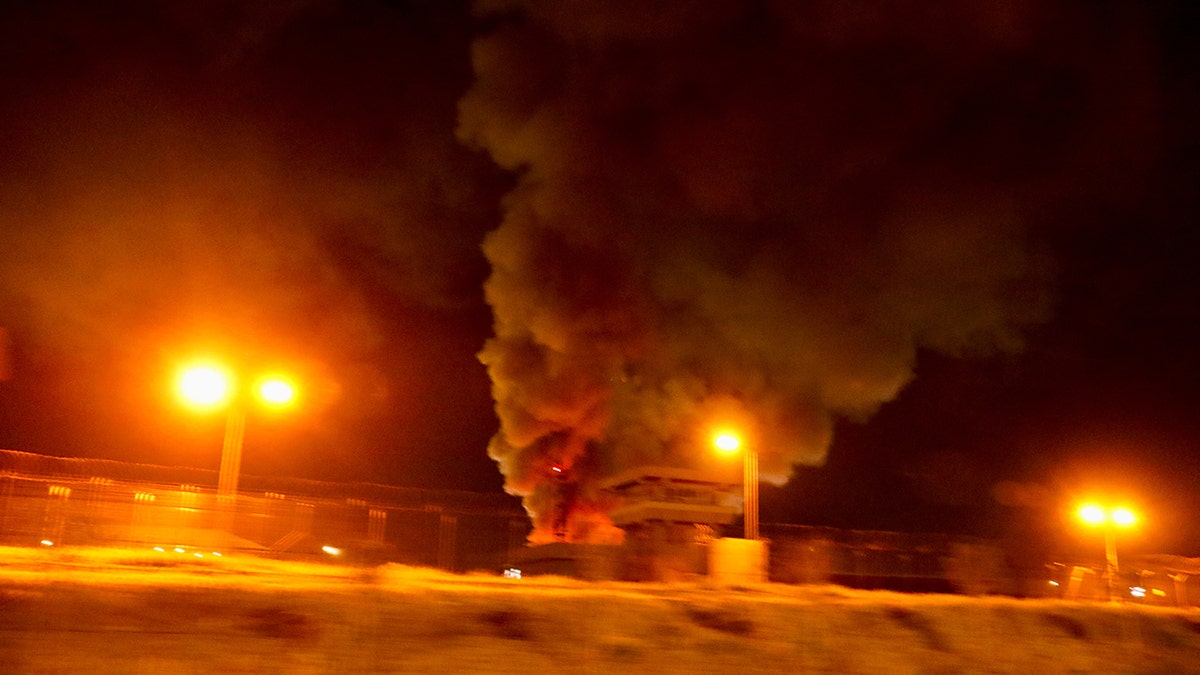
An explosion is reported near the U.S. Consulate and the Erbil International Airport area, where a U.S. military base is also located, in Erbil, Iraq, with fire breaking out and thick smoke rising following the blast, on march 12, 2026. (Ahsan Mohammed Ahmed Ahmed/Anadolu via Getty Images)
As long as Iran can produce cheap drones and missiles faster than the U.S., Israel and their partners can produce interceptors, the balance may gradually shift.
«As long as the war continues,» Citrinowicz said, «the key question will be whether Iran can produce missiles faster than we can produce interceptors.»
war with iran, drones, us air force, military, wars









INTERNACIONAL
Watchdog warns legal powerhouse has made far-left advocacy their ‘dominant focus’ over the last decade

NEWYou can now listen to Fox News articles!
A conservative watchdog group is adding fodder to the debate over whether the American Bar Association has become a politicized institution favoring the left.
A new report released by Trump-aligned lawfare group America First Legal, co-founded by one of the president’s top advisors, Stephen Miller, claims that the ABA’s Standing Committee on Amicus Curiae Briefs over the last decade has produced 80% of left-leaning liberal arguments, 20% neutral and non conservatively-aligned.
Meanwhile, in all 6 cases the ABA has filed amicus briefs involving Trump, the ABA went against the president or his allies.
President Donald Trump’s second term has included attacks against the ABA, arguing it has politicized its accrediting power, and has favored Democratic Party-backed candidates when vetting judicial nominees. The ABA’s size and legacy make it the premier trade association for the legal sector, but some conservatives fear the group’s power is becoming a «monopoly.»
REPUBLICANS CALL FOR TRUMP TO CUT OFF AMERICAN BAR ASSOCIATION
TKTK (Justin Sullivan/Getty Images)
«The ABA requires that amicus briefs be authorized by its Board of Governors and must be consistent with existing ABA policy or involve matters of ‘special significance to lawyers or the legal profession,’» a press release from AFL argued. «Briefs on birthright citizenship, transgender healthcare for minors, and the Texas heartbeat law fall well outside that mandate.»
Fox News Digital reached out to the ABA for comment on the allegations about its amicus filings, but did not receive a response in time for publication.
According to AFL’s audit, which scanned briefs filed between April 2016 and February 2026, there were a total of 87 filed. Seventy of them «favored a liberal or progressive outcome,» AFL argues, while none they came across were «conservative-aligned» the group added. The remaining covered what AFL described as neutral issues, such as a patent law case.
TRUMP LAWYER IN JACK SMITH CASE DRAWS CONSERVATIVE BACKING AFTER DOJ PRAISE RATTLES ‘ELITE’ LEGAL CONFERENCE
The audit also found that cases where Trump, or a Trump official, was named, and the ABA filed an amicus brief, every time they argued in the direction contrary to the Trump official or Trump himself.
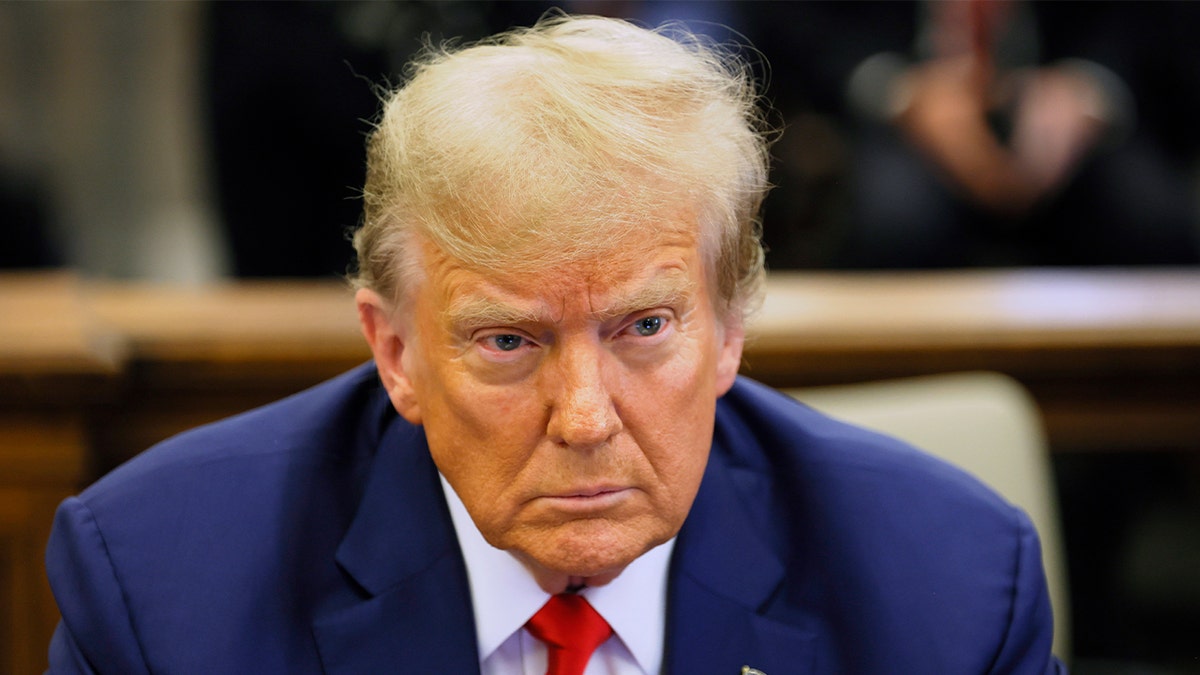
U.S. President Donald Trump sits in the courtroom during his civil fraud trial at New York Supreme Court on January 11, 2024 in New York City. (Michael M. Santiago)
«The ABA presents its amicus program as advancing the interests of the legal profession and the rule of law,» said Gene Hamilton, President of America First Legal.
«The data tells a different story,» Hamilton continued. «More than four in five briefs push a progressive agenda, immigration advocacy has become the program’s dominant focus, and the organization has not once — in ten years and across two Trump administrations — filed a brief that could be characterized as supportive of a conservative legal position. The ABA is not a neutral arbiter and should be treated no differently than any other liberal advocacy group.»
In President Trump’s second term, the Trump administration has taken several steps to push back against what it says is bias at the ABA. In February 2025, Federal Trade Commission Chairman Andrew Ferguson announced a new policy prohibiting FTC political appointees from holding leadership roles in the American Bar Association (ABA), participating in ABA events, or renewing their ABA memberships.
CLICK HERE TO GET THE FOX NEWS APP
That early action was also followed by several others, such as a May letter to the ABA’s president from Attorney General Pam Bondi indicating the Department of Justice would no longer be engaging in its traditional partnership related to vetting judicial nominees, citing «refusal to fix the bias in its ratings process, despite criticism.»
Meanwhile, in April, Trump signed an Executive Order that singled out the ABA and other powerful accrediting groups, warning that anyone engaging in unlawful discrimination would be refused federal recognition.
federal courts, law, politics, democratic party, republicans elections, supreme court, federal judges
INTERNACIONAL
Qué es la enfermedad de Huntington y en qué consiste el “puente secreto” que permite su avance en el cerebro

Crédito del video: Emaad Mirza, Universidad Atlántica Florida
La enfermedad de Huntington es un trastorno poco frecuente y hereditario que provoca movimientos involuntarios y problemas de memoria. Afecta el cerebro poco a poco y suele aparecer en adultos jóvenes o de mediana edad.
Científicos de los Estados Unidos y México consiguieron identificar que la proteína tóxica de Huntington no queda atrapada en una sola neurona, sino que se desplaza entre células.
Lo hacen al usar nanotubos de membrana, que son canales microscópicos que permiten que la enfermedad avance silenciosamente en el cerebro.
A traves de un estudio publicado en Science Advances, investigadores de la Universidad Atlántica de Florida, de los Estados Unidos, y la Universidad Nacional Autónoma de México, entre otras instituciones, demostraron que las proteínas Rhes y SLC4A7 son esenciales para que se formen esos nanotubos y la huntingtina mutada pueda moverse de una neurona a otra.
Al bloquear SLC4A7, los nanotubos desaparecen y la proteína dañina deja de propagarse. El resultado señala un nuevo camino para desarrollar tratamientos que detengan la enfermedad de Huntington, al impedir que la proteína se extienda por el cerebro y cause más daño.

La enfermedad de Huntington (EH) se produce por una mutación en el gen de la huntingtina, ubicado en el cromosoma 4.
Esta alteración genera una producción anormal de la proteína, que daña progresivamente ciertas áreas del cerebro responsables del control motor, las emociones y las capacidades cognitivas, explicó a Infobae la doctora María Eugenia González Toledo, coordinadora médica General de INECO.
Uno de los grandes desafíos científicos era comprender cómo la huntingtina mutada pasaba de una neurona a otra y expandía el daño cerebral. Durante mucho tiempo, los científicos sospecharon que la proteína no se limitaba a una sola célula, pero no sabían cómo lograba viajar y empeorar la enfermedad. Por eso, los investigadores que publicaron en Science Advances intentaron averiguar si la proteína tóxica usaba caminos físicos y directos entre células, además de las conocidas señales químicas.
Entender ese proceso resultaba clave para imaginar nuevas terapias que pudieran bloquear la expansión del daño desde el principio.

En el laboratorio, los investigadores detectaron que dos proteínas, Rhes y SLC4A7, colaboran en la superficie de las neuronas. Rhes actúa como activador y SLC4A7 regula el equilibrio interno de la célula. Juntas, permiten que se formen los nanotubos de membrana, canales tan pequeños que solo pueden verse con microscopios especiales.
A través de esos nanotubos, la proteína dañina viaja rápidamente entre neuronas, extendiendo la enfermedad.
Srinivasa Subramaniam, uno de los investigadores, dijo: “Este trabajo cambia fundamentalmente la manera en que pensamos sobre la progresión de la enfermedad de Huntington”.

El equipo bloqueó SLC4A7 mediante herramientas genéticas y medicamentos. Cuando esta proteína no funcionaba, los nanotubos de membrana no se formaban y la huntingtina mutada quedaba atrapada en la célula original.
Lo mismo ocurrió en células en laboratorio y en cerebros de ratones modificados para el estudio.
En los ratones sin SLC4A7, la transferencia de la proteína tóxica en el cerebro se redujo, especialmente en el estriado, la región más afectada por la enfermedad.

Estos resultados apoyaron la idea de que cortar estos puentes puede frenar el avance de la patología.
La investigación sugirió que la colaboración entre Rhes y SLC4A7 resulta esencial para que la proteína dañina se propague.
Subramaniam mencionó que “al identificar SLC4A7 como socio clave de Rhes, hemos descubierto un nuevo objetivo potencial para detener esa propagación en su origen”.

El descubrimiento de los nanotubos de membrana tiene implicancias en otras enfermedades, ya que también aparecen en trastornos neurodegenerativos y en cáncer.
En esas afecciones, también las células usan rutas similares para pasar señales y defenderse de medicamentos. Así, el mecanismo podría repetirse en distintos tipos de daño cerebral.
Los científicos sostuvieron que desarrollar medicamentos para bloquear SLC4A7 puede ser clave para impedir la formación de nanotubos y la transmisión de la proteína mutada.

Aclararon que, aunque los resultados en células y ratones son prometedores, falta probar la seguridad y eficacia en seres humanos.
Sin embargo, los resultados del estudio despiertan más esperanza para favorecer el desarrollo de mejores terapias que no solo de la enfermedad de Huntington, sino también de otras afecciones cerebrales y algunos tipos de cáncer.
cerebro,congelado,investigación,ciencia,laboratorio,neurociencia,criogenia,científico,muestra,experimento
INTERNACIONAL
Guerra entre Estados Unidos, Israel e Irán: qué es el estrecho de Ormuz y por qué es importante para la economía mundial
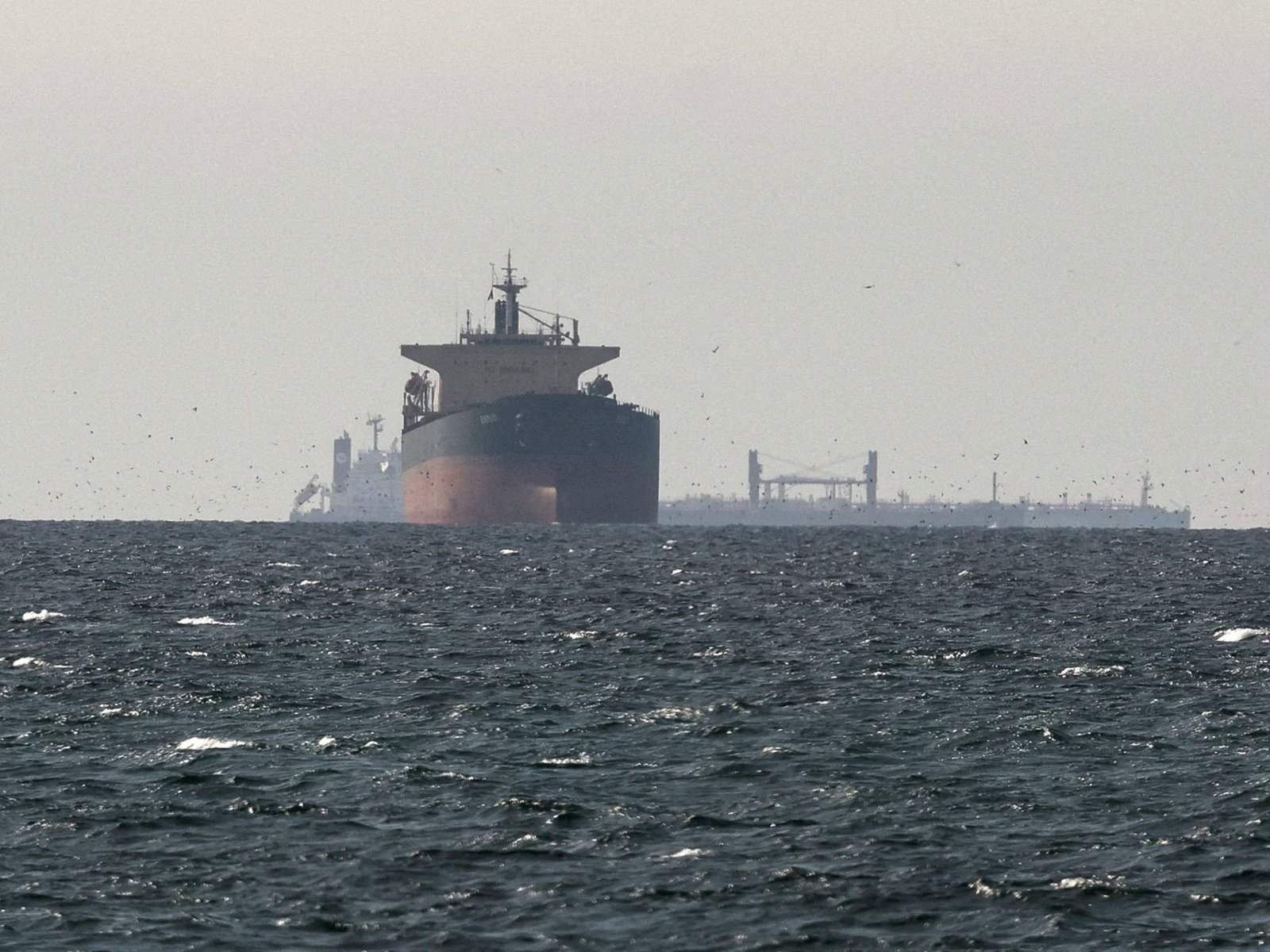
El estrecho de Ormuz, que se ubica entre Omán e Irán, funciona como una de las rutas marítimas más importantes del mundo. A través de este paso circula cerca del 20% del petróleo que se comercia globalmente, según datos de la Agencia Internacional de Energía (IEA). Su geografía angosta y su posición estratégica lo convierten en un punto crítico para el transporte de hidrocarburos.
Cada día, buques cisterna transportan millones de barriles de crudo y gas natural licuado desde países del Golfo Pérsico hacia Asia, Europa y América. Este paso no solo concentra rutas energéticas, sino también tensiones militares, como las que ocurren a diario en la guerra que enfrenta a Estados Unidos e Israel con Irán.
El estrecho conecta el Golfo Pérsico con el Golfo de Omán y el mar Arábigo. Tiene una ancho de apenas 39 kilómetros en su parte más angosta. En tiempos de paz, por allí cruzan embarcaciones que transportan más de 17 millones de barriles diarios de petróleo, de acuerdo con datos del portal BBC. Arabia Saudita, Irak, Emiratos Árabes Unidos, Kuwait y Catar dependen de esta vía para exportar sus recursos energéticos.
La República Islámica mantiene el estrecho bloqueado para sus «enemigos» desde el comienzo de la guerra que comenzaron Estados Unidos e Israel el 28 de febrero, aunque permite el paso de petroleros de lo que considera países amigos, como Tailandia o la India.
Su importancia geopolítica es tal que el cierre total o parcial del estrecho afecta la cadena de suministro energético global y golpea especialmente a las economías más dependientes del crudo importado, como India, Japón o Alemania.
Durante casi 50 años, Arabia Saudita preparó un plan ante el eventual cierre del estrecho de Ormuz. Se trata de un oleoducto de 1.200 kilómetros, construido en la década de 1980, que se convirtió en un personaje fundamental en el actual conflicto de Medio Oriente.
Cruzando a lo ancho la Península Arábiga desde los masivos campos petroleros de Arabia Saudita en el este del país, este oleoducto este-oeste desemboca en el puerto de Yanbu, en el Mar Rojo, una moderna ciudad industrial donde una enorme flota de petroleros se está concentrando para cargar crudo saudí, con más barcos llegando cada día.
El bloque del estrecho de Ormuz desató una crisis energética mundial. Los precios de las materias primas se dispararon, y todo, desde los metales hasta el transporte y el combustible para cocinar, aumentaron.
El crudo Brent alcanzó algunos de sus niveles más altos desde la invasión rusa de Ucrania en 2022, subiendo un 55% en las tres semanas transcurridas desde que comenzó la guerra, cerrando a 112,19 dólares el barril el último viernes. Este lunes el crudo cayó tras los anuncios de Trump de negociaciones con Irán, algo que Teherán sin embargo desmintió.
A más largo plazo, esto podría remodelar la industria en Medio Oriente, obligando a los productores a fijarse en la resistencia y seguridad de las operaciones, y en la necesidad de opciones adicionales. Omán ofrece su remoto puerto de Duqm como centro regional alternativo.
Empresas respaldadas por el gobierno están desarrollando instalaciones de almacenamiento de petróleo con capacidad para albergar potencialmente decenas de millones de barriles si se construyen totalmente. Aunque Duqm se abastece actualmente por barco, un oleoducto de longitud similar al este-oeste podría llevar el petróleo saudí desde Abqaiq hasta las costas del Mar Arábigo.
El comandante de la Armada iraní Alireza Tangsiri, del Cuerpo de la Guardia Revolucionaria Islámica, murió en un ataque en la ciudad portuaria de Bandar Abás, cerca del estrecho de Ormuz, según informó este jueves el Ejército israelí, cuando la guerra el Golfo ya entra en el día 27.
Tangsiri era el responsable del cierre del tránsito internacional de mercancías por el estrecho. Asumió el mando de la Fuerza Naval del Cuerpo de la Guardia Revolucionaria Islámica en agosto de 2018, nombrado directamente por el Líder Supremo, el ayatolá Alí Khamenei.
Es un veterano de la guerra entre Irán e Irak (1980-1988), con una larga carrera centrada en operaciones navales en el Golfo.
Debido a su rol en el programa de misiles y las actividades de desestabilización regional, fue objeto de sanciones por parte de Estados Unidos (desde 2019) y otros países occidentales.

Watchdog warns legal powerhouse has made far-left advocacy their ‘dominant focus’ over the last decade

Murió tras un infarto en La Dulce y los vecinos denuncian falta de médicos: “No podemos tener un horario para enfermarnos”

El dato que explica por qué la nafta nunca baja en Argentina y afecta a millones de conductores

Vialidad: la fiscalía busca impedir nuevas movilizaciones a la casa donde Cristina Kirchner cumple prisión domiciliaria

Qué es la enfermedad de Huntington y en qué consiste el “puente secreto” que permite su avance en el cerebro

Noelia Castillo Ramos fijó a qué hora morirá y lanzó un desgarrador pedido antes de la eutanasia: “Quiero hacerlo sola”

¡VERGÜENZA NACIONAL! Humillan a la Policía Federal mandándolos a un merendero antes de darles un aumento de sueldo digno

El mensaje de Milei sobre la “traición” que llamó la atención en el Gobierno y también en la oposición

24 DE MARZO: La historia completa que el relato omitió sobre el golpe de 1976 y el Juicio a las Juntas

El Presidente y Karina Milei volvieron a respaldar a Manuel Adorni tras la polémica por sus vuelos

 POLITICA18 horas ago
¡VERGÜENZA NACIONAL! Humillan a la Policía Federal mandándolos a un merendero antes de darles un aumento de sueldo digno
- POLITICA3 días ago
El mensaje de Milei sobre la “traición” que llamó la atención en el Gobierno y también en la oposición
- POLITICA2 días ago
24 DE MARZO: La historia completa que el relato omitió sobre el golpe de 1976 y el Juicio a las Juntas