INTERNACIONAL
FLASHBACK: Trump’s ‘Liberation Day’ tariffs hit one-year mark as economists split on fallout

NEWYou can now listen to Fox News articles!
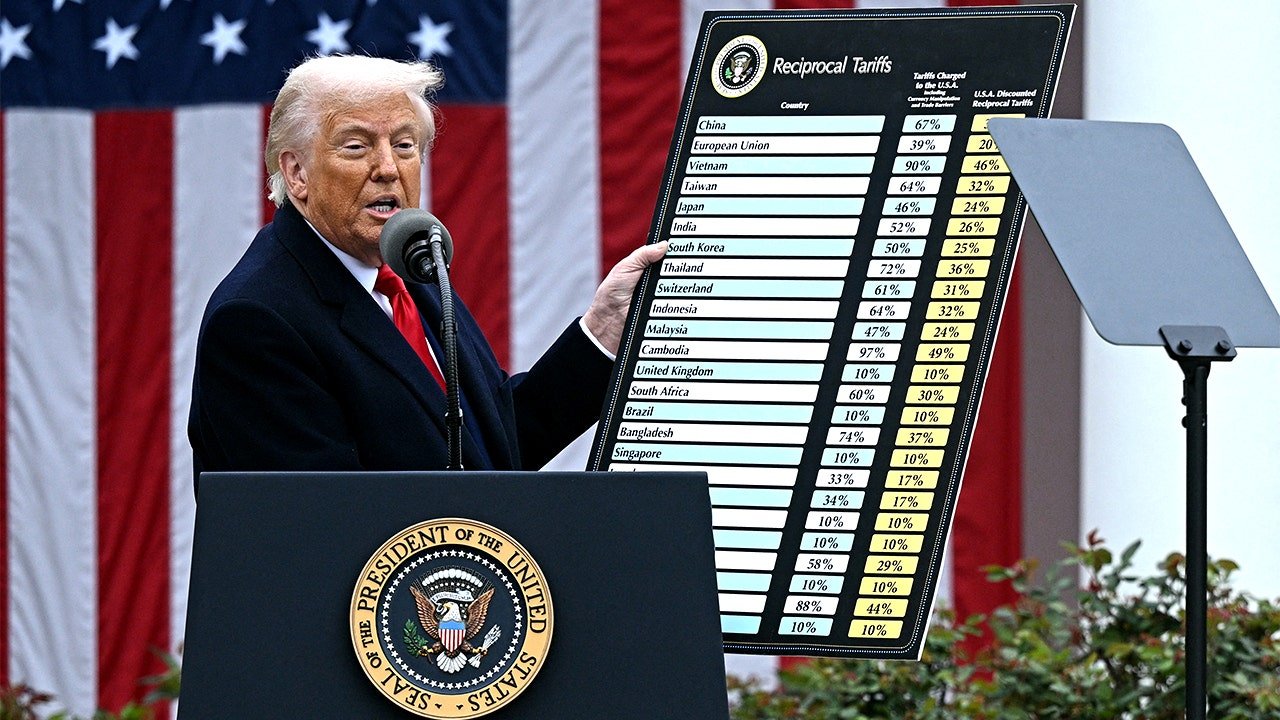
A year ago today, President Donald Trump announced a sweeping new round of global tariffs, escalating trade tensions with key allies and adversaries alike, raising fresh concerns about the outlook for the U.S. and global economy.
The «Liberation Day» tariffs were introduced as a broad set of import taxes that Trump said would correct long-standing trade imbalances and reduce U.S. reliance on foreign goods.
In the months that followed, markets experienced bouts of volatility as businesses and investors adjusted to the shifting trade landscape. Policymakers and economists, meanwhile, debated the longer-term impact on growth, inflation and global trade flows.
Many economists warned of potential consequences, including higher prices, slower growth and rising uncertainty for businesses and investors.
TRUMP SAYS US WOULD BE ‘DESTROYED’ WITHOUT TARIFF REVENUE
President Donald Trump announced his «Liberation Day» tariffs on April 2, 2025, at the White House. (Brendan Smialowski/AFP/Getty Images)
But not everyone agreed.
«Trump proved 12 Nobel Prize economists wrong,» economist Stephen Moore told Fox News Digital.
«Inflation didn’t rise. Why? Because the tax cuts, deregulation and ‘drill, baby, drill’ policies lowered prices and offset the tariffs,» added Moore, a former Trump adviser and co-founder of the free-market advocacy group Unleash Prosperity.
But Moore’s view was not widely shared. Here’s a look back at what other economists said at the time.
Larry Summers
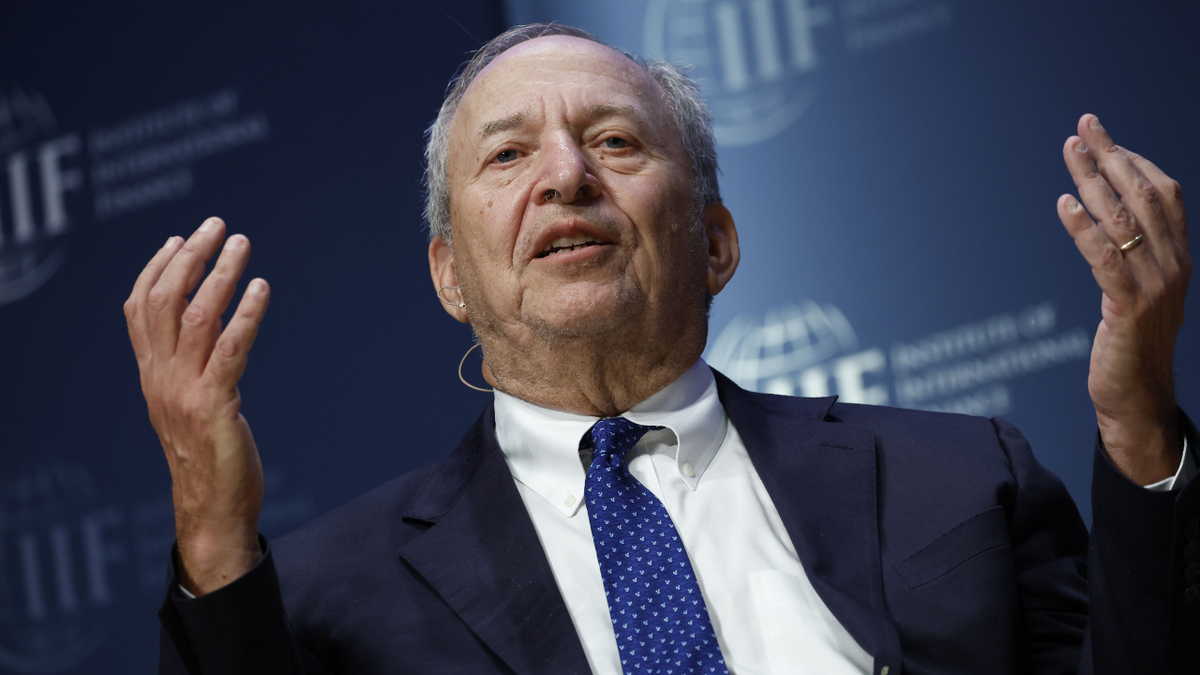
Lawrence Summers, former president emeritus and professor at Harvard University, called the tariff policy «masochistic.» (Ting Shen/Bloomberg via Getty Images)
Former Treasury Secretary Larry Summers called the ‘Liberation Day’ tariffs «masochistic,» saying they were the worst levy the U.S. had imposed in decades.
«Never before has an hour of Presidential rhetoric cost so many people so much,» Summers wrote on X. «The best estimate of the loss from tariff policy is now closer to $30 trillion or $300,000 per family of four.»
Paul Krugman
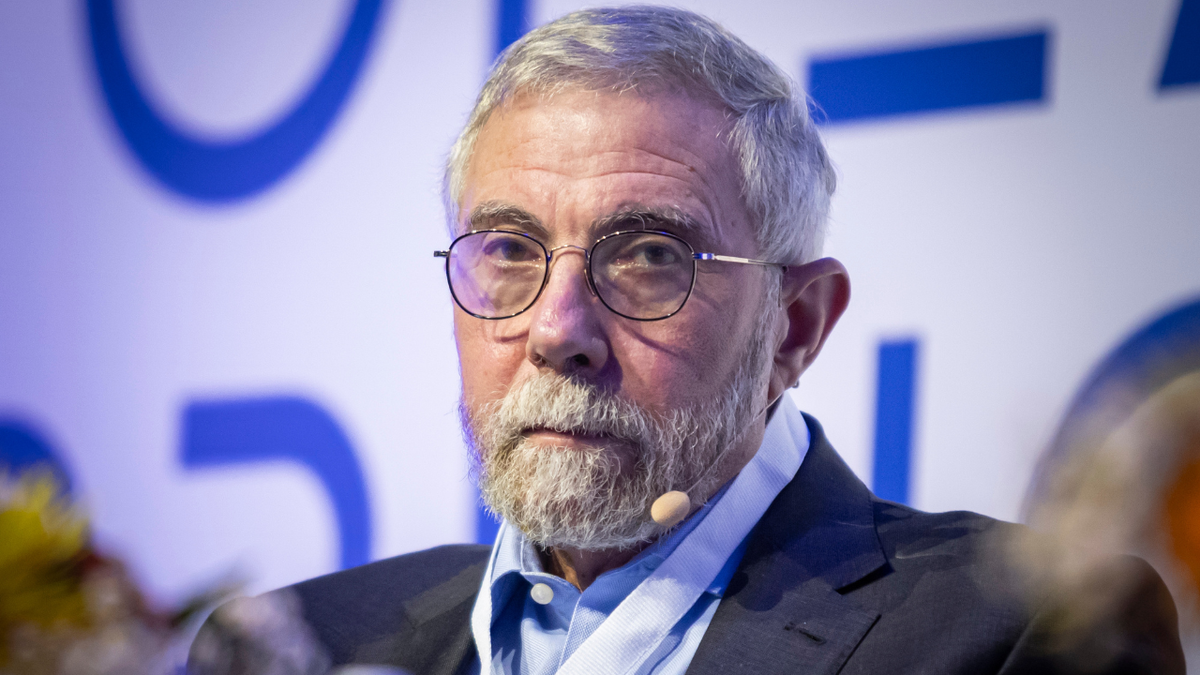
Paul Krugman, a Nobel laureate, said Trump had «gone full-on crazy» after the ‘Liberation Day’ tariffs were announced. (Gene Medi/NurPhoto via Getty Images)
Paul Krugman, a Nobel Prize–winning economist, said Trump had «gone full-on crazy» in the hours after the «Liberation Day» tariffs were announced.
«If you had any hopes that Trump would step back from the brink, this announcement, between the very high tariff rates and the complete falsehoods about what other countries do, should kill them,» Krugman, a former MIT and Princeton University professor, wrote in his Substack newsletter.
Christine Lagarde
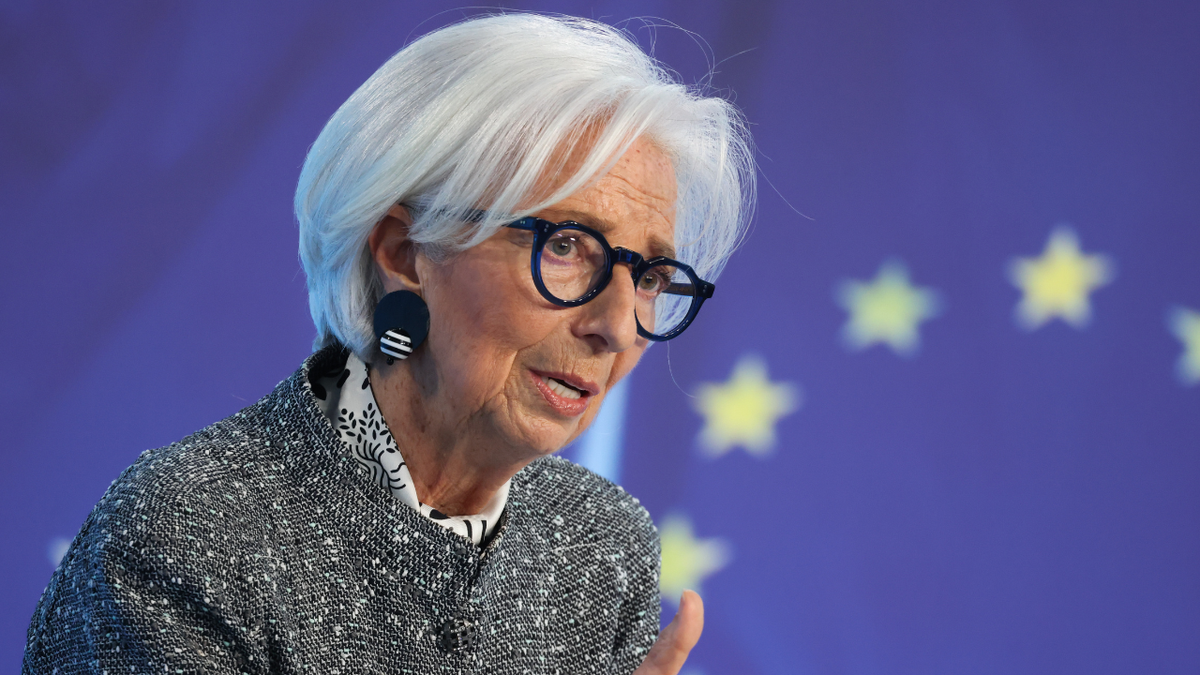
Christine Lagarde, president of the European Central Bank (ECB), at a rates decision news conference in Frankfurt, Hesse, Germany, on Thursday, March 19, 2026. (Alex Kraus/Bloomberg via Getty Images)
Christine Lagarde, president of the European Central Bank, warned that the tariffs would be «negative the world over,» in an interview with Ireland’s Newstalk.
She said Trump’s trade policy would weigh on global growth and carry broad consequences.
«It will not be good for the global economy, and it will not be good for those who impose the tariffs or those who retaliate,» Lagarde said.
Joseph Stiglitz
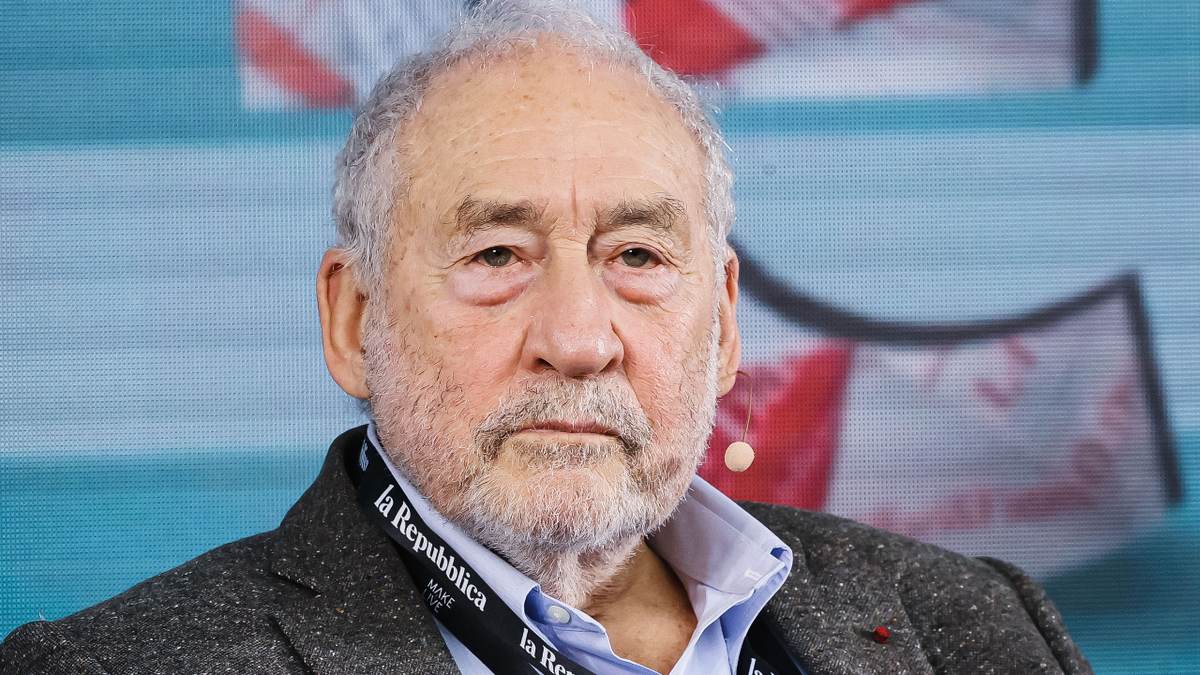
Joseph Stiglitz said the Trump administration’s tariffs would «crater the economy.» (Alessandro Bremec/NurPhoto via Getty Images)
Economist Joseph Stiglitz said Trump’s tariff threats have made the U.S. «a scary place to invest» and could unleash stagflation. Stagflation refers to a combination of slow economic growth and rising prices. Stiglitz, a Columbia University professor and former World Bank economist, warned in an interview with The Guardian that he does not see a strong economic outlook ahead.
«I cannot see a really robust economy,» said Joseph Stiglitz, former chair of President Bill Clinton’s Council of Economic Advisers. «I see the global economy suffering greatly from the uncertainty that Trump poses.»
He also said the inflation triggered by the tariffs is moving in the wrong direction and that the only thing the Trump administration will succeed in doing is «to crater the economy.»
Jared Bernstein
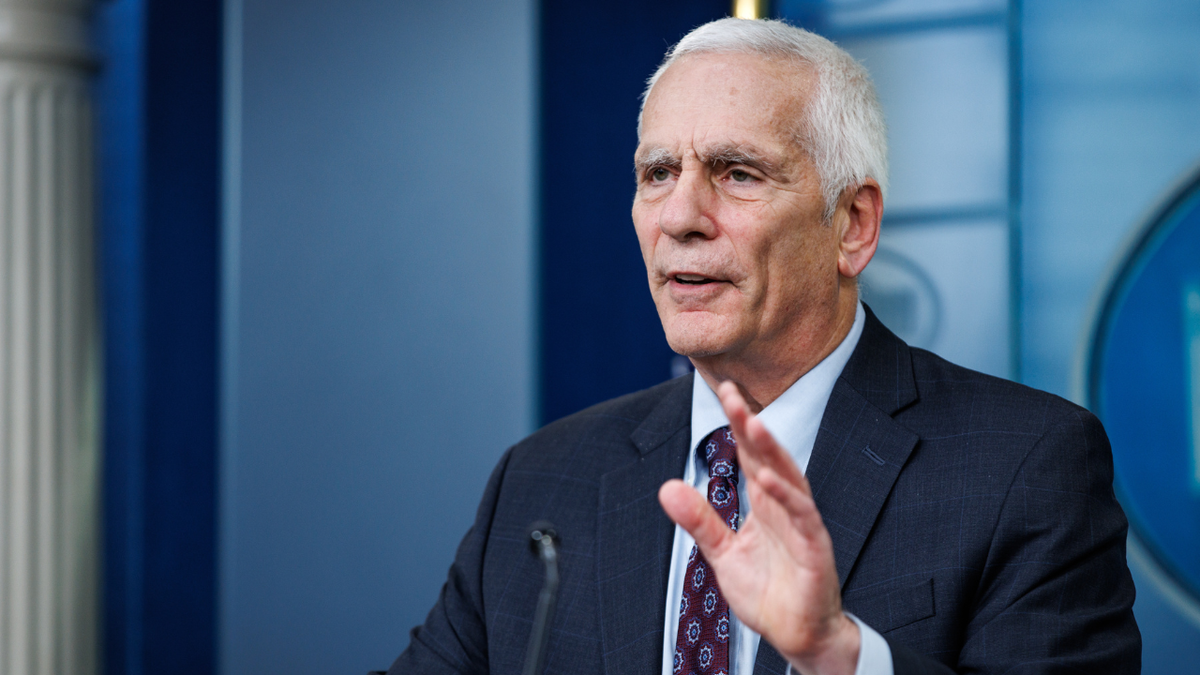
Jared Bernstein, chair of the White House Council of Economic Advisors, said the Trump administration may reverse course on tariffs if economic pressures intensify. (Samuel Corum/Sipa/Bloomberg via Getty Images)
Jared Bernstein, the former White House chief economist under President Joe Biden, said the U.S. is a «large, dominant economy» that is relatively closed, meaning it relies less on trade than most countries.
«That means, as Trump has argued, we can hurt other countries more than they can hurt us,» Bernstein said. «But he hasn’t offered a clear rationale for why we should start a trade war with traditionally reliable partners like Canada, Mexico, Japan, and Europe.»
Bernstein said Trump may reverse course if mounting economic pressures—such as higher inflation, slower growth, falling stock prices and rising recession risks—intensify from the tariffs.
«So far, that may have been the approach in Trump’s first term; it doesn’t appear to be the approach this time around,» he said.
Mohamed El-Erian
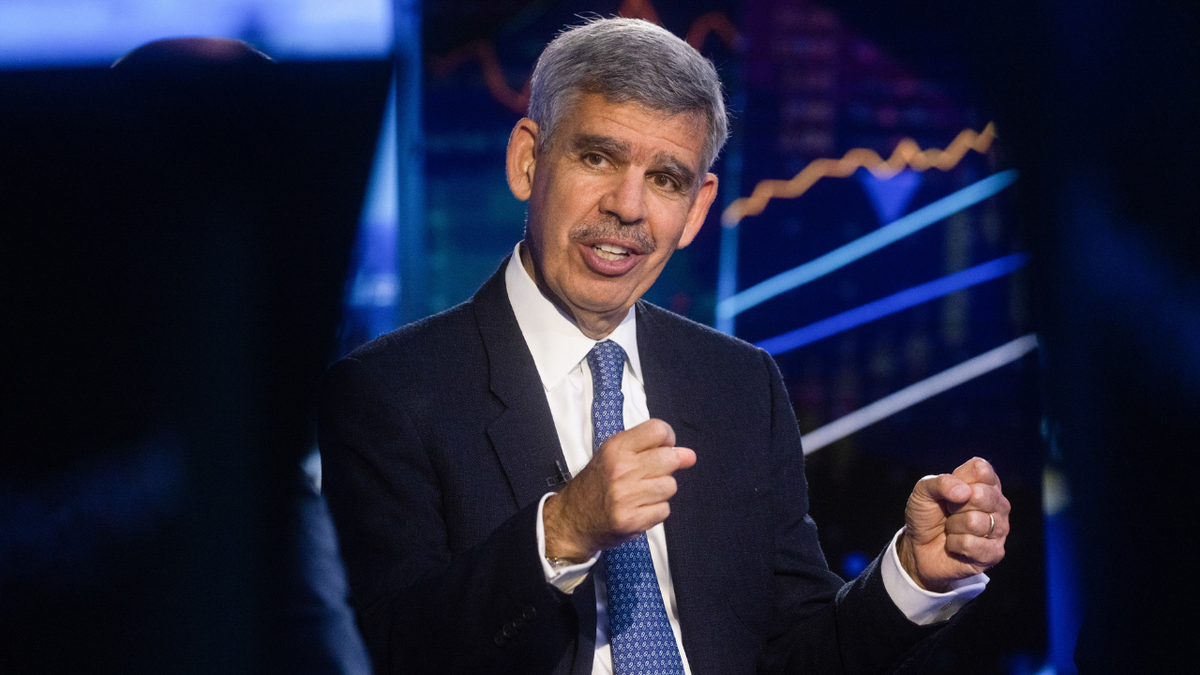
Mohamed El-Erian, chief economic advisor for Allianz, said the U.S. economy could adjust to the tariffs provided the White House shared more details about the trade policy. (Chris Ratcliffe/Bloomberg via Getty Images)
Allianz chief economic adviser Mohamed El-Erian called for clarity from the White House. «If we get clarity on this, this is an economy that can adjust,» he told FOX Business.
El-Erian, the former CEO of bond giant PIMCO, wrote on X that «the price action in global financial markets in the immediate aftermath of the U.S. tariff announcement points to major worries about global economic growth.»
Bill Gross
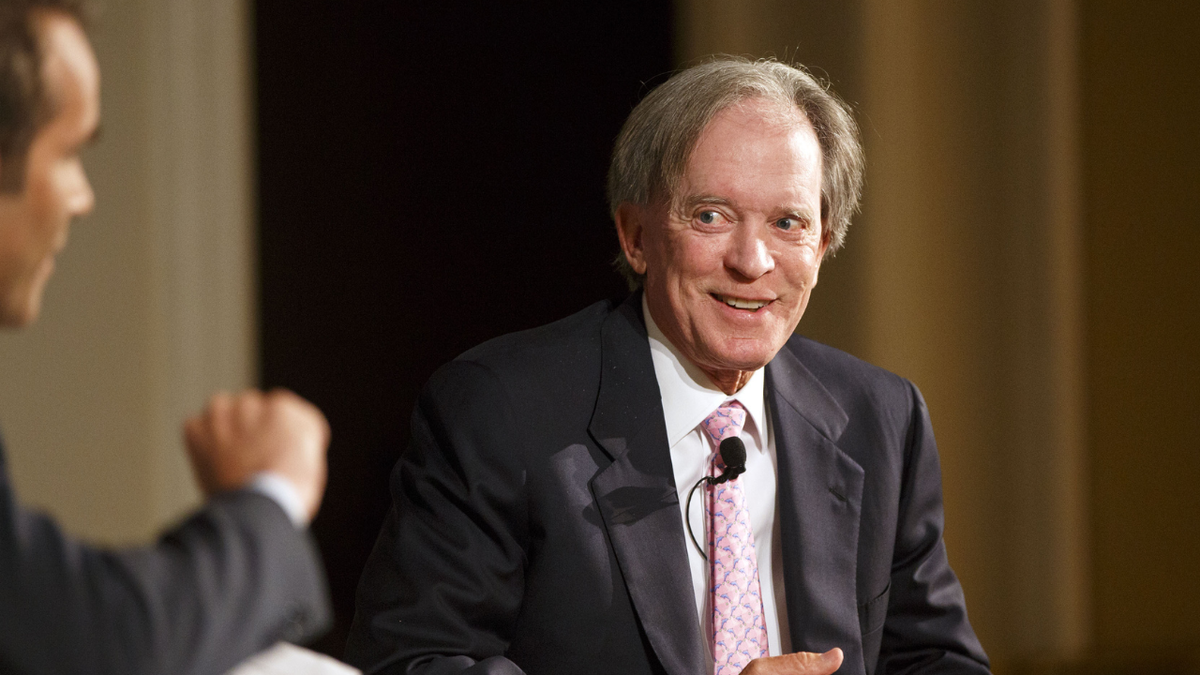
Bill Gross, co-founder of PIMCO, said he did not believe Trump would reverse course on tariffs, even if there was economic pressure. (Patrick T. Fallon/Bloomberg via Getty Images)
Bill Gross, the co-founder of Pacific Investment Management Co., known as Pimco, said the latest round of tariffs is «similar to going off the gold standard in 1971″—an «epic» shift that markets won’t quickly recover from.
«It’s not something where you can time a market bottom quickly,» Gross told CNBC. «It’s something we’re going to have to live with as long as President Trump maintains this stance.»
CLICK HERE TO DOWNLOAD THE FOX NEWS APP
Gross, dubbed the «Bond King,» added that he does not expect Trump to reverse course. «To be very blunt, President Trump is a macho male, and this macho male is not going to back down tomorrow simply because the Nasdaq is down 5%,» he said.
trade, economy, donald trump, politics










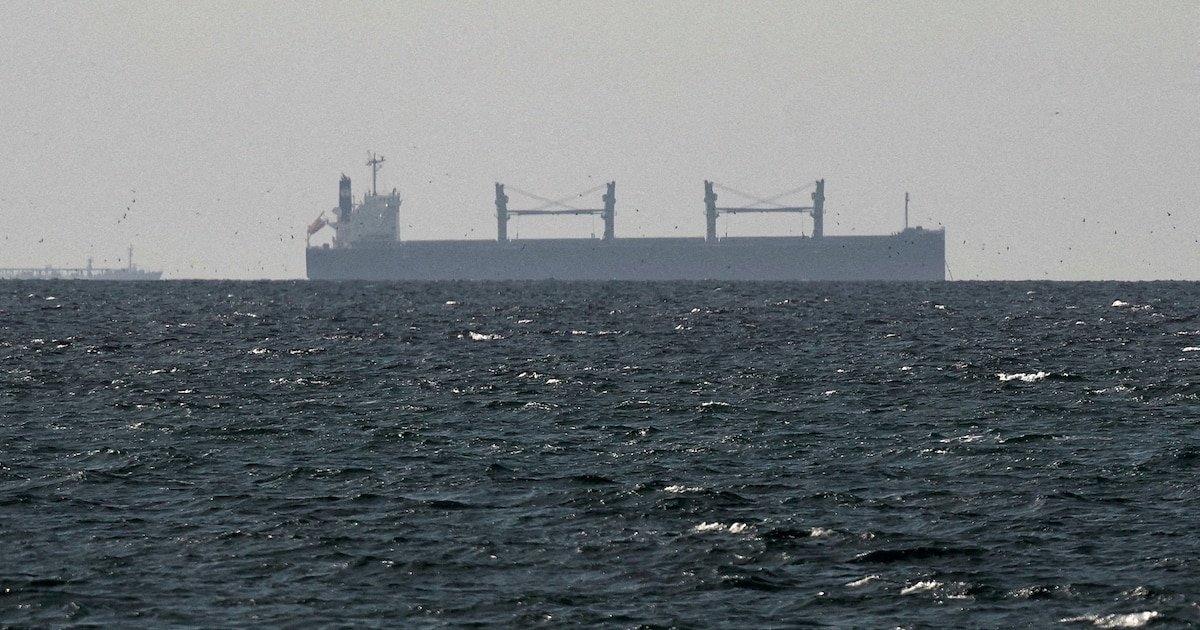
Las empresas navieras de Grecia, los Emiratos Árabes Unidos y China son las más afectadas por el cierre del estrecho de Ormuz, según datos de Bloomberg y de organizaciones de tráfico marítimo.
Alrededor de 670 buques de carga enviaron señales desde el oeste del estrecho de Ormuz durante el último día, de los cuales 120 pertenecían a empresas de los cercanos Emiratos Árabes Unidos, lo que representa alrededor del 18 % del total.
La guerra estalló el 28 de febrero cuando Estados Unidos e Israel lanzaron ataques contra Irán, lo que desencadenó ataques de represalia en toda la región, con las fuerzas de Teherán apuntando a esta crucial vía marítima.
Las cifras podrían subestimar los totales reales, ya que es posible que algunos buques hayan apagado sus transpondedores.
Grecia
Después de los Emiratos Árabes Unidos, el siguiente en la lista es Grecia: sus empresas cuentan con al menos 75 buques de carga que se encuentran en el estrecho desde el inicio de la guerra, alrededor del 12 % del total.
De esos buques, unos 30 son petroleros o gaseros, según un análisis de datos de Bloomberg, que recopila información de diversas organizaciones.
China

Los países asiáticos se han visto muy afectados por el cierre.
Las empresas chinas cuentan con 74 buques de carga en la zona, 25 de los cuales son petroleros y gaseros. El resto son buques de carga seca a granel, como los portacontenedores.
Japón
Las empresas japonesas tienen al menos 23 buques de petróleo y gas y 16 buques de carga seca en el estrecho.
Además, 25 buques de Hong Kong —13 de petróleo y gas, 12 de carga seca— también se encuentran en la región.
India

Las empresas con sede en la India cuentan con 24 buques de petróleo y gas en la zona.
Las empresas de Singapur y Corea del Sur también se han visto afectadas, con 29 y 22 buques de mercancías, respectivamente, atascados desde que comenzó la guerra.
Vietnam tiene tres grandes buques de transporte de gas en la zona.
Petróleo y gas

Alrededor de 50 superpetroleros (VLCC) parecen estar varados, junto con 11 supergaseros.
Corea del Sur cuenta con siete de los VLCC, las empresas de China y Japón cuentan con seis cada una, y Grecia con cinco.
Buques vinculados a Irán

De las 225 travesías realizadas por buques de carga desde el inicio de la guerra, más de 40 fueron de buques iraníes, según datos de la empresa de inteligencia marítima Kpler.
Otras 60 fueron de buques que no enarbolan pabellón ni son propiedad directa de Irán, pero que están sancionados por Estados Unidos en el marco de su programa sobre Irán.
Travesías griegas y chinas
Unas 35 travesías han sido realizadas por buques de propiedad griega, incluidas ocho de una sola empresa, Dynacom Tankers Management Ltd.
Al menos 20 buques afiliados a China y 13 vinculados a la India han realizado el trayecto.
Algunos buques parecen haber cruzado el estrecho a través de un sistema de verificación en el que Irán concede paso seguro a ciertos buques de países amigos.
Buques estadounidenses en el punto de mira
Cientos de buques parecen estar esperando a que pase la guerra, dados los altísimos costos de los seguros y el peligro para la vida y la carga.
De los buques en la zona que informaron de ataques o actividades sospechosas, alrededor de la mitad estaban vinculados a Europa o a Estados Unidos, según el Servicio de Operaciones de Comercio Marítimo del Reino Unido y la información sobre la propiedad disponible públicamente.
(Con información de AFP)
Middle East
NEWYou can now listen to Fox News articles!
Top congressional Democrats, party campaign arms and allied groups are suing President Donald Trump and his administration over a sweeping order he signed this week that would increase federal involvement in elections.
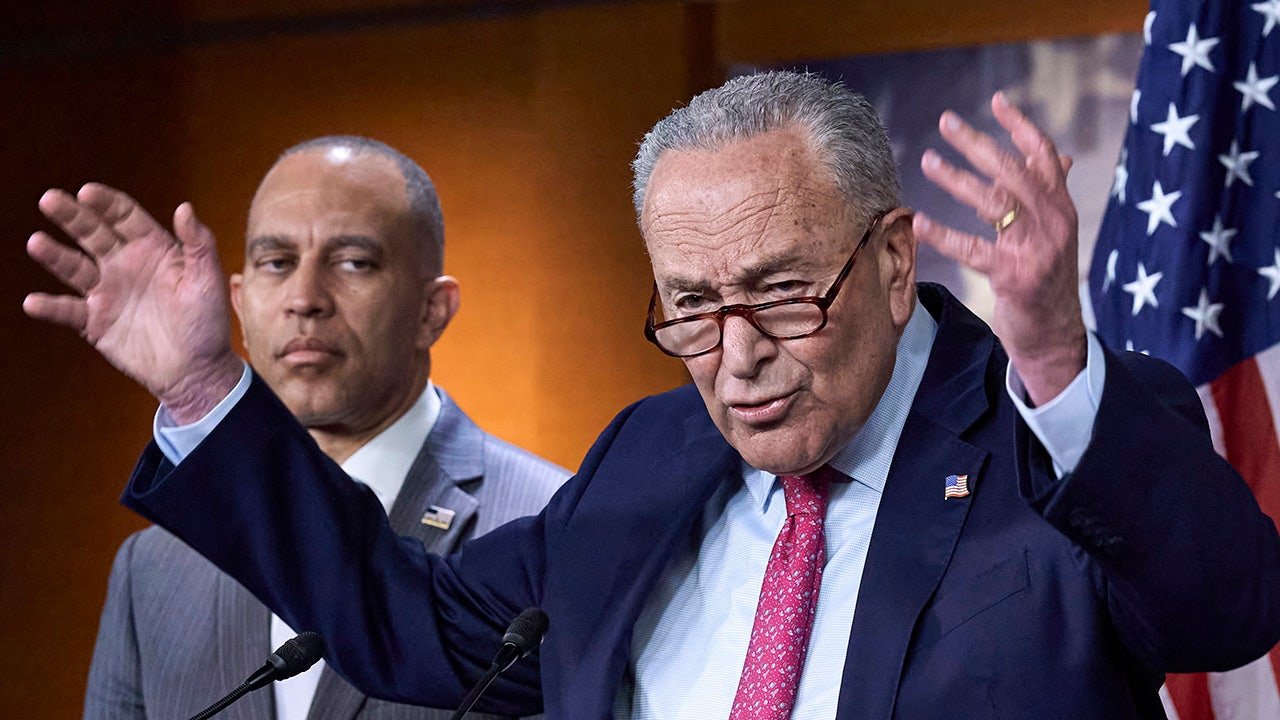
Senate Minority Leader Chuck Schumer, D-N.Y., and House Minority Leader Hakeem Jeffries, D-N.Y., along with the Democratic Senatorial Campaign Committee, the Democratic Congressional Campaign Committee, the Democratic Governors Association and the Democratic National Committee, filed the lawsuit Thursday.
The lawsuit, filed in U.S. District Court in Washington, D.C., seeks to block Trump’s executive order signed Tuesday targeting mail-in voting and voter eligibility, as Senate Republicans continue debating the Safeguarding American Voter Eligibility (SAVE) Act.
TRUMP SIGNS EXECUTIVE ORDER OVERHAULING MAIL-IN VOTING IN MAJOR ELECTION INTEGRITY PUSH
Senate Minority Leader Chuck Schumer, D-N.Y., and House Minority Leader Hakeem Jeffries, D-N.Y., left, hold a news conference on the GOP reconciliation bill at the Capitol in Washington, Wednesday, June 11, 2025. (J. Scott Applewhite/AP Photo)
«The American people are fed up with Republicans’ price-spiking, health care-gutting agenda and are ready to vote them out,» Schumer, Jeffries and the committee chairs said in a joint statement. «That’s why Donald Trump is desperately trying to rig our elections by making it harder to vote for seniors, Americans with disabilities, members of the military, rural communities and other working families who rely on vote-by-mail. This move is blatantly unconstitutional, and we will fight against it.»
«We are taking action to challenge Trump’s executive order to protect the right to vote and ensure every eligible American can make their voice heard at the ballot box,» they added.
Trump has warned Republicans that if they cannot pass the SAVE America Act — which is unlikely given unified Democratic opposition in the Senate — the GOP could face major losses in the upcoming midterm elections.
GOP TRIGGERS MARATHON SENATE FIGHT TO EXPOSE DEMS’ OPPOSITION TO TRUMP-BACKED VOTER ID BILL
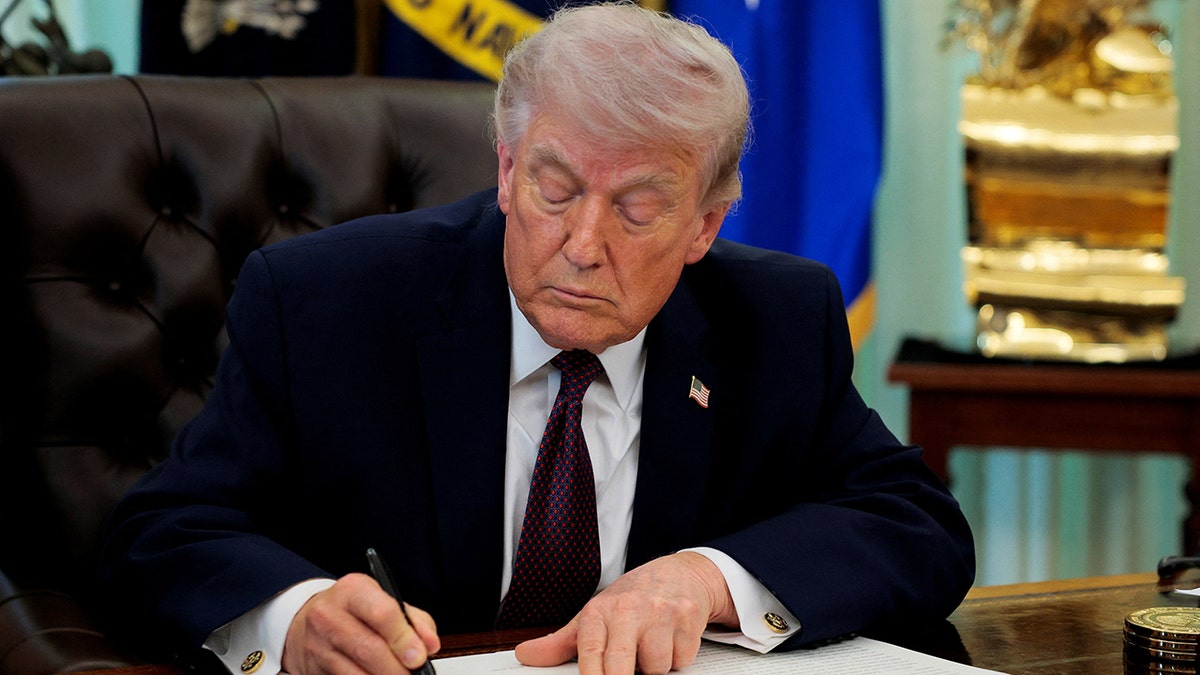
President Donald Trump signs an executive order on mail ballots in the Oval Office of the White House in Washington, D.C., March 31, 2026. (Evan Vucci/Reuters Photos)
The executive order, signed earlier this week, reflects Trump taking matters into his own hands amid the political reality in Congress.
The order would create federal «citizenship lists» of U.S. citizens using government databases, require those lists to be shared with states before elections, and give the U.S. Postal Service (USPS) authority over mail-in voting logistics. It would also require voters to be enrolled with USPS to receive mail ballots.
The order would allow USPS to refuse delivery of ballots from people not on its approved list and impose new federal design and processing rules for mail-in ballot envelopes.
SENATE GOP EYES BLAME GAME AS TRUMP-BACKED SAVE ACT HEADS FOR DEFEAT

Vote by mail ballots are inspected at the Los Angeles County Ballot Processing Center on Nov. 4, 2025, in California.. (Gina Ferazzi/Los Angeles Times via Getty Images)
Democrats argue the order is unconstitutional on several grounds, including that it overrides states’ authority over elections, violates the separation of powers, breaches privacy laws and risks disenfranchising millions of voters.
CLICK HERE TO DOWNLOAD THE FOX NEWS APP
They argue Trump has «no such authority» to impose sweeping changes on elections nationwide.
«If permitted, the President’s actions would fundamentally alter the constitutional balance between the states and the federal government by allowing the executive branch to wield federal power to pressure states into adopting federal preferences for the conduct of elections,» they wrote in the lawsuit.
The White House did not immediately respond to Fox News Digital’s request for comment.
politics, senate, house of representatives politics, chuck schumer, donald trump, elections
INTERNACIONAL
Trump estableció inicialmente cinco objetivos para la guerra contra Irán. Así están las cosas
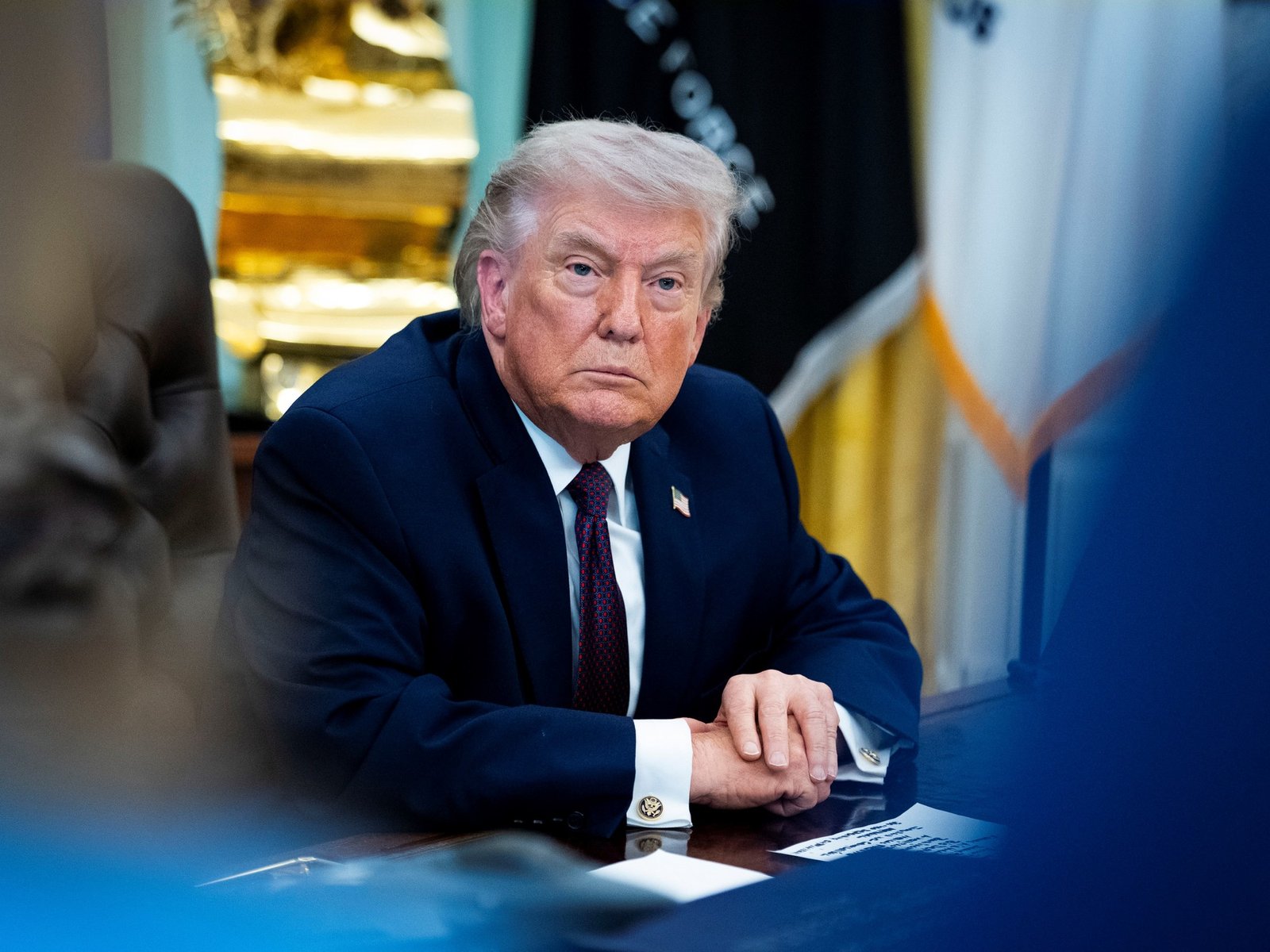
1. “Vamos a destruir sus misiles y arrasar su industria armamentística. Quedará totalmente aniquilada de nuevo.”
2. “Vamos a aniquilar su armada.”
3. “Nos aseguraremos de que los grupos terroristas afines a la región ya no puedan desestabilizar la región ni el mundo»
4. “Y nos aseguraremos de que Irán no obtenga un arma nuclear. Es un mensaje muy sencillo. Nunca tendrán un arma nuclear.”
5. “Finalmente, al gran y orgulloso pueblo de Irán, les digo esta noche que la hora de su libertad está cerca. «

Avanza el romance de Sabrina Rojas y José Chatruc: el primer viaje juntos y gestos de complicidad
La Bolsa española modera su caída al 0,14 % ante el protocolo para el tráfico por Ormuz Por EFE

Una de las acreedoras de Adorni tiene tres propiedades y es beneficiaria de un programa porteño para jubilados

El mapa del desastre naviero en Ormuz: qué países están pagando el mayor precio

Argentina endureció su postura y expulsó al representante de Irán en el país tras el cruce diplomático

Sigue la crisis en Italia tras no clasificar al Mundial: renunció el presidente de la federación y una leyenda de la selección

Nuevas críticas de Marcela Pagano contra los Milei: “Karina es la que gobierna”, aseguró

Dos jubiladas que le habrían prestado dinero a Manuel Adorni negaron conocerlo

Quiénes son las dos acreedoras del préstamo con el que Adorni compró su departamento en Caballito

El Gobierno reevalúa la estrategia de comunicación por el caso Adorni y mide el impacto en la imagen de Milei

 POLITICA2 días ago
Dos jubiladas que le habrían prestado dinero a Manuel Adorni negaron conocerlo
- POLITICA3 días ago
Quiénes son las dos acreedoras del préstamo con el que Adorni compró su departamento en Caballito
- POLITICA1 día ago
El Gobierno reevalúa la estrategia de comunicación por el caso Adorni y mide el impacto en la imagen de Milei