INTERNACIONAL
Israel cede a la presión y acepta negociar con Líbano, pero persiste la incertidumbre sobre la tregua en Irán

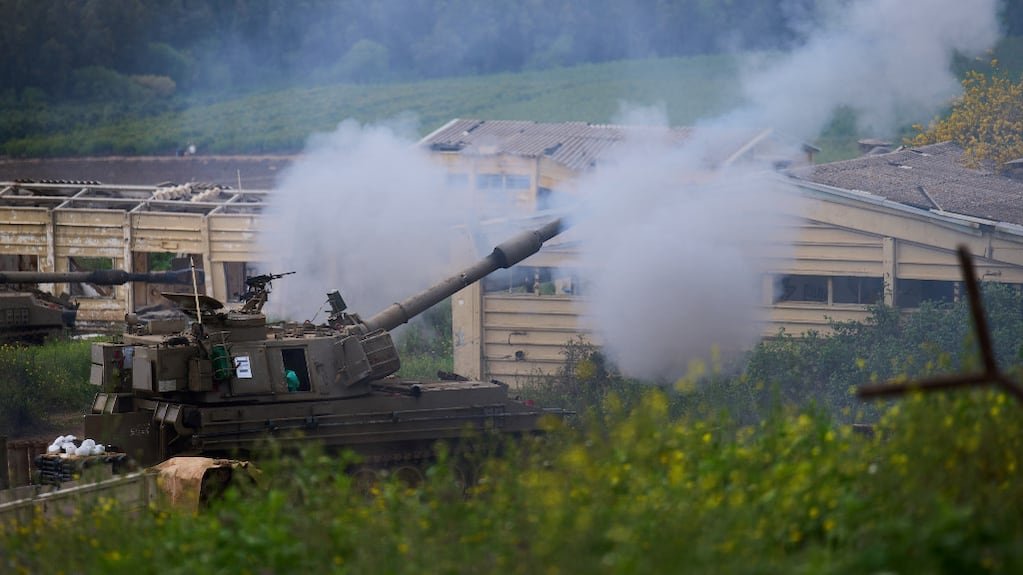
Bajo fuerte presión europea y apurado por la Casa Blanca que necesita poner fin a la guerra con Irán, Israel aceptó negociar un alto el fuego con Líbano. Así, abrió un resquicio para apuntalar la frágil tregua en la región y permitir el inicio formal de las conversaciones entre Washington y Teherán en Pakistán previstas para este sábado.
“Ante los reiterados llamamientos de Líbano para iniciar negociaciones directas con Israel, instruí al Gabinete para que inicie las negociaciones lo antes posible”, dijo el premier Benjamin Netanyahu en un comunicado oficial, sin mencionar las presiones de la Unión Europea o del propio Donald Trump.
Sin embargo, advirtió: “No hay un alto el fuego en Líbano». Y remarcó que Israel continúa “atacando a (el grupo chiíta libanés proiraní) Hezbollah con fuerza y no cesará hasta restablecer la seguridad en el territorio israelí”.
La incertidumbre sigue latente. Un funcionario israelí citado por The Times of Israel dijo que las conversaciones comenzarían “en los próximos días”. El sitio estadounidense Axios reveló que la primera reunión se celebrará la próxima semana en la sede del Departamento de Estado, en Washington. Faltan al menos cuatro días.
Si Israel sigue con su ofensiva sobre territorio libanés, la región quedaría expuesta a un recrudecimiento del conflicto. De hecho, dos días después del anunciado acuerdo entre Estados Unidos e Irán, persiste una enorme incertidumbre sobre la apertura del estrecho de Ormuz, por donde pasaba el 20% del petróleo mundial.
Si Israel continúa bombardeando Líbano, el acuerdo podría caer por decisión de Irán. Pero si Teherán no abre el paso marítimo, el cese el fuego dejaría de existir por determinación de Trump. La llave para destrabar la situación está hoy en Líbano y en manos de Israel.
¿Es posible alcanzar acuerdos mínimos?
Irán y Estados Unidos miran hoy a Líbano. Allí se juega el futuro de la tregua de dos semanas pactada por ambos países el martes después de 40 días de una guerra con enormes consecuencias económicas y comerciales en todo el mundo.
Si la presión sobre Israel da resultado, entonces quedará allanada la realización de la cumbre iraní-estadounidense para este sábado en Islamabad, la capital paquistaní. Hacia allí viajará el vicepresidente estadounidense, J.D. Vance, una “paloma” contraria desde el principio a la guerra dentro de los “halcones” que rodean a Trump.
El vicepresidente de Estados Unidos, JD Vance, habla con los medios de comunicación antes de subir al Air Force Two en Hungría el 8 de abril de 2026. (Foto: Jonathan Ernst/REUTERS)
El hecho de que el presidente republicano haya elegido a su vice para representarlo es toda una declaración de principios. Trump quiere terminar el conflicto a pocos meses de las elecciones intermedias de noviembre y mitigar el daño interno por el alza del precio de los combustibles y distintos insumos.
Leé también: Los peajes en el estrecho de Ormuz desafían el derecho internacional
Pero ya podría ser tarde. Una fuente cercana a la Casa Blanca resumió al sitio estadounidense Político: “Esta guerra en Irán casi consolida el hecho de que perderemos las elecciones intermedias en noviembre: el Senado y la Cámara de Representantes”.
Trump no tiene tiempo. Los ayatollah todo lo contrario. Si el presidente republicano pierde el control del Congreso quedará fuertemente condicionado el segundo tramo de su mandato.
Entendimientos mínimos: sanciones y estrecho de Ormuz
Así, de cara a la cumbre del sábado, se buscará al menos llegar a entendimientos mínimos que alejen el riesgo de un recrudecimiento del conflicto, más allá de las habituales declaraciones amenazantes y grandilocuentes de Trump.
Ali Vaez, experto en temas iraníes del Crisis Group, una ONG encargada de la resolución de conflictos, dijo a TN que “en momentos de alta tensión suele ser más fácil para las partes explorar acuerdos transaccionales limitados que intentar un retorno inmediato a un acuerdo integral”.
“Así que, en principio, los acuerdos menores centrados en la desescalada -incluída la libertad de navegación en el Estrecho de Ormuz y algún tipo de alivio de las sanciones- son más plausibles a corto plazo que un acuerdo amplio que intente resolver todos los asuntos pendientes de una sola vez», indicó. El cierre del estrecho de Ormuz causó una grave crisis internacional (Foto de archivo: Reuters)
Además, afirmó: “El principal obstáculo no es técnico, sino político. Ambas partes pueden ver valor en medidas provisionales, pero también les preocupará que las concesiones parciales puedan reducir su margen de maniobra para una negociación posterior más amplia».
El analista Mehran Kamrava, profesor de ciencias políticas de la Universidad de Georgetown, en Qatar, dijo a TN que, a largo plazo, ambos países necesitan un alto el fuego duradero.
“Cada uno por una razón diferente: la administración Trump por cuestiones de legado histórico, y el gobierno iraní porque necesita el alivio de las sanciones. Ambas partes abordarán todos los temas pendientes, incluido el control del estrecho de Ormuz, que Irán considera una ventaja importante, así como las sanciones impuestas y lideradas por Estados Unidos”, afirmó.
Leé también: Los peajes en el estrecho de Ormuz desafían el derecho internacional
Robert Malley, exenviado especial a Irán del expresidente Joe Biden, dijo que la enorme brecha existente entre las exigencias de ambas partes hace que sea “improbable llegar rápidamente un acuerdo integral, especialmente en tan poco tiempo”.
“Consideró más plausible que ambas partes alcancen acuerdos limitados que eludan los asuntos más difíciles, incluido el futuro del programa nuclear iraní y sus reservas de casi 450 kilogramos de uranio altamente enriquecido”, enfatizó.
Por eso, afirmó: “Es difícil imaginar un acuerdo integral dadas las diferencias y las visiones divergentes de ambas partes. Se puede imaginar una serie de acuerdos menores que incluyan el estrecho de Ormuz y cierto alivio de las sanciones”.
Irán, Donald Trump, Líbano, Israel







INTERNACIONAL
Inside Tehran after strikes: Iranian woman describes fear, checkpoints and people used as ‘human shields’

NEWYou can now listen to Fox News articles!
An anonymous Iranian woman has bravely stepped forward on the international stage to describe what’s really happening on the ground in Tehran as President Donald Trump’s two-week ceasefire with Iran tentatively began Tuesday.
In an essay published in The Australian, the anonymous author details nightly explosions, sweeping checkpoints and communications blackouts as a part of Iranian daily life since the beginning of operations launched by the United States and Israel in February.
«In effect, ordinary people have been turned into human shields within a vast militarized landscape,» she wrote. «A pervasive sense of anger, paranoia and exhaustion has taken hold.»
Flagrant public executions of protesters by the thousands by the Iranian regime in January moved residents to cheer on the initial days of attacks by U.S. and Israeli forces as Operation Epic Fury began on Feb. 28.
WHY TRUMP, IRAN SEEM LIGHT-YEARS APART ON ANY POSSIBLE DEAL TO END THE WAR
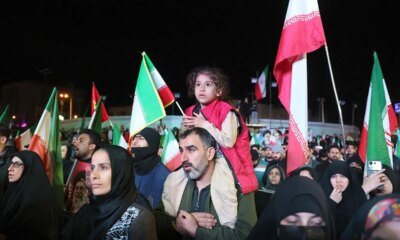
Iranians gather after a ceasefire announcement at Enqelab Square, Wednesday, in Tehran. The U.S. and Iran agreed to a two-week ceasefire Tuesday, barely an hour before President Donald Trump’s deadline to obliterate the rival country was set to expire. Tehran temporarily reopened the vital Strait of Hormuz. (AFP via Getty Images)
«They say they’ve hit the leader’s residence,» the author’s daughter was quoted saying. «All the children were screaming and cheering. … Even our teacher was quietly snapping their fingers and dancing.»
The author described everyday Iranians celebrating the death of Supreme Leader Ayatollah Khamenei that same Saturday, and the streets of Tehran filling with cheers of «death to the dictator.»
«Perhaps for the first time,» the anonymous author recalled, «we allowed ourselves to believe our long-held dream was beginning to take shape.»
RED CROSS SHARES AUDIO OF IRANIAN CIVILIAN EXPLAINING SITUATION ON THE GROUND IN TEHRAN: ‘NO RESPITE’
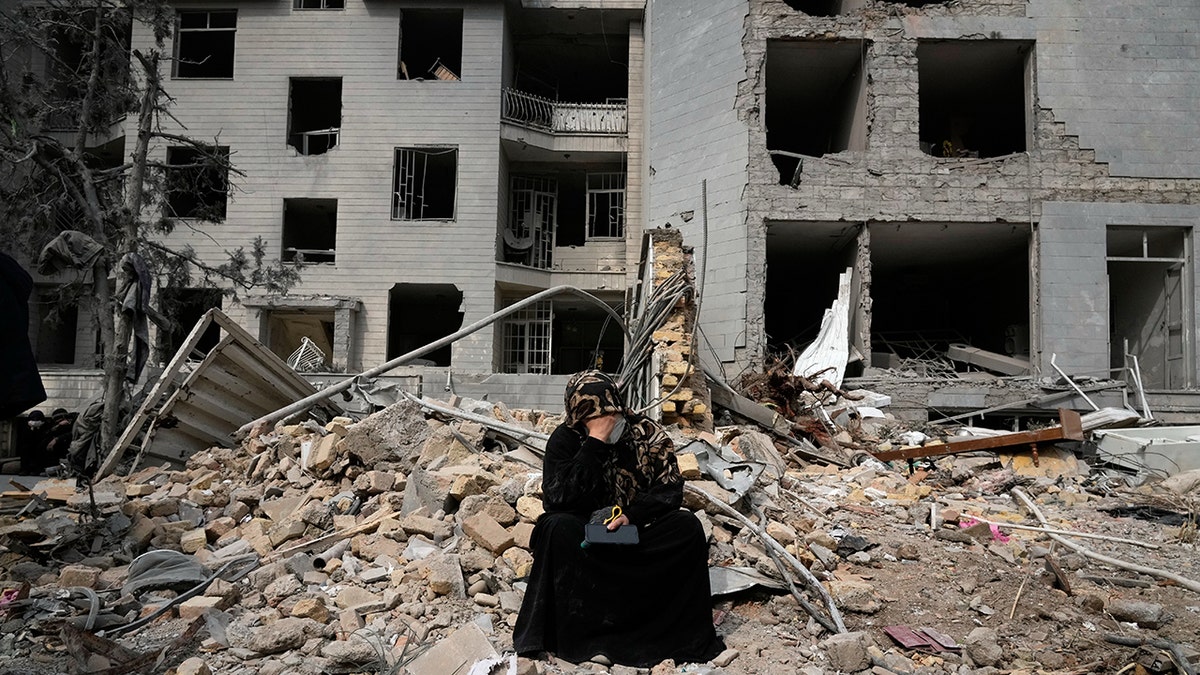
A woman sits on rubble across from a building damaged during airstrikes March 12 in Tehran, Iran. (Vahid Salemi/AP)
But soon enough, the reality of day-to-day life under a threatened, crumbling regime and ongoing attacks took a toll. One of the harshest realities those on the ground in Iran face is the internet blackout, effectively ending communications with the outside world and leading to great uncertainty at the hands of the regime.
«So far, none of those close to us have suffered physical harm, but no night is calm,» the Iranian woman wrote. «What weighs most heavily is not only the war itself, but the possibility that it may end leaving behind a regime even more authoritarian, more repressive and more violent.»
According to the author, a stubborn faction of regime supporters remain, blasting propaganda on loudspeakers nightly through the streets of Tehran and reinforcing its authority to those who support the revolution.
TRUMP’S IRAN CEASEFIRE ROCKED WITHIN HOURS AMID REPORTED MISSILE, DRONE ATTACKS

Rescue workers search through the rubble of a collapsed building after an airstrike March 27 in Tehran, Iran. (Majid Saeedi/Getty Images)
«The streets are now covered with checkpoints,» she wrote. «Under bridges and along main roads, movement is restricted. Long traffic lines form. Young people are stopped, their phones inspected under the pretext of routine checks.»
After the announcement of the ceasefire between U.S. forces and the Iranian regime Tuesday, the author said, most of her country went to sleep that night in a «state of deep anxiety.»
«What weighs most heavily is not only the war itself, but the possibility that it may end up leaving behind a regime even more authoritarian, more repressive, and more violent,» the author notes.
She urged a ceasefire that is not «abandonment,» but peace, destabilizing the Iranian regime.
«A ceasefire that stabilizes the current order, without addressing the demands that have brought Iranians into the streets for years, risks being experienced not as peace, but as abandonment,» the author wrote.
CLICK HERE TO DOWNLOAD THE FOX NEWS APP
Negotiations between Iran and the U.S. are scheduled to begin Friday in Pakistan.
«We wait, and we continue, in whatever ways possible, to insist that light will eventually overcome this darkness,» she concluded.
The Australian notes the author remains anonymous for «fear of retribution.»
war with iran, iran, israel, world, geopolitics, military, donald trump
INTERNACIONAL
Trump exigió a Irán garantizar el libre paso de petroleros por el estrecho de Ormuz tras el alto el fuego

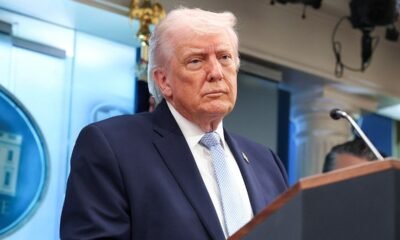
El presidente de Estados Unidos, Donald Trump, expresó este jueves a NBC News su “gran optimismo” respecto a la posibilidad de alcanzar un acuerdo de paz con Irán, mientras su equipo diplomático se prepara para iniciar conversaciones en Islamabad.
“Estoy muy optimista. Creo que un acuerdo es alcanzable”, expresó Trump vía telefónica.
Por otro lado, Trump declaró el jueves que Irán no debería cobrar aranceles a los petroleros que transitan por el estrecho de Ormuz. “Más les vale no hacerlo y, si lo hacen, más les vale dejar de hacerlo ahora mismo”, escribió Trump en Truth Social.
“Irán está haciendo un trabajo pésimo, incluso deshonroso, al permitir que el petróleo pase por el estrecho de Ormuz. ¡Ese no es el acuerdo que tenemos!“, agregó más tarde.
El mandatario estadounidense consideró que los líderes iraníes “son mucho más razonables en las reuniones privadas que en sus declaraciones públicas” y aseguró que “están aceptando todo lo que deben aceptar”.
“Han sido derrotados, no tienen ejército”, agregó Trump, al tiempo que subrayó la posición de fuerza de Estados Unidos en la mesa de negociación. También advirtió que, si no se concreta un acuerdo, “les resultará muy doloroso”.
De acuerdo con fuentes de la administración citadas por NBC News, Trump conversó recientemente por teléfono con el primer ministro israelí, Benjamin Netanyahu, para solicitar que reduzca las operaciones militares en Líbano y así favorecer el éxito de las conversaciones con Teherán.

“Hablé con Bibi y va a moderar la situación. Pienso que debemos ser un poco más discretos”, comentó Trump en la entrevista.
El vicepresidente JD Vance, quien encabezará la delegación estadounidense en las negociaciones de Islamabad junto al enviado especial Steve Witkoff y Jared Kushner, también se refirió a la postura israelí.
Ante periodistas en Hungría, Vance señaló que los israelíes podrían “autolimitarse algo” en sus acciones contra Líbano para dar espacio al diálogo.
Según funcionarios europeos, varios países han solicitado que Líbano se incluya en la tregua, pero Israel ha insistido en mantener sus operaciones contra el grupo terrorista Hezbollah fuera del acuerdo.
Netanyahu, por su parte, declaró que la pausa temporal con Irán no abarca a Hezbollah y que Israel continuará atacando posiciones de ese grupo armado.
“Insistí en que el cese temporal de hostilidades con Irán no incluya a Hezbollah, y seguimos golpeándolos con fuerza”, sostuvo el mandatario israelí.
Trump anunció el martes una suspensión de bombardeos durante dos semanas, tras advertir en días previos que “toda una civilización podría desaparecer esta noche” si Irán no reabría el estrecho de Ormuz. Sin embargo, mientras Trump y Netanyahu consideran que Líbano queda fuera del pacto, Irán asegura lo contrario.

NBC News reportó que el tránsito por el estrecho de Ormuz sigue siendo limitado, con solo cinco embarcaciones atravesándolo el miércoles, ninguna de ellas petrolera.
El ministro de Industria de Emiratos Árabes Unidos, Sultan Ahmed Al-Jaber, criticó públicamente la situación y afirmó: “El estrecho de Ormuz no está abierto. El acceso está restringido y controlado”.
JD Vance advirtió que la reanudación de la guerra será inminente si Irán no cumple con la reapertura total del paso marítimo.
“El presidente no mantendrá nuestros compromisos si Irán no cumple los suyos”, expresó Vance a la prensa.
La portavoz de la Casa Blanca, Karoline Leavitt, calificó el cese al fuego como “un logro” y exigió la reapertura inmediata del estrecho, asegurando a los periodistas que Trump recibió garantías privadas de que esto ocurriría.
Mientras tanto, la delegación iraní encabezada por Reza Amiri Moghadam confirmó a través de sus redes sociales que viajará a Islamabad, aunque luego eliminó ese mensaje sin dar explicaciones.
NBC News también recogió declaraciones de un ex comandante de la Guardia Revolucionaria iraní, quien reconoció que muchas de las condiciones planteadas por Teherán difícilmente sean aceptadas por Washington, pero señaló que su país está dispuesto a negociar y ceder en ciertos puntos.

El escenario diplomático se mantiene tenso, con el futuro del acuerdo condicionado a la evolución de las negociaciones y a la situación en el estrecho de Ormuz y el Líbano.
North America
INTERNACIONAL
Unearthed clip exposes shocking claim by Newsom’s wife about inmates at violent California prison
NEWYou can now listen to Fox News articles!
California Governor Gavin Newsom’s wife, Jennifer Siebel Newsom, is getting raked over the coals for comments she made several years ago, suggesting criminals housed in a notorious California prison, which was known for housing violent criminals and death row prisoners, got there by «accident.»
Siebel Newsom’s comments came as she was discussing a tragedy in her younger life at an event in 2016. A few days before her seventh birthday, Siebel Newsom was involved in a fatal golf cart accident that ultimately killed her sister.
«I had to be very raw when we interviewed the young men who were juvenile offenders at San Quentin. I told them about my own loss, where I lost my older sister a few days before my seventh birthday and I blame myself for her death and I share that because they ultimately were accused of committing these violent crimes and sentenced for life, and I think it shocked them that this blonde lady, who was interviewing them, had a similar story – was perhaps in the wrong place at the wrong time – but wasn’t punished the way they were because clearly it was an accident, but theirs was probably an accident too,» Siebel Newsom said when discussing ways to connect with others.
NEWSOM’S WIFE SLAMS TRUMP FIRINGS OF BONDI, NOEM, SPARKING PANEL DEBATE
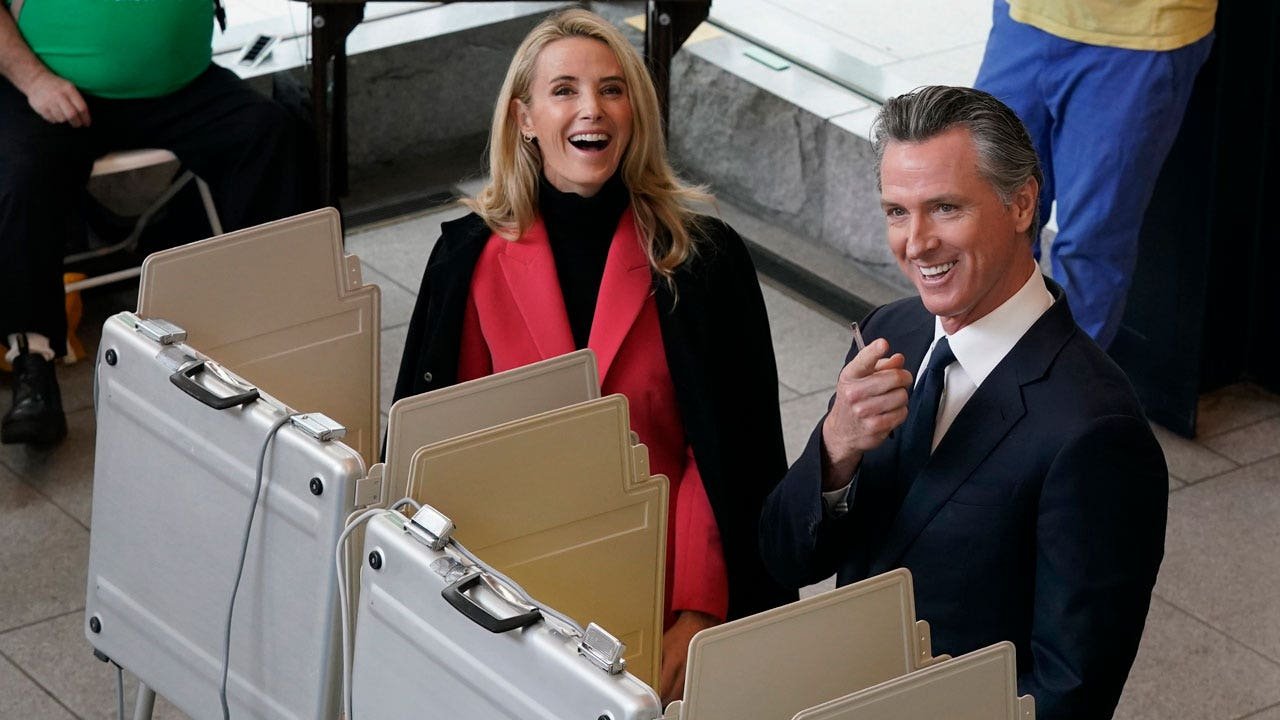
Democrat California Gov. Gavin Newsom stands with wife Jennifer at a Sacramento voting center. (AP Photo/Rich Pedroncelli)
«Anyways, I share that – I guess – I quite enjoy spending time with people and being real and unmasking and showing them that it’s safe to unmask themselves.»
A spokesperson for Governor Newsom’s wife clarified that the remarks in the 2016 interview with the first partner, were referring to incarcerated individuals for her 2015 documentary «The Mask You Live In.»
The spokesperson did not provide an on-the-record statement but did point Fox News Digital to a social media post from Gov. Newsom’s press office calling out the media for being «focused on running nonstop hit pieces on California’s First Partner,» while the president is «threatening to obliterate a civilization tonight.»
On Tuesday, the same day the clip began going viral on social media, President Donald Trump issued an ominous message on his social media platform Truth Social, indicating «a whole civilization will die tonight,» amid his threat of a looming U.S. attack against Iranian bridges and power plants.
«This is the MAGA distraction machine — in full force,» concluded the social media post, which included news segments criticizing Siebel Newsom on Tuesday.
GAVIN NEWSOM’S WIFE SAYS SHE GAVE HER BOYS DOLLS TO PLAY WITH IN RESURFACED CLIP
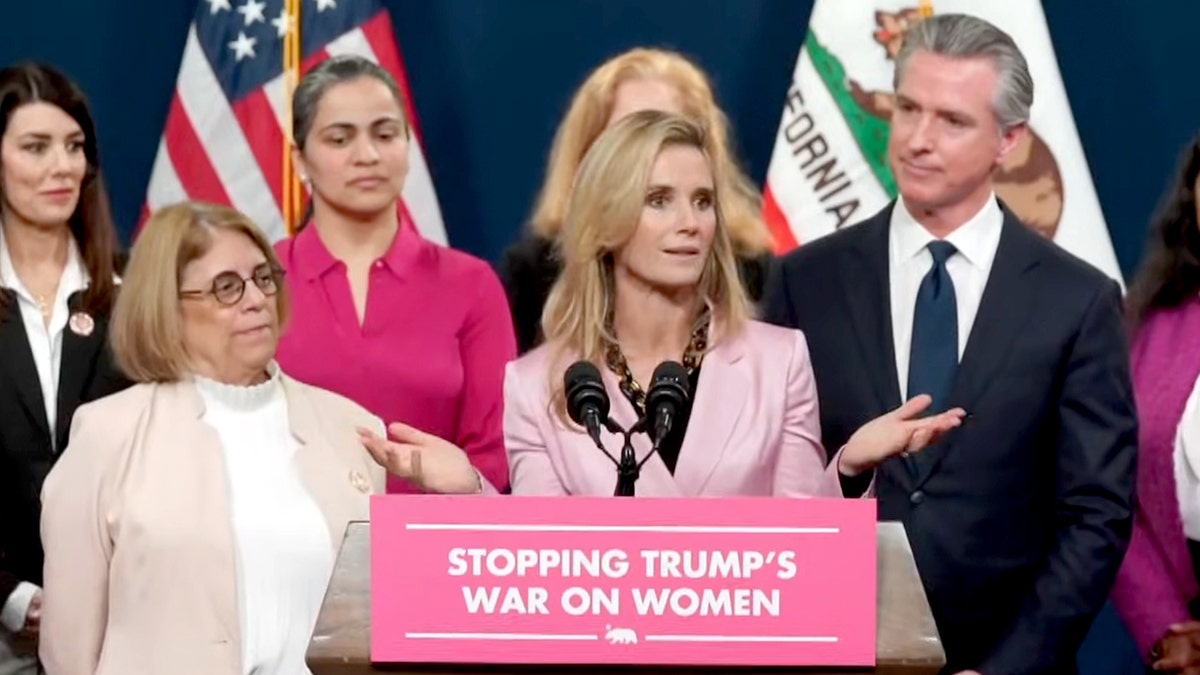
Jennifer Siebel Newsom speaks at Planned Parenthood funding bill signing ceremony (Screenshot/Gavin Newsom’s YouTube Page)
However, Siebel Newsom’s resurfaced comments still garnered attention on Tuesday from conservative critics who called the California governor’s spouse out for virtue signaling.
In direct response to Siebel Newsom’s claims that San Quentin inmates got in their position by «accident,» Rep. Tim Burchett, R-Tenn., shot back sarcastically: «Yeah, like the time that guy accidentally stabbed that dude 27 times.»
«What the…» commented Assistant Attorney General for Civil Rights at the U.S. Department of Justice, Harmeet Dhillon, in a social media post responding to the 2016 remarks.

California Gov. Gavin Newsom and first partner Jennifer Siebel-Newsom embrace during a campaign event in support of Proposition 50 in San Francisco, Monday, Nov. 3, 2025. (Gabrielle Lurie/San Francisco Chronicle via Getty Images)
CLICK HERE TO DOWNLOAD THE FOX NEWS APP
«She represents everything that is wrong with California,» comedian Adam Carolla added.
«Newsom’s wife’s latest virtue signal is telling San Quentin lifers that she faced zero consequences when her sister was killed because it was an accident, then telling them their life sentences are probably for ‘accidents’ too,» wrote conservative women’s sports activist Riley Gaines. «Peak elite tone-deafness.»
gavin newsom, california, crime world, blue city crime, assassinations murders, politics

Inside Tehran after strikes: Iranian woman describes fear, checkpoints and people used as ‘human shields’

Trump exigió a Irán garantizar el libre paso de petroleros por el estrecho de Ormuz tras el alto el fuego

Más grietas en la cima del poder

“No hicimos nada ilegal ni inmoral”: hablaron los funcionarios de Caputo tras la polémica por los créditos del Banco Nación

Canales para ver el Rosario Central vs. Independiente del Valle por Copa Libertadores

Esperaba con ganas noticias del regreso de uno de los mejores estrenos de ciencia ficción de 2025, pero ahora no estoy nada contento

Caputo habló sobre los créditos del Banco Nación que tomaron sus funcionarios: “No hay nada ilegal ni inmoral”

Adorni recibió US$100 mil de otras dos mujeres por la hipoteca de un departamento anterior en Caballito

Ajuste y Castigo: El Gobierno de Milei Pasa a «Disponibilidad» al Policía que se Encadenó por un Sueldo Digno

Adepa mostró su preocupación por las revelaciones de una presunta operación de espionaje ruso contra Milei

 POLITICA2 días ago
Ajuste y Castigo: El Gobierno de Milei Pasa a «Disponibilidad» al Policía que se Encadenó por un Sueldo Digno
- INTERNACIONAL2 días ago
Uno por uno, los ultimátums de Trump a Irán y las postergaciones: del inicio de la guerra al anuncio de la tregua
- POLITICA2 días ago
Carlos Melconian no descartó presentarse como candidato a presidente en 2027: “Tengo la vocación”