INTERNACIONAL
‘You’re destroying your countries’: Is Europe finally heeding Trump’s warning on illegal immigration?

NEWYou can now listen to Fox News articles!
Earlier in June, the European Union appeared to finally react to concerns raised by President Donald Trump and many European voters over illegal immigration by introducing tougher border entry rules for the 27-nation bloc.
The EU agreed on new, stricter rules regarding migration and asylum. The laws are specifically designed to ensure that illegal/undocumented migrants who enter the bloc are processed and, where necessary, quickly sent to deportation centers in countries outside the EU.
People seeking asylum will be screened for identity, security, and their health before even entering any asylum system. The border officials will now track and record non-EU citizens entering and exiting the bloc. Plus, it will use biometric data such as fingerprints and facial recognition. And all member states must now help one another and share information.
The Associated Press reported that the provisional deal struck by the EU’s three main institutions is expected to go to EU lawmakers and governments, where approval is expected.
EUROPEAN NATIONS DEMAND POWER TO DEPORT ILLEGAL IMMIGRANTS WHO COMMIT CRIMES
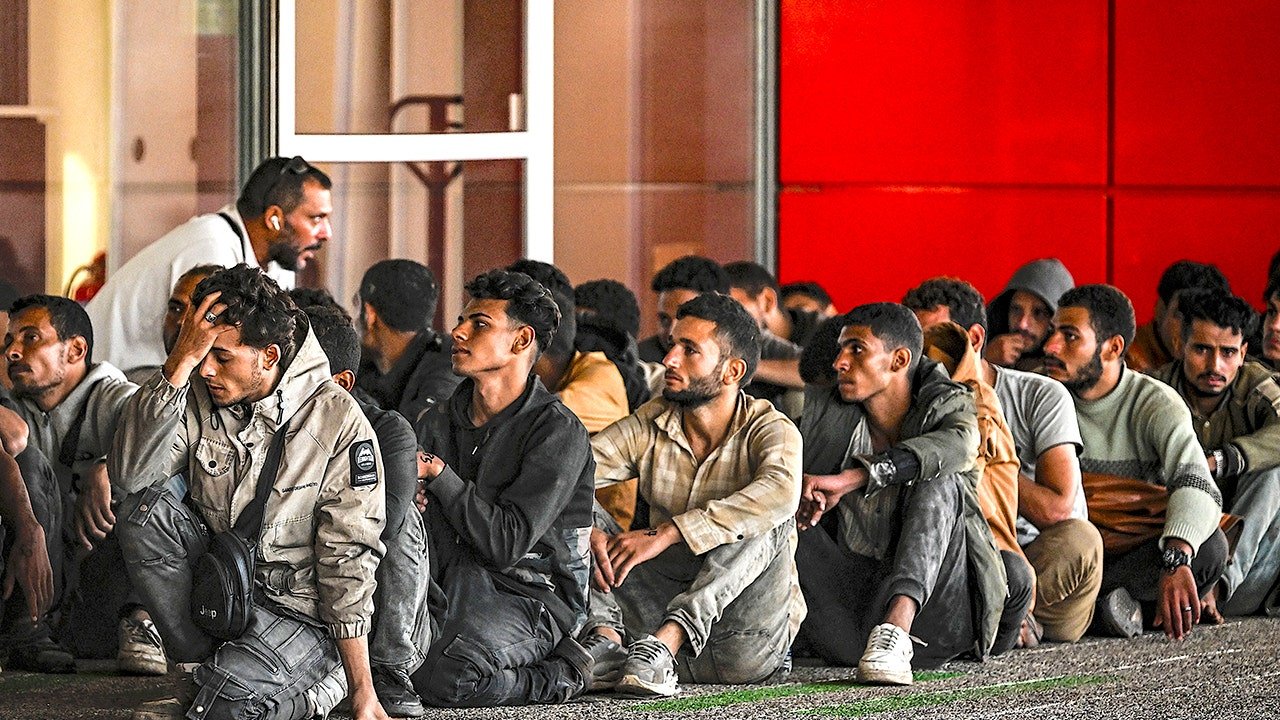
Mostly illegal migrant men are gathered by Greek coast guard officers after disembarking from a cargo ship, in the port of Lavrio, south of Athens, on July 10, 2025. The migrants were rerouted from Crete, where more than 2,000 people have arrived from Libya in recent days, sparking anger among local authorities and tourism operators. (Aris Messinis/AFP via Getty Images)
Alan Mendoza, founder and executive director of the Henry Jackson Society, told Fox News Digital that «The EU’s demography is changing Europe’s culture. We are now having to deal with people who are not integrating with the local customs.»
While the U.K. is not part of the EU, he said, «Britain’s efforts are behind the new EU rules.» Noting the country has «not managed to have offshore migrant holding centers, which would make sure Britain is not seen as a soft touch.»
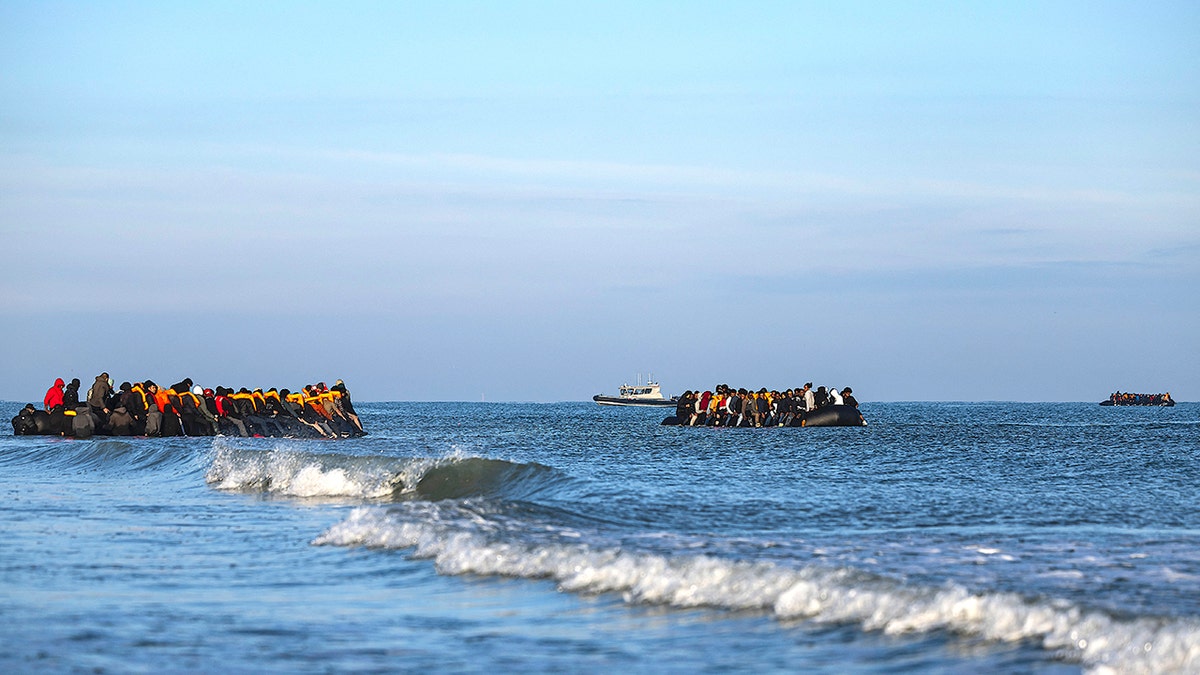
Illegal migrants try to board smugglers’ boats in an attempt to cross the English Channel off the beach of Gravelines, northern France on Sept. 27, 2025. (Sameer Al-Doumy/AFP via Getty Images)
Other experts say the longer countries take to fix the problem, the harder it will be to deal with. Some say it’s already too late.
While Europe’s workaday men and women have clearly seen the problems of illegal immigration for years, their leaders are only just getting the message.
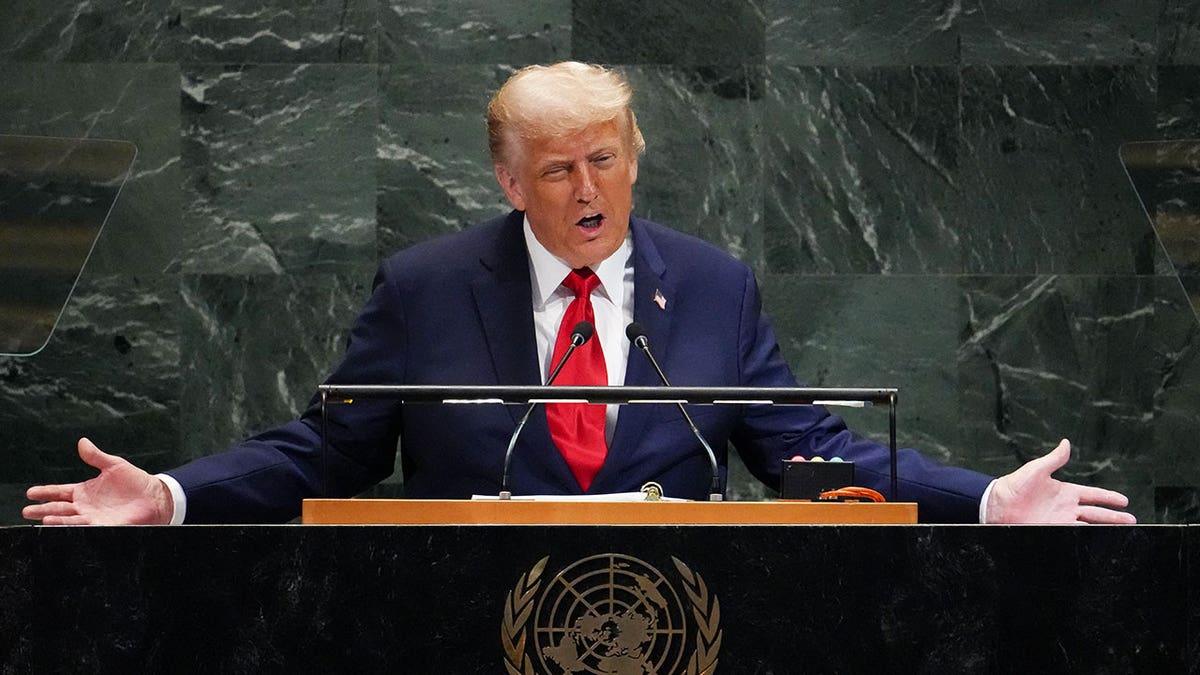
President Donald Trump delivers remarks to the United Nations General Assembly at the UN headquarters in New York City on Sept. 23, 2025. (Timothy A. Clary/AFP via Getty Images)
President Donald Trump told world leaders about the damage caused by a flood of undocumented migrants into Europe during his speech to the United Nations General Assembly last year. «You’re destroying your countries,» he said. «Europe is in serious trouble; they’ve been invaded by a force of illegal aliens like nobody’s ever seen before.»
JD VANCE’S WARNING ON EUROPE’S FUTURE SHINES SPOTLIGHT ON CONTINENT’S GROWING LIST OF PROBLEMS
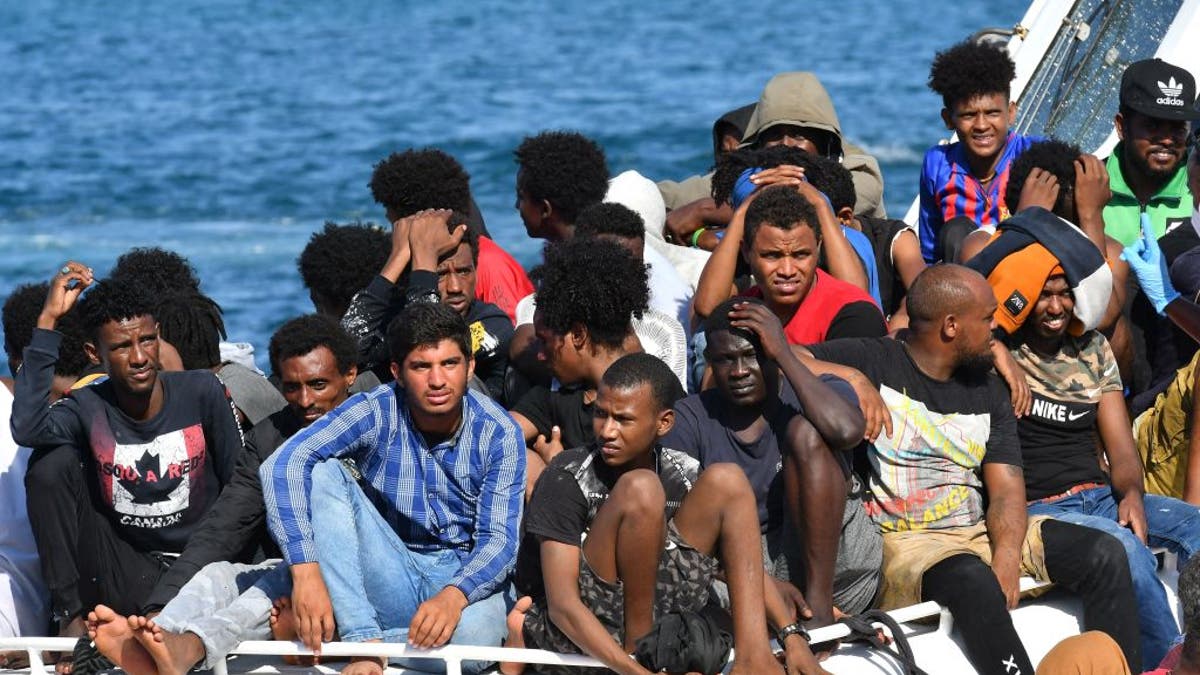
Migrants from Tunisia and Libya arrive on an Italian Coast Guard boat at the Pelagie Island of Lampedusa, Italy, on Aug. 1, 2020. (Alberto Pizzoli/AFP via Getty Images)
Just last week, Vice President JD Vance commented on the stabbing death of the 18-year-old British man who was stabbed to death.
In part, Vance posted, «Henry Nowak died the same way a civilization dies: abandoned, handcuffed by authorities who neither trusted nor cared for him, and accused of hate crimes he did not commit. His murder is as tragic as it is enraging. He should still be alive today, and he would be if the last few generations of European elites had stood their ground against the politics of self-hatred and the mass invasion of migrants, many of whom despise the West and the people who love it.»
Secretary of War Pete Hegseth also made reference to the topic during a speech to commemorate D-Day in France on the weekend. «Sadly, today, different European beaches are stormed by different dangerous ideologies. Beaches in Spain and Italy and Greece and Bulgaria, boats and men arrive. When will European capitals do something about that invasion? Or is it too late? I pray not, and I believe not,» he said.
Elsewhere in the EU, Spain seems to have broken with the rest of the bloc on its new stance on undocumented immigration. The country decided to legalize half a million undocumented migrants.
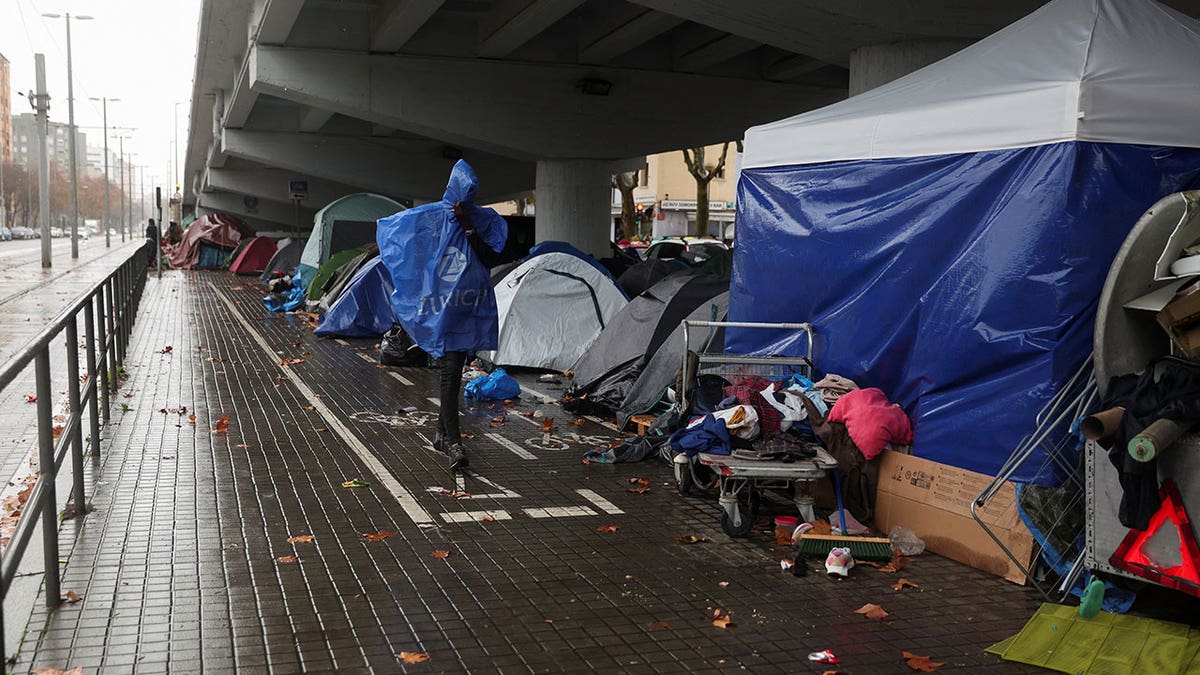
A migrant walks by a makeshift settlement where migrants evicted from a former high school last week are camping outdoors in the middle of winter in Badalona, Spain, Dec. 26, 2025. (Bruna Casas / Reuters)
«When undocumented migrants arrive, they get papers, and they get social security,» Javier Negre, owner of the La Derecha Diario newspaper, told Fox News Digital. He says a lot of the push to house migrants has come via nongovernmental organizations. «NGOs had a big business, and they promoted illegal immigration,» he says.
Another problem is that many undocumented migrants don’t choose to integrate into their new domicile. «They don’t have the same values,» Negre said. «We import a lot of people, and some realize they can steal iPhones and wallets,» he said, commenting on the rise in crimes.
CLICK HERE TO DOWNLOAD THE FOX NEWS APP
Critics of the move mostly came from the European left and NGOs. Mélissa Camara, from the French Green party, said the deal was «a historic setback» for human rights in the bloc,» the Associated Press reported.
«The legalization of return hubs outside the European Union, the green light for the detention of minors, home visits inspired by ICE practices: the legal arsenal serving a xenophobic ideology is now complete,» she said.
The Associated Press contributed to this report.
the european union, deportation, illegal immigrants, spain, border security, france












NEWYou can now listen to Fox News articles!
One week after President Donald Trump’s endorsement-winning streak in high-profile Republican primaries was snapped, the president’s immense clout over his party is facing another key test in South Carolina’s GOP gubernatorial nomination face-off.
A week and a half ago, the president handed Lt. Gov. Pamela Evette 11th-hour support as she seeks to succeed a top Trump ally, term-limited Republican Gov. Henry McMaster.
Evette is facing off in the GOP primary against a handful of top rivals. They are longtime South Carolina Attorney General Alan Wilson, Reps. Nancy Mace and Ralph Norman, and multimillionaire businessman Rom Reddy.
Since no candidate was expected to top 50% of the primary vote and land a majority, the top two finishers will advance to the June 23 Republican runoff.
DEMOCRACY ’26: STAY UP TO DATE WITH THE FOX NEWS ELECTION HUB
South Carolina Lt. Gov. Pamela Evette announces her bid for the Republican nomination for governor at The Smokestack at Judson Mill in South Carolina on July 14, 2025. (Joshua Boucher/The State/Tribune News Service/Getty Images)
The brute force of the president’s endorsement power has been on display in GOP primaries over the past month, with his candidates ousting incumbents he targeted in showdowns in Indiana, Louisiana, Kentucky and Texas that grabbed plenty of national attention.
But Trump’s last-minute endorsement of Republican Rep. Randy Feenstra of Iowa in the race to succeed retiring GOP Gov. Kim Reynolds — which came on the same day he also backed Evette — wasn’t enough to muscle the three-term congressman to victory.
Feenstra was narrowly edged out by Zach Lahn, a businessman, farmer and former political strategist who was backed by the political wings of MAHA — the acronym for the Make America Healthy Again movement aligned with Trump Health Secretary Robert F. Kennedy Jr. — and Turning Point USA, the powerful conservative organization co-founded by the late Charlie Kirk.
HEAD HERE FOR THE LATEST FOX NEWS LIVE UPDATES ON TUESDAY’S PRIMARIES ACROSS THE COUNTRY

Zach Lahn raises his fist in celebration after defeating his primary opponent in Iowa’s GOP gubernatorial race on Tuesday, June 2, 2026. (Zach Lahn for Governor via Facebook)
In the South Carolina GOP gubernatorial primary, the major contenders had long been highlighting their support for Trump and his agenda in hopes of landing his support.
Trump, after staying neutral for months, endorsed Evette, praising her as an «America First Patriot» and a «WINNER» in his announcement.
The president also headlined a tele-rally for Evette on the eve of the primary.
Hours later, on the morning of the primary, Evette once again spotlighted the president’s backing of her campaign.
In a social media post, she wrote that Trump «needs a strong partner as Governor who will deliver on our conservative America First agenda. It’s why he gave me his ‘complete and total endorsement.’ Don’t let President Trump down. Get to the polls, bring your friends & family, and VOTE EVETTE!»
But Trump, in a social media post endorsing Evette, also said he expected Evette to choose Henry McMaster Jr., the governor’s son, as her running mate for lieutenant governor.
The comment by the president led to blowback in South Carolina political circles and speculation that McMaster, who succeeded then-Gov. Nikki Haley when she stepped down to serve as U.N. ambassador during Trump’s first term and who is in his 10th year as governor, was trying to give his son a political boost.
But McMaster denied any deal or pressure, and Evette has said she wouldn’t name any running mate until after the primary is over.
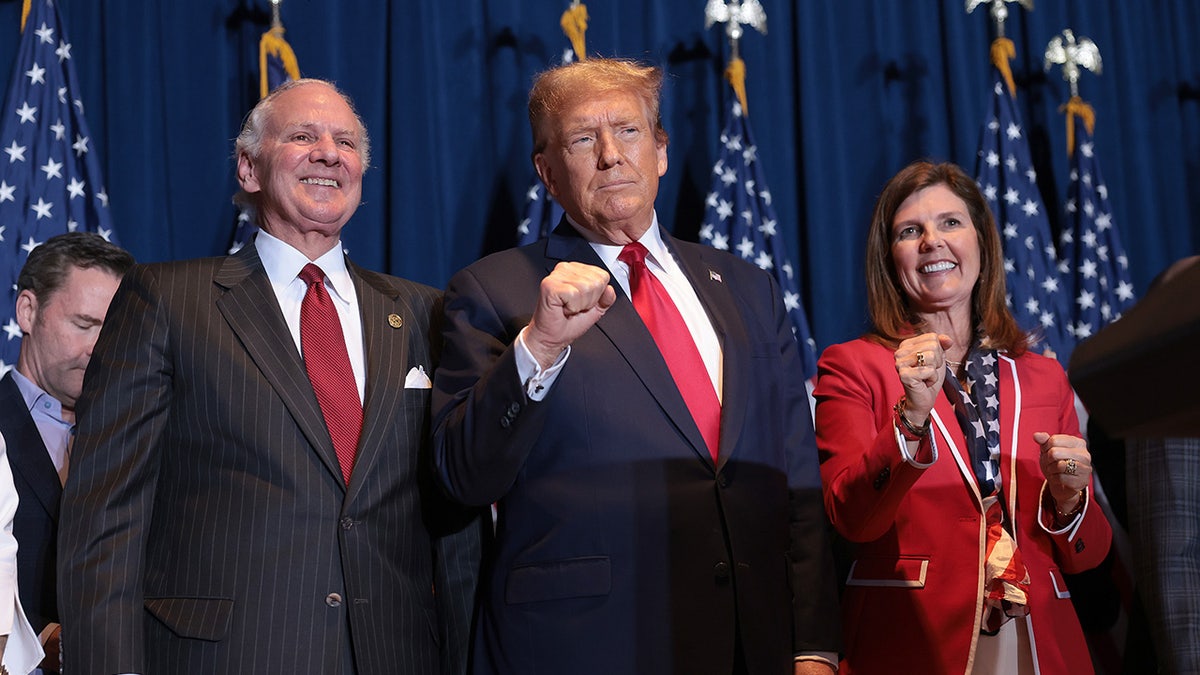
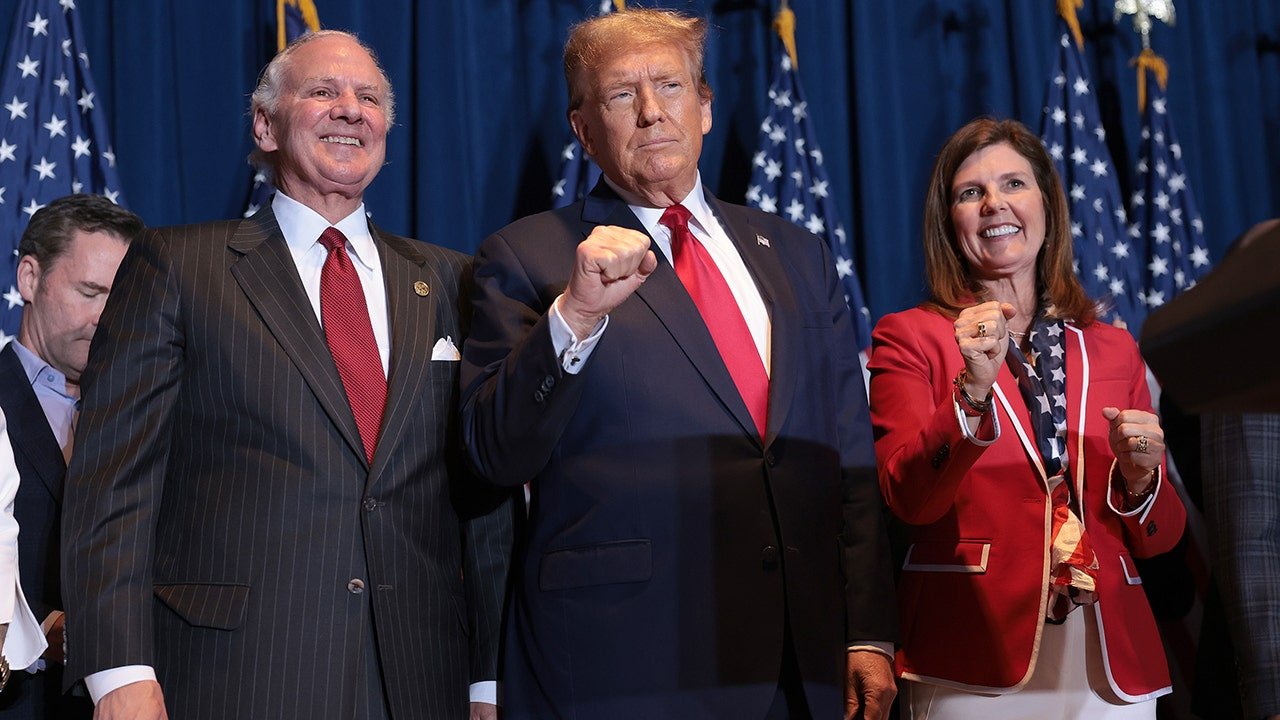
South Carolina Gov. Henry McMaster, then-Republican presidential candidate Donald Trump and Lt. Gov. Pamela Evette stand on stage during an election night watch party at the State Fairgrounds in Columbia, S.C., on Feb. 24, 2024. (Win McNamee/Getty Images)
And on Friday, the younger McMaster took his name out of contention, saying it was «incredibly humbling» to be mentioned as a possible lieutenant governor candidate, but that «now is simply not the right time.»
CLICK HERE TO DOWNLOAD THE FOX NEWS APP
Pointing to what he said was a smaller-than-expected bounce in the polls for Evette, longtime South Carolina political strategist Dave Wilson told Fox News Digital he thinks the Trump endorsement «backfired» because of the president’s push for the younger McMaster to join the Evette ticket.
«In South Carolina, we really don’t take it very well when Washington tries to tell us what to do,» Wilson emphasized.
south carolina, donald trump, primary results, governors, republicans elections, elections, iowa
INTERNACIONAL
La Comisión Europea ordena a Meta abrir WhatsApp a competidores de IA: le dio una semana y amenazó con una multa increíble

La Comisión Europea exigió este martes a META, la tecnológica estadounidense META (propietaria de Facebook, Instagram y WhatsApp), que abra de manera gratuita su herramienta de mensajería a operadores de inteligencia artificial de la competencia. Le dio un plazo de una semana. Si no lo hace, podría imponerle una multimillonaria multa equivalente al 10% de sus ingresos globales del año precedente, 2025. Unos 20.000 millones de dólares.
El caso comienza así: la Comisión Europea requirió el pasado 9 de febrero a la tecnológica estadounidense META (propietaria de Facebook, Instagram y WhatsApp) que abriera su herramienta de mensajería a operadores de inteligencia artificial de la competencia. Bruselas estimó entonces que META “viola la normativa europea sobre libre competencia excluyendo a asistentes de inteligencia artificial de terceros del acceso a los usuarios de WhatsApp”.
La Comisión Europea incluso impuso “medidas provisionales para prevenir” que META siguiera “provocando un daño serio e irreparable” que afectara al mercado. La decisión se tomó después de que el 15 de octubre de 2025 META anunciara una actualización de WhatsApp Business que “efectivamente impedía que asistentes de inteligencia artificial de terceros pudieran interactuar con su aplicación”.
Cuando se tomó aquella decisión, la vicepresidenta de la Comisión Europea y encargada de la cartera de Competencia, la española Teresa Ribera, dijo: “Debemos proteger una competencia efectiva en este sector, lo que significa que no podemos permitir que empresas tecnológicas dominantes usen ilegalmente ese dominio para darse ventajas injustas”.
La investigación había concluido que META “es dominante en el mercado europeo de aplicaciones de comunicación, sobre todo gracias a WhatsApp”, que META “abusa de su posición dominante rechazando el acceso a WhatsApp a otras empresas” y que eso hacía “urgente la necesidad de imponer medidas protectoras” porque la tecnológica estadounidense pone en riesgo la libre competencia.
Pero pasaron cuatro meses y META se movió. El 4 de marzo decidió aceptar asistentes de inteligencia artificial en WhatsApp pero sólo después de cobrarles. Algo que para la Comisión Europea seguía siendo una violación de la normativa de libre competencia.
Así que este martes la Comisión Europea ordenó a META que restaure “de forma inmediata el acceso libre a WhatsApp a herramientas rivales de inteligencia artificial y lo mantenga abierto hasta que acabe la investigación de la Comisión Europea por violación de la normativa de libre competencia”. La decisión tomada este martes se hace, según el brazo ejecutivo de la Unión Europea, “para prevenir un daño serio e irreparable a la competencia en el creciente mercado de asistentes de inteligencia artificial”.
Bruselas da a la empresa estadounidense cinco días laborales, hasta el próximo martes, para abrir de nuevo WhatsApp a asistentes de inteligencia artificial de la competencia, y de forma gratuita, con las mismas reglas que estaban en vigor antes de la decisión del 15 de octubre de 2025 de cerrar su herramienta de comunicación a las empresas competidoras.
Si la empresa estadounidense no cumple la decisión de la Comisión Europea antes del martes los servicios de Competencia de la Unión Europea podrían imponerle una multa de hasta un 10% de sus ingresos globales del año precedente, 2025. Algo que probablemente la Comisión Europea haría con gusto porque le ayudaría a financiar buena parte de sus programas.
De acuerdo con los resultados financieros publicados por Meta Platforms, la compañía reportó unos ingresos globales totales de 200.966 millones de dólares durante el ejercicio fiscal 2025.
Si se aplicara una sanción equivalente al 10% de dichos ingresos globales, la multa ascendería a 20.096,6 millones de dólares.
Además, la Comisión recordó este martes a META que no hay plazos legales para cerrar su investigación, que sigue abierta y podría extenderse por la complejidad del caso. De paso sí le recuerda que los plazos de esa investigación sí pueden estar relacionados con la voluntad de cooperar que muestre la empresa en la investigación y en la aplicación de las medidas provisionales que se le exijan.
Ribera dijo este martes que la Comisión “exige hoy a META que restaure el acceso a WhatsApp para competidores de inteligencia artificial mientras investigamos si esas restricciones infringen la normativa de Competencia de la Unión Europea”. Con esta decisión, aseguró Ribera, “preservamos el derecho de los ciudadanos europeos a elegir qué asistentes de inteligencia artificial quieren usar en WhatsApp sin que esa decisión sea tomada por ellos”.
INTERNACIONAL
El Gobierno de Guatemala inaugura el puente El Jícaro sobre el río Motagua tras 14 años de espera
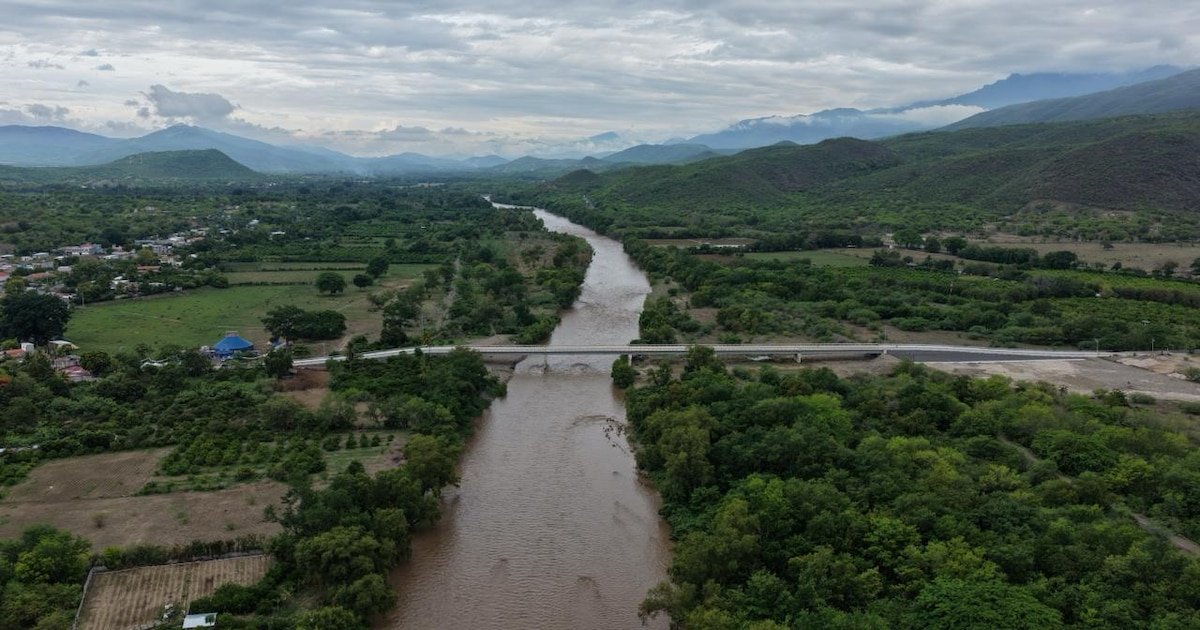
El puente El Jícaro sobre el río Motagua fue inaugurado en El Progreso tras 14 años de espera y dará una conexión permanente con la ruta CA-9 Norte para 34.214 habitantes, con el objetivo de reducir el aislamiento, mejorar los traslados durante todo el año y facilitar el acceso a comercio, salud y educación, según el Ministerio de Comunicaciones, Infraestructura y Vivienda y el Fondo Social de Solidaridad.
La obra requirió una inversión de Q130.014.841,75, después de que el proyecto iniciara en 2022 con 116 millones, de acuerdo con la información oficial. El Gobierno de Guatemala indicó que la ejecución enfrentó cinco suspensiones antes de concluir en 2026.
El nuevo paso vehicular está ubicado en el ingreso principal al municipio de El Jícaro y enlaza con la CA-9 Norte en el kilómetro 98, una de las rutas principales del país, según el CIV. Esa conexión permitirá el traslado de personas y mercancías con una vía estable incluso en temporada de lluvias.

La estructura se ubica entre las más grandes construidas recientemente en Guatemala
El Gobierno de Guatemala afirmó que el puente se posiciona como uno de los cinco más grandes del país. La infraestructura tiene una longitud total de 440 metros, e incluye rampas de ingreso y salida.
La estructura tiene un ancho total de 10 metros y dos carriles vehiculares de cuatro metros de ancho cada uno, además de banquetas peatonales a ambos lados, según el detalle técnico difundido por el FSS. También cuenta con señalización horizontal y vertical para ordenar la circulación.
Entre los componentes constructivos figuran vigas de acero estructural, losa metálica y carpeta de rodadura de concreto reforzado. El diseño incorpora pilas de concreto reforzado con geometría hidrodinámica y cimentaciones profundas mediante pilotes de perfiles H de acero estructural, de acuerdo con la descripción oficial.

El proyecto incluye cinco tramos estructurales de 42 metros cada uno. Según el CIV, ese conjunto fue diseñado para garantizar transitabilidad permanente durante las distintas estaciones del año.
La respuesta directa al problema histórico de la zona es concreta: las familias de El Jícaro ya no dependerán de canoas ni de las condiciones climáticas para cruzar el Motagua, porque el nuevo puente habilita un paso seguro y continuo hacia trabajos, centros educativos, servicios de salud y mercados, según la información oficial.
Durante años, en época de lluvia, muchos vecinos debían cruzar el río en embarcaciones precarias para llegar a sus actividades cotidianas. El Gobierno sostuvo que esa situación exponía a la población a riesgos de seguridad y limitaba la movilidad del municipio.
El impacto económico también forma parte del objetivo de la obra. Según el CIV, el puente favorecerá el transporte de productos agrícolas y comerciales, reducirá tiempos de traslado y mejorará la competitividad de productores, comerciantes, estudiantes y trabajadores de las comunidades cercanas.
El coordinador ejecutivo del Fondo Social de Solidaridad, Luis Rivera, explicó que la terminación del proyecto implicó resolver obstáculos ajenos a la obra misma. “Este proyecto fue un verdadero reto, debido a los derechos de paso, pero sin duda reactivarlo fue una de las mejores labores que se han realizado para llegar hasta donde estamos ahora. Por ello, el FSS se concentró en culminar el proyecto para darle continuidad de paso y desarrollo al pueblo”.
Desde la comunidad, Carlos Sandoval, representante de Las Ovejas, vinculó la inauguración con una demanda sostenida durante años. “Valió la pena tanta lucha, tanto esfuerzo. Hoy llega a ustedes el resultado de esa espera. Agradecemos a los señores del Gobierno, al CIV y al FSS, quienes resolvieron favorablemente las gestiones para desarrollar este proyecto. El Jícaro hoy disfruta de esta fiesta principal. Agradecemos por permitirnos vivir este momento y disfrutar de este puente”.
Geovany Safaroli, representante de la empresa encargada de la construcción, también describió las dificultades del proceso y atribuyó la continuidad del proyecto al respaldo oficial. “Este proyecto fue difícil, porque con el cambio de proyecto se pensó que no iba a haber apoyo, pero gracias a Dios, el presidente de la República giró instrucciones para que el CIV respaldara incondicionalmente. Agradecemos el apoyo del Gobierno, el sacrificio y la paciencia de la población”.
puente de concreto,puente,infraestructura,conectividad,montañas,rural,comunidad,caminantes,construcción,desarrollo

La pobreza infantil cayó al 42,3% y alcanzó su valor más bajo desde 2018, según datos del UNICEF

Dalma Maradona, sobre el médico de su padre: ‘Ojalá hubiera tenido la decencia de apartarse’

El mensaje de Martín Menem tras la muerte de un empresario amigo: “Evitemos especulaciones y versiones sin sustento”

El dolor de la viuda de René Bertrand tras la muerte de María Rosa Fugazot: “Era como mi mamá”

Trump’s grip on GOP faces fresh challenge in South Carolina governor battle

El Gobierno vuelve a posponer la venta de Intercargo y suma condiciones al proceso para su privatización

Desde Neuquén, Myriam Bregman pidió “organizar la bronca para terminar con Milei y su legado”

Cuantas reservas internacionales quieren acumular Milei y Caputo para evitar el riesgo K en 2027

Victoria Villarruel envió una corona de flores al funeral del Indio Solari y buscó diferenciarse del Gobierno

Reforma laboral: qué cambia para los trabajadores con la revisión de más de 100 convenios colectivos vencidos

 POLITICA3 días ago
Desde Neuquén, Myriam Bregman pidió “organizar la bronca para terminar con Milei y su legado”
- POLITICA24 horas ago
Victoria Villarruel envió una corona de flores al funeral del Indio Solari y buscó diferenciarse del Gobierno
- POLITICA1 día ago
Reforma laboral: qué cambia para los trabajadores con la revisión de más de 100 convenios colectivos vencidos