INTERNACIONAL
Dem insurgent turns on the charm with party establishment as Schumer leaves bitter feud hanging

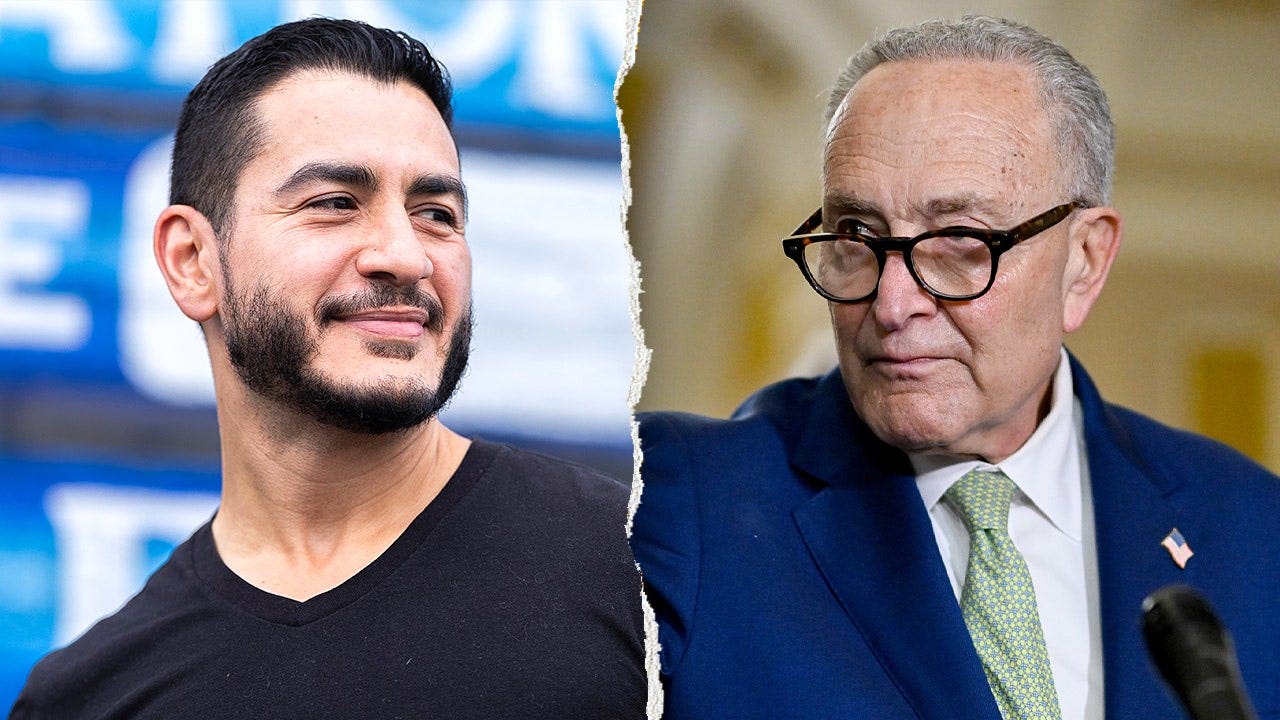
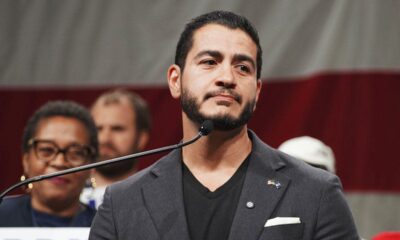
Michigan’s insurgent progressive Senate nominee ran as far as he could from Washington, D.C., but, on Wednesday, he traveled to the nation’s Capitol for a closed-door meeting with top Democratic brass as the race for power intensifies.
Abdul El-Sayed met with top Senate Democrats just hundreds of yards away from Congress, where lawmakers and the wunderkind candidate huddled to discuss his campaign and how to keep Michigan blue.
Many left boasting that the Wolverine State would not turn a shade of purple.
But few, including Senate Minority Leader Chuck Schumer, D-N.Y., would say whether the fences broken during El-Sayed’s primary fight had been mended.
SCHUMER DUCKS QUESTION ON CAMPAIGNING WITH SOCIALIST CANDIDATE WHO REFUSES TO BACK HIM AS LEADER
«Look, we have to win Michigan, and we had a great and friendly meeting,» Schumer said when asked by Digital if he and El-Sayed had moved on from their differences.
Still, El-Sayed held court with Democratic brass for hours at the Democratic Senatorial Campaign Committee’s (DSCC) headquarters in Washington, where a steady flow of lawmakers — both allies and skeptics of his Senate bid — milled in and out of the building throughout the day.
Schumer and Democrats are confident and determined that they can flip the Senate, which Republicans hold with a 53-47 margin. Losing Michigan to the GOP and former Rep. Mike Rogers would serve a mortal blow to that push.
«He’s gonna win,» Sen. Kirstin Gillibrand, D-N.Y., who is also the DSCC chair, said.
The key mission for Democrats is getting independents and Republicans on the fence. But few, including Schumer, said they would actually hit the campaign trail with El-Sayed.
It all comes after El-Sayed and Rep. Haley Stevens, D-Mich., locked horns in one of the most bitter Democratic primary fights of this cycle that pitted the Democratic old guard versus a progressive movement gaining steam across the country.
SEE IT: DEM SENATORS RALLY BEHIND EL-SAYED BUT DUCK QUESTIONS ON PROGRESSIVE AGENDA
Sen. Chris Murphy, D-Conn., who initially endorsed Michigan state Sen. Mallory McMorrow before she dropped out, told Digital, «Obviously, primaries can get really hot, and the Michigan primary got hot.
«This is what you do after a primary is you try to unite the party and then you do the work to reach out and cross over to independent voters and Republican voters,» Murphy added. «So, I don’t think anybody should be surprised that he’s trying to build bridges after a heated primary. That’s what good candidates, that’s what winning candidates do.»
Another McMorrow backer, Sen. Elizabeth Warren, D-Mass., painted a rosy picture of the closed-door session and noted it was «hard to hear in there because so many people were talking and laughing and wanted to hear about the campaign.
«He makes good connections because it’s a lot of people in there who are talking about, ‘What can we do next? What can we do to lower costs for families? What can we do to make this government work better for working people?’ So, it was a very enthusiastic, very cheerful group of people.»
Retiring Sen. Gary Peters, D-Mich., whose seat El-Sayed is gunning for, initially endorsed Stevens. Now, he’s shifting gears.
DEMS’ LEFTWARD LURCH GETS LEGS AS EL-SAYED’S MICHIGAN SENATE VICTORY SPARKS PARTY DEBATE
«I’m endorsing him, and he’s been getting support across the board in Michigan. The Democrats are coming together,» Peters said in response to a question about whether the Democratic establishment was uniting behind El-Sayed. «We understand how important this election is.»
Others were more keen to lend an assist to El-Sayed, including Murphy and Sen. Mark Kelly, D-Ariz., who said, «I’m gonna be in Michigan here in a couple of weeks.»
Sen. Ed Markey, D-Mass., who is running for re-election in deep blue Massachusetts, said that Democrats’ strategy heading into the final stretch was pitching an affordability agenda, and El-Sayed «is the answer.»
«I’m helping him. I think we’re all gonna help,» Markey said when asked if he would raise money for El-Sayed.
The specter of El-Sayed’s relationship with controversial Twitch streamer Hasan Piker, who helped to amplify his campaign in the primary battle, wasn’t something that Democrats focused on during their huddle.
«Hasan what?,» Senate Minority Whip Dick Durbin, D-Ill., told Digital when asked if he came up during the meeting. «I don’t even know who that is.»
When asked if Piker came up or if Democrats encouraged El-Sayed to further distance himself from him, Sen. Andy Kim, D-N.J., said, «Not in terms of the conversation. Like I said, I was just trying to get to know him.»
After initially dodging question on whether he would campaign with Piker, El-Sayed later told reporters, «This conversation is so far removed from what people are talking about.
«Everyday, in Michigan, people sit at their kitchen tables and ask, ‘How am I going to make this work next month?’ That’s not a middle, right, left issue, that’s a basic affordability issue.»
When further pressed, he countered that Michigan voters «really don’t care about that.»
«They really don’t,» El-Sayed said.
politics, abdul el sayed, chuck schumer, michigan, senate, midterm elections









INTERNACIONAL
Mediante el sistema de marcaje bancario delincuentes despojan a víctima de $18,500 en Panamá
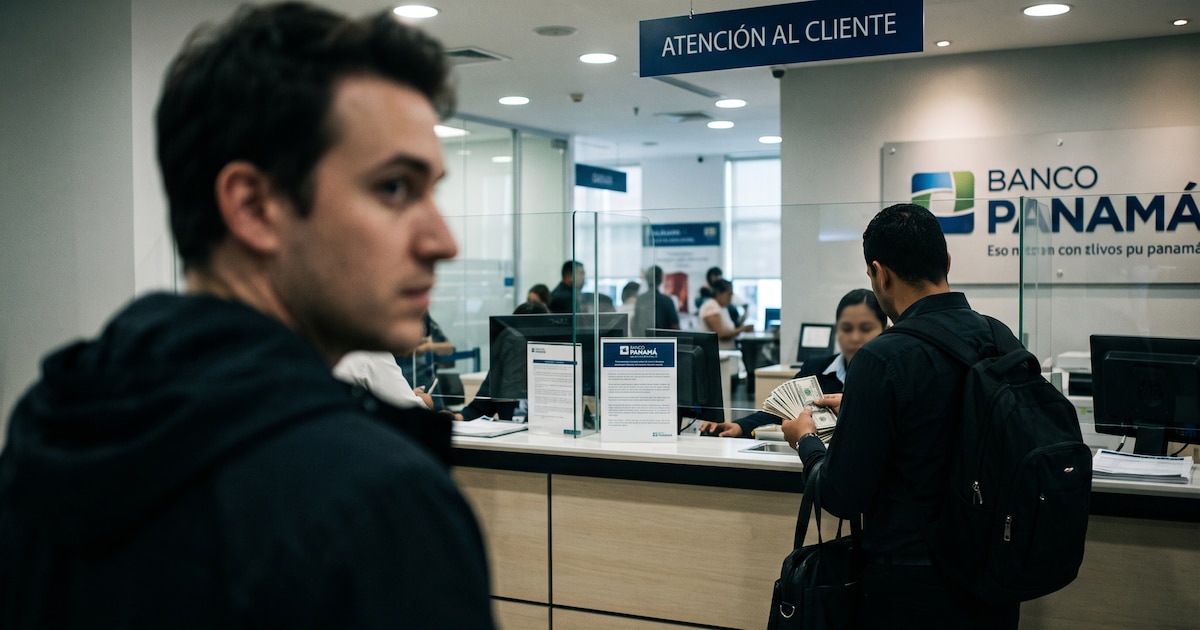
La estructura del marcaje bancario quedó expuesta en una investigación por el robo de $18,500 a un cuentahabiente en Changuinola, provincia de Bocas del Toro.
El grupo de delincuentes habría, como es la modalidad de este delito, dividido las tareas entre quienes vigilaban dentro de la entidad financiera y quienes seguían a la víctima fuera del lugar.
Por el hecho, un hombre y una mujer permanecen detenidos de manera provisional por orden de un juez de garantías, tras una petición de la Fiscalía Regional de Bocas del Toro.
Ambos enfrentan cargos por asociación ilícita para delinquir y hurto agravado.
Según la investigación, los dos imputados siguieron a la víctima desde que salió de una sucursal bancaria con efectivo.
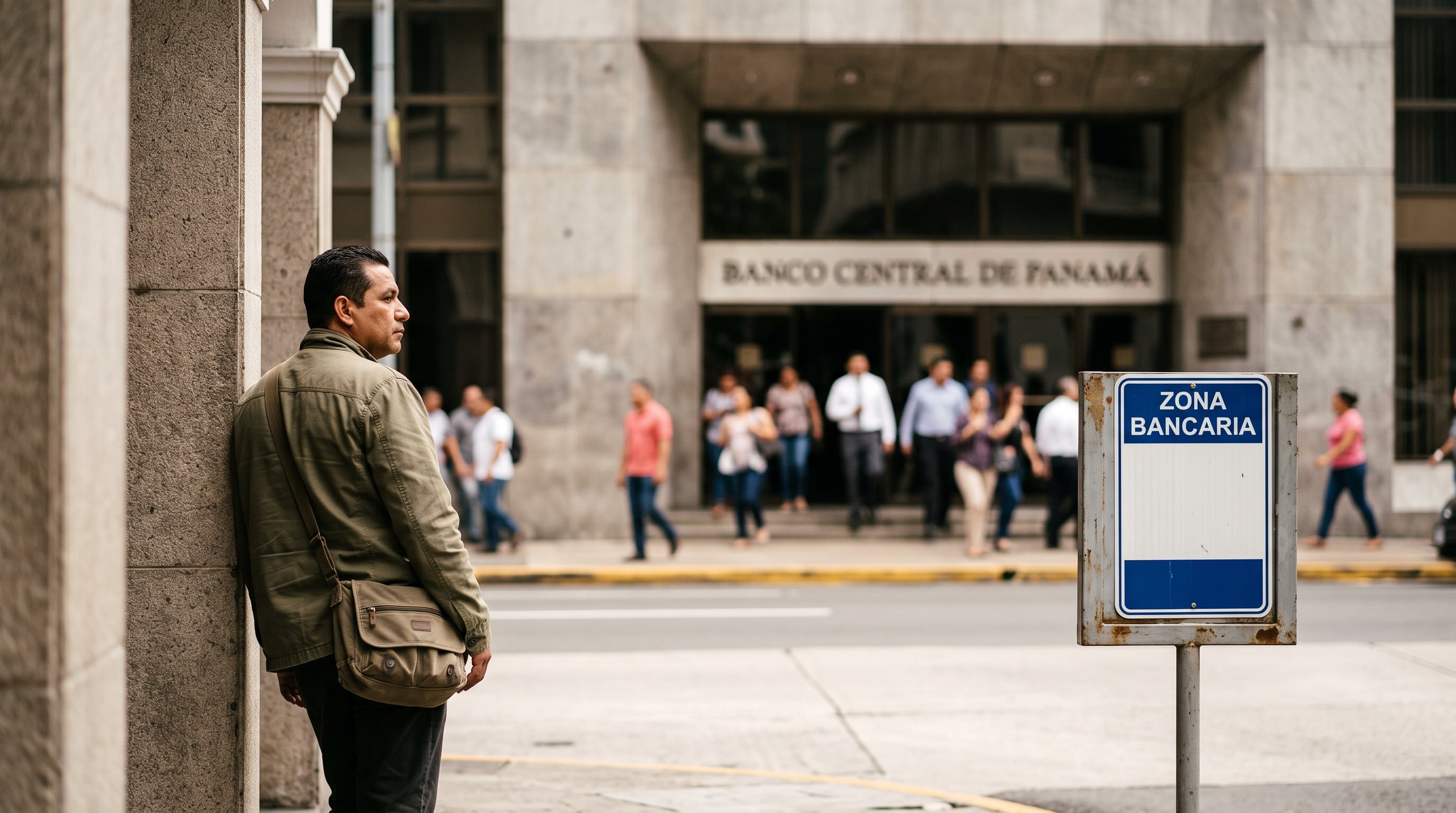
La sustracción ocurrió cuando la persona afectada descendió por un momento de su vehículo para entrar a un comercio y en ese instante los acusados habrían actuado junto con otros tres hombres que todavía no han sido identificados.
Los presuntos autores rompieron uno de los vidrios del automóvil y tomaron el dinero que estaba dentro. La causa sostiene que la acción respondió a una coordinación previa y no a una oportunidad casual.
El marcaje bancario consiste en observar a clientes que retiran sumas elevadas de efectivo, seguirlos cuando salen de una entidad financiera y atacar en un momento de descuido.
La modalidad suele incluir funciones separadas de vigilancia, comunicación y ejecución, lo que dificulta identificar a todos los participantes y reconstruir la secuencia del delito.
La Fiscalía investiga una presunta organización con tareas repartidas.
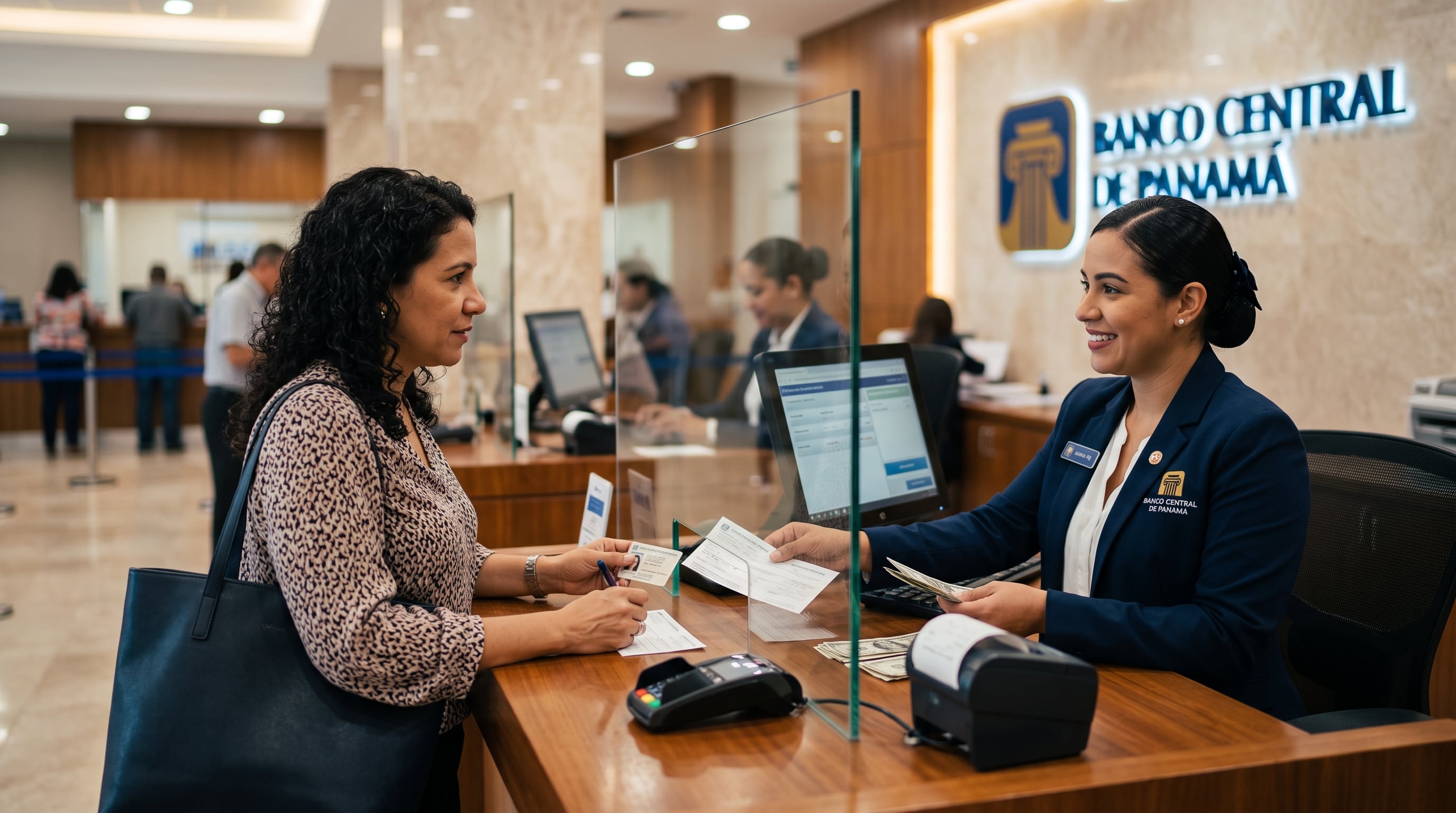
Sumarias del Ministerio Público indican que el grupo mantenía una organización dedicada al rastreo de cuentahabientes. La estructura habría permitido elegir objetivos y conservar el contacto visual con ellos hasta el momento de la sustracción.
La estrategia se apoyaba en la vigilancia de las inmediaciones de los bancos, donde los sospechosos buscaban a personas que retiraban cantidades importantes de dinero y luego aguardaban una distracción.
El expediente describe una dinámica en la que algunos integrantes realizaban labores de observación, mientras otros permanecían fuera de la sucursal. Esa distribución de roles refuerza la imputación por asociación ilícita para delinquir.
El plazo entre el retiro y el ataque suele ser breve en este tipo de casos. Las organizaciones procuran evitar que la víctima deposite el efectivo, lo entregue a otra persona o adopte medidas adicionales de resguardo.
La rapidez también reduce la posibilidad de perder el rastro del objetivo. Para lograrlo, quienes observan dentro del banco deben transmitir información a los cómplices que esperan afuera.

Fuentes judiciales indican que la modalidad no depende de un contacto inmediato entre los delincuentes y la persona afectada, ya que el denominado marcador puede pasar inadvertido al presentarse como un cliente más dentro de la sucursal.
Ese individuo puede efectuar una operación mínima o limitarse a permanecer en el lugar. Su función consiste en detectar quiénes retiran sumas considerables y comunicar el dato al resto de la estructura.
Entre los elementos que los delincuentes pueden usar para escoger a una víctima figura la observación de retiros en las cajas. También pueden reparar en el tiempo que una persona permanece dentro de la entidad.
Las características externas del cliente pueden influir en esa evaluación. El tipo de vehículo y la vestimenta, según la información disponible, pueden generar entre los autores una percepción sobre la capacidad económica del cuentahabiente.
La discreción con la que se realiza esa primera etapa complica la obtención de pruebas. No siempre existe una interacción directa entre el marcador y la víctima antes de que ocurra el robo.
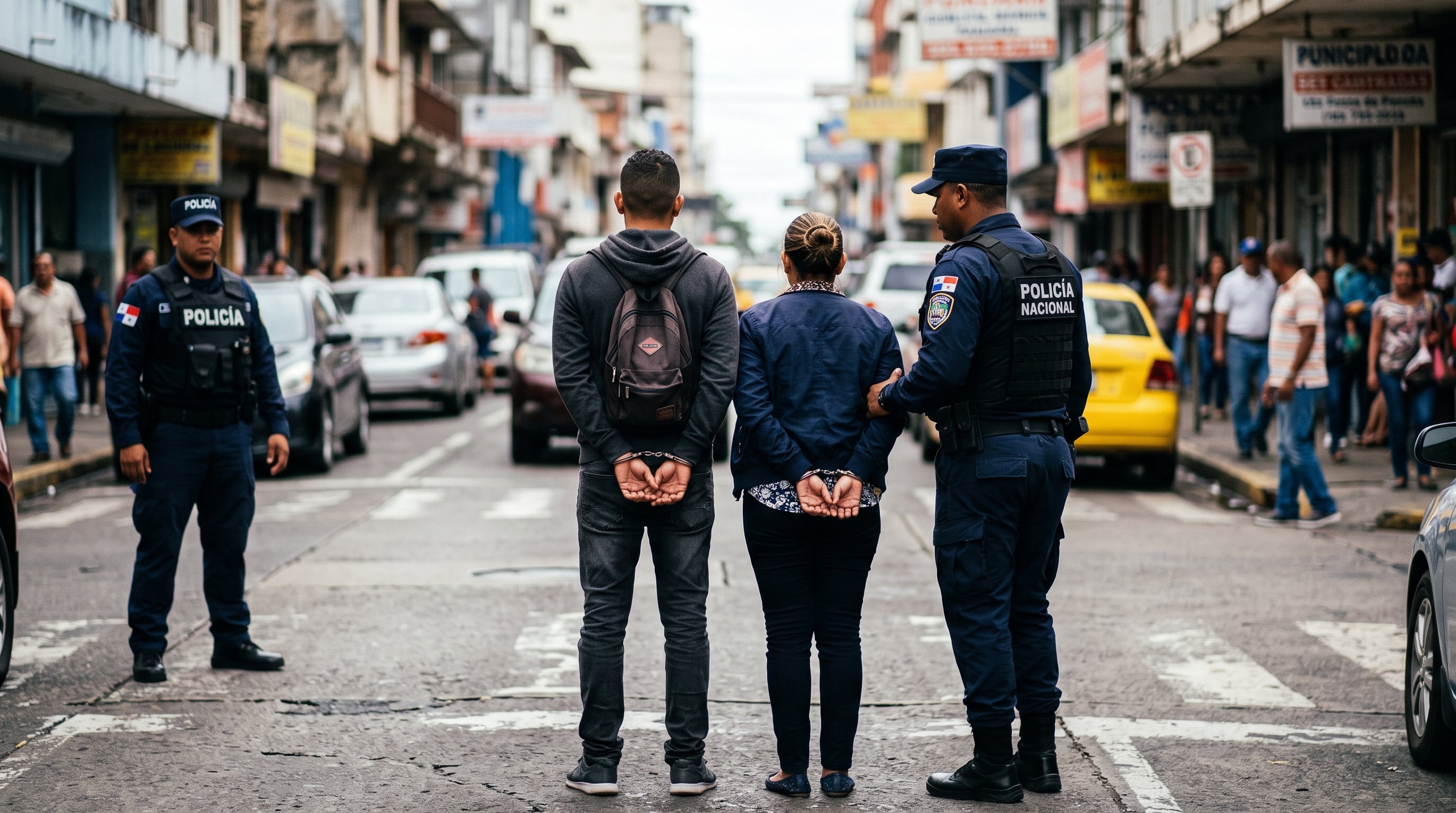
El marcaje se vinculó con otros riesgos para los clientes bancarios. Funcionarios de los sectores financiero y de seguridad señalaron que las instituciones comenzaron a identificar casos sistematizados de marcaje en Panamá alrededor de 2010. Desde entonces, la práctica mantuvo presencia en el país, con períodos de mayor incidencia en algunas provincias.
Para las entidades bancarias, el marcaje integra un conjunto de amenazas que también incluye el phishing, la suplantación de identidad, el cambiazo en cajeros automáticos y el robo de cheques. En ese grupo figuran además los cheques falsos o sin fondos utilizados para obtener mercancía.
Banco Panamá,efectivo,retiro de dinero,seguridad bancaria
INTERNACIONAL
Trump amenazó con cortar el comercio de EE.UU. con Europa si la UE avanza con la incorporación de Canadá como “miembro asociado”
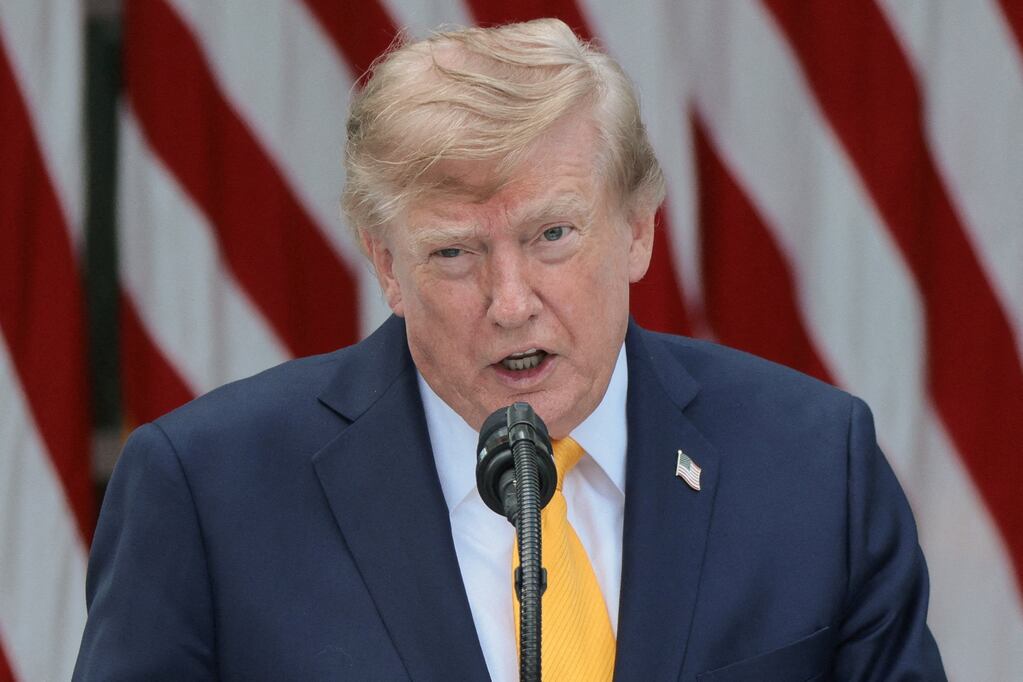
El presidente de Estados Unidos, Donald Trump, amenazó este miércoles con imponer fuertes aranceles e incluso interrumpir parte del comercio con la Unión Europea si el bloque avanza con el proyecto para convertir a Canadá en su primer “miembro asociado”.
“Creo que es ridículo”, respondió Trump ante una consulta de periodistas durante una visita a Carolina del Norte. El mandatario sostuvo que analizará las características del eventual acuerdo antes de decidir una respuesta y advirtió: “Si considero que es un acto hostil, impondré aranceles muy serios o dejaré de comerciar con Europa”.
Trump planteó además la posibilidad de cortar los intercambios en determinados sectores y volvió a cuestionar la relación comercial de Estados Unidos con Canadá, en momentos en que las tensiones entre Washington y Ottawa atraviesan una nueva escalada.
La advertencia llegó horas después de que la presidenta de la Comisión Europea, Ursula von der Leyen, propusiera formalmente abrir la puerta para que Canadá se convierta en el primer “miembro asociado” de la Unión Europea.
Qué propone la Unión Europea para Canadá
Von der Leyen hizo el anuncio durante su discurso anual sobre el Estado de la Unión ante el Parlamento Europeo, en Estrasburgo, al que asistió el primer ministro canadiense, Mark Carney.
“Me gustaría trabajar con usted para abrir la puerta a que Canadá sea el primer miembro asociado de la Unión Europea”, sostuvo la dirigente europea.
La propuesta, sin embargo, está todavía en una etapa inicial. Los tratados europeos no contemplan actualmente la figura de “miembro asociado”, por lo que su alcance jurídico, económico y político tendrá que ser definido. Además, cualquier avance de esta magnitud requeriría negociaciones dentro del bloque y la participación de los Estados miembros.
UE
INTERNACIONAL
Lawmakers say they are standing at the gates against ‘Trojan horses’ promoting malign foreign interests

WASHINGTON, D.C. — In a series of exclusive interviews with Digital, lawmakers on the House Foreign Affairs Committee sounded the alarm on a sprawling network of «Trojan horse» activists, nonprofits and social media influencers allegedly amplifying the hostile messages of foreign adversaries straight through the open gates of American democracy.
The warning came into sharp focus Tuesday when CodePink co-founder Medea Benjamin and two fellow activists walked into House Rayburn 2172 for a hearing on covert foreign influence operations, then strategically positioned themselves behind witnesses in T-shirts supporting the Islamic Republic of Iran and the Communist Party of Cuba.
About 30 minutes into the hearing, South and Central Asia Subcommittee Chairman Bill Huizenga, R-Mich., stopped the hearing and had Capitol Police escort them out.
LAWMAKERS THROW OUT ‘TROJAN HORSE’ ACTIVISTS THEY SAY ARE ENGAGED IN AMERICAN SUBVERSION
«They’re coming in, trying to look like one thing, but we know that once they’re inside the gates that those doors are going to spring open, and there’s a whole other motivation for what they’re trying to do,» Huizenga told Digital.
At the center of the controversy is communist tech tycoon Neville Roy Singham, who married CodePink co-founder Jodie Evans in a tropical wedding in Jamaica in 2017, soon after funneling $285 million to six pro-China, pro-communist, anti-American nonprofits in the U.S., including CodePink, according to a Digital investigation.
Lawmakers say the answer is transparency and following the money and exposing who finances the alleged «Trojan horse.»
In their series of interviews, Huizenga and other committee members explained how the modern «Trojan horse» isn’t made of wood but rather a network of activists, nonprofits, social media influencers and other ostensibly American voices that foreign governments and foreign-linked actors can allegedly fund, amplify or exploit to carry their messages through the open gates of American democracy.
«They’re coming in, trying to look like one thing, but we know that once they’re inside the gates that those doors are going to spring open and there’s a whole other motivation for what they’re trying to do,» Huizenga told Digital.
At the hearing, devoted to «Trojan Horses: Covert Foreign Malign Influence Operations in America,» lawmakers expressed concern about how the Communist Party of China, Russia, the Islamic Republic of Iran and the Communist Party of Cuba spread their propaganda and influence in the U.S.
The phrase «Trojan horse» comes from the ancient Greek story of soldiers concealed inside a wooden horse presented to the city of Troy. Once the horse was taken behind the city’s fortified walls, the soldiers emerged and opened the gates, destroying Troy.
Huizenga stressed that Americans can hold sincere beliefs while also having those messages funded or amplified by foreign actors without necessarily knowing it. He argued that the answer to foreign influence is exposing the origins of the messaging through transparency and robust debate.
Inside the hearing room, as Digital reported, Benjamin and her fellow CodePink activists offered a vivid illustration of the debate over how political messages are created and amplified.
They sat directly behind the witnesses, placing their T-shirts in the sight line of the official committee cameras.
Benjamin then turned toward a television monitor on the side of the hearing room displaying the official video feed. She pulled out her phone, zoomed in on the image of herself and a fellow activist appearing behind the witnesses and took photo after photo of the screen.
HOUSE PANEL PROBES FOREIGN ‘TROJAN HORSES’ AS SINGHAM SCRUTINY WIDENS
Huizenga said he viewed the episode as political theater designed for an audience beyond the committee room.
«This isn’t about discourse. This is about disruption,» Huizenga told Digital. «It’s all planned out. You see people in the crowd filming with their phones, getting ready. You knew something was going to happen because, all of a sudden, the phones would come out.
«It’s really about theatrics,» he added, arguing that confrontations can subsequently be circulated on social media to attract attention, donations and volunteers.
The episode captured the central tension running through the hearing: How does the United States expose genuine covert foreign influence without treating protected American political speech as foreign subversion?
«Transparency. Transparency is the watchword,» Huizenga told Digital. «We really need to make sure that people know not only the why, but the who is behind all this.»
Rep. Michael Baumgartner, R-Wash., told Digital that America’s open political system creates opportunities for foreign governments to try to influence legitimate domestic debates through social media, universities and other institutions.
«The American people need transparency and need to understand what is going on in these public policy discussions and whether it’s podcast hosts, certain actors on social media or things going on our college campuses,» Baumgartner said. «We need to know who’s behind it and what their motivations are.»
Baumgartner pointed to «clear transparency on this issue» as a solution, adding that if evidence showed organizations were acting on behalf of foreign governments without complying with applicable disclosure laws, the matter could potentially be referred to the Justice Department, which oversees the Foreign Agent Registration Act, or FARA. The law requires that people and organizations acting on behalf of foreign interests register with the Justice Department.
Other lawmakers said the modern Trojan horse doesn’t necessarily have to walk physically through the doors of Congress, but rather arrive via social media.
Rep. Randy Fine, R-Fla., described social media, influencers and protests as potential channels through which foreign governments influence American political debate. He said «it’s a real issue, whether it’s on social media, influencers, protests, these things are all designed to destabilize our country.»
Fine characterized what experts call «cognitive warfare» as «using our information platforms to try to poison people’s minds and to create division from within.»
Rep. Darrell Issa, R-Calif., focused on another battlefield: artificial intelligence.
«Trojan horses are things like the announcement that we should slow down on AI,» Issa told Digital, arguing that foreign adversaries can benefit when American political pressure slows U.S. technological development.
«We are in a war in which the other side uses all the clandestine tools,» Issa said. «They use their, quite frankly, their social media to our detriment.»
Huizenga similarly argued that Americans should view the organizations under examination not individually but as a network.
«It’s a network. It’s not independent organizations or even people,» he said. «You will see some of the same people at different organizations, rallies, or protests.»
At the center of much of the hearing were findings from a Digital investigation into Neville Roy Singham, an American-born communist tech tycoon who lives in Shanghai and has pumped $285 million into six nonprofits, including CodePink, the People’s Forum and other groups examined during the hearing.
Huizenga alleged in his official opening remarks that Singham uses his wealth and relationships in China to support organizations that promote communist ideology and destabilize American society. He explicitly described Singham, CodePink and a growing network of pro-communist, pro-China groups as «Trojan horses.»
‘TROJAN HORSES’ IN AMERICA: CONGRESS PROBES INFLUENCE NETWORKS TIED TO CHINA, IRAN AND CUBA
Singham and CodePink have denied taking direction from the Chinese government. Singham has said his activities reflect his own political beliefs, while Benjamin has said CodePink doesn’t receive money from the Chinese Communist Party.
As Digital reported in June, the Justice Department and the U.S. Attorney’s Office for the Southern District of New York have convened a grand jury investigation into alleged money laundering, bank fraud and wire fraud by Singham and the organizations he has funded.
No criminal charges have been filed against Singham or CodePink with respect to those allegations.
Huizenga argued that the funding relationships deserve scrutiny.
«Oftentimes, it’s frankly the origins aren’t organic, or if there is a part of it being organic, this is getting fed by outside organizations, oftentimes even outside countries,» Huizenga alleged.
Being escorted through the committee room doors didn’t end CodePink’s political theater.
Outside the hearing room, Benjamin positioned herself beside the House Foreign Affairs Committee placard and began recording another video, pulling out a comb first to straighten her hair.
When Rep. Fine emerged from the hearing, Benjamin followed him down the hallway firing questions as another member of her team recorded the encounter.
After Fine disappeared into an office, Benjamin returned to the committee entrance, straightened her hair with a comb and resumed recording.
HOUSE COMMITTEE PASSES FOREIGN FUNDING TRANSPARENCY ACT TO EXPOSE FOREIGN DONATIONS TO NONPROFITS
About two hours after Capitol Police escorted the activists from the hearing, CodePink posted a carefully edited video of the day’s confrontation on social media, where activists in the broader network began sharing it.
The physical protest was over, but the images it produced were just beginning to travel.
That sequence was precisely why lawmakers said Americans should look beyond the spectacle to who finances and amplifies political messaging.
«This is theater for many of these people,» Huizenga said. He said he wanted Americans, through «transparency and disclosure,» to understand «not just the what they are doing, but the who is financing them.»
The lawmakers gathered to investigate modern «Trojan horses» said the lesson of the ancient story wasn’t simply to keep the horse outside the gates but also to understand what — and who — might be inside.
«Transparency. Transparency is the watchword,» Huizenga said.
Lawmakers say ‘transparency and disclosure’ are the best defense against influence campaigns exploiting America’s democracy.
Digital’s Reagan Schroeder and Brooke Curto contributed to this report.
politics, foreign affairs, china, russia, iran, cuba

Senado: el oficialismo intentará sancionar este jueves la ley de Inocencia Fiscal II

El oficialismo avanzó con el dictamen de Zonas Frías en el Senado y buscará aprobarlo la semana que viene

La furia de Yipio al perder la polémica final de Gran Hermano ante Sol Abraham: “Yo gané”

Causa AMIA: suman al juicio al hombre de confianza de Khamenei como cerebro del atentado

Mediante el sistema de marcaje bancario delincuentes despojan a víctima de $18,500 en Panamá

El ministro de Defensa ordenó iniciar el proceso para destituir al personal de la Armada involucrado en los presuntos sobresueldos

Entre arroyos y countries: vecinos intentan salvar el último pulmón rural del conurbano antes de que cambie para siempre

El polémico video de Tiago PZK con La Joaqui cuando ella aún estaba de novia con Luck Ra que desató un escándalo

Más allá de la música, el nuevo negocio de Pablito Lescano, el líder de Damas Gratis

Trump habló de una posible guerra por Malvinas y dijo que podría intervenir para resolverla

 POLITICA3 días ago
Javier Milei y sus medidas, en vivo: “Has sido engañado por un chanta”, dijo el Presidente al defender el nivel de consumo
- ECONOMIA3 días ago
Comienza una de las semanas más complicadas del año: debate entre empresarios de IA con Trump y casi segura suba de tasas en Estados Unidos
- INTERNACIONAL3 días ago
Federal judge rules Trump admin plan to cut FEMA workforce in half is unlawful