INTERNACIONAL
China firm gave Iran lifeline to collect Hormuz tolls before pulling plug amid US warning

NEWYou can now listen to Fox News articles!
Iran’s sanctioned Persian Gulf Straits Authority (PGSA) regained secure online access for four days after a Shanghai-based internet security firm provided and then revoked its web credentials, enabling Tehran to vet vessels, collect Strait of Hormuz tolls and operate despite U.S. digital restrictions, global internet monitors said.
TrustAsia issued an automated domain-validated certificate, a routine process that verifies control of a website domain through server checks and typically does not involve manual vetting or background checks.
The move prompted U.S. sanctions experts, including Jeremy Paner, a partner at Hughes Hubbard & Reed, to urge TrustAsia to review its compliance program before offering further services to the IRGC-linked maritime authority — with Paner warning them to act «before it is too late.»
The PGSA first said its website was disrupted Aug. 10 because of «the enemy’s political influence on the internet service provision systems,» according to a post on X.
IRAN REQUESTS TALKS WITH US AS WHITE HOUSE WARNS ‘VIOLENCE WILL BE MET WITH VIOLENCE’
Oil tankers and cargo ships line up in the Strait of Hormuz as seen from Mina Al Fajer, United Arab Emirates, Wednesday, March 11, 2026. (Altaf Qadri/AP Photo)
NetBlocks CEO Alp Toker told Fox News Digital that the authority had lost its web security credentials after the entity was added to the U.S. Office of Foreign Assets Control (OFAC) sanctions list on May 27.
The loss of standard SSL/TLS certificates, Toker said, made the PGSA website inaccessible using standard browsers. This forced shipping firms to use unencrypted connections that, according to Toker, could leave their data vulnerable to interception.
While no data breaches resulting from the use of these connections have been made known, and there are no known instances in which a shipping firm’s data was intercepted and used to its detriment because of the certificate expiration, Toker said the site’s inaccessibility resulted in a shift to what he described as «insecure protocols.»
«The digital transparency records are authoritative on this,» he said, adding that the measure forced the traffic into a format that could be readily intercepted.
«This is a class of vulnerability open to government exploitation, rather than a corporate breach or personal data leak.»
Toker claimed this could make it easier for authorities to read communications sent through the platform, potentially identifying shipping firms collaborating with the PGSA.
TRUMP SAYS IRAN WILL PAY — WHAT IT TAKES TO END THE WAR REMAINS UNCLEAR
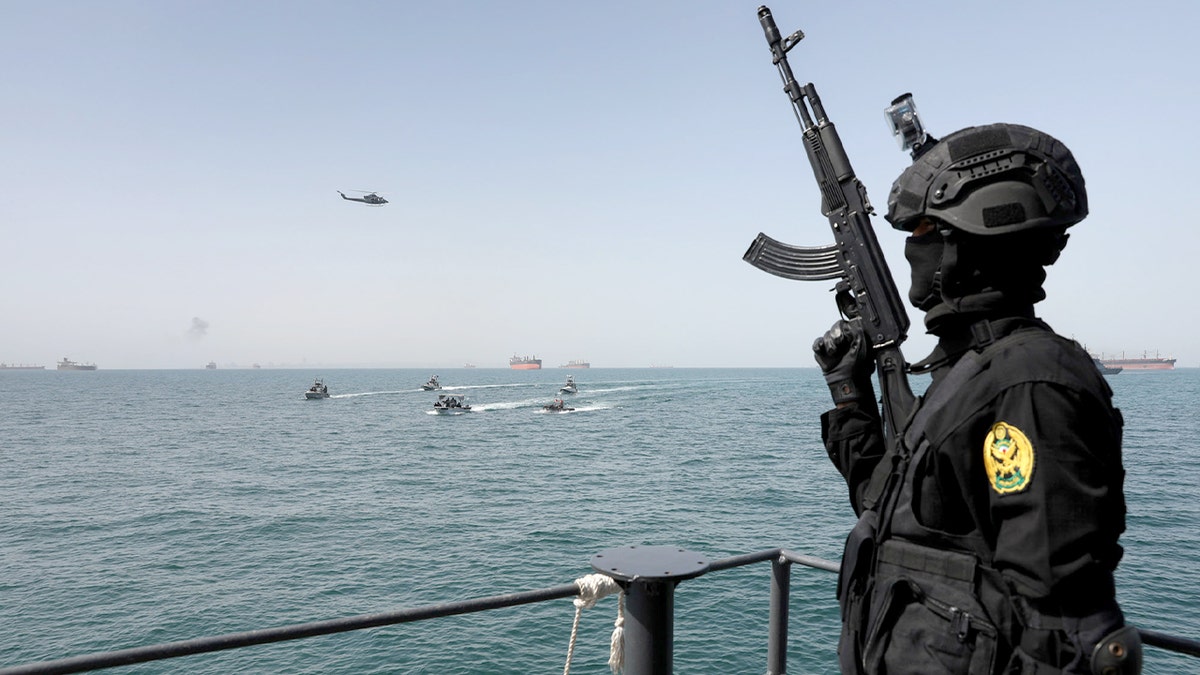
Naval units from Iran and Russia simulate the rescue of a hijacked vessel during joint drills at the Port of Bandar Abbas in Hormozgan, Iran, on Feb. 19, 2026. (Iranian Army/Handout/Anadolu via Getty Images)
«The net result was that the website was more difficult to access, because most web browsers strongly encourage the use of secure HTTPS,» Toker said, adding that any form submissions could have been easily «eavesdropped on because they’re no longer encrypted in transit.»
«The mentioned issue has been resolved, and the secure domain is now once again available for submitting requests using any browser,» the PGSA said six days later on Aug. 17 and in another post shared on X.
«If the issue recurs in the future, the HTTP domain will again be temporarily available using the Firefox browser.»
Toker confirmed that Iran had turned to Shanghai-based certificate authority TrustAsia Technologies, which he said issued new digital security credentials to the PGSA despite the U.S. sanctions, restoring secure access to its website.
«Iran’s IRGC extorts vessels transiting the Strait of Hormuz through the so-called Persian Gulf Strait Authority,» the Treasury Department said in May when designating the entity, adding that the PGSA «spearheads an Iranian-controlled scheme that flagrantly violates international law and U.S. sanctions.»
«Anyone cooperating with the so-called strait authority may be providing support to and receiving services from the IRGC, which ultimately benefits from this attempted extortion, and may therefore be exposed to sanctions risk,» the Treasury Department warned.
The Chinese firm bills itself as a «leading and professionally certified certification authority in China with its focus on trusted, secure and cryptographic communications in the digital world.»
Its mission, it says, is to «Build trust everywhere in the digital world.»
«Almost all of these root authorities do business with the U.S., so they tend to comply with U.S. sanctions,» Toker said.
But TrustAsia, he noted, had «gone its own way, building a China-first certificate infrastructure that sidesteps the West.»
Toker said TrustAsia had «simply gone ahead and issued Iran’s PGSA with a new certificate, and Iran was once again collecting revenue from ships passing the Strait via its secure online portal.»
TRUMP CALLS ON ARAB NATIONS TO SIGN ABRAHAM ACCORDS
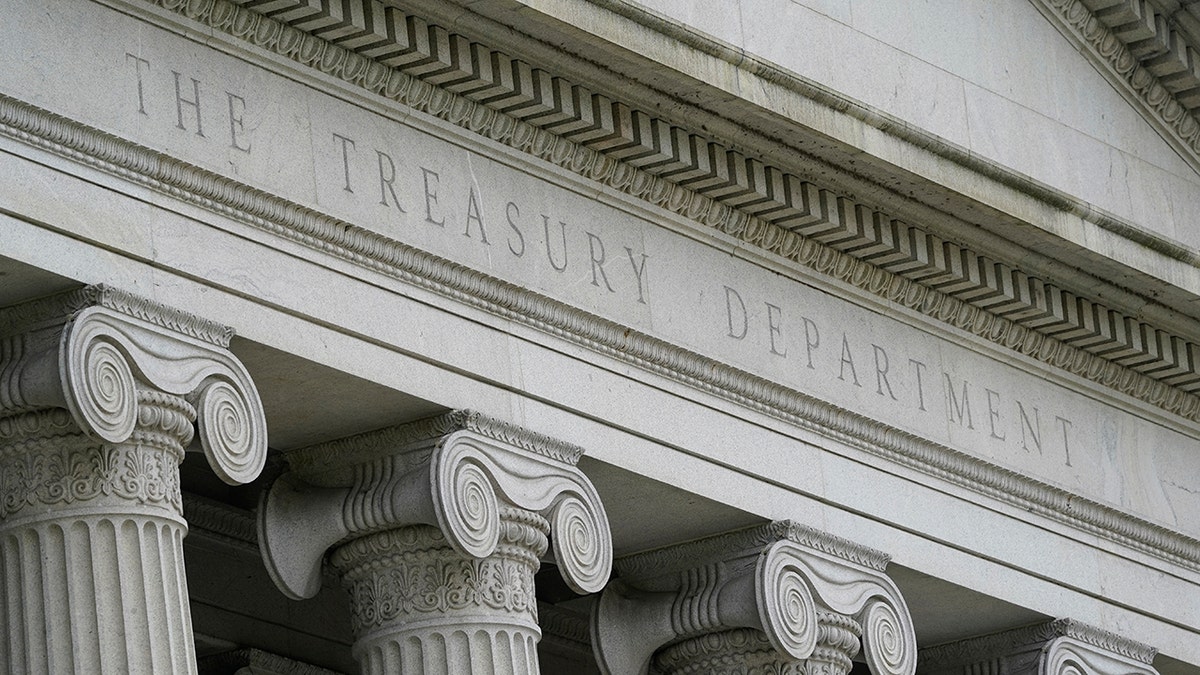
The Treasury Building is viewed in Washington, May 4, 2021. The U.S. on Wednesday imposed a new round of sanctions on a group of 20 people and firms allegedly involved in a financial facilitation network for the benefit of the Iranian military. The Treasury Department sanctions impact firms and people spanning from Hong Kong to the United Arab Emirates. (AP Photo/Patrick Semansky)
Paner warned that U.S. authorities would have enforcement powers over such actions.
«The U.S. has incredibly broad authority to impose sanctions on non-Iranian companies that provide any sorts of services to sanctioned Iranian companies,» he told Fox News Digital.
«Many times, that authority will be abbreviated or explained as being providers of material support to sanctioned Iranian companies. But in fact, any level of services whatsoever could be the basis for the United States imposing sanctions against the company for providing services to Iran.»
«Restoration of the certificate is unequivocally sanctionable,» Paner warned.
«Restoring the certificate is/was a service provided to the PGSA, which can be the basis for imposing sanctions pursuant to Executive Order 13224, as amended.
«That authority does not in any way require that the service be ‘knowingly’ provided to the PGSA. In other words, the automated nature of the service is irrelevant and does not make the service any less sanctionable,» the lawyer added.
In a statement to Fox News Digital on Aug. 20, a spokesperson for TrustAsia confirmed that the firm issued a «Domain Validated TLS certificate for pgsa.ir.»
«Thank you for bringing this matter to our attention,» the firm said before clarifying that «DV certificates are issued through automated validation of control over the requested domain names.»
IRAN ACCELERATES EXECUTION CAMPAIGN AGAINST ANTI-REGIME ACTIVISTS AMID INTERNET CENSORSHIP
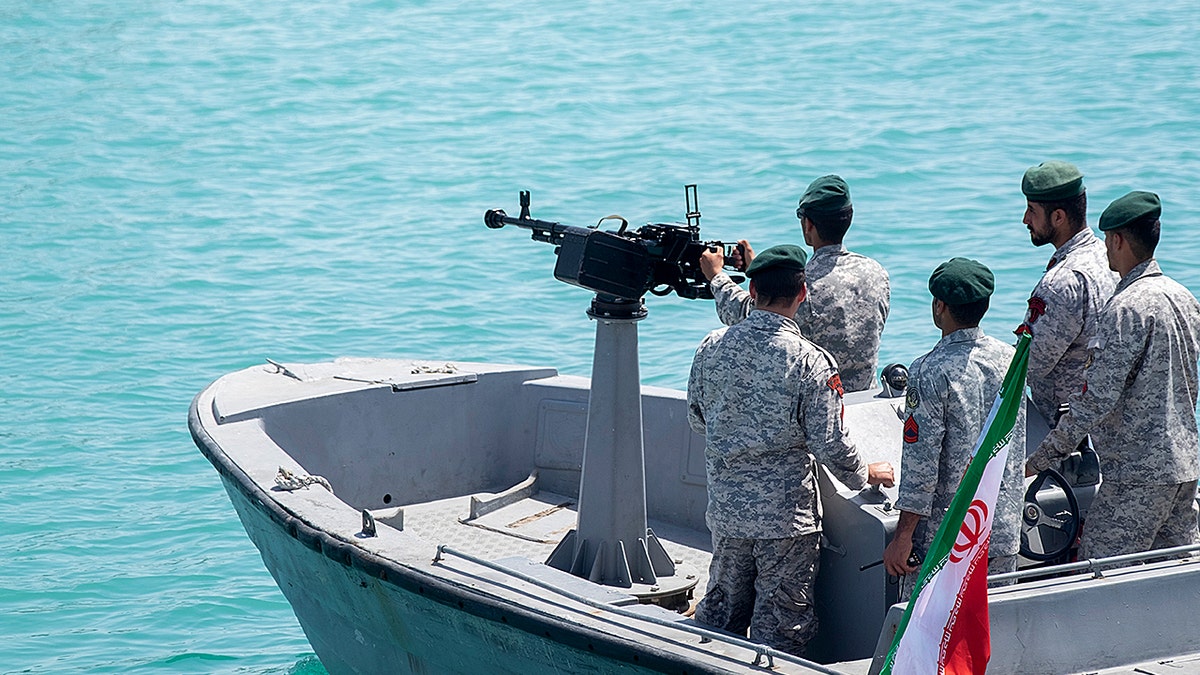
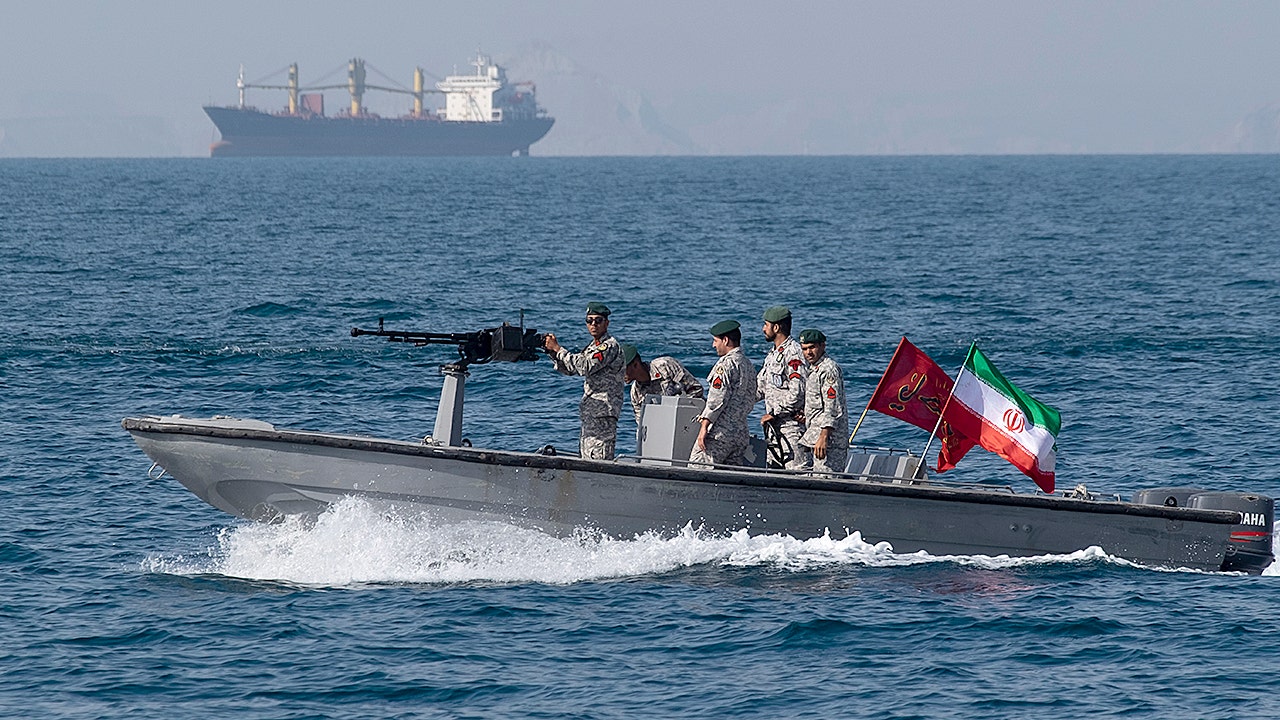
Iranian Navy soldiers on an armed speed boat in the Persian Gulf near the Strait of Hormuz. (Morteza Nikoubazl/NurPhoto via Getty Images)
«This process does not verify or assert the legal identity, affiliation, or sanctions status of the entity operating or benefiting from the domain.
«As a result, the relationship described in your inquiry was not identified during the automated issuance process.» Following the firm’s review, TrustAsia said it «added the entire pgsa.ir domain namespace to our restricted-issuance list to prevent further issuance or renewal.»
«We also expect to complete revocation of the existing certificate within this week,» the spokesman said on Aug. 20.
These actions are precautionary compliance and risk-control measures. They should not be interpreted as a finding that the certificate was technically misissued, TrustAsia said.
Toker confirmed the TrustAsia certificate’s privilege had been withdrawn on Aug. 21 at 12:15:25 UTC. «This usually means the issuer has taken action,» he said.
The internet expert clarified that the revocation will gradually be coming into effect, with the firm «signaling that the PGSA certificate should no longer be trusted, and they’re distributing this notice that privilege is withdrawn, usually meaning customer misuse or breached terms of use.»
«The secure website will stop working in most browsers, unless the owners can find a certificate authority that’s willing to issue a new certificate,» Toker said.
IRAN’S UNSEEN SUPREME LEADER BECOMES WEAPON IN ESCALATING POWER STRUGGLE, EXPERTS SAY
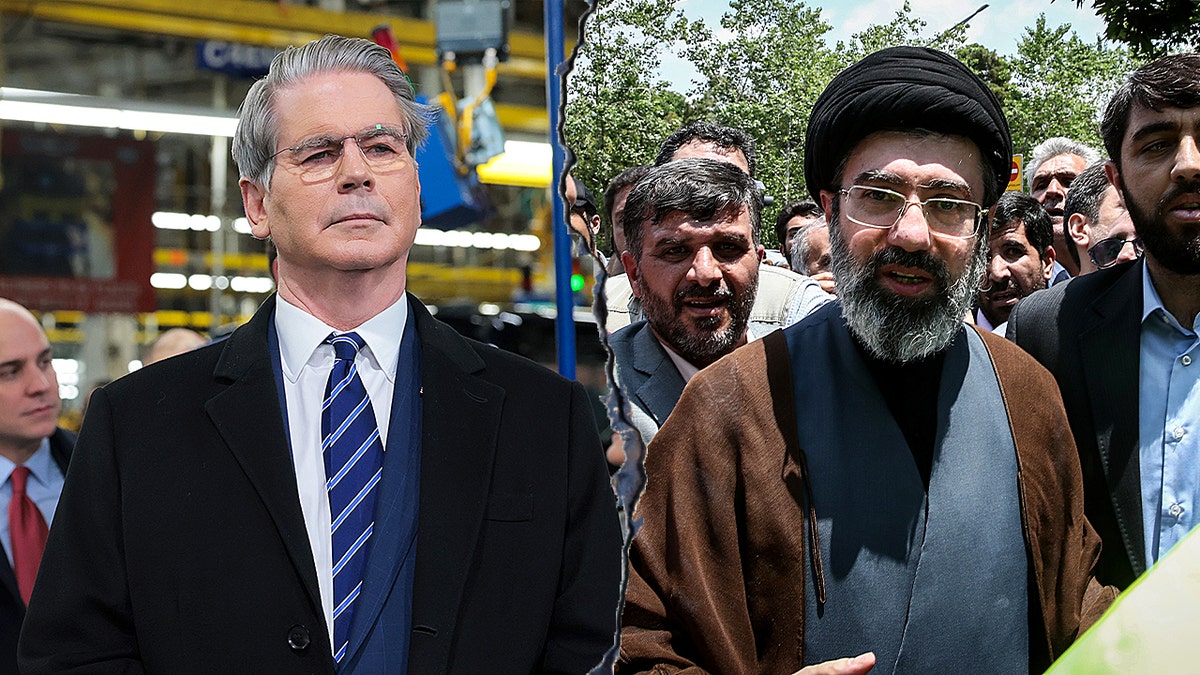
Iran sanctions prompt capital flight as Treasury Secretary Scott Bessent reports Iranian leaders allegedly wired tens of millions overseas amid protest crackdowns. (Anna Moneymaker/Saeid Zareian/Picture Alliance via Getty Images)
After reviewing TrustAsia’s statement, Paner also said that OFAC would expect the company to «use the discovery as an opportunity to enhance its compliance program before it is too late.»
The former OFAC official clarified that Iran’s revenue collection in the waterway would likely draw high-level scrutiny in Washington.
«Iran’s attempt to extort the world in the movement of oil through the Strait of Hormuz is of the utmost importance to OFAC, which is the agency that implements and enforces U.S. economic sanctions.»
Because major U.S. web browsers currently recognize TrustAsia’s root certificates, American systems would have automatically trusted the sanctioned Iranian portal.
Toker claimed the Treasury Department could have found TrustAsia in violation of sanctions for providing material assistance to a blocked entity, potentially forcing tech giants such as Google and Microsoft to revoke trust in TrustAsia.
There is no evidence that this process had begun or was likely to occur.
«This could have splintered the global chain of trust and potentially render much of the Chinese web inaccessible from the West,» Toker warned.
IRAN IS NOT A NORMAL NATION YOU CAN MAKE DEALS WITH; IT’S A NATIONAL SECURITY THREAT

Ahmad Vahidi, commander of the Islamic Revolutionary Guard Corps Quds Force, Esmail Qaani, and Iraj Masjedi, deputy coordinator of the Islamic Revolutionary Guard Corps (IRGC) Quds Force, participate in a ceremony to mark the memory of former IRGC commander, Hossein Salami, who is killed in Israeli attacks, at a mosque in an IRGC organizational house complex in Tehran, Iran, July 25, 2025. (Morteza Nikoubazl/Nur Photo via Getty Images)
Paner clarified that the certificates authenticate the site, boosting its credibility, and suggested TrustAsia should have weighed the risks of working with sanctioned entities.
«There’s always reputational risk involved in any company that decides to do business with the IRGC.»
«If I were advising TrustAsia, I would at minimum immediately identify all other IRGC companies receiving services.»
Paner added that this latest situation aligned with broader warnings from administration officials.
«I think this dovetails pretty nicely with Secretary Bessent’s comments about how the coming sanctions are going to be unlike any that has come prior. Sanctions require a careful balancing of the costs and the benefits.
«When it’s a Chinese tech company providing necessary services to the IRGC, I’m confident that the U.S. government is going to forego any sort of balancing in that regard.»
The United States on Aug. 24 had sanctioned nearly 60 Iran-linked individuals, entities and vessels and expanded the threat of secondary sanctions, Treasury Secretary Scott Bessent said. These did not include TrustAsia.
Bessent described the measures as part of an «economic onslaught» targeting Tehran’s global financial networks under «Operation Economic Outcast.»
A Chinese Embassy spokesperson also said in a statement: «I am not aware of the specifics you mentioned. I have no information to provide.»
Fox News Digital reached out to the U.S. Department of the Treasury and the White House for comment.
sanctions, world, security, trending news, national security, iran, war with iran





Can the United States modernize its critical infrastructure without relying on China?
Amid the fallout from Friday’s nationwide ground stop that halted air travel and upended plans for millions of passengers, the Trump administration blamed aging air traffic control infrastructure, pointing fingers at past administrations and calling on lawmakers to approve billions in new modernization funding.
«Essentially, what you saw on Friday was very, very old equipment that had a heart attack,» President Donald Trump told reporters Monday at the White House before departing for Asia.
DUFFY VOWS TO MODERNIZE AGING AIR TRAFFIC SYSTEM AFTER NATIONWIDE GROUND STOP
The problem, one expert told Digital, is that China holds a near-monopoly over the global rare earth supply chain. While rare earth elements are relatively abundant in nature, Beijing dominates the processing stages required to turn raw ore into usable industrial components.
«For the FAA, radars, satellite systems, complex electrical systems, precision motors, navigation systems — all of these require rare earths inside them,» said Anupam Ghildyal, chief growth officer for REalloys, a North American critical minerals and rare earth company.
AMERICA DEPENDS TOO MUCH ON CHINA FOR ESSENTIAL MINERALS. WE NEED TO DIG OUR FUTURE
«For the FAA to upgrade the infrastructure, you need all of these components, and those components have to be manufactured here because China can limit the supply of these components to the U.S.,» he added. «But to manufacture these components in the U.S., we need the basic raw materials to make them from, which is something we do not have.»
Beijing’s stranglehold on rare earth minerals could bottleneck U.S. efforts before they get off the ground, Ghildyal warned, noting that China has the ability to slow-walk or block much-needed materials.
THE WEST STILL DOESN’T GRASP THE DANGER OF CHINA’S RARE EARTH ENDGAME
«100% they can, and they’ve been doing it,» he said.
Transportation Secretary Sean Duffy has requested $50 billion in additional funding from Congress to overhaul and modernize the nation’s air traffic control system, while the White House is urging lawmakers to fund the replacement of decades-old copper wiring and aging control towers.
VETERAN PILOT: CONGRESS MUST ACT TO UPDATE ‘ARCHAIC’ FAA TECH THAT IS ‘PUTTING AMERICANS IN DANGER’
«So you saw a telecom issue on Friday. We’re replacing old copper wires with fiber, but this is an old architecture of a network,» Duffy said during an appearance on Fox News’ «Hannity.» «You’ve seen Newark go down. You’ve seen Dallas go down. You saw all of New York go down just a couple of months ago because of telecom issues. I want to build a brand-new architecture of a resilient telecom network that’s worthy of 2026 and worthy of America.»
China didn’t always dominate the rare earth minerals trade. Many companies began outsourcing those functions overseas, which China gladly took over.
GOV MIKE DUNLEAVY: CHINA IS HOLDING CRITICAL MINERALS HOSTAGE. ALASKA CAN HELP END THE THREAT
«The problem is we are starting from pretty much close to zero,» said Ghildyal. «Back in the 1980s and 1990s, we actually processed a lot of rare earths, made a lot of magnets, and then we decided that these processes are too laborious and too toxic, so let’s offshore them. So we taught the Chinese how to do it, and over the last 40 years they’ve been doing it.»
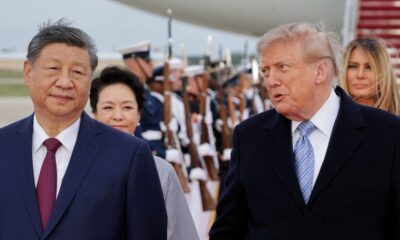
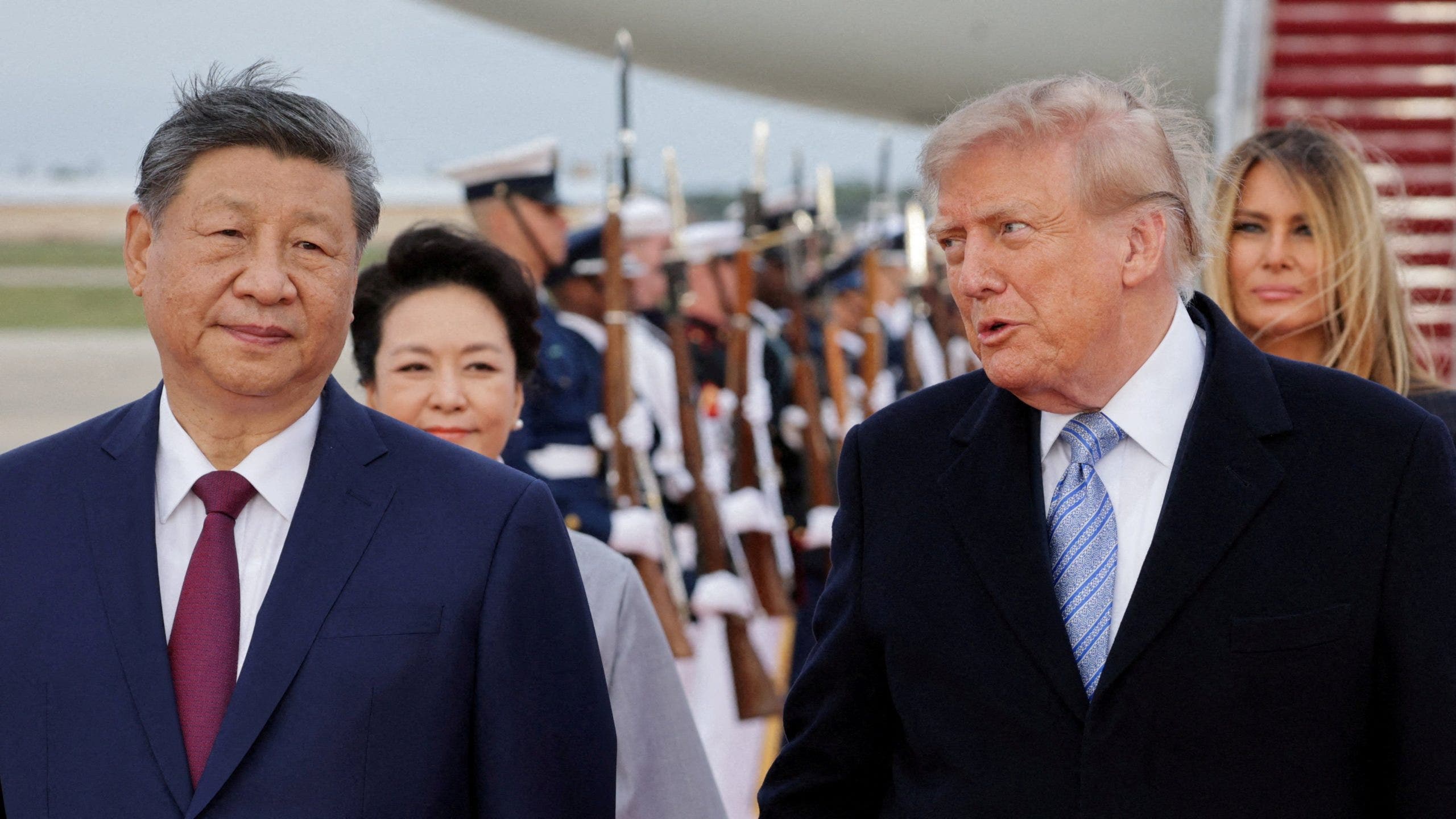
Rebuilding the nation’s airspace hardware relies heavily on specialized magnets and minerals dominated by China, Ghildyal said — an issue looming large ahead of Trump’s Thursday summit with Chinese President Xi Jinping in Shenzhen.
TRUMP BRINGS TWO DIVIDED CABINET HEAVYWEIGHTS TO CHINA AS CONTROVERSY HANGS OVER HIGH-STAKES TALKS
«China uses it as leverage on the negotiating table,» Ghildyal said. «I would assume they want AI chips. We want their rare earth materials, and that’s how these transactions happen.»
He noted that U.S. demand for neodymium magnets sits around 50,000 tons annually, far outpacing domestic production.
«We’ll make about 500 tons this year, so we are making 1% of what we need,» Ghildyal said. «So that 99% gap is not going away tomorrow or in the next two or three years. It’s a five-to-10-year journey, but I think we should all be ashamed of ourselves if 10 years down the line, we are not independent of China for these critical materials.»
national security, china, air and space, us, politics, trade
NEWYou can now listen to Fox News articles!
People practicing the Islamic faith are poised to outnumber Christians globally by 2035, becoming the world’s largest religion, according to a new study released by the Pew Research Center.
The detailed report attributes the shift primarily to higher fertility rates and younger populations among Muslims, who are growing at a faster rate than other major faiths.
«Around the world, we find that Muslims tend to have more children than non-Muslims, [and] they tend to be younger as a result of having more children in the past,» Pew senior demographer Conrad Hackett told Fox News Digital.
WHY PEOPLE REALLY STOPPED HAVING KIDS: NEW STUDY UNCOVERS THE SURPRISING REASONS FAMILIES ARE SHRINKING
Muslims take part in Friday Prayers at a mosque. (Jonathan Brady/PA Images via Getty Images)
Muslims have the highest fertility rate at 3.1 children per woman, followed by Christians at 2.5, according to the study. Between 2020 and 2025, Muslim women gave birth to 252 million babies, more than women of any other religion and compared to 208 million born to Christian mothers.
If trends continue, the United States will also undergo a major religious shift. While Christians currently account for roughly 62% to 64% of U. S. adults, that share is expected to fall below 50% by 2065.
POLL FINDS SHARP RISE IN YOUNG MEN CALLING RELIGION ‘VERY IMPORTANT’
By 2070, Christians are projected to make up less than half of the U. S. population, while religiously unaffiliated individuals, known as «nones,» will rise to about 41%.
«The Muslim population in the U. S. is growing faster than the Christian population, but Christians vastly outnumber Muslims in the U. S., and that’s not going to change,» Hackett said.
By 2070, the Muslim population in the U. S. is expected to increase to nearly 4%, making Muslims the third-largest group in the country behind Christians and the religiously unaffiliated, surpassing the U.S. Jewish population.
Globally, the demographic center of major faiths is also moving. By 2070, Pakistan is projected to have the largest Muslim population, followed by India, Nigeria and Indonesia, which currently has the largest Muslim population of any country.

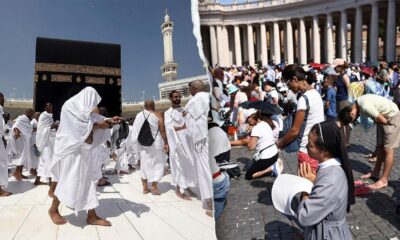
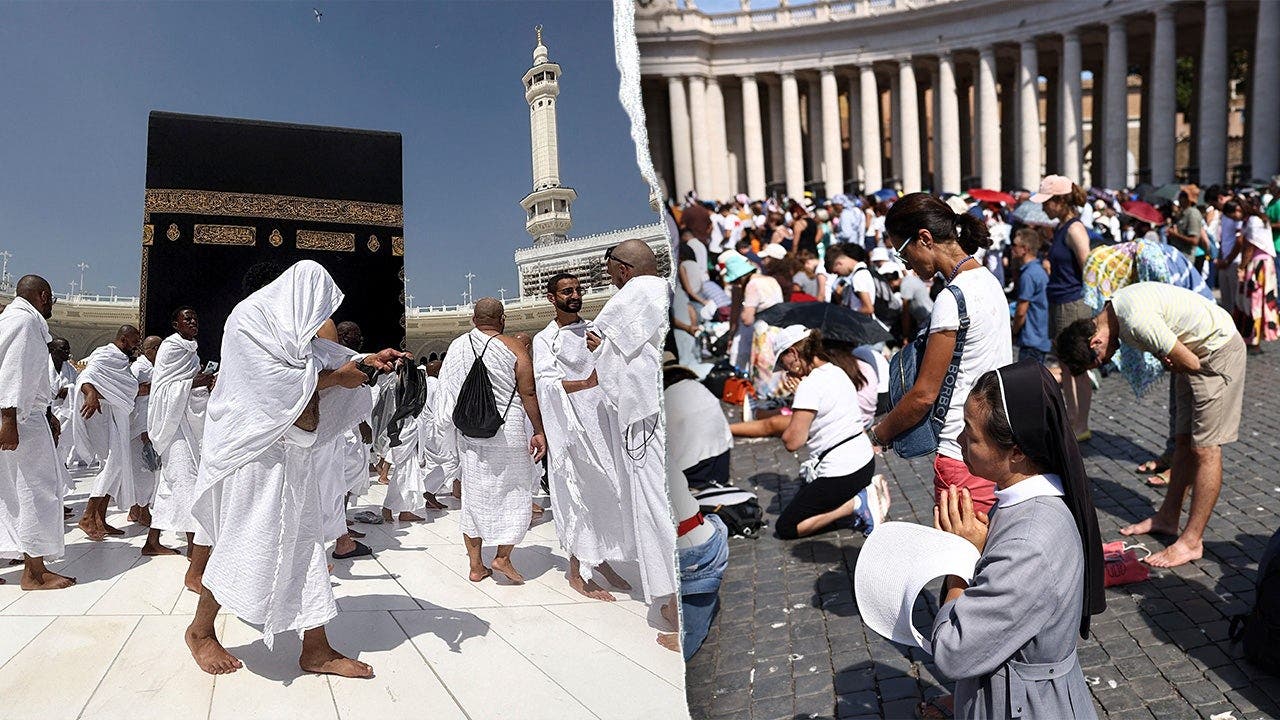
Muslims pray in Mecca, one of Islam’s holiest sites in Saudi Arabia and Christians praying inside the Vatican City. A Pew Research report released Wednesday said Muslims are poised to outnumber Christians globally by 2035. (Reuters)
POPE LEO XIV TO VISIT FASTEST-GROWING CATHOLIC CONTINENT DURING 4-NATION AFRICA TRIP
Meanwhile, the presence of Christianity is shifting southward. By 2070, more than half of the world’s Christians will live in sub-Saharan Africa, and the Democratic Republic of the Congo is projected to surpass the U.S. as the country with the single greatest number of Christians.
A century ago, most of the world’s Christians lived in Europe, Hackett noted. However, Europe’s population is now growing slowly and expected to shrink in the coming decades, while Africa’s population expands rapidly.
«Europe’s population has been growing slowly, and Africa’s population has been growing very quickly,» Hackett said. «In the coming decades, Europe’s population is expected to shrink, [while] Africa’s population is going to expand a lot.»
Other religious demographics are shifting as well. The global Jewish population is expected to become increasingly concentrated, with 62% living in Israel by 2070, up from 46% in 2020.
AGE OF FIRST-TIME MOTHERS HITS RECORD HIGH IN BLUE STATES AS BIRTH RATES KEEP FALLING
In addition, the global Muslim population is projected to exceed 3.6 billion by 2070, compared to just under 3 billion Christians, according to Pew.
Overall, Muslims and Christians are the only major religious groups projected to keep pace with the world’s overall population growth, which is expected to increase by 29% between 2020 and 2070. Christians are projected to grow by 30% and Muslims by 80%.
GEN Z FLOCKING TO CATHOLIC CHURCHES IN NYC FOR YOUTH GROUPS, SOCIAL EVENTS AMID CONVERSION BOOM
Beyond organized religions, many countries continue to see a surge in «nones,» those with no religious affiliation, atheists or agnostics.
While China holds a massive proportion of the world’s religiously unaffiliated, its population decline will offset growth elsewhere, Hackett said. Excluding China, the global population of «nones» is projected to grow by more than 180 million by 2070.
The religiously unaffiliated already account for a majority of the population in 10 countries, including the Czech Republic, Japan, the Netherlands, New Zealand, Uruguay and Vietnam.
The Associated Press contributed to this report.
religion, christianity religion, islam, world
INTERNACIONAL
Cambio climático y salud: por qué las cifras globales pueden ocultar quiénes enfrentan más riesgos
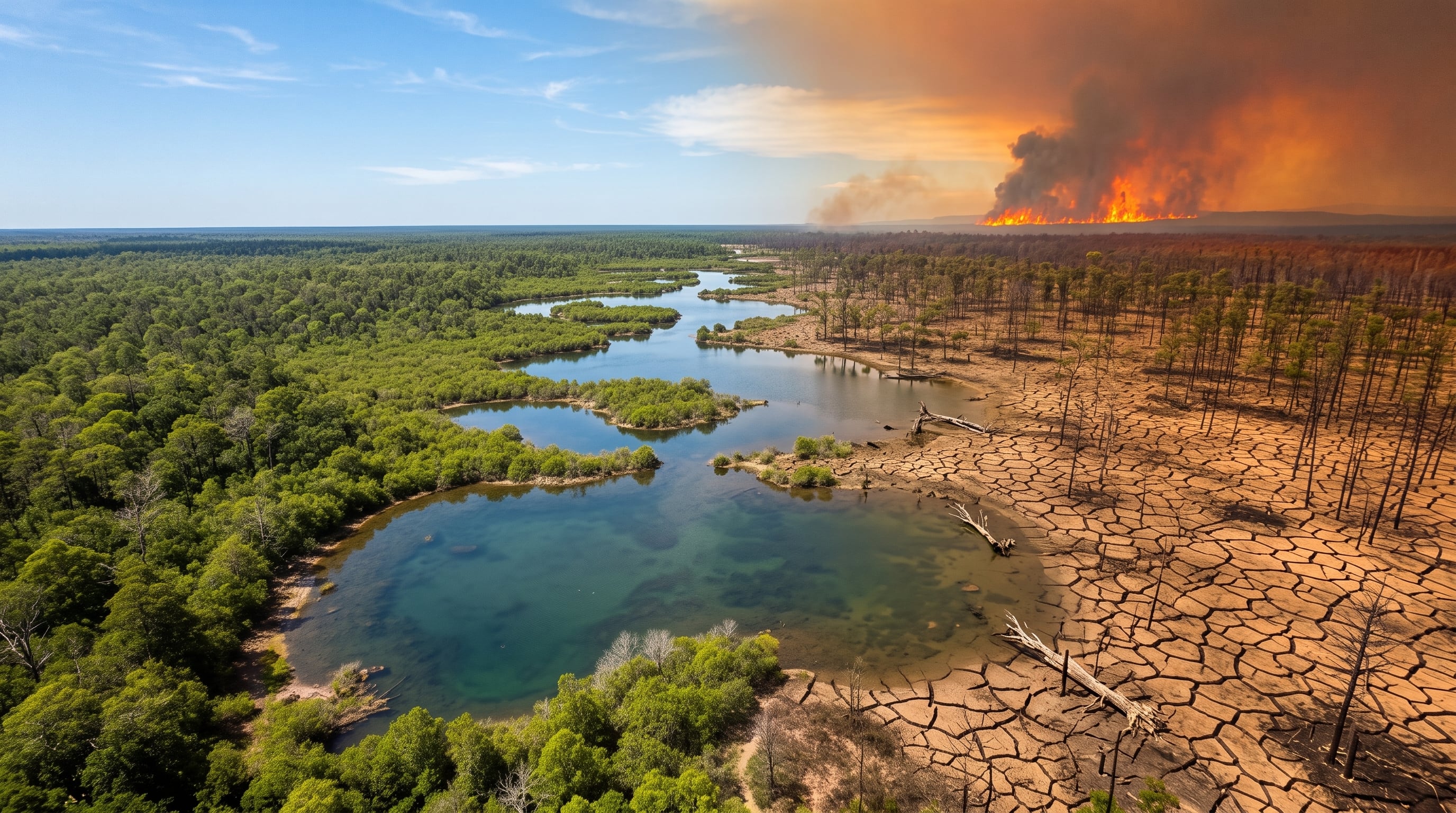
El cambio climático puede afectar la salud de manera distinta según el sexo, la edad, el trabajo, el lugar donde se vive y las posibilidades de acceder a la atención médica. Sin embargo, buena parte de los sistemas que siguen estos impactos reúne toda esa información en una sola cifra.
Un análisis difundido por The Conversation advirtió que solo uno de 45 indicadores internacionales sobre efectos del clima en la vida de las personas separa los resultados entre mujeres y hombres.
El trabajo se basó en una auditoría de 211 indicadores de salud y cambio climático elaborada por Global 50/50, una organización que estudia las desigualdades de género en salud.
La revisión abarcó cuatro marcos internacionales que orientan decisiones de gobiernos, organismos sanitarios y financiadores.
La conclusión fue que, aunque muchos registros originales ya incluyen información desagregada por sexo, esos datos suelen combinarse antes de llegar a los informes que definen prioridades y presupuestos.
La cuestión no es determinar que mujeres o hombres son siempre el grupo más perjudicado. Los riesgos cambian según la amenaza y el contexto. El objetivo es conocer con precisión quién está expuesto, qué problemas de salud enfrenta y qué obstáculos tiene para protegerse o recibir atención.
El calor no afecta por igual a todas las poblaciones
Las olas de calor son uno de los ejemplos más claros. En varios estudios realizados en Europa, las mujeres registraron un riesgo mayor de morir durante episodios concretos de temperaturas extremas.
Pero en América Latina y el Caribe, los hombres mueren por causas relacionadas con el calor a una tasa cercana al doble que las mujeres, según el estudio Carga Global de Enfermedad citado por Buse y Hawkes.
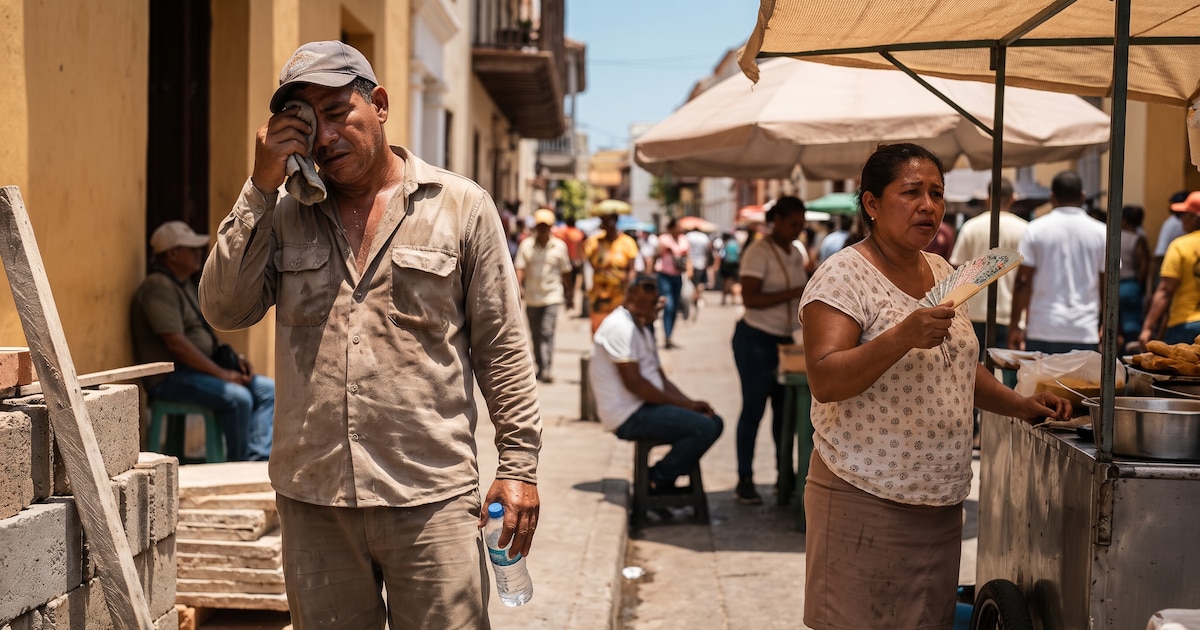
Estas diferencias no se explican por una sola causa. Los hombres están más presentes en varias ocupaciones al aire libre, como la construcción, la agricultura, la minería y el transporte.
Pasar muchas horas bajo el sol o realizar tareas físicas a altas temperaturas puede aumentar el riesgo de deshidratación, golpes de calor y agravamiento de enfermedades cardíacas o respiratorias.
El Lancet Countdown, un informe científico anual sobre clima y salud, calcula que cerca de tres de cada cuatro trabajadores al aire libre son hombres. Ese indicador es, precisamente, el único de los 45 revisados que publica sus resultados con una separación por sexo o género.
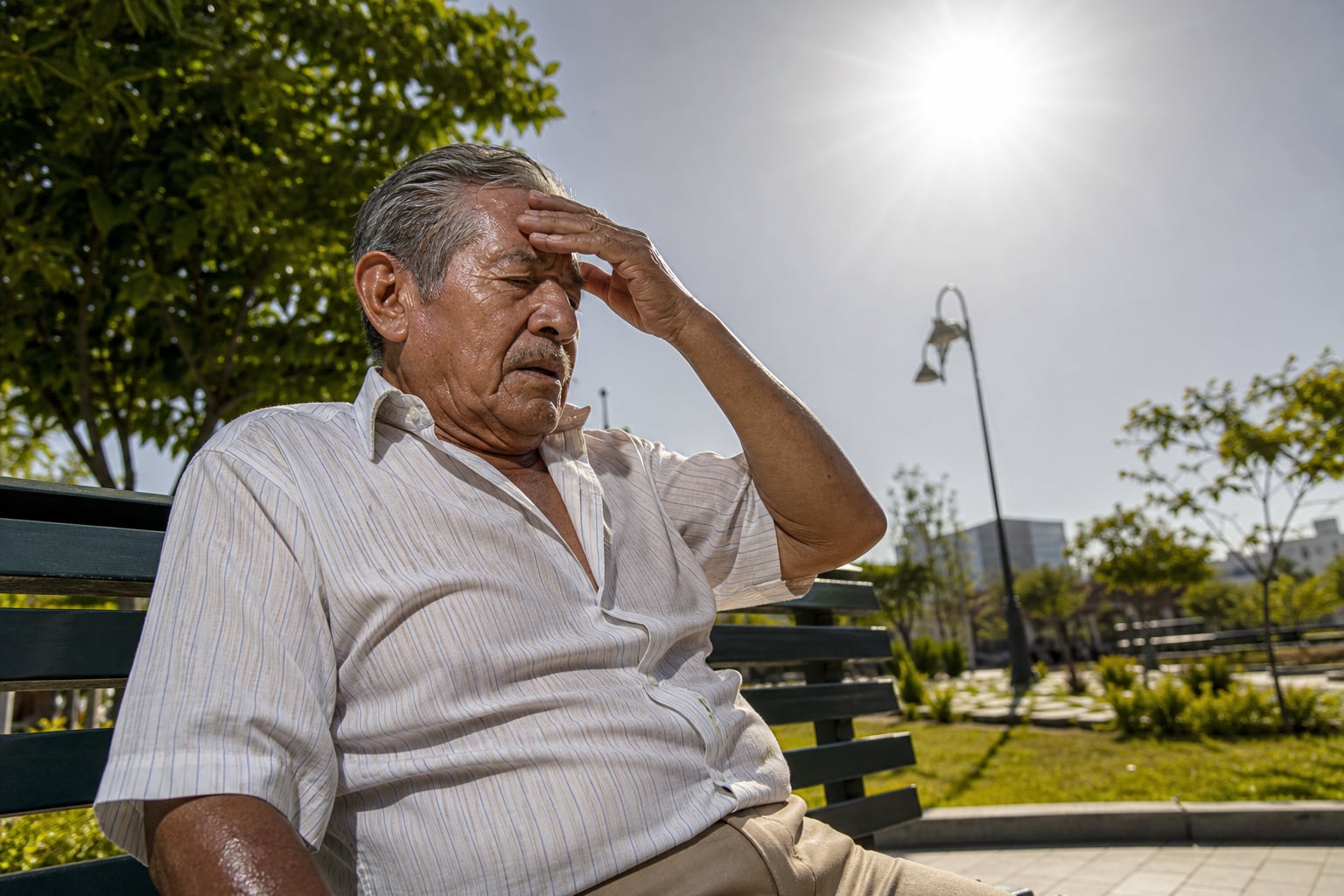
Las mujeres, por su parte, pueden enfrentar riesgos particulares por sus condiciones de vivienda, responsabilidades de cuidado, menor acceso a ingresos o dificultades para trasladarse a un centro de salud durante una emergencia.
El embarazo también puede aumentar la vulnerabilidad frente a temperaturas elevadas y otros impactos ambientales. Por eso, una cifra general sobre muertes o enfermedades asociadas al calor puede ocultar situaciones muy diferentes.
El humo de cocina muestra por qué los promedios pueden confundir
La contaminación dentro del hogar es otro caso en el que un dato único no alcanza. En millones de hogares se cocina con leña, carbón u otros combustibles sólidos. Las mujeres suelen estar más expuestas al humo porque asumen con mayor frecuencia las tareas de cocina y cuidado dentro de la vivienda.
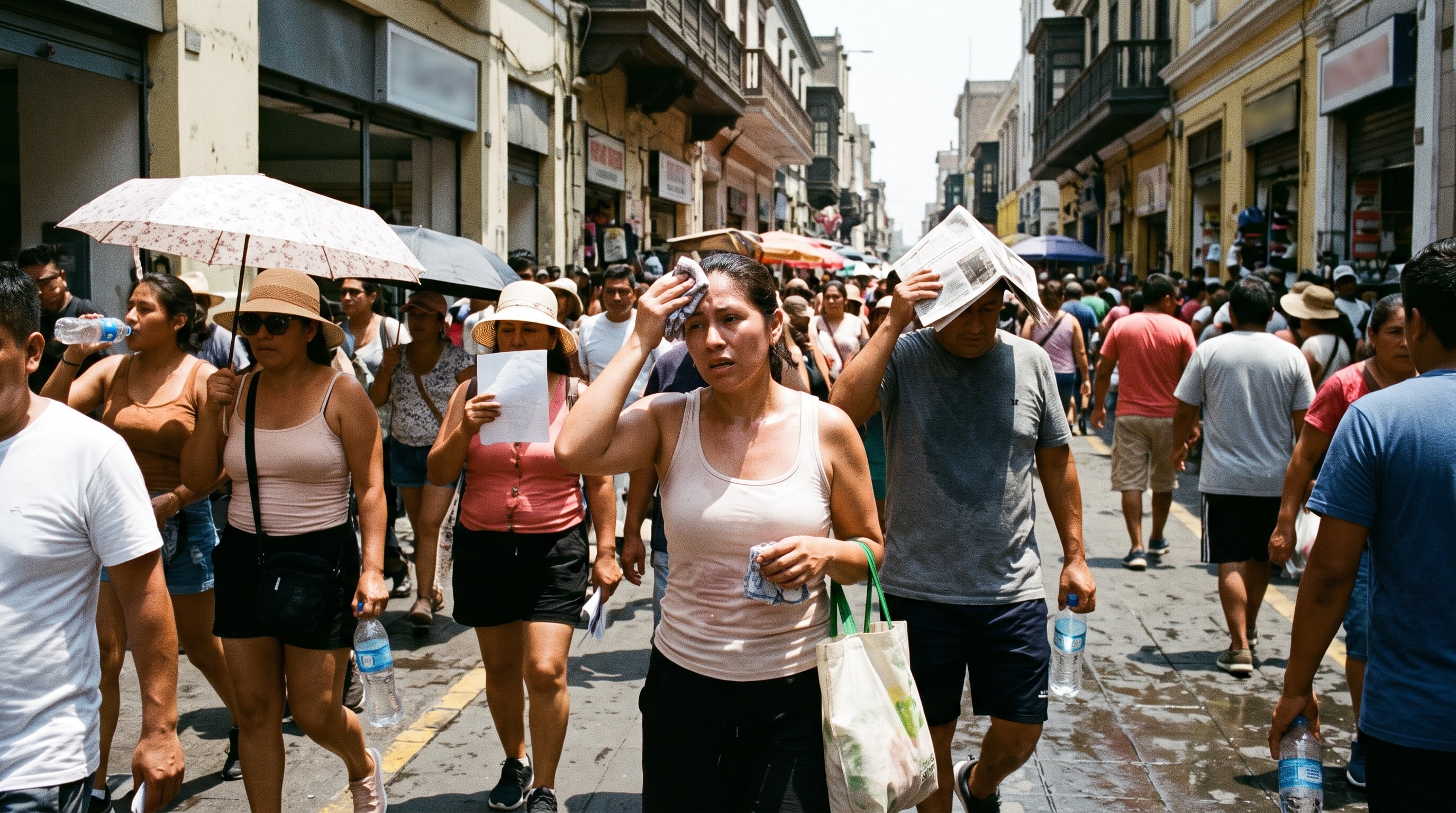
Esa exposición tiene un peso importante en sus problemas de salud. Aun así, los autores señalan que el humo de cocina también puede contribuir a un número mayor de muertes entre hombres adultos en algunos lugares.
Una explicación es que muchos llegan a la mediana edad con daños previos en el corazón y los pulmones vinculados al tabaquismo o a la exposición laboral al polvo, los gases de escape diésel y otros contaminantes.
El análisis diferenció dos conceptos que a menudo se usan como si fueran iguales. El sexo se refiere a características biológicas que pueden influir en la respuesta del organismo al calor, al humo o a una enfermedad.
El género reúne factores sociales, como los tipos de empleo, el reparto de tareas de cuidado, los ingresos, las normas culturales y el acceso a servicios.
En la práctica, ambos aspectos pueden combinarse. Una trabajadora agrícola puede enfrentar altas temperaturas y dificultades para acceder a agua potable o a descanso durante su jornada.
Un hombre que trabaja en la construcción puede estar expuesto al sol durante horas y postergar una consulta médica.
Una mujer que cuida a niños o personas mayores durante una inundación puede tener menos posibilidades de evacuar o buscar atención. Identificar estas situaciones permite diseñar medidas más ajustadas a cada población.
La auditoría de Global 50/50 revisó los Indicadores de Adaptación de Belém, la encuesta de la Organización Mundial de la Salud (OMS) a los ministerios de Salud, el Healthy NDCs Scorecard y el Lancet Countdown.
De los 211 indicadores examinados, 166 se concentran en planes, instituciones, sistemas y entornos. Solo cinco mencionan de algún modo el sexo, el género, las mujeres o los hombres.
Entre los 45 indicadores que miden resultados sobre las personas, 44 no informan si el impacto cambia entre mujeres y hombres. Según el informe, no siempre se trata de una carencia de información. Las encuestas de hogares, los registros de defunciones y las estadísticas laborales suelen incluir ese desglose desde el inicio.
El apéndice metodológico del Lancet Countdown indica que tres de sus indicadores utilizan datos desagregados por sexo, pero después los presentan como una cifra total. Incluyen la exposición de población vulnerable a olas de calor, los cambios alimentarios con beneficios para la salud y las pérdidas económicas por reducción de la capacidad laboral debido a las altas temperaturas.
El informe sostiene que publicar la información separada por sexo y género sería posible en buena parte de los casos sin crear nuevas bases de datos.
calor extremo,trabajo al aire libre,estrés térmico,cambio climático

La China Suárez no quiere ni cruzarse con Wanda Nara: la decisión que tomó para no verse cara a cara

Tesla tiene todo listo para desembarcar en Argentina: nuevos locales y algunos detalles de los modelos eléctricos que venderá

Beijing’s hidden chokehold could derail Trump’s $50B plan to fix America’s aging skies

Muslims poised to outnumber Christians globally by 2035 amid demographic shifts

La Justicia frenó el descuento en la pensión de Cristina Kirchner y volverá a cobrar $3,2 millones – Nexofin

Comienza el Mundial Sub 17: las figuras a seguir de cerca, el dueño de la N° 10 de Argentina y todo lo que hay que saber

La inflación de octubre: el dato que sorprendió a casi todos y la distancia que persiste con los parámetros internacionales

Milei dijo que el riesgo país sube por el miedo a "Orcolandia" y afirmó: "Los argentinos no van a votar hacia el pasado"

Se agudiza la suba de tasas y se complica la economía mundial

Caída de sistemas, fallas y sospechas: qué hay detrás de la suspensión del tráfico aéreo y los problemas en los bancos de EE.UU.

 POLITICA2 días ago
Milei dijo que el riesgo país sube por el miedo a "Orcolandia" y afirmó: "Los argentinos no van a votar hacia el pasado"
- ECONOMIA3 días ago
Se agudiza la suba de tasas y se complica la economía mundial
- INTERNACIONAL2 días ago
Caída de sistemas, fallas y sospechas: qué hay detrás de la suspensión del tráfico aéreo y los problemas en los bancos de EE.UU.