INTERNACIONAL
Battle-tested Zelenskyy sounds chilling alarm on where Putin’s war could head next

NEWYou can now listen to Fox News articles!
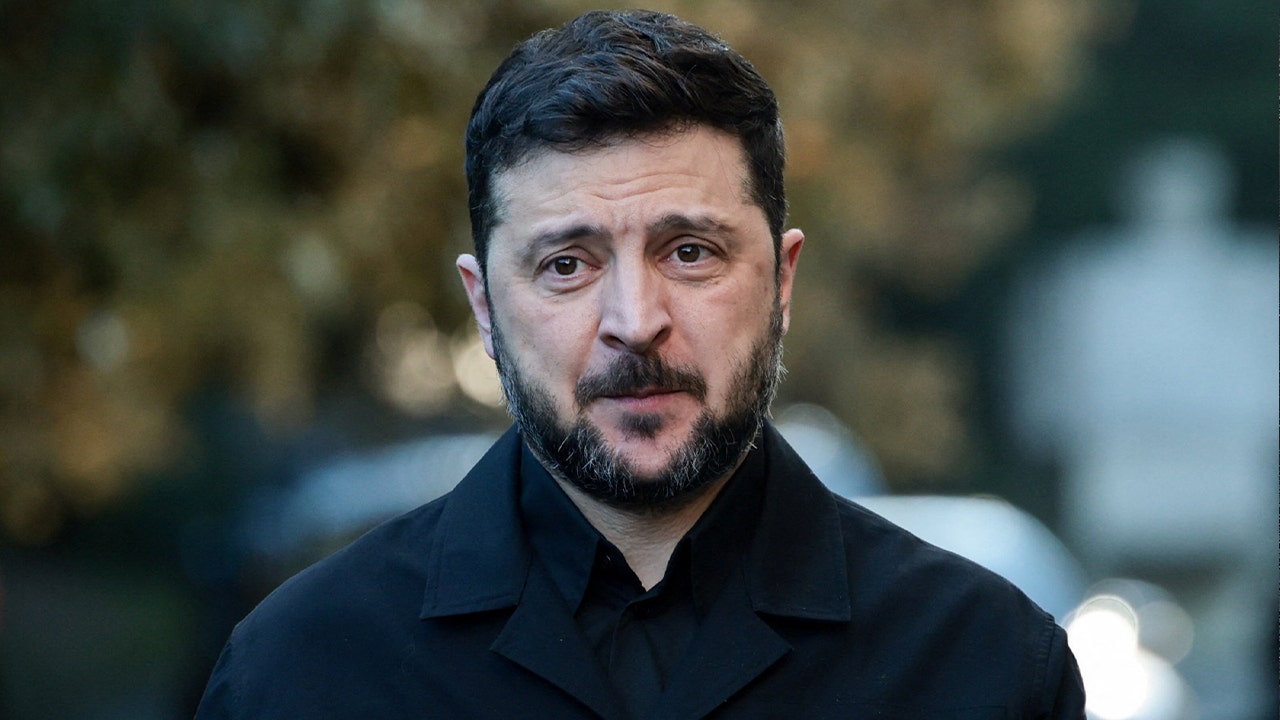
UNITED NATIONS – Ukrainian President Volodymyr Zelenskyy warned Tuesday that Russia could launch attacks against other European countries, telling Fox News Digital that the risk of a new offensive is «very high» as Moscow seeks to undermine European unity and weaken support for Ukraine.
Speaking to reporters following his meeting with President Donald Trump on the sidelines of the United Nations General Assembly in New York, Zelenskyy was asked by Fox News Digital about the possibility that Russia could invade or attack another European country in the near future.
«That’s why the risk of offensive by drones, missiles or land operation is very high against other countries who are bordering Russia or Belarus,» Zelenskyy said.
US INTEL WARNS RUSSIA COULD LAUNCH LIMITED ATTACK ON NATO ALLY IN EFFORT TO FRAGMENT ORGANIZATION: REPORT
U.S. President Donald Trump and Ukraine’s President Volodymyr Zelenskiy shake hands as they meet on the sidelines of the 81st United Nations General Assembly (UNGA) in New York City, US, in this handout released September 22, 2026. (Ukrainian Presidential Press Service/Handout via Reuters)
The Ukrainian leader argued that Russian President Vladimir Putin, unable to achieve his military objectives in Ukraine, could seek to create instability elsewhere in Europe to pressure Western governments into reducing their support for Kyiv.
«How to divide unanimity in Europe? … To attack somebody else. To attack and say, look, I will go further if you will not stop this,» Zelenskyy said.
He pointed to drone incursions and disruptions affecting several European countries, arguing that Moscow is already attempting to intimidate European societies and test their response.
Zelenskyy said Putin’s inability to secure a decisive victory in Ukraine could push him toward additional confrontations, as he faces pressure to justify the war to the Russian public.
FINNISH FOREIGN MINISTRY OFFICIAL DETAILS HOW RUSSIA’S ‘HYBRID WARFARE’ RESHAPED BORDER SECURITY
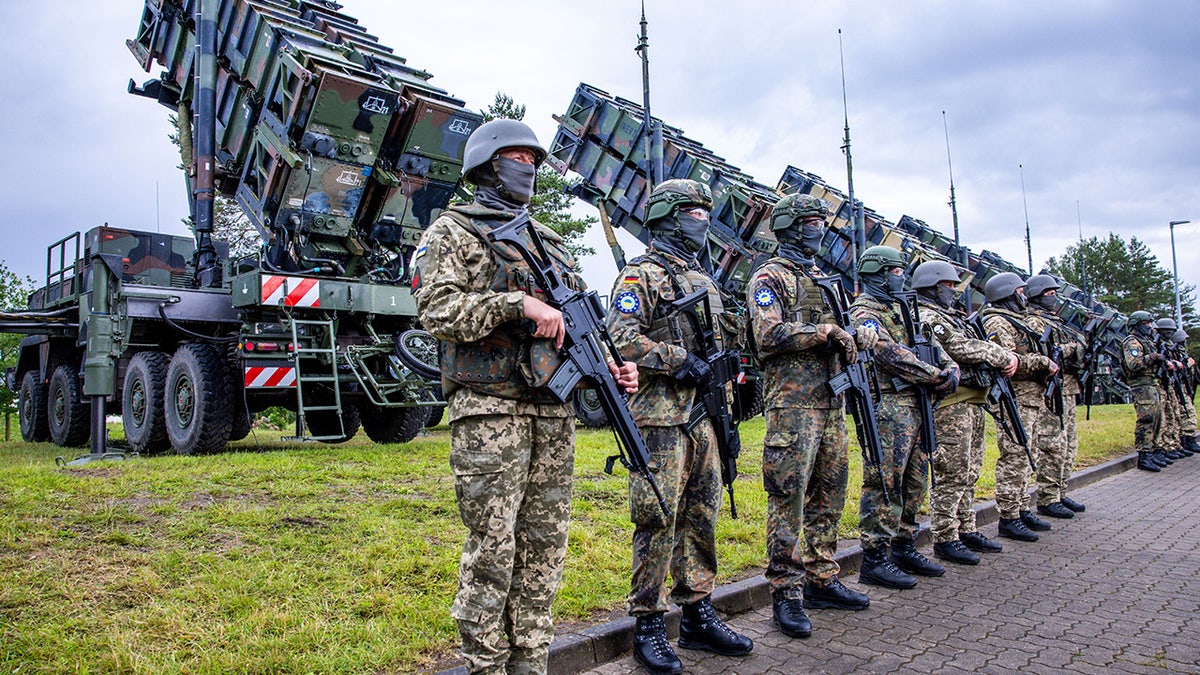
Ukrainian and German soldiers are seen training on the Patriot air defense missile system at a military training area in Germany in June 2024. (Jens Büttner/picture alliance via Getty Images)
Asked by Fox News Digital what European countries should do in response to the growing threat, Zelenskyy offered a direct answer.
«Respond. Always respond. It’s not about the war. If you don’t respond, Russians, they will go further,» he said.
The warning comes amid heightened concerns about Russian activity in Europe. Zelenskyy’s warning comes amid heightened tensions across Europe following a series of Russian drone incursions and warnings from European leaders about the possibility of further attacks.
German Chancellor Friedrich Merz warned on Sept. 14 that peace in Europe was under threat, urging European countries to take the danger seriously. Speaking at an EU-Arctic Summit in Finland, Merz said Russia’s presence in the region and its hybrid attacks elsewhere in Europe were increasing, calling for a united response from European countries and NATO.
RUSSIA’S STRIKES NEAR MOLDOVA RAISE ALARM OVER PUTIN’S PLANS FOR EUROPE’S EASTERN FLANK
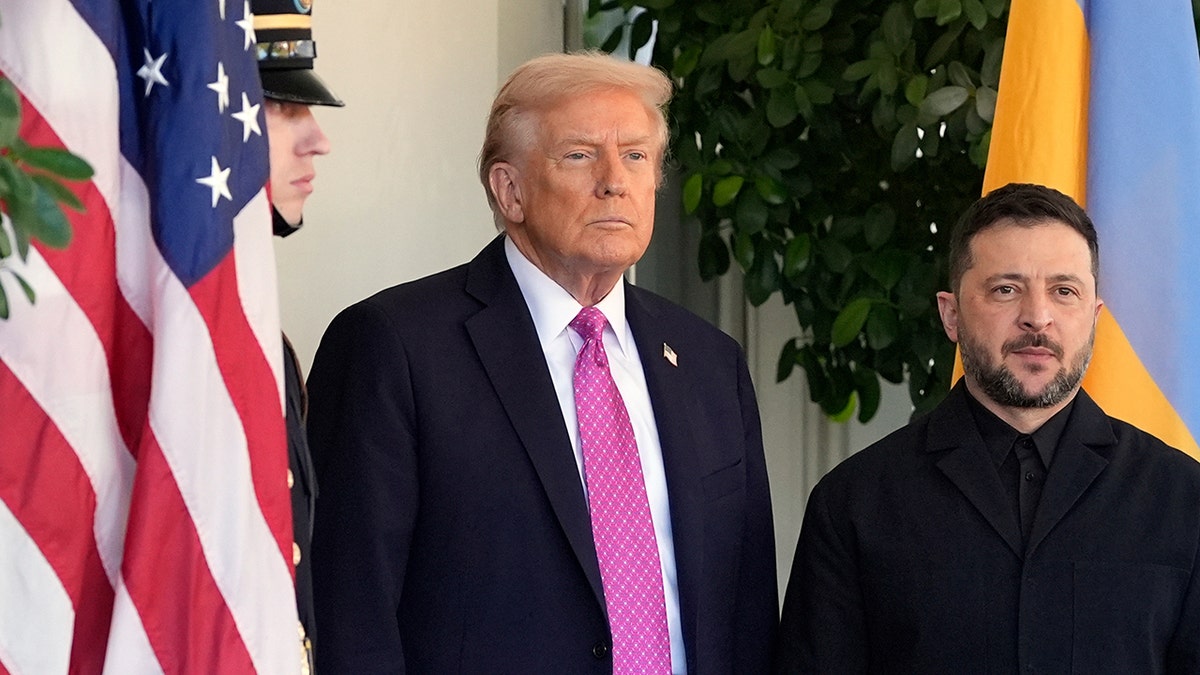
President Donald Trump, left, greets Ukraine’s President Volodymyr Zelenskyy at the White House, Oct. 17, 2025, in Washington. (Alex Brandon/AP)
The German leader’s warning followed an attempted drone attack at Leipzig/Halle Airport on Aug. 4, which German authorities publicly attributed to Russia on Sept. 1.
Polish Prime Minister Donald Tusk issued a separate warning on Sept. 17 that Russia was planning drone or missile attacks against NATO countries supporting Ukraine, including Poland, while potentially portraying the incidents as accidental to weaken the alliance’s response.
The concerns are not limited to hypothetical threats. On Sept. 8, a drone entered Romanian airspace before returning to Moldova and crashing, according to Romania’s Defense Ministry. A week later, Italian fighter jets operating under NATO’s air defense mission shot down a drone that entered Lithuanian airspace from Belarus. Italian officials said the drone most likely came from Russia, although Lithuanian authorities were still investigating its origin.
TRUMP SAYS US WILL LET UKRAINE MAKE PATRIOT MISSILES IN MAJOR POLICY SHIFT

Romanian naval forces destroy two suspected Russian Gerbera drones over the Black Sea, roughly 90 nautical miles off Constanta, according to East2West. (p)
Latvian President Edgars Rinkēvičs also warned in a Sept. 18 interview with The Guardian that European countries and NATO were struggling to keep pace with developments in drone warfare, highlighting gaps in air and missile defenses that could leave European countries vulnerable to Russian attacks.
Zelenskyy’s remarks followed talks with Trump in which the Ukrainian leader said he raised the possibility of a mutual halt to attacks on Russian and Ukrainian energy infrastructure, as well as Ukraine’s need for additional Patriot air defense missiles ahead of winter.
«We are ready,» Zelenskyy said of a potential agreement to halt energy strikes, adding that he was unsure whether Russia was prepared to reciprocate.
Zelenskyy also said Trump had expressed a willingness to help Ukraine obtain additional air defense capabilities, although no concrete commitment on immediate missile deliveries had been made.
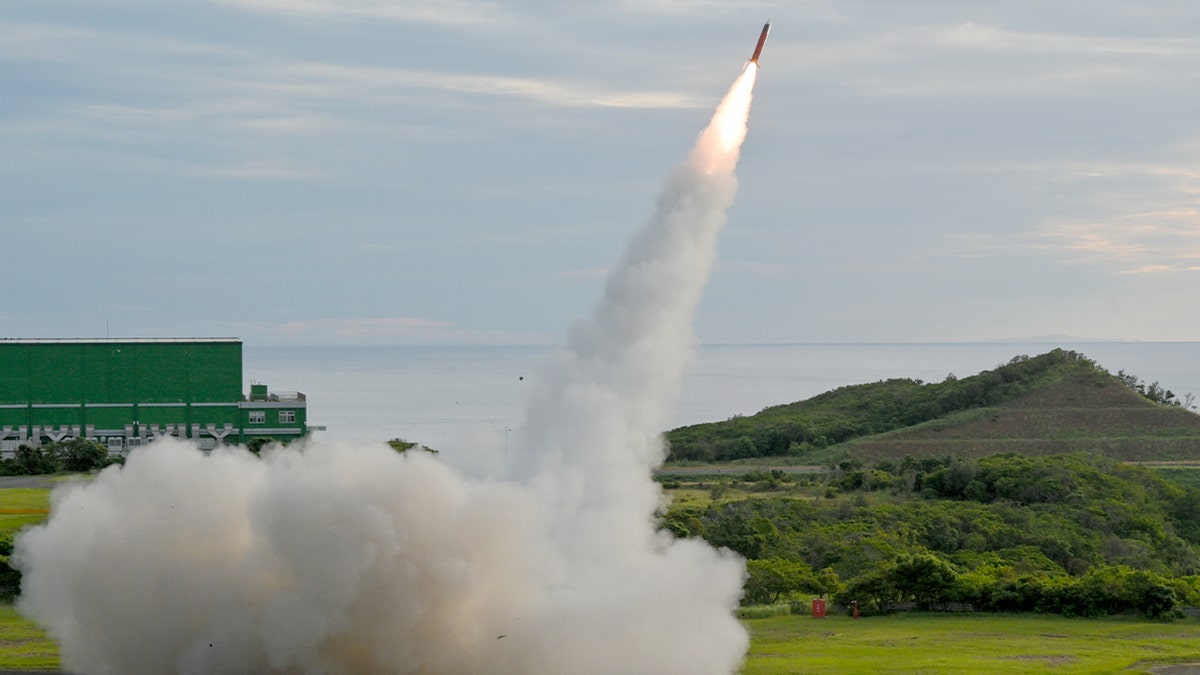
A U.S.-made MIM-104 Patriot surface-to-air missile is launched during a live-fire exercise at the Chiupeng missile base in Pingtung County on Aug. 20, 2024. (Sam Yeh/AFP via Getty Images)
The meeting came as Russia and Ukraine intensified aerial attacks, including strikes on energy infrastructure, ahead of the UN General Assembly.
ukraine, russia, volodymyr zelenskyy, united nations, nato









INTERNACIONAL
Ucrania rechazó la pretensión rusa de incluir a la industria petrolera en una posible tregua marítima
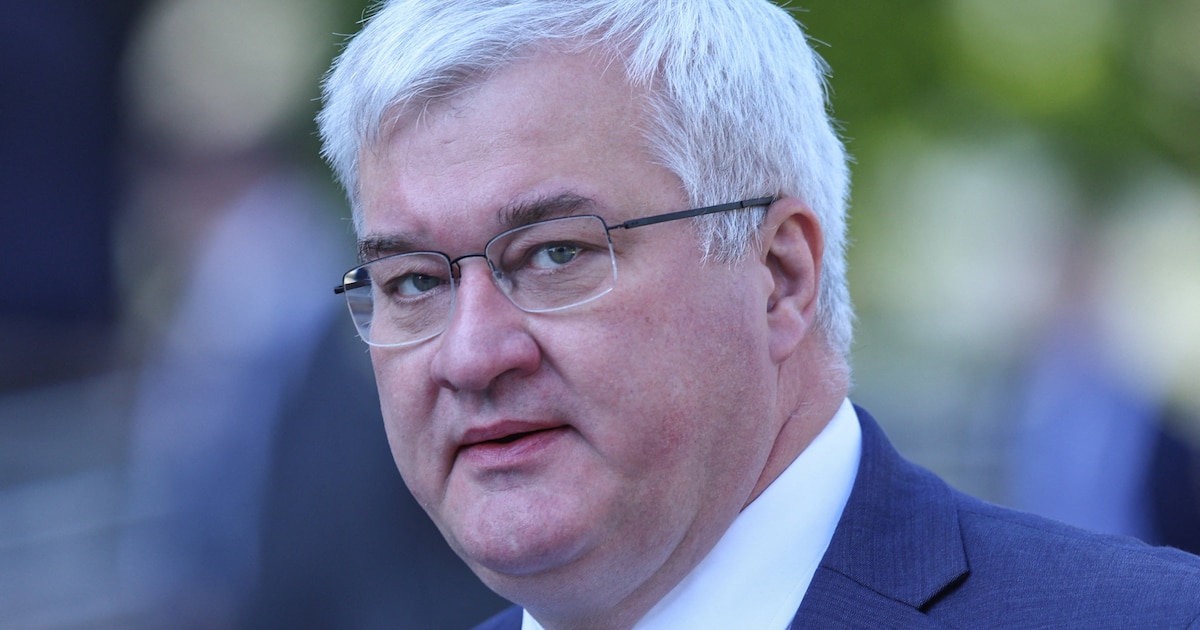
Ucrania rechazó incluir los ataques contra la industria petrolera en la tregua marítima que propone en el mar Negro a Rusia, una iniciativa con la que Kiev usca recuperar las exportaciones agrícolas desde sus puertos. El ministro de Exteriores ucraniano, Andrii Sybiha, afirmó que su país limita su propuesta al cese de ataques contra las infraestructuras portuarias y los barcos vinculados al transporte de productos agrícolas.
“Si hablamos de producción agrícola, entonces, por supuesto, estamos listos para esa tregua. Ellos (los rusos) proponen inmediatamente incluir el petróleo. El petróleo puede ser un elemento de una tregua energética más amplia. Pero en el mar Negro nosotros nos centramos en la producción agrícola”, declaró Sybiha, citado por la agencia ucraniana Ukrinform.
La propuesta ucraniana apunta a reabrir los puertos del mar Negro y restablecer el tránsito de grano, afectado desde el verano europeo por el aumento de los ataques contra instalaciones portuarias y embarcaciones. Esa escalada comenzó después de ofensivas ucranianas masivas en el mar de Azov.
Rusia pretende que cualquier acuerdo incluya el fin de las operaciones ucranianas contra refinerías, petroleros y otras infraestructuras ligadas a sus exportaciones de crudo. Kiev también plantea una tregua energética. Ucrania, que perdió parte de su capacidad petrolera tras ataques rusos previos, busca que Moscú suspenda los ataques contra su sistema eléctrico.

Sybiha expuso la iniciativa en una conferencia internacional dedicada a las exportaciones agrícolas, donde intentó recabar apoyos para reactivar el traslado seguro de cereales por el mar Negro. El ministro agradeció a India, Turquía y Egipto, países importadores de grano ucraniano y ruso, por respaldar la propuesta para restablecer la navegación de productos agrícolas.
Zelensky anunció el regreso a Ucrania de 9 menores cautivos en zonas ocupadas por Rusia
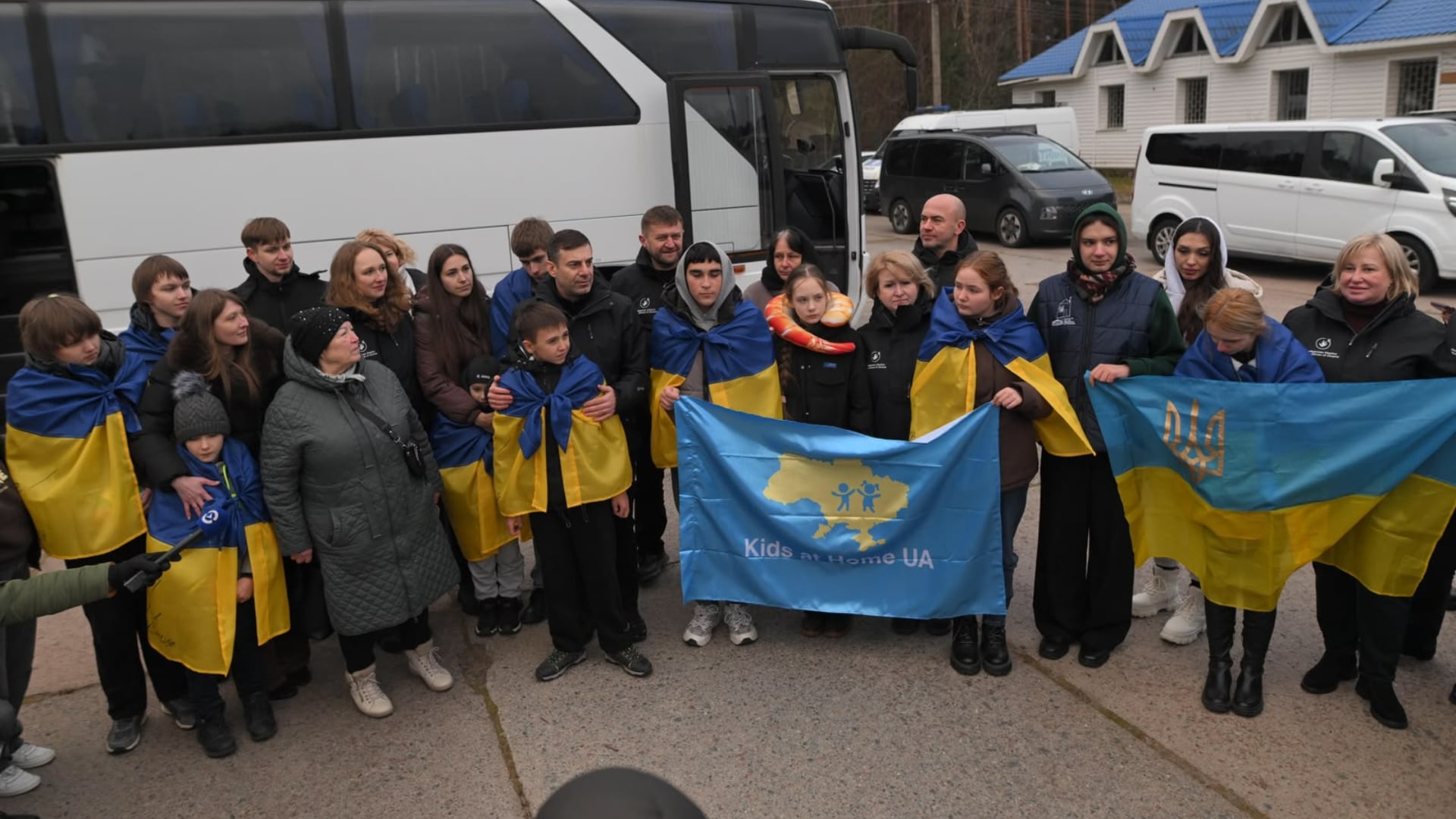
En medio de los contactos trilaterales para alcanzar el fin de la invasión, el presidente ucraniano Volodimir Zelensky, anunció el regreso a territorio controlado por Kiev de nueve niños, una mujer con discapacidad y la abuela de uno de los menores, tras una mediación de la primera dama de Estados Unidos, Melania Trump.
“Estos niños son de los territorios temporalmente ocupados de las regiones de Jersón y Zaporiyia y de Crimea”, escribió Zelenski en X. El mandatario precisó que el menor de menor edad tiene ocho años.
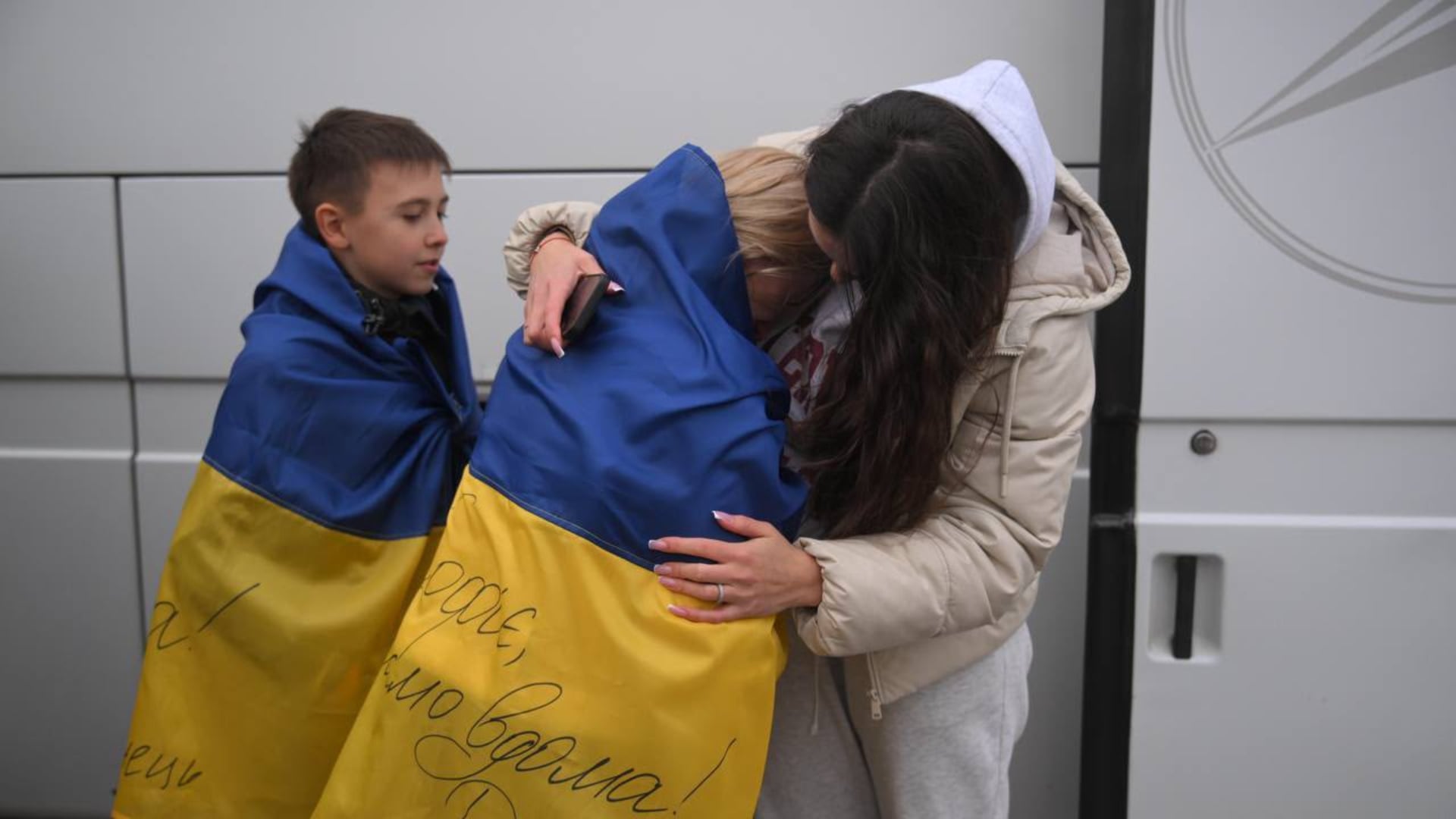
La mujer con discapacidad residía en un centro de cuidados especializados de Oleshki, en el sur del país. Rusia y Ucrania acordaron a finales de octubre una tregua humanitaria para evacuar civiles de esa localidad ocupada por las fuerzas rusas, una iniciativa impulsada por la oficina de Melania Trump.
“Agradezco a la Primera Dama de Estados Unidos Melania Trump su ayuda y su mediación”, señaló el presidente ucraniano, que también reconoció la intervención del defensor del pueblo de Ucrania, Dmitró Lubinets.
La primera dama estadounidense comunicó el jueves en sus redes sociales la reunificación de nueve niños con sus familias, tras contactos de su oficina con Moscú y Kiev. Los menores habían quedado separados de parte de sus parientes.
Zelensky afirmó que 2.875 ucranianos regresaron desde Rusia o desde territorios ocupados a las zonas bajo control del Gobierno ucraniano desde el inicio de la invasión. El presidente también agradeció el respaldo de los países que colaboran con Ucrania en las gestiones para recuperar a menores ucranianos.
El pasado 17 de noviembre, Zelensky propuso extender a otros diez lugares ocupados por Rusia las treguas humanitarias para evacuar civiles, tras el acuerdo que permitió sacar población de la localidad de Oleshki, localidad del sur de Ucrania bajo control ruso, en octubre.
La iniciativa abarca zonas bajo ocupación rusa en las regiones de Kherson y Zaporizhzhia. El mandatario indicó que el Gobierno ucraniano buscará tratar la propuesta con los mediadores de Estados Unidos. “Ucrania ha propuesto diez localizaciones más en los partes temporalmente ocupadas de las regiones de Jersón y Zaporiyia. Nuestro equipo hablará de esto con los mediadores estadounidenses”, escribió el mandatario en X.
(Con información de EFE)
International,Relations,Diplomacy / Foreign Policy,Europe
INTERNACIONAL
La sequía prolongada obliga a familias rurales de Guatemala a enviar a sus hijos a trabajar y a vender sus pocas pertenencias
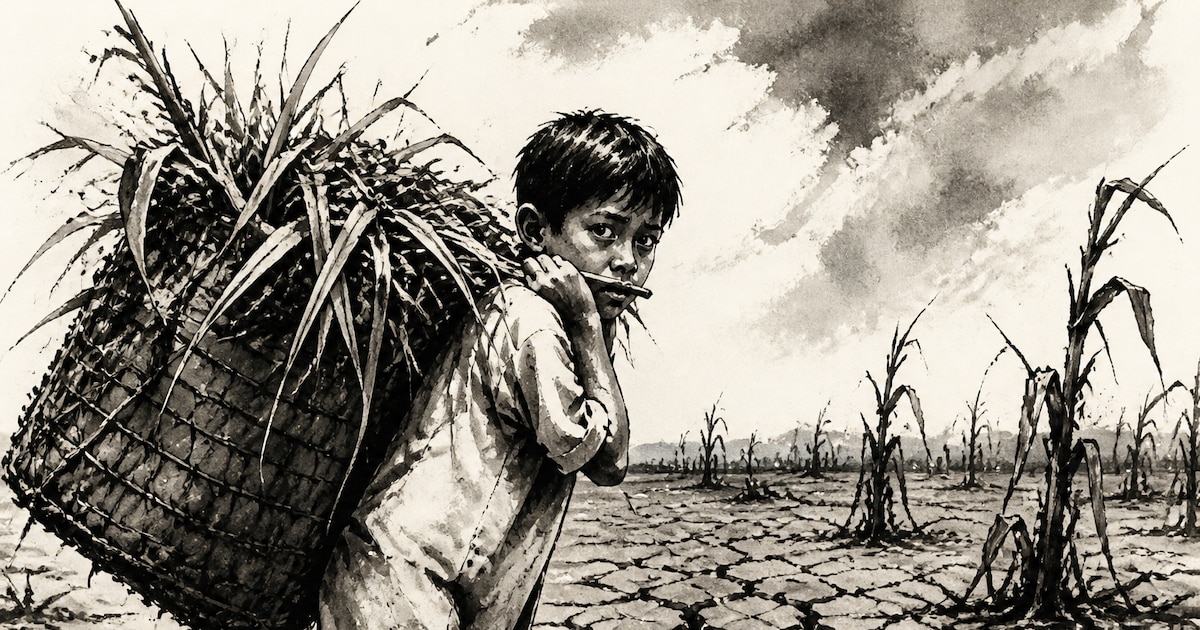
Mientras que el Congreso y el Ejecutivo se debaten por el Presupuesto de Guatemala el año electoral, un estudio elaborado por Save the Children reveló que las familias rurales afrontan una crisis alimentaria que los ha obligado a adoptar medidas de supervivencia como enviar a sus hijos a trabajar.
De acuerdo con el informe publicado este jueves 26 de noviembre en su sitio web la situación se agravó por la sequía asociada al fenómeno de El Niño, que redujo las cosechas y los ingresos de hogares dependientes de la agricultura, por lo que se han visto obligados a vender sus pertenencias, a endeudarse y a sacar a su hijos de la escuela.
Según Save the Children, cuatro de cada diez familias consultadas en zonas afectadas aseguraron que tuvieron que desprenderse de bienes del hogar para conseguir dinero destinado a la compra de alimentos.
La organización alertó que la falta de lluvias golpeó con fuerza a comunidades agrícolas de El Quiché, en la sierra noroccidental del país.

Casi la mitad de los hogares perdió sus cosechas en El Quiché
La publicación se Save the Children se basa en una encuesta realizada en agosto entre más de 3.330 familias que mostró que el 47% perdió sus cosechas durante el último año. El relevamiento incluyó hogares de Quiché, una región donde la producción agrícola sostiene buena parte de la economía local.
El 42% de las familias de áreas afectadas por la sequía indicó que vendió bienes o pertenencias para generar ingresos.
A su vez, cuatro de cada cinco hogares apoyados por Save the Children dependen de salarios obtenidos en trabajos agrícolas temporales, una fuente de ingresos que también se redujo ante la caída de la producción.
La organización señaló que algunas madres y padres migraron en busca de empleo temporal y dejaron a sus hijos al cuidado de familiares o hermanos mayores durante varios meses.
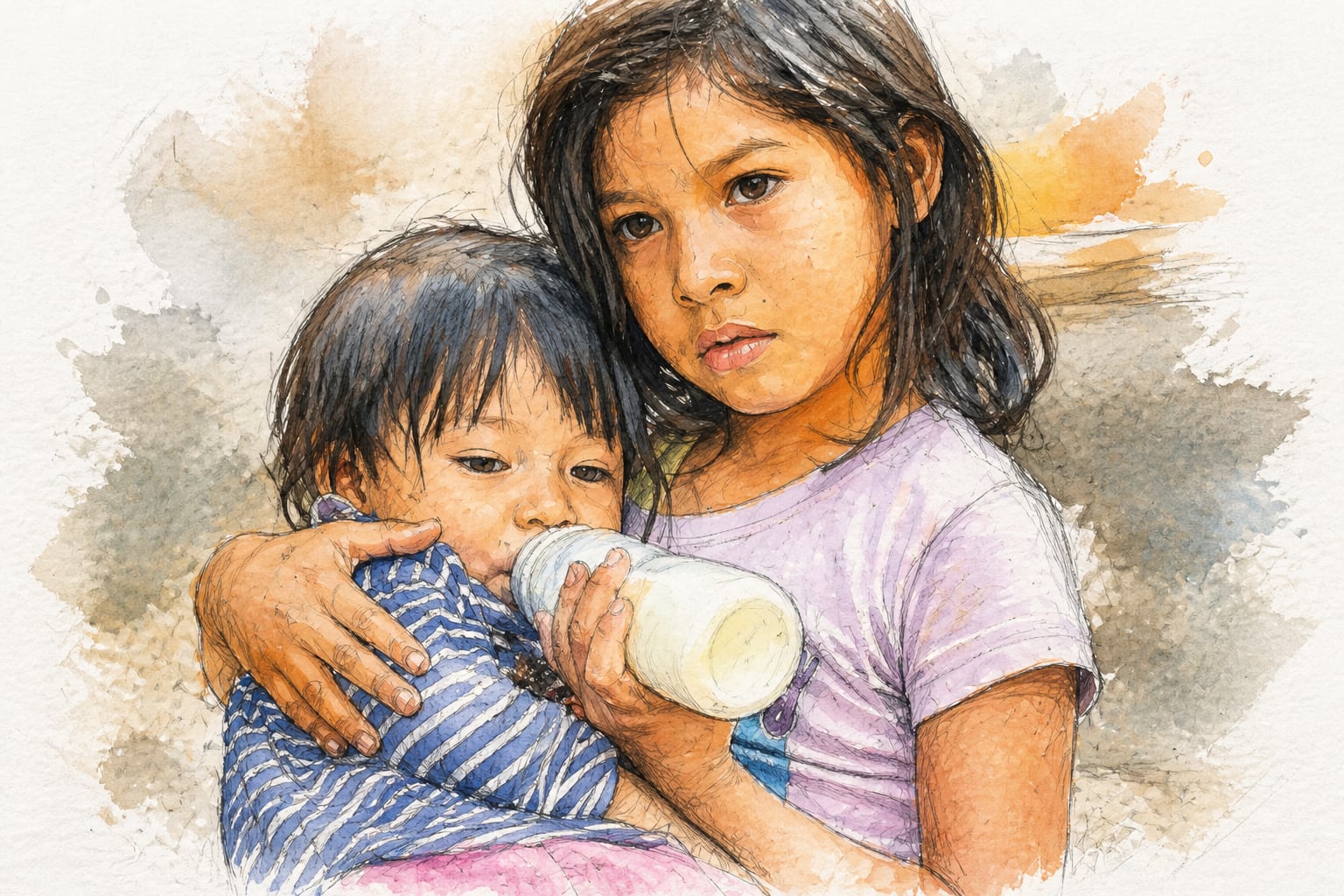
Otras familias pidieron prestado maíz o dinero a sus vecinos, una salida que profundizó sus deudas.
Rosa, una madre de 28 años residente en El Quiché, describió el impacto de la falta de lluvias en su comunidad.
“No se cosechó nada. Se perdió todo. Hicimos nuestra parte y sembramos, pero no obtuvimos nada a cambio”, afirmó. Según su testimonio, la mayoría de las familias del lugar tampoco logró recuperar lo invertido en la siembra.
Uno de cada diez hogares retiró al menos a un niño de la escuela
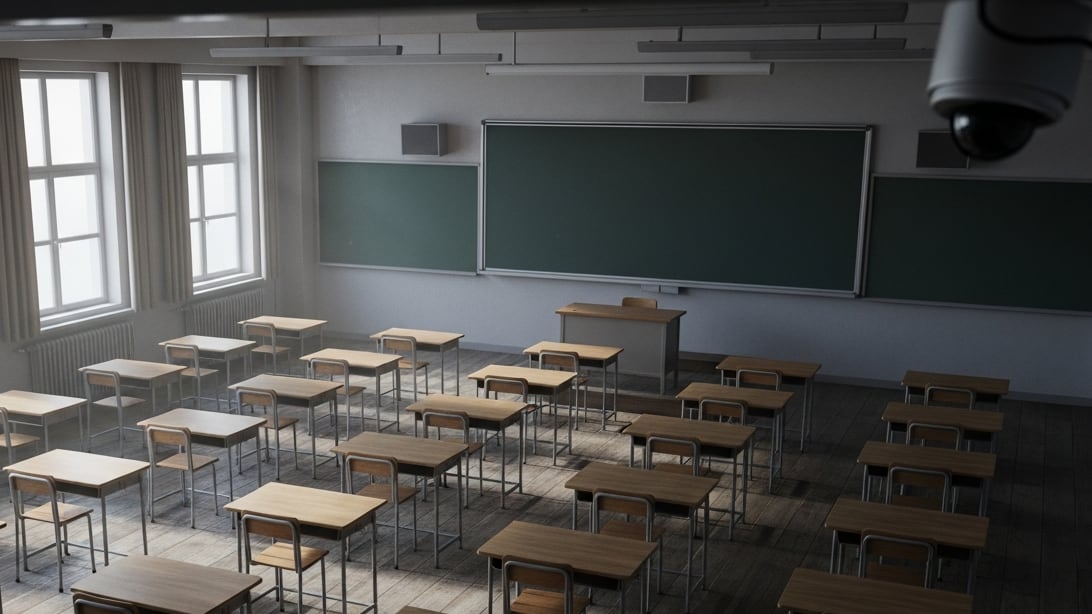
La pérdida de ingresos también alcanzó a la educación. En las comunidades asistidas por Save the Children, uno de cada diez hogares informó que al menos un niño dejó de asistir a clases.
Las familias no pudieron cubrir gastos como libros y transporte o decidieron enviar a sus hijos a trabajar para reforzar los ingresos del hogar.
Moa Cortobius, asesora de resiliencia climática de Save the Children para América Latina y el Caribe, advirtió que la falta de alimentos puede derivar en problemas de nutrición, enfermedades, ausentismo escolar y mayor exposición a situaciones de explotación y abuso.
“El hambre no se limita a saltarse comidas. Los niños que no reciben suficiente comida nutritiva tienen más probabilidades de sufrir desnutrición, enfermar y faltar a la escuela”, sostuvo Cortobius.
También afirmó que muchas familias enfrentan la decisión de sacar a sus hijos del sistema educativo o enviarlos a trabajar para asegurar la comida diaria.
El 18% de la población no sabe cuál será su próxima comida
La Clasificación Integrada de la Seguridad Alimentaria en Fases (IPC) estimó que casi una de cada cinco personas en Guatemala, el 18% de la población, desconoce de dónde provendrá su próxima comida. El dato superó las previsiones iniciales sobre la situación alimentaria del país.
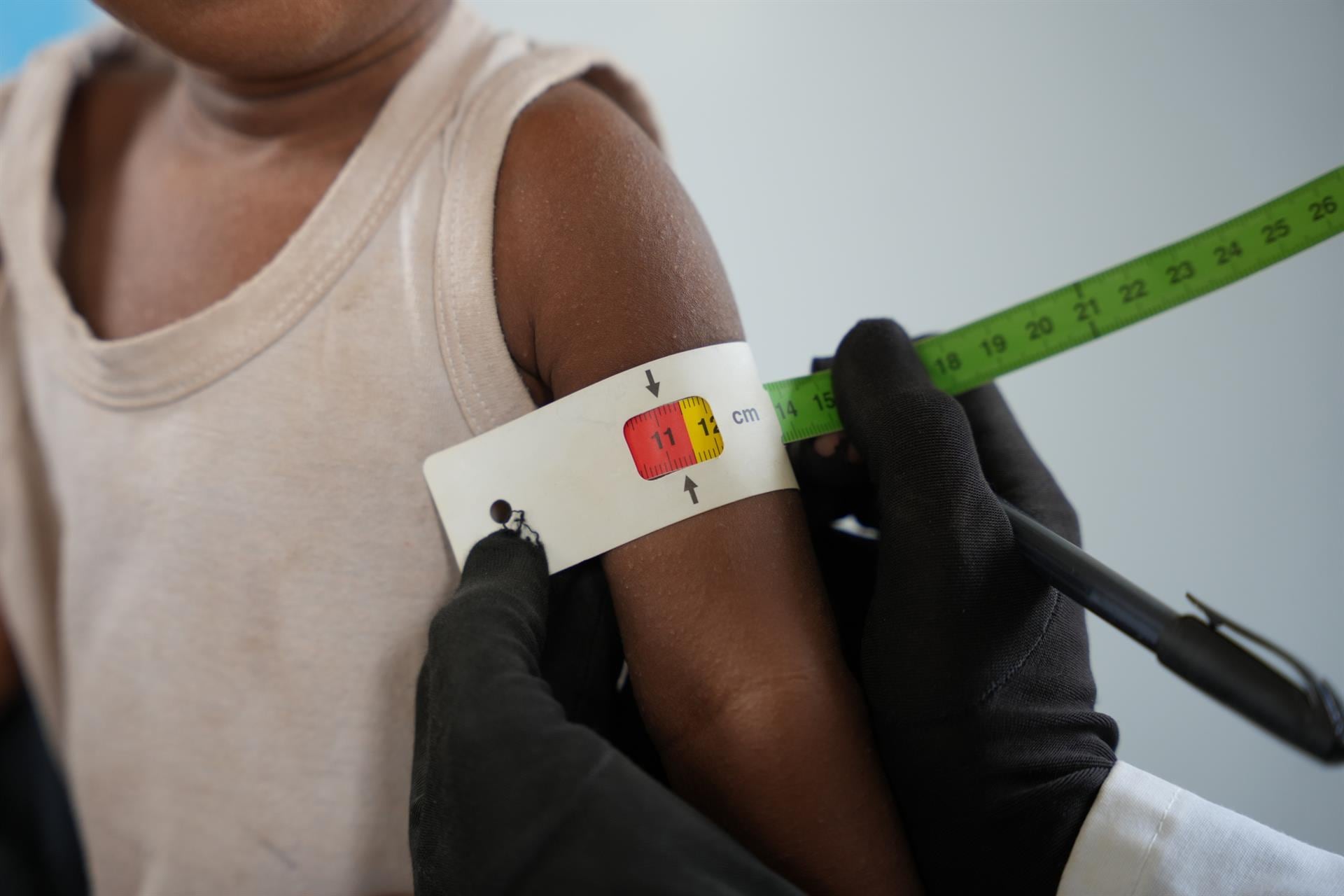
Guatemala también registra una elevada tasa de retraso en el crecimiento infantil. El 47% de los niños menores de cinco años presenta baja estatura para su edad, de acuerdo con los datos citados por la organización.
Save the Children trabaja en el país desde 1976 y asistió a 150 mil personas en 2025. En Quiché brinda ayuda económica para alimentos, filtros de agua, promoción de higiene, protección infantil y apoyo psicosocial.
La entidad pidió a gobiernos, donantes y organizaciones civiles que actúen con base en las alertas tempranas antes de que la sequía profundice la crisis.
trabajo infantil,sequía,ilustración a tinta,agricultura
INTERNACIONAL
Taliban reportedly strips women of their names in Afghan province, now being called ‘goat’ or ‘grandmother’
NEWYou can now listen to Fox News articles!
The Taliban have reportedly banned the use of women’s names in official documents in a northern Afghan province, with some women being referred to by degrading animal names, according to a report by Spanish newspaper El País.
The latest assault on women’s rights under Taliban rule reportedly extends to medical records and prescriptions in Afghanistan’s Balkh province, raising fears that the restrictions could spread nationwide.
Healthcare workers and other public employees have been instructed to address women as «Bibi,» meaning grandmother or old woman, according to reporting by Afghan news outlet Zan Times and The Guardian cited by El País.
MOSCOW, TALIBAN FORGE MILITARY ALLIANCE IN POWER GRAB AFTER US AFGHANISTAN EXIT: REPORTS
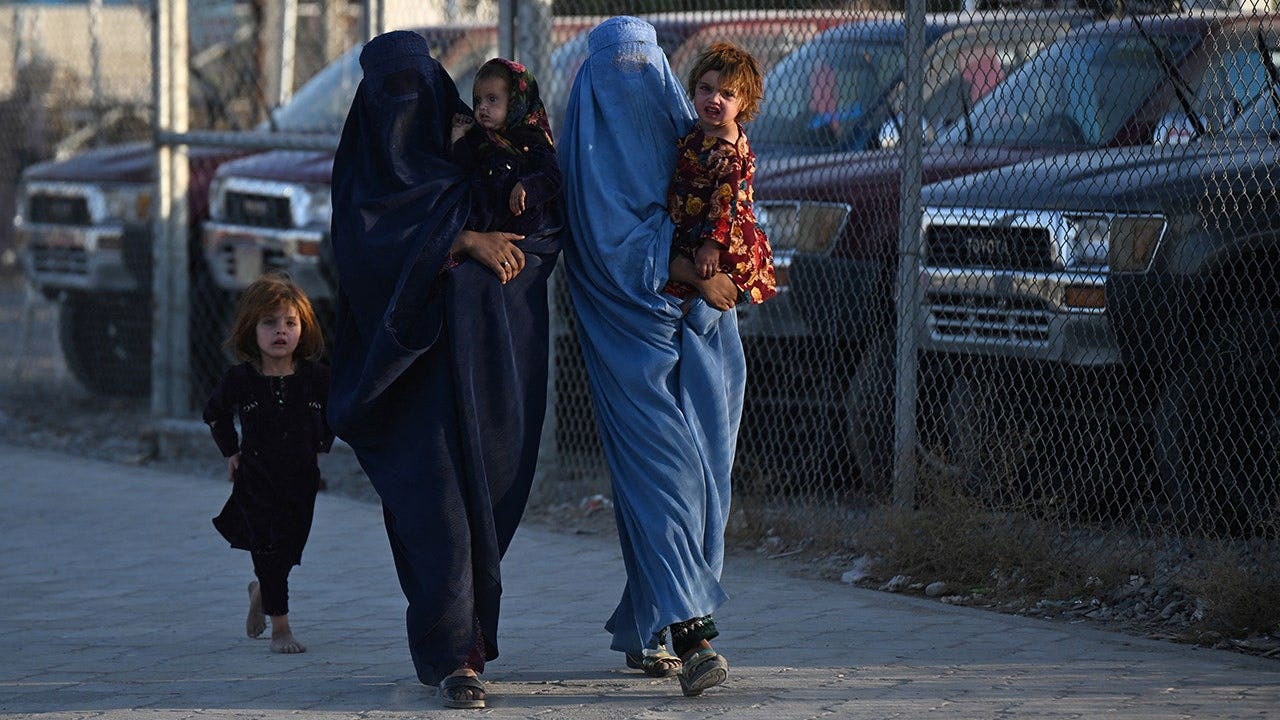
Burqa-clad women carry their children while walking along a street in Afghanistan’s Kandahar province on Nov. 23, 2026. (AFP via Getty Images)
Afghan women’s rights activist Lalah Osmany, who is based in Germany, told El País that testimony from women, doctors and civil rights activists indicates some women are also being referred to in degrading terms such as «goat» or «cow.»
«This is a systematic process of dehumanization,» Osmany told the newspaper.
An Afghan activist speaking under a pseudonym confirmed the reported order to El País, although she said it had so far been ignored.
Zubaida Akbar, who directs the Afghanistan program at women’s rights organization Femena, warned that the Taliban could eventually impose the ban nationwide, citing previous instances in which local restrictions were expanded across the country.
IRAN FLOGS FEMALE SINGER 74 TIMES FOR PERFORMING WITHOUT HIJAB IN VIRAL YOUTUBE CONCERT

An Afghan burqa-clad woman peels grapes for her child along a street in Kandahar on Nov. 17, 2026. (AFP via Getty Images)
Femena has counted more than 144 decrees restricting Afghan women’s rights, according to El País.
Girls have been barred from studying beyond age 12, while women have been shut out of most professions and subjected to restrictions on speaking in public, the newspaper reported.
Some Afghan women have resorted to running underground businesses and secret schools in defiance of Taliban restrictions, according to Associated Press reporting published Nov. 17.
IRAN TO EXECUTE FIRST FEMALE PROTESTER TIED TO ANTI-REGIME UNREST

Afghan burqa-clad women stand in a queue as they wait to receive food aid from a non-governmental organization (NGO) at a gymnasium in Kabul on Jan. 17, 2023. (Wakil Kohsar/AFP via Getty Images)
One Kabul beauty salon owner, whose identity was concealed for her safety, reopened her business after authorities raided her previous salon and confiscated her equipment.
«But now, they won’t even allow that; for women in Afghanistan, working has become a crime,» she told the AP.
An assistant teacher at a secret school in Kabul described living in constant fear of arrest.
«We are absolutely terrified of that possibility,» she told the AP.
Mohammad Aslam, a spokesman for the Taliban’s Ministry for the Promotion of Virtue and Prevention of Vice, defended the broader restrictions in comments to the AP, saying women could conduct business and social affairs provided they adhered to Islamic Sharia law and existing laws.
Osmany also warned that the reported naming ban could endanger female patients by increasing the risk of medical errors if prescriptions and medical records are filed under identical names.
Afghan women already face severe barriers to medical care under Taliban rule, including restrictions on male doctors treating female patients and bans on women pursuing medical training, according to El País.
In 2017, Osmany launched a campaign to have Afghan women’s names included on official documents, including their children’s birth certificates.
ARMY VET LAWMAKER MARKS ABBEY GATE ANNIVERSARY WITH BLISTERING MESSAGE FOR BIDEN-HARRIS: ‘ABJECT FAILURE’

An Afghan man holds up a yellow plastic barrel in a crowd near armed Taliban fighters on a military vehicle during celebrations for the fifth anniversary of the Taliban’s takeover in Herat, Afghanistan, on Aug. 15, 2026. (Middle East Images/AFP via Getty Images)
Despite receiving death threats from extremists, her campaign helped secure a change in 2020 allowing mothers’ names to be voluntarily included on such documents. That progress was short-lived.
The Taliban swept back into power in August 2021 as the U.S.-backed Afghan government collapsed amid then-President Joe Biden’s chaotic military withdrawal, leaving the country once again under the control of Islamist extremists.
The withdrawal drew widespread condemnation after 13 American service members, mostly Marines, were killed in an ISIS-K terrorist attack during the evacuation from Kabul.
Biden faced further backlash from Gold Star families after checking his watch during the dignified transfer of fallen American troops at Dover Air Force Base in Delaware.
Five years later, Afghan women and girls have seen hard-won freedoms stripped away under Taliban rule. Now, activists warn, even their very identities are under threat.
«Calling a woman by her real name in Afghanistan is an act of resistance,» Osmany told El País.
afghanistan, human rights, islam, world, womens health

Ucrania rechazó la pretensión rusa de incluir a la industria petrolera en una posible tregua marítima

El plan del Gobierno para pagar la deuda en enero tiene respuesta y un costo: las reservas del Banco Central

Guido Carrillo y Estudiantes: una historia de amor que merecía una segunda parte

El Gobierno buscará revertir el aumento de las partidas para las universidades

L-Gante sorprendió a Wanda Nara con una videollamada en medio de una entrevista: “Todavía estoy pagando las multas en el country”

“En menos de un minuto, perdí a todos mis amigos”: el recuerdo de Jakson Follmann, exarquero y sobreviviente de la tragedia de Chapecoense

Efecto reforma electoral: la suspensión de las PASO divide la estrategia de los “outsiders”

“Estoy preparada para ser presidenta”: fuerte desafío de Patricia Bullrich a Javier Milei

El economista Luis Secco cuestionó el programa económico de Milei: “Estamos estancados desde fines del primer trimestre de 2025″

“Lo real es que estamos estancados”: el análisis de un economista tras la caída de la actividad

 POLITICA22 horas ago
Efecto reforma electoral: la suspensión de las PASO divide la estrategia de los “outsiders”
- POLITICA3 días ago
“Estoy preparada para ser presidenta”: fuerte desafío de Patricia Bullrich a Javier Milei
- ECONOMIA2 días ago
“Lo real es que estamos estancados”: el análisis de un economista tras la caída de la actividad