INTERNACIONAL
El primer ministro del Reino Unido ratificó en la ONU su defensa de la soberanía sobre las Malvinas: “Nos mantendremos firmes”

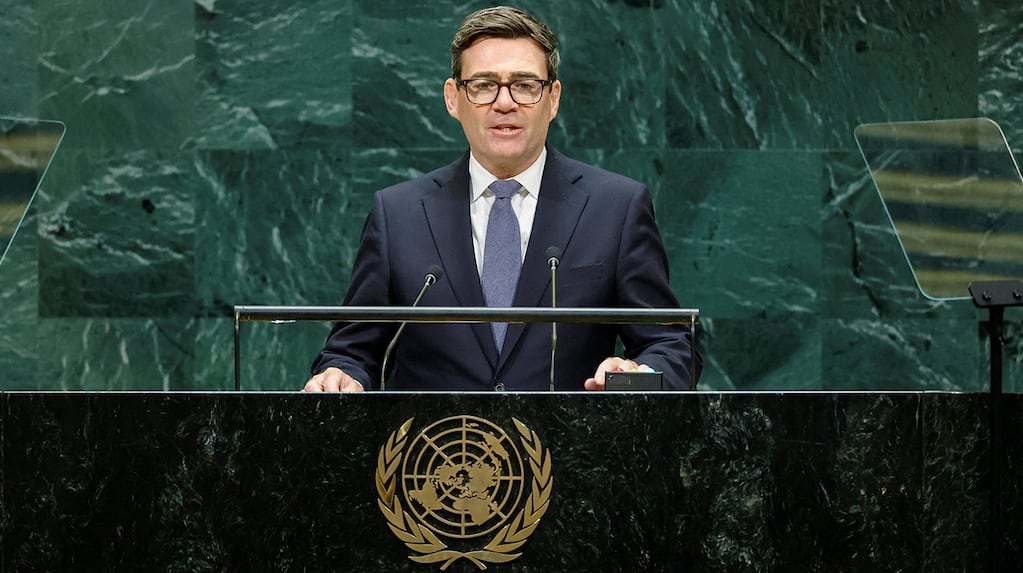
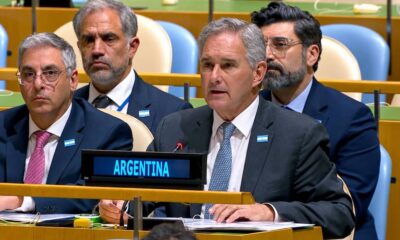
El primer ministro del Reino Unido, Andy Burnham, reafirmó este martes la posición británica sobre las Islas Malvinas durante su discurso ante la Asamblea General de las Naciones Unidas y aseguró que su gobierno defenderá los derechos de los territorios británicos de ultramar frente a cualquier amenaza.
“Nos mantendremos firmes ante cualquier amenaza y desafío a la supremacía de la ley, no solo de Rusia, sino también de otros, incluido donde amenacen los derechos de los territorios británicos a permanecer británicos, como las Islas Falkland”, afirmó Burnham ante los líderes mundiales reunidos en Nueva York.
En otra parte de su discurso, Burnham hizo especial hincapié en los desafíos de seguridad que enfrenta el Reino Unido y sus aliados. En ese contexto, anticipó que su gobierno seguirá destinando recursos a la defensa, aunque aclaró que no busca la confrontación.
Al referirse a la guerra en Ucrania, el primer ministro sostuvo que el Reino Unido continuará fortaleciendo su capacidad de disuasión. “Trabajaremos incesantemente para construir nuestro poder duro, nuestra disuasión, pero no jugaremos el juego de Rusia”, afirmó, y remarcó su respaldo a Kiev.
Burnham insistió en que Londres debe estar preparado frente a posibles amenazas, pero sin abandonar una posición prudente. “A diferencia de Rusia, no buscamos la confrontación, al contrario, estaremos preparados, pero no tendremos miedo, con los ojos abiertos pero la cabeza fría. No flaquearemos en defender a nuestro pueblo y a nuestros aliados”, expresó.
La mención a las Malvinas se produce en el contexto de una creciente tensión diplomática entre Londres y Buenos Aires por la explotación de recursos naturales en el archipiélago y pocas horas después de una reunión entre Burnham y el presidente de Estados Unidos, Donald Trump.
El encuentro entre ambos mandatarios tuvo lugar al margen de la Asamblea General de la ONU. Tras la reunión, Trump aseguró que las relaciones entre Washington y Londres están “mejorando”, mientras que Burnham confirmó que conversaron sobre comercio y sobre cuestiones vinculadas con las Islas Malvinas.
Las declaraciones del jefe de gobierno británico llegan además luego de que la administración de las islas decidiera prorrogar por cinco años todas las licencias vigentes para actividades petroleras offshore, una medida respaldada por el Reino Unido y cuestionada por el Gobierno argentino.
La decisión busca garantizar la continuidad de los proyectos de exploración y explotación de hidrocarburos en las aguas que rodean al archipiélago. Entre ellos se destaca Sea Lion, el emprendimiento liderado por las compañías Navitas Petroleum y Rockhopper Exploration, que prevén iniciar la producción de petróleo en 2028.
La medida fue interpretada en Buenos Aires como una profundización de las acciones unilaterales en un territorio cuya soberanía permanece en disputa. En las últimas semanas, el Gobierno de Javier Milei impulsó denuncias penales y procedimientos administrativos contra empresas vinculadas con la explotación de recursos en las islas sin autorización argentina.
ONU










INTERNACIONAL
“El régimen es muy débil y se sostiene en el poder por la fuerza”: Jonathan Duarte sobre Nicaragua
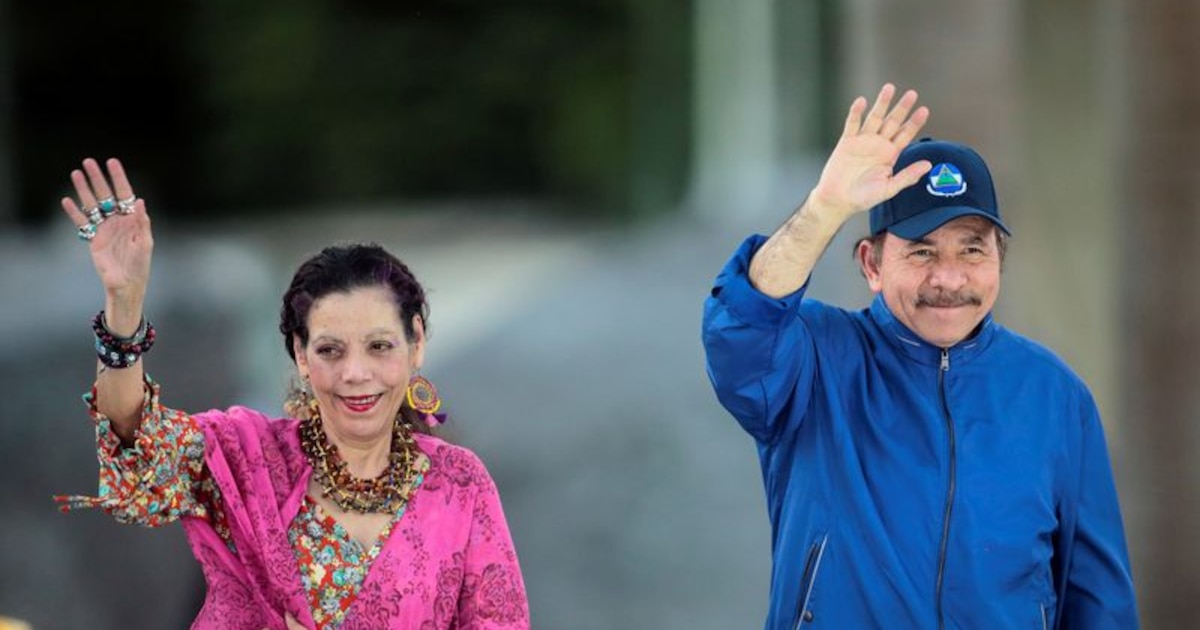
El régimen nicaragüense enfrenta una etapa de mayor concentración de poder, persecución política y deterioro institucional, sostuvo Jonathan Duarte, director ejecutivo de la Fundación para la Libertad de Nicaragua, durante una entrevista en el podcast Freie Wahl.
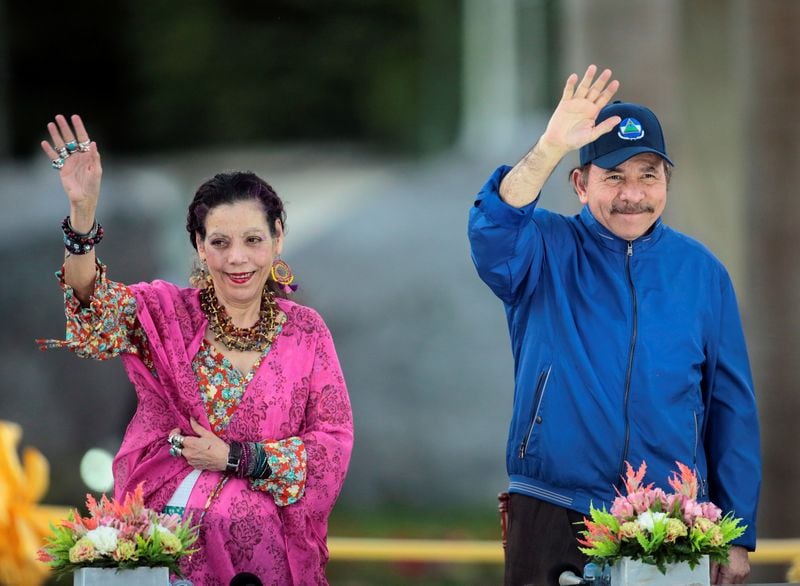
Duarte se refirió a la evolución del poder de Daniel Ortega y Rosario Murillo, a quienes atribuyó la consolidación de un esquema familiar. Aunque describió un escenario de fragilidad: “El régimen es muy débil ahora mismo, aunque se mantiene en el poder por la fuerza. Ellos son detestados dentro del país”.
Según su lectura, el control político descansa en los aparatos de seguridad, la Policía Nacional y grupos afines al oficialismo, mientras la estructura interna del sandinismo atraviesa tensiones por las purgas contra antiguos dirigentes.
De Estados Unidos a Nicaragua
Nacido en Miami, después de que su madre huyera de Nicaragua embarazada durante la década de 1980, Duarte creció en Estados Unidos, estudió gestión de recursos humanos y trabajó en el sector privado antes de involucrarse de lleno al activismo por su país.
Para él todo cambió en abril de 2018, cuando comenzaron las protestas contra el régimen. Duarte siguió los acontecimientos desde Estados Unidos y decidió viajar a Managua pese al clima de violencia y al despliegue policial y paramilitar que, según describió, encontró a su llegada.
Uno de los episodios que marcó su vida fue el asesinato del periodista Ángel Gaona en Bluefields. Duarte recordó que vio la transmisión en vivo en la que Gaona recibió un disparo y luego visitó el lugar donde ocurrió el crimen.
“Esto no puede quedarse así. Esto no puede ser así. No sé qué voy a hacer para ayudar, pero tengo que hacer algo”, pensó.
Después participó en protestas y talleres de liderazgo con jóvenes en la Costa Caribe. Más tarde, tras nuevos hechos de violencia durante una movilización por el Día de la Madre, viajó a Washington para informar a legisladores estadounidenses sobre la crisis política y de derechos humanos en Nicaragua.
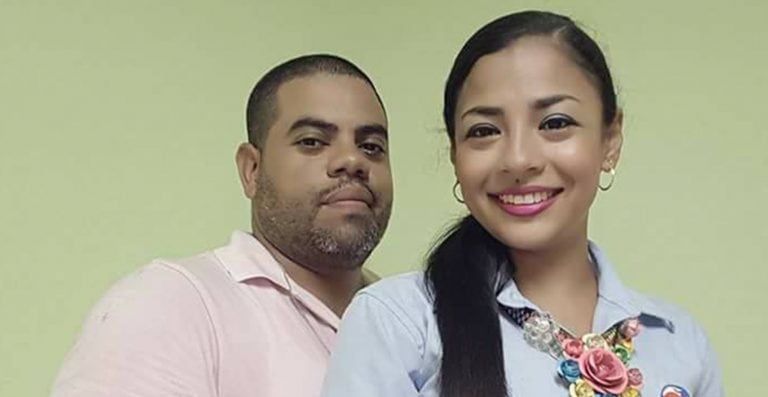
La campaña de Félix Maradiaga se desarrolló bajo vigilancia y clandestinidad
En la entrevista, Duarte recordó su vínculo con el opositor Félix Maradiaga. Ambos regresaron juntos a Managua en 2018, en un contexto de acusaciones oficiales contra Maradiaga y amenazas de arresto.
En 2021 aceptó dirigir la campaña presidencial de Maradiaga, pese a que no tenía experiencia previa. El proceso, dijo, se realizó con estructuras descentralizadas, reuniones reducidas y métodos informales para evitar la vigilancia del oficialismo.
“Hacíamos fiestas de cumpleaños infantiles, y yo alquilaba un castillo inflable y llevaba un payaso”, contó. Mientras los niños jugaban, explicó, los adultos se reunían en otros espacios y se comunicaban con Maradiaga por teléfono, Zoom o WhatsApp.
También recordó reuniones en conventos y encuentros comunitarios bajo la apariencia de actividades sociales. El objetivo era organizar una red territorial sin exponer a los participantes a represalias.
El plan quedó truncado en junio de 2021, cuando la dictadura arrestó a siete aspirantes presidenciales y a numerosos dirigentes opositores. Duarte aseguró que recibió una advertencia de la Embajada de Estados Unidos sobre una acusación en su contra por supuesto financiamiento al terrorismo y abandonó el país.
“No puedo creer que sea la segunda generación de mi familia que es puesta en un avión y expulsada de este país por las mismas personas”, señaló.
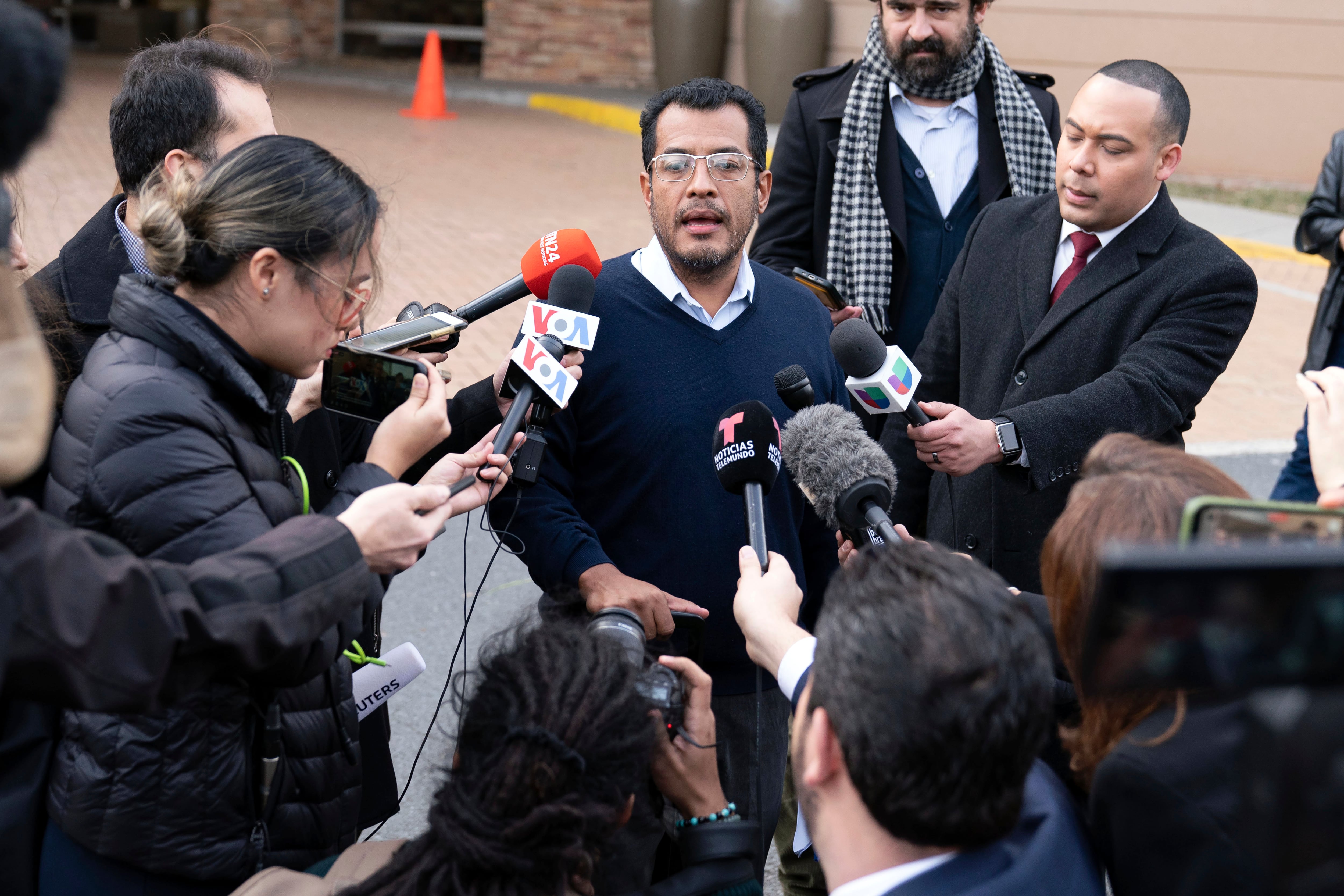
La liberación de 222 presos políticos redefinió las prioridades de la oposición
Duarte destacó que tras el encarcelamiento de Maradiaga, una parte central del trabajo opositor pasó a ser la liberación de los presos políticos. En febrero de 2023, 222 personas detenidas por razones políticas fueron enviadas a Estados Unidos.
El activista recordó la llamada que recibió de Berta Valle, esposa de Maradiaga, la madrugada en que conoció la salida de los detenidos. “Están en un avión. Todos los 222 están en un avión”, relató que le comunicaron.
Para Duarte, la excarcelación no resolvió la situación de los opositores ni de sus familias. La a represión continuó y el régimen utilizó las detenciones para limitar la capacidad organizativa de sus adversarios dentro de Nicaragua.
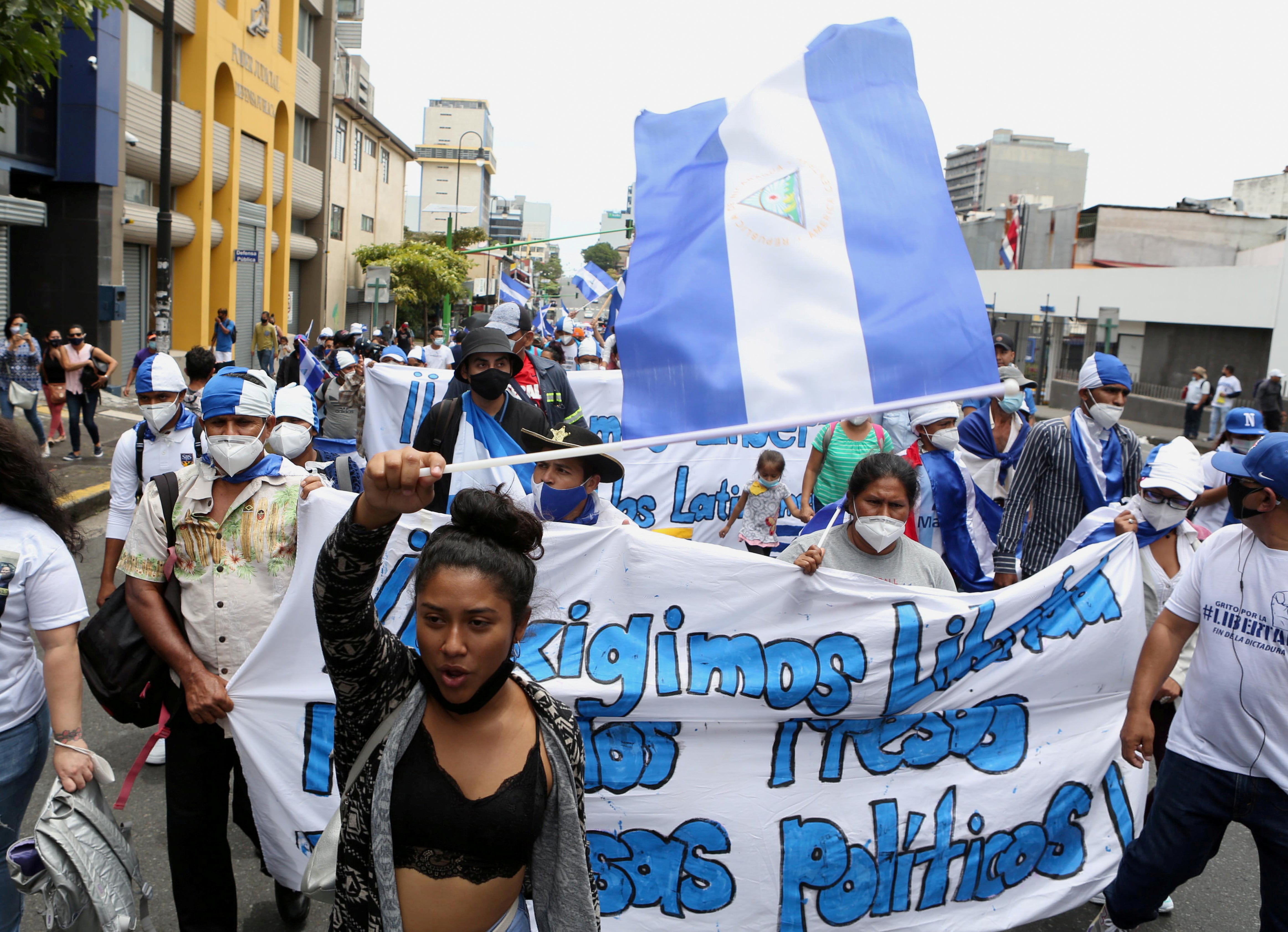
La presión económica y la libertad religiosa
La Fundación para la Libertad de Nicaragua trabaja para reconstruir redes comunitarias y formar liderazgos dentro del país. Para Duarte, la población vive con temor y existe una ruptura del tejido social debido a la persecución contra organizaciones civiles, opositores y referentes religiosos.
El activista denunció restricciones contra la Iglesia católica, congregaciones evangélicas y la Iglesia morava en la Costa Caribe. “Uno de nuestros principales enfoques es impulsar la libertad religiosa dentro del país”, afirmó.
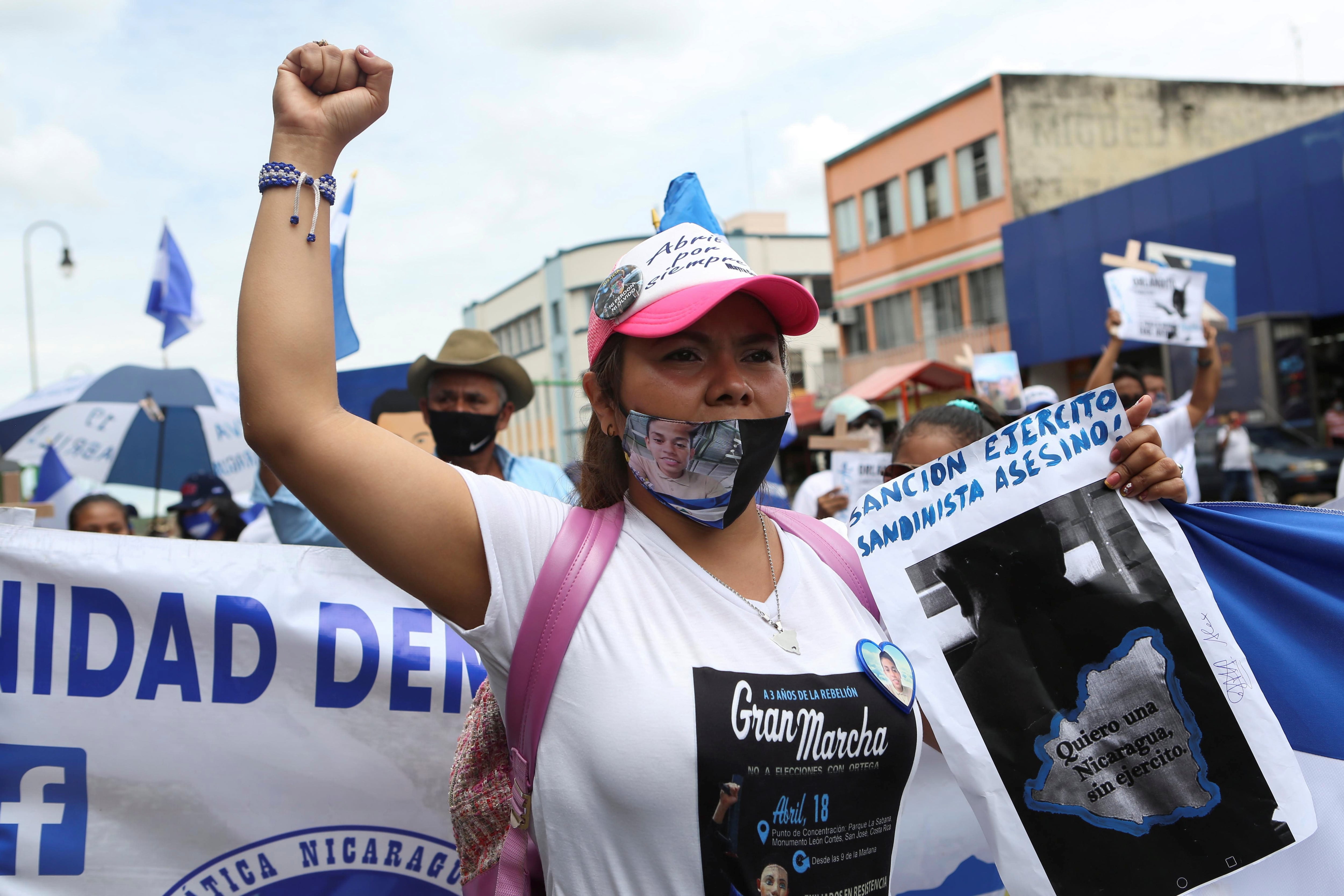
Sobre el escenario político, consideró que la eventual salida de Ortega podría abrir una crisis de sucesión. Duarte sostuvo que Murillo no tendría el respaldo suficiente de sectores históricos del sandinismo ni de las Fuerzas Armadas para consolidarse.
Su principal propuesta consiste en elevar el costo económico y político para Managua. “Cerca del 80% de lo que produce Nicaragua se exporta a Estados Unidos”, afirmó al defender una suspensión del país del DR-CAFTA.
“Mi esperanza es que, dentro de cinco años, estemos en el país reconstruyéndolo. Que, dentro de tres años, como mínimo, tengamos una nueva elección y un nuevo Gobierno”, expresó Duarte, quien pidió a los países latinoamericanos que aumenten la presión sobre el régimen nicaragüense.
INTERNACIONAL
Veteran who fought to preserve America’s history warns of growing fight over how it’s remembered

Marine veteran Scott Stump spent 16 years fighting to preserve a chapter of American history on the National Mall. Now, with his Desert Storm memorial finally complete, he’s warning about threats to the nation’s historical monuments and the stories they tell.
«I think it would be offensive for somebody to try to rewrite the history to serve some sort of self-serving narrative,» Stump, president and CEO of the National Desert Storm War Memorial Association, told Digital. «It’s not necessary.»
Stump spearheaded the effort to establish the National Desert Storm War Memorial, which opened Oct. 24 and honors Americans who served in Operations Desert Shield and Desert Storm and the U.S.-led coalition that liberated Kuwait from Iraqi occupation in 1991.
Stump’s concerns come at a time when the preservation of American history has become a flashpoint in Washington, with President Donald Trump’s administration clashing with the Smithsonian Institution this year over how the nation’s past is presented in its museums.
TRUMP V. SMITHSONIAN: A TIMELINE OF HOW THE WHITE HOUSE FIGHT OVER ‘WOKE’ HISTORY UNFOLDED
Stump said he hopes the memorial will do more than honor the Americans who served in Desert Shield and Desert Storm, inspiring future generations to learn about a chapter of history they may know little about.
«Our job, and I believe that we’ve achieved it through a wonderful design … is to make an emotional connection with the visitor and inspire them to then want to learn,» Stump said.
He pointed to the Korean War Veterans Memorial as an example of how monuments can spark curiosity among younger Americans.
«They get inspired. They don’t know anything about the Korean War, but they look it up because of their visit to the memorial, and that’s what we are attempting to do.»
«Americans that are willing to die for people, for a country that at that point, none of us had really ever heard of, we didn’t know where it was,» said Stump.
INSIDE THE BEHEMOTH SMITHSONIAN MUSEUM NETWORK DRAWING FIRE FROM THE TRUMP ADMINISTRATION
Meanwhile, recent acts of vandalism have raised concerns about protecting the nation’s monuments. In August, vandals spray-painted the World War II Memorial in Washington, D.C., and poured soap into its fountain, while a June incident left the number «8647» etched into the grass between the Washington Monument and the World War II Memorial.
Stump said the prospect of vandalism has become a growing concern, one he said was virtually nonexistent when he first began his mission to honor the Americans who served in Desert Shield and Desert Storm.
«We have a lot of fears, and I’ll just say that the fears that we have were non-existent up until probably seven, eight years ago,» Stump told Digital.
«I grew up in a time, and a lot of us did, where no matter how crazy a person was, they had respect for churches and … commemorative works or statues, things that are part of our country’s history,» he said.
Stump suggested that vandals may see monuments as symbols of the United States rather than considering the individual sacrifices or historical events they commemorate.
LINCOLN MEMORIAL REFLECTING POOL DRAINED AGAIN AS TRUMP ADMINISTRATION RESUMES REPAIRS
«They look at this as some type of a symbol of our country and there’s a deep hatred for our country, and they take it out on something that … everybody should take pride in,» he said.
For Stump, preserving the history of Desert Storm is a mission that transcends politics.
«This is apolitical. Just like our organization, we’ve always been apolitical,» Stump told Digital. «It’s a message for everybody.»
He pointed to the coalition of more than 30 countries spanning five continents, bringing together people of different races, religions and backgrounds in a shared mission.
«I think that the story stands on its own. I don’t think it needs any embellishment,» Stump said. «Meddling with history, it’s a bad idea. It’s an absolute bad idea.»
ILLEGAL IMMIGRANT ACCUSED OF BEHEADING IWO JIMA MONUMENT GRANTED BOND
Trump has pushed for changes to how American history is presented, signing a March 2025 executive order accusing the Smithsonian Institution of promoting a «divisive, race-centered ideology» and directing a review of changes to federal monuments and memorials. A second order in July 2026 accused Smithsonian leadership of failing to tell America’s story with «honesty and gratitude» and directed federal officials to pursue changes at the institution.
Stump began pushing for the memorial in 2010 after noticing that Desert Shield and Desert Storm veterans were often left out of military commemorations. The North Carolina Marine veteran recruited volunteers and worked with lawmakers including then-Rep. Phil Roe, R-Tenn., and Sen. John Boozman, R-Ark., to secure congressional approval for the memorial, which was authorized under Obama in 2014 and approved for a location near the National Mall under Trump in 2017.
Stump insisted the memorial be built entirely with private donations, not taxpayer money, a commitment he maintained throughout the yearslong effort to give Desert Shield and Desert Storm veterans a permanent place of recognition on the National Mall.
patriotism, heritage, washington dc, smithsonian, historic sites
NEWYou can now listen to Fox News articles!
Spanish voters head to the polls Sunday in a high-stakes national election that could end eight years of Socialist rule under Prime Minister Pedro Sánchez and deliver power to a center-right coalition led by the conservative People’s Party (PP).
Polls suggest the PP, led by former Galician regional president Alberto Núñez Feijóo, will emerge as the largest party, but the central question is whether it and another right-wing party, Vox led by Santiago Abascal, can secure the 176 seats needed for a majority in Spain’s 350-seat Congress of Deputies, the lower house of the Cortes Generales. If the right falls short, Sánchez could once again find a path to power through coalition negotiations despite trailing in most surveys.
«This is the most important election in Spain in the last 30 years,» said Javier Negre, a Spanish journalist and founder of EDATV. Negre pointed to corruption allegations, immigration, economic concerns and Spain’s political direction under Sánchez as key factors motivating right-leaning voters.
«Spain right now is divided,» Negre told Fox News Digital. «There is a lot of social tension between left and right. There is no middle point, there is no center (as) in other elections like eight years ago.»
WOMAN, 87, DIES AFTER BEING CARRIED FROM HOME OF 70 YEARS ON STRETCHER DURING EVICTION IN SPAIN
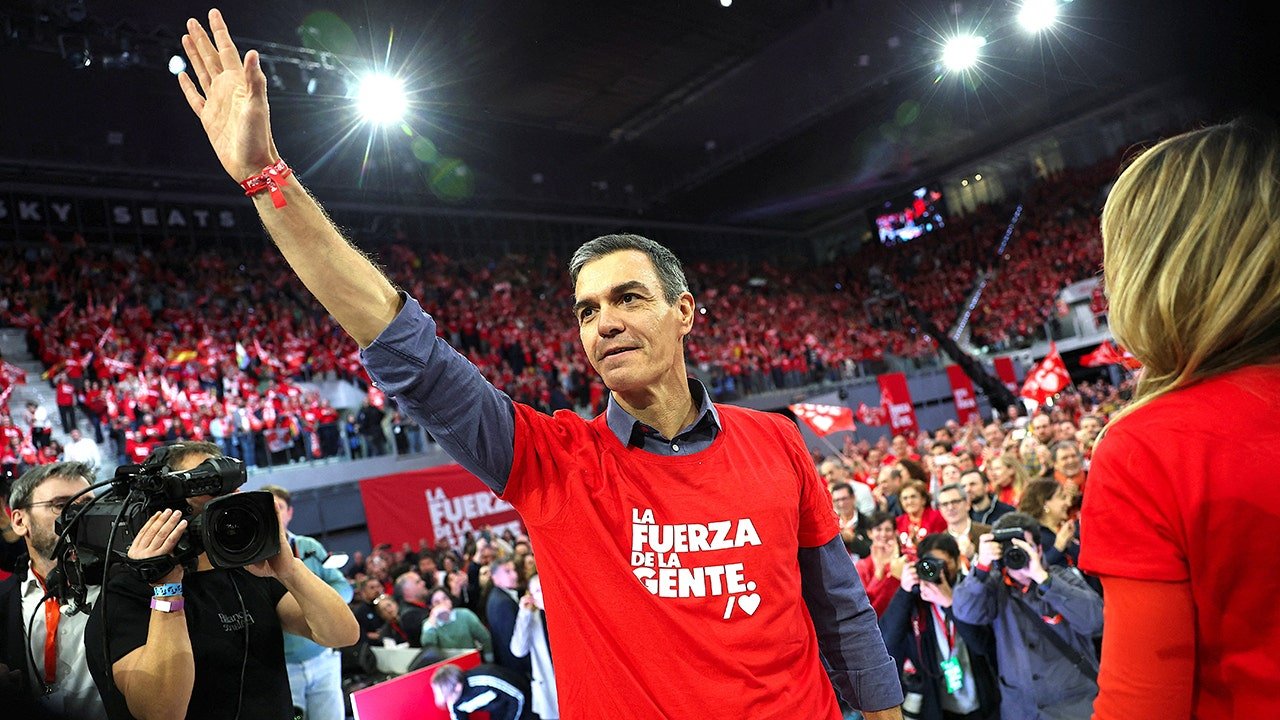
Spain’s Prime Minister and Socialist Party (PSOE) leader Pedro Sanchez wears a shirt reading «The strength of the people» as he arrives for a campaign closing rally ahead of the general election, in Madrid, Spain, Nov. 27, 2026. (Isabel Infantes/Reuters)
While immigration has become a major campaign issue, Simone Rodan-Benzaquen, the senior envoy for Europe at the Foundation for Defense of Democracies, argued the snap election was initially sparked by a different concern.
«This election was triggered by housing, not immigration,» she told Fox News Digital. Sánchez called the vote after parliament rejected his housing measures amid protests over affordability and the widely publicized eviction of an 87-year-old woman who has become a symbol of Spain’s housing crisis. «But voters don’t separate these issues,» Rodan-Benzaquen added. «When young Spaniards cannot afford a flat and the evening news shows a border being overrun, both feed the same verdict: the state is not in control.»
The vote is being closely watched across Europe as countries from Italy to the Netherlands have seen gains by right-leaning parties amid debates over immigration, national identity and economic pressures.

Moroccan security forces clash with migrants attempting to cross into Spain’s North African enclave of Ceuta near the town of Fnideq, on the Morocco-Spain border, on July 31, 2026. (Abdel Majid Bziouat / AFP via Getty Images))
Sánchez first came to power in 2018 after a no-confidence vote toppled the center-right government of Mariano Rajoy. Sánchez subsequently won elections in 2019 and, after the 2023 election left no party with a clear governing majority, assembled a coalition and secured support from smaller regional parties to remain in office despite the PP finishing first in the vote.
That history has left many observers cautious about assuming a PP victory at the ballot box will automatically translate into a change of government. This time, however, polling suggests the Spanish right may have a clearer path to an outright parliamentary majority than in recent elections.
SPANISH JOURNALIST SAYS CEUTA RESIDENTS BELIEVE GOVERNMENT ISN’T DOING ENOUGH TO PREVENT ANOTHER MIGRANT RUSH

Spain’s opposition People’s Party leader Alberto Nunez Feijoo speaks during a campaign closing rally ahead of the general election, in Seville, Spain, Nov. 27, 2026. (Marcelo del Pozo/Reuters)
Feijóo, who governed the northwestern region of Galicia for more than a decade before becoming the national PP leader, has framed the election as an opportunity to return Spain to what he describes as political stability. He has campaigned as a pragmatic alternative to Sánchez, promising to strengthen borders, address housing affordability, reduce political polarization and restore confidence in government after years of controversy that has surrounded the Sánchez administration.
A major factor in this election is Vox, a right-wing, nationalist party that advocates stricter immigration controls, greater national unity and a rollback of some progressive policies enacted under Sánchez. Polls suggest Vox could play a critical role in determining whether the Spanish right can form a governing majority led by the PP.
Rodan-Benzaquen said Sánchez has sought to make Vox, rather than his own record, the focus of the campaign. «Sánchez’s entire campaign is designed to turn an election about his record into a referendum on Vox, and the late narrowing in the polls suggests it is working,» she said. «That is his talent and his alibi.»
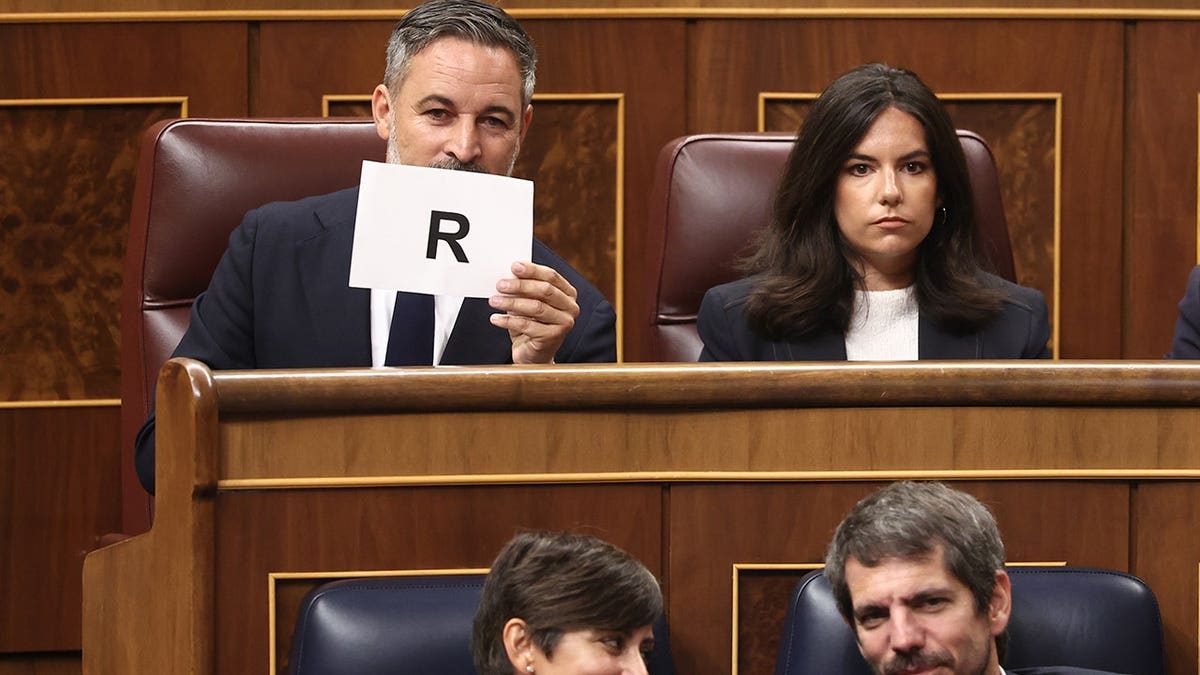
Vox leader Santiago Abascal and Vox spokesperson in Parliament Pepa Millan attend a plenary session in the Congress of Deputies in Madrid, Spain, Wednesday. Abascal holds up letters that spelled «traidor,» or traitor, while describing Spanish Prime Minister Pedro Sanchez. (Europa Press via Getty Images)
According to an average of recent polls compiled by the Spanish polling website Pulso Electoral, the PP and Vox are currently projected to secure a combined 195 seats, comfortably more than the 176 needed for a parliamentary majority.
Sánchez’s Socialist Workers’ Party (PSOE) is once again expected to be the second-largest force in parliament with a projected 113 seats. Any path for Sánchez to remain in power would likely require support from Sumar, a coalition of left-wing parties polling at about 6%, as well as backing from several smaller regional parties, similar to the alliance that allowed him to retain power after the 2023 election.
A PP-Vox government would mark Spain’s most significant shift to the right in years and could reshape the country’s approach to immigration, national identity and relations within Europe, as well as its ties with the U.S. and NATO.
SPAIN’S CANARY ISLANDS FLOODED BY THOUSANDS OF MIGRANTS AS COUNTRY DECLARES EMERGENCY
Vox’s rise has drawn attention beyond Spain’s borders, as analysts debate whether the country is following the broader European trend toward the stronger nationalist and anti-establishment movements seen elsewhere.
Negre rejected comparisons between Vox and some other European populist movements, like Germany’s AfD. He described Vox as «an old school party» that has evolved into a permanent fixture of Spanish politics. «Vox represents the right wing, anti-establishment party,» he added, calling it «a party of law and order» comparable to Viktor Orbán’s Fidesz party in Hungary.
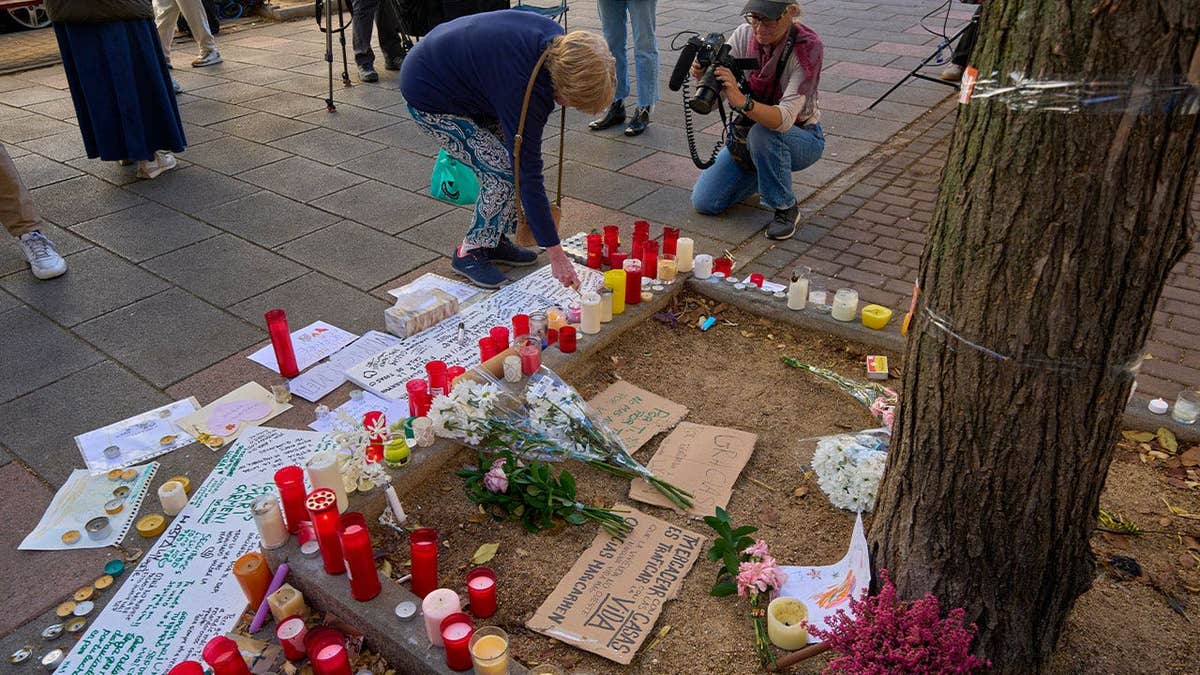
A woman places flowers in Madrid, Spain, Thursday, Oct. 8, 2026, near the entrance to the building where Maria del Carmen Abascal, 87, was evicted from her home, sparking nationwide protests. (AP Photo/Manu Fernandez)
«Spain’s exceptionalism was a delay, not an immunity,» said Rodan-Benzaquen, arguing that Spain largely avoided the populist surge seen elsewhere because the memory of the Franco era and the broad coalition assembled by the People’s Party left little space for a radical-right movement.
«Elsewhere in Europe the radical right grew mainly on immigration. In Spain, it grew on the nation itself,» she said, arguing that Vox’s rise was driven as much by Spain’s debate over national unity and the Catalan independence movement as by immigration, distinguishing it from many other European right-wing movements.
Sunday’s vote is expected to determine not only whether Sánchez can once again defy political expectations, but whether Vox will enter a national government for the first time in modern Spanish history. «The issue is no longer whether the right can govern, but on what terms,» said Rodan-Benzaquen, «and whether Vox sits at the cabinet table for the first time.»
spain, elections, the european union, immigration

El fallo adverso en el Tribunal del Mar amenaza con agravar las peleas internas del Gobierno

Los Pumas jugarán su último partido del año ante Escocia por el Nations Championship: hora, TV y todo lo que hay que saber

“El régimen es muy débil y se sostiene en el poder por la fuerza”: Jonathan Duarte sobre Nicaragua

Fernando Muslera anunció su retiro del fútbol tras la final de la Copa Libertadores

Javier Milei se refirió a su exclusión de la investidura de Lula Da Silva: “No tengo ningún interés en que me invite”

Murió una joven detenida en una comisaría policial de Barracas: investigan las causas

Efecto reforma electoral: la suspensión de las PASO divide la estrategia de los “outsiders”

“Estoy preparada para ser presidenta”: fuerte desafío de Patricia Bullrich a Javier Milei

“Lo real es que estamos estancados”: el análisis de un economista tras la caída de la actividad

El juez retó a Chiqui Tapia y le subió el monto que debe pagar para salir del país

 POLITICA2 días ago
Efecto reforma electoral: la suspensión de las PASO divide la estrategia de los “outsiders”
- ECONOMIA2 días ago
Cerraron más de 50.000 kioscos en los últimos tres años y el sector perdió casi la mitad de sus locales
- POLITICA3 días ago
Presupuesto 2027: el oficialismo encamina el quórum en Diputados, pero persisten las diferencias por los fondos para discapacidad