INTERNACIONAL
Inside the neighborhood living on the edge of America’s tech frontier

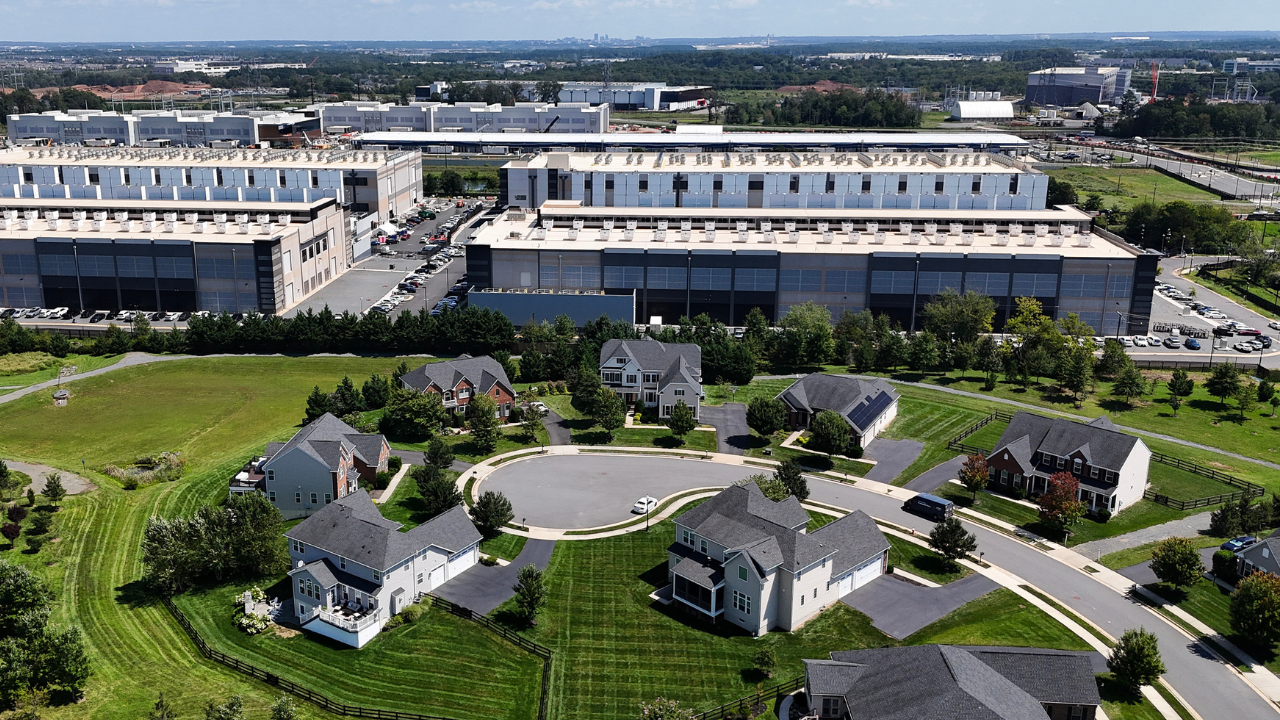
ASHBURN, Va. — First came the explosions, the heavy machinery and the red dust that coated the neighborhood. Soon after, towering, windowless buildings emerged just beyond a thin row of trees.
Months after the construction noise faded, the silence gave way to a steady mechanical hum.
For homeowners on the tucked-away cul-de-sac of Statesboro Place in Loudoun County, Virginia, suburban life now shares a fence line with the infrastructure powering America’s artificial intelligence (AI) boom.
The facilities behind the neighborhood are operated by Amazon Web Services and Microsoft, two of the world’s largest cloud computing companies.
«It’s like 150 feet away and just constant noise,» one resident told Digital while looking out over the backyard on a rainy September afternoon. «So far, they’ve planted some trees, thinking that would solve the issue.»
A SOUTHERN STATE JUST TOOK THE TOP SPOT IN ONE OF THE WORLD’S FASTEST-GROWING INDUSTRIES
A Microsoft spokesperson told Digital the company is «actively meeting with nearby HOAs to address community priorities, including landscaping, lighting and noise, working to ensure that our development lives up to residents’ expectations.»
An Amazon spokesperson said the company has «been part of Loudoun for 20 years» and that its local team has been working directly with residents and the HOA to address concerns. «We’re committed to building responsibly and being good neighbors,» the spokesperson said.
The residents interviewed for this story requested anonymity as they are engaged in ongoing discussions with the HOA and county officials.
One resident, who bought the home nearly a decade ago, said the hum extends beyond the backyards and can be heard along the community’s walking trails.
«Only two data centers are active right now and two additional ones are planned to be active next spring,» the resident said, adding that neighbors fear the noise will only grow louder.
The neighborhood sits in Loudoun County home to the world’s largest concentration of data centers and one of the epicenters of the nation’s AI infrastructure buildout. Residents say they were drawn to the spacious lots, unobstructed views and quiet streets, all of which are now overshadowed by featureless buildings.
THIS TINY FARMING TOWN YOU’VE NEVER HEARD OF IS HELPING MICROSOFT SELL AMERICA ON DATA CENTERS
As of March 2026, more than 230 data centers had been built or were under construction across the Virginia county, with another 116 projects in the pipeline.
«When I moved in, it was an open field. I had a nice backyard and there was not an ugly building to look at,» another resident told Digital.
The resident says the question isn’t whether data centers should exist, but whether they belong so close to neighborhoods without a better understanding of how they affect the people living beside them.
«Are we the guinea pigs? It feels that way.»
The data centers that transformed the landscape have also reshaped Loudoun County’s finances.
County officials say data centers generated $1.2 billion in tax revenue in fiscal year 2026 — 39% of the county budget — and project that figure will rise to $1.3 billion in fiscal year 2027. The revenue helps fund county services and keep tax rates lower, but residents say their individual bills have continued to rise.
One Loudoun County homeowner shared six years of property tax records with Digital showing the annual real estate tax bill rose from $17,391 in 2021 to about $22,250 in 2026, an increase of nearly $5,000.
«In our experience, our taxes have not gone down. We also own multiple properties and vehicles in Loudoun County and we have not experienced a reduction in our real estate or personal property tax burden,» the homeowner said.
The bill can rise even when tax rates fall if the assessed value increases.
ONE OF THE WORLD’S HOTTEST INDUSTRIES IS SPARKING A BLUE-COLLAR JOBS BOOM
That disconnect has raised questions about whether the industry’s financial benefits outweigh its impact on nearby communities. Little River District Supervisor Laura TeKrony said Loudoun County should limit data center development to industrial areas.
«I have not voted for one data center application since my term started in 2024,» TeKrony told Digital. «There are some things that matter more than additional tax revenue: our land, our water, our quality of life, and our community character.»
AMERICA’S REDDEST STATE CHASES BILLION-DOLLAR BOOM AS OTHERS SOUR ON MASSIVE EMERGING INDUSTRY
Residents told Digital they recognize the data centers are unlikely to go away. Instead, they want county leaders and operators to reduce the impact through sound barriers, ongoing noise monitoring and tax relief for homeowners living closest to the facilities.
«Trees are not a solution,» one resident said, arguing for a sound wall similar to those installed along major highways.
Another homeowner said nearby residents should receive property tax relief if the county continues approving data centers next to neighborhoods.
«If you ask me what the county can help us with, it’s reduce our property tax by at least 50%,» the resident said.
So while Americans are hopping the emerging tech boom will not negatively impact them, the nation’s AI ambitions have become impossible to ignore on Statesboro Place.
artificial intelligence, virginia, politics, energy, taxes








NEWYou can now listen to Fox News articles!
A leading American evangelical leader has condemned remarks made by a Palestinian official claiming the Bible as a «Palestinian book.»
Palestinian Ambassador to the U.K. Husam Zomlot made the comments earlier this month at the University of Bradford as the revisionist argument takes shape asserting Jesus was a Palestinian.
Zomlot’s claims that the Bible is a «Palestinian book» and that, by extension, all Christians are Palestinian has drawn sharp criticism from those who say the remarks advance a contested historical narrative about the land.
THE WAR ON AMERICA’S JUDEO-CHRISTIAN ROOTS THREATENS EVERYTHING WE SHARE
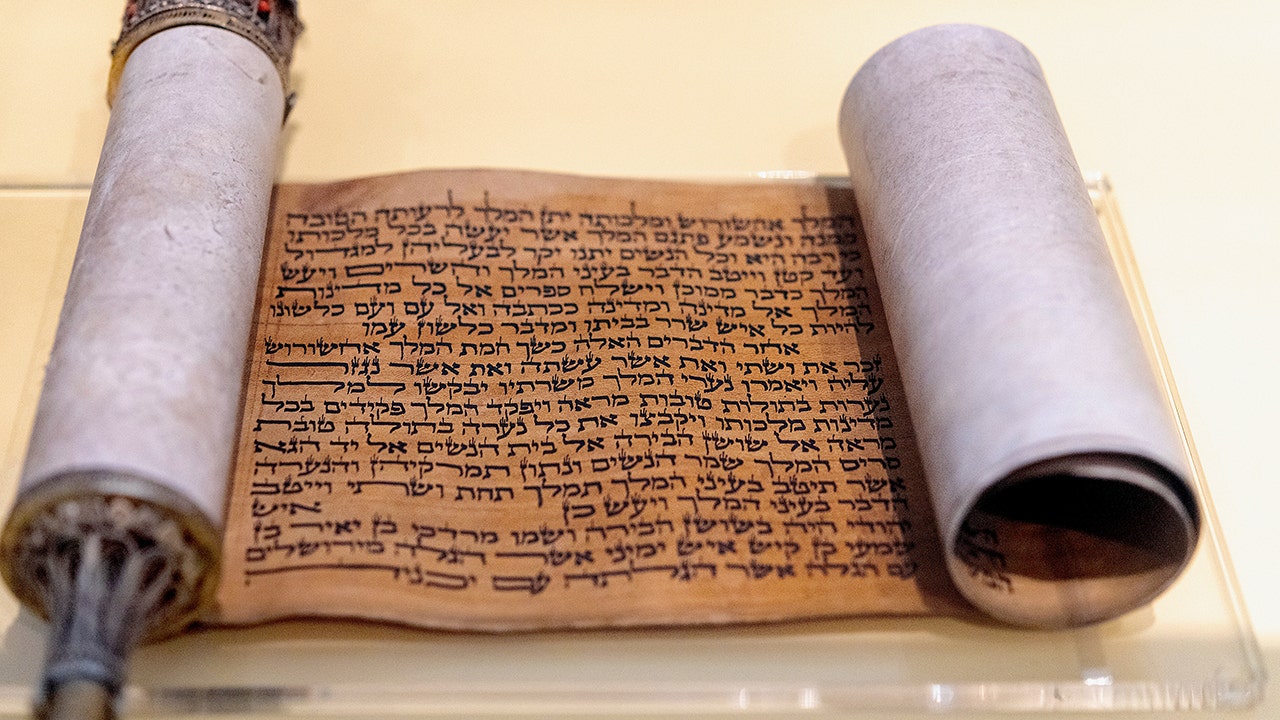
Antique Bible texts on show at the Royal Ontario Museum. (Roberto Machado Noa/LightRocket via Getty Images)
«The Palestinians aren’t the ‘people of the Book.’ When the ‘Book’ was written, the term Palestinian had not yet been coined,» Pastor John Hagee, founder and chairman of Christians United for Israel (CUFI), told Fox News Digital.
«The Palestinian ambassador’s attempt to claim the Jewish mantle of religion and history as his own is the clearest indication that his own narrative lacks both,» he said, adding: «Such attacks are contemptible, but their danger is decided by who will listen and who will challenge such bigotry.»
Hagee argued that describing Jesus as Palestinian because Bethlehem is today in the Palestinian-controlled West Bank would be anachronistic, comparing it to calling television personality Dr. Phil Cherokee simply because he was born in Oklahoma.
«History also disproves what the ambassador is saying. The Romans intentionally adopted the name ‘Palestine’ as a replacement for ‘Judea’ in an effort to erase the Jews from the land, roughly a century after Christ was crucified,» he added.
CHRISTIAN ZIONISTS TAKE ON ANTI-ISRAEL ‘PROPAGANDA’ FROM BIBLICAL HEARTLAND

Pastor John Hagee speaks during ‘March For Israel’ at the National Mall on Nov. 14, 2023 in Washington, DC. The large pro-Israel gathering comes as the Israel-Hamas war enters its sixth week following the October 7 terrorist attacks by Hamas
Hagee, whose group counts over 10 million members, added, «no reasonable person should entertain its existence in the future — given the horrors of October 7th and the ongoing effort by radical Islamists to annihilate the Jewish people.»
Zomlot made the comments on Sept. 3 during a conversation with Humza Yousaf, the former First Minister of Scotland, at the University of Bradford. He recalled that, during a private audience with the late Queen Elizabeth II arranged by the British Foreign Office, he told her, «Jesus is our gift to you.»
«The Bible is a Palestinian book and it has been used against us. It has been rewritten to be used against the people of the Book,» Zomlot continued. «We are the original Christians, all the names that you see here, all the saints that you hear about came from my land and I am so proud about that, spreading Jesus’ message worldwide.»
Critics contend the Palestinian Authority has sought to shape the international historical narrative surrounding the land through institutions such as UNESCO and the United Nations. They point to UNESCO’s designation of the Cave of the Patriarchs in Hebron in the name of the «State of Palestine» in 2016 and its 2023 designation of Tell es-Sultan near Jericho as a World Heritage site in «Palestine.»
SITE WHERE JESUS WAS CRUCIFIED AND BURIED REVEALS NEW EVIDENCE THAT BACKS BIBLICAL ACCOUNT

Dec. 18, 2021 shows a general view of Israel’s northern city of Nazareth and its Catholic Basilica of the Annunciation. (Ahmad Gharabli/AFP via Getty images)
They also cite a 2021 U.N. General Assembly resolution that referred to the Temple Mount, Judaism’s holiest site, only by its Muslim name, «Haram al-Sharif,» as well as P.A. chief Mahmoud Abbas’ 2024 assertion that the site is the «exclusive property of Muslims.» Critics also point to efforts to use Arabic names for sites with longstanding Jewish associations, such as Rachel’s Tomb in Nablus (Shechem), which is referred to as the «Bilal Bin Rabah Mosque.»
Ze’ev Orenstein, director of international affairs for the City of David Foundation in Jerusalem, told Fox News Digital that the origins of Islam date to the time of the Prophet Muhammad, about 1,300 years ago, while Jesus lived about 2,000 years ago and King David about 3,000 years ago.
Orenstein noted that Jesus himself was Jewish, as were his disciples, and that he knew the Hebrew Bible, observed the Sabbath and Jewish dietary laws and celebrated Jewish festivals including Passover.
SIGN UP FOR ANTISEMITISM EXPOSED NEWSLETTER
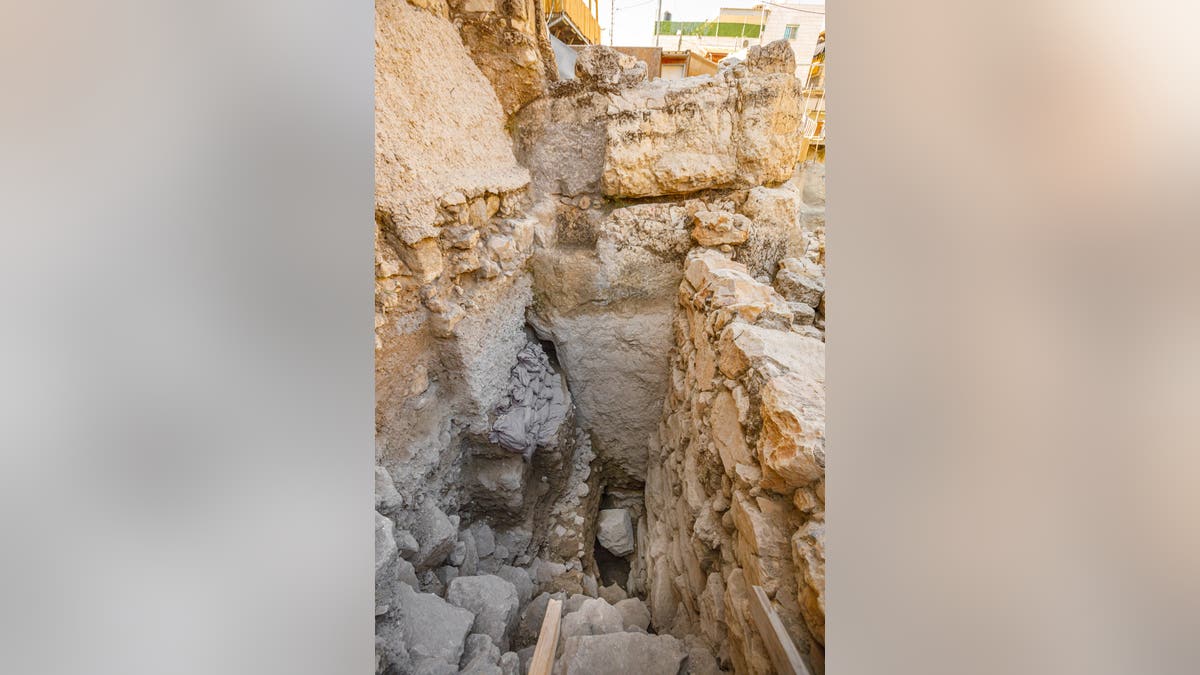
A look into the moat that would have run outside the ancient city of Jerusalem in the time of King David. (Israel Nature and Parks Authority)
«To somehow say that Jesus was a Palestinian or that the Bible comes from ‘Palestine,’ no. Jesus lived in a place called Judea, and Jews come from Judea,» he said.
Orenstein said Zomlot was attempting to appropriate the religious and historical identity of Jews and Christians by attributing the foundations of their faith to a country he said did not exist in that form at the time.
«It’s an act of cultural and historical appropriation; it’s identity theft, an attempt to rewrite the foundations of faith, history, heritage, values and ideals for billions of people around the world. And so, it sets a very dangerous precedent,» he said.
Fox News Digital repeatedly reached out to Ambassador Zomlot for comment but did not receive a response.
anti semitism, religion, israel, christianity religion, controversies
INTERNACIONAL
Senate hopeful’s ‘treading water’ narrative crumbles under $500K campaign payouts to family
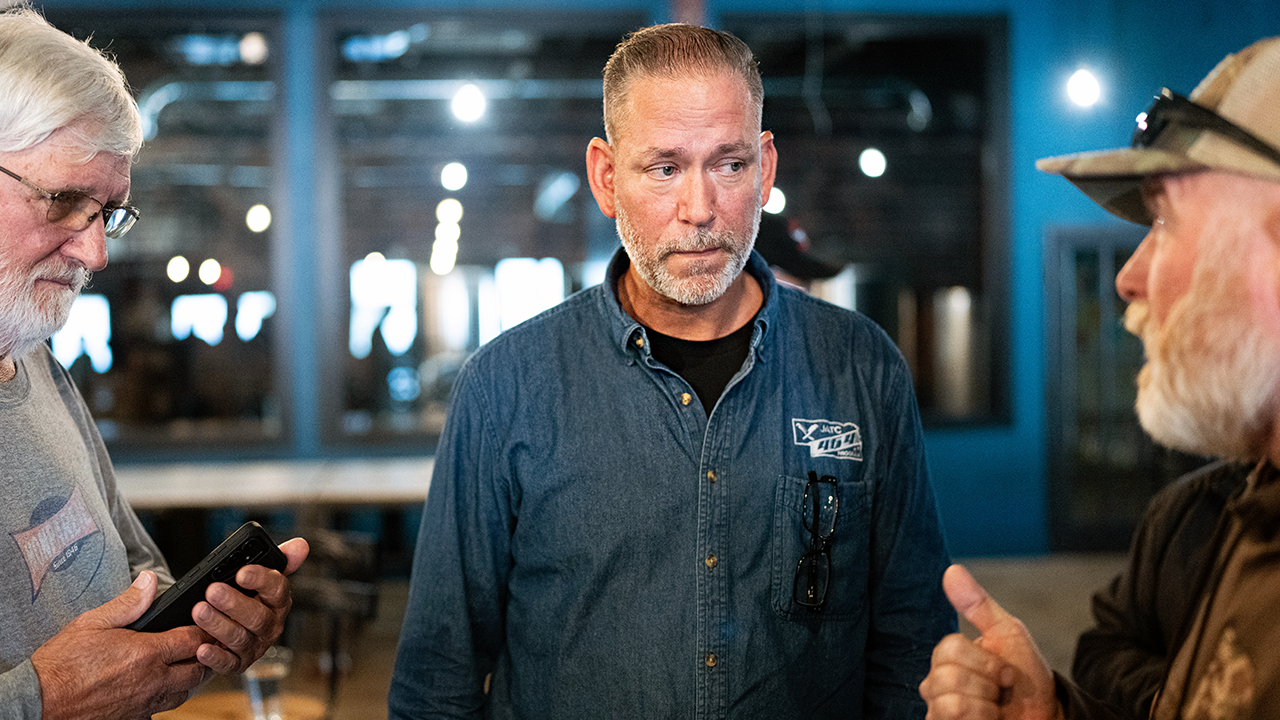
Independent Senate candidate Dan Osborn repeatedly said his family is «treading water» financially because of rising grocery and gas prices last week, but federal campaign finance records show his campaign has paid more than $500,000 to members of his family since launching his Senate bid.
Speaking at a Capitol Hill press conference on Sept. 24, Osborn said, «My family, we’re treading water here, and it feels like every day it’s hard to keep your head above water» because of the economy and rising grocery and gas prices.
Later that day, during an NBC News interview, he made nearly identical remarks, again describing his family as «treading water.»
Americans for Public Trust, a government ethics watchdog that has previously scrutinized Osborn’s campaign spending, estimates Osborn and members of his family received nearly $480,000 from his campaign and affiliated PACs through the first quarter of 2026. The organization told Digital that figure does not include additional campaign spending disclosed in Osborn’s second-quarter filing, which was filed in July. Digital’s review of that filing found additional payments to family members that pushed the total above $500,000.
NEBRASKA SENATE CANDIDATE SEEMS TO CONFIRM AUDIO CLAIMING TRUMP SUPPORTERS’ LIVES ‘SUCK SO F—ING BAD’
The largest share of those payments went to Osborn’s wife, Megan Osborn, who has worked for the campaign since its launch. Campaign finance records also show payments to the candidate’s daughter, Georgia, who Osborn has described publicly as a part-time dancer who still needs help paying her bills. His daughter has been paid by the campaign for work including event staffing and campaign activities, alongside other relatives and entities tied to his family.
Amid the scrutiny, Osborn’s wife stepped away from consulting firms she had a stake in, which were receiving thousands of dollars from Osborn’s campaign coffers, including from his 2024 war chest, even though that campaign was defunct.
«It’s rich for Osborn to be co-opting the real financial pain of Nebraskans when he and his family have been profiting from his campaign since it launched,» Americans for Public Trust Executive Director Caitlin Sutherland told Digital. «He was all too comfortable using his campaign to enrich his immediate and extended family and only hastily restructured when he was caught. Nebraskans know better than to fall for this type of self-serving behavior.»
DEM SENATOR FACES DOJ PROBE AFTER ALLEGATIONS OF SPENDING CAMPAIGN FUNDS ON LUXURY LIFESTYLE
Earlier this year, Osborn and his wife announced they were restructuring how she was compensated by the campaign after Americans for Public Trust filed a complaint with the Federal Election Commission alleging Osborn had steered campaign funds to relatives through a network of consulting firms and affiliated political action committees. The complaint alleged the payments violated federal campaign finance law, while the Osborn campaign rejected the allegations and argued the payments were for legitimate campaign work.
While paying family members is not illegal, it must be for bona-fide campaign services. Critics have challenged the political expertise and background of Osborn’s wife and other family members.
As part of the restructuring, Osborn’s wife stepped away from two consulting firms that were receiving campaign payments — including Independent Campaigns LLC, in which she held a one-third ownership stake — and instead became the campaign’s full-time operations manager with a monthly salary.
Osborn told the Omaha World-Herald at the time that his wife had been «instrumental» to the campaign and said he would not let political opponents dictate who ran it.
But Sutherland argued the restructuring did not resolve the broader questions raised in the complaint.
«Dan Osborn only restructured how he pays his wife after we filed a complaint with the FEC that he was running afoul of campaign finance laws,» Sutherland told Digital at the time. «However, questions still remain regarding his payments to his daughter, his brother-in-law, and two sisters-in-law, and his control over two federal PACs. Rest assured, Osborn may have changed tactics, but he isn’t off the hook in his attempt to funnel campaign cash to his entire family.»
senate elections, nebraska, elections, midterm elections, politics, campaigning
INTERNACIONAL
Secretos vaticanos: un libro cuenta el largo camino burocrático hacia la santidad, con prólogo del papa Francisco
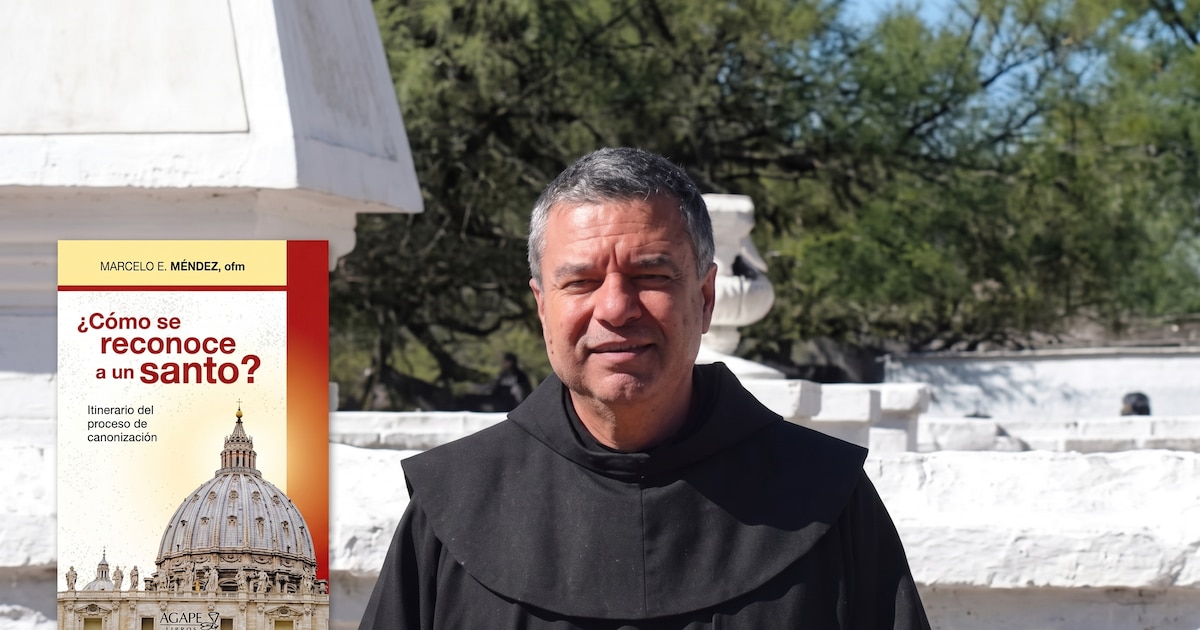
Para el creyente de a pie, el reconocimiento de la santidad no encierra demasiados misterios. Basta la huella imborrable de una vida entregada, el murmullo incesante de una devoción que resiste al tiempo o la certeza íntima de que alguien, desde la trascendencia, sigue velando por los suyos. Sin embargo, para la estructura institucional de la Iglesia Católica, la piedad popular es apenas el punto de partida. Detrás de las imágenes veneradas en los altares y de los vítores multitudinarios en la Plaza de San Pedro opera una maquinaria silenciosa y milimétrica donde la fe debe someterse al tamiz del derecho, la historia documental y el rigor científico.
En ese territorio intermedio entre la memoria afectiva y el expediente jurídico se adentra el franciscano argentino Rdo. P. Dr. Fray Marcelo E. Méndez ofm. en su obra ¿Cómo se reconoce a un santo? Itinerario del proceso de canonización, recientemente presentada en el espacio de Ágape Libros, en Puerto Madero. Lejos de la frialdad del manual académico, el texto surge de la pluma de quien conoce los pasillos vaticanos no como un espectador curioso, sino como un verdadero artesano de estas causas.
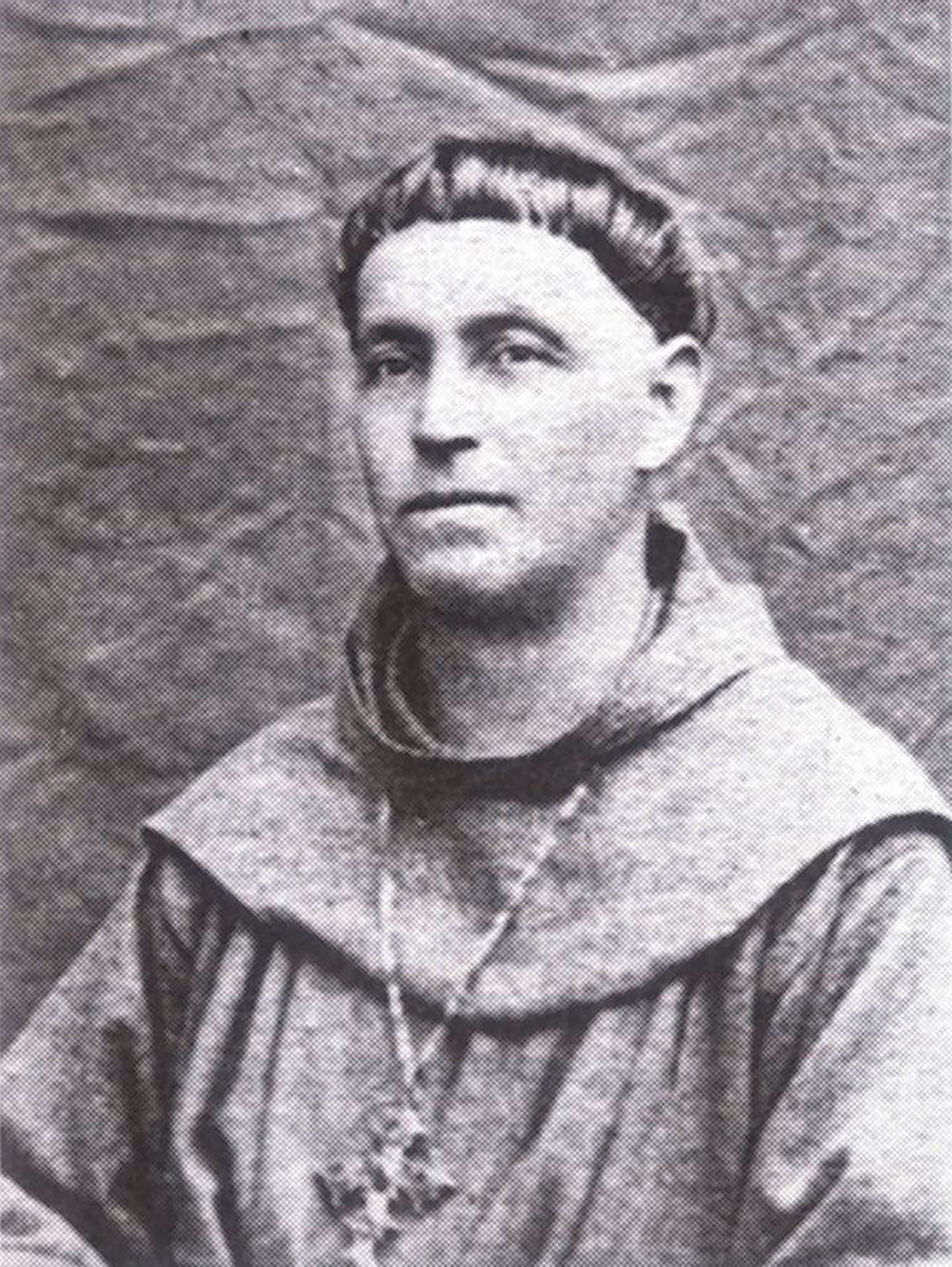
Nacido en Salta, doctor en Teología Dogmática y diplomado en Archivística Vaticana, el sacerdote formó parte de la curia romana como oficial del organismo encargado de estudiar la vida de los candidatos a los altares y ejerció como penitenciario pontificio. Esa doble condición —la del historiador de las fuentes jurídicas y la del pastor que acompaña causas concretas como la del Cura Brochero o Fray Mamerto Esquiú— le otorga al texto una carnadura humana poco habitual. El mismísimo Papa Francisco, en el prólogo que rubricó de su propia mano el 15 de agosto de 2024, subrayó el valor instrumental del libro para quien debe desentrañar por primera vez el engranaje de un proceso o medir la veracidad de un suceso milagroso.
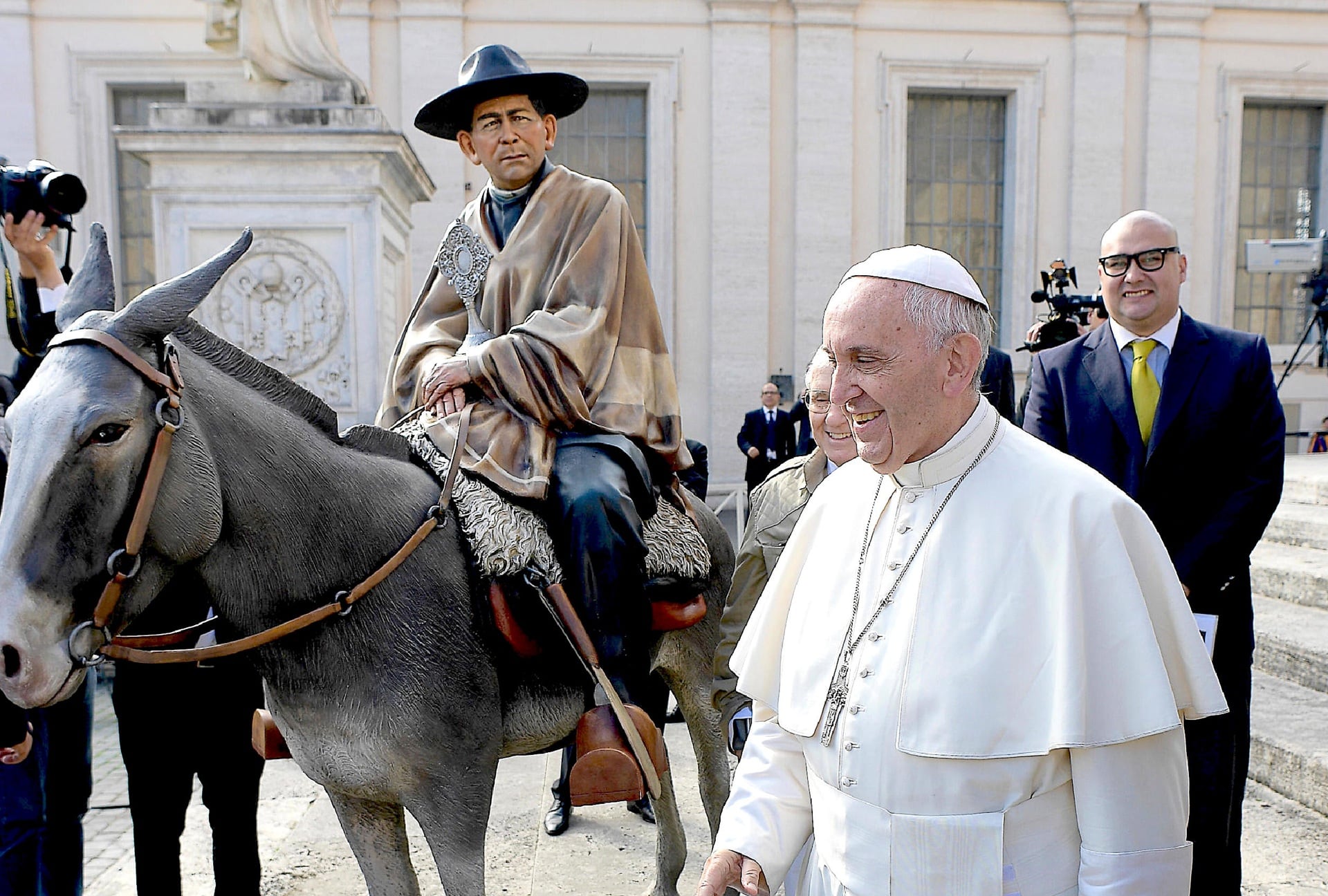
Es que el tiempo eclesiástico maneja una cronología ajena al vértigo moderno. Una causa requiere, como norma mínima, que hayan transcurrido cinco años desde el deceso del candidato antes de abrir la etapa diocesana. A partir de allí, el trámite se transforma en una minuciosa pesquisa judicial. Se recogen testimonios, se allanan archivos y se examinan escritos para comprobar la vivencia heroica de las virtudes. Luego, la documentación viaja a Roma para someterse al examen riguroso del Dicasterio para las Causas de los Santos.
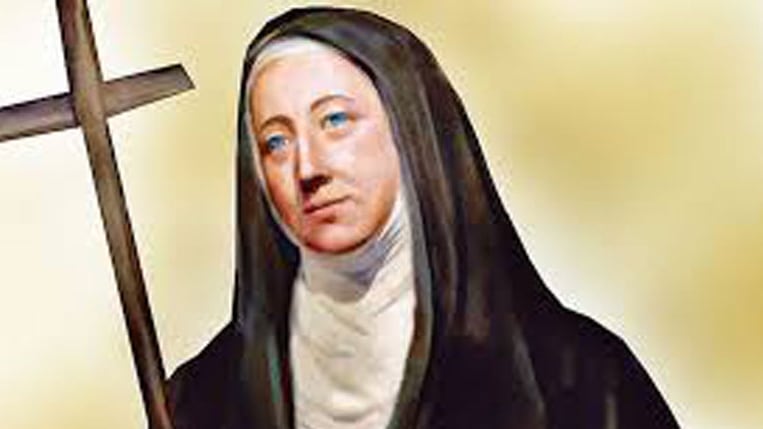
Durante la presentación, el propio Méndez contrapuso escenarios que ilustran esa elasticidad temporal. Mientras San Francisco de Asís alcanzó los altares apenas un año y medio después de su muerte en el siglo XIII, la gesta de los mártires del Valle de Zenta, caídos por la fe en suelo salteño en 1683, debió esperar más de tres centurias para ver su beatificación en 2022. Caso emblemático para la historia local es el de María Antonia de San José, la venerada Mama Antula. Su causa, impulsada junto a la de fray Francisco de Bolaños, fue la primera que la Argentina envió a Roma; entre su tránsito terrenal en 1799 y su canonización por el papa Francisco en febrero de 2024 debieron transcurrir 225 años de paciencia burocrática y documental.
El capítulo más complejo y fascinante del itinerario reside en la verificación científica y teológica del milagro. Para la Iglesia, la curación inexplicable no es una demostración mágica, sino un hecho insólito que supone la acción directa y gratuita de la Divinidad, operando como un signo que convoca a la conversión. Allí, el procedimiento exige el dictamen de peritos médicos y científicos que atestigüen que la recuperación supera cualquier explicación de las ciencias naturales.
La exposición no solo estuvo marcada por las precisiones técnicas y el rigor normativo, sino que también dejó espacio para la calidez de la memoria personal. Con visible afecto, el franciscano rememoró un prolongado encuentro privado con el papa Francisco, destacando la cercanía del pontífice, del cual lo conocía desde hacía mucho tiempo, y un detalle singular que lo conmovió profundamente: su deseo espontáneo de firmarle la presentación de la obra en ese mismo instante.
Asimismo, evocó la figura de Juan Pablo II, a quien tuvo la oportunidad de acompañar de cerca a lo largo de dos viajes apostólicos y de quien guardó un recuerdo entrañable como mentor. “Era una continua enseñanza todo lo que hacía”, afirmó Méndez al definirlo. Para ilustrar esa búsqueda constante de rigor y trascendencia en el rito, rescató una anécdota vivida durante una misa de beatificación en México: al advertir la probable inclusión de un gesto ritual de origen pagano, el papa polaco intervino de inmediato para corregir el rumbo, dejando al descubierto su minuciosidad e intransigencia ante el valor sagrado de la liturgia.
La presentación, en la cercanía de la UCA en Puerto Madero congregó a monseñor Juan Habib Chamieh OMM, obispo de los maronitas en la Argentina; fray Emilio Luis Andrada OFM, provincial de la Orden Franciscana de los Hermanos Menores, junto con otros religiosos franciscanos; y el padre Flavio Lauria CS, de los misioneros scalabrinianos; la Madre General y la hna.
Vicaria de las Hermanas misioneras de San Francisco Javier, y representantes de la dirección de diplomacia parlamentaria y culto de la cámara de diputados como de la dirección de culto de la ciudad de Buenos Aires y público en general estuvo salpicada por los recuerdos personales del autor.
Méndez rememoró con cercanía su trato directo con Juan Pablo II, a quien acompañó en viajes pastorales y de quien destacó su atención imperturbable a la liturgia, evocando la rapidez con la que el santo polaco corrigió la posible inserción de un rito pagano durante una celebración en México.
En última instancia, el valor del trabajo de fray Marcelo Méndez estriba en revelar la trastienda de una de las instituciones más antiguas del mundo. Antes del incienso y de las estampitas, la santidad en la Iglesia católica es una historia de testimonios confrontados, legajos antiguos y comprobaciones empíricas. Un camino donde la memoria de los hombres busca ponerse a la altura del juicio de la historia.
canonización,Marcelo E. Méndez,Ágape Libros,Iglesia católica

Quiénes son los detenidos por la entradera al abogado en Martínez: el video del insólito desliz que los complicó

Evangelical leader slams Palestinian official’s Bible claims as ‘contemptible’

¡La bomba definitiva! Involucran a la China Suárez con otro hombre y dejan a Icardi en una situación muy incómoda: «Obviamente, tiene familia y también le mandó fotos»

Axel Kicillof criticó la decisión de la Corte que eliminó las restricciones para la venta de tierras a extranjeros

Senate hopeful’s ‘treading water’ narrative crumbles under $500K campaign payouts to family

Secretos vaticanos: un libro cuenta el largo camino burocrático hacia la santidad, con prólogo del papa Francisco

El secretario de Defensa británico dijo que el Reino Unido está preparado para defender militarmente las Malvinas

El conflicto por discapacidad lesionó el vínculo del Gobierno con el PRO y se dilatan los planes electorales

El universo de Code Geass se expande con una nueva historia. Star Chaser Aspal presenta su primer tráiler y apunta a 2027