INTERNACIONAL
Elecciones en EE.UU.: Trump cierra la campaña mientras los sondeos anticipan una derrota republicana en el Congreso


A dos días de las elecciones de medio término, el Partido Demócrata aventaja por siete puntos a los republicanos en la lucha por el control del Congreso de Estados Unidos, impulsado por el descontento de los votantes y un récord de desaprobación de Donald Trump, según una encuesta nacional publicada este domingo por la cadena NBC News.
El presidente estadounidense concluye hoy su campaña en Iowa y Kansas, dos estados tradicionalmente republicanos, pero donde la lucha es cerrada y puede decidirse el control de ambas cámaras.
El sondeo muestra que el 52% de los votantes registrados prefiere un poder legislativo bajo control demócrata, frente al 45% que opta por el republicano y un 3% de indecisos.
Entre el electorado independiente, la distancia a favor de los demócratas asciende a 21 puntos.
Seis de cada diez estadounidenses desaprueban a Trump
La encuesta sitúa el índice de desaprobación de Trump en un histórico 60%, el nivel más elevado en sus dos mandatos en este sondeo, frente a un 40% de aprobación.
Además, un 64% de los consultados manifiesta que el mandatario no cumplió con sus expectativas, mientras que el 70% considera que el rumbo del país es equivocado.
La economía y el costo de vida permanecen como las principales preocupaciones del electorado.
En ese sentido, casi tres cuartas partes de los participantes declaran insatisfacción con el estado de la economía. Además, por primera vez en tres décadas en esta encuesta, el 51 % se muestra insatisfecho con su propia situación financiera poersona.
Trump












INTERNACIONAL
Everything to know about House and Senate control, ballot measures and 2026 Election Day poll closing
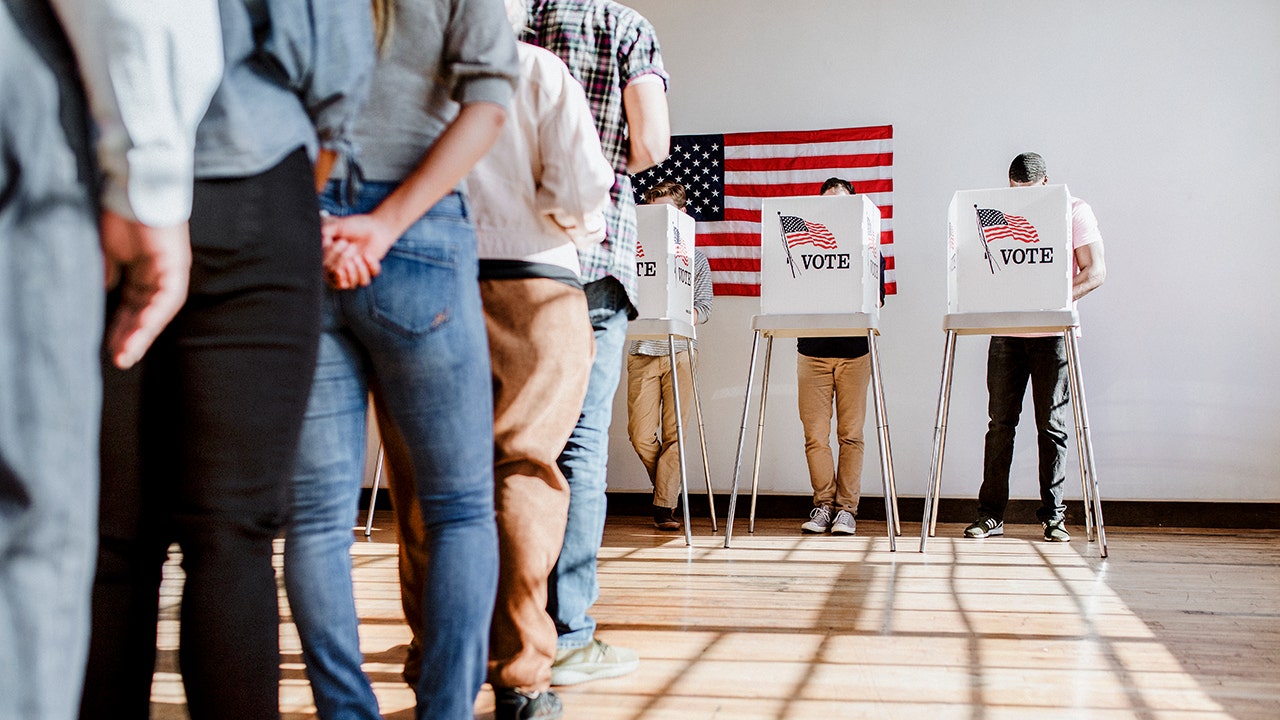
In two days, Americans voting in the midterm elections will decide control of the U.S. House and Senate for the next two years.
Republicans are defending their slim congressional majorities, but President Donald Trump predicts the GOP will hold the House and Senate.
«If you elect a Republican House and a Republican Senate on Nov. 3, we will continue to put America first every single day,» the president pledged on the campaign trail last week. And he claimed if the Democrats take control, «this country will go to hell.»
CHECK OUT THE FINAL POWER RANKINGS IN THE MIDTERM ELECTIONS
Republicans are fighting political history, as the party in power in Washington has traditionally lost seats during midterm election years. The GOP also faces a challenging political climate fueled by persistent inflation tied in part to what polls show is an unpopular war with Iran and Trump’s increasingly negative approval ratings.
Also up for grabs in this year’s midterm elections — governorships in 36 of the 50 states (as well as the territories of Guam, the Northern Mariana Islands and the U.S. Virgin Islands). Plus, all but four states are holding legislative elections. And voters will also weigh in on 145 statewide ballot measures in states from coast to coast.
Here’s a closer look at what’s up for grabs on Election Day 2026.
Republicans currently control the chamber 53-47, with the final Power Rankings ahead of Election Day rating the race for Senate control a toss-up.
Both parties are three seats short of a majority, according to the forecast. Democrats are favored in 48 seats and Republicans are ahead in 47. The GOP needs to hold 50 seats to retain control of the chamber, since Republican Vice President JD Vance is the tie-breaking vote in the Senate.
WHO’S UP AND DOWN IN THE FINAL MIDTERM ELECTION POLLS
If Democrats ride a blue wave to victory by winning most or all of the competitive races, they could potentially come away from the midterms with up to 54 seats. But if Republicans have a good night and defy expectations, the GOP could hold the majority with up to 52 seats, according to the forecast.
Republicans are playing defense in Alaska, Iowa, Maine, South Carolina and Texas, which are all rated toss-ups in the Power Rankings. They’re also defending seats in competitive races in Kansas, which is rated Lean Republican, and Ohio, which is rated Lean Democrat.
Democrats are on defense in Michigan, which is rated a toss-up, and in Minnesota and New Hampshire, which are listed as Lean Democrat.
HOUSE OF REPRESENTATIVES
The GOP is hanging on to a razor-thin majority in the House, and the Power Rankings point to the Democrats retaking control of the chamber.
A good night for the Democrats could see them ending up with as many as 240 seats in the 435-seat chamber. But if Republicans have a good night, they could end up with 212 seats. That’s six short of a majority, but enough to make life difficult for the next Democratic House speaker, who would have to balance the demands of the moderate and far-left wings of the party.
SIGN UP TO GET THE POLITICS NEWSLETTER
The earliest-closing districts on election night will give some sense of the House’s future.
«Keep an eye on Kentucky’s 6th District, which covers Lexington and a large central area of the state. Trump won here by 15 points in the last presidential election. Thanks to a combination of left-leaning college voters and farmers grappling with higher costs, it looks close this cycle,» Remy Numa, a contributor who steers the network’s Power Rankings, said.
There are currently 26 Republican and 24 Democratic governors.
The Power Rankings list three states where the GOP controls the governor’s office – Alaska, Nevada and Georgia – as toss-ups. Wisconsin, which has an open Democratic-controlled governor’s office, is also rated a toss-up.
The gubernatorial races in red states Florida, Kansas and Texas are rated Lean Republican, according to the Power Rankings.
DEMOCRACY 2026: STAY UP TO DATE WITH THE ELECTION HUB
Five other races are also seen as competitive and rated Lean Democrat. They are Arizona, Michigan and Oregon, where Democrats are playing defense, and Iowa and Ohio, where the GOP is defending open governor’s offices.
Referendums requiring voters to present identification when they show up at the polls, or bans on noncitizen voting, are on the ballot in 11 states: Alaska, Arizona, Arkansas, California, Colorado, Kansas, Nevada, North Carolina, Ohio, South Dakota and West Virginia.
Voters in Alaska will also decide if they want to repeal the state’s ranked choice voting system, open primaries and a campaign finance disclosure rule. Voters approved the current system in 2020 and narrowly kept it in 2024.
But the voting system has come under fresh scrutiny amid the controversy over a potential spoiler candidate in Alaska’s U.S. Senate race.
Voters in Virginia will decide whether the right to vote should be restored to convicted felons upon their release.
California’s Proposition 40 is making national headlines.
The measure, the first of its kind, would slap a one-time 5% tax on wealth for Californians worth over $1 billion, with the vast majority of the revenue generated going to pay for healthcare.
Also in the spotlight is a millionaires’ tax in Washington state. If passed, the referendum would repeal a 9.9% tax on income over $1 million a year, which state lawmakers recently approved. Washington state currently does not have a personal income tax.
Voters in Maryland, Missouri and Colorado weigh in on ballot measures on congressional redistricting, as the mid-decade redistricting fight between Democrats and Republicans will be waged again in 2028.
Arizona, Colorado, Nebraska and Washington state have referendums on transgender students’ participation in sports. Colorado also has a referendum on blocking gender transition surgeries for minors and preventing state or federal funding from being used for those operations.
Voters in Missouri weigh in on repealing a right to abortion and banning gender transition medical care for children. Meanwhile, an Idaho initiative would overturn one of the nation’s strictest abortion bans, while Virginia and Nevada voters decide on establishing a right to abortion in their state constitutions.
California, Colorado and Arizona hold ballot measures on policy around energy, transportation and development.
The first poll closings come at 6 p.m. ET on Election Day, with the final poll closings happening at 1 a.m. ET.
6 p.m. ET: Polls close in parts of Kentucky and Indiana.
7 p.m. ET: Polls close in Georgia, South Carolina, Vermont and Virginia. The final polls in Kentucky and Indiana close. And most polls in Florida and New Hampshire close.
7:30 p.m. ET: Polls close in North Carolina, Ohio and West Virginia.
8 p.m. ET: Polls close in Alabama, Connecticut, Delaware, Illinois, Maine, Maryland, Massachusetts, Mississippi, Missouri, New Jersey, Oklahoma, Pennsylvania, Rhode Island, Tennessee and Washington, D.C. The remaining polls in Florida and New Hampshire close. Most polls close in Texas, Michigan, Kansas, North Dakota and South Dakota.
8:30 p.m. ET: Polls close in Arkansas.
9 p.m. PT: Polls close in Arizona, Colorado, Iowa, Louisiana, Minnesota, Nebraska, New Mexico, New York, Wisconsin and Wyoming. The final polls close in Texas, Michigan, Kansas, North Dakota and South Dakota.
10 p.m. ET: Polls close in Montana and Utah. Most polls also close in Idaho and Oregon.
11 p.m. ET: Polls close in California and Washington state, with the remaining polls in Idaho and Oregon also closing.
Midnight ET: Polls in all of Hawaii and most of Alaska close, with the remaining polls in Alaska closing at 1 a.m. ET.
politics, midterm elections, elections, house of representatives, senate elections, gubernatorial, donald trump
INTERNACIONAL
El Smithsonian identifica refugios naturales en Panamá que podrían proteger a las ranas de un hongo mortal
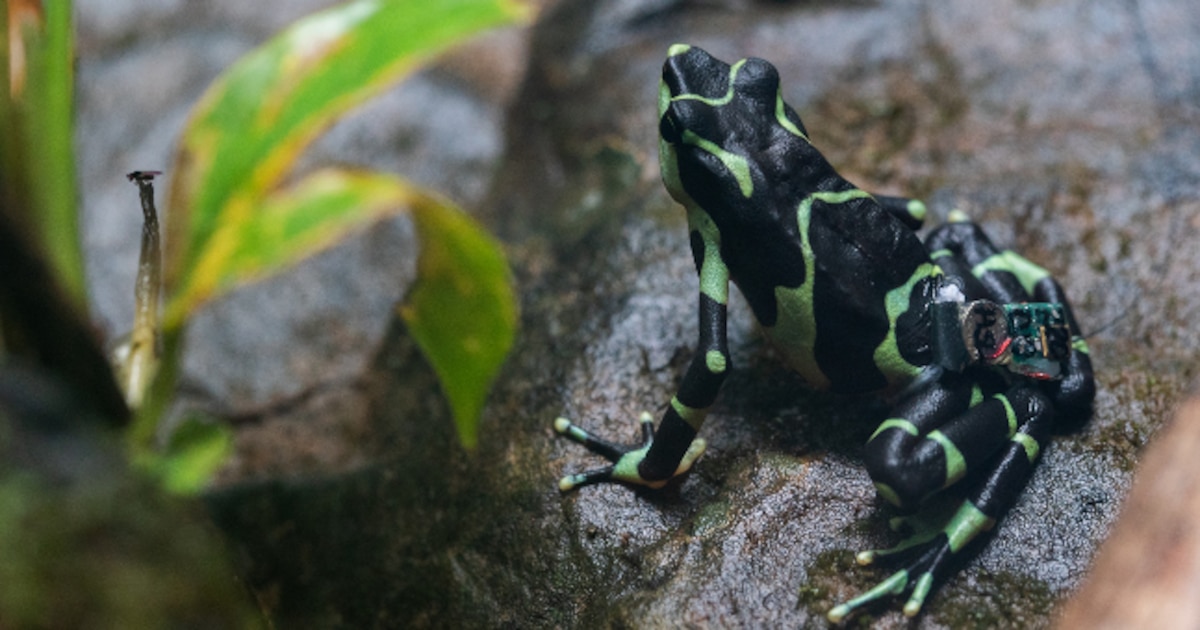
Una nueva investigación del Instituto Smithsonian identificó posibles refugios climáticos en Panamá donde especies de ranas amenazadas de extinción podrían sobrevivir a una enfermedad que ha devastado sus poblaciones durante décadas.
El hallazgo abre nuevas posibilidades para reintroducir anfibios criados en cautiverio en ambientes naturales con condiciones menos favorables para el desarrollo del hongo responsable de su desaparición.
El estudio, desarrollado por científicos del Instituto Smithsonian de Investigaciones Tropicales (STRI) y el Zoológico Nacional y el Instituto de Biología de la Conservación del Smithsonian, fue publicado en la revista Journal for Nature Conservation.
Los investigadores utilizaron modelos climáticos y mapas de distribución de enfermedades para localizar áreas con mayores probabilidades de supervivencia.
La principal amenaza es la quitridiomicosis, una enfermedad provocada por el hongo Batrachochytrium dendrobatidis, que comenzó a propagarse por Centroamérica y Sudamérica desde la década de 1970.
Su expansión ha provocado la desaparición de numerosas poblaciones de anfibios, particularmente de especies del género Atelopus, conocidas como sapos arlequín.
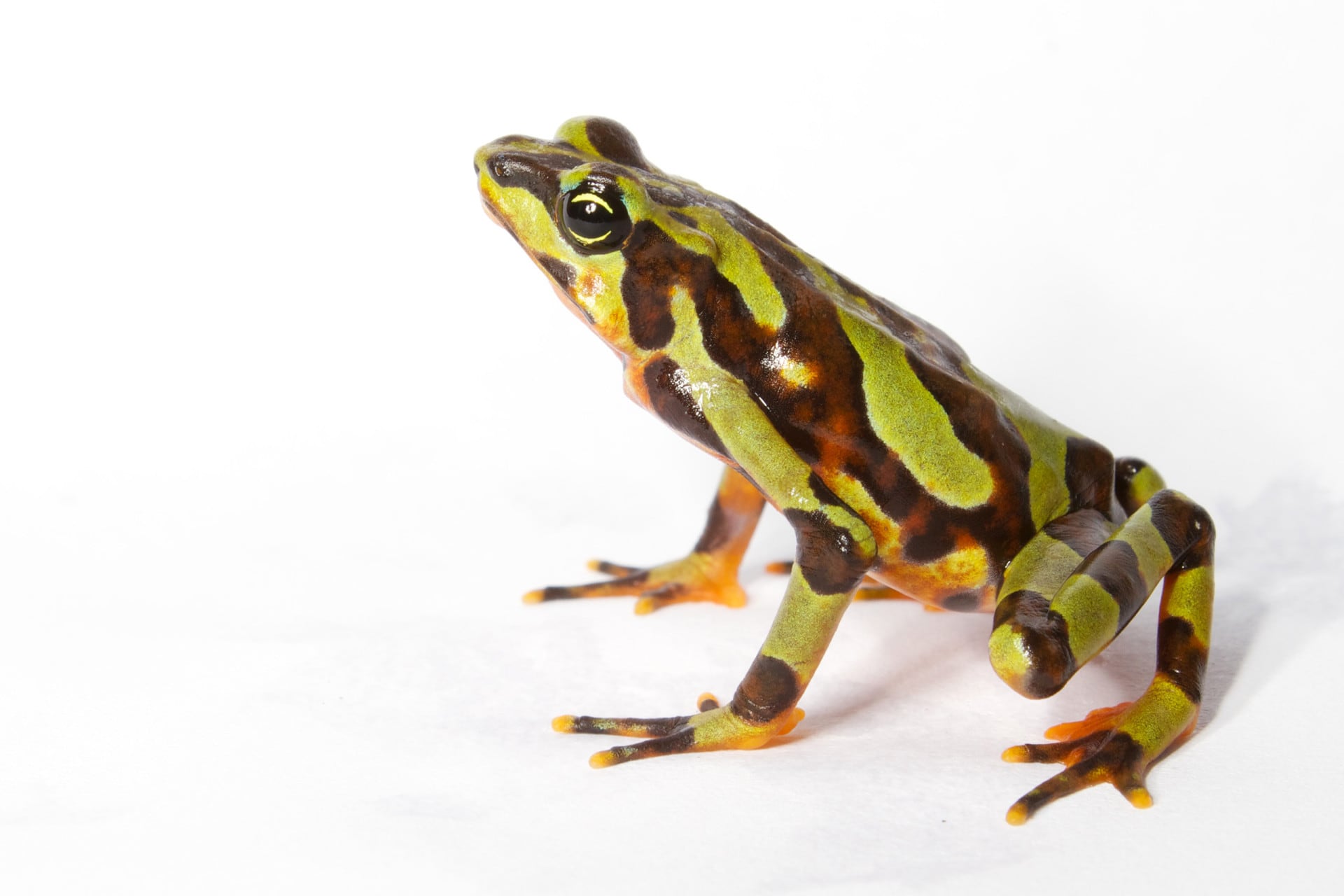
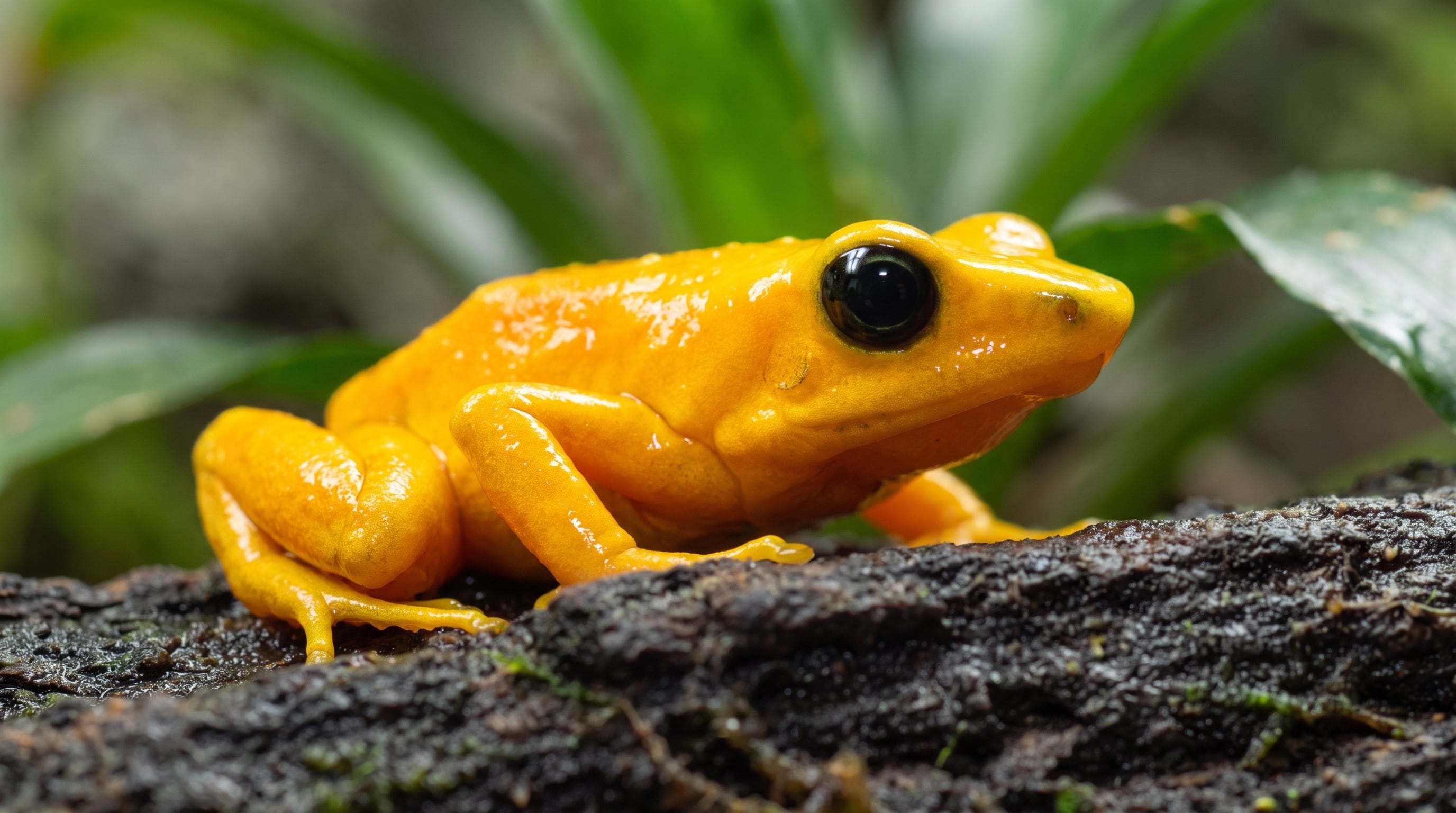
Entre los anfibios afectados se encuentra la rana dorada panameña (Atelopus zeteki), símbolo ecológico y cultural del país, que lleva más de 15 años sin registrarse en estado silvestre.
Su supervivencia depende actualmente de programas especializados de reproducción y conservación, desarrollados para evitar su extinción definitiva.
El problema para los científicos es que el hongo continúa presente en gran parte de los antiguos hábitats de estas especies. Los intentos de devolver ejemplares criados bajo cuidado humano a los bosques han registrado pérdidas importantes por infecciones, incluso después de años de reproducción y preparación.
Brian Gratwicke, biólogo conservacionista del Smithsonian y uno de los autores del estudio, explicó que la identificación de refugios climáticos permitirá seleccionar mejor los lugares de liberación.
La herramienta busca reducir las pérdidas observadas en experiencias anteriores, cuando los animales reintroducidos quedaron expuestos al patógeno que persiste en el ambiente.
Los investigadores determinaron que la intensidad de la enfermedad cambia según la temperatura, la humedad y las estaciones, de manera similar a las variaciones estacionales de algunas infecciones humanas.
A partir de estos patrones, elaboraron mapas que permiten identificar territorios menos adecuados para el hongo, pero potencialmente favorables para las ranas.
Uno de los principales resultados señala que la mayoría de las especies de sapos arlequín que persisten en Panamá habitan lugares donde más del 80% de las estaciones presentan condiciones desfavorables para infecciones de intensidad media o alta, lo que podría explicar su supervivencia.
La investigación encontró una excepción en el sapo arlequín variable (Atelopus varius), localizado también en ambientes donde la enfermedad puede desarrollarse. Este comportamiento coincide con evidencias anteriores que sugieren una posible resistencia de la especie al hongo, aunque los científicos todavía necesitan comprender mejor sus mecanismos de defensa.
Los mapas también podrían facilitar el descubrimiento de poblaciones silvestres que permanecen sin identificar, especialmente en regiones donde se considera que determinadas especies desaparecieron.
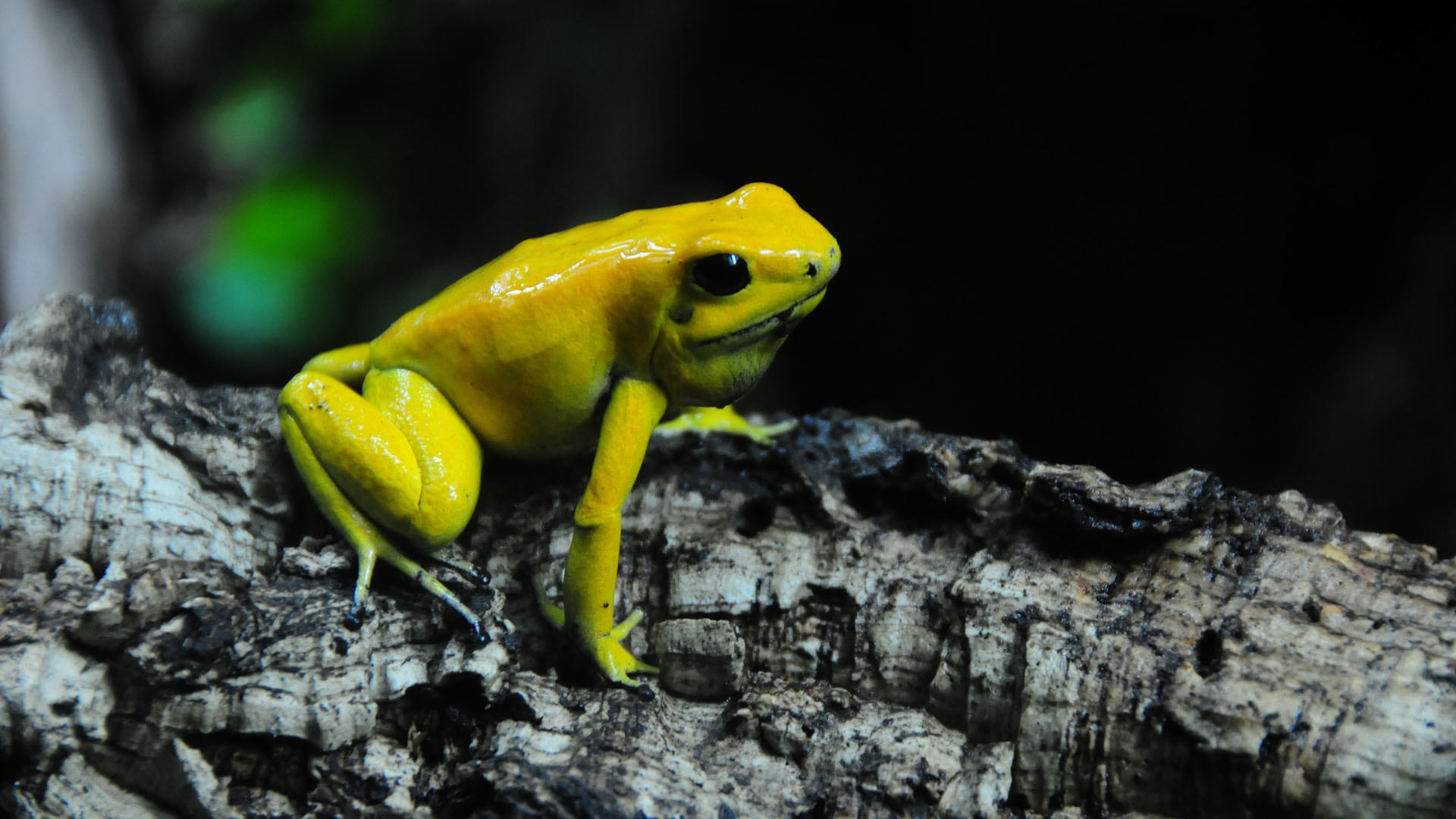
Carrie Lewis, investigadora de la Universidad George Mason y autora principal, destacó que estos grupos podrían aportar diversidad genética a los programas de conservación.
La presencia de ejemplares sobrevivientes permitiría fortalecer las poblaciones mantenidas bajo cuidado humano y ampliar las oportunidades de recuperación en los ecosistemas naturales.
Para los especialistas, identificar estos refugios representa una estrategia complementaria a la reproducción en cautiverio, utilizada durante años para proteger especies amenazadas.
El trabajo también examinó los posibles efectos del cambio climático sobre la distribución de la enfermedad. Algunos lugares actualmente favorables para el hongo podrían convertirse en refugios durante los próximos años, aunque el aumento de las temperaturas también amenaza a los anfibios adaptados a ambientes montañosos más fríos.
Roberto Ibáñez, científico del Smithsonian en Panamá y coautor de la investigación, informó que ya comenzaron las inspecciones de posibles lugares de reintroducción.

Los equipos evalúan las características del hábitat y las condiciones ambientales antes de desarrollar nuevos ensayos experimentales de liberación que permitan comprobar los resultados de los modelos.
El avance se relaciona con los esfuerzos para recuperar la rana dorada panameña, cuya desaparición de los bosques impulsó programas de reproducción especializados. En febrero de 2026 se conocieron resultados de un ensayo con 100 ejemplares mantenidos durante 12 semanas en recintos de adaptación, diseñados para estudiar su transición hacia condiciones naturales.
Aquella experiencia evidenció las dificultades del proceso, debido a que cerca del 70% de los animales murió por la enfermedad. Sin embargo, los datos permitieron estudiar su comportamiento y adaptación, además de identificar aspectos que deben mejorarse antes de futuras liberaciones en ambientes abiertos.
El Proyecto de Rescate y Conservación de Anfibios de Panamá, establecido en 2009, reúne instituciones científicas y zoológicos dedicados a proteger especies amenazadas. Su trabajo combina reproducción, investigación de enfermedades y pruebas de reintroducción, con el propósito de recuperar poblaciones capaces de mantenerse en la naturaleza.
Aunque los científicos todavía no pueden garantizar el éxito de las liberaciones, la identificación de refugios climáticos ofrece una herramienta para reducir los riesgos y orientar las decisiones de conservación. El objetivo es que especies como la rana dorada puedan recuperar parte de sus antiguos hábitats, después de permanecer durante años bajo protección humana.
rana dardo dorada,venenosa,bosque tropical

Rep. Jim Jordan, R-Ohio, was jumping into the car with his wife on the way to the airport when he took a call from a Digital reporter on Thursday morning.
It’s a microcosm of what the House Judiciary Committee chairman’s recent weeks and months have been: a seemingly endless series of planes, trains and automobiles across the U.S. campaigning for fellow Republican lawmakers.
House Republicans’ senior leadership is crisscrossing the country raising money and support for their members to win Tuesday’s midterm elections. Jordan, though he’s not part of the trio, has much the same schedule.
«Sometimes they’re fundraisers, sometimes they’re rallies, sometimes they’re both,» Jordan said. «We’re doing everything we can just to help our team win, because … if these Democrats get in there, my real concern, I gotta be honest, is what they’re gonna try to do to the structure of our government.»
MAPPED: TRUMP’S NONSTOP CAMPAIGN BLITZ SWEEPS KEY STATES
A source familiar with Jordan’s travel schedule said he’ll have gone to 115 districts across 34 states during this election cycle. That includes 19 consecutive days on the road in the lead-up to Nov. 3 in states including Washington, Oregon, Texas, Arkansas, Florida, Illinois and South Carolina.
And despite the diverse areas, Jordan said his message is mostly the same: Republicans cut taxes, secured the border, and Democrats will make it all worse.
«We understand things cost a little too much, and we’re working on that. But remember, most of that’s because of the Biden administration and their record inflation. We’re bringing that inflation rate down, but you know, we still understand things, things cost too much, and we’re gonna keep working on that,» Jordan said.
TRUMP VOTERS REVEAL THEIR BIGGEST FEAR HEADING INTO MIDTERMS — AND IT’S NOT RISING PRICES
«But the big issue we talk about is, if these radicals that now control the Democrat Party, if they get control of the government, the crazy things they’re gonna do are just frightening.»
And because he’s not a member of leadership, he’s not afforded the same charter flights and police motorcades that come with that job.
While he’s had some private flights, most of Jordan’s travel has been comprised of commercial airlines and long drives between destinations — including sitting in traffic.
He said his favorite travel tunes include the greatest hits of late country star Glen Campbell.
But Jordan said he also uses much of that time texting or calling colleagues, asking how their races are going, and talking to staff about what issues to raise at his next event.
He’s also raised a significant amount of cash for their campaigns, donating $1.97 million to Republicans across the country and $2.65 million to the House GOP campaign arm.
10 DEMOCRAT-HELD HOUSE SEATS REPUBLICANS COULD FLIP TO SAVE THEIR MAJORITY
It comes as House Republicans fight an uphill battle to retain their majority, as multiple political forecasts show Democrats poised to take over the chamber.
Jordan’s volume of travel is notable for someone who is not in senior House leadership, but it’s not a surprise, given his years-long high profile.
«His celebrity status is very helpful,» one House Republican previously told Digital. «When Jim Jordan comes to town for you, you put 300 butts in seats.»
Another lawmaker shared a similar figure. Rep. Tim Moore, R-N.C., told Digital that Jordan reached out to him about doing an event in his district that wound up a success.
DEMOCRATS SEE NEW CHANCES TO FLIP RED STATES — BUT A $400M GOP SPENDING ADVANTAGE COULD DERAIL THEIR PLANS
«We had a fundraiser in Gastonia and it was very well attended. A huge crowd, nearly 300 people there — raised a lot of money, a lot of excitement, a lot of enthusiasm, and so I appreciated him coming down to do that,» Moore said. His district also saw a visit from House Majority Leader Steve Scalise, R-La., which Moore said also raised a significant sum.
Jordan has appeared alongside conservatives in deep red districts and moderates in battlegrounds — walking out to Survivor’s «Eye of the Tiger» for many of those appearances — painting a picture of party unity that’s a far cry from his roots as an anti-establishment rebel leading the House Freedom Caucus.
«It’s kind of a Jordan 2.0,» the first House Republican said. «He’s just a great citizen of the conference.»
A second House Republican told Digital that a wide range of members see Jordan as a «mentor.» They said Jordan’s travels are a mix of Republicans asking him to come out and him extending those offers himself.
«Jim doesn’t care if you’re moderate or even if you have to lean left to keep your seat, you have to represent your people,» the second House Republican said.
Asked whether he’s changed or the party has, Jordan said it was «the overall picture.»
«Any differences that exist in the Republican Party are pretty small compared to the differences between Republicans and the left, the hard left, the radical left, which now controls the Democrat Party,» Jordan said.
It has also inspired questions about what he wants out of it.
House Republicans and members of the media are widely expecting that Jordan is eyeing a bid for senior leadership after failing to clinch a position in the past.
If Republicans lose the majority, he’s expected to run for minority leader, where he’d be Trump’s top defender in Congress.
But Jordan himself has publicly dismissed those notions.
«I’m focused on … Tuesday,» he told Digital. «The way you stop the radicals from making these structural changes to our constitutional form of government, these radical policy positions that they have, the way you stop them is at the ballot box, and that happens on Tuesday.»
And then the conversation ended, because Jordan had to catch a flight to campaign with Republican candidates in Florida that night.
politics, jim jordan, house of representatives, midterm elections, congress

Así es el spot oficial que publicó la Iglesia para darle la bienvenida al papa León XIV a la Argentina

Asistencia de Villa y cabezazo letal de Di Lollo: así abrió el marcador Boca Juniors ante River Plate

Everything to know about House and Senate control, ballot measures and 2026 Election Day poll closing

El debate sobre el atraso cambiario: las exportaciones crecieron mientras caía el tipo de cambio real

Javier Milei invitó a Villarruel y a la oposición para la recepción oficial del papa León XIV – Nexofin

El Smithsonian identifica refugios naturales en Panamá que podrían proteger a las ranas de un hongo mortal

Europa entre Escila y Caribdis

El “efecto Lula” sigue pegando en Argentina: los bonos sintieron el impacto, pero el tipo de cambio aguantó

La reflexión de Gabriel Rolón sobre la felicidad: “Es ese momento de eternidad donde lo que fuiste, querés ser, te atormenta y temés coexisten”

Goleada en contra y apenas 22 minutos para el Chango Zeballos en Monza

 ECONOMIA21 horas ago
El “efecto Lula” sigue pegando en Argentina: los bonos sintieron el impacto, pero el tipo de cambio aguantó
- CHIMENTOS2 días ago
Darío Barassi reveló el nombre que había elegido en caso de tener un hijo varón: «Tiene personalidad»
- ECONOMIA2 días ago
BCRA asegura que ya no hay freno monetario para la economía pero la reactivación no llega