INTERNACIONAL
‘He blamed the Jews’: GOP congressman levels explosive accusation against JD Vance over election postmortem

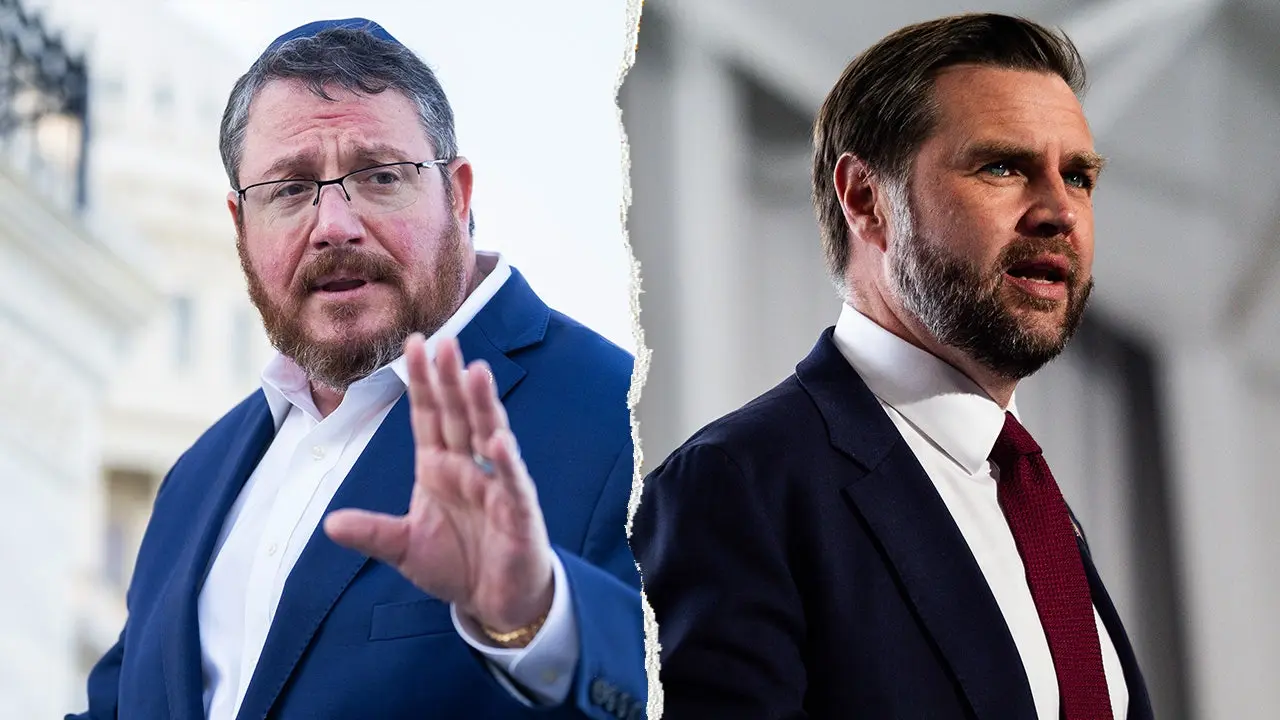
Rep. Randy Fine, R-Fla., said Vice President JD Vance’s election analysis posted online last week amounted to an attack on the Jewish people, leading him to swear off support for any presidential aspirations Vance might have for 2028.
«I definitively will not be supporting the vice president in that nominating contest. I thought his message that he put out the day after the election was abhorrent and, frankly, smacked of the kind of thing you’d read in 1932 Germany,» Fine, who is himself Jewish, said in an interview with Fox Now.
«He’s out in my book,» he added. «He blamed the Jews for losing the election.»
VANCE COURTING DISGRUNTLED TRUMP VOTERS TO FORM ‘NEW RIGHT’ ALLIANCE AFTER REPUBLICAN BLOODBATH, SOURCES SAY
Fine’s blistering attack on Vance comes as the GOP is working to understand the midterm election results, in which Republicans lost control of the U.S. House of Representatives and the Senate. It also underscores tensions in the GOP as the party wrestles with how to balance America-First principles with its alliance with Israel.
In his breakdown, Vance cited polling that identified four key items disillusioned voters wanted to see from Republicans: ending the war in Iran, focusing on the cost of living, putting America first and changing the U.S.-Israel relationship.
«Our voters showed up. And the above four reasons are why many of them voted for Democrats,» Vance wrote.
Amid that mix, Vance especially singled out the first item, noting that Trump had himself identified the Iran conflict as a decisive factor in the midterms in interviews after the election.
«The reason we lost is the war,» Vance said. «The president himself said so last night.»
But Fine had a different diagnosis.
When asked about his comments by Digital, Fine doubled down on his characterization, arguing that the vice president had tacitly laid blame on «the Jews» in three of the four reasons he had identified.
RUBIO’S DEFENSE OF TRUMP’S IRAN WAR DRAWS SHARP CONTRAST WITH VANCE’S MIDTERM BLAME
«What does America First mean when you’ve said, ‘end the war’ and ‘change our relationship with Israel?’ Isn’t that saying the same thing? When you hear… talk about America First, are they saying, ‘let’s stop giving aid to Egypt?’ No, it’s always about Israel. So it’s three times out of four things,» Fine said.
Although Vance’s election breakdown didn’t mention Jews specifically, Fine believes the connection between Israel as a state and the Jewish people is inseparable.
«You can’t be Jewish if you don’t believe in Israel. It’s core to our identity and who we are,» Fine said.
Fine also believes there is a distinction between Trump’s view of the war in Iran and the breakdown expressed by Vance. In particular, Fine highlighted comments from Trump in which the president said he would likely do the war over again if given the opportunity.
«The president said it himself. He said, I would do it again knowing what I know now because they can’t have a nuclear weapon,» Fine said.
«I’m not sure JD Vance is bothered by the idea of Iran having a nuclear weapon,» he added.
Vance’s office declined to respond to the characterization.
ROBERT L MAGINNIS: IRAN WAR COST REPUBLICANS CONGRESS. WHAT WILL IT COST AMERICA?
Fine has been one of Israel’s loudest supporters in the House of Representatives. He has introduced several pro-Israel pieces of legislation, such as the Enhanced Iran Sanctions Act of 2025, argued that the U.S. should recognize the Muslim Brotherhood, a political-religious organization, as a terrorist organization, and urged the U.S. to officially designate the Palestinian-controlled West Bank with the Jewish historical names of «Judea and Samaria.»
He encouraged Republicans to steer clear of seeing Israel as the reason why the GOP underperformed in the midterm elections.
«If you don’t identify the true reasons for the failure, you will fail again, which is why JD Vance can’t be our nominee because he doesn’t understand the reason that we lost the election,» Fine said.
politics, jd vance, war with iran, republicans elections











INTERNACIONAL
Guatemala evalúa el estado de excepción en Zacapa: un diputado asesinado, tres policías caídos y una masacre bajo reserva judicial

El Gobierno de Guatemala analizará si decreta un estado de excepción en Zacapa tras una sucesión de ataques armados que dejaron al menos 12 muertos de alto impacto en las últimas semanas, entre ellos el diputado Julio César Portillo Paz y tres agentes de la Policía Nacional Civil (PNC) y ocho civiles durante un presunta incursión militar que aún no se ha esclarecido.
El ministro de Gobernación, Marco Antonio Villeda, indicó este miércoles 11 de noviembre que la decisión será evaluada en la mesa de seguridad, donde las autoridades revisan medidas para contener la violencia en el departamento del oriente del país.
“Estamos analizando todos esos temas y creo que en pocos días tomaremos una decisión”, afirmó el funcionario al ser consultado sobre la posibilidad de adoptar una disposición extraordinaria para Zacapa, luego de participar en una citación en el Congreso.
Villeda no precisó qué modalidad contemplan las autoridades ni cuáles serían las restricciones que podrían aplicarse. La Ley de Orden Público faculta al presidente de la República, en Consejo de Ministros, a declarar estados de excepción frente a una perturbación grave de la paz, calamidad pública, invasión o actividades contra la seguridad del Estado.
La discusión surge después de la masacre ocurrida a finales de septiembre en Huité, donde ocho personas murieron en un hecho que permanece bajo reserva judicial. El caso incluye investigaciones sobre la presencia de integrantes del Ejército de Guatemala en el municipio durante los hechos.
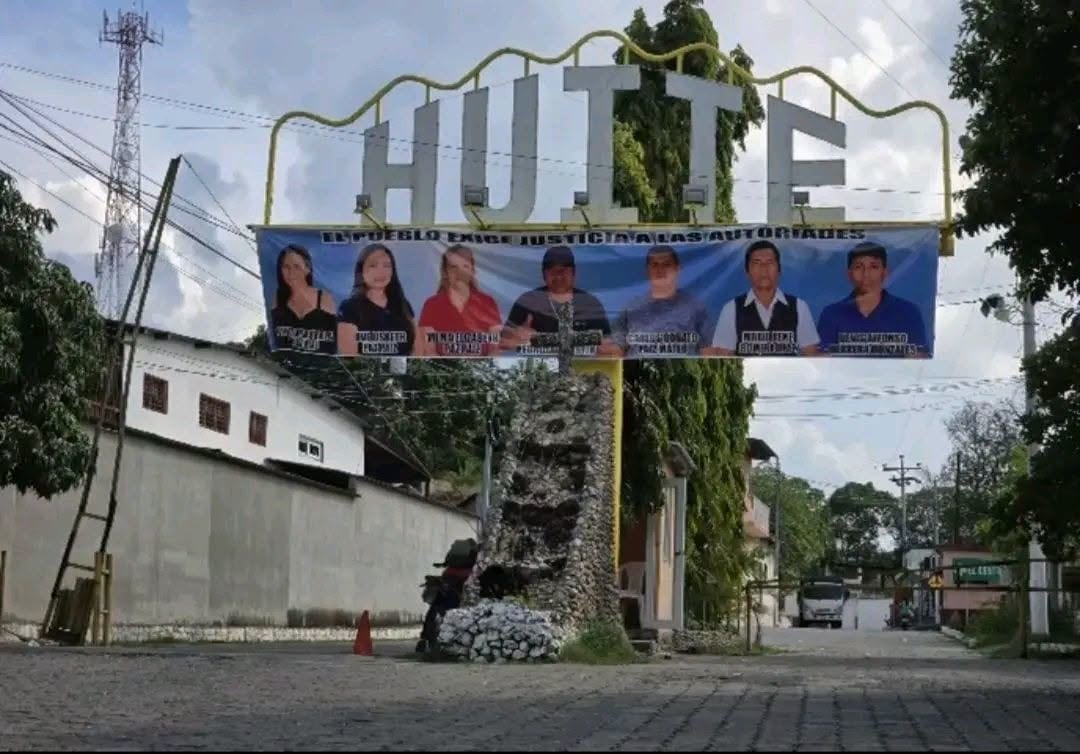
La situación se agravó el 6 de noviembre, cuando Julio Portillo, diputado por Zacapa de la Unidad Nacional de la Esperanza (UNE), murió luego de un ataque armado en el kilómetro 137 de la ruta al Atlántico, en Río Hondo. Tres policías asignados a su custodia también fallecieron.
Zacapa figura entre los departamentos con mayores tasas de homicidios del país. El Observatorio de la Violencia de Diálogos situó al departamento en el cuarto lugar nacional, con una tasa interanual de 31,5 homicidios por cada 100 mil habitantes en los 12 meses cerrados en septiembre de 2026.
Villeda esperará la investigación para establecer si el ataque contra Portillo tuvo un móvil político
El ministro de Gobernación sostuvo que todavía no existen elementos para determinar si el asesinato de Julio Portillo estuvo vinculado con su actividad política. Señaló que esa conclusión deberá surgir de la investigación del Ministerio Público (MP).

“Aventurarme o anticiparme a decir si esto es producto de una violencia motivada por las actividades políticas del exdiputado Portillo, creo que es un poco aventurado”, declaró Villeda tras una citación en el Congreso.
El legislador había recibido protección policial después de que una evaluación de riesgo realizada en 2024 identificó amenazas de muerte en su contra. Los agentes fallecidos fueron Fernando Antonio Reyes Aldana, Erick Armides Ramos Osorio y Jorge Paau Xicol.
Las pesquisas deberán establecer las circunstancias del ataque, identificar a los responsables y determinar si existió una relación entre el crimen y el ejercicio político de Portillo.
Gobernación afirma que existen avances por el asesinato de Juan Francisco Solórzano Foppa
Villeda también se refirió al asesinato del exfiscal anticorrupción Juan Francisco Solórzano Foppa, ocurrido el 17 de octubre en las canchas deportivas del Campo Marte, en la zona 5 de Ciudad de Guatemala.
El ministro aseguró que la investigación ha registrado avances, aunque descartó revelar información adicional debido a que el expediente se encuentra bajo reserva judicial.
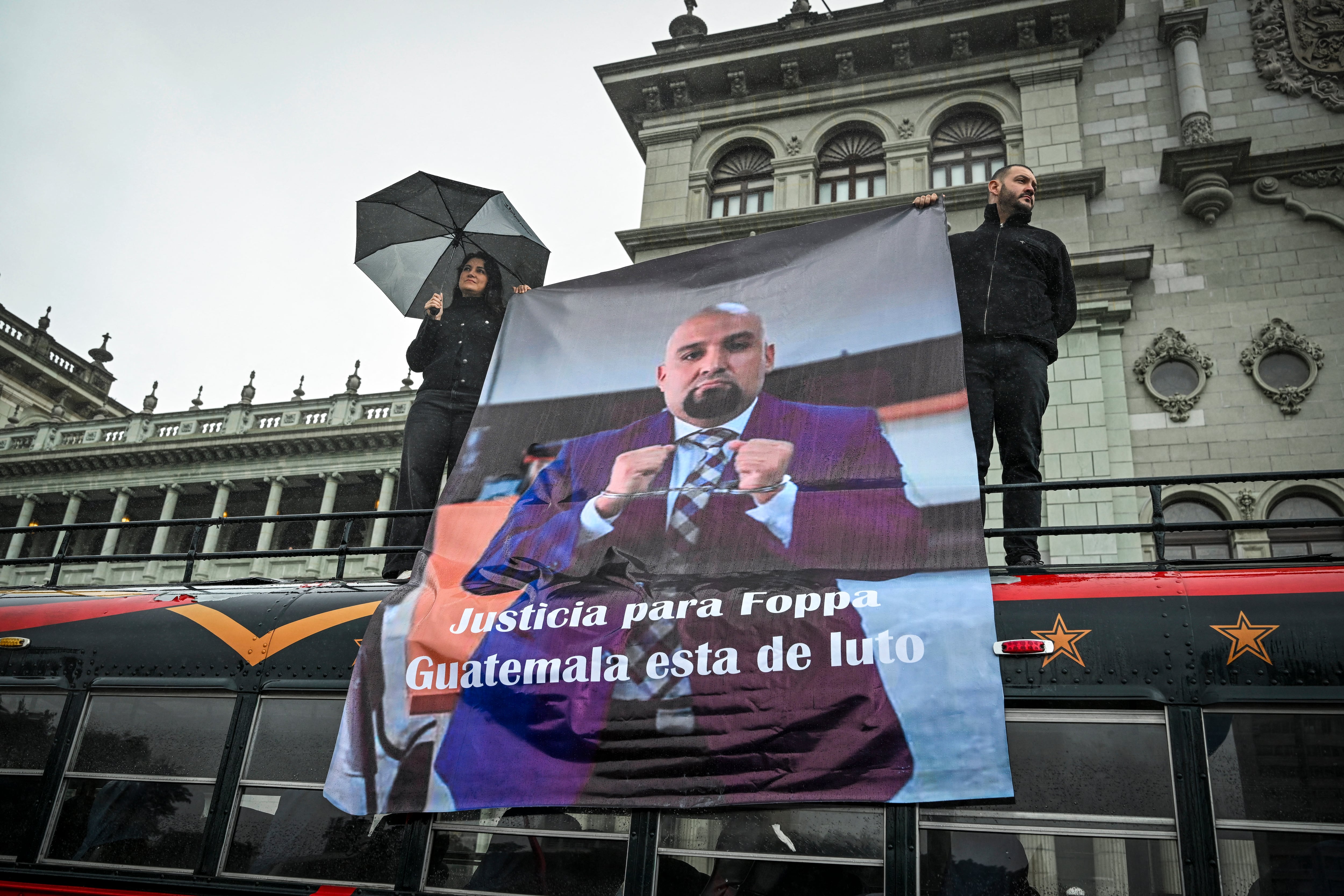
“Sí ha habido avances, pero no puedo dar más detalles porque esto está, primero, bajo investigación y, segundo, bajo reserva por decisión judicial”, dijo.
En el ataque también murió el deportista Gustavo Aguilar Gamarro. Las autoridades investigan posibles irregularidades en la captura de dos personas tras el crimen, mientras siete agentes policiales enfrentan pesquisas vinculadas con ese procedimiento.
Villeda descarta renunciar y deja su continuidad en manos de Arévalo
Las peticiones de renuncia contra Villeda surgieron en medio de los cuestionamientos por los recientes hechos de violencia y las actuaciones policiales bajo investigación.

El ministro afirmó que respeta las críticas, aunque sostuvo que no ha considerado abandonar la titularidad de Gobernación. Añadió que será el presidente Bernardo Arévalo quien evalúe su desempeño y resuelva si continúa en el cargo.
“Yo respeto todas las opiniones, pero en este momento no lo he considerado”, respondió. “Al final es el Presidente el que tendrá esa decisión”, sentenció.
investigación pericial,indicios,balística,camioneta
INTERNACIONAL
Iran escalates in Hormuz, claims strike on Omani island it says ‘enemy’ uses for US military ops

NEWYou can now listen to Fox News articles!
Iran claims it struck a small Omani island in the Strait of Hormuz, targeting oil tanker navigation infrastructure as CENTCOM maintains its blockade of Iranian ports and protects commercial shipping from Iranian attacks along the southern route.
Three sources also confirmed to Reuters Wednesday that navigation systems and communications equipment on Didamar Island, also known as Little Quoin Island, had been attacked, raising concerns about the vulnerability of maritime infrastructure used to maintain oil shipments through the Gulf.
Iran’s semiofficial Fars News Agency reported that the Islamic Revolutionary Guard Corps (IRGC) navy targeted the island, alleging the systems were being used to help vessels transit the strait without Tehran’s authorization.
WHITE HOUSE SILENT ON IRAN-OMAN HORMUZ PLAN TEHRAN SAYS WOULD BAN US WARSHIPS
A satellite image shows Didamar Island, Oman (Google/Airbus/Handout via Reuters)
Iranian state television also claimed that personnel and equipment on the island «were helping the flow of oil smuggling by the enemy,» with the IRGC maintaining it had carried out the strikes, Reuters reported.
Video published by Reuters showed smoke rising near the rocky outcrop.
The Institute for the Study of War (ISW) said it identified the attack as occurring Nov. 8, before Iranian state media claimed responsibility on Nov. 10.
ISW also questioned the extent of the reported damage, noting that commercial vessels continued using the southern route after the attack.
«The extent of the damage to these systems and the systems struck remains unclear at the time of this writing,» ISW said in its assessment.
Satellite imagery from the European Union’s Copernicus Sentinel-2 program, cited by Reuters and dated Nov. 8, also showed apparent scorch marks near radar and radio equipment on the island.
TRADE VESSEL STRUCK BY PROJECTILE IN STRAIT OF HORMUZ AMID US-IRAN TALKS
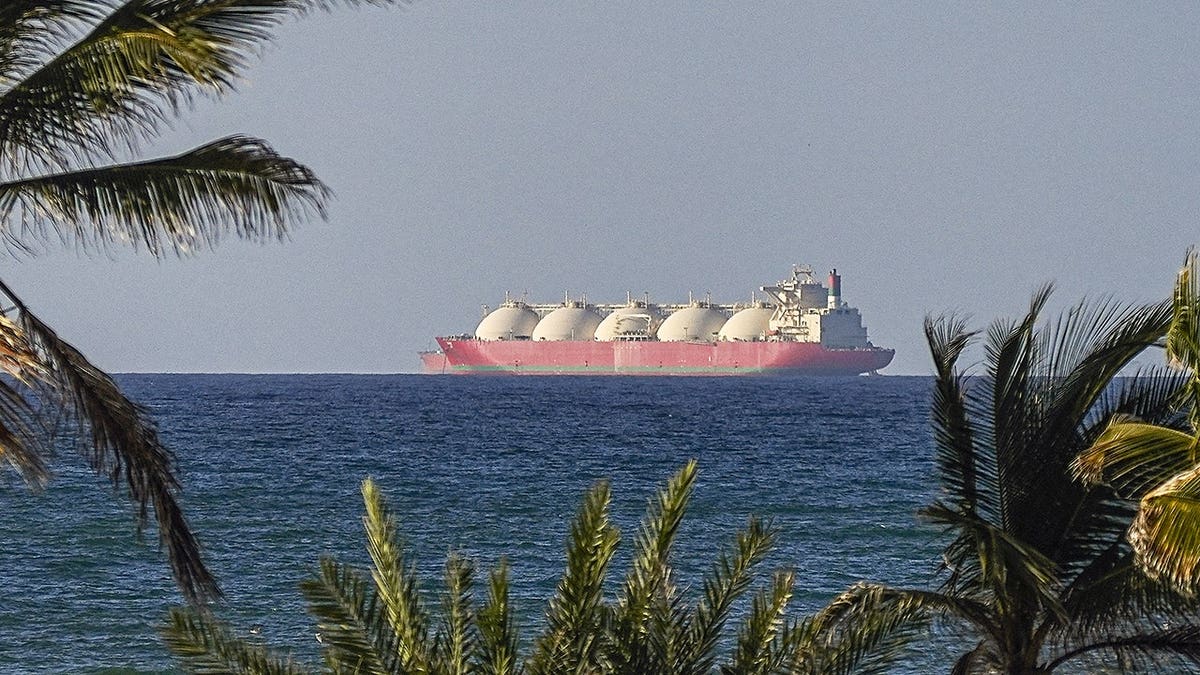
A ship passes through the Strait of Hormuz during a two-week temporary ceasefire between the United States and Iran April 8, 2026. (Shady Alassar/Anadolu/Getty Images)
The strike comes as U.S. forces carry out missions to escort ships through the Strait of Hormuz, which connects the Persian Gulf to the Gulf of Oman and the Arabian Sea.
The U.S. Navy imposed its blockade of Iranian ports in April after Iran closed the Strait of Hormuz in February amid escalating tensions. The U.S. lifted the blockade in June following a temporary ceasefire agreement, but then reinstated it in July.
Commercial and allied shipping through the waterway is advised to use a southern route through Omani territorial waters, located outside of Tehran’s direct military control and overseen by CENTCOM.
The latest incident on Didamar Island comes as Gulf oil exporters work to restore shipments disrupted by the conflict.
TRUMP MEETS KEY IRAN WAR MEDIATOR AS UAE REVEALS MAJOR OIL EXPORT SURGE DESPITE CONFLICT
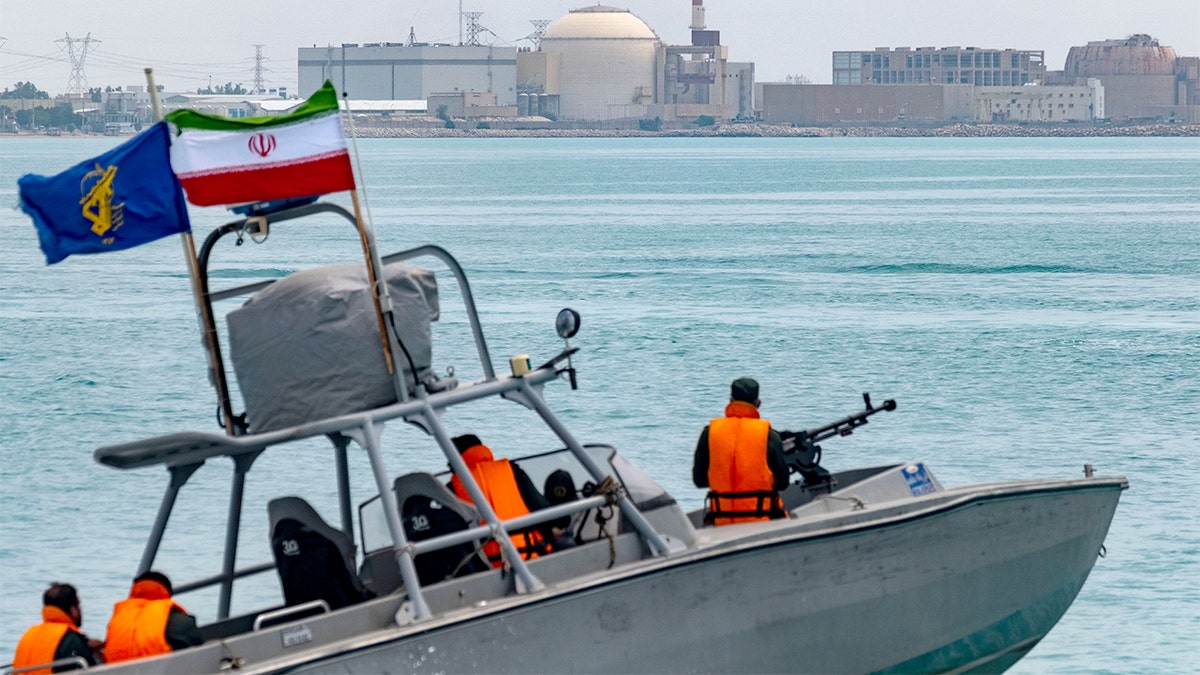
An Islamic Revolutionary Guard Corps speedboat sails in the Persian Gulf during an IRGC marine parade marking Persian Gulf National Day near the Bushehr nuclear power plant in Bushehr, Iran, April 29, 2024. (Morteza Nikoubazl/NurPhoto via Getty Images)
According to Reuters, regional oil exports recovered to more than 80% of prewar levels in September and October, aided by CENTCOM and increased Saudi exports through the Red Sea.
Shipping companies have also relied on offshore tanker-to-tanker transfers near Oman and the United Arab Emirates to maintain flows.
Didamar, meanwhile, belongs to Oman, making the reported attack particularly sensitive as Tehran seeks to disrupt maritime operations in the region. It is a small, uninhabited rocky island roughly 10 nautical miles north of the tip of Oman’s Musandam Peninsula, near one of the principal commercial shipping routes through the strait.
The island has long served as a navigational landmark for vessels traveling along the waterway, including through a lighthouse established in 1914.
Its maritime infrastructure reportedly includes a radar system mounted on a roughly 25-meter tower and radio communications equipment used to assist vessels navigating the narrow passage.
The island has also been associated with the Hormuz Control Centre, which coordinates maritime traffic in the area.
OIL SQUEEZE TIGHTENS AS IRAN-BACKED ATTACKS CRIPPLE HORMUZ ESCAPE ROUTES
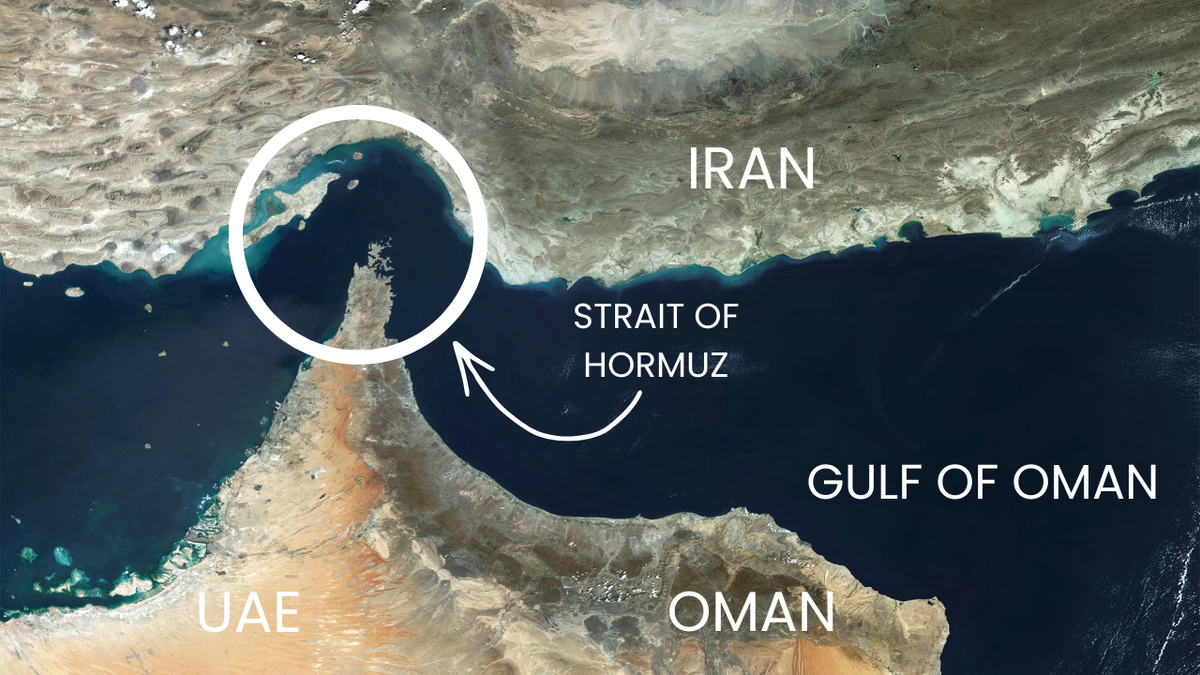
A satellite image shows the Strait of Hormuz, a key maritime passage connecting the Persian Gulf to the Gulf of Oman, vital for global energy supply. (Amanda Macias/Fox News Digital)
Arabian Maritime and Navigation Aids Services (AMMAS) has been identified as a provider of navigational support infrastructure in the region, including maritime lights, buoys and other equipment.
The reported Didamar attack also follows U.S. military operations against Iranian targets elsewhere in the waterway.
U.S. forces struck targets on Iran’s Qeshm Island Nov. 2, and officials described the strikes as «defensive» actions targeting Iranian surface-to-air missile threats.
Qeshm Island, located near the Strait of Hormuz, is home to Iranian naval facilities and military infrastructure associated with the Revolutionary Guard.
President Donald Trump also acknowledged Nov. 6 that American forces continue to conduct limited strikes against Iranian targets.
Asked by a reporter about the strikes near Qeshm Island, Trump said, «I don’t want to talk about it. We do minor strikes. They built a little bit of an anti-aircraft device, and we knocked it out in about 15 minutes, maybe five.»
world, iran, war with iran, navy, national security, foreign affairs, middle east
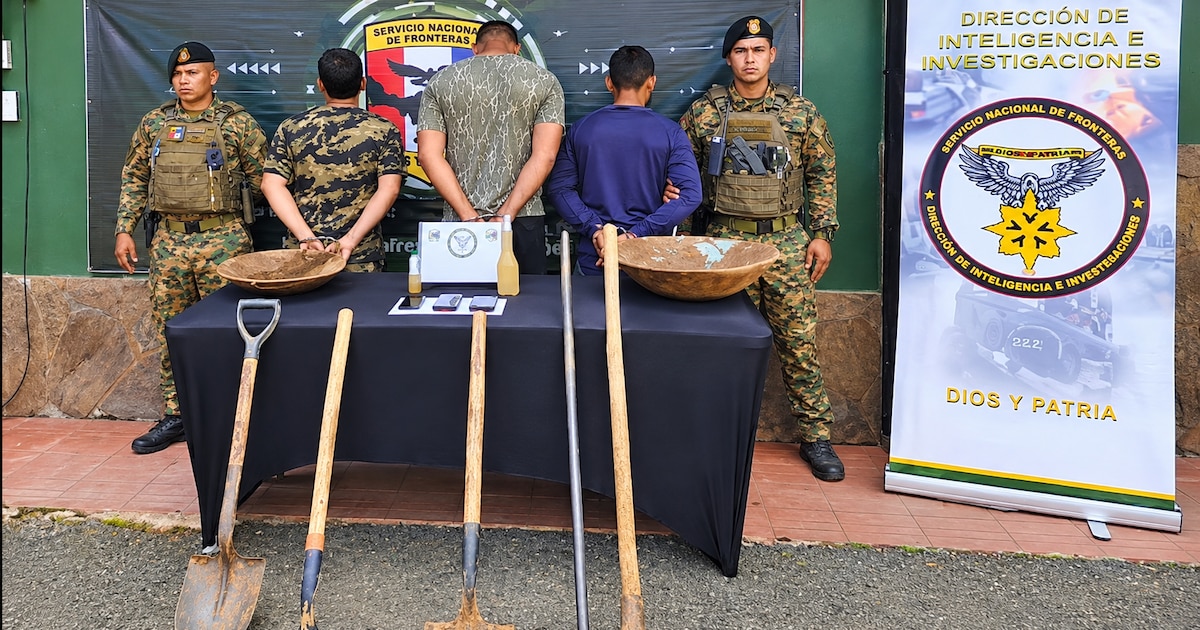
Tres personas fueron aprehendidas durante un operativo contra la presunta minería ilegal en el sector de Río Terable, distrito de Chepo, al este de la capital panameña, donde las autoridades localizaron tres campamentos improvisados y materiales relacionados con la extracción de minerales.
El procedimiento se suma a otras intervenciones recientes en Darién y Colón, que han dejado nuevas detenciones y decomisos.
La operación se desarrolló mediante la intervención de unidades de Inteligencia y Antinarcóticos del Servicio Nacional de Fronteras (Senafront), pertenecientes a la Tercera Brigada Panamá Este.
Los agentes participaron en la denominada Operación Punjab II, dentro del Plan Firmeza, en coordinación con el Ministerio de Ambiente, para identificar actividades extractivas desarrolladas sin las autorizaciones correspondientes.
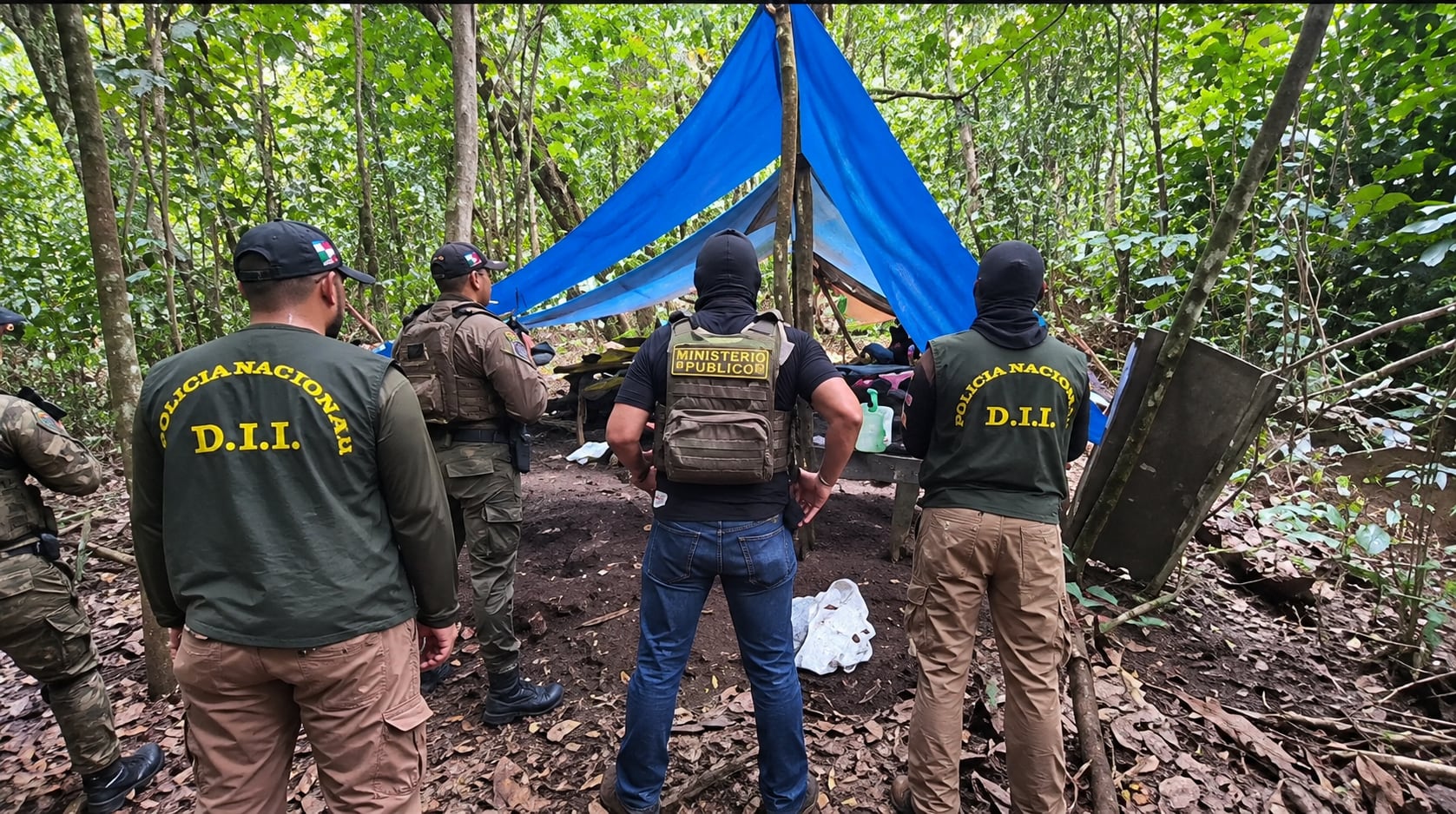
Durante el recorrido por Río Terable, los uniformados encontraron tres estructuras utilizadas presuntamente como campamentos clandestinos, además de envases plásticos que, según los primeros informes, servirían para recoger partículas de material mineral.
Los investigadores también localizaron otros implementos vinculados con la actividad, mientras los tres sospechosos quedaron a disposición de las autoridades competentes.
El hallazgo ocurre después de otros dos operativos ejecutados en la provincia de Darién, donde el Senafront informó sobre cinco aprehensiones relacionadas con presuntas actividades mineras ilegales.
Las intervenciones se realizaron en los sectores de Río Sábalo y Río Mangle, cercanos a la frontera colombiana, y permitieron incautar maquinaria, combustible, armas de fuego y municiones.
OO
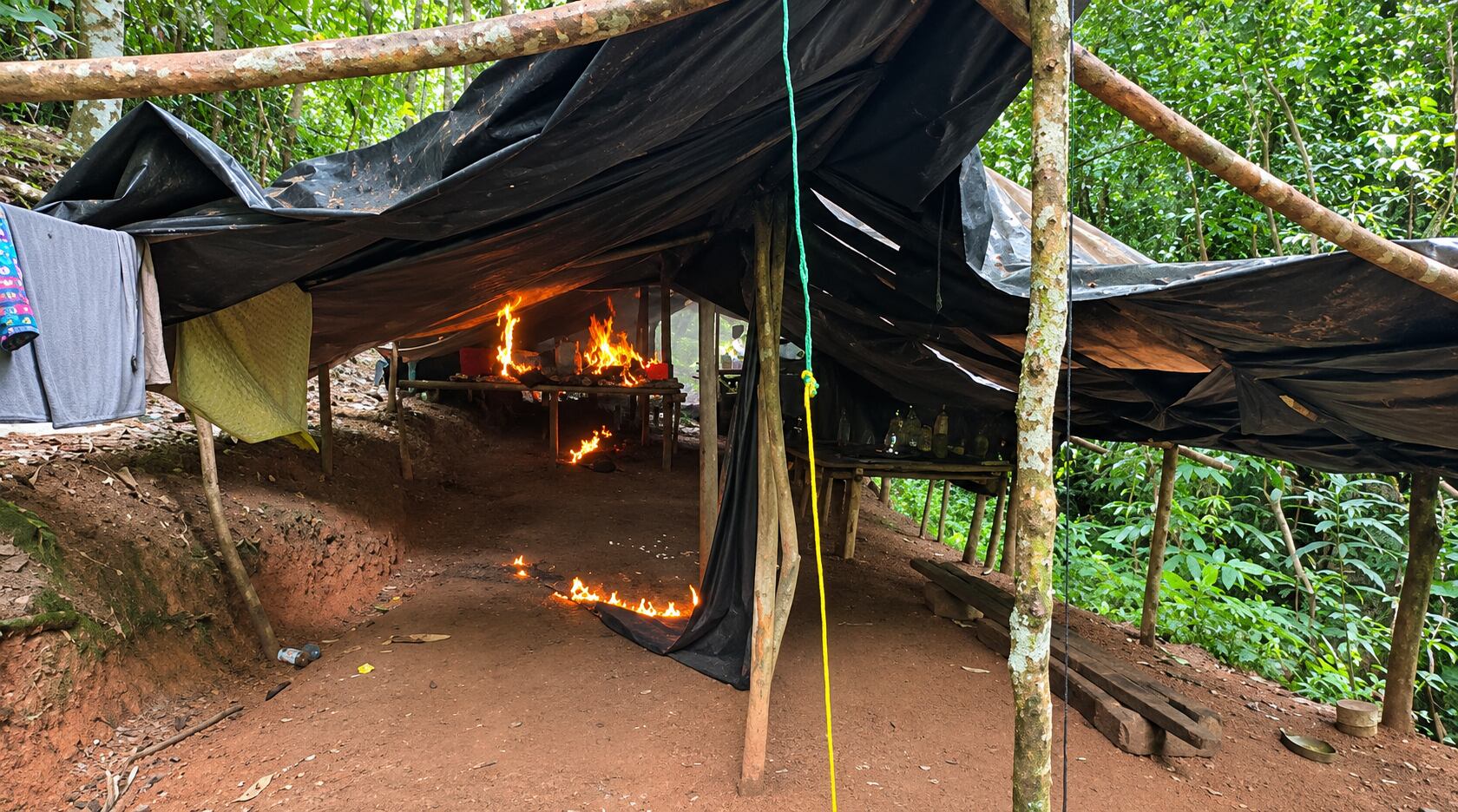
En Río Sábalo, las unidades fronterizas aprehendieron a dos personas y decomisaron cuatro motobombas, junto con gasolina, lubricantes y otros equipos empleados presuntamente en la extracción.
En Río Mangle fueron detenidos otros tres sospechosos, dos colombianos y un panameño, mientras los agentes encontraron seis dragas artesanales, dos armas de fuego y municiones.
Estos procedimientos elevan a ocho las personas aprehendidas en los operativos recientes de Chepo y Darién, sin incluir otras intervenciones desarrolladas durante las Fiestas Patrias.
La presencia de dragas, motobombas y combustible evidencia los recursos utilizados en estas actividades, aunque corresponde a las investigaciones establecer la responsabilidad individual de los sospechosos.
A comienzos de noviembre, las autoridades ambientales también sorprendieron a dos personas presuntamente extrayendo minerales en el Parque Nacional Sierra Llorona, ubicado en la provincia de Colón.
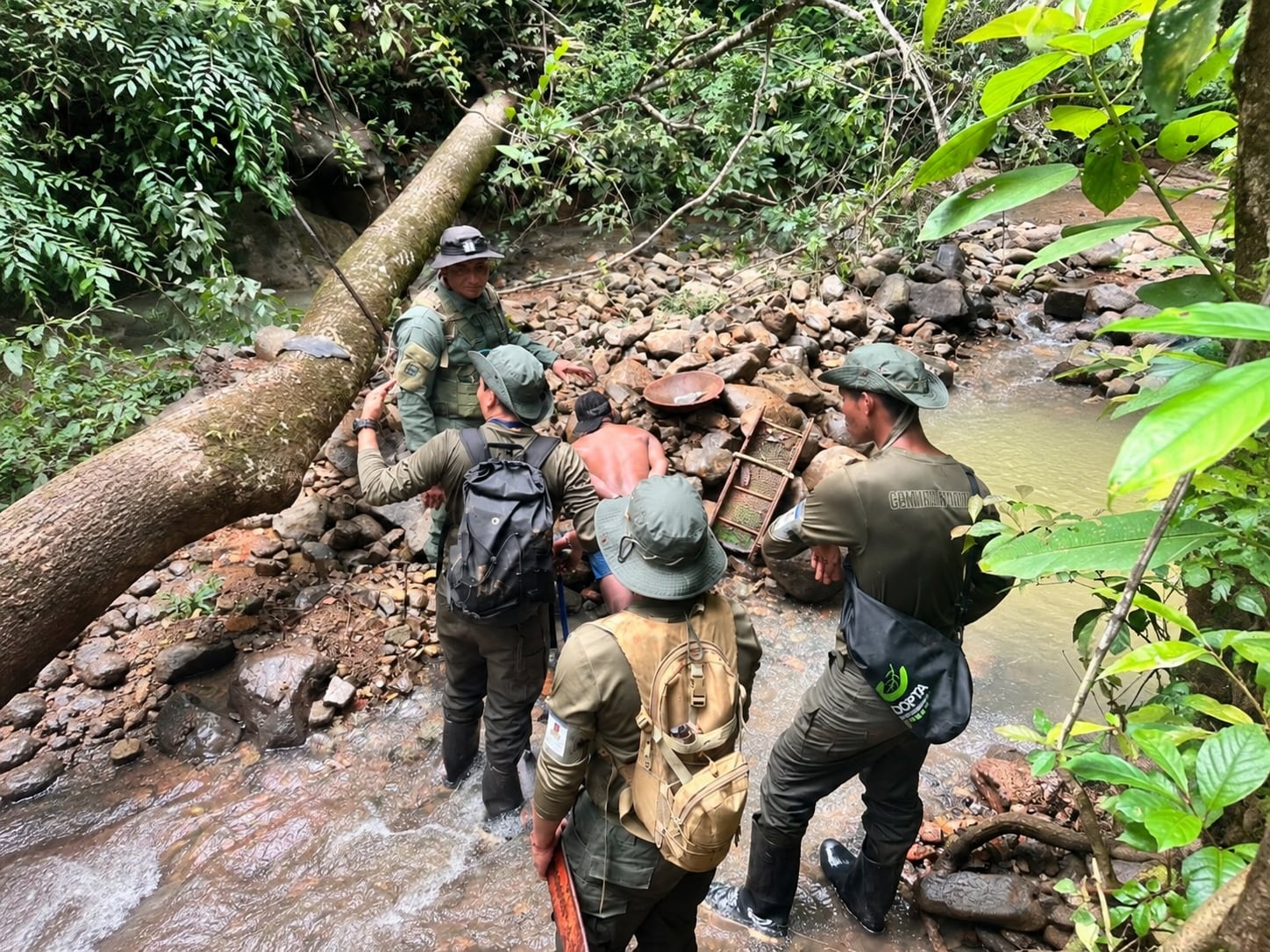
El operativo fue realizado por guardaparques del Ministerio de Ambiente y unidades de la Policía Ambiental, Rural y Turística, quienes encontraron campamentos y señales de intervención en un río.
En esa área protegida fueron localizados coladores, bateas artesanales y evidencias de dragado en el cauce, además de indicios del posible uso de sustancias químicas contaminantes.
Los funcionarios desmantelaron estructuras improvisadas y pusieron a los sospechosos a disposición de las autoridades, ante los riesgos que estas prácticas representan para las fuentes hídricas.
Con los casos reportados en Chepo, Darién y Sierra Llorona, suman diez personas aprehendidas en procedimientos recientes relacionados con la presunta minería ilegal.
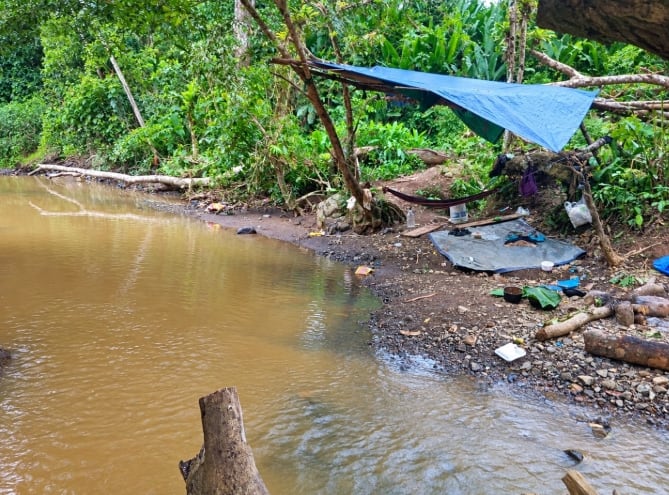
La cifra corresponde únicamente a estas intervenciones documentadas y no representa un balance nacional, mientras las autoridades mantienen patrullajes en áreas boscosas, ríos y zonas fronterizas.
El problema también alcanza otros espacios protegidos del país, como el Parque Nacional Chagres, donde dos panameños fueron aprehendidos en septiembre por presuntas labores extractivas en la quebrada Peluca, corregimiento de Caimitillo.
Durante aquella intervención se decomisaron dos motobombas, cuatro palas y dos bateas, mientras la Fiscalía Ambiental recibió los indicios para investigar.
La extracción irregular puede provocar remoción de sedimentos, alteración de cauces y deterioro de hábitats acuáticos, particularmente cuando se utilizan equipos para remover materiales del fondo de los ríos.
El posible empleo de sustancias contaminantes aumenta la preocupación ambiental, aunque su presencia debe comprobarse mediante las investigaciones y evaluaciones técnicas correspondientes.
Como antecedente, el Ministerio Público registró 502 hechos criminales relacionados con delitos ambientales y contra el ordenamiento territorial entre enero y septiembre de 2026, frente a 430 en igual período de 2025. El aumento equivale al 17%, mientras las denuncias por destrucción de recursos naturales pasaron de 154 a 187 durante ese período.
corresponsal:Desde Panamá

Claude bloquea la creación de juegos fan-made basados en Pokémon mediante IA – Nintenderos

Nora Colosimo contó cómo reaccionó Wanda Nara tras lo sucedido con su hija mayor: “Está rota”

Más lío en Oriente Medio: EEUU retira a su selección del Mundial sub-17 en Catar

Tras la partida de León XIV, el Gobierno busca ordenar su agenda y resolver las diferencias con Bullrich

La singular promesa de Pedro Troglio al plantel si Banfield elimina a Boca de la Copa Argentina

El líder tímido que transformó el ánimo colectivo

La queja de Yanina Latorre tras asistir al VIP de la misa del papa León XIV: “Estuve al rayo del sol haciendo nada y…”

Así fue el saludo entre Javier Milei y el papa León XIV en Aeroparque tras la llegada a la Argentina

Elecciones desdobladas y lejos de las nacionales: la estrategia de los gobernadores patagónicos en 2027

Cuándo volverá a correr Franco Colapinto en la Fórmula 1 tras su participación en el GP de Brasil

 CHIMENTOS2 días ago
La queja de Yanina Latorre tras asistir al VIP de la misa del papa León XIV: “Estuve al rayo del sol haciendo nada y…”
- POLITICA3 días ago
El Papa se emocionó en el Cottolengo Don Orione y aseguró: “El progreso de una nación se mide por la acogida a las personas con discapacidad”
- SOCIEDAD24 horas ago
PILIPOM: UNA NUEVA HERRAMIENTA EDUCATIVA PARA QUE LOS MÁS CHICOS APRENDAN JUGANDO