INTERNACIONAL
Trump’s immigration olive branch threatens to open Pandora’s box as experts warn of far-reaching fallout

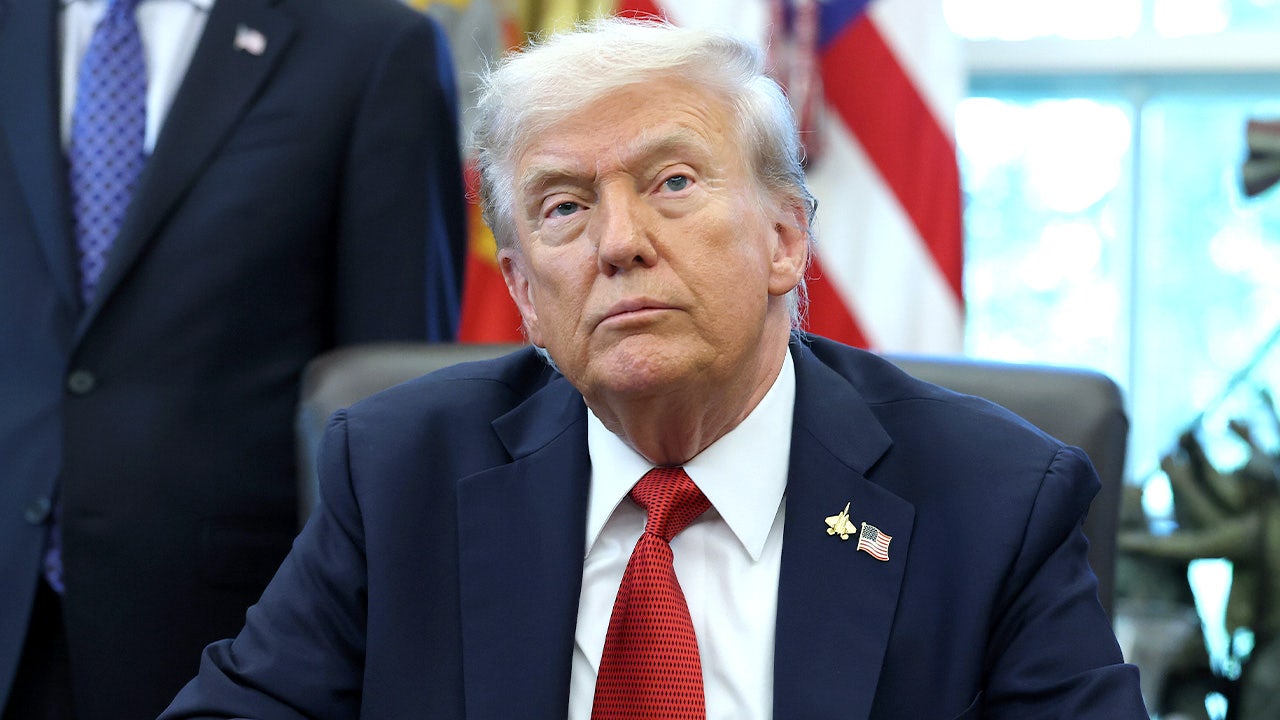
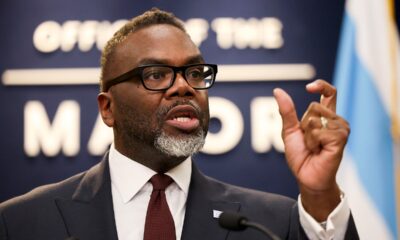
After President Donald Trump signaled in a «60 Minutes» interview that aired shortly after the midterm elections that he was willing to «work on a deal» with Democrats to allow some illegal immigrants to gain legal status, Digital spoke with several immigration experts about the potential ramifications of such an agreement.
The interview came just days after Republicans suffered crushing losses in the midterm elections, raising questions about whether Trump might be willing to compromise on immigration. But the president later ruled out amnesty, saying, «There won’t be amnesty,» while maintaining that his immigration policy had not changed.
While Trump has not outlined a specific proposal, his comments have raised questions about what a potential deal could look like and how granting legal status to some illegal immigrants could impact the rule of law, assimilation and fiscal policy.
TRUMP ADMITS IMMIGRATION ENFORCEMENT MAY HAVE BEEN TOO ‘TOUGH’ IN FIRST INTERVIEW SINCE MIDTERMS
Digital spoke with three immigration experts about what a potential agreement could mean for the country, including its impact on the rule of law, assimilation and taxpayers.
«I think one of the first things we have to always consider is the impact on the rule of law and does it undermine it. It’s very hard to argue that the best way to restore the rule of law and deal with illegal immigration is to reward some large fraction of people who’ve broken the law,» said Steven Camarota, the director of research at the Center for Immigration Studies (CIS).
Camarota believes that amnesty begs the question of basic fairness, and impacts how people who have come to the United States legally view the immigration system.
«It seems like it mocks them,» he said.
He used the example of a person who illegally overstays a visa to illustrate his point, saying that person shouldn’t be rewarded with citizenship after overstaying a visa, especially when there are millions of people who have already followed the law and left the country when their visas expired.
Laura Collins, director of immigration policy at the George W. Bush Presidential Center, acknowledged those concerns but argued that the country’s immigration laws are part of the problem.
AMERICA NEEDS WORKERS, BUT TRUMP’S POLICIES ARE SHARPLY CUTTING LEGAL IMMIGRATION
«I understand people’s concerns about the rule of law,» said Collins. «I also think you have a set of immigration laws that are not working as intended. The reason we have so many people who are here undocumented is because we have an economy that pulls in a lot of people’s work, but an immigration system that restricts that labor flow.»
She says the United States is at a crossroads: the country can choose a system where illegal immigrants cannot stay and fix their mistakes while also contributing to the economy, or they can stay and be offered a chance at restitution.
«Almost every single piece of legislation that has had a chance at passage on immigration that involves legalization program has had things like paying back taxes, going through a background check, paying some sort of fine or fee or restitution payment in order to make up for the fact that these people did something illegal by either overstaying a visa or crossing the border,» she said.
But Camarota questioned whether a future amnesty agreement would actually require immigrants to complete those restitution payments before obtaining citizenship.
Camarota also said that one of the main reasons for restricting immigration in the first place is to ensure that the United States isn’t overwhelmed.
«We don’t want the numbers to be so large that they overwhelm the assimilation process, where you can go to a school where everyone’s from your background or you don’t ever have to learn English, because there’s enough people around you who you don’t [and] who you speak your native tongue So that’s one reason to limit immigration,» he said.
«In effect, an amnesty throws that out the window and says, well, we have these limits, but we’re not going to enforce them,» he continued.
TRUMP SAYS DEPORTATION PUSH HASN’T PUT ‘SAME PRESSURE’ ON FARMWORKERS, HOTEL STAFF: ‘NOT EVEN CLOSE’
Drawing from the findings of a 2022 book called «Streets of Gold: America’s Untold Story of Immigrant Success,» Collins argued that today’s immigrants are assimilating at a pace similar to that of immigrants of prior generations. America’s current foreign-born population has matched a historic peak similar to late 1800s and early 1900s levels. About 15% of the current population is foreign-born.
The book, she said, compared people’s memories of how their grandparents and great-grandparents assimilated when they came to the United States.
«And what they found was actually that immigrants are integrating it pretty much the same rates,» she said.
She also said that work helps people to assimilate faster, and thus, if illegal immigrants were given the opportunity to work legally, assimilation would be a smoother process.
«I do think that one of the things America really is good at is us taking newcomers and turning them into Americans, and so I worry less about that» she said. «But I understand why there is a scenario where people could be afraid of that. But the data doesn’t support it.»
Camarota estimated that households headed by illegal immigrants receive approximately $50 billion annually in government benefits, often through programs for which their U.S.-born children are eligible. He cited Medicaid, Supplemental Security Income (SSI), Temporary Assistance for Needy Families (TANF) and free school lunches as examples, although illegal immigrants themselves are generally barred from receiving many federal welfare benefits.
TRUMP TELLS DHS CHIEF TO WORK WITH DEMOCRATS ON IMMIGRATION REFORM, BUT NO AMNESTY
Illegal immigrants use welfare not because they’re lazy, but because most of them do not have educations higher than 11th grade level, Camarota said.
«Legalizing folks doesn’t change the fact that the illegal population is overwhelmingly less educated, and less educated people just don’t pay enough in taxes to cover their consumption of public services, especially when you consider all the means-tested programs they get,» he said.
Low-income people, he noted, simply don’t pay much in taxes.
«Remember, half of all workers pay no federal income tax,» he said. «So, yes, illegal immigrants do pay taxes, and actually we think more than half already work on the books, so there’s no big boon to taxpayers anyway. But now, they themselves will become eligible for welfare programs.»
Collins conceded that while many immigrants have low education levels, he said that that doesn’t mean all of them are working jobs that meet their education skills. She pointed to a 2013 Congressional Budget Office (CBO) analysis of the Gang of Eight’s immigration bill, S. 744, which estimated that the legislation would increase federal tax revenues and reduce federal deficits by approximately $158 billion over 10 years, despite increased spending on government benefits.
«You get a little bit more tax revenue,» she said. «They are potentially making higher wages, they’re able to negotiate for different jobs and different wages because they have that legal work authorization,» Collins said.
HISPANIC VOTERS ARE NATURAL CONSERVATIVES. REAGAN KNEW. GOP NEEDS TO PROVE IT AGAIN
She argued that with legal work authorization, some illegal immigrants would be able to fulfill their full potential in higher-level jobs.
Mark Krikorian runs CIS. He said that while thinking through the pros and cons of amnesty might be a useful thought exercise, the point is probably moot.
«Well, to begin with, it’s not going to happen,» he said of an amnesty deal. The likelihood of anything happening, certainly until the Democrats come in, until the next Congress comes in, and even then, it is, in my opinion, close to zero.»
For two reasons, Krikorian doesn’t think Republicans have leverage to make a deal.
He says Democrats won’t be willing to concede any restrictions on immigration, thus leaving Republicans with no incentive to make an amnesty deal for illegal immigrants.
HOUSE REPUBLICANS MOVE TO MAKE TRUMP’S BORDER POLICIES PERMANENT
He used DACA as an example. Recently, Homeland Security Secretary Markwayne Mullin floated the possibility of a compromise involving DACA recipients — people who came to the United States as children and received temporary protections from deportation — that could give them permanent legal status.
«A DACA amnesty? Frankly, the DACAs already have amnesty. It’s upgrading them from amnesty light to amnesty premium,» he said.
He said the first Trump administration tried making a deal for tighter immigration measures using DACA recipients as a bargaining chip.
«That idea is valuable and could be productive, but there’s no way that upgrading the DACA who already have Social Security numbers and work permits to regular green card status is something that the Democrats would give anything in exchange for,» he said.
But Krikorian warned that giving green cards to DACA recipients could eventually allow them to sponsor additional relatives, including their parents, once they become U.S. citizens, although existing immigration restrictions could prevent some relatives from obtaining legal status.
«And that would have some effects, because once you have a green card, you can petition for certain relatives, and the five-year clock for citizenship starts,» he said. «And when you become a citizen, you could then petition for your parents. There’s no numerical caps for that.»
Trump discussed on «60 Minutes» potentially working out a deal that would allow some illegal immigrants working in industries like hospitality and landscaping to remain in the country.
«When you go into a hotel, and you have a woman that’s working there as a maid, as a cleaner as a this, as a that, as a waitress, a lot of good things, great jobs, and all of a sudden they’re being taken out of the country, it’s tough. It’s a tough thing,» Trump said on «60 Minutes.»
MULLIN VOWS ‘ZERO CHANGE’ ON IMMIGRATION AFTER REPUBLICANS SUFFER CRUSHING MIDTERM LOSSES
He added that people whom he described as «far-right» want deportations regardless of whether the illegal immigrant is working.
The White House, meanwhile, says Trump’s «strong immigration policy remains unchanged,» and White House spokeswoman Lauren Bis told Digital that Democrats should work with the president to keep the border secure, remove dangerous criminal illegal immigrants from the country and stop drug trafficking.
She said the president’s «commonsense immigration agenda» has resulted in the «most secure border in history.»
SIGN UP TO GET THE POLITICS NEWSLETTER
«If Democrats choose to pursue radical left open border and mass amnesty policies, they are choosing to work against the interests of the American people,» she said.
The Department of Homeland Security did not return a request for comment.
politics, illegal immigrants, amnesty, immigration, border security










INTERNACIONAL
Régimen cubano traslada a empresas el costo de reparar escuelas, hospitales y hogares de ancianos a cambio de incentivos fiscales


El régimen cubano aprobó incentivos fiscales para que empresas estatales y privadas financien obras en escuelas, policlínicos, hogares de ancianos, centros culturales e instalaciones deportivas, una decisión que traslada parte de la carga de recuperación de los servicios públicos a actores económicos que ya operan bajo restricciones, escasez de insumos y un entorno tributario controlado por la dictadura.
La Resolución 208/2026 del Ministerio de Finanzas y Precios (MFP) entró en vigor este lunes tras su publicación en la Gaceta Oficial. La norma permite que quienes destinen recursos a la construcción, rehabilitación o equipamiento de infraestructuras sociales obtengan bonificaciones en el Impuesto sobre Utilidades o en el Impuesto sobre los Ingresos Personales.
El ministro de Finanzas y Precios, Vladimir Regueiro, admitió en la televisión estatal que el presupuesto público tiene limitaciones para sostener la actividad social. La declaración expone la falta de recursos del régimen para atender por cuenta propia funciones básicas que durante décadas presentó como pilares de su modelo político y económico.
Según explicó el funcionario, las entidades estatales y no estatales podrán descontar hasta el 20% del valor de las inversiones destinadas a instalaciones de carácter social. El beneficio podrá aplicarse durante un período máximo de cinco años y se hará efectivo al cierre de cada ejercicio fiscal.
Las empresas, llamadas a suplir carencias que el Estado no puede cubrir
La medida incluye desde la reparación de una escuela o una sala hospitalaria hasta la rehabilitación de un hogar de ancianos y la recuperación de sistemas de alimentación destinados a familias. Los bienes financiados pasarán a integrar los activos fijos tangibles de la entidad estatal beneficiada.
El diseño de la norma deja en evidencia una contradicción del régimen: mientras conserva el control sobre la administración de los principales servicios públicos, busca que negocios privados y empresas estatales aporten capital para reparar instalaciones cuyo mantenimiento corresponde al presupuesto estatal.
Regueiro afirmó que los incentivos permitirán “complementar” la movilización de recursos desde el sector empresarial. Sin embargo, la fórmula confirma que el Estado cubano no dispone de fondos suficientes para responder al deterioro acumulado de sus redes de salud, educación, cultura, deporte y asistencia social.
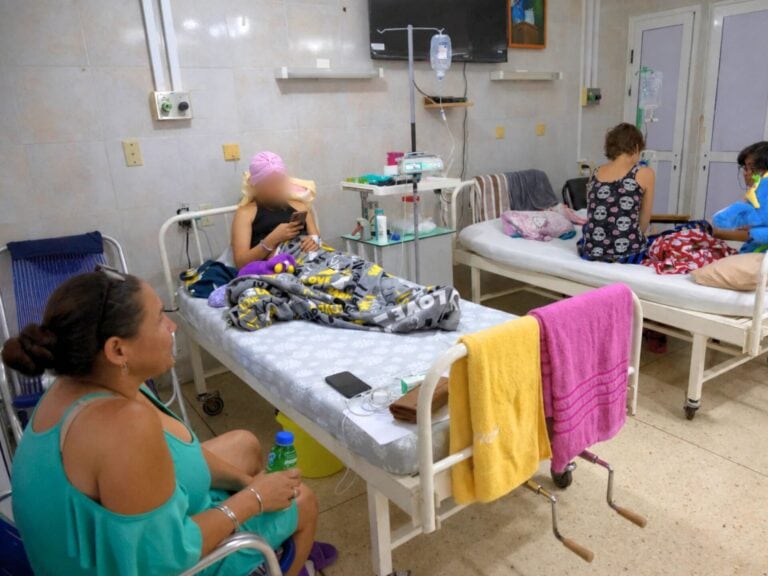
Las bonificaciones tampoco representan una financiación directa. Las empresas deberán asumir primero el costo de las obras, acreditar la inversión mediante facturas y otra documentación, obtener la conformidad de la entidad receptora y esperar la liquidación anual de los impuestos para solicitar el descuento.
La resolución contempla además una reducción tributaria del 10% del valor de las donaciones monetarias o materiales realizadas a entidades estatales dedicadas a fines sociales. El régimen mantendrá el control del procedimiento a través del MFP y de la Oficina Nacional de Administración Tributaria (ONAT), organismos encargados de autorizar, supervisar y evaluar los beneficios.
Incentivos sujetos a autorización oficial
Los negocios que obtengan al menos el 50% de sus ingresos brutos de actividades y servicios sociales podrán pedir una tasa reducida del Impuesto sobre Utilidades o una bonificación en el Impuesto sobre los Ingresos Personales durante sus primeros cinco años de funcionamiento.
También podrán solicitar la exención del Impuesto Aduanero para importar equipos y tecnologías requeridos por esas actividades. No obstante, estos beneficios no serán automáticos: cada interesado deberá presentar una petición ante el Ministerio de Finanzas y Precios y esperar una autorización expresa.

El requisito añade un filtro administrativo a las empresas que pretendan participar en la recuperación de servicios comunitarios. En una economía marcada por la escasez de divisas, las dificultades para importar y la dependencia de permisos estatales, la posibilidad de acceder a equipos y tecnología seguirá sujeta a la decisión de las autoridades, así como la precariedad en los servicios de recolección de basura, servicio de agua potable, electricidad, entre otros.
La norma forma parte de las 176 reformas económicas anunciadas por el régimen desde junio, con las que busca liberalizar y descentralizar parcialmente algunos sectores sin abandonar el control estatal sobre las decisiones centrales de la economía.
Cuba, ante la mayor contracción económica de la región en 2026
La iniciativa llega cuando Cuba atraviesa su sexto año de crisis económica, con apagones, deterioro de la infraestructura, inflación, falta de productos básicos y una capacidad fiscal cada vez más limitada.

La Comisión Económica para América Latina y el Caribe (Cepal) prevé que el Producto Interno Bruto cubano se contraiga 10.3% en 2026, la caída más pronunciada de América Latina y el Caribe. Esa proyección se suma a una contracción acumulada de más de 15% entre 2020 y 2025, según los datos citados por EFE, agencia española de noticias.
La Resolución 208/2026 establece que la aplicación de los incentivos deberá coordinarse entre las autoridades locales y los actores económicos presentes en cada comunidad. El régimen atribuye a esos sectores un papel complementario, aunque la nueva normativa los coloca frente a una tarea mayor: financiar parte de la recuperación de servicios públicos que el propio Estado reconoce no poder sostener con sus recursos actuales.
INTERNACIONAL
El Ministerio Público allana las oficinas del Comité Olímpico Guatemalteco por una investigación de abuso de autoridad

El Ministerio Público de Guatemala (MP) y la Policía Nacional Civil (PNC) realizaron este lunes 16 de noviembre allanamientos en oficinas del Comité Olímpico Guatemalteco (COG), ubicadas en el Palacio de los Deportes, en la zona 5 de Ciudad de Guatemala.
De acuerdo con el ente investigador, las diligencias de allanamiento, inspección, registro y secuestro de evidencia en las instalaciones del Comité Olímpico Guatemalteco se llevan a cabo en seguimiento a una investigación por la posible comisión del delito de abuso de autoridad.
Las autoridades informaron que el expediente permanece bajo reserva. Por ese motivo, no divulgaron detalles sobre las personas investigadas ni el alcance de los hechos que motivaron el operativo.
No obstante, detallaron que estas actuaciones buscan recabar elementos que permitan esclarecer los hechos y determinar las responsabilidades que correspondan.
La investigación apunta a documentación presupuestaria de 2022
No obstante, de acuerdo con personas allegadas al Ministerio Público, la pesquisa estaría relacionada con documentación presupuestaria correspondiente al ejercicio fiscal de 2022.
El caso habría surgido tras una denuncia presentada por la Asociación Deporte Limpio, que señaló posibles modificaciones de documentos para favorecer a directivo del Comité Olímpico Guatemalteco.
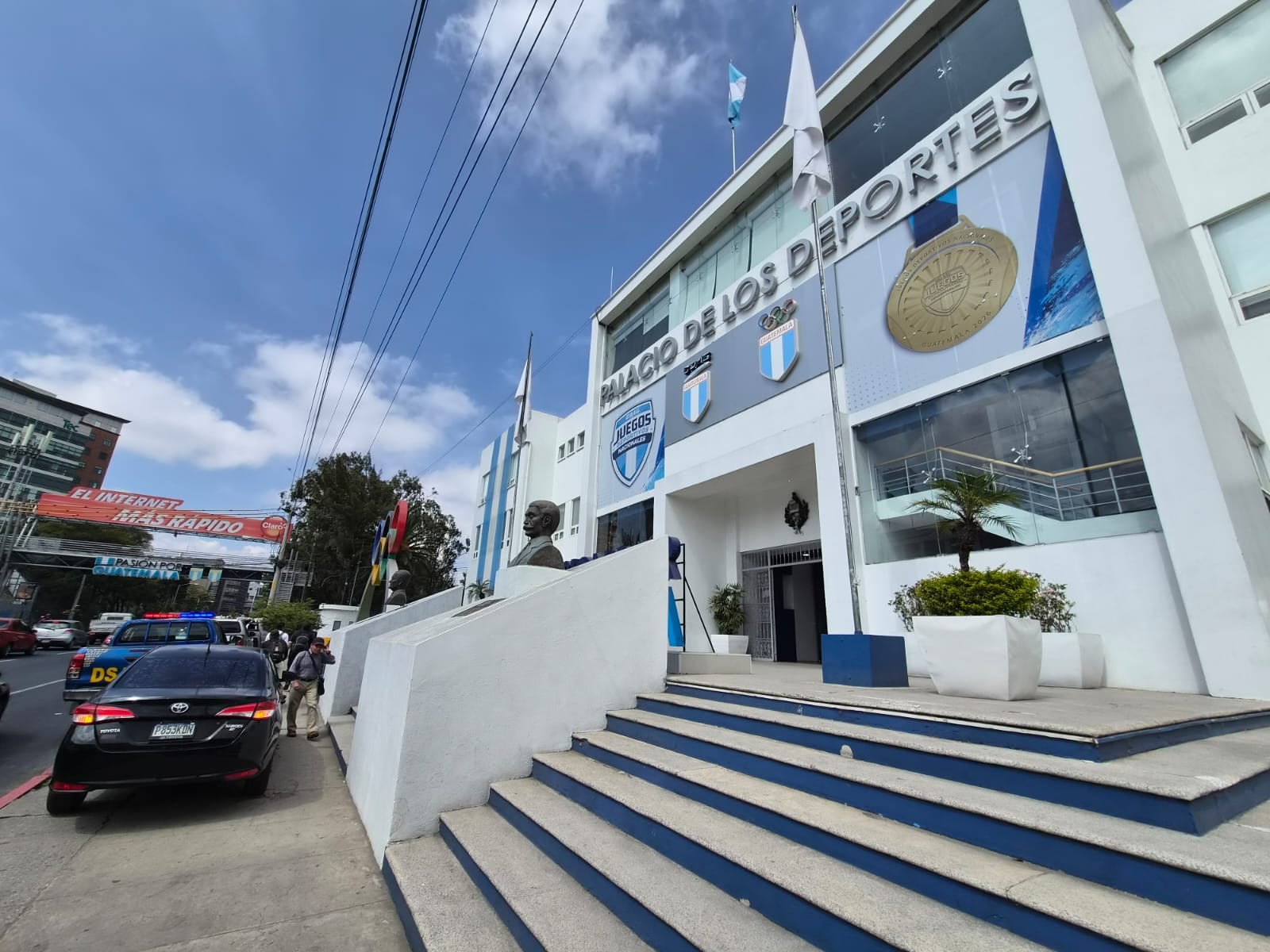
Estos allanamientos se realizan cuatro días después de que el Diario La Hora de Guatemala revelara una orden de captura contra Helen Jeanyra González Orellana, secretaria administrativa del Comité Ejecutivo del COG. Esta publicación trajo consigo amenazas contra los periodistas por parte de un administrativo de la entidad deportiva.
El allanamiento concluyó sin capturas, según la información disponible al cierre de esta nota. Tampoco se confirmó si González Orellana se encontraba en las instalaciones del Palacio de los Deportes al momento del operativo.
El MP mantiene el expediente bajo reserva
En una respuesta inicial, el MP confirmó la presencia de fiscales y agentes policiales en el área del Comité Olímpico Guatemalteco, aunque señaló que no podía brindar más información porque el caso se encuentra bajo reserva.
“El caso relacionado con la investigación que se está llevando se encuentra en reserva, por lo que no se puede brindar más información al momento”, indicó la institución.
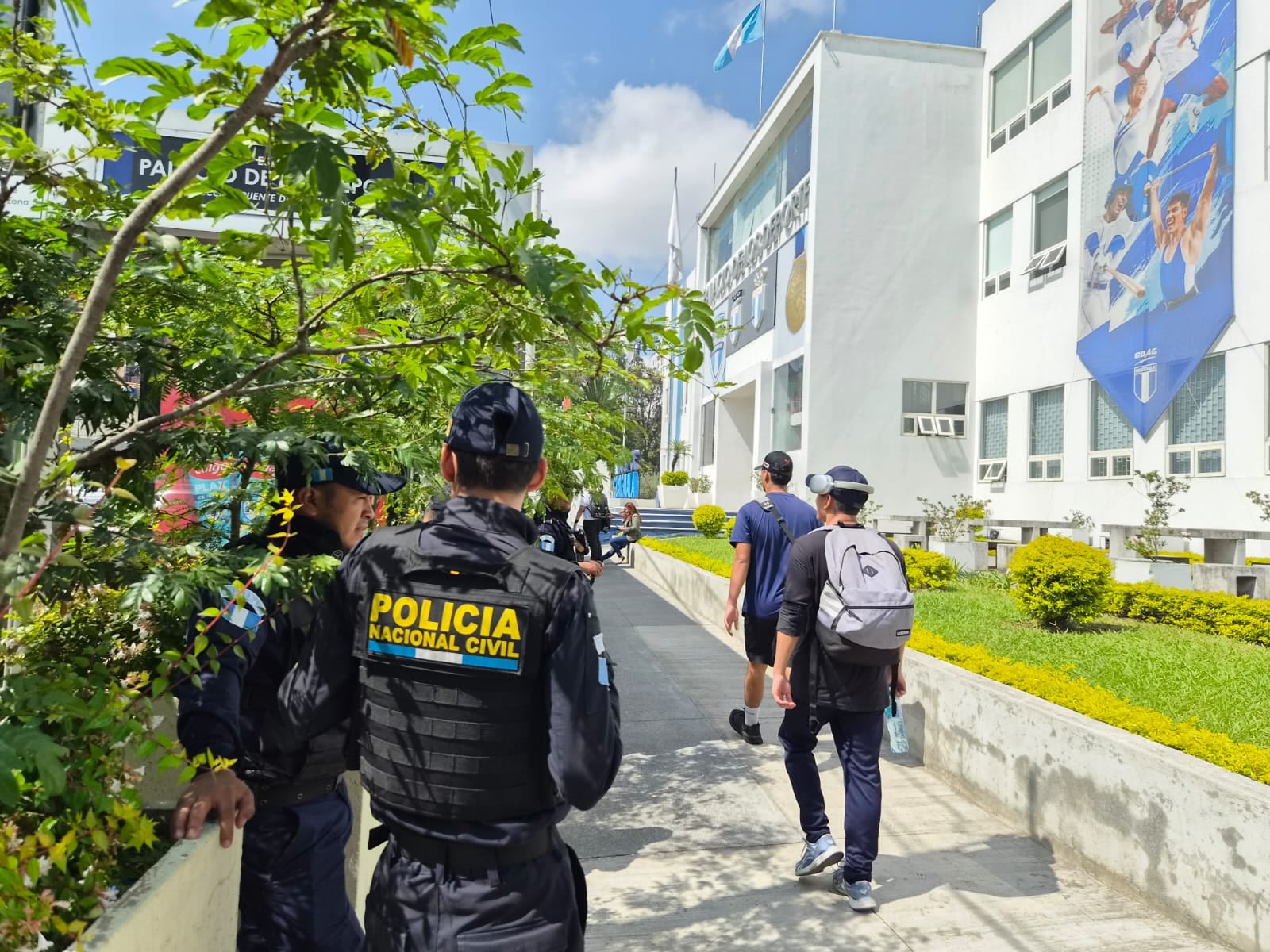
La falta de precisiones oficiales generó versiones sobre una posible investigación por abuso de autoridad y manejo de fondos. Sin embargo, el MP no confirmó que esas fueran las figuras investigadas ni difundió los resultados de las diligencias.
José Chic cuestionó el cierre de los accesos
El diputado José Chic, presidente de la Comisión del Deporte de Congreso de la República y quien ha impulsado denuncias y acciones de fiscalización sobre la gestión del COG y de la Confederación Deportiva Autónoma de Guatemala (CDAG), sostuvo que el allanamiento debe permitir al MP reforzar los expedientes abiertos.
El legislador cuestionó que los accesos al inmueble permanecieran cerrados. Según afirmó, trabajadores de seguridad habrían recibido instrucciones para mantener las puertas con llave y candado, además de impedir el ingreso de algunas personas.
Chic también mencionó la ausencia de directivos de las dos instituciones, entre ellos el gerente del COG, Gerardo Estrada Mayorga; el gerente de la CDAG, Luis Madrid; el presidente del COG, Gerardo Aguirre, y el titular de la CDAG, Francisco Ardón.
El congresista recordó que existen, por lo menos, 25 denuncias en contra del Comité Olímpico que, según el diputados, no prosperaron durante la administración de Consuelo Porras en el Ministerio Público.
Las denuncias incluyen fondos de los Juegos Centroamericanos
El congresista afirmó que espera que el procedimiento sea el inicio de nuevas diligencias en otros casos vinculados con la administración deportiva. Entre ellos, citó denuncias relacionadas con los XII Juegos Centroamericanos, donde, según sus señalamientos, existirían más de Q20 millones, alrededor de USD 2,5 millones, bajo revisión.
A finales de septiembre, Chic presentó una querella contra autoridades del COG por presuntas anomalías en el uso de más de Q13 millones, unos USD 1,7 millones, asignados a esa competencia. La acción incluyó acusaciones por posibles delitos como abuso de autoridad, incumplimiento de deberes y usurpación de funciones.
La diputada Karina Paz, quien ha denunciado redes familiares que gozan de privilegios en la estructura del deporte nacional, pidió que las pesquisas alcancen a quienes tengan responsabilidad dentro de la institución. “Los atletas merecen respuestas y justicia. La autonomía del deporte no es impunidad”, expresó en una publicación en X.
Guatemala,Ministerio Público,Allanamientos,Comité Olímpico Guatemalteco,COG,Corrupción
INTERNACIONAL
American basketball player’s Nigeria trip ends in arrest after officials spot him abandoning suspicious bags
Greene Da’monte Khiree said he visited Nigeria to build basketball connections, but officials say his phone revealed evidence of drug trafficking. (National Drug Law Enforcement )
NEWYou can now listen to Fox News articles!
A U.S. basketball player was arrested at a Nigerian airport last Wednesday after allegedly attempting to smuggle a large quantity of cannabis into the country in his luggage.
Greene Da’monte Khiree, 28, a native of Savannah, Georgia, was linked to two checked bags containing 75 pounds of cannabis at Murtala Muhammed International Airport, according to Nigerian officials. Khiree reportedly arrived in Lagos aboard an Emirates flight from Thailand via Dubai.
While at the airport, Khiree appeared to abandon two checked bags containing a potent strain of cannabis known as «loud,» according to Nigeria’s National Drug Law Enforcement Agency (NDLEA).
CBP OFFICERS SEIZE NEARLY 850 POUNDS OF KHAT PACKED INTO 12 SUITCASES AFTER FLIGHT FROM LONDON

Greene Da’monte Khiree, 28, was arrested at a Nigerian airport after officials linked him to two checked bags containing 75 pounds of cannabis. (National Drug Law Enforcement )
«The suspect, who was placed under discreet surveillance upon arrival, was observed abandoning his two checked-in bags before attempting to exit the airport with only his carry-on luggage,» officials said.
He was subsequently apprehended in the airport’s parking lot, according to the NDLEA.
FEDS SEIZE $6.4M WORTH OF COCAINE ABOARD OIL TANKER AT PORT OF LOS ANGELES, ARREST SUSPECTED CARTEL SMUGGLER
Although Khiree claimed he was visiting Nigeria to build connections for his basketball career, a forensic examination of his phone reportedly uncovered evidence of drug trafficking.
«The suspect, a native of Savannah, Georgia, USA, who claimed he has lived in Thailand since October 2025 where he plays professional basketball, said he came to Nigeria on holiday to build networks for his basketball career,» officials said.
«A forensic examination of his mobile phone revealed information pointing to his knowledge of and involvement in the drug trafficking activity.»

FILE — Two checked bags at Lagos’ international airport contained 75 pounds of cannabis, along with tracking devices and the suspect’s name tags, officials said. (Jim Vondruska/Reuters)
Investigators also found that both bags bore Khiree’s name tag and contained tracking devices. Authorities confirmed that the cannabis originated in Thailand.
africa, sports, crime, drugs, georgia

Alejandra Monteoliva será operada de la columna y permanecerá internada varios días – Nexofin

Desvastada por la muerte de su sobrino de 12 años, la Bomba Tucumana apuntó contra los responsables: «Queremos saber qué pasó realmente en esas 24 horas»

De la Patagonia a San Pablo: empieza a tomar forma el proyecto de exportar gas de Vaca Muerta a Brasil

El Fondo Social Solidario de FIFPRO logra que casi 50 futbolistas cobren deudas por alrededor de 500 mil dólares

Trump’s immigration olive branch threatens to open Pandora’s box as experts warn of far-reaching fallout

Conmoción en Francia por la “muerte accidental” de un entrenador de snowboard a los 31 años

La inflación de octubre: el dato que sorprendió a casi todos y la distancia que persiste con los parámetros internacionales

U2 vuelve con 12 nuevas canciones y una pregunta incómoda sobre si el rock todavía puede decir algo nuevo

Reforma laboral: el Gobierno asegura que el incentivo a la formalización creó 82.000 empleos en blanco en cuatro meses

Kicillof retoma su agenda rumbo a 2027 tras la visita del Papa: recorridas, Presupuesto y reelecciones indefinidas

 ECONOMIA1 día ago
La inflación de octubre: el dato que sorprendió a casi todos y la distancia que persiste con los parámetros internacionales
- INTERNACIONAL2 días ago
U2 vuelve con 12 nuevas canciones y una pregunta incómoda sobre si el rock todavía puede decir algo nuevo
- INTERNACIONAL3 días ago
Democrats seize on midterm wins to push massive minimum wage hikes, but economists see trouble ahead