INTERNACIONAL
Iran regime’s execution spree continues as twins face death penalty, decades in prison after alleged torture


NEWYou can now listen to Fox News articles!
Two Iranian twin sisters imprisoned for participating in anti-government protests came face-to-face with the very official they accused of torturing and sexually assaulting them when they appeared in court to seek justice.
They discovered he was the judge assigned to hear their complaint, their U.S.-based cousin told Fox News Digital in an exclusive interview.
Masoud Nourmohammadi, the cousin of Taraneh and Romina Rahimi, alleged that the official had been involved in their interrogation and subsequently presided over the complaint they filed against the Islamic Revolutionary Guard Corps (IRGC).
«As soon as they walk in, they see the exact person who tortured them and sexually assaulted them is the judge,» Nourmohammadi said.
IRAN’S REGIME CAME FOR TEENAGE TWINS; THEIR FATE OFFERS A GLIMPSE OF TEHRAN’S WIDENING DEATH CAMPAIGN
Iranian twins Taraneh and Romina Rahimi, who were arrested after joining anti-regime protests in Isfahan, Iran. Taraneh has been sentenced to death, while Romina faces decades in prison, (HANA)
He claimed the complaint was immediately dismissed by that same official.
«The judge was their prosecutor during the building (of) the case, and he was the one that did the sexual assault on the kids and tortured them as a prosecutor and for the lawsuit he was assigned as a judge for that lawsuit,» Nourmohammadi said.
Fox News Digital has not independently verified the allegations or reviewed the court documents.
The twins, now 21, were arrested after January anti-government demonstrations in Isfahan. According to the Human Rights Activists News Agency (HRANA), Taraneh was sentenced to death and an additional 11 years in prison, while Romina received a 36-year prison sentence. The sentences were issued in the so-called Shohada Square case involving 16 defendants.
IRAN TO EXECUTE FIRST FEMALE PROTESTER TIED TO ANTI-REGIME UNREST
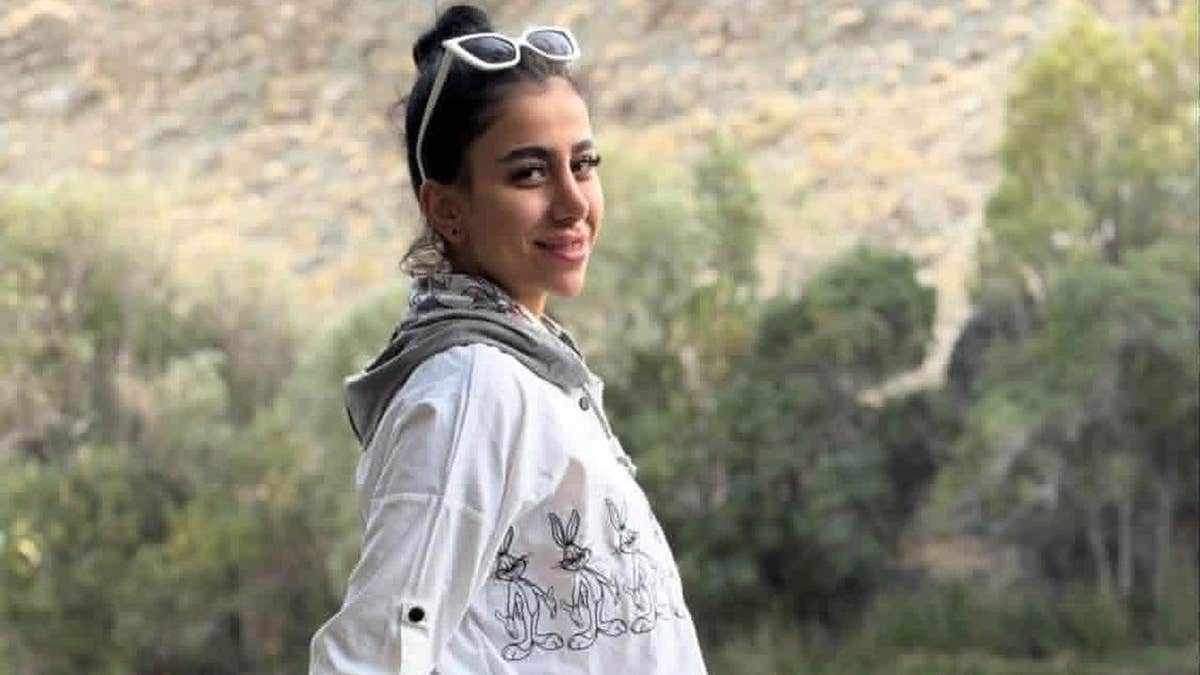
Taraneh Rahimi, 20, has been sentenced to death over her alleged role in anti-regime protests in Isfahan, Iran. Her family says she was tortured in custody and forced to confess. (HANA)
Nourmohammadi said the sisters’ legal situation has become increasingly precarious. One of their attorneys has been arrested, another withdrew from the case and the family has since secured a new lawyer to pursue the appeal of the criminal verdict.
He also described alarming new reports about their health.
«We just heard from another inmate who was with them in the same prison that the girls have been throwing up, vomiting blood in the night,» Nourmohammadi said.
He claimed Taraneh had previously been unable to walk after allegedly being tortured and that both sisters were being denied necessary medical treatment.
Their case comes amid growing international concern over Iran’s use of the death penalty against people arrested during nationwide anti-government demonstrations.
IRANIAN PROTESTER HANGED HOURS AFTER MARRYING HIS IMPRISONED FIANCÉE OVER JAIL PHONE LINE

Iranian security forces allegedly killed an amateur boxer in Tehran. (Simay Azadi/ National Council of Resistance of Iran )
A Nov. 16 report by Norway-based Iran Human Rights (IHRNGO) documented at least 121 protest-related death sentence cases after January’s demonstrations, including six women and at least five people who were minors at the time of their alleged offenses. The organization cautioned that some sentences had subsequently been overturned or referred for retrial.
According to IHRNGO, 41 protesters have been executed since March 18, including 39 connected to January’s protests and two linked to the earlier Woman, Life, Freedom movement.
«Despite the execution of more than one protester every week on average since March, the international response has failed to raise the political cost of these executions sufficiently to deter the Islamic Republic,» IHRNGO Director Mahmood Amiry-Moghaddam said.
The warning coincided with the U.N. General Assembly’s Third Committee adopting a resolution Wednesday condemning Tehran’s human rights record, with 76 countries voting in favor, 27 against and 64 abstaining.
UN WATCHDOG SLAMS POTENTIAL ELECTION OF IRAN TO PANEL WITH HUMAN RIGHTS SWAY: ‘LUNATICS RUNNING THE ASYLUM’
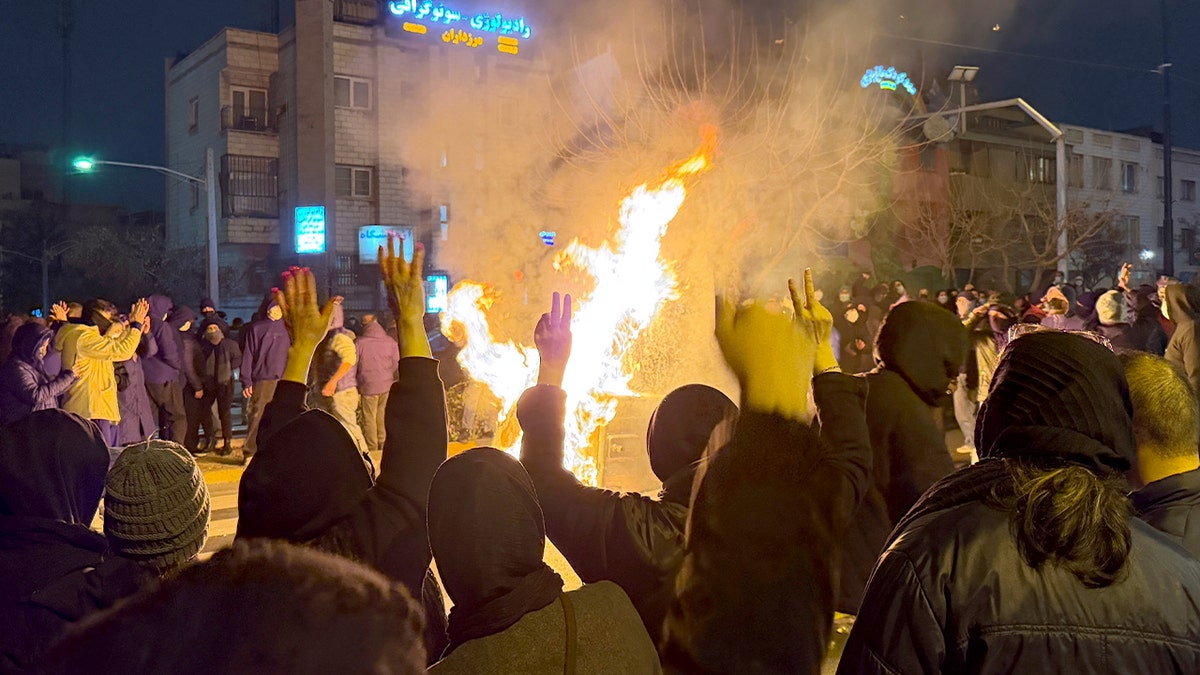
Iranians attend an anti-government protest in Tehran, Iran, Jan. 9, 2026. (UGC via AP)
Explaining the U.S. vote, Ambassador Dan Negrea said Washington believed the text did not go far enough in holding the Iranian government accountable and contained language that distracted from its central purpose.
«Let no one mistake our abstention for any softening toward Tehran,» Negrea said. «For 47 years, the regime has ruled through torture and terror. It crushes dissent with public executions and beatings. It remains the world’s leading state sponsor of terrorism, and its repression does not stop at its own borders. It pursues those who dare to speak up against it and hunts them down around the world.
«Today, it unjustly executes more people than any other country. The United Nations has documented these human rights violations and abuses at length, and responsibility for them belongs to the regime alone.»
Iran’s U.N. mission rejected the resolution, accusing its sponsors of politicizing human rights and ignoring the consequences of sanctions and military conflict.
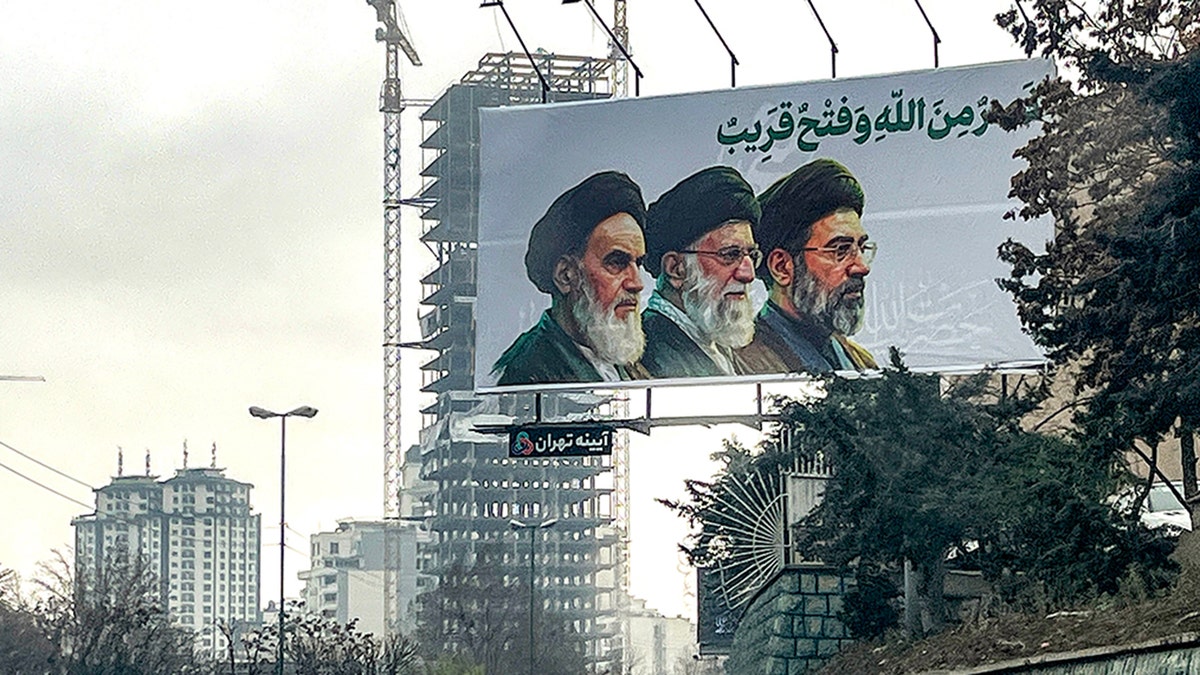
A billboard depicting Iran’s supreme leaders since 1979: (L to R) ayatollahs Ruhollah Khomeini (until 1989), Ali Khamenei (until 2026) and Mojtaba Khamenei (incumbent) is displayed above a highway in Tehran March 10, 2026. (AFP/Via Getty Images)
Nourmohammadi, who lives in Utah, said he has contacted congressional representatives seeking help but has not received a response.
He said Tehran uses executions to intimidate Iranians considering further demonstrations.
«That’s one of the reasons that the Islamic Republic is executing people is just to create that fear,» he said.
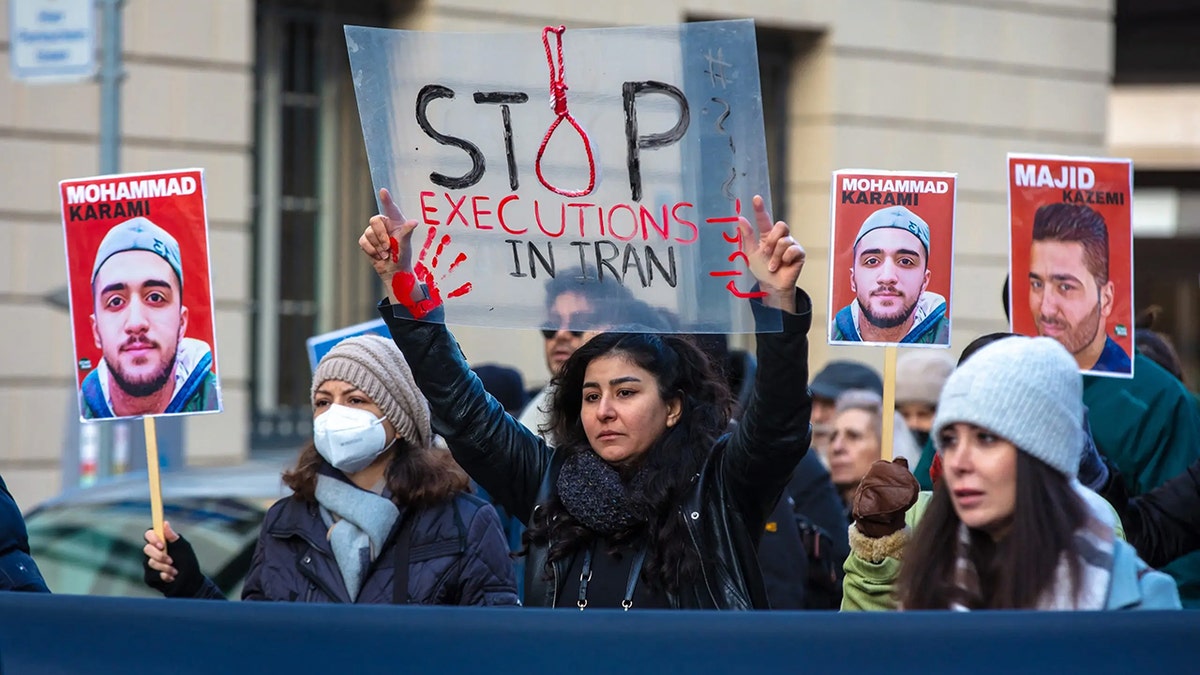
Iranian members of the diaspora, activists, gathered in front of the German Federal Foreign Office in Berlin during the United Against Executions in Iran protest Jan. 27, 2024. (Echo Iran/Middle East Images/AFP via Getty Images)
The cousin said the family remains focused on fighting the sisters’ sentences and securing medical treatment for them.
iran, human rights, world protests, persecutions, war with iran








La deuda del gobierno central de Costa Rica podría mantenerse por encima del 60% del PIB durante los próximos años, de acuerdo con las proyecciones de Fitch Ratings. La agencia estimó un nivel de 60.5% para 2026 y de 61.8% para 2027, en un escenario de menor superávit primario y límites para ampliar los ingresos.
Fitch Ratings elevó la calificación de riesgo emisor de largo plazo de Costa Rica de “BB” a “BB+” y mantuvo una perspectiva estable. La agencia también mejoró la calificación crediticia del país de “BBB-” a “BBB”.
La decisión se apoyó en el crecimiento de la economía, la mejora de la posición externa, el aumento de las reservas internacionales y el acceso al mercado interno. La evaluación también señaló factores que continúan condicionando el perfil financiero, como la carga de intereses, la evolución de la deuda y las restricciones al financiamiento externo.
Costa Rica recibió una mejora en su calificación porque Fitch considera que el país mantiene una economía con capacidad de crecimiento, una posición externa respaldada por inversión extranjera directa y una mayor disponibilidad de reservas internacionales.
La perspectiva estable indica que la agencia espera continuidad en esas condiciones, aunque prevé que la deuda y las restricciones para emitir en el exterior seguirán presentes.
La economía mantendría un crecimiento cercano al 3%
La agencia prevé que el producto interno bruto real crezca 3.2% en 2026, luego de una expansión de 4.6% en 2025. Para 2027, la proyección se ubica en 3.3%.
Fitch atribuyó la moderación esperada a la normalización de la actividad exportadora. Parte de la actividad se habría adelantado durante 2025 ante la previsión de aranceles de Estados Unidos.
El Índice Mensual de Actividad Económica registró una variación de 2.7% hasta septiembre de 2026. En todo 2025, el indicador había alcanzado 4.8%.
La actividad fuera de las zonas francas se aceleró hasta cerca de 3.3%, según la agencia. Ese comportamiento forma parte de los elementos que respaldan su previsión de una expansión estable en el próximo año.
La inversión extranjera sostiene la posición externa
La posición externa continúa como uno de los factores favorables para la solvencia del país, según Fitch Ratings. Los déficits de cuenta corriente se mantienen en niveles bajos y las entradas de inversión extranjera directa permiten financiarlos.
La agencia proyectó que el déficit por cuenta corriente será equivalente al 1.6% del PIB en 2026. Las entradas netas de inversión extranjera directa llegarían a 7% del PIB.
El crecimiento de las exportaciones se desaceleró a 4.4% interanual hasta septiembre. Las ventas de dispositivos médicos se mantuvieron prácticamente estables, en un contexto de menor competitividad asociada a los aranceles estadounidenses.
Las reservas internacionales superaron USD 20,400 millones a mediados de noviembre de 2026. Ese nivel representaba una cobertura aproximada de 5.1 meses y se situaba en línea con la mediana de los países calificados en la categoría “BB”.
La posición soberana de deuda externa neta se volvió positiva en 2024. Fitch espera que siga aumentando durante su horizonte de proyección y que supere en 2028 la mediana de 2.3% del PIB para la misma categoría de calificación.
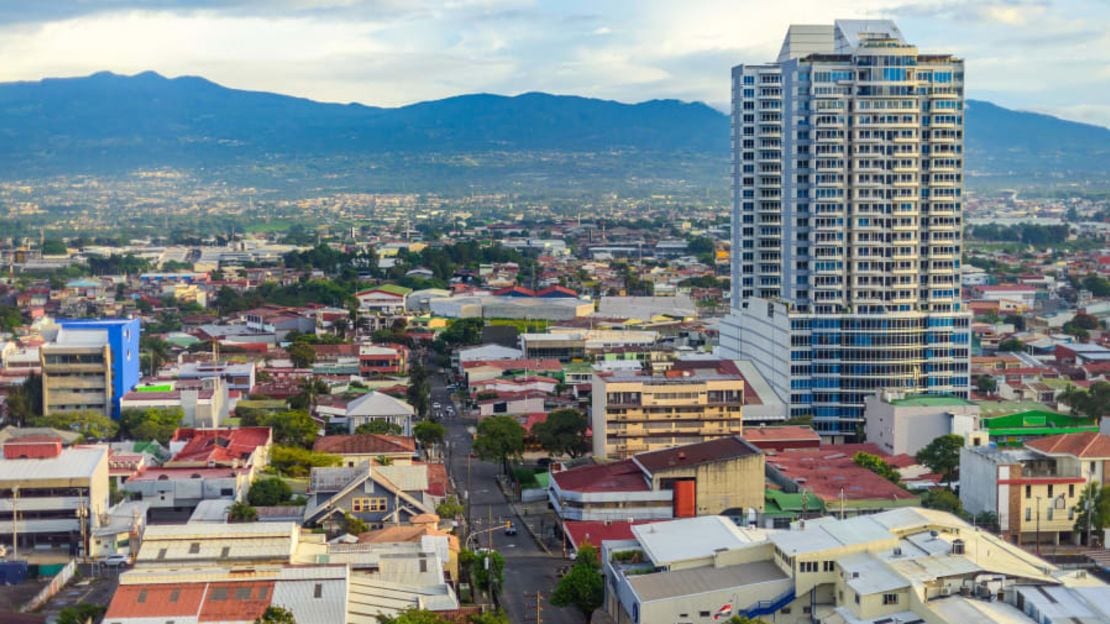
Los ingresos fiscales limitan la consolidación
El crecimiento de los ingresos del gobierno central fue de 0.1% interanual hasta septiembre de 2026. Fitch vinculó ese resultado con la deflación persistente, algunas reducciones de impuestos y una mayor actividad en sectores de baja tributación.
El límite de gasto permitió mantener la disciplina fiscal, de acuerdo con el análisis. La agencia observó que las medidas de administración tributaria podrían impulsar la recaudación, aunque sus resultados todavía son inciertos.
Fitch proyectó que el superávit primario del gobierno central baje de 0.9% del PIB en 2025 a 0.3% en 2026. Para 2027, espera una recuperación a 0.6% del PIB.
El déficit general podría ampliarse hasta 3.9% del PIB este año y reducirse a 3.6% durante el próximo. A nivel del gobierno general, la deuda llegaría a 55.4% del PIB en 2026 y aumentaría de forma gradual.
La agencia indicó que la estructura fiscal presenta una dificultad adicional por la elevada relación entre los pagos de intereses y los ingresos del gobierno central. Ese aspecto fue uno de los motivos de los ajustes cualitativos aplicados a su modelo de calificación.
El mercado interno sigue siendo la principal fuente de financiamiento
La financiación del Estado depende en gran medida del mercado local, que ofrece recursos estables y costos de endeudamiento similares a los disponibles en el exterior. La falta de autorización para emitir deuda internacional continúa como una limitación.
Las autoridades promueven una iniciativa para permitir emisiones externas anuales de hasta USD 1,500 millones dentro de un programa plurianual. La medida busca ampliar las opciones de financiamiento soberano.
En los últimos años, Costa Rica emitió bonos de depósito globales denominados en euros dentro del mercado local. Los instrumentos fueron adquiridos por inversores extranjeros y evitaron la necesidad de autorización legislativa, aunque implicaron un mayor costo.
La inflación también incidió en el escenario económico. El indicador general fue negativo desde mayo de 2025 hasta agosto de 2026 y volvió a terreno positivo en septiembre, con 0.3%, antes de subir a 0.6% en octubre.
La baja inflación afectó el crecimiento nominal y la recaudación. Al mismo tiempo, la evolución de los precios permitió que el banco central redujera su tasa de política monetaria de 3.25% a 3.0% hacia finales de 2025.
La agenda legislativa mantiene obstáculos para algunas reformas
La presidenta Laura Fernández asumió el cargo con el partido oficialista al frente de 31 de los 57 escaños de la Asamblea Legislativa. Pese a esa mayoría, Fitch señaló que el gobierno enfrenta dificultades para avanzar con parte de su programa.
Los problemas relacionados con el presupuesto de 2027, la autorización de endeudamiento externo y el retiro de un proyecto sobre electricidad reflejan las limitaciones para la formulación de políticas. La agencia consideró que persiste un historial de estancamiento institucional.
Fitch Ratings prevé que continúe el marco de política macroeconómica. También espera avances en medidas administrativas de recaudación que requieran mayoría simple en el Congreso.
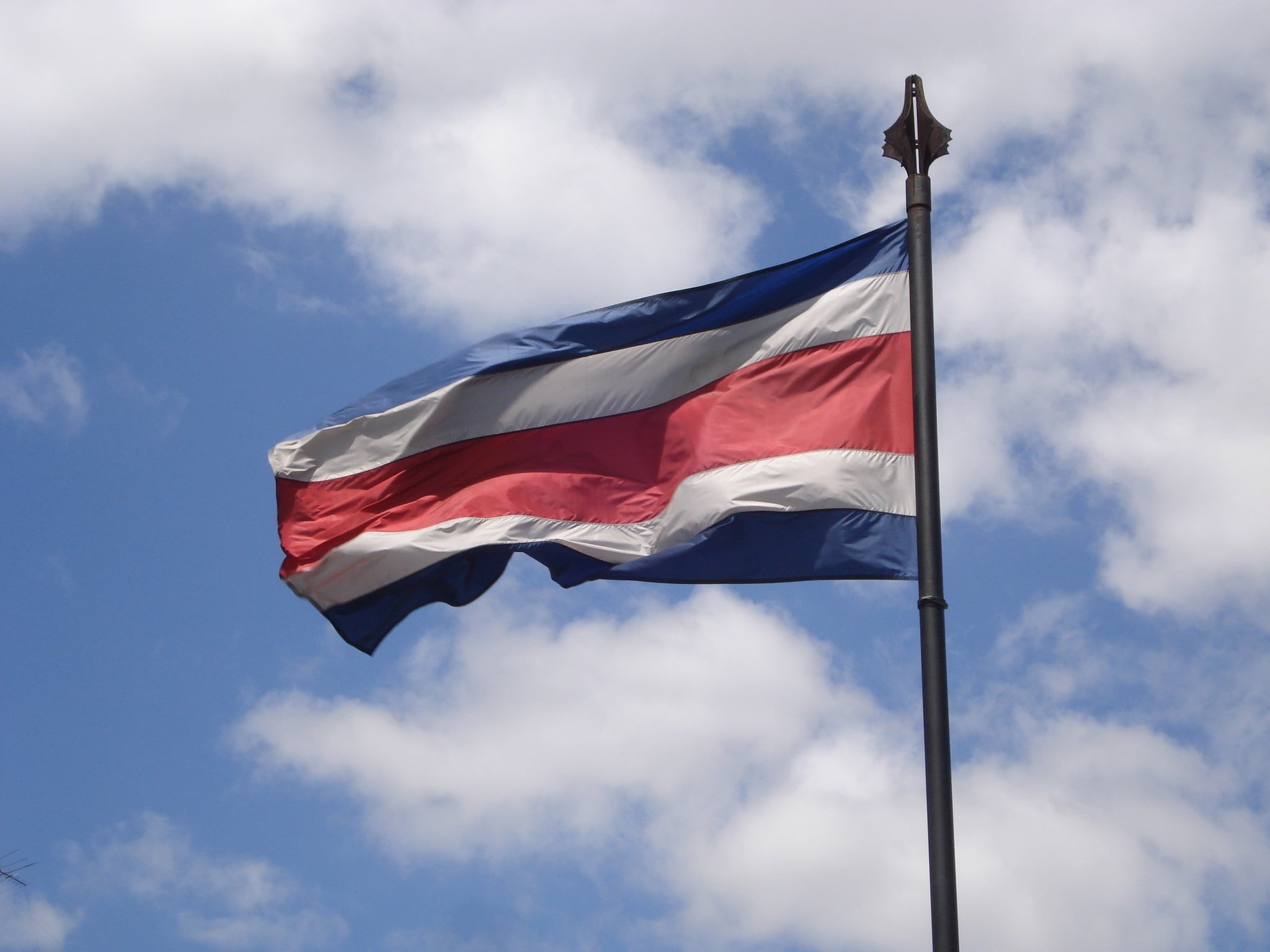
La agencia destacó que Costa Rica se sitúa en el percentil 75 del Índice Mundial de Gobernanza del Banco Mundial. La evaluación consideró favorables la estabilidad de las transiciones políticas, la capacidad institucional, el estado de derecho y los indicadores de corrupción.
Una rebaja de la calificación podría producirse ante un deterioro fiscal que acelere el aumento de la deuda o frente a una pérdida relevante de dinamismo económico. Una futura mejora dependería de avances en reformas, una trayectoria descendente de la deuda y un crecimiento más sólido y extendido.
colon,colones,Costa Rica,dinero,billetes,efectivo,economía,finanzas,moneda,divisa

A former Southern Poverty Law Center official who led its hate-group tracking work told FBI agents he tried to make the watchdog’s controversial «Hate Map» more ideologically balanced, while saying Christians and conservatives were the first staffers pushed out in what he called a «long-term coup» at the organization after he left in 2013.
The former director said he pushed for a more evenhanded SPLC, arguing that its «Hate Map» — which lists conservative groups alongside Ku Klux Klan chapters — should also include left-wing extremists, including violent animal-rights and extremist environmental groups. However, the former director said the effort met resistance and that, as liberal leaders reshaped the organization, most of his 17-person team was replaced.
«There was some kind of coup, long-term coup going on there between some, what I would — what I heard were some pretty liberal people, extreme people that had other ideas about what we were doing,» the unnamed former director told agents, as first reported by The Daily Signal’s Tyler O’Neil, who has been covering the SPLC’s legal troubles.
DOJ EXPANDS INDICTMENT AGAINST SPLC, ALLEGING $4M SECRETLY FUNNELED TO KKK AND EXTREMIST GROUPS
The former director’s comments appeared in an FBI interview transcript filed as an exhibit to Dr. Heidi Beirich’s Nov. 2 court filing. Beirich, a former SPLC official charged alongside the organization in a federal case alleging a scheme to mislead donors and banks about donations used to pay informants associated with violent extremist groups, pointed to multiple FBI interviews with an unnamed former SPLC director, identified in the filing as «Individual-1.»
In a January interview, Individual-1 told investigators he ran the SPLC’s field-source program, set up accounts used to pay sources and directed payments, according to Beirich’s filing. During a March 23 follow-up interview with Individual-1, FBI Special Agents David McDaniel and Parker Still framed the conversation around the program having «gone off the rails» under Beirich and told the former director they were not there to discuss the bank activity, noting he had «obviously nothing to do with all that,» before questioning him about the SPLC’s alleged targeting of conservative organizations and Beirich’s role, according to the transcript.
EXCLUSIVE: SPLC’S ‘FAR-LEFT,’ ‘ANTI-RACISM’ CURRICULUM FOUND IN CLASSROOMS AS EARLY AS KINDERGARTEN: ‘WATCHDOG’
Individual-1 responded that, as his «gut impression,» he believed her actions were political and accused some liberals at the center of having «a good degree of hatred» for conservatism, according to the March 23 transcript.
Individual-1 also alleged a shift in power at the SPLC. After he left in 2013, he said, people were appointed to the SPLC’s board as «figureheads» and eventually gained enough voting power to take over the center. He said only one or two data-entry members of his roughly 17-person team remained, with the others replaced by staff he believed shared the new leadership’s politics.
«That’s who they ran off first were the Christians and conservatives,» the unnamed former director told agents when asked why Beirich took the actions she did after his departure. «Then they — then the rest they just replaced with people they liked, you know, that agreed with them politically.»
HOW MUTINY AT SOUTHERN POVERTY LAW CENTER TRIGGERED LEADERSHIP COLLAPSE
In separate comments about the SPLC’s controversial «Hate Map,» Individual-1 said he persuaded SPLC staff, despite internal resistance, to list Black separatist groups, which he considered comparable to White racist groups, on the map. However, he said he unsuccessfully pushed the SPLC to include violent animal-rights and environmental extremist groups and described his team’s approach during his tenure as director as «very nonpartisan» and «middle of the road.»
«We were very nonpartisan, or at least when I was running things, when I was director, we stayed right in the middle of the road,» he said.
In a June follow-up, the unnamed former director also criticized the SPLC’s «Hate Map» for listing local chapters separately, saying it made the map’s totals of the extremist groups it chose to identify look larger.
WATCH: SPLC CHIEF DOUBLES DOWN ON PLACING CHARLIE KIRK’S TURNING POINT USA ON ‘HATE MAP’
While the unnamed former director was not charged in the SPLC case, Beirich was. Her lawyers say the interviews with the unnamed director warrant discovery into whether she was singled out because of her perceived role in the SPLC’s political speech, arguing that investigators’ questions about the SPLC’s treatment of conservative groups — and her alleged role in that work — could show the prosecution was motivated by hostility to the center’s political speech.
«Individual-1’s statements confirm my longstanding criticism of the Southern Poverty Law Center, that it exaggerates ‘hate’ by inflating the chapters on its ‘hate map’ and that it systematically demonizes conservatives and Christians while turning a blind eye to extremism on the Left,» O’Neil, the author of «Making Hate Pay: The Corruption of the Southern Poverty Law Center,» told Digital. «Now, we have the former director of the Intelligence Project saying the SPLC appears to have pushed out Christians and conservatives, while rejecting his suggestion to include environmentalist agitators on the map.»
SIGN UP TO GET THE POLITICS NEWSLETTER
Digital reached out to the SPLC and attorneys for Heidi Beirich for comment but did not receive a response in time for publication.
federal courts, politics, fbi, hate crime, investigations
INTERNACIONAL
El brote de ébola está fuera de control en la República Democrática del Congo y crece el temor a una epidemia continental
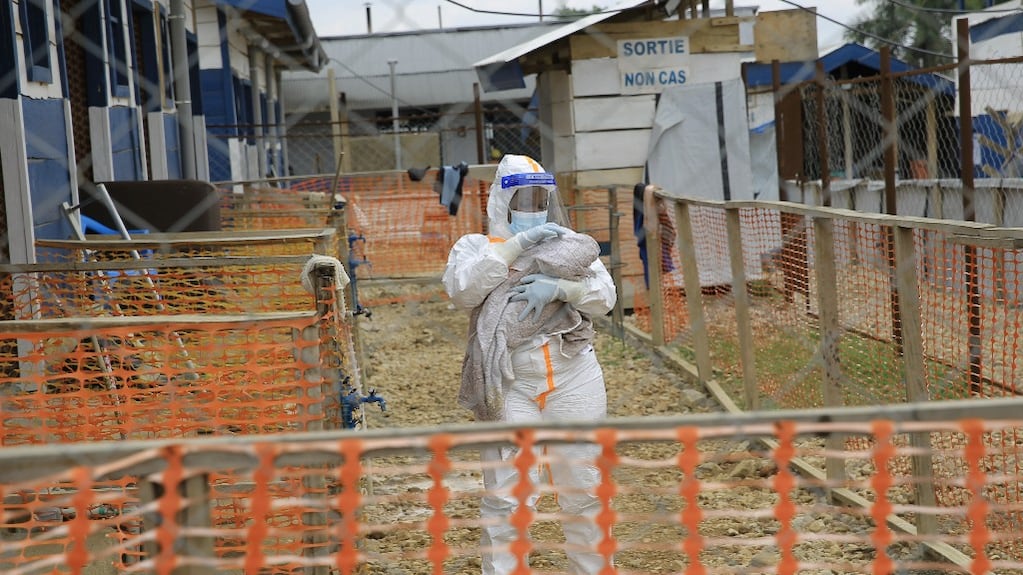
El brote de ébola declarado hace seis meses en la República Democrática del Congo está fuera de control y amenaza con extenderse “a nivel continental”, según advirtieron especialistas y organizaciones regionales.
La epidemia fue declarada el 15 de mayo pasado en la provincia congoleña de Ituri, en el nordeste del país, afectada por una emergencia sanitaria, violencia y un masivo desplazamiento de la población.
“Es una región con inseguridad, crisis humanitaria, personas viviendo en campamentos sin ningún apoyo básico, un enorme movimiento de población y que además es una zona minera. Esto, sumado a la desconfianza de la comunidad, puede derivar en un gran brote a nivel continental”, alertó el director general de los Centros para el Control y la Prevención de Enfermedades de África (CDC), Jean Kaseya.
El último reporte oficial del Instituto Nacional de Salud Pública congoleño, divulgado el 13 de noviembre, fijó en 11.254 los contagios totales confirmados con 5506 muertes.
Se trata de una elevada tasa de letalidad del 48,9%. Además, 1538 personas están bajo aislamiento y otras 3054 fueron dadas de alta.
El virus también golpeó a los trabajadores sanitarios. Setenta y cuatro de ellos murieron, de los 445 que se contagiaron desde que estalló la epidemia.
Hasta ahora, el brote de ébola más letal ocurrió en África Occidental entre 2014 y 2016 con más de 11.000 muertos. Ahora, en solo seis meses, las víctimas fatales ya llegan a la mitad.
Un caldo de cultivo
Esta compleja situación epidemiológica representa un caldo de cultivo para la expansión del virus, de la cepa Bundibugyo, una de las más mortíferas.
Algunos países vecinos, como Kenia, Nigeria y Uganda, reportaron casos importados, pero lograron por ahora contener la expansión del brote. Incluso, Francia anunció en junio un contagio de un médico que regresó al país tras una misión sanitaria en la República Democtática del Congo.
Mientras tanto, los médicos luchan en primera línea con escasos recursos.
Qué está pasando hoy en la República Democrática del Congo
La organización Médicos sin Fronteras (MSF) está presente en Ituri para ayudar a combatir la epidemia. La situación es desesperante.
“El brote está fuera de control”, dijo a TN el epidemiólogo español Manuel Albela, consejero del departamento medico de la sección suiza de la organización y que estuvo en agosto tres semanas en el epicentro de la emergencia.
Según el especialista, hay dos indicadores que demuestran la gravedad de la situación. “El primero es el ratio de casos confirmados que están en la lista de contactos. El porcentaje detectado es todavia muy bajo”, dijo.
“El segundo indicador es el numero de muertes comunitarias en el total de muertes confirmadas. Son pacientes que no llegan a los centros de tratamiento y mueren en sus casas. Entonces hay mas posibilidad de contagio”, indicó.
Según el informe oficial, el 65 % de los pacientes muere en sus hogares o comunidades sin llegar a un centro sanitario especializado.
Otro de los puntos clave es la falta absoluta de cuidados en los entierros de las víctimas. “En los funerales se producen los contagios masivos. La gente toca al paciente o preparan el cuerpo. Es ahí donde se produce el mayor contagio”, advirtió.
Para Albela, el riesgo de una epidemia continental está latente.
“Este es el brote de ébola más grande en expansión geográfica. Ya toca a ocho provincias. El número de casos es más alto de lo que habíamos visto en otros años. El riesgo es la falta de predictibilidad. No saber dónde vamos a ver los próximos casos”, indicó.
En ese escenario, los indicadores son inquietantes y el riesgo de que el brote se extienda es cada vez más probable.
Sumario

Suspensión de las PASO: el Gobierno acelera los acuerdos con los gobernadores y confía en lograr la media sanción en el Senado

Fitch eleva la calificación de Costa Rica a “BB+” y mantiene perspectiva estable

‘Long term coup’ ousted Christians, conservatives from major watchdog, insider claims

Sorpresa en Boca Juniors por el control antidopaje que realizó la Conmebol en la concentración

Iran regime’s execution spree continues as twins face death penalty, decades in prison after alleged torture

El dólar oficial superó los $1.560 y la brecha con el financiero se mantuvo en 10%

La inflación de octubre: el dato que sorprendió a casi todos y la distancia que persiste con los parámetros internacionales

Milei dijo que el riesgo país sube por el miedo a "Orcolandia" y afirmó: "Los argentinos no van a votar hacia el pasado"

Encontraron muerto a un trabajador en el Observatorio de La Plata

Se agudiza la suba de tasas y se complica la economía mundial

 POLITICA3 días ago
Milei dijo que el riesgo país sube por el miedo a "Orcolandia" y afirmó: "Los argentinos no van a votar hacia el pasado"
- SOCIEDAD3 días ago
Encontraron muerto a un trabajador en el Observatorio de La Plata
- CHIMENTOS3 días ago
¡Bomba! Sofía Jujuy Jiménez confirmó su primer embarazo a los 35 años: tras pasar una escandalosa infidelidad, conoció a su nuevo novio y será mamá