INTERNACIONAL
Hakeem Jeffries wins overwhelming Speaker-designate vote as progressives’ revolt falls flat

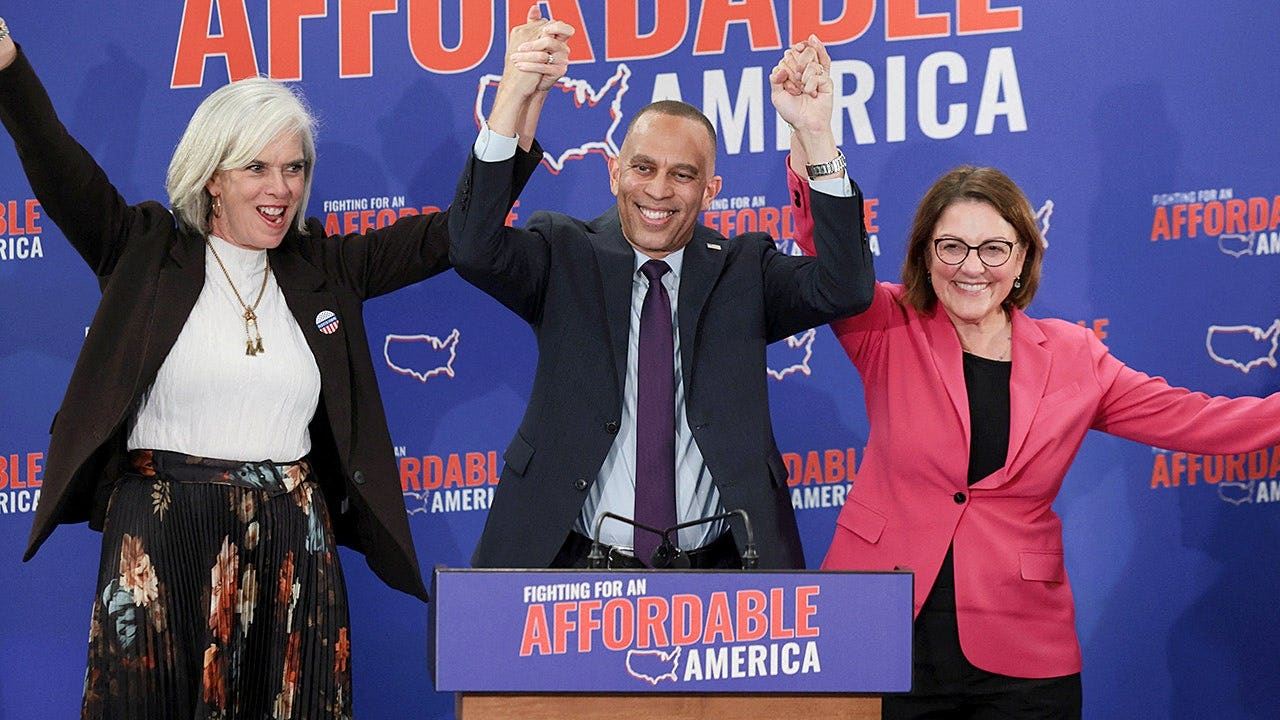
Democrats are fretting that the «Bloc» of progressives will lug House Democrats to the left.
But, there is strength in numbers.
Yours truly wanted to understand just how much sway progressives might have over the House Democratic Caucus. Look no further than Wednesday morning’s vote for speaker.
No one challenged House Minority Leader Hakeem Jeffries (D-N.Y.) to become speaker-designate in the internal caucus vote.
It’s about the math.
Jeffries marshaled 251 of the 262 secret ballots cast. The recorded vote revealed that despite all of their noise and clamor, extreme progressives really don’t have much juice compared to the rest of the Democratic Caucus. In fact, rank-and-file Democrats crushed their progressive colleagues.
Democrats did not vote by name. But numbers say a lot. While the recorded vote could have revealed potential craters of dissent among Democrats and questions about Jeffries, the tally registered the opposite. It showed just how diminutive the hard left is in the Democratic Caucus.
JEFFRIES BRUSHES OFF OPPOSITION FROM FAR-LEFT DEMS WHO VOTED NO: ‘WE’RE GOING TO WORK TOGETHER’
Do they exude an outsized political voice? Yes. But success in Congress is measured in numbers. And at least on Wednesday, the numbers signaled few results for the Bloc and a show of unity among Democrats.
«With the majority as big as it is, it’s going to be very hard for anybody to try and hold our group of hostage,» forecast Rep. Tom Suozzi (D-N.Y.).
«We’re going to work together to find the highest common denominator in order to make life better for the American people,» said Jeffries.
With more than 260 likely members in the Democratic Caucus, the Bloc wasn’t a factor on the first vote which mattered.
In January, Jeffries becomes the 57th person and the first Black speaker to grip the gavel. Members of the Congressional Black Caucus celebrated the ascendency of their colleague.
«I’ve been thinking about (the former Rep.) John Lewis (D-Ga.) a lot this week,» said former House Majority Whip and Rep. Jim Clyburn (D-S.C.), invoking the civil rights figure. «This is a very surreal moment for me.»
Clyburn spoke on behalf of Jeffries’ candidacy in the caucus, declaring that the path for the New York Democrat to the speakership makes him «feel vindicated.»
«As a Black woman from the South, having the next speaker of the House to be a Black man means a lot to me,» said Rep. Nikema Williams (D-Ga.).
Rep. Jonathan Jackson (D-Ill.) is the son of late Rev. Jesse Jackson. I asked what Jackson’s father would think of Jeffries rising to the speakership.
«He’d be more than happy to see America making progress. This is what the world looks like. This is what America looks like,» said Jackson.
WATCH: JEFFRIES FACES UNCERTAINTY FROM INCOMING DEMOCRATS AS HOUSE SPEAKER VOTE APPROACHES
But let’s filet the caucus vote for speaker to understand what unfolded with 11 Democrats who withheld their support from Jeffries.
Representative-elect Don Leonard (D-Ohio) is a populist in a district which President Trump won by 10 points in 2024. Leonard defeated Rep. Mike Carey (R-Ohio). The district Leonard flipped in central Ohio is a long way politically from left-leaning districts in New York City and New Jersey where renegade members of the Bloc refused to cast their ballots for Jeffries.
«What we need is a commitment from the speaker to get a 28th Amendment passed in 2028, to end Citizens United, end the corruption and call a vote on U.S. military aid to Israel,» said Leonard. «If he does those things, he’s got my vote.»
Seven of the progressives published a joint statement, demanding commitments from Jeffries to stop ICE and end «genocide in Gaza.»
The seven declared they saw «meaningful progress» in their talks with Jeffries. But since those negotiations continue, «our vote in caucus today was no» against Jeffries.
Despite repeated efforts, none of the seven spoke to Fox.
But what’s remarkable is that two of the seven withholding their support hail from Jeffries’ hometown, New York City. One is Representative-elect Claire Valdez (D-N.Y.) — who will represent a wide swath of Brooklyn and Queens. The other is Representative-elect Darializa Avila Chevalier (D-N.Y.). That district comprises parts of Upper Manhattan and The Bronx.
Your trusty reporter tried to understand what the dissent meant.
«How are their districts different than yours, being next door?» I asked Jeffries.
He deflected.
«The numbers speak for themselves,» said Jeffries.
I tried again.
«But those districts — are they that different from what you represent? And yet they weren’t willing to vote for you, Mr. speaker-designate?»
No response.
The lack of support for Jeffries from the dissidents annoyed Rep. Marilyn Strickland (D-Wash.).
«This idea that Hakeem Jeffries has not earned this is completely absurd. He has worked hard. He’s done everything he needed to do,» said Strickland.
Rep. Nydia Velázquez (D-N.Y.) is retiring at the end of this Congress. She opposed Valdez as her successor. She was bewildered that Valdez and Avila Chevalier wouldn’t support their hometown, Big Apple Congressman for speaker.
«My advice to them is take the time to know how this institution runs and what it takes to be successful here,» said an agitated Velázquez.
Rep. Joe Morelle (D-N.Y.) served with Jeffries in the state legislature. He argued that Valdez and Avila Chevalier made a mistake.
«They’re going to have to answer to their constituents,» said Morelle. «I think they should have been with Hakeem Jeffries who’s led us to this historic majority.»
And if you aren’t on the team in politics, the team also isn’t on you.
«It is a small group that marginalized themselves,» said Rep. Henry Cuellar (D-Texas) about the holdouts.
However, Representative-elect Dan Koh (D-Mass.) saw it differently.
«They all got elected with very different constituencies. A lot of them have different priorities,» said Koh. «There are things that their constituencies have demanded. And they want to make sure have the audience of the leader.»
Rep. Greg Landsman (D-Ohio) believed there was strategy in the dissent.
«They probably chose to do this because it’s a way of lifting up their issues,» said Landsman.
And keep in mind, this wasn’t the actual vote for speaker. That comes on the floor in January. It’s a win-win for Jeffries and the holdouts if they forge an accord. He promises them certain votes. And they can then tout what they extracted from the next speaker.
This is politics.
But let’s put the 11 defections into context.
Democrats flipped the House in 2018. In the internal caucus election, former House Speaker Nancy Pelosi (D-Calif.) lost 32 votes. In the vote for speaker in January 2019, 12 Democrats voted for someone else. Three members voted present.
«Nancy Pelosi will be remembered,» said Rep. Jared Moskowitz (D-Fla.). «And the 30 people who voted against her will not be remembered.»
Jeffries will go down in the history books as the first Black speaker. The holdouts? They’re freshmen. As Moskowitz suggests, we’ll see if anyone recalls them in a few years.
politics, congress, house of representatives, the squad, democrats elections











INTERNACIONAL
Crece el rechazo a la inteligencia artificial en las universidades de Estados Unidos: los argumentos de estudiantes y profesores
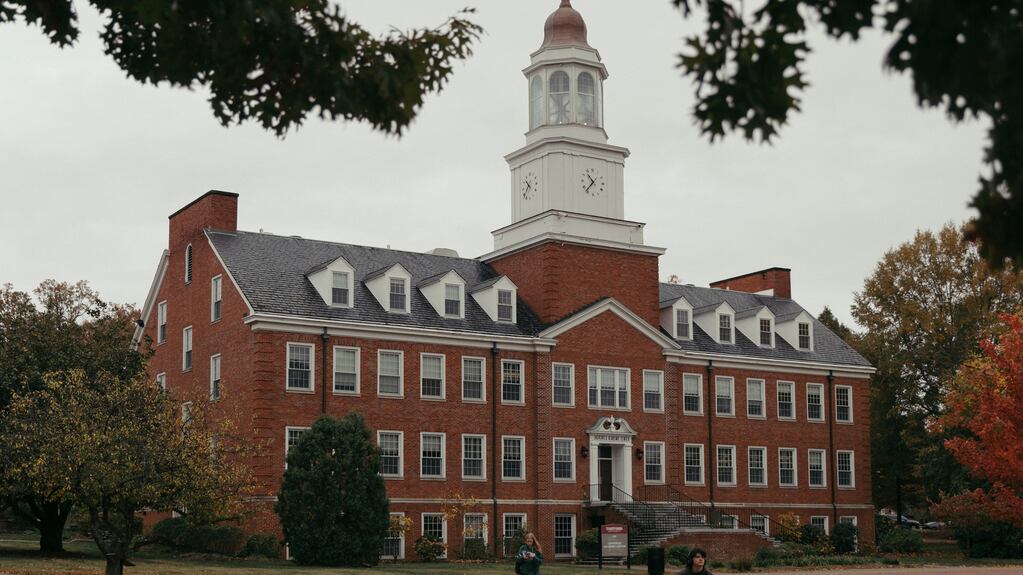
En marzo, estudiantes de la Universidad de Transilvania lanzaron una petición para intentar frenar el avance de la inteligencia artificial en el campus. En ella se pedía a la administración que cancelara las licencias de los chatbots con los gigantes de la IA y que mejor se invirtiera el dinero en una “educación enfocada en el ser humano”.
Aproximadamente un tercio de los estudiantes de la universidad la firmaron.
Transilvania, en Lexington (Kentucky), es una universidad muy pequeña, con menos de 1000 estudiantes. Sin embargo, tanto en Estados Unidos como en el resto del mundo, ha surgido una ola de resistencia universitaria contra la IA, impulsada en parte por un creciente grupo de objetores de conciencia que se niegan por completo a utilizarla.
Las encuestas indican que la gran mayoría de los estudiantes estadounidenses usan chatbots para sus tareas académicas. Por su parte, las autoridades universitarias han recibido con los brazos abiertos la IA, argumentando que es clave para preparar a los estudiantes para el mercado laboral.
No obstante, a medida que crece el uso de la IA, cada vez más estudiantes y profesores encienden las alarmas e intentan frenarla.
Gran parte de la oposición viene de la izquierda política y se centra en cómo la IA podría dañar el medio ambiente, restar poder a los trabajadores o utilizarse con fines bélicos. Algunas de las voces más críticas de la oposición estudian arte –donde la creatividad humana es fundamental– o derecho, ya que las empresas tecnológicas enfrentan demandas por posibles violaciones a los derechos de autor y a la privacidad.
También existe una profunda preocupación de que la IA empobrezca la misma experiencia universitaria al eliminar el esfuerzo constructivo que supone el aprendizaje.
Desde California hasta Sidney y París, los opositores publican cada vez más manifiestos en los que plantean sus exigencias: que las universidades no se asocien con empresas de IA; que no se obligue a los profesores a usar IA generativa en las clases o a la hora de calificar y que se permita a los estudiantes negarse a realizar tareas que requieran el uso de chatbots, sin que esto afecte sus calificaciones.
Times

NEWYou can now listen to Fox News articles!
Ukrainian President Volodymyr Zelenskyy is calling on the U.S. to quickly organize talks with Russia with the full participation of European negotiators and advisors in what would mark a first-of-its-kind meeting.
He made the call Thursday after meeting with several U.S. and European leaders in Berlin at the Coalition of the Willing summit, which focused on security guarantees aimed at deterring future Russian aggression. During the meeting, U.S. special envoy Jared Kushner announced that Moscow and President Donald Trump had agreed to a multilateral negotiating format involving Europe.
«We are counting on the American side to help organize the first multilateral meeting at the team level, with full European participation, as soon as possible,» Zelenskyy said.
The push signals an effort to prevent Europe and Kyiv from being sidelined in U.S.-Russia talks.
KUSHNER, WITKOFF SET FOR KYIV TALKS AFTER PUTIN MEETING IN US PUSH FOR PEACE
Ukrainian President Volodymyr Zelenskyy on Thursday met with European leaders and U.S. envoys Jared Kushner and Steve Witkoff in Berlin to discuss security guarantees and efforts to end Russia’s war in Ukraine. (@ZelenskyyUa/X)
«From the very beginning, Ukraine has advocated for this approach — maximum coordination among us on everything concerning European and Ukrainian security and our future,» Zelenskyy said.
«We need to work quickly, and this is the only approach Ukraine is taking. The more actively the discussions move forward, the greater the chances of achieving real progress.»

British Prime Minister Andy Burnham, Ukrainian President Volodymyr Zelenskyy, German Chancellor Friedrich Merz, French President Emmanuel Macron and U.S. envoys Jared Kushner and Steve Witkoff attend a press conference during a Ukraine summit in Berlin Nov. 19, 2026. (Nadja Wohlleben/Getty Images)
According to Kushner, Russia agreed to the expanded negotiating format, including a recent breakthrough on prisoner exchanges.
«Russia has agreed to engage in the multilateral format with the Europeans. Part of that was us explaining to the Russians that we do believe that Russia having Europe at the table will be essential to ending this war in a just and long-term, durable way,» Kushner said.
«There’s going to be thousands of prisoners of war who will be going home to their families in the next weeks, which will be, obviously, a great gesture and a great relief for people.»
FRENCH TROOPS SECRETLY DEPLOYED INSIDE UKRAINE AS EX-NATO CHIEF PRAISES MACRON’S ‘GUTS’

Jared Kushner said Russia has agreed to multilateral Ukraine war talks involving Europe. (@ZelenskyyUa/X)
He added that President Donald Trump will not impose a unilateral deal but will work with allies to finalize postwar security guarantees.
«President Trump wants to make a deal with Europe by his side. He’s not looking to impose anything unilaterally,» Kushner said.
«Our goal is really to end this war and to really help build a durable peace. We are very committed. President Trump will do whatever it takes to do that.»
ukraine, wars, conflicts, russia, donald trump, the european union
INTERNACIONAL
Por qué la niebla se aleja de las laderas del bosque nuboso de Monteverde en Costa Rica

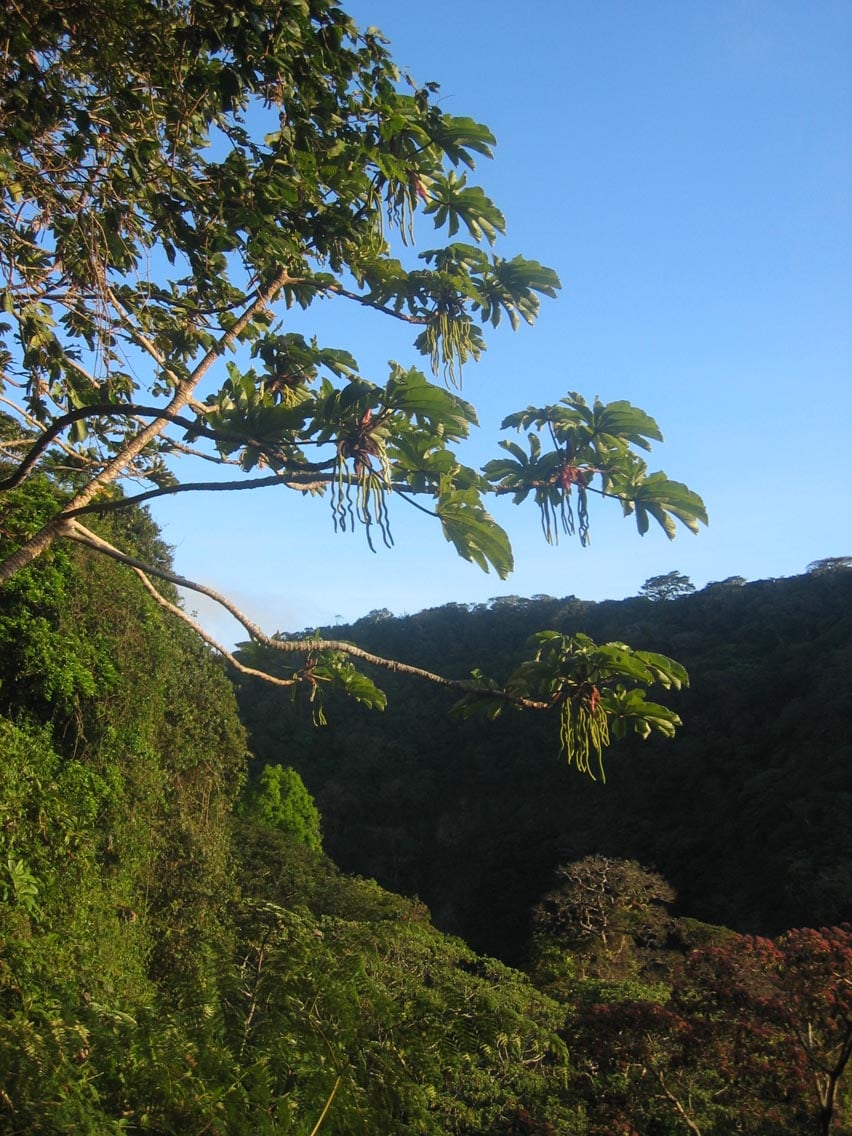
El bosque nuboso de Monteverde, en Costa Rica, ya perdió una especie emblemática hace cuatro décadas. Ahora enfrenta una amenaza más lenta y más profunda: la niebla que sostiene su biodiversidad se aleja de las montañas a medida que el planeta se calienta.
Un hongo invasor y un fenómeno de El Niño extremo acabaron con el célebre sapo dorado de Monteverde a finales de los años 80. Ese episodio, el primero en vincular una extinción directamente al cambio climático, anticipó lo que hoy amenaza a todo el bosque nuboso: la niebla que le da vida se está alejando de las montañas.
El fenómeno tiene nombre científico: “hipótesis de la elevación de la base de las nubes”. El aumento de las temperaturas globales empuja la capa de niebla cada vez más arriba, hasta que deja de tocar las laderas donde viven miles de especies únicas en el planeta. Así lo documenta BBC Mundo en un reportaje publicado desde Monteverde.
Según la reconstrucción del medio británico, el investigador Alan Pounds, científico de la Reserva del Bosque Nuboso de Monteverde, lleva registrando la humedad del lugar desde principios de los años 70. En esa década, explicó a BBC Mundo, era raro superar los 25 días secos al año. En la década de 1990 la cifra trepó a 59.
Entre 2015 y 2023, el promedio ya alcanzaba los 119 días sin lluvia al año, de acuerdo con un análisis preliminar y aún no publicado de Pounds.
Un ecosistema irrepetible que empieza a vaciarse
El Bosque Eterno de los Niños, una franja de bosque nuboso del tamaño de Baltimore en el noroeste costarricense, concentra unas 400 especies de aves, entre ellas el pájaro campana y el saltarín colilargo.
También hay perezosos, monos araña, jaguares, pumas y tapires de Baird, además de miles de especies de árboles y una cantidad de insectos que ni siquiera se ha logrado contabilizar.
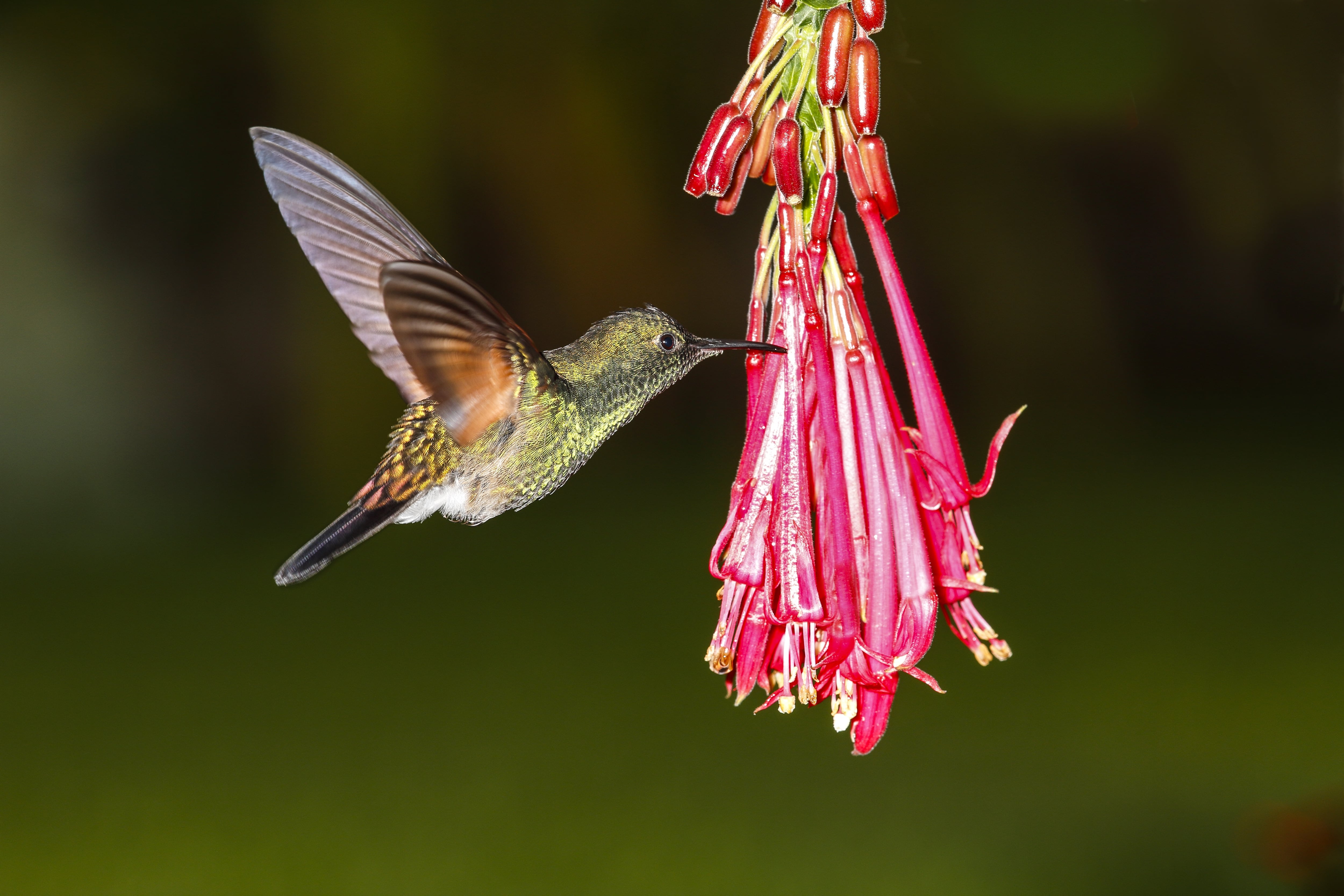
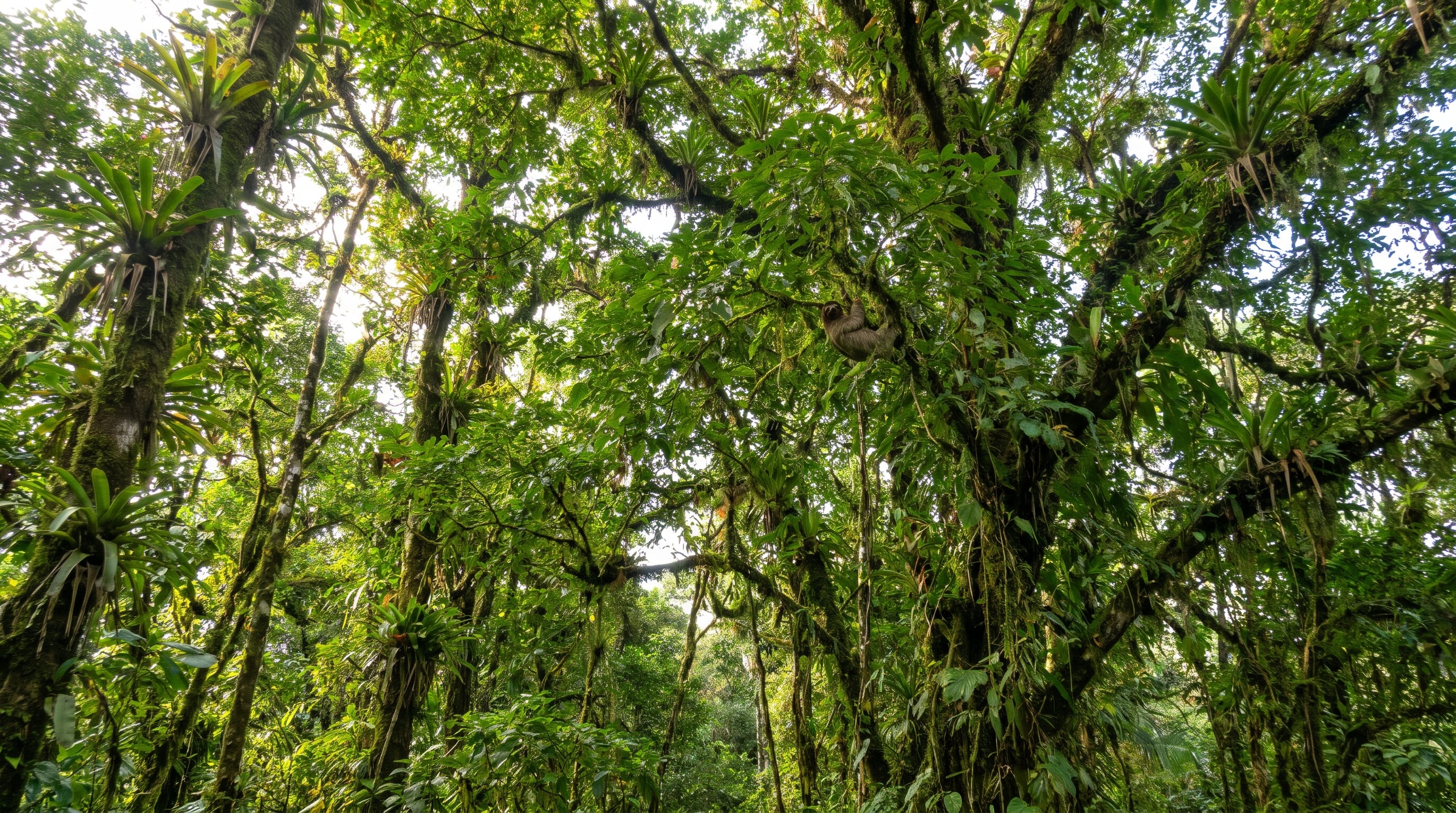
Buena parte de esa riqueza depende de las epífitas: orquídeas, bromelias, musgos, helechos y líquenes que crecen sobre las ramas sin tocar el suelo y se alimentan solo de la niebla. En Monteverde existen cerca de 450 especies de orquídeas, la familia de epífitas más diversa del lugar.
La niebla alimenta directamente a las epífitas, plantas que no tienen raíces en el suelo y dependen por completo de la humedad del aire. Si esa niebla deja de llegar, explicó a BBC Mundo la ecóloga Nalini Nadkarni, de la Universidad de Utah, institución de educación superior estadounidense, estas plantas pierden su única fuente de agua y nutrientes, y con ellas se desestabiliza buena parte del ecosistema que sostienen.
“A veces estamos sentados sobre ramas que albergan, literalmente, orquídeas por un valor de USD 10,000”, señaló Nadkarni al medio. “Es algo asombroso”.
Las epífitas, el primer aviso del deterioro
Para Sybil Gotsch, ecóloga forestal de la Universidad de Kentucky, institución de educación superior estadounidense, las epífitas funcionan como un “canario en la mina” frente al cambio climático. “Es la primera comunidad vegetal que se verá afectada, ya que sus raíces no llegan al suelo”, dijo a BBC Mundo. “A medida que la atmósfera se reseque, perderemos estas epífitas”.
Gotsch inició en 2016 un estudio a diez años para monitorear estas plantas, interrumpido por la pandemia de covid-19. Publicará en 2027 un artículo con los primeros cuatro años de datos.
Junto al científico costarricense Elenter Cubero Campos, Gotsch y Nadkarni retiraron las epífitas de varios higuerones estranguladores en Monteverde para comparar su evolución con árboles de control. Buscan medir cambios en temperatura, humedad, viento, flujo de savia y uso por parte de la fauna.
Sin epífitas, los árboles podrían crecer más rápido, pero eso implicaría un mayor consumo de agua, un efecto que no es necesariamente positivo, advirtió Gotsch.
Especies de tierras bajas avanzan hacia la montaña
A medida que el bosque se reseca, especies que antes no llegaban a esa altitud empiezan a instalarse en Monteverde. Los tucanes piquiverdes, depredadores de huevos y crías, anidan cada vez más cerca de los quetzales resplandecientes, símbolo de los bosques nubosos centroamericanos ya amenazado por la deforestación.

Se reportan también avistamientos de la serpiente terciopelo, venenosa, y de murciélagos de tierras bajas como el vampiro espectral, que se alimenta de quetzales. El desplazamiento de estas especies puede alterar los microecosistemas del bosque, según detalló BBC Mundo.
Daniela Quesada Cruz, coordinadora de programas comunitarios en el Instituto Monteverde, explicó al medio que cada especie tiene “su propio espacio, sus propios ritmos y sus propios compañeros”. Un ejemplo: las 75 especies de aguacate silvestre de la zona fructifican en épocas distintas, y cualquier desajuste podría dejar frutos sin aves que los dispersen.

Pounds advirtió sobre una caída “dolorosamente evidente” en la cantidad de insectos nocturnos atraídos por las luces. Debra Hamilton, codirectora de la Fundación para la Conservación de Costa Rica e investigadora de la Universidad de Vermont, observó un fenómeno similar en las aves insectívoras: “Creo que eso es como el canario en la mina de carbón”, dijo al medio.
La amenaza no se limita a Costa Rica
El problema trasciende Monteverde. En toda Mesoamérica, el cambio climático y la deforestación empujan a las especies vegetales de los bosques nubosos hacia mayores altitudes, a un ritmo de entre 1.8 y 2.7 metros por año, según datos citados por BBC Mundo. A escala global, entre 2001 y 2018 se perdió el 2.4% de la superficie de estos bosques.

Un estudio reciente publicado en el Journal for Nature Conservation y difundido por Mongabay, portal de periodismo ambiental, amplía ese panorama hacia Sudamérica.
La investigación, liderada por la profesora Patrícia Vieira Pompeu, de la Universidad Estatal de Mato Grosso do Sul, proyecta que el cambio climático podría eliminar hasta el 91% de los bosques nubosos sudamericanos para 2070 bajo un escenario de altas emisiones. Incluso en el panorama más optimista, calculan una pérdida del 12%, equivalente a una superficie del tamaño de El Salvador.
Según ese trabajo, la desaparición de estos bosques pondría en riesgo el suministro de agua potable de unos 16 millones de personas que dependen de los cursos de agua que ellos regulan.
Un fenómeno de El Niño extremo agrava el pronóstico
La preocupación inmediata en Monteverde es la llegada de un “super El Niño”. “Se prevé que el próximo año sea muy seco”, dijo Nadkarni a BBC Mundo. “Es probable que el dosel forestal sufra un impacto severo”.
Hamilton señaló que octubre, habitualmente el mes más lluvioso, resultó este año “sorprendentemente seco”. “Es la primera vez que tengo noticia de una alerta meteorológica por sequía durante un mes en el que normalmente recibimos una cantidad enorme de lluvia”, relató al medio.
Pounds reconoció que la velocidad del cambio supera la capacidad científica de documentarlo. “Todo está ocurriendo con gran rapidez y, en realidad, no hemos contado con los recursos necesarios para llevar a cabo un muestreo sistemático de todo lo que deberíamos haber analizado”, afirmó. “Es una situación abrumadora”.
Conservación comunitaria como última barrera
Monteverde está protegida por un mosaico de parques nacionales y reservas privadas creado en las décadas de 1970 y 1980, cuando comenzó el turismo ecológico en la zona.
Ese modelo incentivó a los habitantes a abandonar la ganadería y conservar árboles en sus tierras, explicó Quesada Cruz al medio británico.
La propia coordinadora advirtió que el turismo podría estar llegando a un límite: en algunas áreas reforestadas, señaló, los promotores ya talaron bosque para construir hoteles nuevos.
El Instituto Monteverde entrega unos 10,000 árboles nativos por año a los habitantes de la zona, con el objetivo de crear corredores para la fauna y cortavientos para las fincas. Katy VanDusen, coordinadora de la organización climática CorClima, sostuvo ante BBC Mundo que garantizar hábitats conectados sigue siendo esencial para proteger lo que queda del bosque.

“Lo que hace que este lugar sea realmente único es cómo la comunidad ha colaborado, de maneras creativas y durante décadas, para resolver problemas, siempre con un firme compromiso con la conservación”, afirmó VanDusen.
Hamilton planteó la posibilidad de que los conservacionistas deban trasladar especies arbóreas para ayudarlas a adaptarse al nuevo clima, algo que contradice la formación tradicional de los científicos. “A mi modo de ver, es jugar a ser Dios”, reconoció ante el medio. “Pero, por otro lado, quizá sea necesario hacerlo, porque el cambio climático es una realidad”.
Monteverde,Bosque Nuboso,Costa Rica,puente colgante,naturaleza,ecoturismo,aventura,niebla,paisaje,100% Aventura

Nuevo récord de exportaciones llegó justo para el Gobierno, en plena tensión con el dólar

Crece el rechazo a la inteligencia artificial en las universidades de Estados Unidos: los argumentos de estudiantes y profesores

Con un beneficio al kirchnerismo, Villarruel designó a los senadores para el Consejo de la Magistratura – Nexofin

La final del Mundial 2030, en juego: Marruecos se prepara para el examen de la FIFA

Di Tullio apuntó contra Bullrich: “Hay que ser cobarde y miserable para reprimir a personas con discapacidad”

Hakeem Jeffries wins overwhelming Speaker-designate vote as progressives’ revolt falls flat

Milei dijo que el riesgo país sube por el miedo a "Orcolandia" y afirmó: "Los argentinos no van a votar hacia el pasado"

Encontraron muerto a un trabajador en el Observatorio de La Plata

Se agudiza la suba de tasas y se complica la economía mundial

Feroz escándalo con Wanda Nara en su interminable pelea con la China Suárez: «Ya saben cómo se hizo famosa, te desnudabas en…»

 POLITICA3 días ago
Milei dijo que el riesgo país sube por el miedo a "Orcolandia" y afirmó: "Los argentinos no van a votar hacia el pasado"
- POLITICA18 horas ago
Javier Milei y sus medidas, en vivo: “Hoy discutimos si crecemos un punto más o menos”, dijo el Presidente
- ECONOMIA3 días ago
De la Patagonia a San Pablo: empieza a tomar forma el proyecto de exportar gas de Vaca Muerta a Brasil