INTERNACIONAL
FBI Ten Most Wanted cartel leader ‘Chapo Isidro’ captured by Mexico’s ‘elite military forces’ after US help

NEWYou can now listen to Fox News articles!
One of the FBI’s Ten Most Wanted fugitives has been captured in Mexico following a joint U.S.-Mexico operation where the arresting force «came under attack with gunfire and explosives,» authorities announced Saturday.
Fausto Isidro Meza-Flores, described by the FBI as the «alleged leader of the Meza-Flores Transnational Criminal Organization, a heavily armed, major drug-trafficking organization based in Sinaloa, Mexico,» was detained in the city of Guasave. The State Department previously issued a $5 million reward for information leading to the arrest and conviction of Meza-Flores, who went by the alias «Chapo Isidro.»
Mexico’s Secretariat of National Defense said Meza-Flores was detained during a military raid carried out by the special forces personnel. U.S. and Mexican intelligence agencies coordinated in the lead-up to the operation, which also netted the arrests of the cartel’s second in command and a financial operator.
«The operation to carry out these arrests was conducted by elite military forces, which, after precisely locating the target using various technological tools, carried it out in three phases, as follows,» the Secretariat of National Defense wrote on X. «Arrival in the target area: this was carried out using stealth and surprise via different land access routes to the arrest area.
ALLEGED JALISCO CARTEL LEADER ACCUSED OF DRUG TRAFFICKING AND FUEL SMUGGLING ARRESTED IN MEXICO
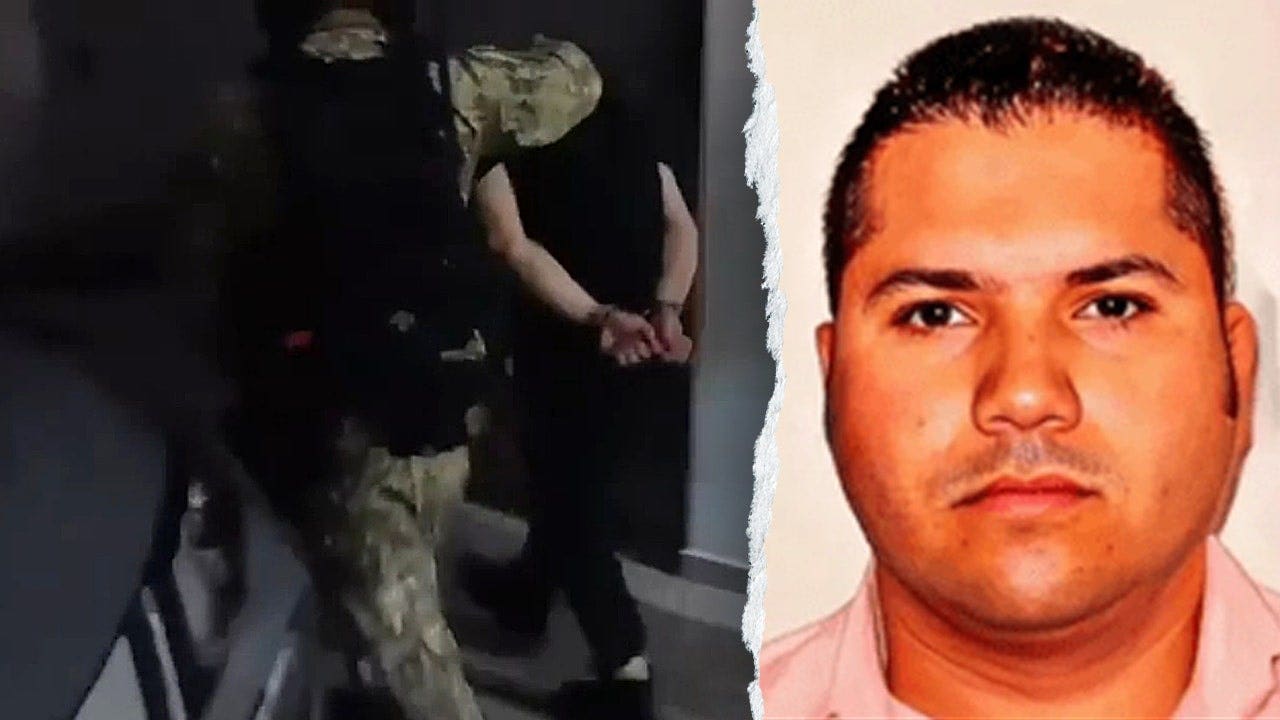
FBI Ten Most Wanted fugitive Fausto Isidro Meza-Flores was arrested in Mexico. (Secretariat of National Defense/Storyful; State Department)
«Establishing security and capturing the target: this was carried out near the detainees’ location by setting up an internal and external security perimeter to prevent escape or the arrival of reinforcements,» it continued. «The arresting force came under attack with gunfire and explosives, prompting it to enter the house to capture the individuals in question.
«Evacuation of the target: after the detainees’ identities were confirmed, they were evacuated to Mexico City aboard a Mexican Air Force aircraft to be placed at the disposal of the competent prosecutorial authorities,» it also said.
Video released by the Secretariat of National Defense showed Mexican military personnel moving a handcuffed suspect into a truck.
KASH PATEL DEFENDS FBI’S ‘MOST WANTED’ BUSTS AMID MANIPULATION ACCUSATIONS, HIGHLIGHTS ‘SUMMER HEAT’ SUCCESS

Fausto Isidro «Chapo Isidro» Meza-Flores is «accused of spending the last 20 years flooding the U.S. with fentanyl, cocaine, heroin, and other deadly drugs, first as an independent drug trafficker and later as the head of the Meza-Flores cartel,» the FBI says. (FBI)
In its Ten Most Wanted Fugitive poster, the FBI said Meza-Flores «is allegedly responsible for the possession, distribution, and importation of large quantities of heroin, methamphetamine, cocaine, fentanyl, and marijuana into the United States, and has predominately controlled drug production, transportation, and distribution in several locations throughout Mexico.»
«Meza-Flores was originally indicted on May 2, 2012, in the United States District Court for the District of Columbia. On November 26, 2019, a federal superseding indictment and federal arrest warrant were issued for Meza-Flores in the United States District Court for the District of Columbia after he was charged with multiple counts of Drug-Trafficking Violations and Use and Possession of a Firearm,» it added.
The operation surrounding Meza-Flores’ arrest forced the cancellation of a Mexican Pacific League baseball game in progress in Guasave on Friday, with video on social media purportedly showing players and fans running for safety at Kuroda Park while gunfire rang out in the background.
Another video shared by a Mexico media outlet purportedly showed a helicopter firing at a target in Guasave during the operation, while other videos on social media depicted trucks burning as part of roadblocks in the region.
mexican cartel violence, location mexico, fbi, organized crime, crime world, world









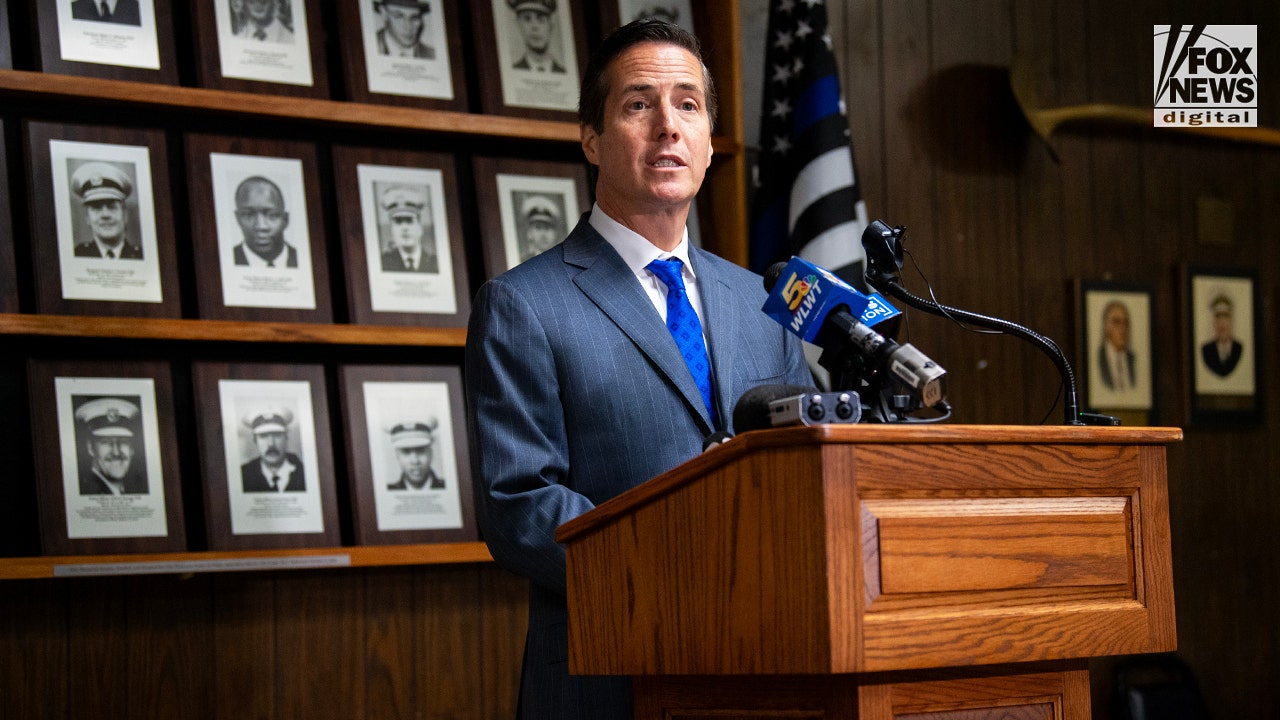
Incoming Senate Republican campaign chairman says the party faces a «very tough» road ahead as the GOP aims to take back their majority in 2028 after taking significant losses in the midterms earlier this month.
Democrats convincingly grabbed control of the Senate and will hold a large 56-44 majority when the new Congress is sworn in at the start of the new year, they also won control of the House and multiple governors’ seats flip from red to blue, as well.
In the Senate, the new split means Republicans will need to flip at least six seats in the 2028 elections to win back the majority. That number rises to seven seats if they lose the White House in the next election cycle.
One senator told Digital that Republicans can «forget 2028.»
«It is an absolutely brutal map,» Ohio Sen. Bernie Moreno, the incoming National Republican Senatorial Committee chair, recently told Digital, as he pointed to the states up for grabs in 2028.
SENATE REPUBLICANS FEAR ‘BRUTAL’ 2028 MAP COULD KEEP DEMOCRATS IN POWER FOR YEARS
But the first term senator from Ohio added that in «politics, things change pretty quickly.»
He’s not kidding.
At the start of the 2026 cycle, the Democrats faced a steep and narrow path to winning back the majority, but by Election Day the party was able to ride a massive blue wave formed by an extremely favorable political climate to flip nine Senate seats .
Senate Majority Leader John Thune, looking ahead to the next election, said in an interview on Fox News’ «America Reports, «We can come back — we will.»
«I’ve been there before, and we just have to get out and win the hearts and minds of the American people,» he added. «And that means coming up with a compelling economic message, talking about secure streets, secure border, safe streets, and in more money in your pocket. I mean, I think those are the things that the American people care the most about.»
Looking ahead to the next two years, when he will be leading the GOP minority in the Senate, Thune said «we now have an opportunity in the minority to draw those bold lines, those contrasts, and make sure that we are delivering a message that connects with the middle of the electorate.»
In 2028, Republicans will need to hold onto seats in battlegrounds Wisconsin and North Carolina, where GOP Sens. Ron Johnson and Ted Budd are up for re-election.
Meanwhile, Republicans will work to flip seats held by Democratic Sens. Mark Kelly of Arizona, John Fetterman of Pennsylvania, Raphael Warnock of Georgia, Catherine Cortez Masto of Nevada, and Maggie Hassan of New Hampshire.
Dem flips key Senate seat in battleground North Carolina as Cooper defeats Trump ally
TRUMP GRIP ON GOP FACES MAJOR POST-ELECTION TEST
Fetterman, who has repeatedly visibly broken with his party and seen his poll numbers among Democrats crater, faces all-but-certain primary challenges if he seeks re-election. Meanwhile, Kelly and Warnock are mulling White House runs in 2028.
Senate showdowns will also be held in 2028 in six states that President Donald Trump carried by double-digits two years ago that become key battlegrounds in this year’s midterms.
Among them are Ohio, where former Democratic Sen. Sherrod Brown won a ticket back to the Senate with a five point victory over appointed GOP Sen. Jon Husted. Brown will fill out the final two years of Vice President JD Vance’s old Senate term, so he’ll face re-election in 2028.
Republicans will be defending seats in four states where Democrats scored Senate flips in this year’s midterms. The four seats are held by GOP Sens. Chuck Grassley of Iowa, Jerry Moran of Kansas, Lisa Murkowski of Alaska, and Tim Scott of South Carolina,
Massive upset: Andrews downs Trump-backed Graham in ruby-red South Carolina
In Florida, appointed Republican Sen. Ashley Moody narrowly defeated progressive Democratic state Rep. Angie Nixon in a special election. Moody, who is filling out Secretary of State Marco Rubio’s old Senate term, will face re-election in two years.
SIGN UP TO GET THE POLITICS NEWSLETTER
Kyle Kondik, managing editor of Sabato’s Crystal Ball at the University of Virginia Center for Politics, which is a leading nonpartisan political handicapper, told Digital Republicans could win the Senate back by flipping six states in 2028 : Arizona, Georgia, Ohio, Nevada, New Hampshire, and Pennsylvania.
Dems seize the Senate as blue tidal wave crashes deep into Trump country, topples GOP strongholds
«Those are five states Trump won state in 2024,» as well as New Hampshire, which then-Vice President Kamala Harris carried by single digits.
«The Democrats just showed that they could win all these double-digit Trump states» in the midterms,» Kondik noted. «The Republicans don’t have to flip any double-digit Harris states to win the Senate back» in 2028.
Kondik also highlighted that there there will be a Senate special election next November, a year ahead of the 2028 showdowns.
That ballot box contest will be held in Minnesota, where Democratic Sen. Amy Klobuchar is about to step down after winning the state’s gubernatorial election. Klobuchar will pick a replacement senator when she steps down, and the state will hold a special contest on Election Day 2027 to choose a successor to fill out the final three years of Klobuchar’s current term.
politics, senate, midterm elections, republicans elections, elections, john thune
INTERNACIONAL
Gobierno de Guatemala actualiza las reglas para administrar fideicomisos públicos y fija un plazo de adaptación hasta 2027
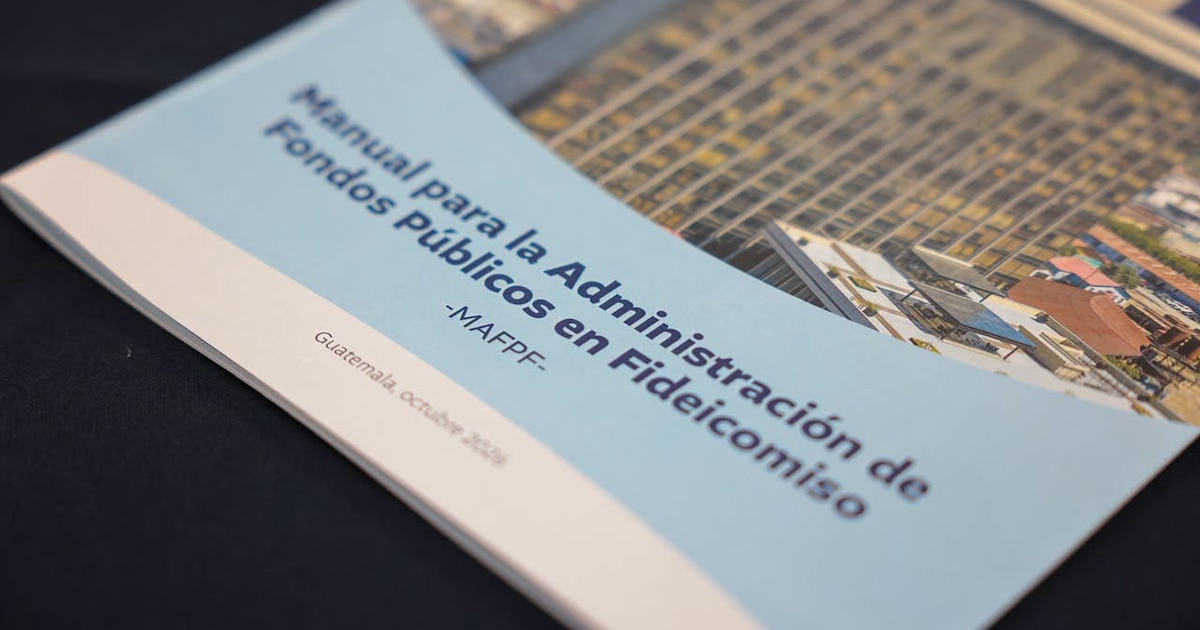
El Ministerio de Finanzas Públicas de Guatemala aprobó el Acuerdo Ministerial 527-2026 para establecer nuevas reglas sobre los fideicomisos que administran recursos estatales, exigir mayores registros contables y financieros, y obligar a las entidades del Organismo Ejecutivo a adecuar sus procedimientos antes del segundo cuatrimestre de 2027, según el Minfin.
La disposición fue emitida el 24 de septiembre y publicada el 5 de octubre de 2026. El manual fue presentado el 18 de noviembre y reemplazó al Acuerdo Ministerial 25-2010-A, que reguló estos mecanismos durante 16 años.
Las nuevas exigencias alcanzan a la Presidencia, los ministerios, las secretarías y otras dependencias del Organismo Ejecutivo que utilicen fideicomisos para ejecutar fondos públicos. También deberán cumplirlas los bancos fiduciarios y las unidades ejecutoras responsables de administrar los recursos.

Tres modalidades y un requisito de ejecución previa
El Manual para la Administración de Fondos Públicos en Fideicomiso diferencia los contratos según el destino de los recursos y las condiciones para recuperarlos: fideicomisos no reembolsables, reembolsables y de garantía. Cada categoría tendrá disposiciones propias sobre registros contables, controles y responsabilidades institucionales.
Los fideicomisos reembolsables deberán incorporar obligaciones específicas para registrar y recuperar cartera. La normativa anterior no contemplaba algunas condiciones de la operación actual de estas figuras financieras, por lo que el nuevo instrumento ordena los procedimientos desde el traslado de recursos hasta el cierre de cada contrato.
Las entidades deberán demostrar una ejecución mínima del 75% de los fondos recibidos antes de solicitar nuevos anticipos. El requisito vincula la entrega de recursos adicionales con el avance de la ejecución presupuestaria.
Las unidades ejecutoras asumirán tareas de actualización de registros sobre ingresos y operaciones. También deberán cumplir los procedimientos que defina la Dirección de Fideicomisos del Minfin y mantener información actualizada sobre el dinero administrado bajo esta modalidad.
Los intereses generados por esos recursos deberán incorporarse a los sistemas institucionales. El registro permitirá seguir el movimiento financiero de cada contrato, incluidos los saldos disponibles y las obligaciones pendientes.

Información centralizada y reglas para el cierre de contratos
Los fideicomisos que reciban transferencias del Presupuesto General de Ingresos y Egresos del Estado tendrán un tratamiento particular. Aunque estarán parcialmente exceptuados de ciertas disposiciones, deberán enviar información periódica a la Dirección de Fideicomisos mediante herramientas informáticas.
La concentración de esos datos en la dependencia financiera permitirá al ministerio revisar la ejecución de los fondos que operan fuera del esquema presupuestario ordinario. Las entidades tendrán que identificar además a los funcionarios y unidades encargados de cumplir las obligaciones administrativas, financieras y contables.
Los fideicomisos constituidos después de la entrada en vigencia del acuerdo deberán incluir cláusulas que obliguen al cumplimiento del manual. La regulación incorpora también procedimientos para su liquidación y extinción, con reglas para definir el destino de los saldos, concluir obligaciones pendientes y registrar la finalización de los contratos ante las autoridades competentes.
El director de Fideicomisos, Miguel García, afirmó que la actualización permitirá regularizar los registros contables y ampliar los controles sobre la ejecución de recursos. El funcionario sostuvo que las disposiciones apuntan a fortalecer la rendición de cuentas de las entidades responsables.
El viceministro de Ingresos y Evaluación Fiscal, Wilberto Rojas, señaló que el manual constituye una primera etapa de una revisión más amplia sobre los fideicomisos públicos. El Minfin prevé desarrollar reglas para todo el ciclo de estos contratos, desde su constitución hasta su liquidación.
La cartera financiera inició capacitaciones y prevé brindar acompañamiento técnico a las instituciones obligadas. Durante el período de adecuación, las entidades deberán revisar los fideicomisos vigentes, actualizar sus sistemas de información y definir las responsabilidades de los funcionarios que intervienen en cada operación.
Guatemala,Ministerio de Finanzas Públicas,fideicomiso,fondos públicos
INTERNACIONAL
Los últimos momentos con vida de la influencer dominicana Melissa Medina: ¿Qué pasó en 84 minutos antes de morir repentinamente?
La madrugada transcurrió entre el silencio de los pasillos de la torre Arpel 07 y el registro ininterrumpido de las cámaras de seguridad. Ese rastro audiovisual, pieza central de la investigación que hoy conducen la Policía Nacional y el Ministerio Público, reconstruye paso a paso las últimas horas con vida de Melissa Medina, una joven de 22 años empresaria e influencer.
Todo comenzó pasadas las dos de la madrugada del martes 17 de noviembre. Según las grabaciones recopiladas por los investigadores y presentadas por el vocero policial, coronel Diego Pesqueira, a las 2:06 a. m. ingresó al edificio Mariana Michelena, una joven venezolana de 21 años que acompañaría a Melissa durante aquella jornada.
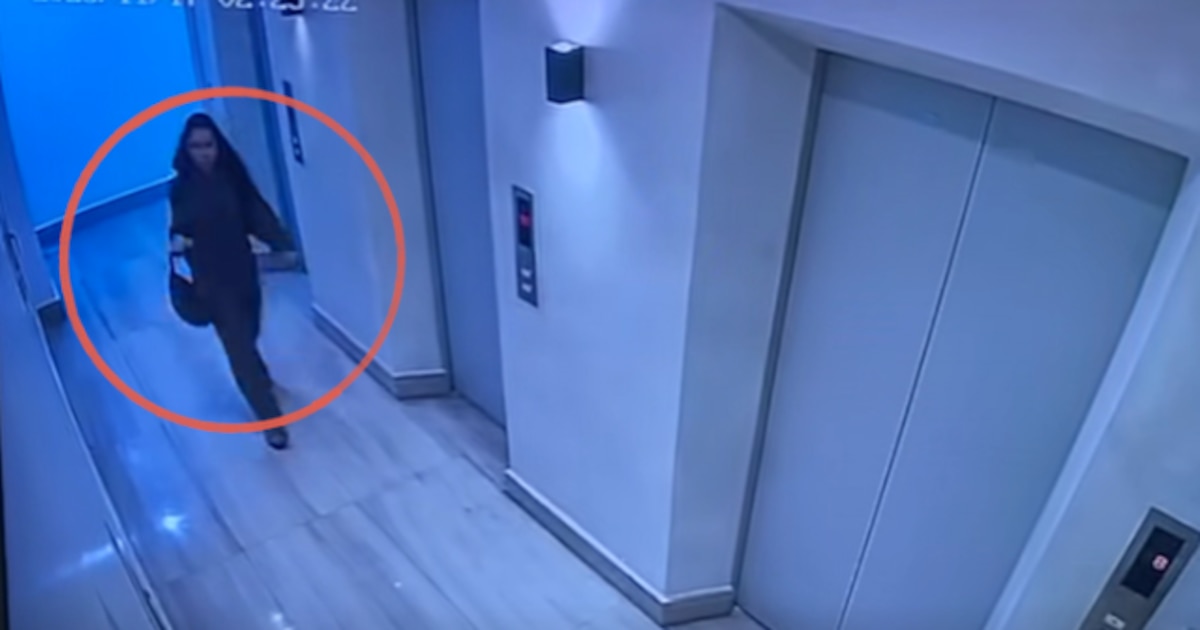
Diecinueve minutos más tarde, a las 2:25 a. m., las cámaras captaron la llegada de Medina. Entró al inmueble caminando por sus propios medios, con vida y sin señales visibles de alerta, sin imaginar que aquellas imágenes se convertirían en el último registro de su ingreso al lugar.
Durante las siguientes dos horas, el movimiento en los accesos principales pareció detenerse, hasta que a las 4:26 a. m. el lente de vigilancia volvió a encuadrar una presencia clave: el empresario Eliezer Salvador arribó a la torre residencial y subió al apartamento donde se encontraban ambas jóvenes.
No obstante, según la versión de Michelena, Salvador fue el primero en llegar a la habitación y volvió a salir alrededor de las 4:15 de la madrugada, pero regresó nuevamente al lugar. Lo ocurrido detrás de esa puerta durante los 84 minutos antes constituye hoy el principal enigma que intentan despejar los peritos y fiscales.
El reloj marcó las 5:50 a. m. cuando la escena dio un giro dramático. Las cámaras de seguridad registraron el momento en que Melissa abandonaba el apartamento, pero ya no lo hacía por sí sola. Inconsciente y sin capacidad de sostenerse, la joven era cargada y sostenida por Mariana Michelena y Eliezer Salvador mientras descendían hacia el lobby del edificio. El trayecto por el vestíbulo reflejaba la urgencia de un traslado improvisado en medio de las primeras luces del día.
21 minutos después, a las 6:11 a. m., otro video que posteriormente comenzó a circular en redes sociales documentó la llegada de Melissa a un centro médico. El esfuerzo por reanimarla resultó infructuoso: el personal de salud que la recibió certificó que la joven había llegado sin signos vitales. En apenas tres horas y cuarenta y seis minutos desde su entrada a la torre Arpel 07, su vida se había apagado.
Una investigación científica sin personas detenidas
Hasta el momento, el caso se mantiene en una fase estrictamente técnico-pericial y no hay personas capturadas ni imputadas formalmente por el fallecimiento. El coronel Diego Pesqueira explicó este viernes 20 de noviembre que la Policía Nacional ha tomado entrevistas a dos personas clave: a Mariana Michelena, testigo presencial de las horas previas, y al vigilante de seguridad de la torre Arpel 07, cuya identidad permanece bajo reserva para proteger el curso de las indagatorias.
En cuanto al empresario Eliezer Salvador, cuya presencia en el apartamento quedó plenamente confirmada por los videos de vigilancia, las autoridades precisaron que aún no ha sido entrevistado directamente por los agentes investigadores, aunque se confirmó que ya se ha establecido contacto a través de su representante legal. Su estatus jurídico, al igual que el rumbo procesal del expediente, depende por completo de lo que determinen los exámenes médicos.
Mientras los investigadores reconstruyen cada lapso de tiempo entre las 2:25 y las 6:11 de la mañana, la fiscal del Distrito Nacional, Rosalba Ramos, ofreció un primer adelanto técnico sobre el estado del cuerpo. De acuerdo con los hallazgos preliminares del Instituto Nacional de Ciencias Forenses (Inacif), el deceso de Melissa Medina apunta a una falla cardíaca.
Sin embargo, el Ministerio Público y la Policía Nacional han sido enfáticos en señalar que ese dato inicial no cierra el caso. Las autoridades aguardan los resultados definitivos y toxicológicos de Patología Forense para establecer qué provocó exactamente ese fallo cardiorrespiratorio y descartar o confirmar la intervención de terceros o el consumo de alguna sustancia.
Solo cuando ese informe científico llegue a manos de los fiscales se definirán las próximas acciones legales en torno a una madrugada que aún guarda demasiadas preguntas.

Republicans face ‘brutal’ 2028 Senate map after Dems 2026 blue wave

FBI Ten Most Wanted cartel leader ‘Chapo Isidro’ captured by Mexico’s ‘elite military forces’ after US help

Defensa y Justicia y Barracas se enfrentan por un lugar en los cuartos de final del Torneo Clausura

Malvinas: el gobernador de Tucumán le entregó al canciller Pablo Quirno un documento inédito de 1833 sobre la usurpación británica

Gobierno de Guatemala actualiza las reglas para administrar fideicomisos públicos y fija un plazo de adaptación hasta 2027

Las acciones de Anthropic empezaron a cotizar en Wall Street: subieron 17% después de una salida récord a la bolsa

Javier Milei y sus medidas, en vivo: “Hoy discutimos si crecemos un punto más o menos”, dijo el Presidente

Javier Milei destacó el desembarco de Tesla en el país y aseguró: “Esto también es devolverle la libertad a los argentinos”

El Gobierno rechazó las actividades de la princesa Ana, hermana del rey Carlos III, en las Islas Malvinas

El brote de ébola está fuera de control en la República Democrática del Congo y crece el temor a una epidemia continental

 POLITICA3 días ago
Javier Milei y sus medidas, en vivo: “Hoy discutimos si crecemos un punto más o menos”, dijo el Presidente
- POLITICA18 horas ago
Javier Milei destacó el desembarco de Tesla en el país y aseguró: “Esto también es devolverle la libertad a los argentinos”
- INTERNACIONAL2 días ago
El brote de ébola está fuera de control en la República Democrática del Congo y crece el temor a una epidemia continental