INTERNACIONAL
Trump says Sen Cornyn is doing a ‘tremendous disservice’ by blocking Texas judicial pick

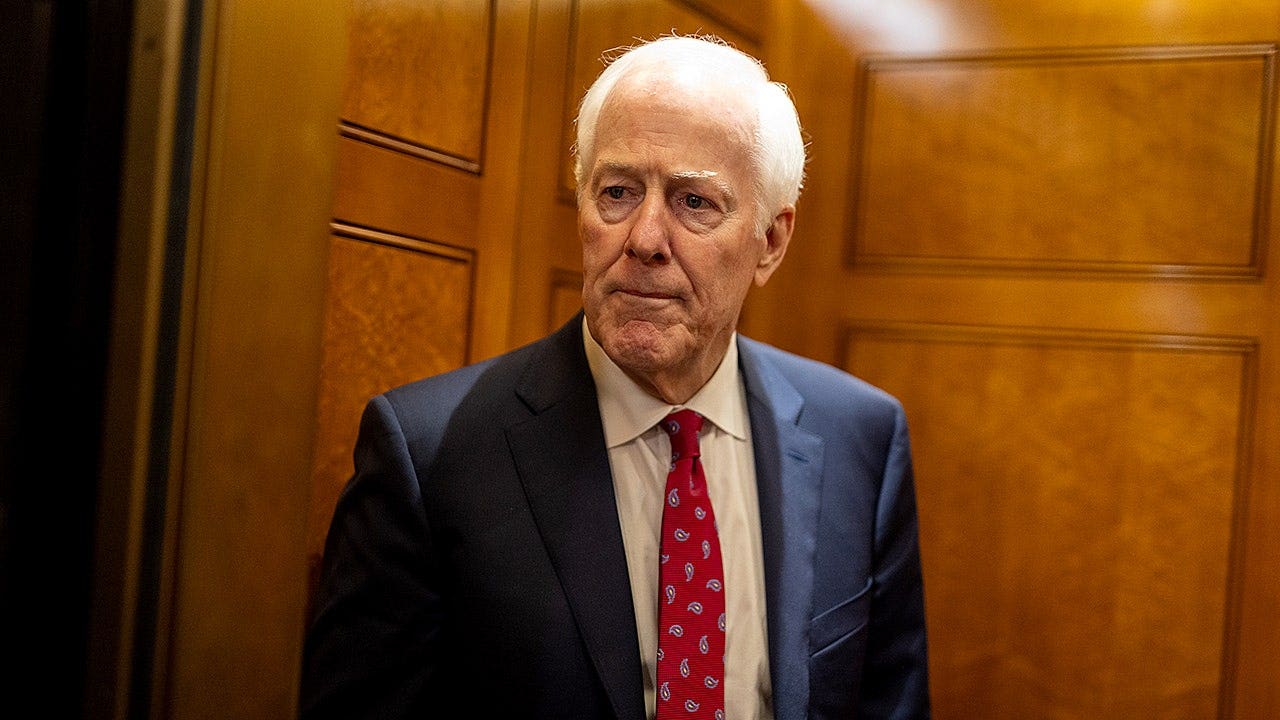
President Donald Trump told Fox News’ «Saturday in America» that outgoing Texas Sen. John Cornyn is doing a «tremendous disservice» by blocking his pick to fill a judicial seat in Dallas.
The president said, «We’re going to have a radical left lunatic get in there and we don’t want that.»
Trump’s comments come after Cornyn told The Associated Press he has no intention of returning the «blue slip» for T. Elliot Gaiser, a Department of Justice senior lawyer who was nominated by the president to the U.S. District Court for the Northern District of Texas.
The blue slip tradition allows for home state senators to weigh in on judicial nominees, giving them a say on who does and doesn’t move forward. Returning a blue slip is the equivalent of giving a thumbs up to the nominees moving forward, while keeping the slip effectively blocks the process.
«Everybody tells me he’s outstanding and he’s being held up by John Cornyn because John Cornyn’s feelings were hurt,» said Trump, who endorsed Cornyn’s challenger Ken Paxton in the Texas Republican Senate primary.
TRUMP TAKES AIM AT SENATE ‘BLUE SLIP’ TRADITION AS GOP RESISTS CHANGE
«And by the way, John Cornyn would have lost. It was just a point in time. John Cornyn would have lost by a lot. You know, one of those things. But he was beaten in the primary. And he’s – he feels badly about it,» the president continued.
«He’s a nice guy, John Cornyn, but he’s doing a tremendous disservice because Gaiser is fantastic,» Trump added.
Cornyn wrote on X later Saturday, «If President Trump wanted to fill a judicial vacancy in Dallas, why did he wait until after the midterms to nominate someone?
«The seat has been vacant since 2025. Then, without any consultation, he nominates a non-Texan with little connection to the Lone Star State, with no trial court experience, and who has not been appropriately vetted for a lifetime job. The Senate has a constitutional responsibility to provide ‘advise and consent,’ which is impossible without consultation,» Cornyn added.
«Still, I would like to work with the President to fill the seat while we still have a Senate majority. I have forwarded an outstanding candidate who was highly rated by Senator Cruz’s and my bipartisan Federal Judicial Evaluation Committee, and who has now been interviewed by White House Counsel. All that is needed is an FBI background check with they stand ready to do on a timely basis,» Cornyn also said. «Back to you, Mr. President. Time is of the essence.»
CORNYN MEETS WITH SEN-ELECT TALARICO, DESCRIBES HIM AS ‘BASICALLY … A GOOD PERSON’
Sen. Ted Cruz, R-Texas, called Cornyn’s move «really frustrating,» describing to Fox News’ «Saturday in America» a tense encounter he had with Cornyn this week in Washington.
«I came to him on the Senate floor, and I asked him to please let this judge go. And I tried to make the case on the merits that he’d make a fantastic judge. And I asked him, ‘Will you just meet with him?’ Because Cornyn refused even to meet with him,» Cruz said.
«He wouldn’t talk to him. He just said, ‘no, no, no.’ And I was asking him, I said, ‘Look, you’re going to give this seat to the Democrats. Why would you want to do that?’ And unfortunately, he got very angry. He began screaming. He began cursing at me,» Cruz added.
Cruz said, following the Republican losses in the midterm elections, «all the Republicans agreed, let’s do everything humanly possible to confirm every judge we can before the end of the year, because we know the Democrats are going to come in January, and I expect they’re going to block all judicial confirmations.»
TRUMP’S SUPREME COURT MAJORITY FACES LOOMING THREAT AFTER DEM SENATE TAKEOVER: ‘STUCK’
«We had two vacancies in Texas, one in Austin that we’re moving forward with. And we’ll have that judge confirmed by the end of the year. We had a second vacancy in Dallas, and the problem was that we did not have time to have a brand new nominee go through the paperwork, the FBI background check,» Cruz told Fox News. «That takes weeks and weeks and weeks, and we simply didn’t have time between now and the end of the year to get that done. And so the White House proposed a different idea, which is to go with a senior lawyer at the Department of Justice, a man named Eliot Gaiser, an incredibly qualified judicial nominee.
«This is someone who was a law clerk at the U.S. Supreme Court for Justice Sam Alito. He was a state solicitor general arguing cases before the United States Supreme Court,» Cruz said. «And he’s right now the head of the Office of Legal Counsel, which is the senior constitutional advisor to the president and the senior constitutional advisor to the attorney general.»
Cruz also told he interviewed Gaiser and called him «incredibly principled, smart, capable, ready.»
Cruz added, Gaiser «was a fantastic nomination. I was enthusiastic. Unfortunately, my colleague John Cornyn decided to block the nomination and any one senator can block a district court nomination from your state.
«And so Cornyn did what’s called — he refused to return the blue slip, which basically means he vetoed it — and the result of that is the seat is going to remain vacant. The people of Dallas are not going to have a judge in that seat. And he basically gave the seat to the Democrats,» Cruz said.
Digital’s Alex Miller contributed to this report.
donald trump, texas, judiciary, senate, ted cruz, politics








Top Democratic voices criticize Trump over Putin-Xi summit in China
Steve Yates defends President Donald Trump’s meetings with Vladimir Putin and Xi Jinping following criticism. Yates outlines the strategic value of maintaining communication lines between the three global leaders, arguing that dialogue is essential to national security. The discussion follows comments from Secretary of State Marco Rubio, who defended the historic summit.
NEWYou can now listen to Fox News articles!
A Russian strike on Volodymyr Zelenskyy’s hometown, Kryvyi Rih, killed two people and wounded 58 others, the Ukrainian leader said Saturday.
A 7-year-old boy and a 20-year-old woman were killed in the attack Friday night in the central Ukraine town, according to Oleksandr Vilkul, the head of the city administration.
Zelenkskyy said in a social media post the woman was an emergency medical worker and the boy was named Tykhon.
PUTIN LAUNCHES UKRAINE BARRAGE HOURS AFTER TRUMP MEETING AMID ALLEGED RUSSIAN MISSILE BREACH OF NATO AIRSPACE
«He was born in 2019, and, sadly, most of his life was lived during a war like this. And the Russians took his life with their strike. My condolences to their families and loved ones,» Zelenkskyy said.
Ukrainian President Volodymyr Zelensky speaks at a press conference following a phone conversation with U.S. President Donald Trump in Kyiv, Ukraine, on May 19, 2025. The two leaders discussed bilateral relations and regional developments. (Photo by Danylo Antoniuk/Anadolu via Getty Images) (Danylo Antoniuk/Anadolu via Getty Images)
On top of the civilian deaths and injuries, the strike sparked four fires and damaged roughly 25 apartment buildings, along with a hospital, schools, an industrial facility, businesses and vehicles.
RUSSIA’S PUTIN VOWS A RESPONSE ‘FAR MORE PAINFUL’ AFTER UKRAINE ATTACKS PRIZED BRIDGE IN CRIMEA
Zelenkskyy claimed that the Russian strike hit an area of the city with no military targets.
«The strike hit an ordinary civilian area of the city – there are no military facilities nearby, and there never have been,» he wrote, adding, «Russia is waging war against life, and there can be NO justification for this.»
TRUMP WILL FACE REPORTERS AFTER HISTORIC XI-PUTIN TALKS AS WAR QUESTIONS LINGER
The Ukrainian leader later commented on President Donald Trump’s recent trilateral meeting with Chinese President Xi Jinping and Russian President Vladimir Putin.
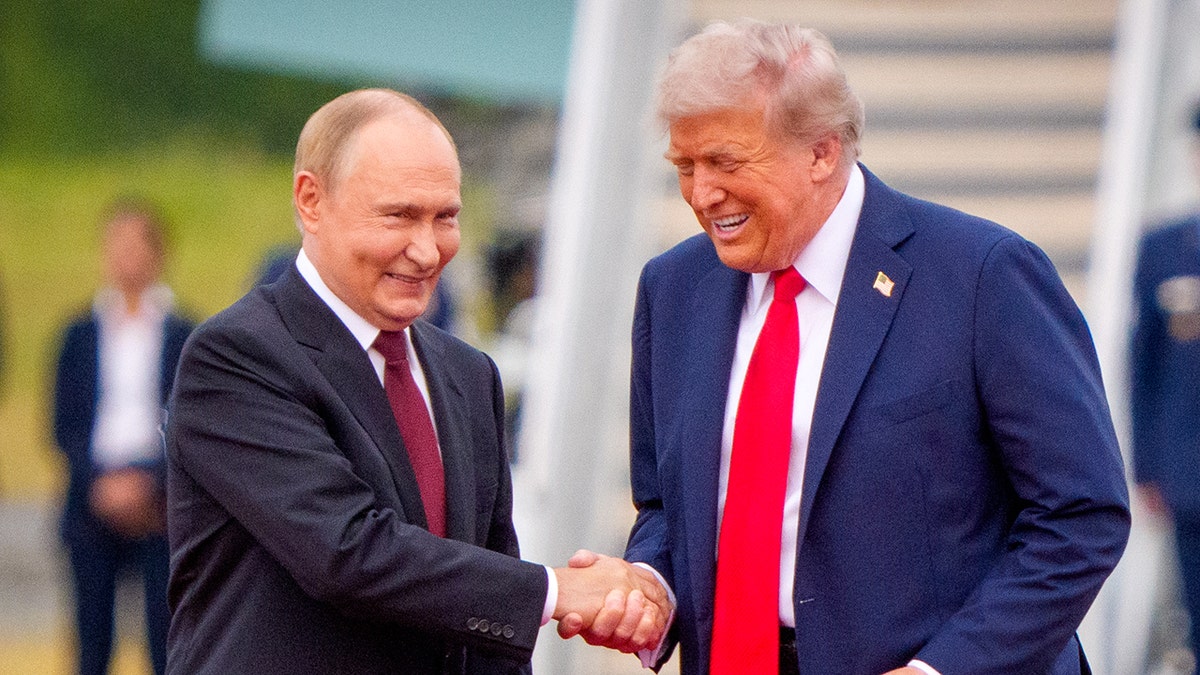
President Donald Trump greets Russian President Vladimir Putin as he arrives at Joint Base Elmendorf-Richardson in Anchorage, Alaska on Aug. 15. Trump has been briefed on a peace plan for ending the Russia-Ukraine war. (Andrew Harnik/Getty Images)
«Putin didn’t get his ‘Yalta 2,’» Zelenskyy wrote, referring to the famed 1945 Yalta Conference between former U.S. President Franklin D. Roosevelt, British Prime Minister Winston Churchill, and Soviet Premier Joseph Stalin.
TRUMP’S PROPOSED RUSSIA DEAL RAISES NATO ALARM AS EX-COMMANDER WARNS PUTIN SEEKS INFLUENCE OVER EUROPE
«As far as I understand, he recently commented: ‘What’s wrong with Yalta? Those were the victories over Nazism, over fascism, and so on, that were sealed there.’ First of all, indeed, this was no Yalta. Did Putin want a real Yalta? Yes. In the sense of carving up the world and changing borders. China didn’t let itself be drawn into it. I don’t know what happened between the United States and Russia in their bilateral, but Ukraine wasn’t discussed. Nothing came out publicly. So the redrawing of borders didn’t happen,» Zelenskyy wrote.
«If there really was an intention to reaffirm the victory over fascism now, then the participants at this summit would have to be the United States, Europe, and Ukraine. Definitely not Russia. I think this trilateral summit turned out very badly for Russia. Not only did Putin fail to get the results he wanted, but we also saw his reaction.
«And, unfortunately, we saw that reaction in Ukraine. There was a massive attack that night – 111 missiles. If Putin wanted to remind the world once again who he is, there was no need – we haven’t forgotten that he’s a terrorist and a killer,» his X post continued.
UKRAINE HITS PUTIN’S PRIZED BRIDGE IN RECORD DRONE BLITZ AS KREMLIN TELLS LAWMAKERS TO PREPARE FOR ‘VICTORY’

US President Donald Trump shakes hands with Russian President Vladimir Putin as China’s President Xi Jinping stands beside, before the welcome banquet at the Asia-Pacific Economic Cooperation (APEC) summit in Shenzhen, Guangdong province, southern China, Nov. 18, 2026. (Iori Sagisawa/Pool via Reuters)
The strike on Zelenskyy’s hometown is far from uncommon, with periodic Russian attacks targeting the industrial steel town dozens of times since the start of the war in 2022.
The incident also occurred as a Russian ship was struck by drones on Saturday, causing it to catch fire in the Gulf of Finland.
The Russian-flagged Sparta II was struck by a drone shortly before 9 a.m. local time, according to Finnish Coast Guard Commander Mikko Simola.

The damaged Russian cargo ship Sparta II, in a location given as the Gulf of Finland, November 21, 2026. (FINNISH BORDER GUARD/Handout via REUTERS)
«Generally it should be noted that it is known that this Sparta II vessel has been used for transports for the Russian state, including the armed forces,» Simola said.
As a result of its damage, the craft entered Finnish territorial waters. Simola also noted that Finland believed a Russian helicopter crossed Finland’s sovereign borders as well.
Finnish officials believe that Ukraine was behind the attack.
«It is likely that Ukraine … is behind (the attack),» Finnish armed forces spokesperson Aki-Mauri Huhtinen said.
Reuters contributed to this report.
world, ukraine, volodymyr zelenskyy, russia, foreign affairs, geopolitics, wars, bombings
INTERNACIONAL
El Niño: un estudio argentino detectó patrones que vinculan su ciclo con el movimiento de la Tierra
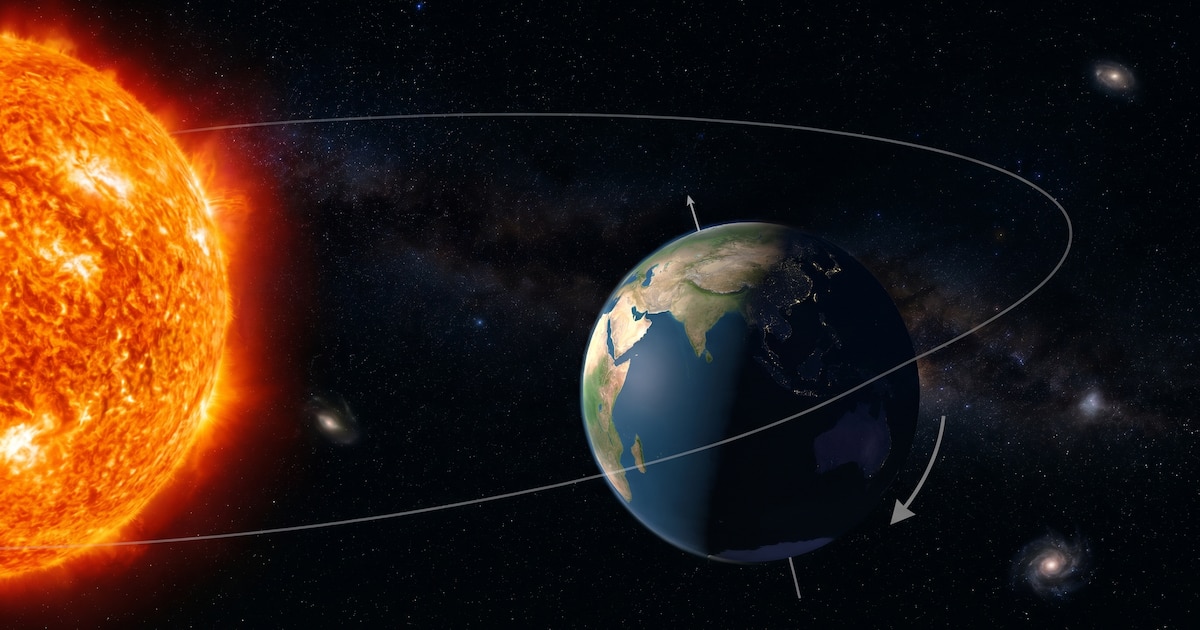
El Niño vuelve una y otra vez al Pacífico tropical, pero no sigue un calendario fijo. Algunas fases cálidas aparecen luego de dos o tres años; otras demoran más tiempo. Esa irregularidad vuelve compleja la tarea de anticipar sus efectos sobre las lluvias, las sequías, las temperaturas y actividades como la agricultura, la generación de energía o la gestión del agua.
Una investigación desarrollada en Argentina planteó una mirada complementaria sobre esa recurrencia. El estudio detectó escalas temporales comunes entre la variabilidad de El Niño-La Niña y dos descriptores del estado orbital Tierra-Sol, a partir de registros correspondientes al período 1948-2025.
La investigación no sostiene que la órbita terrestre cause cada episodio de El Niño, sino que propone examinar si ciertas configuraciones astronómicas de evolución lenta guardan relación con la organización temporal de ese sistema climático.
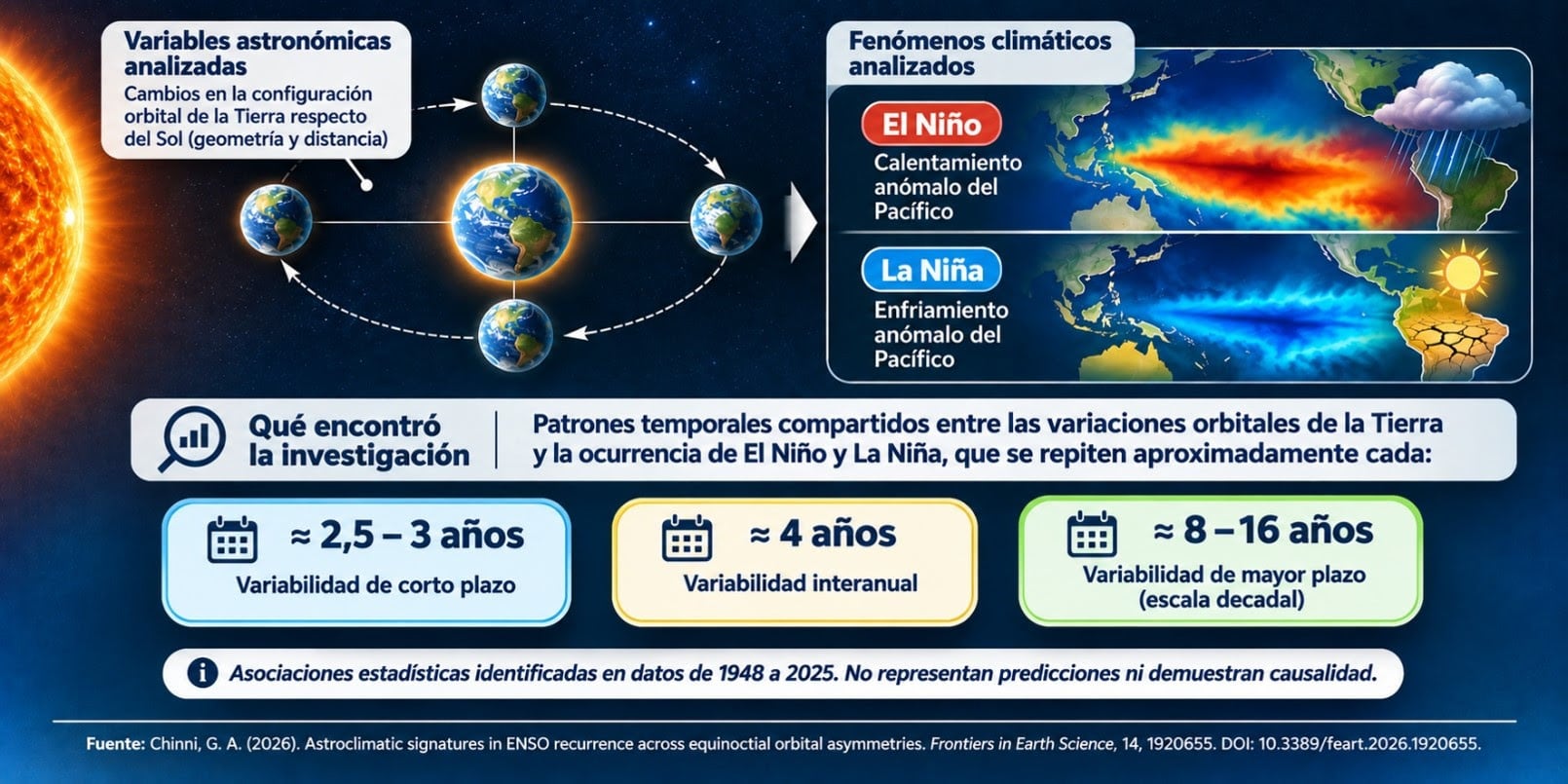
El trabajo pertenece a Guillermo A. Chinni, docente e investigador de la Facultad de Ingeniería de la Universidad Austral y de la Universidad del Salvador. El artículo se publicó el 11 de noviembre de este año en Frontiers in Earth Science. Su enfoque se inscribe en la astroclimatología, un área que analiza posibles conexiones entre variables astronómicas y procesos que ocurren en el clima de la Tierra.
La investigación tomó como referencia la variabilidad de El Niño-Oscilación del Sur, conocido como ENSO por su sigla en inglés. Este sistema incluye dos fases principales: El Niño, asociado con un calentamiento anómalo de las aguas superficiales del Pacífico ecuatorial central y oriental, y La Niña, vinculada con un enfriamiento de esa región. Ambas alteran la circulación de la atmósfera y pueden modificar los patrones de precipitaciones y temperatura a escala global.
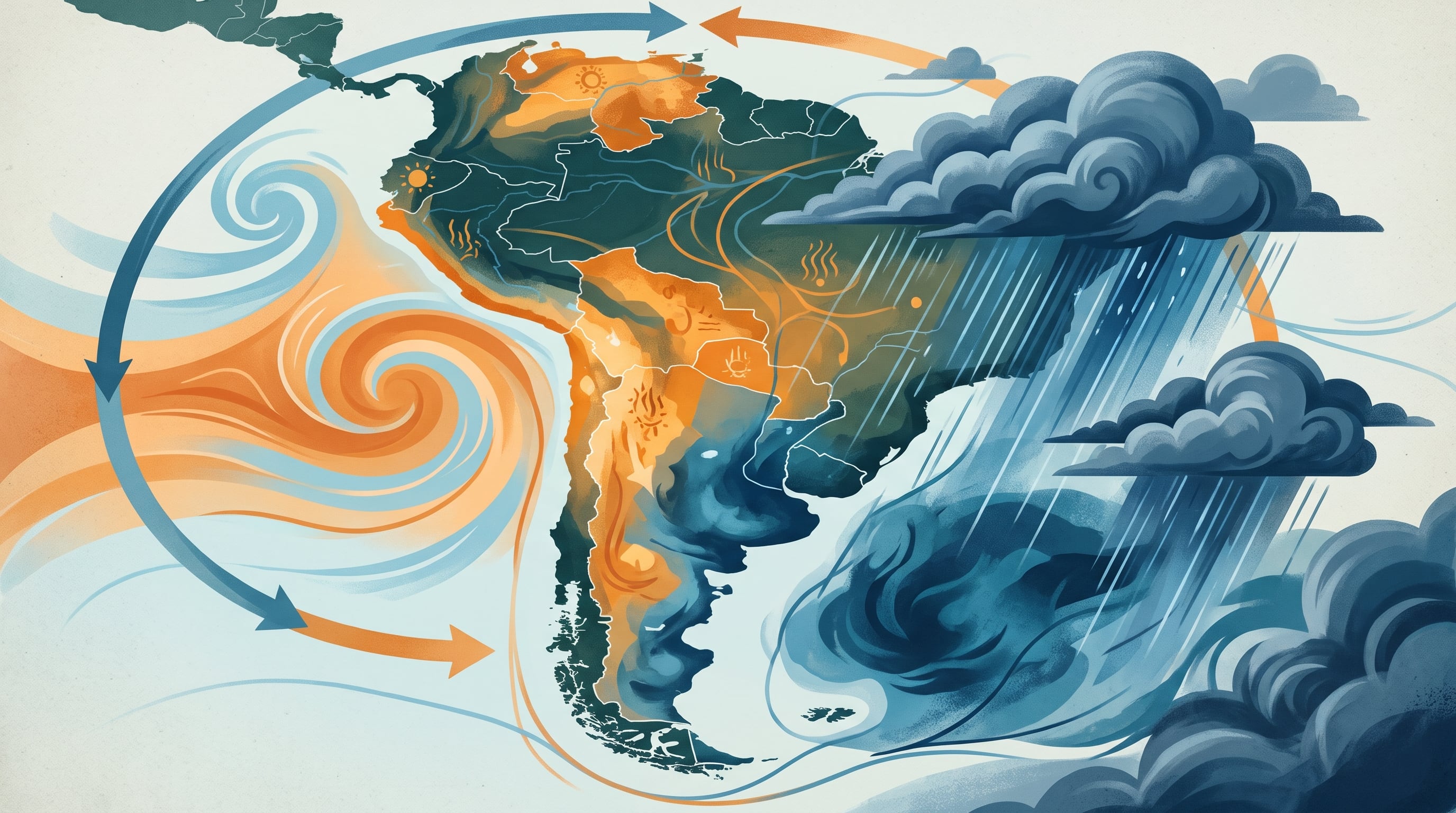
En Argentina, los cambios de ENSO tienen una importancia directa. Durante fases de El Niño aumenta la probabilidad de lluvias superiores a lo habitual en áreas del centro y noreste, mientras que La Niña suele relacionarse con condiciones más secas en regiones productivas. Esas asociaciones no operan de manera automática, porque intervienen otros factores oceánicos y atmosféricos, además de las particularidades de cada estación.
El trabajo utilizó series anuales del índice BEST ENSO, una referencia para seguir la evolución del fenómeno, junto con información astronómica derivada de efemérides. Ese material permitió comparar la dinámica climática con dos indicadores que representan rasgos específicos de la relación entre la Tierra y el Sol. La pregunta central fue si ambas series mostraban ciclos similares, aun cuando procedieran de sistemas físicos distintos.
Uno de esos indicadores recibió el nombre de ΔLP. El descriptor representa la geometría orbital Tierra-Sol en evolución y combina dos elementos: la declinación solar y la distancia entre nuestro planeta y el Sol. La declinación solar expresa la posición aparente del astro con respecto al ecuador terrestre, mientras que la distancia Tierra-Sol cambia a lo largo del recorrido anual de la Tierra.
El segundo indicador, denominado Fi, representa la fuerza gravitatoria newtoniana entre la Tierra y el Sol. Su valor depende de la distancia que separa a ambos cuerpos y sigue una relación inversa al cuadrado de esa distancia, expresada como 1/d². A menor separación, la fuerza aumenta; a mayor distancia, disminuye. El estudio no plantea que esas variaciones produzcan por sí mismas los cambios oceánicos de El Niño, sino que las considera descriptores orbitales susceptibles de comparación con ENSO.
Cuatro métodos buscaron señales comunes en 78 años de observaciones
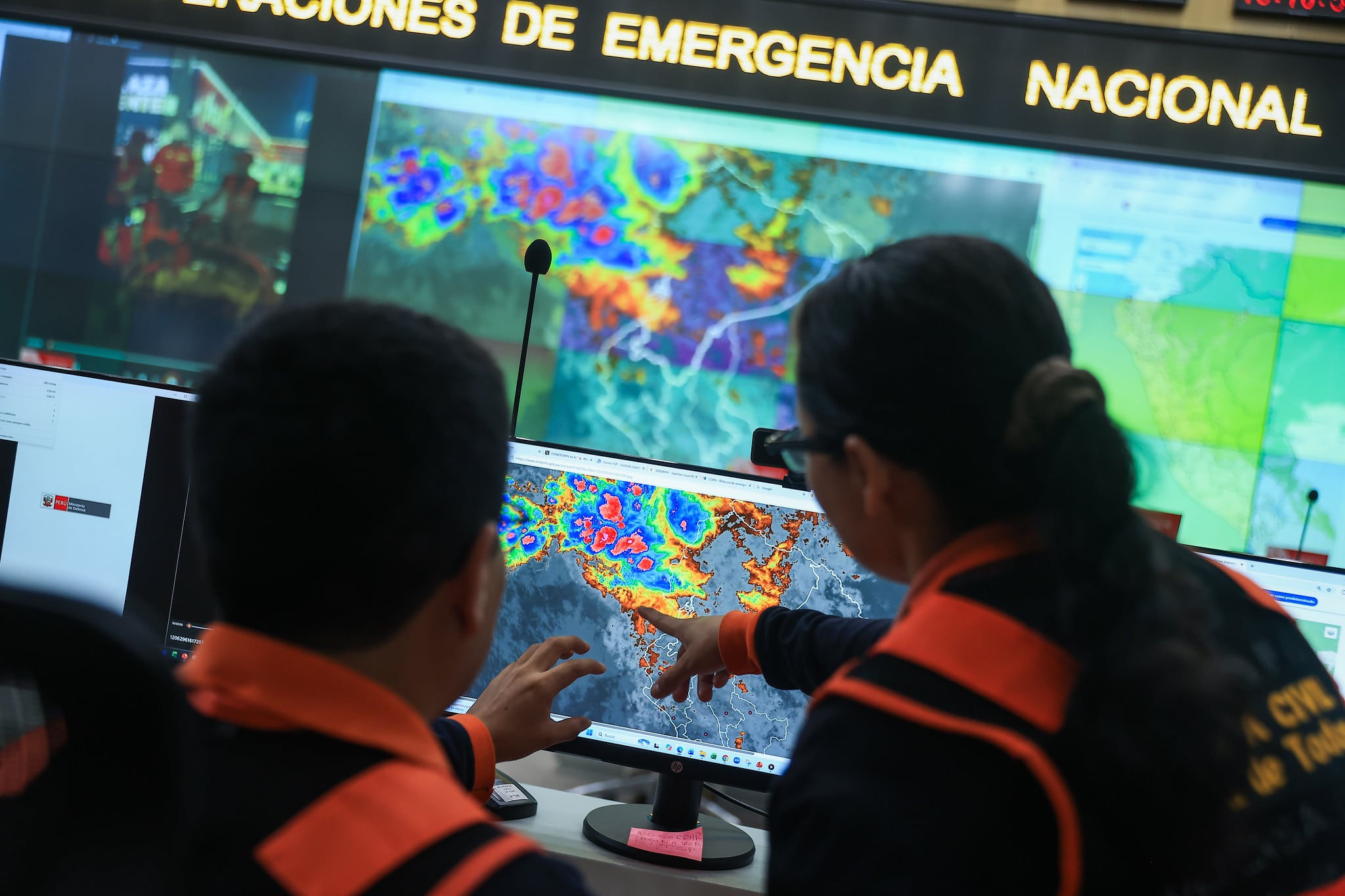
El análisis no se limitó a una comparación visual de curvas. La investigación combinó Análisis de Espectro Singular, Teoría de la Información y coherencia de ondículas parcial y múltiple. El uso de varios métodos permitió revisar si los ritmos detectados aparecían de forma consistente desde distintos enfoques matemáticos.
La Teoría de la Información aportó herramientas para evaluar dependencias más complejas que una correlación lineal. Dos variables pueden mantener una relación sin que sus cambios resulten proporcionales. Por ejemplo, un movimiento pequeño en una serie no exige una respuesta equivalente en la otra. Ese tipo de vínculos exige métodos capaces de detectar estructuras no lineales.
La expresión temporal de las señales no fue estacionaria: los ciclos no conservaron una presencia constante, ni mostraron la misma fuerza a lo largo de las casi ocho décadas estudiadas.
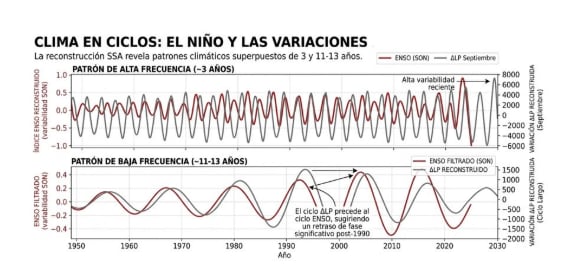
Esa característica impide interpretar los resultados como una fórmula para fechar el próximo evento. El Niño y La Niña forman parte de un sistema acoplado entre océano y atmósfera, donde intervienen los vientos alisios, las temperaturas subsuperficiales del Pacífico, las nubes, el nivel del mar y el intercambio de energía entre el agua y el aire. Cada episodio responde a esa interacción y puede diferir de los anteriores.
Por eso, el estudio plantea una relación de organización temporal, no una causalidad demostrada. Que dos registros compartan frecuencias no prueba que uno gobierne al otro.
La hipótesis requerirá nuevas observaciones, series más extensas y simulaciones climáticas que permitan investigar si las configuraciones orbitales se reflejan en procesos físicos del océano, en particular en las capas subsuperficiales ligadas a la dinámica de El Niño.
La continuidad hacia 2030 funciona como una hipótesis, no como un pronóstico
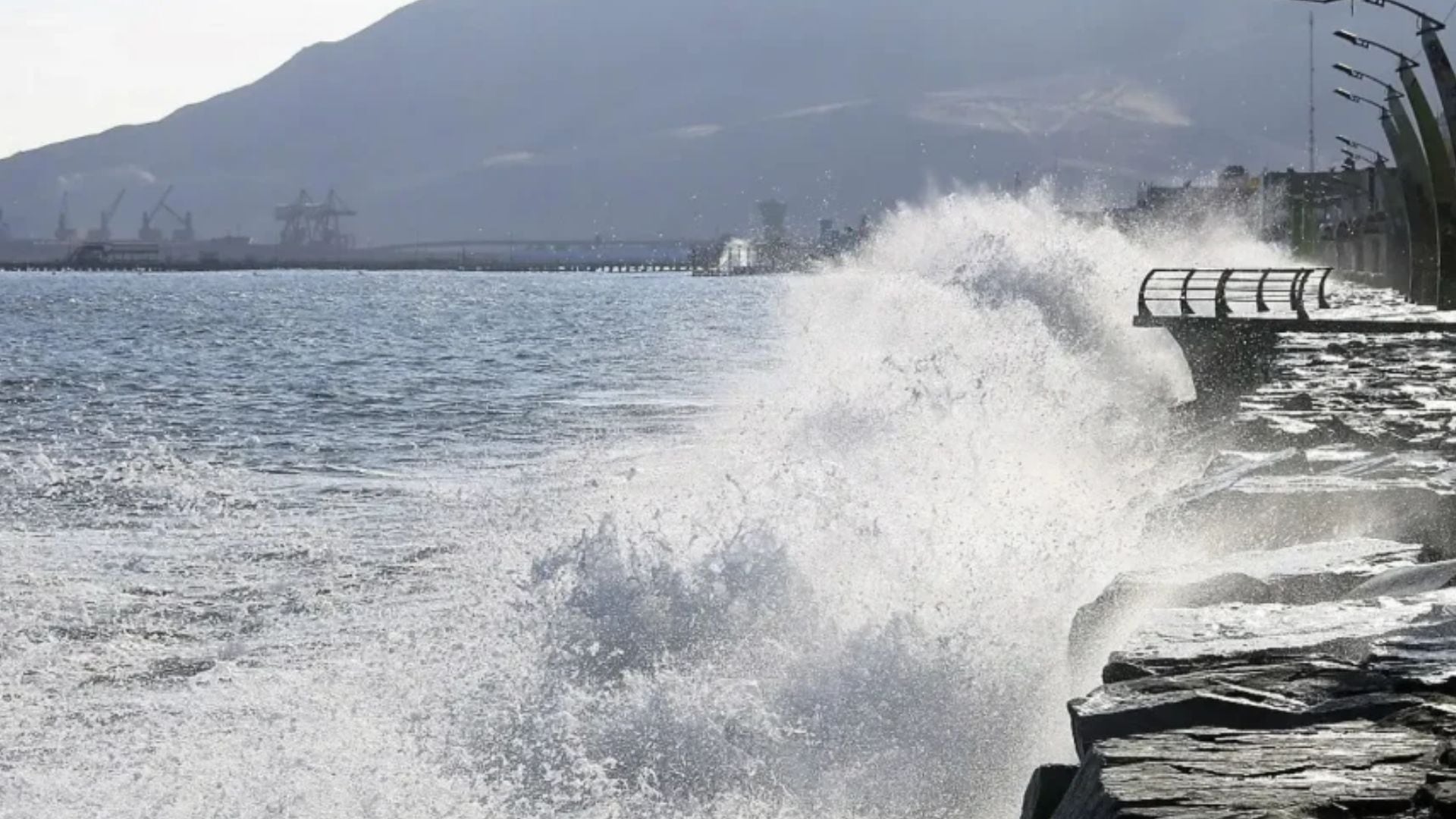
Los componentes de baja frecuencia reconstruidos mostraron una convergencia hacia una fase positiva común cerca del final del registro, alrededor de 2025. Esa coincidencia apareció tanto en el índice BEST ENSO como en los descriptores ΔLP y Fi. En la serie histórica analizada, configuraciones similares se asociaron con intervalos de organización climática semejante a El Niño.
Los descriptores orbitales presentan una ventaja metodológica: derivan de efemérides astronómicas deterministas.
Su evolución futura puede calcularse con la misma metodología aplicada al tramo 1948-2025, sin depender de mediciones futuras del océano. Esa posibilidad permitió extender las reconstrucciones más allá del período observado y evaluar la continuidad de la fase de baja frecuencia.
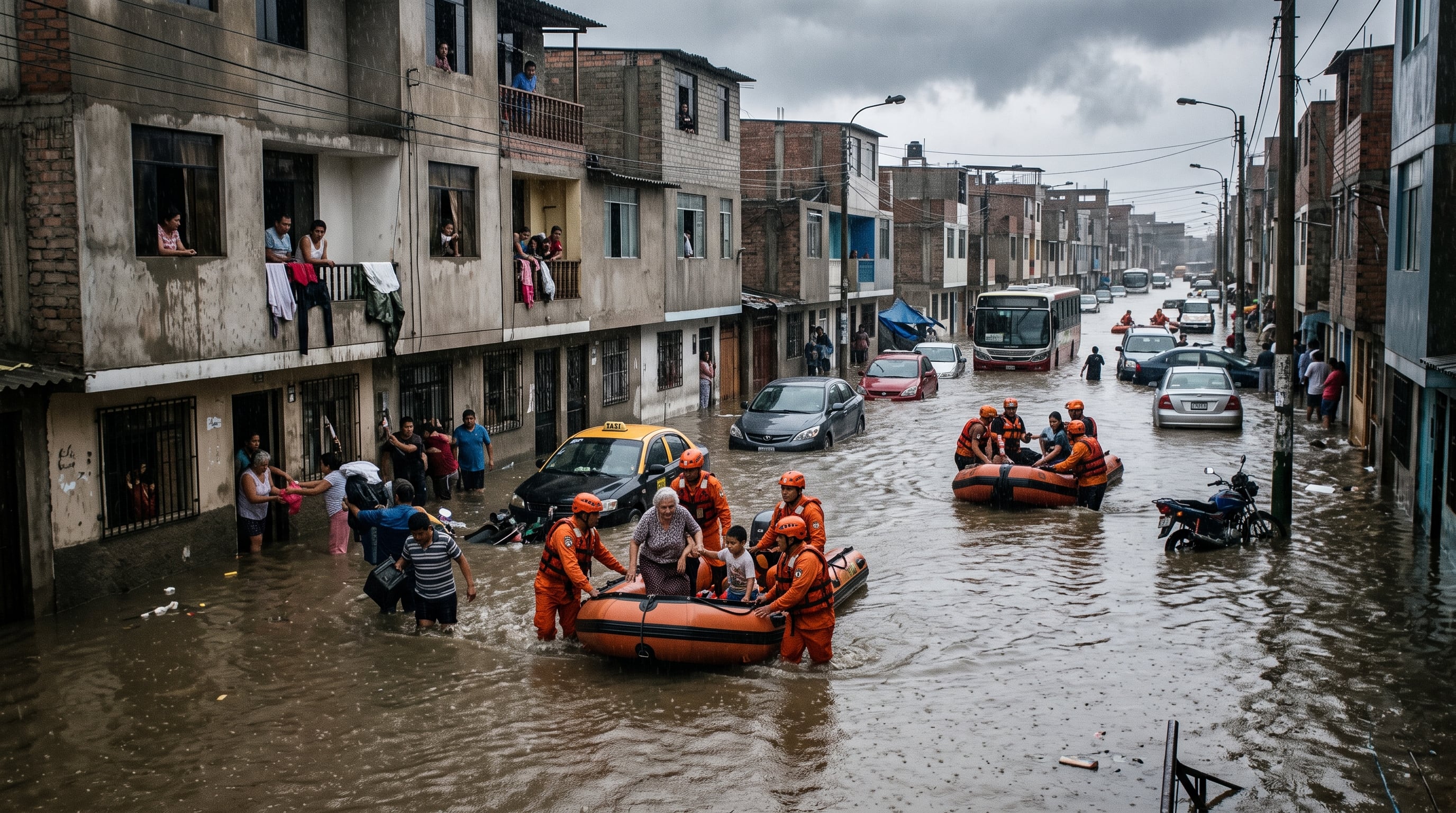
Si esa organización reconstruida persiste, ΔLP y Fi permanecerían en una configuración positiva de baja frecuencia durante los próximos años, según el planteo del estudio. Esa formulación define una hipótesis que las observaciones futuras podrán confirmar o refutar. No establece que El Niño deba ocurrir en una fecha determinada ni reemplaza los pronósticos operativos basados en la vigilancia del Pacífico.
La distinción tiene relevancia en el contexto de 2026. La Organización Meteorológica Mundial (OMM) anticipó que El Niño podía fortalecerse entre agosto y octubre, con anomalías medias estacionales de la temperatura superficial del mar superiores a 2,9 ℃ (37,22 ℉) en zonas clave de seguimiento. La evolución del fenómeno coincide con un escenario de temperaturas globales elevadas, que puede amplificar sus consecuencias regionales.
La vigilancia actual también incorpora cambios en la forma de medir la intensidad de ENSO. Durante décadas, la Administración Nacional Oceánica y Atmosférica de Estados Unidos (NOAA) utilizó el Índice Oceánico Niño, u ONI, que compara la temperatura del Pacífico central con una climatología de referencia. Sin embargo, el calentamiento de fondo de los océanos tropicales dificulta separar la anomalía propia de El Niño de la tendencia global.
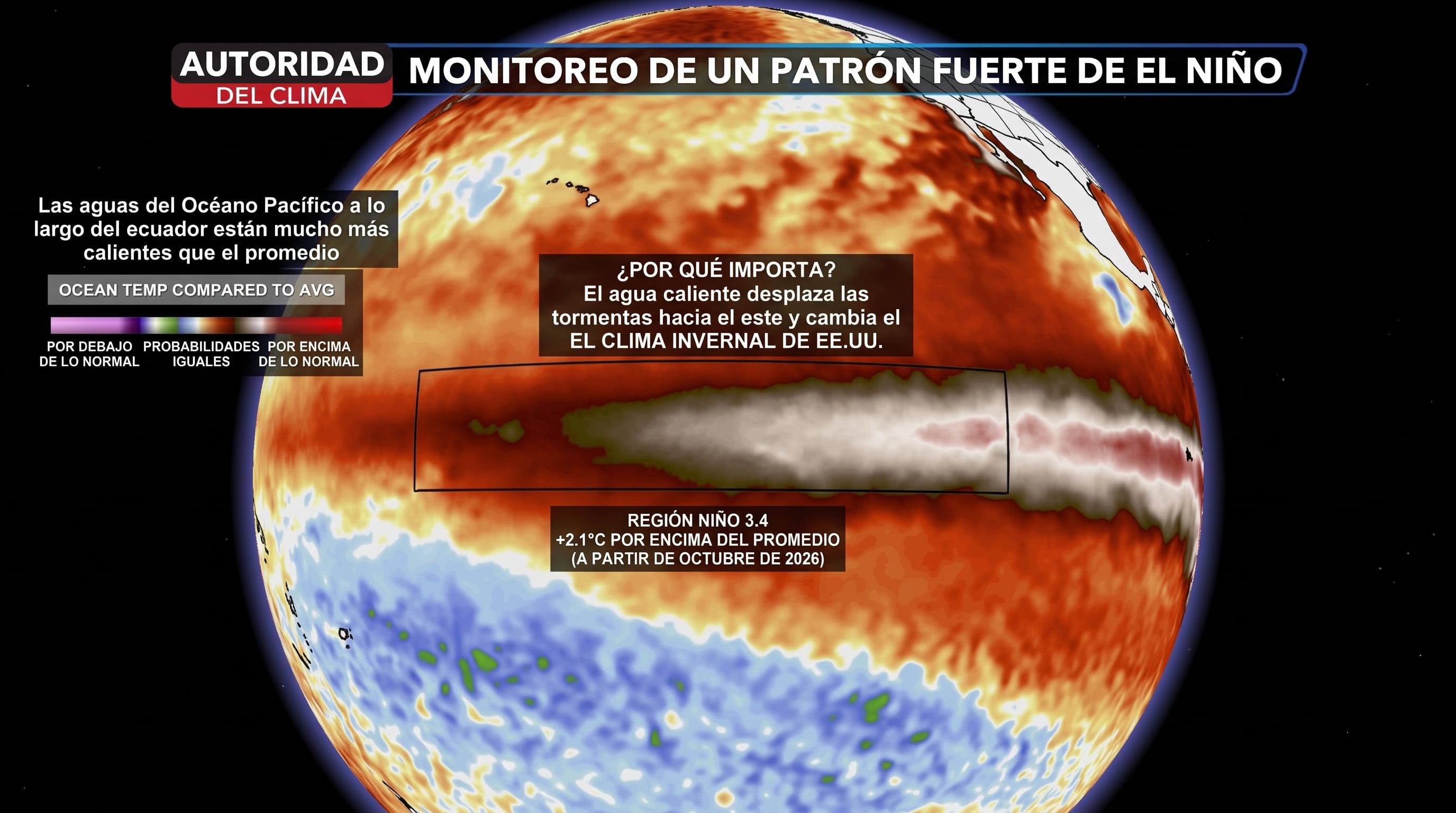
Por esa razón, la agencia adoptó el Índice Oceánico Niño Relativo, o RONI. El indicador descuenta la señal promedio de calentamiento tropical y estima cuánto se destaca el Pacífico central frente a ese contexto. Durante el trimestre agosto-septiembre-octubre, el RONI marcó +2,0 ℃ (35,6 ℉), dentro del rango muy fuerte, mientras que el ONI tradicional alcanzó +2,5 ℃ (36,5 ℉).
El ONI y el RONI no ofrecen respuestas contradictorias. El primero muestra cuán apartada está la temperatura de un promedio histórico; el segundo mide la intensidad relativa del fenómeno en un planeta con océanos más cálidos. Ambos aportan información para seguir el presente, aunque la NOAA considera que el índice relativo ofrece una referencia más ajustada para la vigilancia actual.
La investigación argentina busca aportar otra capa de análisis a ese monitoreo. Su marco observacional permite estudiar si las condiciones astronómicas de evolución lenta contribuyen a la recurrencia de ENSO dentro del sistema océano-atmósfera. Los próximos registros del Pacífico y de la atmósfera pondrán a prueba esa posibilidad.
solsticio de invierno,Hemisferio Sur,2026,astronomía,Tierra,Sol,órbita,estaciones,invierno,espacio
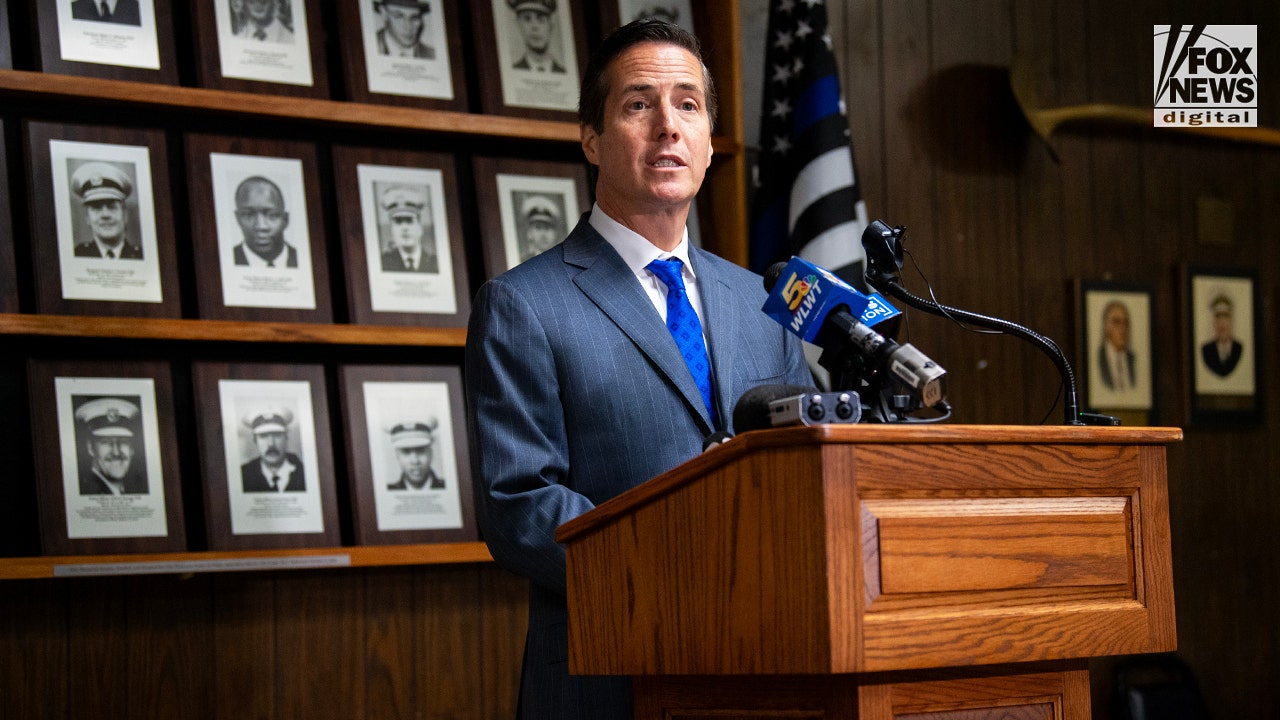
Incoming Senate Republican campaign chairman says the party faces a «very tough» road ahead as the GOP aims to take back their majority in 2028 after taking significant losses in the midterms earlier this month.
Democrats convincingly grabbed control of the Senate and will hold a large 56-44 majority when the new Congress is sworn in at the start of the new year, they also won control of the House and multiple governors’ seats flip from red to blue, as well.
In the Senate, the new split means Republicans will need to flip at least six seats in the 2028 elections to win back the majority. That number rises to seven seats if they lose the White House in the next election cycle.
One senator told Digital that Republicans can «forget 2028.»
«It is an absolutely brutal map,» Ohio Sen. Bernie Moreno, the incoming National Republican Senatorial Committee chair, recently told Digital, as he pointed to the states up for grabs in 2028.
SENATE REPUBLICANS FEAR ‘BRUTAL’ 2028 MAP COULD KEEP DEMOCRATS IN POWER FOR YEARS
But the first term senator from Ohio added that in «politics, things change pretty quickly.»
He’s not kidding.
At the start of the 2026 cycle, the Democrats faced a steep and narrow path to winning back the majority, but by Election Day the party was able to ride a massive blue wave formed by an extremely favorable political climate to flip nine Senate seats .
Senate Majority Leader John Thune, looking ahead to the next election, said in an interview on Fox News’ «America Reports, «We can come back — we will.»
«I’ve been there before, and we just have to get out and win the hearts and minds of the American people,» he added. «And that means coming up with a compelling economic message, talking about secure streets, secure border, safe streets, and in more money in your pocket. I mean, I think those are the things that the American people care the most about.»
Looking ahead to the next two years, when he will be leading the GOP minority in the Senate, Thune said «we now have an opportunity in the minority to draw those bold lines, those contrasts, and make sure that we are delivering a message that connects with the middle of the electorate.»
In 2028, Republicans will need to hold onto seats in battlegrounds Wisconsin and North Carolina, where GOP Sens. Ron Johnson and Ted Budd are up for re-election.
Meanwhile, Republicans will work to flip seats held by Democratic Sens. Mark Kelly of Arizona, John Fetterman of Pennsylvania, Raphael Warnock of Georgia, Catherine Cortez Masto of Nevada, and Maggie Hassan of New Hampshire.
Dem flips key Senate seat in battleground North Carolina as Cooper defeats Trump ally
TRUMP GRIP ON GOP FACES MAJOR POST-ELECTION TEST
Fetterman, who has repeatedly visibly broken with his party and seen his poll numbers among Democrats crater, faces all-but-certain primary challenges if he seeks re-election. Meanwhile, Kelly and Warnock are mulling White House runs in 2028.
Senate showdowns will also be held in 2028 in six states that President Donald Trump carried by double-digits two years ago that become key battlegrounds in this year’s midterms.
Among them are Ohio, where former Democratic Sen. Sherrod Brown won a ticket back to the Senate with a five point victory over appointed GOP Sen. Jon Husted. Brown will fill out the final two years of Vice President JD Vance’s old Senate term, so he’ll face re-election in 2028.
Republicans will be defending seats in four states where Democrats scored Senate flips in this year’s midterms. The four seats are held by GOP Sens. Chuck Grassley of Iowa, Jerry Moran of Kansas, Lisa Murkowski of Alaska, and Tim Scott of South Carolina,
Massive upset: Andrews downs Trump-backed Graham in ruby-red South Carolina
In Florida, appointed Republican Sen. Ashley Moody narrowly defeated progressive Democratic state Rep. Angie Nixon in a special election. Moody, who is filling out Secretary of State Marco Rubio’s old Senate term, will face re-election in two years.
SIGN UP TO GET THE POLITICS NEWSLETTER
Kyle Kondik, managing editor of Sabato’s Crystal Ball at the University of Virginia Center for Politics, which is a leading nonpartisan political handicapper, told Digital Republicans could win the Senate back by flipping six states in 2028 : Arizona, Georgia, Ohio, Nevada, New Hampshire, and Pennsylvania.
Dems seize the Senate as blue tidal wave crashes deep into Trump country, topples GOP strongholds
«Those are five states Trump won state in 2024,» as well as New Hampshire, which then-Vice President Kamala Harris carried by single digits.
«The Democrats just showed that they could win all these double-digit Trump states» in the midterms,» Kondik noted. «The Republicans don’t have to flip any double-digit Harris states to win the Senate back» in 2028.
Kondik also highlighted that there there will be a Senate special election next November, a year ahead of the 2028 showdowns.
That ballot box contest will be held in Minnesota, where Democratic Sen. Amy Klobuchar is about to step down after winning the state’s gubernatorial election. Klobuchar will pick a replacement senator when she steps down, and the state will hold a special contest on Election Day 2027 to choose a successor to fill out the final three years of Klobuchar’s current term.
politics, senate, midterm elections, republicans elections, elections, john thune

Trump says Sen Cornyn is doing a ‘tremendous disservice’ by blocking Texas judicial pick

La Roma, imparable: goleó 5-1 al Parma y no le pierde pisada a la Lazio

Zelenskyy says Russia strikes hometown, criticizes Putin-Trump meeting

Entre el optimismo oficial y las advertencias de Cavallo y Melconian: el debate sobre el rumbo económico

“A las apuradas”: una sobrina de Insfrán fue designada en el Superior Tribunal de Formosa y la oposición denuncia irregularidades

El mensaje oculto de la Corte para los “jueces dóciles” que frenaron las causas contra la AFA y las señales de Mahiques al poder

Javier Milei y sus medidas, en vivo: “Hoy discutimos si crecemos un punto más o menos”, dijo el Presidente

Javier Milei destacó el desembarco de Tesla en el país y aseguró: “Esto también es devolverle la libertad a los argentinos”

El Gobierno rechazó las actividades de la princesa Ana, hermana del rey Carlos III, en las Islas Malvinas

El brote de ébola está fuera de control en la República Democrática del Congo y crece el temor a una epidemia continental

 POLITICA3 días ago
Javier Milei y sus medidas, en vivo: “Hoy discutimos si crecemos un punto más o menos”, dijo el Presidente
- POLITICA20 horas ago
Javier Milei destacó el desembarco de Tesla en el país y aseguró: “Esto también es devolverle la libertad a los argentinos”
- INTERNACIONAL2 días ago
El brote de ébola está fuera de control en la República Democrática del Congo y crece el temor a una epidemia continental