INTERNACIONAL
NYC college put on notice after Jewish campus group shunned by student government: ‘rude awakening’


A Jewish-American activist in New York City decried what he calls «anti-Jewish discrimination» after the student government at a school that is part of the City University of New York (CUNY) system, cancelled an event that was supposed to include the school’s Hillel group when it received backlash from other student organizations.
Hunter College’s undergraduate student government (USG) cancelled a «Cultural Arts Night» involving several student groups, including Hunter Hillel, the Chinese Student & Scholar Association, the Taiwanese Student Association and the Center for Puerto Rican Studies, according to the New York Post. The radical far-left group Students for Justice Palestine was reportedly took part in planning the event.
In a statement to The Post, the school itself admitted that some of those groups withdrew from the event because Hunter Hillel was planning to participate.
JEWISH CAMPUS LIFE AT A ‘CROSSING POINT’ AS STUDENTS WEIGH ANTISEMITISM RISKS, NEW REPORT SHOWS
«They were establishing a cultural arts night, which I might add also included countries with far worse civil rights violations like China, and none of that was a problem until, of course, the Jewish organization was involved,» said Shabbos Kestenbaum, who described himself as a Jewish-American activist and who works for PragerU.
«So this is blatant anti-Jewish discrimination, and we as New Yorkers, we as Americans, and yes, we, as Jews, will do our best to hold the university accountable,» he said.
The USG apologized for sponsoring the event, saying it had «failed» and that the event «should never have moved forward.
«To be clear, USG does not endorse this event or this collaboration, the apology said. «We hear what the student body has said, and we have made the decision to cancel the event as it doesn’t align with our values or the values of the students we represent as the Hunter Community. We apologize to the clubs and students who were affected by this instance.»
JUSTICE DEPARTMENT LAUNCHES TITLE VI INVESTIGATION INTO DEI PROGRAMS AT ARIZONA STATE UNIVERSITY
The apology said the group was actively working to ensure that such a mistake never happened again.
Kestenbaum believes that the school might have run afoul of anti-discrimination laws, including Title VI of the Civil Rights Act of 1964, which prohibits any entity receiving federal funding from engaging in discrimination based on sex, race, ethnicity or other immutable characteristics.
He advocated for the federal government to pull its funding from Hunter College.
«It’s just enforcing the laws already on the books,» he said, adding that President Donald Trump and his administration have been making progress on punishing discriminatory behavior on college campuses.
«It’s not something you pick and choose if you feel good that morning,» he said. «It’s the law and the expenditure of federal dollars is a representation of our values. And so if you’re at university and you’re discriminating against American citizens based on their ethnicity, based on the religion, based on their politics — not only is that a violation of law, but that’s not a representation of where we want our money to go to.»
Hunter Hillel responded to the cancellation in a statement to Digital.
BACK TO SCHOOL SHOULD NOT MEAN BACK TO FEAR FOR JEWISH STUDENTS
«Hillel students were looking forward to taking part in the Cultural Arts Night, and our organization had no role in the student government’s decision to cancel it. Antisemitism has no place at Hunter College,» the statement said. «The antisemitic response to the cancellation notice has been egregious and inappropriate. Rita Levine Rabin Hillel at Hunter remains committed to building joyful, strong, and vibrant Jewish life on campus.»
Kestenbaum also referenced Rep.-elect Darializa Chevalier, D-N.Y., a prominent anti-Israel activist who took part in the infamous 2024 Columbia University encampment, and New York City Mayor Zohran Mamdani, himself a former anti-Israel activist.
He said students at New York’s colleges are simply following the examples set for them by their elected officials.
CUNY has previously settled with the Department of Education after discrimination claims.
TRUMP ADMIN OPENS CIVIL RIGHTS PROBES INTO 15 COLLEGES OVER DEI GRANTS
«And all these elitist universities that think that they’re higher and better than the law, they’re in for a rude awakening,» Kestenbaum said. «And again, you don’t need to radically pass pieces of legislation that overhauls the bureaucracy. All you need to do is make it incredibly clear to these colleges, we are not giving you money if you discriminate. It is literally that simple.»
The CUNY system did not return a request for comment.
«There is no place for discrimination and harassment in our college community,» Hunter College told the New York Post. «We have policies in place to safeguard that principle and will not hesitate to enforce them.»
Neither Hunter College nor its USG returned Digital’s comment requests.
politics, campus controversy, anti semitism, new york city, woke, controversies education








INTERNACIONAL
Panamá se ubica entre los países con menor riesgo de América Latina tras mejorar su indicador financiero

El riesgo país de Panamá se situó en 141 puntos básicos al 19 de noviembre de 2026, una reducción de 36 puntos frente al mismo período del año anterior y una mejora considerable respecto a los niveles registrados durante la crisis fiscal de 2024.
La evolución refleja una menor percepción de riesgo entre los inversionistas internacionales, aunque persisten desafíos relacionados con el endeudamiento y las finanzas públicas.
El indicador, conocido como EMBI (Índice de Bonos de Mercados Emergentes) y elaborado por J.P. Morgan, mide el diferencial de rendimiento entre los bonos soberanos de un país y los títulos del Tesoro estadounidense. Cuanto menor es la cifra, menor es la prima de riesgo exigida por los mercados para financiar al Gobierno.
En términos prácticos, 141 puntos básicos equivalen a 1,41 puntos porcentuales adicionales de rendimiento sobre la referencia estadounidense comparable.

Esta diferencia influye en el costo de emitir deuda y refinanciar obligaciones, aunque no representa automáticamente la tasa de interés que paga Panamá ni determina directamente las condiciones de los préstamos bancarios.
La trayectoria de los últimos cuatro años muestra un deterioro pronunciado seguido de una recuperación gradual. En noviembre de 2023, el indicador rondaba los 282 puntos básicos, en medio de las protestas contra el contrato minero y la incertidumbre provocada por su declaración de inconstitucionalidad. El conflicto elevó las preocupaciones sobre los ingresos fiscales y la estabilidad económica.
En noviembre de 2024, el riesgo país se situaba alrededor de 303 puntos básicos, más del doble del nivel actual. Ese año, Panamá enfrentó un déficit fiscal equivalente al 6,2% del producto interno bruto, mientras Fitch Ratings retiró al país el grado de inversión. Standard & Poor’s también redujo su calificación soberana a BBB-, el último escalón de esa categoría.
La presión no desapareció inmediatamente. Durante abril de 2025, el diferencial llegó a registrar aproximadamente 337 puntos básicos, uno de los niveles más elevados del período reciente. Las dudas sobre la sostenibilidad fiscal, las obligaciones del sistema de pensiones y la capacidad gubernamental para estabilizar las cuentas públicas continuaban influyendo en las decisiones de inversión.

Sin embargo, hacia noviembre de 2025, el indicador había retrocedido hasta aproximadamente 173 puntos básicos. La aprobación de la reforma de pensiones y los esfuerzos para reducir el desequilibrio fiscal contribuyeron a modificar las expectativas del mercado.
La recuperación también coincidió con una menor percepción de incertidumbre económica, aunque el país seguía bajo vigilancia crediticia.
La mejora continuó durante 2026. Panamá registró niveles cercanos a 113 puntos básicos en abril, antes de experimentar fluctuaciones durante los meses siguientes.
Al cierre de octubre, el diferencial rondaba los 135 puntos y el 12 de noviembre descendió a 124, aunque el 19 de noviembre repuntó hasta 141 puntos básicos, reflejando la volatilidad que todavía caracteriza al mercado de deuda.
En la clasificación latinoamericana del 19 de noviembre, Panamá ocupó el cuarto lugar entre los países con menor riesgo, superado únicamente por Uruguay (93 puntos), Chile (111) y Perú (132).

El país se mantuvo por debajo de Paraguay (147), Guatemala (150) y Costa Rica (160), así como del promedio regional de 222 puntos básicos. A comienzos de noviembre figuraba en la quinta posición, detrás de Paraguay.
En el balance de cuatro años, la reducción desde los 282 puntos de noviembre de 2023 hasta los 141 actuales alcanza 141 puntos básicos.
Frente a noviembre de 2024, la disminución es de aproximadamente 162 puntos, mientras que la comparación interanual con noviembre de 2025 muestra una caída cercana al 20%, según las referencias históricas recopiladas.
La evolución también coincide con la reciente decisión de Moody’s Ratings de mejorar la perspectiva de Panamá de negativa a estable, anunciada el 17 de noviembre. La agencia mantuvo la calificación Baa3, último escalón del grado de inversión, al considerar menos probable un deterioro sostenido de las finanzas públicas y proyectar un crecimiento económico cercano al 5% para 2026 y 2027.

Sin embargo, la mejoría no elimina las advertencias de las calificadoras internacionales. Moody’s señaló la limitada capacidad de recaudación, la elevada carga de intereses y la rigidez del gasto público.
Además, estima que la deuda se estabilizaría alrededor del 66% del PIB, siempre que continúe la consolidación fiscal.
El panorama crediticio sigue dividido: S&P Global Ratings mantiene a Panamá en BBB- con perspectiva estable, mientras Fitch Ratings conserva la calificación BB+, por debajo del grado de inversión.
Esta diferencia evidencia que la recuperación de la confianza todavía no equivale a una mejora generalizada de las notas soberanas.
Para los próximos años, el desafío será sostener la reducción del déficit y controlar el endeudamiento sin comprometer el crecimiento económico. La caída del riesgo país representa una señal favorable para el financiamiento estatal, pero su permanencia dependerá de resultados fiscales verificables, más allá de las fluctuaciones del mercado.
INTERNACIONAL
Honduras: Policía abate a tres presuntos miembros del Cartel del Diablo durante operativos en Yoro
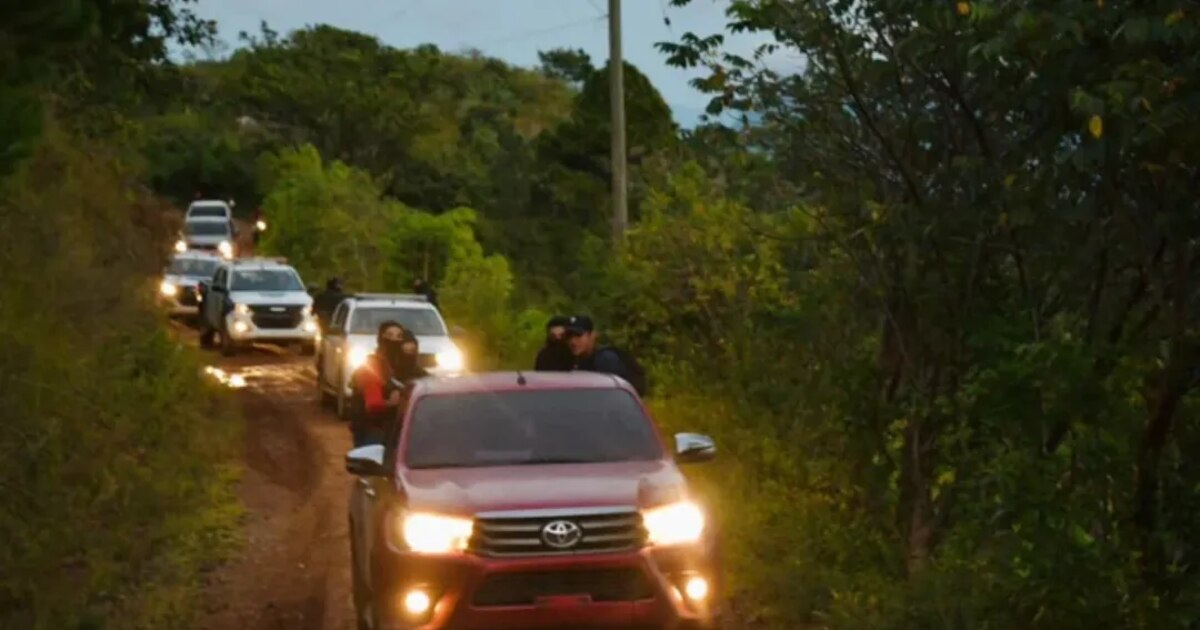
Tres presuntos integrantes del Cartel del Diablo fueron abatidos este sábado durante operaciones policiales y militares desplegadas en el departamento de Yoro, como parte de la búsqueda de Esteban Gumercindo Ferrera Rodas, conocido como «El Diablo».
La Policía Nacional confirmó inicialmente el hecho mediante una publicación en su cuenta oficial de X, aunque no proporcionó detalles sobre las circunstancias del enfrentamiento ni la identidad de los hombres fallecidos.
Posteriormente, el comisionado Lenin Pineda Bocanegra, director de Comunicación Estratégica de la Policía Nacional, informó que los tres abatidos serían miembros de la estructura criminal que opera en esa región del país.
De acuerdo con la información preliminar ofrecida por el oficial, el enfrentamiento se produjo durante allanamientos ejecutados en el marco de las operaciones especiales que se desarrollan en los municipios intervenidos de Yoro.

Las acciones forman parte del plan de seguridad implementado tras la declaratoria de territorio de alto riesgo emitida por el Consejo Nacional de Defensa y Seguridad (CNDS), luego de una serie de hechos violentos que dejaron al menos 12 personas muertas el pasado 18 de noviembre.
Pineda explicó que los operativos se ejecutan de manera coordinada entre la Policía Nacional, las Fuerzas Armadas y la Policía Militar del Orden Público (PMOP), con acompañamiento técnico del Ministerio Público.
Los equipos de seguridad mantienen cercos en sectores rurales y urbanos, además de realizar registros a personas y vehículos para localizar a los integrantes de la organización criminal, señalada de mantener bajo temor a los habitantes de diferentes comunidades de Yoro.
El comisionado confirmó que, después del enfrentamiento en el que murieron los tres presuntos miembros del cartel, las operaciones continuaban y los agentes todavía perseguían a otros integrantes de la estructura que lograron escapar.
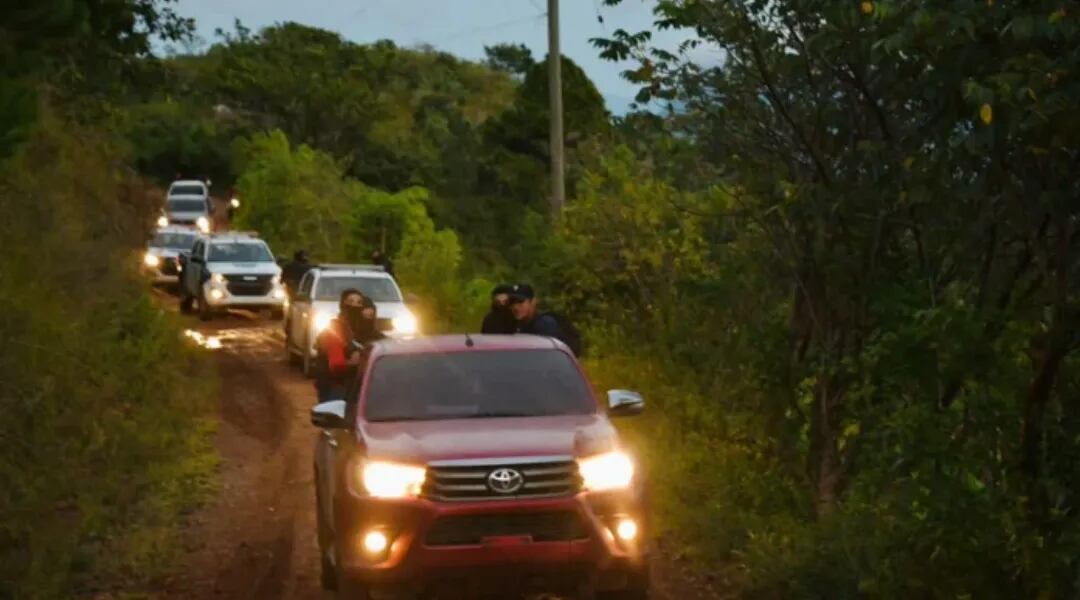
Asimismo, aseguró que, según el reporte preliminar recibido hasta ese momento, no se registraban policías ni militares heridos durante el intercambio de disparos.
El funcionario aclaró que la información permanecía en desarrollo y que mantenía comunicación con los equipos desplegados en el terreno para conocer nuevos detalles de los procedimientos.
El jefe policial sostuvo que el cerco contra la organización criminal se está reduciendo progresivamente y expresó su expectativa de que las autoridades puedan informar en un corto plazo sobre su desarticulación.
La prioridad, afirmó, es capturar a los demás integrantes de la estructura y recuperar las condiciones de seguridad para que los pobladores puedan regresar a sus actividades cotidianas sin temor a nuevos ataques.
Hasta el momento, las autoridades no han detallado cuántos sospechosos permanecen prófugos ni han confirmado si los tres hombres abatidos participaron directamente en los ataques registrados recientemente en el departamento.
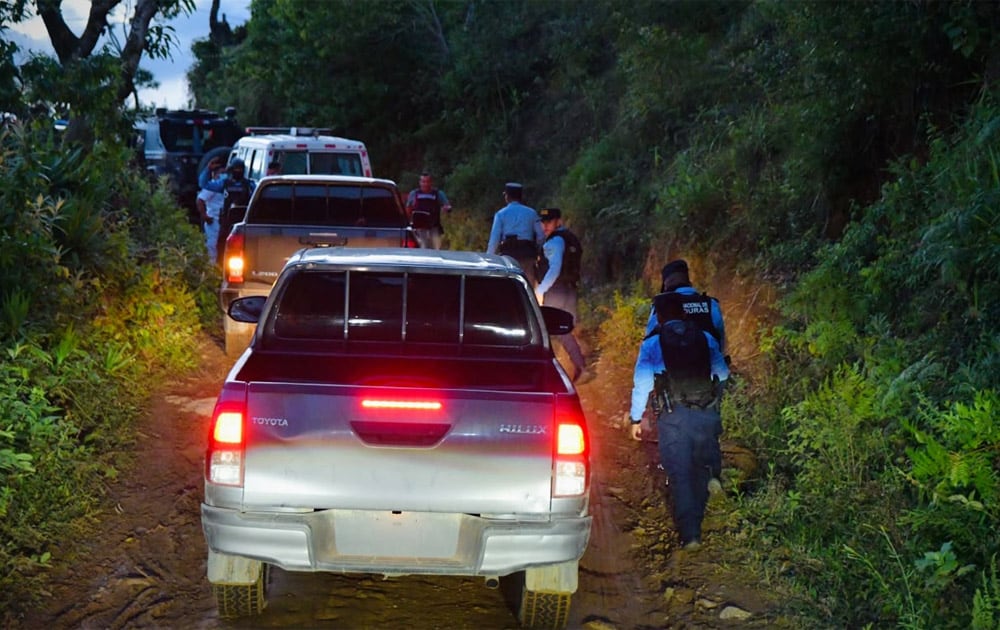
Restricciones en tres municipios podrían extenderse hasta un año
Los operativos se desarrollan en medio de medidas excepcionales que también afectan la movilidad de los habitantes de Sulaco, Yorito y Victoria, tres municipios de Yoro donde las autoridades reforzaron la presencia policial y militar.
El comisionado Lenin Pineda advirtió este sábado que las restricciones de seguridad podrían mantenerse hasta por 12 meses, dependiendo de la evolución de la situación y de las evaluaciones que realicen las instituciones responsables.
Entre las disposiciones establecidas figura la prohibición de que dos hombres se movilicen en una misma motocicleta, además de restricciones a la circulación de personas y vehículos entre las 9:00 de la noche y las 4:00 de la mañana.
Las medidas buscan limitar la movilidad de posibles integrantes de estructuras criminales y facilitar las labores de identificación, registro y captura en las zonas intervenidas.
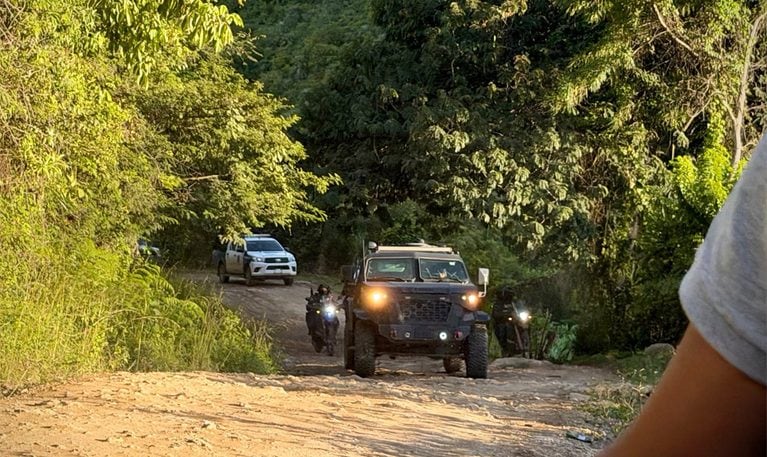
La ofensiva de seguridad se intensificó después de los cuatro hechos violentos registrados el 18 de noviembre, que dejaron al menos 12 personas fallecidas en Yoro. Desde entonces, las autoridades mantienen la búsqueda de Ferrera Rodas y de otros presuntos integrantes del Cartel del Diablo.
Por ahora, el abatimiento de los tres sospechosos representa uno de los resultados más recientes de la operación, que continúa en desarrollo mientras las fuerzas de seguridad intentan ubicar a los demás integrantes de la organización.
corresponsal:Desde Tegucigalpa, Honduras
INTERNACIONAL
Apex predator at center of farmers vs environmentalists fight as Trump weighs major move: ‘Out of control’

A powerful apex predator has reignited a fierce battle between farmers demanding greater control over gray wolves killing their livestock and environmentalists fighting to keep them shielded — a decision the Trump administration must now weigh that could shape the future of wildlife management.
One longtime Minnesota farmer has spent years grappling with the loss of several of his calves killed by gray wolves, also known as timber wolves, roaming around his property in the middle of the night.
«We can walk right outside of our door and hear the howling of these timber wolves, and it’ll send shivers down your spine because you have seen what they can do, and they’re the top-of-the-line predator,» Shayne Isane told Digital.
«There’s nothing that hunts them. No other animals they are afraid of.»
ARCTIC WOLF ATTACKS CHILD DURING ZOOKEEPER EVENT, GIRL AIRLIFTED TO HOSPITAL
Isane, who has farmed for nearly four decades, said he is one of many farmers struggling to defend his livestock from gray wolves. Despite losing thousands of dollars and fearing for the safety of his nearly 300 cattle, Isane said he is unable to handle the threat himself.
«Even if we see them attacking our livestock, we can’t shoot or try to help out our animals,» he said. «It’s just against the law. We can’t do it, only in the case of the threat of human life, which is a tough sell for us, because when you see them very close to your livelihood, your families and your livestock, it’s a huge concern.»
As President Donald Trump moves to reconsider federal protections, Isane said he is one of many farmers hoping to gain more control over the growing threat. The plan could affect states across the country, including Minnesota, Wisconsin, Michigan, California and Colorado.
The Interior Department has until Dec. 3 to determine whether gray wolves and their subspecies, Mexican wolves, have met the recovery criteria under the Endangered Species Act. If the criteria are met, the department must begin the process of removing or reducing federal protections.
In a statement to Digital, a department spokesperson said the department had no updates on that decision but «recognizes the importance of effective wildlife management and the challenges wolf depredation can pose for livestock producers.»
NATIONAL PARK SERVICE DIRECTOR CALLS YELLOWSTONE’S WILD BISON RECOVERY AN ‘INCREDIBLE CONSERVATION STORY’
One of Isane’s largest losses came when three of his young calves were killed in a single night. He said the wolves often drag away or dispose of the carcasses themselves, making it difficult to confirm the attack to state investigators.
In Minnesota, a farmer must have the carcass of their livestock in order to confirm a suspected wolf attack and report the loss within 48 hours to receive reimbursement.
«To lose one animal or two animals is $3,000 a piece, and so that really can affect our bottom line,» he said.
A Minnesota Department of Agriculture spokesperson told Digital its program «provides 100% reimbursement of verified losses at full market value» and pointed to its Wolf Livestock Depredation Grant.
«While we can assist farmers with livestock prevention and loss, wolf management does not fall under the work of the Minnesota Department of Agriculture,» the spokesperson wrote.
But Isane said keeping the livestock alive is only part of the «constant battle.» He said wolves can cause «added stress» to the herd. «They’re constantly being harassed by the wolves,» he said. «We see it in weights. They lose weight, they are constantly on edge, and it affects their overall health.»
Isane said many deterrent methods suggested by the state have proven unsuccessful, saying wolves are able to «outsmart» them.
«They just don’t work,» he said.
Isane emphasized that environmentalists aren’t seeing the full picture. He said the wolf population had spiraled «out of control.»
«The first 30 years of my life, I hardly saw a timber wolf, and now I’ve seen multiple ones, 50 to 100, probably in the last 25 years,» Isane said. «It’s gotten increasingly worse.»
OREGON BALLOT MEASURE THAT WOULD HAVE CRIMINALIZED HUNTING AND FISHING FAILS TO QUALIFY FOR VOTE
According to the Minnesota DNR, there were about 2,400 gray wolves in Minnesota in 2026, with no statistically significant change from last year.
«The Minnesota DNR is very confident in our wolf research and population estimates, which indicate a stable population, not one of unconstrained or rapid population growth,» a spokesperson said in a statement to Digital.
Isane said he welcomes Trump’s efforts to fix a problem that has «no method of controlling.»
White House deputy press secretary Taylor Rogers told Digital the Biden administration’s «radical environmental policies» left ranchers defenseless as «predators wiped out their livestock.»
«As a result, the national cattle herd reached a 75-year low, driving up prices for consumers,» Rogers wrote. «As promised, President Trump is reversing these harmful policies and is fighting for America’s ranchers.»
Shawn Regan, C3 Journal editor and Manhattan Institute senior fellow, said states can effectively manage recovered wolf populations without them being listed under the Endangered Species Act.
«It’s not the best tool for continuing to manage recovered populations into the future,» Regan said. «There’s a reason why the act has a delisting process to allow for transition of those species to state management.»
Delisting gray wolves has long been part of Trump’s agenda.
During his first term, the administration removed federal protections for the species across most states. Six environmental groups, represented by environmental law group Earthjustice, sued the Trump administration in 2021 over the decision.
A federal judge overturned the decision in 2022, restoring protections across most states except in the Northern Rockies, where states still have control. The 9th U.S. Circuit Court of Appeals is currently weighing whether that ruling should be upheld.
Some environmental groups involved in the lawsuit told Digital Trump’s executive order could reverse years of recovery efforts and urged the administration to focus on other issues facing farmers.
«The administration is offering up wolves as a bargaining chip while failing to address the real economic pressures burdening American farmers and ranchers,» Sara Amundson, president of Humane World Action Fund, said.
Eric Clewis, senior Northern Rockies representative for Defenders of Wildlife, echoed this, saying, «Framing wolves as the villain distracts from policies actually squeezing the ranching industry, particularly because wolves account for less than 1% of total livestock loss.»
Collette Adkins, a senior attorney and director of the Center for Biological Diversity’s carnivore program, worries the implications could stretch even further, saying removing federal protections could «erase decades of recovery work.»
WASHINGTON’S GRIZZLY BEAR POWER GRAB IS FINALLY COMING TO A LONG-OVERDUE END
She added that the «tiny fraction of livestock operators» who have conflicts with wolves can help by doing «a better job» learning to live with them peacefully.
Environmentalists have advocated for years against delisting, arguing it could lead to culling, trapping and trophy hunting and reduce populations they believe have not fully recovered.
Independent Women’s Forum Center for Energy and Conservation Director Gabriella Hoffman told Digital there is a possibility that the move to delist gray wolves may only be a short-term solution once it heads to Congress.
«Do we have to worry about lawsuits potentially blocking this from going into effect?» Hoffman, who also recently investigated wolf attacks in Wisconsin for a conservation documentary, said. «Congress not following through with their duty to codify this permanently and ensure this doesn’t go back and forth?»
Hoffman said delisting could actually prevent the species from becoming endangered again.
«Leaning too much on emotions would undermine the science and also I think put the wolf in further danger and make it even more imperiled than it is if you have a management system in place,» she said.
She added that wolf attacks on livestock are a sign of thriving conservation efforts.
«While it is problematic that wolf depredation or attacks by wolves is increasing, that’s actually a positive sign, as counterintuitive as it sounds, of their status as a species,» she said.
Jonathan Miller, a Michigan dairy farmer since the 1970s who switched to raising a herd of roughly 100 cattle, said protective fencing has created a «balance» with wolves.
«It’s very effective to keep them away,» he said.
He said the attacks haven’t hurt his business financially, but managing the fencing has added some extra challenges.
«It’s a lot of extra work management trying to move the fence, keep it electrified so that it’s effective,» he said.
Earlier this month, Miller found the carcasses of two of his healthy sheep, which he blamed on his «lack of management» in putting up the barrier.
«You hate to see a wolf take one of your animals, but we lose animals, and it’s just another factor,» he said.
When the family lost their first calf to a wolf in the early 2000s, Miller said it «kind of changed things.»
It was the first time he laid eyes on the predator that «probably only weighed about 60 pounds, but was big enough to drag a calf across the yard.»
Miller said wolf sightings in people’s yards have become less common since locals began handling the issue themselves. However, he supports Trump’s push for state management rather than «local people illegally controlling the numbers of the wolves.»
He hopes the move can help farmers and wolves finally coexist.
«I don’t want to eliminate the wolves,» he said. «I love to see wolves. I try to get pictures, but there has to be control.»
America Up Close is a Digital Politics series taking the country’s biggest political debates beyond Washington to uncover their real-world costs for the Americans living with the results.
america up close, politics, donald trump, environment regulation, endangered species

Panamá se ubica entre los países con menor riesgo de América Latina tras mejorar su indicador financiero

La historia secreta de los roces entre el Vaticano y el Gobierno durante la organización de la visita del Papa

Miguel Merentiel y Santiago Ascacibar le dieron un nuebo título a Boca Juniors en su historia

NYC college put on notice after Jewish campus group shunned by student government: ‘rude awakening’

Agustín “Rada” Aristarán se despide de Chanta: “Con esta obra dejé de ser un impostor”

Zohran Mamdani se rompió el tendón de Aquiles jugando al fútbol contra la prensa de Nueva York: “Olvidé que tenía 35 años»

Javier Milei y sus medidas, en vivo: “Hoy discutimos si crecemos un punto más o menos”, dijo el Presidente

Javier Milei destacó el desembarco de Tesla en el país y aseguró: “Esto también es devolverle la libertad a los argentinos”

El brote de ébola está fuera de control en la República Democrática del Congo y crece el temor a una epidemia continental

Jeffries survives Dem vote to secure speaker position as progressive resistance clouds his chances

 POLITICA2 días ago
Javier Milei destacó el desembarco de Tesla en el país y aseguró: “Esto también es devolverle la libertad a los argentinos”
- INTERNACIONAL3 días ago
El brote de ébola está fuera de control en la República Democrática del Congo y crece el temor a una epidemia continental
- DEPORTE3 días ago
El burbujeante ping pong de Colapinto con un actor argentino: de la puja entre Senna y Riquelme a la comida que le falta a la Fórmula 1