INTERNACIONAL
Honduras: salarios y aguinaldos inyectarán USD 1,060 millones a la economía durante diciembre, según el Cohep


El pago de salarios y aguinaldos durante diciembre inyectará alrededor de 27.000 millones de lempiras (aproximadamente USD 1.060 millones) a la economía de Honduras, un movimiento de recursos que podría impulsar el comercio, aumentar la liquidez de los hogares y generar un repunte en la actividad económica durante la temporada navideña.
La estimación fue compartida por Lester Amador, oficial de Política Económica del Consejo Hondureño de la Empresa Privada (Cohep), quien explicó que esta inyección de dinero corresponde a los desembolsos que realizarán tanto el Gobierno como las empresas privadas para cumplir con sus obligaciones laborales al cierre de 2026.
En declaraciones a Noticieros Hoy Mismo de TSi, Amador detalló que el sector público prevé desembolsar aproximadamente 13.000 millones de lempiras (USD 511 millones), correspondientes al salario ordinario de diciembre y al decimotercer mes de salario de sus empleados.
A esta cantidad se sumarán otros 14.000 millones de lempiras (USD 550 millones) que el sector privado destinará al pago del aguinaldo, una prestación laboral que reciben los trabajadores hondureños durante el último mes del año.

«Estamos hablando de 27 mil millones de lempiras», precisó el representante del Cohep al referirse al volumen de recursos que llegará a las familias hondureñas durante diciembre.
La cifra representa uno de los movimientos de dinero más importantes de la economía nacional durante el año, debido a que coincide con una temporada caracterizada por el incremento del consumo, las compras navideñas y una mayor demanda de productos y servicios.
Amador señaló que la disponibilidad de estos recursos constituye una oportunidad para recuperar parte de la actividad económica que no habría alcanzado el dinamismo esperado durante otros meses de 2026.
Según explicó, diciembre tradicionalmente concentra un mayor movimiento comercial porque miles de trabajadores reciben ingresos adicionales que destinan a compras, pagos pendientes, actividades familiares y preparativos para las celebraciones de Navidad y Año Nuevo.
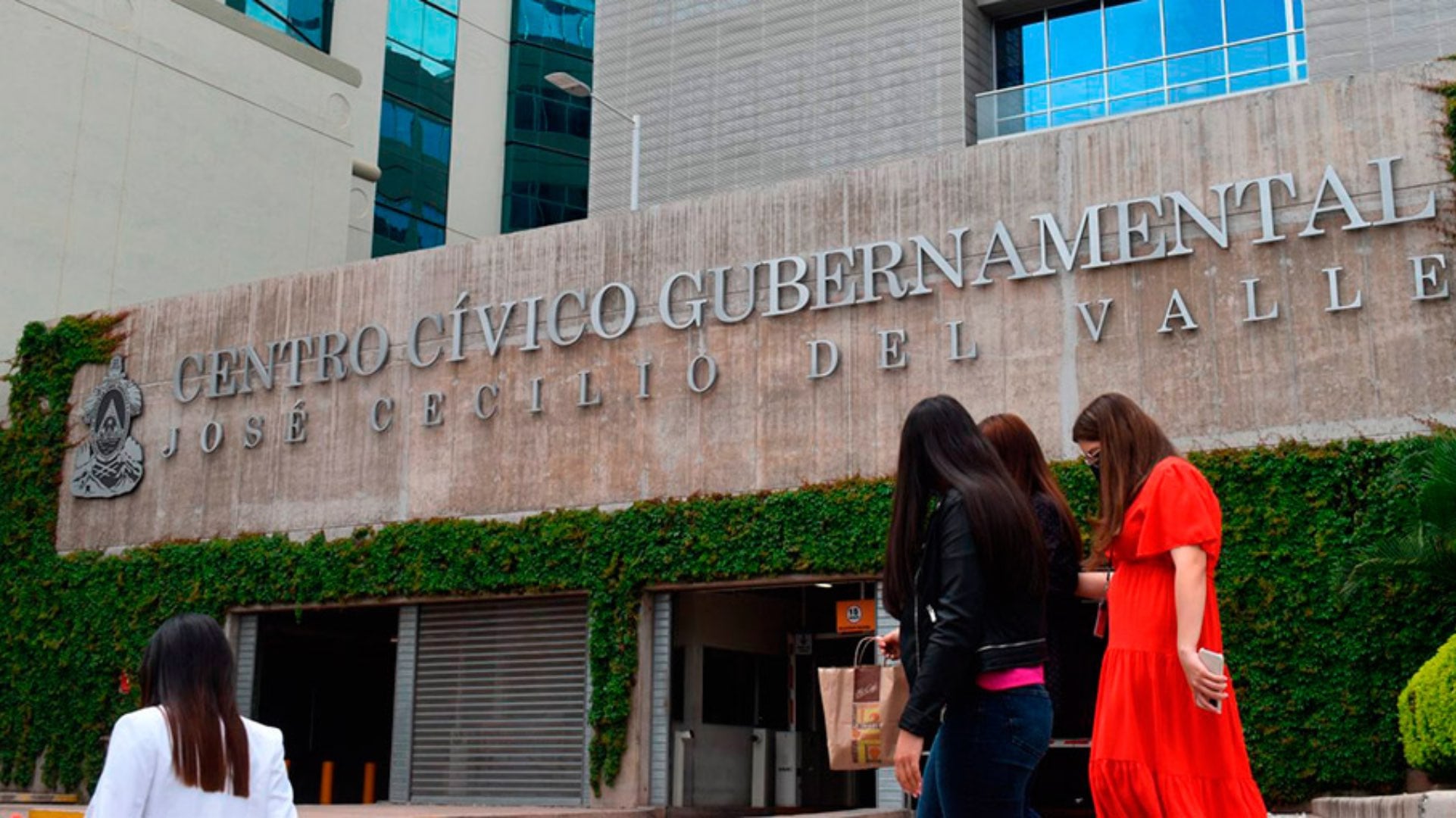
«Es una época en donde el comercio puede movilizarse, donde las familias hondureñas pueden recuperar esa actividad económica que quizás no han tenido en meses anteriores», manifestó el funcionario del Cohep.
El comportamiento del consumo durante estas semanas será importante para distintos sectores productivos, especialmente los establecimientos comerciales, supermercados, tiendas de ropa, mercados, restaurantes y negocios que dependen de las compras de temporada.
La llegada de más de USD 1.000 millones en salarios y aguinaldos también representa una oportunidad para los pequeños y medianos negocios, que suelen concentrar una parte importante de sus ventas durante las festividades de diciembre.
Sin embargo, el impacto de esta inyección de recursos dependerá de cómo las familias distribuyan sus ingresos y de cuánto dinero destinen efectivamente al consumo. Una parte también estará orientada al pago de deudas, compromisos financieros y necesidades básicas que los hogares mantienen durante todo el año.
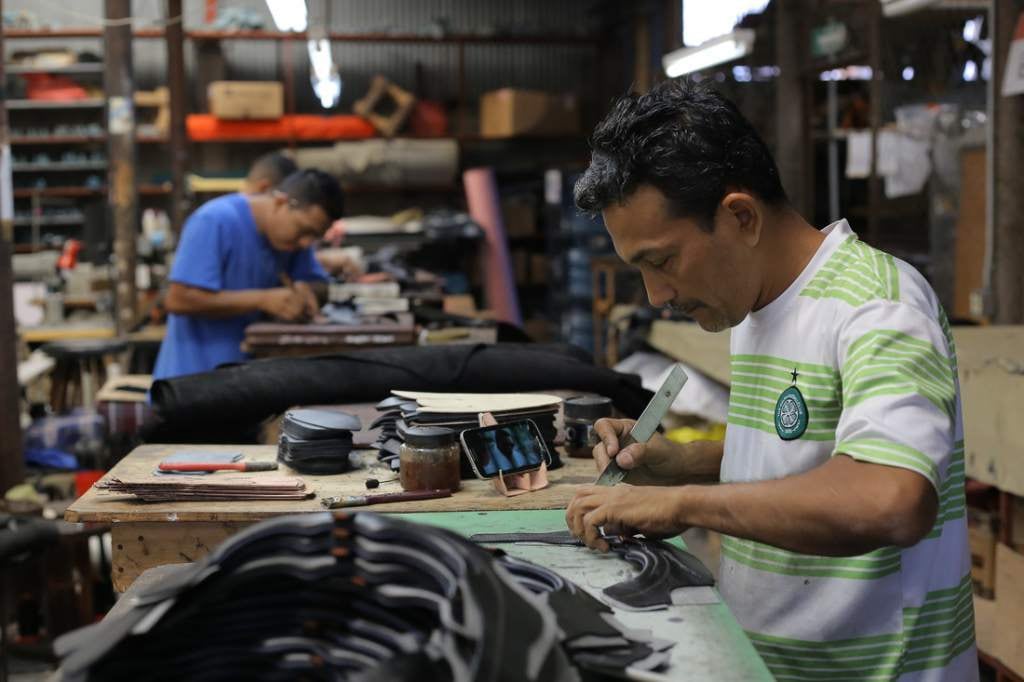
Cohep recomienda cuidar el aguinaldo
Aunque el ingreso extraordinario representa un alivio para miles de trabajadores, el Cohep recomendó administrar el aguinaldo con responsabilidad, especialmente ante los compromisos económicos que aparecen después de las celebraciones de fin de año.
Lester Amador aconsejó a los hondureños revisar sus finanzas familiares, identificar las obligaciones pendientes y establecer prioridades antes de destinar el dinero a compras navideñas o gastos que no sean indispensables.
El representante empresarial también destacó la importancia de reservar una parte de estos recursos para cubrir los gastos de enero y febrero de 2027, dos meses en los que muchas familias enfrentan dificultades para reorganizar sus presupuestos después de los desembolsos de diciembre.
Entre los compromisos que suelen acumularse al comenzar el año figuran los gastos escolares, la compra de útiles y uniformes, el pago de servicios básicos, las cuotas de préstamos y otras obligaciones familiares.
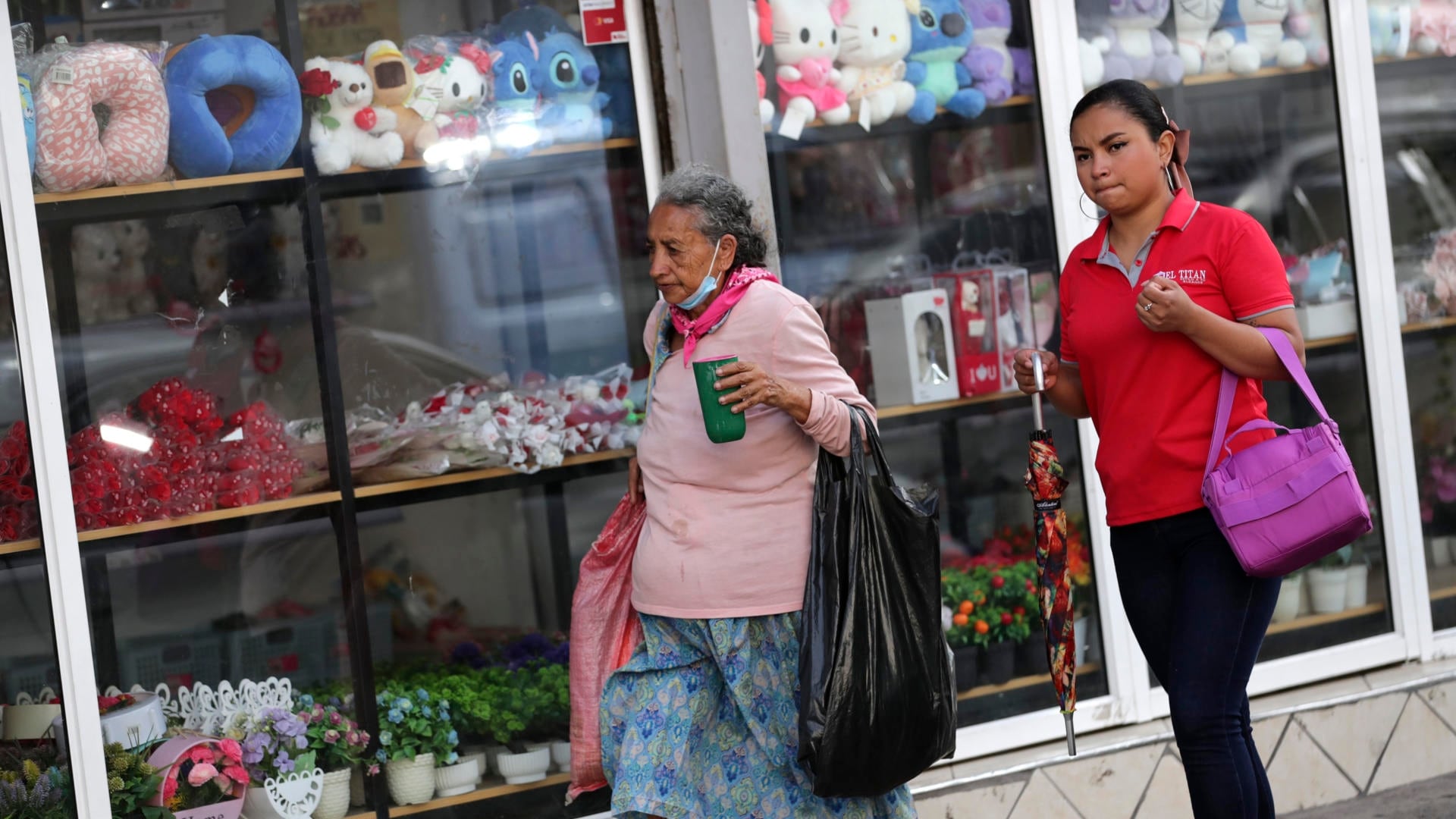
La recomendación busca evitar que los trabajadores utilicen la totalidad del aguinaldo durante las festividades y comiencen el nuevo año con problemas de liquidez o la necesidad de recurrir nuevamente al endeudamiento.
Amador insistió en que la planificación financiera permitirá aprovechar mejor el dinero recibido y convertir este ingreso adicional en una herramienta para mejorar la estabilidad económica de los hogares.
La inyección de USD 1.060 millones representa, por tanto, una oportunidad para dinamizar el comercio hondureño durante la Navidad, pero también plantea el desafío de que las familias distribuyan sus recursos de manera que puedan cubrir tanto las celebraciones de diciembre como sus necesidades durante los primeros meses de 2027.
corresponsal:Desde Tegucigalpa, Honduras











INTERNACIONAL
Tiny English village battles government over migrant housing plan amid crime fears for women

NEWYou can now listen to Fox News articles!
A rural Oxfordshire village of just over 350 people is taking on the British government, finding itself at the center of a national debate over immigration and public safety.
Residents of Piddington, a small community about 10 miles from the famous Oxford University and known more for its rural setting and centuries-old parish church than political activism, voted overwhelmingly in September to secede from the United Kingdom in a symbolic referendum. The 285-26 vote came after residents learned Prime Minister Andy Burnham’s government planned to house more than 1,200 male asylum seekers at a former Ministry of Defence base in Bicester — less than a mile from the village.
What began as a local planning dispute has since become one of Britain’s most closely watched immigration battles. The controversy intensified earlier this month when the government approved plans for the asylum accommodation center despite objections from local officials, residents and the Thames Valley Police and Crime Commissioner.
WHO IS ANDY BURNHAM? BRITAIN’S NEW PRIME MINISTER AND LONGTIME TRUMP CRITIC
Local residents pose with a «Principality of Piddington» sign in the village of Piddington, Oxfordshire, after they voted overwhelmingly to become an independent state in a symbolic «referendum». The village of around 350 residents held the vote after the Government said it wanted to set up a migrant camp close by. Wednesday Sept.16, 2026. (Joe Giddens/PA Wire POLITICS via AP)
«The Piddington situation reflects a political choice by the Burnham government to start locating asylum seekers across the whole country, to share the burden equally,» Alan Mendoza, executive director of the Henry Jackson Society, told Fox News Digital. He added that most locations selected to house migrants «do not vote Labour usually,» adding that some residents view the policy «as a form of political punishment.»
On Nov. 12, Housing and Communities Secretary Angela Rayner approved planning permission for the project, despite opposition from local residents and officials. The government argued the facility is needed as part of its broader effort to reform the UK’s asylum system and expand the use of alternative accommodation sites.
200,000 SMALL BOAT ARRIVALS LOOM AMID UK RAISING THREAT LEVEL TO ‘SEVERE’ FOLLOWING RECENT TERROR ATTACK

A security guard looks out from the main gates of MoD Bicester, after Communities Secretary Angela Rayner approved full planning permission, to convert the former MoD site near the village of Piddington in Oxfordshire, into accommodation for more than 1,200 detained asylum seekers. Ministers have faced angry opposition from villagers over the plans, who even made a symbolic attempt to declare the village independent of the rest of the country. Friday Nov.13, 2026. (Joe Giddens/Press Association POLITICS (Press Association via AP Images))
«I think it’s fair to say we were shocked by the news,» Michael Nixon, a member of the Piddington Parish Council, told Reuters at the time of the decision, «because we are a very small village. We have a total of 350 residents, including 46 children. We don’t have too much else in the village. There’s no shop. There’s no pub. You know, we are just a small rural community, and to have the thought of 1,250 lone men on our doorstep, without any consultation, without any thought about how that could be absorbed into our village, really shocked us.»
A Home Office spokesperson said the government is «working on a fairer distribution of asylum accommodation across the country» and moving away from the use of asylum hotels. The spokesperson added that former military sites, such as MoD Bicester, are designed to be «self-contained, with 24/7 security and CCTV, to minimize the impact on the local community.»
Not everyone is convinced the government’s assurances will be enough.

An aerial view of Piddington in Oxfordshire, as Communities Secretary Angela Rayner has approved full planning permission, to convert a Ministry of Defence site near the Oxfordshire village into accommodation for more than 1,200 detained asylum seekers. Ministers have faced angry opposition from villagers over the plans, who even made a symbolic attempt to declare the village independent from the rest of the country. Friday November 13, 2026. (Joe Giddens/Press Association POLITICS)
In an Oct. 16 letter to Home Secretary Shabana Mahmood, Thames Valley Police and Crime Commissioner Matthew Barber warned that local residents had «genuine concerns» about the project’s impact on «their safety and security.» He added that «given the open nature of the site we know that there will be an increased risk to the public.»
Barber went further, writing: «We must expect an increase in crime as a result of the Government’s proposals… it is naïve to consider that such a large population of single men will not bring with it a greater risk of violent and sexual offenses.»
EU ADMITS IT ‘DIDN’T HAVE CONTROL’ ON MIGRATION AS BLOC RUSHES CRACKDOWN AHEAD OF NEW RULES
In an interview on GB News last month, Piddington resident Christina Gower said villagers had been advised by rural policing personnel that officers could take up to 45 minutes to respond to an emergency call and that the best thing residents could do in the meantime was to «run and hide.» Thames Valley Police has not publicly confirmed that guidance.
Mendoza said, «It is understandable [residents] feel abandoned when they lack the enforcement mechanisms to deal with potential criminal outbreaks in what are usually very peaceful areas.»

Andy Burnham delivers his inaugural speech as U.K.’s new Prime Minister on on July 20, 2026, in London, England. The Member of Parliament for Makerfield becomes the UK’s 59th Prime Minister, succeeding Sir Keir Starmer, who resigned as leader of the Labour Party and Prime Minister in June. (Dan Kitwood/Getty Images)
Government planning documents show officials considered concerns about community safety, policing demand and the safety of women and girls before approving the project. The documents state that security measures would help mitigate those concerns, but acknowledge they «cannot eliminate all risk.»
The Home Office said that while planning permission has been granted, a final decision on whether the MoD Bicester site will ultimately be used for asylum accommodation has not yet been made.
In the meantime, residents of what parish chairman Tim McNally declared the «Principality of Piddington» remain defiant, saying they have no intention of backing down. What began as a local dispute over a former military base has evolved into a national test case in Britain’s ongoing battle over immigration, public safety and who bears the burden of accommodating asylum seekers.
The Associated Press and Reuters contributed to this report.
united kingdom, immigration, europe, crime
INTERNACIONAL
Mamdani’s top 4 socialist promises met with reality checks as his first year in office nears its end
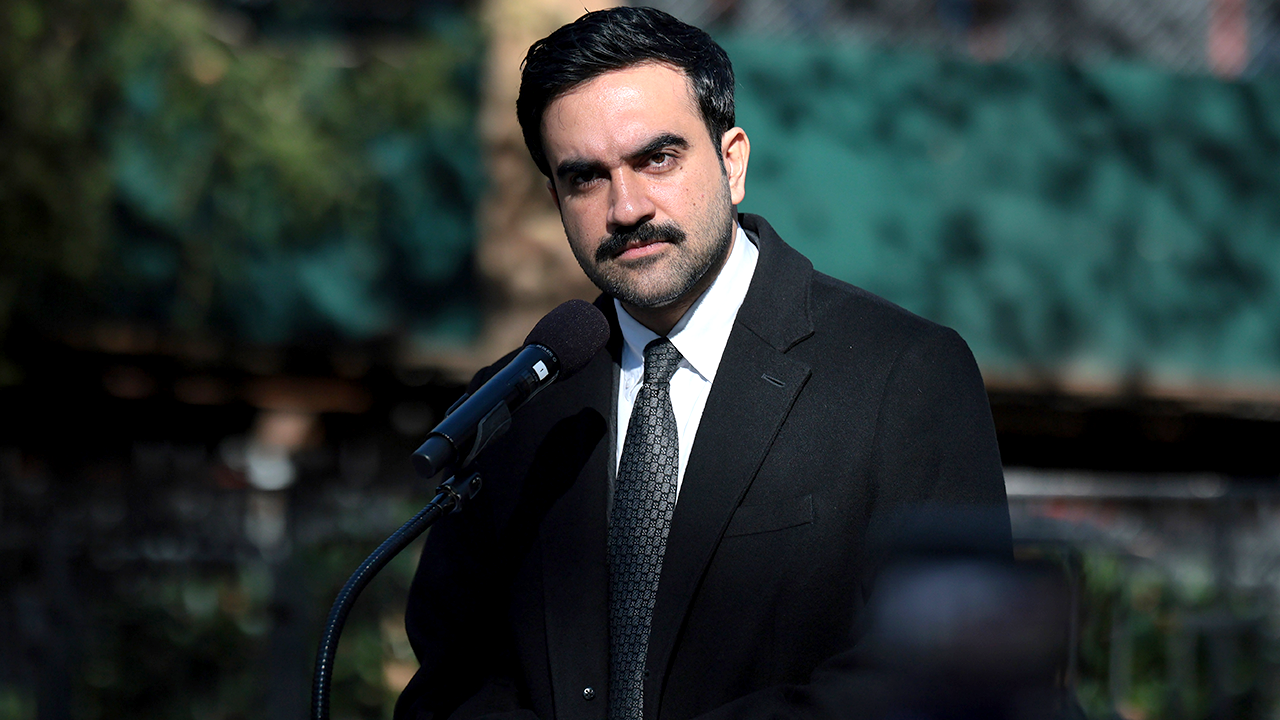
New York City Mayor Zohran Mamdani, a socialist, has begun delivering on several of his signature campaign promises in his first year leading the largest city in the U.S.
But the limited scope of those efforts raises questions about how much of his far-left agenda he can realistically implement.
Digital breaks down some of Mamdani’s most controversial campaign promises and those he’s made a priority in the first of his four years in office.
NYC MAYOR TOUTS ‘SOCIALIST’ WINS IN FIRST 100 DAYS ALONGSIDE BERNIE SANDERS
On the campaign trail, Mamdani pitched freezing monthly rent costs as a key strategy to lower the cost of housing for New Yorkers. Roughly 67.7% of those who live in the five boroughs of the city are renters, according to the most recent government data released in 2024.
«As mayor, I will freeze the rent every year that I’m in office. That’s a guarantee,» Mamdani said in a campaign video posted near the beginning of his campaign in 2024.
True to his word, the New York City Rent Guidelines Board announced Mamdani’s promised freeze in June, detailing a 0% increase in one-year leases beginning between October 2026 and October 2027 and a 0% increase for two-year leases beginning in the same window.
Mamdani hailed the announcement as a significant victory for the city, highlighting the longer-lease lock.
«This is a historic victory for New York City tenants. After reviewing the data and hearing from New Yorkers across the city, the independent RGB has delivered a freeze on one-year leases, and the first-ever freeze on two-year leases in our city’s history,» Mamdani’s office said in a press release in June.
«This is the relief that working people across our city deserve.»
Notably, the freeze does not apply to all rental apartments in New York City, instead covering about 1 million rent-stabilized units. According to the Community Service Society, a nonprofit poverty advocacy group, rent-stabilized apartments make up 41% of the city’s rental units.
Although Mamdani’s city-run grocery stores haven’t yet launched in earnest, a pilot test of what they could look like has raised questions about whether the idea will meaningfully address the food scarcity issues Mamdani highlighted on the campaign trail.
«This month we got polling that showed that two-thirds of New Yorkers support city-owned grocery stores, a policy we’ve championed for months and would guarantee cheaper groceries,» Mamdani said last year.
Even so, the first version of the city-run grocery store was met with complaints of long lines, shortages and disorganization when it launched in February.
MAMDANI’S AFFORDABILITY REVOLUTION STUMBLED AS RENT COSTS SOAR TO RECORD HIGHS
In a recent interview, Mamdani said he still has plans to build on the idea.
«What we’re going to do is — in a city of more than a thousand supermarkets — we’re going to create five. … They’re cheaper supermarkets, supermarkets with a discount,» the mayor said during a recent interview with The New York Times.
Mamdani has said he hopes to sell products at 30% below the market price.
The proposal has sparked skepticism from economists and commentators over how the city could deliver such steep discounts in an industry known for razor-thin profit margins. With grocery prices up about 33% nationwide since 2019, critics say the plan must explain how prices could undercut private retailers by 30% without significant public subsidies.
«This is completely insane. Also, not possible unless taxpayers are subsidizing all the groceries. Grocery store profits are tiny, a few percentage points a year, at best,» Outkick founder Clay Travis wrote.
Like his grocery store initiative, Mamdani’s plan to implement free universal childcare has struggled to keep pace with demand, falling short of the full promise.
«Since the beginning of this campaign, I’ve championed universal childcare, making a commitment to deliver it to New Yorkers as young as six weeks to five years of age,» Mamdani said in a campaign video in 2025.
Mamdani argued that, without expanded childcare, the city would experience billions in lost productivity from workers who couldn’t enter the workforce.
«My administration will address this crisis by providing no-cost childcare to families with children as young as six weeks up until they’re five years of age.»
STEVE FORBES: MAMDANI’S SOCIALIST RENT-CONTROL PUTS NEW YORK ON THE ROAD TO HOUSING RUIN
To facilitate the plan, Mamdani said he believed using government spaces, co-locating with the Department of Education, subsidizing commercial rent and relaxing regulatory requirements would help bring down costs.
Mamdani launched his plans back in January, announcing a preliminary version of the plan. The rollout was limited to select areas in Manhattan, the Bronx, Brooklyn and Queens and only applied to 2-year-old children.
In an August press release, Mamdani said the program had a 2,000-seat capacity and over 5,700 applicants, leaving roughly 3,700 children on waitlists.
In the same release, Mamdani said he expected the city’s capacity to grow sixfold, going from 2,000 to 12,000.
The New York City Independent Budget Office, a government watchdog, confirmed the program’s $73 million cost and estimated that the expanded version would cost roughly $425 million in 2028.
According to the United States Census, there are approximately 489,000 children in New York City under the age of 5.
Mamdani’s free bus plans have put him at odds with New York Gov. Kathy Hochul over whether the state should shoulder more of the burden for the mayor’s designs, leaving his campaign promises only partially fulfilled amid costs that would exceed his initial estimations.
Early on in his administration, Mamdani was asked when New Yorkers could expect the promise of free fares. Mamdani left the answer open-ended but pledged to fulfill his commitment by the end of his term.
«I have said when we ran this campaign … I’m making buses fast and free. I have said that by the time I am done being mayor, those will have been delivered,» Mamdani said in January.
So far, Mamdani has taken steps toward increasing busing efficiency in NYC by developing 50 priority corridors for speed improvements. But discussions about making the buses free have stalled at the state level.
New York’s bus system is run through the Metropolitan Transportation Authority (MTA), a state-created public authority. The body is controlled by the governor, who appoints the MTA chair and its board.
The group makes controlling decisions about its fares.
Although she expressed sympathy toward Mamdani’s design, Hochul said she could not remove the sources of revenue from New York City’s public transportation.
«I cannot set forth a plan right now that takes money out of a system that relies on the fares of the buses and the subways. But can we find a path to make it more affordable for people who need help? Of course we can,» Hochul said at a political retreat earlier this year.
Mamdani’s campaign originally estimated the plan would come with a $700 million price tag. However, the New York City Independent Budget Office released an estimate in June, finding that fully eliminating fares would cost New York State roughly $1.1 billion.
Even so, Mamdani said he believes the designs will ultimately be fulfilled.
«I continue to be excited at the work of making the slowest buses in America fast and free. And I appreciate the governor’s continued partnership in delivering on that agenda of affordability,» Mamdani said at a news conference earlier this month.
Mamdani is approaching the end of his first year as mayor. He was elected in November 2025 and was sworn in on Jan. 1, 2026. His term runs through Jan. 1, 2030.
Digital’s Amanda Macias contributed to this report.
politics, zohran mamdani, new york city, state and local, new york, kathy hochul, socialism
INTERNACIONAL
Taiwán criticó las trabas en Argentina, Bolivia y Uruguay para estrechar lazos bilaterales: las presiones de China
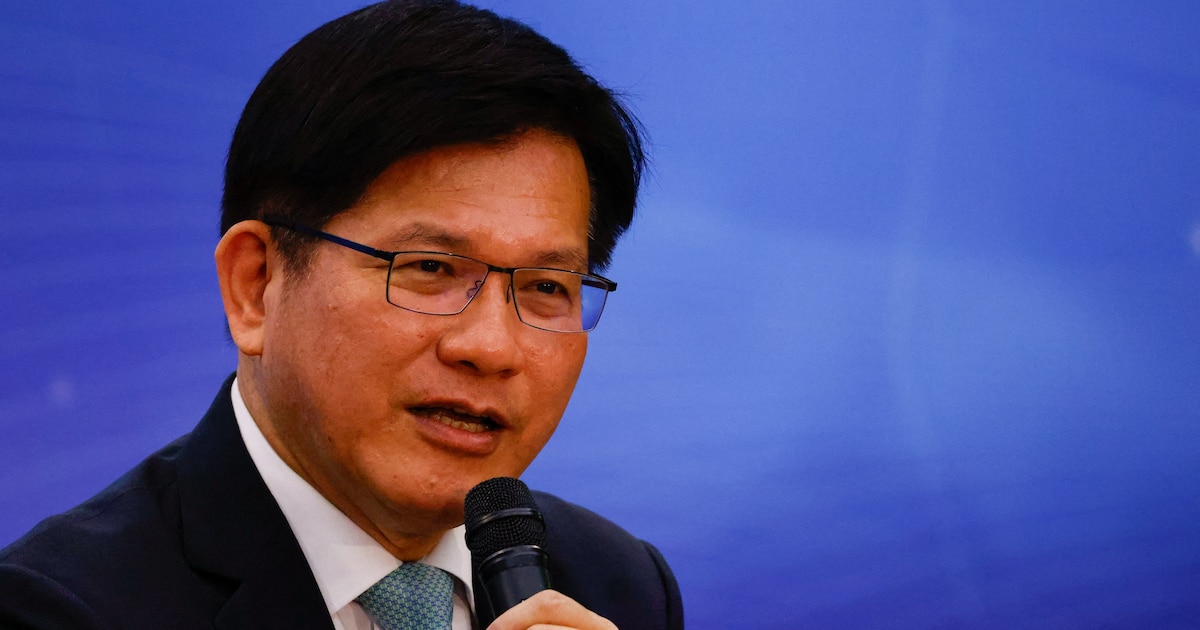
Taiwán hizo conocer su descontento por el trato que recibe de algunos gobiernos de América Latina y se lamentó por las oportunidades que, según su entender, están desperdiciando en temas tan importantes como tecnología, educación y comercio.
Fue el ministro de Asuntos Exteriores, Lin Chia-lung, quien criticó las trabas existentes de países como Argentina, Bolivia y Uruguay a estrechar sus vínculos tecnológicos y comerciales con la isla, sometida en los últimos años a un acoso permanente por parte del régimen de China.
Ese acoso puede verse no sólo en forma militar, sino también diplomática, ejerciendo presión sobre potenciales aliados o socios de Taipei en todo el mundo, incluida -y sobre todo- América Latina.
La agencia de noticias española EFE participó de un encuentro con medios donde el ministro Lin manifestó su disposición a estrechar lazos con los países miembros del Mercosur. Su objetivo, de acuerdo a lo recogido por el medio español es ayudar a convertir a la región en un polo tecnológico capaz de exportar esos beneficios al resto del mundo.
En ese sentido, Lin dijo que sus delegaciones extranjeras han promovido en Uruguay la creación de una cámara comercial del Río de la Plata, pero “lamentablemente” los funcionarios uruguayos “son bastante reservados” ante la iniciativa, y opinó que, con esa actitud, “están perjudicando sus intereses”.
El canciller taiwanés también habló sobre los vínculos con Argentina y se quejó de que, pese al deseo de Taipei de “estrechar” sus relaciones con Buenos Aires, el ministerio de Relaciones Exteriores conducida por Pablo Quirno se haya opuesto “tajante y vehementemente” a este acercamiento.
En su encuentro con los medios, Lin pidió “a la Cancillería argentina tener en cuenta que, aunque no existan lazos diplomáticos oficiales, se pueda desarrollar vínculos sustantivos”. El canciller destacó la “complementariedad” entre el potencial agroganadero y minero del país sudamericano y el liderazgo tecnológico de la isla, de acuerdo a EFE.
“(La idea es) ver cómo darle un mayor valor añadido a los productos argentinos. Desde que el presidente (Javier) Milei tomó posesión lo hemos intentado, pero en vano: no hemos podido tener buenos canales (de comunicación), y es una pena que no podamos hacer en Argentina lo que hemos hecho en Paraguay”, recalcó Lin.
Respecto a Bolivia, Lin defendió también la necesidad de abrir una oficina de representación de Taipéi para facilitar la tramitación de visados y estrechar la colaboración entre ambos países. Una de las posibilidades, de acuerdo al funcionario taiwanés sería permitiendo a los ciudadanos bolivianos participar en los cursos que la isla dicta en Paraguay, el único país de la región que reconoce plenamente a Taiwán pese a las presiones de China.
Lin fue particularmente duro al advertir que Beijing posee una gran influencia sobre el gobierno de Rodrigo Paz, pese a su supuesta cercanía con los Estados Unidos. “Bolivia es una nación con una enorme riqueza minera, pero esta riqueza debe redundar en beneficio del desarrollo de la ciudadanía y no ser controlada por China. Yo me pregunto, un país que es territorialmente no pequeño, como Bolivia, ¿por qué se somete al control de China?”.
Taipéi mantiene una férrea lucha diplomática con Beijing en todo el globo. En los últimos años logró estrechar mayores lazos con numerosos países, entre ellos Estados Unidos, Japón y varias naciones de la Unión Europea, sin necesidad de que los hubieran reconocido oficialmente como un país independiente. Este año, el Producto Bruto Interno de la isla superará el 13%, sobre todo por su desarrollo en Inteligencia Artificial y microprocesadores.
Presiones de China
En el último año, tanto los gobiernos de Argentina como Uruguay han experimentado presiones para impedir el contacto con Taiwán. Pero los embates no fueron únicamente a los funcionarios, sino también a autoridades académicas y legislativas que accedieron al acoso y las amenazas.
Por ejemplo, en abril pasado, funcionarios de la Embajada de China en Buenos Aires, conducida por Wang Wei, se comunicaron por teléfono con las autoridades de la Universidad de Belgrano para impedir que en esa casa de estudios se realizara la presentación de un libro. El acto era para poner de relieve las revelaciones de “China: la seducción comunicacional para normalizar a un régimen”, de Roberto Iglesias.
En agosto último, en tanto, el think tank Centro para la Apertura y el Desarrollo de América Latina (CADAL) planeaba realizar un acto conmemorativo por la persecución que sufre la minoría uigur en China. La Legislatura Porteña había autorizado el acto, pero una comunicación de Cancillería, a instancias de Wang Wei, frustró el evento sobre derechos humanos.
Por su parte, la Cancillería de Uruguay de Mario Lubetkin envió una carta al parlamento para expresar su protesta por el viaje a Taiwán de dos asesores de legisladores este noviembre.
El último atropello por pedido del régimen de Beijing ocurrió durante la visita del Papa León XIV a la Argentina. En un encuentro con dignatarios diplomáticos Florencia Miao-hung Hsie, la representante de Taipei en Buenos Aires, no recibió invitación. Fue convocada por pedido de la Nunciatura pero relegada por Cancillería al sector más alejado del Pontífice. En la sede diplomática de la Iglesia se mostraron molestos por esta falta de cortesía.
X: @TotiPI

Con dos cambios obligados, esta es la formación de Independiente para visitar a Vélez

Carlos Sainz se enojó por una maniobra de Franco Colapinto, lo criticó y advirtió: “Quizás tenga que hablar con él”

Honduras: salarios y aguinaldos inyectarán USD 1,060 millones a la economía durante diciembre, según el Cohep

El intendente que contó que es adicto a la cocaína enfrentó un proceso de destitución y logró conservar su cargo

Habló Chechu Bonelli tras la polémica que desató su nueva relación: “Hay personas que están sufriendo”

Un banco público bajó las tasas de sus préstamos personales: en cuánto queda la cuota para un crédito de $2 millones

“Estoy preparada para ser presidenta”: fuerte desafío de Patricia Bullrich a Javier Milei

Efecto reforma electoral: la suspensión de las PASO divide la estrategia de los “outsiders”

El economista Luis Secco cuestionó el programa económico de Milei: “Estamos estancados desde fines del primer trimestre de 2025″

“Lo real es que estamos estancados”: el análisis de un economista tras la caída de la actividad

 POLITICA2 días ago
“Estoy preparada para ser presidenta”: fuerte desafío de Patricia Bullrich a Javier Milei
- POLITICA11 horas ago
Efecto reforma electoral: la suspensión de las PASO divide la estrategia de los “outsiders”
- ECONOMIA3 días ago
El economista Luis Secco cuestionó el programa económico de Milei: “Estamos estancados desde fines del primer trimestre de 2025″