INTERNACIONAL
Asfura ordena priorizar pago de $1.85 millones que el IHMA adeuda a productores de frijol en Honduras


El presidente de Honduras, Nasry Asfura, ordenó priorizar el pago de aproximadamente US$1.85 millones que el Instituto Hondureño de Mercadeo Agrícola (IHMA) adeuda a productores de frijol que entregaron sus cosechas a la institución, confirmó el titular de la Secretaría de Agricultura y Ganadería (SAG), Moisés Molina.
El funcionario reconoció que la deuda continúa pendiente y explicó que las limitaciones presupuestarias afectaron el cumplimiento de distintas obligaciones del Gobierno, luego de que se destinaran recursos para atender los efectos de la sequía.
El compromiso de pago se mantiene y las autoridades esperan entregar próximamente el dinero a los agricultores.
Molina también informó que la junta directiva del IHMA trabaja en modificaciones para mejorar el funcionamiento de la institución, especialmente en los mecanismos de comercialización de los granos básicos y la rotación de los inventarios.
El titular de la SAG explicó que la deuda se mantiene desde la salida del anterior titular del instituto y señaló que la disponibilidad limitada de fondos incidió en el cumplimiento de varias responsabilidades gubernamentales.
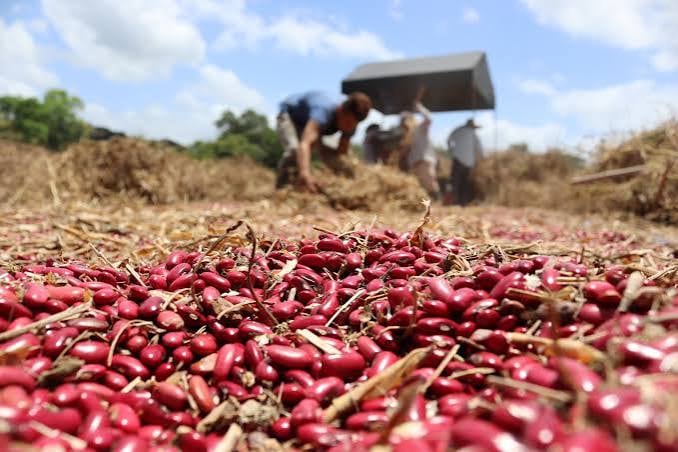
Según Molina, la instrucción del presidente Asfura es dar prioridad a este pago, con el objetivo de que los productores reciban el dinero por el grano que entregaron. No obstante, el funcionario no precisó una fecha exacta para completar el desembolso.
El cumplimiento de esta obligación es relevante para los agricultores que dependen de los ingresos de sus cosechas y necesitan recuperar el dinero correspondiente a las entregas realizadas al Estado.
Además del pago pendiente, las autoridades analizan cambios para facilitar las operaciones comerciales del IHMA. Molina explicó que las restricciones legales para vender frijol a instituciones distintas de Banasupro dificultan la salida de los inventarios y limitan las opciones de comercialización.
La junta directiva trabaja en alternativas que permitan agilizar el funcionamiento de la institución y mejorar la rotación de los productos almacenados.
La intención es facilitar las ventas a otras entidades, aunque el ministro no detalló cuáles serían los cambios legales o administrativos que se aplicarían ni cuándo entrarían en vigor.

El IHMA cumple funciones relacionadas con el mercadeo agrícola, por lo que sus decisiones sobre la compra y venta de granos básicos tienen incidencia en la relación con los productores y en el abastecimiento del mercado hondureño.
Molina afirmó que la SAG mantiene vigilancia sobre la disponibilidad de frijol para cubrir el consumo nacional y advirtió que, si la producción hondureña resulta insuficiente, el país recurrirá a importaciones.
“Estamos alerta porque si en algún momento no logramos tener la producción que se necesita para suplir el consumo, lo vamos a traer de donde sea necesario”, declaró el secretario.
El funcionario no anunció una importación inmediata ni especificó cantidades o países de procedencia. Su declaración plantea la posibilidad de recurrir al mercado internacional si la producción nacional no alcanza para satisfacer la demanda.

La decisión dependería de las necesidades de abastecimiento y de la disponibilidad de producto. Por ahora, el ministro indicó que las autoridades permanecen atentas a la capacidad de producción para garantizar el suministro del grano.
Durante sus declaraciones, Molina también se refirió a las versiones sobre un posible acuerdo para incrementar el precio de los huevos entre noviembre y enero.
El secretario aseguró que la SAG no participa en esas negociaciones y manifestó desconocer si existe una conversación entre los avicultores y la Secretaría de Desarrollo Económico.
Molina explicó que los precios de los huevos pueden experimentar variaciones por factores relacionados con la oferta y la demanda.
Entre ellos mencionó el aumento del consumo y la reducción de las horas de luz, una condición que puede disminuir temporalmente la postura de las gallinas.
Sin embargo, el funcionario no confirmó que exista un acuerdo oficial para elevar los precios durante esos meses ni anunció medidas específicas sobre el comportamiento del mercado.
corresponsal:Desde Tegucigalpa, Honduras











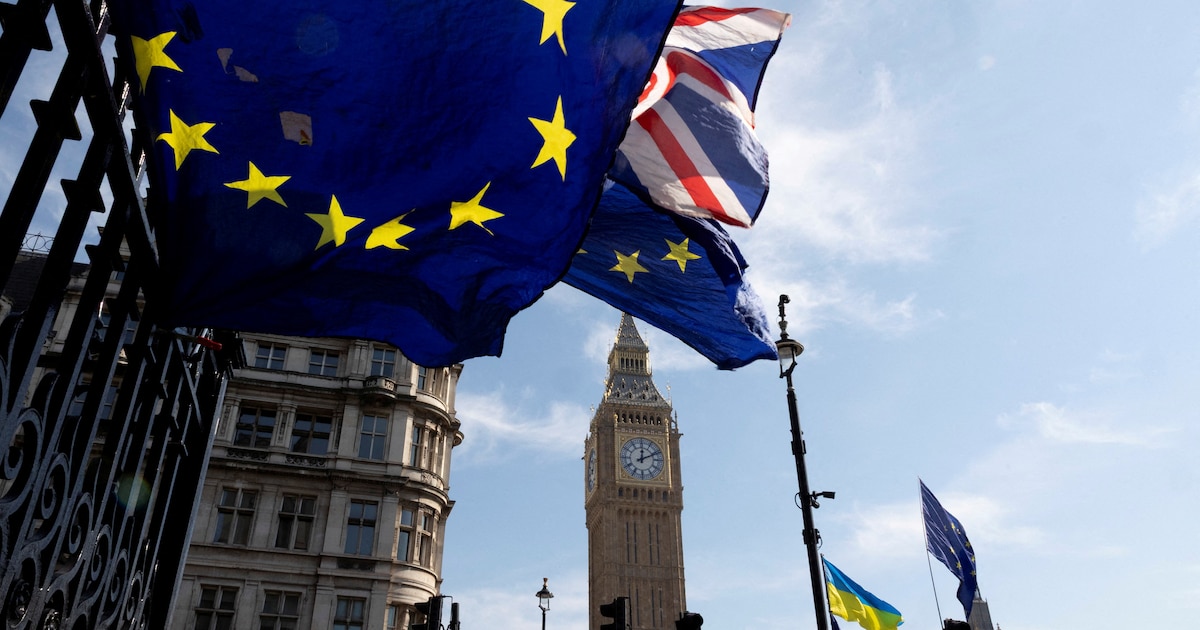
Parte de las tensiones que hoy atraviesan a Europa en su vínculo con algunas colectividades árabes y africanas hunde sus raíces en un colonialismo servil y devastador que las potencias europeas ejercieron sobre esas regiones. Sin embargo, el contraste es marcado cuando se observa la experiencia de las colectividades sudamericanas establecidas en Europa: allí suele verse una mayor interacción, inserción laboral, acceso a la vivienda y ejercicio de la ciudadanía. La hipótesis central es que quienes emigran desde América del Sur llevan incorporados en su formación los códigos cívicos y republicanos de origen.
Para entender ese punto de partida hay que mirar el siglo XIX y la lógica geopolítica de la emancipación sudamericana. La ruptura con el imperio español no fue un fenómeno aislado ni una simple continuidad de España: estuvo atravesada también por el cálculo comercial y estratégico de Inglaterra, interesada en quebrar el monopolio mercantil español y abrir mercados. En ese entramado, las redes masónicas cumplieron un rol clave para impulsar la independencia en cada territorio, con figuras como Francisco de Miranda y los jefes emancipadores en el centro de la escena.
Las guerras de independencia sudamericanas fueron prolongadas y profundamente destructivas, pero su arquitectura política resultó radicalmente distinta de las emancipaciones que se produjeron en África y el mundo árabe durante el siglo XX, en pleno tablero de la Guerra Fría. Mientras en América del Sur la ruptura estuvo articulada por logias masónicas de matriz liberal y constitucionalista, gran parte de los movimientos de liberación africanos y árabes quedaron bajo la órbita de influencia de la Unión Soviética y del bloque comunista. Dado que el comunismo rechazaba y combatía la práctica masónica por considerarla una institución burguesa y contraria a su doctrina, Rusia no instaló ni fomentó logias masónicas en esos procesos; en su lugar, impulsó esquemas de partido único, vanguardias revolucionarias y estructuras centralizadas que dejaron un muy bajo nivel de civismo, pluralismo democrático y cultura republicana.
En América del Sur, en cambio, una vez alcanzada la independencia, el desafío era construir Estados firmes, previsibles y aptos para el intercambio y la vida económica. Allí las masonerías nacionales atravesaron una transmutación decisiva: pasaron de la conspiración y la gesta independentista a una etapa constructora. Desde los primeros años de Don Pedro I hasta la organización institucional en países como Argentina, Brasil, Bolivia, Uruguay, Chile o Perú, esas redes aportaron soporte administrativo, social, democrático y republicano. Más aún: ayudaron a moldear una élite social con arraigo en la democracia, los partidos políticos, el orden institucional y la tolerancia, asentando valores cívicos, de convivencia y fraternidad.
En África y en el mundo árabe se combinaron así dos factores decisivos: por un lado, potencias coloniales europeas que, para prolongar su dominio, no fomentaron logias masónicas formales capaces de asumir un relevo institucional; por otro, descolonizaciones atravesadas por la Guerra Fría y la influencia soviética, refractaria a la masonería y a la tradición republicana liberal. Esto dejó estructuras masónicas incipientes o débiles en general —más allá de casos particulares como el de Sudáfrica— y muy frágiles en los países árabes, privando a esas sociedades de esa segunda etapa de construcción cívica.
La discusión sobre la integración en Europa suele detenerse en el presente, pero muchas veces omite el origen de las reglas con las que cada migrante dialoga con el Estado y la sociedad. Cuando América del Sur logró pasar de la ruptura independentista a la arquitectura institucional —con logias masónicas que ayudaron a forjar élites políticas, partidos y vocación republicana para dar estabilidad y comercio—, dejó una matriz cívica que hoy facilita el encaje cotidiano. Allí donde las independencias quedaron moldeadas por la Guerra Fría y la impronta soviética, sin ese andamiaje masónico y republicano, las fracturas institucionales del pasado siguen pesando demasiado en el presente.
Europe
INTERNACIONAL
Dem lawmaker to resign after report says he made ‘unwelcome’ sexual advances toward staffer

A West Coast Democrat announced his resignation from the House of Representatives after their bipartisan internal watchdog stated that he could have committed criminal sexual assault against congressional staffers on multiple occasions.
An explosive report by the House Ethics Committee released on Monday claimed that Rep. Jimmy Gomez, D-Calif., violated congressional rules on sexual misconduct by making «unwelcome» advances toward a staffer for the House, disregarding the power imbalance between lawmakers and aides in the process.
The report also went a step further, warning Gomez could have violated existing law.
Gomez has since announced his intent to resign on Dec. 1.
HOUSE DEMOCRAT INVESTIGATED OVER ALLEGED ‘INAPPROPRIATE SEXUAL CONTACT’ WITH STAFFER
The bipartisan panel found that «Representative Gomez knew or had reason to know that his contact was not welcome» when out with the staffer, called «Witness 1,» at a D.C. bar.
«There is also evidence that he knew or had reason to know his repeated advance towards Witness 1 in his congressional office was inappropriate and unwelcome. Accordingly, Representative Gomez’s conduct towards Witness 1 could implicate D.C. laws related to criminal sexual assault, including misdemeanor sexual abuse,» the report said.
SWALWELL ANNOUNCES RESIGNATION FROM CONGRESS AFTER SEXUAL MISCONDUCT ALLEGATIONS TORPEDOED GUBERNATORIAL BID
Gomez has not been charged with any crime and has maintained his innocence. Digital reached out to his office for comment but did not immediately receive a response.
Gomez was a close ally of disgraced former Rep. Eric Swalwell, D-Calif., who resigned after being accused of sexual assault — which he denied. Gomez is also founder of the pro-family Congressional Dads Caucus.
The bipartisan ethics panel announced in August that it was investigating Gomez over allegations including «inappropriate sexual contact with a House staffer.»
Gomez told Digital at the time that he «made personal mistakes outside my marriage» but added that his extramarital relations were consensual and that he did not break any laws.
CAPITOL HILL SEX SCANDALS TRIGGER NEW PUSH TO REDRAW THE LINE FOR LAWMAKERS
But the lawyers for one of the women interviewed by the committee disputed that in comments to Digital, accusing the congressman of sexual assault.
Monday’s report shows the committee appears to support her side of the story, and that Gomez’s actions «at various junctures suggests he knew that what he was doing was wrong.»
The staffer is identified as having worked for a congressional leadership office, rather than on Gomez’s own staff.
Before coming out with her accusations, the staffer testified to the committee that she did not want Gomez «to feel upset in any way,» and that she was «afraid that I was going to get in trouble at work,» the report said.
«Even if Representative Gomez believed that his actions were wholly consensual, his failure to appreciate the reality of this power dynamic and thus the untenable position he put a young congressional staffer in, is inconsistent with the standards required of a Member of Congress,» the report said.
The investigation into Gomez began after reports surfaced that he had been seen kissing a congressional staffer at a party attended by lawmakers and House employees.
Gomez initially disclosed two relationships involving congressional staffers, describing one as a past consensual sexual relationship and the other as «one sole occasion» of «consensual kissing.»
GOP LAWMAKER’S GIFTS, ‘EFFUSIVE AFFECTION’ TOWARD YOUNG STAFFERS DETAILED IN EXPLOSIVE ETHICS REPORT
However, investigators found credible allegations that Gomez made unwanted sexual advances more than once toward the second woman, Witness 1, which the woman claimed was «nonconsensual whatsoever.»
The woman, who was in her mid-20s at the time, testified that Gomez put his hand underneath her skirt and penetrated her with his fingers without consent during a February 2024 gathering at a bar in D.C., and testified to investigators that she fled to the bathroom crying after the incident.
Gomez defended himself against the allegation, telling the committee that the woman «did not say no,» and did not «push» him away, while denying penetrating her.
Investigators described a second encounter with the woman in July 2024, claiming that Gomez grabbed her as she attempted to leave his congressional office, pulled her toward him and tried to kiss her.
She described Gomez as «[p]retty forceful» and said she repeatedly tried to push him away, the report said.
Gomez denied the allegation, maintaining that he merely hugged the woman and kissed her on the cheek.
Investigators then refuted his defense after they examined text messages suggesting Gomez was concerned about being seen with the woman by members of his staff, noting that he switched their communications to Signal and enabled disappearing messages. The committee also noted that Gomez initially disclosed only consensual kissing before later acknowledging sexual contact during his testimony.
After reviewing documents and speaking with 10 witnesses, the committee concluded that Gomez violated clauses 1 and 18(b) of the House Code of Official Conduct, which prohibit unwelcome sexual advances toward House employees and require lawmakers to conduct themselves in a manner reflecting creditably on the House.
Investigators concluded that Gomez’s conduct caused the woman significant emotional distress and contributed to her decision to leave congressional employment in 2025.
«The Committee reiterates its commitment to investigating allegations and providing accountability to those who face sexual misconduct from Members and their staff. Here, the House lost Witness 1 as a competent and able staffer because of Representative Gomez’s misconduct and because of a broader culture of disrespect and toxic sexual behavior toward staff that permeates life on the Hill and is long overdue for correction,» the report said.
A slew of lawmakers on both sides have been accused of sexual assault or harassment over the last year, prompting a reckoning over how Congress protects staffers from predatory work environments.
politics, congress, house of representatives politics, democrats
INTERNACIONAL
Captain who abandoned passengers on sinking Costa Concordia cruise ship released early from prison

NEWYou can now listen to Fox News articles!
After nine years in a Rome prison, the captain of the Costa Concordia, Francesco Schettino, was released early from prison. Italian newspaper Quotidiano Nazionale reports he will serve the remaining 7 years of his 16-year sentence for manslaughter on supervised probation.
Schettino’s lawyer, Francesca Carnicelli, told Fox News, «I can confirm that Mr. Schettino is currently finishing his sentence under a program that allows him to live outside of prison,» saying, «he has a job as an office worker, must be home by 10:00 p.m. and is not allowed to leave the province where he resides.»
CRUISE COMPANY FOUNDER SAYS HE’S ‘THE VILLAIN’ AFTER 200-PLUS PASSENGERS ARE STRANDED
Francesco Schettino, former captain of the shipwrecked Costa Concordia, was released early from prison after serving 9 years of a 16-year sentence for abandoning his ship before it was fully evacuated. (Laura Lezza/Getty Images)
Almost 15 years ago, on Jan. 13, 2012, the Costa Concordia slammed into rocks off Tuscany’s Giglio island. Schettino reportedly veered off course to perform a «sail-by salute.» There were 4,200 passengers and crew on board, and 32 people were killed.
Schettino faced backlash after abandoning the ship, while hundreds of passengers were waiting to be rescued. At the time, Schettino told Italian La Repubblica that while helping others he tripped and ended up in one of the lifeboats.
‘THIS WAS A MIRACLE’: CRUISE PASSENGERS DESCRIBE FRANTIC ESCAPE AS TANKER STRIKES SHIP

The Costa Concordia cruise ship lies capsized off the shore of the island of Giglio, Italy, on January 14, 2012. More than four thousand people were on board when the ship struck a rock. (MAURIX/Gamma-Rapho via Getty Images)
A Netflix documentary titled, «Shipwrecked: Nightmare at Sea,» was released earlier this year.
American Nicholas Taliaferro, who survived the tragedy, told Fox News, «We have an opportunity to ask ourselves, a very important question was justice truly served? and that question is not only for those watching the documentary, but especially the victims and the survivors and the families who have had to live the consequences of the captain and everybody else that was involved for nearly 15 years, because serving a sentence and delivering justice aren’t necessarily the same thing.»
JULY 17, 2013: COURT HEARS HOW 32 DIED IN COSTA CONCORDIA SHIPWRECK

The Costa Concordia struck rocks off Tuscany’s Giglio island in Italy on January 13, 2012, after Francesco Schettino veered off course to perform a «sail-by salute.» The crash killed 32 of the 4,200 passengers and crew on board. (Target Presse Agentur Gmbh/Getty Images)
Prosecutors argued the captain was cowardly in his actions and refused the Italian Coast Guard’s orders to go back onboard and help with the evacuation.
Taliaferro said: «Whether you’re in United States or in Italy, or anywhere, the captain is the last one to get off the boat and he was the first one and now you’re the first one to get out, I mean it just seems a little disrespectful to the families and the survivors».
world, aftermath disasters, italy, cruises, crime world

El horóscopo de hoy: martes 24 de noviembre

El legado que nadie mira: por qué los sudamericanos se integran distinto en Europa

Dem lawmaker to resign after report says he made ‘unwelcome’ sexual advances toward staffer

Captain who abandoned passengers on sinking Costa Concordia cruise ship released early from prison

Quién es la decana K de la Facultad de Sociales que defendió el homenaje a Santucho en la UBA – Nexofin

River Plate inició negociaciones con Yassine Bounou para reforzar el arco el 2027

Javier Milei destacó el desembarco de Tesla en el país y aseguró: “Esto también es devolverle la libertad a los argentinos”

Financial Times duda de la economía argentina: riesgo país, financiamiento e imagen Milei

Agustín “Rada” Aristarán se despide de Chanta: “Con esta obra dejé de ser un impostor”

NYC college put on notice after Jewish campus group shunned by student government: ‘rude awakening’

 ECONOMIA1 día ago
Financial Times duda de la economía argentina: riesgo país, financiamiento e imagen Milei
- CHIMENTOS2 días ago
Agustín “Rada” Aristarán se despide de Chanta: “Con esta obra dejé de ser un impostor”
- INTERNACIONAL2 días ago
NYC college put on notice after Jewish campus group shunned by student government: ‘rude awakening’