INTERNACIONAL
China firm gave Iran lifeline to collect Hormuz tolls before pulling plug amid US warning

NEWYou can now listen to Fox News articles!
Iran’s sanctioned Persian Gulf Straits Authority (PGSA) regained secure online access for four days after a Shanghai-based internet security firm provided and then revoked its web credentials, enabling Tehran to vet vessels, collect Strait of Hormuz tolls and operate despite U.S. digital restrictions, global internet monitors said.
TrustAsia issued an automated domain-validated certificate, a routine process that verifies control of a website domain through server checks and typically does not involve manual vetting or background checks.
The move prompted U.S. sanctions experts, including Jeremy Paner, a partner at Hughes Hubbard & Reed, to urge TrustAsia to review its compliance program before offering further services to the IRGC-linked maritime authority — with Paner warning them to act «before it is too late.»
The PGSA first said its website was disrupted Aug. 10 because of «the enemy’s political influence on the internet service provision systems,» according to a post on X.
IRAN REQUESTS TALKS WITH US AS WHITE HOUSE WARNS ‘VIOLENCE WILL BE MET WITH VIOLENCE’
Oil tankers and cargo ships line up in the Strait of Hormuz as seen from Mina Al Fajer, United Arab Emirates, Wednesday, March 11, 2026. (Altaf Qadri/AP Photo)
NetBlocks CEO Alp Toker told Fox News Digital that the authority had lost its web security credentials after the entity was added to the U.S. Office of Foreign Assets Control (OFAC) sanctions list on May 27.
The loss of standard SSL/TLS certificates, Toker said, made the PGSA website inaccessible using standard browsers. This forced shipping firms to use unencrypted connections that, according to Toker, could leave their data vulnerable to interception.
While no data breaches resulting from the use of these connections have been made known, and there are no known instances in which a shipping firm’s data was intercepted and used to its detriment because of the certificate expiration, Toker said the site’s inaccessibility resulted in a shift to what he described as «insecure protocols.»
«The digital transparency records are authoritative on this,» he said, adding that the measure forced the traffic into a format that could be readily intercepted.
«This is a class of vulnerability open to government exploitation, rather than a corporate breach or personal data leak.»
Toker claimed this could make it easier for authorities to read communications sent through the platform, potentially identifying shipping firms collaborating with the PGSA.
TRUMP SAYS IRAN WILL PAY — WHAT IT TAKES TO END THE WAR REMAINS UNCLEAR
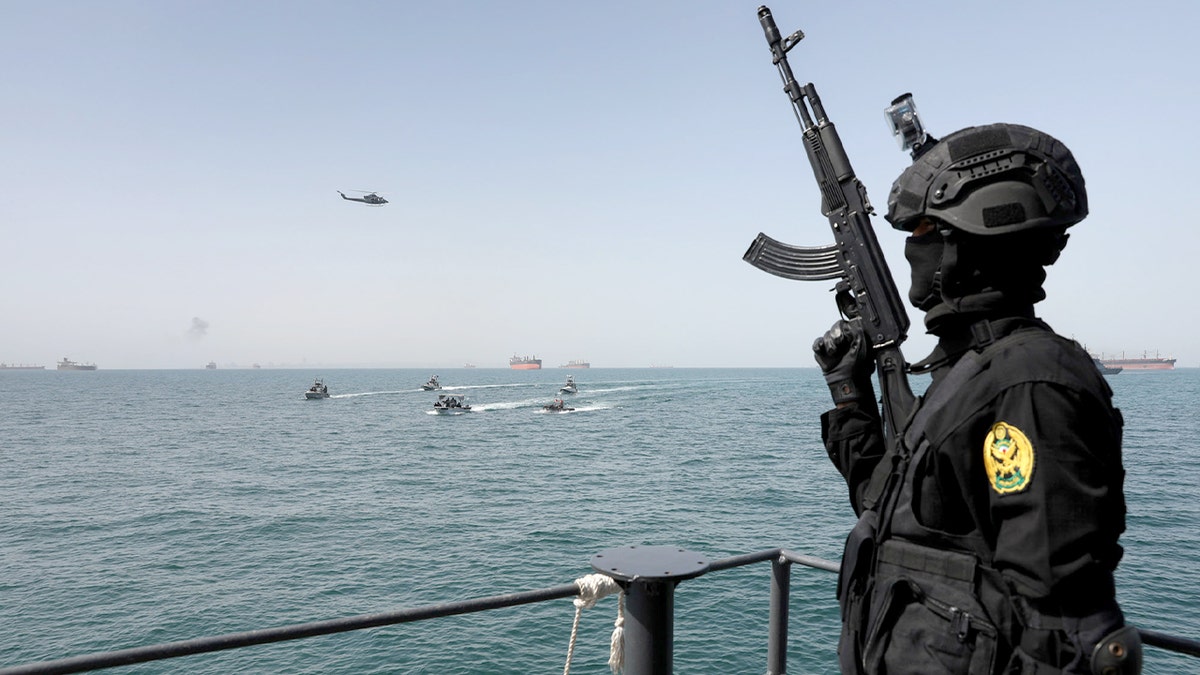
Naval units from Iran and Russia simulate the rescue of a hijacked vessel during joint drills at the Port of Bandar Abbas in Hormozgan, Iran, on Feb. 19, 2026. (Iranian Army/Handout/Anadolu via Getty Images)
«The net result was that the website was more difficult to access, because most web browsers strongly encourage the use of secure HTTPS,» Toker said, adding that any form submissions could have been easily «eavesdropped on because they’re no longer encrypted in transit.»
«The mentioned issue has been resolved, and the secure domain is now once again available for submitting requests using any browser,» the PGSA said six days later on Aug. 17 and in another post shared on X.
«If the issue recurs in the future, the HTTP domain will again be temporarily available using the Firefox browser.»
Toker confirmed that Iran had turned to Shanghai-based certificate authority TrustAsia Technologies, which he said issued new digital security credentials to the PGSA despite the U.S. sanctions, restoring secure access to its website.
«Iran’s IRGC extorts vessels transiting the Strait of Hormuz through the so-called Persian Gulf Strait Authority,» the Treasury Department said in May when designating the entity, adding that the PGSA «spearheads an Iranian-controlled scheme that flagrantly violates international law and U.S. sanctions.»
«Anyone cooperating with the so-called strait authority may be providing support to and receiving services from the IRGC, which ultimately benefits from this attempted extortion, and may therefore be exposed to sanctions risk,» the Treasury Department warned.
The Chinese firm bills itself as a «leading and professionally certified certification authority in China with its focus on trusted, secure and cryptographic communications in the digital world.»
Its mission, it says, is to «Build trust everywhere in the digital world.»
«Almost all of these root authorities do business with the U.S., so they tend to comply with U.S. sanctions,» Toker said.
But TrustAsia, he noted, had «gone its own way, building a China-first certificate infrastructure that sidesteps the West.»
Toker said TrustAsia had «simply gone ahead and issued Iran’s PGSA with a new certificate, and Iran was once again collecting revenue from ships passing the Strait via its secure online portal.»
TRUMP CALLS ON ARAB NATIONS TO SIGN ABRAHAM ACCORDS
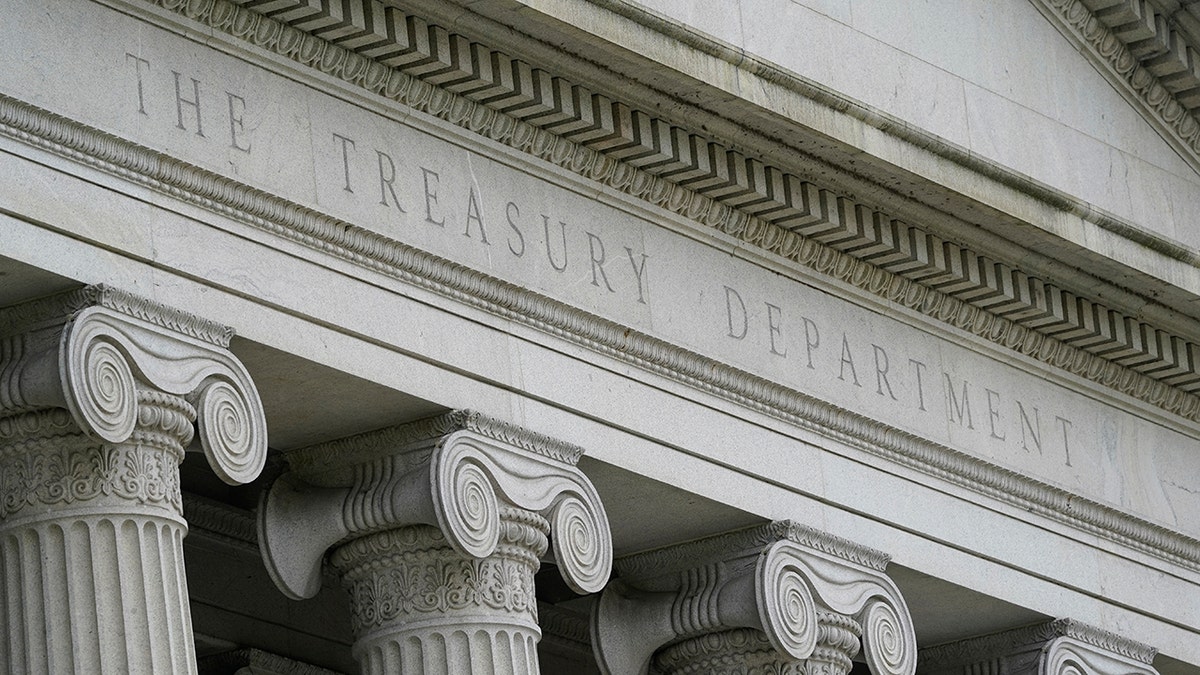
The Treasury Building is viewed in Washington, May 4, 2021. The U.S. on Wednesday imposed a new round of sanctions on a group of 20 people and firms allegedly involved in a financial facilitation network for the benefit of the Iranian military. The Treasury Department sanctions impact firms and people spanning from Hong Kong to the United Arab Emirates. (AP Photo/Patrick Semansky)
Paner warned that U.S. authorities would have enforcement powers over such actions.
«The U.S. has incredibly broad authority to impose sanctions on non-Iranian companies that provide any sorts of services to sanctioned Iranian companies,» he told Fox News Digital.
«Many times, that authority will be abbreviated or explained as being providers of material support to sanctioned Iranian companies. But in fact, any level of services whatsoever could be the basis for the United States imposing sanctions against the company for providing services to Iran.»
«Restoration of the certificate is unequivocally sanctionable,» Paner warned.
«Restoring the certificate is/was a service provided to the PGSA, which can be the basis for imposing sanctions pursuant to Executive Order 13224, as amended.
«That authority does not in any way require that the service be ‘knowingly’ provided to the PGSA. In other words, the automated nature of the service is irrelevant and does not make the service any less sanctionable,» the lawyer added.
In a statement to Fox News Digital on Aug. 20, a spokesperson for TrustAsia confirmed that the firm issued a «Domain Validated TLS certificate for pgsa.ir.»
«Thank you for bringing this matter to our attention,» the firm said before clarifying that «DV certificates are issued through automated validation of control over the requested domain names.»
IRAN ACCELERATES EXECUTION CAMPAIGN AGAINST ANTI-REGIME ACTIVISTS AMID INTERNET CENSORSHIP
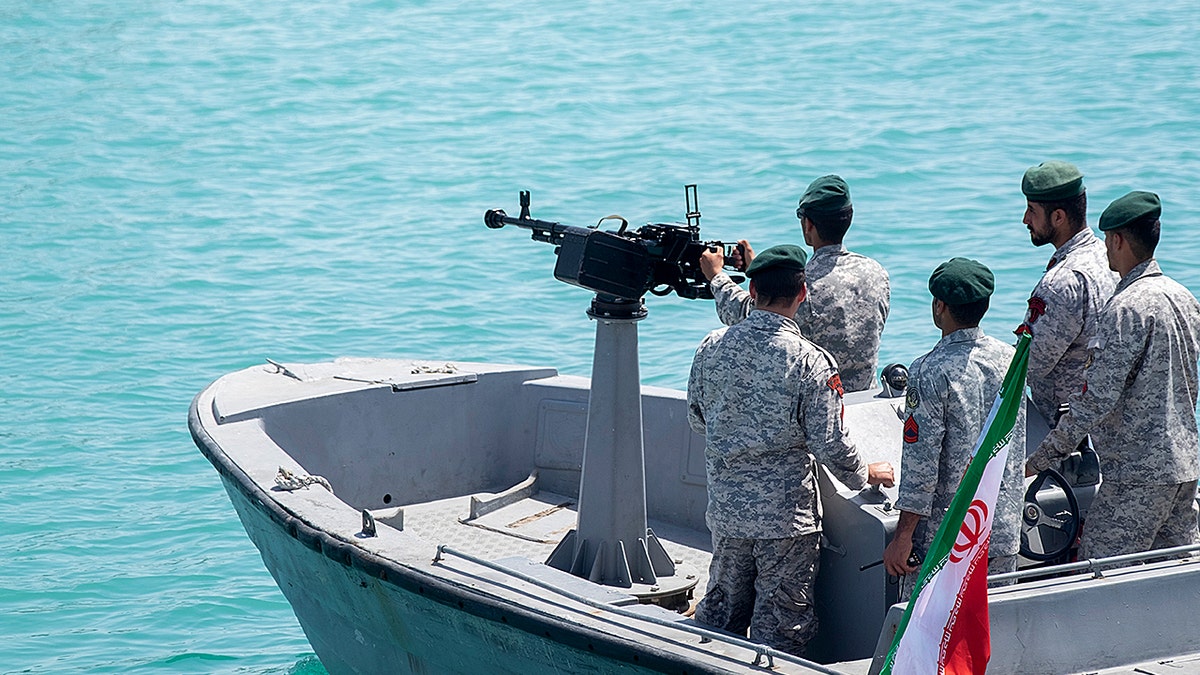
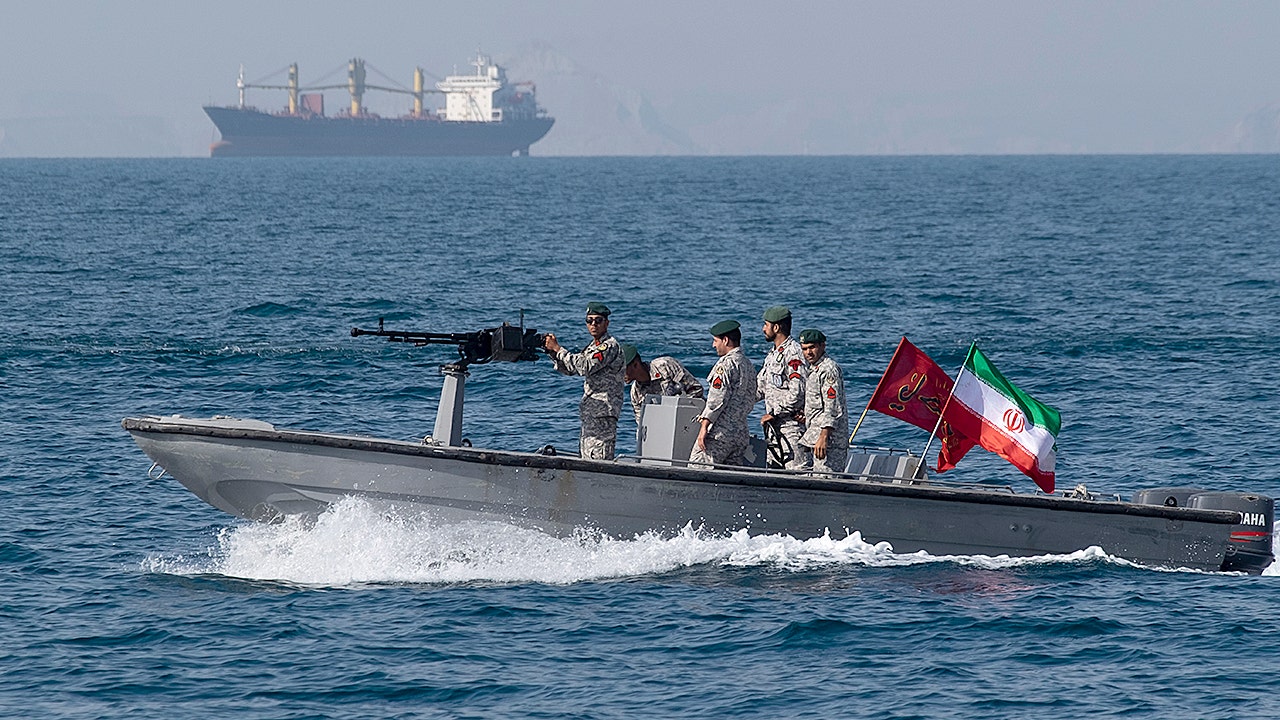
Iranian Navy soldiers on an armed speed boat in the Persian Gulf near the Strait of Hormuz. (Morteza Nikoubazl/NurPhoto via Getty Images)
«This process does not verify or assert the legal identity, affiliation, or sanctions status of the entity operating or benefiting from the domain.
«As a result, the relationship described in your inquiry was not identified during the automated issuance process.» Following the firm’s review, TrustAsia said it «added the entire pgsa.ir domain namespace to our restricted-issuance list to prevent further issuance or renewal.»
«We also expect to complete revocation of the existing certificate within this week,» the spokesman said on Aug. 20.
These actions are precautionary compliance and risk-control measures. They should not be interpreted as a finding that the certificate was technically misissued, TrustAsia said.
Toker confirmed the TrustAsia certificate’s privilege had been withdrawn on Aug. 21 at 12:15:25 UTC. «This usually means the issuer has taken action,» he said.
The internet expert clarified that the revocation will gradually be coming into effect, with the firm «signaling that the PGSA certificate should no longer be trusted, and they’re distributing this notice that privilege is withdrawn, usually meaning customer misuse or breached terms of use.»
«The secure website will stop working in most browsers, unless the owners can find a certificate authority that’s willing to issue a new certificate,» Toker said.
IRAN’S UNSEEN SUPREME LEADER BECOMES WEAPON IN ESCALATING POWER STRUGGLE, EXPERTS SAY
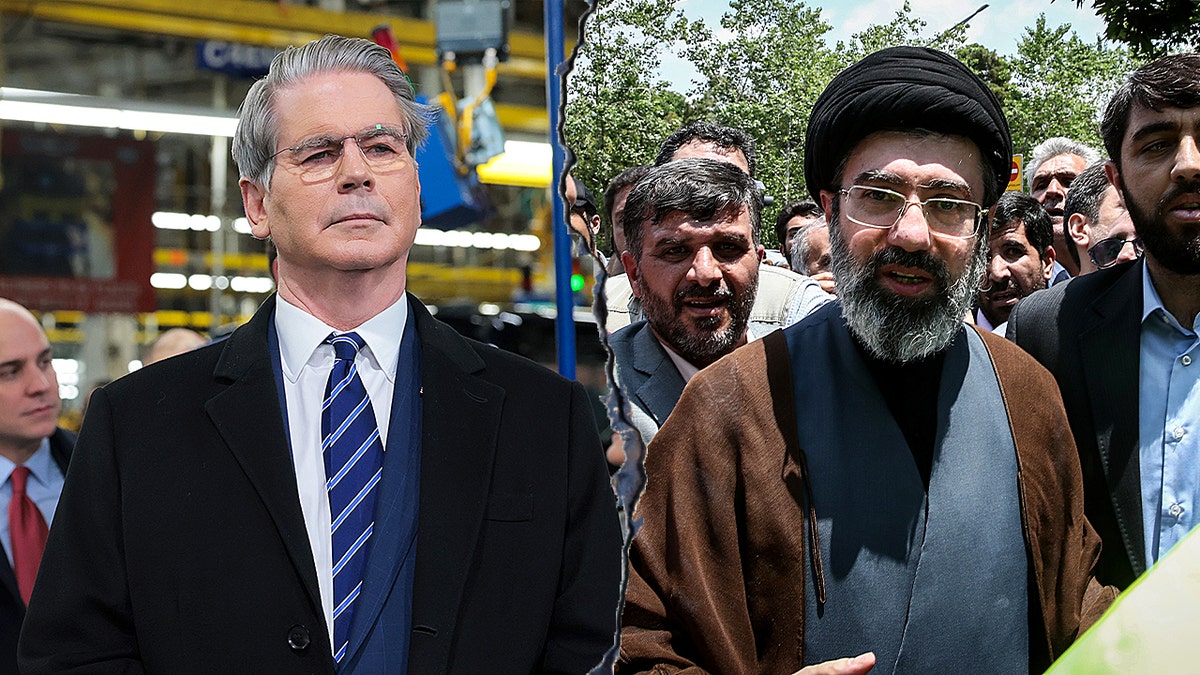
Iran sanctions prompt capital flight as Treasury Secretary Scott Bessent reports Iranian leaders allegedly wired tens of millions overseas amid protest crackdowns. (Anna Moneymaker/Saeid Zareian/Picture Alliance via Getty Images)
After reviewing TrustAsia’s statement, Paner also said that OFAC would expect the company to «use the discovery as an opportunity to enhance its compliance program before it is too late.»
The former OFAC official clarified that Iran’s revenue collection in the waterway would likely draw high-level scrutiny in Washington.
«Iran’s attempt to extort the world in the movement of oil through the Strait of Hormuz is of the utmost importance to OFAC, which is the agency that implements and enforces U.S. economic sanctions.»
Because major U.S. web browsers currently recognize TrustAsia’s root certificates, American systems would have automatically trusted the sanctioned Iranian portal.
Toker claimed the Treasury Department could have found TrustAsia in violation of sanctions for providing material assistance to a blocked entity, potentially forcing tech giants such as Google and Microsoft to revoke trust in TrustAsia.
There is no evidence that this process had begun or was likely to occur.
«This could have splintered the global chain of trust and potentially render much of the Chinese web inaccessible from the West,» Toker warned.
IRAN IS NOT A NORMAL NATION YOU CAN MAKE DEALS WITH; IT’S A NATIONAL SECURITY THREAT
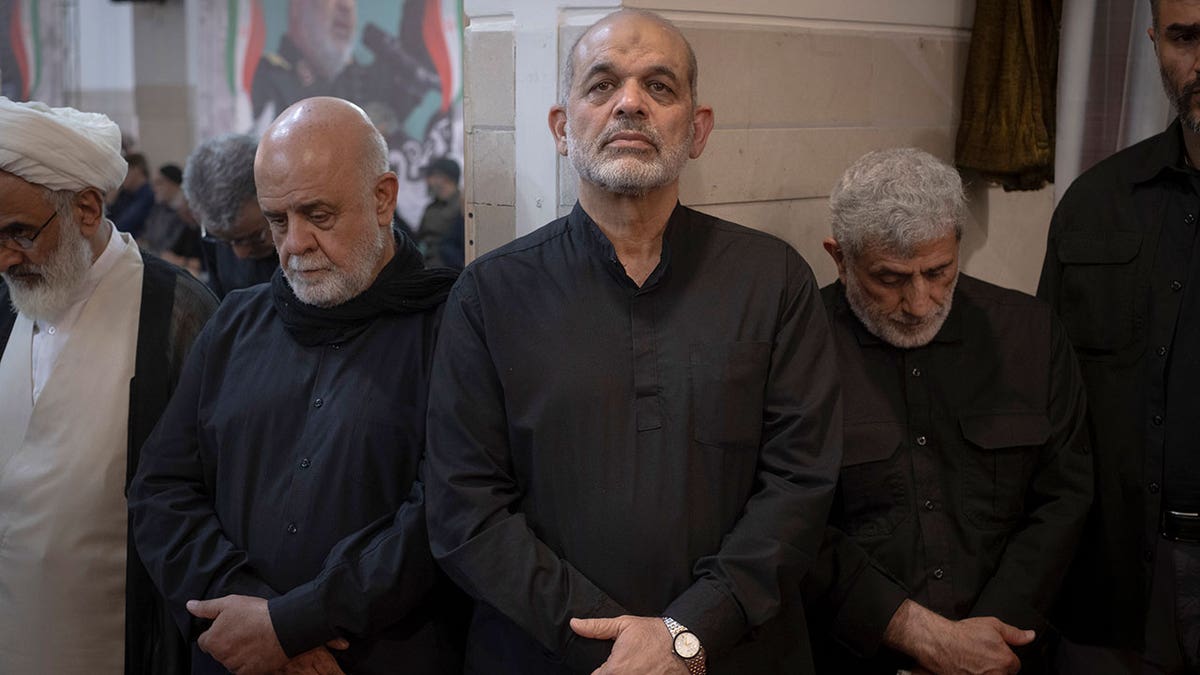
Ahmad Vahidi, commander of the Islamic Revolutionary Guard Corps Quds Force, Esmail Qaani, and Iraj Masjedi, deputy coordinator of the Islamic Revolutionary Guard Corps (IRGC) Quds Force, participate in a ceremony to mark the memory of former IRGC commander, Hossein Salami, who is killed in Israeli attacks, at a mosque in an IRGC organizational house complex in Tehran, Iran, July 25, 2025. (Morteza Nikoubazl/Nur Photo via Getty Images)
Paner clarified that the certificates authenticate the site, boosting its credibility, and suggested TrustAsia should have weighed the risks of working with sanctioned entities.
«There’s always reputational risk involved in any company that decides to do business with the IRGC.»
«If I were advising TrustAsia, I would at minimum immediately identify all other IRGC companies receiving services.»
Paner added that this latest situation aligned with broader warnings from administration officials.
«I think this dovetails pretty nicely with Secretary Bessent’s comments about how the coming sanctions are going to be unlike any that has come prior. Sanctions require a careful balancing of the costs and the benefits.
«When it’s a Chinese tech company providing necessary services to the IRGC, I’m confident that the U.S. government is going to forego any sort of balancing in that regard.»
The United States on Aug. 24 had sanctioned nearly 60 Iran-linked individuals, entities and vessels and expanded the threat of secondary sanctions, Treasury Secretary Scott Bessent said. These did not include TrustAsia.
Bessent described the measures as part of an «economic onslaught» targeting Tehran’s global financial networks under «Operation Economic Outcast.»
A Chinese Embassy spokesperson also said in a statement: «I am not aware of the specifics you mentioned. I have no information to provide.»
Fox News Digital reached out to the U.S. Department of the Treasury and the White House for comment.
sanctions, world, security, trending news, national security, iran, war with iran








INTERNACIONAL
Ley de Justicia Energética beneficia a más de 1,800 abonados y permite regularizar deudas sin multas en Honduras
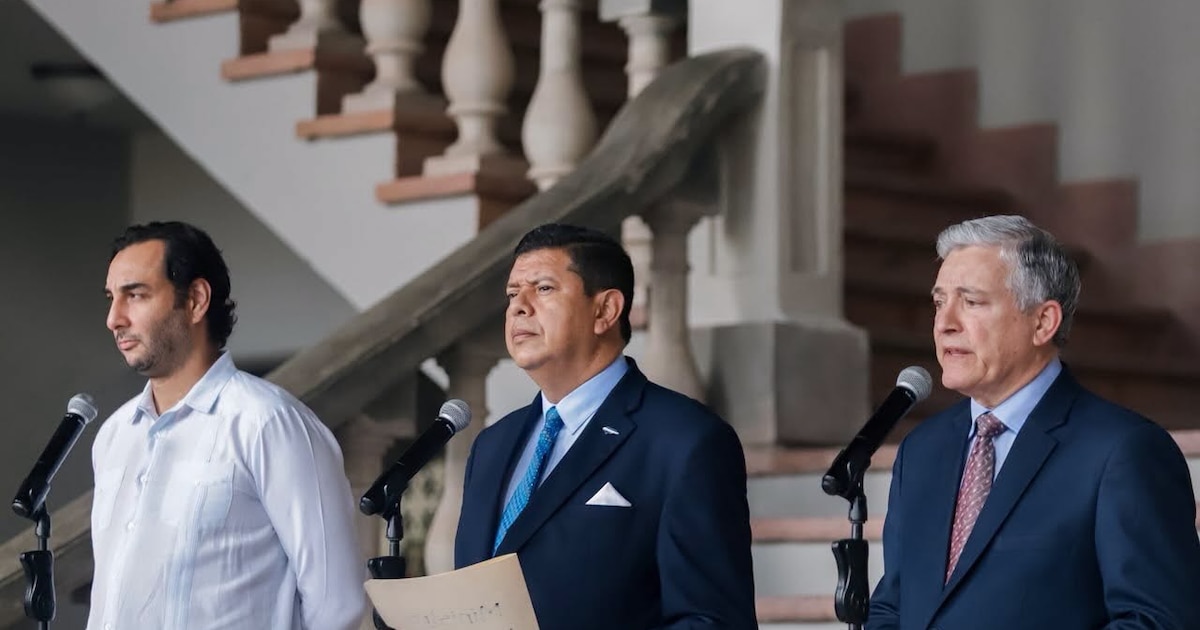
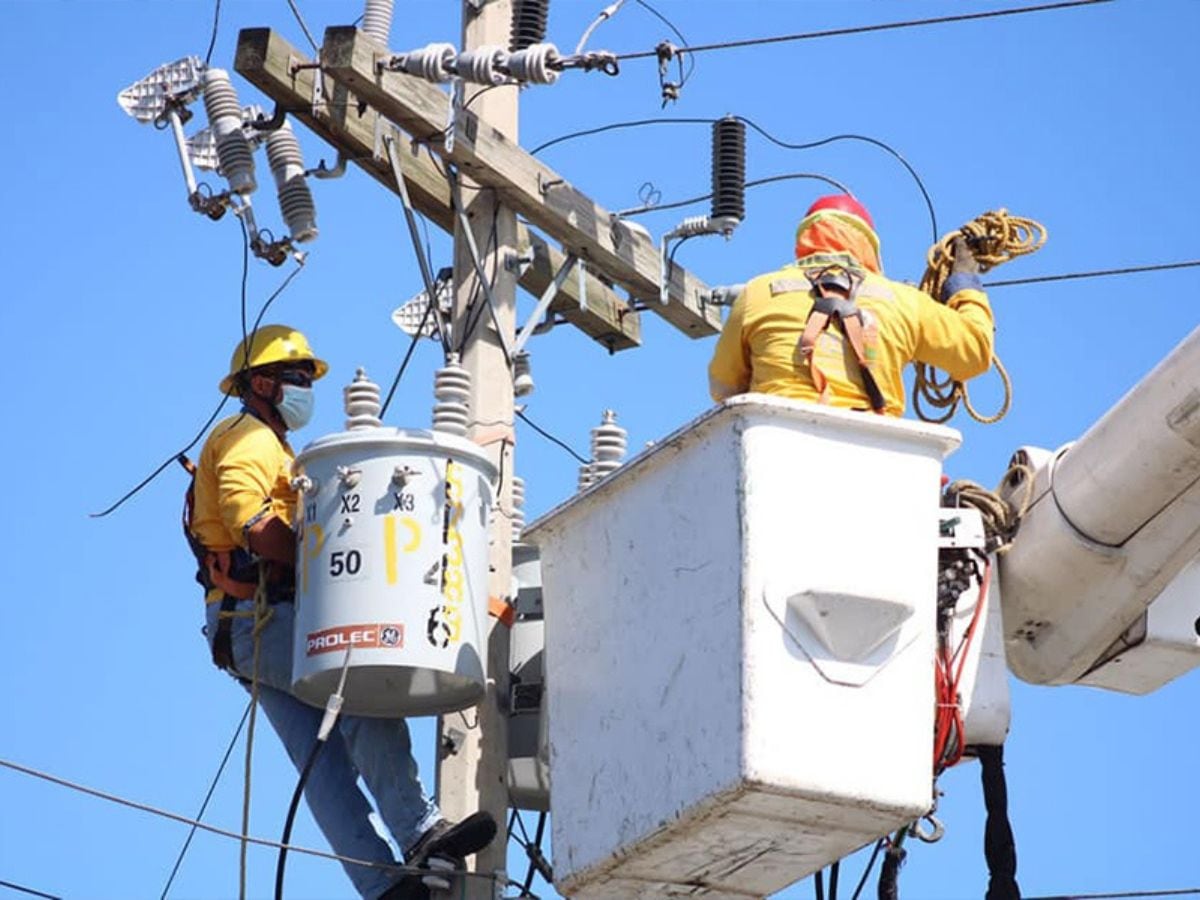
La Ley de Justicia Energética comienza a mostrar sus primeros resultados en Honduras. A 30 días de su entrada en vigencia, más de 1,800 abonados reciben el beneficio de condonación de deudas residenciales y otros 200 clientes se han acercado voluntariamente a la Empresa Nacional de Energía Eléctrica (ENEE) para regularizar sus servicios sin multas ni sanciones.
Los avances fueron presentados por el gerente general de la ENEE, Guillermo Peña Panting, desde Casa Presidencial, donde explicó que la normativa busca ordenar las obligaciones pendientes de los usuarios residenciales, comerciales y municipales, además de impulsar cambios estructurales en el funcionamiento del sector eléctrico.
El funcionario detalló que la regularización voluntaria está disponible para clientes con servicios en viviendas y negocios que deseen ponerse al día con sus cuentas.
Para facilitar el procedimiento, la institución habilitó sus oficinas a nivel nacional y canales de atención mediante redes sociales y WhatsApp.
“Ya tenemos más de 200 clientes que se han acercado a la empresa voluntariamente a regularizarse sin multa y sin ningún castigo”, manifestó Peña Panting.
Uno de los principales beneficios de la normativa está dirigido a los usuarios residenciales que mantienen obligaciones pendientes con la ENEE.
Según explicó el gerente de la institución, más de 1,800 abonados ya reciben la condonación de sus deudas, siempre que cumplan con las condiciones establecidas en la ley.
El beneficio contempla a los clientes residenciales que mantienen obligaciones pendientes por más de 120 días y cuyo consumo mensual de energía eléctrica es inferior a 250 kilovatios hora.
Los usuarios que cumplen estos requisitos pueden realizar sus gestiones en más de 30 oficinas de atención de la ENEE distribuidas en el territorio nacional, así como mediante los canales digitales habilitados por la institución.
La medida busca ofrecer una alternativa a los hogares que acumularon compromisos económicos por el servicio eléctrico y facilitar que puedan regularizar su situación.
Además de los abonados residenciales, el proceso contempla a empresas grandes y medianas, así como pequeños comercios. Peña Panting explicó que la intención es ordenar las cuentas pendientes de los distintos sectores y facilitar que los usuarios puedan ponerse al día con sus obligaciones.

Otro de los componentes de la Ley de Justicia Energética está relacionado con las deudas y obligaciones de las municipalidades con la empresa estatal.
El gerente de la ENEE anunció avances en la coordinación con la Secretaría de Gobernación y la Asociación de Municipios de Honduras (AMHON) para intervenir inicialmente las cuentas de 215 alcaldías clasificadas en las categorías C y D.
El proceso contempla la instalación y actualización de medidores, como parte de las acciones para mejorar el control del consumo y ordenar los registros de facturación de las municipalidades.
Una vez completada esta etapa, las autoridades prevén continuar con las alcaldías clasificadas en las categorías A y B.
La iniciativa pretende mejorar la administración de los servicios eléctricos municipales y establecer mecanismos que permitan conocer con mayor precisión el consumo de energía y las obligaciones económicas de cada gobierno local.
Peña Panting también destacó el plan de contingencia contemplado en la Ley de Justicia Energética, cuyo objetivo es reducir el impacto de las presiones inflacionarias provenientes de los mercados internacionales de energía y combustibles.
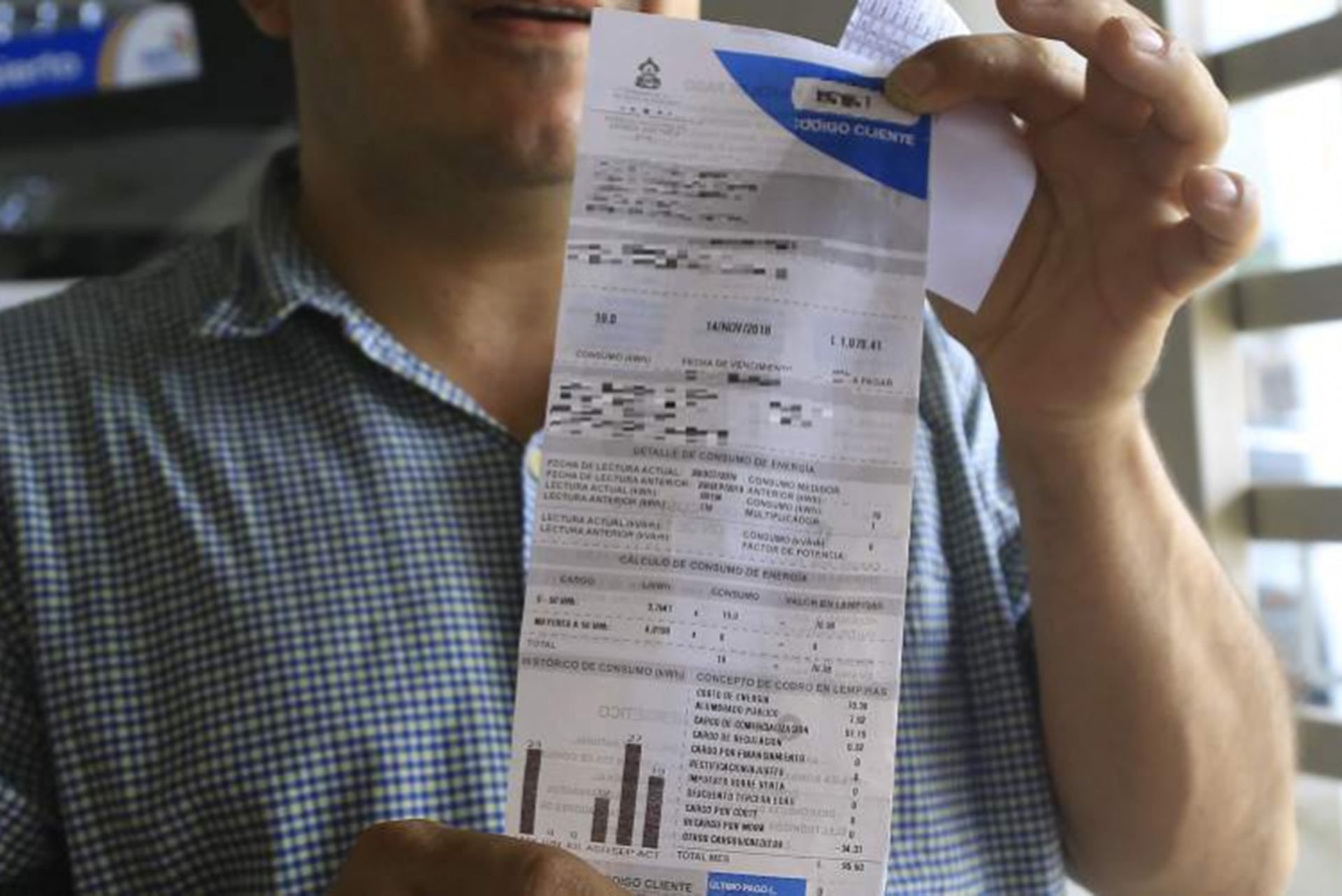
El funcionario explicó que estas medidas buscan evitar que los incrementos de los costos internacionales se trasladen directamente a las tarifas que pagan los usuarios hondureños.
La normativa contempla un período de seis meses durante el cual se pretende preservar la estabilidad tarifaria y financiera, mientras se desarrollan las acciones de reorganización del sector eléctrico.
Este componente adquiere relevancia debido a la exposición de Honduras a las variaciones de los precios internacionales de los combustibles, que pueden repercutir en los costos de generación eléctrica y, posteriormente, en las facturas de los consumidores.
Por su parte, el ministro de Energía, Eduardo Oviedo, calificó la normativa como una transformación de gran alcance para el sector eléctrico hondureño, debido a la dimensión de la infraestructura que administra la ENEE.
El funcionario recordó que la empresa estatal tiene bajo su responsabilidad plantas generadoras distribuidas en diferentes regiones del país, más de 3,000 kilómetros de líneas de transmisión y aproximadamente 11,000 kilómetros de redes de distribución.

“Significa la transformación más importante en cualquier empresa de Honduras en toda su historia”, declaró Oviedo al referirse al alcance de la reforma.
Como parte de su implementación, informó que ya fue instalado el Comité de Conducción de la Reforma del Subsector Eléctrico y conformada la Unidad Técnica de Implementación y Seguimiento de la Ley.
Esta última instancia tendrá la responsabilidad de coordinar la hoja de ruta integral, dar seguimiento a las disposiciones establecidas y acompañar el desarrollo de las diferentes medidas contempladas en la normativa.
El proceso contará con el acompañamiento de expertos internacionales y organismos multilaterales de crédito, con el propósito de fortalecer la implementación de los cambios en el sector energético.
corresponsal:Desde Tegucigalpa, Honduras
They always ask if I felt something. «Across your foot? Your shin?» My shin?
«Yeah. Your ankle. Did you feel it?» Not really. But before I respond, they ask again.
What was it like?» they inquired. «Or did you just fall?» Then they speculated I might be clumsy.
Hmmph. Clumsy. I truly don’t think so.
REPORTER’S NOTEBOOK: CONGRESS BRACES FOR POST-ELECTION GAME OF MUSICAL CHAIRS AS LEADERSHIP BATTLES LOOM
Oh. I fall like everyone else. I work out daily. I’ve taken a couple of tumbles on predawn runs in Alexandria, Virginia. You never know when one of those sidewalk snakes will slither up from the asphalt and nip you on the ankle. I used to snow ski. I studied martial arts for years and hold a second degree black belt.
Clumsy? Nah.
«But, what do you think it was?» they follow up. Well, I have my theories.
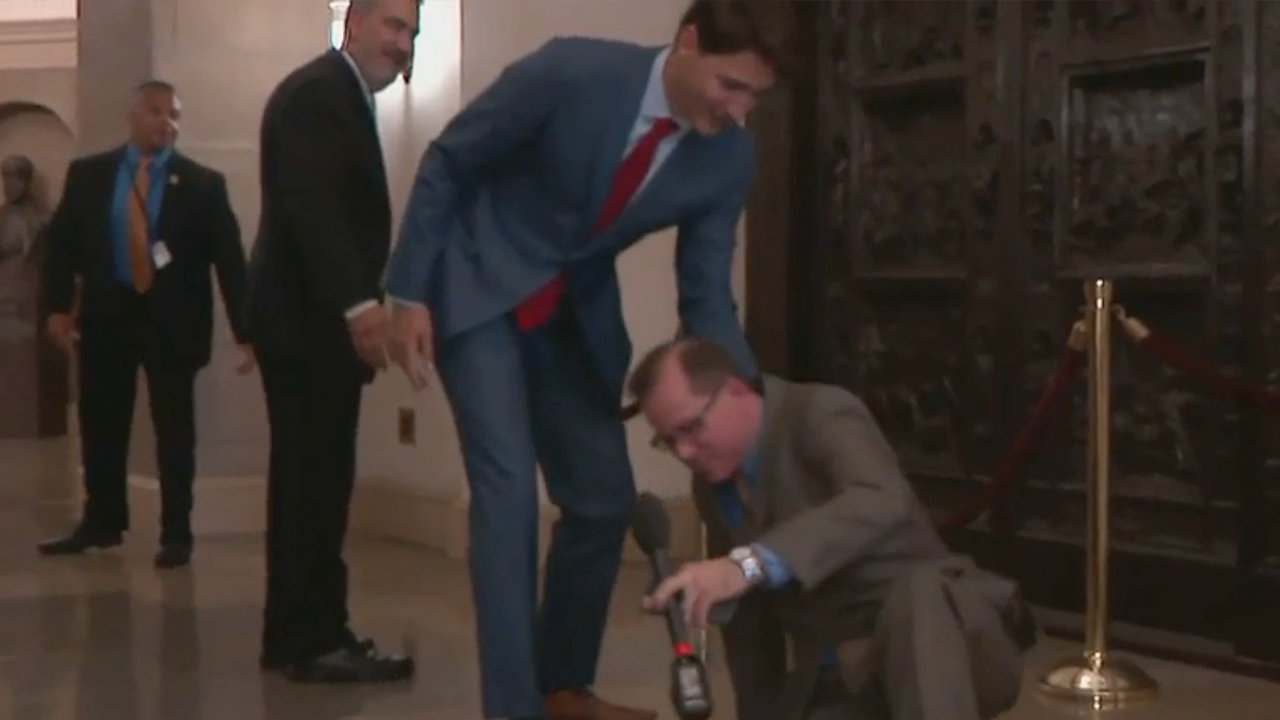
I was a little tired that day. I noted the lip on the small staircase near the Memorial Door of the U.S. Capitol where I may have caught the edge of my brown loafers.
I remember my shoes. Rubber soles. Slight scuff on the toes. Perfectly matched with my crisp tan summer suit. Not quite an «Obama» tan suit. But appropriate for summer. And I thought at least reasonably dapper for traipsing around the U.S. Capitol and covering Congress on a sweltering July day.
Was it the shoes? My fatigue? Or how about my haste to «get the story.» I spotted then-Canadian Prime Minister Justin Trudeau and his small coterie of aides and a security detail descending a spiral staircase after a meeting with then-House Speaker Nancy Pelosi. D-Calif.
I would try to ask Trudeau a question.
No. This really doesn’t have anything to do with Trudeau. Or the fact that I recalled that there was a picture of him, aged about 14 or 15, at Olympic Stadium in Montreal, rooting for the Expos. He’s there with his father — the most storied of all Canadian prime ministers — the late Pierre Trudeau.
Of course, the Expos no longer play in Montreal. They don’t play at all. They moved to Washington in 2005 and are now the Nationals. And this was before the tariff wars. Montreal has been bereft of Major League Baseball ever since.
What would Youppi! Say?
Look him up, kids.
No, there wasn’t something across my shin or ankle. I didn’t feel anything. I was there, on those steps, in the U.S. Capitol, because I’m a baseball fan. And I found out that Justin Trudeau watched those old Montreal Expos teams in the 1980s. Stocked with Andre Dawson, Warren Cromartie and Steve Rogers. And even though Trudeau was there to discuss affairs of state with Pelosi and others, I was there to ask him about the national pastime.
Ironic, I know, to pose such an interrogative to a Canadian.
However, the reason was that there was a report that the Tampa Bay Rays might consider splitting their season each year between Florida and Montreal. Big league baseball would return to Quebec. It would be international news if Trudeau commented. It would appear on Fox. FS1. ESPN. TSN in Canada. And Montreal — famously robbed of perhaps winning the World Series in 1994 with the best team in the game that year because of the player’s strike — might have a shot again at baseball glory.
But journalism is like baseball. A game of failure. You sometimes swing and miss. You’re doing great if you’re successful three out of ten times.
THE HITCHHIKER’S GUIDE TO WHY REMOVING ILHAN OMAR FROM CONGRESS COULD BE HARDER THAN TRUMP EXPECTS
And sometimes, in journalism, the question is never asked.
That was this day. On those steps. Questions about the Rays and Montreal were muted. All because of whatever got me.
Absolutely got me.
I stepped toward Trudeau, mumbled something about Tampa Bay and bought it.
I fell on those steps. Directly in front of the Canadian Prime Minister. On the hard Capitol marble.
I quickly realized I was about to fall. With a microphone in one hand, I couldn’t catch myself. I was confident I’d break a wrist or a hand if I tried to catch myself.
So, I just went with it and fell.
And because I studied martial arts for all of those years from Master Kim and Master Yang back at the Tae Kwon Do dojang, I knew how to fall without hurting myself.
I rolled onto my right shoulder toward Trudeau.
My feeling flew up absurdly high in the air.
«Oh Chad! Oh Chad! Oh Chad!» hollered my photographer, Robert Fetzer. «Chad!»
Trudeau stopped briefly. But I leaped to my feet after the roll, hoping he might say something about baseball.
I struck out. And Trudeau departed.
«But what tripped you?» they ask. «Were you all right?»
Physically, I was fine. Mentally, kind of garbled. I’ve worked daily at the U.S. Capitol for decades. I had a sneaking suspicion of what got me. Or better yet, who?
In the latter years of the 19th Century, Rep. William Taulbee, D-Ky., did not get along with reporter Charles Kincaid. Taulbee thought Kincaid wasn’t an honest broker, writing screeds about his personal affairs.
Taulbee was tall, towering over the diminutive Kincaid. Taulbee was known to sometimes physically pummel Kincaid.
Taulbee was out of federal office. But Kincaid knew Taulbee would be at the Capitol. Kincaid packed a pistol with him. And on Feb. 28, 1890, the reporter shot the Bluegrass Congressman square in the eye.
Taulbee leaked blood all the way down the House’s «Y» staircase, the plasma blending with marble. Through a miracle of chemistry, the splotches are still visible today.
The Kentucky Democrat succumbed to his injuries 11 days later.
It probably goes without saying that Taulbee does not like the congressional press corps. And, so, his phantasm is known to lurk around the Capitol.
Sometimes low bridging reporters on ornate staircases.
«What tripped you?» they ask.
And before I can answer, my inquisitors jump to a conclusion, albeit an interrogative one.
«Was it a ghost?» they giddily exclaim, like they had just figured out Final Jeopardy.
As I say, I have my theories. I’ll let you come to your own conclusions.
But I don’t want to trip you up.
political, politics, justin trudeau
INTERNACIONAL
¿Quién es el expresidente salvadoreño que defraudó al Estado con más de USD 300 millones y ha recuperado su libertad?

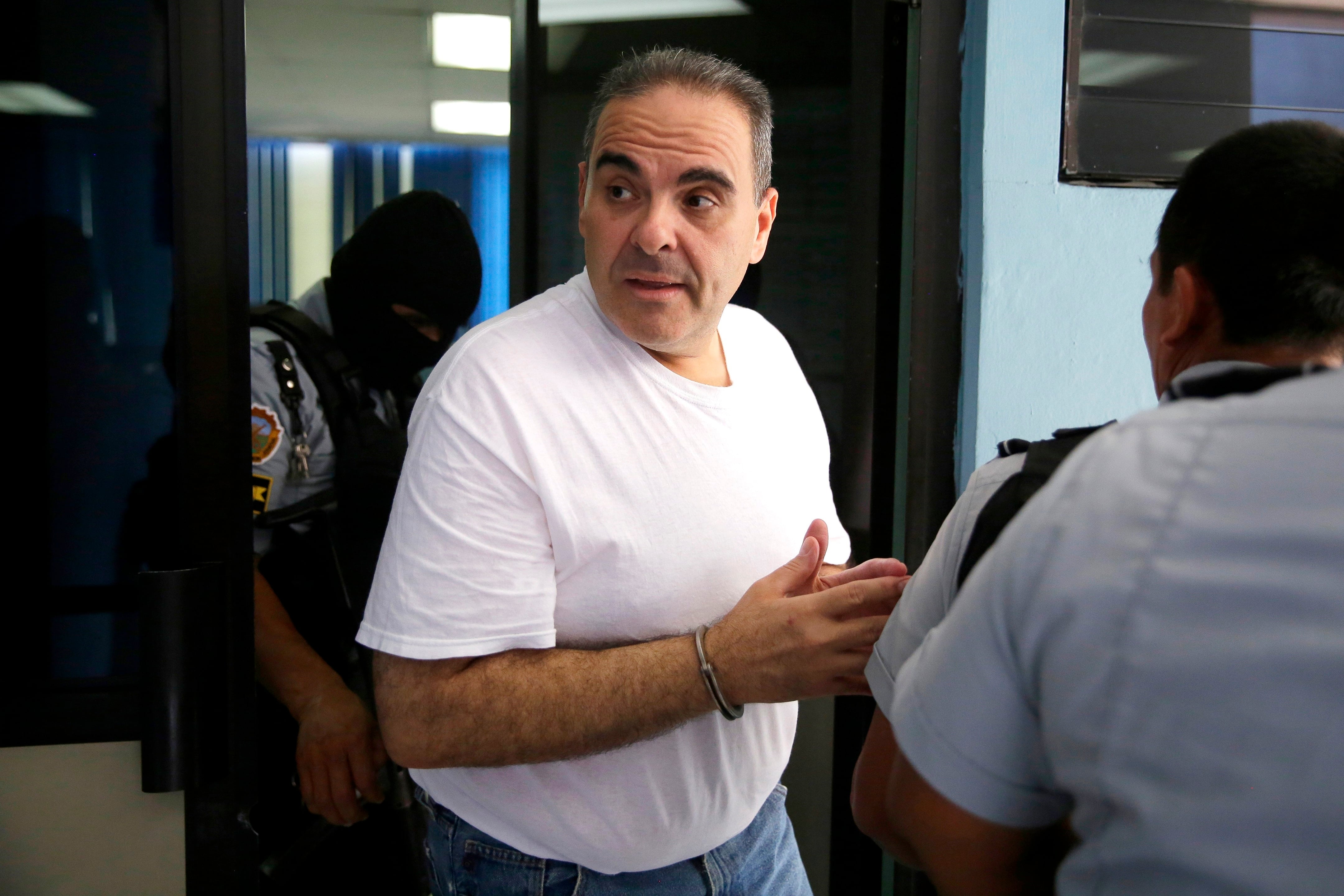
El expresidente de El Salvador Elías Antonio Saca González, conocido como Tony Saca, recuperó la libertad tras cumplir una condena de diez años de prisión por peculado y lavado de dinero. El exmandatario, que gobernó entre 2004 y 2009, fue el primero en el país en haber sido condenado por delitos de corrupción cometidos desde la Presidencia.
La Fiscalía General de la República (FGR) confirmó el 28 de octubre que Saca había completado la pena impuesta en 2018 por el caso que fue denominado como Destape a la Corrupción, una investigación que reveló como el exmandatario había desviado y lavado unos $301 millones de fondos públicos.
La orden de libertad estaba vigente desde el 27 de octubre, según informó la Fiscalía.
Saca, de 61 años, nació el 9 de marzo de 1965 en Usulután, en el oriente salvadoreño, en una familia de ascendencia palestina. Antes de ingresar a la política fue locutor deportivo, narrador de fútbol y empresario de medios. Su popularidad creció desde la radio y la televisión, donde trabajó en transmisiones deportivas y ocupó cargos de dirección.
Su actividad empresarial comenzó en la radiodifusión. En 1987 fundó Radio América junto a Alfonso Rivas y, años después, creó Radio Astral, origen del grupo radial Samix.
Esa expansión le abrió paso en las principales gremiales empresariales: presidió la Asociación Salvadoreña de Radiodifusores (ASDER) y luego la Asociación Nacional de la Empresa Privada (ANEP).
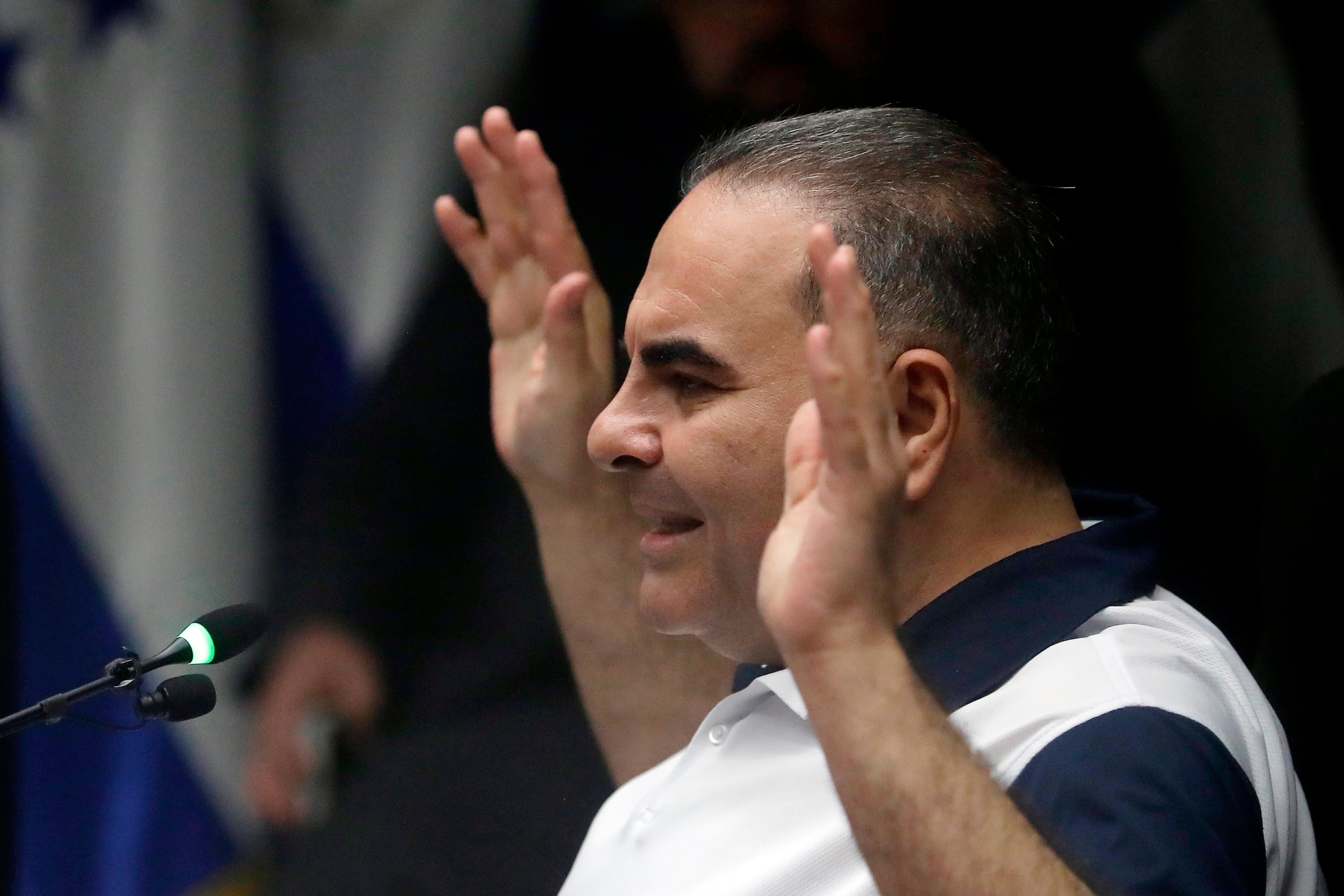
La combinación de reconocimiento público, presencia empresarial y vínculos con la derecha lo convirtió en candidato de la Alianza Republicana Nacionalista (ARENA) para las elecciones de 2004. Ganó los comicios frente a Schafik Hándal, del Frente Farabundo Martí para la Liberación Nacional (FMLN), y asumió el 1 de junio de ese año.
Durante su gobierno mantuvo la orientación económica de las administraciones anteriores de ARENA, con respaldo a la dolarización, apertura comercial y políticas de subsidios focalizados.
En seguridad, profundizó la estrategia de mano dura contra las pandillas con el Plan Supermano Dura, que amplió la participación militar en tareas de patrullaje.
Su administración también mantuvo una relación estrecha con Estados Unidos. El Salvador sostuvo tropas en Irak durante su período presidencial, mientras la política exterior se distanciaba de los gobiernos de Cuba y Venezuela.
La trama que desvió fondos de Casa Presidencial
Saca fue detenido el 30 de octubre de 2016 junto con exfuncionarios de su administración en la Hacienda de los Miranda, donde se celebraba la boda de uno de sus hijos. La investigación fiscal sostuvo que una estructura encabezada desde Casa Presidencial trasladó dinero de cuentas estatales hacia cuentas privadas, empresas y colaboradores cercanos.
En septiembre de 2018, el Tribunal Segundo de Sentencia de San Salvador lo condenó a cinco años de prisión por peculado y otros cinco por lavado de dinero y activos. El expresidente admitió los hechos en un procedimiento abreviado, lo que evitó un juicio ordinario y redujo la pena que podía enfrentar.
La causa involucró, entre otros, a su exsecretario privado, Élmer Charlaix; el exsecretario de Comunicaciones Julio Rank; el exsecretario de la Juventud César Funes; el exgerente financiero de Casa Presidencial Francisco Rodríguez Arteaga, y el extesorero institucional Jorge Herrera.
Parte de los recursos, según la investigación, fue destinada a empresas vinculadas con Saca, gastos personales, inmuebles y financiamiento político. El caso también expuso pagos irregulares a funcionarios y dirigentes partidarios desde la partida secreta de la Presidencia, según documentos divulgados por El Faro.
La libertad no extingue sus deudas con el Estado
Aunque Saca completó su condena penal, sus responsabilidades económicas siguen vigentes. En el caso Destape a la Corrupción, todavía no ha devuelto en su totalidad los $ 260.7 millones fijados como responsabilidad civil por el daño al Estado.
También fue condenado por enriquecimiento ilícito junto con su esposa, Ana Ligia Mixco de Saca. La resolución estableció que el exmandatario debía reintegrar cerca de $3.8 millones. Hasta abril de 2026, había abonado apenas $5,845.75, de acuerdo con datos recogidos por La Prensa Gráfica.
A esas obligaciones se suman los $6 millones que debe devolver por una condena civil relacionada con fondos donados por Taiwán. La sentencia, firme desde 2022, también alcanzó a Juan Tennant Wright y Gerardo Antonio Balzaretti.
La FGR informó que los inmuebles, vehículos, empresas y otros bienes sometidos a medidas judiciales continuarán bajo custodia estatal. La salida de prisión, por lo tanto, cerró su pena de privación de libertad, pero no los procesos patrimoniales derivados de las condenas.

Bajo cero y con los puños en alto: la foto de Diego Maradona en la Muralla China que nació de una promesa a sus hijas

Martín Redrado: "En 2027 vamos a tener tensión con el dólar y hay que estar preparados"

La Corte resolverá el reclamo bonaerense por la eliminación de subsidios al transporte y le dio 60 días a la Nación para responder

Un hombre se negó a pagarle a una trabajadora sexual y murió tras saltar desde un hotel alojamiento

Ley de Justicia Energética beneficia a más de 1,800 abonados y permite regularizar deudas sin multas en Honduras

Nadia Podoroska dio otro paso en Querétaro y habrá duelo de argentinas en Curitiba

Medios brasileños afirman que Flávio Bolsonaro escapó del país y está en vuelo a Estados Unidos

El acusado de amenazar a Waldo Wolff reconoció el delito, pidió disculpas en un video y visitará dos museos

Jugó un Mundial con la Selección, el Dibu le regaló sus guantes y apunta a enfrentar a Messi

El video revelador sobre el toque que dejó afuera a Franco Colapinto del GP de los Estados Unidos de Fórmula 1

 INTERNACIONAL2 días ago
Medios brasileños afirman que Flávio Bolsonaro escapó del país y está en vuelo a Estados Unidos
- POLITICA3 días ago
De Bullrich a Lula da Silva: a Milei se le abrieron dos frentes de conflicto con resolución incierta
- SOCIEDAD2 días ago
Avanza la búsqueda de los hermanos desaparecidos que fueron arrastrados por la corriente de un río en Santa Cruz