INTERNACIONAL
Dem AG’s ‘too many golf courses’ remark goes viral as critics tee off


Arizona’s Senate president took aim at viral comments about the future of golf from the state’s Democratic attorney general as their battle to be the state’s top law enforcement officer entered its final stretch before next week’s midterm elections.
A remark about potentially restricting golf courses and the Grand Canyon State having «too much grass» turned a debate over water conservation into a campaign flashpoint, with Sen. Warren Petersen accusing Attorney General Kris Mayes of targeting a multibillion-dollar industry in the desert state while Mayes later insisted her remarks were taken out of context.
«Kris Mayes thinks Arizona has too many golf courses. I think Arizona has too many radical politicians who believe government should dictate which industries get to thrive,» Petersen, R-Maricopa, told Digital Tuesday.
100 DAYS UNTIL MIDTERMS AND DEMOCRATS ARE WINNING BECAUSE THEY ACTUALLY HAVE A MESSAGE
«Our golf courses support jobs, tourism, small businesses and communities across this state. Instead of attacking an industry that contributes to our economy, the attorney general should be focused on enforcing the law, protecting consumers and defending Arizona families.»
In an interview with Politico delving into the data center debate and whether the proliferation of water-intensive buildings is wise, particularly in an arid state, Mayes cited neighboring states allegedly «backed by» the Trump administration as hindrances to Arizona’s local supply.
Mayes’ golf course remarks came shortly after she warned that Arizona was headed toward a potential Supreme Court showdown over Colorado River water supplies.
«We could do a hell of a lot more when it comes to conservation,» she said, citing tax incentives for catchment and removal of lawns.
GRAND CANYON WATER PIPELINE DAMAGED AGAIN AS FLOODING COMPLICATES REPAIRS
«We have way, way too much grass in Arizona. We probably, frankly — and I’m sure the golf industry is not going to like this when I say this — we probably have too many golf courses in Arizona right now.»
That remark sparked blowback from Petersen and many others.
«We don’t have a golf course problem in Arizona. We have a dumocrat (sic) problem in Arizona,» quipped Rep. Eli Crane, R-Ariz.
«Kris Mayes is promising to get rid of golf courses. I promise to get rid of Kris Mayes,» Petersen added in his own tweet.
E-procurement software CEO Tom Spengler added that Arizona «honestly need[s] more golf courses.»
«Tee times are very hard to get and rates have doubled or tripled since COVID,» he said.
«We have too much grass — said no one ever, other than Kris Mayes,» added Turning Point USA executive Justin Streiff.
Arizona’s business community also took notice, and Arizona Chamber of Commerce Vice President Courtney Coolidge responded to Mayes with several statistics about golf’s impact on the state.
Coolidge reported a $6 billion economic impact, 66,000 jobs, $2.3 billion in wages and $520 million in tax revenue. Most relevant to the water debate, she said golf courses collectively use 2% or less of the state’s water resources.
Those stats also lined up closely with separate figures in a 2023 study by the Arizona Alliance for Golf.
Popular golf satire site PGA Tuor shared a clip of Mayes’ comments, writing, «How to not get re-elected 101.»
Another putting enthusiast said Mayes’ comments cost her his vote, saying, «[She] has no idea what the economic impact golf has on our entire state.»
Digital reached out to Mayes for comment on the viral nature and content of her remarks.
The Democrat separately tweeted that she was intending to make a larger point about water usage.
«Relax, nobody’s closing golf courses,» Mayes said.
«My point is we need incentives to help all Arizonans and major industries swap thirsty grass and catch rainwater, especially if our water situation gets worse — while I take on the foreign mega-farms and data centers draining our water.»
She then accused Petersen of spreading «false claims.»
SIGN UP TO GET THE POLITICS NEWSLETTER
But Mayes’ response was also met with ridicule. X critics called it «condescending» while one also quipped, «you relax – we all heard you.» Others characterized her stated approach toward the golf industry as «communist.»
With Election Day just days away, Petersen is betting the controversy will resonate beyond the fairways, casting Mayes’ remarks as part of a larger dispute over government intervention in Arizona’s economy as Republicans seek to regain control of a state government they once reliably held.
midterm elections, arizona, state and local, golf, politics, state and local, police and law enforcement









INTERNACIONAL
El primer mensaje de Flávio Bolsonaro tras escapar de Brasil a Estados Unidos: “Lideraré la oposición desde aquí”
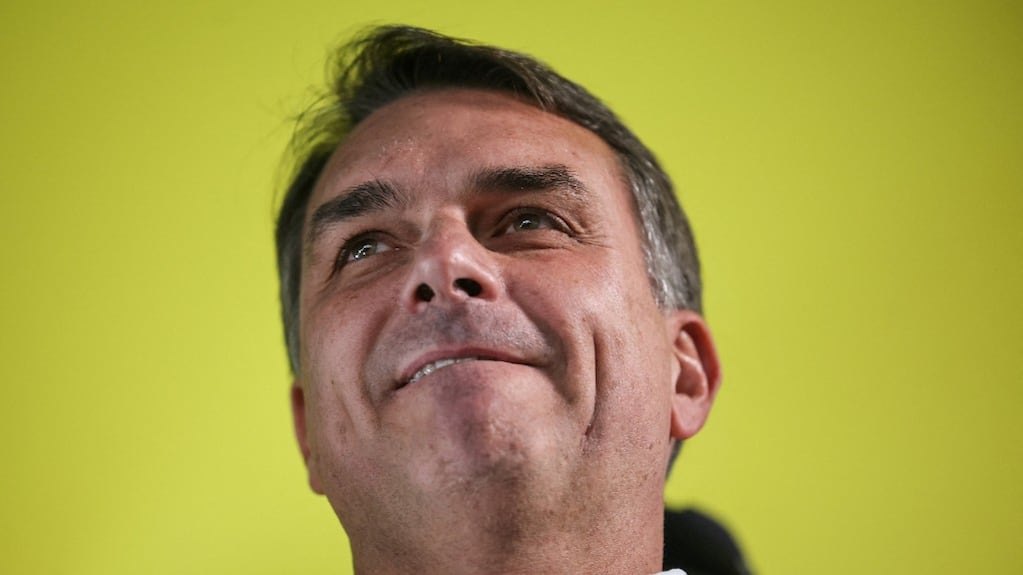
En un comunicado, el excandidato presidencial brasileño Flávio Bolsonaro agradeció este miércoles al presidente de Estados Unidos, Donald Trump, y al mandatario argentino, Javier Milei.
Además, anunció que liderará la oposición desde territorio estadounidense, adonde viajó con su familia tras la derrota electoral frente a Luiz Inácio Lula da Silva.
“Me dirijo al pueblo brasileño y a la comunidad internacional como el líder de Brasil”, comenzó el mensaje de Bolsonaro. Se trató de una rectificación. Un primer mensaje señaló que hablaba como “el verdadero presidente electo de Brasil”.
En la primera parte del comunicado, expresó: “Antes que nada, quería agradecer al Presidente Milei por su valentía, sentido de justicia y legalidad, al Presidente Trump y al maravilloso pueblo estadounidense por acogerme. Esta es una tierra de libertades y de hermanos que comparten los mismos valores que la gente de bien de mi país”.
“El Presidente Trump es un gran defensor de la libertad de expresión. La noche del domingo, vi con consternación cómo se concretaba un fraude electoral ante mis ojos”, señaló y afirmó: “Lideraré la oposición desde aquí. Diré lo que ustedes allá no pueden decir, y asumiré los riesgos que ustedes no pueden correr”.
El comunicado completo de Flávio Bolsonaro desde EE.UU.
“Me dirijo al pueblo brasileño y a la comunidad internacional como el líder de Brasil. Antes que nada, quería agradecer al Presidente Milei por su valentía, sentido de justicia y legalidad, al Presidente Trump y al maravilloso pueblo estadounidense por acogerme. Esta es una tierra de libertades y de hermanos que comparten los mismos valores que la gente de bien de mi país.
El Presidente Trump es un gran defensor de la libertad de expresión.La noche del domingo, vi con consternación cómo se concretaba un fraude electoral ante mis ojos. La actuación ilegítima e ilegal del exabogado de Lula permitió que una imposibilidad matemática se hiciera realidad y que Lula añadiera más de 10 millones de votos de la primera a la segunda vuelta.
Una decisión del STF (Supremo Tribunal Federal), tomada por encima de las competencias del TSE (Tribunal Superior Electoral), extendió la votación a última hora, y la orden solo llegó después de finalizado el horario legal, cuando las urnas ya estaban cerradas.
Los votantes quedaron sometidos a reglas diferentes. Hasta ahora, el TSE se ha limitado a defender la prórroga del horario y no hay ni una sola respuesta creíble. Y las nulidades no son el único problema. A lo largo de toda la campaña, hubo abuso de poder político, económico y uso de la estructura pública a favor de la reelección.
Son hechos graves, expresamente prohibidos por la ley, que justifican la anulación de la fórmula Lula-Alckmin. La respuesta del régimen a mi reclamo no tardó en llegar. Como en un plan previamente elaborado, siete minutos después de este repugnante fraude electoral, el juez, implicado en un enorme escándalo de corrupción, citado directamente en la investigación que utilizó para intentar confiscar mis pasaportes, y que muy probablemente estaría preso si no hubieran impedido mi toma de posesión, puso en marcha la maquinaria de persecución política del régimen.
Estando inhabilitado de origen y siendo completamente sospechoso para iniciar cualquier procedimiento judicial en mi contra, su sola participación en los actos procesales demuestra la magnitud de la arbitrariedad y la ilegalidad en curso.
No era mi intención abandonar mi patria, pero sé exactamente a dónde va a parar esto. Este es el manual clásico de cualquier golpe de Estado. La persecución política que comenzó con mi padre, el expresidente Jair Bolsonaro, y que se extendió a miles de otros brasileños patriotas comunes e incluso a ciudadanos estadounidenses, tiene un único objetivo: silenciar a cualquiera que no esté de acuerdo con el régimen de excepción instaurado en Brasil, a través de una Corte Suprema cooptada por la organización criminal petista.
tal.
Brasil
NEWYou can now listen to Fox News articles!
TEL AVIV, Israel — Prime Minister Benjamin Netanyahu’s political bloc gained ground Wednesday morning as Israel counted votes from its first national election since the Oct. 7, 2023, Hamas massacre, but remained short of the majority needed to form a government, leaving the country facing another potential political deadlock.
With approximately 70% of votes counted, Netanyahu’s right-wing and religious bloc stood at 54 seats in the 120-seat Knesset, compared with 47 for the main opposition and 19 for Arab parties, according to partial election results reported by Israeli media. Netanyahu’s Likud led with 27 seats, while former Israeli military chief Gadi Eisenkot’s Yashar party held 20.
As both Netanyahu and Eisenkot claimed victory Tuesday night, Israelis told Fox News Digital that although they had expected a tight race, the shifting numbers and uncertainty over who could form a government had left many confused about what comes next.
ISRAEL HEADS INTO DEEPLY DIVIDED ELECTION AS OCT. 7 RECKONING LOOMS: WHAT TO KNOW
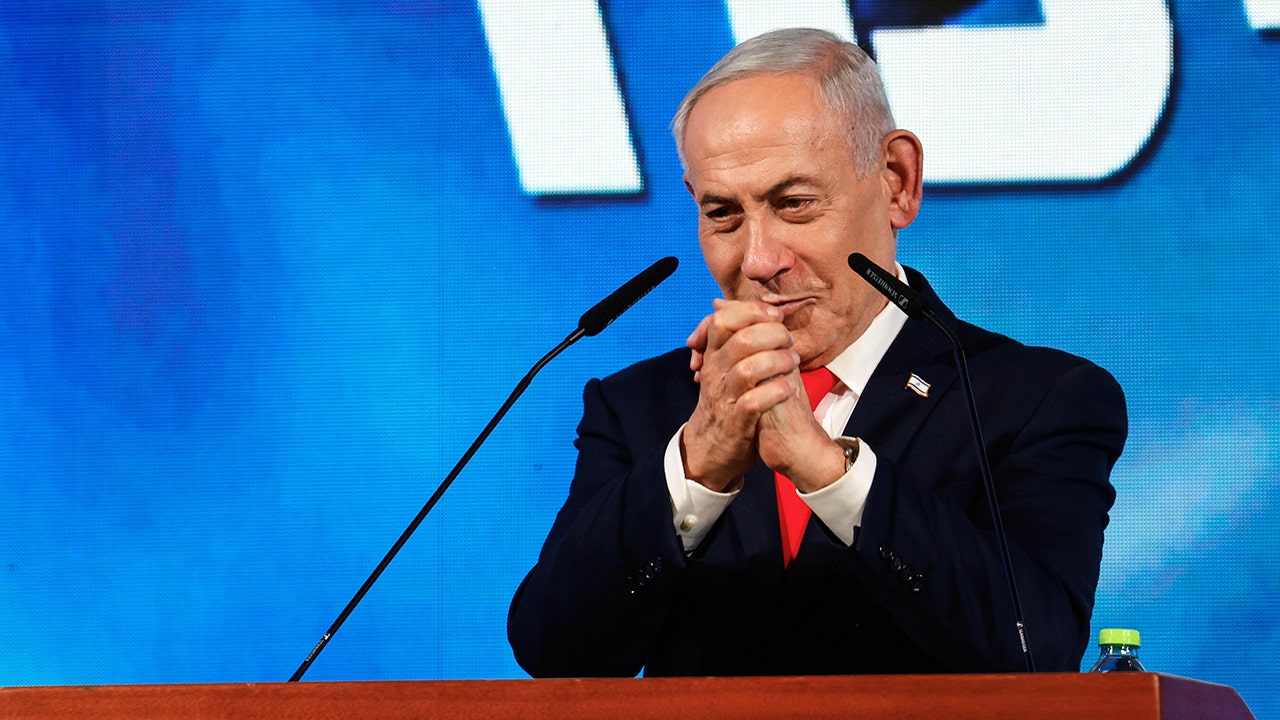
Israeli Prime Minister and leader of the Likud party, Benjamin Netanyahu, speaks to supporters at the party’s headquarters in Jerusalem, following the first exit poll results of Israel’s legislative election on Oct. 28, 2026. (Olivier Fitoussi/picture-alliance/dpa/AP Images)
Despite Netanyahu’s lead, the parties outside his governing bloc collectively held 66 seats, a majority in the 120-seat Knesset, creating a potential path for the opposition to challenge his leadership if it can secure sufficient cooperation from Arab lawmakers.
The results marked a shift from Tuesday night’s initial exit polls, which prompted celebrations at Eisenkot’s campaign headquarters in Tel Aviv. Eisenkot called on Netanyahu to accept the results and step aside, while Netanyahu declared later in the night from his headquarters in Jerusalem that Likud had emerged as the country’s largest party and urged the formation of a strong right-wing government.
The election has now shifted from the ballot box to a potentially complicated battle over coalition-building.
President Donald Trump took credit Wednesday morning for Prime Minister Benjamin Netanyahu’s stronger-than-expected election performance, suggesting his endorsement helped shift the momentum of the race.
NETANYAHU FIGHTS FOR POLITICAL FUTURE AS ISRAEL HEADS TO POLLS WITH IRAN THREAT LOOMING
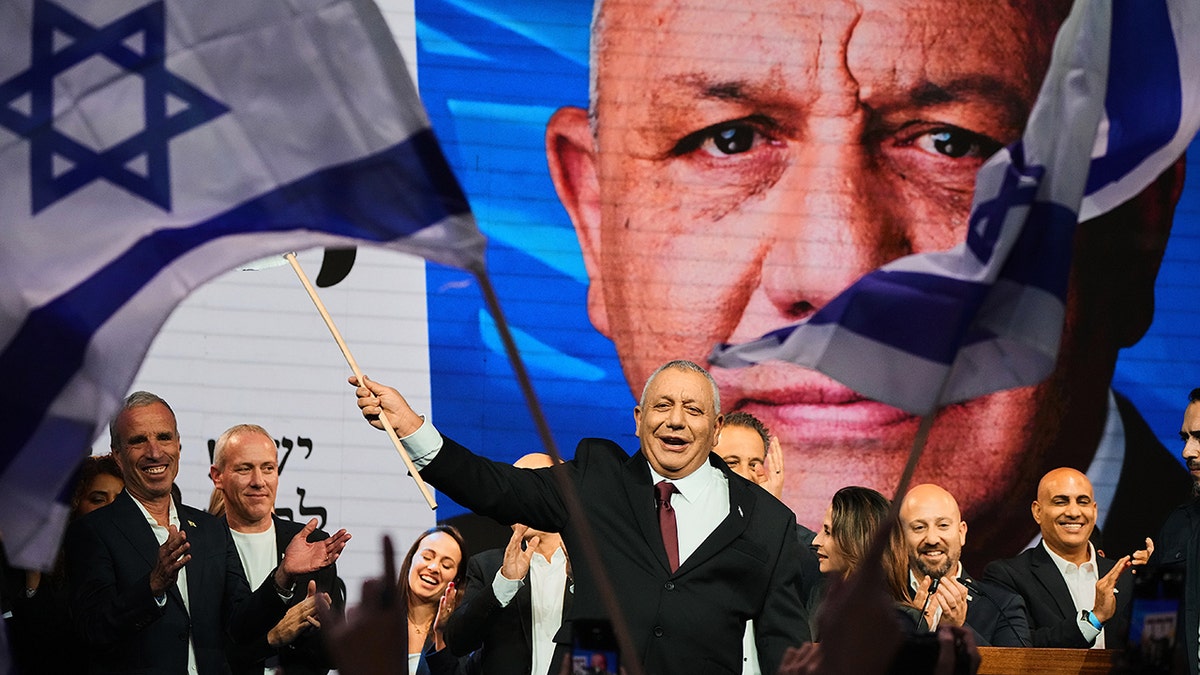
Gadi Eisenkot, leader of the Yashar («Straight») Party, waves an Israeli flag onstage following the release of the first exit poll results in Israel’s general election in Tel Aviv, Israel, Wednesday, Oct. 28, 2026. (Ariel Schalit/AP Photo)
In a post on Truth Social, Trump shared a statement from Irving C. Schwartz, who wrote, «When President Trump endorsed Bibi Netanyahu, the whole tide turned, and now, rather than a decisive defeat for a Great Prime Minister, it looks like a big come-from-behind stalemate, or even a WIN for Netanyahu.»
Later, speaking to reporters near Air Force One, Trump said, «I heard the poll numbers were wrong … the exit polls; I heard he [Netanyahu] did very well. It was pretty close, but very well. When the endorsement went out, it helped him a lot.»
«It’s a little bit early, but I’m hearing in Israel, top people say, ‘Wow! He did a lot better than people thought.’ It’s looking like maybe a stalemate or a win,» Trump added.
JD VANCE DECLINES TO ENDORSE NETANYAHU DESPITE TRUMP’S STRONG BACKING

U.S. President Donald Trump speaks with Israel’s Prime Minister Benjamin Netanyahu in the Knesset, Israel’s parliament, on Oct. 13, 2025, in Jerusalem. (Jalaa Marey – Pool/Getty Images)
Arab parties could hold the key
The growing influence of Arab parties has emerged as one of the most consequential factors in determining Israel’s next government.
According to the partial results, the Joint List held 13 seats and Ra’am, led by Mansour Abbas, held six, giving Arab parties a combined 19 seats.
Abbas signaled openness to political negotiations, saying figures from both sides of Israel’s political divide had approached him.
«Everyone is talking to us, not just the change bloc,» Abbas told Israel’s Channel 12.
Democrats leader Yair Golan went further, openly calling for the formation of a new government in cooperation with Arab parties. «Netanyahu lost. I know how to count to 120–65 is greater than 55. That’s how Israeli democracy works. Period,» Golan wrote on X. Golan also rejected Netanyahu’s distinction between Jewish and Arab political support, arguing that every Israeli citizen’s vote should carry equal weight. «The vote of an Israeli citizen in Tira is worth exactly the same as the vote of an Israeli citizen in Givat Shmuel,» he wrote.
Golan’s figures reflected an earlier stage of the count, but his argument highlighted an emerging disagreement within the opposition over whether to include Arab parties in the next government.
Eisenkot has previously expressed opposition to including Ra’am in his coalition, while Netanyahu has warned against any government dependent on Arab parties.
BENJAMIN NETANYAHU’S LEGACY AND POLITICAL FUTURE ON THE LINE IN ISRAEL’S OCT 27 ELECTION
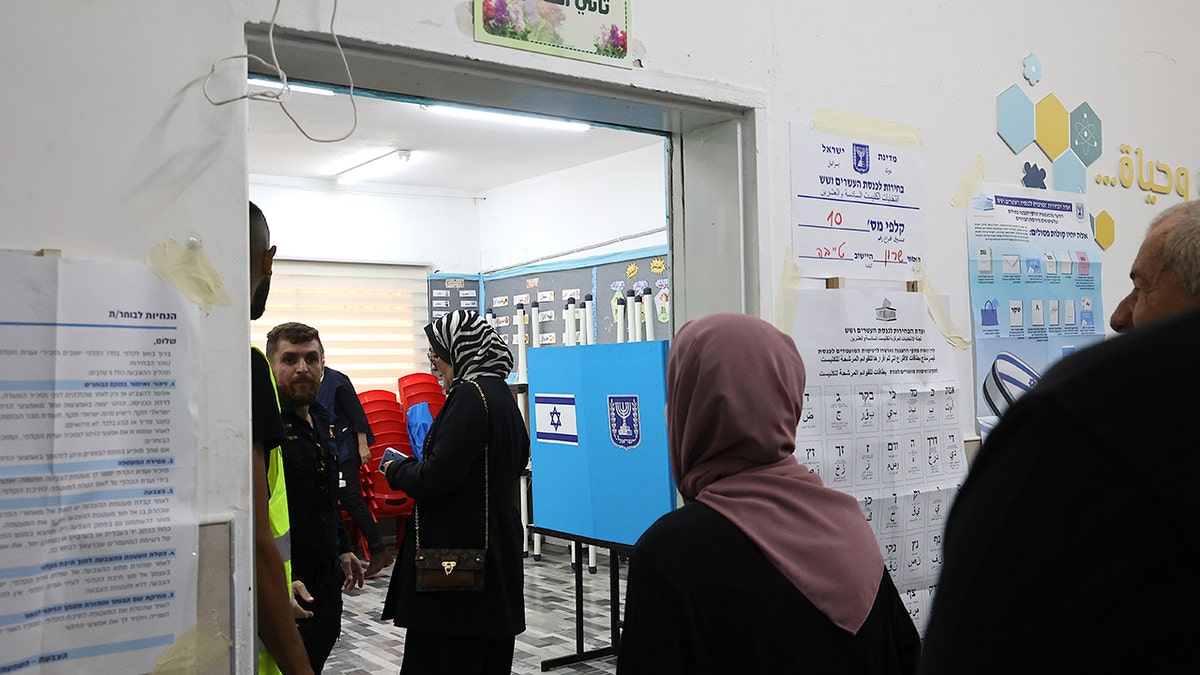
People cast their votes at a polling station during Israel’s legislative election in the Arab town of Taibe in northern Israel on Oct. 27, 2026. (Gil Cohen-Magen/picture-alliance/dpa/AP Images)
Three possible paths to forming a government
Netanyahu could attempt to expand his current coalition by winning support from at least seven lawmakers outside his right-wing and religious bloc, which would bring him to the 61 seats needed for a conventional parliamentary majority.
Alternatively, Eisenkot could seek enough parliamentary recommendations, potentially including those of Arab parties, to persuade President Isaac Herzog to give him the first opportunity to form a government.
Those recommendations would not necessarily require Arab parties to join a future coalition. However, Eisenkot would still need enough parliamentary support to secure a confidence vote.
A third possibility is another deadlock, with neither leader able to form a government and Israel potentially facing another election.
The final outcome remains uncertain as vote counting continues, including ballots cast by soldiers and other voters using special voting procedures.
Official results are scheduled for Nov. 4, after which Herzog will consult with parliamentary factions and select a lawmaker to attempt to form the next government.

A boy sits on his bicycle next to a campaign banner of Netanyahu’s Likud party, ahead of the Israeli parliamentary election, in Bnei Brak, Israel, October 25, 2026. (Nir Elias/Reuters)
That candidate will initially have 28 days to negotiate coalition agreements, with the possibility of a 14-day extension.
Until a new government takes office, Netanyahu will remain prime minister.
israel, elections, benjamin netanyahu, politics, world, world elections
INTERNACIONAL
Diputadas guatemaltecas presentan proyecto para obligar a partidos a incluir mujeres en las candidaturas electorales

Las diputadas y diputados de Guatemala, encabezados por Sonia Gutiérrez, presentaron el 27 de octubre una iniciativa para imponer la paridad y la alternancia de género en las candidaturas electorales, con un mecanismo que permitiría rechazar las listas de los partidos que no cumplan. La reforma también exige la inclusión de pueblos indígenas y busca modificar una normativa vigente desde 1985 antes del próximo proceso electoral.
La propuesta modifica el artículo 212 del Decreto Número 1-85 de la Asamblea Nacional Constituyente, que regula la postulación e inscripción de candidatos a cargos de elección popular. Su alcance incluye a los comités cívicos electorales que participan en elecciones de alcaldías y corporaciones municipales.
El proyecto incorpora además el artículo 212 Bis. Las nóminas para diputados por distrito electoral, lista nacional y Parlamento Centroamericano, junto con las planillas municipales, deberán alternar de forma consecutiva las postulaciones de mujeres y hombres.
El rechazo de listas como sanción por incumplimiento
El Registro de Ciudadanos deberá revisar que las organizaciones políticas respeten los criterios de paridad y alternancia. Si detecta una irregularidad, tendrá que advertir al partido para que corrija su lista dentro del plazo previsto por la Ley Electoral y de Partidos Políticos.
Si la agrupación no subsana el incumplimiento, el Registro rechazará la inscripción de la lista. La iniciativa convierte así la alternancia en una condición obligatoria para competir en los comicios.
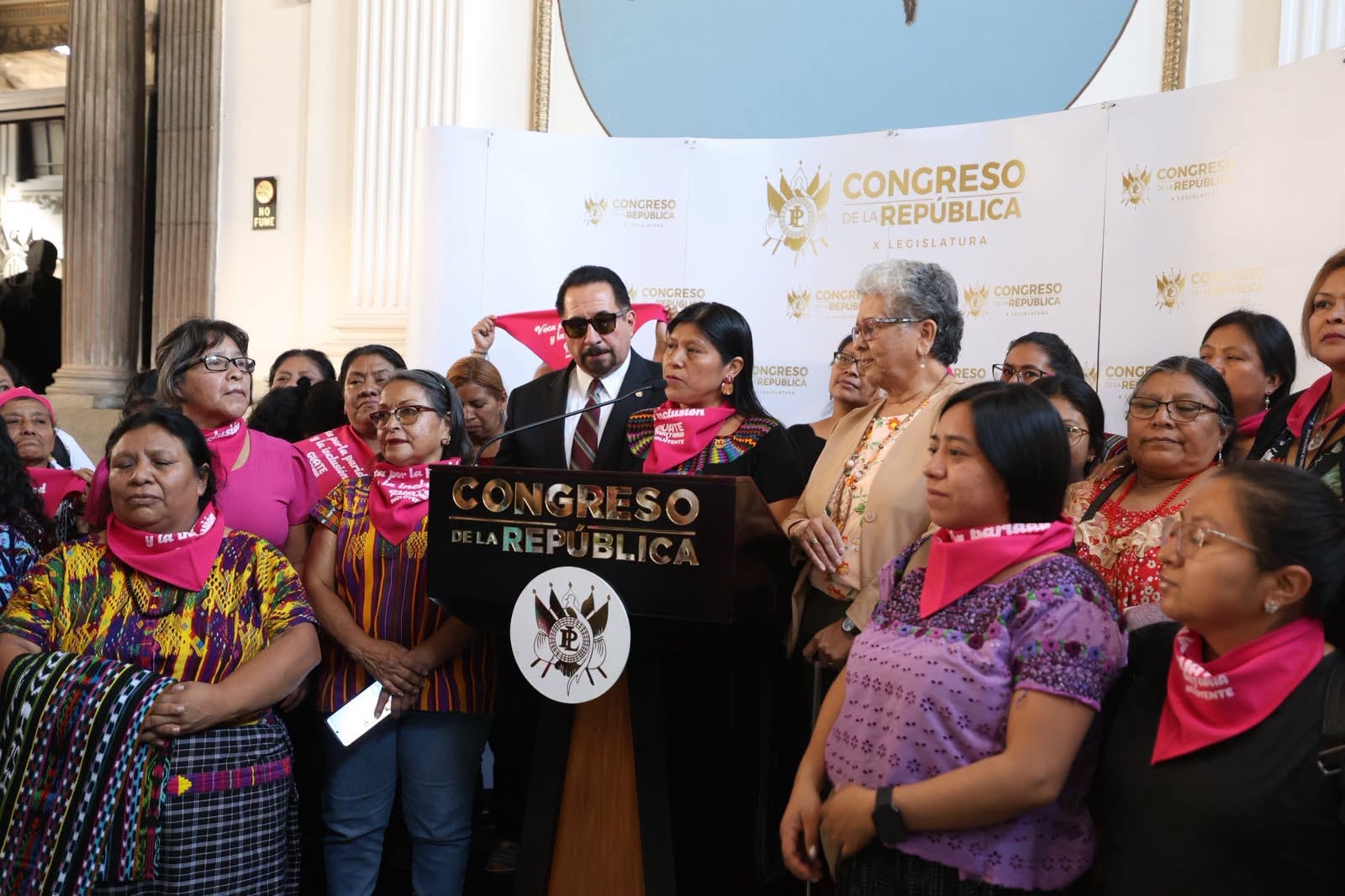
La presidenta de la Comisión de Asuntos Electorales explicó, durante una conferencia de prensa en el Salón de los Pasos Perdidos del Congreso, que la reforma responde a una demanda histórica de las organizaciones de mujeres. Gutiérrez afirmó: “Se nos ha negado a las mujeres, que somos el 52% ya de la población en general, la posibilidad de participación política en igualdad de condiciones entre hombres y mujeres”.
El decreto propuesto cita dos opiniones de la Corte de Constitucionalidad, emitidas en los expedientes 5352-2013 y 4528-2015. De acuerdo con los considerandos, el tribunal sostuvo que la igualdad política “no se satisface con la presencia numérica de mujeres en las candidaturas”, sino con condiciones que garanticen el acceso efectivo a los cargos de representación y a los espacios de dirección partidaria.
La propuesta también invoca el artículo cuatro de la Constitución Política de Guatemala, referido al principio de igualdad, y el artículo 46, que reconoce la jerarquía de los tratados internacionales de derechos humanos ratificados por el país. Entre ellos figura la Convención sobre la Eliminación de Todas las Formas de Discriminación contra la Mujer, conocida por sus siglas en inglés como CEDAW.
El respaldo indígena y la advertencia hacia 2027
La iniciativa fue firmada inicialmente por Olga Villalta, César Amézquita, José Chic, Raúl Barrera, Patricia Orantes, Nery Ramos y José Carlos Sanabria. Durante la presentación, la diputada Evelyn Morataya, integrante de la Comisión de Asuntos Electorales, también suscribió el documento.
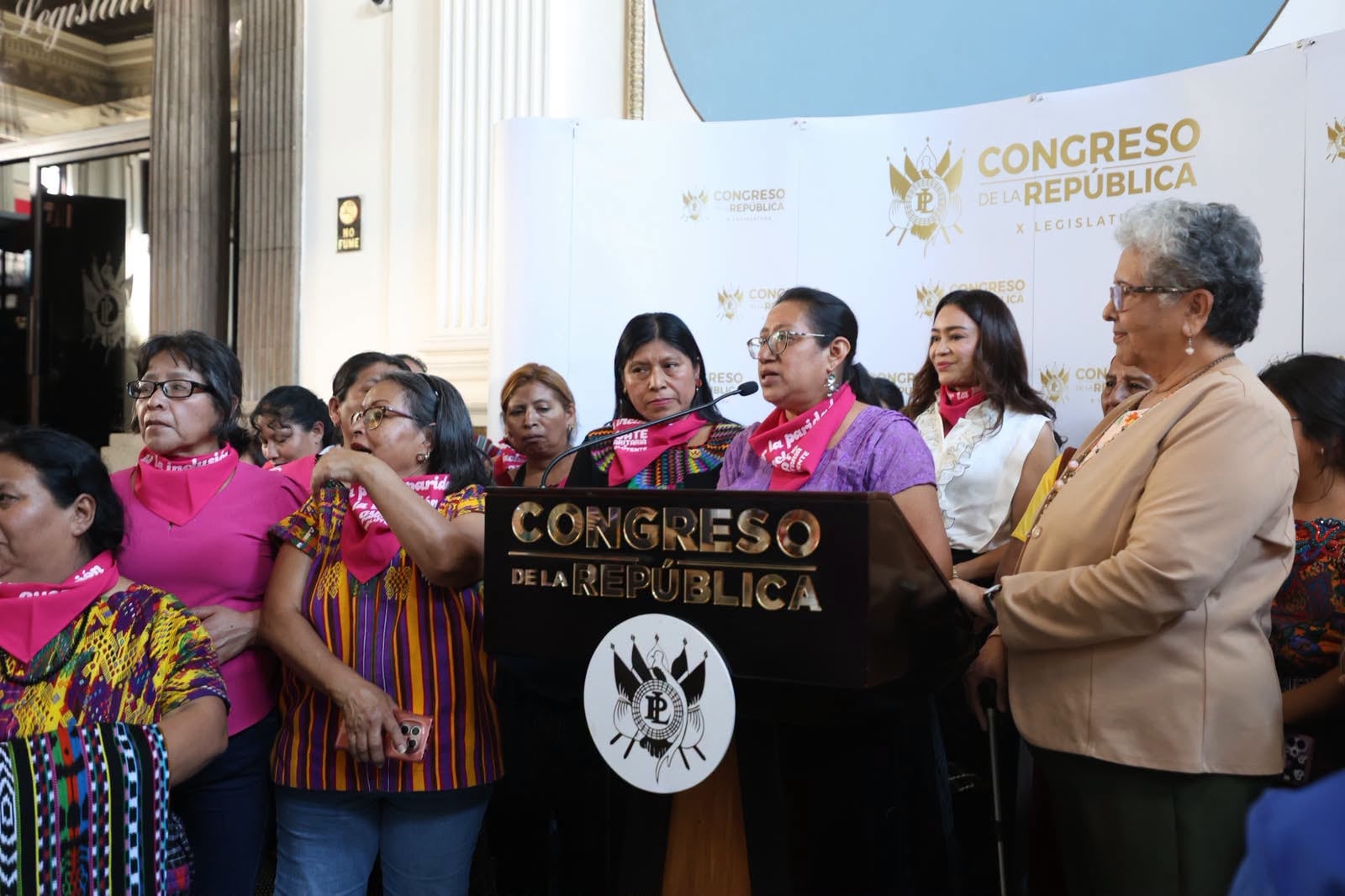
Representantes de la Alianza de Mujeres y Mujeres Indígenas y de la Articulación de Mujeres Parlamentarias Indígenas participaron del acto. Norma Satik, integrante de la coordinación política de esta última organización, señaló que las agrupaciones han sostenido durante años procesos de formación, cabildeo e incidencia para impulsar la reforma.
Satik resumió la demanda de las organizaciones: “Necesitamos inclusión, necesitamos paridad, necesitamos alternancia para que definitivamente podamos tener una democracia más fortalecida”.
Rosalina Tuyuc, excongresista y vicepresidenta de la Junta Directiva del Legislativo, intervino en representación de la articulación de mujeres mayas. Advirtió que el reclamo acumula 35 años y anticipó que las organizaciones seguirán de cerca la posición de cada integrante del Congreso: “Si no hay voto para esta propuesta, tampoco habrá voto de las mujeres para el 2027”.
Amézquita sostuvo que la aprobación de la reforma no bastará para asegurar una representación efectiva de las mujeres. El diputado llamó a fortalecer la participación dentro de las estructuras partidarias y afirmó: “Podemos lograr la ley, podemos lograr la modificación, pero si no hacemos trabajo dentro de los partidos políticos, no vamos a lograr esas casillas ganadoras”.
Tras la presentación, los legisladores entregaron la iniciativa a la Dirección Legislativa del Congreso. Gutiérrez indicó que la Comisión de Asuntos Electorales solicitará su lectura en el pleno y pedirá que sea remitida de inmediato a esa instancia para dictamen y discusión antes del próximo proceso electoral.
Congreso de la República de Guatemala,conferencia de prensa,mujeres indígenas,paridad de género

Presentan un libro sobre el rol del Congreso con la participación de Menem, Camaño y Negri

Javier Milei visitó Catamarca: “La minería transforma la vida de las comunidades” – Nexofin

El Génova acaba con la ‘Juve’ en la primera media hora

Vincent Kompany fue dado de alta tras su internación por sufrir un colapso en una práctica del Bayern Múnich: el diagnóstico oficial

Un fiscal federal de Misiones pidió informes al Gobierno sobre el vuelo que transportó a Bolsonaro a EE.UU.

Grupo Octubre compró la productora Mandarina Contenidos y el canal de streaming Bondi

Medios brasileños afirman que Flávio Bolsonaro escapó del país y está en vuelo a Estados Unidos

CFK, Axel Kicillof, Sergio Massa y otros referentes del PJ celebraron el triunfo electoral de Lula da Silva

Edgerunners 2 ha vuelto a poner a David Martinez en el centro de la conversación. Su showrunner tiene algo que aclarar sobre su destino

El boom de Vaca Muerta no para: aporta más del 70% del crudo y empuja a la Argentina hacia el millón de barriles diarios

 INTERNACIONAL1 día ago
Medios brasileños afirman que Flávio Bolsonaro escapó del país y está en vuelo a Estados Unidos
- POLITICA3 días ago
CFK, Axel Kicillof, Sergio Massa y otros referentes del PJ celebraron el triunfo electoral de Lula da Silva
- DEPORTE3 días ago
Jugó un Mundial con la Selección, el Dibu le regaló sus guantes y apunta a enfrentar a Messi