INTERNACIONAL
Democrats hold firm in Georgia as Republicans fail to flip prized Senate seat

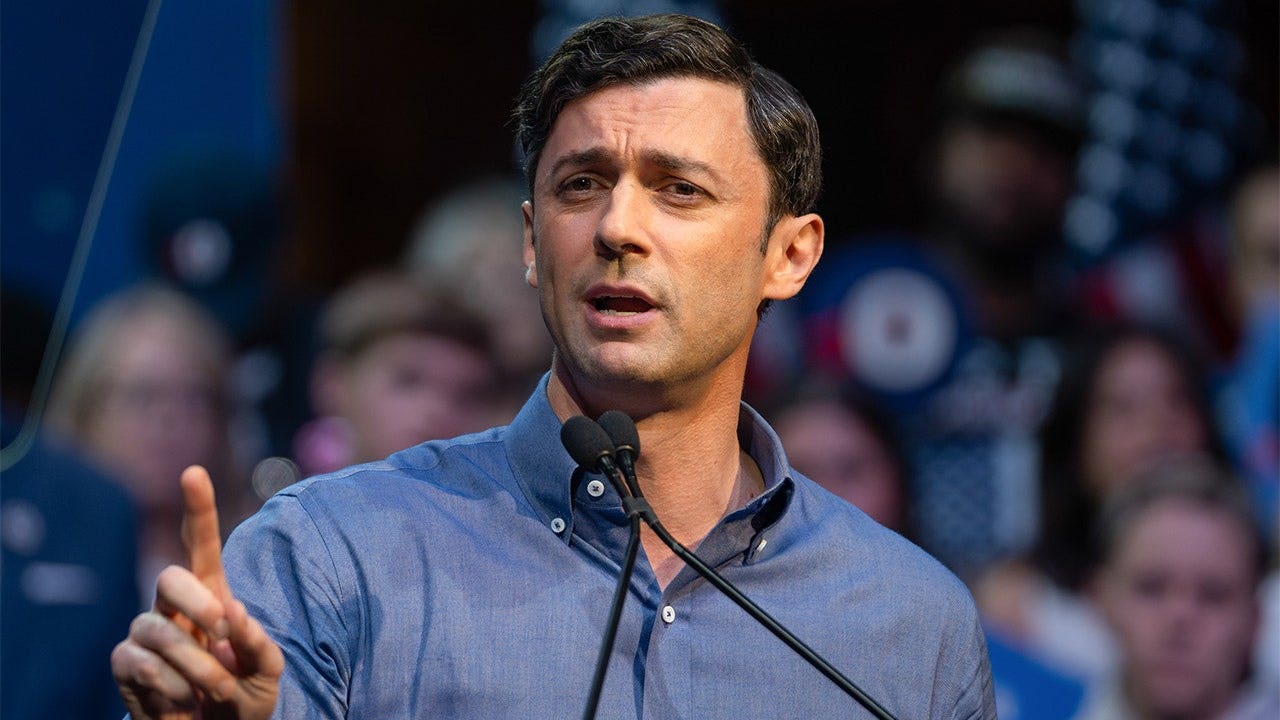
The Decision Desk projects that Democratic Sen. Jon Ossoff of Georgia has defeated Republican challenger Rep. Mike Collins.
Ossoff, once considered by the GOP to be the most vulnerable Democratic senator seeking re-election in the 2026 midterms, will now keep his job representing the southeastern battleground state in the U.S. Senate. He took an early lead in the race when polls closed Tuesday night, which only expanded as the hours wore on.
His victory means Georgia, a one-time red bastion that swung to the center in recent years, will continue to have two Democrats representing the state in the Senate. He’s the second Democratic senator to hold his seat on Tuesday night after Sen. Mark Warner, D-Va., was also projected to win re-election.
DEMOCRACY ’26: STAY UP TO DATE WITH THE ELECTION HUB
«A workhorse for the people of Georgia, Senator Ossoff has spent the last six years in the U.S. Senate providing outstanding constituent services, standing up for children, and fighting to make life better,» the Senate Democrats’ campaign arm said in a statement after Ossoff’s victory.
«Georgians sent him back to the Senate because they know he will always show up for them, and now he’ll continue putting Georgia families first.»
Ossoff and fellow Democratic Sen. Raphael Warnock were both elected in runoff elections at the end of the 2020 cycle, ending a decade and a half of Georgia’s all-Republican representation in the Senate. Weeks earlier, former President Joe Biden became the first Democrat to carry the state in nearly three decades.
But Georgia shifted back to the right in 2024, with President Donald Trump reclaiming the state and winning the White House.
At the start of the 2026 cycle, Georgia was atop the GOP’s target list of seats to flip, and Republicans aimed to hold their 53-47 Senate majority.
While Ossoff built a massive campaign war chest as he cruised unopposed to renomination, Collins was part of a combustible three-way GOP primary Senate battle with Rep. Buddy Carter and former college football coach Derek Dooley, who was supported by popular term-limited conservative Georgia Gov. Brian Kemp.
Collins and Dooley advanced to a June runoff, which Collins won due in part to an eleventh-hour Trump endorsement.
SIGN UP TO GET THE POLITICS NEWSLETTER
In the general election showdown, Collins made illegal immigration a centerpiece of his campaign, spotlighting the Laken Riley Act, which he authored. The law requires the detention of certain illegal immigrants who are arrested for, charged with, convicted of or admit to committing specified offenses. Ossoff voted for the measure but has criticized the Trump administration’s immigration enforcement tactics.
Collins also accused Ossoff of supporting policies that drove up inflation and taxes, while the senator targeted Collins over his backing of Trump’s tariffs and the war in Iran, which triggered a surge in gas and diesel prices and an overall rise in the cost of living.
During their debates, Ossoff also put Collins on defense over a House ethics investigation into whether the congressman abused taxpayer funds by hiring the girlfriend of his former chief of staff for work she allegedly did not perform. Collins has insisted the issue is simply a «complaint» with no merit.
Collins also faced heat over social media posts by his son-in-law — a social media influencer on the far right — that shared Nazi imagery and antisemitic conspiracy theories.
Ossoff, meanwhile, faced questions about receiving campaign funds from Reid Hoffman, a venture capitalist whose name appeared in the Epstein files.
While GOP-aligned outside groups initially spent big bucks to back Collins and make up for his massive fundraising deficit in his battle against Ossoff, the Republican spigot was cut back substantially in the final weeks leading up to Election Day. The move was a sign that many Republicans were giving up on their hopes of flipping the Senate seat in Georgia.
Ossoff, whom pundits view as a potential 2028 Democratic presidential contender, has repeatedly said he has «zero interest» in running for the White House next cycle. And in a debate with Collins last month, he pledged to serve out his full six-year Senate term if re-elected.
The senator, a Georgia native, served as a national security staffer and legislative assistant for Rep. Hank Johnson before working as managing director of an investigative documentary production company. He first grabbed national attention in 2017, when he narrowly lost a special congressional election for a House seat that had long been a GOP stronghold.
Collins, who is also a Georgia native, is the son of the late Rep. Mac Collins. A businessman and the co-founder along with his wife of a trucking company, he was first elected to Congress in 2022.
politics, georgia, senate, raphael warnock, donald trump, midterm elections, democratic party








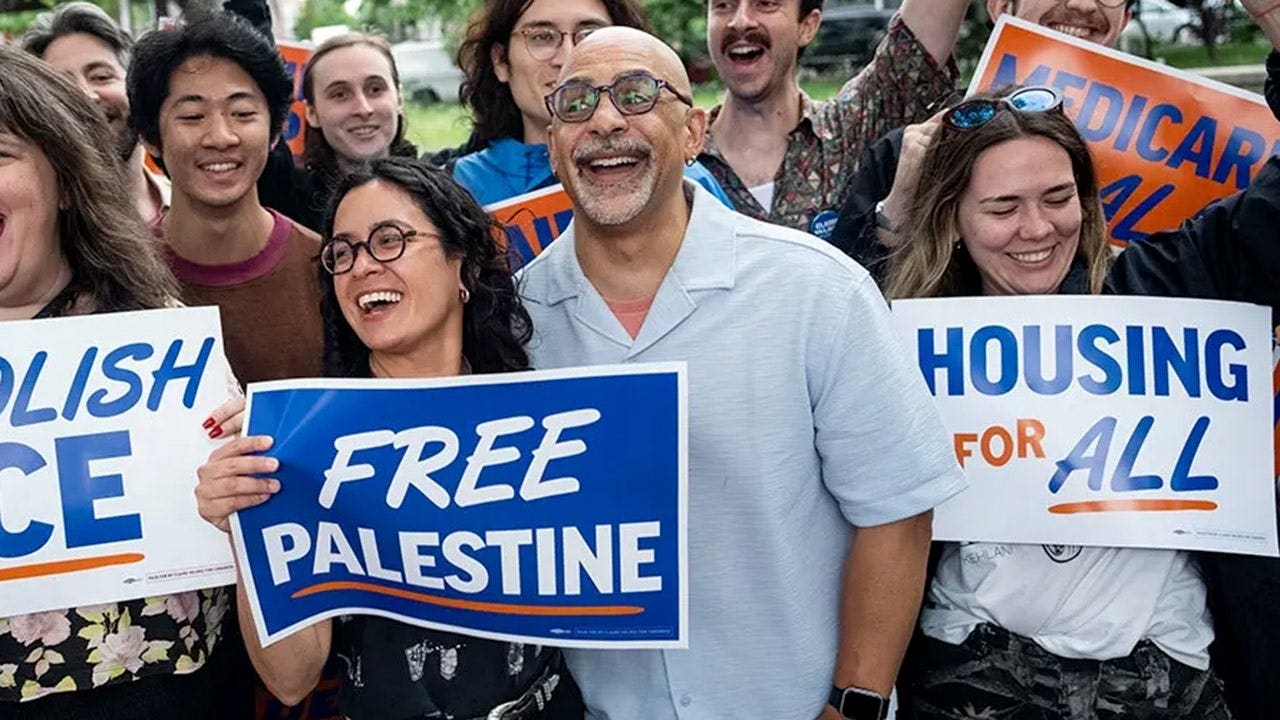
As January approaches and newly elected lawmakers prepare to take their oaths of office, past statements could prove troublesome as they jockey for committee assignments with powerbrokers seeking to protect the image of their respective parties.
The midterm elections sent a new crop of lawmakers affiliated with the Democratic Socialists of America to Congress — in a few cases, unexpectedly. While some sought to moderate their image after the primary season, controversial remarks made on the campaign trail or years before their candidacies could follow them to Capitol Hill as they seek committee assignments and influence within the Democratic caucus.
Digital reviewed some of the most controversial remarks made by the incoming lawmakers — comments that could complicate their efforts to build influence in the new Congress.
Darializa Avila Chevalier: ‘Defund and abolish’
In an early test of his political sway, New York City Mayor Zohran Mamdani endorsed a duo of DSA-aligned Democrats in primaries for congressional districts encompassing portions of four of the city’s five boroughs.
MAMDANI-BACKED SOCIALIST WITH HISTORY OF ANTI-AMERICAN RHETORIC WINS VICIOUS DEM PRIMARY RACE
Darializa Avila Chevalier, a left-wing graduate student at the City University of New York, was one such candidate. She defeated longtime Rep. Adriano Espaillat, chairman of the Congressional Hispanic Caucus, by a relatively small margin during a June primary contest. Before and after Chevalier’s primary victory, scores of controversial deleted social media posts made by the socialist hopeful garnered national media attention.
«No. It means ending policing full stop. Period. No more police at all ever,» she responded to one user on social media in 2020 who asked her if abolishing the police only entailed getting rid of law enforcement «as we know it.»
«F**k you. We’re gonna defund and abolish. You don’t get to water down our movements,» she said in another post that year.
Though once in vogue, calls to defund or abolish the police have since become politically toxic, something House Democratic leadership will likely have in mind when determining what to do with Chevalier once she shows up in D.C.
Chevalier has also signaled an affinity for ideas outside the normal range of American political discourse.
JOHNSON WARNS COMMUNISM IS ‘ON OUR OWN SHORES’ AFTER FAR-LEFT CANDIDATES WIN NEW YORK PRIMARIES
«Seize the means of production,» she wrote in 2019.
«The pyromania associated with anarchism is very intriguing to me,» wrote Chevalier about a year later.
The socialist newcomer has also signaled a hostility to the Democratic establishment, an institution that now holds considerable sway over her political future.
«I have no nuance to add. F*ck Kamala Harris,» Chevalier wrote in response to the then-vice president telling Central American migrants not to come to the United States illegally in 2021. She also reposted content criticizing the Democratic National Committee and other mainstream liberal institutions from the left.
In response to criticism, Chevalier has stated those posts no longer reflect who she is and that she has grown considerably since writing them.
Melat Kiros: ‘Inevitable’
Elected to represent Colorado’s First Congressional District as a Democrat, Melat Kiros, a socialist, has attracted criticism for her attempts to explain — and, in the telling of critics, justify — terrorist attacks.
In a June interview, speaking on the Sept. 11, 2001, terrorist attacks, Kiros stated that they were «inevitable in the sense that we destabilized a lot of the Middle East.» On the Oct. 7 terrorist attacks in Israel, she told Twitch streamer Hasan Piker that they too were «an inevitable consequence of apartheid, of occupation, decades of occupation.»
Calling an attack inevitable, however, does not necessarily equate to endorsing the attack itself.
ALEXANDRIA OCASIO-CORTEZ SHRUGS OFF PAST ‘DEFUND THE POLICE’ COMMENTS, JOKING ‘WOKE 1 WAS CRAZY’
Kiros, who was born in Ethiopia, has also accused Israel of genocide and called for the abolition of Immigration and Customs Enforcement (ICE) — both hotly debated positions within the Democratic Party.
Chris Rabb: ‘Lock those f***ers up’
Much like Chevalier, Chris Rabb is a DSA member who has railed against law enforcement and endorsed economic ideas considered by some to be radical.
«Would you like to eliminate cash bail and establish a wealth tax?» host Sean Hannity asked Rabb during an August interview.
«Absolutely,» answered Rabb.
«Would you like to abolish prisons and abolish the police?» Hannity followed up.
«Well, what’s interesting about that statement is, long before there was any notion of policing, we had founders that did not even understand that term,» Rabb said. «Policing is something that’s evolved over time. Ultimately, what we want is to have communities that are safe. And 99% of what police do [is] not going after the bad guys, all of that can be done in different ways by professionals who are trained to do so.»
DEMOCRATIC STRATEGIST CALLS SOCIALIST CANDIDATES ‘PARASITES’ WHO COULD ‘SET THE PARTY BACK DECADES’
While Rabb generally supports reducing the number of criminals in prisons, calling America’s high incarceration rate «morally wrong,» he makes one notable exception.
«But I will make an exception for all of those f***ers who are lawless MAGA thugs who have destroyed lives and communities,» Rabb said on an October episode of Wajahat Ali’s podcast. «Lock all of those f***ers up. I know that seems a little hypocritical of me being on the left and being anti-incarceration, but lock those f***ers up.»
Claire Valdez: ‘Militarized terrorist organization’
Elected alongside Chevalier on Mamdani’s New York City DSA congressional slate, Rep.-elect Claire Valdez has her share of controversial comments.
In January, for instance, she called ICE a «militarized terrorist organization that is destroying our country» and endorsed calls to disband the agency.
Valdez has also called for subjecting one of the largest industries in the United States to public ownership.
«We need to, like, nationalize the airline industry, but let’s start by abolishing PreCheck,» she said during a May appearance on the B*tchuation Room podcast.
Digital reached Chevalier, Kiros, Rabb and Valdez with requests for comment on Tuesday but has received no responses as of publication.
politics, zohran mamdani, socialism, rise of socialism, new york city, israel
INTERNACIONAL
Elecciones en España: cómo se elige al próximo presidente del Gobierno y quiénes son los principales candidatos
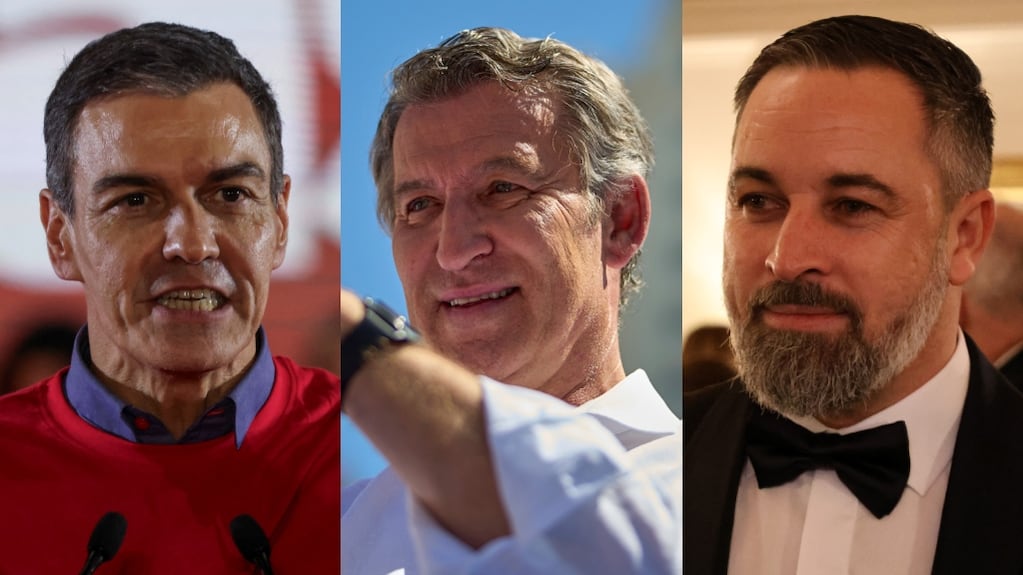
Los españoles decidirán en las elecciones generales de este domingo entre dos modelos ideológicos antagónicos.
Por un lado, la continuidad del gobierno progresista de Pedro Sánchez (Partido Socialista Obrero Español/PSOE), y por otro un brusco cambio de rumbo hacia la derecha representada por el líder del Partido Popular (PP) Alberto Núñez Feijóo, el gran favorito.
Más atrás aparece el jefe de la ultraderechista Vox, Santiago Abascal, muy cercano a Javier Milei y que podría convertirse en pieza clave para las aspiraciones de la derecha española de acabar con ocho años de gobierno socialista en una eventual coalición conservadora.
La cuarta aspirante, de menor arraigo en los sondeos, viene por izquierda: la exalcaldesa de Barcelona Ada Colau, dirigente del Frente Amplio (formado por el Movimiento Sumar, Más Madrid, Izquierda Unida y los llamados “comuns” catalanes).
No son los únicos. Otros partidos buscarán al menos influir en el poder central. Así, hay varias agrupaciones regionalistas con fuerte arraigo en sus territorios, como Cataluña, País Vasco, Galicia y las Islas Canarias. Todos ellos podrían también desempeñar un rol vital en la formación de una coalición de gobierno.
Las encuestas vaticinan el triunfo del PP de Nuñez Feijóo con algo más del 30% y casi cuatro puntos de ventaja sobre el PSOE de Sánchez. Pero la derecha tradicional española no lograría una mayoría para gobernar y debería pactar con Vox para conformar una coalición que llevaría por primera vez al gobierno de España a la extrema derecha.
“Hasta después de las elecciones y el resultado solo exigimos respeto. Después veremos”, dijo a TN el eurodiputado de Vox Hermann Tertsch, al dejar la puerta abierta a un acuerdo con Núñez Feijóo.
El PP y Vox ya han llegado a pactos programáticos para gobernar en algunas comunidades autónomas, en especial en Extremadura, Aragón, la Comunidad Valenciana, Castilla y León y Andalucía.
Qué se elige en estas elecciones en España
El sistema electoral español es diferente del argentino. El jefe o presidente de gobierno no es elegido en forma directa como en la Argentina, sino por el Parlamento. Lo hacen los 350 miembros del Congreso de los Diputados.
Este domingo, los españoles elegirán a los 350 diputados y también a 208 senadores. Pero los senadores no participan de la elección del nuevo jefe de gobierno.
Después que el rey Felipe VI invite al ganador de los comicios a formar ejecutivo, los diputados deben elegir por mayoría absoluta de sus miembros al nuevo jefe de gobierno. Para ello se necesitan 176 votos.
Feijóo
INTERNACIONAL
Ucrania rechazó la pretensión rusa de incluir a la industria petrolera en una posible tregua marítima
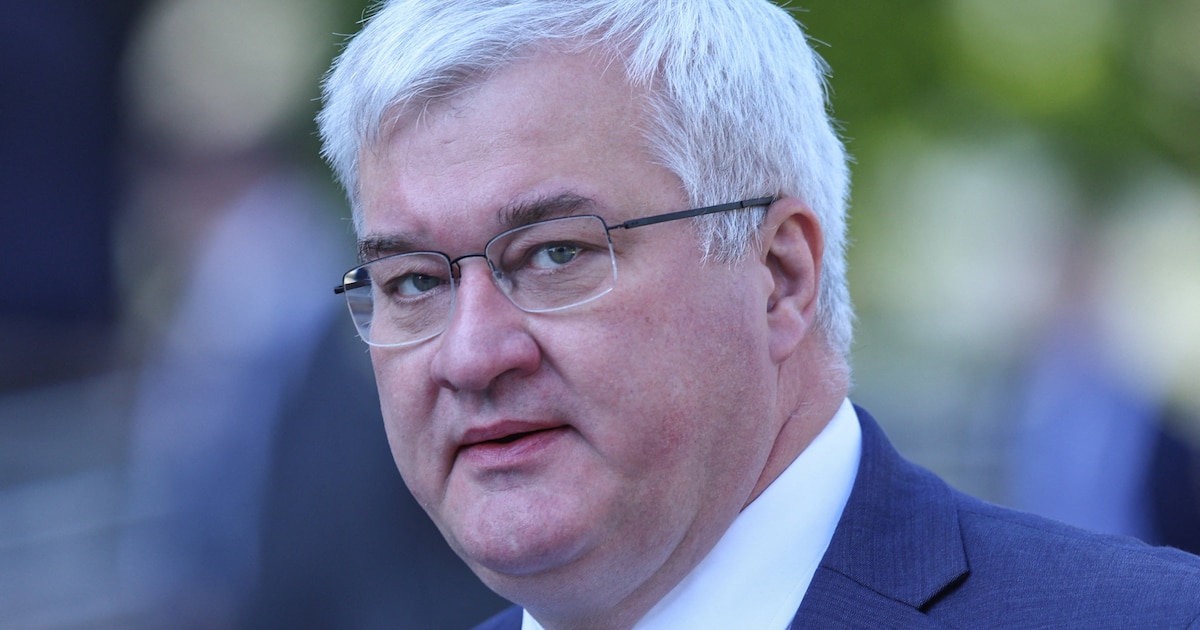
Ucrania rechazó incluir los ataques contra la industria petrolera en la tregua marítima que propone en el mar Negro a Rusia, una iniciativa con la que Kiev usca recuperar las exportaciones agrícolas desde sus puertos. El ministro de Exteriores ucraniano, Andrii Sybiha, afirmó que su país limita su propuesta al cese de ataques contra las infraestructuras portuarias y los barcos vinculados al transporte de productos agrícolas.
“Si hablamos de producción agrícola, entonces, por supuesto, estamos listos para esa tregua. Ellos (los rusos) proponen inmediatamente incluir el petróleo. El petróleo puede ser un elemento de una tregua energética más amplia. Pero en el mar Negro nosotros nos centramos en la producción agrícola”, declaró Sybiha, citado por la agencia ucraniana Ukrinform.
La propuesta ucraniana apunta a reabrir los puertos del mar Negro y restablecer el tránsito de grano, afectado desde el verano europeo por el aumento de los ataques contra instalaciones portuarias y embarcaciones. Esa escalada comenzó después de ofensivas ucranianas masivas en el mar de Azov.
Rusia pretende que cualquier acuerdo incluya el fin de las operaciones ucranianas contra refinerías, petroleros y otras infraestructuras ligadas a sus exportaciones de crudo. Kiev también plantea una tregua energética. Ucrania, que perdió parte de su capacidad petrolera tras ataques rusos previos, busca que Moscú suspenda los ataques contra su sistema eléctrico.

Sybiha expuso la iniciativa en una conferencia internacional dedicada a las exportaciones agrícolas, donde intentó recabar apoyos para reactivar el traslado seguro de cereales por el mar Negro. El ministro agradeció a India, Turquía y Egipto, países importadores de grano ucraniano y ruso, por respaldar la propuesta para restablecer la navegación de productos agrícolas.
Zelensky anunció el regreso a Ucrania de 9 menores cautivos en zonas ocupadas por Rusia
En medio de los contactos trilaterales para alcanzar el fin de la invasión, el presidente ucraniano Volodimir Zelensky, anunció el regreso a territorio controlado por Kiev de nueve niños, una mujer con discapacidad y la abuela de uno de los menores, tras una mediación de la primera dama de Estados Unidos, Melania Trump.
“Estos niños son de los territorios temporalmente ocupados de las regiones de Jersón y Zaporiyia y de Crimea”, escribió Zelenski en X. El mandatario precisó que el menor de menor edad tiene ocho años.

La mujer con discapacidad residía en un centro de cuidados especializados de Oleshki, en el sur del país. Rusia y Ucrania acordaron a finales de octubre una tregua humanitaria para evacuar civiles de esa localidad ocupada por las fuerzas rusas, una iniciativa impulsada por la oficina de Melania Trump.
“Agradezco a la Primera Dama de Estados Unidos Melania Trump su ayuda y su mediación”, señaló el presidente ucraniano, que también reconoció la intervención del defensor del pueblo de Ucrania, Dmitró Lubinets.
La primera dama estadounidense comunicó el jueves en sus redes sociales la reunificación de nueve niños con sus familias, tras contactos de su oficina con Moscú y Kiev. Los menores habían quedado separados de parte de sus parientes.
Zelensky afirmó que 2.875 ucranianos regresaron desde Rusia o desde territorios ocupados a las zonas bajo control del Gobierno ucraniano desde el inicio de la invasión. El presidente también agradeció el respaldo de los países que colaboran con Ucrania en las gestiones para recuperar a menores ucranianos.

El pasado 17 de noviembre, Zelensky propuso extender a otros diez lugares ocupados por Rusia las treguas humanitarias para evacuar civiles, tras el acuerdo que permitió sacar población de la localidad de Oleshki, localidad del sur de Ucrania bajo control ruso, en octubre.
La iniciativa abarca zonas bajo ocupación rusa en las regiones de Kherson y Zaporizhzhia. El mandatario indicó que el Gobierno ucraniano buscará tratar la propuesta con los mediadores de Estados Unidos. “Ucrania ha propuesto diez localizaciones más en los partes temporalmente ocupadas de las regiones de Jersón y Zaporiyia. Nuestro equipo hablará de esto con los mediadores estadounidenses”, escribió el mandatario en X.
(Con información de EFE)
International,Relations,Diplomacy / Foreign Policy,Europe

Verón y la obra imposible: nadie fue campeón de Copa Libertadores como jugador y presidente

El Tribunal del Mar rechazó el reclamo argentino para frenar provisoriamente la explotación petrolera en Malvinas

River Plate buscará pisar fuerte ante Instituto en Córdoba para meterse en las semifinales del Clausura: hora, TV y posibles formaciones

Socialist newcomers’ old words take new turn as they prepare to enter Congress

Entre libros, visitas y descanso: así está hoy Mariano Chihade, a diez días de su operación

La IA no abarata el software, pero cambia dónde está el costo

Efecto reforma electoral: la suspensión de las PASO divide la estrategia de los “outsiders”

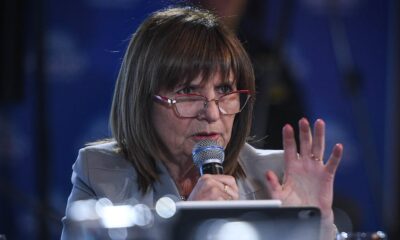
“Estoy preparada para ser presidenta”: fuerte desafío de Patricia Bullrich a Javier Milei

El economista Luis Secco cuestionó el programa económico de Milei: “Estamos estancados desde fines del primer trimestre de 2025″

“Lo real es que estamos estancados”: el análisis de un economista tras la caída de la actividad

 POLITICA1 día ago
Efecto reforma electoral: la suspensión de las PASO divide la estrategia de los “outsiders”
- POLITICA3 días ago
“Estoy preparada para ser presidenta”: fuerte desafío de Patricia Bullrich a Javier Milei
- ECONOMIA3 días ago
“Lo real es que estamos estancados”: el análisis de un economista tras la caída de la actividad