INTERNACIONAL
El Niño deja tres muertos y más de 30.500 personas impactadas en Ecuador antes de los meses de mayor intensidad previstos

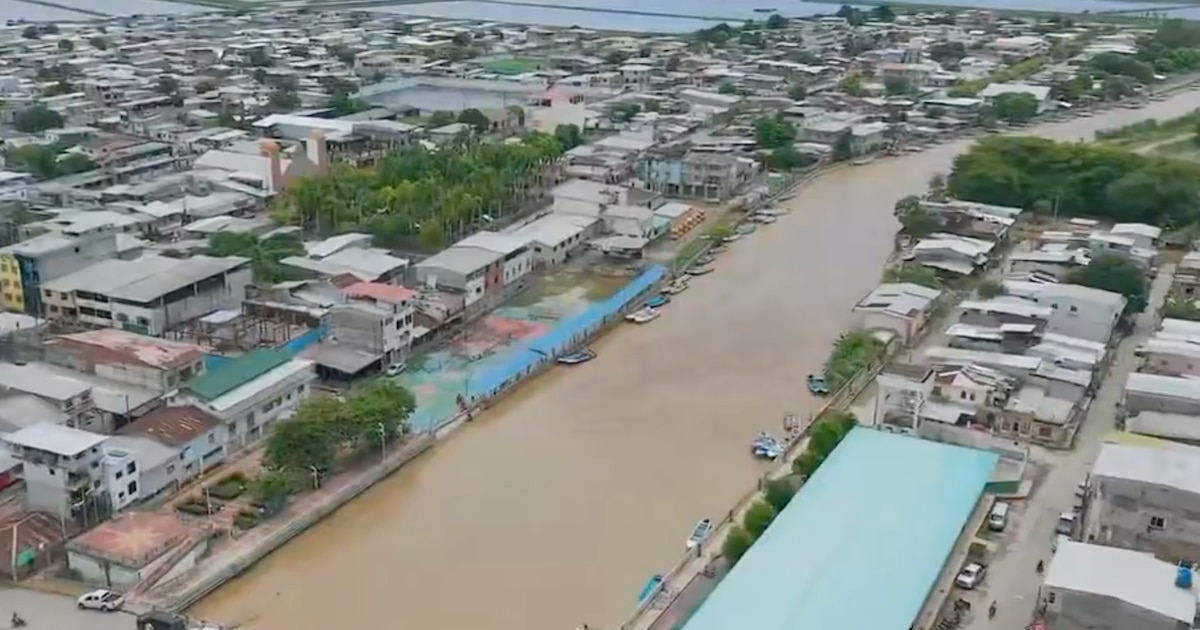
Las lluvias extraordinarias asociadas al fenómeno de El Niño han dejado tres personas fallecidas y 30.534 impactadas en Ecuador desde finales de agosto, en medio de una sucesión de inundaciones, deslizamientos y desbordamientos de ríos que han alcanzado a 23 de las 24 provincias del país. La emergencia ocurre durante un período habitualmente seco en varias localidades de la región costera y mantiene bajo vigilancia a las autoridades ante la posibilidad de nuevas precipitaciones.
Según la información de la Secretaría Nacional de Gestión de Riesgos (SNGR), el balance acumulado hasta el 25 de octubre registra 629 eventos adversos, con 28.276 personas afectadas y otras 2.258 damnificadas. Los incidentes también han ocasionado daños en 7.618 viviendas, la destrucción de otras 20 y afectaciones en infraestructura vial y puentes.
Las provincias costeras concentran las principales consecuencias. Esmeraldas registra 17.924 personas impactadas, mientras Guayas contabiliza 7.640. Ambas reúnen aproximadamente el 83 % del total nacional. Les siguen Los Ríos, con 2.292 personas; El Oro, con 882; y Manabí, con 540. Los tres fallecimientos reportados corresponden a dos personas en Azuay y una en El Oro.
Las emergencias continuaron durante el fin de semana. En Balao y Tenguel, provincia de Guayas, el desbordamiento de ríos provocó inundaciones en viviendas y calles. En determinados sectores, el agua alcanzó niveles que dificultaron la circulación de los habitantes. En la comunidad Virgen del Cisne, perteneciente a Tenguel, las estimaciones preliminares señalaron afectaciones para aproximadamente 300 familias.

Durante la madrugada del lunes 26 de octubre, nuevas precipitaciones ocasionaron inundaciones en varios sectores de Manta, provincia de Manabí. Los reportes locales identificaron problemas en Costa Azul, Tarqui y Jocay, además de daños en instalaciones de la terminal terrestre y un mercado. Algunas instituciones educativas suspendieron preventivamente sus actividades debido a las condiciones meteorológicas.
En Azuay, un deslizamiento registrado en la comunidad de Zhumiral, cantón Camilo Ponce Enríquez, obligó a evacuar preventivamente a 15 personas pertenecientes a cuatro familias, que fueron trasladadas a un alojamiento temporal.
La magnitud de las precipitaciones también se refleja en los registros meteorológicos. Según información difundida por Primicias, la estación de Milagro, en Guayas, acumuló 195,9 milímetros de lluvia hasta el 20 de octubre, frente a una normal climatológica mensual de apenas 4,2 milímetros. El volumen registrado equivale aproximadamente a 46 veces el promedio habitual para ese mes.
Los registros disponibles también identifican precipitaciones extraordinarias en Guayaquil, Portoviejo y La Maná. Estas anomalías evidencian la alteración del comportamiento estacional de las lluvias, aunque su intensidad y distribución varían considerablemente entre localidades.

El Comité Nacional para el Estudio Regional del Fenómeno de El Niño declaró oficialmente la presencia del evento a finales de agosto. Posteriormente, la Secretaría de Gestión de Riesgos estableció la alerta roja nacional mediante una resolución del 29 de agosto. Los informes técnicos posteriores confirmaron la continuidad y fortalecimiento del fenómeno.
De acuerdo con los registros oficiales, las inundaciones representan la mayoría de los eventos adversos contabilizados, seguidas por deslizamientos, vendavales y lluvias intensas. Las consecuencias incluyen interrupciones de movilidad, daños materiales y desplazamientos temporales de familias.
La secretaria nacional de Gestión de Riesgos, Carolina Lozano, ha señalado que aproximadamente 1,3 millones de personas podrían encontrarse expuestas a los efectos del fenómeno. Las proyecciones institucionales contemplan hasta 145.523 potenciales damnificados, cifras que corresponden a escenarios preventivos y no al balance de víctimas registrado.
El Gobierno ecuatoriano ha previsto un presupuesto interinstitucional de aproximadamente USD 650 millones para acciones de prevención, reducción del riesgo y respuesta. Entretanto, los organismos técnicos mantienen el seguimiento de las condiciones oceánicas y atmosféricas, particularmente ante noviembre y diciembre, meses durante los cuales se prevé una mayor madurez del evento.
Las autoridades continúan evaluando los daños y actualizando los reportes territoriales. Las emergencias registradas durante el 26 de octubre podrían modificar las cifras nacionales, mientras las comunidades afectadas enfrentan nuevas precipitaciones antes del inicio habitual de la temporada lluviosa en la Costa ecuatoriana.
corresponsal:Desde Quito








INTERNACIONAL
Médicos retoman la atención en Honduras tras 49 días de asambleas informativas y acuerdos preliminares con el gobierno
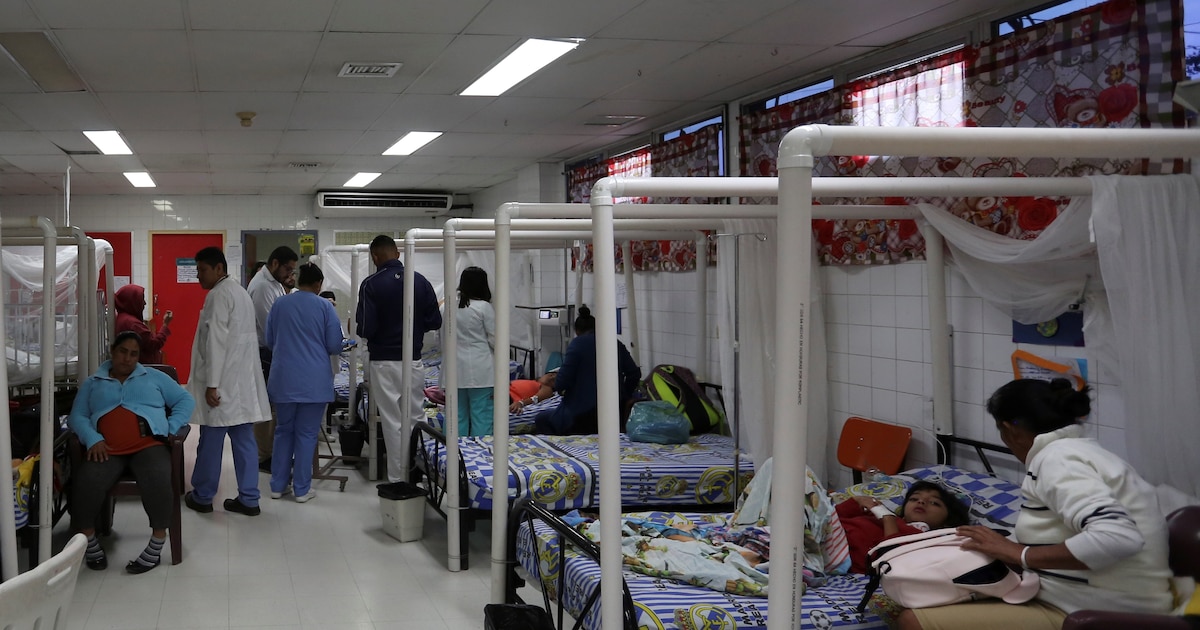
Los hospitales y centros de salud públicos de Honduras registraron una alta afluencia de pacientes este lunes, tras el retorno de los médicos a sus puestos de trabajo, después de más de seis semanas de interrupciones en la atención habitual debido a las asambleas informativas convocadas por el gremio.
En el Hospital Escuela y el Hospital San Felipe, en Tegucigalpa, se registraron largas filas de personas que acudieron desde tempranas horas para recibir consultas, gestionar citas pendientes y buscar medicamentos que no habían podido obtener durante el período de suspensión de los servicios.
Más de 20.000 citas médicas deberán ser reprogramadas para atender a los pacientes que quedaron pendientes durante los aproximadamente 49 días que duraron las medidas. Ese rezago es uno de los principales retos que enfrenta el sistema sanitario tras la normalización.
El retorno de los profesionales de la salud se produce en medio de las negociaciones entre el Gobierno y el Colegio Médico de Honduras (CMH), que buscan resolver las diferencias relacionadas con el pago de salarios adeudados y garantizar que no se repitan los retrasos en las remuneraciones.
Según Luis Castro,secretario privado de la presidencia de Honduras el acuerdo para suspender las asambleas informativas representa un acto de buena fe entre ambas partes, con el propósito de permitir que la población vuelva a recibir atención médica mientras continúan las conversaciones para resolver las obligaciones salariales pendientes.
Negociaciones continúan
El funcionario explicó que los equipos de trabajo siguen revisando la documentación de los profesionales de la salud y que el número de expedientes pendientes se ha reducido. Sin embargo, todavía existen casos que requieren completar información antes de avanzar con el pago de la totalidad de los salarios reclamados.
Como parte de este proceso, para este lunes estaba prevista la instalación de una mesa técnica ampliada, en la que representantes de ambas partes darían seguimiento a los expedientes que aún no han sido resueltos. La hora de la reunión no había sido definida, aunque se indicó que se desarrollaría durante la mañana.
El objetivo de las conversaciones es completar el 100% de los pagos reclamados por los médicos y establecer mecanismos que permitan evitar nuevos retrasos salariales, según las declaraciones de Castro. El avance, no obstante, dependerá de la revisión y validación de los documentos pendientes y de los acuerdos que alcancen las partes durante las reuniones técnicas.
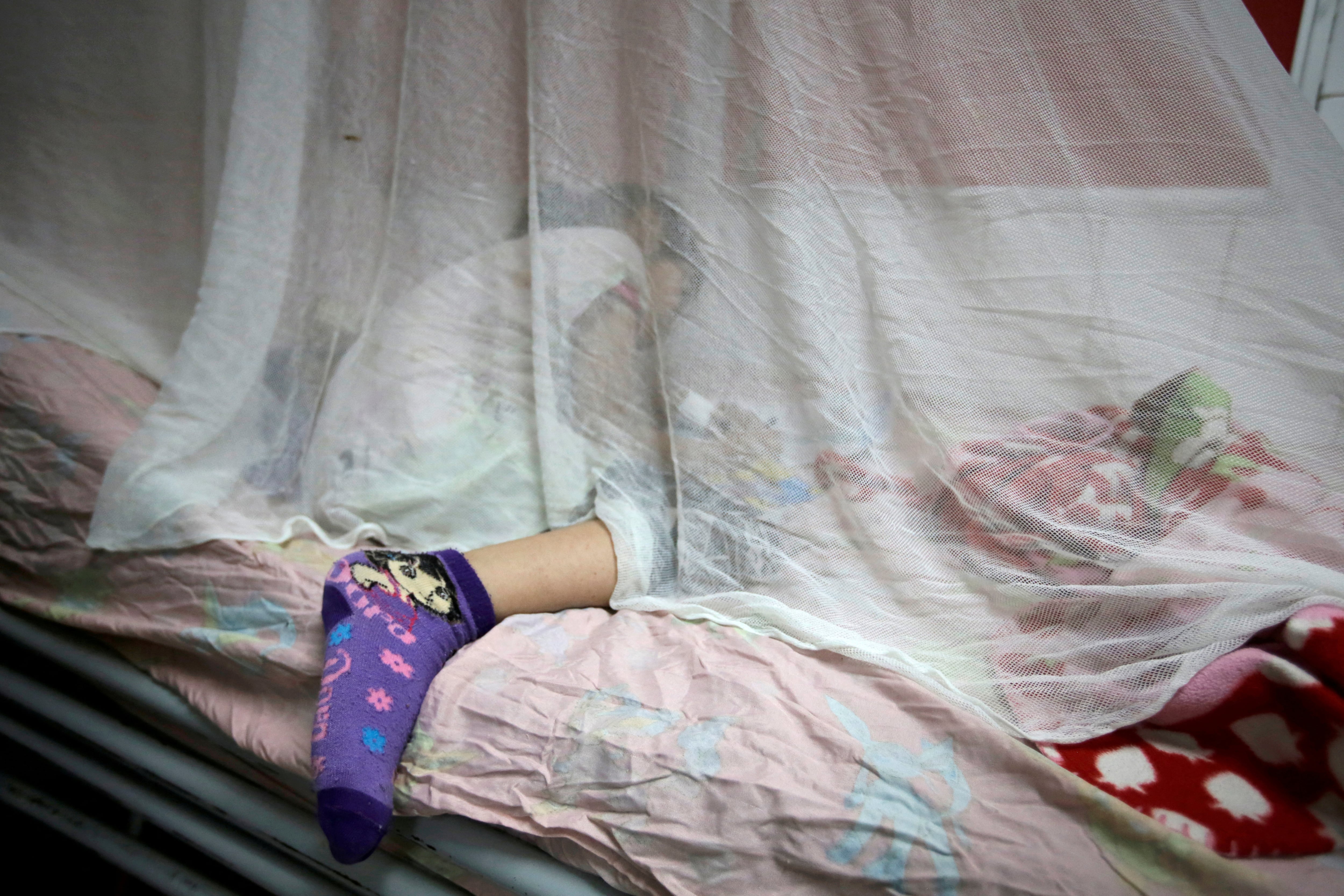
Mediante un comunicado oficial, la Junta Directiva del CMH informó a sus agremiados sobre la decisión de suspender las asambleas informativas, luego de las negociaciones sostenidas con representantes del Gobierno. El gremio también comunicó a la población hondureña que la atención médica había sido restablecida en todo el territorio nacional.
La suspensión de las medidas abre paso a la reanudación de los servicios afectados durante el conflicto, aunque la recuperación dependerá de la capacidad de cada establecimiento para atender la demanda acumulada y reorganizar las citas que no pudieron realizarse. El regreso de los médicos implica también ordenar la agenda hospitalaria y garantizar la continuidad de los tratamientos que pudieron sufrir interrupciones.
Más de 20 mil citas reprogramadas
Durante los 49 días de asambleas informativas, miles de pacientes enfrentaron dificultades para acceder a consultas y otros servicios habituales. La situación afectó especialmente a quienes tenían citas programadas y debieron esperar a que se normalizara la atención.
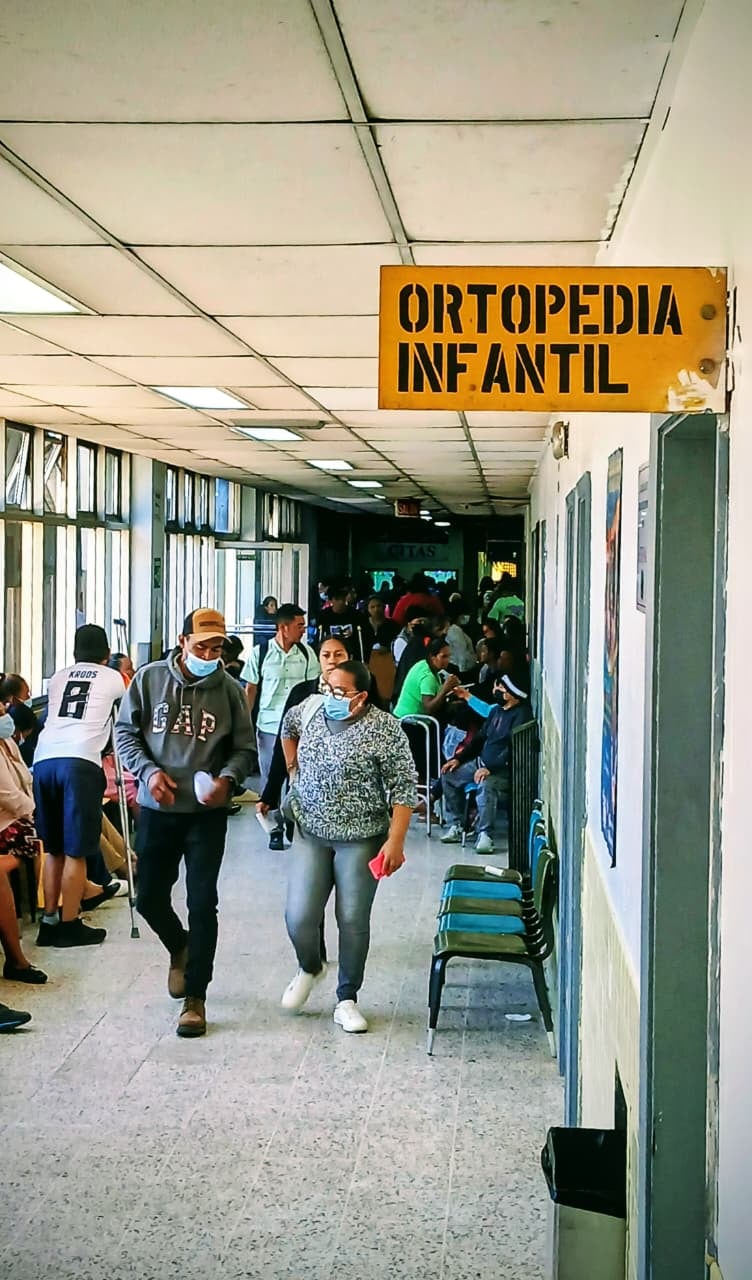
La reprogramación de las citas determinará cuándo podrán ser atendidas las personas que quedaron fuera de la agenda durante la paralización. Hasta el momento, la información disponible no detalla un calendario general, los criterios de priorización ni el plazo previsto para completar la atención de todos los pacientes afectados.
Las personas con consultas suspendidas deberán mantenerse atentas a las indicaciones de los establecimientos de salud sobre las nuevas fechas y los procedimientos para confirmar sus citas.
La mesa técnica ampliada tendrá un papel importante en el seguimiento de los casos sin resolver. La conclusión de ese proceso será determinante para establecer si se logra completar el pago de las remuneraciones pendientes y evitar que las diferencias vuelvan a afectar los servicios sanitarios.
INTERNACIONAL
Former Israeli PM emerges as wild card in high-stakes election with Middle East’s future at stake
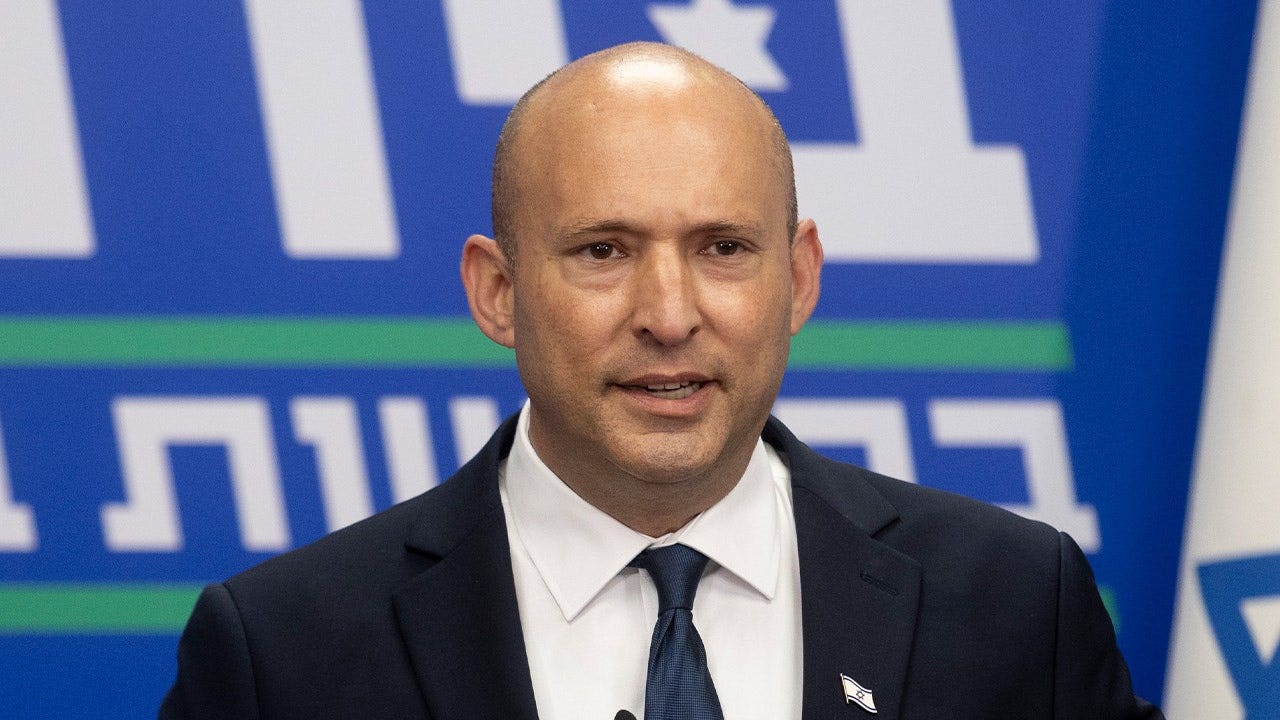
Former Israeli PM Naftali Bennett thanks Saudi authorities
A mid-air pilot stabbing causes a flight to Israel to nosedive before passengers intervene. Former Israeli Prime Minister Naftali Bennett joins Harris Faulkner to analyze the investigation. Witnesses recount the terrifying moment the co-pilot attacked the pilot, attempting to crash the plane before being neutralized by travelers.
NEWYou can now listen to Fox News articles!
Former Israeli Prime Minister Naftali Bennett is seeking a political comeback with an ambitious vision for the Middle East: expanding the Abraham Accords, building economic partnerships with Arab nations and rebuilding Israel’s strained international relationships, particularly with the United States.
For Bennett, whose American parents moved to Israel from San Francisco, the U.S. connection is both personal and political. The 54-year-old former technology entrepreneur, a familiar face on American television, believes his business background could help him work with President Donald Trump to advance regional diplomacy.
«He was a businessman, not a career politician, same as me,» Bennett told The Times of Israel in June, referring to Trump. «His worldview is, let’s get stuff done. Let’s look at results, not process. And that’s precisely my view.»
TRUMP CALLS ON ARAB NATIONS TO SIGN ABRAHAM ACCORDS
Naftali Bennett, former prime minister and head of newly merged Together party, speaks at a press conference at the Israeli parliament on May 20, 2026, in Jerusalem. (Amir Levy/Getty Images)
Bennett said he would aggressively pursue regional agreements through economic cooperation, seeking to build on the U.S.-brokered Abraham Accords. But while his ambitions overlap with Trump’s regional agenda, the president endorsed Prime Minister Benjamin Netanyahu for re-election on Oct. 18.
Bennett also faces an unusual political challenge at home. His joint Beyachad, or Together, party with former Prime Minister Yair Lapid is polling behind both Netanyahu’s Likud and former military chief Gadi Eisenkot’s Yashar party.
A Channel 12 poll published Oct. 23 projected 23 Knesset seats for Eisenkot, 21 for Netanyahu and 15 for Bennett and Lapid.
Yet Bennett knows better than most Israeli politicians that leading the largest party is not necessary to become prime minister. In 2021, he took office despite his Yamina party winning just seven of the Knesset’s 120 seats, demonstrating the power of coalition negotiations in Israel’s parliamentary system.
FORMER ISRAELI ARMY CHIEF GADI EISENKOT EMERGES AS NETANYAHU’S LEADING ELECTION CHALLENGER
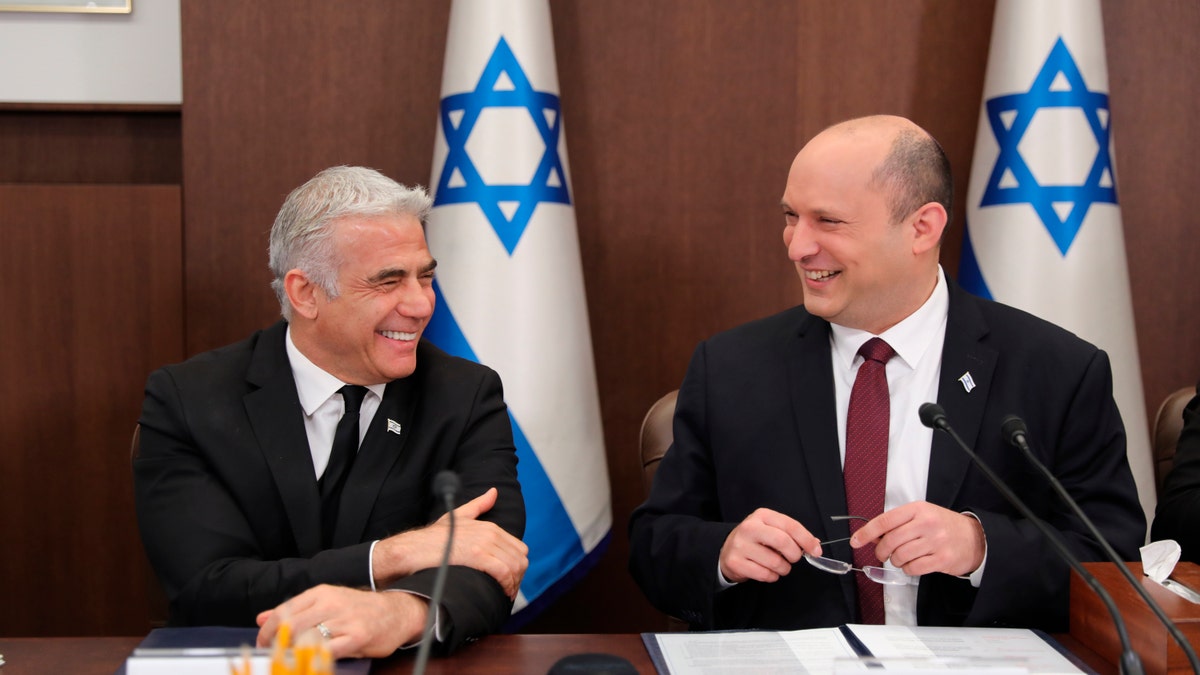
FILE – Israeli Prime Minister Naftali Bennett, right, and Foreign Minister Yair Lapid attend a cabinet meeting at the Prime Minister’s office in Jerusalem, June 19, 2022. Bennett’s office announced Monday, June 20, 2022, that his weakened coalition will be disbanded and the country will head to new elections. Bennett and his main coalition partner, Yair Lapid, decided to present a vote to dissolve parliament in the coming days, Bennett’s office said. Lapid is then to serve as caretaker prime minister. The election, expected in the fall, would be Israel’s fifth in three years. (Abir Sultan/Pool Photo via AP, File)
How a seven-seat leader became prime minister
Born in Haifa to American immigrants, Bennett served in Israel’s elite Sayeret Matkal and Maglan military units before co-founding cybersecurity company Cyota, which was sold for $145 million in 2005.
He entered politics as Netanyahu’s chief of staff, later led the Yesha Council representing West Bank settlements and served as economy, education and defense minister.
A religious Zionist and longtime opponent of Palestinian statehood, Bennett stunned Israel’s political establishment in 2021 when he formed a coalition spanning right-wing, centrist, left-wing and Arab parties, ending Netanyahu’s 12 consecutive years in power.
The coalition collapsed in 2022, leaving many former supporters accusing him of betraying his electoral promises.
WHO IS ITAMAR BEN-GVIR, THE ISRAELI FIREBRAND RISING WITH THE POPULIST RIGHT ACROSS THE GLOBE?
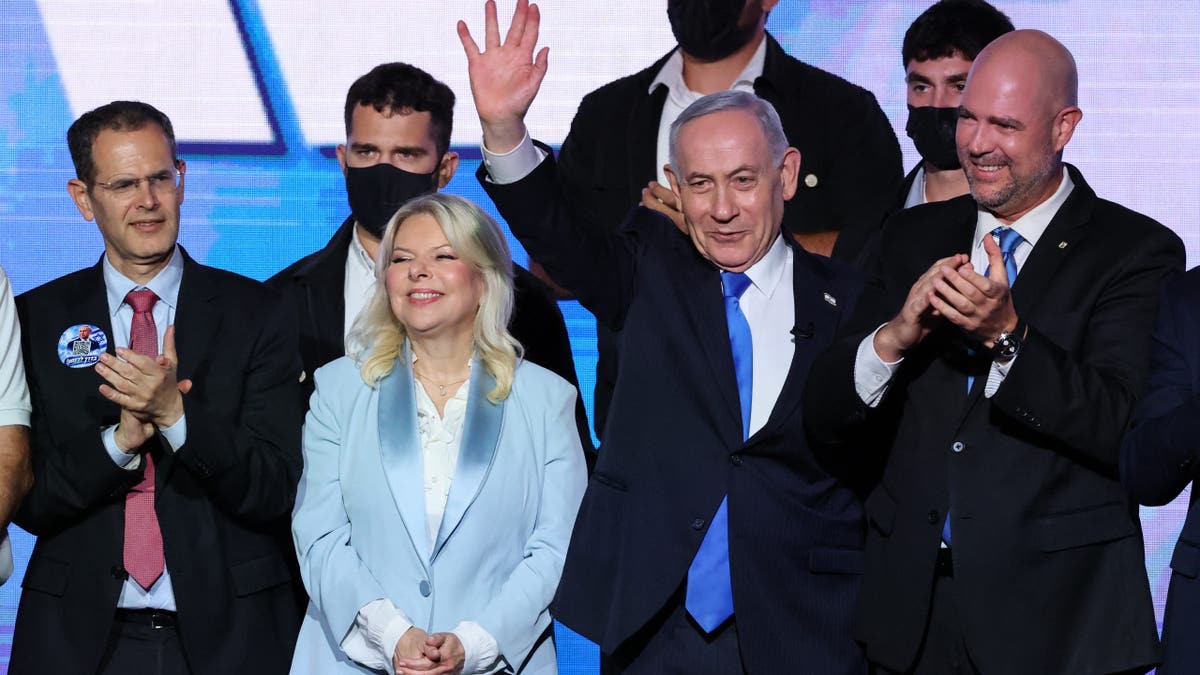
Israeli Prime Minister Benjamin Netanyahu waves from the stage next to his wife Sara during a Jewish New Year greetings event attended by Likud party members in Tel Aviv on Sept. 17, 2026. Israel heads to the polls on Oct. 27 in its first election since the Oct. 7, 2023 Hamas attack, in what is seen as a referendum on the prime minister. (Jack Guez/AFP via Getty Images)
Einat Halevy Levin, a strategic advisor who has known Bennett for years, described a politician who has spent his time outside office preparing for a second opportunity.
«In 2021, he wasn’t prepared. He hadn’t built a governing party; he had built another election campaign,» Halevy Levin told Fox News Digital.
She said she met Bennett at his home in November 2023, following the Oct. 7 Hamas attack, when he had decided to return to politics.
This time, according to Halevy Levin, Bennett spent years building a political organization, carefully screening candidates and developing the infrastructure needed to govern.
«I’ve known him since he was economy minister. He was always daring and full of creative ideas, but was more inclined to stick to his own views,» she said. «He has undergone a transformation.»
IS ISRAEL REALLY ISOLATED? POLLS AND DIPLOMACY POINT IN OPPOSITE DIRECTIONS
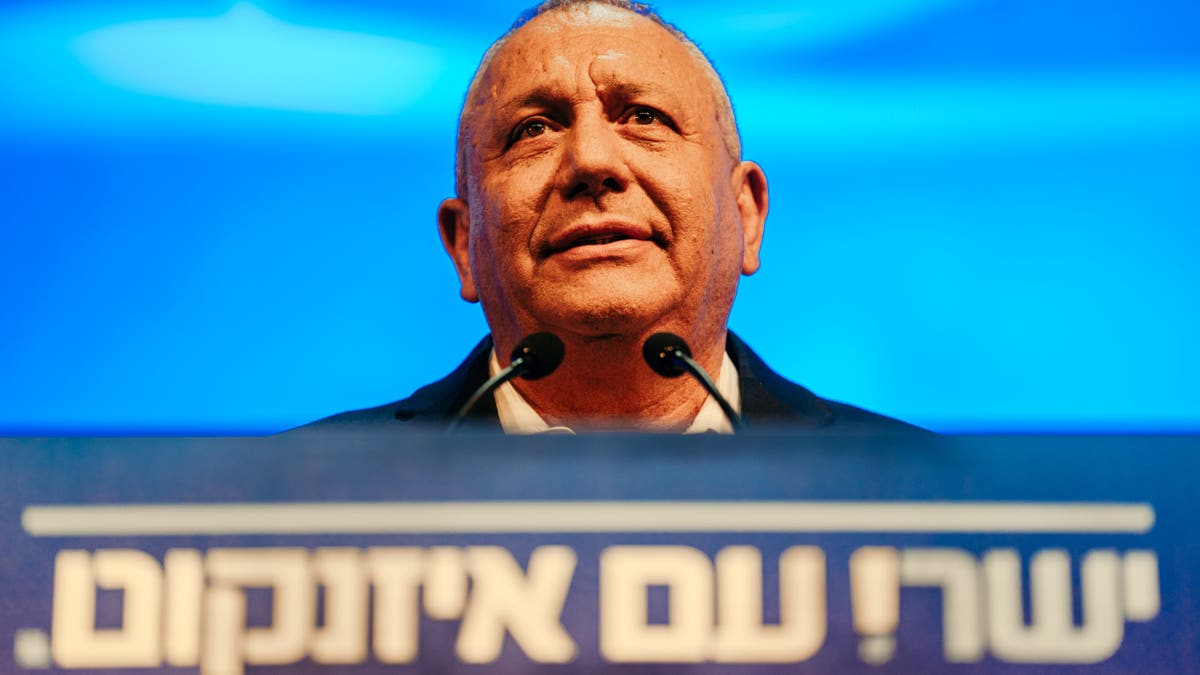
Gadi Eisenkot, leader of the Yashar party, speaks during an event presenting the party’s full candidate list ahead of October’s general election on Sept. 7, 2026 in Rosh HaAyin, Israel. Eisenkot, a retired chief of the Israel Defense Forces, has emerged as the foremost challenger to Prime Minister Benjamin Netanyahu. (Erik Marmor/Getty Images)
A new Middle East vision meets old divisions
Bennett’s regional ambitions reflect an approach to diplomacy shaped by his business experience, according to Halevy Levin.
She recalled attending a meeting with a senior official from a neighboring country who appeared astonished by Bennett’s detailed knowledge of its economy and priorities.
«He wasn’t looking at the country through a military lens,» she said, describing Bennett’s focus on identifying shared economic interests rather than approaching every regional relationship primarily as a security challenge.
In an interview with Israel’s Channel 13 on Sunday, two days before the election, Bennett pointed to his meetings as prime minister with Egyptian President Abdel Fattah el-Sisi, Jordan’s King Abdullah II and UAE President Mohammed bin Zayed as examples of the diplomacy he hopes to revive.
He argued that Israel needs to present a new vision of a Middle Eastern renaissance and identified extremist settler violence in the West Bank as a major source of damage to its international standing.
«We need to eliminate Jewish terrorism in Judea and Samaria, and I say this precisely as a supporter of the settlement movement,» Bennett said. «They do not represent the overwhelming majority of settlers, but right now this is the problem causing us the greatest damage internationally.»
Bennett said he would direct Israel’s senior police, military and intelligence officials to produce a plan within three days to crack down on extremist violence.

Israeli settlers run from an Israeli military vehicle around Palestinian houses in the village of Qusra, south of Nablus, in the occupied West Bank, on Aug. 13, 2026. (Zain Jaafar/AFP via Getty Images)
His foreign policy, however, remains firmly on the Israeli right.
On Iran, Bennett has promoted his «Octopus Doctrine,» advocating direct action against Tehran rather than focusing exclusively on Iranian-backed groups.
«If Hezbollah fires at us, we strike Iran,» he declared at an Aug. 19 policy conference.
On Gaza, Bennett opposes Palestinian statehood and supports maintaining Israeli security control until Hamas is disarmed. He has also proposed excluding Qatar and Turkey from Gaza’s future arrangements while involving Egypt.
TRUMP SAYS NETANYAHU NEEDS TO BE RE-ELECTED, OR ELSE US WILL HAVE TO ‘FINISH THE JOB’ AGAINST IRAN ALONE
Those positions raise questions about how significantly his government would depart from Netanyahu’s policies.
Danny Citrinowicz, a senior researcher at Israel’s Institute for National Security Studies and former head of the Iran branch in Israeli military intelligence, argued that restoring Israel’s diplomatic standing requires more than a change in leadership.
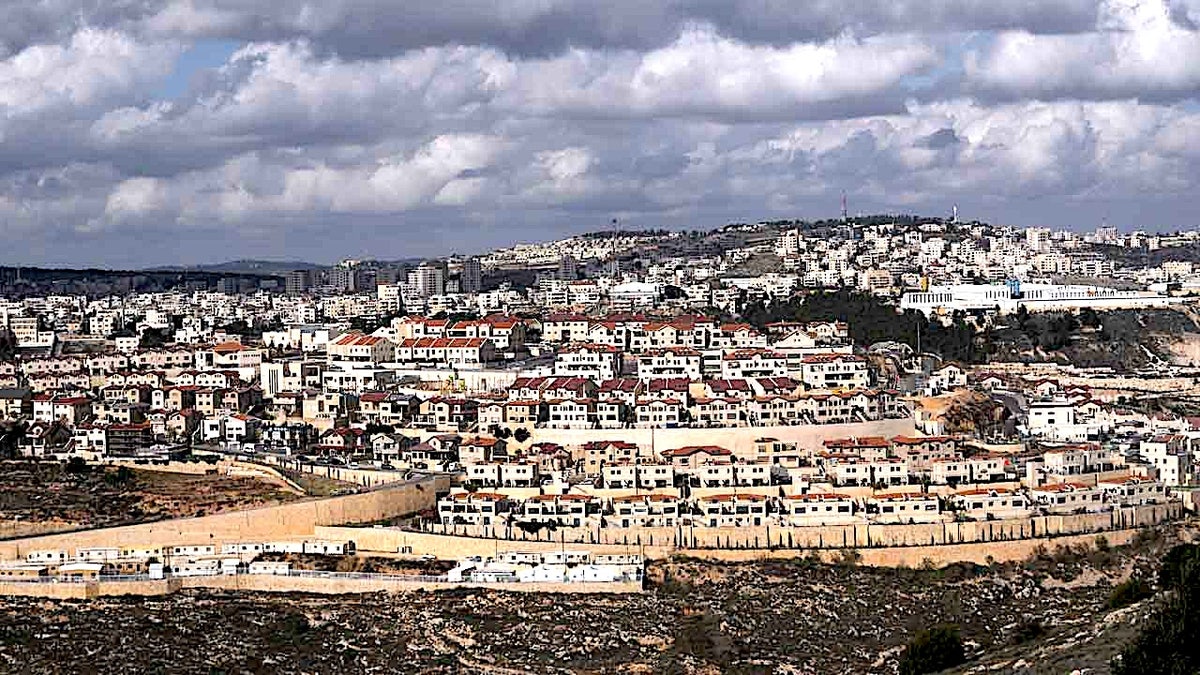
The West Bank, also known as Judea and Samaria, is home to some 500,000 Israelis. (Mahmoud Illean/AP)
«If Bennett thinks he can support annexing E1 (an area east of Jerusalem where planned Israeli settlement construction could further fragment the West Bank), oppose a Palestinian state, continue the occupation of Gaza and simultaneously meet with Sisi and Abdullah and attract investment to Israel, he simply doesn’t understand the depth of the international crisis,» Citrinowicz said.
Citrinowicz argued that without a fundamental change in Israeli policy toward the Palestinians, replacing Netanyahu would not be sufficient to restore the country’s international standing.
His warning comes amid changing American public attitudes toward Israel. A February 2026 Gallup survey found 36% of Americans sympathized more with Israelis, compared with 41% who sympathized more with Palestinians, a statistically insignificant five-point difference but a significant shift from the long-standing pro-Israel advantage.
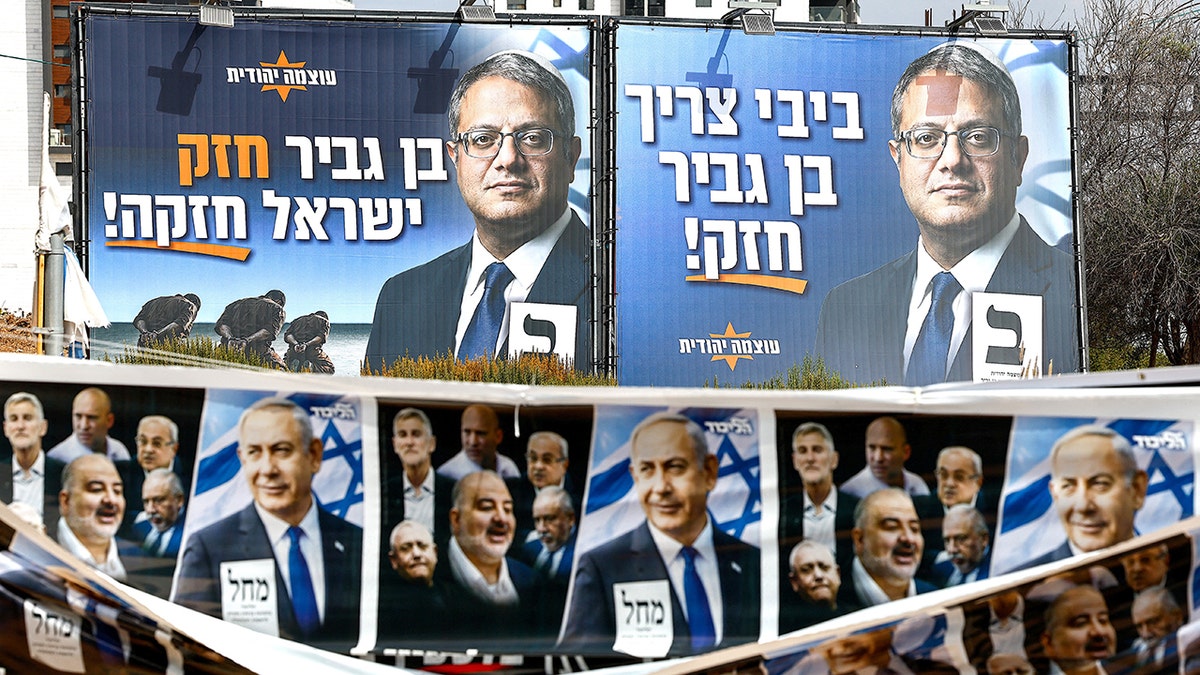
Election banners with images of Israel’s National Security Minister Itamar Ben-Gvir, leader of Jewish Power (Otzma Yehudit) party, and Prime Minister Benjamin Netanyahu, leader of Likud party, in Sderot, near Israel’s border with Gaza, in southern Israel, Oct.18, 2026. (Reuters/Amir Cohen)
A comeback built on lessons from 2021
Beyond foreign policy, Bennett is promising a sweeping domestic overhaul.
In an Oct. 25 manifesto, he pledged to redirect 30 billion shekels in government benefits toward families who work and serve in the military, reduce food prices by 30%, establish a state commission of inquiry into Oct. 7 and introduce an eight-year term limit for prime ministers.
His alliance with Lapid gives him an established political organization, but he faces competition from Eisenkot and continuing attacks from Netanyahu, who has warned that a future opposition coalition could depend on left-wing and Arab parties.
With Israel’s fragmented parliamentary system requiring at least 61 seats to govern, coalition negotiations could prove as consequential as the election results themselves.
Bennett has already demonstrated that political reality once.

President Donald Trump shakes hands with Israeli opposition leader Yair Lapid at the Knesset, Israel’s parliament, on Oct. 13, 2025, in Jerusalem. (Evelyn Hockstein/Pool/Getty Images)
Now, four years after his first government collapsed, he is seeking to convince Israelis that the unconventional politician who became prime minister with seven seats has returned better prepared — and with a vision that could reshape Israel’s place in the Middle East.
world elections, israel, politics, world, donald trump, iran
INTERNACIONAL
Major school district’s pledge with teachers’ union sparks racial discrimination complaint
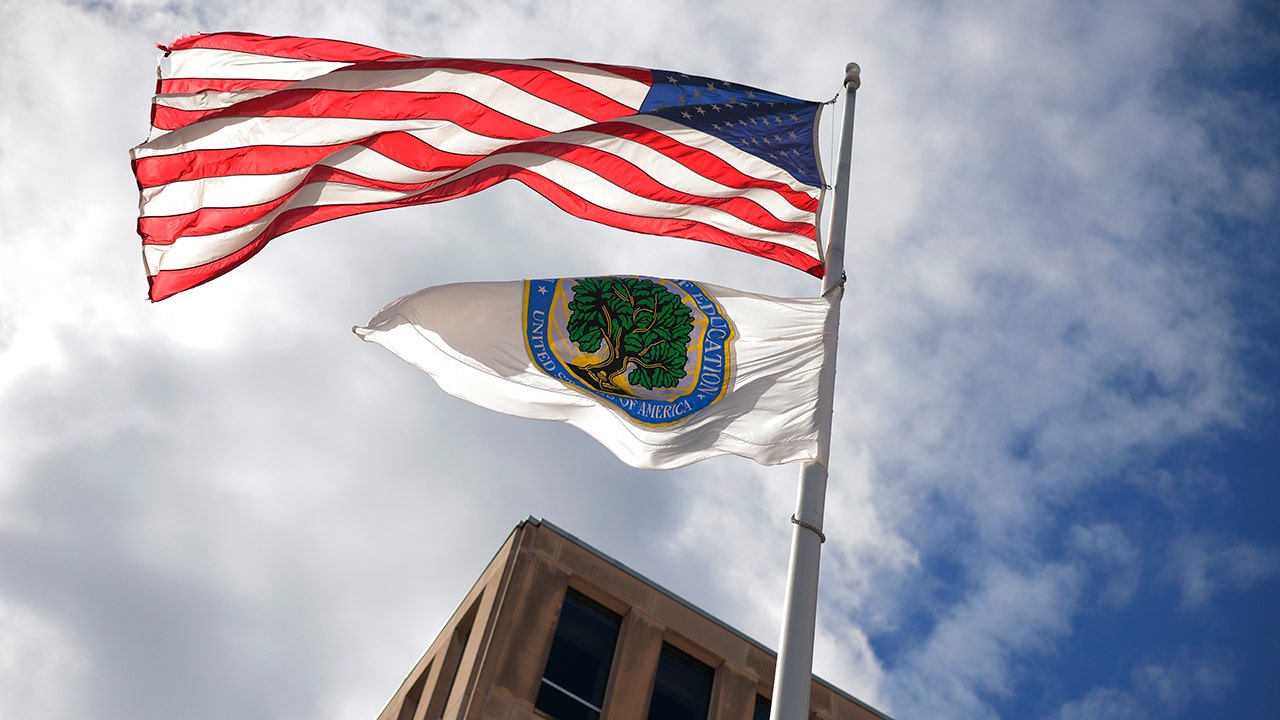
FIRST ON FOX: One of Colorado’s largest school districts is facing a new federal civil rights complaint over a pledge it made with its teachers’ union to recruit, retain and advance educators of color.
Defending Education filed a federal civil rights complaint Monday, which was first obtained by Digital, with the U.S. Department of Education alleging that CCSD is discriminating on the basis of race in employment. CCSD is notably Colorado’s fourth-largest school district, and serves 52,000 students and more than 300,000 residents in the southeast Denver metropolitan area, according to the district’s website.
At the heart of the complaint is the district’s June 2023 «Educators of Color Declaration,» which commits Cherry Creek School District and its teacher’s union to recruiting, retaining and advancing educators of color, even as a separate provision in the same agreement calls for recruitment, hiring and advancement to be based on qualifications without regard to race.
«Cherry Creek Schools has written racial preferences directly into its teachers’ contract. The district’s ‘Educators of Color Declaration’ commits it to recruiting, retaining, and promoting teachers based on the color of their skin — which means other equally qualified teachers are passed over for the same reason,» Sarah Parshall Perry, Vice President and Senior Legal Fellow at Defending Education, told Digital.
«That’s not diversity; it’s discrimination, and it is precisely what Title VI and the Fourteenth Amendment forbid. The Supreme Court could not have been clearer in Students for Fair Admissions: the law is colorblind, and a school district cannot cure a race-based hiring policy with generic ‘equal opportunity’ language.»
Title VI prohibits race discrimination in federally funded programs under specified conditions, while Title VII more directly governs employment discrimination, leaving the legality of Cherry Creek’s teacher recruitment and advancement commitments dependent on how those policies are implemented.
OBAMA-APPOINTED JUDGE CLEARS WAY FOR WHITE EMPLOYEE TO CHALLENGE SEATTLE’S DEI POLICIES
The «Educators of Color Declaration» also commits the district and its teachers’ union to intentionally recruiting highly qualified educators of color while making a concerted effort to retain those already employed by the district and help them advance into leadership positions, according to the district’s negotiated agreement.
JUSTICE DEPARTMENT LAUNCHES TITLE VI INVESTIGATION INTO DEI PROGRAMS AT ARIZONA STATE UNIVERSITY
Additionally, the policy says that «to fulfill these goals, all policies in this agreement shall reflect Cherry Creek School District core values by grounding the work of negotiations in diversity, equity, and inclusion (DEI),» according to the school district’s 2026-2027 Negotiated Agreement.
FLORIDA STATE UNIVERSITY HIT WITH FEDERAL CIVIL RIGHTS INVESTIGATION OVER RACE, SEX-BASED SCHOLARSHIP PROGRAMS
«Cherry Creek is under no obligation to accept federal funding, but because it has, it cannot run a racial balancing scheme for its own workforce and still adhere to federal law,» Perry continued. «We are asking the Office for Civil Rights to open an investigation and put an end to it.»
Defending Education’s latest complaint comes after the Department of Education announced a separate investigation on June 8, into allegations that Cherry Creek School District sponsored racially discriminatory programs involving students, teachers and parents.
«These allegations of racially discriminatory conduct in this District seem to permeate almost every aspect of the school community, affecting students, teachers, and parents alike,» Assistant Secretary for Civil Rights Kimberly Richey said in a statement at the time. «Federal law prohibits racial discrimination, which means that race cannot be a factor in how the school educates its students or trains its teachers.»
The Trump administration has been cracking down on DEI efforts across the nation’s education system, including proposing new regulations in September that would revoke the tax-exempt status of private schools and colleges that consider race in admissions, scholarships or other school-administered programs.
CCSD did not immediately respond to request for comment on Monday.
When reached for comment, a Department of Education spokesperson told Digital that «the Department does not confirm complaints.»
politics, dei, dept of education, education, state and local, colorado

Integración energética Argentina-Brasil: el impacto del triunfo de Lula

Amnistía Internacional denunciará a Milei ante la ONU por sus insultos a periodistas

Cronos: The New Dawn se actualiza con modo foto y más novedades – Nintenderos

El estremecedor choque que protagonizó un futbolista de Vasco da Gama que fue titular contra Boca

Javier Milei reunió a su Gabinete tras la derrota de Flavio Bolsonaro en Brasil – Nexofin

Patricia Bullrich se bajó de la reunión de gabinete por sus diferencias con Milei y no por motivos personales como dijo el Gobierno

Javier Milei y sus medidas, en vivo: el mandatario dijo que piensa un proyecto a “100 años” para la Argentina

Escándalo con Sancor Salud: Cuotas millonarias por un servicio nefasto que abandona a los pacientes en urgencias

CFK, Axel Kicillof, Sergio Massa y otros referentes del PJ celebraron el triunfo electoral de Lula da Silva

“Cualquier negociación sólo puede ocurrir después de liberar a los presos políticos”: la petición de 140 expresos cubanos al régimen

 POLITICA17 horas ago
CFK, Axel Kicillof, Sergio Massa y otros referentes del PJ celebraron el triunfo electoral de Lula da Silva
- ECONOMIA2 días ago
El riesgo país volvió a superar los 700 puntos y la volatilidad internacional golpeó a los bonos argentinos
- DEPORTE2 días ago
Julián Álvarez le dio el triunfo al Atlético Madrid y terminó con otra extensa racha negativa: el gesto de los fanáticos