INTERNACIONAL
El Salvador: VMT prevé que revisiones a camiones impacten los fletes


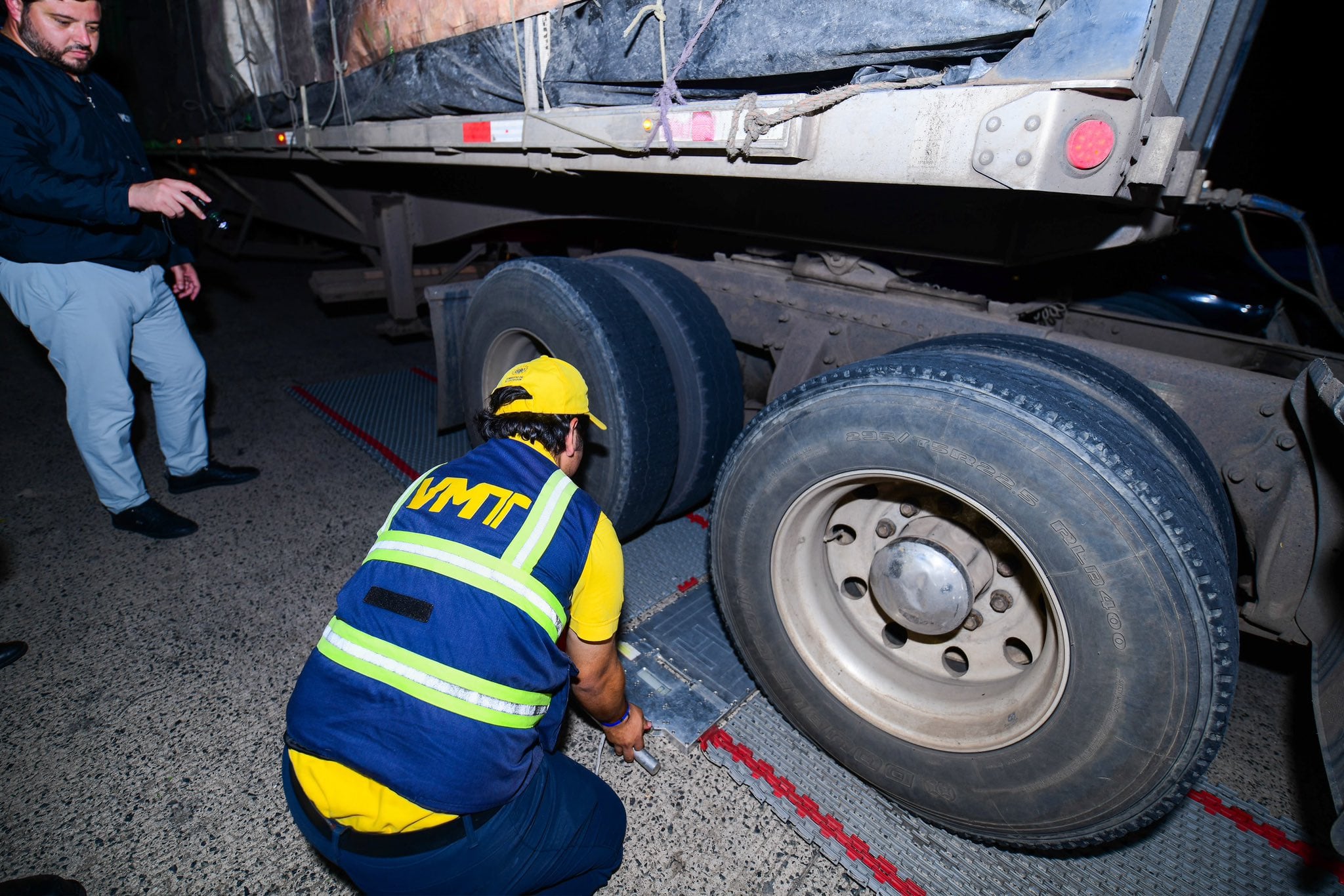
Las revisiones técnicas vehiculares podrían implicar un aumento en el costo del flete, según señaló Nelson Reyes, viceministro de Transporte, aunque sostuvo que operar unidades de carga sin mantenimiento también tiene consecuencias para las familias afectadas por siniestros viales.
“Lo que queremos es que no se pague con vidas humanas”, afirmó Reyes. Durante la entrevista Frente a Frente, mencionó fallas en los frenos, llantas deterioradas, falta de mantenimiento y conductores sin preparación como factores que, según expuso, deben prevenirse.
Reyes reconoció que las revisiones, reparaciones y mantenimientos podrían trasladarse parcialmente al precio del flete. Sin embargo, planteó que mantener ese costo bajo a partir de unidades con fallas mecánicas, llantas desgastadas o conductores sin la preparación requerida también tiene consecuencias cuando ocurre un siniestro.
El funcionario sostuvo que el transporte de carga mantiene en movimiento la economía, pero planteó que las unidades deben circular con condiciones mecánicas adecuadas, conductores capacitados y permisos vigentes. “El tema no es si sigue circulando o no sigue circulando, el tema es que lo haga de forma segura”, afirmó.

Las revisiones técnicas se aplicarán en cada renovación
Reyes afirmó que la revisión técnica vehicular se mantendrá para el transporte de carga y deberá cumplirse cada vez que corresponda renovar la tarjeta de circulación.
La medida se emitió el 8 de agosto para rastras fabricadas en 1999 o antes, junto con cabezales y plataformas. Desde octubre, añadió, también se incorporaron las volquetas.
El viceministro explicó que el propietario puede realizar la revisión antes del mes de renovación. Según dijo, esa posibilidad puede evitar una concentración de solicitudes al final de cada período.
“Esta medida no es algo que ahorita se está haciendo y se va a dejar de hacer”, sostuvo Reyes. Indicó que la exigencia continuará para las unidades que busquen mantener vigente su autorización de circulación.
La tarjeta de circulación, según explicó, no representa solo un documento vigente. Para el funcionario, acredita que un taller autorizado revisó las condiciones necesarias para que la unidad pueda operar.
Si un vehículo no aprueba la revisión, no podrá renovar su tarjeta de circulación. Reyes señaló que el propietario deberá reparar las fallas, sustituir componentes deteriorados o dejar de circular con la unidad.
“Es mejor que no circule una unidad que está en mal estado”, afirmó. El viceministro consideró que una unidad sin condiciones debería permanecer fuera de circulación.

Los talleres revisan frenos, llantas y sistemas eléctricos
Reyes detalló que la revisión técnica vehicular evalúa las condiciones mecánicas y de seguridad de cada unidad. El procedimiento se realiza en talleres habilitados, no durante los controles en carretera.
Entre los aspectos que se verifican están las llantas, el sistema de frenos, los componentes hidráulicos cuando corresponda, el sistema eléctrico, las luces y la alarma de retroceso.
También se revisa la visibilidad del conductor y la presencia de los dispositivos de seguridad requeridos para circular. El funcionario indicó que los controles en carretera pueden identificar algunas deficiencias visibles, pero no sustituyen una inspección especializada.
Un agente puede detectar llantas lisas o un parabrisas obstruido, explicó. Sin embargo, señaló que verificar el estado interno de los frenos y del sistema eléctrico requiere herramientas y personal técnico.
Reyes sostuvo que la renovación de la tarjeta de circulación permitirá comprobar que la unidad superó esas evaluaciones. “Sé que estoy cumpliendo con las medidas de seguridad”, dijo al describir el objetivo del trámite.
Las retenciones suman 46 unidades de carga
El viceministro informó que 46 unidades de carga habían sido retenidas por irregularidades detectadas durante los operativos. Aclaró que el objetivo no es retirarlas de circulación de manera definitiva.

Según explicó, gran parte de las unidades retenidas ya fue liberada después de que sus propietarios pagaron las multas y renovaron la tarjeta de circulación.
Reyes señaló que circular sin una tarjeta vigente constituye una causa de decomiso para cualquier vehículo, no solo para camiones. Precisó que esos procedimientos se coordinan con la Policía Nacional Civil.
Durante la entrevista se citó un registro de 3.552 infracciones aplicadas entre el 1 de enero y el 4 de octubre. El viceministro afirmó que los controles se mantuvieron durante el año y que se intensificaron tras sucesos de las últimas semanas.
El funcionario rechazó que las medidas representen una acción contra el sector. “No son un tema de ataque, no son un tema de restricción”, aseguró al describirlas como mecanismos de control y fiscalización.
Cerca de 200 pilotos capacitados
Reyes destacó la formación de conductores especializados como una de las medidas para reducir riesgos en el transporte pesado. Señaló que poseer una licencia no es el único requisito para operar un camión.
El viceministro explicó que el conductor debe contar con la categoría de licencia requerida para cada vehículo. También debe conocer técnicas de conducción, medidas de seguridad y procedimientos básicos de mantenimiento.
El funcionario mencionó la escuela de ESOL, que abrió sus puertas en septiembre de 2025 y está enfocada en el transporte de carga. Según dijo, ha graduado a cerca de 200 personas.
“Todos han salido con trabajo”, afirmó Reyes sobre los egresados de esos cursos. Atribuyó esa colocación a la demanda de pilotos capacitados en empresas del sector.
Las capacitaciones incluyen conocimientos mecánicos para identificar fallas antes de que se agraven. Reyes señaló que los conductores pueden detectar cuándo una unidad requiere cambio de aceite, revisión de frenos u otra intervención.
El viceministro sostuvo que esa preparación permite actuar ante una emergencia y prevenirla. También indicó que las empresas formales buscan personal certificado y con conocimientos sobre la operación de vehículos pesados.
La digitalización permite validar permisos
Reyes afirmó que la Dirección General de Transporte de Carga digitalizó el 100% de sus trámites. Según explicó, los usuarios pueden realizar las gestiones desde su casa, una empresa o un teléfono celular.
El funcionario dijo que la mayoría de los procedimientos se resuelve el mismo día. Las solicitudes que requieren una inspección pueden tardar más, porque dependen de una programación previa.
Antes de la digitalización, aseguró, algunos trámites podían extenderse durante cinco meses o más. Reyes sostuvo que el nuevo sistema también busca reducir espacios para actos de corrupción.
El viceministro señaló que la digitalización permite verificar con rapidez la autenticidad de los permisos. Esa herramienta, dijo, facilita detectar documentos alterados o falsificados.
Reyes afirmó que las personas que no cuenten con un permiso válido pueden tramitarlo por los canales habilitados. Insistió en que el sistema no exige contactos personales ni acudir a una ventanilla.
Acajutla, San Miguel y la zona central ampliarán la capacidad

El Viceministerio de Transporte realiza trabajos en infraestructura para el control de peso de las unidades. Reyes mencionó mejoras en las básculas de Acajutla y la recuperación de una báscula que operaba anteriormente en San Miguel.
El funcionario añadió que se estudia la posibilidad de contar con instalaciones en la zona central. Según explicó, esos espacios podrían utilizarse para efectuar pesajes y ampliar la capacidad de revisiones técnicas vehiculares.
Actualmente hay 12 talleres autorizados en el país para realizar verificaciones de vehículos. De ese total, siete tienen capacidad para atender transporte pesado, de acuerdo con Reyes.
El viceministro ubicó el parque de transporte de carga entre 140 mil y 150 mil unidades. Señaló que esa cantidad plantea la necesidad de contar con más talleres y líneas de inspección.
Reyes indicó que personas naturales y jurídicas pueden solicitar autorización para instalar talleres de revisión técnica vehicular. Los requisitos están disponibles en la página institucional del Viceministerio de Transporte.
Entre las condiciones mencionó contar con terreno, accesos y dimensiones adecuadas para el ingreso y salida de vehículos pesados, además de una fosa, herramientas y personal para realizar las inspecciones.
gestor de tránsito,El Salvador,inspección vehicular,transporte de carga,seguridad vial











INTERNACIONAL
Democrats plot massive spending spree after midterm rout — and Trump could help them pull it off
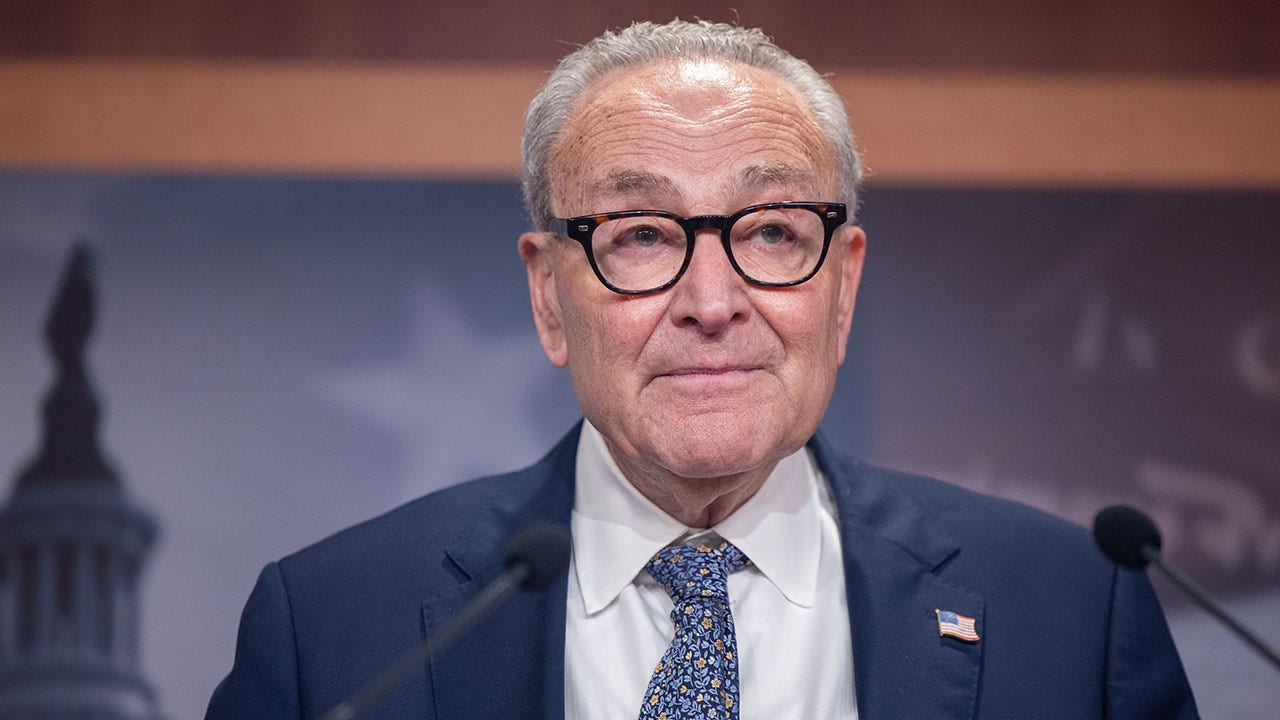
With a resounding Election Night victory behind them, Democrats are getting to work by plotting a massive government spending expansion paired with tax adjustments to pay for it. In this quest, they may find an unlikely ally in the White House.
Though the new crop of Democrats doesn’t take office until early next year, many are already announcing plans to aggressively increase government healthcare expenditures, cut checks directly to voters, restore housing assistance funding and pressure the federal government into repealing cuts to the bureaucracy.
Republicans, increasingly abandoning their once dogmatic opposition to increased social spending, could end up backing some of the measures Democrats seek to enact in their efforts to make life more affordable. President Donald Trump, for instance, expressed interest in cutting deals with liberal lawmakers on Election Night as it became apparent that the midterms were going to be disastrous for the GOP.
Trump and Vice President JD Vance, seen by many as the president’s heir apparent, have made it clear that they do not categorically oppose the extension of Affordable Care Act subsidies, one of the marquee items on the Democratic agenda, but signaled that they would like to see increased verification requirements to crack down on alleged fraud. Both have also signaled an openness to raising taxes on high-earners to help the federal government balance its budget, though estimates regarding how much these new levies would raise generally fall short of the costs that would be incurred if Democrats succeed in actualizing their demands.
VOTER POLL: 2026 MIDTERM ELECTIONS USHER IN A BLUE WAVE AS DEMOCRATS WIN CONTROL OF CONGRESS
When approached by Digital, the White House kept the door open for compromise with the Democrats, so long as they don’t go too far in their proposals.
«President Trump will continue to enact his commonsense, America First agenda that has delivered the most secure border ever, the largest working-class tax cut in history, the lowest murder rate since 1900, the sharpest drop in prescription drug prices in more than 60 years and a stock market that has hit record-highs,» White House spokeswoman Olivia Wales told Digital.
«As the President said, he is willing to work with anyone who wants to strengthen our economy, lower costs for American families, protect our national security and improve the lives of hardworking Americans. If Democrats choose to pursue radical-left policies, they are choosing to work against the best interests of the American people,» she continued.
Even with sizable Democratic majorities in the House and Senate, the party lacks the numbers necessary to override a presidential veto, meaning that liberals will need to work with either congressional Republicans or the White House if they want to enact key portions of their agenda.
«Republicans did not lose seats because of healthcare,» Michael Cannon, the Cato Institute’s director of health policy studies, told Digital when asked about whether the president should compromise with Democrats by reinstating the subsidies. «Republicans did not lose seats because they let the Obamacare subsidies for the wealthy expire because that’s, what those were. When we talk about enhanced subsidies, we’re talking about subsidies for people making up to $600,000 per year. That’s what Democrats put in place. That’s what the president rightly let expire. That’s not why Republicans lost seats and so the president should not be afraid of standing up to the industry.».
TRUMP HANDING 1 MILLION AMERICANS OBAMACARE REFUND CHECKS IN 30 STATES
The massive proposed spending hikes, if they are successful, would take place as the United States’ annual deficit continues to grow, reaching nearly $2 trillion in fiscal 2026, while the government faces down a looming financial disaster as Social Security’s retirement trust fund approaches depletion and Congress confronts difficult choices over taxes and benefits.
Simply paying the interest on America’s debt cost the federal government over $1 trillion during the 2026 fiscal year.
Cannon argued that, if the government spends at unsustainable levels over a long enough time period, eventually bond markets will react negatively, reducing the supply of credit and forcing the government to make steep spending cuts, as has happened in Greece and under fiscally irresponsible nations . Some on the left, however, maintain that no such shock would occur as the wealthy can simply be taxed more to reduce the need for borrowing.
Though money is tight in Washington, Democrats have not pared back their spending ambitions
The crown jewel of the Democratic spending agenda is healthcare, specifically restoring Medicaid funding and Affordable Care Act subsidies.
«During the first 100 days, House Democrats must act to reverse the Medicaid cuts, restore SNAP funding, extend the Affordable Care Act tax credits, eradicate the Trump tariffs and stop the reckless war of choice in Iran,» House Minority Leader Hakeem Jeffries wrote in a manifesto published Nov. 4.
The Congressional Budget Office estimated that the healthcare cuts in the One Big Beautiful Bill Act would reduce federal Medicaid spending by about $1.2 trillion between 2026 and 2035 at the cost of cutting enrollment in the program by about 13 million during that roughly 10-year period. As of publication, approximately 65.7 million people are enrolled in Medicaid.
Republicans, especially the president, may be reluctant to work with Democrats to repeal parts of the OBBA, given the sheer amount of political capital they burned to get the bill across the finish line. The extension or expansion of ACA tax credits, however, may be more fertile ground for a bipartisan agreement.
DEMOCRATS SAY THEY’LL MAKE LIFE AFFORDABLE. YOUR WALLET MAY DISAGREE
Trump, for instance, said in November 2025 that he would «rather not» extend enhanced ACA tax credits, but conceded that «some kind of extension may be necessary,» signaling that he is at least willing to use the subsidies as a bargaining chip during negotiations. Vance, meanwhile, has stated that the subsidies «go to some people deservedly,» but argued that they lend themselves to fraud while teasing a healthcare agreement he said with please both parties.
Extending the enhanced ACA subsidies would come with a hefty price tag. The Congressional Budget Office estimated that making the expanded tax credits permanent would add roughly $350 billion to federal deficits between 2026 and 2035, while helping approximately 3.8 million more Americans obtain health insurance in 2035.
The annual impact on the federal deficit would also climb over time, from about $23 billion in 2026 to nearly $44 billion in 2035. And because CBO’s estimate only covers a 10-year period, the government would face additional costs beyond that window if the subsidies remained in place.
DEMOCRATS SEIZE MAJORITY OF GOVERNORS’ OFFICES IN ELECTION-NIGHT SHIFT
Some healthcare experts argue that the federal government’s spending is only part of the picture. They contend that pouring more money into insurance subsidies without addressing the underlying cost of medical care can also drive up healthcare prices, potentially leaving taxpayers and consumers paying more over time.
«If you want to know why healthcare is so expensive in the United States, why we spend more than any other country, why prices are higher, look at what Democrats are doing right now,» Cannon told Digital. «Government subsidies drive up prices, they drive up healthcare spending … the most inefficient healthcare sector in the world is using Democrats in particular, but Republicans too, I don’t want to be unfair … to get the government to keep pumping more and more money into that health sector.»
Economists generally hold that subsidizing demand for a good by providing subsidies, without increasing the supply of that good, will lead to increased costs across the market. Proponents of expanded government healthcare often counter that any reductions in efficiency or increases to costs, if such things really occur, are worth enduring to ensure coverage is more equitably distributed.
Progressive Democrats led by Reps. Alexandria Ocasio-Cortez and Terri Sewell have pushed Jeffries to expand Medicare to include dental, vision and hearing benefits, set aside funds for medical debt relief and restore funding to the National Institutes of Health — proposals that could cost billions more.
Some Democratic leaders have major spending proposals extending beyond healthcare. Illinois Gov. JB Pritzker, seen by many as a top contender for the 2028 Democratic presidential nomination, released a policy document following Election Night outlining roughly 200 policy proposals that he would like to see from the newly elected Congress.
Among them are restoring government jobs at the Departments of Health and Human Services and Education, increased spending on infrastructure projects, pouring money into housing assistance programs and shoring up food assistance funding, among other priorities.
PROGRESSIVES WANT TO TAX BILLIONAIRES FIRST, AND YOU’RE NEXT ON THE LIST
Jeffries and his congressional allies, meanwhile, also highlighted restoring SNAP funding, providing more government resources to cover childcare costs, and subsidizing housing expenses. Some economists have argued that, by subsidizing demand for certain goods without stimulating increased supply, the government can inadvertently raise the cost of goods for everyone.
On the Democratic caucus’s left-wing flank, independent Sen. Bernie Sanders argued that Democrats must use their resounding victory to demand a $12,000 payment to each working-class family of four, free tuition at public universities, universal free childcare, making Medicare available to 55-year-olds, increasing Social Security benefits by $2,400 a year and boosting teacher pay. While unlikely to make its way through Congress, Sanders’ agenda would cost trillions.
«The Democratic Socialists want to go much further, with universal health care alone , which would cost between $40 trillion and $70 trillion — roughly $300,000 to $500,000 per household,» Rachel Greszler, a senior research fellow at Advancing American Freedom, a think tank affiliated with former Vice President Mike Pence, told Digital. «The entire socialist agenda calls for an estimated $71 trillion to $212 trillion in new spending over the next decade — that’s between $500,000 and $1,600,000 for every household in the US.»
‘SQUAD’ MEMBER URGES DEMS TO TAKE ADVANTAGE OF MIDTERM SWEEP BY PASSING FAR-LEFT POLICIES
Paying for all of this without running up the national debt too much is also on the minds of Democrats, and represents another area where they may find common ground with the GOP.
Sen. Ron Wyden has floated taxing the unrealized gains of some billionaires; Democratic leadership has proposed increasing the corporate income tax; many Democratic senators have argued that additional taxes should be levied against those they deem to be high earners, and some have stated that taxes should be imposed on fast-growing sectors of the economy, such as data centers.
While many of these tax hikes will likely be off the table for Republicans, Trump, Vance and a handful of congressional Republicans have expressed openness to taking more money from highly productive members of society.
Vance, per reports, indicated that he would have been open to a higher tax rate for people earning more than $1 million during internal White House discussions in 2025, though the vice president has publicly expressed skepticism that taxing wealthy Americans alone could solve the country’s fiscal problems. Trump, meanwhile, has said that he would be «OK» with taxing higher earners more to assist lower- and middle-income workers — a proposal that roughly matches the Democratic policy agenda.
Democratic Sens. Chris Van Hollen and Mark Kelly have proposed exactly that through their Working Americans’ Tax Cut Act, which would cap the effective tax rate for most Americans while introducing a series of surtaxes on those making over $1 million per year. The University of Pennsylvania, home to one of the best business schools in the world, estimated that the proposal would net the federal government roughly $264 billion over a decade, which is not enough to cover the extension of ACA subsidies.
The University of Pennsylvania’s model did not take into account economic feedback effects, meaning that potential lost revenue from reduced investment or work was not captured in its estimate.
Republican Sens. Bernie Moreno and Josh Hawley have backed increased taxes on high earners to pay for Social Security extensions and Child Tax Credit expansion, respectively. Rep. Andy Harris, a Republican from Maryland, has also expressed openness to a higher rate or a new bracket for million-dollar earners.
Democratic Sens. Ron Wyden and Elizabeth Warren, meanwhile, recently introduced a bill that would raise the tax on corporate stock buybacks from 1% to 4%, which analysts at the Tax Foundation and the University of Pennsylvania predict would raise either $242 billion or $300 billion, respectively, over 10 years. Combined with the millionaire tax proposal, it would generate enough revenue to offset extended ACA subsidies but would not come close to generating enough revenue to match the costs of expanding Medicaid.
U.S. DEBT BLOWS PAST $40 TRILLION, JEOPARDIZING QUALITY OF LIFE FOR EVERY AMERICAN
Wealth tax proposals from the Democrats’ left-wing flank, while projected to raise far more in revenue for the government, have proven to be politically toxic and have drawn the ire of economists for potentially crippling economic growth.
A near-term tax hike, however, may not be necessary if all the Democratic talk of healthcare funding is simply political posturing, something Cannon views as likely.
«This is all kabuki here. This is not real health reform that we’re talking about. All that Democrats apparently have to offer is more spending, more spending at a time when they know that existing levels of government spending on healthcare are not popular with voters,» he said, pointing to the fact that voters failed to approve a billionaire tax in California to fund state healthcare. «Democrats are offering only one idea and they know that it won’t fly but they’re going through the motions because they think they can get a political advantage by saying that Republicans don’t care about people.»
Lofty Democratic spending ambitions are not limited to the federal government.
With state legislatures and governors’ mansions across the country falling into Democratic hands, public expenditures are likely to boom.
Texas Governor-elect Gina Hinojosa, for instance, pledged on the campaign trail to tap $17 billion from the state’s rainy day fund to send $1,500 checks to every Texas household, a proposal that would require legislative approval and has since been introduced in the state Senate.
While Republicans may be eager to slam Hinojosa for pulling cash from Texas’ reserves to send payments to voters, they will be forced to grapple with the fact that Trump promised to do the same, but on a much larger scale, if the GOP came out on top during the midterms.
politics, democratic party, growing the debt, midterm elections, congress, republicans elections
INTERNACIONAL
Una nena de 5 años con autismo murió ahogada durante unas vacaciones: la pista que complicó a sus padres

A fines de agosto de este año, una nena de 5 años, Saylor Hayes, estaba de vacaciones con su familia en Carolina del Sur, Estados Unidos. De un momento a otro, desapareció de la casa que sus padres alquilaban.
La nena tenía autismo severo no verbal y contaba con un dispositivo de rastreo que utilizaba para evitar que se alejara sin supervisión. Sin embargo, cuando los equipos de búsqueda intentaron localizarla, descubrieron que el transmisor estaba a más de 300 kilómetros, en la casa familiar de Virginia.
Al día siguiente encontraron su cuerpo en un río. Inmediatamente, las autoridades detuvieron a sus padres y ahora la autopsia confirmó que murió ahogada.
La desaparición de la nena se produjo el 30 de agosto de este año en Pawleys Island, en el condado de Georgetown. Según la reconstrucción inicial de los hechos, Saylor se alejó de la propiedad que alquilaba su familia y quedó sin supervisión a unos 15 metros de una pileta. La nena tenía antecedentes de escaparse y una conocida atracción por el agua, por lo que necesitaba cuidados especiales.
Cuando sus padres denunciaron la desaparición, se desplegó un amplio operativo que involucró a más de 200 vecinos y distintas fuerzas de seguridad. Participaron policías, buzos, perros rastreadores, drones, helicópteros y hasta un vehículo de la Guardia Costera.
Al día siguiente, cerca de las 9.45, agentes del Departamento de Recursos Naturales de Carolina del Sur encontraron el cuerpo de la nena en el río Waccamaw, cerca de Hagley Landing.
Una pista clave
Uno de los elementos centrales de la investigación fue el dispositivo que Saylor utilizaba desde junio de 2024 como parte de Project Lifesaver, un programa que ayuda a localizar a personas con riesgo de alejarse de sus cuidadores por distintas condiciones cognitivas.
El sistema funciona mediante un transmisor de radiofrecuencia que se coloca en una pulsera especial alrededor del tobillo. Según explicó el sheriff de Washington, Blake Andis, el 11 de agosto el dispositivo de Saylor todavía estaba colocado y funcionaba correctamente. Sin embargo, las autoridades determinaron que había sido retirado antes de que la familia viajara a Carolina del Sur.
Los investigadores encontraron el aparato dentro de un vehículo en la propiedad familiar de Virginia. La pulsera no podía retirarse simplemente desabrochándola: para sacar el aparato era necesario cortar la banda. Además, el sistema estaba diseñado para permanecer colocado incluso durante el baño o clases de natación.
Las órdenes de detención sostienen que John Herb Hayes III y Geordyn Nichole Hayes alentaron a los equipos de búsqueda a utilizar Project Lifesaver para encontrar a su hija, aunque sabían que no llevaba el dispositivo. También los acusaron de intentar desviar los rastrillajes de la zona de agua donde finalmente apareció el cuerpo.
Otro dato que llamó la atención de los investigadores fue que las autoridades de Virginia no habían recibido un aviso previo sobre el viaje de la familia. El programa recomienda informar los desplazamientos para que los organismos locales puedan coordinar la asistencia si una persona desaparece fuera de su lugar de residencia.
ahogada
INTERNACIONAL
Federal prosecutor warns Sen Warren of ‘legal consequences’ if records aren’t preserved in Trump-linked probes
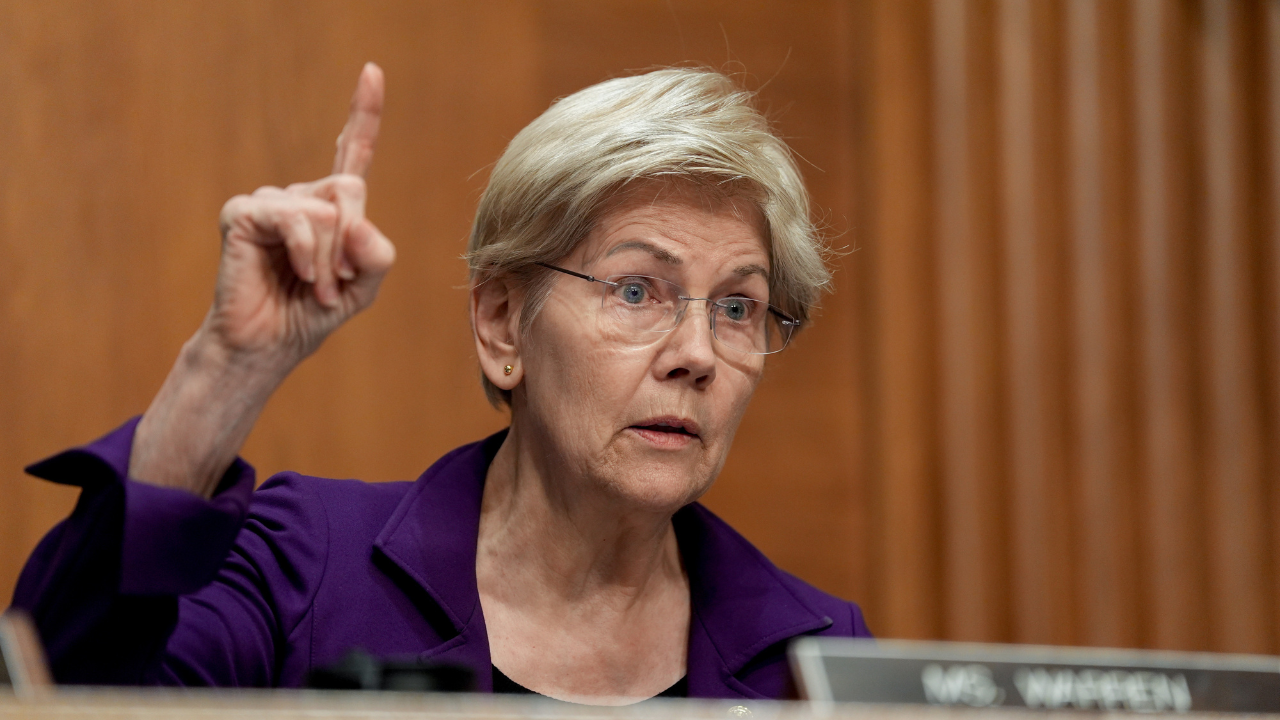
A federal prosecutor on Sunday warned Sen. Elizabeth Warren, D-Mass., of «significant legal consequences» if she failed to preserve records tied to potential congressional investigations involving allies of President Donald Trump.
In a letter to Warren, who is poised to become Senate Banking Committee chair in January, U.S. Attorney for the Southern District of Texas Aaron Reitz accused the senator of planning «to target private individuals close to President Trump» with investigations.
«You appear eager to wield your future gavel like a tomahawk, hunting for the scalps of President Trump’s private associates,» he wrote to Warren, currently the top Democrat on the Senate Banking Committee.
Reitz’s letter and accompanying social media post include various puns and references to Native Americans that appear to mock Warren over previous claims about her Native American heritage. Trump and his allies have mocked Warren for years, including by calling her «Pocahontas.»
‘LAWYER UP’: DEMS IMMEDIATELY PUT TRUMP ON NOTICE AMID REPUBLICANS’ MIDTERM BLOODBATH
The letter demands that Warren preserve documents and communications Reitz considers relevant to his allegations that she intends to misuse congressional investigations against people associated with Trump.
«I am writing to give you formal notice of your obligation to preserve all documents, communications, and other electronically stored information relevant to your intent to weaponize congressional investigations and deprive citizens of their core constitutional rights in violation of 18 U.S.C. §§ 241 and 242. You are obligated to preserve all potentially relevant evidence related to your efforts to suppress associational activities related to President Trump and the Trump Administration,» his letter reads.
«Failure to do so may result in sanctions, adverse-inference instructions, or other penalties, and may carry significant legal consequences,» Reitz added.
The letter gives Warren until 6 p.m. ET on Nov. 23 to confirm in writing that she received the notice and took steps to preserve the requested records.
WHITE HOUSE LAWYER’S HARDBALL WARNING TO DEMS HAS LEGAL EXPERTS ON BOTH SIDES QUESTIONING ONE KEY THREAT
The letter does not establish that Warren violated federal law. Congressional investigations conducted for legitimate legislative purposes generally receive constitutional protection under the Speech or Debate Clause, although the scope of that protection depends on the circumstances.
The letter cited Warren’s Nov. 8 appearance on CBS News’ «Face the Nation,» during which she discussed investigating corporate leaders, including Big Tech CEOs and Wall Street executives, who may have broken the law. Reitz wrote that the context «sends a strong smoke signal» that she intends to target people close to the president.
Warren is a staunch critic of Wall Street and corporate executives, including tech executive Elon Musk, Amazon founder Jeff Bezos and Meta CEO Mark Zuckerberg.
Other Democratic lawmakers have received similar warnings, including Sens. Richard Blumenthal, D-Conn., and Elissa Slotkin, D-Mich., who received letters from Reitz, and Rep. Robert Garcia, D-Calif., who received a separate letter from White House Counsel Will Scharf.
«With Senators Blumenthal and Slotkin, each already recipients of preservation demands from my office, you accused several technology companies of having ‘spent lavishly to stay on the good side of President Trump,’ and thereby benefiting personally and financially. You then threatened to spear them with future investigative action,» Reitz told Warren.
Digital reached out to Warren’s office for comment.
Last week, Trump directed the Justice Department to look into what he described as Democrats’ «threatening» conduct. Attorney General Todd Blanche later refused to rule out criminal charges against lawmakers for their investigations, as Democrats prepare to take control of both chambers of Congress in January.
Blanche later clarified his earlier remarks, saying there were «no ongoing investigations, criminal investigations, into words that incoming senators or congressmen have said.»
elizabeth warren, politics, justice department, donald trump, todd blanche, democrats elections

La lupa sobre el penal a favor de Godoy Cruz que abrió la final por el ascenso: la interpretación del árbitro y las cámaras del VAR

Democrats plot massive spending spree after midterm rout — and Trump could help them pull it off

El Gobierno busca aprobar la Ley Malvinas antes del fallo del Tribunal del Mar para reforzar la presión sobre las petroleras británicas

Massa confluye con el peronismo federal y toma forma una corriente interna para enfrentar a Kicillof

Grimoldi ofrece hasta 50% de descuento en calzado de Merrell, Kickers y otras marcas

El renovado cambio de look de Flor Vigna: “Para mi primer proyecto en Estados Unidos”

Escándalo íntimo en el cumpleaños de Emilia Mernes: un número uno, el mejor amigo, la novia del mejor amigo y una confesión que hizo estallar todo: «Me tocó y…»

Banco Santander anunció aumento de precio en sus paquetes y esto valdrá desde enero

El Gobierno cree que la visita del Papa logró desactivar las tensiones internas y se prepara para una semana clave en el Congreso

La Justicia investiga los viajes de Abel Furlán y la “vecina” de Cristina Kirchner, y apunta a las coincidencias

 INTERNACIONAL1 día ago
U2 vuelve con 12 nuevas canciones y una pregunta incómoda sobre si el rock todavía puede decir algo nuevo
- ECONOMIA14 horas ago
La inflación de octubre: el dato que sorprendió a casi todos y la distancia que persiste con los parámetros internacionales
- DEPORTE3 días ago
Así quedó el historial de clubes que ganaron un título nacional a través de un solo partido tras la victoria de Estudiantes sobre Independiente Rivadavia