INTERNACIONAL
Exvicepresidente panameño continuará bajo arresto domiciliario tras nuevo rechazo judicial

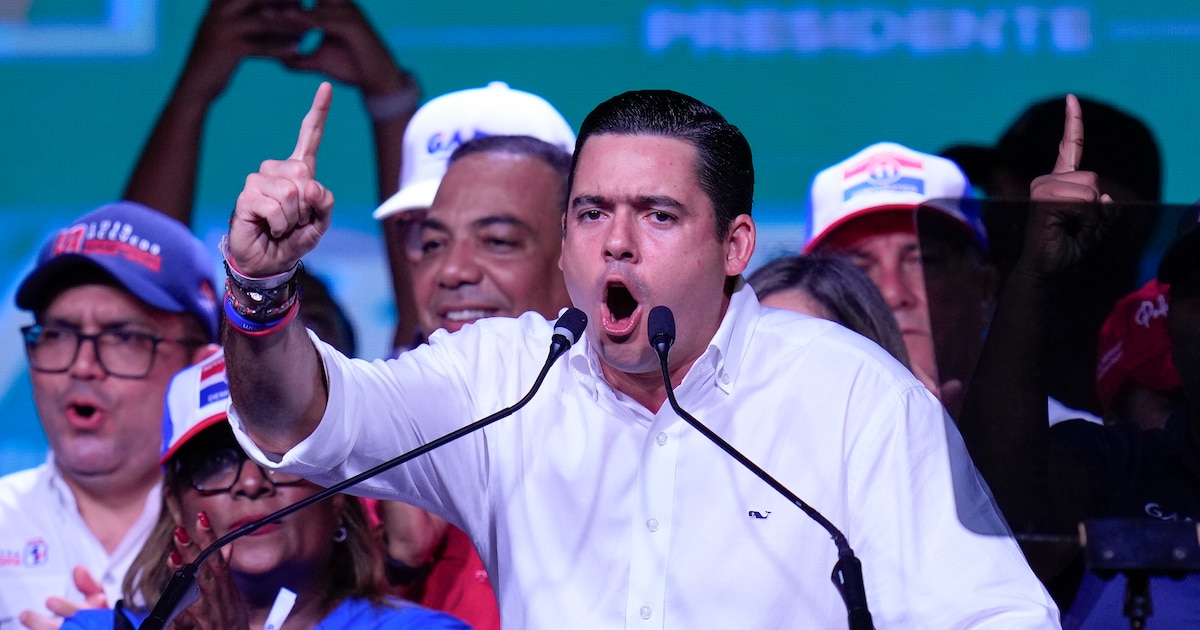
El Tribunal Superior de Apelaciones de Panamá rechazó este viernes 6 de noviembre la solicitud del exvicepresidente José Gabriel Carrizo para modificar su detención domiciliaria, impuesta a finales de enero por una investigación de presunto enriquecimiento injustificado de 1.9 millones de dólares.
Los magistrados consideraron que la defensa no presentó elementos nuevos que justificaran flexibilizar la medida cautelar, por lo que el exfuncionario continuará recluido en su residencia.
La decisión fue adoptada por los magistrados Andrés Reyes, Carlos Barragán y Raúl Urriola, quienes examinaron la apelación presentada contra una resolución del 14 de octubre.
En aquella audiencia, la jueza de garantías Mónica Barrios había rechazado sustituir el arresto domiciliario por presentaciones periódicas ante las autoridades judiciales los días 15 y 30 de cada mes.

Con este fallo, Carrizo acumula al menos tres decisiones judiciales desfavorables a sus intentos de flexibilizar la detención, según los antecedentes publicados.
El 12 de febrero, un tribunal de apelaciones confirmó la medida original; el 14 de octubre, una jueza rechazó modificarla, y este 6 de noviembre quedó ratificada nuevamente, aunque las dos últimas decisiones corresponden a una misma solicitud y su apelación.
La defensa también había intentado revisar las restricciones el 21 de agosto, pero retiró la petición antes de que fuera resuelta. Su abogado, Víctor Orobio, cuestionó que la jueza le concediera solamente diez minutos para sustentar los argumentos relacionados con un expediente que, según indicó, contiene miles de páginas de documentos y auditorías.
Durante la audiencia de este viernes, los abogados insistieron en que debe descontarse un apartamento valorado en 1.2 millones de dólares del monto atribuido al presunto enriquecimiento. La defensa sostiene que el inmueble fue adquirido antes de que Carrizo asumiera la vicepresidencia y que su inclusión altera los cálculos de la investigación patrimonial.

Los magistrados señalaron que, incluso después de restar el valor de esa propiedad, permanecerían más de 600,000 dólares sin justificar, de acuerdo con los elementos examinados en el proceso.
También consideraron que el informe pericial presentado por los abogados, según el cual los ingresos del exfuncionario superan sus gastos, debe discutirse durante el juicio, cuando pueda interrogarse a los especialistas.
La investigación se originó en un informe de la Contraloría General de la República sobre la evolución patrimonial de Carrizo durante su gestión como vicepresidente, entre 2019 y 2024.
La Fiscalía Anticorrupción sostiene que existe un incremento de aproximadamente 1.9 millones de dólares que no habría sido debidamente justificado, una acusación que el exfuncionario rechaza.

Carrizo fue aprehendido el 27 de enero de 2026 en el Aeropuerto Internacional de Tocumen, cuando regresó a Panamá procedente de Guatemala. Un día después, la jueza de garantías Oris Medina legalizó su aprehensión, admitió la imputación por enriquecimiento injustificado y ordenó detención domiciliaria e impedimento de salida del país.
Desde entonces, el exvicepresidente y excandidato presidencial del Partido Revolucionario Democrático ha sostenido su inocencia y cuestionado distintos aspectos del procedimiento.
Sus abogados también plantearon una controversia sobre la competencia de los tribunales ordinarios, alegando que Carrizo tiene derechos como integrante del Parlamento Centroamericano, aunque no había formalizado su juramentación.
El expediente enfrenta además una disputa relacionada con la duración de la investigación penal. El Ministerio Público presentó dos amparos de garantías para obtener más tiempo y ampliar las diligencias, entre ellas una solicitud para declarar la causa compleja. Uno de esos recursos fue admitido por el Primer Tribunal Superior, según lo conocido durante la audiencia.

La defensa presentó una apelación contra esa actuación, mientras la discusión sobre los plazos ha impedido avanzar normalmente hacia la etapa intermedia del proceso. La Fiscalía pretende disponer de más tiempo para examinar los bienes y movimientos patrimoniales atribuidos al exvicepresidente, mientras sus abogados cuestionan la prolongación de las actuaciones judiciales.
Por ahora, Carrizo permanecerá bajo arresto domiciliario mientras continúa el procedimiento por enriquecimiento injustificado.
Las controversias sobre el origen de sus ingresos, el valor de sus propiedades y los informes contables deberán resolverse en las etapas correspondientes del proceso judicial, conforme a las pruebas presentadas por las partes.

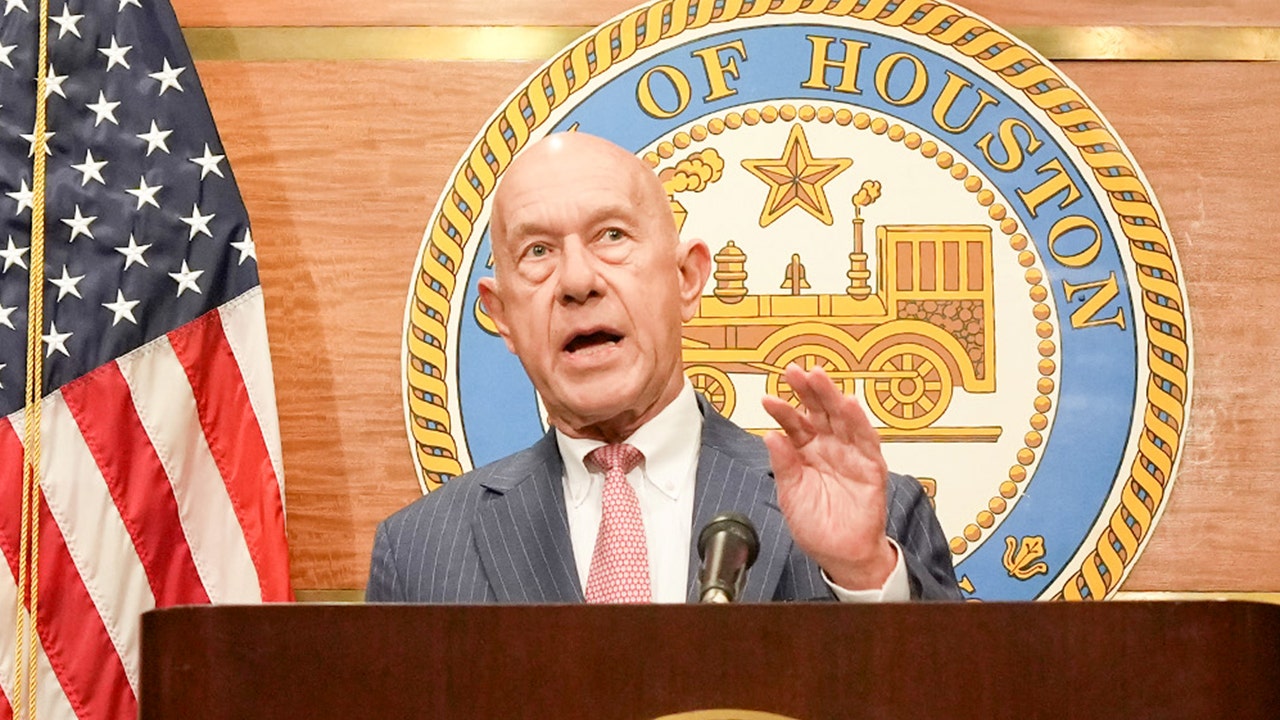
The Democratic mayor of America’s fourth-largest city is reversing course on cooperation with federal immigration authorities despite an executive order from defeated Texas Republican Gov. Greg Abbott that threatened the loss of millions in state funding for noncompliance.
The Lone Star State swung blue for the first time since its new senator-elect, James Talarico, was born, and Houston Mayor John Whitmire wasted no time Friday announcing new restrictions on cooperation with ICE.
Whitmire told The New York Times that city police are not permitted to notify ICE if they encounter an illegal immigrant in «nonviolent contacts» like traffic stops or minor offenses.
‘WE DIDN’T EXPECT THIS’: TEXAS DEMOCRATS STUNNED AS BLUE WAVE TOPPLES GOP STRONGHOLD
«If they’re charged with a new crime, we’ll let ICE know as we get them to the jailhouse,» he told the paper Friday.
Abbott lost his bid for a fourth term Tuesday, and Talarico flipped one of the state’s Senate seats blue for the first time since Clinton Treasury Secretary Lloyd Bentsen won his final re-election bid in 1988 — seven months before the current senator-elect was born.
Texas’ most recent Democratic governor, Ann Richards, the mother of former longtime Planned Parenthood president Cecile Richards, was elected shortly thereafter in 1990.
Whitmire did not respond to a request for comment but signaled to the Times that he made the decision at least in part because Abbott’s order requiring DHS contact caused «anxiety» among Houstonians.
In a statement put out Friday afternoon, Whitmire said, «I have signed an executive order directing HPD to no longer contact ICE for nonviolent offenses, helping reduce fear in our communities. Thank you to Chief Diaz, our state and local leaders for their collaboration. A step toward building a stronger Houston. Let’s Go to Work.»
He also acknowledged Gov.-elect Gina Hinojosa won’t take office until January but characterized his decision as «responsible» and «more effective policy.»
A DHS spokesperson responded to Whitmire’s move in comments to Digital.
«We remain disappointed that sanctuary politicians seek to limit cooperation with ICE, as our law enforcement are simply fulfilling their sworn duties to serve and protect our communities,» the spokesperson said.
«Partnerships with law enforcement are critical to having the resources we need to arrest criminal illegal aliens across the country. Seven of the top 10 safest cities in the United States cooperate with ICE. When politicians bar local law enforcement from working with DHS, our law enforcement officers have a more visible presence so that we can find and apprehend the criminals let out of jails and back into communities.
The spokesperson pointed to some recent criminal illegal aliens captured by ICE in Houston – including Alexander Montano of Cuba, convicted of willful homicide, burglary and forced entry into a residence.
Vietnamese national Ding Nguyen, also convicted of homicide, along with Guatemalan national Julio Camey, convicted of sex offense against a child, were also mentioned by the spokesperson.
«You write a citation or you warn them, and they go about their way. No contact with [ICE] over nonviolent, non-jailable offenses,» Whitmire told the AP.
A previous policy enacted in March by Whitmire and Police Chief Noe Diaz stipulated that if a background check revealed an immigration-related warrant, a sergeant would be called to oversee ICE involvement, according to Houston’s affiliate.
The policy also said that if ICE could not make it to the stop within half an hour, the subject would be released.
SIGN UP TO GET THE POLITICS NEWSLETTER
The Houston City Council subsequently approved an ordinance in April limiting how long officers could detain individuals while awaiting ICE agents, but Whitmire backed revisions after Abbott threatened to withhold more than $100 million in state funding and then-Attorney General Ken Paxton launched an investigation into the city’s immigration policies.
The revised policy restored greater discretion for officers to contact ICE and wait for federal agents during encounters involving civil immigration warrants. Whitmire’s latest announcement would instead limit such notifications to encounters involving jailable offenses, marking a return to the restrictions city lawmakers initially sought.
illegal immigrants, state and local, sanctuary cities, greg abbott, texas, politics, immigration
INTERNACIONAL
Honduras: Cabecillas de la MS-13, Pandilla 18 y Cártel del Diablo podrían enfrentar extradición a Estados Unidos
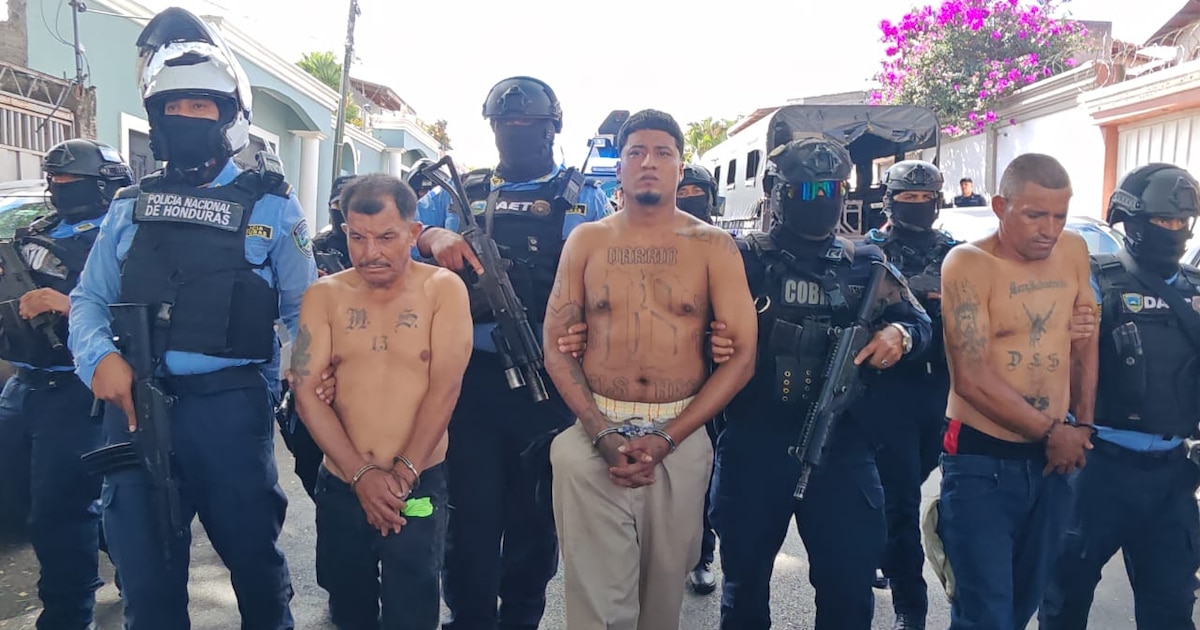
Los máximos líderes de la Mara Salvatrucha (MS-13), la Pandilla 18 y el denominado Cártel del Diablo podrían enfrentar solicitudes de extradición hacia Estados Unidos, advirtió el director de la Policía Nacional, Rigoberto Oseguera Mass, al referirse al endurecimiento de las acciones contra las organizaciones criminales.
El funcionario señaló que el reconocimiento de estas estructuras como organizaciones terroristas por parte de Estados Unidos abre la posibilidad de que sus principales cabecillas sean requeridos por las autoridades de ese país.
“De la MS, cabecillas de la Pandilla 18, incluso del Cártel del Diablo, que pueden ir a parar a Estados Unidos con peticiones de extradición, porque estos grupos ya fueron reconocidos por el país como asociaciones terroristas en la región y con Estados Unidos”, manifestó Oseguera.
El jefe policial instó a los integrantes de estas organizaciones a abandonar las estructuras criminales, al advertir que las acciones de seguridad tendrán un alcance mayor y utilizarán nuevas capacidades operativas y tecnológicas.

“La persecución va a ser implacable y no solo de Honduras, de la región, del mundo, con tecnología, con capacidades logísticas distintas. Lo que viene el otro año es mucho más duro de lo que estamos viendo”, expresó.
Sus declaraciones anticipan un endurecimiento de las operaciones contra las organizaciones delictivas durante 2027, con una estrategia que, según explicó, no se limitará al territorio hondureño, sino que involucrará esfuerzos de cooperación internacional.
En paralelo a las advertencias sobre el combate a las estructuras criminales, más de 70 personas privadas de libertad, acusadas del delito de terrorismo, permanecen recluidas en el área de Máxima Seguridad del Centro Penitenciario Nacional de Támara.
Las autoridades penitenciarias informaron que esta medida forma parte de las acciones destinadas a fortalecer el orden, la disciplina y el control dentro de los establecimientos carcelarios del país.

Como parte de estas disposiciones, durante esta semana se coordinaron nuevos traslados de privados de libertad procedentes de diferentes centros penitenciarios, quienes fueron incorporados al régimen de máxima seguridad.
De acuerdo con la información oficial, los movimientos buscan garantizar el cumplimiento de las normas institucionales, reforzar el sometimiento a la autoridad y mantener una vigilancia estricta sobre los internos clasificados bajo estos regímenes.
La permanencia de más de 70 personas acusadas de terrorismo en el área de máxima seguridad se enmarca en las medidas implementadas por las autoridades para evitar que estructuras criminales mantengan capacidad de organización y control desde los centros penitenciarios.
Las advertencias del director policial y los recientes movimientos en el sistema penitenciario se producen en medio del endurecimiento de las medidas de seguridad contra las organizaciones criminales que operan en Honduras.
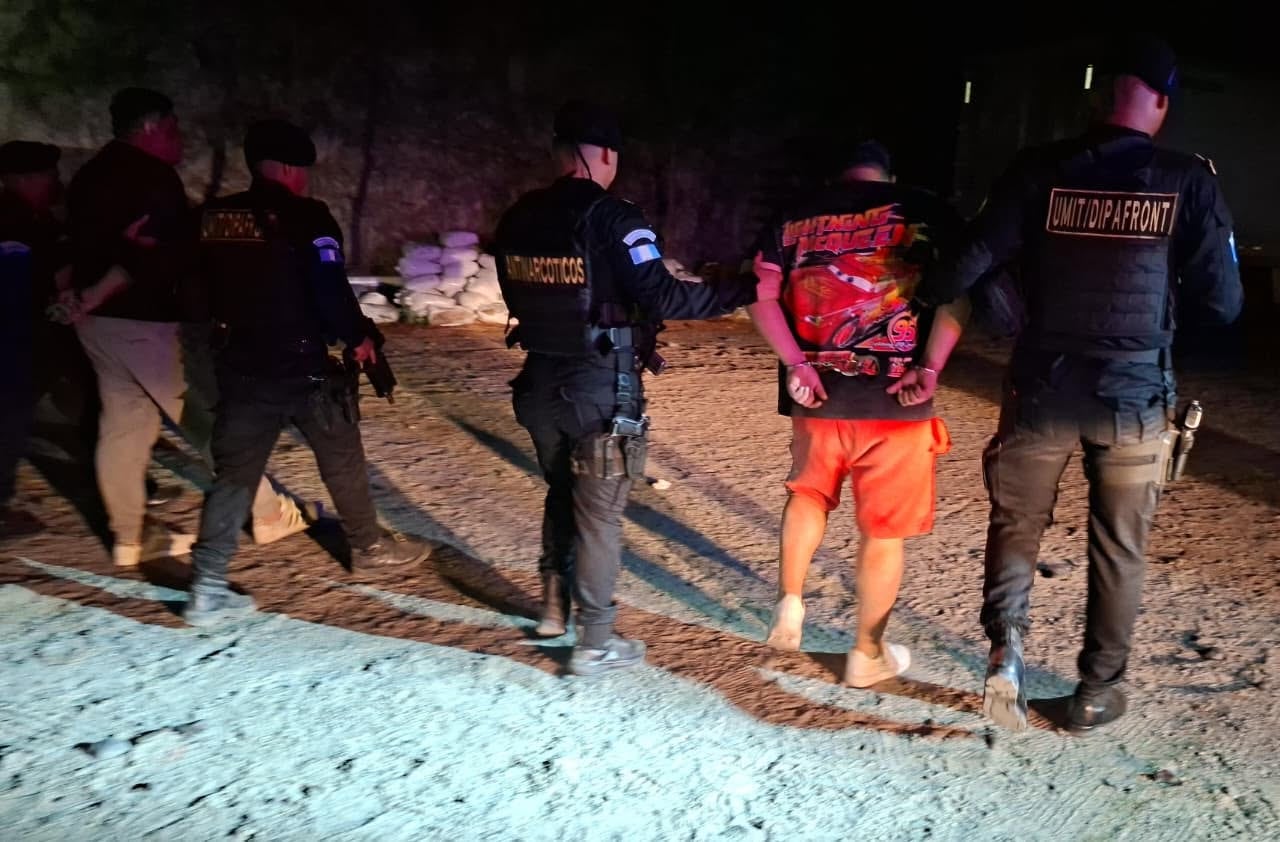
Bajo este régimen, los movimientos de los internos y sus condiciones de reclusión están sujetos a controles especiales, de acuerdo con las disposiciones institucionales.
El traslado de privados de libertad desde diferentes centros penitenciarios también responde a la reorganización de la población carcelaria y a los criterios de clasificación establecidos por las autoridades.
Estas acciones buscan evitar que los integrantes de organizaciones delictivas conserven espacios de influencia dentro de las cárceles, donde históricamente se han identificado problemas relacionados con el control de actividades ilícitas y la comunicación entre miembros de estructuras criminales.
En el caso de Honduras, el combate a las maras y pandillas constituye uno de los principales desafíos en materia de seguridad, debido a la capacidad de estas organizaciones para desarrollar actividades delictivas dentro y fuera de los centros penitenciarios.

Por esa razón, las autoridades han planteado la necesidad de reforzar los controles y mantener una coordinación entre los organismos encargados de la seguridad pública y la administración penitenciaria.
A nivel internacional, la cooperación entre organismos de seguridad también adquiere relevancia en las investigaciones relacionadas con estructuras criminales que operan en diferentes territorios.
policía,inspección,Guatemala
The midterms are over. But even more pitched battles are underway.
These are internal House and Senate leadership elections. House Speaker Mike Johnson, R-La., won’t pursue the minority leader post.
President Trump doesn’t always see eye-to-eye with Senate Majority Leader John Thune, R-S.D., but the president hasn’t demanded a change there.
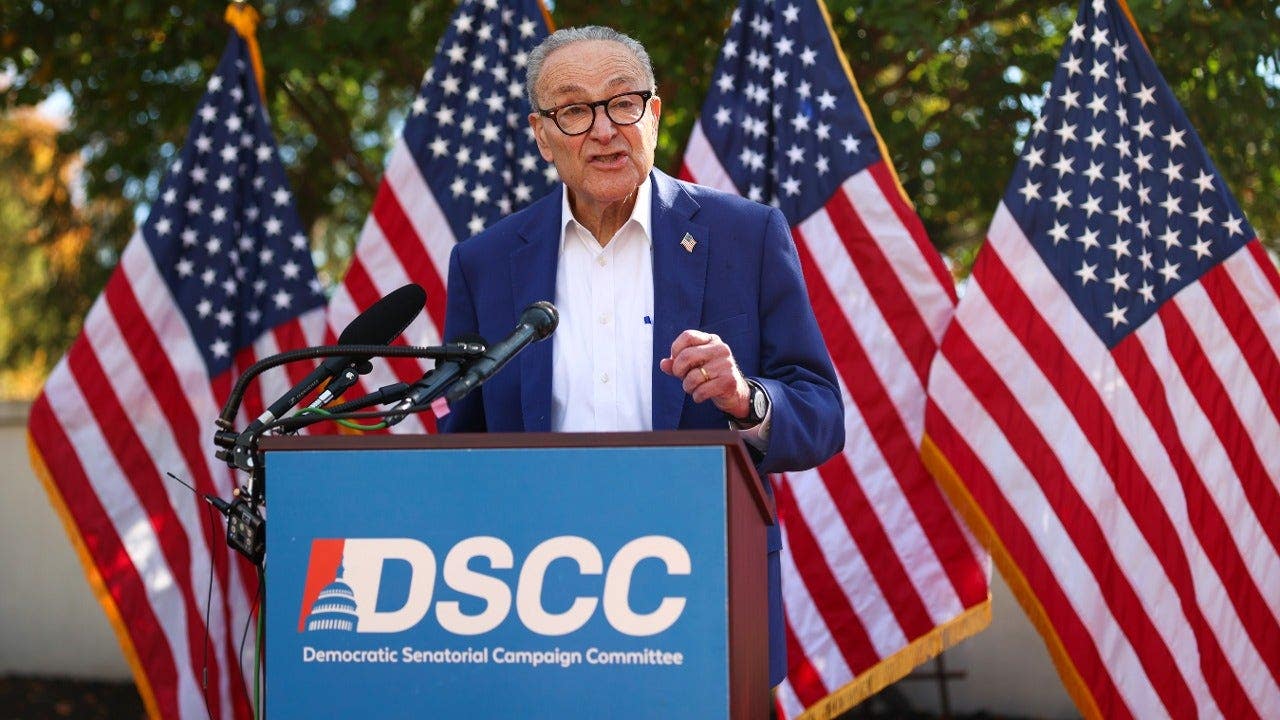
Some incoming House and Senate progressives have expressed their reservations about House Minority Leader Hakeem Jeffries, D-N.Y., and Senate Minority Leader Chuck Schumer, D-N.Y., despite the stunning Democratic wins from Tuesday night.
REPORTER’S NOTEBOOK: A DEMOCRATIC MAJORITY COULD EXPOSE THE LIMITS OF THE PROGRESSIVE AGENDA
Sen.-elect Abdul El-Sayed, D-Mich., has long warned he might not support Schumer for Majority Leader.
«If you’re Chuck Schumer, I’m dangerous,» El-Sayed advised in late June.
The Michigan Democrat ducked the question when asked about supporting Schumer on NBC just after the election.
«I am going to vote for the option that gives me the best chance of getting money out of politics. Putting money in pockets and passing Medicare for all,» said El-Sayed. «I’m interested to see, working with the rest of our caucus, what options we’ve got.»
By Thursday on CNN, El-Sayed was reiterating his support for Sen. Chris Van Hollen, D-Md., who hasn’t announced he’s running for anything.
«I think he’d be an amazing Senate majority leader,» said El-Sayed of Van Hollen.
But even other newcomers weren’t committing to Schumer.
«No, I will not (support Schumer),» Sen.-elect Adam Hamilton, D-Kan., said on Fox before the election. «And I’ve already said I’m not going to vote (for him).»
«I think it’s really clear that both parties are ready for a new generation of leadership,» Sen.-elect Annie Andrews, D-S.C., told colleague Bret Baier.
«I told Sen. Schumer that I’m going to support somebody else,» offered Sen.-elect Troy Jackson, D-Maine.
But Schumer is shrugging that off.
«I’ll be re-elected as majority leader,» Schumer said when asked by reporters on Wednesday. «But the issue is focusing on the American people and what they want.»
Schumer only needs around 29 of his members to support him in a secret caucus vote to become majority leader. That’s a majority of expected Senate Democrats who will serve next year.
At least five members of the Democratic Socialists of America are pledging to withhold their support for Jeffries as the first Black House speaker in U.S. history unless they secure commitments for their agenda. The successful candidate for speaker requires an outright majority of the entire House — 218 votes of 435, if all Representatives-elect cast ballots — when the new Congress convenes Jan. 3.
Keep in mind that House Democrats may score more than 260 seats once all races are settled. So, he can afford dozens of defections.
For House Republicans, Johnson may have signaled his future last month when speaking to colleague Aishah Hasnie.
«If God moves on our hearts and says we should go back to my hometown of Shreveport and start a lawn business, I’ll do that,» said Johnson.
Now it’s far from certain that Johnson will soon channel Groundskeeper Willie from the Simpsons. But perhaps becoming «The Lawnmower Man» is a better option for Johnson than getting mowed down by your own colleagues in a bid for minority leader.
Maybe the grass IS greener back in Louisiana.
House Majority Leader Steve Scalise, R-La., and Rep. Jim Jordan, R-Ohio, are running to become the House’s top Republican. House Majority Whip Tom Emmer, R-Minn., wants to return as minority whip. He’s facing a challenge from Rep. August Pfluger, R-Texas.
But here’s the trick. How do these House Republicans win the leadership positions yet maintain their own coalitions? It’s unclear if Republicans think that Jordan and Scalise are right for the party — right now. Both are aligned with President Trump. And some Republicans hope to move past that.
Regardless, Democrats campaigned on two things: the cost of living and holding the Trump administration accountable. But what does the Democrats’ legislative agenda look like?
This isn’t like 1994, when former House Speaker Newt Gingrich, R-Ga., famously crafted the 10-point Contract with America as a pledge to voters as to what Republicans would do if they flipped the House for the first time in 40 years.
CHUCK SCHUMER AFTER SWEEPING DEMOCRATIC MIDTERM VICTORIES: ‘I’LL BE RE-ELECTED AS MAJORITY LEADER’
Democrats have a host of ideas on what they plan to vote on.
«We have to first get in there and really focus on rolling back the cuts from the one big ugly bill,» Sen.-elect Juliana Stratton, D-Ill., promised on CNN.
Also expect votes on renewing expired Obamacare subsidies. Democrats demanded money to offset the costs of rising premiums in exchange for their votes to fund the government. The House finally passed a bill to do that. But the Senate didn’t. The standoff over the Obamacare aid was the key component to last year’s record-breaking, 43-day government shutdown.
«The shutdown sharpened the American people’s view of the distinction between the parties on this crucial issue,» Schumer said.
Democrats are also focused on a key issue from the midterms: the future of AI and data centers. They’re concerned that AI threatens American jobs.
«This revolt against data centers are just the initial tremors of a bigger AI earthquake that is upending American politics,» said Rep. Greg Casar, D-Texas, chairman of the Progressive Caucus. «And we have to be on the right side of this issue.»
There will undoubtedly be votes to end the war in Iran — perhaps by cutting off money for those operations. The House approved three «war powers» resolutions. The Senate green-lighted one. But those machinations did nothing to hem in the president on the war.
Democrats believe that ending the war will reduce gas prices. And that, in turn, will lower the cost of groceries.
Congressional Republicans balked at unwinding tariffs imposed by President Trump. So, there could be votes on that front, too. Democrats believe the election shifted the dynamic of Republicans aligning behind the President in near lockstep.
«This is the time for (Republicans) to show the courage to end this irrational and self-defeating tariff regime that Trump has put in place,» said Rep. Greg Stanton, D-Ariz.
«Most of them realize that the tariffs from a fiscal and economic perspective are completely self-defeating.»
However, some Republicans aren’t ready to abandon the old playbook, clinging to the GOP’s hallmark legislative achievement of this Congress.
«I think the tax cuts and the Big, Beautiful Bill were underappreciated by the electorate,» Rep. Chris Smith, R-N.J., proffered.
President Trump signaled he’ll both work with Democrats and deploy his veto pen. But it’s about the math. When all House races are settled, Democrats could control more than 260 House seats.
That’s astonishing.
They’re guaranteed 54 Senate seats with Mississippi and Alaska still undecided
It’s about the math. Overriding a veto requires two-thirds of both bodies. That’s 290 in the House and 67 in the Senate. If Democrats hover around 260 seats in the House — and Republicans are ready to ditch the president — hitting the 290 mark isn’t out of reach.
If Democrats clock in at 56 seats in the Senate, cobbling together 11 GOP votes to reach 67 might be tougher. Especially with GOP Trump antagonists like former Senate Majority Leader Mitch McConnell, R-Ky., and senators John Cornyn, R-Texas; Bill Cassidy, R-La.; and Thom Tillis, R-N.C., departing. But they’re in range.
It all hinges on what Democrats can pass. And what the president is willing to sign.
politics, congress, midterm elections, house of representatives, senate, chuck schumer, mike johnson

Arden las posiciones del Clausura y de la Tabla Anual: cómo está la pelea por el ingreso a copas internacionales

El tremendo cara a cara de Wanda Nara con la China Suárez en el escándalo en Nordelta: “Vos cerrá el…”

Si te gustó Baldur’s Gate 3, prepárate porque el nuevo RPG de sus creadores tiene el mejor punto de partida

El Gobierno definió la comitiva que defenderá ante el Tribunal del Mar el reclamo por el petróleo de Malvinas

Puente tenía dólares en Ueno Bank y el vicepresidente de la firma habló tras la crisis

Llegada del Papa: la decoración que ordenó Karina Milei, estrictas reglas de vestimenta y un cartel en la Catedral

La oposición cuestionó la suspensión de embargos a las pymes y criticó el plan económico: “Llegaron tarde”

Milei parte nuevamente a España y en el gobierno dicen que no bajará el tono de sus críticas a Pedro Sánchez

Sindicatos del transporte y de la industria se diferencian de la estrategia de la CGT y deciden acciones propias

El embajador de EEUU ratificó el apoyo de Trump a la Argentina tras la derrota republicana: “Nuestro compromiso es firme”

 POLITICA3 días ago
La oposición cuestionó la suspensión de embargos a las pymes y criticó el plan económico: “Llegaron tarde”
- POLITICA3 días ago
Sindicatos del transporte y de la industria se diferencian de la estrategia de la CGT y deciden acciones propias
- POLITICA2 días ago
El embajador de EEUU ratificó el apoyo de Trump a la Argentina tras la derrota republicana: “Nuestro compromiso es firme”