INTERNACIONAL
Florida congressman diagnoses GOP’s blue tsunami losses: ‘We failed to make them think we cared about them’

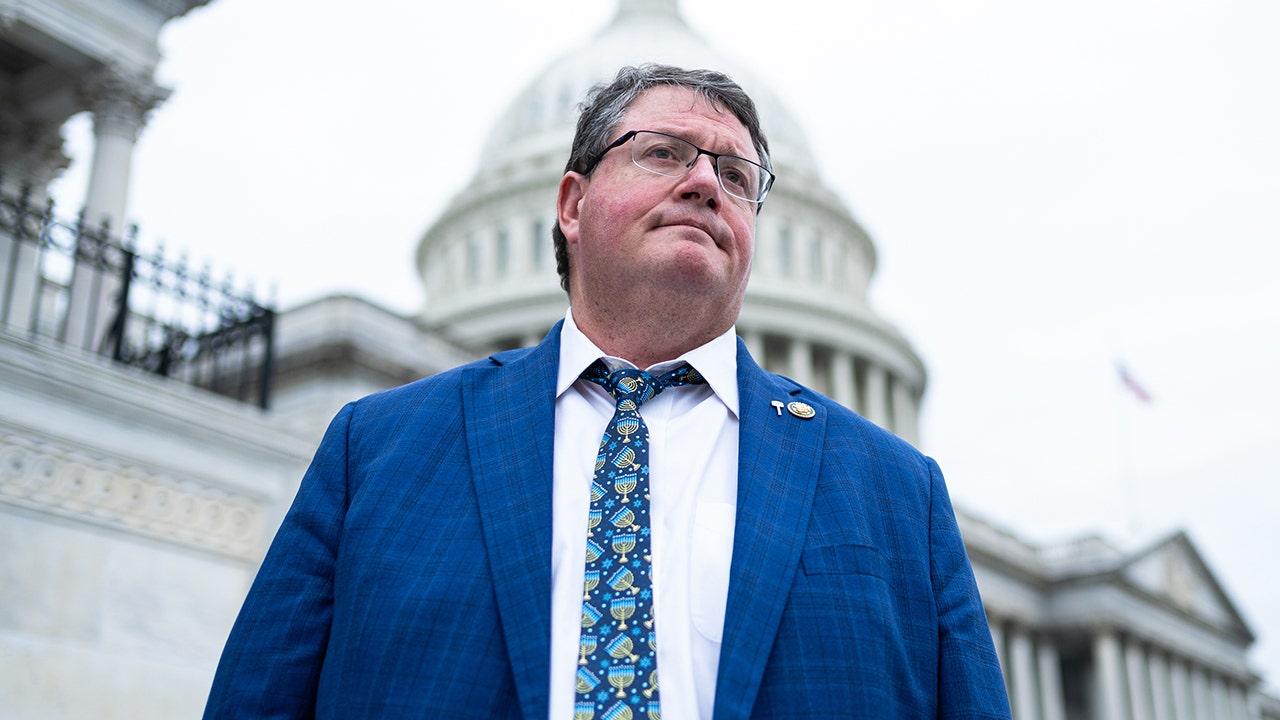
As Republicans sift through the wreckage of a devastating election night that handed Democrats control of both chambers of Congress by large margins, one Florida Republican who bucked the national trend says the GOP fundamentally misread the electorate.
In an exclusive interview with Digital, Congressman Randy Fine — who expanded his own winning margin by five points despite the national backlash — offered a candid assessment of his party’s shortcomings and warned that Republicans must now prepare for an «ugly two years» battling Democrats over immigration and other contentious issues.
While Republicans held their ground in Florida, winning the governor’s mansion, the Senate race, and maintaining their 20-8 edge in the US House, nationally the GOP got crushed under the weight of a blue tsunami.
ILHAN OMAR HIT WITH EXPULSION THREAT AS GOP LAWMAKER VOWS TO BOOT HER FROM CONGRESS OVER DOJ PROBE
Congressman Fine presents no easy answer to the GOP’s divergence in fortunes between Florida and the rest of the country:
«You know, I think that’s a hard question to answer. What I would say, I can speak to my race, and I’m actually one of the few Republicans in the country whose margin increased from my last election. I won my special election after having $14 million spent against me. I won it by 14 points. I won last night by 19 points. And so what I can tell you is what worked for me.
«My constituents want a fighter, someone who says what they believe. They know it’s not driven by polls or anything else and fights for them, whether it’s fighting for their constituent service issue or fighting on illegal immigration or fighting to bring money to the district. And that’s why I went up so much. I took my race seriously because I knew the winds were against us.
«And so, Florida, I think just people know how good we have it and they don’t want to screw up the state. I think that’s why we won all 20 of these races.»
Fine refuses to single out anyone in GOP leadership for the electoral outcome, and believes the Republicans must approach each election cycle as a unified team:
«Well, look, I’m not a finger pointer, but what I would say is this. We’re a team and the team lost. And so then the whole team bears responsibility and that includes me. I mean, while I did well, my team lost, and I’m not going to be here pointing the fingers at anybody.
FROM CAMPUS RADICALS TO BEIJING’S AI SABOTAGE: REP RANDY FINE SAYS ‘US FIGHTING TO SAVE WESTERN CIVILIZATION’
«I think that what we did is we failed to understand what the American people wanted. I think we failed to make them think we cared about them. Now, I didn’t fail in my district, but I think nationally people came to believe that we weren’t interested in them and that’s wrong.
«We were, but we failed to communicate it, and maybe that’s part of my special sauce is I know how to communicate better than many of these people.»
With Democrats firmly in control of both chambers of Congress, Fine anticipates two years of playing defense, and a continuous fight to explain why Democrats’ policies will be harmful to the country:
«I don’t know that we’re going to push the agenda. I think what we’re going to be is we’re going to be on defense. We’re going to have to fight back. And you know, as my father told me this morning, he goes, ‘Randy, you’ve been a fighter your whole life. You were built for the fight.’
«So we’re going to be having to fight against stupid policies that they will be pushing. And it’s going to be an ugly two years, but we’re gonna have to explain why all of the things that they said they would do during the campaign are so bad. We obviously didn’t succeed in doing that. But as they put those policies forward, we’re going to have to make the argument for why they would damage America.»
Immigration is the single issue that Fine identifies as having the greatest potential to harm the country:
«I think they will seek to reopen the border and allow illegals to flood in. I think they will seek mass amnesty, rewarding all of the illegals that are here. And I think they will stop any requirement for people who come to this country to assimilate. They believe in the ‘third worldification’ of America. And that’s going to be the number one thing we have to fight back against.»
Florida and Texas painted a particularly stark contrast in electoral outcomes. Fine suggests the Sunshine state GOP was better prepared to face headwinds:
«Well, I think maybe our candidates at the top of the ticket were better. You know, Byron Donalds is an incredible spokesman for the conservative movement. Ashley Moody is a multiple-time winner statewide. And I think Texas allowed itself to slide on a lot of these things.
«They had a big influx of illegal immigrants. And they also really didn’t fight back against the Islamification of their state in a way that we have in Florida. Demographics are destiny. And I think, to some degree, Texas was overtaken by that yesterday.»
Fine has long been an outspoken critic of Michigan Senator-elect Abdul El-Sayed, and believes he represents a danger to the country:
«Of all the races last night, that one breaks my heart the most. I mean, someone who literally supports Muslim terror, someone whose family is embedded in so many aspects of Muslim terror. Someone who’s really a danger to this country being elected to the United States Senate. It’s an unspeakably horrible thing, a historically bad thing. Someone who doesn’t support the United States. Someone who supports the Muslim Brotherhood.
«It breaks my heart. I’m not from Michigan, I don’t know what they were thinking, but it’s a terrible, terrible, terrible day. Look today for me has been a hard day. You know I won my election last night, I was super excited. My margin went up. It’s unheard of in this cycle and so I’m super excited, then I watched the bottom fall out of the election results and realized so many good people lost today.
«So it’s a challenging day for me, the high of winning so decisively with the low of realizing the battle that we have ahead of us, but God puts us where he wants us to be and I’m a fighter and I am ready for the fight.»
Finally, as it appears that either Jim Jordan or Steve Scalise is likely to be the next House Minority Leader, Fine declined to weigh in:
«No, I mean, these are discussions. I’ve not spoken with either Scalise or Jordan at this point. They’ve got a lot of phone calls to make, and we’ll get to that when we get to that. But it won’t be Mike Johnson. He’s taken himself out of consideration.»
midterm elections, congress, house of representatives politics, house of representatives, florida











INTERNACIONAL
Casi 1,000 violaciones de derechos humanos en Cuba en un mes, según un informe que revela a quiénes apunta la represión

928 violaciones de derechos humanos afectaron a 391 personas en Cuba durante octubre, según un informe de Defensa CD, organización que documenta violaciones de derechos humanos en la isla, divulgado por Martí Noticias.
La organización registró además 266 casos de amenazas y acoso contra activistas, opositores, periodistas y artistas, y advirtió que la represión busca sembrar temor más allá de los círculos opositores.
“La represión en Cuba se está convirtiendo en una realidad cotidiana para muchas personas, incluso para aquellas que no tienen una participación política activa”, afirmó a Martí Noticias el director ejecutivo de Defensa CD, Juan Carlos Vargas.
Vargas explicó que las autoridades no solo buscan castigar a quienes se manifiestan en contra del Gobierno, sino también amedrentar al entorno familiar de las víctimas.
“El régimen no busca solamente castigar a quienes expresan su desacuerdo, sino también enviar un mensaje de miedo a sus familias y a quienes podrían seguir su ejemplo”, señaló ante el medio.
La Habana concentra la mayor cantidad de denuncias
La capital cubana encabezó el registro con 393 violaciones documentadas en octubre. Le siguieron Camagüey, con 112, y Santiago de Cuba, con 59.
Entre las 391 víctimas identificadas, 284 fueron hombres y 107 mujeres. Detrás de esas cifras, según Vargas, hay historias de incertidumbre sostenida.
“Detrás de cada denuncia hay familias que viven con incertidumbre, personas que temen perder su libertad y ciudadanos que no encuentran instituciones independientes a las cuales acudir”, expresó ante Martí Noticias.
La fe bajo vigilancia estatal
El Observatorio de Libertad Religiosa de Defensa CD contabilizó 149 incidentes vinculados al ejercicio de la fe durante el mes. Las restricciones alcanzaron a comunidades de distinto signo religioso en todo el territorio nacional.
“Estas violaciones ocurrieron a lo largo y ancho del archipiélago cubano y no respetaron credo ni denominación religiosa”, denunció ante el medio el pastor Mario Félix Lleonart, director del observatorio.

Lleonart amplió que los incidentes afectaron tanto a congregaciones con registro legal como a comunidades sin reconocimiento oficial. El pastor incluyó en el conteo a organizaciones fraternales y logias, en particular a los masones, que según su denuncia reciben un trato similar al de las agrupaciones religiosas por parte de las autoridades.
El director del observatorio también denunció la injerencia de estructuras del Partido Comunista y del Gobierno en el control de la actividad de fe. Defensa CD sostuvo que documentar estos hechos permite acompañar a los afectados y trasladar información a organismos internacionales.
El caso de un activista con medidas cautelares de la CIDH
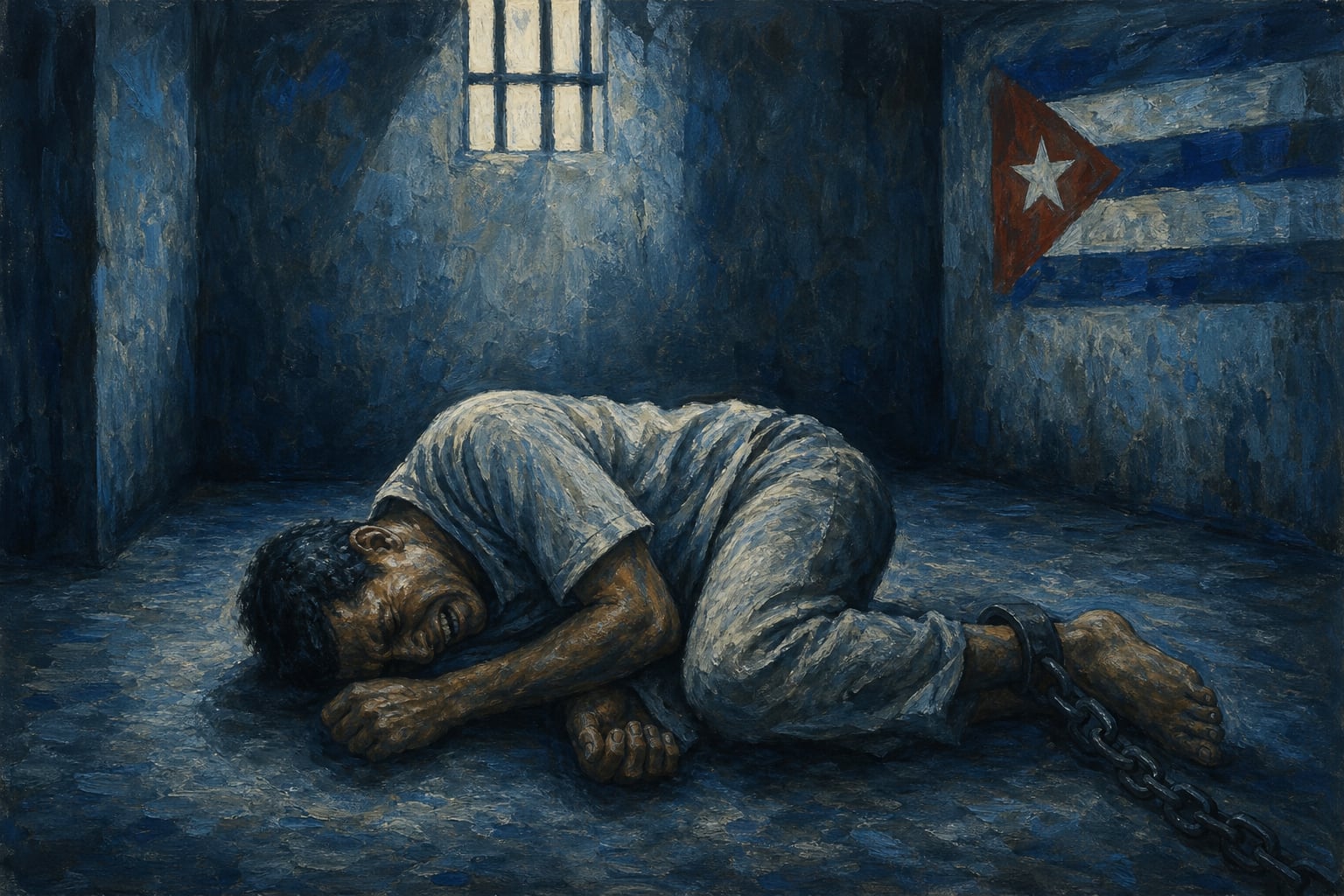
Defensa CD señaló como urgente la situación de Julián Mazola Beltrán, promotor de Cuba Decide. El activista permanece detenido desde el 9 de octubre pese a contar con una medida cautelar de protección otorgada por la Comisión Interamericana de Derechos Humanos (CIDH).
Según la organización, Mazola está recluido en el centro de Cuatro Caminos, en La Habana, sin que las autoridades le hayan notificado los cargos ni presentado pruebas que justifiquen el encierro.
El activista ya había cumplido una condena de cinco años de prisión por su participación en las protestas del 11 de julio de 2021.
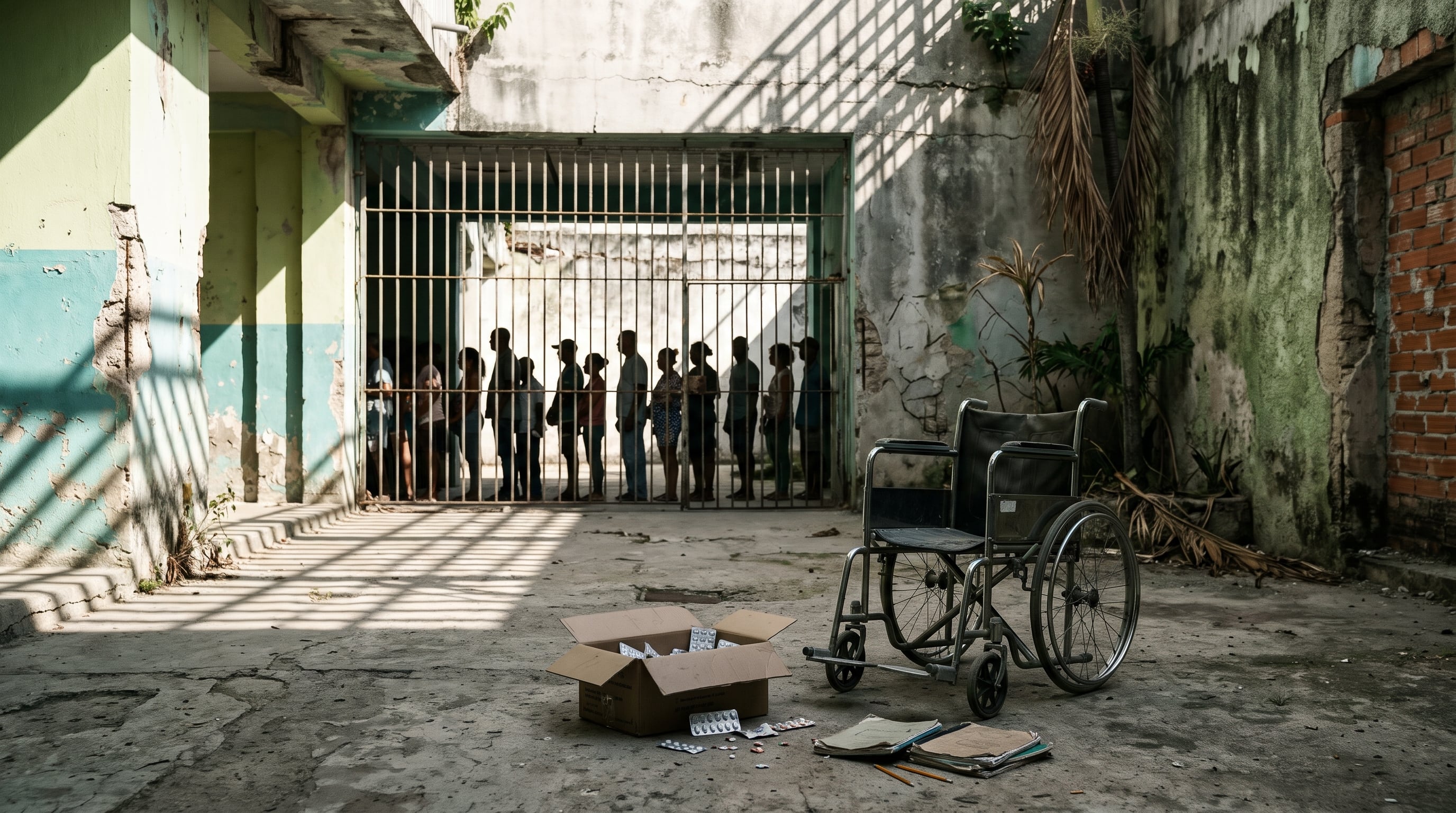
La nueva detención se produjo luego de que Mazola acudiera a una citación de la Seguridad del Estado en San Antonio de los Baños, provincia de Artemisa.
Los agentes lo trasladaron después a su vivienda para un registro domiciliario, durante el cual le confiscaron el teléfono móvil, y lo llevaron luego al centro de instrucción penal de Guanajay.
La investigación en su contra está relacionada con la colocación de carteles contra el régimen en esa localidad, bajo un señalamiento preliminar de propaganda contra el orden constitucional. Defensa CD denunció que, quince días después del arresto, su abogado aún no había logrado reunirse con él y que agentes de la Seguridad del Estado lo amenazaron con una pena de entre cuatro y 12 años de prisión.
“El caso de Julián Mazola es especialmente preocupante, porque estamos hablando de una persona que ya cuenta con medidas de protección de la Comisión Interamericana de Derechos Humanos y que, aun así, vuelve a enfrentar la persecución del régimen”, afirmó Vargas al medio.
La organización alertó sobre un deterioro de la salud mental del activista, que atribuyó al encierro prolongado y a la incertidumbre legal, y exigió su liberación inmediata e incondicional, atención médica especializada y garantías de comunicación con su defensa y su familia.
“Buscamos que estas denuncias tengan consecuencias, que las víctimas no queden en el olvido y que la comunidad internacional continúe exigiendo responsabilidades a quienes ejercen la represión en Cuba”, concluyó Vargas ante Martí Noticias.
Otros registros confirman el aumento de la represión
El informe de Defensa CD se suma a otros relevamientos recientes que documentan una escalada represiva en la isla. Prisoners Defenders, organización con sede en Madrid, contabilizó 1.353 presos políticos al cierre de octubre, con 39 nuevas incorporaciones en ese mes, entre ellas menores de edad procesados por sedición y una familia completa sometida a proceso penal, según consignó swissinfo.ch, el portal internacional de la radiotelevisión pública suiza.
Esa misma ONG documentó 464 presos políticos con enfermedades graves sin tratamiento adecuado, de los cuales 236 sufren desnutrición forzosa. Desde las protestas del 11 de julio de 2021, Cuba acumula 2.256 presos políticos en sus cárceles.

En paralelo, la organización Cubalex registró que la líder de las Damas de Blanco, Berta Soler, fue detenida dos veces en apenas tres días durante noviembre, con un episodio de 46 horas en situación de desaparición forzada. Según ese monitoreo, Soler acumula 275 eventos represivos documentados entre 2022 y 2026, la cifra más alta entre los casos relevados por esa organización.
Cuba,La Habana,vigilancia policial,activismo,derechos humanos

Las compañías Equinox Gold, Mineros y Mako Mining informaron que aumentaron la producción de oro en Nicaragua durante el tercer trimestre de 2026, con ingresos récord y avances en planes para ampliar sus operaciones. Las tres empresas también anunciaron inversiones, permisos y trabajos de perforación destinados a extender la vida útil de sus yacimientos o abrir nuevas minas.
El desempeño ocurre en un contexto de precios internacionales del oro superiores a los USD 4,000 por onza. En 2025, las exportaciones mineras nicaragüenses superaron los USD 2,000 millones y se convirtieron en el principal rubro de ventas externas del país.
Las empresas canadienses concentran buena parte de la actividad aurífera. Equinox Gold es la mayor operadora del sector por volumen y capacidad de procesamiento, con las minas La Libertad, en Chontales, y El Limón, en León. La colombiana Mineros opera a través de Hemco-Nicaragua, mientras que Mako Mining explota la mina San Albino, en Nueva Segovia.

Equinox Gold obtuvo una cuarta parte de su producción trimestral en Nicaragua
La producción de las minas La Libertad y El Limón alcanzó 58,489 onzas de oro entre julio y septiembre. Esa cifra representó el 25% del volumen total de Equinox Gold durante el período, según el informe entregado por la compañía a sus accionistas.
El grupo produjo 237.019 onzas y vendió 248.484 onzas en el tercer trimestre, a un precio promedio de USD 4,157 por onza. Las ventas le permitieron alcanzar ingresos récord de USD 1,000 millones.
Las operaciones nicaragüenses tienen una capacidad de procesamiento de unas 7,500 toneladas de material por día. Entre enero y septiembre, ambas minas acumularon una producción de 199,246 onzas, cerca del objetivo anual de entre 225,000 y 250,000 onzas previsto para este año.
La empresa indicó que sus actividades de corto plazo en Nicaragua se concentran en identificar nuevas fuentes de mineral y retirar materiales estériles para permitir la continuidad de la explotación.

Hemco-Nicaragua explicó el crecimiento por la minería artesanal
La Hemco-Nicaragua, filial local de Mineros produjo 37,698 onzas de oro en el tercer trimestre, un incremento del 18% frente al mismo período de 2025. La compañía atribuyó el avance a un mayor volumen de material procesado, mejores recuperaciones metalúrgicas y al aporte del mineral adquirido a productores artesanales.
“La producción de Hemco en el tercer trimestre de 2026 se debió principalmente a leyes de alimentación más altas y a la contribución del mineral adquirido de Bonanza Mining Partners”, señaló la empresa en su informe trimestral. Ese esquema, conocido como Modelo Bonanza, regula la relación comercial con los mineros artesanales que venden material a la compañía.
Hemco-Nicaragua aportó el 60% de la producción total de Mineros en el trimestre. El grupo obtuvo 62,253 onzas de oro, del 13% más que en los mismos meses del año anterior, mientras que la mina Nechí, en Colombia, explicó el 40% restante.
Entre enero y septiembre, Mineros acumuló una producción de 180,356 onzas, un 11% por encima de la cifra registrada en igual período de 2025. La empresa vendió 187,133 onzas a un precio promedio de USD 4,451 por onza, con ingresos récord de USD 838 millones y una utilidad neta de USD 222 millones.
Hemco-Nicaragua prevé terminar el año con una producción de entre 148,000 y 152,000 onzas. También invierte USD 23 millones para elevar de 1,750 a 2,000 toneladas diarias su capacidad de procesamiento.
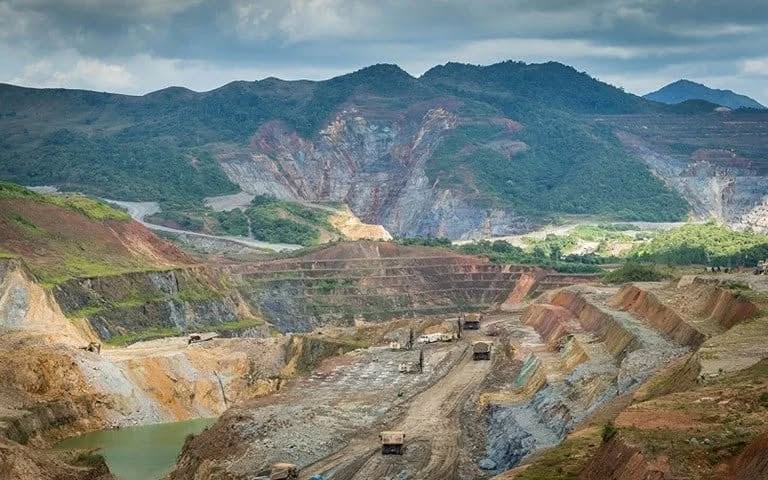
El Proyecto Porvenir prevé extraer oro, plata, zinc y cobre
Mineros avanza además en el Proyecto Porvenir, previsto como una operación independiente de Hemco-Nicaragua. La compañía estima una inversión inicial de USD 206.8 millones para poner en marcha la mina, que estará ubicada en la Región Autónoma de la Costa Caribe Norte.
El proyecto contará con una planta capaz de procesar 2,000 toneladas de material por día y apunta a extraer oro, plata, zinc y cobre. En abril de 2026, la compañía recibió la certificación ambiental de la Fiscalía General de la República para la planta de procesamiento y sus depósitos de relaves, un paso necesario para completar los permisos exigidos por el régimen nicaragüense.
Mineros también estudia instalar otra planta de procesamiento con capacidad para 1,000 toneladas diarias. La firma sostiene que esa infraestructura permitiría aliviar restricciones operativas y acompañar el crecimiento proyectado de sus operaciones en el país.

Mako Mining obtuvo permisos para perforar una nueva concesión
La canadiense Mako Mining informó una producción de 12,743 onzas de oro y ventas de 11,902 onzas durante el tercer trimestre. La compañía recibió un precio promedio de USD 4,285 por onza, con ingresos aproximados de USD 50.7 millones y una utilidad neta de USD 16.4 millones.
De ese volumen, 9,145 onzas procedieron de la mina San Albino, situada en Nueva Segovia. La operación tiene capacidad para procesar 1,000 toneladas diarias de material. Entre enero y septiembre, la mina acumuló 30,177 onzas de oro, frente a una meta anual de entre 35,000 y 37,000 onzas.
Mako Mining comunicó que mantendrá estable la producción de su planta y que continuará sus planes de expansión en Nicaragua. La empresa obtuvo permisos de perforación para comenzar la exploración de la concesión Eureka, donde ya se realizan tareas preparatorias. La perforación comenzará antes de que finalice el trimestre.
A la producción de estas tres compañías se sumará en los próximos meses la británica Condor Gold, que opera la mina La India y prevé iniciar actividades antes de que termine 2026.
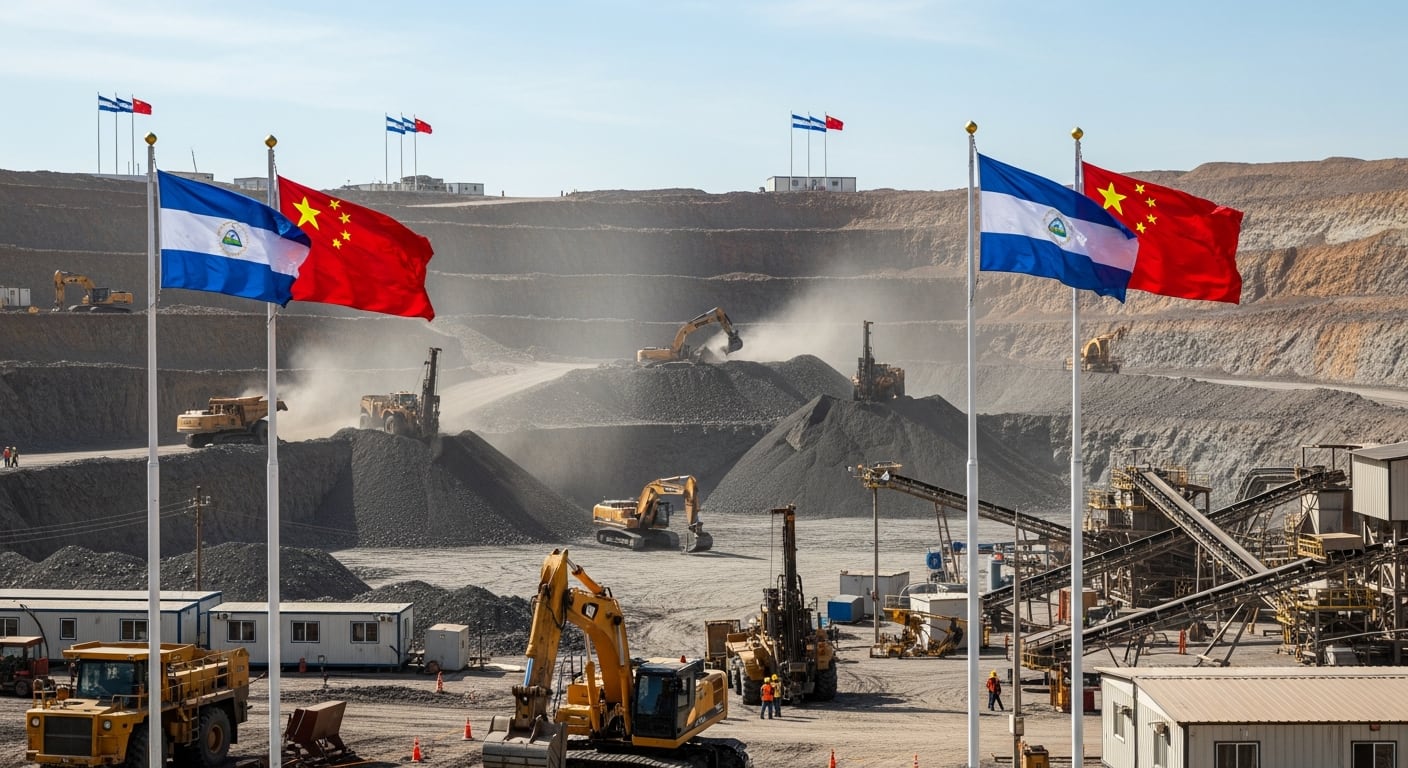
Mineras chinas concentran el 12.5% del territorio nicaragüense
El 27 de octubre de 2026, la Fundación del Río afirmó que 23 empresas vinculadas con China controlan 93 concesiones mineras que abarcan 1.554.332,02 hectáreas en Nicaragua, una superficie equivalente al 12.5% del territorio nacional. La cifra contradice la posición de las embajadas chinas en Nicaragua y Costa Rica, que sostuvieron que la participación de ese capital es limitada y que no existen operaciones próximas a la frontera costarricense. La organización ambientalista elaboró el registro con publicaciones de La Gaceta difundidas entre 2021 y 2026.
Nicaragua,oro,dólar estadounidense,reservas internacionales
INTERNACIONAL
Trump’s immigration olive branch threatens to open Pandora’s box as experts warn of far-reaching fallout
After President Donald Trump signaled in a «60 Minutes» interview that aired shortly after the midterm elections that he was willing to «work on a deal» with Democrats to allow some illegal immigrants to gain legal status, Digital spoke with several immigration experts about the potential ramifications of such an agreement.
The interview came just days after Republicans suffered crushing losses in the midterm elections, raising questions about whether Trump might be willing to compromise on immigration. But the president later ruled out amnesty, saying, «There won’t be amnesty,» while maintaining that his immigration policy had not changed.
While Trump has not outlined a specific proposal, his comments have raised questions about what a potential deal could look like and how granting legal status to some illegal immigrants could impact the rule of law, assimilation and fiscal policy.
TRUMP ADMITS IMMIGRATION ENFORCEMENT MAY HAVE BEEN TOO ‘TOUGH’ IN FIRST INTERVIEW SINCE MIDTERMS
Digital spoke with three immigration experts about what a potential agreement could mean for the country, including its impact on the rule of law, assimilation and taxpayers.
«I think one of the first things we have to always consider is the impact on the rule of law and does it undermine it. It’s very hard to argue that the best way to restore the rule of law and deal with illegal immigration is to reward some large fraction of people who’ve broken the law,» said Steven Camarota, the director of research at the Center for Immigration Studies (CIS).
Camarota believes that amnesty begs the question of basic fairness, and impacts how people who have come to the United States legally view the immigration system.
«It seems like it mocks them,» he said.
He used the example of a person who illegally overstays a visa to illustrate his point, saying that person shouldn’t be rewarded with citizenship after overstaying a visa, especially when there are millions of people who have already followed the law and left the country when their visas expired.
Laura Collins, director of immigration policy at the George W. Bush Presidential Center, acknowledged those concerns but argued that the country’s immigration laws are part of the problem.
AMERICA NEEDS WORKERS, BUT TRUMP’S POLICIES ARE SHARPLY CUTTING LEGAL IMMIGRATION
«I understand people’s concerns about the rule of law,» said Collins. «I also think you have a set of immigration laws that are not working as intended. The reason we have so many people who are here undocumented is because we have an economy that pulls in a lot of people’s work, but an immigration system that restricts that labor flow.»
She says the United States is at a crossroads: the country can choose a system where illegal immigrants cannot stay and fix their mistakes while also contributing to the economy, or they can stay and be offered a chance at restitution.
«Almost every single piece of legislation that has had a chance at passage on immigration that involves legalization program has had things like paying back taxes, going through a background check, paying some sort of fine or fee or restitution payment in order to make up for the fact that these people did something illegal by either overstaying a visa or crossing the border,» she said.
But Camarota questioned whether a future amnesty agreement would actually require immigrants to complete those restitution payments before obtaining citizenship.
Camarota also said that one of the main reasons for restricting immigration in the first place is to ensure that the United States isn’t overwhelmed.
«We don’t want the numbers to be so large that they overwhelm the assimilation process, where you can go to a school where everyone’s from your background or you don’t ever have to learn English, because there’s enough people around you who you don’t [and] who you speak your native tongue So that’s one reason to limit immigration,» he said.
«In effect, an amnesty throws that out the window and says, well, we have these limits, but we’re not going to enforce them,» he continued.
TRUMP SAYS DEPORTATION PUSH HASN’T PUT ‘SAME PRESSURE’ ON FARMWORKERS, HOTEL STAFF: ‘NOT EVEN CLOSE’
Drawing from the findings of a 2022 book called «Streets of Gold: America’s Untold Story of Immigrant Success,» Collins argued that today’s immigrants are assimilating at a pace similar to that of immigrants of prior generations. America’s current foreign-born population has matched a historic peak similar to late 1800s and early 1900s levels. About 15% of the current population is foreign-born.
The book, she said, compared people’s memories of how their grandparents and great-grandparents assimilated when they came to the United States.
«And what they found was actually that immigrants are integrating it pretty much the same rates,» she said.
She also said that work helps people to assimilate faster, and thus, if illegal immigrants were given the opportunity to work legally, assimilation would be a smoother process.
«I do think that one of the things America really is good at is us taking newcomers and turning them into Americans, and so I worry less about that» she said. «But I understand why there is a scenario where people could be afraid of that. But the data doesn’t support it.»
Camarota estimated that households headed by illegal immigrants receive approximately $50 billion annually in government benefits, often through programs for which their U.S.-born children are eligible. He cited Medicaid, Supplemental Security Income (SSI), Temporary Assistance for Needy Families (TANF) and free school lunches as examples, although illegal immigrants themselves are generally barred from receiving many federal welfare benefits.
TRUMP TELLS DHS CHIEF TO WORK WITH DEMOCRATS ON IMMIGRATION REFORM, BUT NO AMNESTY
Illegal immigrants use welfare not because they’re lazy, but because most of them do not have educations higher than 11th grade level, Camarota said.
«Legalizing folks doesn’t change the fact that the illegal population is overwhelmingly less educated, and less educated people just don’t pay enough in taxes to cover their consumption of public services, especially when you consider all the means-tested programs they get,» he said.
Low-income people, he noted, simply don’t pay much in taxes.
«Remember, half of all workers pay no federal income tax,» he said. «So, yes, illegal immigrants do pay taxes, and actually we think more than half already work on the books, so there’s no big boon to taxpayers anyway. But now, they themselves will become eligible for welfare programs.»
Collins conceded that while many immigrants have low education levels, he said that that doesn’t mean all of them are working jobs that meet their education skills. She pointed to a 2013 Congressional Budget Office (CBO) analysis of the Gang of Eight’s immigration bill, S. 744, which estimated that the legislation would increase federal tax revenues and reduce federal deficits by approximately $158 billion over 10 years, despite increased spending on government benefits.
«You get a little bit more tax revenue,» she said. «They are potentially making higher wages, they’re able to negotiate for different jobs and different wages because they have that legal work authorization,» Collins said.
HISPANIC VOTERS ARE NATURAL CONSERVATIVES. REAGAN KNEW. GOP NEEDS TO PROVE IT AGAIN
She argued that with legal work authorization, some illegal immigrants would be able to fulfill their full potential in higher-level jobs.
Mark Krikorian runs CIS. He said that while thinking through the pros and cons of amnesty might be a useful thought exercise, the point is probably moot.
«Well, to begin with, it’s not going to happen,» he said of an amnesty deal. The likelihood of anything happening, certainly until the Democrats come in, until the next Congress comes in, and even then, it is, in my opinion, close to zero.»
For two reasons, Krikorian doesn’t think Republicans have leverage to make a deal.
He says Democrats won’t be willing to concede any restrictions on immigration, thus leaving Republicans with no incentive to make an amnesty deal for illegal immigrants.
HOUSE REPUBLICANS MOVE TO MAKE TRUMP’S BORDER POLICIES PERMANENT
He used DACA as an example. Recently, Homeland Security Secretary Markwayne Mullin floated the possibility of a compromise involving DACA recipients — people who came to the United States as children and received temporary protections from deportation — that could give them permanent legal status.
«A DACA amnesty? Frankly, the DACAs already have amnesty. It’s upgrading them from amnesty light to amnesty premium,» he said.
He said the first Trump administration tried making a deal for tighter immigration measures using DACA recipients as a bargaining chip.
«That idea is valuable and could be productive, but there’s no way that upgrading the DACA who already have Social Security numbers and work permits to regular green card status is something that the Democrats would give anything in exchange for,» he said.
But Krikorian warned that giving green cards to DACA recipients could eventually allow them to sponsor additional relatives, including their parents, once they become U.S. citizens, although existing immigration restrictions could prevent some relatives from obtaining legal status.
«And that would have some effects, because once you have a green card, you can petition for certain relatives, and the five-year clock for citizenship starts,» he said. «And when you become a citizen, you could then petition for your parents. There’s no numerical caps for that.»
Trump discussed on «60 Minutes» potentially working out a deal that would allow some illegal immigrants working in industries like hospitality and landscaping to remain in the country.
«When you go into a hotel, and you have a woman that’s working there as a maid, as a cleaner as a this, as a that, as a waitress, a lot of good things, great jobs, and all of a sudden they’re being taken out of the country, it’s tough. It’s a tough thing,» Trump said on «60 Minutes.»
MULLIN VOWS ‘ZERO CHANGE’ ON IMMIGRATION AFTER REPUBLICANS SUFFER CRUSHING MIDTERM LOSSES
He added that people whom he described as «far-right» want deportations regardless of whether the illegal immigrant is working.
The White House, meanwhile, says Trump’s «strong immigration policy remains unchanged,» and White House spokeswoman Lauren Bis told Digital that Democrats should work with the president to keep the border secure, remove dangerous criminal illegal immigrants from the country and stop drug trafficking.
She said the president’s «commonsense immigration agenda» has resulted in the «most secure border in history.»
SIGN UP TO GET THE POLITICS NEWSLETTER
«If Democrats choose to pursue radical left open border and mass amnesty policies, they are choosing to work against the interests of the American people,» she said.
The Department of Homeland Security did not return a request for comment.
politics, illegal immigrants, amnesty, immigration, border security

Klopp ataca a Infantino: ‘No pensábamos que pudiera empeorar tras Blatter, pero se las apañó para conseguirlo’

Una de las mejores series basadas en Dungeons & Dragons ya tiene fecha para sus nuevos capítulos. The Mighty Nein prepara su regreso a Prime Video

Interna libertaria: Patricia Bullrich asistirá a la reunión de la mesa política en Casa Rosada – Nexofin

Casi 1,000 violaciones de derechos humanos en Cuba en un mes, según un informe que revela a quiénes apunta la represión

El sobrecosto para sacar dólares del país crece y el mercado apunta al efecto electoral

Marta Fort rompió con la regla más estricta de MasterChef, la mandaron al frente y se enfureció: «¿Qué carajos les importa?»

La inflación de octubre: el dato que sorprendió a casi todos y la distancia que persiste con los parámetros internacionales

U2 vuelve con 12 nuevas canciones y una pregunta incómoda sobre si el rock todavía puede decir algo nuevo

Kicillof retoma su agenda rumbo a 2027 tras la visita del Papa: recorridas, Presupuesto y reelecciones indefinidas

Reforma laboral: el Gobierno asegura que el incentivo a la formalización creó 82.000 empleos en blanco en cuatro meses

 ECONOMIA1 día ago
La inflación de octubre: el dato que sorprendió a casi todos y la distancia que persiste con los parámetros internacionales
- INTERNACIONAL2 días ago
U2 vuelve con 12 nuevas canciones y una pregunta incómoda sobre si el rock todavía puede decir algo nuevo
- INTERNACIONAL3 días ago
Democrats seize on midterm wins to push massive minimum wage hikes, but economists see trouble ahead