INTERNACIONAL
Former Colombian president accused of exploiting dozens of women for presidential parties


NEWYou can now listen to Fox News articles!
Former Colombian President Gustavo Petro has been accused of trapping and exploiting 48 women for presidential parties, with officials alleging they were hired «just to be with President Petro.»
Carlos Andrés Ríos, director of Colombia’s Administrative Department of the Presidency (DAPRE), claimed Petro oversaw a system that used service contracts to «systematically» control and weaponize the women, channeling public salaries in exchange for intimate relationships.
«We are going to prove to the Colombian people how the Casa de Nariño was unfortunately set up, organized, and tailored for something completely different — not to govern, but to party there every single day, bring in women,» Rios said during a congressional hearing last week.
COLOMBIAN LAWMAKERS SEEK SUSPENSION OF TRUMP FOE GUSTAVO PETRO OVER ALLEGED MEDDLING IN UPCOMING ELECTION
Former President Gustavo Petro rejected claims that women were hired to attend presidential parties and provide sexual favors. (AP Photo/Fernando Vergara, File)
Petro issued a statement Sunday denying that he had used his public office to obtain sex.
«I have never given out a contract in exchange for sexual relations. I would vomit on myself if I ever did such a thing,» Petro said in a post on X.
He argued that while his office provided state-funded aid programs for vulnerable women, he claimed that it is fundamentally different from giving contracts to individuals in exchange for sexual favors.
TRUMP-BACKED ‘EL TIGRE’ LOOKS TO CRUSH CARTELS, END COLOMBIA’S SOCIALIST ERA IN PIVOTAL ELECTION

The Casa de Nariño, the presidential palace, in Bogotá, Colombia, on Dec. 17, 2025. (Nathalia Angarita/Bloomberg via Getty Images)
«Helping poor women, female heads of households, and those engaged in sex work so that they have different life options — as I have demonstrated in public administration through concrete and funded programs — is something very different from giving out contracts in exchange for sexual relations. No person who has participated in those public programs will ever be able to say that I have done anything of the sort,» he said.
Petro also acknowledged in the statement that he had occasionally visited establishments where sex work took place when he was young, saying he regretted the experiences and had stopped visiting such places decades ago.
«When I was very young, I occasionally visited places where sex work was practiced. There, I experienced that paying for sex felt dirty to me, and I perceived the sadness of the men and women who attended those places. That is why I stopped visiting them decades ago,» he said.
The accusations come amid broader criticism of Petro over alleged misuse of public funds, depletion of national budgets and drug trafficking.
Petro has dismissed the allegations as politically motivated attacks by figures such as President Donald Trump and Colombian President Abelardo de la Espriella.

President Donald Trump and former Colombian President Gustavo Petro have previously escalated tensions amid a series of accusations and public disputes. (Mauro Pimentel/AFP via Getty Images; Francis Chung/Politico/Bloomberg via Getty Images)
«After attempting to portray me as corrupt and a drug trafficker — an intention expressed by people like Abelardo de la Espriella and Donald Trump, without being able to present a single piece of evidence of corruption or drug trafficking, because I have never stolen a single peso from the public treasury and I have fought for over two decades against drug traffickers, exposing their political ties,» Petro said.
Fox News Digital reached out to the White House for comment.
colombia, sex crimes, crime, corruption













En 1945 llegó a Monterrey el seguro social obligatorio. Cinco años después abrió la Clínica de los Mineros. Una promesa de la Revolución empezaba a tener domicilio, médicos y sala de espera.
Me gusta recordar ese dato en el marco del 20 de noviembre, a 116 años de que iniciara la Revolución Mexicana y a nada de que celebremos 100 años del proceso constitucional que enmarcó.
Claro que celebramos a quienes lucharon por transformar México, pero hay otra historia, menos fotografiada, que es igual o más importante: la de quienes convirtieron esos ideales en escuelas, hospitales, electricidad, vivienda y empleos.
La Constitución de 1917 reconoció derechos decisivos. Sin embargo, escribir un derecho no construye por sí solo un hospital. Hicieron falta recursos, decisiones, técnicos, instituciones y una economía capaz de sostenerlos. Entre 1940 y 1970, México creció a un promedio superior al 6% anual. Ese fue el Milagro Mexicano. No surgió por generación espontánea: confluyeron políticas industriales, inversión pública, iniciativa empresarial legendaria y millones de trabajadores.
Nuevo León fue protagonista central. Nuestra industria venía de antes, desde la Fundidora fundada en 1900, pero el impulso nacional postrevolucionario amplió su horizonte como nunca antes. La electricidad, el financiamiento y las universidades permitieron producir a otra escala. Empresarios, trabajadores e instituciones abrieron camino.
Basta una cifra: la población de la Zona Metropolitana de Monterrey pasó de alrededor de 212 mil habitantes en 1940 a más de 1.26 millones en 1970. Casi seis veces más personas en treinta años. No es solamente una estadística. Son familias que llegaron buscando empleo. Colonias donde antes había campo. Salones que hubo que abrir, tuberías por instalar, camiones que debían llegar. Cada fábrica traía una promesa de prosperidad y una lista de tareas para el gobierno.
Y no todas se atendieron oportunamente. La metrópoli creció más rápido que su infraestructura. Ese desajuste, acumulado durante décadas, todavía se siente en el tráfico, el agua y la expansión urbana. Ahí está una lección: el crecimiento es una buena noticia, pero exige capacidad para anticiparse. Una empresa puede abrir en meses; una ciudad necesita pensar en generaciones.
Por eso, cuando hablamos de transformación, me preocupa que se ponga tanta atención en la intención y tan poca en la preparación. Gobernar implica preguntar antes de inaugurar una obra: ¿quién la pagará?, ¿cómo se mantendrá?, ¿a cuántas familias servirá?, ¿qué problema podría provocar dentro de diez años?
Necesitamos personas de altura. Y la altura no se mide por el apellido, el cargo o el volumen de la voz, y menos la popularidad en redes o sondeos de opinión pública opacos. Se demuestra cuando un funcionario escucha al técnico que le lleva la contraria, admite un error antes de que resulte más caro y dice la verdad cuando una decisión no será popular.
También se demuestra al rodearse de quienes saben más que uno. El Milagro Mexicano requirió médicos, ingenieros, maestras, administradores y empresarios capaces de coordinarse. Ningún liderazgo, por brillante que parezca, sustituye ese trabajo colectivo.
Hoy la Presidenta, la Dra. Claudia Sheinbaum Pardo, propone con el Plan México una nueva etapa de industrialización y crecimiento equitativo. Nuevo León tiene talento, universidades, empresas y una cultura productiva para ser engrane clave, pero la pregunta es cómo convertir las inversiones en una vida mejor para las familias.
En Escobedo he visto que un parque industrial no termina en la puerta de la fábrica. Continúa en la avenida por la que llega el trabajador, en la escuela de sus hijos, en la seguridad de su colonia y en los servicios que necesita su familia. Esa dimensión cotidiana nunca debería perderse de vista.
No propongo nostalgia por un país de El Milagro con virtudes y defectos que ya jugó su papel. Propongo recuperar la seriedad de quienes entendieron que cambiar México era una tarea más larga que ganar una revolución. Porque el examen de una transformación comienza cuando se apagan los discursos y alguien tiene que abrir la escuela, mantener el hospital y hacer que el agua llegue a casa.
Para eso hace falta algo menos vistoso y mucho más valioso: gente a la altura de la historia que le toca construir, así no sean famosos (o infames).
*Andrés Mijes es presidente municipal de General Escobedo, Nuevo León, y maestro en Ciencias Políticas por la Universidad Autónoma de Nuevo León.
Milagro Mexicano,Monterrey,industrialización,siderurgia
INTERNACIONAL
La ciencia reveló cuál es el verdadero motivo del aleteo de las aves antes de tocar el suelo

Un equipo de investigadores de la Universidad de Manchester y la Universidad de Toronto concluyó que los aleteos que realizan las aves justo antes de posarse no solo sirven para reducir la velocidad, sino también para detenerse dentro del espacio disponible.
El estudio, publicado en la revista Proceedings of the Royal Society A y firmado por Tom Rottier, Philippe Lavoie y Ben Parslew, no utilizó aves reales: los científicos construyeron un modelo matemático basado en ecuaciones físicas para simular el vuelo de planeo que ocurre sin mover las alas.
De acuerdo con el artículo divulgado en Earth.com, los cálculos se centraron en un caso concreto: una paloma de 400 gramos que quisiera aterrizar sin batir las alas. Los resultados revelaron que eso sería posible en teoría, pero con condiciones que ninguna paloma urbana podría cumplir en la práctica.
Un ave necesitaría volar a más de 120 km/h para aterrizar sin aletear
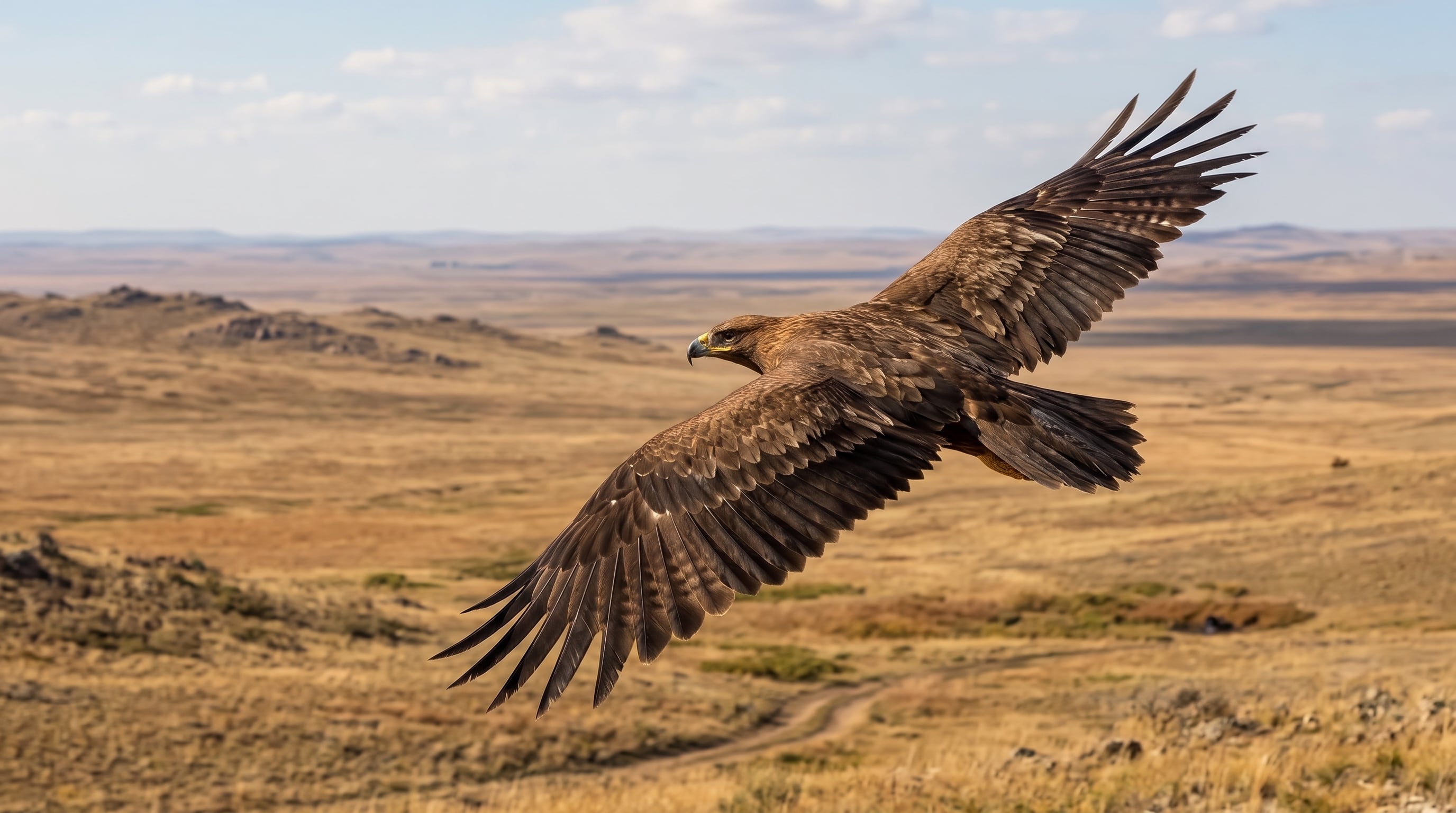
Para que la paloma modelo pudiera planear hasta detenerse por completo, tendría que comenzar la maniobra a aproximadamente 128 km/h, una velocidad más del doble de su ritmo habitual. Además, debería escalar cerca de 20 metros, el equivalente a un edificio de seis pisos, recorriendo unos 60 metros en sentido horizontal.
Ese tipo de aterrizaje tampoco sería posible en muchos entornos: Las palomas de ciudad vuelan entre edificios, donde ese espacio simplemente no existe. Para aves más grandes, la distancia necesaria sería aún mayor.
La clave detrás de este fenómeno tiene que ver con la física del vuelo. Las fuerzas que actúan sobre un ala dependen de la celeridad a la que se mueve en el aire: a menor rapidez, menor sustentación y, por lo tanto, menor control sobre la trayectoria. Existe además una velocidad mínima de funcionamiento denominada velocidad de entrada en pérdida, por debajo de la cual el ala ya no genera suficiente sustentación para soportar el peso del ave.
El aleteo permite frenar en poco espacio sin dañar las patas
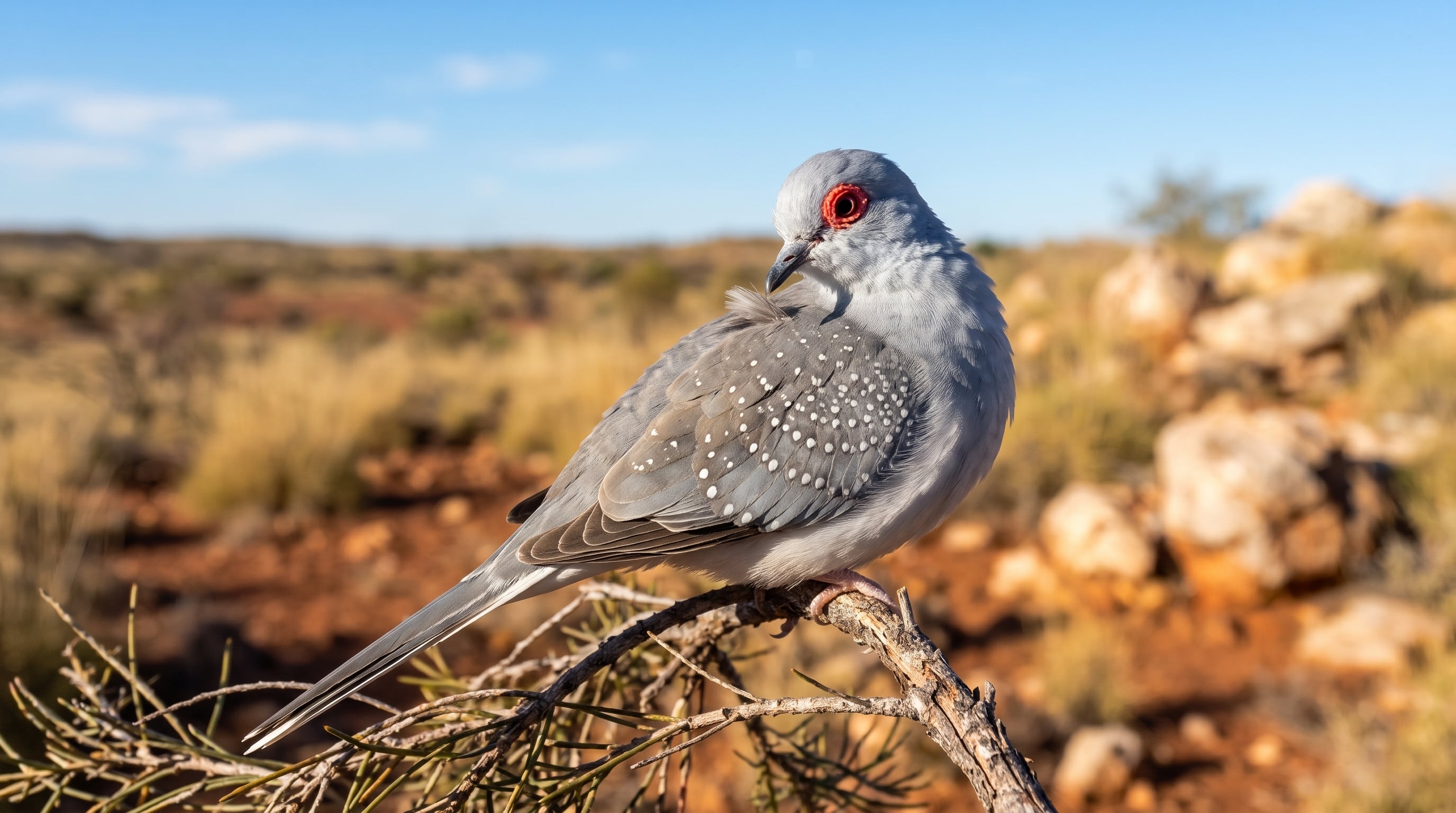
“Aterrizar no es tan sencillo como reducir la velocidad”, señaló Parslew, docente de ingeniería aeroespacial en Manchester. Llegar a tierra con velocidad residual es decir, sin haberse detenido por completo, implica que las patas deben absorber ese impacto; un golpe demasiado fuerte puede lesionar músculos y huesos, o incluso matar al ave.
Los investigadores proponen que el aleteo resuelve este problema al permitir que el ave frene dentro del espacio que tiene disponible. Un planeo puede reducir la rapidez, pero el aleteo logra lo mismo en una distancia mucho menor.
También hallaron una particularidad respecto al suelo: a diferencia de una rama, el suelo no puede abordarse desde abajo. Cuando el modelo matemático tenía prohibido ascender en ningún punto de la trayectoria, ninguna combinación de variables permitía llegar a cero velocidad en el aterrizaje.
El descenso más lento que las ecuaciones permitían llegaba a tierra con un ángulo de aproximadamente 34 grados por debajo del nivel horizontal, lo que implica que siempre queda velocidad residual al tocar el suelo.
Las aves acuáticas y de presa descienden de forma distinta
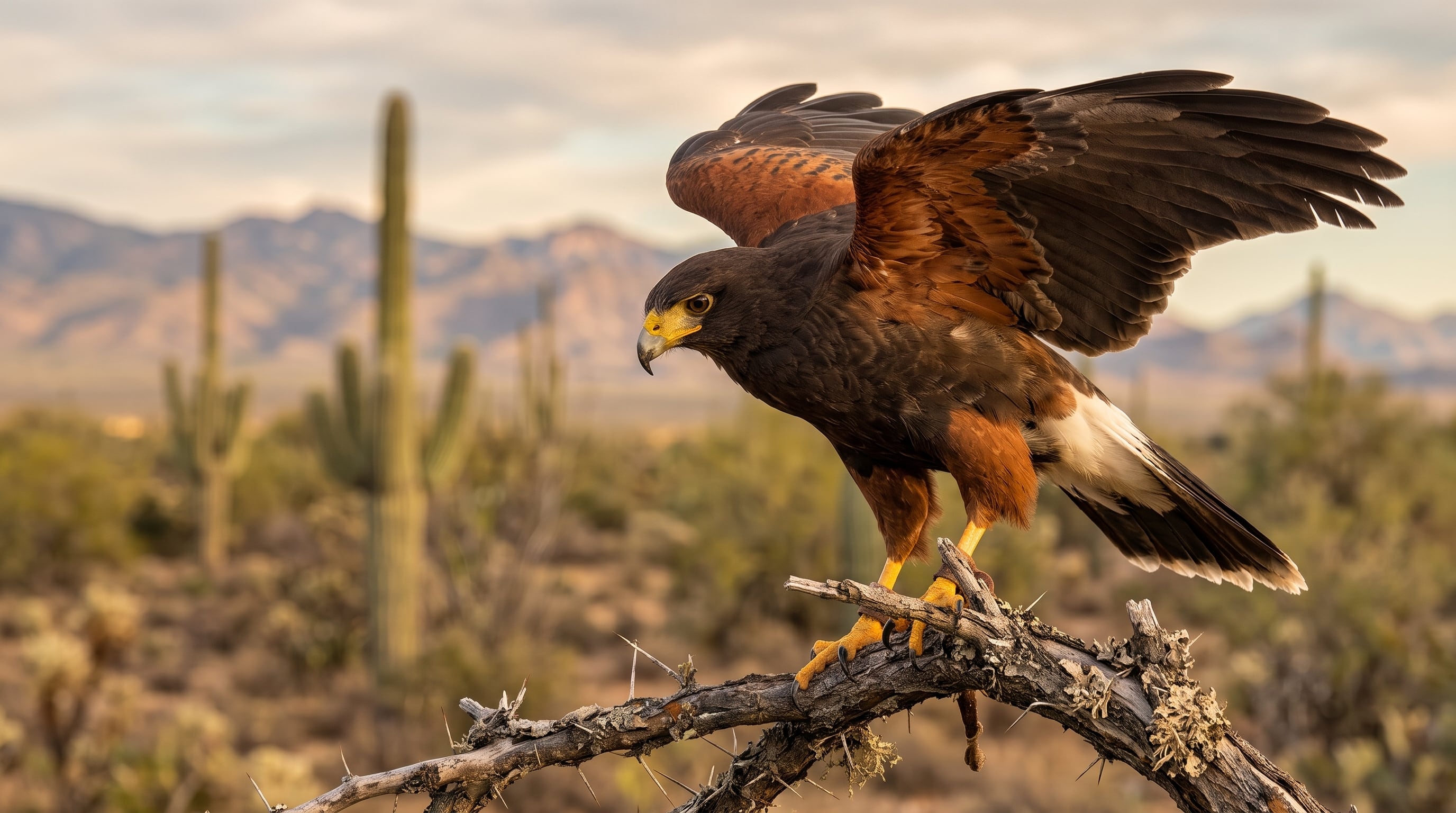
El estudio también analiza por qué los patos, gansos y cisnes aterrizan de manera diferente sobre el agua que sobre tierra firme. El agua absorbe más energía del impacto que el suelo sólido, por lo que estos animales pueden llegar con mayor ritmo sin riesgo de lesión.
En el caso de algunos individuos de presa, el patrón es diferente. Un estudio de 2022 observó cómo los gavilanes de Harris volaban entre dos puntos de apoyo mediante una maniobra particular: primero descendían en picado y luego ascendían en planeo hasta posarse. El equipo de Rottier reprodujo ese comportamiento en su modelo, permitiendo que el ave aletease durante el descenso.
Cuando el esquema fue programado solo para reducir el tiempo en que las alas perdían capacidad de volar (el momento en que ya no generan suficiente fuerza para sostenerse en el aire), el ave llegaba a la superficie a una velocidad tan alta que habría lastimado a un pájaro real. Cuando el único objetivo era aterrizar lo más lento posible, el picado previo era demasiado brusco. El mejor resultado se obtuvo combinando ambas metas.
Los hallazgos podrían aplicarse a drones y animales planeadores

La herramienta de cálculo construida por el equipo es, por diseño, una base de trabajo. No incluye viento, cuerpo del ave, cola ni aleteo en su forma central. Sin embargo, cuando los investigadores duplicaron el valor máximo de sustentación (la fuerza aerodinámica que permite mantenerse en el aire) para evaluar su impacto, la velocidad de partida necesaria para un aterrizaje lento se redujo un 44%, la distancia horizontal cayó un 65% y el ascenso necesario, un 55%.
Esto sugiere que las aves reales podrían ser capaces de planear hasta detenerse en menos espacio del que las cifras de la paloma indican, aunque el modelo no permite precisar cuánto menos. Las ecuaciones fueron diseñadas para incorporar viento en estudios futuros y para adaptarse al análisis de especies específicas.
Los autores señalan que la misma física podría aplicarse a animales que nunca aletean, como ardillas voladoras y serpientes voladoras, así como a drones diseñados para posarse sobre perchas.
paloma bravía,fuente de piedra,fauna urbana,plumaje
INTERNACIONAL
Little-known IRS program could be unfairly crushing landowners, according to alarming study and whistleblower

FIRST ON FOX: A new study is raising questions about whether the Internal Revenue Service (IRS) has been putting its finger on the scale to hit American landowners with higher tax bills through a little-known conservation tax program, as a whistleblower who spent many years at the agency warns the findings show the IRS has «lost its way.»
The study, conducted by Infinity Advisory Services, examined more than 130 IRS valuation reviews and found that, in 115 conservation easement tax incentive cases with comparable figures, the agency slashed taxpayers’ appraised values by an average of roughly 97%, with reductions of 99% or more common.
The study makes the case that the pattern across different properties, tax years and reviewers points to a process designed to reach a predetermined answer, which effectively wiped out the value underpinning taxpayers’ conservation deductions rather than fairly evaluating each property.
The conservation easement tax incentive allows landowners to claim a charitable tax deduction for permanently giving up certain development rights on their property, helping preserve farmland, forests and other protected land. The landowners keep ownership, but restrictions limit how the property can be developed. An appraisal determines the value of the rights donated, which generally forms the basis of the deduction and is at the center of these IRS disputes.
DOJ UNVEILS NATIONWIDE TAX FRAUD CRACKDOWN INVOLVING 76 DEFENDANTS, NEARLY $500M IN ALLEGED LOSSES
«This report examines a single question,» the study’s authors explain in the executive summary. «We ask whether the government’s valuation position in conservation easement matters was settled as a matter of policy before it was tested against the facts of individual properties. The record we have assembled to date is consistent with that view, and in our judgment the pattern in the data is difficult to explain on another basis.»
A former IRS valuator, who spent many years with the agency, told Digital that he experienced officials pressuring appraisers to reach predetermined conclusions and brushing aside evidence from taxpayers who donated development rights to their land in exchange for tax deductions. Instead of distinguishing legitimate donations from abusive tax shelters, he said, the agency is «setting up taxpayers that they know are innocent,» leaving them facing steep tax bills and penalties.
«I’m looking at the IRS, and they’ve developed a culture that says bigger dollars is a good thing,» the whistleblower said.
«And they’re in a mode of not wanting to know what the facts are from the taxpayer’s perspective. And in the application of the law, the application of the law is slanted, having watched both sides in this process,» the whistleblower added. «If you’re going to have a valuation issue, it should be addressed by someone who has expertise in valuation. When I was at the IRS, that would not have been tolerated.»
TRUMP PUTS FRAUDSTERS ON NOTICE WITH $25M WHISTLEBLOWER PROGRAM OFFERING CASH FOR TIPS THAT DELIVER
In one case involving a historic Cleveland building, the same IRS reviewer initially valued a donated preservation easement at between $18.1 million and $23.2 million, then reduced it to $400,000 in a follow-up review that dramatically shifted the landowner’s tax burden, according to the study.
The revised report explicitly cited instructions from IRS counsel to exclude certain development rights from consideration. The study’s authors argue that the dramatic reversal reflected a directive covering an entire class of properties rather than new evidence about the building itself.
The whistleblower cited one specific case from personal experience where the agency identified eight areas of concern but refused to hear the taxpayer’s explanations. When the taxpayer offered to address each point, an IRS Appeals technical advisor responded, «I don’t want to hear it,» according to the whistleblower. The mediation ended without an agreement, he said, citing the exchange as an example of the agency’s unwillingness to fairly consider taxpayers’ evidence.
«How can you be involved in post- or pre-litigation and say, I don’t even want to hear your response to the issues we raised,» the whistleblower said, adding that the concerns shouldn’t be viewed as being the fault of a particular administration but that the information should be looked at from a factual perspective in a nonpartisan way.
Steve Moore, chairman and co-founder of Unleash Prosperity and former advisor to President Donald Trump, recently penned an article arguing that the IRS’s crackdown on conservation easement deductions has swept up honest taxpayers who relied on qualified appraisers and professional advice.
«Some of it is due to the fact that the IRS is in the business of trying to get as much money out of people as they can. And part of it is that there has been fraud. There are cases of fraud where people will way overvalue through a fraudulent appraisal,» Moore told Digital in an interview. «And so what’s happened, though, is literally, almost literally throwing the baby out with the bathwater. They’re putting everybody in the same boat.»
Moore said that after his article was published, he heard from numerous families and landowners across the country saying they have been «victimized» by the process.
AG BLANCHE UNVEILS FEDERAL CHARGES AGAINST 160 DEFENDANTS IN PANDEMIC RELIEF SWEEP
The IRS acknowledged in an August press release that standardized settlement offers with fixed deadlines were «not well suited to the full range of conservation easement cases,» ending that initiative and announcing a new Office of Conservation Easements. But the announcement did not address the central questions raised by the study and the former IRS official: whether the agency fairly considered evidence supporting taxpayers’ deductions and whether its valuations reflected independent analysis or predetermined conclusions.
«The IRS does realize that they have poked a hornet’s nest here because they’ve made people so angry across the country, and they did put out a press release saying, we’re going to deal with this,» Moore explained. «But guess what? They haven’t dealt with it. It was just words on a piece of paper. And so, the same groups of people I’ve been working with to try to get them some justice here have not received that justice and there’s been in most of these cases nothing done about it but just words on a piece of paper. So this has to be resolved because some people may go bankrupt as a result of this.»
Digital reached out to the IRS for comment and was directed to the August press release.
The IRS has secured significant court victories over inflated conservation easement valuations, including two major wins in the past year.
In July, the 11th U.S. Circuit Court of Appeals upheld a decision valuing an easement over 103 acres in Georgia at $480,000, compared with the partnership’s claimed $23 million deduction. The court rejected the proposed quarry development underlying the higher valuation as economically unviable and upheld a 40% penalty for grossly overstating the easement’s value.
In August, the 11th U.S. Circuit Court of Appeals upheld a $900,000 valuation for a Georgia conservation easement that a partnership, Mill Road 36 Henry LLC, had used to claim an $8.9 million deduction. The court found that comparable property sales and a recent transaction involving the land supported the lower valuation, and it upheld a 40% penalty for grossly overstating the easement’s value.
The Tax Court has repeatedly rejected IRS efforts to impose civil fraud penalties in conservation easement disputes, including in a February ruling that cited three earlier cases reaching the same conclusion, among them Mill Road.
politics, taxes, investigations, real estate, land

Sofía Jujuy Jiménez contó el extraño lugar y el momento exacto en que quedó embarazada por primera vez a sus 35 años: «Fue en…»

Tras la renuncia de Carlos Terrado, designaron al nuevo vicepresidente del directorio de la Autoridad Regulatoria Nuclear

Mega-Mewtwo Y ex protagoniza el nuevo evento de Fusión Dual de JCC Pokémon Pocket – Nintenderos

Arabia Saudí pasa al ataque por Guardiola

El milagro también necesitó oficio

La espectacular atajada del Dibu Martínez frente a Costa Rica que le permitió alcanzar el récord que siempre soñó con la Selección

La inflación de octubre: el dato que sorprendió a casi todos y la distancia que persiste con los parámetros internacionales

U2 vuelve con 12 nuevas canciones y una pregunta incómoda sobre si el rock todavía puede decir algo nuevo

Democrats seize on midterm wins to push massive minimum wage hikes, but economists see trouble ahead

La respuesta sin filtro de Wanda Nara a la China Suárez: «Le pidió al bobo que necesitaba una familia en Turquía»

 ECONOMIA3 días ago
La inflación de octubre: el dato que sorprendió a casi todos y la distancia que persiste con los parámetros internacionales
- POLITICA1 día ago
Milei dijo que el riesgo país sube por el miedo a "Orcolandia" y afirmó: "Los argentinos no van a votar hacia el pasado"
- INTERNACIONAL1 día ago
Caída de sistemas, fallas y sospechas: qué hay detrás de la suspensión del tráfico aéreo y los problemas en los bancos de EE.UU.