INTERNACIONAL
Fresh activity emerges at Iran’s deeply buried nuclear site as Trump warns Iran not to ‘get cute’

NEWYou can now listen to Fox News articles!
New satellite imagery shows Iran has added new defenses around tunnel entrances at Pickaxe Mountain, the deeply buried nuclear-linked site President Donald Trump has repeatedly threatened to strike, as Russia and China on Thursday vetoed a U.S.-drafted Security Council resolution aimed at preserving international monitoring of sanctions on Tehran.
The Institute for Science and International Security said in a report released Thursday that satellite imagery from Sept. 11 shows earthen roadblocks remain in place on roads leading to Pickaxe Mountain’s western tunnel portals near the Natanz nuclear complex. The institute said the continued restricted access reinforces its assessment that the facility is not currently being used for normal operations, while assessing that valuable equipment or materials remain inside.
The report also identified additional soil placed over one western tunnel portal and over a nearby cluster of entrances first built in 2007. The institute said the added soil increases the amount of earth protecting the entrances and helps harden them against aerial bombardment.
EXPERTS ‘DEEPLY’ CONCERNED OVER IRAN’S WORK AT UNDERGROUND NUCLEAR SITE
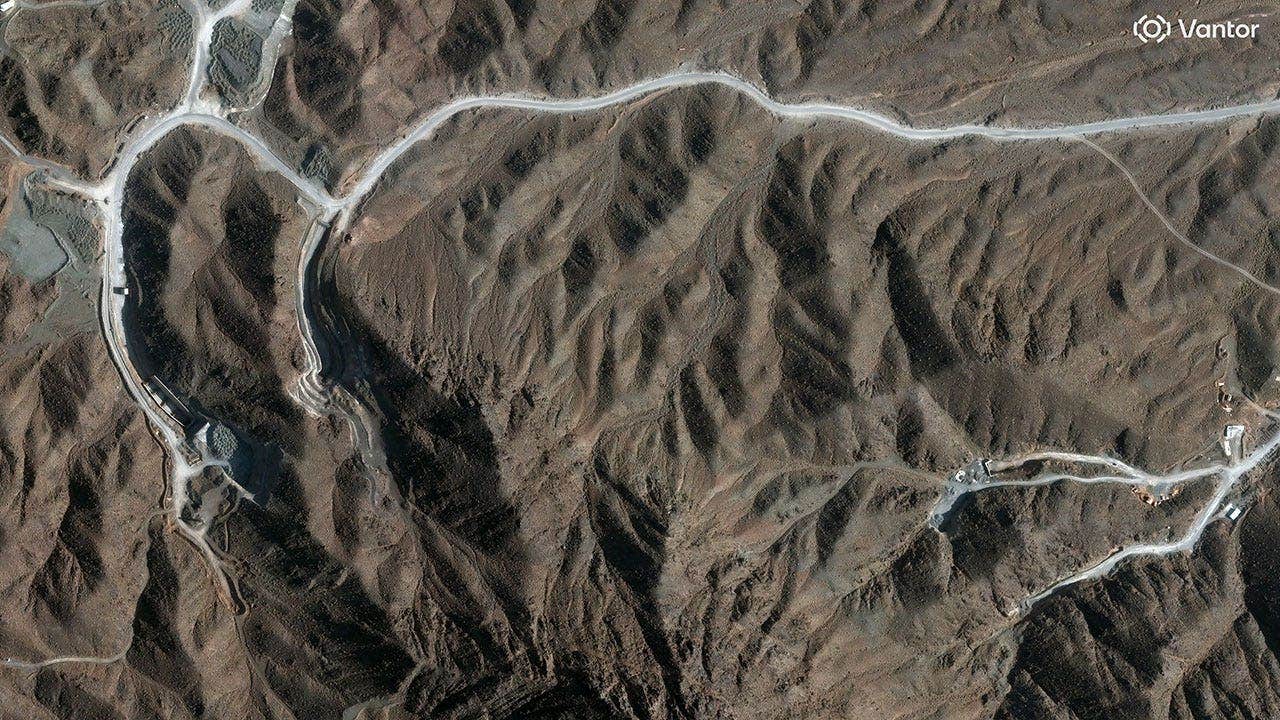
An overview of Iran’s Natanz nuclear complex and nearby Pickaxe Mountain, seen in satellite imagery from Aug. 21, 2026. (Satellite image ©2026 Vantor Technologies.)
The findings come one week after Trump issued his latest warning over Pickaxe Mountain.
«We notice there’s a little activity at Pickaxe,» Trump told reporters last week. «I would advise Iran not to get cute because we will have to hit them very hard.»
Trump has repeatedly raised the possibility of attacking the site. In a July 28 «Fox & Friends» interview highlighted by the White House, Trump said the U.S. was watching Pickaxe closely and knew «exactly what’s going on,» adding that Washington could «take out Pickaxe» if diplomacy failed.
Pickaxe Mountain lies roughly two kilometers from Natanz and features multiple tunnel entrances leading into a deeply buried underground complex. Construction began in 2020 following sabotage that damaged an advanced centrifuge assembly facility at Natanz, and Iranian officials subsequently said a replacement underground facility was being built for advanced centrifuge production. Analysts estimate portions of the facility may be buried at least 100 meters beneath the mountain. Iran has said there is no nuclear activity at the site.
TRUMP SAYS US HAS ‘MASSIVE’ MUNITIONS STOCKPILE, VOWS ‘TREASONOUS’ LEAKERS BEING HUNTED DOWN

A closer view of tunnel entrances at Iran’s Pickaxe Mountain, near the Natanz nuclear complex, seen in satellite imagery from Aug. 21, 2026. (Satellite image ©2026 Vantor Technologies)
Behnam Ben Taleblu, senior director of the Iran program at the Foundation for Defense of Democracies, told Fox News Digital that some analysts believe the opportunity for a straightforward strike on Pickaxe Mountain may already have passed.
«The window to strike Pickaxe Mountain, according to some, has already expired because the regime has dug an underground nuclear facility several times deeper than Fordow,» Ben Taleblu said. But he argued that Washington retains military options even if destroying the underground complex itself proves difficult.
«Washington can do what it’s traditionally been able to do with sites that are underground, hardened and fortified, and that’s to bury their entrances and raise the political cost to the Islamic Republic of being able to dig out,» he said.
«While there may not be the perfect munition just yet, Uncle Sam always has a bigger bomb,» Ben Taleblu added. «And in the meantime, what they can do is show that they mean business by burying the entrances.»
NUCLEAR EXPERTS URGE TRUMP NOT TO LET IRAN STEER TALKS AWAY FROM REGIME’S ATOMIC THREAT
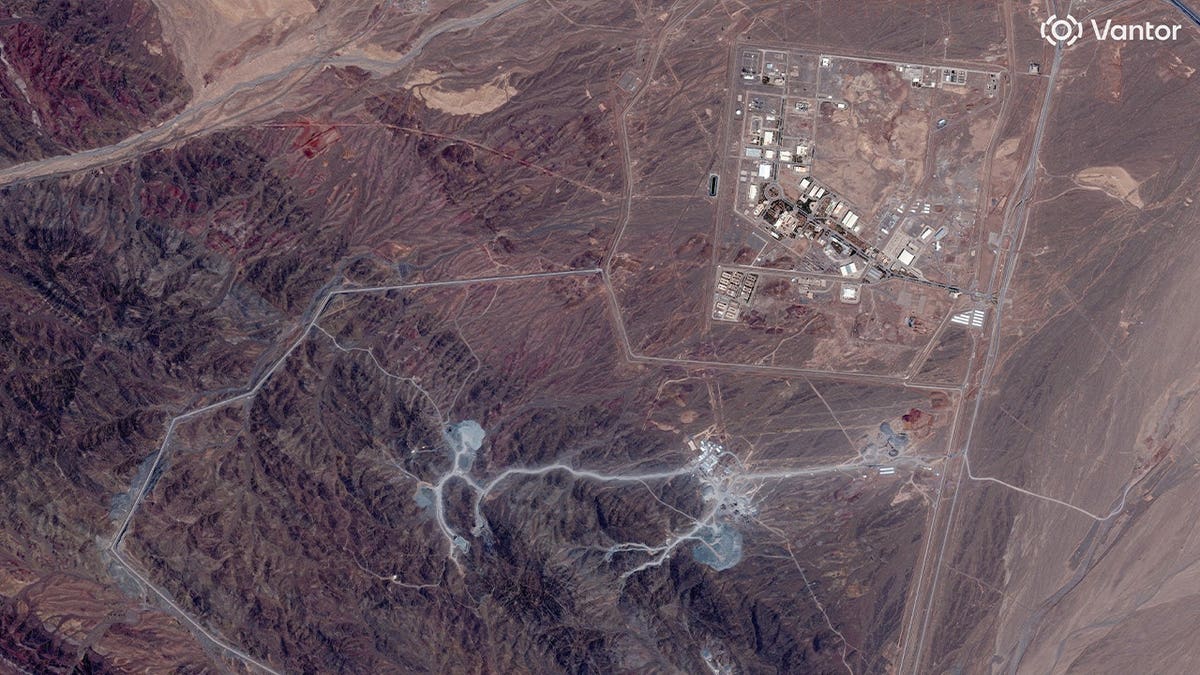
A satellite view shows an overview of the Natanz nuclear facility and Pickaxe Mountain, near Natanz, Iran, June 30, 2026 (Vantor/Handout via Reuters)
The Pickaxe findings came alongside signs of reconstruction at another sensitive Iranian facility.
In a separate report Thursday, the institute said Iran was «rapidly moving forward» with reconstruction of Taleghan 2 at the Parchin military complex southeast of Tehran. Vantor Technologies satellite imagery from Sept. 13 shows Iran erected a tarp over the destroyed hardened facility, obscuring work underneath from satellite or aerial observation, while dump trucks, bulldozers, concrete equipment and cranes were active around the site.
The institute said Iran also built new concrete reinforcement that could provide additional protection against aerial attack. Taleghan 2 was struck by Israel in October 2024 and again in March 2026 after Iran had rebuilt and hardened the facility. The institute said significant questions remain about Tehran’s plans for the site.
The military developments unfolded alongside a separate confrontation over Iran at the United Nations.
CHINA ORDERS FIRMS TO IGNORE US IRAN SANCTIONS, DARING US TO ENFORCE CRACKDOWN

Satellite imagery shows the underlying structure of the rebuilt Taleghan 2 facility at Iran’s Parchin military complex encased within a concrete «sarcophagus,» prior to being covered with soil in Feb. 13, 2026. (Vantor Technologies with annotations by ISIS)
Russia and China on Thursday vetoed a U.S.-authored Security Council resolution that would have extended for another year, until September 2027, the mandate of the Panel of Experts supporting the 1737 Iran Sanctions Committee. The measure received 11 votes in favor, while Pakistan and Somalia abstained.
The panel investigates alleged sanctions violations and reports on implementation. The dispute reflects a deeper split over whether UN sanctions suspended under the 2015 nuclear agreement were legally restored through the «snapback» mechanism. Most Council members maintain that the sanctions and related monitoring structures were revived, while Russia and China reject the legal and procedural validity of that position.
A day before the vote, U.S. Ambassador to the U.N. Mike Waltz told reporters in New York that Washington considers the sanctions legally restored.
«The snapback sanctions… occurred, the United States and this U.N. Security Council followed appropriate procedures for that to occur,» Waltz said Wednesday at a news conference attended by Fox News Digital. «Those sanctions are in place and we expect those who are a party to fully enforce those sanctions.»
Waltz said the expert panel is important because sanctioned companies and individuals can attempt to evade restrictions by changing names and corporate structures.
«The president has been clear, and the world community has been clear with resolution after resolution, that the Iranian regime cannot have a nuclear weapon,» Waltz said.
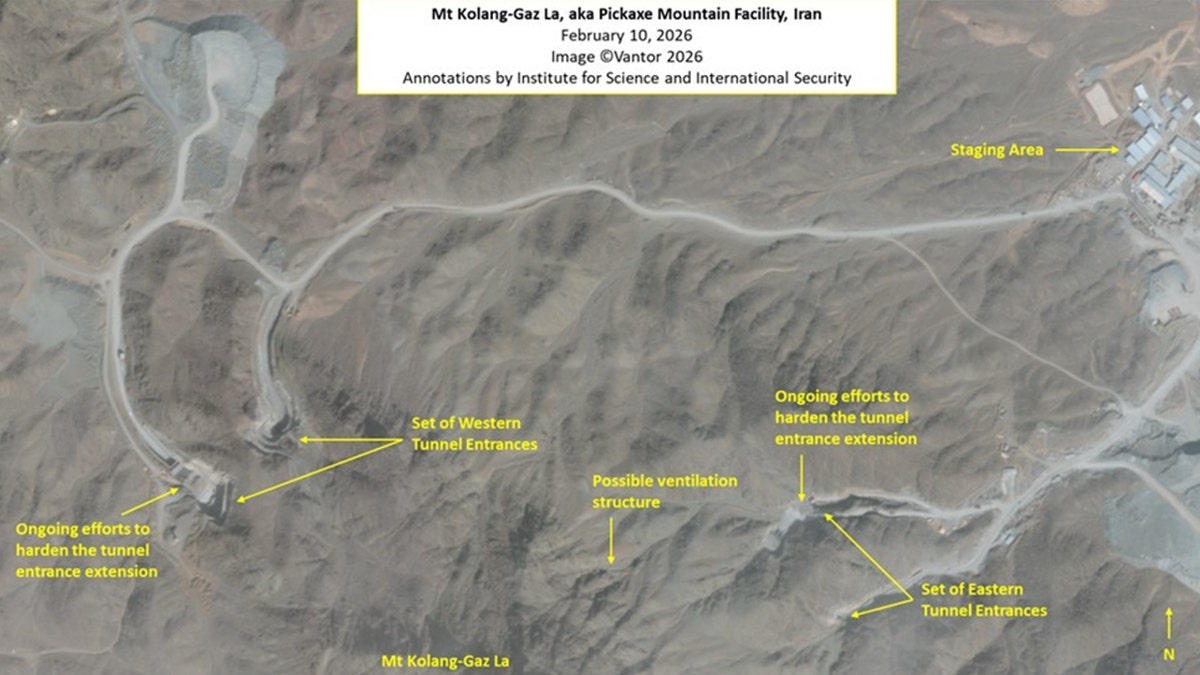
Imagery shows Iranian military facility being buried and fortified. (Images via Vantor with annotations from ISIS)
Thursday also brought fresh U.N. scrutiny of both Washington and Tehran. An independent U.N. fact-finding mission said it had reasonable grounds to believe two U.S. strikes on civilian sites in Iran in February constituted war crimes, while separately concluding that Iranian authorities committed crimes against humanity during their crackdown on anti-government protests. The mission is investigative rather than judicial, and its findings do not themselves constitute criminal judgments.
Fox News Digital reached out to the Iran U.N. mission for comments but didn’t receive them in time for publication.
war with iran, nuclear proliferation, united nations, middle east, national security









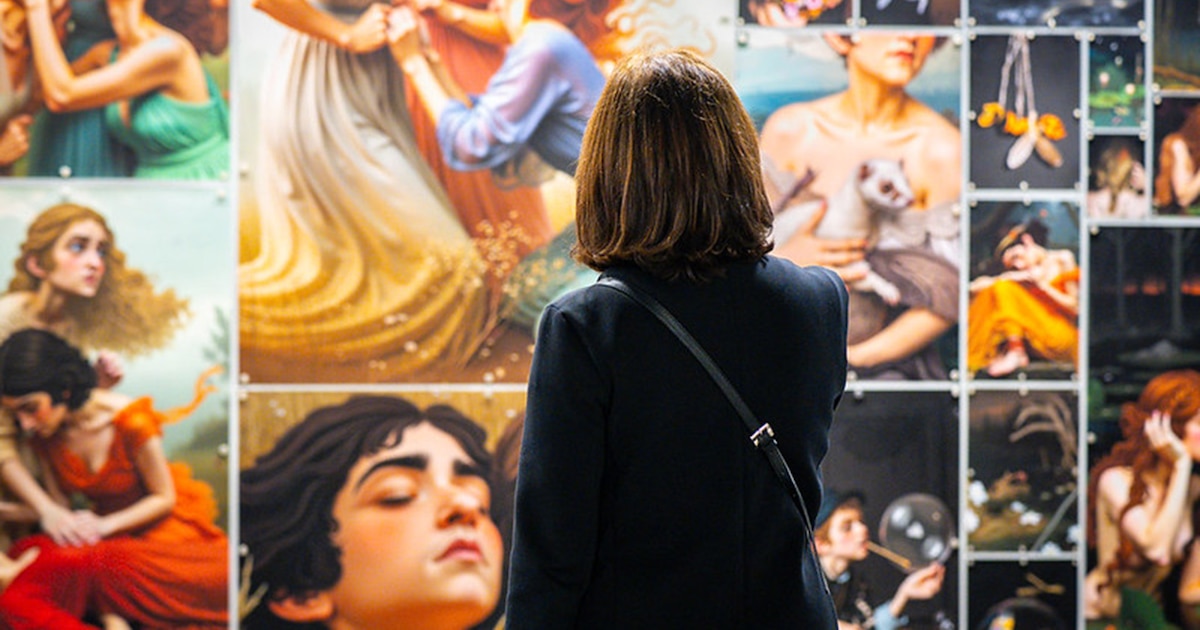
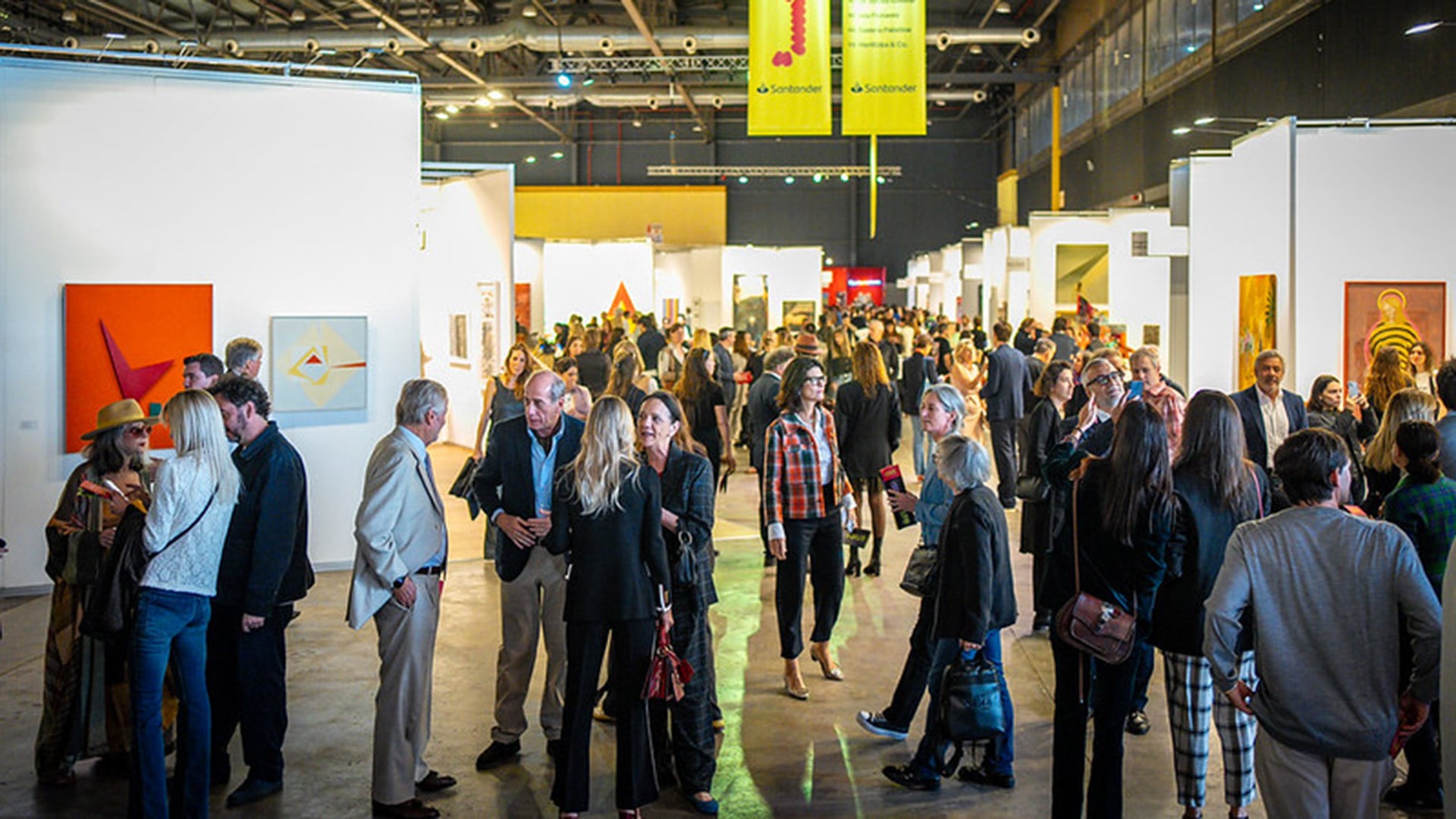
Con una apertura exclusiva para instituciones y coleccionistas, la feria arteba inició su 35.ª edición en La Rural, a la espera de la apertura al público general, que se desarrollará del viernes 30 de octubre al domingo 1 de noviembre.
Mucho ha sucedido, desde sus inicios en el Centro Cultural Recoleta, originalmente denominada ARTE BA ’91, del que participaron un puñado de galerías, donde el eje pasaba por las obras de artistas consagrados, a este encuentro, que marca su gran regreso al predio ferial de Palermo, sede de la mayoría de sus ediciones, de la que participan 69 galerías y más de 400 artistas.
En diálogo con Infobae Cultura, Lucrecia Palacios, directora ejecutiva de la Fundación arteba, comentó cómo aquel inicio se produjo en el marco de una serie de cambios sociales que habían comenzado tras el regreso de la democracia, en 1983.
“Era una época en la que las experiencias de recuperación del espacio público de la posdictadura estaban sucediendo. Los festivales musicales y el Partenón de libros de Marta Minujín, por ejemplo, forman parte de ese carácter. Y en ese sentido, arteba cumplió una función urbana bastante parecida a la que tuvo Arco en los ’80 en Madrid: volver a ocupar con cultura el espacio público después de momentos en los que eso no estaba permitido”, dijo.
Y agregó: “Arteba es una feria muy especial porque la crean coleccionistas. No conozco otro ejemplo así en el mundo. Es una feria ya pensada desde el ADN del coleccionismo. No había galeristas entre los fundadores. Tampoco los hubo después. El vínculo con coleccionistas y el programa de coleccionismo es sin duda una de las fortalezas clarísimas. Desde su fundación su objetivo es el de que los artistas puedan vivir de su producción”.
Entre ellos estuvieron Jacobo Fiterman, quien ejerció la presidencia de la fundación durante su primera década de vida; Juan Cambiaso, que años más tarde crearía el emblemático Premio en Obra; Alejandro Corres, que se desempeñó como el primer presidente de la institución cuando se fundó en septiembre de 1991 y la gestora cultural Diana Saiegh, quien estaba entonces al frente del Recoleta y que articuló esta colaboración entre el Estado y los privados.
Pero ya en 2025, tras una edición en Arenas Studios, en La Boca, y tres en Costa Salguero, y un movimiento de fecha por la visita del papa, la feria regresa a su sede más clásica, en La Rural, para desplegarse en 11.000 metros cuadrados, con un diseño del espacio realizado ad honorem por el arquitecto Horacio Torcello, junto a Julia Derluk y Facundo Cruz, quien aseguró que “el gesto más poético del plan es que no está pensado para agotarse en una sola vuelta”, sino que al ser “recorridos por segunda o tercera vez” se revelen “ángulos nuevos” y que “las plazas remanso se convierten en puntos de encuentro con amigos, colegas y artistas”.
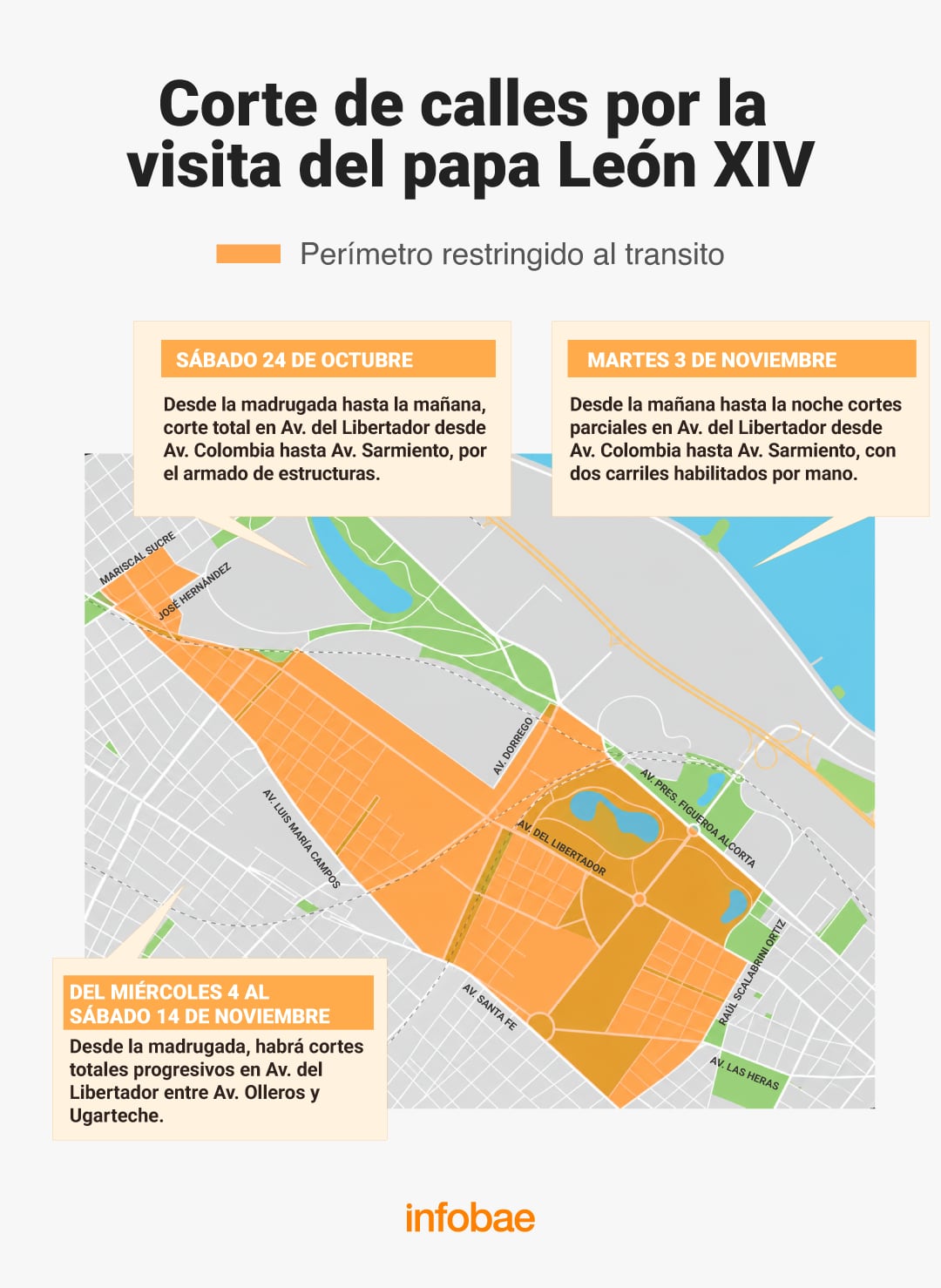
En ese sentido, dos datos a tener en cuenta. El primero es que desde la organización y el Gobierno de la Ciudad se recomienda usar el transporte público o, en lo posible, tener en cuenta los cortes de calles que se realizan en la zona por la visita papal.
Y, segundo, llevar calzado cómodo para caminar, y mucho. El regreso a La Rural da la sensación de una feria más contenida en lo espacial y algo espiralada, laberíntica, con una estructura bastante clara: en el centro, al que se llega por el pasillo principal apenas se ingresa, se encuentran las galerías con más trayectoria, las que tienen obras de históricos y consagrados. A medida que uno se va abriendo, como en los laterales del Pabellón se encuentran los espacios de la no tan extinta Stage, las galerías de recorrido intermedio.
Con respecto a Utopía, se encuentra separada de la sección Principal, por un pasillo en el que se encuentran gran parte de los stands institucionales y de las secretarías de cultura de distintas provincias del país.
Entonces, la feria se articula en torno a tres secciones: Principal, Utopía y Zona de Diálogo Internacional. La Principal agrupa a 43 galerías con trayectoria reconocida, seleccionadas por un comité integrado por Nicolás Barraza, Juan Eyheremendy, Florencia Giordana Braun, Florencia Malbrán y Lara Marmor.
Los espacios que forman parte de la sección son las porteñas Alejandro Faggioni – ESTUDIO DE ARTE; Barro; Calvaresi; CONSTITUCIÓN; COSMOCOSA; COTT; de Sousa Galería; Del Infinito; El Mirador; Galería Grasa; Galería Isabel Anchorena; Jorge Mara – La Ruche; Galería Palatina; Herlitzka & Co.; Isla Flotante; La Mala Galería; Linse; MC galería; Mite; Moria Galería; Nora Fisch; OHNO; PASTO; PIEDRAS; Quimera; Roldan Moderno; Rolf Art; Rubbers; Ruth Benzacar Galería de Arte; Selvanegra Galería; The White Lodge; Towpyha; Valerie’s Factory; W-galería y Witcomb.
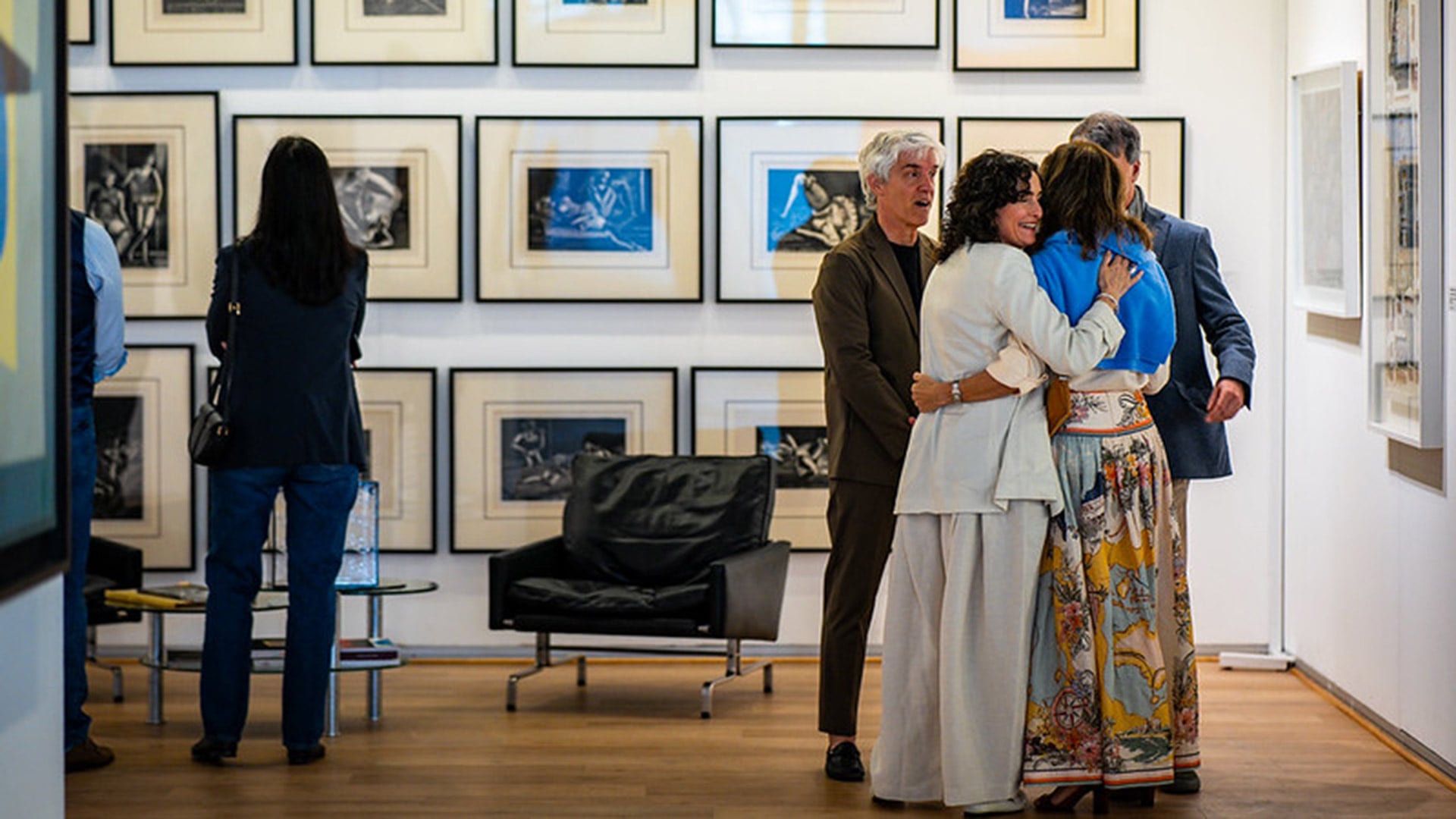
De PBA, NN (La Plata, con sede también en CABA), Centro de Edición (San Martín) y Galería María Casado (San Isidro); de Santa Fe, MOSTRA gallery, SUBSUELO (también con sede en CABA), Diego Obligado Galería de Arte y Crudo Arte Contemporáneo; de Córdoba, Via Margutta Arte Contemporáneo y de Salta, Remota. Y desde el extranjero llegan Piero Atchugarry Gallery, Galería Sur, Galería de las Misiones (Uruguay) y TOMÁS REDRADO ART (Miami, Estados Unidos).
Como siempre, arteba es un termómetro de la escena, donde los “clásicos” reaparecen una y otra vez, muchas veces a partir de obras que no se ven hace mucho tiempo, y también lo contemporáneo marca el pulso de lo actual.
Utopia, curada por el artista Juan José Cambre y el curador Santiago Villanueva, pone el foco en producciones más recientes, galerías y espacios gestionados por artistas, organizaciones con y sin fines de lucro y otras plataformas experimentales de comercialización.
Esta edición contará con 17 espacios, como las porteñas galería casa proyecto, hipopoety, Triple Frontera, Pólvora, POPA, La Mesa y Pionera (Pinamar, PBA) y Satélite (Córdoba), a las que se suman 9 debutantes: BAC (Salta); Dicha (Tucumán); GARRA (Resistencia, Chaco); Departamento 112 (Martínez, PBA); Deskomunal Galería, Fantasma, Galería LADO D y Palos (CABA) y Galería Cielo (Punta del Este, Uruguay).
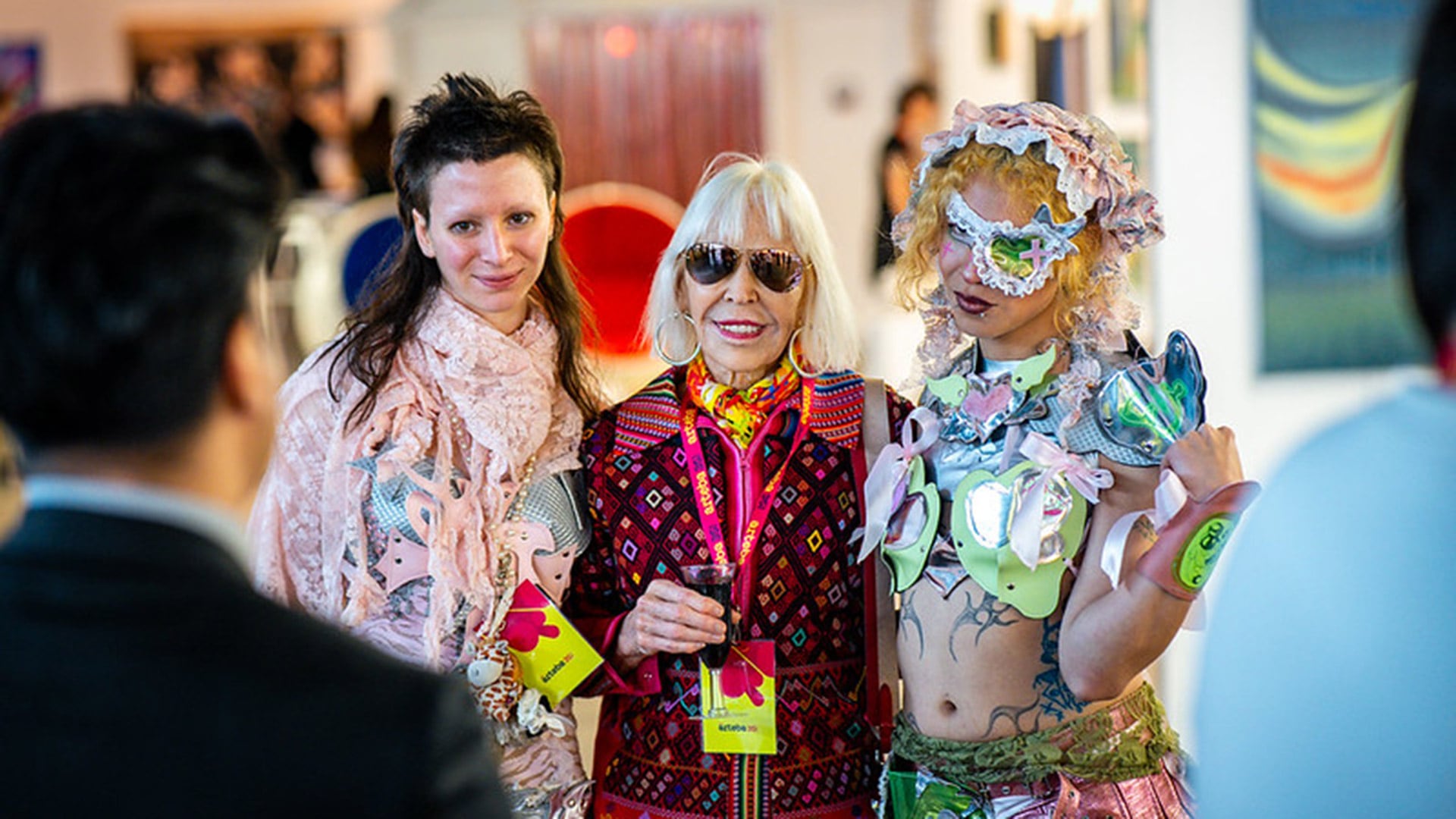
Por su parte, Zona de Diálogo Internacional busca articular el intercambio entre la escena local y el circuito global, con cuatro galerías internacionales: 3+1 Arte Contemporânea de Lisboa, Cecilia Brunson Projects de Londres, Galerie Jocelyn Wolff de París y Galeria Vermelho de San Pablo.
El programa de adquisiciones para museos, que en sus 21 años de desarrollo ayudó a que 450 obras de artistas pertenezcan al acervo de distintos espacios del mundo, alcanza en esta edición su mayor proyección internacional, con la participación de diez instituciones como el Museo Nacional Centro de Arte Reina Sofía de Madrid, el Museu d’Art Contemporani de Barcelona (MACBA), el Museum of Contemporary Art of Chicago (MCA), el Los Angeles County Museum of Art (LACMA) y el Museo de Arte de Lima (MALI), entre otros, mientras que del lado argentino, participan 15 instituciones, desde el MALBA, el MNBA, el Moderno, el MACBA, el MAC de Salta hasta el Castagnino+macro de Rosario y el Rawson de San Juan.
“En los últimos años, cada una de las ediciones fue incrementando la cantidad de ventas, la cantidad de público y el monto de obras vendidas. Lo vemos en las devoluciones que nos hacen las galerías. También en el programa de adquisiciones que llevamos adelante, con fondos de inicio para diferentes museos que compran arte argentino en la feria y tienen que igualar ese monto para poder acceder. El año pasado fue un récord de cantidad de obras y de fondos de inicio conseguidos y de aporte de los museos”, comentó Palacios, quien adelantó que el día de la presentación de la feria ya se realizaron “reservas de las piezas”, lo que muestra que “hay una efervescencia que es necesaria y condición para que después, en la feria, se efectivicen todas esas ventas”.
Uno de los momentos más esperados será el homenaje a Julio Le Parc, fallecido este año, con una obra donada por la Fundación Corporación América.
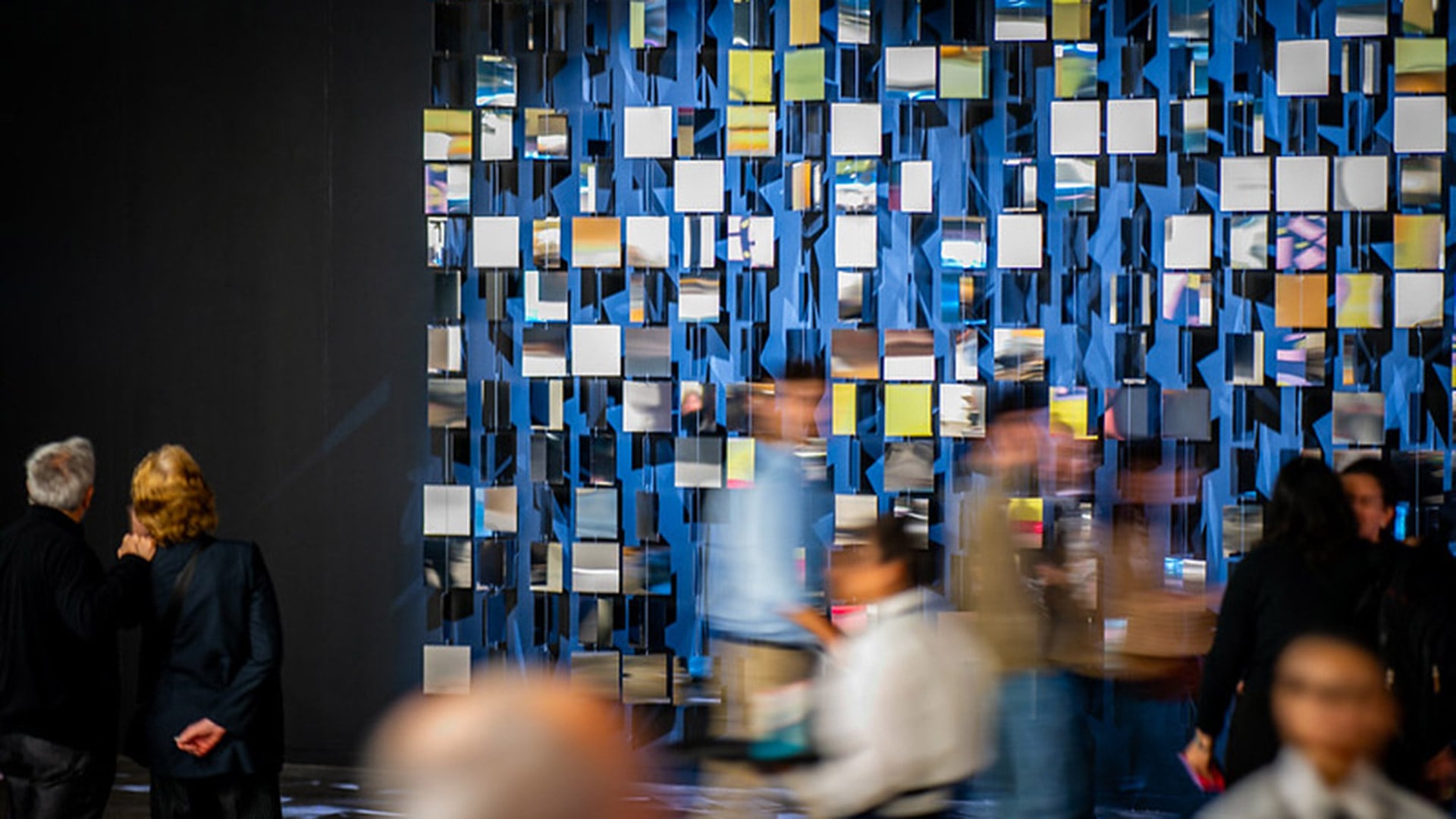
El ciclo de charlas de la Zona de Diálogo, con curaduría de Aimé Iglesias Lukin y Francisco Lemus, girará en torno a cómo se colecciona, exhibe y narra hoy el arte latinoamericano y reunirá a especialistas de museos y colecciones de las Américas y Europa en el Museo Sívori, con entrada libre al público.
El Programa de Relacionamiento Profesional amplía la red con más de 30 curadores y directores de museos invitados de Brasil, México, Chile, Colombia, Uruguay, Francia y Estados Unidos, como Pablo León de la Barra, Curator at Large para Latinoamérica del Museo Solomon R. Guggenheim de Nueva York, y Cuauhtémoc Medina, investigador de la Universidad Nacional Autónoma de México (UNAM).
En la parte de los galardones, continúa el clásico Premio en Obra, coordinado desde 2014 por Abel Guaglianone y Joaquín Rodríguez, centrado en un estímulo para los proyectos más jóvenes de la feria; el Premio RE/MAX Collection, en su tercera edición, que distinguirá a dos galerías: la ganadora de Sección Principal recibirá $7.500.000 y la de la sección Stage, $5.000.000, con estatuillas diseñadas por el artista Daniel Basso.
El Premio Jazmín Chebar otorgará $3.000.000 a un artista de Utopia, mientras que el Premio al Coleccionismo, en su cuarta edición organizada por la Fundación arteba, reconocerá a figuras del ámbito del coleccionismo con una pieza del diseñador Cristian Mohaded.
En alianza con su patrocinador principal, Santander, se presenta la segunda edición del programa Mi Primera Obra Santander para atraer nuevas audiencias a las galerías de arte e impulsar las ventas en la feria, con facilidades de cobro y financiación en cuotas con tarjetas de crédito de todos los bancos. En ese sentido, habrá un catálogo de obras seleccionadas de hasta USD 3.000.
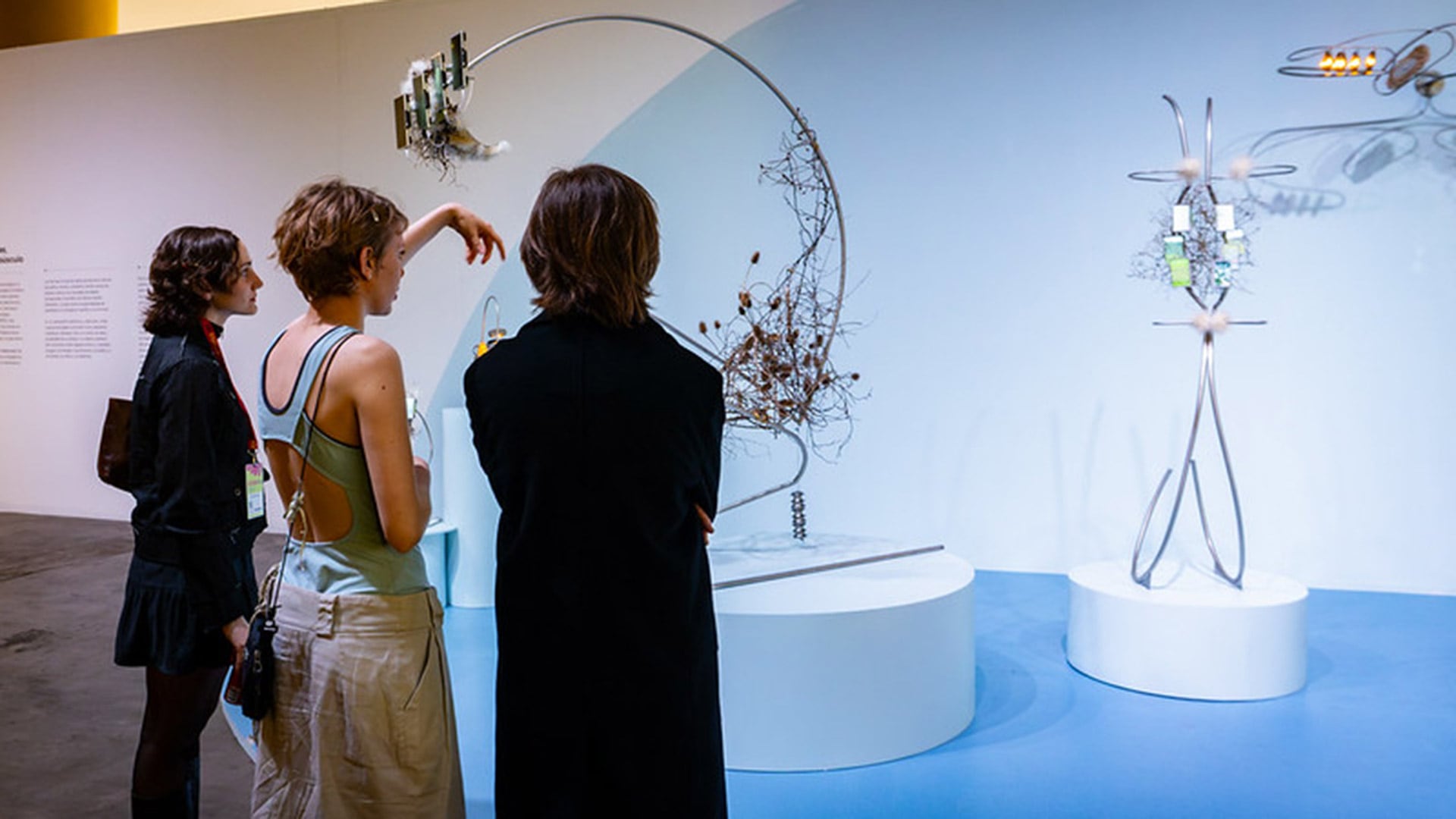
Entre las participaciones institucionales, el espacio Andreani, en su quinta edición consecutiva, presenta una obra de sitio específico de gran formato a cargo de la artista Eva Moro Cafiero, con curaduría de Sofía Dourron, y en su tercera participación, el Comedor Gourmet de Belleza y Felicidad Fiorito: cada plato vendido en la feria financia otro en el barrio de Fiorito, una acción que opera mediante el régimen de Mecenazgo Cultural de la Ciudad de Buenos Aires.
La feria también incorpora programas de accesibilidad y de infancias. El domingo 1 de noviembre a las 12:30, personas con discapacidad podrán recorrer la feria con guías especializados, en articulación con el Museo Moderno y la Subsecretaría de Discapacidad porteña. El programa para niños de 5 a 12 años, con bitácora y kit artístico, se realizará el 31 de octubre y el 1 de noviembre a las 15:00, con una duración de una hora.
La Isla de Ediciones presenta una selección de proyectos editoriales argentinos autogestivos, de pequeña escala y composición semiartesanal, en alianza con Fundación PROA, y en el auditorio habrá activaciones y presentaciones de libros. Participan Artefacto, Buchwald Firpo, Homo Faber, Industria Mínima, Oficina Perambulante, Punto Rosa Zines, Ratita Libros y Tercera Persona.
El festival Lollapalooza desembarca dentro de la feria con su icónica casita, que llega a Utopia para ser intervenida por un artista. Además, el espacio ofrecerá distintas experiencias participativas y propuestas de escucha en su interior, invitando al público a interactuar y descubrir una nueva forma de encuentro entre arte y música.
Fuera del predio ferial, el proyecto Patio Bullrich extenderá la propuesta hasta el 11 de noviembre con una muestra de Mueble Escultura en Patio Point, curada por Cinthia Kazez y Lucila García de Onrubia.
*Arteba, entre 30 de octubre al 01 de noviembre, en La Rural, Av. Sarmiento 2704. Viernes y sábados, de 14 a 21 hs, y domingo de 14 a 20hs. Entrada general: 28.000; estudiantes y jubilados, 50% de descuento; CUD, entrada gratuita. Incluye un acompañante. y menores de 10 años, sin cargo.
León XIV,cortes de tránsito
.il-chart{box-sizing:border-box;max-width:720px;margin:24px auto;padding:20px 18px 16px;background:#fff;border:1px solid #d9dce1;border-radius:8px;font-family:system-ui,-apple-system,»Segoe UI»,Roboto,Arial,sans-serif;color:#1a1a1a;line-height:1.35}
.il-chart *{box-sizing:border-box}
.il-chart .il-title{margin:0 0 4px;font-size:20px;font-weight:700;line-height:1.25}
.il-chart .il-sub{margin:0 0 30px;font-size:14px;color:#4a4f57}
.il-chart .il-wrap{position:relative;padding-top:22px}
.il-chart .il-mark{position:absolute;left:50.83%;top:0;bottom:0;width:0;border-left:2px dashed #111;z-index:2}
.il-chart .il-mark span{position:absolute;top:-2px;left:6px;white-space:nowrap;font-size:12px;font-weight:700;background:#fff;padding:0 4px}
.il-chart .il-row{margin-bottom:16px}
.il-chart .il-row:last-child{margin-bottom:0}
.il-chart .il-lab{display:flex;justify-content:space-between;align-items:baseline;margin-bottom:4px;font-size:14px;font-weight:700}
.il-chart .il-lab b{font-size:17px}
.il-chart .il-bar{display:flex;width:100%;height:40px}
.il-chart .il-seg{display:flex;align-items:center;justify-content:center;font-size:12px;font-weight:700;color:#fff;min-width:0;overflow:hidden;border-right:1px solid #fff}
.il-chart .il-seg:last-child{border-right:0}
.il-chart .il-rest{flex:1;background:repeating-linear-gradient(135deg,#f1f2f4,#f1f2f4 6px,#fff 6px,#fff 12px)}
.il-chart .n1{background:#3d4249}.il-chart .n2{background:#575d66}.il-chart .n3{background:#6f7680}.il-chart .n4{background:#878e98}.il-chart .n5{background:#9ea4ad}
.il-chart .o1{background:#1f4e8c}.il-chart .o2{background:#3b73b9}.il-chart .o3{background:#5f8fcb}.il-chart .o4{background:#7da4d8;color:#0f1f33}
.il-chart .a1{background:#14705e}.il-chart .a2{background:#2a9179}
.il-chart .il-list{list-style:none;margin:18px 0 0;padding:14px 0 0;border-top:1px solid #e4e6ea;display:grid;grid-template-columns:repeat(auto-fit,minmax(300px,1fr));gap:6px 18px;font-size:13px}
.il-chart .il-list li{display:flex;align-items:flex-start;gap:8px}
.il-chart .il-dot{flex:0 0 12px;height:12px;margin-top:3px;border-radius:2px}
.il-chart .il-n{margin-left:auto;font-weight:700;padding-left:8px}
.il-chart .il-note{margin:14px 0 0;padding-top:10px;border-top:1px solid #e4e6ea;font-size:12px;color:#5a6069}
@media (max-width:480px){.il-chart .il-title{font-size:18px}.il-chart .il-seg{font-size:10px}.il-chart .il-list{grid-template-columns:1fr}}
Ningún bloque alcanza los 61 escaños para la mayoría en la Knesset
Resultados provisionales de las elecciones del 27 de octubre, sobre un total de 120 escaños
- Likud (Netanyahu)26
- Poder Judío (Ben Gvir), ultraderecha7
- Judaísmo Unido de la Torá, ultraortodoxo7
- Shas, ultraortodoxo7
- Sionismo Religioso (Smotrich), ultraderecha6
- Yashar (Eisenkot)21
- Juntos (Bennett y Lapid)12
- Los Demócratas (Golan), izquierda8
- Yisrael Beytenu (Liberman)7
- Lista Conjunta12
- Raam7
Resultados provisionales, con todas las urnas contadas: faltan los votos en sobre doble (soldados, diplomáticos y otros). Para entrar en la Knesset, los partidos deben obtener al menos 3,25% de los votos. Fuente: Comité Central de Elecciones de Israel, vía The Times of Israel.
Las elecciones parlamentarias de alto riesgo celebradas el martes en Israel no arrojaron un ganador claro tras el recuento de la mayoría de los votos.
Eso en sí mismo no fue inesperado, pero, no obstante, hubo algunas sorpresas.
El partido populista de derecha de Netanyahu, el Likud, superó las previsiones de muchas encuestas preelectorales y se convirtió en el partido más grande del Parlamento, según muestran los resultados preliminares. Sin embargo, obtuvo menos escaños que en 2022, cuando se celebraron las últimas elecciones nacionales.
Más notable fue la participación de los simpatizantes de los partidos árabes de Israel, que cerraron la jornada electoral con un impulso histórico.
El sistema parlamentario de Israel, por regla general, exige que los partidos encuentren suficientes puntos en común para formar un bloque mayoritario de 61 escaños en el Parlamento israelí, que cuenta con 120 escaños. A lo largo de los años, esto ha dado lugar a algunas alianzas inverosímiles, pero también a gobiernos inestables y de corta duración.
En menos de cuatro años, de 2019 a 2022, los israelíes fueron llamados a las urnas cinco veces, ya que los partidos no lograron mantener una mayoría conjunta ni formarla en primer lugar.
En los próximos días, los líderes de los partidos volverán a la carga. Dado que los resultados electorales provisionales no muestran ningún bloque con un camino claro hacia una coalición, esto podría significar negociaciones difíciles —o un estancamiento, con la posibilidad muy real de que haya nuevas elecciones.
A continuación te explicamos cómo podrían alinearse los partidos para que los israelíes tengan un gobierno y eviten volver a las urnas.
Escenario 1: una alianza histórica entre judíos y árabes
.il-chart{box-sizing:border-box;max-width:720px;margin:24px auto;padding:20px 18px 16px;background:#fff;border:1px solid #d9dce1;border-radius:8px;font-family:system-ui,-apple-system,»Segoe UI»,Roboto,Arial,sans-serif;color:#1a1a1a;line-height:1.35}
.il-chart *{box-sizing:border-box}
.il-chart .il-title{margin:0 0 4px;font-size:20px;font-weight:700;line-height:1.25}
.il-chart .il-sub{margin:0 0 30px;font-size:14px;color:#4a4f57}
.il-chart .il-wrap{position:relative;padding-top:22px}
.il-chart .il-bar{display:flex;width:100%;height:46px;border-radius:4px;overflow:hidden}
.il-chart .il-seg{display:flex;align-items:center;justify-content:center;font-size:13px;font-weight:700;color:#fff;min-width:0}
.il-chart .il-c1{background:#1f4e8c}
.il-chart .il-c2{background:#3b73b9}
.il-chart .il-c3{background:#5f8fcb}
.il-chart .il-c4{background:#7da4d8;color:#0f1f33}
.il-chart .il-c5{background:#14705e}
.il-chart .il-c6{background:#2a9179}
.il-chart .il-c7{background:#6b717a}
.il-chart .il-mark{position:absolute;left:50.83%;top:0;bottom:-6px;width:0;border-left:2px dashed #111}
.il-chart .il-mark span{position:absolute;top:-2px;left:6px;white-space:nowrap;font-size:12px;font-weight:700;background:#fff;padding:0 4px}
.il-chart .il-group{display:flex;margin-top:6px;font-size:12px;font-weight:700;color:#333}
.il-chart .il-group div{padding-top:4px;border-top:3px solid;overflow:hidden;white-space:nowrap}
.il-chart .il-g1{width:40%;border-color:#1f4e8c}
.il-chart .il-g2{width:15.83%;border-color:#14705e}
.il-chart .il-g3{width:44.17%;border-color:#6b717a}
.il-chart .il-total{margin:16px 0 10px;font-size:15px}
.il-chart .il-total b{font-size:17px}
.il-chart .il-list{list-style:none;margin:0;padding:0;display:grid;grid-template-columns:repeat(auto-fit,minmax(210px,1fr));gap:6px 18px;font-size:14px}
.il-chart .il-list li{display:flex;align-items:center;gap:8px}
.il-chart .il-dot{flex:0 0 12px;height:12px;border-radius:2px}
.il-chart .il-n{margin-left:auto;font-weight:700}
.il-chart .il-note{margin:14px 0 0;padding-top:10px;border-top:1px solid #e4e6ea;font-size:12px;color:#5a6069}
@media (max-width:480px){.il-chart .il-title{font-size:18px}.il-chart .il-seg{font-size:11px}.il-chart .il-group{font-size:10px}}
Una coalición de la oposición con los partidos árabes sumaría 67 escaños
Se necesitan 61 de los 120 escaños de la Knesset para tener mayoría
Oposición judía + partidos árabes: 67 escaños, 6 más que la mayoría
- Yashar (Eisenkot)21
- Juntos (Bennett y Lapid)12
- Los Demócratas (Golan)8
- Yisrael Beytenu (Liberman)7
- Lista Conjunta12
- Raam7
- Likud, Shas, Judaísmo Unido de la Torá, Poder Judío y Sionismo Religioso53
Resultados provisionales, con todas las urnas contadas: faltan los votos en sobre doble (soldados, diplomáticos y otros). Liberman dijo que no integrará un gobierno con Netanyahu ni con la Lista Conjunta. Fuente: Comité Central de Elecciones de Israel, vía The Times of Israel.
Para los opositores de Netanyahu, asegurar una mayoría parece depender cada vez más del apoyo de al menos algunos legisladores árabes.
Si la coalición del líder de la oposición, Gadi Eisenkot, incluyera a ambos partidos árabes —la Lista Conjunta, una alianza ideológicamente diversa, y Raam, un partido islamista pragmático—, contaría con una mayoría significativa en el Parlamento.
Una coalición de este tipo conllevaría riesgos políticos.
Eisenkot ha rechazado alianzas con partidos que no apoyen el carácter judío de Israel o la derrota del grupo militante Hamas en la Franja de Gaza. Muchos de sus votantes podrían ver una alianza con partidos árabes como una promesa de campaña incumplida, lo que representaría un lastre para Eisenkot en un panorama político en el que podrían ser inminentes nuevas elecciones.
Otra posibilidad para el bloque de Eisenkot es dejar fuera de la coalición a los legisladores árabes, pero asegurarse de su acuerdo para apoyar un gobierno de minoría. Dicho gobierno puede asumir el poder siempre y cuando voten a favor más legisladores que en contra, incluso si los partidos que lo integran cuentan con menos de 61 escaños.
Para el bloque judío anti-Netanyahu, según los resultados provisionales, eso significaría el apoyo de al menos seis legisladores de los partidos árabes en la votación inicial de confianza. Pero no está claro si esos partidos aceptarían apoyar un gobierno del que quedarían excluidos, ni cuán sostenible sería tal acuerdo.
Escenario 2: Un gobierno de unidad
.il-chart{box-sizing:border-box;max-width:720px;margin:24px auto;padding:20px 18px 16px;background:#fff;border:1px solid #d9dce1;border-radius:8px;font-family:system-ui,-apple-system,»Segoe UI»,Roboto,Arial,sans-serif;color:#1a1a1a;line-height:1.35}
.il-chart *{box-sizing:border-box}
.il-chart .il-title{margin:0 0 4px;font-size:20px;font-weight:700;line-height:1.25}
.il-chart .il-sub{margin:0 0 30px;font-size:14px;color:#4a4f57}
.il-chart .il-wrap{position:relative;padding-top:22px}
.il-chart .il-bar{display:flex;width:100%;height:46px;border-radius:4px;overflow:hidden}
.il-chart .il-seg{display:flex;align-items:center;justify-content:center;font-size:13px;font-weight:700;color:#fff;min-width:0}
.il-chart .il-c1{background:#0b3c7a}
.il-chart .il-c2{background:#1f4e8c}
.il-chart .il-c3{background:#3b73b9}
.il-chart .il-c4{background:#7da4d8;color:#0f1f33}
.il-chart .il-c5{background:#d5d8dd;color:#333}
.il-chart .il-mark{position:absolute;left:50.83%;top:0;bottom:-6px;width:0;border-left:2px dashed #111}
.il-chart .il-mark span{position:absolute;top:-2px;left:6px;white-space:nowrap;font-size:12px;font-weight:700;background:#fff;padding:0 4px}
.il-chart .il-group{display:flex;margin-top:6px;font-size:12px;font-weight:700;color:#333}
.il-chart .il-group div{padding-top:4px;border-top:3px solid;overflow:hidden;white-space:nowrap}
.il-chart .il-g1{width:55%;border-color:#1f4e8c}
.il-chart .il-g2{width:45%;border-color:#b5bac2;color:#5a6069}
.il-chart .il-total{margin:16px 0 10px;font-size:15px}
.il-chart .il-total b{font-size:17px}
.il-chart .il-list{list-style:none;margin:0;padding:0;display:grid;grid-template-columns:repeat(auto-fit,minmax(210px,1fr));gap:6px 18px;font-size:14px}
.il-chart .il-list li{display:flex;align-items:center;gap:8px}
.il-chart .il-dot{flex:0 0 12px;height:12px;border-radius:2px}
.il-chart .il-n{margin-left:auto;font-weight:700}
.il-chart .il-note{margin:14px 0 0;padding-top:10px;border-top:1px solid #e4e6ea;font-size:12px;color:#5a6069}
@media (max-width:480px){.il-chart .il-title{font-size:18px}.il-chart .il-seg{font-size:11px}.il-chart .il-group{font-size:10px}}
Un gobierno de unidad entre los dos partidos más votados y otros sumaría 66 escaños
Se necesitan 61 de los 120 escaños de la Knesset para tener mayoría
Likud + Yashar + Juntos + Yisrael Beytenu: 66 escaños, 5 más que la mayoría. Sin Yisrael Beytenu serían 59.
- Likud (Netanyahu)26
- Yashar (Eisenkot)21
- Juntos (Bennett y Lapid)12
- Yisrael Beytenu (Liberman)7
- Resto: aliados religiosos y ultraderechistas de Netanyahu (27), Demócratas (8) y partidos árabes (19)54
Escenario hipotético, con resultados provisionales y todas las urnas contadas: faltan los votos en sobre doble (soldados, diplomáticos y otros). Liberman dijo que no integrará un gobierno con Netanyahu. Fuente: Comité Central de Elecciones de Israel, vía The Times of Israel.
Un gobierno de unidad liderado por Netanyahu y Eisenkot podría ofrecer un camino diferente hacia una mayoría clara.
Pero tal alianza podría resultar incómoda para ambos líderes.
Toda la campaña de Eisenkot se centró en la urgente necesidad de destituir a Netanyahu, a quien calificó de no apto para ocupar el cargo de primer ministro. Es posible que Netanyahu no esté dispuesto a compartir el poder, ni a delegar autoridad significativa, con sus acérrimos rivales, lo que podría ir en detrimento de sus aliados de larga data.
Un posible gobierno de unidad podría reunir al partido Likud de Netanyahu; al partido Yashar de Eisenkot; a “Juntos”, una alianza entre el derechista Naftali Bennett y el centrista Yair Lapid; y a Yisrael Beiteinu, un partido de derecha cuyo líder, Avigdor Liberman, rompió con Netanyahu y ha sido durante mucho tiempo su rival en la derecha.
Los resultados preliminares otorgan a dicho bloque 66 escaños, una clara mayoría de gobierno, aunque inestable.
Escenario: deserciones
Las próximas semanas de disputas políticas podrían abrir otras vías para formar un gobierno. Las deserciones —algo habitual en la política israelí— podrían permitir que un bloque prevalezca a costa del otro, un riesgo que existe en ambos bandos políticos.
Los partidos que se aliaron con Eisenkot durante la campaña, o incluso legisladores individuales, podrían ser convencidos para que apoyen un gobierno liderado por Netanyahu.
Por su parte, Eisenkot podría buscar el apoyo de los dos partidos ultraortodoxos, que son aliados de larga data del Netanyahu, aunque no sin quejas en su contra. Eso podría resultar difícil, dado que la oposición se ha opuesto durante mucho tiempo a las exenciones del servicio militar obligatorio para los hombres ultraortodoxos.
Solo una cosa parece clara: por mucho que los israelíes hayan considerado estas elecciones como un punto de inflexión para su país, ni Netanyahu ni su principal rival obtuvieron el mandato que buscaban.
Copyright 2026 – The New York Times
INTERNACIONAL
Netanyahu falls short of majority as Israel faces three possible paths to a new government
NEWYou can now listen to Fox News articles!
TEL AVIV, Israel – Israeli Prime Minister Benjamin Netanyahu’s governing coalition remained well short of a parliamentary majority Thursday as newly counted ballots showed a dramatic surge in support for Arab parties, potentially giving the opposition enough votes to challenge his control of parliament.
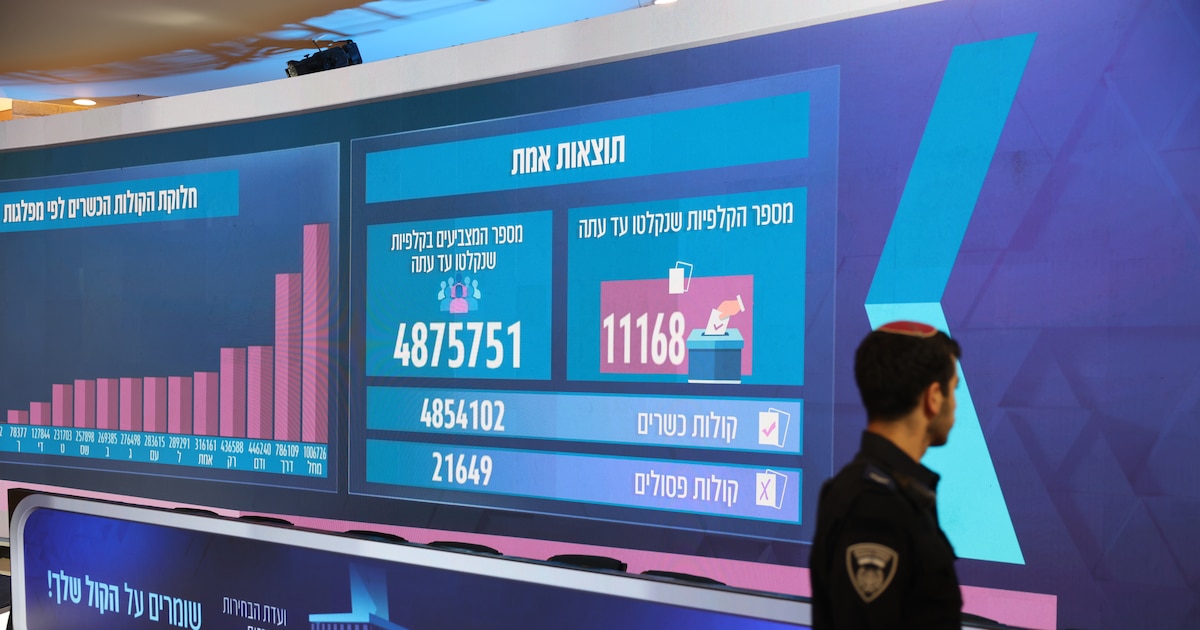
With 93.8% of ballots counted as of 4 a.m. ET Thursday (10 a.m. local time in Israel), including votes from the double-envelope count, Netanyahu’s right-wing and religious bloc was projected to win 53 seats in Israel’s 120-member Knesset, compared with 48 for the opposition bloc led by former military chief Gadi Eisenkot. The two predominantly Arab parties were projected to secure a combined 19 seats, bringing the potential anti-Netanyahu parliamentary majority to 67.
The updated figures showed Netanyahu’s Likud remaining the largest individual party with 26 seats, followed by Eisenkot’s Yashar party with 21 and former Prime Minister Naftali Bennett’s Beyachad party with 12. The figures remain preliminary.
NETANYAHU DEFIES EXIT POLLS AS VOTE SHIFTS IN HIS FAVOR, BUT MAJORITY REMAINS ELUSIVE
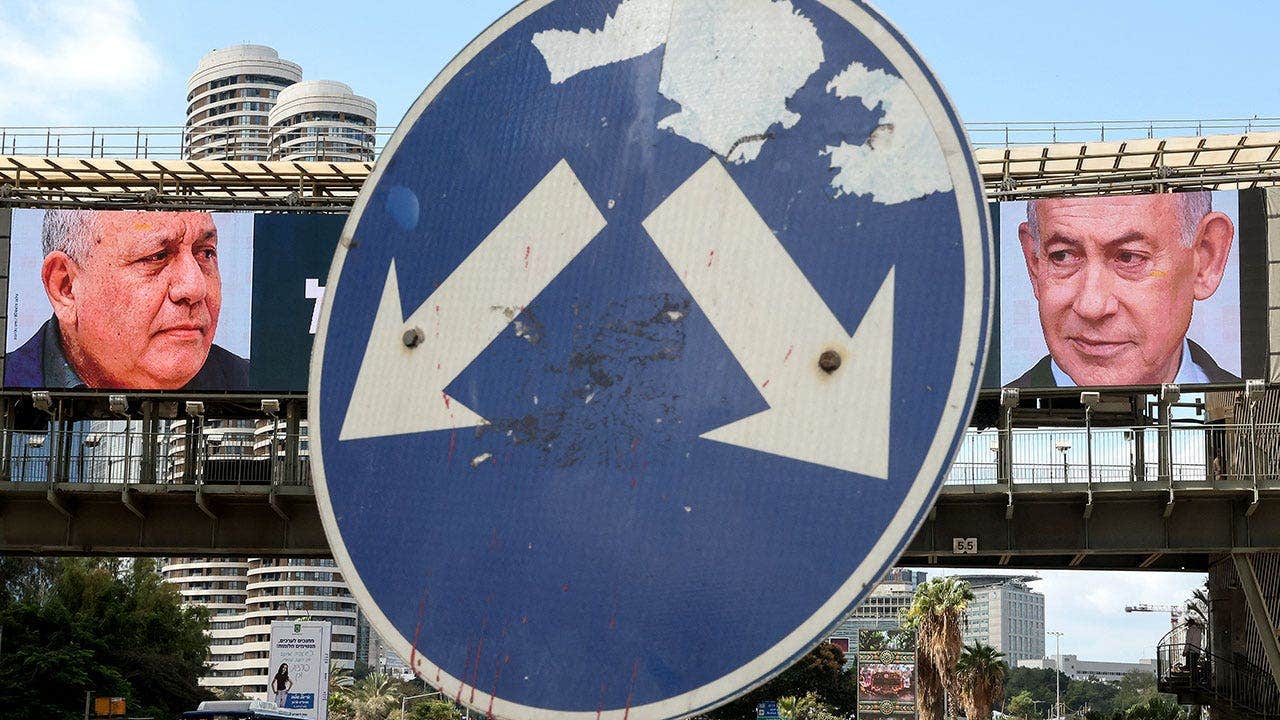
A road sign stands in front of a large billboard featuring Prime Minister Benjamin Netanyahu and Yashar party leader Gadi Eisenkot, in Ramat Gan on Oct. 20, 2026. (Jack Guez/AFP via Getty Images)
The results leave neither Netanyahu nor Eisenkot with the 61 seats required to form a government independently, raising the prospect of difficult coalition negotiations or another election.
The biggest shift came from Israel’s Arab voters, whose turnout surged compared with previous elections, potentially reshaping the country’s political balance.
Arab voter participation reached approximately 80%, compared with 53.2% in the 2022 election, according to the Israel Democracy Institute. The 2026 figure remains preliminary.
The Joint List was projected to win 11 seats, while Ra’am was projected to secure eight. Together, their 19 seats would nearly double the Arab parties’ representation from the 10 seats they won in 2022.
Overall voter turnout reached 77.7% by the official 10 p.m. closing time on election night, the highest level at that hour since 1999, according to Israel’s Central Elections Committee.
The increased Arab participation could prove decisive in determining the next government’s composition. Although Eisenkot and several other opposition leaders ruled out including Arab parties in their governing coalition during the campaign, their parliamentary support could allow the opposition to replace Knesset Speaker Amir Ohana, a Netanyahu ally, and gain greater control over the legislative agenda even before a new government is formed.
IRAN IS TRYING TO ‘CREATE A ROT FROM WITHIN’ THROUGH ‘INFORMATION WARFARE,’ ANALYST WARNS
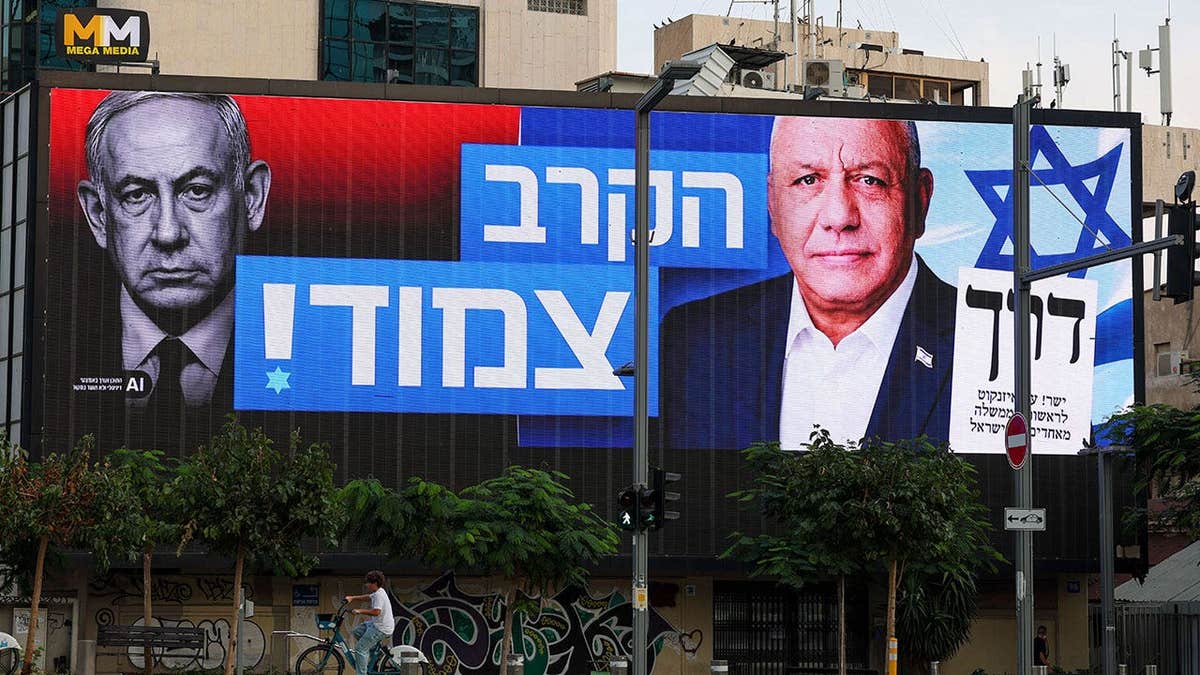
Posters of Gadi Eisenkot and Benjamin Netanyahu are displayed on billboards ahead of the Knesset elections, in Tel Aviv, Israel, on Oct. 25, 2026. (Nir Keidar/Anadolu via Getty Images)
Qatar allegations intensify political battle
The political stakes intensified Thursday following a Channel 12 report alleging that substantial sums originating in Qatar may have been transferred to influence voter participation in Arab communities.
According to N12, some of the funds allegedly traveled through financial channels previously used to transfer money to terrorist organizations, including currency exchanges.
The allegations have not been independently substantiated, and investigators have yet to establish whether foreign financing occurred or whether election-related crimes were committed.
Channel 12 reported that Shin Bet Director David Zini presented intelligence concerning suspected foreign interference to Central Elections Committee Chairman Justice Noam Sohlberg, prompting the judge to order an investigation.
In a letter published by N12, Sohlberg instructed the domestic security agency to investigate the allegations and identify evidence that could either substantiate or disprove them. He requested findings within one week, citing the limited time available during the election count.
The judge’s letter did not publicly identify Qatar as the suspected foreign actor. That identification came from N12’s reporting.
Qatar strongly denied the allegations Thursday, accusing Israeli politicians of attempting to drag the Gulf nation into Israel’s domestic political disputes following the election.
«We categorically deny allegations that Qatar has interfered in Israeli elections or funded any activities intended to influence their outcome,» Qatari Foreign Ministry spokesperson Dr. Majed Al-Ansari wrote on X.
Al-Ansari accused Israeli politicians and their allies in the media of launching a «disinformation campaign,» saying Qatar had been accused of financing Netanyahu, the Israeli left and now Arab voters.
«If these claims were to be believed, Qatar would apparently own all of Israel,» he wrote. «Qatar should not be used as a scapegoat for the political failures of certain Israeli politicians,» Al-Ansari added, insisting that Qatar had no involvement in Israel’s electoral process and would continue its diplomatic and humanitarian efforts in the region.
Acting Central Elections Committee director general Dean Livne also rejected the allegations in a letter to Yesh Atid MK Vladimir Beliak, who sits on the committee. «The Knesset elections were conducted lawfully. The integrity of the elections at polling stations was rigorously safeguarded, and to the best of our knowledge, there is no basis for allegations of systematic violations of election integrity.»
But the allegations quickly became part of the political confrontation over whether opposition parties should cooperate with Arab lawmakers.
ISRAEL HEADS INTO DEEPLY DIVIDED ELECTION AS OCT. 7 RECKONING LOOMS: WHAT TO KNOW
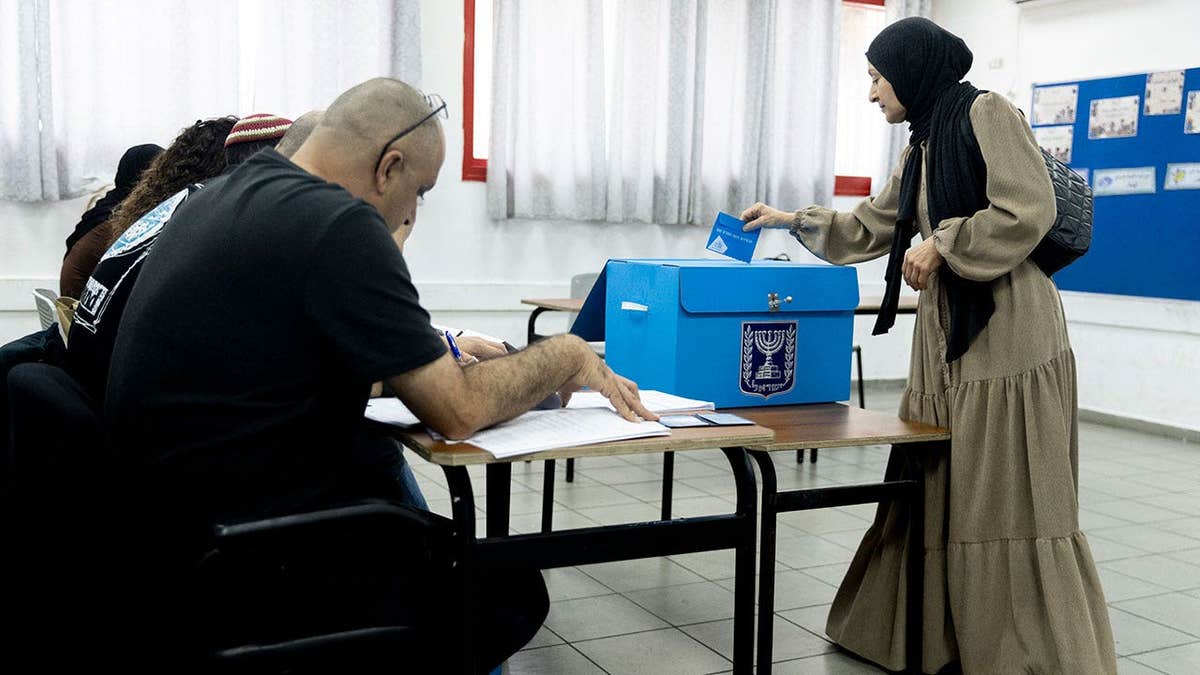
An Arab-Israeli woman casts her ballot during Israel’s general elections on Oct. 27, 2026, in Umm El Fahem, Israel. (Amir Levy/Getty Images)
Netanyahu and Likud had already challenged the legitimacy of the Arab parties’ electoral gains. On Wednesday, before the latest Qatari allegations emerged, Likud accused Arab parties of stealing the election through alleged voter fraud, accusations that had not been substantiated.
In a statement Thursday, Likud argued that the suspected foreign interference made cooperation with the Arab parties unacceptable.
«After it became clear that foreign actors attempted to take control of the Knesset, it is obvious that no Zionist party must cooperate with Ra’am and the Joint List, replace the Knesset speaker using votes bought with cash, or establish a government dangerous to Israel,» the party said.
The assertion that parliamentary seats were obtained through purchased votes has not been established by the investigation.
Hauser Tov, a political reporter for Israel’s Haaretz newspaper, argued on X that the statement revealed Likud’s immediate political objective: preventing the opposition from using its potential parliamentary majority to replace the Knesset speaker.
Israeli journalist Amir Tibon wrote on X, «The main reason they want to prevent this is so that the Knesset won’t vote to establish a state commission of inquiry into October 7.» He argued that such an investigation could examine Qatari involvement in Gaza and Israel.
Eisenkot responded to the allegations Thursday, after meeting with Israel Security Agency (Shin Bet) Director David Zini. «Foreign involvement in Israel is unacceptable and profoundly serious, particularly when it involves a country that funds and supports Hamas,» Eisenkot said. «It is serious when it occurs in the Prime Minister’s Office, and it is serious if it occurs in the electoral process.»
He called on the Shin Bet to investigate the allegations thoroughly and take the strongest possible action against anyone found to have attempted to compromise the election’s integrity.
Eisenkot also accused Netanyahu and his allies of conducting «an illegitimate influence operation targeting the Israeli public,» claiming its purpose was to delay the publication of the results and undermine the legitimacy of the newly elected Knesset.
Israeli political commentator Amit Segal also cautioned against assuming the allegations would lead to the cancellation of election results.
«The likelihood of the entire election being invalidated is extremely slim, given the time constraints,» Segal wrote on X. He suggested the developments could instead intensify discussions about a unity government or another election.
Meanwhile, Democrats party leader Yair Golan urged opposition leaders to move quickly toward forming a new government.
«The people have spoken. Sixty-seven seats demanded change,» Golan wrote Thursday on X, adding that he intended to spend the day meeting with political partners and coalition negotiators. «I intend to leave no stone unturned, act in every possible way and do everything necessary to fulfill the voters’ will,» he added.
The comments underscored the central question emerging from the election: whether parties united in their opposition to Netanyahu can overcome their differences, particularly over cooperation with Arab lawmakers.
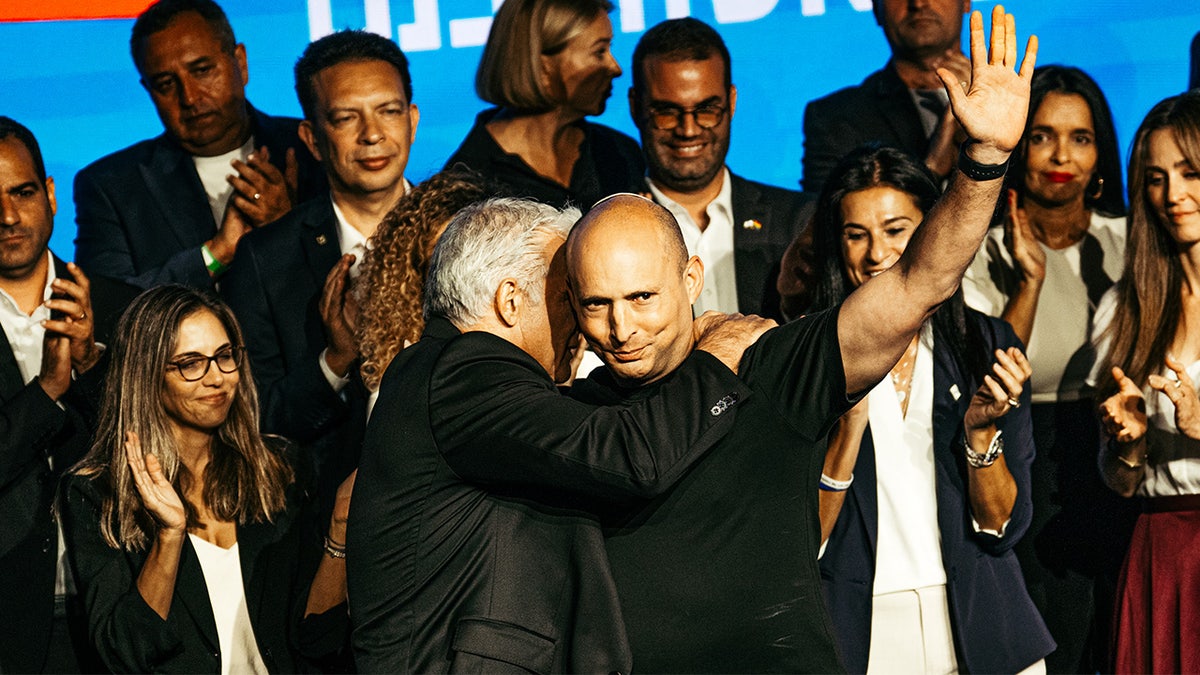
Could Trump help broker a unity government?
Another possibility is a national unity coalition involving Netanyahu’s Likud and Eisenkot’s Yashar party, potentially excluding the Arab parties and Netanyahu’s far-right allies.
Such an arrangement could also align with the preferences of figures close to President Donald Trump, who publicly endorsed Netanyahu ahead of the election.
According to Ynet diplomatic correspondent Itamar Eichner, sources close to Trump said the president wants to ensure that far-right National Security Minister Itamar Ben-Gvir is excluded from the next Israeli government, with Finance Minister Bezalel Smotrich potentially excluded as well.
A separate Ynet report said Trump associates had contacted Israeli political figures to assess the prospects for a unity government and expressed a preference for a stable coalition without Ben-Gvir.
Trump himself has not publicly endorsed a specific unity arrangement.
Asked Wednesday by Axios whether he would become involved in efforts to establish a Netanyahu-led unity government, Trump said, «I will take a look.»
A unity government involving Netanyahu and Eisenkot would face substantial obstacles. Eisenkot repeatedly pledged during the campaign not to join a Netanyahu-led government, while Netanyahu’s far-right partners have warned against efforts to exclude them.
The ultra-Orthodox parties present another potential route to a parliamentary majority. Netanyahu’s projected 53 seats include 14 held by Shas and United Torah Judaism, which have traditionally aligned with him.
Those 14 seats, combined with Eisenkot’s projected 48-seat opposition bloc, would mathematically produce a 62-seat majority. But such an arrangement would face major disagreements over military conscription, as Eisenkot has pledged to expand mandatory service to ultra-Orthodox men, while the religious parties have sought to preserve exemptions for yeshiva students.
Political divisions within Eisenkot’s own bloc would present additional obstacles to such a coalition.
For now, the foreign interference allegations remain under investigation, while the election results continue to show Netanyahu’s existing coalition without the parliamentary majority required to govern on its own.
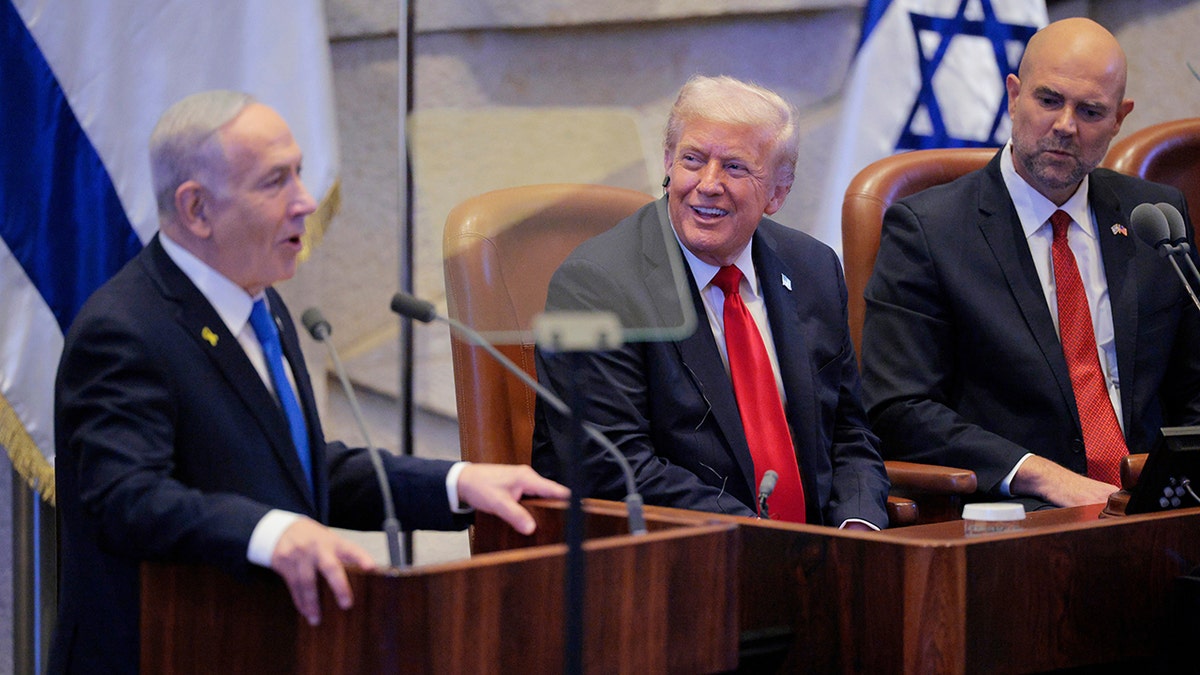
Israeli Prime Minister Benjamin Netanyahu addresses the Knesset as President Donald Trump and Amir Ohana, speaker of the Knesset, listen, Oct. 13, 2025, in Jerusalem. (Chip Somodevilla/Pool via AP)
Netanyahu will remain caretaker prime minister until a new government is formed, a process that could take weeks or longer.
israel, elections, politics, world, benjamin netanyahu

Fecha 15 del Torneo Clausura de la LPF: programación y tabla de posiciones

Vio a su novio besar a Coty Romero, no lo pudo perdonar, lo dejó, se alejó de la tele y cuando todo parecía perdido volvió a enamorarse y se casa con el hombre menos pensado

Arteba celebra su 35°. edición con más de 400 artistas, en su gran regreso a La Rural

Weretilneck adelantará las elecciones 2027 en Río Negro y respaldó eliminar las PASO

La economía de Estados Unidos creció un 3,4 % interanual en el tercer trimestre, su mayor avance en un año

Un ex embajador argentino en el Reino Unido criticó las sanciones a empresas por las Islas Malvinas: "Hay que salir de la nostalgia"

Medios brasileños afirman que Flávio Bolsonaro escapó del país y está en vuelo a Estados Unidos

CFK, Axel Kicillof, Sergio Massa y otros referentes del PJ celebraron el triunfo electoral de Lula da Silva

Edgerunners 2 ha vuelto a poner a David Martinez en el centro de la conversación. Su showrunner tiene algo que aclarar sobre su destino

En medio de las negociaciones con LLA, el PRO rechazó discutir la suspensión de las PASO “a las apuradas”

 INTERNACIONAL2 días ago
Medios brasileños afirman que Flávio Bolsonaro escapó del país y está en vuelo a Estados Unidos
- POLITICA2 días ago
De Bullrich a Lula da Silva: a Milei se le abrieron dos frentes de conflicto con resolución incierta
- DEPORTE3 días ago
Facundo Bagnis vuelve al tenis tras un año de suspensión por doping: “Dejó una cicatriz enorme en mí”