INTERNACIONAL
Honduras debate si reduce la edad punible ante participación de menores en maras y pandillas

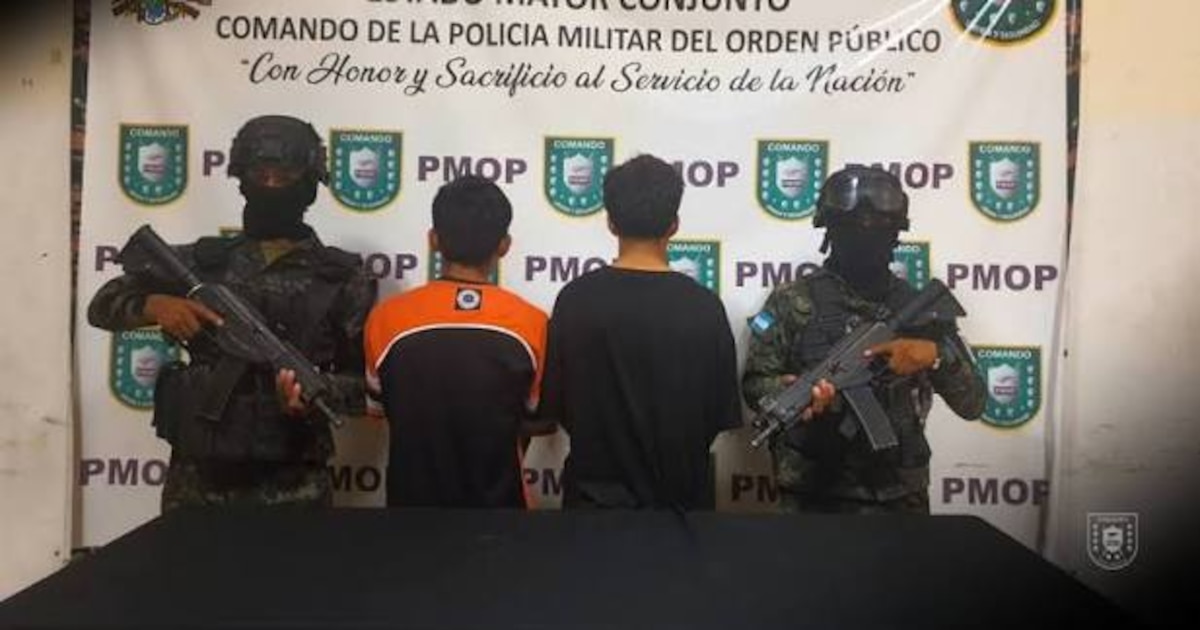
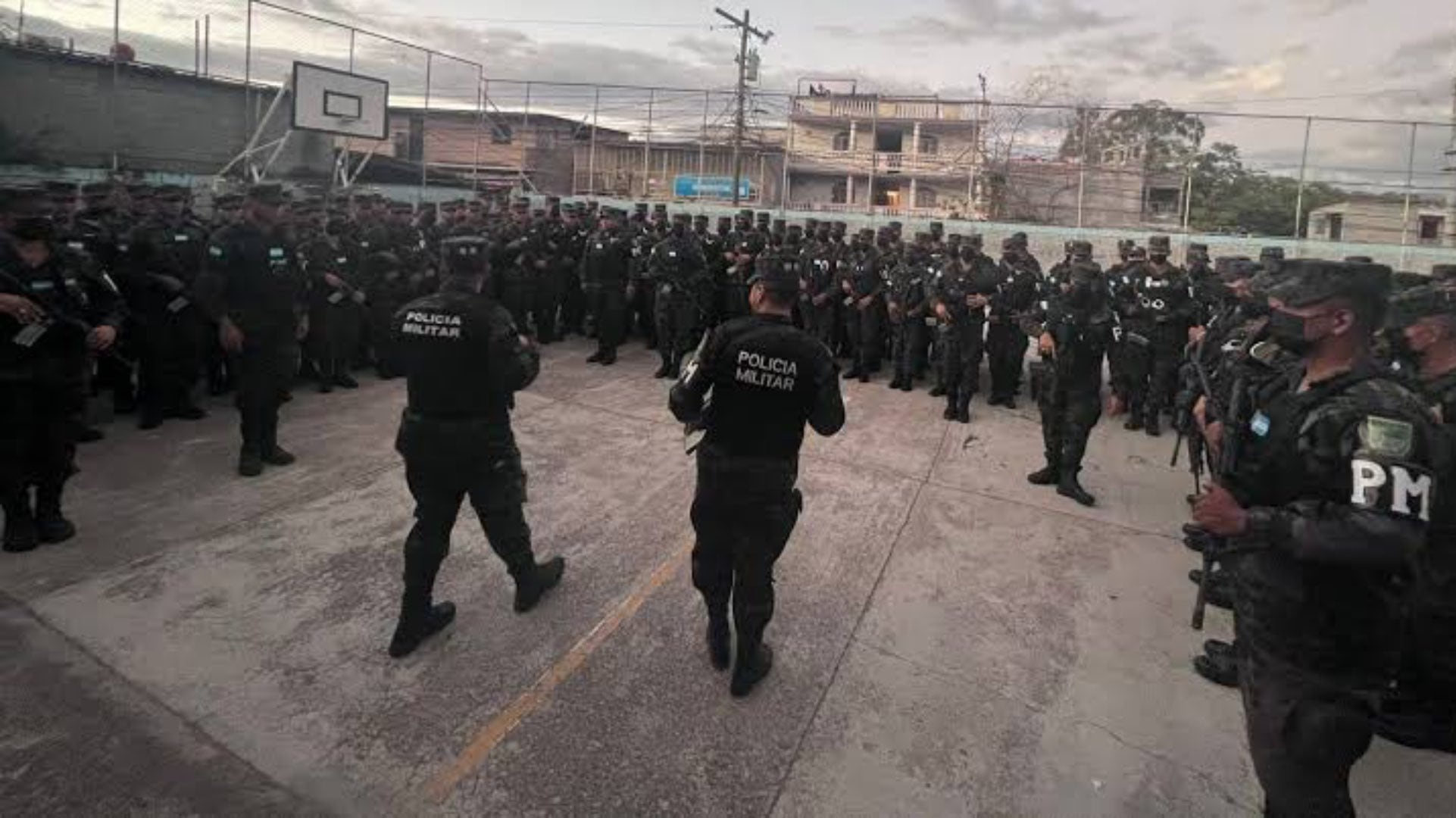
La participación de adolescentes en actividades delictivas vuelve a colocar en el centro del debate la legislación penal juvenil en Honduras, mientras las autoridades policiales respaldan posibles reformas para endurecer las medidas contra menores vinculados con maras y pandillas.
Daniel Molina, director de la División Anti Extorsión y Asociaciones Terroristas (DAET), manifestó su apoyo a la propuesta de revisar la edad punible y las sanciones aplicables a los menores que participan en estructuras criminales.
El funcionario señaló que, desde la experiencia policial, se han identificado casos en los que adolescentes reciben instrucciones de integrantes adultos de estas organizaciones para ejecutar acciones ilícitas.
Sin embargo, Molina reconoció que cualquier modificación legal debe analizarse con cuidado, debido a las disposiciones nacionales que regulan la responsabilidad penal juvenil y los compromisos internacionales asumidos por el país.
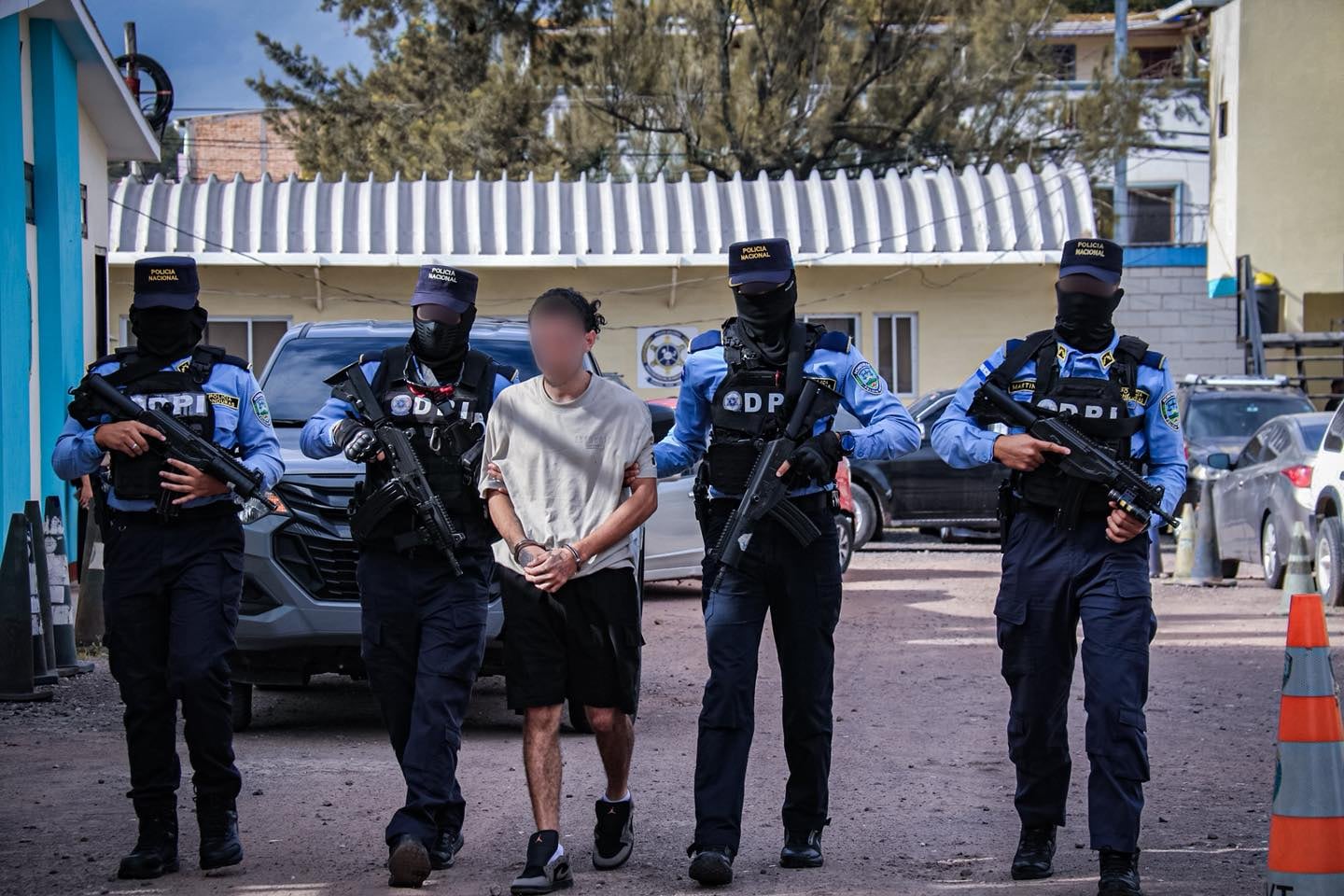
“Sabemos que hay grandes desafíos en el plano jurídico, pues se deberán analizar los alcances para poder tomar esa decisión, en vista de que Honduras cuenta con una legislación que contempla el proceso penal contra los menores y también hay suscriptores de muchos tratados internacionales”, expresó.
El titular de la DAET explicó que el marco jurídico hondureño mantiene un enfoque de protección hacia la niñez y adolescencia.
No obstante, consideró que las actuaciones policiales evidencian situaciones que, a su juicio, ameritan revisar las disposiciones vigentes para determinar cómo responder ante la participación de menores en delitos graves.
Como ejemplo, Molina recordó un operativo realizado durante el desplazamiento forzoso de habitantes de Villa Nueva, donde agentes policiales desarrollaron labores de inteligencia y capturaron a cuatro menores que presuntamente pertenecían a la Pandilla 18.
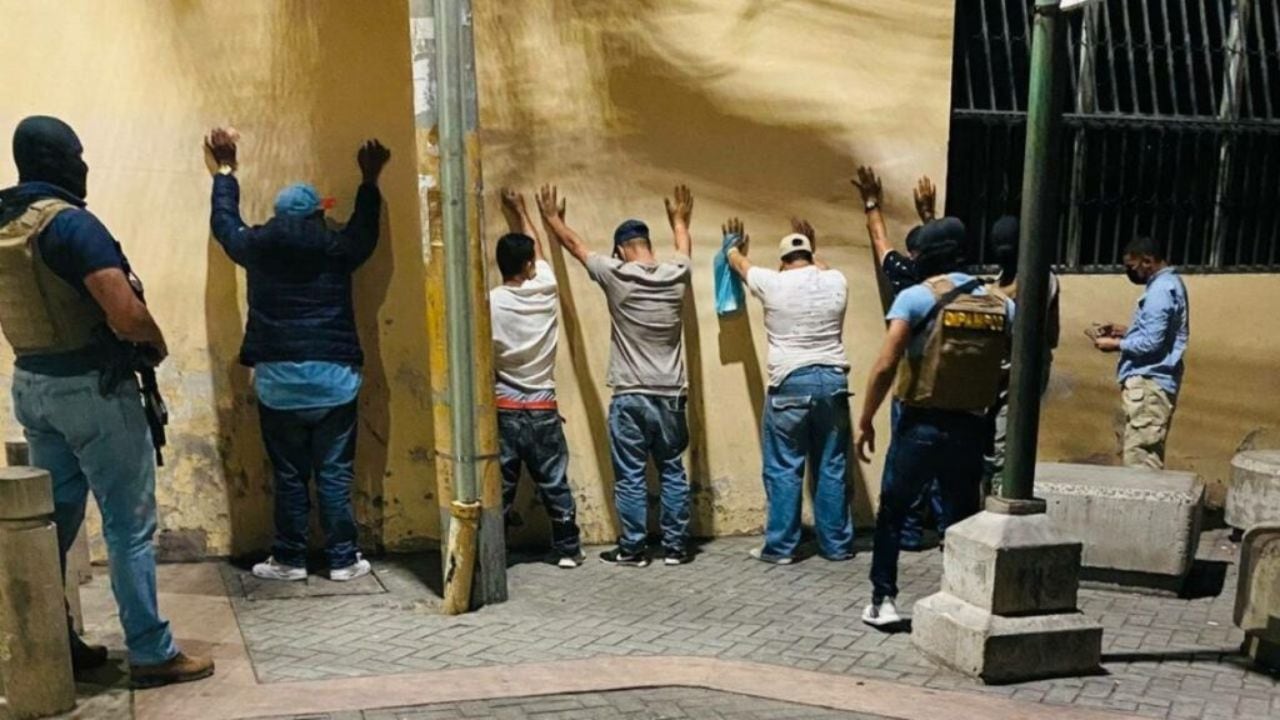
Según el funcionario, durante ese procedimiento algunas de las víctimas identificaron a uno de los adolescentes; sin embargo, el menor fue liberado debido a las garantías y los procedimientos establecidos en la legislación aplicable.
“Por darle un ejemplo, el día del desplazamiento forzoso en Villa Nueva, cuando las personas estaban saliendo de ese sector, nosotros hicimos una intervención de inteligencia y logramos capturar a cuatro menores de edad pertenecientes a la Pandilla 18”, relató.
Molina sostuvo que estos casos reflejan las dificultades que enfrentan los equipos policiales cuando identifican a presuntos integrantes de organizaciones criminales que todavía no han alcanzado la mayoría de edad.
El funcionario considera que las autoridades deben examinar si las disposiciones actuales responden adecuadamente a las nuevas dinámicas delictivas, especialmente cuando los adolescentes presuntamente actúan bajo las órdenes de adultos que forman parte de maras y pandillas.
Otro de los datos expuestos por el director de la DAET está relacionado con las detenciones efectuadas por el delito de extorsión. De acuerdo con Molina, de un grupo de 42 personas detenidas por este ilícito, aproximadamente siete eran menores de edad.
El funcionario indicó que estos adolescentes no pudieron ser vinculados al mismo delito, según las circunstancias de los casos referidos.
La cifra, afirmó, forma parte de las situaciones que las autoridades observan durante las intervenciones policiales contra estructuras dedicadas a este tipo de actividades criminales.
Molina también señaló que, de acuerdo con la experiencia de los operativos, se identifica la participación de jóvenes de entre 15 y 18 años en hechos ilícitos.
Esta situación ha alimentado la discusión sobre la posibilidad de modificar las sanciones y los mecanismos de responsabilidad penal para quienes cometen delitos antes de cumplir los 18 años.

La discusión, sin embargo, implica analizar las garantías procesales de los menores, la protección de sus derechos y los mecanismos que permitan establecer responsabilidades de acuerdo con la legislación vigente.
Entre las propuestas que serán examinadas figura el aumento de las penas aplicables a adolescentes que cometan determinados delitos, así como la posibilidad de juzgar como adultos a quienes integren organizaciones consideradas terroristas.
Además, se plantea la creación de centros de rehabilitación de máxima seguridad para menores infractores, una medida que buscaría establecer espacios especializados para adolescentes vinculados con hechos criminales de gravedad.
corresponsal:Desde Tegucigalpa, Honduras











INTERNACIONAL
‘Moderate’ AG’s office turned to groups that spent years suing prisons for recruiting help: emails reveal
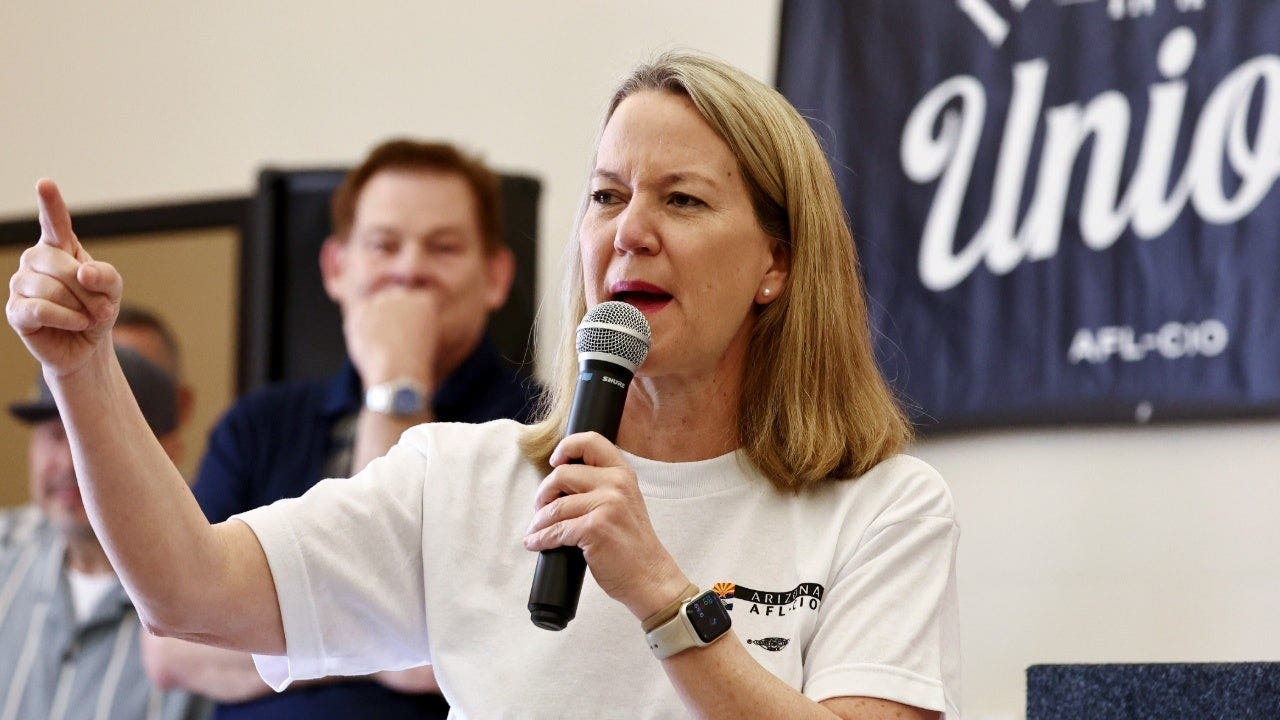
EXCLUSIVE — Arizona Attorney General Kris Mayes’ office repeatedly sought recruiting help from two prominent left-wing legal groups that spent years suing the state’s corrections department alongside Mayes’ top deputy, internal emails obtained by Digital show.
Chief Deputy Attorney General Daniel Barr sought recommendations from the American Civil Liberties Union (ACLU) and Berkeley-based Prison Law Office (PLO) for attorneys to handle Arizona Department of Corrections, Rehabilitation and Reentry (ADCRR) work inside the Attorney General’s Office and later for candidates to serve as ADCRR general counsel, according to the emails.
Barr already had a long history with both groups before joining Mayes’ office. Prior to his position in the Arizona Attorney General’s Office, he was a partner at Perkins Coie, where he spent years litigating alongside the ACLU and PLO in a federal case that ultimately resulted in a judge finding Arizona’s prison conditions to be constitutionally inadequate.
Both groups advocate substantial changes to incarceration policy. The ACLU has pursued a nationwide goal of cutting jail and prison populations by 50% through reforms including decriminalization, bail reform, shorter sentences and clemency, and has called for reductions in immigration detention. The PLO, meanwhile, says it works to reduce incarceration while also litigating on issues related to prison conditions, medical care, disability rights and solitary confinement.
‘THRILL KILLER’ AND DESERT EXECUTIONER — MEET THE DOZENS OF CRIMINALS DEM AG BACKED FOR PAROLE: ‘NO BRAINER’
In November’s general election, Mayes is slated to face Arizona state Sen. Warren Petersen, a Republican, as she seeks to defend her role as the top law enforcement officer in the state. Mayes won her 2022 race by just 280 votes, one of the narrowest margins in state history.
«Maybe News should start with the facts: the ACLU has repeatedly sued Kris Mayes over issues where they disagreed with her,» Delaney Corcoran, the campaign manager for Mayes’ re-election campaign, told Digital when asked about the email correspondence.
«Mayes has consistently fought for funding for Arizona police and cartel task forces — and stands shoulder to shoulder with Arizona sheriffs and police. Together, Mayes and law enforcement have seized 27 million fentanyl pills off of our streets, more than any other Attorney General in state history.»
Mayes has defended Arizona against lawsuits from the ACLU challenging laws that allowed state and local police to arrest people illegally entering the country between ports of entry and restricted when people could film police officers. She later settled with the ACLU in the police filming case, agreeing to permanently prohibit the unconstitutional police recording law.
Though Mayes describes herself as a «moderate» and sparred with liberal legal groups, Barr — one of her top aides — repeatedly sought candidate recommendations from the progressive ACLU and PLO for corrections-related legal roles.
DRAG QUEENS, TRANS PASTOR, ABORTION RALLIES: INSIDE DEM GOVERNOR HOPEFUL’S PROGRESSIVE CHURCH
«I am looking to bring as much ADCRR work back in-house as possible in the Arizona AG’s Office. To do that, I need to hire attorneys to represent ADCRR in numerous capacities. If you know of anyone who may be interested in helping to turnaround things around here, please let me know,» Barr wrote to representatives of the ACLU and PLO in February 2023.
In April of that year, Barr again turned to the groups, this time seeking possible candidates for ADCRR’s top legal position.
«Let me know if you have any suggested candidates,» he wrote, forwarding an email to PLO and ACLU representatives soliciting applications for ADCRR general counsel. When his efforts to fill the role of ADCRR’s top lawyer bore no fruit, he again turned to the two groups.
«Still no takers for the ADCRR general counsel job. If you have any suggestions, please let me know,» he wrote to them on May 11, 2023.
That same day, ACLU National Prison Project director David Fathi responded, promising to «redouble» his efforts to find a candidate for Barr.
Among the priorities of the ACLU National Prison Project are «substantially reducing the incarcerated population» and promoting a criminal justice system in which incarceration is used only as a «last resort.» Fathi has also criticized relying on police and prisons to address drug problems,stating in one social media post that «we will never solve drug problems with police and prisons.»
Corene Kendrick, the deputy director of the National Prison Project, responded in turn to Barr’s email that one of her possible recommendations was already «enjoying suing ADCRR in civil rights damages cases in her spare time of running her café in Carrizozo,» showing that at least one prospective candidate being floated to Barr had experience suing ADCRR in civil-rights cases.
SOCIALISTS SET SIGHTS ON THE GROUND FLOOR OF GOVERNMENT AS GOP WARNS OF BIGGER PLAN UNFOLDING
Digital only obtained email records, not call transcripts or in-person meeting minutes, so it’s unclear what further assistance, if any, the PLO and ACLU gave the Arizona Attorney General’s Office. ADCRR ultimately hired Ashley Oddo to serve as its general counsel.
Before joining ADCRR, Oddo led Arizona State University’s Academy for Justice and had backed several criminal-justice positions associated with the left, including addressing systemic racism in policing and pardoning people convicted of nonviolent federal marijuana offenses.
Oddo has no institutional affiliation with the ACLU or the PLO nor was her name mentioned by either organization in email communications with Barr.
Other communications obtained and reviewed by Digital show a cordial relationship between Barr and staffers working for the ACLU and PLO. Fathi, for instance, requested a phone conversation with Barr in February 2023, and Barr responded two minutes later. Fathi disclosed in another email that the director of ADCRR reached out to him «to schedule a call about working together on ADCRR issues.»
Don Specter, a longtime PLO attorney, also reported having a «productive meeting» with the head of ADCRR in June 2023.
To reduce incarceration, the PLO has pursued litigation that contributed to court-ordered reductions in California’s prison population, supported credit systems that can advance release or parole eligibility, and advocated reentry programs allowing eligible people to serve portions of their sentences in the community.
The organizations Barr turned to for recruiting assistance have taken positions on policing and incarceration that differ sharply from Mayes’ public law-and-order posture.
ARIZONA DEM AG BLASTED FOR ‘DANGEROUS’ CLAIM RESIDENTS CAN SHOOT ICE AGENTS UNDER STATE LAWS
«As Attorney General, Mayes has been a partner to law enforcement, delivering millions of dollars in funding and resources so border sheriffs and Arizona police can keep us safe,» her campaign website reads. «She has locked up drug cartel members, seized more than 27 million deadly fentanyl pills off our streets and gone after criminals trying to take advantage of our kids.»
The ACLU, meanwhile, has explicitly advocated defunding or divesting from police departments and redirecting resources toward other community services — publishing blogs with titles such as «Defunding the Police Will Actually Make Us Safer» and «Local Officials: Pledge to Divest from Police and Reinvest in Black Communities.» Additionally, the legal advocacy group has urged Congress to cut federal police funding while also calling on state and local leaders to reduce law enforcement spending.
The PLO likewise advocates reducing incarceration, expanding release opportunities and increasing community-based alternatives.
Those positions differ sharply from Mayes’ stated position on police funding. During her 2022 campaign, Mayes responded with «a resounding no» when asked whether she supported defunding the police.
Barr, Fathi, Oddo, Specter, Kendrick, the Arizona Attorney General’s Office, the ACLU and the PLO did not respond to requests for comment when reached by Digital on Monday.
fox news investigates, attorney general, police and law enforcement, politics, state and local
NEWYou can now listen to Fox News articles!
Violent clashes broke out across France on Saturday as demonstrations entered a fourth week. Earlier in the week, President Emmanuel Macron made some of his most direct comments yet on the protests as he enters his final six months in office.
In his weekly cabinet meeting, Macron «stressed that young people have legitimate concerns,» government spokeswoman Maud Bregeon told the AFP, «but these are being exploited for political purposes and turned into urban violence.» Bregeon added that Macron called on his ministers to come up with «concrete responses» to the unrest within weeks.
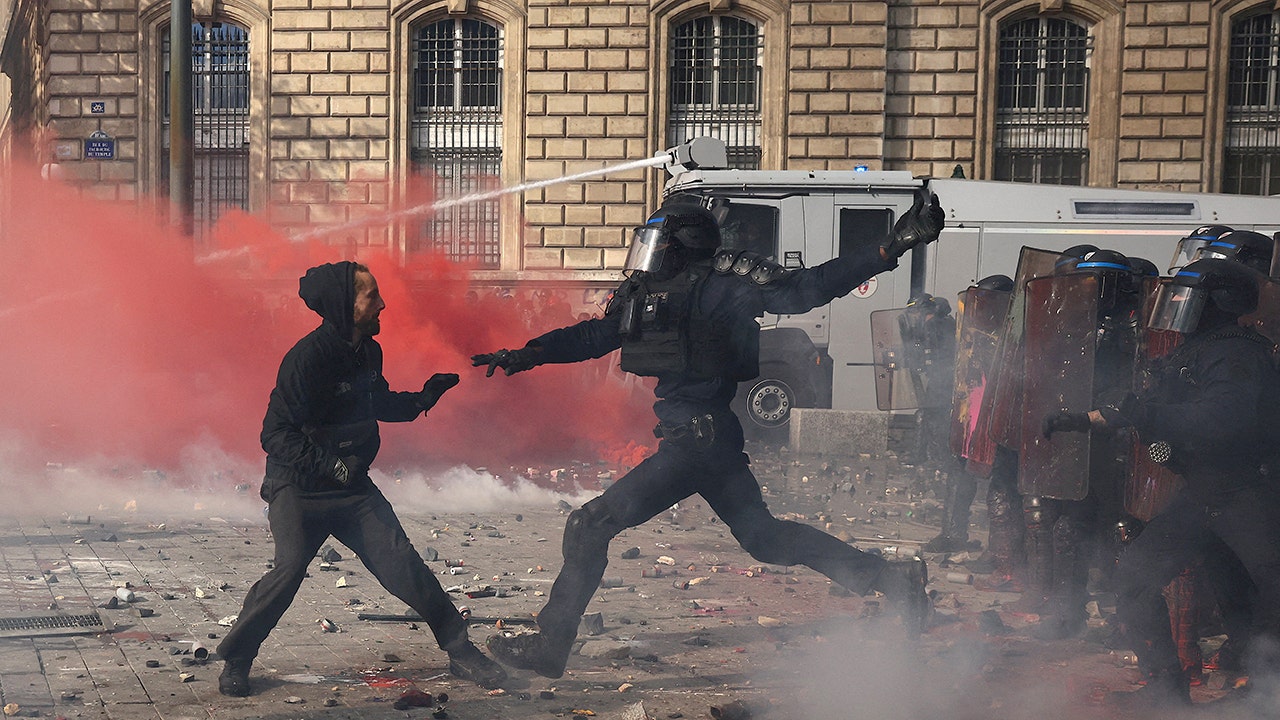
This comes as a national day of protest over rising costs of living and additional student grievances led to violence in Paris and other major cities today. While many of the protests were without violence, police used tear gas and water cannons to disperse violent groups in the capital, where people wearing hoods and masks threw fireworks and other objects at officers in the Place de la République. The interior ministry reported assaults on police, looting and damage to public buildings, saying there have been at least 272 arrests nationwide.
FRANCE EXPLODES AGAIN AS STUDENTS RIOT OVER EDUCATION
A protester faces off with French riot police amid clashes during a demonstration against the cost of living and rising fuel prices at the Place de la Republique in Paris as part of nationwide protests called by the «Yellow Vests» movement, joined by French high school and university students, teachers and parents demanding better school conditions and government action, as well as labour unions, workers, farmers and retirees, France, Oct. 17, 2026. (Jack Taylor/Reuters)
French Prime Minister Sébastien Lecornu took a more direct approach than Macron, saying the student movement has been «instrumentalized by the allies of France Unbowed (LFI)… for electoral reasons.» The left-wing LFI’s presidential candidate, Jean-Luc Mélenchon, even participated in one of the Paris protests this week, while LFI councilors, deputies, and mayors have joined student blockades in multiple cities.
Elections to replace the term-limited Macron are set for April and May, and opposition parties have seized upon the ongoing unrest. Leading candidate Marine Le Pen, of the conservative National Rally party, has voiced support for the police, blaming students for any violence.
BEHIND FRANCE’S STUDENT RIOTS: COMMUNISTS, UNIONS AND A GLOBAL PROPAGANDA NETWORK
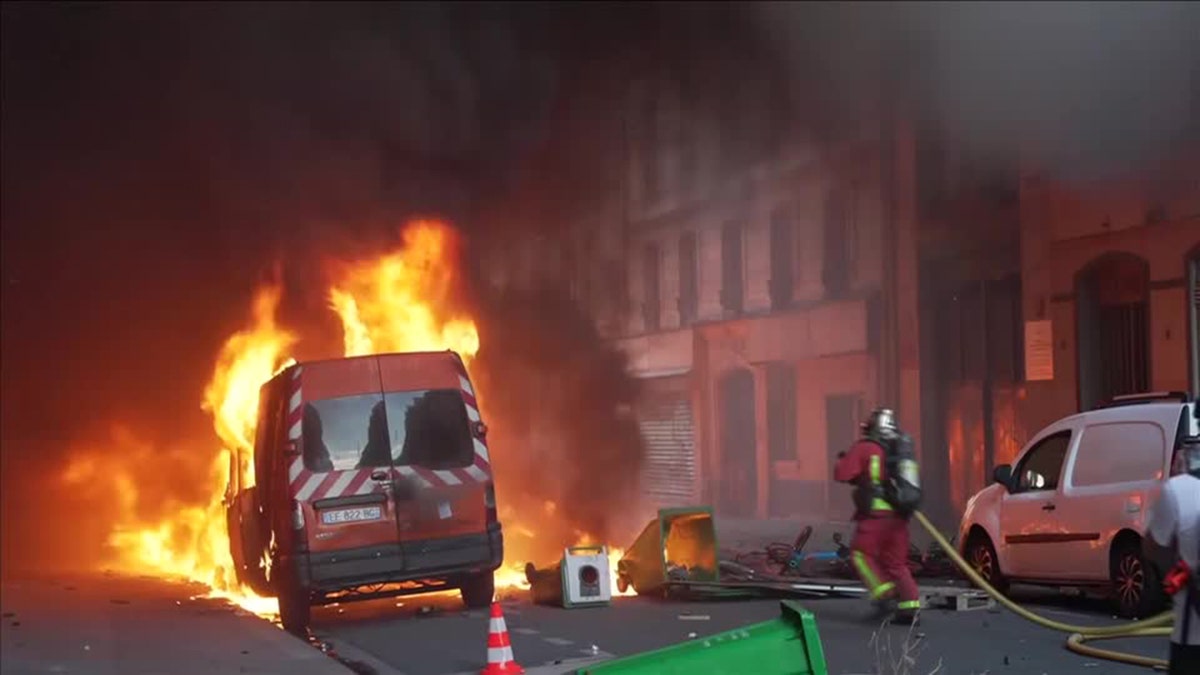
Firefighters tackle burning emergency vehicle during student protests in Paris. (Reuters)
Meanwhile, students, unions, rights groups and parents have accused the police of using excessive force against the students.
According to the AFP, the interior ministry has opened internal investigations into 36 allegations of police officer violence against demonstrators. But the national police union, Alliance Police Nationale, says it has filed a lawsuit against the government for «putting lives in danger» over what it called «contradictory orders» given to officers deployed in the protests.

French President Emmanuel Macron delivers a speech as he visits the Istres military air force base, southern France, Thursday, Jan. 15, 2026. (AP Photo/Philippe Magoni, Pool) (AP Photo/Philippe Magoni, Pool)
The Alliance says officers felt «betrayed, abandoned, left to fend for themselves» by their political leaders because of their «unclear instructions» and what they said were public expressions of «empathy towards the rioters.»
«This is the country of the French Revolution. Everyone boasts about it,» police officer and union representative Walid Hrar told The Associated Press. «Some political parties don’t hesitate to say that we need to disobey the law. That’s what Robespierre and other revolutionaries taught us in 1789.»
FRANCE IS DEVOURING ITSELF AS SCHOOL RIOTS REVEAL A CRISIS FAR BIGGER THAN BROKEN CLASSROOMS
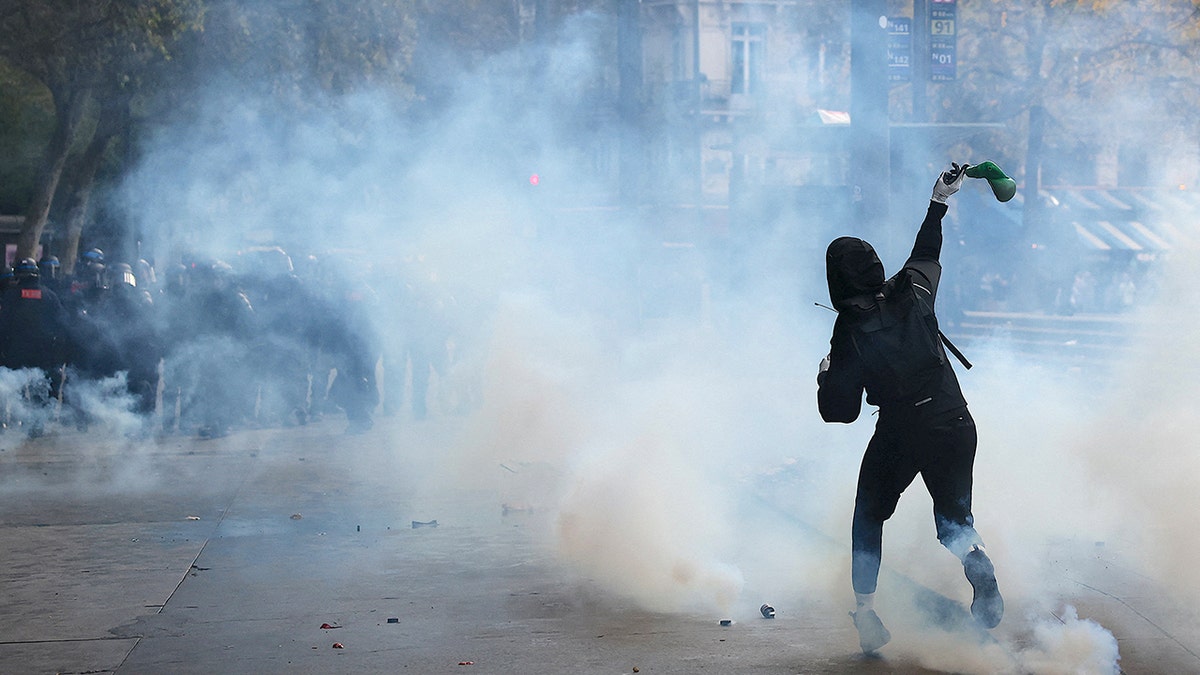
A protester throws a projectile through tear gas amid clashes with the French riot police at the Place de la Republique during a demonstration against the cost of living and rising fuel prices in Paris as part of nationwide protests called by the «Yellow Vests» movement, joined by French high school and university students, teachers and parents demanding better school conditions and government action, as well as labour unions, workers, farmers and retirees, France, Oct. 17, 2026. (REUTERS/Stephanie Lecocq )
«France always tends to react rather than anticipate,» he added. «In other words, we’re always going to extremes.»
On the sidelines of Friday’s European Council summit in Brussels, Macron again called for calm, saying, «There is a constitutional right to protest and to express oneself. But this right comes with the need to respect. Respect for people, respect for property, and therefore a commitment not to insult or destroy.»
Lecornu told Parliament that 937 police officers and 149 teachers and school staff have been injured since the protests began, while the French justice ministry reports that nearly 8,000 people have been arrested.
Protests have also spread to neighboring Belgium. Several hundred mostly young people protested in Brussels today, according to Reuters, clashing with police in protests at least partly inspired by what is going on in France. A similar protest occurred in the French-speaking city of Liege. Student groups say they are protesting rising education costs and reforms they say will make higher education less accessible.
Belgian Interior Minister Bernard Quintin posted on X that what is happening in his country: «is no longer mere protest! It is pure and simple violence, organized and repeated to destabilize our society… All necessary means will be used to restore order in the face of the rioters.»
Small solidarity events have also taken place in neighboring Luxembourg and the French-speaking parts of Switzerland, but they have been peaceful with no arrests reported. Student protests also occurred in India this week over education issues there, but they do not appear to be linked to the protests in France.
French authorities have expressed hope that the protest movement will ease in coming days as schools nationwide are closed until Nov. 2 due to the Toussain, or All Saints’, holiday.
The Associated Press and Reuters contributed to this report.
france, emmanuel macron, world protests, europe
INTERNACIONAL
¿El músculo se convierte en grasa cuando dejamos de entrenar? Qué dice la ciencia y cómo cambia el cuerpo

La idea de que el músculo se convierte en grasa al dejar de entrenar persiste entre quienes interrumpen sus rutinas de gimnasio. La fisiología, sin embargo, descarta esa transformación: se trata de tejidos distintos, y el organismo no dispone de un mecanismo que convierta el uno en el otro. Durante una pausa prolongada, lo que puede ocurrir es una pérdida de masa muscular junto con un aumento del tejido adiposo.
El fenómeno suele reflejarse en el aspecto físico. Cuando el organismo deja de recibir el estímulo del entrenamiento de fuerza, los músculos pueden perder volumen o definición. Si, al mismo tiempo, disminuye el gasto energético y se mantiene la misma alimentación, el excedente de calorías puede favorecer la acumulación de grasa. Esta combinación de factores ayuda a explicar el origen de un mito extendido, aunque no representa una transformación biológica real.
La aclaración fue planteada por Leigh Breen, profesor especializado en fisiología muscular de la Universidad de Leicester, en declaraciones recogidas por The Guardian. El especialista sostuvo que no existe una vía bioquímica conocida que permita una conversión directa entre músculo y grasa, en ninguna de las dos direcciones.
El músculo responde al estímulo del entrenamiento de fuerza
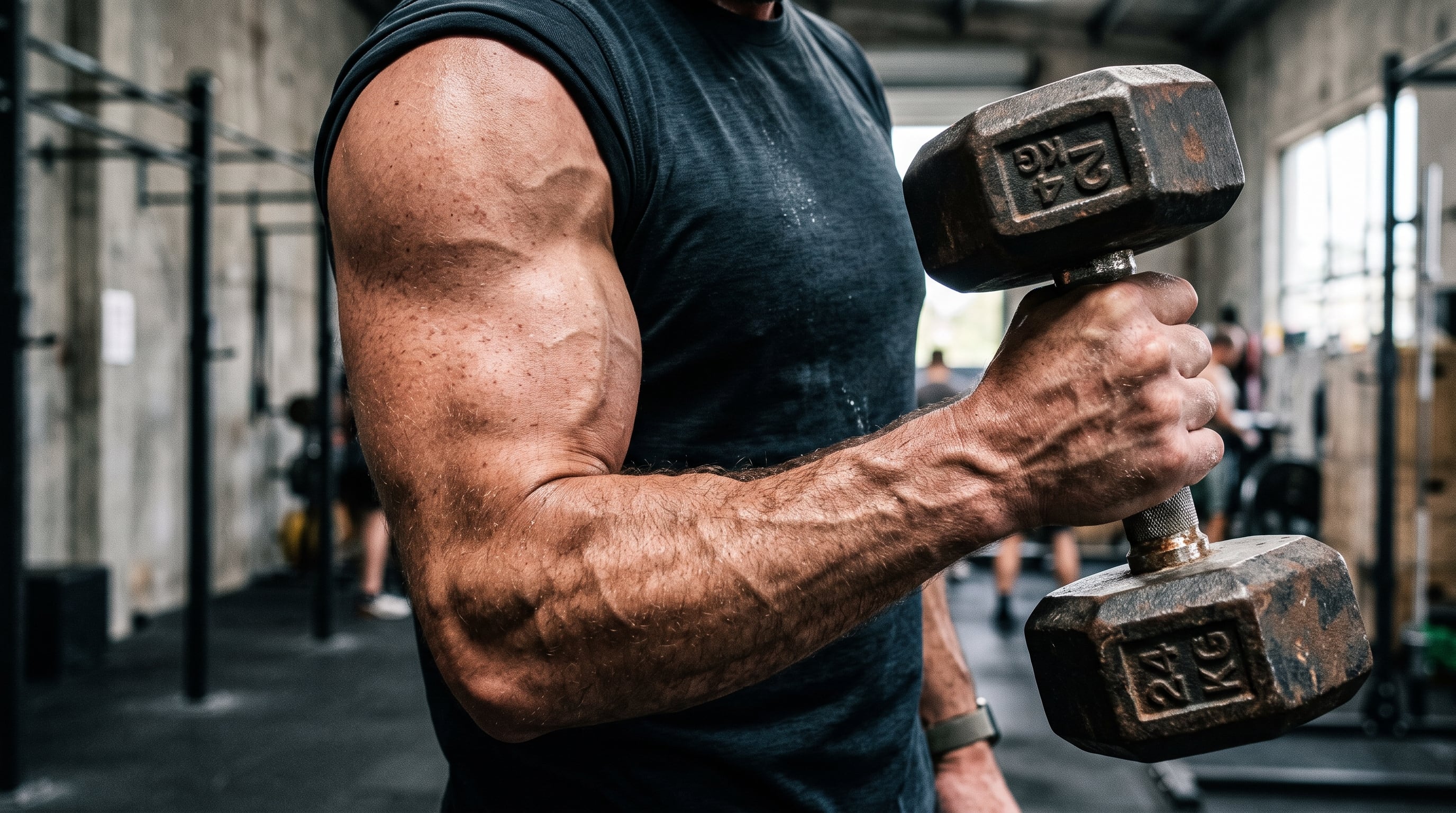
El músculo es un tejido que se adapta a las exigencias físicas. El entrenamiento de fuerza genera estímulos que ayudan a conservar o incrementar la masa muscular. Cuando esa actividad se interrumpe, el organismo puede perder parte del tejido desarrollado debido a la falta de estímulos que favorezcan su mantenimiento.
La magnitud de esa reducción no es igual en todas las personas. Influyen la duración de la pausa, el tipo de entrenamiento previo, la edad, la alimentación, el descanso y el nivel de actividad cotidiana. Una pausa de dos semanas en alguien que continúa caminando, trabajando y moviéndose con normalidad no produce el mismo efecto que una inmovilización prolongada por una lesión.
Breen señaló que muchas personas describen este proceso como músculos que se “ablandaron” o perdieron tono. Esa percepción puede estar relacionada con una disminución del volumen muscular, con una mayor presencia de grasa subcutánea o con ambos factores. La apariencia externa no demuestra que un tejido se haya transformado en otro, sino que puede reflejar variaciones paralelas en la composición corporal.
Mantener la dieta con menos actividad puede elevar la grasa corporal
La acumulación de grasa depende en buena medida de la relación entre la energía que se consume y la que se gasta. Al reducir o suspender el ejercicio, el gasto calórico diario puede disminuir. Si la ingesta de alimentos se mantiene sin cambios, puede aparecer un excedente energético que el cuerpo almacena, en parte, como tejido adiposo.
Por ese motivo, una pausa deportiva puede reunir dos procesos independientes: la reducción de la masa muscular por falta de estímulo y el incremento de grasa debido a un mayor consumo de energía en relación con el gasto. La composición corporal puede cambiar, pero músculo y grasa conservan funciones y estructuras diferentes.
El especialista de la Universidad de Leicester recomendó sostener una ingesta suficiente de proteínas durante los períodos sin entrenamiento, una medida que puede contribuir a preservar la masa muscular. También planteó la posibilidad de ajustar moderadamente las calorías cuando la actividad física baja de forma marcada. Según explicó a The Guardian, esos cambios dependen de las características y necesidades de cada persona.
Los cambios breves no definen la evolución física a largo plazo
Interrumpir una rutina puede generar inquietud, en especial entre quienes buscan sostener su fuerza o definición muscular. Sin embargo, las variaciones pequeñas de músculo y grasa durante un descanso son habituales y deben observarse dentro de un período más amplio.
Breen indicó que las fluctuaciones de corto plazo no suelen ser motivo de preocupación cuando se mantienen hábitos consistentes de ejercicio y alimentación a lo largo de los meses y los años. La evolución corporal responde a ese conjunto de conductas sostenidas, más que a una pausa puntual en el entrenamiento.
deportista,vestuario,entrenamiento,descanso

Salario y empleo: en qué segmentos de ingreso el trabajo informal remunera mejor que el trabajo registrado

La Libertad Avanza convocó a más de 1.000 jóvenes en su primer Congreso de la Juventud en la Ciudad de Buenos Aires

«Preocupación por Emi»: qué dijeron los medios de Inglaterra sobre el impactante golpe de Dibu Martínez en el Chelsea :: Olé

Así está el memorial de Liam Payne en Palermo: el homenaje de sus fanáticos a dos años de su muerte

Máximo Kirchner encabezó su acto del Día de la Lealtad en Chaco con otro mensaje hacia la interna del PJ

La fecha 13 del Torneo Clausura continúa con cinco partidos: Argentinos Juniors visita a Banfield

Autos chinos en Argentina: el caso de Noruega reaviva las alertas por espionaje y riesgos para la seguridad nacional

La angelita de LAM que reveló la peor infidelidad que sufrió en un matrimonio: «Encontré mensajes con otras mujeres y…»

El Índice de Incertidumbre Económica de septiembre alcanzó el nivel más alto de 2026, según la UCA