INTERNACIONAL
How Obama appointee and Trump nemesis Boasberg ended up overseeing Ilhan Omar warrant, other key cases

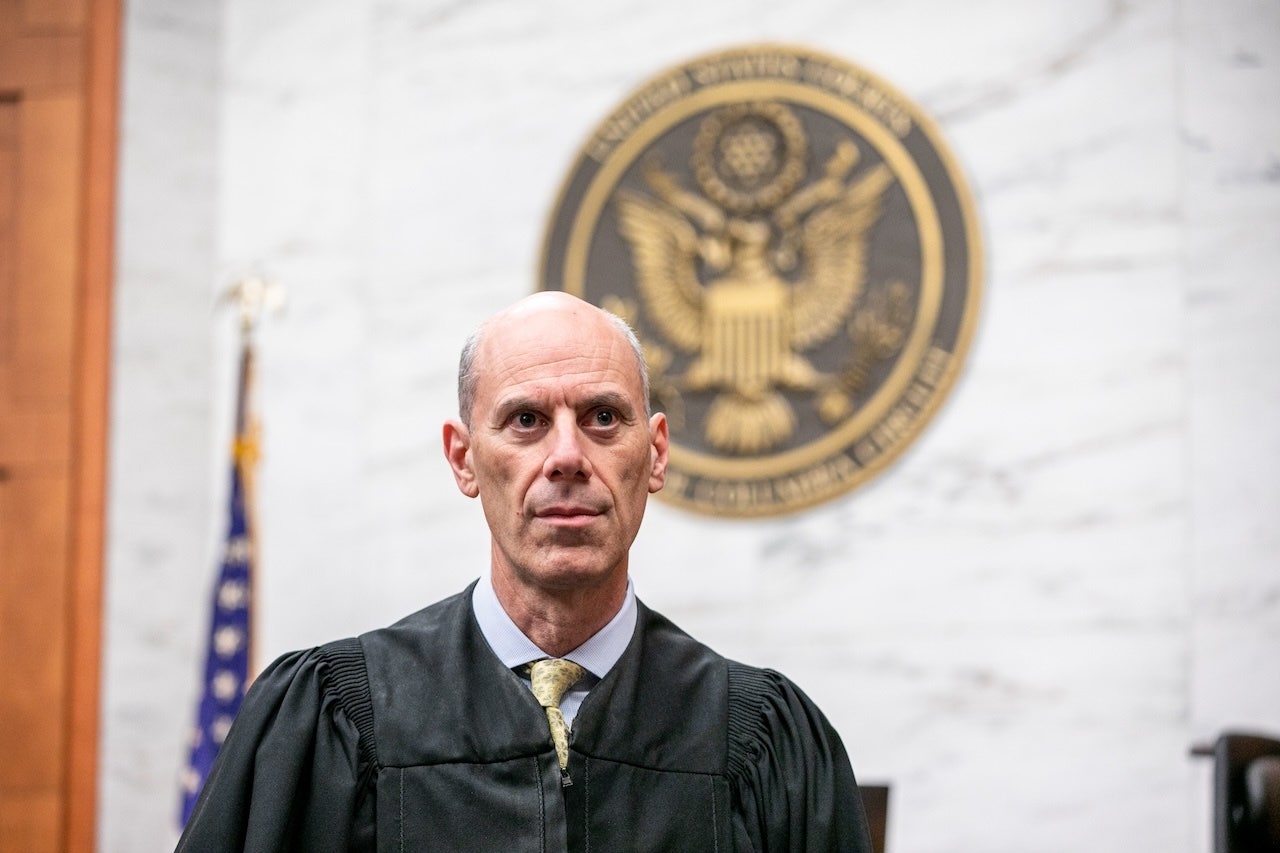
Federal Judge James Boasberg, dubbed a «Radical left lunatic» by President Donald Trump, is presiding over several high-profile cases challenging actions made by the Trump administration, raising questions about how judges are assigned to cases.
The scrutiny comes as Boasberg, an Obama-appointed chief judge of the Washington, D.C., district court, oversees a challenge brought by several media outlets seeking to force the Justice Department to unseal the search warrant on the home of Rep. Ilhan Omar, D-Minn.
«Judge James Boasberg is now involved with the Ilhan Omar case,» Steve Ferguson, a self-described business owner with more than 250,000 followers on X, wrote in a social media post. «Is everything rigged?»
In the federal court of the District of Columbia, cases are assigned to judges randomly by an electronic system managed by the clerk’s office operating under the direction of the Calendar and Case Management Committee, according to the rules of the court. The committee consists of three to five judges appointed by the chief justice.
FEDERAL AGENTS RAID ILHAN OMAR’S DC HOME AMID IMMIGRATION FRAUD INVESTIGATION
There are exceptions to the random-assignment process. For example, criminal grand jury matters are assigned to and overseen by the chief judge, currently Boasberg. This means Boasberg’s assignment to oversee the fight over unsealing the search warrant for Omar was «not a surprise» to Eric Wessan, Iowa’s solicitor general.
«But there are a lot of cases that seem to be going to judges maybe based on those cases having similarities, which is not what the local rules say,» Wessan told Digital.
When a case needs to be reassigned, the Calendar and Case Management Committee will determine how the reassignment is made.
Wessan suggested that concerns over how case assignments are made are valid, considering some of the high-profile cases against the Trump administration which have appeared in Boasberg’s docket.
«If one is just following anecdotally, there does seem to be a lot of high-profile cases in front of judges that seem to be expressing unusual amounts of frustration or disagreement with the administration,» Wessan said, urging greater transparency in how case assignments are made.
TRUMP’S FIGHT OVER RARELY USED 18THCENTURY DEPORTATION LAW LIVES ON IN LATEST COURT CLASH
The fight over unsealing the release of Omar’s search warrant is just one of several cases involving the Trump administration and now on Boasberg’s docket. Boasberg is also overseeing California’s lawsuit against the Trump administration over voter roll disputes.
On Friday, he ordered the administration to provide the state with the names and supporting information for roughly 20,000 people whom the DOJ claims are noncitizens on California’s voter rolls by the end of the day.
Boasberg has issued several consequential rulings against the Trump administration, including a high-profile March 2025 order directing the administration to turn around deportation flights carrying alleged Venezuelan gang members to El Salvador. The Trump administration fought against the order, pointing to the Alien Enemies Act as legal justification for the deportations.
The dispute over the administration’s use of the Alien Enemies Act eventually reached the Supreme Court, which vacated Boasberg’s temporary restraining order blocking deportation flights, ruling that the case was brought in the wrong jurisdiction.
That same month, Boasberg was assigned a lawsuit seeking to preserve Signal messages after top Trump administration officials discussed plans for a Yemen strike in a group chat that accidentally included Atlantic editor-in-chief Jeffrey Goldberg. The judge later ordered the administration to preserve the messages.
The string of cases prompted Reps. Jim Jordan, R-Ohio; Darrell Issa, R-Calif.; and Chip Roy, R-Texas, to send a letter in May 2025 to the court clerk asking for greater clarity on how judicial assignments are made. The lawmakers questioned whether assignments were truly random as the court’s rules state.
«The Committee cannot independently verify the randomness of case assignments because the composition of assignment decks is kept secret,» the lawmakers wrote.
«We must understand the nature of the case assignment process in the District Court — which is considering a number of cases challenging the Trump Administration’s policy decisions — to consider and develop appropriate legislation.»
FEDERAL JUDGE KICKED OFF ‘BOTCH JOB’ ANTI-DEI CASE AFTER STUNNING APPEALS COURT REBUKE
Meanwhile, Sen. Eric Schmitt, R-Mo., introduced legislation in July that would require federal district courts to assign cases randomly, without exceptions, naming it the Boasberg Act. The bill is stalled in committee.
«Judge Boasberg is the poster child for a rogue judge and exposed serious loopholes in our judicial system. Randomly assigning cases among judges ensures the American people can have confidence in the impartiality of our courts,» Schmitt said in a statement.
Under the rules of the D.C. Court, the chief justice does not have the power to reassign a case. The Calendar and Case Management Committee handles case reassignments. The court must notify the judges and attorneys involved, but it does not have to publicly explain why a case was reassigned. Wessan has called for greater transparency.
«The rules shouldn’t say one thing if it’s not true. But if it is true, they could just say so. I think the issue is with the exceptions. What happens in those exceptional cases and how often do they occur?» Wessan said.
«Given the frequency of the concerning episodes in the district court, erring on the side of transparency is probably prudent to the extent that there are exceptions to the normal random-assignment system.»
judiciary, federal courts, federal judges, ilhan omar, justice department, politics











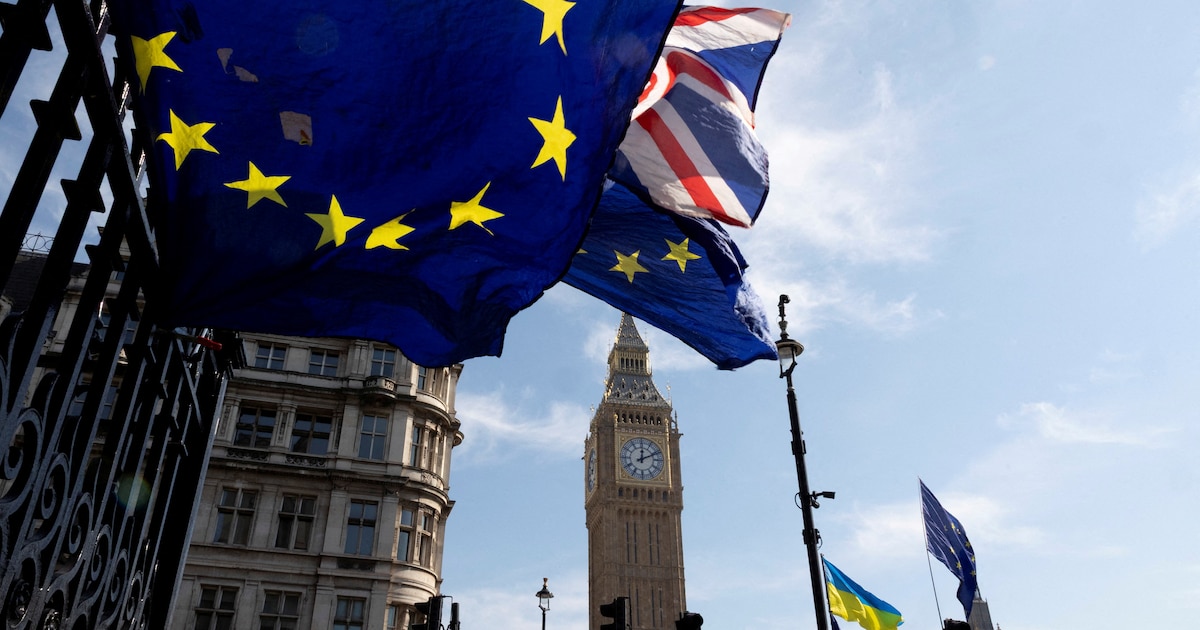
Parte de las tensiones que hoy atraviesan a Europa en su vínculo con algunas colectividades árabes y africanas hunde sus raíces en un colonialismo servil y devastador que las potencias europeas ejercieron sobre esas regiones. Sin embargo, el contraste es marcado cuando se observa la experiencia de las colectividades sudamericanas establecidas en Europa: allí suele verse una mayor interacción, inserción laboral, acceso a la vivienda y ejercicio de la ciudadanía. La hipótesis central es que quienes emigran desde América del Sur llevan incorporados en su formación los códigos cívicos y republicanos de origen.
Para entender ese punto de partida hay que mirar el siglo XIX y la lógica geopolítica de la emancipación sudamericana. La ruptura con el imperio español no fue un fenómeno aislado ni una simple continuidad de España: estuvo atravesada también por el cálculo comercial y estratégico de Inglaterra, interesada en quebrar el monopolio mercantil español y abrir mercados. En ese entramado, las redes masónicas cumplieron un rol clave para impulsar la independencia en cada territorio, con figuras como Francisco de Miranda y los jefes emancipadores en el centro de la escena.
Las guerras de independencia sudamericanas fueron prolongadas y profundamente destructivas, pero su arquitectura política resultó radicalmente distinta de las emancipaciones que se produjeron en África y el mundo árabe durante el siglo XX, en pleno tablero de la Guerra Fría. Mientras en América del Sur la ruptura estuvo articulada por logias masónicas de matriz liberal y constitucionalista, gran parte de los movimientos de liberación africanos y árabes quedaron bajo la órbita de influencia de la Unión Soviética y del bloque comunista. Dado que el comunismo rechazaba y combatía la práctica masónica por considerarla una institución burguesa y contraria a su doctrina, Rusia no instaló ni fomentó logias masónicas en esos procesos; en su lugar, impulsó esquemas de partido único, vanguardias revolucionarias y estructuras centralizadas que dejaron un muy bajo nivel de civismo, pluralismo democrático y cultura republicana.
En América del Sur, en cambio, una vez alcanzada la independencia, el desafío era construir Estados firmes, previsibles y aptos para el intercambio y la vida económica. Allí las masonerías nacionales atravesaron una transmutación decisiva: pasaron de la conspiración y la gesta independentista a una etapa constructora. Desde los primeros años de Don Pedro I hasta la organización institucional en países como Argentina, Brasil, Bolivia, Uruguay, Chile o Perú, esas redes aportaron soporte administrativo, social, democrático y republicano. Más aún: ayudaron a moldear una élite social con arraigo en la democracia, los partidos políticos, el orden institucional y la tolerancia, asentando valores cívicos, de convivencia y fraternidad.
En África y en el mundo árabe se combinaron así dos factores decisivos: por un lado, potencias coloniales europeas que, para prolongar su dominio, no fomentaron logias masónicas formales capaces de asumir un relevo institucional; por otro, descolonizaciones atravesadas por la Guerra Fría y la influencia soviética, refractaria a la masonería y a la tradición republicana liberal. Esto dejó estructuras masónicas incipientes o débiles en general —más allá de casos particulares como el de Sudáfrica— y muy frágiles en los países árabes, privando a esas sociedades de esa segunda etapa de construcción cívica.
La discusión sobre la integración en Europa suele detenerse en el presente, pero muchas veces omite el origen de las reglas con las que cada migrante dialoga con el Estado y la sociedad. Cuando América del Sur logró pasar de la ruptura independentista a la arquitectura institucional —con logias masónicas que ayudaron a forjar élites políticas, partidos y vocación republicana para dar estabilidad y comercio—, dejó una matriz cívica que hoy facilita el encaje cotidiano. Allí donde las independencias quedaron moldeadas por la Guerra Fría y la impronta soviética, sin ese andamiaje masónico y republicano, las fracturas institucionales del pasado siguen pesando demasiado en el presente.
Europe
INTERNACIONAL
Dem lawmaker to resign after report says he made ‘unwelcome’ sexual advances toward staffer

A West Coast Democrat announced his resignation from the House of Representatives after their bipartisan internal watchdog stated that he could have committed criminal sexual assault against congressional staffers on multiple occasions.
An explosive report by the House Ethics Committee released on Monday claimed that Rep. Jimmy Gomez, D-Calif., violated congressional rules on sexual misconduct by making «unwelcome» advances toward a staffer for the House, disregarding the power imbalance between lawmakers and aides in the process.
The report also went a step further, warning Gomez could have violated existing law.
Gomez has since announced his intent to resign on Dec. 1.
HOUSE DEMOCRAT INVESTIGATED OVER ALLEGED ‘INAPPROPRIATE SEXUAL CONTACT’ WITH STAFFER
The bipartisan panel found that «Representative Gomez knew or had reason to know that his contact was not welcome» when out with the staffer, called «Witness 1,» at a D.C. bar.
«There is also evidence that he knew or had reason to know his repeated advance towards Witness 1 in his congressional office was inappropriate and unwelcome. Accordingly, Representative Gomez’s conduct towards Witness 1 could implicate D.C. laws related to criminal sexual assault, including misdemeanor sexual abuse,» the report said.
SWALWELL ANNOUNCES RESIGNATION FROM CONGRESS AFTER SEXUAL MISCONDUCT ALLEGATIONS TORPEDOED GUBERNATORIAL BID
Gomez has not been charged with any crime and has maintained his innocence. Digital reached out to his office for comment but did not immediately receive a response.
Gomez was a close ally of disgraced former Rep. Eric Swalwell, D-Calif., who resigned after being accused of sexual assault — which he denied. Gomez is also founder of the pro-family Congressional Dads Caucus.
The bipartisan ethics panel announced in August that it was investigating Gomez over allegations including «inappropriate sexual contact with a House staffer.»
Gomez told Digital at the time that he «made personal mistakes outside my marriage» but added that his extramarital relations were consensual and that he did not break any laws.
CAPITOL HILL SEX SCANDALS TRIGGER NEW PUSH TO REDRAW THE LINE FOR LAWMAKERS
But the lawyers for one of the women interviewed by the committee disputed that in comments to Digital, accusing the congressman of sexual assault.
Monday’s report shows the committee appears to support her side of the story, and that Gomez’s actions «at various junctures suggests he knew that what he was doing was wrong.»
The staffer is identified as having worked for a congressional leadership office, rather than on Gomez’s own staff.
Before coming out with her accusations, the staffer testified to the committee that she did not want Gomez «to feel upset in any way,» and that she was «afraid that I was going to get in trouble at work,» the report said.
«Even if Representative Gomez believed that his actions were wholly consensual, his failure to appreciate the reality of this power dynamic and thus the untenable position he put a young congressional staffer in, is inconsistent with the standards required of a Member of Congress,» the report said.
The investigation into Gomez began after reports surfaced that he had been seen kissing a congressional staffer at a party attended by lawmakers and House employees.
Gomez initially disclosed two relationships involving congressional staffers, describing one as a past consensual sexual relationship and the other as «one sole occasion» of «consensual kissing.»
GOP LAWMAKER’S GIFTS, ‘EFFUSIVE AFFECTION’ TOWARD YOUNG STAFFERS DETAILED IN EXPLOSIVE ETHICS REPORT
However, investigators found credible allegations that Gomez made unwanted sexual advances more than once toward the second woman, Witness 1, which the woman claimed was «nonconsensual whatsoever.»
The woman, who was in her mid-20s at the time, testified that Gomez put his hand underneath her skirt and penetrated her with his fingers without consent during a February 2024 gathering at a bar in D.C., and testified to investigators that she fled to the bathroom crying after the incident.
Gomez defended himself against the allegation, telling the committee that the woman «did not say no,» and did not «push» him away, while denying penetrating her.
Investigators described a second encounter with the woman in July 2024, claiming that Gomez grabbed her as she attempted to leave his congressional office, pulled her toward him and tried to kiss her.
She described Gomez as «[p]retty forceful» and said she repeatedly tried to push him away, the report said.
Gomez denied the allegation, maintaining that he merely hugged the woman and kissed her on the cheek.
Investigators then refuted his defense after they examined text messages suggesting Gomez was concerned about being seen with the woman by members of his staff, noting that he switched their communications to Signal and enabled disappearing messages. The committee also noted that Gomez initially disclosed only consensual kissing before later acknowledging sexual contact during his testimony.
After reviewing documents and speaking with 10 witnesses, the committee concluded that Gomez violated clauses 1 and 18(b) of the House Code of Official Conduct, which prohibit unwelcome sexual advances toward House employees and require lawmakers to conduct themselves in a manner reflecting creditably on the House.
Investigators concluded that Gomez’s conduct caused the woman significant emotional distress and contributed to her decision to leave congressional employment in 2025.
«The Committee reiterates its commitment to investigating allegations and providing accountability to those who face sexual misconduct from Members and their staff. Here, the House lost Witness 1 as a competent and able staffer because of Representative Gomez’s misconduct and because of a broader culture of disrespect and toxic sexual behavior toward staff that permeates life on the Hill and is long overdue for correction,» the report said.
A slew of lawmakers on both sides have been accused of sexual assault or harassment over the last year, prompting a reckoning over how Congress protects staffers from predatory work environments.
politics, congress, house of representatives politics, democrats
INTERNACIONAL
Captain who abandoned passengers on sinking Costa Concordia cruise ship released early from prison

NEWYou can now listen to Fox News articles!
After nine years in a Rome prison, the captain of the Costa Concordia, Francesco Schettino, was released early from prison. Italian newspaper Quotidiano Nazionale reports he will serve the remaining 7 years of his 16-year sentence for manslaughter on supervised probation.
Schettino’s lawyer, Francesca Carnicelli, told Fox News, «I can confirm that Mr. Schettino is currently finishing his sentence under a program that allows him to live outside of prison,» saying, «he has a job as an office worker, must be home by 10:00 p.m. and is not allowed to leave the province where he resides.»
CRUISE COMPANY FOUNDER SAYS HE’S ‘THE VILLAIN’ AFTER 200-PLUS PASSENGERS ARE STRANDED
Francesco Schettino, former captain of the shipwrecked Costa Concordia, was released early from prison after serving 9 years of a 16-year sentence for abandoning his ship before it was fully evacuated. (Laura Lezza/Getty Images)
Almost 15 years ago, on Jan. 13, 2012, the Costa Concordia slammed into rocks off Tuscany’s Giglio island. Schettino reportedly veered off course to perform a «sail-by salute.» There were 4,200 passengers and crew on board, and 32 people were killed.
Schettino faced backlash after abandoning the ship, while hundreds of passengers were waiting to be rescued. At the time, Schettino told Italian La Repubblica that while helping others he tripped and ended up in one of the lifeboats.
‘THIS WAS A MIRACLE’: CRUISE PASSENGERS DESCRIBE FRANTIC ESCAPE AS TANKER STRIKES SHIP

The Costa Concordia cruise ship lies capsized off the shore of the island of Giglio, Italy, on January 14, 2012. More than four thousand people were on board when the ship struck a rock. (MAURIX/Gamma-Rapho via Getty Images)
A Netflix documentary titled, «Shipwrecked: Nightmare at Sea,» was released earlier this year.
American Nicholas Taliaferro, who survived the tragedy, told Fox News, «We have an opportunity to ask ourselves, a very important question was justice truly served? and that question is not only for those watching the documentary, but especially the victims and the survivors and the families who have had to live the consequences of the captain and everybody else that was involved for nearly 15 years, because serving a sentence and delivering justice aren’t necessarily the same thing.»
JULY 17, 2013: COURT HEARS HOW 32 DIED IN COSTA CONCORDIA SHIPWRECK

The Costa Concordia struck rocks off Tuscany’s Giglio island in Italy on January 13, 2012, after Francesco Schettino veered off course to perform a «sail-by salute.» The crash killed 32 of the 4,200 passengers and crew on board. (Target Presse Agentur Gmbh/Getty Images)
Prosecutors argued the captain was cowardly in his actions and refused the Italian Coast Guard’s orders to go back onboard and help with the evacuation.
Taliaferro said: «Whether you’re in United States or in Italy, or anywhere, the captain is the last one to get off the boat and he was the first one and now you’re the first one to get out, I mean it just seems a little disrespectful to the families and the survivors».
world, aftermath disasters, italy, cruises, crime world

El legado que nadie mira: por qué los sudamericanos se integran distinto en Europa

Dem lawmaker to resign after report says he made ‘unwelcome’ sexual advances toward staffer

Captain who abandoned passengers on sinking Costa Concordia cruise ship released early from prison

Quién es la decana K de la Facultad de Sociales que defendió el homenaje a Santucho en la UBA – Nexofin

River Plate inició negociaciones con Yassine Bounou para reforzar el arco el 2027

El fuerte posteo de Maxi Rodríguez tras la discutida labor del árbitro Nicolás Ramírez en la derrota de Newell’s ante Gimnasia

Javier Milei destacó el desembarco de Tesla en el país y aseguró: “Esto también es devolverle la libertad a los argentinos”

Financial Times duda de la economía argentina: riesgo país, financiamiento e imagen Milei

Agustín “Rada” Aristarán se despide de Chanta: “Con esta obra dejé de ser un impostor”

NYC college put on notice after Jewish campus group shunned by student government: ‘rude awakening’

 ECONOMIA1 día ago
Financial Times duda de la economía argentina: riesgo país, financiamiento e imagen Milei
- CHIMENTOS2 días ago
Agustín “Rada” Aristarán se despide de Chanta: “Con esta obra dejé de ser un impostor”
- INTERNACIONAL2 días ago
NYC college put on notice after Jewish campus group shunned by student government: ‘rude awakening’