INTERNACIONAL
Reporter’s Notebook: Aftershock from a political ‘earthquake’ as Le Pen barred from presidential run in 2027

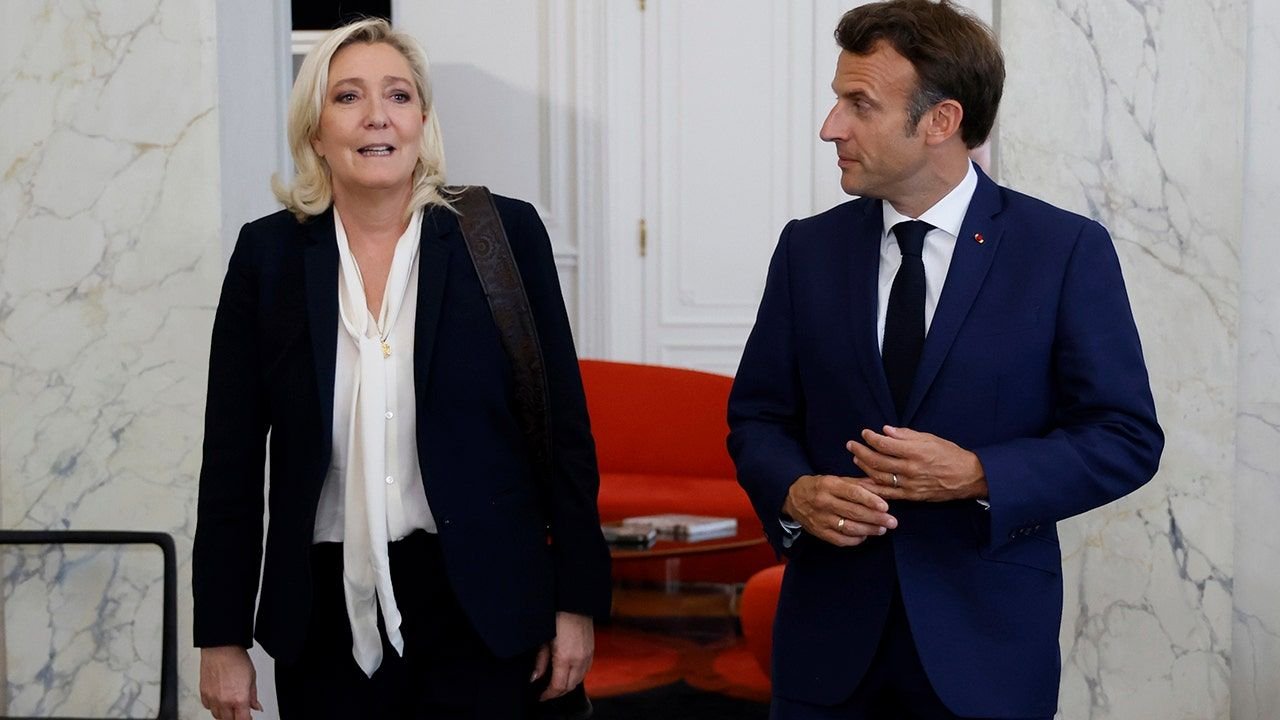
Aftershocks are still being felt in France from what one political analyst told Fox News was a «political earthquake» there this week. Popular right-wing politician Marine Le Pen was convicted of embezzlement by a French court and barred from running for office for five years.
Speaking to her followers on Tuesday, Le Pen claimed that «the system» had used a «nuclear bomb» to thwart her attempts to become French president.
Le Pen and her National Rally party have been hard on immigration, crime and other hot-button issues. They now have the most seats in the French parliament. She got 11 million votes when she ran (and lost) against Emmanuel Macron last time. Current polls had her winning the top job in a vote set for 2027. For now, she’s blocked. She says she’ll appeal.
FRENCH RIGHT-WING LEADER MARINE LE PEN FOUND GUILTY OF EMBEZZLING PUBLIC FUNDS, BARRED FROM RUNNING FOR OFFICE
Marine Le Pen smiles to the crowd during a meeting to launch the National Rally party’s campaign for the European elections on Jan. 13, 2019, in Paris. (Chesnot/Getty Images)
«We won’t give in,» she declared today.
All of this, according to Le Pen supporters and many others, is due to a left-leaning court system taking away a mandate from the people.
Le Pen’s young party associate and possible replacement presidential candidate, Jordan Bardella, spoke Tuesday on the radio of a «tyranny of judges…everything had been done to keep us from power.»
One of the French prosecutors in the case, Remy Heitz, defended the ruling Tuesday, saying «this is not a political decision but a legal one.»
Le Pen and her party colleagues were found guilty of misusing European Union money to fund her French party activities. The conviction also carries with it a fine and a period of house arrest.
The hitch is, the odds are against Le Pen winning the appeal and it would take time.
«I’m not too optimistic about the appeal,» French political analyst Christian Malard told Fox News, «and if it doesn’t work in the way she would be expecting, politically it would mean she’s ‘dead.’»
MUSK SLAMS LE PEN RULING, SAYS IT WILL ‘BACKFIRE’ LIKE TRUMP’S AS SOME ON GLOBAL RIGHT FACE LEGAL TROUBLES

Marine Le Pen is a well-known champion of right-wing causes around the world. (Artur Widak/NurPhoto via Getty Images)
Le Pen is a well-known champion of right-wing causes and there was reaction internationally as well.
Last night at a press conference in the Oval Office, President Donald Trump noted, «That’s a very big deal.» Adding that questions about the courts’ role in politics «…sounds like this country, it sounds very much like this country.»
Protests are being called for this weekend by the National Rally to channel what is thought to be widespread upset about Le Pen being at least temporarily yanked from the political stage.
CLICK HERE TO GET THE FOX NEWS APP
As analyst Malard noted, «Disenfranchised is the word… we will see if there is reaction in the street.»
Or we will see if Le Pen just bides her time. Even if her appeal fails, she’ll be able to run for office again when she’s 61. Young enough, in many countries, to still go for the leadership role!

INTERNACIONAL
Estados Unidos refuerza su apoyo al ultraconservador Víktor Orban para unas elecciones cruciales en Hungría


INTERNACIONAL
Área 51, Steven Spielberg, Barack Obama y Donald Trump: una cronología de los ovnis en el centro de la cultura pop
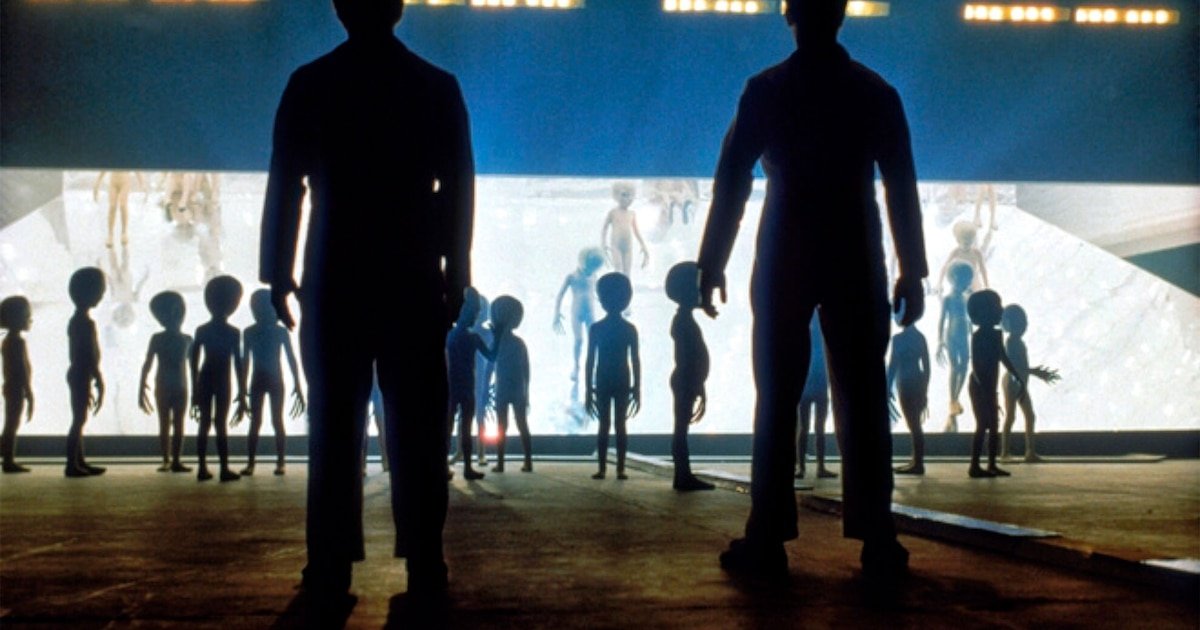
Los ovnis, o la noción de ellos, existen desde hace mucho tiempo. Aquí un repaso de cómo se ha desarrollado el tema —desde investigaciones gubernamentales hasta avistamientos, pasando por el cine y la televisión— desde la Segunda Guerra Mundial:
1947: Primer avistamiento
El 24 de junio, el piloto privado Kenneth A. Arnold informa haber visto nueve objetos volando cerca del monte Rainier, en el estado de Washington. El suyo fue el primer avistamiento de ovni ampliamente reportado en el país y desencadenó una ola de otros avistamientos informados. El 2 de julio, un capataz de estancia que revisaba ovejas encuentra extraños restos esparcidos sobre una pradera cerca de Roswell, Nuevo México. Las autoridades inicialmente afirman que el material proviene de un disco volador, pero luego dicen que es de un globo meteorológico.
1948: Comienza la investigación del gobierno
La Fuerza Aérea de EE. UU. lanza el Proyecto Sign, una investigación sobre ovnis; en 1953 pasa a llamarse Proyecto Libro Azul. Más de 12.600 avistamientos reportados fueron investigados entre 1948 y 1969.
1950: Hollywood interviene
Estreno de la película de espionaje El platillo volador.
1952: Objetos voladores sobre Washington
Operadores de radar, pilotos y otros detectan o ven hasta una docena de objetos inexplicables en el cielo sobre Washington D.C. en julio.
1955: Construcción del Área 51
Empieza la construcción de lo que sería el sitio del Área 51 al noroeste de Las Vegas como una instalación de la Fuerza Aérea. El Área 51 se convierte en un punto clave para teorías conspirativas sobre ovnis. En 2013, la CIA reconoció la existencia del lugar.
1957: Avistamientos en Texas
En noviembre, decenas de personas en Levelland, Texas, al oeste de Lubbock, reportan extrañas luces en el cielo que interferían con sus vehículos y luces.
1966: La frontera final
En septiembre, se estrena Viaje a las estrellas en NBC, dando inicio al drama espacial más duradero de la historia.
1969: La Fuerza Aérea confirma
17 de diciembre: La Fuerza Aérea declara que no encontró evidencia de ningún ovni de naturaleza extraterrestre ni que representara una amenaza a la seguridad nacional; finaliza el Proyecto Libro Azul.

1977: Spielberg se suma
Estreno de Encuentros cercanos del tercer tipo de Steven Spielberg, que explora el contacto entre humanos y seres extraterrestres. La película se destaca por su enfoque en la expectativa y el misterio ante lo desconocido. La historia sigue a varios personajes que experimentan fenómenos inexplicables relacionados con ovnis. Se convierte en referencia del cine de ciencia ficción.
1980: Luces inexplicables sobre Londres
Personal de la Fuerza Aérea de EE. UU. destacado en Gran Bretaña informa haber visto extrañas luces sobre el bosque de Rendlesham, al noreste de Londres, en diciembre. Según se informa, oficiales vieron un objeto metálico en el bosque tras investigar las luces.
1982: El icónico extraterrestre del cine
Estreno de E.T., el extraterrestre, de Steven Spielberg. La historia relata la amistad entre un niño llamado Elliott y un ser de otro planeta que queda varado en la Tierra. El filme muestra el esfuerzo de los niños por ayudar a E.T. a regresar a su hogar. La película se convirtió en un clásico del cine familiar y de ciencia ficción.
1996: La épica “invasión alien”
Estreno de Día de la Independencia, de Roland Emmerich. La trama se centra en un ataque masivo de naves alienígenas que amenaza a la humanidad. Diversos personajes, incluidos científicos, militares y civiles, se unen para organizar la defensa mundial. El filme combina efectos especiales con escenas de acción y drama, consolidándose como uno de los grandes éxitos del cine catástrofe.
1997: ovni reportado en Arizona
Residentes informan haber visto luces de un gran objeto volador en el cielo sobre o cerca de Phoenix en marzo.
2015: “Masa no identificada”
Aviadores estadounidenses rastrean una masa no identificada apodada “Gofast”. En otro video de ese año, titulado “Gimbal”, se rastrea un objeto inexplicado que vuela alto entre las nubes, desplazándose contra el viento. “Hay toda una flota de ellos”, dice un aviador naval a otro, aunque sólo se muestra un objeto impreciso. “Está rotando”. Los videos se filtran y luego son divulgados por el Pentágono.
2019: Imágenes desclasificadas
La Marina reconoce tres clips de material militar desclasificado como fenómenos aéreos no identificados.

2020: Se constituye la UAP
El Pentágono anuncia la creación de una Fuerza de Tarea UAP (siglas en inglés de Unidentified Aerial Phenomena, Fenómenos Aéreos No Identificados).
2021: Gran revisión de casos
Investigadores señalan en un informe del gobierno estadounidense que no encontraron vínculos extraterrestres al revisar 144 avistamientos de aeronaves u otros dispositivos aparentemente volando a velocidades o trayectorias misteriosas. Destacaron la necesidad de mejorar la recolección de datos.
2022: Acción gubernamental
El Congreso celebra la primera audiencia sobre ovnis en 50 años tras informes de fenómenos aéreos inexplicados por parte del ejército. Legisladores de ambos partidos afirman que los ovnis son un tema de seguridad nacional. La NASA anuncia que lanzará un estudio sobre ovnis como parte de un nuevo impulso hacia la ciencia de alto riesgo y alto impacto. La agencia espacial indica que conformará un equipo independiente para determinar cuánta información está disponible públicamente sobre el asunto y cuánta más se necesita. La agencia publica sus hallazgos en 2023, diciendo que el estudio de los ovnis requerirá nuevas técnicas científicas, incluidos satélites avanzados, así como un cambio en la percepción de los objetos voladores no identificados. Se establece la Oficina de Resolución de Anomalías de Todos los Dominios (AARO) en el Pentágono para rastrear informes de objetos no identificados en el cielo, bajo el agua y en el espacio.
2023: Encubrimiento alegado
El exoficial de inteligencia de la Fuerza Aérea David Grusch testifica ante una subcomisión de Supervisión de la Cámara de Representantes en julio que EE. UU. oculta un programa de larga data que recupera y realiza ingeniería inversa a objetos voladores no identificados. El Pentágono niega que esté encubriendo tal programa.

2024: No hay evidencia
Un nuevo estudio del Pentágono, que examinó avistamientos de ovnis reportados durante casi el último siglo, no encuentra evidencia de alienígenas ni de inteligencia extraterrestre. El estudio de la Oficina de Resolución de Anomalías de Todos los Dominios del Departamento de Defensa analizó investigaciones gubernamentales estadounidenses desde 1945 sobre avistamientos denunciados de fenómenos anómalos no identificados. No encontró pruebas de que alguna de esas afirmaciones fueran realmente signos de vida extraterrestre, o que el gobierno estadounidense y empresas privadas hayan realizado ingeniería inversa a tecnología extraterrestre y la estén ocultando.
2026: Desarrollos gubernamentales
—14 de febrero: El expresidente estadounidense Barack Obama, al responder a la pregunta “¿los alienígenas son reales?” en un podcast, dice: “Son reales. Pero yo no los he visto. Y, no los están guardando en el Área 51”. Obama publica después esta declaración en redes sociales: “Estadísticamente, el universo es tan vasto que es muy probable que haya vida ahí fuera. Pero las distancias entre sistemas solares son tan grandes que la posibilidad de que nos hayan visitado alienígenas es baja, y no vi pruebas durante mi presidencia de que los extraterrestres hayan tenido contacto con nosotros. ¡De verdad!”
—19 de febrero: El presidente Donald Trump anuncia en redes sociales que está ordenando al Pentágono y a otras agencias gubernamentales identificar y publicar archivos relacionados con extraterrestres y ovnis debido al “tremendo interés”. Trump acusa a Obama de revelar “información clasificada” y declara a los periodistas que no sabe si los ovnis “son reales o no”.
—31 de marzo: La representante estadounidense Anna Paulina Luna solicita en una carta al secretario de Defensa, Pete Hegseth, que el gobierno publique alrededor de cuatro docenas de videos relacionados con avistamientos de UAPs al grupo de trabajo del comité de supervisión. “La presencia de UAPs en y alrededor de los espacios aéreos sensibles de las instalaciones militares de EE. UU. representa una amenaza para la seguridad de las fuerzas armadas y su preparación,” escribe Luna.
Fuente: AP
gettyimagerank2,politics
INTERNACIONAL
En la vigilia de Pascua, el Papa León XIV pidió «que no nos paralicen» la guerra y la injusticia

El Papa León XIV exhortó este sábado de gloria a “no dejar que nos paralicen las losas de la guerra, la injusticia y el aislamiento entre los pueblos” en su mensaje en la Vigilia Pascual, un momento particularmente solemne de la Semana Santa.
En un ambiente de total recogimiento, el pontífice recordó que la llamada “madre de todas las vigilias” revive “el memorial de la victoria del Señor de la vida sobre la muerte y el infierno”.
“Esta noche santa hunde sus raíces también allí donde se consumó el primer fracaso de la humanidad y se extiende a lo largo de los siglos como camino de reconciliación y de gracia”, rememorando la muerte y resurreción de Jesucristo.
“El hombre puede matar el cuerpo pero la vida de Dios es vida eterna. Va más allá de la muerte y ningún sepulcro lo puede aprisionar”, afirmó.
El Papa Robert Prevost lamentó que “tampoco faltan en nuestros días sepulcros que abrir y a menudo las piedras que los cierran son tan pesados y están tan bien vigiladas que parecen inamovibles”.
“Algunas oprimen el corazón del hombre, como la desconfianza, el miedo, el egoísmo y el rencor. Otras, consecuencia de las primeras, rompen los lazos entre nosotros como la guerra, la injusticia y el aislamiento entre pueblo y naciones”, continuó el pontífice. Y a continuación, exclamó: “¡No dejemos que nos paralicen”.
Destacó el ejemplo de muchos hombres y mujeres, “personas como nosotros, fortalecidos por la gracia del Resucitado, que a lo largo de los siglos han removido las piedras aún a costa de su vida, pero con frutos de bien de los que hoy nos beneficiamos”.
Esta noche se vivió como siempre el Sábado Santo, que es ante todo el día del Misterio de Pascua en el que “todo parece inmóvil y de gran silencio, mientras se cumple una invisible acción de salvación. Cristo desciende al reino de los infiernos para llevar el anuncio de la resurrección a todos aquellos que estaban en las tinieblas y en la sombra de la muerte”. Estas palabras León XIV no las dijo este sábado sino hace un año en una catequesis, poco después de ser elevado al pontificado por el Cónclave.
Una jornada en la que la Iglesia calla, no hay misa ni celebraciones, predomina el silencio, hasta que esta noche, durante la vigilia pascual, se festejó “el evento más grande de la historia”: la Resurrección de Cristo, que mañana domingo, “en la alegría de la Pascua”, vivirá la jornada final de la Semana Santa.
El Sábado Santo es ante todo misterio, espera y alegría final hacia la medianoche.
Durante la jornada no hay misas ni ninguna otra celebración. Ningún discurso, domina el sentido del vacío y la aparente derrota despojada de consuelo, atravesada por la oscuridad de las grandes pruebas en las que no hay salida.
La basílica de San Pedro mostró este clima oscuro cuando el Papa inició la ceremonia, un rito en una Basílica cargada de mística que guía a los fieles desde la oscuridad hacia la luz.
El Papa encendió el cirio Pascual y una candela más pequeña que lo acompañó en sus desplazamientos hasta que se encendieron las luces fe la basílica.
Los ritos de la Semana Santa comenzaron con la misa del Jueves Santo, que marca el inicio del Triduo Pascual, el período central de la Pascua.
En la ceremonia se conmemora la institución del sacramento fe la orden sacerdotal por Jesucristo durante la Última Cena. Está dedicada a la renovación por parte de los sacerdotes de los votos de pobreza, castidad y obediencia.
En su homilía, el pontífice lamentó que la misión evangelizadora haya sido “no pocas veces trastocada por lógicas de dominio totalmente ajenas al camino de Jesucristo”.
El Papa Francisco destacó que la labor de la Iglesia “comienza con la reconciliación de nuestros orígenes y por hacer las paces con el pasado sin quedar prisionero de él”.
“El amor es verdadero si esta desarmado porque necesita pocas cosas, ninguna ostentación y custodia con delicadeza la debilidad y la desnudez”, afirmó.
Insistió también a los religiosos afirmando que no hay una buena nueva para los pobres si acuden “con signos de poder”, ni hay una auténtica liberación sin liberarse de la posesión.
El Papa citó también al mártir salvadoreño Oscar Arnulfo Romero y cardenal estadounidense Joseph Bernardin como ejemplos de entrega, incluso ante la muerte y el fracaso.
Dijo también que “en esta hora oscura de la historia Dios ha querido enviarnos a difundir el perfume de Cristo donde reina el olor a la muerte”.
En la ceremonia se bendijeron los óleos de los catecúmenos, el de los enfermos y del crisma, que de ulilizan en los bautismos, confirmación y unión de los enfermos.
En la tercera fase de la celebración de esta noche el Papa también bautizó a diez adultos, siguiendo la tradición de lo primeros siglos de la Iglesia.

Boca mira de reojo: Cruzeiro fue goleado por San Pablo y se encuentra en zona de descenso en el Brasileirao

Clima de Negocios: hay un dato que enciende luces amarillas en los bancos y que preocupa cada vez más en despachos oficiales

Giro sorprendente en el caso de Emiliano Sala: el Cardiff deberá pagar casi medio millón de euros al Nantes

El horóscopo de hoy: domingo 5 de abril

Estados Unidos refuerza su apoyo al ultraconservador Víktor Orban para unas elecciones cruciales en Hungría

El Gobierno precisa retomar rápidamente la agenda económica: desinflación y mejora del consumo serán prioridades

El Gobierno reevalúa la estrategia de comunicación por el caso Adorni y mide el impacto en la imagen de Milei

Milei se pone al frente de la defensa de Adorni y lo suma a un acto por Malvinas en una nueva muestra de respaldo

Oriana Sabatini sorprendió al elegir a una famosa como madrina de Gia, su hija con Paulo Dybala

Banco lanza un plazo fijo inédito: sigue a la inflación y permite retirar intereses todos los meses

 POLITICA3 días ago
Milei se pone al frente de la defensa de Adorni y lo suma a un acto por Malvinas en una nueva muestra de respaldo
- CHIMENTOS3 días ago
Oriana Sabatini sorprendió al elegir a una famosa como madrina de Gia, su hija con Paulo Dybala
- POLITICA2 días ago
La Armada sorteará 30 lugares en el buque que escoltará la salida de la Fragata Libertad: cómo anotarse