INTERNACIONAL
Judge Trump called a ‘lunatic’ abruptly backs off demand after showdown with DOJ No. 3

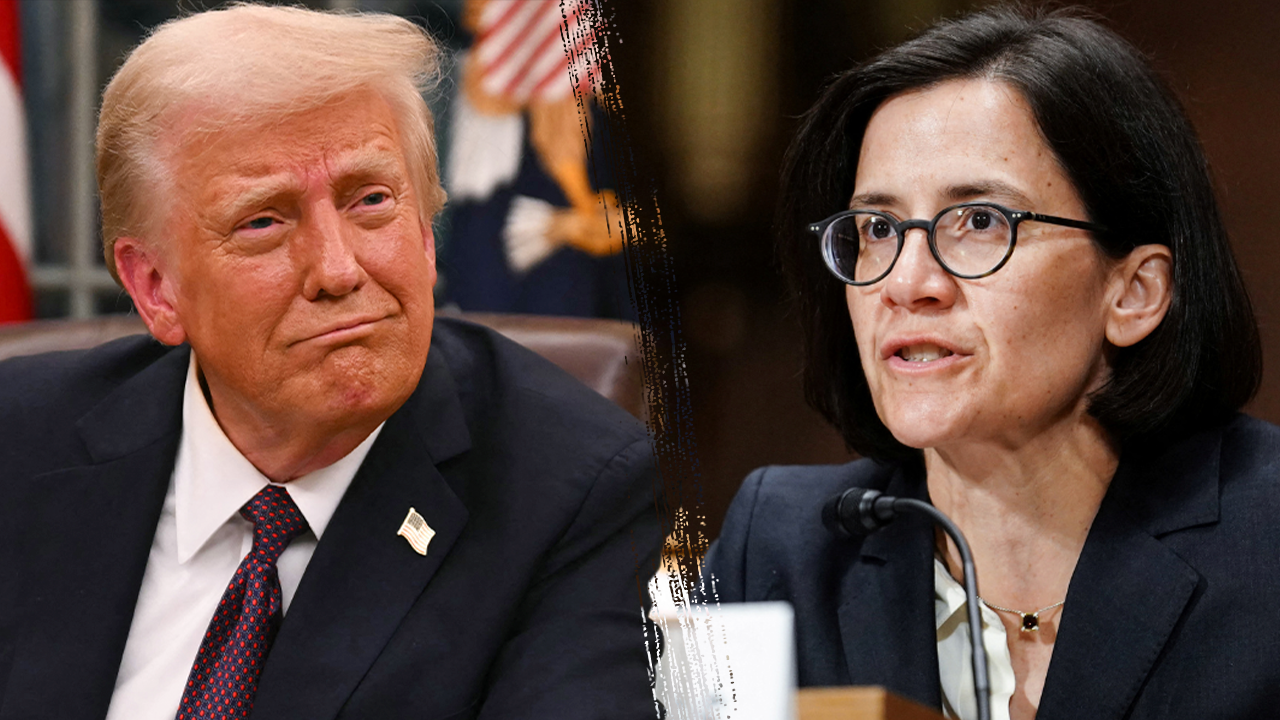
A Biden- appointed judge embroiled in a fierce dispute with the Trump administration over the removal of hundreds of trees at a federally owned D. C. golf course reversed course during Monday’ s nearly seven- hour hearing.
Judge Ana Reyes ended the nearly seven-hour hearing by backing away from her initial demand that Justice Department attorneys arguing the case put their names alongside Associate Attorney General Stanley Woodward Jr.’s Sunday filing. Reyes had invoked Rule 11, which requires attorneys to stand behind the factual basis of court filings and can subject them to sanctions for violations.
«Late breaking news,» Reyes said. «I’m going to withdraw request that DOJ refile yesterday’s brief with identification of who signed it. we’ve all got better things to spend our time on.»
The about-face from Reyes, who hours before the hearing was dubbed a «crazed lunatic» by President Donald Trump on Truth Social, is the latest development in a court battle over Trump’s plans to completely renovate East Potomac Golf Links into a «world-class, U.S. Open-caliber course.» The lawsuit, which was first filed in February, reached a boiling point earlier this month when the National Park Service removed roughly 430 trees at the golf course over a weekend. The Interior Department said the tree removals were part of a years-old plan to restore the course’s historic design and were unrelated to Trump’s proposed overhaul.
BIDEN JUDGE REJECTS OBAMA CIA CHIEF’S LEGAL BID AGAINST TRUMP OVER ONE KEY PROBLEM
Though the action did not violate a court order, it prompted Reyes to impose a temporary restraining order barring further tree removals. She also was described as «screaming» at the administration attorneys during an Oct. 12 hearing.
The hearing prompted Associate Attorney General Stanley Woodward to seek Reyes’ removal from the case, accusing her of bias and «open hostility» toward the Trump administration.
Both Woodward and Trump have called for the release of the court’s audio recordings of the hearings.
«The judge on the case is a crazed lunatic whose courthouse tapes will reveal, may be insane? The tapes have been blocked from usage by the judge,» Trump posted Monday hours before the hearing, saying the Trump administration has a «right» to turn the course into a «great, safe, and prestigious» golf course. «Work is scheduled to begin IMMEDIATELY! The finished product will be World Class, and bring income and great prestige back to D.C.»
Trump made two other tweets Sunday saying that Interior Department Secretary Doug Burgum and architect Tom Fazio had «developed a plan» to revamp the East Potomac Golf Links into a «World Class Championship Golf Course» and that work would begin November 15.
The tweets prompted Reyes to give the Justice Department an 8 p.m. filing deadline, saying Trump’s characterization conflicted with a previous filing that stated there was «no agency action» in Trump’s golf course plan.
The filing was signed only by Woodward, which immediately became a point of contention at the start of Monday’s hearing.
LIBERAL LAW PROFESSOR BREAKS WITH OBAMA JUDGE OVER TRUMP LAWYER CRACKDOWN: ‘I REFUSE TO TEACH’ IT
Reyes demanded that the attorneys «raise your hand» if they would sign the briefing, which Woodward said was «not an appropriate request.»
She then invoked Rule 11 and ordered them to the podium to sign the filing.
But Woodward and the attorneys refused. Reyes initially set a 3 p.m. deadline but later extended it until noon Tuesday and offered to allow the attorneys’ names to appear on the brief rather than requiring their signatures. In the end, she abandoned the demand completely.
«For those wondering, a common reason high level DOJ appointees sometimes signs briefs boils down to good leadership,» Abhishek Kambli, a former federal prosecutor, wrote on X. «If there is something that is likely to be contentious with a judge, a DOJ leader signs their name on the brief so that any issues someone has with the brief is directed at them rather than lower level attorneys. Regardless, it goes without saying that a decision such as this should not be something a judge is inquiring into.»
EXCLUSIVE: TRUMP’S DC JUDICIAL NEMESIS TARGETED IN MISCONDUCT COMPLAINT OVER ALLEGED BIDEN DOJ TIES
«DOJ line attorneys increasingly do not sign briefs because of Dem law fare. Dems have and continue to go after the bar licenses of young DOJ line attorneys who are simply executing on behalf of the department,» Rachel Boulvard, vice president of programs at the Conservative Partnership Institute, wrote on X.
Reyes, appointed by President Joe Biden in 2023, previously faced a Justice Department judicial-misconduct complaint over her handling of litigation challenging Trump’s restrictions on transgender individuals serving in the military.
SIGN UP TO GET THE POLITICS NEWSLETTER
During a February 2025 hearing, Reyes questioned a Trump administration attorney about what Jesus Christ would say about policies excluding transgender people from homeless shelters.
Then-DOJ Chief of Staff Chad Mizelle accused Reyes of «hostile and egregious misconduct» and potential bias in a formal complaint filed with the D.C. Circuit. The complaint was later dismissed, with the circuit’s chief judge concluding that a recusal motion was the proper avenue for challenging Reyes’ conduct.
federal courts, donald trump, justice department, judiciary, attorney general












INTERNACIONAL
Una peste con 5.500 años de historia todavía amenaza Mongolia: cómo las marmotas mantienen vivo el riesgo de contagio

Los investigadores identificaron el brote de peste humana más antiguo conocido, ocurrido hace unos 5.500 años cerca del lago Baikal, en el sureste de Siberia, y apuntaron a las marmotas locales como posible vía de contagio para grupos de cazadores-recolectores que manipulaban estos animales.
El análisis, publicado en la revista científica Nature y divulgado por National Geographic, halló rastros de la bacteria Yersinia pestis en los restos de 18 personas enterradas en cementerios de la región.
El equipo internacional, dirigido por Ruairidh Macleod, de la Universidad de Oxford, vinculó el episodio con la convivencia y el aprovechamiento de marmotas por parte de las poblaciones de aquel período.
La hipótesis se apoya en hallazgos arqueológicos de tumbas contemporáneas al brote difundidos por Journal of Ethnobiology. Allí aparecieron cientos de incisivos de marmota, dientes largos y curvos que habrían sido usados como adornos y depositados junto a los muertos.
Las pulgas sostienen el ciclo de contagio

“Las marmotas son, sin duda, la única especie vectora de la peste con la que tenemos pruebas arqueológicas claras de que interactuaban estrechamente”, afirmó Macleod. Un vector es un animal que participa en la transmisión de un microorganismo causante de enfermedad.
La infección suele propagarse por pulgas que pican a distintos animales en sucesión. En este caso, los roedores habrían funcionado como reservorios, es decir, como huéspedes capaces de mantener la bacteria en un ambiente natural durante períodos prolongados.
Estos mamíferos, de tamaño similar al de un gato doméstico, viven bajo tierra en colonias densas. Las familias pueden reunir una docena o más de ejemplares que comparten túneles, una condición que facilita el desplazamiento de las pulgas entre la fauna.
Según la investigación divulgada en Emerging Microbes & Infections y citada por el ecólogo de la peste Nils Stenseth, de la Universidad de Oslo, las marmotas tarbagán sobreviven a la peste en proporciones de entre 50% y 80%. Esa capacidad de supervivencia permite que la bacteria persista en sus poblaciones.
La peste persiste en los túneles de las marmotas

El ambiente subterráneo aporta otra condición para la conservación del patógeno. Investigadores rusos encontraron Yersinia pestis viva durante más de 400 días en el material de los nidos de roedores, incluso durante el invierno, cuando las marmotas hibernan.
La bacteria evolucionó durante miles de años a partir de un microorganismo intestinal relacionado. Las cepas halladas cerca del lago Baikal todavía no tenían un gen considerado decisivo para la propagación de la peste mediante pulgas, llamado ymt.
Los análisis de ADN antiguo indican que ese gen surgió entre 1686 y 951 a. C. Su aparición permitió que la bacteria se acumulara en el intestino de los insectos infectados y formara una obstrucción.
Como consecuencia, no lograban alimentarse de forma normal. Ante esa dificultad, las pulgas picaban repetidamente a distintas especies para buscar sangre.

Stenseth señaló que así es como una enfermedad de animales aparece en la gente y añadió que el bloqueo puede ser más intenso cuando escasean los roedores.
Menos roedores, mayor riesgo de contagio
Las condiciones meteorológicas regulan el ciclo entre bacterias, mamíferos y pulgas en la estepa de Asia Central. Años cálidos, sin temperaturas excesivas, y húmedos, aunque sin lluvias desmedidas, favorecen el aumento silencioso de la bacteria entre los roedores.
Luego, una sequía puede reducir drásticamente esas poblaciones. Con menos animales disponibles, los insectos quedan concentrados y buscan nuevas fuentes de alimento, entre ellas ganado, gatos o seres humanos. “Las pulgas se ven superpobladas, por lo que se inquietan”, explicó Stenseth.
La relación entre marmotas y peste continuó mucho después de los primeros casos documentados. Durante expediciones realizadas en Siberia en la década de 1870, surgieron sospechas de que la enfermedad circulaba entre estos animales y afectaba a quienes los manipulaban.

La historiadora y veterinaria Susan Jones, de la Universidad de Minnesota, recordó que en la epidemia registrada entre 1910 y 1911 en la región de Manchuria, que causó cerca de 60.000 muertes, cazadores locales dijeron a los investigadores que creían que las marmotas los enfermaban.
El consumo y la caza mantienen el riesgo en Mongolia
Las marmotas mantienen presencia cultural en la estepa de Asia Central. En Mongolia, el boodog, una preparación en la que el animal se cocina dentro de su propia piel con piedras calientes, es considerado un plato nacional, aunque la caza continúa pese a ser ilegal.
El consumo de carne u órganos crudos se vinculó con casos de peste. En 2020, un matrimonio murió en Mongolia tras ingerir órganos crudos de marmota; más recientemente, un adolescente falleció luego de cazar y comer uno de estos mamíferos.
De acuerdo con la revista científica Proceedings of the National Academy of Sciences of the United States of America (PNAS), los programas soviéticos de erradicación buscaron controlar la enfermedad durante gran parte del siglo XX. Sin embargo, las campañas concluyeron hacia 1990 sin conseguirlo.
marmota tarbagán,Asia Central,fauna alpina,herbívoro
INTERNACIONAL
Sea mine crisis re-emerges in Strait of Hormuz as Tehran urges Washington to accept deal
NEWYou can now listen to Fox News articles!
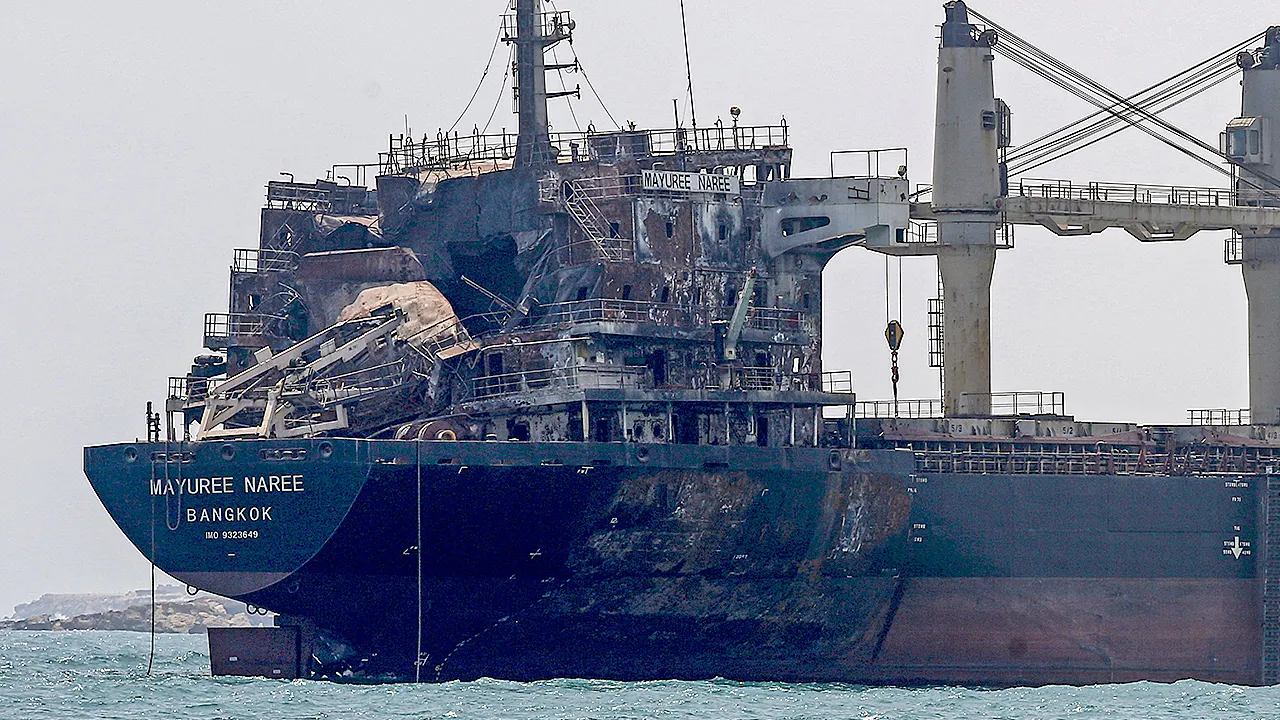
Sea mines have resurfaced as a threat in the Strait of Hormuz, where Iran claimed Oct.17 that two oil tankers caught fire after striking the explosives, raising fresh alarms over the safety of one of the world’s most critical shipping lanes.
This came as the International Maritime Organization (IMO) warned that sea mines pose a serious threat to vessels navigating the strategic waterway and while Tehran continues to maintain its own unauthorized shipping corridor inside its territorial waters.
«The traffic separation scheme, the information that we have is that they still have mines. And of course, whilst the conflict is ongoing, it’s very difficult for us to use third parties to verify that it is clear of these hazards,» IMO Secretary-General Arsenio Dominguez told Fox News Digital.
INSIDE THE DANGEROUS US MISSION THAT CLEARED IRAN’S MINES FROM HORMUZ SHIPPING LANES
Mine countermeasures ship USS Dextrous (MCM 13) (not pictured) sails with ships participating in the Oman-led exercise Khunjar Hadd in the Gulf of Oman. Dextrous is deployed to the U.S. 5th Fleet area of operations to help ensure maritime security and stability in the Middle East Region. (U.S. Naval Forces Central Command/U.S. 5th Fleet/Handout via REUTERS)
«So in the meantime, we cannot guarantee that a vessel that intends to transit that route will not be hit by a mine.»
Iran’s Islamic Revolutionary Guard Corps (IRGC) navy said Saturday that two oil tankers caught fire after striking naval mines while crossing the Strait of Hormuz, Reuters reported, citing Iran’s official Islamic Republic News Agency (IRNA).
State media also said both tankers were carrying about 2 million barrels of crude oil, according to Reuters.
IRNA also reported that the vessels had switched off their positioning and radar systems and attempted to use a route through the strategic waterway that Iran had not authorized.
IRAN WARNS SHIPS OF ‘FORCEFUL RESPONSE’ AS US-BACKED HORMUZ ROUTE CHALLENGES TEHRAN’S GRIP
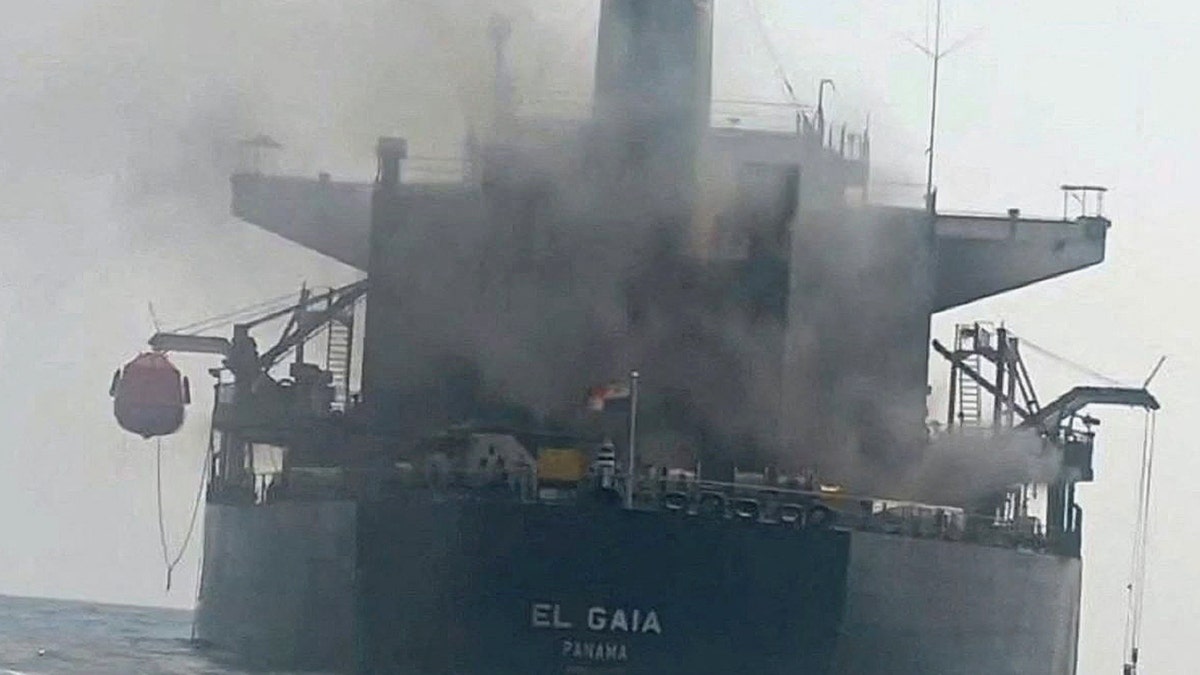
Smoke column rises from tanker El Gaia after incident in Strait of Hormuz
The second tanker was left immobilized after striking a mine, according to the Reuters report.
The alleged strikes came as Tehran continued to maintain its transit passageway inside Iranian territorial waters, imposing tolls and safety fees administered by the IRGC — a framework rejected by Washington and the IMO as inconsistent with international maritime law.
International shipping through the narrow chokepoint has historically relied on an IMO-approved traffic separation scheme adopted in 1968.
«Right now there’s only one route that was adopted back in 1968 that is approved and recognized for IMO and that appears in all the charts for the vessels to operate,» Dominguez explained.
IRAN FAILS TO STRIKE DEAL WITH US AS DEADLINE PASSES AND TRUMP CALLS FOR ‘WHITE FLAG OF SURRENDER’
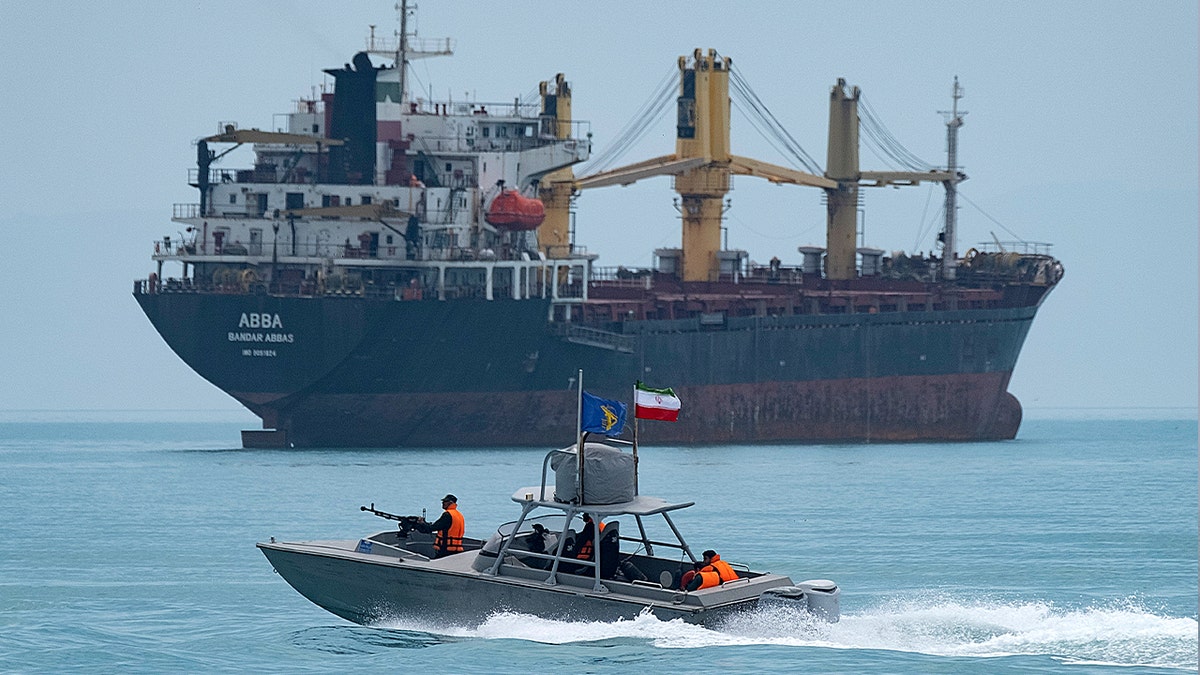
Attacks on vessels around the Strait of Hormuz have surged over the past two weeks. Senior Iranian officials also told Reuters that Tehran has shifted its strategy for attacking commercial vessels during that period. (Morteza Nikoubazl/NurPhoto via Getty Images)
«There’s only one route that should be used for transit, but it’s not clear of mines right now, so it’s not safe.»
«We have received confirmation from Iran about the establishment of its temporary route in the waters,» he added before stating that the route was not provided with «an official confirmation or a decision of the organization.»
«Any other route needs to actually be sent to the organization to go through the processes, and we have not received that.»
«We have received communication from Iran to use that route because of the conflict,» Dominguez clarified.
«That’s the way that it’s been presented. But anything for us to approve needs to go through the mechanisms at the international maritime organizations and the member states need to review it.»
The developments also came amid stalled negotiations between Washington and Tehran over ending the conflict and restoring maritime traffic.
DISTRESS CALL CAPTURES TANKER UNDER FIRE, IRAN SHUTS HORMUZ TRAPPING THOUSANDS OF SAILORS
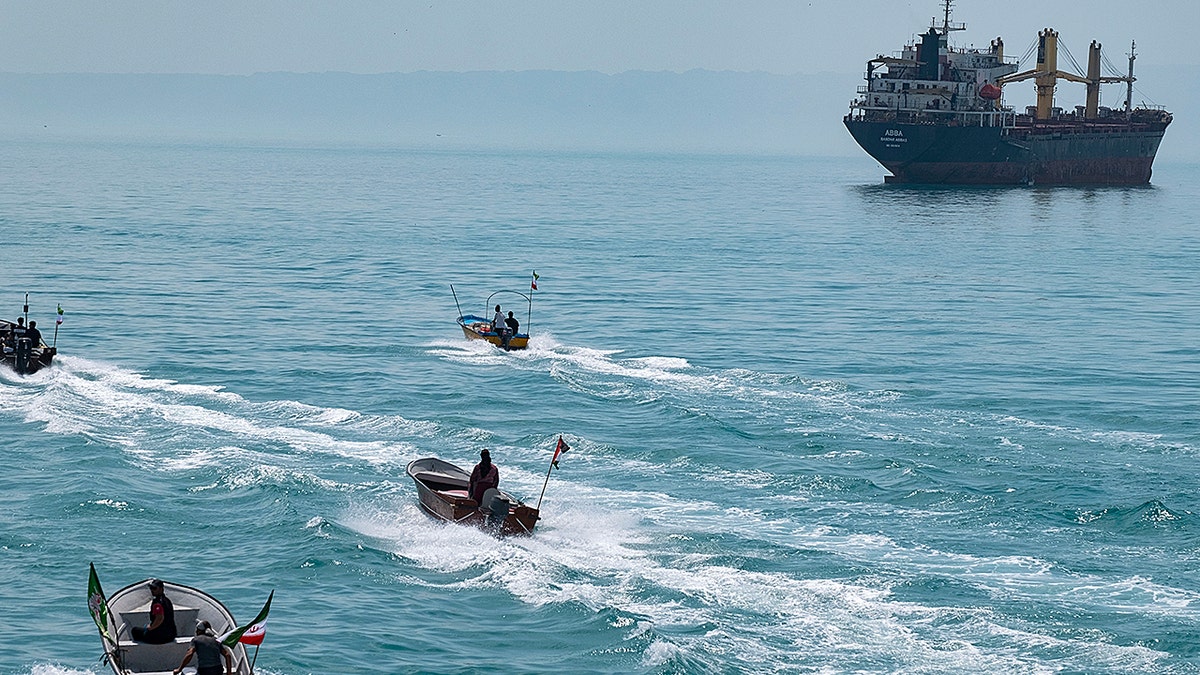
Basij paramilitary force speed boats are sailing along the Persian Gulf near a general cargo vessel ( Morteza Nikoubazl/NurPhoto via Getty Images)
Mohsen Rezaei, secretary of Iran’s Supreme National Security Council and a former Revolutionary Guard commander, said Tehran considered Washington’s latest response to negotiations «insufficient,» Reuters reported, according to IRNA.
Rezaei said the U.S. had accepted some of Iran’s seven conditions but that other issues remained unresolved, adding that Tehran was no longer responding to Washington and that the U.S. needed to clarify the outstanding matters.
Iranian Foreign Minister Abbas Araghchi said that Tehran had submitted a proposal to Washington through Qatar, which is mediating the negotiations, outlining conditions under which the Strait of Hormuz could reopen and normal maritime traffic resume within seven days.
«Our situation is clear and based on the seven-day proposal presented to the US. They shared comments which we are reviewing, but our proposal is still on the table and if there is any honesty on the US part, which there isn’t, the way to reopening the Strait of Hormuz is obvious,» Araqchi said in Baghdad, Reuters reported
IRAN REQUESTS TALKS WITH US AS WHITE HOUSE WARNS ‘VIOLENCE WILL BE MET WITH VIOLENCE’
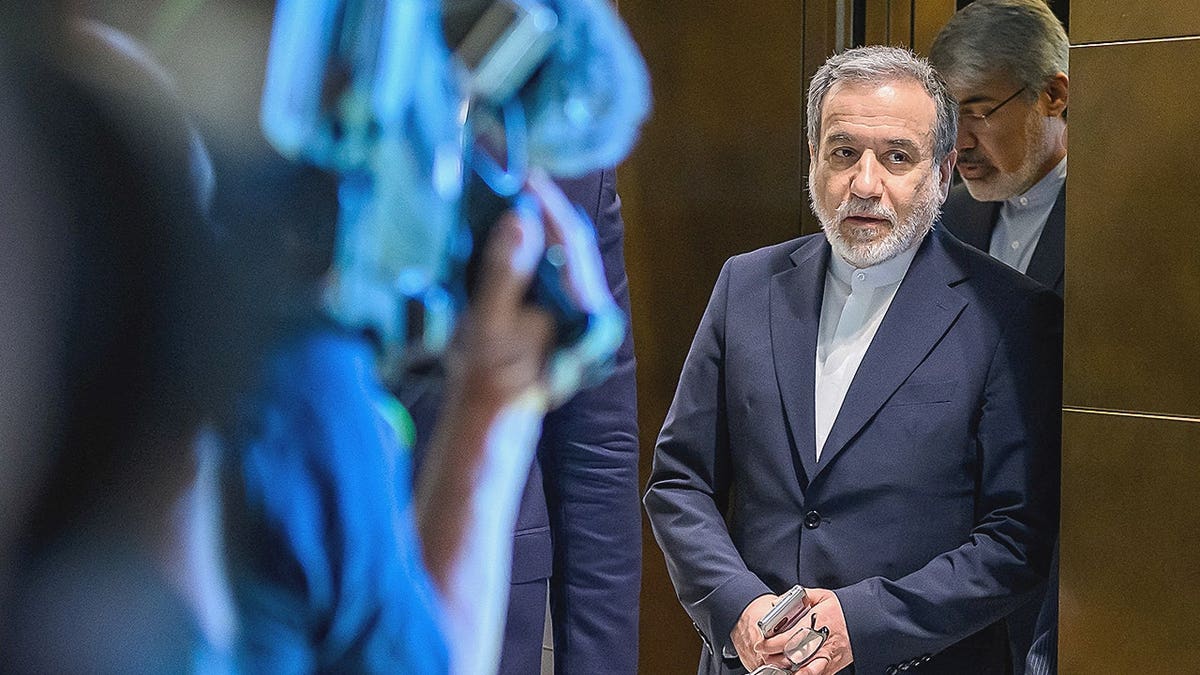
As U.S.-Iran talks opened Sunday in Switzerland, a dispute over who controls and monitors billions of dollars in potentially unfrozen Iranian assets emerged (Fabrice Coffrini/Pool via REUTERS)
Meanwhile, attacks on commercial vessels around the Strait of Hormuz have surged over the past two weeks.
Senior Iranian officials also told Reuters that Tehran has shifted its strategy for attacking commercial vessels during that period.
For commercial shipping operators, Dominguez warned that the continued threat of mines and attacks means the waterway has yet to return to normal operations.
The Strait of Hormuz is «not open for business in the way that it was before the conflict started,» he said.
«Our role right now is to prepare for when we have the opportunity to go back, resume the operations, follow all the procedures at IMO, but not until the root causes are addressed and those are beyond IMO.»
Fox News Digital reached out to U.S. Central Command (CENTCOM) for comment.
world, iran, middle east, national security, geopolitics, foreign affairs, navy, international law

El televisor se ha consolidado como uno de los principales centros de entretenimiento del hogar. Sin embargo, elegir un Smart TV ya no depende únicamente del tamaño de la pantalla o del precio: el acceso a plataformas de streaming, la calidad de imagen, la conectividad y las funciones inteligentes también influyen en la decisión de compra.
Antes de comparar especificaciones, conviene preguntarse qué uso tendrá el equipo. Mientras algunos usuarios priorizan una pantalla amplia para ver películas, deportes o videojuegos, otros buscan un televisor compacto para una habitación, con acceso sencillo a sus aplicaciones favoritas y opciones para conectar otros dispositivos.
En ese escenario, la relación entre tecnología, precio y valor se convierte en uno de los principales criterios de compra.

La propuesta de AIWA en Centroamérica y el Caribe cuenta con una oferta de Smart TVs que incorporan diferentes tamaños y tecnologías de pantalla, incluyendo alternativas HD, 4K y QLED, para responder a distintos espacios, necesidades y presupuestos.
Tamaño y tecnología: ¿qué conviene tener en cuenta?
La elección de la pantalla depende del espacio disponible, la distancia desde la que se verá el contenido y las preferencias de cada hogar. La resolución HD puede responder a necesidades cotidianas en pantallas compactas, mientras que 4K ofrece mayor nivel de detalle en contenidos compatibles.
La tecnología QLED, por su parte, utiliza puntos cuánticos para ampliar la reproducción del color. En el portafolio regional de AIWA pueden encontrarse desde alternativas compactas hasta grandes formatos, incluyendo modelos QLED de 55 y 85 pulgadas con resolución 4K.
Sin embargo, contar con más especificaciones no siempre significa hacer una mejor compra. La clave está en identificar cuáles características aportan valor al uso diario y cuáles se ajustan al presupuesto.

Google TV y Roku TV: opciones para acceder al entretenimiento
El sistema operativo también influye en la experiencia de uso. Las plataformas inteligentes permiten acceder a aplicaciones y servicios de streaming desde el televisor, sin necesidad de recurrir a dispositivos externos para cada servicio.
Dentro de su oferta regional, AIWA incorpora modelos con Google TV y Roku TV. Google TV reúne aplicaciones y contenidos en una misma interfaz e integra, según el modelo, funciones como el Asistente de Google y Chromecast. Roku TV, por su parte, organiza aplicaciones y servicios de entretenimiento mediante un menú central de navegación.
En determinados modelos QLED, la experiencia se complementa con tecnologías como Dolby Vision y Dolby Audio, además de opciones de conectividad como Wi-Fi, Bluetooth, HDMI y USB. La disponibilidad de estas características depende de la referencia, por lo que conviene verificar las especificaciones antes de comprar.
La ecuación precio y valor
Comparar televisores únicamente por su precio puede dejar por fuera aspectos importantes. Dos equipos con valores similares pueden ofrecer experiencias diferentes, mientras que pagar más por una pantalla no garantiza que todas sus funciones sean necesarias para el usuario.

Para evaluar la relación precio-valor, conviene revisar la calidad de imagen y sonido, el sistema operativo, las aplicaciones disponibles, las opciones de conexión y la facilidad de uso. Estos factores permiten determinar qué prestaciones justifican la inversión según las necesidades de cada hogar. Desde esta perspectiva, los Smart TV AIWA destacan por su relación precio-valor; ofrecen distintos niveles de equipamiento para que se pague por las funciones que de verdad se usarán.
La garantía también cuenta
El respaldo posventa es otro aspecto que conviene revisar antes de elegir un televisor. Según la información proporcionada por AIWA, la marca ofrece un año de garantía contra defectos de fábrica para televisores y monitores, sujeto a las condiciones aplicables y a la atención mediante centros de servicio autorizados.
La cobertura contempla mercados de Centroamérica y el Caribe como Guatemala, Honduras, El Salvador, Nicaragua, Costa Rica, Panamá, República Dominicana, Jamaica, Haití y Trinidad y Tobago, entre otros. Las condiciones de garantía, la disponibilidad de modelos y los distribuidores pueden variar según el país, por lo que es recomendable consultar la información vigente en el mercado correspondiente.
Este componente adquiere especial relevancia cuando se compara el verdadero costo de una compra. El precio es lo que se paga al momento de adquirir el producto; el valor también incluye la tranquilidad de contar con canales de atención y respaldo en caso de necesitarlo.
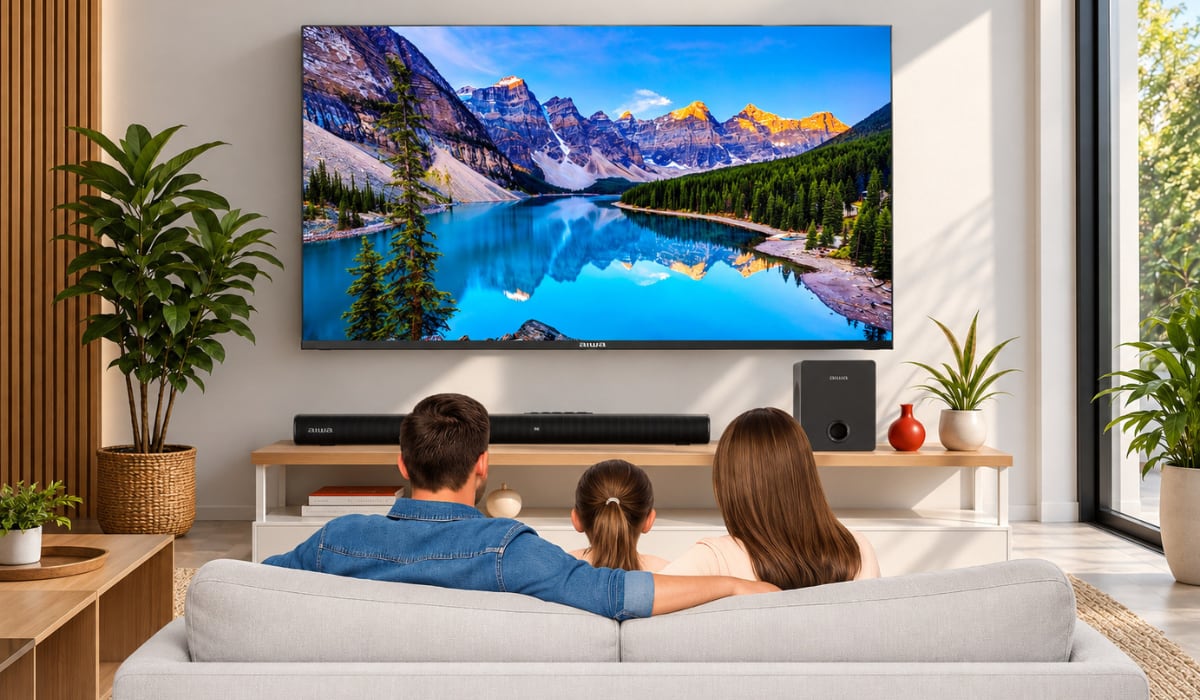
AIWA dispone además de canales regionales de atención para ventas, posventa y garantías, mientras que la disponibilidad de modelos y distribuidores puede variar según cada país.
Elegir según las necesidades del hogar
No existe un único Smart TV ideal para todos. La decisión depende del espacio disponible, los contenidos que se consumen, las funciones que se utilizarán con frecuencia y el presupuesto.
La oferta de AIWA en Centroamérica y el Caribe reúne alternativas HD, 4K y QLED, con modelos que incorporan distintas plataformas inteligentes y opciones de conectividad. Comparar estas características junto con las condiciones de garantía permite evaluar no solo cuánto cuesta un televisor, sino también qué ofrece y qué respaldo tendrá después de la compra.
Smart TV AIWA,Televisores,Tecnología

Señal positiva sobre la visita del papa León XIV: el Vaticano enviará una delegación a Argentina – Nexofin

Milei llegó a Madrid en plena campaña: lo reciben con críticas del gobierno y sus aliados toman distancia

Una peste con 5.500 años de historia todavía amenaza Mongolia: cómo las marmotas mantienen vivo el riesgo de contagio

Así fue el momento en que atropellaron a Fabián Gianola: el video

De Messi a Lisandro López y el Jardinero Cruz: los máximos goleadores argentinos en la historia de la Champions League

El Banco Central sumó otros USD 100 millones y ya compró más del doble que en septiembre

Alerta roja en Sudamérica por el Súper Niño: cambio climático, inundaciones extremas y el hallazgo de microplásticos y metales en el granizo

Juan Minujín contó como llegó a trabajar con Angelina Jolie y Salma Hayek: «Al principio dije que no»

El Gobierno pone en marcha un nuevo plan de retiros voluntarios y busca que haya 20.000 empleados menos en el Estado

Trump’s new press secretary out of the job just days after rocky debut

 CLIMA1 día ago
Alerta roja en Sudamérica por el Súper Niño: cambio climático, inundaciones extremas y el hallazgo de microplásticos y metales en el granizo
- POLITICA1 día ago
El Gobierno pone en marcha un nuevo plan de retiros voluntarios y busca que haya 20.000 empleados menos en el Estado
- CHIMENTOS2 días ago
“Feliz día a la mejor mamá del mundo”: el doble gesto del Chato Prada con Lourdes Sánchez y la reacción de ella