INTERNACIONAL
La buena política no se fabrica en serie

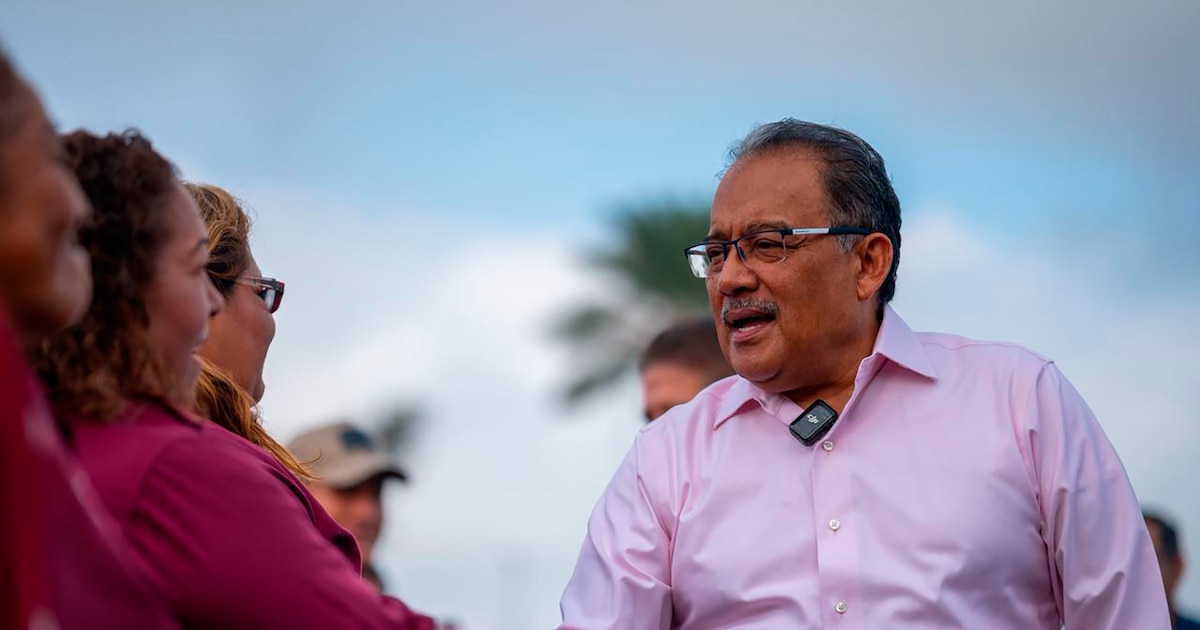
Los demócratas recuperaron el Senado y la Cámara de Representantes, incluso con victorias en estados tradicionalmente republicanos. Pesaron el costo de la vida, la guerra con Irán y el rechazo a decisiones del gobierno en turno, pero también importa cómo el Partido Demócrata escuchó ese descontento y construyó su respuesta.
Chuck Schumer, dirigente demócrata en el Senado, explicó en The Daily, de The New York Times, dos decisiones clave. La primera fue buscar candidaturas adecuadas para cada estado. No un molde ideológico aplicado a rajatabla. Una pediatra en Carolina del Sur, un pastor en Kansas, un exsenador en Ohio, un maestro de primaria en Texas: trayectorias distintas capaces de hablar con sus propias comunidades.
La dirigencia reclutó perfiles con mucha atención y los votantes decidieron en sus primarias de forma directa, sin nada en medio que distorsionara esa voluntad popular. No todo salió como los líderes preferían, pero ellos entendieron algo esencial: la política es el arte de lo posible porque, primero, es el arte de poner atención y dedicar tiempo a la auscultación y la investigación. Escuchar y respetar las singularidades no es renunciar a los principios. Es tomarse en serio a la gente.
La segunda decisión fue hablar de lo que pesaba en el bolsillo y en la vida cotidiana. Schumer resumió el mensaje en tres C: costos, caos y corrupción. Costos: la despensa, la vivienda, la salud, la electricidad. Caos: los sobresaltos de la administración en materia comercial y de política exterior. Corrupción: la exigencia de que el poder sirva a la ciudadanía, no a intereses particulares. Tres palabras fáciles de recordar porque nombran preocupaciones reales.
Pero hubo una tercera lección, quizá la más importante: no basta con tener el mensaje correcto. Hay que tener a la persona adecuada para transmitirlo.
Los demócratas abrieron espacio a nuevos rostros, trayectorias distintas y liderazgos que no parecieran simples reediciones de una clase política desgastada. No todos los vencedores eran nuevos ni jóvenes, pero representaban una renovación respecto a candidatos repetidos o de las familias o dinastías de siempre en cada región.
Sobre todo, los demócratas comprendieron la importancia de la integridad personal. Porque resulta difícil hablar contra la corrupción cuando quien lo hace arrastra cuestionamientos sobre su propia conducta. La honestidad exige coherencia entre las palabras, la trayectoria y los hechos. La integridad no se improvisa en una campaña. Se construye durante toda una vida.
La novedad tampoco es cuestión de edad. Significa ofrecer una forma distinta de ejercer el liderazgo, sin reproducir automáticamente los mismos personajes, los mismos conflictos y las mismas prácticas que han agotado la confianza pública.
Hay algunas afinidades entre distintas agendas demócratas (proteger el acceso a la salud, contener los costos y cuestionar una economía que concentra beneficios) y la prosperidad compartida que propone Morena, pero no son partidos ni países idénticos. Precisamente por eso debemos aprender del método y no copiar la receta.
Nuevo León merece esa atención a lo particular. Somos un estado industrial, emprendedor, universitario y trabajador. ¿Qué puede ofrecerle la Transformación a Nuevo León? Inversión con certeza, empleo, seguridad, movilidad, agua, aire limpio y oportunidades para todas las colonias. ¿Y qué espera Nuevo León de la Transformación? Honestidad para cuidar los recursos, capacidad para ejecutar, cercanía para escuchar y carácter para cumplir.
La Presidenta, la Dra. Claudia Sheinbaum Pardo, ha trazado con el Plan México una ruta de industrialización y crecimiento con justicia. Nuestro reto es darle identidad norteña, recuperar la tradición del Capitalismo Social y traducirla en resultados. Gobernando Escobedo aprendí que atraer empresas y fortalecer el tejido social son tareas que se complementan, no que compiten y lo he repetido por más de 5 años.
En cualquier caso, la enseñanza estadounidense no es que exista una fórmula mágica para ganar. Es que un proyecto puede tener principios nacionales y escuchar las necesidades de cada territorio, renovar sus liderazgos y exigir integridad a quienes lo representan.
Porque la política no consiste en ponerle el mismo traje a todos los estados. Consiste en entender qué necesita cada uno y encontrar personas con la honestidad, la capacidad y la cercanía para cumplirle. Eso es política real.
*Andrés Mijes es presidente municipal de General Escobedo, Nuevo León, y maestro en Ciencias Políticas por la Universidad Autónoma de Nuevo León.


FIRST ON FOX: A new analysis from a conservative AI safety group found that deep-red counties with large data centers or proposed projects shifted further toward Democrats in last week’s midterm elections than comparable counties without such projects.
Humans First’s analysis, obtained by Digital, examined public election returns and data-center project records in 1,540 counties across 16 states. The memo used several comparisons to measure what the group describes as a «data center penalty.» Across all counties examined, those hosting large data centers shifted an additional 2.2 percentage points toward Democrats compared with non-host counties in the same states. The pattern appeared in 14 of the 16 states and 25 of the 27 governor and Senate races examined.
Restricting the analysis to deep-red counties — those President Donald Trump won by at least 20 points in 2024 — produced a 2.1-point raw gap between counties hosting large data centers and comparable counties without projects.
Among deep-red counties with projects still in the proposal stage, the gap was 1.1 percentage points after accounting for past voting patterns, rural or urban status, population size, racial and ethnic makeup and recent voting trends.
TEA PARTY FOUNDER LAUNCHES NATIONWIDE ‘DATA CENTER REVOLT’ AGAINST AI DATA CENTER EXPANSION
The group identified 114 proposed large data center projects across 92 deep-red counties, potentially setting up more local fights.
The memo found that Republican vote totals fell an additional 1.1% in deep-red host counties compared with comparable counties without large data centers, while Democratic vote totals showed no significant change.
The memo cautioned that its findings show an association rather than proof that data centers caused voters to change their behavior. County-level results also cannot determine whether Republicans switched their votes or simply stayed home.
«Our analysis looked at how counties with data centers voted and how those counties moved to the left,» Humans First Chairwoman Amy Kremer told Digital.
«I think this happened for the reason I’ve been warning conservatives and Republicans about for some time: People engage politically when issues affect them personally. There’s nothing more personal than your pocketbook, your health care, your kids and family, your home and your community. A data center involves all of those things, which is why I believe these counties moved away from Republicans,» she continued.
Humans First’s September «Data Center Revolt» bus tour made 35 stops in 27 states, including 14 stops in the states covered by the analysis. Nine of those stops were in deep-red counties, all of which hosted a large data center project. Those nine counties shifted 2.2 points further toward Democrats after the analysis accounted for its controls, compared with a 0.75-point shift among deep-red host counties overall. The group said those same nine counties showed no comparable gap from 2020 to 2024.
The findings do not establish whether the group’s visits influenced voting behavior or whether those counties already had stronger opposition to data center development.
Separately, voters favored restrictions on data center development or rejected measures supporting such projects in 46 of 47 local data center ballot measures in 2026, according to Ballotpedia. The measures included different types of proposals, including restrictions on development and advisory questions.
Kremer said this is a local control issue, stressing that Republicans should focus on protecting property rights and ensuring people have control over how things affect their lives.
«Whether you’re talking about AI technology or the infrastructure needed to build AI data centers, the American people have not had a seat at the table,» Kremer said. «They haven’t had a say in how the technology affects them or how the data center buildout affects their communities. In many places across the country, developers and companies have gone in and cut deals behind closed doors, under a cloak of darkness, using nondisclosure agreements and shell companies. By the time people in the community find out about the project, it’s too late to stop it.»
«These projects affect the quality of life and how much money people have. They can increase the cost of electricity and water, while tax abatements are given to trillion-dollar companies — some of the wealthiest companies in the world. That is money coming out of the pockets of the American people,» she continued.
Kremer added, «When you talk about Iran and gas prices, tariffs and now the AI data center buildout, all of these costs are coming out of people’s pockets. That’s when people engage politically, and I think that’s what we saw last Tuesday.»
The concerns come amid a broader debate over how data centers should pay for the electricity and grid infrastructure they require. The Energy Department estimates data centers used 4.7% of U.S. electricity in 2024 and, in its reference case, could account for 11.8% by 2030. The Federal Energy Regulatory Commission has directed regional grid operators to address safeguards against shifting the costs of serving large electricity users onto other customers. Those developments do not establish that data centers caused higher household rates in the counties examined by Humans First.
Tax incentives also vary by state. The National Conference of State Legislatures reported that at least 38 states offer incentives specifically for data centers, including equipment-tax exemptions and, in some states, exemptions involving electricity or property taxes. The Data Center Coalition, an industry trade group, says such incentives are similar to those offered to other capital-intensive industries and argues that data centers generate jobs, investment and tax revenue.
Humans First does not support a nationwide or statewide moratorium on data centers, but Kremer said individual communities should be free to approve or reject projects.
DATA CENTERS FORGOT THE CONSUMER — AND THAT COULD COST AMERICA THE AI RACE
«If a community comes together and votes for a moratorium, that is its prerogative. If a community wants a data center, that is its prerogative as well. It is all about local control,» she said.
Kremer said she learned that people engage more when it comes to issues that affect them personally, noting that data centers «encompass all of those issues.»
«Whether you’re talking about pocketbook issues, health care, kids and family, or your home and community, the data center battle is a physical manifestation of all those concerns,» she said. «When it comes to the economic impact on their communities, I think data centers absolutely played a role in the election.»
«I hope we can get on the right page and give local control back to communities. People should have a say in how they live and what goes into their communities. That is very personal, and I hope we can move in that direction,» Kremer added.
artificial intelligence, elections, politics, technology, midterm elections, republicans elections, voting
INTERNACIONAL
Las claves del plan opositor para liberar a Cuba de la dictadura: fin de la represión, justicia y voto
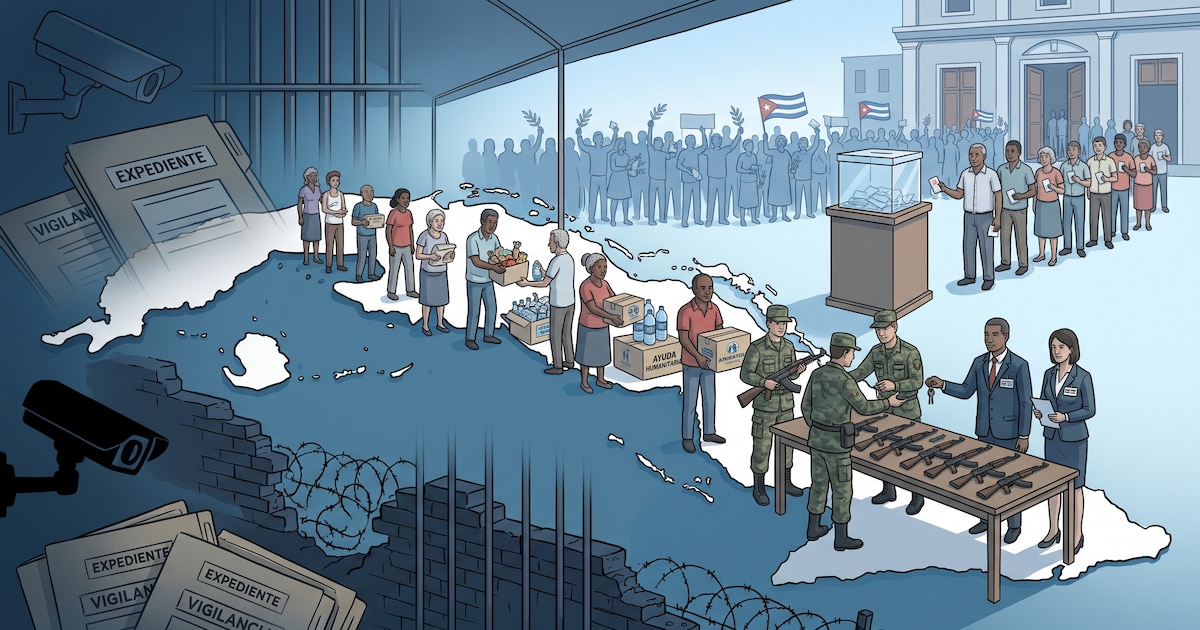
Desmontar la dictadura cubana no será un camino fácil, pero la oposición en el exilio ha puesto sobre la mesa un mapa con algunas vías que lleven a ese destino.
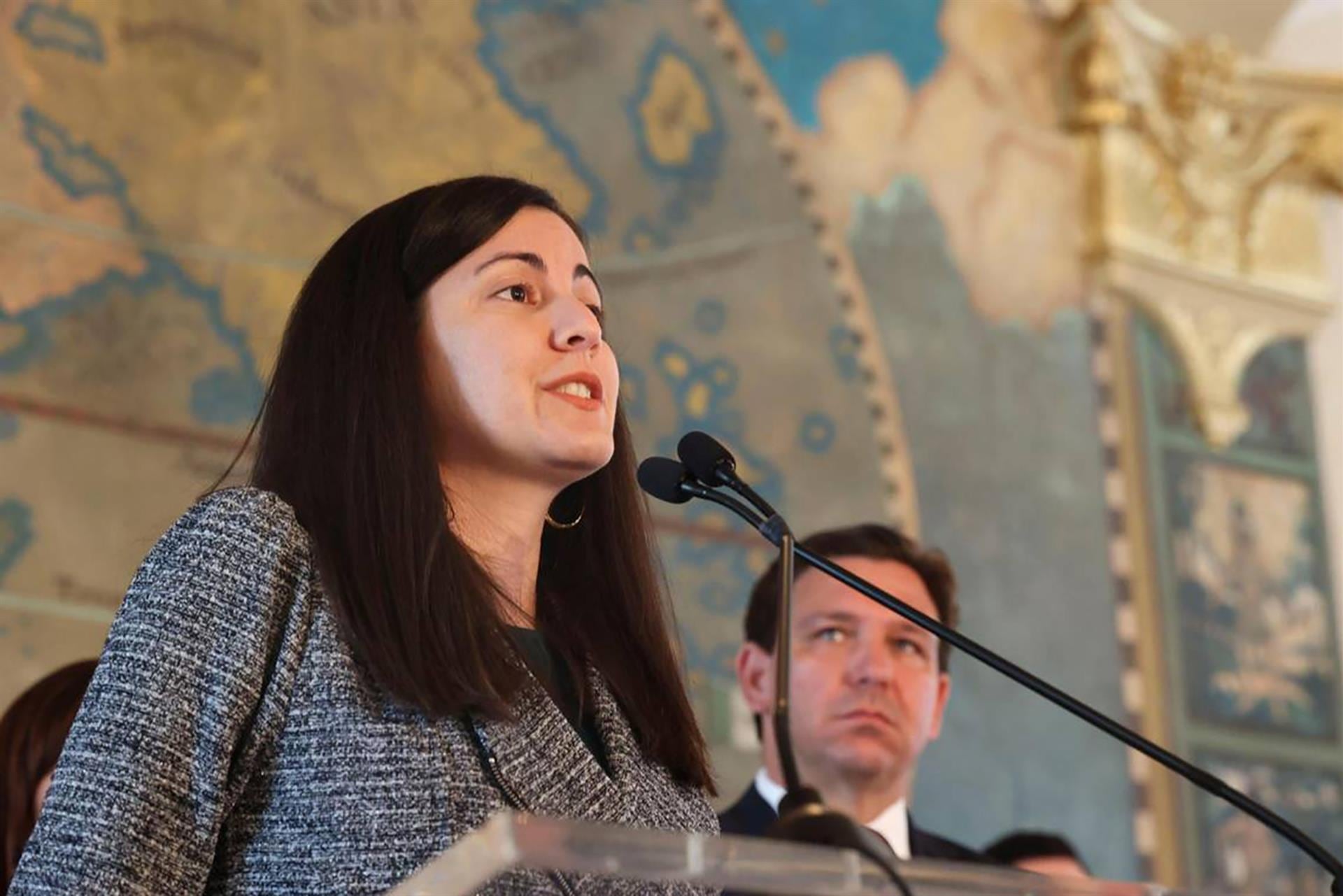
La activista Rosa María Payá presentó recientemente en Madrid un plan que plantea una transición democrática en Cuba dividida en tres fases, con el desmantelamiento de los organismos represivos, ayuda humanitaria inmediata, un gobierno provisional limitado en el tiempo y la convocatoria a elecciones plurales.
La iniciativa, expuesta durante el encuentro Cuba en el Umbral, reunió a activistas, juristas, economistas y representantes de organizaciones opositoras dentro y fuera de la isla. Sus planteamientos parten de una advertencia: el cambio político no podría sostenerse si las estructuras de vigilancia, control económico y poder partidista conservaran capacidad para condicionar el proceso.
El plan busca sustituir el actual sistema político cubano, prevé un período transitorio de entre 18 y 36 meses, sin prórrogas, y concluye con un plebiscito constitucional vinculante y comicios libres.
Payá, fundadora de Cuba Decide y coordinadora de la plataforma Pasos de Cambio, sostuvo que el objetivo no es administrar una transición indefinida, sino devolver a los ciudadanos la capacidad de decidir sobre el futuro político de la isla. “Ya no estamos exclusivamente denunciando la dictadura, estamos preparando la República”, afirmó durante la presentación, según informó 14ymedio.
El fin de la represión, condición para iniciar el proceso
La primera etapa del programa se denomina liberación y fija como requisito el cese de la represión estatal y la restitución de derechos fundamentales. Para los promotores del plan, no puede haber apertura política mientras se mantengan los mecanismos de persecución contra opositores, activistas, periodistas independientes y ciudadanos críticos del régimen.
La propuesta incluye la disolución de la Seguridad del Estado, de las brigadas de respuesta rápida y de los sistemas de vigilancia vinculados a los Comités de Defensa de la Revolución. También plantea que las Fuerzas Armadas queden subordinadas a autoridades civiles, con el argumento de que el control de las armas debe responder a la ley y no al Partido Comunista.
Armando Ibarra, responsable del área de seguridad de la iniciativa, propuso retirar de Cuba los servicios de inteligencia de Rusia y China. El documento también contempla el traspaso del Grupo de Administración Empresarial S.A. (Gaesa), conglomerado controlado por las Fuerzas Armadas, a una administración civil. La reorganización del poder militar y económico figura como una de las condiciones centrales del programa opositor.
El planteamiento busca incorporar incluso a quienes hoy integran las instituciones oficiales. Payá señaló que la propuesta está dirigida a todos los cubanos, incluidos aquellos que permanecen dentro de estructuras estatales y partidarias. Esa definición apunta a evitar que el cambio político se limite a los sectores opositores y alcance a funcionarios, trabajadores públicos y miembros de organismos de seguridad.

Ayuda humanitaria gratuita en las primeras 72 horas
La segunda fase, definida como estabilización y reconstrucción, parte de un diagnóstico sobre el deterioro de las condiciones de vida en Cuba. El plan prevé la distribución de alimentos, agua y medicamentos durante los primeros 180 días de la transición, con un operativo inicial en un plazo de 72 horas.
Yaxys Cires, del Observatorio Cubano de Derechos Humanos, explicó que la asistencia sería gratuita y no tendría condicionamientos políticos. La propuesta incluye una autoridad nacional para coordinar la ayuda y centros logísticos destinados a asegurar su llegada a distintas zonas del país.
El abastecimiento de productos básicos en las primeras 72 horas busca responder a uno de los principales riesgos de una transición: que la escasez y la precariedad social generen inestabilidad durante el cambio institucional. Los opositores plantean que la emergencia humanitaria debe recibir atención antes de avanzar en reformas más amplias de la economía y el sistema político.
En el plano económico, el economista Elías Amor Bravo propuso reducir el peso del Estado en la actividad productiva, ampliar las garantías para la propiedad privada, contener la inflación y captar inversiones. La propuesta parte de la premisa de que existen recursos nacionales que requieren una administración distinta y mayor transparencia.

Justicia para las víctimas y revisión de las propiedades confiscadas
El documento también dedica un apartado a la justicia transicional. El politólogo y escritor Julio M. Shiling, asesor del área, propuso investigar los delitos atribuidos al régimen cubano, depurar las instituciones estatales y preservar los archivos de los organismos de seguridad.
El programa contempla mecanismos para restituir o indemnizar propiedades confiscadas tras la revolución, aunque establece el derecho de permanencia de quienes ocupan actualmente esos inmuebles. La devolución o compensación por los bienes confiscados aparece vinculada a una política de reparación sin desalojos automáticos.
La revisión del funcionamiento de Gaesa forma parte de ese proceso. Los impulsores de la iniciativa consideran que debe esclarecerse el manejo de los recursos controlados por el conglomerado militar y establecerse responsabilidades en caso de que las investigaciones detecten irregularidades.
Shiling propuso tomar como referencia la Constitución cubana de 1940, con adaptaciones a la realidad actual. El planteamiento busca ofrecer una base legal anterior al sistema instaurado después de 1959 y abrir un debate sobre el marco institucional de una futura República.

Organismos electorales autónomos en los primeros 90 días
La tercera y última fase se centra en la democratización. El abogado Mijail Bonito Lovio explicó que durante los primeros 90 días se deberían crear instituciones autónomas, entre ellas un servicio nacional electoral y una contraloría.
La denominada ley de transición democrática tendría carácter provisional y establecería los pasos jurídicos para el período de cambio. El límite máximo de 36 meses apunta a impedir que el gobierno transitorio se prolongue sin una consulta popular y sin elecciones competitivas.
El itinerario concluiría con un plebiscito constitucional vinculante y comicios plurales. La propuesta insiste en que el proceso debe devolver la soberanía a los ciudadanos dentro de la isla y a los cubanos residentes en el exterior.
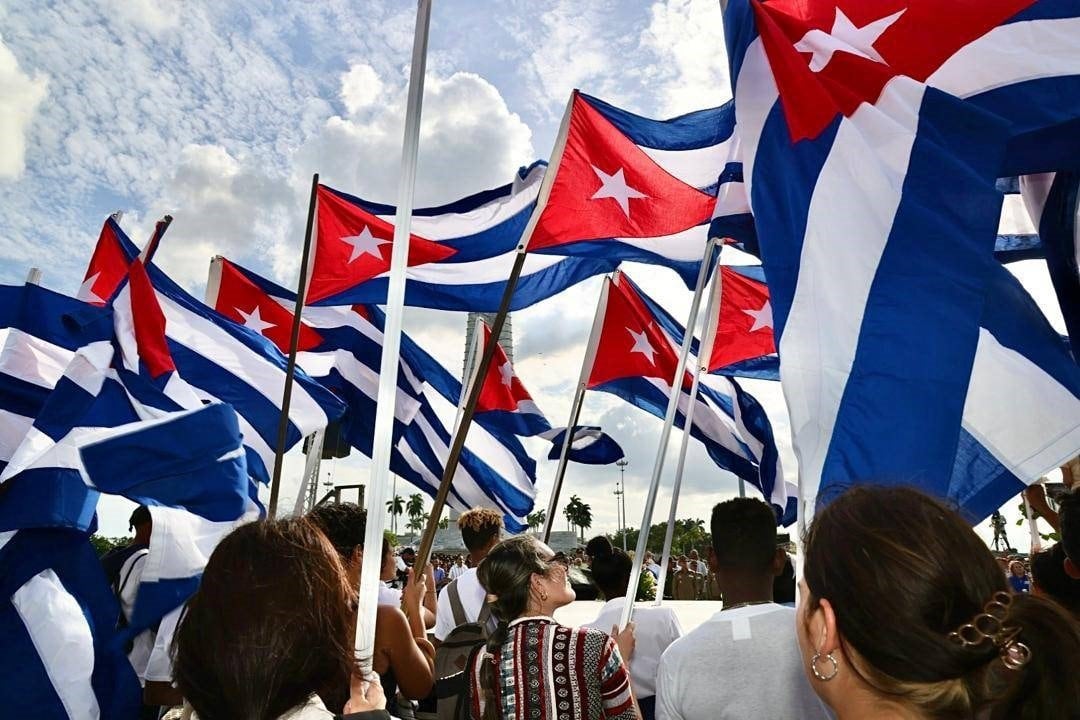
Durante el encuentro en Madrid, la líder de las Damas de Blanco, Berta Soler, reclamó la liberación de los presos políticos, la exclusión del Partido Comunista de la etapa transitoria y la creación de tribunales que garanticen justicia para las víctimas. Iván Hernández Carrillo, representante de sindicatos independientes, pidió protección social y garantías laborales, con libertad sindical como condición para una democracia en el ámbito del trabajo.
La presentación del plan contó con la presencia del secretario general de la Organización de los Estados Americanos (OEA), Albert Ramdin, eurodiputados y representantes diplomáticos de Estados Unidos, Chile y países europeos. El proyecto amplía el Acuerdo de Liberación presentado en Miami en marzo y reúne propuestas de organizaciones opositoras dentro y fuera de Cuba.
Cuba,transición política,elecciones,ayuda humanitaria,desarme
INTERNACIONAL
NYC ICE chief fires back at far-left politicians seeking to abolish agency: ‘Change the law’
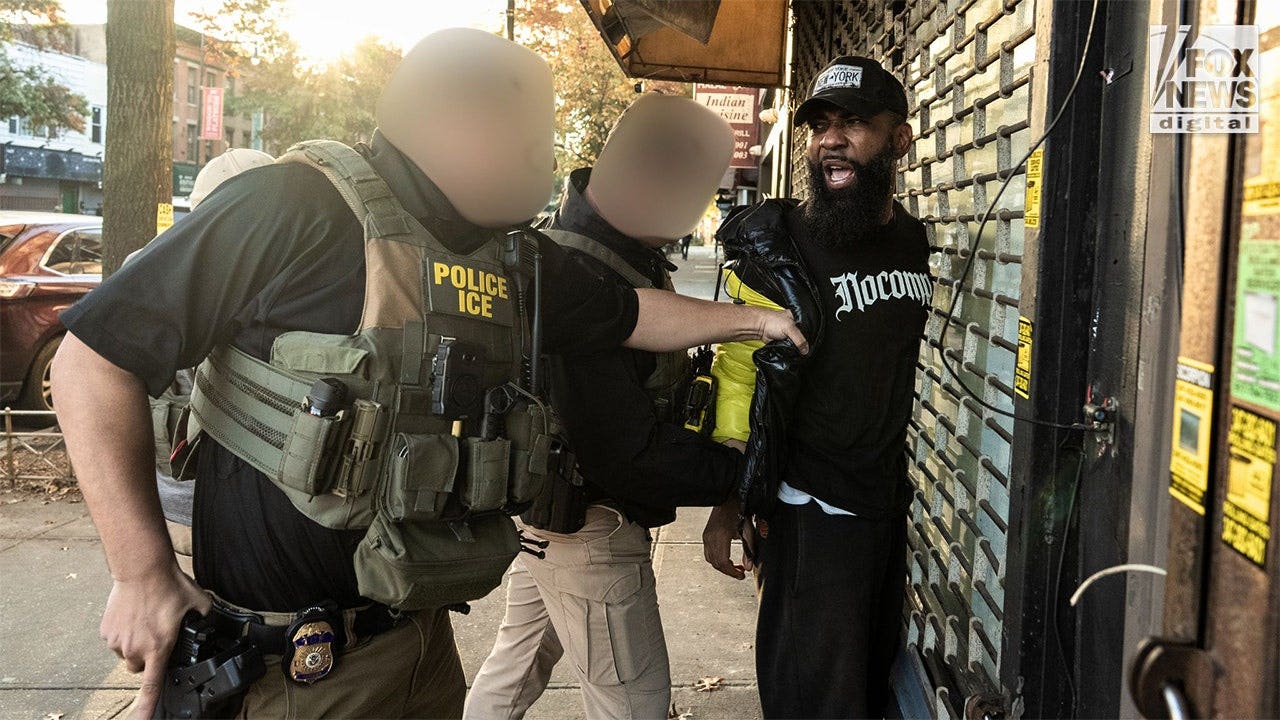
New York City’s top immigration enforcement official has a blunt message for far-left politicians demanding the abolition of ICE: Change the law instead of demonizing federal agents who put their lives on the line enforcing it.
Kenneth Genalo, who leads ICE’s Enforcement and Removal Operations (ERO) in New York City, issued the challenge during an exclusive interview with Digital, taking aim at elected officials who have increasingly called to dismantle the agency.
«If you don’t like the job we’re doing and the priorities and the people that we’re targeting, change the law,» Genalo said. «Congressional people, senators, representatives. Change the law, don’t demonize ICE for doing the job that you empowered us to do.»
The remarks came during a recent Digital ride-along with ICE in Brooklyn, where agents arrested two men, including one facing a pending felony sexual abuse charge, and another who had served seven years in prison for assault, according to ICE.
INSIDE ICE’S HIGH-STAKES RAIDS TARGETING ILLEGAL MIGRANTS IN NYC AS CHIEF RIPS SANCTUARY LAWS
Genalo’s rebuke comes amid a widening campaign to abolish ICE and increasingly heated rhetoric directed at federal immigration agents.
In July, no less than 143 New York elected officials, including 31 of the city’s 51 Council members, signed a letter urging congressional Democrats to dismantle the agency, accusing ICE of widespread abuses and portraying it as a threat to public safety and democracy.
The signatories argued that ICE could no longer be reformed and urged congressional Democrats to defund and dismantle it. They also cited the fatal shootings of Renee Good and Alex Pretti by federal immigration enforcement officers in Minneapolis as evidence of what they described as the agency’s disregard for public safety.
Among the signatories was newly elected New York Democrat Claire Valdez, who has also made abolishing ICE part of her congressional platform. New York City Mayor Zohran Mamdani and Rep. Alexandria Ocasio-Cortez, D-N.Y., have also separately called for dismantling the agency.
Genalo blamed inflammatory political rhetoric for emboldening anti-ICE protesters and escalating tensions during enforcement operations.
He questioned why activists would interfere with arrests without knowing the criminal histories of those being targeted, pointing to an operation during the Brooklyn ride-along in which protesters disrupted ICE agents attempting to apprehend an Ecuadorian national facing child sexual abuse charges, according to ICE.
«Why would you protest that we’re trying to arrest this individual?» he asked.
MAMDANI CALLS ICE A ‘ROGUE’ AGENCY AFTER NYC SHOOTING, CLAIMS AGENTS VIEW LAW AS ‘MERELY A SUGGESTION’
For Genalo, the increasingly hostile rhetoric overlooks the people behind the badges — officers enforcing laws enacted by Congress while confronting potentially dangerous suspects and protesters.
«We’re mothers, we’re fathers, we are brothers, we have sisters, sons and daughters, and we’re doing our job,» he said.
The Brooklyn-born, 34-year law enforcement veteran argued that politicians were vilifying agents for carrying out their duties, even as restrictions on local cooperation force ICE to pursue suspects on public streets rather than take them into custody in secure jails.
Genalo said such encounters expose officers, suspects and bystanders to dangers that could be avoided through cooperation with local authorities.
During the Brooklyn ride-along, Genalo said both men arrested had previously been in local custody but were released despite ICE detainer requests.
Genalo’s concerns about the breakdown in cooperation drew on his experience responding to one of the darkest days in New York’s history.
The veteran official recalled being deployed to ground zero after the Sept. 11 terrorist attacks, warning that New York was forgetting lessons about the importance of cooperation between federal and local law enforcement.
«I go back to 9/11, I do it all the time because I was there, I was deployed, SRT, I was down at ground zero,» he recalled.
He cited the 9/11 Commission’s findings about failures in cooperation and intelligence sharing, drawing a parallel to the restrictions ICE faces today.
«We should be standing arm-in-arm with our NYPD brethren, helping the city,» Genalo said, recalling a time when ICE worked more closely with local authorities.
The agency once maintained a dedicated unit at Rikers Island that reviewed the immigration status of foreign-born inmates before their release, Genalo said. Agents took more than 100 people a week into federal custody through the arrangement, which he blamed former Mayor Bill de Blasio for ending.
Genalo said former Mayor Eric Adams later tried to restore cooperation, but faced City Council restrictions.
The political confrontation with ICE has since intensified under Mamdani.
On Nov. 2, Mamdani threatened legal action over ICE’s alleged unauthorized use of city-owned parking lots in a letter addressed directly to Genalo and other federal officials.
Genalo had criticized the mayor’s efforts to discourage private businesses from allowing ICE agents to use their parking facilities during the Digital interview, four days before the letter was issued.
DHS rejected the mayor’s position in a statement to Digital on Saturday.
«Mayor Mamdani should be grateful to our brave law enforcement officers for cleaning up the streets of NYC since he won’t. Luckily, no terminated parking will stop ICE from deporting criminal illegal aliens to make New York safe again,» a DHS spokesperson said. «We need New York to cooperate with our officers and stop RELEASING criminals from their jails into New York’s neighborhoods. Seven of the 10 safest cities in America cooperate with ICE.»
DHS also provided Digital with examples of migrants it identified as public safety threats arrested in New York City, including individuals it said had convictions for sexual assault, weapons offenses and robbery.
The confrontation with ICE has also extended to the state level.
On Nov. 6, Gov. Kathy Hochul and Attorney General Letitia James reminded local governments of a Nov. 25 deadline to terminate agreements allowing their facilities to hold people solely for federal civil immigration detention under the Local Cops, Local Crimes Act.
Genalo criticized the legislation, arguing that it would extend restrictions on ICE cooperation beyond New York City to the rest of the state.
He also challenged city leaders to put cooperation with ICE on the ballot and let New Yorkers decide for themselves — a demand that takes on added significance given the 31 City Council members who signed the abolition letter.
But Genalo said the City Council had refused to put the question before voters.
«The City Council voted no, they didn’t want to do that. I wonder why,» he said.
For Genalo, the growing political opposition reflects what he described as a fundamental misunderstanding of ICE’s mission and the officers carrying it out.
He argued that immigration enforcement has continued under successive administrations, but the rhetoric directed at agents has become increasingly hostile, with politicians and the media vilifying officers rather than acknowledging the work they do.
«They don’t realize the ramifications that their verbiage has,» Genalo said.
«But instead we’re getting demonized by politicians, by congressional people, by mayors, by governors, by the media.»
politics, new york city, new york, zohran mamdani, police and law enforcement, immigration, illegal immigrants

Zidane convoca a un jugador de la segunda división alemana para paliar la baja de Kalulu

El papa León XIV saludó desde el balcón del Arzobispado a los fieles: “Que la bendición del Señor les llegue al corazón”

Lando Norris, con Infobae: “Espero con ilusión correr con la Fórmula 1 en Argentina”

Nicolás Cabré tomó una contundente decisión con Rufina en medio de la polémica que envuelve a Mauro Icardi

Red counties with data center projects swung away from GOP in midterms, analysis finds

Independiente perdería un gran suma de dinero por un futbolista que se iría en diciembre

Así fue el saludo entre Javier Milei y el papa León XIV en Aeroparque tras la llegada a la Argentina

Artemis IV: los detalles de cómo será la misión de la NASA que busca llevar astronautas a la superficie lunar en 2028

Racing sigue en la busqueda de un nuevo entrenador para el 2027 y hay tres nombres apuntados

El Ministerio de Economía pasó a disponibilidad a más de diez empleados de planta permanente

 POLITICA1 día ago
Así fue el saludo entre Javier Milei y el papa León XIV en Aeroparque tras la llegada a la Argentina
- DEPORTE3 días ago
Gimnasia de Mendoza vs Independiente Rivadavia: formaciones, hora y dónde ver por tv
- DEPORTE3 días ago
Franco Colapinto le hizo probar mate a Lewis Hamilton en un evento durante el GP de Brasil: la reacción del piloto de Ferrari