INTERNACIONAL
La caída de la sociedad occidental

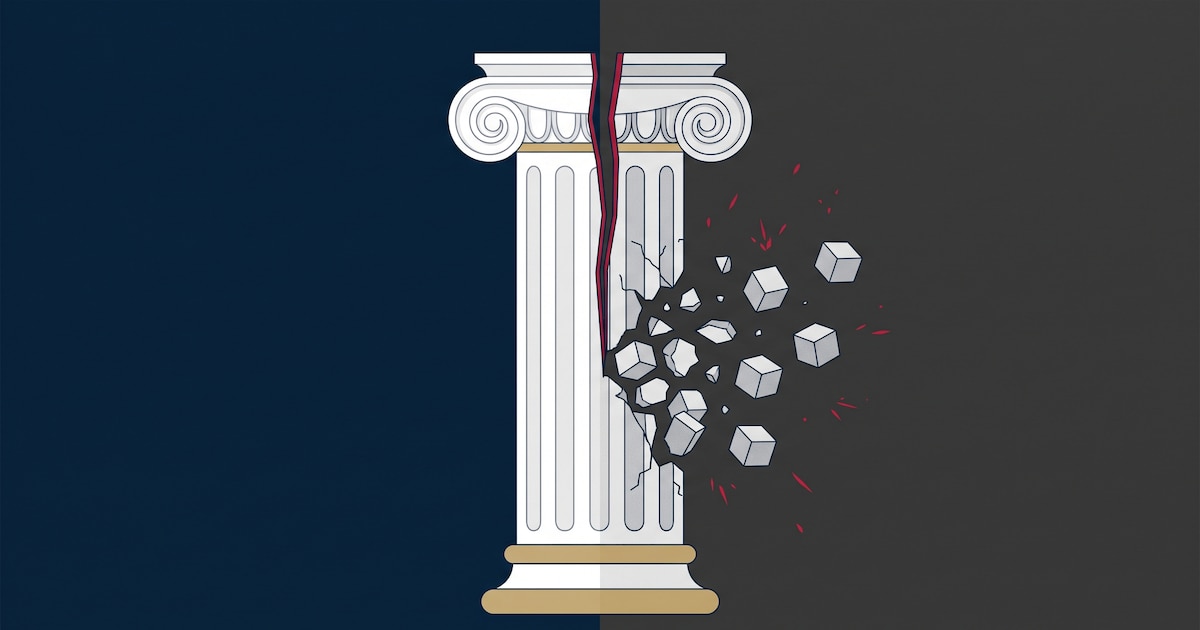
Las postales recientes de París y Roma no son meras crónicas de la disconformidad social; son síntomas nítidos de una fractura estructural que amenaza la arquitectura misma de Occidente.
El espectáculo de calles históricas cubiertas de humo, adoquines transformados en proyectiles y monumentos republicanos vandalizados bajo consignas de protesta expone una realidad incómoda: la deriva de la manifestación legítima hacia el nihilismo delictivo.
Para quienes observamos la realidad con la urgencia de decodificarla, estas acciones no representan un hecho aislado, sino la manifestación superficial de corrientes subterráneas mucho más profundas que exigen un diagnóstico sociológico preciso y, sobre todo, una respuesta política firme.
Para orientar la toma de decisiones en el espacio público y civil, el primer imperativo es identificar con precisión a los actores de esta violencia.
No nos encontramos ante la clásica masa obrera de las revoluciones industriales, ni ante un movimiento estudiantil homogéneo buscando reformas programáticas.
Los grupos remanentes que hoy capitalizan la agitación en las capitales europeas se componen de una amalgama compleja: minorías radicalizadas, facciones anarquistas tácticas y sectores marginalizados que han encontrado en la destrucción un fin en sí mismo.
Su accionar no busca la reforma, sino la impugnación total del sistema. Al arremeter contra el mobiliario urbano y los símbolos estatales, no atacan a un gobierno de turno; atacan el concepto mismo de comunidad y el patrimonio colectivo que sostiene la identidad ciudadana.
Al rastrear las causas profundas de este fenómeno, emergen con claridad los choques culturales de nuestra era. Vivimos en sociedades hiperconectadas pero profundamente atomizadas.
El origen de estas manifestaciones radica en una peligrosa combinación de frustración socioeconómica, la erosión de las instituciones intermedias —como la familia, la escuela y los partidos políticos tradicionales— y una crisis de integración cultural.
La falta de asimilación de ciertos sectores a los valores fundacionales de la civilización occidental ha creado “guetos ideológicos” y geográficos donde el resentimiento hacia el Estado se cultiva de forma sistemática.
Cuando el contrato social se rompe y los deberes ciudadanos son suplantados por una demanda ilimitada de derechos sin contraprestación, el terreno queda abonado para que la intolerancia reemplace al debate.
Si analizamos las tendencias de cara al futuro, el panorama proyecta una preocupante inercia si no se interviene a tiempo.
El vandalismo, cuando es tolerado o minimizado por la corrección política, tiende a ramificarse.
De no mediar un cambio de rumbo, asistiremos a una balcanización del espacio público, donde las calles dejarán de ser el lugar del encuentro democrático para convertirse en campos de batalla intermitentes.
La violencia simbólica y material de hoy corre el riesgo de institucionalizarse como el único lenguaje válido de negociación para colectivos que se autoperciben al margen de la ley, erosionando irreversiblemente la predictibilidad política y la paz civil necesarias para el desarrollo económico y social.
Ante este escenario, la construcción de soluciones requiere una claridad estratégica fundamental: es inviable construir consensos desde la claudicación.
El diálogo democrático es una herramienta poderosa, pero posee una condición de posibilidad ineludible: el desarme y el acatamiento del marco legal.
No se puede, bajo ninguna circunstancia, negociar desde la violencia. Conceder demandas bajo la presión del chantaje callejero no apacigua a los radicalizados; por el contrario, convalida sus métodos y deslegitima a las mayorías silenciosas que canalizan sus disidencias a través del voto y los mecanismos constitucionales.
La resiliencia institucional exige trazar una línea roja infranqueable entre la protesta pacífica y el delito común.
Para encauzar este conflicto hacia una resolución sostenible, la propuesta debe articularse en torno a tres ejes de acción que preserven los valores tradicionales, la república, el orden y la democracia:
Restauración del principio de autoridad y el orden público: El Estado debe ejercer el monopolio legítimo de la fuerza con determinación y sin complejos. La ley debe aplicarse con todo su rigor sobre los responsables materiales e intelectuales del vandalismo. Identificar, juzgar y sancionar estos actos no es autoritarismo; es la defensa elemental de la libertad de los ciudadanos que desean vivir, trabajar y transitar en paz. El orden no es el opuesto de la democracia, sino su principal garantía.
Reivindicación de los valores republicanos y cívicos: Es urgente revitalizar la pedagogía de los deberes ciudadanos. Las democracias occidentales han descuidado la transmisión transgeneracional de sus principios fundacionales: el respeto a las instituciones, la tolerancia, el laicismo y el valor de la ley. La integración cultural debe pasar de ser una expresión de deseos a un requisito de convivencia: quien habita el suelo republicano debe respetar sus leyes y sus símbolos.
Apertura de canales de diálogo institucionales (sin ceder posiciones): Lograr consensos legítimos implica escuchar las demandas socioeconómicas de fondo —como las reformas en educación, empleo o infraestructura urbana— pero procesándolas exclusivamente a través de los parlamentos, las mesas de concertación técnica y los canales democráticos establecidos. El consenso se busca con los ciudadanos que respetan las reglas del juego, jamás con aquellos que pretenden prender fuego el tablero.
Para el ciudadano, el empresario y el tomador de decisiones que lee estas líneas con la mirada puesta en el mediano plazo, la conclusión es inequívoca: la estabilidad futura dependerá de la firmeza con la que hoy defendamos las reglas de juego.
Las crisis en París y Roma nos recuerdan que la civilización es un logro frágil que requiere cuidado constante. La toma de decisiones estratégicas en los meses venideros no debe guiarse por el temor a las calles encendidas, sino por la convicción de que los valores de la República —la libertad bajo la ley, el respeto mutuo y el orden democrático— son innegociables.
Permitir que la violencia dicte la agenda pública sería el principio del fin de la convivencia democrática; recuperar la autoridad de la ley es el único camino para garantizar nuestra libertad.
* El autor es Director de Latin America Invest.-
columna jónica,ilustración editorial,crisis institucional,polarización








NEWYou can now listen to Fox News articles!
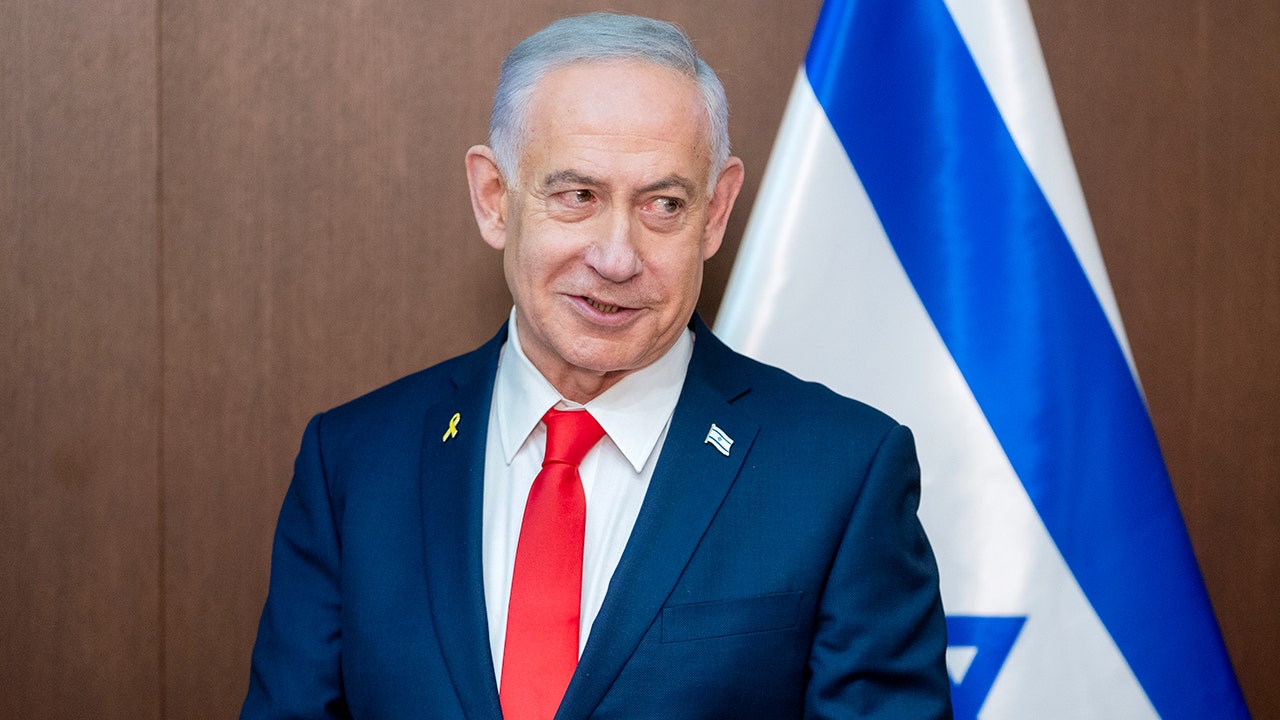
Israeli Prime Minister Benjamin Netanyahu said Saturday that he was willing to temporarily relinquish power to Gadi Eisenkot, allowing his political rival to serve first as prime minister under a new rotating unity government.
In a statement posted on X, Netanyahu outlined a proposed power-sharing agreement between his Likud party and Eisenkot’s Yashar party that would see Netanyahu initially yield the premiership to his rival and serve as alternate prime minister before returning to the top post later in the term.
Netanyahu wrote in the social media post that he believes he should lead the Israeli government as head of the largest party, but said that «given the magnitude of the existential threat and the possibility that a government could be formed that isn’t able to deal with this danger,» his responsibility as a leader required that he «put everything aside.»
ISRAEL’S LEADING CONTENDER FOR PRIME MINISTER CLASHES WITH NETANYAHU OVER IRAN STRIKES
Israeli Prime Minister Benjamin Netanyahu proposed Saturday temporarily ceding power to political rival Gadi Eisenkot under a rotating unity government. (Nathan Howard – Pool/Getty Images)
The concession comes as Eisenkot — a former military chief — reportedly edges closer to forming an opposition-backed coalition that would oust Netanyahu from power.
Israel’s Oct. 27 legislative election left no bloc with a governing majority, leaving neither Netanyahu nor Eisenkot with a clear path to the premiership.
Eisenkot has since worked to turn an electoral opening into a governing coalition after Israeli President Isaac Herzog tasked him earlier this month with forming a government.
ISRAELI PRESIDENT TAPS NETANYAHU RIVAL TO FORM GOVERNMENT AS COALITION BATTLE LOOMS
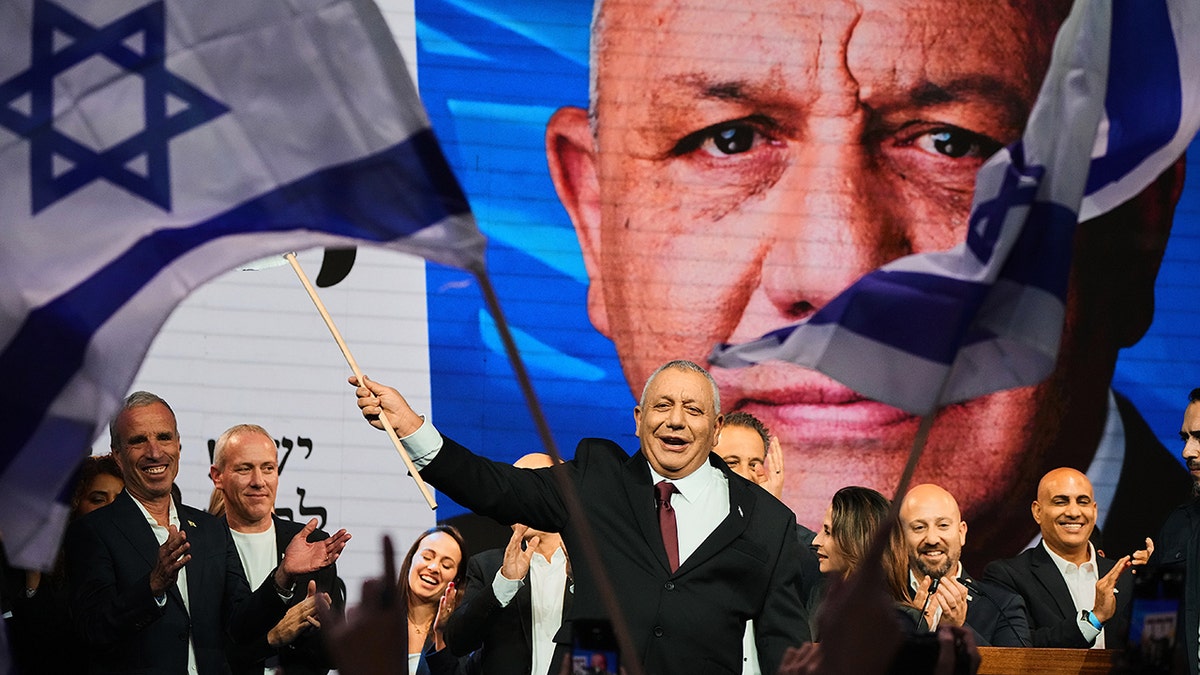
Gadi Eisenkot, leader of the Yashar («Straight») party, waves an Israeli flag onstage following the release of the first exit poll results in Israel’s general election in Tel Aviv, Israel, Wednesday, Oct. 28, 2026. (Ariel Schalit/AP Photo)
He has until Dec. 6 to finalize a coalition, with the possibility of a 14-day extension.
This week, Eisenkot gained momentum from potential partners — including The Democrats, a left-wing party, and the right-wing Yisrael Beiteinu party — boosting his odds of assembling a parliamentary majority.
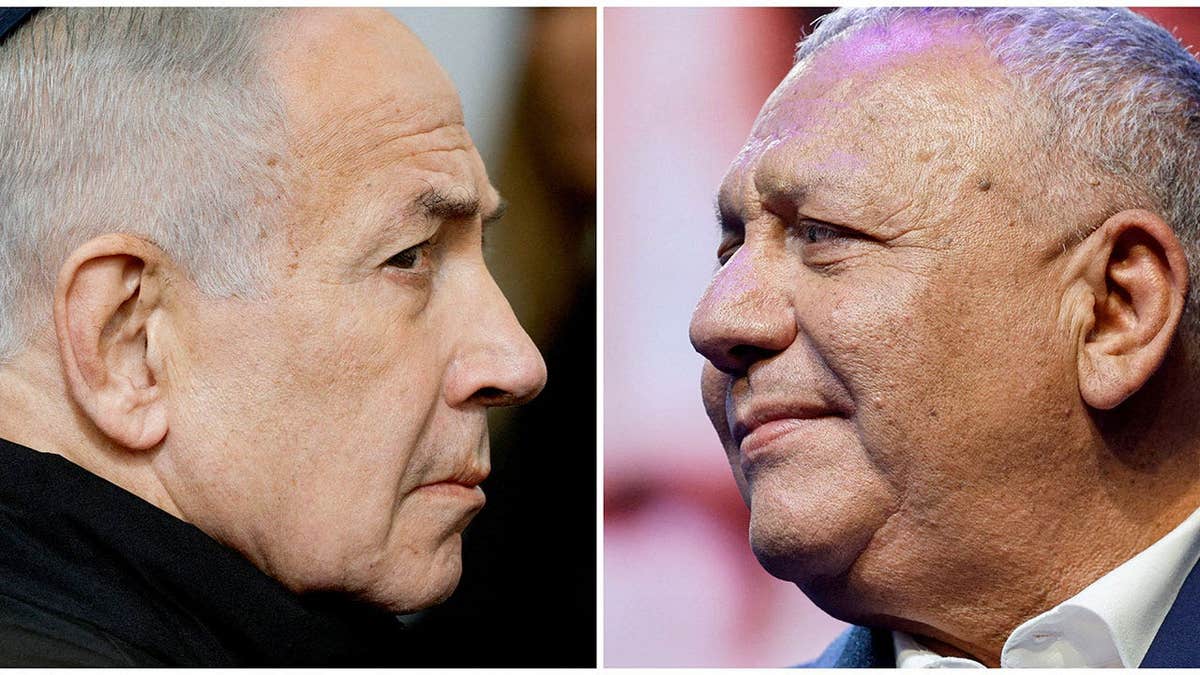
Israeli Prime Minister Benjamin Netanyahu offered to temporarily relinquish power to political rival Gadi Eisenkot as part of a proposed rotating unity government. (Amir Cohen/Reuters)
In response to Netanyahu’s proposal Saturday, Eisenkot said in a statement that his Yashar party’s negotiating team had been «trying to conduct a real, sincere, and accelerated negotiation» with Netanyahu’s Likud party but faced «refusal and evasion.»
He then invited Netanyahu to engage in serious negotiations with his party’s team on the «core lines and policy issues.»
Fox News Digital’s Efrat Lachter and Reuters contributed to this report.
world, benjamin netanyahu, politics, israel, middle east
INTERNACIONAL
Why Mamdani’s move to close infamous NYC jail could be ‘massive hit’ that reverberates for years: expert

Democratic New York City Mayor Zohran Mamdani announced that Rikers Island would be closed «once and for all» by 2032, a promise one crime expert said doesn’t add up and could release violent criminals back onto streets.
Mamdani pledged to replace the city’s largest jail with four smaller prisons across different boroughs, and corrections officers and criminal justice scholars have raised concerns that lowering the population of more than 6,000 inmates could carry lasting consequences.
Rafael Mangual, head of research for policing and public safety at the Manhattan Institute, told Digital there won’t be enough beds to accommodate a city of nearly 9 million people.
«If New York City gets this wrong, make no mistake, there will be a massive hit to public safety,» Mangual said.
MAMDANI IN HOT SEAT OVER POST MOURNING DEATH OF INMATE CHARGED WITH CALLOUS CRIME: ‘ABSOLUTELY SHAMEFUL’
The replacement jails in Manhattan, Brooklyn, Queens and the Bronx will have a capacity of 4,160 beds, with an additional 340 therapeutic beds for inmates with mental illnesses and other medical needs. They will be placed closer to public transit and courthouses.
Mamdani said the decision to push the closure of Rikers back by five years was because of «prior administration delays.» The city will also invest $146 million in support services.
The mayor’s office directed Digital to its Rikers Island closure plan and Mamdani’s remarks at a news conference last week, where he defended his position by saying, «We are making a conscious decision to advance a new model of a criminal legal system in our city, one that takes on that problem head-on.»
Mangual maintained the plan could lead to significant overcrowding and trigger more «violence and other kinds of contraband problems.»
«You can expect that the jails will continue to operate at 100% of capacity for as long as they exist if that project actually comes to fruition,» he said.
He added that the city’s jail population dropped below 4,000 in April 2020 during the COVID-19 pandemic. However, shootings and homicides spiked.
That year, there were 1,531 shootings, up 97% from 2019, and 462 murders, up from 319 in 2019, according to the New York City Police Department (NYPD).
HOUSE REPORT SAYS NYC PROSECUTORS TAILORED PLEA DEALS TO SHIELD ILLEGAL IMMIGRANTS FROM DEPORTATION
«The experiment is not going to be a pretty one, and that’s the thing that I think people need to be most concerned with,» he said. He added that Rikers had between 9,000 and 10,000 inmates during 2017 and 2018, which were some of the city’s safest years.
Despite the city seeing record-low murders and shootings so far this year, according to NYPD data, Mangual said other major crimes, like felony assaults, remain high.
«That’s a major problem that is only going to get worse,» he said.
He said previous efforts to bring down the jail population have posed additional risks to public safety, pointing to the city’s bail reform law and Manhattan District Attorney Alvin Bragg’s limits on low-level prosecutions that have made it easier to avoid jail.
«We certainly haven’t been able to get it down to where it is now without compromising public safety,» he said.
ILLEGAL IMMIGRANT SUSPECTS WITH LENGTHY CRIMINAL RECORDS ARRESTED IN STABBING OF OFF-DUTY NYPD DETECTIVE
Mangual said repeat offenders like Alexander Florentino could now be put back on the streets. Florentino, a homeless illegal immigrant, was arrested this month on a murder charge in the death of a 62-year-old woman inside her Chinatown apartment, one day after a judge released him without bail, according to the Department of Homeland Security (DHS) and court records.
Warning that reducing the jail population will only «erode the incapacitation benefits that incarceration provides,» Mangual said the city will be left with no other solutions.
«The idea that there’s an alternative to incarceration is one of the most misguided notions in criminal justice policy debates,» he said.
Rikers has faced years of controversy, with many inmates and activists criticizing harsh conditions, trial delays and limited access to family members and support services. The city’s goal is «to build a safer and more humane jail system,» according to a Nov. 20 press release.
But Mangual believes city officials still aren’t looking at the full picture, arguing that building multiple jails with the same systems, inmates and guards will not solve the problem and that some criminals are «simply too dangerous to coexist with the rest of society.»
«What they ought to have done was invest in refurbishing the jails that already existed, building new ones with adequate space, and then moving the inmate population around as required,» he said.
If the plan moves forward, Mangual said the city could see crime surge on a «much larger scale.»
«We’re already seeing what that could possibly look like when you have individuals who are out walking the streets with 30, 40, 50, 100 prior arrests, and they eventually kill somebody or shove somebody in front of a subway train,» he said.
Digital reached out to Bragg’s office for comment but did not receive a response before publication.
zohran mamdani, politics, new york city, blue city crime, immigration
INTERNACIONAL
British government confirms cyberattack on welfare department, systems pulled offline as precaution

Tech turmoil deepens as cyberattack breaches FBI crime database
Former White House Chief Information Officer Theresa Payton examines the national security implications of this hack. Payton outlines why seventeen government agencies remain highly vulnerable to sophisticated cyberattacks amid a wider string of high-profile technology outages.
NEWYou can now listen to Fox News articles!
The British government on Saturday confirmed that its Department for Work and Pensions was hit by a cyberattack this week, which prompted it to pull some of its systems offline as a safety precaution.
The department said there’s no evidence any personal information had been compromised and payments for pensions and benefits continued to be paid out as normal.
The attack was first identified on Thursday evening by the department which manages payments for retirees and those on welfare.
«We are working with the National Cyber Security Centre and Government Cyber Coordination Centre to understand the cause of an attempt to gain unauthorized access to our systems,» the department said in a release.
«We did the right thing by taking those systems offline because the top priority in these circumstances is to protect the public,» Work and Pensions Secretary Pat McFadden said a video posted to the department’s Facebook page.
SWIFT ASSURANCES FROM OFFICIALS AFTER WAVE OF NATIONWIDE OUTAGES RAISES QUESTIONS, EXPERT SAYS
A notice on a Department for Work and Pensions webpage informs users of disruption to some online services on a laptop in London on Friday. (Yui Mok/PA via AP)
«I understand people’s concern and distress if they didn’t receive a payment that they were expecting on Friday. We don’t believe any delays like that are to do with this cyberattack,» he said, adding that payments are cleared several days in advance.
The department handles 2.5 million payments every day, McFadden said.
The prime minister’s office said on Friday that there was no evidence that a «malicious actor» had targeted other government departments.
GROCERY STORE CYBERATTACKS ARE ‘PSYCHOLOGICAL WARFARE’ THAT COULD STRIKE US, FORMER FBI AGENT WARNS

The Department for Work & Pensions sign stands outside Caxton House in Whitehall, London. (Getty Images, File)
The attack comes on the heels of numerous others and outages in the U.K., the U.S. and other places, including the nationwide ground stop in the U.S. two weekends ago that was caused by an equipment upgrade, the government said, and a Microsoft outage. Neither of those appear to be connected to cyberattacks.
The Air Force, the FBI, the CIA, and the Treasury Department were all recently targeted in cyberattacks also.
COLLEGE BOARD HACKED AS CYBERATTACK EXPOSES USER DATA, DISRUPTS FINANCIAL AID SERVICE

The prime minister’s office said on Friday that there was no evidence that a «malicious actor» had targeted other government departments. (AFP via Getty Images, File)
Earlier this month and in October, a cyberattack on commercial refrigerators that use software in several European countries was targeted by hackers who heated them up, destroying millions worth of food.
U.K. meat suppliers were included in an early November attack, but the fridges were empty at the time, so nothing was destroyed.
The Associated Press and Reuters contributed to this report.
cybercrime, security, hackers, united kingdom, technologies, world

Netanyahu offers to temporarily relinquish power in proposed unity government deal

La economía puede dejar atrás la recesión, pero el Gobierno arrancaría el año electoral sin un colchón de crecimiento

River Plate venció a Instituto con un gol de Montiel y se metió en semifinales

Leticia Brédice vuelve al teatro tras enfrentarse a sus propios miedos: “Esto me sana, esto es lo que soy”

Obras sociales: un llamado urgente del Gobierno para negociar y el colapso del sistema si no aparecen $50 mil millones antes de fines de año

Diego Maradona en la Copa Davis: los cruces con los rivales de Argentina y su recordada presencia en la final de 2016

Efecto reforma electoral: la suspensión de las PASO divide la estrategia de los “outsiders”

“Estoy preparada para ser presidenta”: fuerte desafío de Patricia Bullrich a Javier Milei

“Lo real es que estamos estancados”: el análisis de un economista tras la caída de la actividad

El juez retó a Chiqui Tapia y le subió el monto que debe pagar para salir del país

 POLITICA2 días ago
Efecto reforma electoral: la suspensión de las PASO divide la estrategia de los “outsiders”
- ECONOMIA2 días ago
Cerraron más de 50.000 kioscos en los últimos tres años y el sector perdió casi la mitad de sus locales
- POLITICA3 días ago
Presupuesto 2027: el oficialismo encamina el quórum en Diputados, pero persisten las diferencias por los fondos para discapacidad