INTERNACIONAL
Long-running embassy fight comes back to haunt Trump as State Dept hit with $461M lawsuit

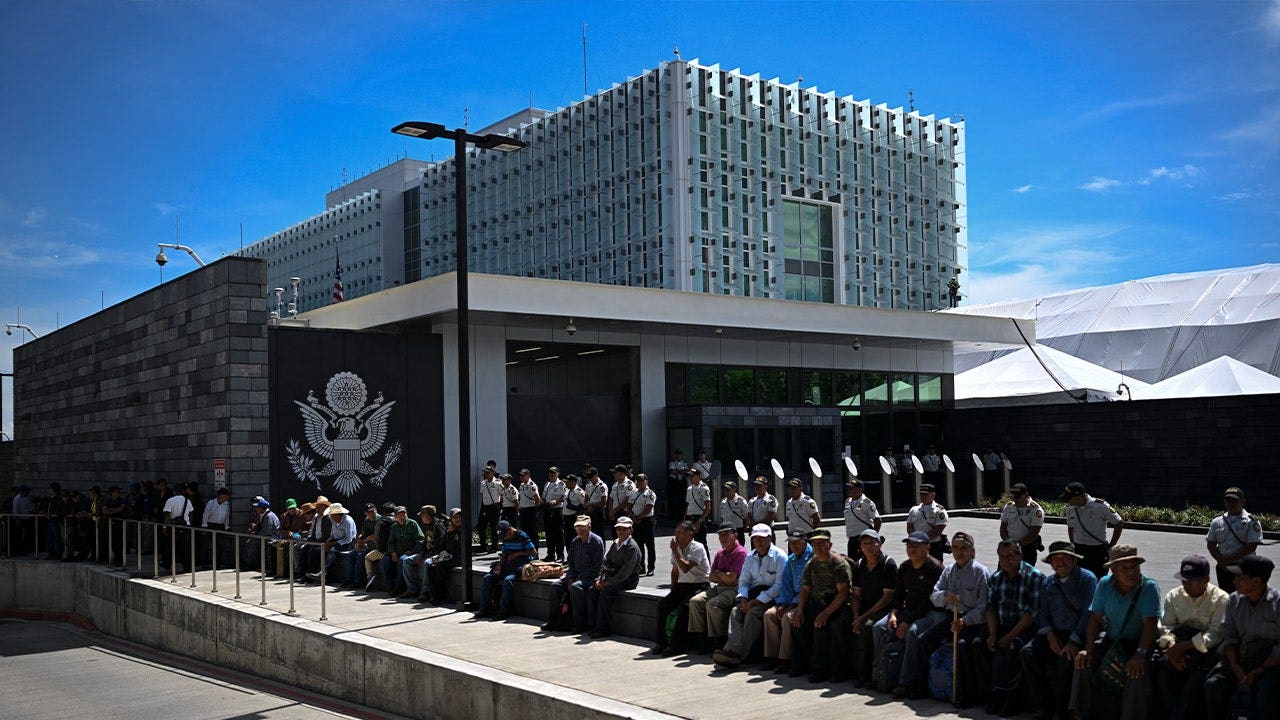
FIRST ON — The latest lawsuit launched against the Trump administration seeks to recover more than $461 million after the State Department directed a longtime embassy builder to continue construction projects worldwide through the COVID-19 pandemic.
B.L. Harbert International, which has built dozens of U.S. embassies and consulates over more than two decades, reached a $370 million settlement with the State Department to handle resulting claims — but the compnay claims the deal was reversed after current political leadership intervened.
The builders are now seeking to recover lost funding through suing the Trump administration, and filed a lawsuit on Wednesday in the U.S. Court of Federal Claims, Digital first learned. The complaint covers 12 diplomatic construction projects across four continents, including facilities in Turkey, Iraq, Thailand, Morocco, Mexico and Central America.
The company alleges career State Department officials reached the $370 million agreement in September 2025, but the government paid just $501,636 before backing out. Harbert claims political leadership «inserted themselves into the process after a settlement was reached» and that the decision to abandon it «came from the top.»
«We did not want to take this step. The U.S. Government is an important partner, and we are proud of the work we do together to advance America’s interests and protect Americans serving overseas,» Charles Bohn, president of BL Harbert’s International Group, said in a statement.
TRUMP ADMINISTRATION UNCOVERS $1.2B IN SUSPECTED COVID CONTRACT FRAUD TIED TO BIDEN-ERA SPENDING
«But we have a responsibility to our employees and to the future of that mission. We kept our commitment under extraordinarily difficult conditions. We are asking the government to keep its commitment to us.»
Harbert is one of a small pool of U.S. contractors capable of building highly secure diplomatic facilities overseas — work that requires specialized security clearances, vetted workforces and the ability to manage complex construction and supply chains abroad. According to the company, some State Department embassy projects now draw just two or three qualified bidders.
The dispute stretches across three presidential administrations, beginning with State Department directives issued during Trump’s first term in 2020, continuing as Harbert pursued compensation during the Biden administration and culminating in the alleged settlement and its collapse during Trump’s second term.
At the beginning of the Covid-19 pandemic, Harbert was working on 17 embassy and consulate construction projects around the world, representing nearly two-thirds of State’s embassy construction program at the time, according to the lawsuit.
As countries shut down and global supply chains seized up in early 2020, Harbert says it sought guidance from State on whether to pause construction. The company argues the pandemic constituted an «excusable delay» under its contracts that would have allowed it to send personnel home, secure construction sites and resume work once conditions stabilized.
Instead, Harbert alleges State decided to keep its overseas construction program moving.
The company says State directed it to remain ready to mobilize, continue procuring and shipping materials and work through the disruptions, while instructing Harbert to document the resulting costs and submit requests for reimbursement.
In one March 2020 communication cited in the complaint, Harbert warned State that it could not afford to continue paying workers to remain on standby without assurances of reimbursement. Labor costs on the new U.S. Embassy in Guatemala City alone were running roughly $1.3 million per month, according to the filing.
Weeks later, State directed Harbert to «continue to procure and ship materials» so projects would not end up at the «back of the line» when global construction activity resumed, the complaint alleges. State recognized that doing so could generate additional storage, shipping and other costs and directed the company to submit requests for equitable adjustments as those costs arose, according to the filing.
The projects ultimately moved forward under pandemic restrictions that Harbert says increased costs and reduced productivity as the company dealt with workforce limitations, supply-chain disruptions and new operating requirements.
The government has since taken possession of all 12 diplomatic facilities at issue in the lawsuit and has been using some of them for more than three years, according to Harbert.
Harbert ultimately submitted more than $500 million in requests for equitable adjustments and other claims stemming from the pandemic directives and separate project disputes, including alleged design changes and government-caused delays.
OBAMA CENTER SUBCONTRACTOR SHUTS DOWN AMID $4M FIGHT, LAYS OFF 25
Harbert alleges members of State Department political leadership «inserted themselves into the process after a settlement was reached» and that, «on information and belief,» the decision to abandon the agreement «came from the top.»
Digital has reached out to the State Department for comment.
With deadlines approaching to preserve its claims, Harbert says it formally certified them in March 2026. The complaint alleges State’s chief of staff encouraged the company to do so, representing that certification would make it easier for the government to implement the settlement.
Instead, State contracting officers began denying the claims in July. By Oct. 13, 2026, all 13 certified claims now at issue in the lawsuit had received final decisions.
Harbert is now seeking at least $461,097,380 in damages, along with interest and other relief.
The lawsuit does not currently ask the court to enforce the alleged $370 million settlement itself. Harbert says its settlement-related claims remain in the administrative process and that it reserves the right to add them to the lawsuit later.
The dispute could carry consequences beyond the hundreds of millions of dollars at stake.
Harbert has been awarded roughly 60 U.S. embassy and consulate construction projects since 1999. The company says the number of American contractors willing and qualified to undertake such work has dwindled significantly, in some cases leaving just two or three qualified bidders for projects.
Embassy construction requires contractors to meet stringent security and workforce-vetting requirements while managing highly specialized construction, secure facilities and international logistics, creating significant barriers for companies seeking to enter the field.
Harbert argues that if contractors lose confidence that State will honor its obligations, fewer could be willing to take on the work, further shrinking the government’s options for constructing secure diplomatic facilities overseas.
state department, federal courts, organization, foreign affairs, national security, politics









INTERNACIONAL
El Gobierno de Guatemala reporta 21 capturas en Zacapa e Izabal durante los primeros tres días del Estado de Sitio
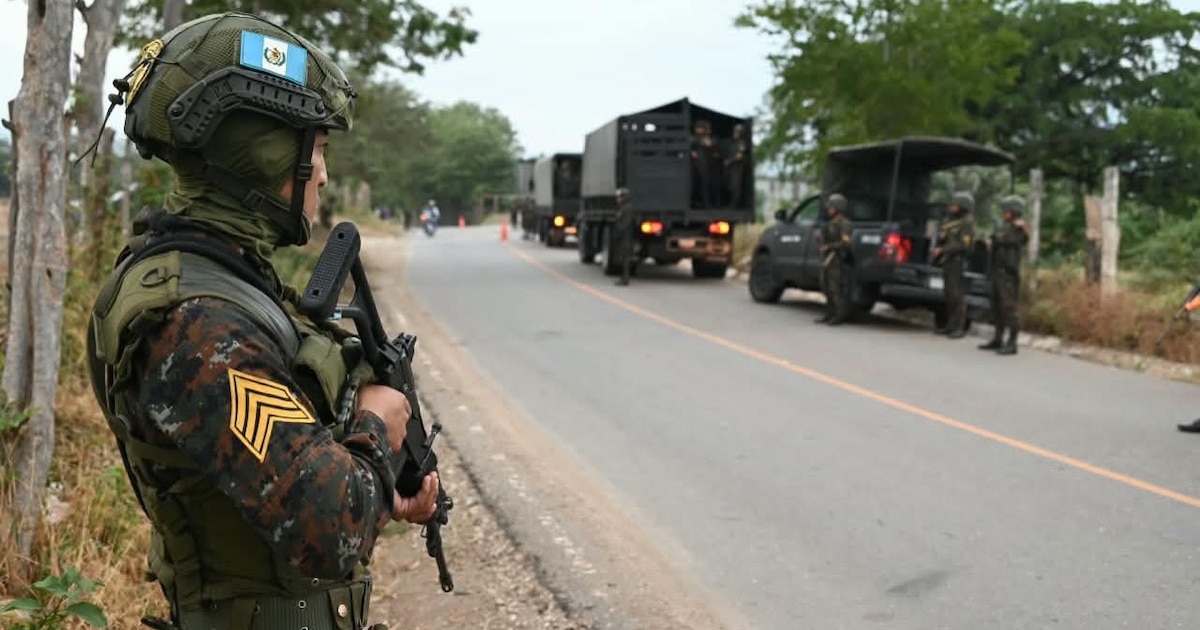
El Ministerio de Gobernación de Guatemala reportó 21 personas capturadas durante los primeros tres días del estado de sitio vigente en los departamentos de Zacapa e Izabal, en el marco de operativos conjuntos entre la Policía Nacional Civil (PNC) y el Ejército de Guatemala.
El balance corresponde al período comprendido entre las 00:00 horas del 15 de noviembre y las 18:00 horas del 17 de noviembre, de acuerdo con el informe oficial difundido por la cartera de Gobernación.
Del total de aprehensiones, 16 se efectuaron mediante órdenes judiciales y cinco en flagrancia. La distribución territorial muestra una mayor incidencia en Zacapa, con 14 capturas, 12 por orden de aprehensión y dos en flagrancia, mientras que en Izabal se registraron siete, cuatro con orden judicial y tres en flagrancia.
El reporte oficial no detalla los nombres de los detenidos ni los delitos que se les atribuyen, y tampoco establece si alguno de ellos guarda relación con los hechos de violencia que motivaron la declaratoria.

Más de dos mil personas identificadas en los controles
Las fuerzas de seguridad identificaron a 2.500 personas durante los operativos desplegados en ambos departamentos y realizaron 1.721 consultas de solvencia.
El reporte oficial detalla además la verificación de 1.211 vehículos y 648 motocicletas, así como la identificación de 14 armas de fuego en los puestos de control instalados en rutas consideradas estratégicas.
Las incautaciones materiales del período resultaron más acotadas que los registros de identificación. La PNC decomisó un arma de fuego y consignó un vehículo y siete motocicletas, según el desglose entregado por el Ministerio de Gobernación.
Los patrullajes y retenes forman parte del dispositivo de control territorial que las autoridades mantienen activo las 24 horas en los dos departamentos bajo régimen de excepción.
Un decreto que habilita capturas y allanamientos sin orden judicial
Los operativos se ejecutan en cumplimiento del Decreto Gubernativo 8-2026, firmado por el presidente Bernardo Arévalo en Consejo de Ministros el 14 de noviembre, con el que el Ejecutivo declaró el estado de sitio por 30 días en Zacapa e Izabal.
La norma suspende de forma temporal garantías constitucionales vinculadas con la libertad de circulación, el derecho de reunión y la exigencia de orden judicial previa para realizar capturas y allanamientos. También habilita controles sobre la circulación y estacionamiento de vehículos, y restricciones a la tenencia y portación de armas.
El Congreso de Guatemala ratificó la medida este martes mediante el Decreto 29-2026, aprobado con 147 votos a favor, y amplió sus alcances al facultar al Ministerio de la Defensa Nacional, al Ministerio de Gobernación y a la PNC para asumir el control de los centros penitenciarios del país.
El sistema carcelario guatemalteco cuenta con 22 cárceles y más de 24,000 personas detenidas o condenadas. El pleno legislativo descartó, en cambio, una propuesta para incluir al departamento de Huehuetenango dentro de las zonas bajo estado de sitio, enmienda que obtuvo 41 votos y no alcanzó el respaldo necesario.
Durante el debate, varios diputados cuestionaron que el Ejecutivo hubiera emitido la medida 48 días después de los asesinatos en Huité. El legislador Christian Álvarez, de la bancada Compromiso, Renovación y Orden (Creo), sostuvo que la violencia afecta también a otras zonas, como la zona 18 de la capital, Villa Nueva y Escuintla.
El jefe de bancada Valor, Elmer Palencia, afirmó que el problema de seguridad trasciende Zacapa e Izabal y mencionó la fuga de 20 líderes de la pandilla Mara 18.
El origen de la medida de excepción
El Gobierno justificó la declaratoria del estado de sitio tras una sucesión de ataques armados en el oriente del país que dejó al menos una veintena de muertos.
Entre los hechos que motivaron la decisión figura la masacre registrada el 27 de septiembre en Huité, Zacapa, donde ocho personas fueron asesinadas en circunstancias que las autoridades aún investigan, y el ataque armado del 6 de noviembre en Río Hondo, en el que murió el diputado Julio César Portillo.
Las autoridades atribuyen la escalada de violencia a organizaciones criminales y estructuras vinculadas al narcotráfico que disputan el control territorial y las rutas de traslado de droga en la región. La medida coincide además con la designación de estructuras criminales guatemaltecas por parte de Estados Unidos como organizaciones terroristas extranjeras, señaladas de brindar soporte logístico al narcotráfico mexicano.
El diputado José Chic, de la bancada Voluntad, Oportunidad y Solidaridad (VOS), anticipó el voto favorable de su bancada al decreto, aunque advirtió que la militarización temporal no resolverá el problema de fondo sin una política de seguridad definida.
“Se necesitan resultados reales”, sostuvo Chic, quien señaló que, si no se debilitan las estructuras criminales, estas podrían retomar sus actividades una vez que concluya el período de excepción.
Ejército de Guatemala,paracaidistas,despliegue militar,camiones militares

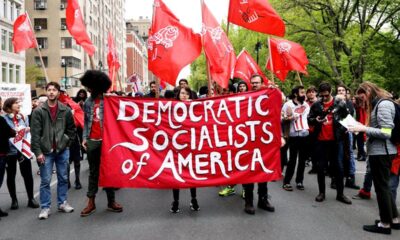
Far-left radical groups, including some within tech tycoon Neville Roy Singham’s pro-CCP network, are cheering New York City Mayor Zohran Mamdani’s decision to dissolve an elite NYPD unit responsible for handling protests.
After Mamdani announced Monday morning that he would disband the elite police department’s Strategic Response Group, applause came in rapid succession from nonprofit organizations that regularly mobilize protests of ICE, Israel, capitalism and America in general.
«The mass movement has won the disbanding of NYPD’s Strategic Response Group — but the fight continues,» the Party for Socialism and Liberation posted to X following the announcement.
MAMDANI PREPARES TO FULFILL PROMISE TO AXE NYPD UNIT RESPONSIBLE FOR CONTROLLING PROTEST VIOLENCE
«For everyone who has been kettled, beaten, pepper-sprayed or dragged onto a bus by the SRG, this is a real victory. But it was not handed down from City Hall. It was won by a mass movement that refused to let a campaign promise die quietly. The work of turning this victory into lasting change for working people is just beginning,» the post added.
The Party for Socialism and Liberation is part of a protest network of activist groups tied to Singham, a Shanghai-based tech tycoon married to far-left CodePink co-founder Jodie Evans. A Digital analysis found that Singham funneled $278 million into six nonprofits, including $22.4 million to the People’s Forum, the Manhattan organizing hub that works closely with the Party for Socialism and Liberation on protests.
SHANGHAI-BASED TYCOON NEVILLE ROY SINGHAM’S ‘SQUAD,’ BERNIE SANDERS DONATIONS RESURFACE
Digital has witnessed protest foot soldiers and field marshals from the Party for Socialism and Liberation enter and leave the People’s Forum headquarters on W. 37th Street, their signs, wagons and loudspeakers in tow.
The Party for Socialism and Liberation also shares leadership with Singham-funded groups. Claudia De la Cruz, a 2024 presidential candidate for the Party for Socialism and Liberation leader, was on the People’s Forum’s founding board alongside Evans.
Longtime organizer Brian Becker, a self-described communist, helped build the People’s Forum into a base for the Party for Socialism and Liberation and the ANSWER Coalition, and his son, Ben Becker, is editor-in-chief of the Singham-funded BreakThrough News, which also shares a home at the People’s Forum headquarters on W. 37th Street.
SINGHAM-BACKED, PRO-CHINA GROUP DROPS HUGE SUM ON MANHATTAN HQ AS FEDS PROBE SHADOWY NETWORK
By early morning, self-declared Marxist influencer and Twitch streamer Hasan Piker weighed in, saying he was «glad» the unit had been disbanded.
At 11:16 a.m., Piker posted a response to Mamdani’s message, skipping capitalizations as he wrote: «one of the hardest problems for NYC mayor is police reform. The SRG is a ‘counter terrorism’ unit that has primarily been deployed on protestors. glad the mayor is moving on this promise to disband.»
HASAN PIKER NAMES PRO-CCP TYCOON SINGHAM AS FINANCIER OF ‘POLITICAL MOVEMENTS’ DESPITE NONPROFIT VENEER
By the afternoon, at 2:55 p.m., Nerdeen Kiswani, an anti-Israel activist who founded the organization Within Our Lifetime, responded to the announcement by calling for consequences for NYPD officers who subdued protests, while saying the disbanding is «overdue and welcome news» in a post on X.
«The settlement gave us a way to challenge the NYPD when it violated protesters’ rights, and officers violated it anyway,» Kiswani wrote. «The limits Mamdani announced today give us more specific rules to point to when we challenge police conduct. We’ll see whether the NYPD actually follows them when we’re back in the streets, especially when we’re protesting something the people in power would rather we stay quiet about.»
Mamdani previously joined Kiswani in an anti-Israel protest, where calls to «globalize the intifada» rang out from the protesters in the crowd. Within Our Lifetime is not a registered nonprofit, so its tax filings and funding aren’t available to the public. Digital hasn’t identified any direct ties to the Singham network aside from joining member groups in demonstrations.
Mamdani’s announcement fulfilled a campaign promise he made to disband the group. While the Party for Socialism and Liberation says «the mass movement has won,» it’s unclear whether the organization had any impact on the mayor’s decision.
MAMDANI GUTS ELITE NYPD TACTICAL UNIT, BACKS ‘CIVILIAN-LED APPROACH’ TO RESPONDING TO PROTESTS
«New Yorkers exercising their constitutional right to protest should not be met with the same police response as a terrorism threat,» Mamdani told reporters in a news conference announcing the changes. «We are establishing a new, civilian-led approach that prioritizes dialogue, engagement and de-escalation.»
Former NYPD officers weighed in on Mamdani’s decision, saying the move would empower criminals and promote anarchy.
POLICE GROUPS CONDEMN MAMDANI OVER AXING ELITE NYPD UNIT
«I think it’s one more step towards emboldening the criminals, emboldening the anarchists and emboldening the terrorists,» said James Gagliano, a retired FBI supervisory special agent and contributor who spent years working alongside the NYPD.
«New Yorkers exercising their constitutional right to protest should not be met with the same police response as a terrorism threat,» Mamdani told reporters in a news conference announcing the changes. «We are establishing a new, civilian-led approach that prioritizes dialogue, engagement and de-escalation.»
Mamdani said the disbanding of the NYPD unit would be replaced with split responsibility between a civilian-led division and new police units.
politics, zohran mamdani, new york city, us protests, rise of socialism, hasan piker, controversies state and local
INTERNACIONAL
Industriales uruguayos reclamaron por costos de energía y advirtieron: “Nos acostumbramos a ver cerrar fábricas”

La Cámara de Industrias del Uruguay (CIU) celebró su aniversario con reclamos al gobierno por los altos costos de la energía en el país, los cierres de fábricas y la necesidad de mejorar las políticas públicas. El Poder Ejecutivo respondió señalando que sus decisiones buscan promover la competitividad del sector y la apertura de nuevos mercados.
“Nos hemos acostumbrado a ver cerrar fábricas, a desperdiciar capacidades técnicas e industriales y a consolarnos con la idea de que así es el mundo moderno”, declaró el presidente de la CIU, Leonardo García, según la crónica que publicó El País sobre el evento.
Uno de los reclamos estuvo enfocado en el conflicto sindical en la Terminal Especializada de Contenedores del Puerto de Montevideo, que tuvo más de 40 días de paralizaciones durante las negociaciones del convenio colectivo. “No se puede permitir que lo que pasó en el puerto vuelva a ocurrir”, señaló García en su discurso.

“Después, cuando una empresa cierra y decide instalarse en otro país de la región, nos sorprendemos o decimos que era de esperar”, expresó el representante de los empresarios. García criticó que “pareciera que lo único importante es que haya un preaviso”, en referencia a una propuesta del Ministerio de Trabajo y Seguridad Social para que las empresas tengan que avisar previamente cuando vayan a realizar despidos masivos.
El sector industrial está “estancado”, según la CIU. Los problemas de competitividad del país son el principal obstáculo identificado por los actores del sector. “La incidencia de la industria manufacturera realmente está estancada”, dijo.
Respecto a los costos de la energía, los industriales plantearon: “Si a toda la industria se le ofrecieran los costos de energía que se están negociando para determinados proyectos [extranjeros], algunos sectores podrían mejorar sustancialmente su competitividad”.
Por otro lado, la CIU celebró el proyecto de ley de Competitividad y Reducción del Costo de Vida enviado por el gobierno al Parlamento. De todas maneras, en otra instancia esta gremial se había mostrado crítica con la propuesta porque flexibiliza la apertura del mercado a un segundo importador.
Este martes, García sostuvo que el desafío para los industriales es avanzar en la reducción de los costos estructurales del país, como las tarifas públicas, la energía, los combustibles y los costos logísticos internos. Señaló que están expectantes ante una propuesta del gobierno que abordaría estos asuntos.
Otro reclamo de los industriales es por las compras públicas. Algunos organismos, planteó, “buscan la forma de favorecer a importadores, incluso cuando la industria nacional fabrica los productos demandados y puede competir”.

“Lo que queremos es competir en igualdad de condiciones y que las compras del Estado consideren el impacto total de sus decisiones”, expresó el presidente de la cámara.
“Sin una rentabilidad acorde con los riesgos que asume una industria, no vamos a conseguir más inversiones. No alcanza con que las empresas sobrevivan”, sostuvo.
El presidente de Uruguay, Yamandú Orsi, envió un mensaje por el aniversario de la CIU en el que reconoció a industriales, empresarios, trabajadores y técnicos del gobierno. El mandatario señaló que la fortaleza de este sector significa “más empleo, más oportunidades y más futuro” para la gente. “Cuenten con nuestro compromiso de seguir construyendo, juntos, un país que produzca, innove y crezca”, señaló Orsi.

El gobierno destacó, en este aniversario, las políticas públicas “robustas que potencian la productividad y la competitividad de la industria nacional”, según consignó Presidencia de la República en su página web.
La ministra de Industria, Fernanda Cardona, defendió el sistema de ajuste de los combustibles dispuesto por el gobierno, que permite tener una “gestión independiente” en un contexto de “vulnerabilidad geopolítica internacional”. Valoró que en los últimos cinco meses no hubo incrementos y que las decisiones sobre los precios no estuvieron directamente ligadas al aumento que se daba a nivel internacional.
corresponsal: Desde Montevideo

Leo Messi exige a la AFA que deje de utilizar su imagen con fines comerciales

La Argentina se abstuvo en la ONU en la votación de una resolución contra la violencia de género

Créditos para emprendedores: qué bancos prestan, cuánto cobran y cómo acceder

A dos meses de oficializar su romance, el escandaloso motivo de la seaparación de Marta Fort: qué pasó con su novio y por qué lo dejó

El nuevo título que disputarán las selecciones de Conmebol: el formato al estilo “Nations League” de cara al Mundial 2030

El gobierno bonaerense admitió que elegir al candidato del PJ sin las PASO “será más complejo y costoso”

La inflación de octubre: el dato que sorprendió a casi todos y la distancia que persiste con los parámetros internacionales

U2 vuelve con 12 nuevas canciones y una pregunta incómoda sobre si el rock todavía puede decir algo nuevo

Bélgica vs. Italia, por la UEFA Nations League: horario, dónde ver y todo lo que tenés que saber

La respuesta sin filtro de Wanda Nara a la China Suárez: «Le pidió al bobo que necesitaba una familia en Turquía»

 ECONOMIA3 días ago
La inflación de octubre: el dato que sorprendió a casi todos y la distancia que persiste con los parámetros internacionales
- POLITICA2 días ago
Milei dijo que el riesgo país sube por el miedo a "Orcolandia" y afirmó: "Los argentinos no van a votar hacia el pasado"
- INTERNACIONAL2 días ago
Caída de sistemas, fallas y sospechas: qué hay detrás de la suspensión del tráfico aéreo y los problemas en los bancos de EE.UU.