INTERNACIONAL
‘Madame Borges’, la novela en que Florencia Etcheves convierte a María Kodama en protagonista de una última aventura


La periodista y escritora Florencia Etcheves volvió con Madame Borges, una novela centrada en María Kodama, viuda y heredera universal de Jorge Luis Borges. El libro propone un recorrido imaginario por los últimos recuerdos de Kodama, atravesados por su vínculo con la literatura, el amor y la decisión de resguardar la obra del escritor argentino. En la trama, la protagonista enfrenta una última aventura acompañada por una presencia inesperada, mientras repasa una vida marcada por la defensa del legado de Borges. La novela aborda las polémicas, disputas y cuestionamientos que rodearon a Kodama durante décadas por su papel como responsable de la herencia literaria, según la sinopsis editorial.
Etcheves, periodista y autora de títulos como Cornelia, La Virgen en tus ojos y La cocinera de Frida, suma así una ficción inspirada en una figura central y controvertida del universo borgiano. A continuación, un fragmento de Madame Borges, esta novela de 248 páginas publicada por Planeta.

Madame Borges
En la puerta principal de la Feria del Libro, la brisa del otoño se convierte en un huracán y los rayos del sol, en espadas de hielo. Me cubro el pecho con la chalina de seda azul. Tenía razón mi abuela cuando me amenazaba con la existencia de infiernos de hielo.
¿Me retiro en silencio o peleo? Me vienen a la cabeza los samuráis japoneses. Será porque son la casta perfecta, servidores de lealtad inquebrantable. Para ellos el honor, la palabra, los juramentos y el coraje se valoran por encima de la propia vida. Me voy a subir al ring de la batalla. Yo soy un samurái. Su samurái, Borges.
Miro con atención el cartel que me dejó tiesa: fondo negro, letras blancas, y debajo una foto suya. Se le ve rozagante con ese traje gris. Camisa blanca, corbata negra, y con sus ojos ciegos enfocados hacia abajo. Pero no es la foto lo que me deja clavada al piso. No. Son las letras, el texto, el engaño, la patraña.
Abrazo la cartera que elegí para la ocasión. Es la de cuero verde, la que tiene forma de cabeza de dinosaurio. Esa que me compró usted, Borges, en los Estados Unidos. Esa que uso cada vez que quiero escandalizar. Pero claro, hasta hace un rato no sabía que el escándalo no iba a tener nada que ver con mi cartera.
Mi mirada se topa con la de mi amigo Juan Azores, que inmediatamente apoya su mano firme sobre mi hombro. A veces sabe cómo calmarme, pero creo que hoy no va a conseguirlo.
—Ayudame a sacar esa infamia de ahí —le digo mientras señalo el cartel con el dedo índice, cargado de anillos finitos de marfil—. No puedo creer que todavía insistan con esto.
—María, calmate… —me replica Juan, sin quitarme la mano del hombro.
—Estoy calmada —le aclaro con el tono de voz más bajo y monocorde que tengo.
No puedo quitar los ojos del poema que me obsesionó durante años, un texto ramplón que alguien le adjudicó a usted, Borges.
Un millón de dólares me ofrecieron años atrás para participar en una lectura colectiva de «Instantes» en el puente de Brooklyn. Amenacé con demandarlos por diez millones y logré frenar el evento. Pero ahora, la mentira está exhibida ni más ni menos que en Buenos Aires. En su Buenos Aires, Borges. Y no lo voy a permitir.
Avanzo dos pasos hacia el cartel, me pongo en puntas de pie y, con un tirón firme y seco, logro arrancarlo. La lona cae al piso ante la mirada atónita de Juan. No puede creer mi fuerza, y menos aún mi determinación. A veces yo tampoco.
—Juan, no te quedes ahí parado. Hagamos un rollo con esta porquería.
Entre los dos conseguimos enrollar el cartel, ante el escrutinio de la gente que pasa. Y quiero más. Voy por todo.
Cruzamos a paso rápido la explanada del predio y entramos al primer galpón, sin detenernos. Me gusta que nadie se atreva a frenarnos el paso. Parece que todos saben que, aunque un animal esté herido, siempre recuerda que tiene dientes para morder. Y yo muerdo. Muerdo fuerte.
La oficina de la directora de la Feria del Libro está en el fondo. La puerta está entornada. La empujo con la punta del pie y entro.
La directora está sentada detrás de un escritorio improvisado, toma notas en un cuaderno. Levanta la cabeza y me ve. Se acomoda los anteojos y alza las cejas. La expresión es de total asombro. Y no es para menos.
Puede verme cargar con esfuerzo la lona. Observa también mi túnica color maíz, mis collares de piedras de coral. Lo que no puede ver es la furia de mis ojos. Los lentes de sol le hacen el favor. Nadie quiere estar sometido a mis ojos cuando la ira se apodera de ellos.
No le doy tiempo ni de saludar. Desenrollo el cartel encima de su escritorio, y un vaso de agua cae al piso. El poema «Instantes» queda expuesto. Y su foto, Borges, también.
—¿Qué significa esto? Es vergonzoso. Estoy atónita —escupo las palabras con desprecio.
Noto cómo la directora toma aire y la bocanada se le atora en la garganta. Lo disfruto. Ella sabe muy bien que ese poema no es suyo, Borges. Igual intenta tranquilizarme.
—¡Ay, María! ¡Qué papelón! —exclama con un hilo de voz.
La interrumpo. Quiero hablar yo. El universo de las palabras no dichas me parece una desgracia.
—Yo no voy a permitir que cambien la obra de Borges ni que la inventen. Yo sé muy bien el trabajo que le llevaba a Borges revisar cada palabra de sus textos. Es como que te torturen o te maten un hijo. Es lo mismo. El hecho de que sea algo intelectual no significa que no tenga tanta importancia como algo físico. Para mí es lo mismo.
—Por supuesto, María. Tenés toda la razón del mundo. Fue un error involuntario de alguna de las chicas…
Sonrío con sarcasmo. Estoy harta de las excusas.
—Nadie es responsable acá. La culpa siempre es del otro. Por eso se cometen una y otra vez los mismos errores. Yo estoy educada en la cultura de la responsabilidad, y soy responsable de la obra de Borges. ¿Por qué les cuesta tanto entenderlo?
La directora logra recomponerse. Enrolla el cartel y lo acomoda en un rincón, junto al tacho de residuos. Una puesta en escena para mostrarme que ese cartel es basura. Nada que yo no sepa. Y se vuelve a disculpar. Me gustaría perdonar, pasar página, seguir adelante, pero no siempre el perdón es suficiente. Por un segundo me pregunto qué cosa me dejaría con el alma en paz. No encuentro respuesta. Lo que sí encuentro son palabras. Las palabras nunca me dejan sola.
—Esta Feria que tanto dice querer a Borges nunca lo leyó. Nadie que lo haya leído puede pensar que ese texto es de él. Si él hubiera escrito esa porquería, yo me habría desenamorado de inmediato, y ustedes no tendrían estos problemas conmigo. ¿Cómo Borges iba a escribir ese poema pesaroso? Él nunca se arrepintió de su vida, de nada. —Trago saliva y tomo aire—. Y te voy a decir algo por última vez. Si ustedes piensan que ese poema lleno de lugares comunes es de Borges, entonces no merecen a Borges.
No quiero quedarme ni un segundo más en este sitio en el que cada año me siento expulsada. Salgo del predio a paso rápido. Agacho la cabeza para evitar contactos visuales. Meto la mano en mi cartera de dinosaurio y saco mi cámara de fotos digital. Es nueva, regalo de una amiga. Me quito los anteojos y enfoco el lugar en el que, hasta hace un rato, estaba el cartel de la discordia. Ahora es solo un espacio vacío. Aprieto el botón plateado y la imagen queda congelada.
Esta foto me va a recordar siempre que debo seguir firme en mi misión, firme junto a usted, Borges. Firme como una estaca. Porque usted es la mitad de mi vida.
Forever and ever and a day.
Madame Borges,Florencia Etcheves,Editorial Planeta,novela





They always ask if I felt something. «Across your foot? Your shin?» My shin?
«Yeah. Your ankle. Did you feel it?» Not really. But before I respond, they ask again.
What was it like?» they inquired. «Or did you just fall?» Then they speculated I might be clumsy.
Hmmph. Clumsy. I truly don’t think so.
REPORTER’S NOTEBOOK: CONGRESS BRACES FOR POST-ELECTION GAME OF MUSICAL CHAIRS AS LEADERSHIP BATTLES LOOM
Oh. I fall like everyone else. I work out daily. I’ve taken a couple of tumbles on predawn runs in Alexandria, Virginia. You never know when one of those sidewalk snakes will slither up from the asphalt and nip you on the ankle. I used to snow ski. I studied martial arts for years and hold a second degree black belt.
Clumsy? Nah.
«But, what do you think it was?» they follow up. Well, I have my theories.
I was a little tired that day. I noted the lip on the small staircase near the Memorial Door of the U.S. Capitol where I may have caught the edge of my brown loafers.
I remember my shoes. Rubber soles. Slight scuff on the toes. Perfectly matched with my crisp tan summer suit. Not quite an «Obama» tan suit. But appropriate for summer. And I thought at least reasonably dapper for traipsing around the U.S. Capitol and covering Congress on a sweltering July day.
Was it the shoes? My fatigue? Or how about my haste to «get the story.» I spotted then-Canadian Prime Minister Justin Trudeau and his small coterie of aides and a security detail descending a spiral staircase after a meeting with then-House Speaker Nancy Pelosi. D-Calif.
I would try to ask Trudeau a question.
No. This really doesn’t have anything to do with Trudeau. Or the fact that I recalled that there was a picture of him, aged about 14 or 15, at Olympic Stadium in Montreal, rooting for the Expos. He’s there with his father — the most storied of all Canadian prime ministers — the late Pierre Trudeau.
Of course, the Expos no longer play in Montreal. They don’t play at all. They moved to Washington in 2005 and are now the Nationals. And this was before the tariff wars. Montreal has been bereft of Major League Baseball ever since.
What would Youppi! Say?
Look him up, kids.
No, there wasn’t something across my shin or ankle. I didn’t feel anything. I was there, on those steps, in the U.S. Capitol, because I’m a baseball fan. And I found out that Justin Trudeau watched those old Montreal Expos teams in the 1980s. Stocked with Andre Dawson, Warren Cromartie and Steve Rogers. And even though Trudeau was there to discuss affairs of state with Pelosi and others, I was there to ask him about the national pastime.
Ironic, I know, to pose such an interrogative to a Canadian.
However, the reason was that there was a report that the Tampa Bay Rays might consider splitting their season each year between Florida and Montreal. Big league baseball would return to Quebec. It would be international news if Trudeau commented. It would appear on Fox. FS1. ESPN. TSN in Canada. And Montreal — famously robbed of perhaps winning the World Series in 1994 with the best team in the game that year because of the player’s strike — might have a shot again at baseball glory.
But journalism is like baseball. A game of failure. You sometimes swing and miss. You’re doing great if you’re successful three out of ten times.
THE HITCHHIKER’S GUIDE TO WHY REMOVING ILHAN OMAR FROM CONGRESS COULD BE HARDER THAN TRUMP EXPECTS
And sometimes, in journalism, the question is never asked.
That was this day. On those steps. Questions about the Rays and Montreal were muted. All because of whatever got me.
Absolutely got me.
I stepped toward Trudeau, mumbled something about Tampa Bay and bought it.
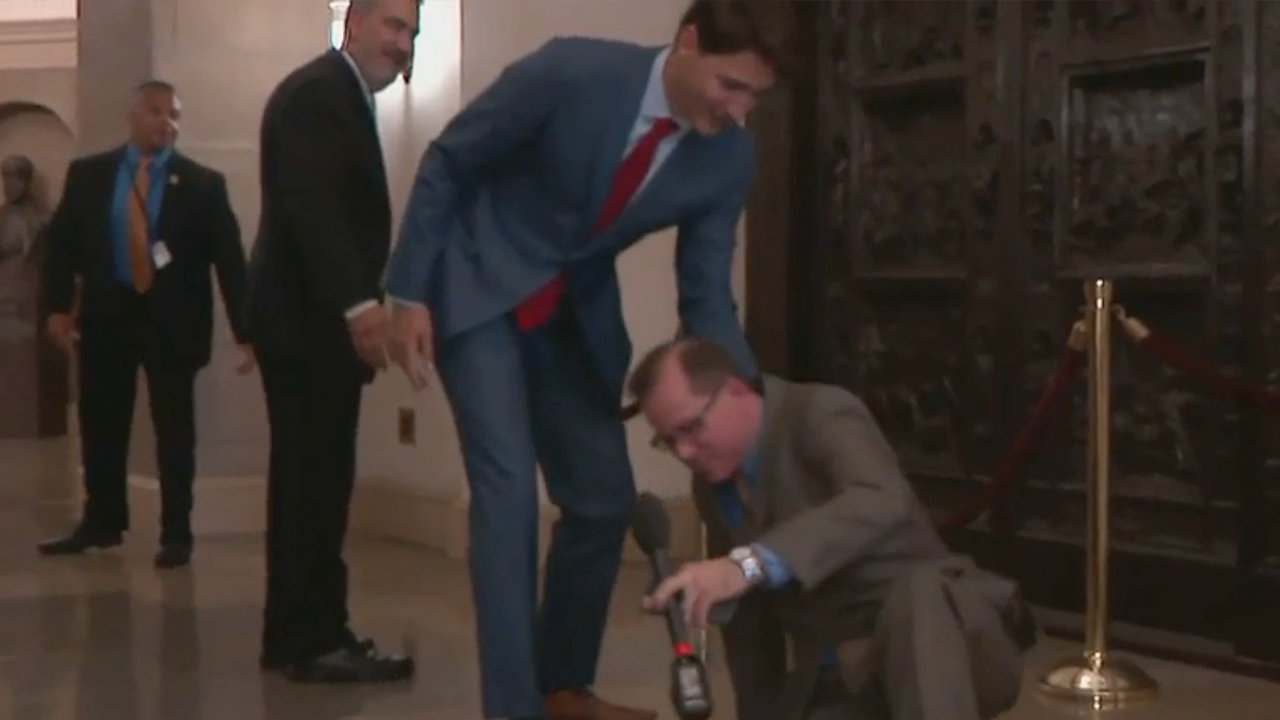
I fell on those steps. Directly in front of the Canadian Prime Minister. On the hard Capitol marble.
I quickly realized I was about to fall. With a microphone in one hand, I couldn’t catch myself. I was confident I’d break a wrist or a hand if I tried to catch myself.
So, I just went with it and fell.
And because I studied martial arts for all of those years from Master Kim and Master Yang back at the Tae Kwon Do dojang, I knew how to fall without hurting myself.
I rolled onto my right shoulder toward Trudeau.
My feeling flew up absurdly high in the air.
«Oh Chad! Oh Chad! Oh Chad!» hollered my photographer, Robert Fetzer. «Chad!»
Trudeau stopped briefly. But I leaped to my feet after the roll, hoping he might say something about baseball.
I struck out. And Trudeau departed.
«But what tripped you?» they ask. «Were you all right?»
Physically, I was fine. Mentally, kind of garbled. I’ve worked daily at the U.S. Capitol for decades. I had a sneaking suspicion of what got me. Or better yet, who?
In the latter years of the 19th Century, Rep. William Taulbee, D-Ky., did not get along with reporter Charles Kincaid. Taulbee thought Kincaid wasn’t an honest broker, writing screeds about his personal affairs.
Taulbee was tall, towering over the diminutive Kincaid. Taulbee was known to sometimes physically pummel Kincaid.
Taulbee was out of federal office. But Kincaid knew Taulbee would be at the Capitol. Kincaid packed a pistol with him. And on Feb. 28, 1890, the reporter shot the Bluegrass Congressman square in the eye.
Taulbee leaked blood all the way down the House’s «Y» staircase, the plasma blending with marble. Through a miracle of chemistry, the splotches are still visible today.
The Kentucky Democrat succumbed to his injuries 11 days later.
It probably goes without saying that Taulbee does not like the congressional press corps. And, so, his phantasm is known to lurk around the Capitol.
Sometimes low bridging reporters on ornate staircases.
«What tripped you?» they ask.
And before I can answer, my inquisitors jump to a conclusion, albeit an interrogative one.
«Was it a ghost?» they giddily exclaim, like they had just figured out Final Jeopardy.
As I say, I have my theories. I’ll let you come to your own conclusions.
But I don’t want to trip you up.
political, politics, justin trudeau
INTERNACIONAL
Texas’ red wall facing its biggest threat in decades as Republicans scramble to defend it
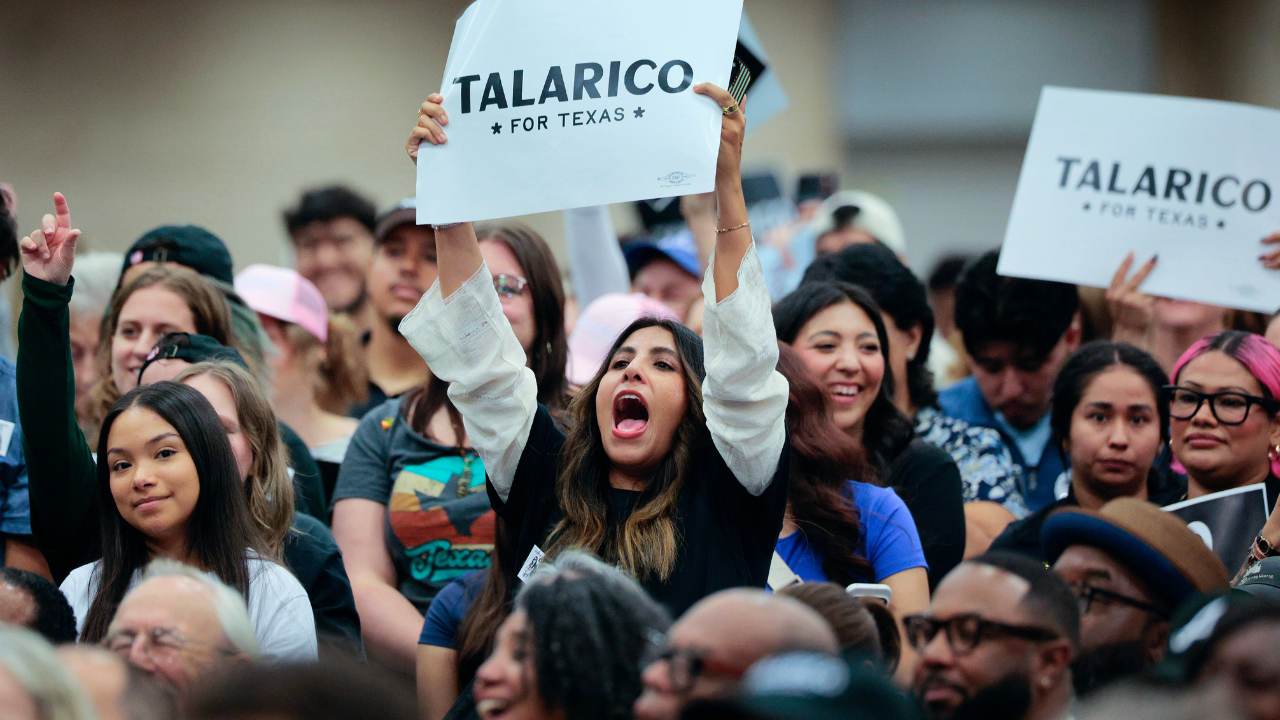
DALLAS — Democrats see a rare opening in Texas, and James Talarico is giving them their clearest shot in years at turning the state blue. If he pulls off the upset, the former teacher and Presbyterian seminarian could knock the first brick loose in Texas’ red wall.
The polling and fundraising figures help explain why Democrats see that possibility.
To put it in perspective, Talarico’s polling leads are wider than those recorded against Ted Cruz in 2018, when Beto O’Rourke came closer than any Democrat in decades to winning a Texas Senate race. And the enthusiasm on the ground from those who spoke with Digital backs up the numbers.
DEEP IN TRUMP COUNTRY, A NEW GENERATION REVEALS THE DIVIDE BEHIND TEXAS’ TIGHT SENATE RACE
What’s more, Talarico’s campaign raised $64 million from July through September, more than three times Trump-backed candidate Ken Paxton’s $18 million haul over the same period. Since launching his campaign, Talarico has raised more than $146 million.
But Paxton, currently the state’s attorney general, has enjoyed Republican outside groups pouring more than $200 million into Texas to support him, nearly all of it bankrolled by Elon Musk, the world’s richest man. Additionally, MAGA Inc., President Donald Trump’s principal super PAC, has spent another $33.7 million on ads backing Paxton, according to AdImpact.
At his Dallas rally on Thursday, Talarico underscored that divide by casting the race as a David and Goliath fight, telling supporters they were his weapon against powerful interests.
«David wasn’t as big or as strong as Goliath. He didn’t have as many weapons, but he had hope. He had faith, and he had a slingshot,» he said. «Dallas, you are my slingshot. The people of Texas are my slingshot.»
Talarico’s momentum has also shown up on the campaign trail.
Earlier this week, Talarico hopscotched across Texas, stopping in El Paso before holding events in Midland and Amarillo and drawing a larger-than-expected crowd in deep-red Lubbock on Tuesday.
Meanwhile, Trump campaigned with Paxton about four miles away that same night, shifting his rally time so it overlapped with Talarico’s event.
The dueling rallies put the race’s divide on display. Talarico’s campaign said more than 4,000 people signed up for his Lubbock rally, prompting a move to a larger venue.
«I know that we’re not the only show in town tonight, and I appreciate all 4,000 of you that showed up here this evening,» Talarico said at the Fiesta Center in Lubbock on Oct. 27. «That’s a lot of Talafreakos in one room.»
The Democratic candidate and his supporters have embraced the moniker «Talafreako,» a nickname first given to him as a derogatory dig by Republicans and President Trump.
Voters at Talarico’s rallies in Lubbock told Digital that Trump’s repeated Texas visits signaled Republican anxiety, while Paxton backers remained confident the state would stay red after a costly and contentious primary that saw Republicans divided over Paxton and sitting Sen. John Cornyn, who was ultimately ousted in the May runoff.
«Trump’s in Lubbock? Trump’s in Lubbock, Texas? He’s scared, he is scared,» one supporter told Digital.
Natalie, from Friona, called Trump’s same-day rally a sign Republicans were «nervous.»
«I think it’s performative, like to come the exact same day as he is here,» she said.
Jenny, from Brownsville, told Digital outside Trump and Paxton’s rally that the race was «not close» and she predicted that «Paxton will wipe the floor» with Talarico.
DUELING RALLIES THRUST DEEP-RED LONE STAR TOWN INTO THE CENTER OF THE POLITICAL UNIVERSE
Beyond the rally crowds, some Talarico supporters in Dallas and Lubbock said Paxton’s past legal controversies and impeachment by the Texas House shaped their views of the Republican nominee.
«We’re here in support of honesty, decency and integrity,» Lori, a Dallas voter who has voted Republican in the past, told Digital. «That’s what we like to see in a candidate, and we think Talarico is all that in one.»
George, a lifelong Texan at the Dallas rally, said years of watching Texas politics had become «heartbreaking» and called Talarico «a breath of fresh air.»
In Lubbock, Georgia cited several of Talarico’s policies and called him «authentic.» She also said his lack of an indictment was a plus, contrasting him with Paxton.
MEET THE VOTERS WHO COULD BREAK THE GOP’S DECADES-LONG GRIP ON A REPUBLICAN STRONGHOLD
Elias, a nurse from Lubbock, described Paxton as a weak leader.
«He had a chance to kind of redeem himself despite his ugly past, but he’s not a man, he can’t stand up for himself. He needs daddy Trump to come and support him.»
With Election Day on Nov. 3, the question is whether Talarico can turn rally crowds and a polling lead into a historic win. A victory would crack the GOP’s decades-long grip on Texas. A loss would leave Democrats still searching for a path to turn the state blue.
midterm elections, politics, texas, democrats senate, republicans elections, battleground voters
INTERNACIONAL
Flávio Bolsonaro reapareció tras su salida de Brasil, denunció persecución política y cuestionó los resultados “imposibles” del balotaje
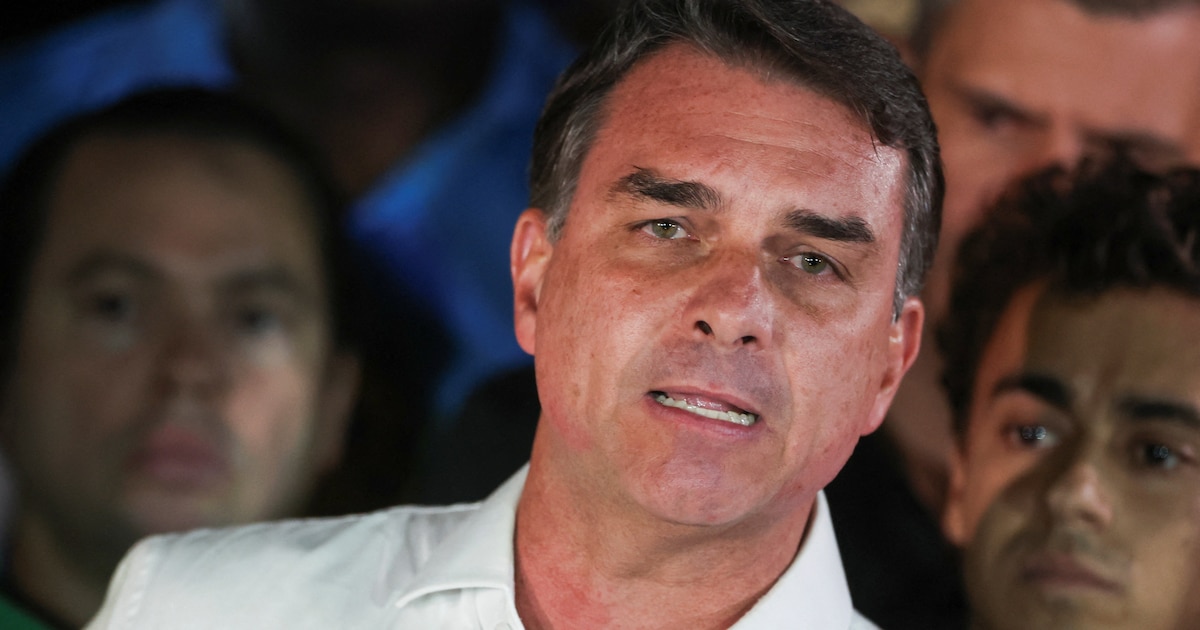
El senador Flávio Bolsonaro, ex candidato presidencial derrotado por el Partido Liberal (PL), afirmó este viernes que su salida de Brasil hacia Estados Unidos tras la segunda vuelta electoral “no es un signo de debilidad” y planteó la posibilidad de que el país celebre nuevas elecciones antes de 2030.
En una transmisión de unos 20 minutos por Instagram, Bolsonaro informó que decidió dejar Brasil tras una conversación con su esposa, Fernanda Bolsonaro. Durante su reaparición, agradeció a sus seguidores por los cerca de 60 millones de votos que recibió. “Esto me da mucha fuerza, mucha lucidez e incluso más valor para afrontar lo que sea necesario, para rescatar y salvar a nuestro país, para volver a presentarme a la presidencia. No me refiero a 2030, no, me refiero a antes”, sostuvo el legislador.
Flávio Bolsonaro acusó al presidente Luiz Inácio Lula da Silva, del Partido de los Trabajadores (PT), de utilizar recursos estatales durante la campaña, entre ellos el aumento del monto de la Bolsa Familia en vísperas de los comicios.
Durante la transmisión, Bolsonaro comparó la conducta que atribuyó a su rival con infracciones en un partido de fútbol. “Hubo varios goles marcados con la mano que mi oponente anotó y que no fueron anulados por el VAR [árbitro asistente de video]. Jugó completamente al margen de las reglas de la ley electoral”, agregó.
La legislación prevé que, si la Justicia electoral determina un abuso de poder y anula una candidatura ganadora dentro de los dos años posteriores a la elección, Brasil debe convocar a comicios presidenciales directos.
El senador también cuestionó la proclamación de los resultados por parte del Tribunal Superior Electoral (TSE) y volvió a aludir a un supuesto fraude, sin presentar pruebas. Según sostuvo, un resultado adverso para Lula en la segunda vuelta sería “matemáticamente imposible”.
Bolsonaro señaló que resolvió abandonar el país después de visitar a su padre, el ex presidente Jair Bolsonaro, quien se encuentra bajo arresto domiciliario. De acuerdo con su relato, agentes de la Policía Federal lo citaron en ese lugar para comunicarle que el ministro Alexandre de Moraes, del Supremo Tribunal Federal (STF), ordenó cancelar sus pasaportes.

“Entonces lo miré a la cara y le dije: ‘Papá, la persecución ha comenzado’. Incluso un poco antes de lo que imaginaba, porque todo el mundo sabe que Brasil vive actualmente en estado de excepción”, relató Flávio Bolsonaro. El ex xmandatario respondió: “Ya sabes adónde quieren llegar con esto, ¿verdad?”.
El senador afirmó que temía ser utilizado “como moneda de cambio para algún interés dentro del sistema” y aseguró que perdió “contra el sistema” y no contra su oponente.
“Dije que no me sometería a eso. Eso no es señal de debilidad, amigos. Puedo ser muchas cosas, pero no soy tonto. Supe analizar la situación y entendí hacia dónde se dirigían, y más rápido de lo que imaginaba”, afirmó.
Jair Bolsonaro llamó a ser parte de un “momento de unión y no de buscar culpables”
El ex jefe de Estado, preso por golpismo, pidió “unión y no buscar culpables” tras la derrota electoral de su hijo Flávio, según un mensaje que su esposa, la ex primera dama Michelle Bolsonaro, publicó este viernes en redes sociales.
“Vivimos tiempos difíciles. Necesitamos reflexionar y, solo después, actuar”, transmitió Michelle al citar al referente derechista, que tiene prohibido utilizar sus perfiles o divulgar comunicados. La ex primera dama señaló que Bolsonaro, a quien definió como “líder”, agradeció el “empeño y sacrificio” de los militantes durante la campaña presidencial de Flávio Bolsonaro.
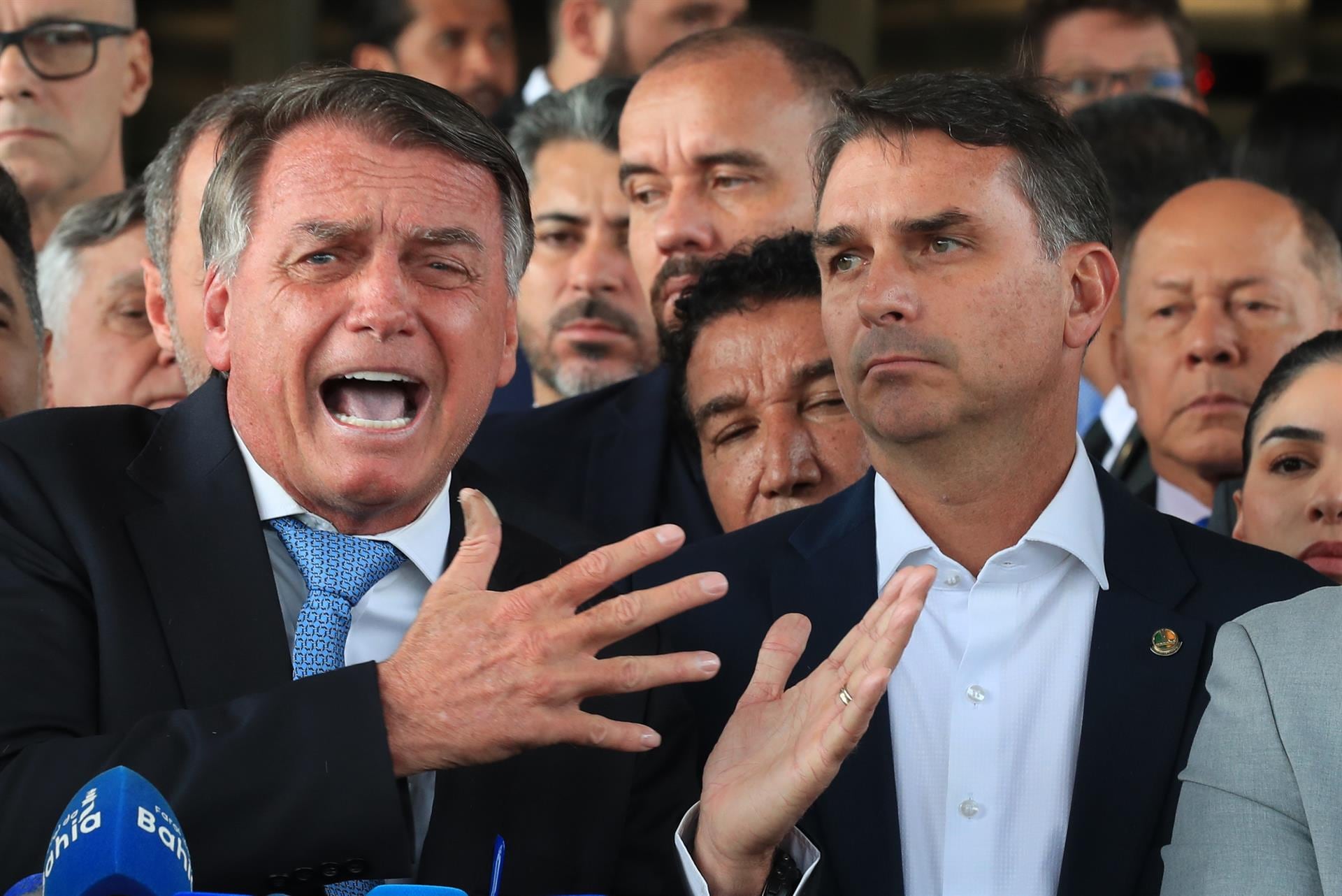
Michelle Bolsonaro negó que el exmandatario responsabilice a aliados por la derrota electoral de su hijo frente a Lula, quien ocupa la Presidencia de Brasil.
De acuerdo con su publicación, al ex presidente le “entristecen” las versiones que “pregonan la división” dentro de su espacio político y apuntan “injustamente a supuestos culpables”.
Jair Bolsonaro gobernó Brasil entre 2019 y 2022 y enfrenta una condena de prisión por golpismo. Además, no puede participar de forma directa en comunicaciones públicas a través de redes sociales ni de mensajes difundidos por otras personas.
Domestic,Politics,South America / Central America,Government / Politics

Pablo Migliore reveló el infierno que se le armó con su esposa por los rumores de romance con la China Ansa: “Están odiadas»

Videos, saludos y homenajes de los clubes a Diego Armando Maradona a 66 años de su nacimiento

Por qué la frase de Horacio Marín sobre la inflación sorprendió a Wall Street, mientras YPF sostiene el buffer de precios

Epicuro y una reflexión que sirve como un mantra en la vida cotidiana: “Ser feliz es que no duela”

Milei visita Neuquén para inaugurar una iglesia evangélica: tensiones internas y señales de cara a las elecciones 2027

Homenaje del Bayern a Kane con goleada

Medios brasileños afirman que Flávio Bolsonaro escapó del país y está en vuelo a Estados Unidos

De Bullrich a Lula da Silva: a Milei se le abrieron dos frentes de conflicto con resolución incierta

Avanza la búsqueda de los hermanos desaparecidos que fueron arrastrados por la corriente de un río en Santa Cruz

Malvinas: tras aceptar modificaciones, el Gobierno buscará llevar al recinto el proyecto de Ley de Soberanía el 12 de noviembre

 SOCIEDAD3 días ago
Avanza la búsqueda de los hermanos desaparecidos que fueron arrastrados por la corriente de un río en Santa Cruz
- POLITICA3 días ago
Malvinas: tras aceptar modificaciones, el Gobierno buscará llevar al recinto el proyecto de Ley de Soberanía el 12 de noviembre
- DEPORTE3 días ago
Luis Enrique no tiene al gran ‘killer’ de París: una ‘bestia’ supera a Ferran Torres