INTERNACIONAL
Mamdani’s taxpayer-funded influencer army accused of plotting pressure campaign against NYC CEOs


Senior officials in New York City Mayor Zohran Mamdani’s administration are reportedly plotting a coordinated social media pressure campaign against some of the city’s most powerful business leaders, looking to mobilize a 200-plus influencer network run through City Hall.
Mamdani’s network of social media creators working for him first drew scrutiny earlier this month after the Columbia Journalism Review revealed that City Hall was communicating with more than 200 influencers through an encrypted Signal group called «NYC Creators Announcements.»
Digital subsequently reported that members receive daily talking points, videos and other updates from the administration, while also being offered access to events and city officials.
MAMDANI’S ‘MASS ENGAGEMENT’ OFFICE DRAWS FIRE OVER PLANS TO BUILD INFLUENCE BEYOND CITY HALL: ‘NYC IS DONE’
Now, two sources briefed on the effort told the New York Post that senior City Hall aides have discussed mobilizing the influencer network against New York business executives, including leaders of the Partnership for New York City, an influential nonprofit representing the city’s business leaders and largest employers.
Pfizer CEO Albert Bourla and Related Companies CEO Jeff Blau have also been floated as potential targets, according to the Post.
The reported strategy centers on «blindsid[ing]» Partnership for New York City President and CEO Steven Fulop, who took over the organization earlier this year, with one source telling the Post that aides viewed the leadership transition as an opportunity to «go at CEOs.»
«They want to punch Fulop in the face,» the source told The Post.
Fulop, however, told he personally spoke with Mamdani after the report and that the mayor, his communications director and political director all denied plans to target business executives. Fulop said the Partnership would take Mamdani «at his word» while remaining «vigilant and watchful» but noted if he continued down this path there could be «huge repercussions in a bad way.»
Mamdani spokesperson Dora Pekec, meanwhile, called the Post’s report «categorically false» and «a complete lie,» though the Post reported that she declined to identify specific inaccuracies in its account.
The Mamdani administration’s use of influencers and Signal had already drawn scrutiny before the latest report this week from the New York Post.
Reinvent Albany, a government watchdog focused on transparency and accountability, has said it supports city agencies using paid social media influencers to promote government programs but opposes city officials using instant-messaging apps such as Signal for official communications.
MAMDANI SPARKS FEARS OF VIOLENCE AFTER DOXING WEALTHY NYC PROPERTY OWNERS: ‘OUTRIGHT DANGEROUS’
In testimony before the New York City Council earlier this month, the group warned that the city still lacks a practical way for agency Freedom of Information Law officers to archive or retrieve official records created on apps such as Signal.
«Even now, in 2026, the City of New York has not developed a practical way for official records created by these apps to be archived or retrieved by agency FOIL officers,» Reinvent Albany testified.
The watchdog has called for legislation clarifying that electronic and instant messages constituting public records must be preserved and easily retrievable, while also proposing disclosure requirements for influencers paid to promote city messaging.
NYC MAYOR MAMDANI CALLS THREAT OF RICH PEOPLE LEAVING NYC OVER TAXES ‘IMAGINED’
The alleged effort to go after NYC’s CEOs comes as Mamdani continues to push for higher taxes on wealthy New Yorkers and corporations to fund his agenda and address the city’s budget challenges.
Mamdani called earlier this year for a 2% personal income tax increase on New Yorkers earning $1 million or more, alongside an increase in the corporate tax rate. While those proposals did not make it into this year’s budget, Mamdani has continued to publicly back both.
«I’ve been very open and honest about my vision, whether it be fast and free buses or whether it be higher personal income taxes on the wealthiest New Yorkers or the most profitable corporations,» Mamdani said in May.
The mayor did secure a new pied-à-terre tax on luxury second homes owned by non-city residents, which his administration projects will generate roughly $500 million annually.
The measure was dealt a legal setback Tuesday, however, when a Staten Island judge ordered the administration to scrap its initial rollout and restart the process after finding the city failed to follow required procedures before sending tax notices. The ruling did not strike down the tax itself, and Mamdani’s administration vowed to continue fighting for the surcharge.
Matt Rauschenbach, a Mamdani spokesman, defended the surcharge as a «basic principle of fairness,» arguing that owners of luxury second homes should contribute toward the city services they benefit from.
zohran mamdani, companies, new york city, business regulation, organization, taxes












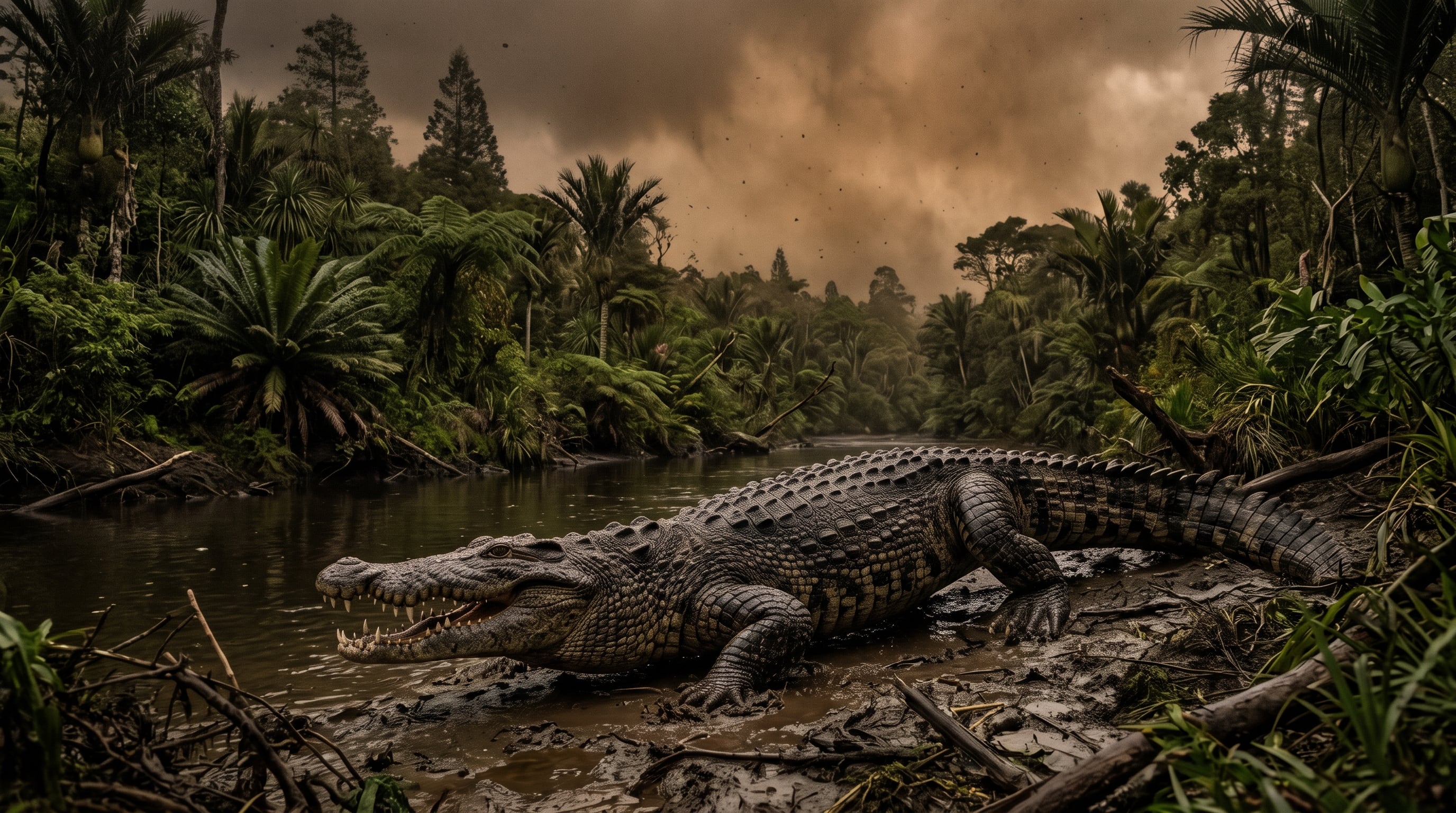
Un linaje de reptiles que atravesó dos extinciones masivas no necesitó conquistar todos los ambientes del planeta para sobrevivir: se mantuvo cerca del calor. Un estudio liderado por científicos de University College London concluyó que los antepasados de los cocodrilos siguieron los climas cálidos durante 245 millones de años, una estrategia que pudo darles refugios decisivos cuando el asteroide de Chicxulub terminó con los dinosaurios no avianos.
La escena parece salida de una película: hace 66 millones de años, un objeto procedente del espacio impactó en la actual península de Yucatán, alteró la atmósfera y sumió a gran parte del planeta en un período de frío y oscuridad. Los dinosaurios no avianos desaparecieron. Sin embargo, la rama evolutiva de los cocodrilos logró mantenerse y, con el tiempo, volvió a expandirse.
La explicación no se reduce a sus mandíbulas, su vida semiaquática o su capacidad para pasar largos períodos con poco alimento. La nueva investigación propone sumar otro factor: estos animales y sus parientes más antiguos habrían permanecido, durante millones de años, dentro de una franja térmica favorable. Cuando el mundo cambió de manera abrupta, algunas de esas regiones cálidas persistieron cerca del ecuador y los subtrópicos.
El trabajo, publicado en Science Advances, reunió más de 7.000 fósiles y registros de más de 400 especies actuales y extintas. Los investigadores combinaron esa información con reconstrucciones por computadora de la geografía y el clima terrestre desde hace 245 millones de años.
Los antepasados de los cocodrilos se movieron detrás del calor
El grupo analizado recibe el nombre de pseudosuquios. Incluye a los cocodrilos actuales y a una extensa variedad de parientes extinguidos que aparecieron en una época cercana a la de los primeros dinosaurios. A lo largo de su historia, esos reptiles habitaron escenarios muy distintos a los paisajes que hoy se asocian con un cocodrilo: desde zonas ribereñas hasta áreas continentales alejadas del agua.
El patrón que surge de los registros es claro. En lugar de acomodarse de forma amplia a climas fríos, secos o templados, los pseudosuquios tendieron a conservar su preferencia por las temperaturas elevadas. Cuando el planeta entraba en períodos más cálidos, se expandían hacia latitudes altas. Cuando bajaba la temperatura global, su distribución se retraía hacia las regiones tropicales.
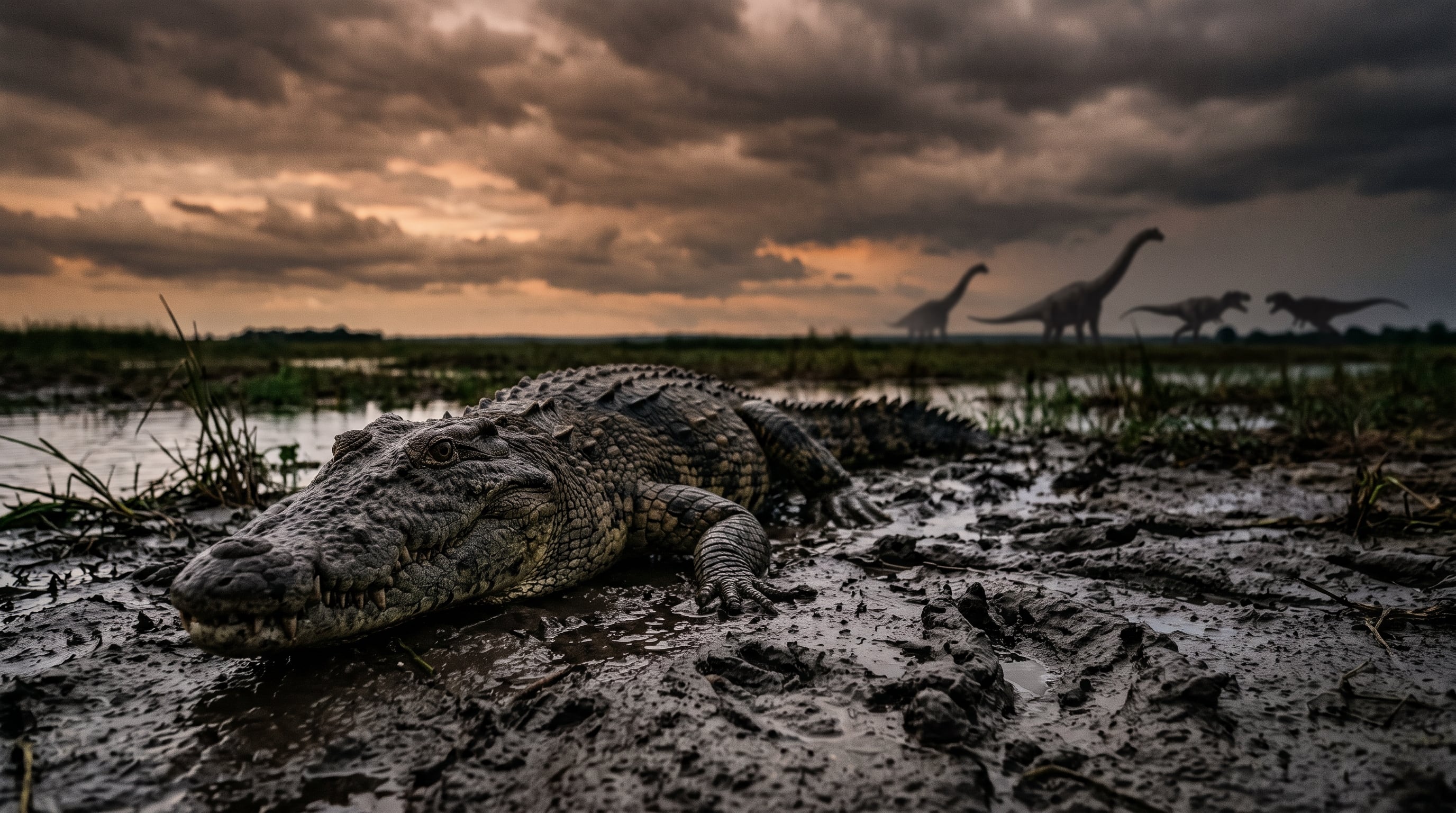
Durante el Eoceno temprano, hace cerca de 50 millones de años, la Tierra era aproximadamente 10 ℃ más cálida que en la actualidad y las regiones polares no tenían capas de hielo permanentes. Entonces, los parientes de los cocodrilos llegaron a ocupar territorios de América del Norte, Europa e incluso la Antártida. Después, a medida que el planeta se enfrió, sus poblaciones volvieron a concentrarse cerca de los trópicos.
Ese vaivén geográfico permite entender una paradoja. La apariencia de los cocodrilos actuales suele transmitir una idea de inmovilidad evolutiva, como si fueran animales detenidos en el tiempo. Pero su supervivencia estuvo ligada a desplazamientos prolongados a través de continentes que cambiaban de posición, mares que avanzaban o retrocedían y ciclos de calentamiento y enfriamiento que remodelaron los ecosistemas.
Tras el asteroide, las zonas cálidas dieron refugio a los antepasados de los cocodrilos
El equipo encabezado por Alfio Alessandro Chiarenza, investigador de UCL Earth Sciences, reconstruyó además las condiciones climáticas que pudieron prevalecer en las décadas y los siglos posteriores al impacto del asteroide de Chicxulub.
Las simulaciones contemplaron distintos escenarios: la reducción de la luz solar por cenizas y polvo suspendidos en la atmósfera, así como el aumento del dióxido de carbono vinculado con el vulcanismo. En los casos con una caída del 5% o del 10% de la radiación solar, los ambientes cálidos del ecuador y los subtrópicos conservaron condiciones aptas para los parientes de los cocodrilos.

La excepción apareció bajo una reducción del 15% de la luz solar. En ese supuesto, las áreas favorables desaparecían. Sin embargo, los autores indicaron que ese escenario extremo hoy se considera poco probable.
“El asteroide no volvió a todo el planeta igual de hostil para todos los grupos”, señaló Chiarenza en declaraciones difundidas por UCL. Según el investigador, la antigua preferencia de estos reptiles por el calor pudo haberlos situado justamente en las zonas donde las condiciones resistieron mejor la crisis global.
La diferencia con los dinosaurios no avianos fue marcada. Modelos anteriores, elaborados por integrantes del mismo grupo de investigación, indicaron que los ambientes climáticamente adecuados para esos animales se redujeron de manera mucho más drástica tras el impacto. Los refugios ecuatoriales habrían sido, así, una ventaja geográfica para los supervivientes del linaje cocodriliano.
El clima no explica por sí solo una supervivencia de 66 millones de años
Los autores advierten que el clima no fue la única clave. Atribuir la supervivencia a una sola causa sería simplificar un proceso que involucró cambios ambientales, disponibilidad de alimentos y rasgos biológicos de cada grupo.
Los cocodrilos y sus parientes contaban con cuerpos relativamente pequeños frente a muchos dinosaurios, dietas flexibles y hábitos vinculados con el agua dulce. Además, como animales ectotermos —regulan su temperatura corporal a partir del ambiente— necesitan menos energía que los mamíferos y las aves para sostener sus funciones vitales. Esa característica pudo resultar útil en un mundo donde las cadenas alimentarias sufrieron una interrupción abrupta.

La vida semiaquática también ofrecía cierta protección. Ríos, lagos y humedales podían amortiguar parcialmente las oscilaciones térmicas que afectaban a los ecosistemas terrestres. En un contexto de incendios, falta de luz y escasez de vegetación, esos ambientes podían conservar recursos durante más tiempo que los paisajes expuestos.
El registro fósil, de todos modos, muestra excepciones a la preferencia por el calor. Hace unos 34 millones de años, una rama extinta de crocodilianos de Australia se adaptó a condiciones más secas, similares a las de un desierto. La modificación coincidió con un período prolongado de enfriamiento global y aridificación del continente.
Ese caso no invalida la tendencia principal, pero recuerda que la historia evolutiva no avanza en línea recta. Algunas ramas encontraron modos de responder a transformaciones locales; otras se extinguieron. Las que dieron origen a los cocodrilos actuales conservaron una estrecha relación con el calor y los ambientes acuáticos.
Los cocodrilos actuales son sobrevivientes de una diversidad perdida
La investigación también cambia la mirada sobre los cocodrilos modernos. Hoy existen poco más de 20 especies, una cifra reducida frente a la diversidad que alcanzaron sus antepasados. En la era de los dinosaurios, los pseudosuquios ocuparon nichos ecológicos mucho más variados, con formas terrestres, marinas y de agua dulce.
La supervivencia de su linaje no significó que todas sus ramas atravesaran indemnes las crisis del planeta. Muchas desaparecieron. Las especies que viven hoy representan una fracción de aquella diversidad y enfrentan amenazas contemporáneas, entre ellas la pérdida de humedales, la contaminación, la caza ilegal y el aumento del nivel del mar.
La investigación sostiene que la conservación de un nicho climático cálido influyó en la expansión, la extinción y la persistencia de este linaje. Los investigadores plantean que ese recorrido de 250 millones de años permite observar cómo la geografía y el clima pueden condicionar qué especies encuentran refugio cuando el planeta entra en crisis.
Cretácico,paleoarte,dinosaurios,cocodrilos
INTERNACIONAL
Iran is trying to ‘create a rot from within’ through ‘information warfare,’ analyst warns
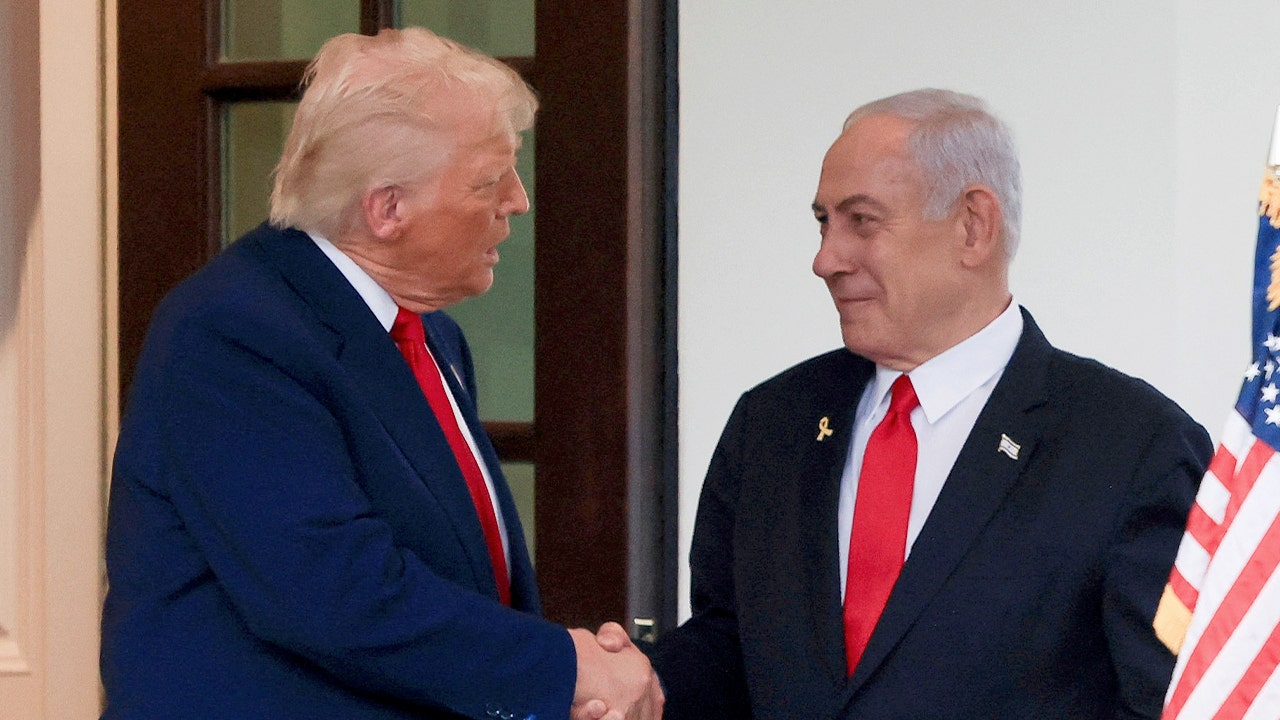
Iran, recognizing surefire defeat in a kinetic war, is leaning in on an information warfare campaign to undermine the United States and Israel from within, according to Yuval David, a strategic U.S.-Israel geopolitical communications advisor.
«You cannot beat Israel or the United States in a physical kinetic war,» David told Digital from Budapest, where he joined Israeli President Isaac Herzog for high-level diplomatic talks Wednesday, adding the warning of an «information warfare system.»
«And that’s what’s going on with social media, with our devices and the people who are on TikTok and Instagram and Facebook and X and YouTube and all of the different social media platforms where the Islamic Republic of Iran is able to affect people’s minds.»
IRAN TARGETS US WITH PSYCHOLOGICAL WARFARE CAMPAIGN TO MANIPULATE AMERICANS, EMBARRASS TRUMP: EXPERTS
«One of the things that it does is it tries to create a rot from within the societies and, sadly, it’s very much succeeding in doing so,» he added, stating that Iran’s campaign has enjoyed «guidance from Russia and China.»
David’s warning comes as Israel prepares for an election next week that analysts say could change its leadership but is unlikely to produce a fundamental shift in the country’s Iran policy.
NETANYAHU PRAISES TRUMP’S ‘WICKED SENSE OF HUMOR,’ DEFENDS IRONCLAD ALLIANCE AHEAD OF HISTORIC ISRAEL VOTE
A Reuters analysis published Wednesday found that Iran will likely remain Israel’s chief adversary, with military force continuing to serve as the country’s preferred tool against its enemies. The report said Israel’s security doctrine is centered on confronting Iran, maintaining buffer zones beyond its borders and keeping military pressure on to deter threats.
A victory for Prime Minister Benjamin Netanyahu, backed by conservative coalition partners, could deepen Israel’s confrontation with Tehran, not bring about appeasement. Even an opposition-led government would likely share the same broad strategic outlook, David said.
TRUMP IS DISMANTLING IRAN’S WAR MACHINE, BUT AMERICA STILL NEEDS AN ENDGAME
«The Islamic Republic of Iran is a massive concern for the world,» David said. «Tehran does not fear another diplomatic statement. It fears an America and an Israel with the intelligence, military capabilities and political will to act together.»
David said the U.S.-Israel alliance should not be judged by whether American leaders support the same Israeli candidate.
TRUMP SAYS NETANYAHU NEEDS TO BE RE-ELECTED, OR ELSE US WILL HAVE TO ‘FINISH THE JOB’ AGAINST IRAN ALONE
«Presidents come and go, prime ministers come and go. America’s and Israel’s enemies do not take election years off,» he said. «America doesn’t need to choose Israel’s prime minister, nor will it, nor can it, nor is it even trying to. America just needs a strong Israeli partner, whoever the Israelis elect.»
Reuters has cited regional analysts who said Netanyahu’s re-election could allow him to pursue a more aggressive campaign against Iran, while Arab states remain wary of his policies but want Tehran’s influence contained.
David said Iran’s hostility toward the United States and Israel extends beyond the current conflict.
IRAN’S PROXY WAR HAS CROSSED OCEANS AND IS NOW KNOCKING ON AMERICA’S DOOR
«The Islamic Republic of Iran has been waging this ideological war against America and also against Israel and also against democracies around the world since 1979,» he said. «The regime never stopped a war.
«Americans thought we have had a war, and then we didn’t have a war. Then we had one. Then we didn’t. Well, the Islamic Republic of Iran never ended that war. They’ve seen this as an ongoing war since 1979.»
FROM INTELLIGENCE SHARING TO MISSILE DEFENSE, HOW ISRAEL’S PARTNERSHIP PROTECTS AMERICAN SECURITY
He also framed U.S. support for Israel as a matter of serving American national security interests.
«America does not support Israel because Israel is helpless. America partners with Israel because Israel is capable,» David said. «Supporting Israel’s security isn’t charity. It’s American strategic self-interest.»
President Donald Trump’s endorsement of Netanyahu, contrasted with Vice President JD Vance’s decision to stay out of the race, reflects differing political approaches rather than a split over Iran or the U.S.-Israel alliance, according to David.
VP JD VANCE ADDRESSES US-ISRAEL RELATIONSHIP, WHETHER IRAN IS TRYING TO ‘PLAY’ THE UNITED STATES
«President Trump is endorsing Prime Minister Netanyahu – Vice President Vance is emphasizing American priorities, but supporting Israel’s security doesn’t require endorsing a particular Israeli politician,» he concluded.
«Trump is speaking to Israeli voters because that’s what Trump is able to do – Vance is speaking to American voters,» David said. «Far too many Americans don’t realize both Trump and Vance know that Tehran is listening.»
war with iran, israel, benjamin netanyahu, donald trump, jd vance
INTERNACIONAL
“Queremos crear una red de mujeres que puedan sostenerse”: UNIDAS impulsa emprendimientos con capacitación y mentoría
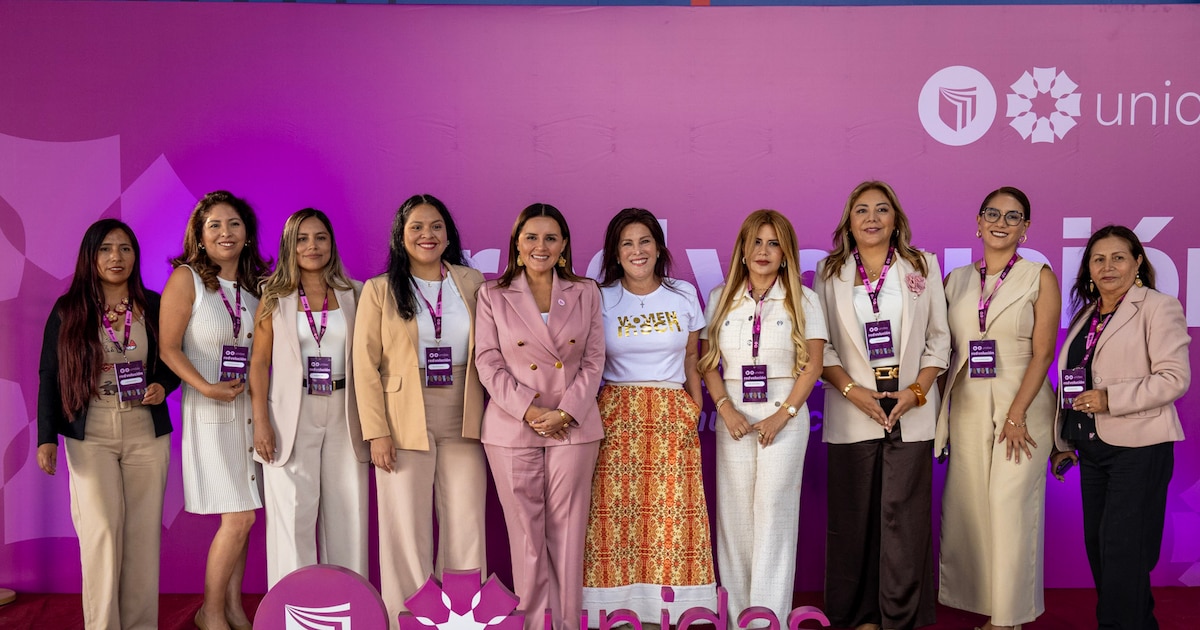
La Universidad César Vallejo (UCV) desarrolló en su campus Ate una jornada de UNIDAS, iniciativa orientada al emprendimiento femenino que incorpora capacitación, acompañamiento y una red de mentoría. Durante la actividad fueron reconocidas las primeras 10 mentoras, quienes acompañarán a mujeres en el desarrollo de sus negocios.
“A través de UNIDAS queremos dar un paso más allá. Queremos crear una red de mujeres que puedan sostenerse”, señaló Kelly Acuña Núñez, presidenta ejecutiva de la UCV.
El modelo plantea que las participantes no solo reciban orientación, sino que algunas puedan posteriormente acompañar a otras mujeres. Acuña explicó que la expectativa es que las emprendedoras que hoy forman parte del programa puedan convertirse en futuras mentoras.
Según las cifras proporcionadas por la universidad, más de 4.000 mujeres participaron en la iniciativa durante 2026. Entre los resultados reportados, el 25 % asumió roles de liderazgo, el 30 % mejoró su situación laboral, 280 desarrollaron sus propios emprendimientos y 245 iniciaron estudios universitarios.
La jornada incluyó además el panel “La tecnología como motor de desarrollo de las mujeres”, con la participación de Acuña y Jessica Freundt, representante de Women in Tech Latinoamérica, entre otras invitadas.

Talleres, tutorías y una ruta para los emprendimientos
Carmen Aparcana Vizarrreta, directora de Responsabilidad Social Universitaria y Vallejo en la Comunidad de la UCV, explicó que los resultados corresponden al trabajo conjunto de los 13 campus presenciales y el campus virtual. Las participantes asisten una vez por semana a talleres y cuentan con tutores encargados de acompañarlas durante su proceso.
La formación continuará después de la jornada. Aparcana detalló que las emprendedoras pasarán por un taller de preincubación, otro de incubación y posteriormente una etapa de aceleración con acompañamiento personalizado, desarrollada junto con el Centro de Emprendimiento de la UCV.
“Hoy están aquí reunidas, van a pasar por un taller de preincubación, luego por el taller de incubación y luego serán acompañadas de manera personal a través del taller de aceleración”, explicó.
Entre las dificultades identificadas durante el trabajo con las participantes, Aparcana mencionó la falta de confianza en las propias capacidades, la dificultad que algunas mujeres encuentran para reservar tiempo para su formación y las brechas en el manejo de herramientas tecnológicas.
“Siempre tener esa voz interna que te dice: ‘Tú no puedes’”, señaló al referirse al denominado síndrome del impostor. Sobre las capacidades digitales, agregó: “Quien no maneja la tecnología en este momento realmente se queda atrás”.
De pedir ayuda a gestionar sus propios contenidos
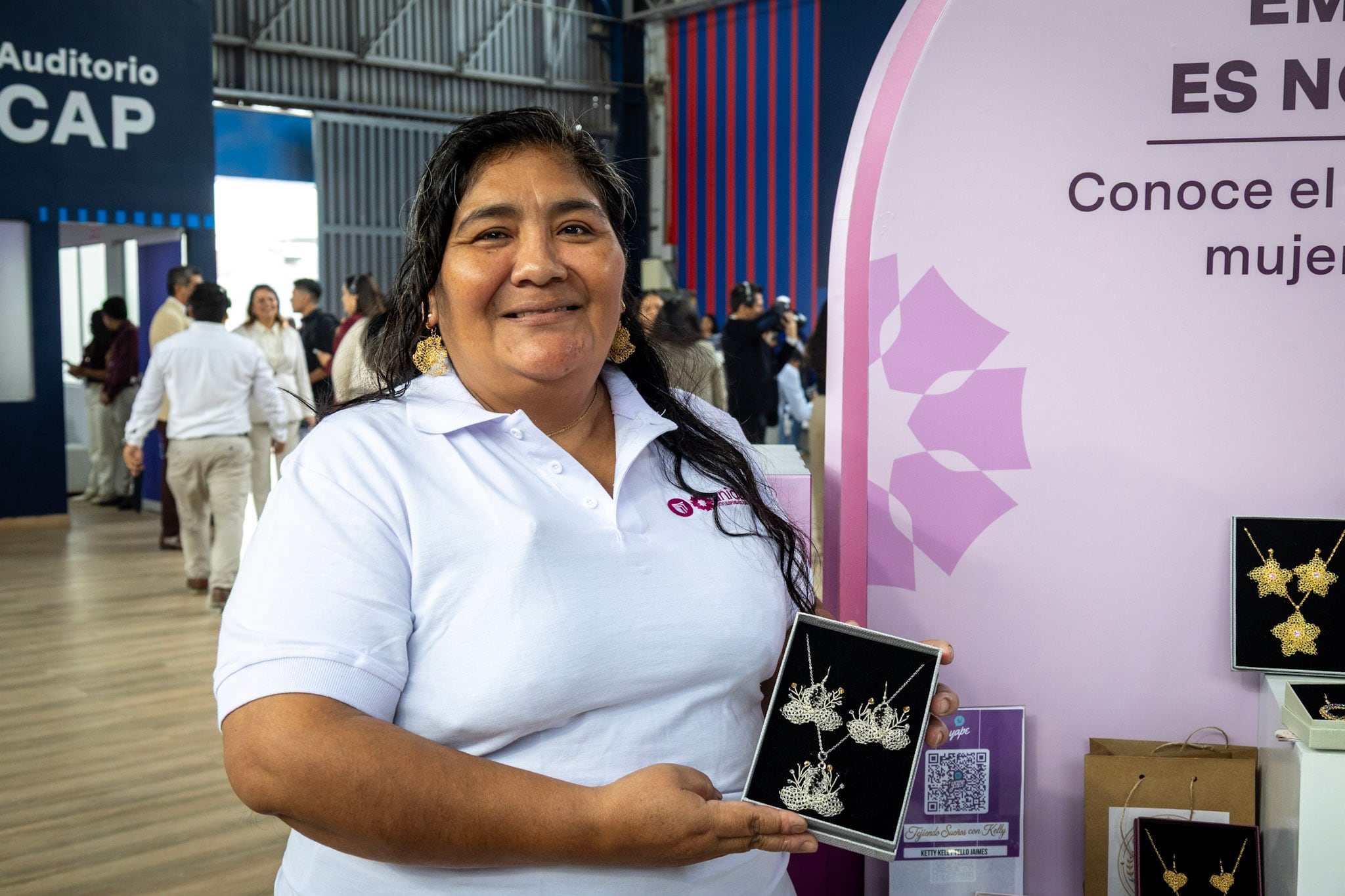
La experiencia de Ketty Kelly Tello Jaimes, creadora de Tejiendo sueños con Ketty, muestra una de esas dificultades. La emprendedora, dedicada a elaborar piezas tejidas a mano, recuerda que tenía conocimientos limitados sobre herramientas tecnológicas y necesitaba recurrir a su hija para realizar determinadas tareas.
“Ya no necesito pedir ayuda: ‘Hija, ayúdame’. Ahora ya yo puedo entrar a la computadora, puedo generar mis contenidos, puedo subir mis fotos, puedo editarlas. Lo que no sabía, ahora yo ya lo puedo hacer”, relató.
Tello reconoce que todavía necesita mejorar en herramientas como TikTok y la creación de videos. Su incorporación a esta nueva etapa de UNIDAS es reciente: participó en la apertura y señaló que ahora comenzará las capacitaciones.
La emprendedora también identifica la posibilidad de trabajar desde casa como uno de los cambios que le ha permitido combinar su actividad económica con el cuidado de sus hijos. “Me ha cambiado la vida porque con esto puedo ayudar a mis hijos ya desde casa, ya no los puedo descuidar. Estoy al pendiente de ellos, de su crecimiento escolar y a la vez puedo darme tiempo en emprender con mi pequeño negocio”, afirmó.
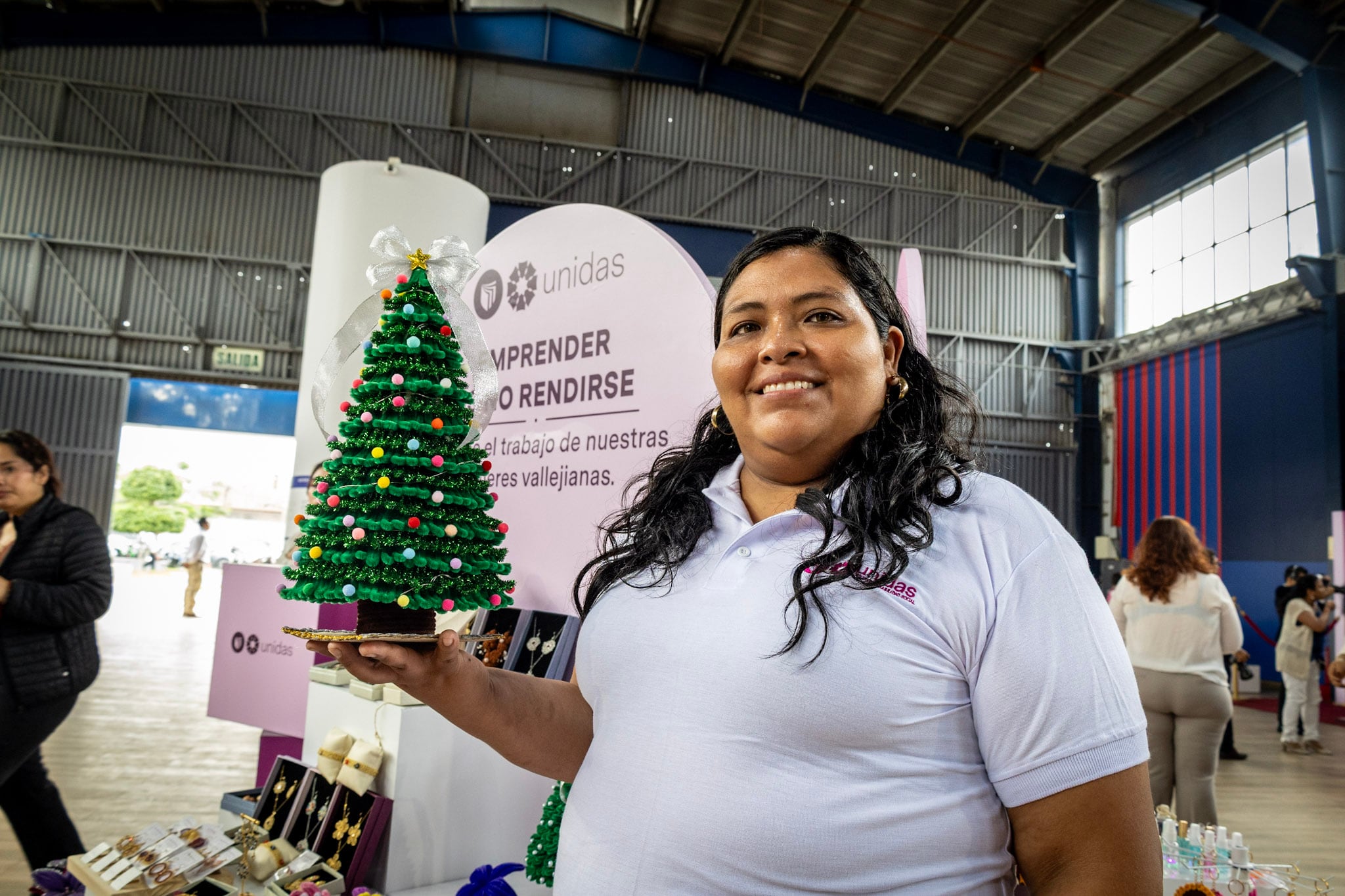
De un hobby a un emprendimiento formalizado
Rocío Rodríguez Vera, creadora de Creaciones J y S, llevando emociones instantáneas, presenta un recorrido más prolongado. La emprendedora de Cajamarquilla afirma que lleva cuatro años vinculada al proceso que comenzó bajo UCV Empodera y continúa actualmente con UNIDAS.
Rodríguez cuenta que comenzó elaborando flores y arreglos hechos a mano como un hobby desde casa, después de acercarse a una actividad de la universidad en la Casa del Emprendedor de su zona. Actualmente señala que maneja redes sociales y herramientas virtuales, cuenta con RUC y recibe solicitudes de empresas para sus productos.
Durante ese proceso también participó en clases de oratoria y aprendió herramientas relacionadas con las ventas. “Yo antes no era tan desenvuelta. O sea, yo no hablaba mucho, pero ahora gracias a eso, gracias a las clases de oratoria que también nos han dado, entonces aprendí a desenvolverme y también aprendí a vender, que es muy importante”, sostuvo.
Rodríguez destaca especialmente el cambio que experimentó en su dinámica laboral y familiar. Antes de desarrollar su emprendimiento, asegura que debía dejar a sus hijos en casa para cumplir jornadas laborales de ocho o doce horas.
“Ahora, gracias a este emprendimiento y gracias a la Universidad César Vallejo, lo hago en casa, en mis tiempos libres y en tema de ingresos gano muy bien”, afirmó.
Tras cuatro años vinculada a estas iniciativas, Rodríguez considera que una siguiente etapa debería enfocarse también en mujeres en situación de vulnerabilidad, particularmente aquellas que dependen económicamente de sus parejas, además de incorporar acompañamiento psicológico frente a esas circunstancias.

Una red que busca ampliar su alcance
Acuña señaló que la actividad desarrollada en Ate tuvo alcance nacional, con la conexión de los 13 campus físicos y UCV Virtual, y explicó que la meta es que más mujeres se incorporen, completen los módulos de formación y posteriormente desarrollen sus emprendimientos.
La presidenta ejecutiva adelantó además que la universidad ha mantenido reuniones con varias empresas interesadas en sumarse a UNIDAS.
La participación de actores externos ya incluye a Women in Tech Latinoamérica, cuya representante Jessica Freundt estuvo presente en la jornada. “Esto no es una iniciativa de la universidad, sino una iniciativa de la comunidad”, sostuvo Acuña.
La presidenta ejecutiva también invitó a mujeres del país que tengan acceso a una sede de la UCV a participar en las capacitaciones, que, según destacó, son gratuitas.
El objetivo planteado es que el acompañamiento no termine con la formación de las actuales participantes, sino que algunas puedan convertirse posteriormente en mentoras y acompañar a nuevas emprendedoras. Acuña resumió esa lógica durante la jornada: “Cuando una mujer ayuda a otra, el camino es más fácil”.

Rendidos ante Nico Paz: ¿qué dijeron en Europa del partidazo del volante de la Selección Argentina en la Champions?

Con cambios y concesiones, el oficialismo logró aprobar en Diputados su proyecto de propiedad privada

El Gobierno informó la razón por la que Javier Milei usó una venda durante su viaje a España

Por qué los cocodrilos sobrevivieron al asteroide que extinguió a los dinosaurios

Después de diez años sin un nuevo juego, Star Wars: Battlefront está a punto de volver

“Es absurdo”: lluvia de críticas al método de votación al Balón de Oro más grande de la historia, en la que Cristiano aventaja a Messi

El Gobierno pone en marcha un nuevo plan de retiros voluntarios y busca que haya 20.000 empleados menos en el Estado

Alerta roja en Sudamérica por el Súper Niño: cambio climático, inundaciones extremas y el hallazgo de microplásticos y metales en el granizo

“Feliz día a la mejor mamá del mundo”: el doble gesto del Chato Prada con Lourdes Sánchez y la reacción de ella

De cara al debate por el endeudamiento familiar, el Gobierno sostiene un discurso duro y considera que funciona para la imagen de Milei

 POLITICA2 días ago
El Gobierno pone en marcha un nuevo plan de retiros voluntarios y busca que haya 20.000 empleados menos en el Estado
- CLIMA2 días ago
Alerta roja en Sudamérica por el Súper Niño: cambio climático, inundaciones extremas y el hallazgo de microplásticos y metales en el granizo
- POLITICA2 días ago
El Gobierno reconoció que “está bajo análisis” la postura argentina en el Comité de Descolonización de la ONU